



Abstract
Given that process-oriented organizations appear to be more successful than function-oriented organizations, organizations increasingly search for effective ways to implement process orientation internally as they grow from having a functional to a process-oriented structure. In this study, we examine whether increasing the number of learning interventions simultaneously used increases the acquisition of process-oriented thinking. The data (N = 304) indicate that increasing the number of learning interventions contributes to learning process-oriented thinking to a certain extent: using one learning intervention increased the acquisition of process-oriented thinking more than using no learning intervention, and two learning interventions contributed more to learning process-oriented thinking than using a single learning intervention. However, by increasing the number of learning interventions to three, this increase in the acquisition of process-oriented thinking could not be further enhanced. More fine-grained analyses revealed that using multiple learning interventions was beneficial for relatively unstructured but cognitively demanding process-related tasks, whereas using multiple learning interventions did not increase learning acquisition for relatively structured but cognitively less-demanding process-related tasks. Our findings provide insights into how process-oriented knowledge should be fostered.
Keywords
Introduction
Promoting process-oriented thinking in employees (i.e. promoting that employees fully understand entire, cross-functional business processes rather than focusing on and specializing in a single function) is an important topic for organizations today because an increasing number of them attempt to shift from a functional structure to a process-oriented one (Kohlbacher, 2010; Kohlbacher and Gruenwald, 2011). In a functional structure, the common function is used as the criterion to group activities from top to bottom (Daft et al., 2007). In other words, for example, knowledge and skills with regard to marketing activities are consolidated by collecting all marketing employees in the same department. In contrast, a process-oriented structure relies on horizontal grouping because it focuses on business processes rather than on functions or hierarchy (Kohlbacher and Gruenwald, 2011): “All the people who work on a process are brought together in a group rather than being separated into functional departments” (Daft et al., 2007: 105).
A functional structure is assumed to promote inter-individual exchange, learning, and control processes between employees because they share the same knowledge base, and, possessing the same detailed knowledge, they understand in detail what their colleagues do (Jones, 2010). Nevertheless, transformations from functional to process-oriented organizational structures are widespread because research has found function-oriented organizations to often be inefficient (Brazanga and Korac-Kakabadse, 2000; Hammer and Champy, 1993; Kohlbacher and Reijers, 2013; Vergidis et al., 2008) and because process-oriented organizations are often regarded as being a promising alternative to function-oriented organizations (Kohlbacher and Reijers, 2013).
This shift in focus leads to the question of how such an organizational transformation can be implemented. Shifting from a functional structure to a process-oriented structure accompanies changes in the day-to-day business, for instance, pursuing a shared overall process goal (e.g. minimal cycle time for completing an order) rather than pursuing a specific departmental goal (e.g. maximum machine workload in the operations department). Such changes may be fostered by a shift of the collective understanding with respect to the completion and division of tasks (Ebbers and Wijnberg, 2009). In general, measures to successfully implement the shift from a functional to a process-oriented structure may be pursued at different levels in the organization. For example, at the organizational level, measures to carefully adopt the corporate culture may be taken. Adopting the corporate culture appears to be particularly challenging because it accompanies questioning of the pattern of shared assumptions that the group learned as it solved its problems of external adaption and internal integration, that has worked well enough to be considered valid and, therefore, to be taught to new members as the correct way to perceive, think, and feel in relation to those problems. (Schein, 2004: 17)
With respect to the individual level, some scholars argue that a prerequisite for a successful organizational transformation is a concomitant change in the thinking approach of employees toward a process orientation (Ambrosini and Bowman, 2001; Hammer and Champy, 1993; Homburg and Hocke, 1998), that is, employees must learn process-oriented thinking.
Although there is a broad literature base concerning culture in organizational transformations (e.g. Armenakis et al., 2011; Tsoukas and Chia, 2002), to date, our knowledge regarding learning interventions (i.e. external methods for improving the skill-related performance of an individual; Hattie et al., 1996) that may improve process-oriented thinking is very limited. Although learning interventions for process-oriented thinking have been studied, important gaps in our knowledge remain regarding how to design and apply learning interventions to increase process-oriented thinking. Thus, scholars and practitioners have repeatedly called for the development of learning interventions that promote process-oriented thinking (Davenport and Short, 1990; Forsberg et al., 1999; Hammer and Champy, 1993; Moormann and Bandara, 2012).
One reason why learning how to think in a process-oriented way may be challenging is because process-oriented knowledge falls at least partially into the category of implicit knowledge (Nonaka et al., 1996; Riege and Zulpo, 2007) and thus speaks to the procedural memory (e.g. Cohen and Bacdayan, 1994), particularly with regard to the application of this knowledge in a given context.
There is an ongoing discussion in the literature regarding which learning intervention or combination of interventions is suited for fostering process-oriented thinking and thus implicit knowledge (Hawryszkiewycz, 2010; Letmathe et al., 2011). Previous research has suggested three different learning interventions suitable for gaining tacit knowledge (Lam, 2000): (1) learning-by-documentation (i.e. using explicit, documented knowledge; Nonaka, 1991), (2) learning-by-doing (Earl and Scott, 1999; Levitt and March, 1988), and (3) personal exchange (Nonaka, 1994; Snowden, 1998). Previous research analyzed the effects of two of these single learning interventions on developing process-oriented thinking and found learning-by-doing to be more effective for developing process-oriented thinking than learning-by-documentation (Leyer and Wollersheim, 2013). 1 However, this experimental study, along with other studies in this research field, failed to investigate whether the learning outcome could be improved by combining learning interventions.
Findings in other research disciplines indicate that combining different learning interventions might (or might not, cf. Letmathe et al., 2011) have beneficial effects on learning outcomes (Billett, 2002). Despite this inconsistency, these results suggest that the effectiveness of learning interventions is context-dependent; this means that findings from other fields may not always be transferrable to the context of learning process-oriented thinking in organizations. The context-dependency and the high number of variables that might influence the effectiveness of management education are also highlighted by critical approaches to management learning and education (e.g. Grey, 2004; Reynolds and Vince, 2004). Thus, analyzing the effects of combining different learning interventions in the context of process-oriented thinking appears to be very promising, particularly given that the effects of combining learning interventions are not clear. Analyzing whether a learning outcome can be enhanced by combining different learning interventions contributes to a better understanding of how process-oriented knowledge can be developed in employees. Improvements in our understanding of how process-oriented knowledge can be learned, in turn, contribute to the literature on knowledge transfer by illuminating the question of how knowledge transfer can be fostered. Improvements in understanding contribute to the literature on organizational memory (e.g. Moorman and Miner, 1998) as well by providing insights into the different effects of combining learning interventions in tasks that primarily rely on procedural versus declarative knowledge. Thus, this study is positioned in a valuable line of inquiry for both researchers and practitioners.
The purpose of this study is to analyze the effect of combining different types of learning interventions on process-oriented thinking. Our research proposition is that increasing the number of learning interventions is beneficial with regard to the success of acquiring process-oriented thinking and thus results in better performance for process-related tasks. However, we expect that this beneficial effect of implementing more than one learning intervention is subject to a saturation effect.
The structure of this article is as follows: We first present the theoretical foundations (1) by contrasting the functional and process-oriented structuring of organizations, (2) by reviewing the current literature on the effects of combined learning interventions on developing process-oriented thinking, and (3) by elaborating on the connections of this research field with the management learning literature. Based on these theoretical foundations, we derive our research proposition. Next, we describe our research methods and report our findings. Finally, we discuss the results obtained and their contributions to research and practice.
Theoretical foundations and research proposition
Comparison of functional structuring versus process-oriented structuring of organizations
To provide a better understanding of why employees undergo a fundamental change of thinking when organizations transform from a functional to a process-oriented structure, Figure 1 illustrates the general idea of functional and process-oriented structuring (in accordance with the idea of the value chain and structure from Porter (1991).
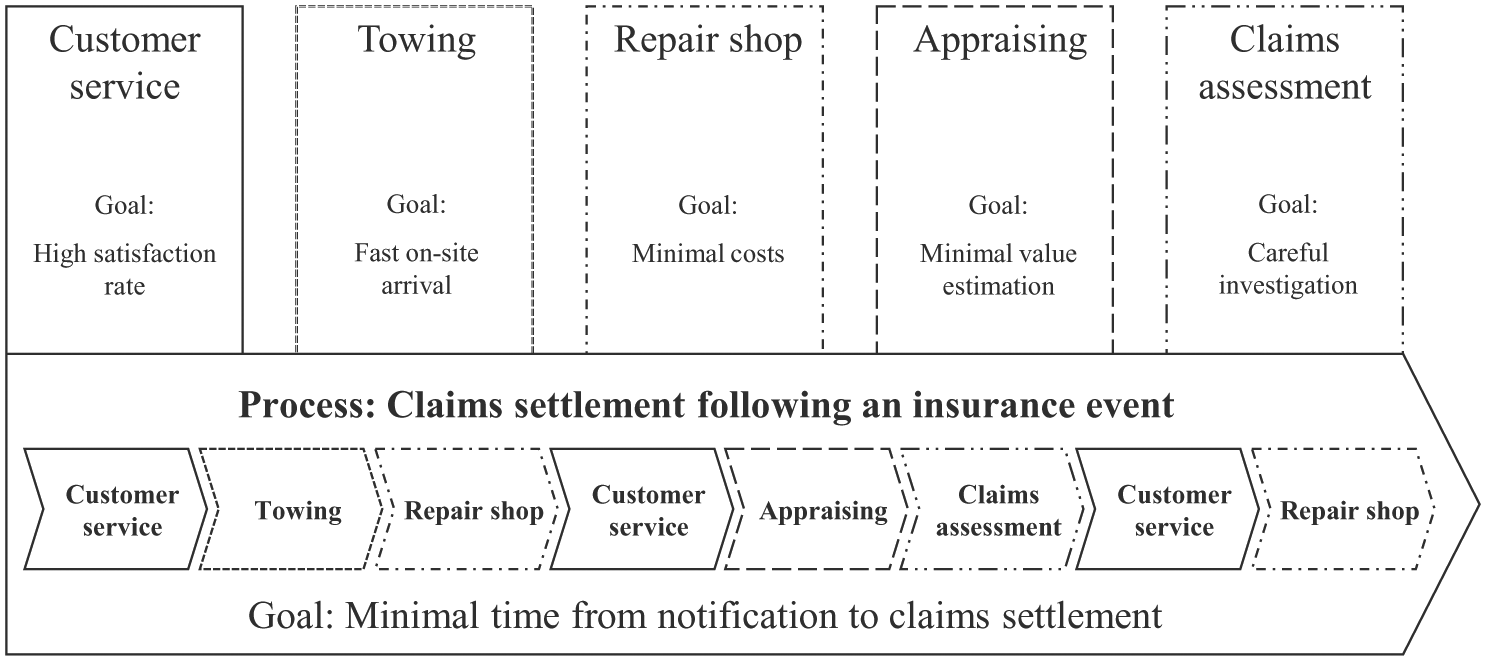
Functional versus process-oriented structuring of an organization.
From a functional perspective, Figure 1 depicts an organization that is divided into five different functions: customer service, towing, repair shop, appraising, and claims assessment. In each distinct function, employees perform tasks that are similar to the remaining tasks that are conducted within the same function, but different from the tasks that are performed in other functions (Grant, 2013). In doing so, employees, who work in the same function, strive for the same goal. For instance, people working in the call center are responsible for achieving a high customer satisfaction rate and thus perform tasks that are related to customer support (e.g. taking calls with respect to the notification of insurance events).
In contrast, with respect to process-oriented structuring (that might be implemented in addition to functional structuring; Daft et al., 2007) Figure 1 illustrates that tasks are grouped along the process “claims settlement following an insurance event.” Instead of promoting different goals per function, the organization expects that its employees focus on the process goal, which does not differ between functions. In the example here, employees in the repair shop should focus on achieving a minimal time from notification of an insurance event to claims settlement rather than on minimal costs.
From a practical perspective, both functional and process-oriented structuring have advantages and disadvantages. Realizing the potential benefits of the structural choice requires that the employees in the respective organization are committed to the goals that they should achieve and, for a process-oriented structuring, have an appropriate understanding of the business process to which they contribute by performing their tasks. For instance, one may imagine that an individual calls his insurance company to notify it of a car accident. In both function- and process-oriented organizations, a call center agent is the first contact, but there are numerous people involved thereafter (e.g. the driver of the towing vehicle who tows the vehicle to the repair shop and employees of the repair shop and of the appraisal department). Everyone has a certain function to fulfill, but the organizational structure that, if implemented well, determines whether the different individuals think and behave in a process- or a function-oriented manner makes a difference to both employees and customers. In a function-oriented organization, the call center agent would record the notification details as quickly as possible and then forward the client to the next contact person because the call center agent would strive for speed to be able to answer the next call as soon as possible. The call center agent would not feel responsible for solving the customer’s insurance event and thus would not be deeply interested in the influence of his activities on the process steps that follow. In contrast, in a process-oriented organization, the call center agent would represent the customer as the continuous contact person and would strive to support his colleagues as well as possible. During the entire process from the notification of the insurance event to the payment of the indemnification, the call center agent would be in contact with the internal and external parties involved and would act in the interest of the customer by striving to solve the customer’s problem as quickly and as well as possible. That is, the call center agent would feel responsible for the result and adapt his individual routines and procedures to be aligned with the other employees involved. Thus, utilizing a holistic perspective of the business process rather than of a single process step would require adoptions of habits and procedures.
One important predictor of successful organizational transformation from a functional to a process-oriented structure is that the employees learn to think in a process-oriented manner (Ambrosini and Bowman, 2001; Hammer and Champy, 1993; Homburg and Hocke, 1998). For example, the ability of a call center agent to develop a process-oriented perspective would be fostered by fully understanding the entire business process. This includes knowledge, for example, regarding the activities that must be performed within the process and with respect to the overall goal of the business process. Given that such knowledge is at least partly implicit (Nonaka et al., 1996; Riege and Zulpo, 2007), particularly with respect to the application of this knowledge in the given context, learning how to think in a process-oriented manner is very challenging.
Review of the literature on the effect of combining learning interventions on developing process-oriented thinking
Understanding the effectiveness of combining learning interventions for developing process-oriented thinking is important for several reasons. First, empirical evidence suggests that current learning interventions for process-oriented thinking are not sufficiently effective (Paloniemi, 2006; Tulbure, 2011). Second, some employees may be more receptive to one learning intervention (e.g. learning-by-doing), whereas other employees may be more receptive to another learning intervention (e.g. learning-by-documentation), depending on their personal abilities and background (Felder and Henriques, 1995). Third, previous research conceptually argues for the potential benefits of combining different learning interventions. For example, Brown and Duguid (1991) argued that using personal exchange in addition to (or instead of) learning-by-documentation and learning-by-doing may be valuable because this allows for individual feedback in the learning process. In addition, at the conceptual level, Billett (2002) suggested that combining different learning interventions in the workplace would be beneficial. Empirical studies in other disciplines and anecdotal evidence indicate that learning interventions are frequently used in combination by employees in the workplace (Holman et al., 2001). Koopmans et al. (2006), for example, interviewed teachers, financial service professionals, and police officers regarding the learning of daily work tasks. They found that personal exchange in work settings allows for feedback which, in turn, establishes a learning loop. However, as outlined in the introduction, empirical research investigating the effect of combining learning interventions on the learning outcome regarding process-oriented thinking is generally scarce.
A notable exception is the study by Letmathe et al. (2011). The authors experimentally investigated whether combining different learning interventions fosters the performance of learning new operational tasks in a manufacturing environment. Specifically, the authors analyzed the effects of learning interventions with regard to the transfer of explicit knowledge (based on documented knowledge), the transfer of tacit knowledge (based on learning-by-doing), autonomous learning (based on learning-by-doing), and self-observation (which appears to be similar to learning-by-doing). A second experiment analyzed the effect of learning interventions with regard to feedback (based on personal exchange) and did not explicitly focus on analyzing effectiveness of the number of learning interventions. With regard to the effectiveness of combining learning interventions, Letmathe et al. (2011) observed that using three learning interventions was more effective than using two learning interventions; however, combining four learning interventions was less effective than combining three learning interventions.
Although these findings unquestionably contribute to the literature on learning interventions by offering insights into the effects of combining learning interventions on performing observable, manual tasks, we do not know whether these findings can be transferred to the context of developing process-oriented thinking (Sadeghi et al., 2012). Our current understanding remains limited regarding the effects of combining learning interventions on performing tasks that require tacit knowledge and that are less specific. Critical approaches to management learning and education criticize the “formulaic and context-insensitive nature of management education” (Grey, 2004: 183) and the approach of traditional management education to invite “students and practitioners to acquire knowledge of relevant facts and techniques that, in principle, are of universal relevance” (Willmott, 1997: 169). Similarly, we suggest that analyses of the effects of learning interventions must consider context-specificity. Accordingly, we caution against unreflectively transferring results with respect to the effects of learning interventions obtained based on the performance of operational tasks to tasks that require tacit knowledge and that are less specific (e.g. to a context in which process-oriented thinking must be learned). Due to the increased tendency of organizations to transform from a function- to a process-oriented organizational structure, the question whether the findings of Letmathe et al. (2011) can be directly transferred to the context of developing process-oriented thinking is highly relevant to both researchers and practitioners.
Connections of developing process-oriented thinking with the management learning literature
The research question of whether combining learning interventions contributes to increase the positive effect on learning process-oriented thinking is directly connected with the management learning literature. On the one hand, knowledge transfer, that is, “learning indirectly from the experience of others” (Argote and Miron-Spektor, 2011), appears to be crucial for successfully shifting from a functional structure to a process-oriented structure. Such a transformation of the organizational structure requires the spread of process-oriented thinking; that is, the ability to think in a process-oriented manner must be spread to every employee in an organization. On the other hand, the literature on organizational memory appears to be of particular importance here because “most discussions of organizational memory cite individuals as a key repository of organizational knowledge” (Argote, 2013: 91) and previous research highlights that individuals dispose of both declarative and procedural memories (e.g. Cohen and Bacdayan, 1994). As previously noted, to successfully shift an organization from a function- to a process-oriented structure, employees must learn how to think in a process-oriented manner. Thus, the organizational knowledge required for organizational transformations from function- to process-oriented structures is primarily stored in employees (i.e. individuals). Additionally, because learning process-oriented thinking at least partly relates to implicit knowledge, both declarative and procedural memories appear to be important in this context. Given the different properties of declarative memory (i.e. memory related to knowledge about facts—“know what,” cf. Argote, 2013: 49) and procedural memory (i.e. memory related to knowledge of procedures—“know how,” cf. Argote, 2013: 49), one may argue that combining distinct learning interventions is necessary to address both memories at the same time, thus optimizing knowledge transfer and, subsequently, the learning outcome.
In accordance with this argumentation, we assume that combining learning interventions is generally beneficial. However, based on the cognitive load theory (Sweller et al., 2011), we assume that this beneficial effect of implementing more than one learning intervention is subject to a saturation effect. That is, we argue that implementing more than one learning intervention is beneficial with regard to learning process-oriented thinking because some learners may be more receptive to a specific learning intervention but others may be more receptive to other learning interventions. However, combining too many learning interventions may result in a saturation effect (i.e. when a specific (but so far unknown) limit with respect to the number of learning interventions is exceeded, adding another learning intervention does not additionally contribute to strengthening the learning outcome). We expect this saturation effect because implementing too many learning interventions at the same time may exceed the cognitive load capacity of the working memory; knowledge gained during the learning process is stored in the working memory (Ayres and Paas, 2012). We assume that combining different learning interventions results in a deeper understanding and thus in a better learning outcome; however, we argue that the use of too many simultaneous learning interventions may have negative effects because of an overload of working memory capacity that may hamper the learning effect.
Research proposition
Therefore, the following research proposition is derived:
The number of applied learning interventions generally positively influences the success of developing process-oriented thinking; however, combining too many learning interventions results in a saturation effect.
Data and method
Experimental design
To analyze the causal effects of the number of learning interventions on the performance of process-oriented thinking, we used an experimental design. In a questionnaire, participants were asked to perform a task requiring process-oriented thinking. Specifically, participants had to (1) serialize 12 predetermined activities, (2) assign some or all of several predetermined roles to the serialized activities, and (3) determine meaningful and consistent process goals.
The treatment consisted of using a different number of learning interventions prior to asking participants to perform a related task. The first group served as the control group and received no learning intervention. The second group was given one learning intervention (i.e. learning-by-documentation or learning-by-doing). The third group received a combination of two learning interventions (i.e. a combination of learning-by-documentation and learning-by-doing, a combination of learning-by-documentation and personal exchange, or a combination of learning-by-doing and personal exchange), and the fourth group received a combination of three learning interventions (i.e. a combination of learning-by-documentation, learning-by-doing, and personal exchange).
We did not include a group with personal exchange as a single learning intervention because personal exchange cannot take place without the presence of another learning intervention. Personal exchange only makes sense if participants have something they can talk about. In other words, participants must have some information that can be gained through learning-by-documentation, learning-by-doing, or both. This reasoning agrees with empirical observations that personal exchange is typically combined with other learning interventions in the workplace and, therefore, should be used jointly to train employees (Gherardi et al., 1998; Holman et al., 2001; Koopmans et al., 2006).
Material and measures 2
Independent measure
The independent variable in this study was the number of learning interventions used (i.e. one, two, three, none). Specifically, we implemented learning interventions designed to enable people to learn tacit knowledge (Lam, 2000): (1) personal exchange (Nonaka, 1994; Snowden, 1998), (2) learning-by-doing (Earl and Scott, 1999; Levitt and March, 1988), and (3) usage of explicit knowledge, for example, documented knowledge (Nonaka, 1991).
Learning-by-doing was implemented by instructing participants to perform a process-oriented task similar to a problem they later would be asked to solve. The sample process used for this purpose was loan processing. We expected this context to be familiar to the participants because they were all management students and most had professional experience in the banking sector. We asked the participants to serialize predetermined activities for the sample process, assign predetermined roles to some or all of these activities, and determine process goals. For each of these sub-tasks, we provided a best practice solution; that is, as part of the learning-by-doing intervention, participants received feedback after the completion of each of these sub-tasks.
Learning-by-documentation was implemented by instructing participants to read a text on the main differences between function- and process-oriented thinking and to consider thoroughly a figure illustrating the final model of the loan process. This model displayed the best practice solution for the sequence of activities, the roles assigned to these activities, and the process goals without the steps given in the learning-by-doing intervention.
In the personal exchange intervention, participants were instructed to exchange their process management knowledge (which they had gained by working through learning-by-doing, learning-by-documentation, or learning-by-doing and learning-by-documentation) with another participant for no more than 5 minutes.
The learning-by-doing and learning-by-documentation interventions were implemented either in isolation or in combination with the other learning interventions, including personal exchange. Accordingly, the number of learning interventions varied between zero and three. The first group (i.e. number of learning interventions = 0) was the control condition, where participants were instructed to perform the final task without first having received any of the learning interventions. The second group (i.e. number of learning interventions = 1) comprised participants who had received either the learning-by-doing intervention or the learning-by-documentation intervention. The third group (i.e. number of learning interventions = 2) consisted of participants who had received a combination of documented knowledge with the learning-by-doing intervention, a combination of documented knowledge with the personal exchange intervention, or a combination of learning-by-doing with the personal exchange intervention. In the fourth group (i.e. number of learning interventions = 3), the three learning interventions were applied in combination.
Dependent measures
Process orientation “means focusing on business processes rather than emphasizing functional structure or hierarchy” (Kohlbacher and Gruenwald, 2011: 268). Accordingly, when talking about developing process-oriented thinking, we refer to learning the tasks of (1) determining the sequence of activities within a business process, (2) assigning roles to the activities, and (3) defining process goals (Hammer and Champy, 1993; Kugeler and Vieting, 2011). Thus, to assess our dependent measures, we evaluated participants’ success in (1) performing the task of serializing several predetermined activities, (2) assigning roles to these activities, and (3) assigning process goals for the process. In addition to these sub-performance measures, we assessed the overall performance of process-oriented thinking as the fourth dependent variable.
Participants were instructed to design a process for handling exams in universities. The reason for choosing this specific process was that students regularly face this process during their studies. In the first step, participants were confronted with 12 predetermined activities that they had to serialize in a logical manner. To assess our first dependent variable (performance with regard to activities), we defined a best practice process that served as a benchmark. Previous research recommends using a best practice process as a benchmark for determining the performance of specific business processes (Hanafizadeh et al., 2009; Reijers and Mansar, 2005; Zairi, 1997). To define our best practice process, we primarily considered the logic behind the activities included in the process (Reijers and Mansar, 2005). To do so, we also performed several in-depth discussions with experts in the field of process management (note that this procedure is similar to the procedure used by Letmathe et al. (2011), who used expert assessments to evaluate participants’ process results). Deviations from the previously defined best practice were measured by a conformance testing technique that is regularly used in process mining. Specifically, the fit of the observed process (i.e. the process that has been defined by participants by serializing the predetermined activities) with the best practice process was determined, and these deviations as well as their effects were measured. This process resulted in performance scores between 0 (solution of participant does not match the best practice process at all) and 1 (solution of participant exactly matches the best practice process). For example, an observed sequence of activities that matches part of a best process sequence of the same activities tends to increase performance even if the observed sequence is only partially identical to the best practice sequence (Rozinat and Van der Aalst, 2005).
Our second dependent variable was performance with regard to roles. This variable was defined as the mean of three sub-dimensions and ranged from 0 to 1. To measure performance with regard to roles, we provided five predetermined roles that participants had to assign to the 12 activities they had previously sequenced. We analyzed three sub-dimensions of this variable. First, using a predefined solution, 3 we investigated whether roles had been correctly assigned. For each role that had been assigned exactly as defined in the best practice solution, participants received 1 point; for each role that had been assigned in another reasonable way, participants received 0.5 point. The points that participants received were added together and then divided by 12 (because the process comprised 12 activities that had to be related to one of the five predetermined roles). Second, we determined the percentages of the number of roles out of the five that were used in total. As one should generally strive for a low number of roles, we subtracted the resulting percentage from 1 to determine the performance score for this sub-variable. Third, we identified the number of interfaces between the assigned roles of the process. The number of interfaces was then divided by the maximum number of interfaces available in the process (i.e. it was divided by 11, because the process encompassed 12 activities, making 11 interfaces possible). We subtracted the resulting percentage from 1 because a higher number of interfaces generally lead to poorer results, as there are more handovers, which might lead to a loss in terms of communication and idle time (Kugeler and Vieting, 2011).
The third dependent variable was performance with regard to goals. To measure this variable, we instructed our participants to formulate process goals and assign them to the activities. In contrast to the sub-tasks discussed above, these goals were not predetermined but had to be determined by the participants. Either goals could be assigned to a single activity, or the same goal could be assigned to multiple activities, thereby allowing participants to determine both multi-activity goals and comprehensive process goals. The performance scores for this dependent variable were determined in the same way as the performance scores of the dependent variable performance with regard to roles. First, we analyzed to what degree goals had been assigned to activities (as a percentage). Second, we investigated the number of goals that were reasonable. Third, we analyzed whether the goals suggested by our participants contradicted the generic process goals “time, costs, and quality” (Lee and Dale, 1998). Our dependent variable performance with regard to goals was defined as the mean of the three aforementioned dimensions, again resulting in performance scores between 0 and 1.
The fourth dependent measure, overall performance of process-oriented thinking, relates to the overall success of subjects in performing the task. Performance scores of the three sub-tasks served as a basis for this measure. Specifically, the overall performance of process-oriented thinking was determined by calculating the mean of the three sub-performance scores (i.e. of the scores regarding performance with regard to activities, roles, and goals).
Participants and procedure
In total, 304 management students participated in our study: 285 undergraduate management students and 19 graduate management students. Our sample consisted of 163 men (53.6%), 138 women (45.4%), and 3 participants who did not indicate their sex (1.0%). The mean age was 22.33 years (standard deviation (SD) = 3.38, Min = 18, Max = 50, N = 299 because five participants did not indicate their age). Because the study was conducted at a private university at which students typically have had prior professional experience, the majority of the participants (n = 248) had already gained at least some professional experience (M = 31.18 months, SD = 32.66, Min = 0, Max = 234, n = 269).
Participants were instructed to thoroughly read the instructions, vividly imagine the situation, and perform the task. After finishing the task, participants were asked to provide further information about themselves, including demographic details. Participation in the study was voluntary, and participants were not remunerated.
Data analysis
The research proposition was tested using one-way analyses of variance (ANOVAs), with the number of learning interventions (i.e. zero to three) as the independent variable. The influence of the number of learning interventions was analyzed for overall performance of process-oriented thinking and for performance with regard to activities, roles, and goals. To test whether the performance differences between the three experimental groups were significant, we applied the Games–Howell post hoc test (if variances were heterogeneous) or Tukey’s Honestly Significant Difference (HSD) post hoc test (if variances were homogeneous).
Results
Descriptive statistics
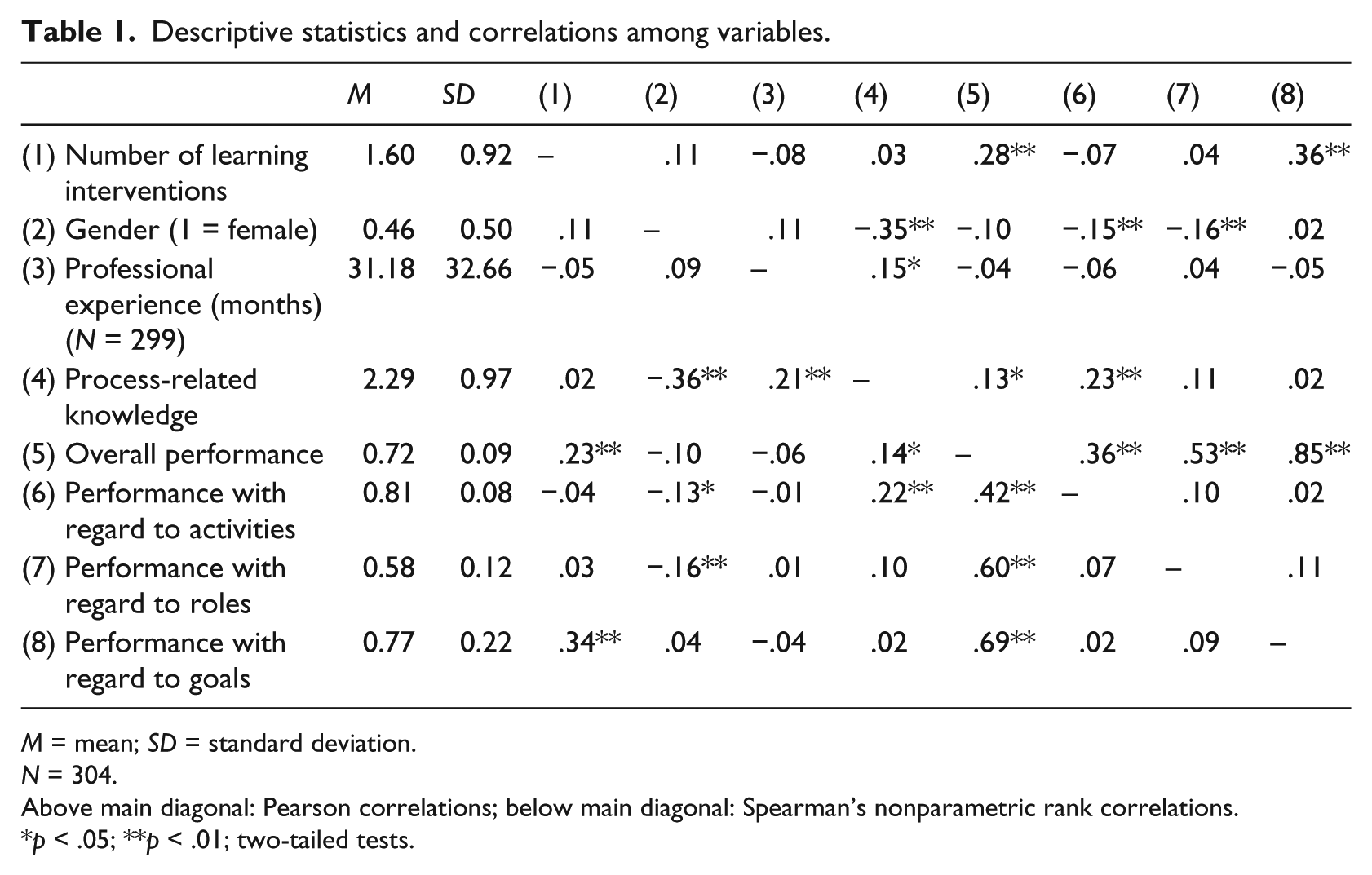
Table 1 contains descriptive statistics and correlations among variables.
Descriptive statistics and correlations among variables.
M = mean; SD = standard deviation.
N = 304.
Above main diagonal: Pearson correlations; below main diagonal: Spearman’s nonparametric rank correlations.
p < .05; **p < .01; two-tailed tests.
The number of learning interventions was positively correlated with overall performance of process-oriented thinking (r = .28, p < .01) and performance with regard to goals (r = .36, p < .01). The correlation was not significant between the number of learning interventions and performance with regard to activities (r = −.07, ns), nor was the correlation significant between number of learning interventions and performance with regard to roles (r = .04, ns).
Experimental results
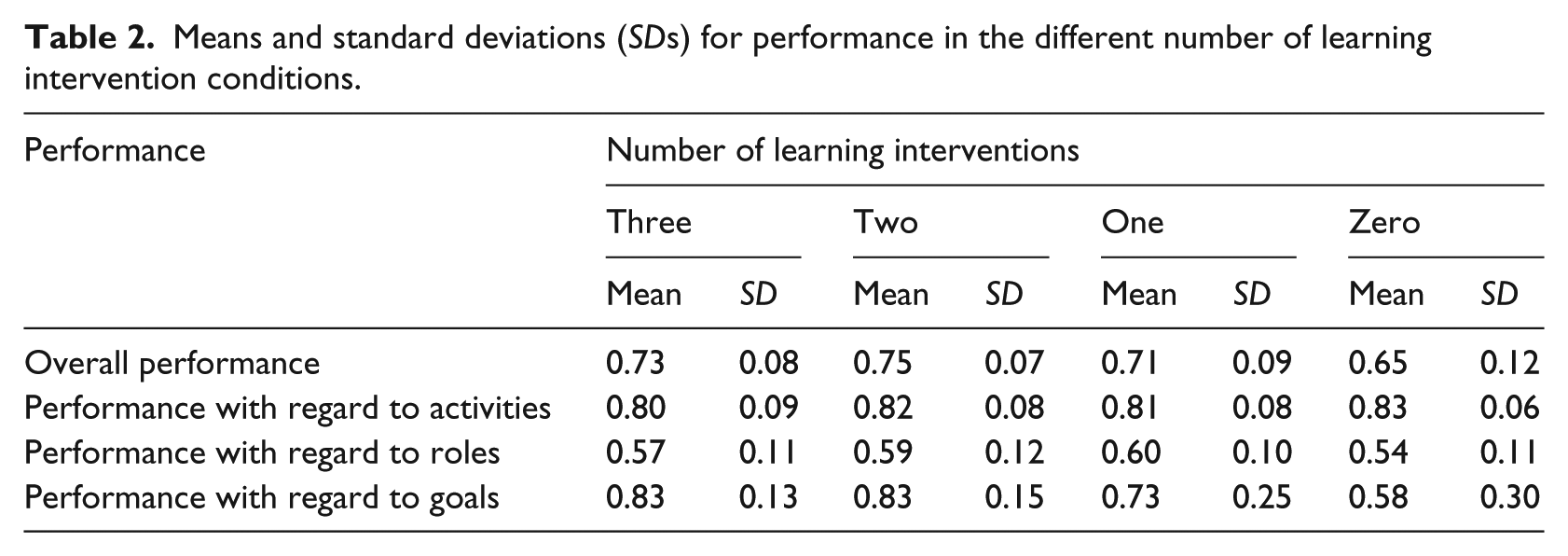
Mean values and SDs of the performance scores in the sub-samples of the different experimental conditions are reported in Table 2.
Means and standard deviations (SDs) for performance in the different number of learning intervention conditions.
The results of the ANOVA with the number of learning interventions as the independent variable showed a small (but statistically significant) effect of the number of learning interventions on the overall performance of developing process-oriented thinking, F(3, 300) = 13.92, p < .001. Similarly, a significant influence of the number of learning interventions on the performance with regard to roles, F(3, 300) = 4.41, p < .01, and with regard to goals, F(3, 300) = 18.34, p < .001, was observed. However, the number of learning interventions did not significantly influence performance with regard to activities, F(3, 300) = 1.75, ns.
The research proposition that a higher number of learning interventions generally positively influence the success of developing process-oriented thinking, but that this effect is subject to a saturation effect, was supported with regard to the overall performance of learning process-oriented thinking. Although the overall performance of process-oriented thinking increased to two learning interventions, it dropped slightly with three learning interventions. Overall performance of process-oriented thinking was highest in the experimental condition where two learning interventions were used (M = 0.75, SD = 0.07) compared to the conditions where three learning interventions (M = 0.73, SD = 0.08), one learning intervention (M = 0.71, SD = 0.09) and no learning intervention (M = 0.65, SD = 0.12) was used.
Implementing two learning interventions was significantly more effective than implementing only one (Games–Howell post hoc test, p < .03) or no (Games–Howell post hoc test, p < .001) learning intervention. Additionally, implementing a single learning intervention (Games–Howell post hoc test, p < .02) or three learning interventions (Games–Howell post hoc test, p < .01) was more effective than implementing no learning intervention. Supporting the second part of our research proposition, we observed no significant difference between one and three learning interventions (Games–Howell post hoc test, ns) and observed no significant difference between two and three learning interventions (Games–Howell post hoc test, ns).
This pattern of results was not completely replicated for the sub-performance measures (i.e. serializing predetermined activities, assignment of roles, and assignment of goals). The results for performance with regard to goals were slightly different from the results with regard to overall performance; performance of process-oriented thinking with regard to goals was highest when either three (M = 0.83, SD = 0.13) or two (M = 0.83, SD = 0.15) learning interventions were used, compared to the one learning intervention condition (M = 0.73, SD = 0.25) and the control condition (M = 0.58, SD = 0.30). Interestingly, performance with regard to activities was slightly higher in the control condition (M = 0.83, SD = 0.06) than in the two learning intervention (M = 0.82, SD = 0.08), one learning intervention (M = 0.81, SD = 0.08), and three learning intervention (M = 0.80, SD = 0.10) conditions. Performance with regard to roles was lowest when no learning intervention was used (M = 0.54, SD = 0.11). However, applying only one learning intervention (M = 0.60, SD = 0.10) contributed to performance with regard to roles slightly more than implementing two learning interventions (M = 0.59, SD = 0.12) and both more than three learning interventions (M = 0.57, SD = 0.12).
Contradicting our research proposition, there was no statistically significant difference between the numbers of learning interventions with regard to the success of serializing predetermined activities (Tukey’s HSD post hoc test, ns). Additionally, with regard to the success of the assignment of roles, applying one learning intervention (Tukey’s HSD post hoc test, p < .03) or two learning interventions (Tukey’s HSD post hoc test, p < .03) was significantly better in terms of the performance with regard to roles than using no learning intervention. However, there was no significant difference between three and two, three and one, as well as three and zero learning interventions. Concerning the performance with regard to goals, we observed that using three learning interventions was more effective than implementing one (Games–Howell post hoc test, p < .04) or no (Games–Howell post hoc test, p < .001) learning intervention. Implementing three learning interventions was not superior to using two learning interventions (Games–Howell post hoc test, ns). Using two learning interventions was significantly better than implementing one (Games–Howell post hoc test, p < .01) or no (Games–Howell post hoc test, p < .001) learning intervention, and using one learning intervention was more effective than implementing no learning intervention (Games–Howell post hoc test, p < .001). Figure 2 summarizes the results.
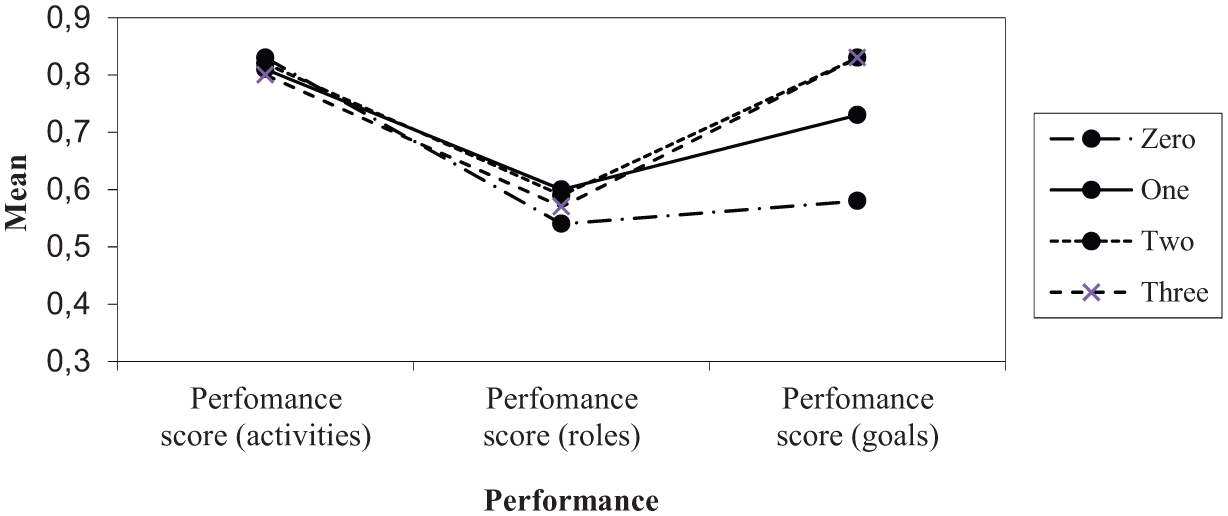
Performance in the different number of learning intervention conditions.
Discussion
The purpose of this research was to determine whether combining learning interventions improved the learning of process-oriented thinking. Specifically, we investigated the effect of implementing no versus one versus two versus three learning interventions on the success of learning process-oriented thinking. Overall, the results confirmed our research proposition. We found that, although implementing two learning interventions is beneficial with regard to learning process-oriented thinking, combining three learning interventions does not additionally contribute to strengthening the learning outcome. Knowledge gained during the learning process is stored in working memory (Paas et al., 2003). Therefore, this saturation effect may be explained by the fact that implementing too many learning interventions at the same time may exceed the cognitive load capacity of working memory, which may, in turn, hamper the learning effect (Ayres and Paas, 2012).
With regard to the performance sub-measures, our findings did not fully confirm our research proposition. We observed that using a combination of learning interventions was not always better for developing process-oriented thinking than was the use of single interventions. Our research proposition that the number of learning interventions would, in general, be positively related to the success of developing process-oriented thinking but that there would be a saturation effect was confirmed for performance with regard to goal assignment. However, our research proposition was not confirmed for the other two performance sub-measures. The number of learning interventions did not affect the success of serializing predetermined activities. Similarly, one and two learning interventions had the same effect on the success of assigning predetermined roles to the activities and were superior in comparison with three learning interventions. These findings may also be explained by cognitive load theory; one may argue that the cognitive load caused by learning process-oriented thinking differs with regard to activities, roles, and goals. Because of differences in the level of freedom, it appears reasonable to assume that the cognitive load resulting from assigning goals was highest, followed by the cognitive load caused by assigning roles, and with the lowest cognitive load resulting from serializing activities. The task of assigning goals to the predetermined activities was relatively unstructured (cf. Leyer and Wollersheim, 2013). This was because, as opposed to the other two tasks, the goals were not provided, but instead required suggestions by the participants. Therefore, the task of assigning goals to the predetermined activities required a deep understanding of process-oriented thinking (and thus presumably a high cognitive load) by the participants who had to transfer their knowledge to a new situation. Against this background, it appears plausible that our findings indicated that combining learning interventions may be useful for fostering learning of the goal assignment task, which was far more challenging than the tasks of serializing predetermined activities or assigning roles. Overall, our findings indicated that the more structured the tasks were, the less useful the combination of learning interventions appeared to be. For the relatively easy task of serializing predetermined activities, applying learning interventions had no benefits at all. 4 However, for the more challenging task of assigning some or all of several predetermined roles to the serialized activities, applying a single learning intervention appeared to be useful, although implementing more than one learning intervention did not further influence the learning outcome.
In summary, our results indicated that using two learning interventions may be useful for acquiring process-oriented thinking. Specifically, two different learning interventions should be combined for more complex tasks such as the assignment of goals to activities.
Limitations
There are several limitations to this study. First, we used an experimental design to address our research question. Experimental designs are often criticized as having limited external validity. However, empirical evidence based on meta-analyses points to the fact that effect sizes observed in the laboratory are correlated with effect sizes observed in the field, “suggesting a high degree of generalizability from laboratory to field (Anderson et al., 1999; Cohen-Charash and Spector, 2001)” (Gary and Wood, 2011: 588). Additionally, experiments are advantageous because they offer the possibility to draw causal conclusions (Bono and McNamara, 2011; Croson et al., 2007). Specifically, our study’s experimental design enabled us to manipulate the number of learning interventions and to study their causal effect on learning process-oriented thinking. Thus, contrary to nonexperimental research designs, our experimental research design allowed us to solely manipulate the number of learning interventions while holding everything else constant; this ensured that the potential confounding effects of other variables could be eliminated. Based on this, experimental studies such as ours appear to be valuable complements to field studies, which unquestionably provide higher external validity but do not, however, enjoy the benefits realized from experiments. Second and closely related, we instructed our participants to put themselves into a hypothetical situation rather than observing them in a real-world setting. However, given that our study was the first to analyze the relation between the number of learning interventions and the development of process-oriented thinking, this research takes an important step toward a better understanding of some causal effects. Third, to simulate personal exchange, we instructed our participants to discuss with each other rather than initiating discussions with more experienced individuals, and we limited this discussion to 5 minutes. 5 One may argue that, in practice, exchanges with more experienced individuals (e.g. with trainers or mentors) are much more common. However, sharing knowledge between individuals of the same experience level also regularly occurs. Particularly in organizational change situations, personal exchange at the same experience level may be a valuable addition to personal exchange that organizations intentionally initiate, for instance, by implementing mentoring programs or by tasking professional trainers with implementing the change in the thinking approach of employees to a process orientation. Similarly, limiting the discussion to 5 minutes represents a limitation of our study. Although one may argue that individuals in organizations often face severe time constraints and thus must use small time gaps, for example, between different meetings to discuss with each other, it appears very likely that organizations would arrange much longer meetings for personal exchange should they decide to implement this learning intervention. Fourth, our measures may be considered as being limited in the following three ways. On the one hand, our measures relate solely to process correctness and thus to process efficiency. By focusing on process efficiency, we aimed at neglecting context-related normative goals such as fairness in exam marking. Instead of focusing on context-related normative goals, we intentionally used context-independent measures that bear the advantage of a higher generalizability. On the other hand, measuring performance with regard to roles, we propose that a higher number of interfaces are generally dysfunctional because a higher number of handovers may lead, for example, to a loss of communication. Although this proposal is, in general, valid from a process management perspective, one may argue that passing between roles is occasionally unavoidable. For example, in a typical examination process, students must to pass their exam papers to the examiner. To be able to measure performance with regard to roles in accordance with the process management literature, we did not incorporate activities such as passing the exam into the process under investigation in our study (therefore, we neither differentiated between an examiner and a moderator nor included the role of students in our process). Instead, although we acknowledge that several additional activities could be added to the process under investigation to better reflect reality, we chose a level of abstraction that allowed participants to solve the ordering of several predetermined activities and so on to create an ideal process. Closely related, one may argue that the effects of learning interventions that we observe in our study, despite their significance, are relatively small. However, even small effects may have great impact in reality (Harter et al., 2002). Fifth, we focused on one specific business process, namely, how examinations should be handled at universities. We chose this process because we wanted to provide our participants a familiar situation to maximize their ability to understand the scenario. Sixth, we used one best practice solution as a benchmark for evaluating the performance of serializing the predetermined activities in our study. There may be alternative solutions for solving the task of ordering the predetermined activities. To ensure the quality of our best practice solution, we discussed it with the persons responsible for handling exams at the business school where we collected our data. Additionally, we solicited in-depth feedback from Six Sigma Experts before we started our data collection, and we used a conformance testing technique that enabled us to precisely determine any deviations from the best practice solution.
Implications for theory
Our study contributes to the literature on organizational learning (Argote, 2011) and change in the following ways. First, our study particularly contributes to the sparse empirical literature on organizations’ transformations from a function to a process orientation. Although the existing empirical studies provide valuable contributions to this research field (Kohlbacher and Reijers, 2013; Leyer and Wollersheim, 2013; McNulty and Ferlie, 2004), to date there are few insights into the causal relation between the number of applied learning interventions and the progress regarding developing process-oriented thinking. Because developing process-oriented thinking requires the acquisition of tacit knowledge and because knowledge regarding the combination of learning interventions is context-dependent, findings from other disciplines regarding the joint effects of combined learning interventions were not transferable to this study. Our study addressed this particular research gap by investigating the influence of combining learning interventions on the acquisition of process-oriented thinking. Specifically, the finding that using more learning interventions is not always better is a valuable contribution to the literature.
Second, we found that the number of learning interventions in general positively influenced the overall performance of process-oriented thinking, but that this positive effect was subject to a saturation effect. This finding contributes to our knowledge of knowledge transfer because previous research on knowledge transfer suggests that increasing the number of knowledge transfer methods positively influences the ease of knowledge transfer (Almeida et al., 2002) but does not consider potential saturation effects. Given that the learning interventions applied in our study represent examples for knowledge transfer methods, our finding that combining three (as compared to two) learning interventions did not additionally increase the learning outcome may stimulate future research to complement existing studies by performing more fine-grained analyses.
Third, our study contributes to research on organizational memory by illuminating individuals as repositories of organizational memory (cf. Argote, 2013) and, in particular, the different effects of combining learning interventions in tasks that primarily rely on procedural versus declarative knowledge. In accordance with “most discussions of organizational memory [that] cite individuals as a key repository of organizational knowledge” (Argote, 2013: 91), we analyzed learning of process-oriented thinking (i.e. of a phenomenon with performance implications for the organization) at the individual level. Specifically, we illuminate the question which number of learning interventions is suitable for learning process-oriented thinking. Previous research studied the effect of the number of learning interventions on the performance of learning new operational tasks in a manufacturing environment (Letmathe et al., 2011), thereby considering the learning of “know what” (Argote, 2013: 49) rather than the learning of “know how” (Argote, 2013: 49). Our results generally confirm the finding by Letmathe et al. (2011) that increasing the number of learning interventions is beneficial to a certain extent, but that the positive effect of combining learning interventions is subject to a saturation effect. Notably, however, our results indicate that this saturation effect occurs earlier when learning “know how.” Whereas Letmathe et al. (2011) observed that combining four learning interventions was less effective than combining three learning interventions with regard to the performance of learning new operational tasks, we found combining three learning interventions was not better than combining two learning interventions. Although we did not use exactly the same learning types as Letmathe et al. (2011), one may argue that the cognitive overload is higher for learning process-oriented thinking (i.e. primarily procedural knowledge) than for performing new operational tasks (which primarily includes declarative knowledge), therefore, a cognitive overload occurs earlier.
Finally—and closely related—one might argue that our results contribute to the critical approaches to management learning and education. Critical approaches to management learning and education, among other things, highlight the “messy, irrational complexity” (Grey, 2004: 183) that is prevalent in real-life situations and note that learning does not occur in a sequential planned process (Corlett, 2012; Cuncliffe, 2002). On the one hand, such critical approaches suggest that the context-specificity is of crucial importance in analyses with respect to the effect of learning interventions; on the other hand, such critical approaches in turn indirectly suggest that empirically analyzing the effect of combining different types of learning interventions might be problematic. Although we adopt an empirical approach, our findings speak to the critical approach to management learning and education to a certain extent (1) by demonstrating that simply transferring results with respect to the effect of learning interventions from one context to another might be inappropriate and (2) by suggesting that the effect of combining learning interventions differs depending on knowledge type (i.e. “know what” versus “know how”).
Implications for practice
The learning interventions investigated in our study are comparably easy to implement or foster in practice. As these learning interventions, at least in part, are frequently used informally in organizations, knowledge regarding their joint effects is helpful for practitioners who are responsible for implementing structural changes in organizations. Our finding that combining learning interventions can improve the acquisition of process-oriented thinking implies that an organization should not rely on one approach but instead should carefully consider combining different learning interventions. In general, one may argue that personal exchange is always present to a certain extent and thus should be relied on as a supplement to either learning-by-doing or learning-by-documentation. Organizations that decide to combine personal exchange with another learning intervention could, for instance, intentionally foster personal exchange by organizing informal meetings for its employees. In addition to organizing informal meetings such as team events, organizations may open sites such as cafeterias because such sites generally improve the internal communication in organizations (cf. Wilkens et al., 2007) and presumably offer room for personal exchange, and thus for reflecting on the knowledge gained. To foster personal exchange, organizations may also organize formal meetings for employees collaborating on the same process. Such formal meetings should be moderated by the related process manager and should aim at identifying issues counteracting the idea of process-oriented thinking (Mefford, 1993). One may argue that such a moderated personal exchange fosters a shared understanding of employees across different functions and thus process-oriented thinking. Additionally, such a moderated personal exchange may serve as a starting point for implementing improvements and for establishing new projects within the related processes (Bhasin, 2011). Finally, given that there are suitable reasons to assume that personal exchange with an experienced mentor or trainer is even more promising with regard to the acquisition of process-oriented thinking, organizations could intentionally initiate personal exchange between employees and more experienced trainers or mentors. To do this, for instance, organizations could implement mentoring programs or task professional coaches or trainers with implementing the change in the thinking approach of employees of a process orientation.
Furthermore, to foster knowledge transfer as a prerequisite for developing process-oriented thinking, organizations could systematically implement a combination of learning-by-documentation and learning-by-doing. For example, learning-by-documentation may be implemented by developing learning material that describes the general idea of process-oriented thinking based on a hypothetical process within the domain of the specific organization. Such learning material could be widely spread among employees in a first step. To complement this learning intervention, which imparts explicit knowledge, learning-by-doing could be implemented by establishing specific training sessions in which employees are instructed to put themselves in a hypothetical situation, for example, using role plays (Börner et al., 2012), thus fostering a deeper understanding of process orientation.
Future research
Future research is required to address the limitations of this study. Specifically, future research should replicate this study using another business process that is familiar to the participants. Similarly, because the varying complexity of the three sub-tasks in this study appeared to influence the findings, future research might replicate the study while varying the degree of structural information that is provided to the participants. By transferring the research to business processes in different contexts and by varying the degree of structural information given to the participants, future research could determine the generalizability of our results.
In addition, field experiments might be a fruitful avenue for future research. Analyzing the effects of combining learning interventions on the success of developing process-oriented thinking in a real-world setting would allow more complex business processes to be analyzed. We anticipate that our results would be generalizable to real-world settings and that the effectiveness of combining learning interventions would be even more pronounced. The reason for this assumption is that employees who might fear losing their jobs due to an organizational transformation from a function- to a process-oriented structure might take the learning interventions more seriously than do students in an experimental study.
Finally, future research should analyze whether and how the effectiveness of combining learning interventions can be further strengthened. For example, one might investigate whether specific variables (e.g. incentives that might be introduced to speed up the organizational change process) moderate the relationship between the combination of learning interventions and the success of developing process-oriented thinking.
In summary, although our research allowed us to conclude that combining learning interventions may be effective for developing process-oriented thinking, further research is urgently needed regarding how organizations can optimize the development of process-oriented thinking in employees.
Footnotes
Acknowledgements
Both authors Jutta Wollersheim and Michael Leyer contributed equally to this work and should be considered co-first authors. The authors thank the two anonymous reviewers of Management Learning and the Editor Eugene Sadler-Smith. Their comments and suggestions were extremely helpful in strengthening the manuscript. Parts of the project were completed while Jutta Wollersheim was a Visiting Research Scholar in the Center for Organizational Learning, Innovation and Knowledge at the Tepper School of Business, Carnegie Mellon University. Jutta Wollersheim would like to thank the faculty in the Organizational Behavior and Theory area and Linda Argote in particular for their excellent support.
Funding
This research received no specific grant from any funding agency in the public, commercial, or not-for-profit sectors.