



Abstract
Tourism is one of the most vulnerable sectors to pandemics. The number of cases and deaths caused by the pandemic directly affects travel decisions. Answering how the public perception of the pandemics affects visitor behaviour can provide important implications for the new normal in tourism. In this context, this paper investigates the impact of global pandemic uncertainty and pandemic discussion on visitor arrivals to the United States from the top 25 origin countries over the period 1999–2020. Non-quantile and quantile panel estimators are employed for heterogeneity and short–long run findings. Accordingly, in the short run, global pandemic uncertainty negatively affects visitor behaviour. However, the pandemic discussion does not have a significant effect. In the long run, pandemic uncertainty and pandemic discussion negatively affect tourist arrivals in all quantiles.
Keywords
Introduction
Tourism is one of the most vulnerable sectors to global economic and financial crises, recession, terrorism, political shocks, natural disasters, epidemics and pandemics (Collins-Kreiner and Ram, 2020; Hu et al., 2021). September 11, Hurricane Katrina, foot and mouth disease, severe acute respiratory syndrome (SARS), Middle East Respiratory Syndrome (MERS) and the Indian Ocean Tsunami caused great damage to the tourism industry (Henderson, 2007; Kuo et al., 2008; Shi and Li, 2017a). However, with the emergence of the newly circulating novel coronavirus (COVID-19) in recent years, all aspects of economic and social life have been affected, resulting in extraordinary uncertainty and risks to the tourism industry (Foroudi et al., 2021; Li et al., 2021). Many governments imposed quarantine, social distancing and lockdown policies to contain the pandemic (Pham et al., 2021). Some countries closed their borders, limiting the mobility of their residents. Airlines halted flights, hotels, entertainment complexes, and restaurants closed, sporting events were cancelled and travel agencies and tour operators ceased operations (Qiu et al., 2021; Villacé-Molinero et al., 2021). Compared to previous natural disasters, terrorist attacks, global crises and shocks such as SARS or MERS, COVID-19 has caused devastation to the tourism industry that outweighs all the crises combined (Le and Phi, 2021). Moreover, COVID-19 is expressed as a mixture of natural disasters, socio-political crises, economic/financial crises and tourism crises (Itani and Hollebeek, 2021). Recent studies confirm the negative effect of COVID-19 on the tourism and travel industries at the country, regional and global level (Duro et al., 2021; Foo et al., 2020; Polyzos et al., 2021; Škare et al., 2021).
When the number of cases and deaths decreases, governments loosen restrictions, tourists’ risk perception decreases and travel and tourism demand quickly returns (Le and Phi, 2021). Similarly, there is a positive atmosphere for the travel and tourism industry in the USA and many countries, with vaccine developments and the stagnation of COVID-19 cases and deaths in some periods (Hsieh et al., 2021). Also, the implementation of new hygiene protocols in hotels, restaurants and entertainment complexes against pandemics, travel measures of governments, innovative services of hotels and crisis management processes are effective in the revival of the tourism industry (Jiang and Wen, 2020; Liu and Yang, 2021; Yacoub and ElHajjar, 2021; Yu et al., 2021). However, as seen in the COVID-19 outbreak, the continued uncertainty and debate about pandemics and the resurgence of infection from a stable state can significantly impact visitor behaviour in the short and long run. While previous research studies have provided evidence for the negative impact of outbreaks (cases and deaths) on tourism/tourism demand (Karabulut et al., 2020), to the best of the authors' knowledge, there is a research gap concerning the impact of global pandemic uncertainty and discussion on tourism demand (Uzuner and Ghosh, 2020). There is also a lack of research on how the dynamics of pandemics may change over time, changing tourist perceptions and expectations (Hu et al., 2021). Focusing on the research need, this paper aims to examine the impact of global pandemic uncertainty on visitor arrivals to the United States from the top 25 origin countries over the period 1999–2020.
This paper contributes to the body of knowledge in the following areas. First, there are a few studies in the current literature examining the effects of pandemics on tourism demand and tourist arrivals. While previous research has focused on the impact of pandemics and epidemics before the COVID-19 outbreak (Kuo et al., 2008; McAleer et al., 2010; Pine and McKercher, 2004; Shi and Li, 2017a), this paper follows an approach that considers all global pandemics using a newly developed indicator. To the best of the authors' knowledge, this paper is the first attempt to estimate pandemics – tourism demand nexus for the US. Our findings can provide novelty information to the literature about the impact of pandemics and pandemic uncertainties on the tourism industry. There is also a need for new information about the effects of pandemics on the new normal in tourism.
Second, this research considers the global pandemic uncertainty and global pandemic discussion indices as a new indicator in the literature to represent the impact of the global pandemic. There were no indexes or indicators to measure uncertainty caused by pandemics prior to 2020. The emergence of serious concerns about the global uncertainty caused by COVID-19 led to the development of a new index in this context. Baker et al. (2016) developed the Economic Policy Uncertainty (EPU) index to measure the uncertainty associated with changes in economic policies. Ahir et al. (2018) used the EPU index as a basis and separated the pandemic-induced uncertainties, which led to the development of the Global Pandemic Uncertainty and Global Pandemic Discussion indices. Measuring global uncertainties caused by pandemics provides an opportunity for researchers and policymakers to evaluate the socio-economic impacts of pandemics (Ho and Gan, 2021). Thus, this paper investigating the impact of global pandemics on tourism demand is unique in the literature.
Third, tourism is considered one of the major sectors of economic development. Tourism has a profound effect on all economic indicators such as production increase/growth, employment, foreign exchange, taxation, energy, and infrastructure (Bulut et al., 2020; Yucel, 2020). Therefore, tourism demand modelling and forecasting have always been at the centre of tourism economics research (Dogru et al., 2021). Tourism demand forecasts directly affect destinations’ branding and marketing strategies (Liu et al., 2021). It guides the operational decisions of businesses in the tourism industry, such as pricing, personnel, capacity, resources and revenue management (Kulshrestha et al., 2020). With reliable forecasts, tourism planners, policymakers, hotel managers, retailers and government agencies can develop business plans and manage infrastructure capacity and visitor numbers (Zhang et al., 2020). Due to the importance of demand forecasts in the industry, the findings of this paper may provide critical policy implications for the development of tourism policies against pandemics.
Finally, the literature explores the effects of crises/shocks on tourism with two approaches. The first is the pre–post method. This method provides implications by comparing tourist numbers before and after the crisis. However, this approach does not include the preliminary trend of the data, which may affect the change in shocks in the calculations. Therefore, it cannot accurately capture the effects of shocks. The second is the empirical forecasting approach. Empirical approaches such as time series analysis, panel data and causality tests are advantageous in capturing the effects of shocks by revealing long-term trends (Haque and Haque, 2018). Thus, this paper firstly uses conditional mean panel estimators such as panel least squares (OLS), fixed effect model (FEM), random effect model (REM), pooled mean group (PMG) and generalized moments method (GMM) to reveal the static, dynamic, short- and long-run effects of pandemic uncertainty and discussion on tourism demand. However, there are reservations about the robustness of conditional mean estimators if the data are heterogeneous and the dependent variable does not have a normal distribution (Sahni et al., 2020). Mean estimators provide biased results if the distribution of the dependent variable is highly skewed and has extreme values (Koenker and Hallock, 2001). The panel quantile regression method is recommended to eliminate this limitation. The panel quantile regression method provides information for all quantiles (both extreme and midpoint) of the distribution of the dependent variable. It is also robust against heteroscedasticity and unobserved heterogeneity (Koçak et al., 2019; Wang et al., 2019). In this way, empirical findings also provide information about the impact of the pandemic on situations where tourism demand is low/very low and high/very high, considering the heterogeneous nature of the dependent variable. Therefore, this paper follows comparative advanced econometric methods to present reliable findings to the literature. The rest of the paper is organized as follows. After the introduction, the section The Literature review indicates the literature review. The section The Methodology explains the methodology. The section The Results depicts empirical findings. The section The Final provides discussion and conclusion.
Literature review
The tourism industry is prone to both internal and external shocks, and the media is full of stories about threats to tourism, such as the latest pandemic. Tourism is more vulnerable and fragile than other sectors because of its sensitivity to those shocks. Especially, decreases in tourist arrivals due to external and internal shocks have social and economic consequences for destinations and the global economy. Therefore, explaining the tourism industry’s response to shocks is critical for policy designs (Cró and Martins, 2017). The literature has attempted to identify sources of potential shocks that affect tourist arrivals/tourism demand. According to the literature, the causes of potential shocks can be classified under five headings: (i) economic and financial crises (Perles-Ribes et al., 2017; Smeral, 2009; Wang, 2009), (ii) acts of terrorism (Bassil et al., 2017; Samitas et al., 2018; Seabra et al., 2020; Ulucak et al., 2020), (iii) natural disasters and forest fires (Lan et al., 2021; Lean and Smyth, 2009; Okuyama, 2018), (iv) public safety problems and civil wars (Gozgor et al., 2017; Saha and Yap, 2014; Yap and Saha, 2013) and (v) health shocks (Duro et al., 2021; Kuo et al., 2008; Lean and Smyth, 2009). Previous studies confirm the negative effect of shocks on tourism and travel (Cró and Martins, 2017; Yang et al., 2021). Since the purpose of this paper is to estimate the impact of the global pandemic on tourism demand, we focus on the literature on tourism response to health shocks.
Shock or crisis is expressed as unpredictable events that cause unrest, fear and a sense of threat in countries. Health shocks such as the threat of terrorism or the economic crisis also have significant negative effects on the tourism sector. A health crisis begins in a particular region and then spreads to other regions, countries or even the whole world. The images depicted on the news media or social media affect the risk perceptions, behaviours and destination decisions of tourists, and the spread of the health crisis has an even more decisive influence (Polyzos et al., 2021). Therefore, the tourism industry is highly vulnerable to health shocks or pandemics. More research and policy changes based on the outcomes of those studies are needed to strengthen the tourism industry’s resilience to health shocks.
The impact of pandemics on tourism is not a new field of research (Liu et al., 2021). Several studies investigated the impact of epidemics such as Malaria, Ebola, Dengue, swine flu, avian flu, MERS, SARS and Yellow Fever on tourism and travel. Many epidemic diseases have struck the world throughout history, from the black death, Spanish flu in history to the COVID-19 pandemic today (Shehzad et al., 2021). However, increasing travel activities as a natural result of globalization have led to the emergence and rapid spread of infectious diseases, especially in the last two decades. For example, SARS, which emerged in early 2002, was caused by atypical pneumonia and transmitted through close contact, causing 8096 infected cases and 774 deaths. The epidemic concentrated in the Asian region such as China, Hong Kong, Taiwan and Singapore and affected about 27 countries (Kuo et al., 2008). This explains why the seminal papers in the literature focus on the relationship between SARS and the tourism industry.
Pine and McKercher (2004) evaluated the impact of SARS on tourism in Hong Kong. Their research showed that SARS reduced passenger numbers for airlines by up to 80% and hotel occupancy rates from 90% to less than 10%. In a study by Zeng et al. (2005), they found that both domestic and foreign tourist arrivals in China decreased as a result of SARS, along with consumer confidence. They concluded that media play an essential role in changing tourist behaviour. Chen et al. (2007) examined Taiwan hotel stock price movement in the wake of the SARS outbreak. It was found that seven publicly traded hotel companies suffered sharp declines in earnings and stock prices. Kuo et al. (2008) investigated the impact of SARS on tourism demand in Asian Countries using the panel GMM method. Estimates highlight that SARS has had a significant and major impact on tourism demand.
The first human infection of avian flu, also known as the H5N1 virus, was seen in Hong Kong in 1997. However, the worldwide spread of the virus covers the years 2003–2007. The number of cases of Avian Flu infection worldwide is 319, while the death number is 192. Also, 87% of cases involve Asian countries (McAleer et al., 2010). Therefore, research into the effect of bird flu on tourism focuses on the Asian region. Kuo et al. (2009) explored the impact of avian flu on tourism demand in Asian countries and globally in 2004–2006 using the dynamic panel data method. Their findings confirm the negative impact of avian flu on tourism demand at both the Asian and global levels. McAleer et al. (2010) estimate the effects of SARS and Avian flu on tourism demand in the Asian region for the period 2003–2007 with panel fixed effects and GMM methods. The findings indicate that the impact of SARS on tourism demand is greater than Avian Flu.
In March 2009, the first case of swine flu was reported in the United States and Mexico. The swine flu, which turned into a global epidemic within a year, caused the death of nearly 200 thousand people. It should be emphasized that hotels and hospitality businesses are the first points of contact in transforming a local epidemic into a global pandemic. For example, in Hong Kong, when the first imported case of swine flu was detected in the tourist, the guests and staff of the hotel where the tourist stayed were quarantined for a week (Hung et al., 2018). Therefore, tourism is one of the sectors where risk perception first emerged in the swine flu outbreak. In this context, the impact of swine flu on tourism has been investigated by various researchers. Page et al. 2011a; 2011b explained the impact of swine flu on tourist arrivals in England with the 2008–2009 quarterly data using a time-varying method. The results confirmed that swine flu has negatively affected tourism demand in all markets. Haque and Haque (2018) investigated the impact of swine flu on the tourism industry in Brunei from 2005–2010 using the time series analysis method. Analysis findings showed that (i) swine flu reduced tourist arrivals. (ii) Also, Brunei’s economy lost approximately 30,000 (15%) tourists and US$15 million in the first 12 months due to swine flu.
In the 2000s, apart from SARS, Avian flu and swine flu, various health crises were experienced. Globally, there have been several health crises over the past two decades that have caused significant health risks to travelers and significant damage to the global tourism industry. For example, Selcuk et al. (2016) examined the relationship between the general health status in Africa and the behaviour of visitors from Turkey. According to the research results, (i) 55.3% of travelers got at least one vaccination before travel. The most common vaccination was the typhoid vaccine. (ii) 69.3% of travelers have no idea about yellow fever vaccination and 80.6% about malaria prophylaxis. Rosselló et al. (2017) estimated the impact on the tourism industry of infections such as Malaria, Dengue, Yellow Fever and Ebola in 196 countries employing the panel Gravity Model for estimation. The study estimated that eliminating Malaria, Dengue, Yellow Fever and Ebola could lead to 10 million more tourists worldwide and could result in a $12 billion increase in global tourism spending. Shi and Li (2017a) revealed the impact of MERS on tourist destinations between China and Korea. Research findings indicate that (i) MERS harms visitor arrivals and tours from China. (ii) MERS does not have a significant impact on commercial and official arrivals.
Summary of literature findings.
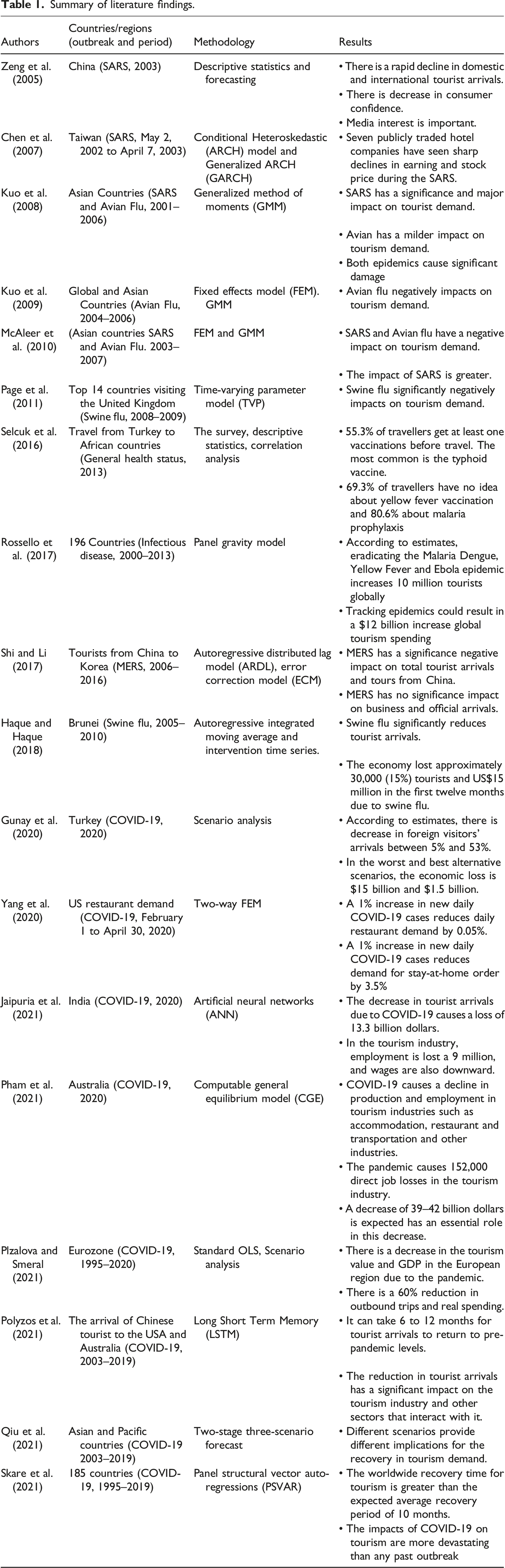
When the literature findings are evaluated, some generalizations can be summarized:
Research on the impact of epidemics, pandemics or health shocks on tourism demand covers the last 15 to 20 years. First, research on the impact of epidemics, pandemics or health shocks on tourism demand covers the last 15 to 20 years (see Table 1). However, with the COVID-19 pandemic, an intense interest in the pandemic–tourism nexus has begun. Second, there is a lack of empirical research and empirical evidence on the relationship between pandemic, health shock and tourism (Koçak et al., 2022). Third, research in the pre-COVID-19 period often focuses on Asian countries/region (HI Kuo et al., 2009; Kuo et al., 2008; Pine and McKercher, 2004; Zeng et al., 2005). Fifth, papers use the numbers of cases and deaths or dummy variables that consider the incidence periods to represent the impact of the outbreak. Sixth, previous research does not use a global indicator or index covering pandemic indicators. This limitation causes the research results to remain local. Seventh, time series or panel data methods are employed in research (Haque and Haque, 2018). Estimation parameters are obtained by statistical methods based on the conditional mean assumption. This limitation causes information loss for the extreme (extremely low or extremely high) values of the dependent variables. Eighth, the general trend in the literature is that outbreaks negatively affect tourism demand. In addition, COVID-19 has much more devastating and profound effects than other outbreaks. Finally, a research gap is observed regarding the impact of the public’s perception of epidemic uncertainty on the tourism industry.
Based on the literature review and above discussions, this paper aims to answer the following research questions: (1) How does global pandemic uncertainty and discussion affect visitor behaviour? (2) Do short and long run effects matter? (3) Can the perception of global pandemic reduce tourism demand during periods of high or extremely high arrivals?
Methodology
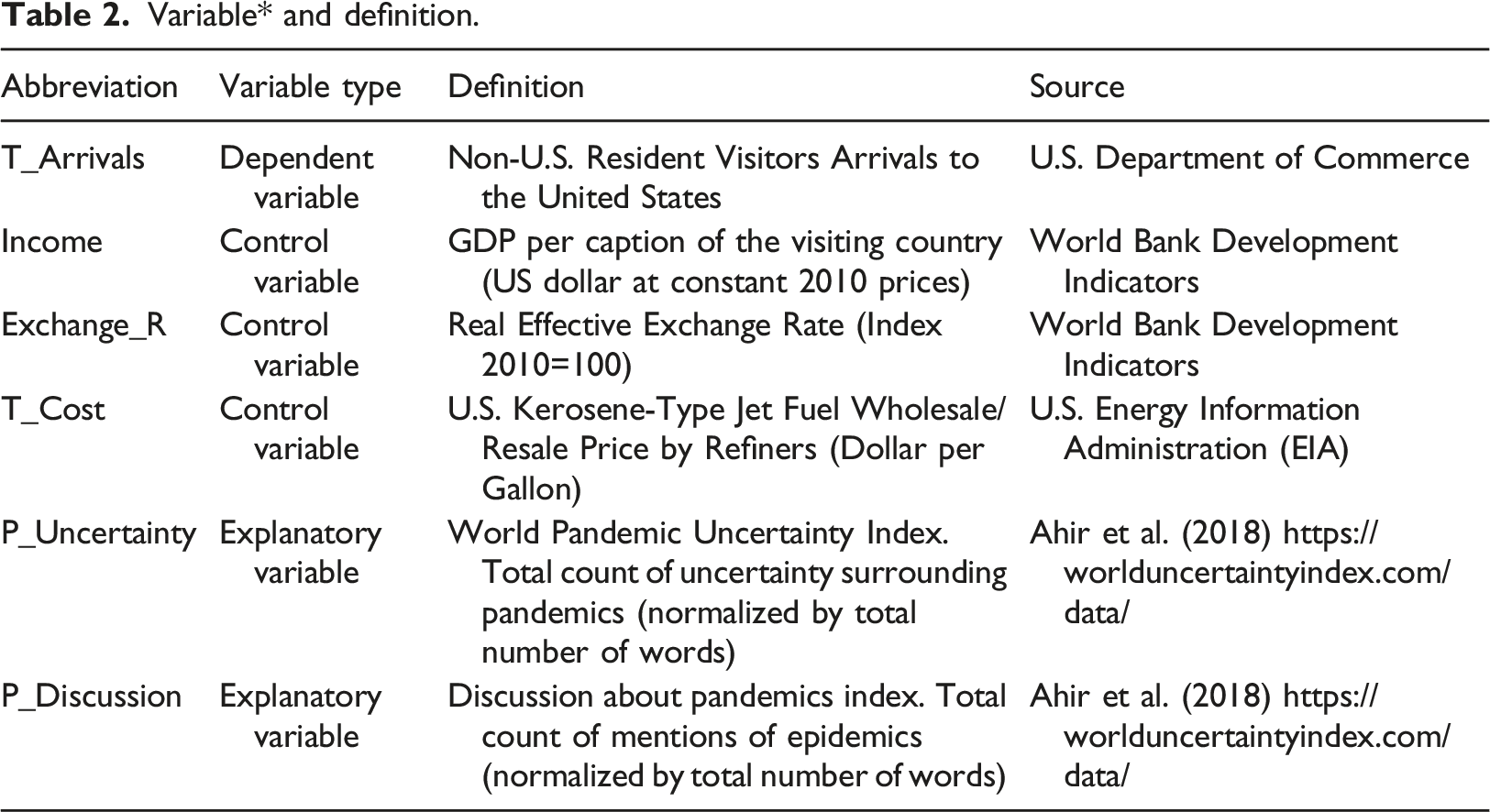
Variable* and definition.
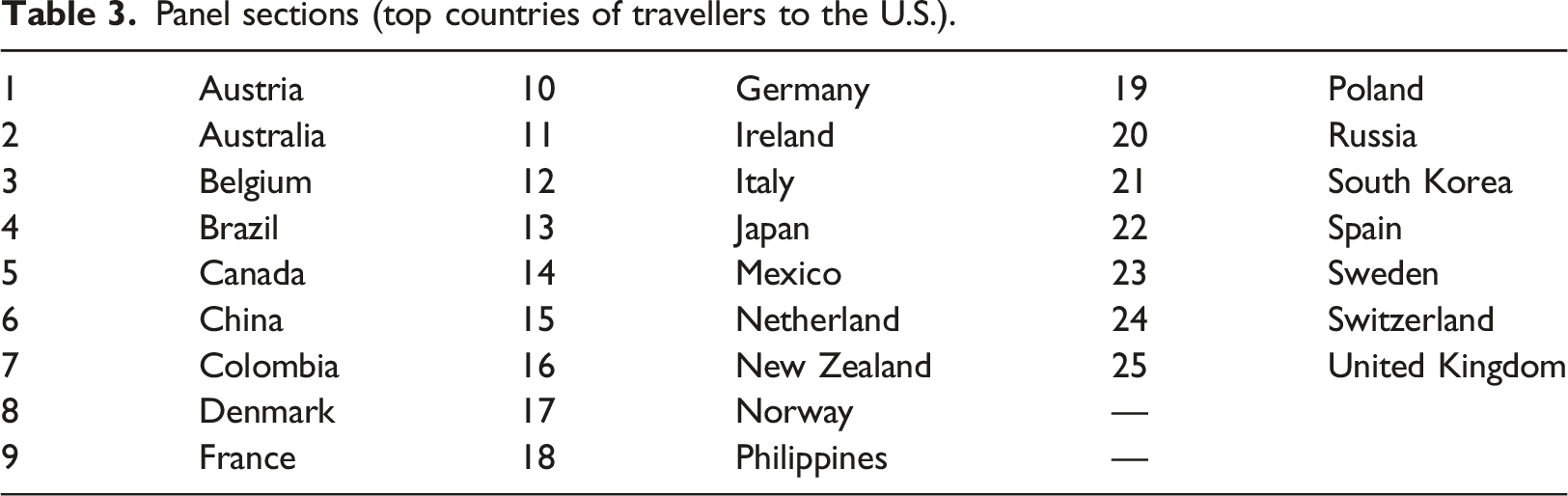
Panel sections (top countries of travellers to the U.S.).
Descriptive statistics, unit root tests and correlation matrix.
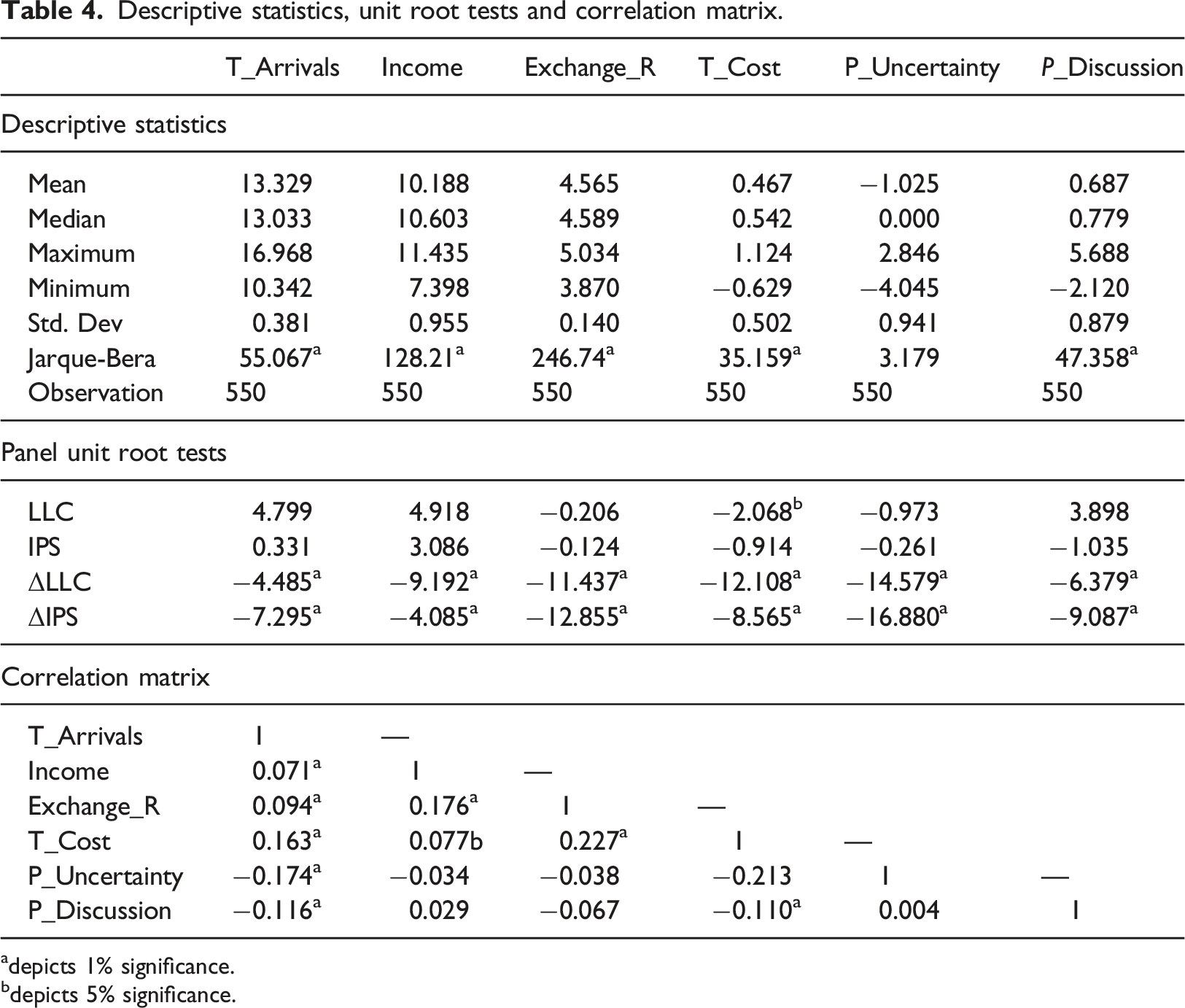
adepicts 1% significance.
bdepicts 5% significance.
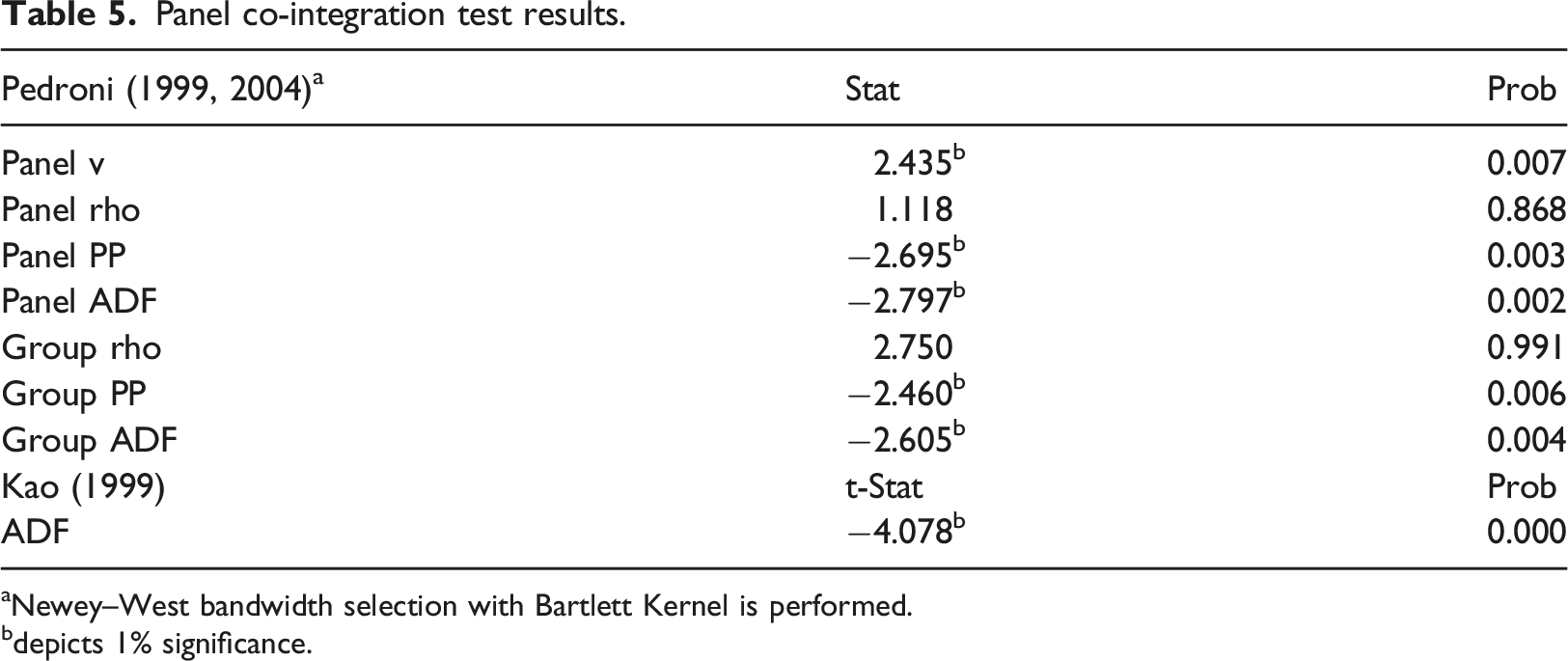
A panel cointegration method like Pedroni’s (1999, 2004) is often employed in empirical research to estimate cointegration relationships. It tests the null hypothesis of no cointegration relationship with seven different test statistics. Four of these tests are within-group (panel-v, panel-ρ, non-parametric panel-t and parametric panel-t). The other three are between-group (group-ρ statistic, non-parametric group-t statistic and parametric group-t test) statistics. The null hypothesis is rejected if the panel v-statistic is positive and large and other statistics are negative and large. To check the robustness of the Pedroni 2000, 2001 panel cointegration test, we also perform Kao (1999) panel cointegration test. Kao (1999) cointegration test tests the null hypothesis with the ADF statistic. If the test statistic is significant, the null hypothesis of no cointegration is rejected.
After verifying the cointegration relationship, long-run tourism demand parameters are first found with static estimators such as panel OLS, FEM and REM. Panel FM-OLS (Pedroni, 2000), D-OLS (Pedroni, 2001), difference-GMM (Arellano and Bond, 1991) and system-GMM (Arellano and Bover, 1995; Blundell and Bond, 1998) methods are used to estimate dynamic relationships. Both short- and long-run relationships between variables are estimated by panel PMG (Pesaran et al., 1999). Finally, we employ the panel quantile regression method to provide robust information about the extreme values of the dependent variable. A standard conditional quantile model extended with linear models is as follows

In equations (1) and (2), y, x, β and ε are the dependent variable, explanatory variable, estimation parameter and error term, respectively. Quantθ(yit/xit) represents the θ. The conditional distribution of yit for a value of xit. For the estimation parameters, the asymmetrically weighted sums of the absolute values of the error terms are optimized with the linear programming method
In equation (3), pθ(εθit) is the control function. If the value of θ continually converges from 0 to 1, the conditional distribution of x follows the conditional distribution of y. The conditional distribution of the dependent variable responds to changes in the explanatory variables at different points. We consider the quantile values of 0.10, …, 0.90 to explain the impact of global pandemic uncertainty and pandemic discussion on tourism demand.
Results
Panel co-integration test results.
aNewey–West bandwidth selection with Bartlett Kernel is performed.
bdepicts 1% significance.
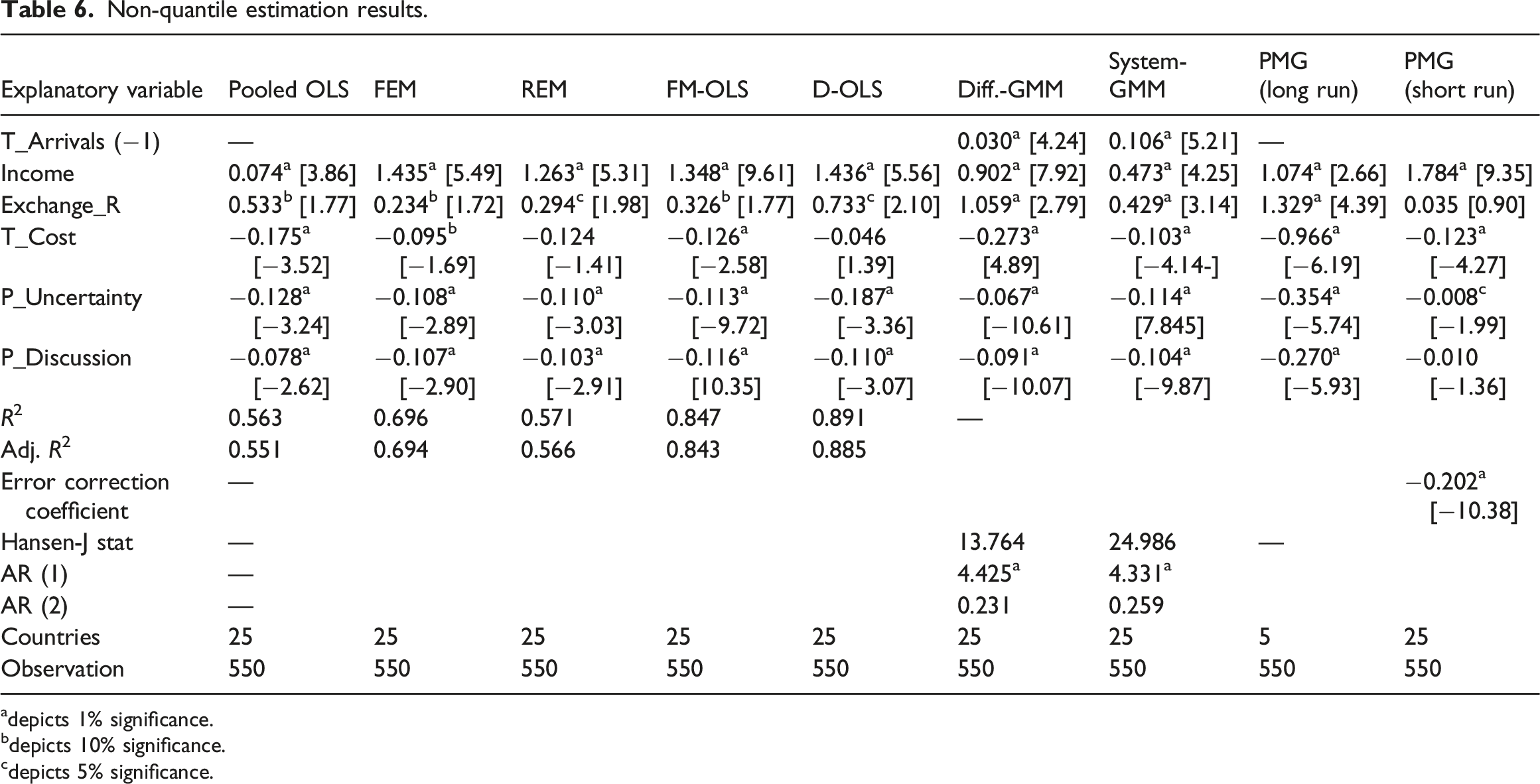
Non-quantile estimation results.
adepicts 1% significance.
bdepicts 10% significance.
cdepicts 5% significance.
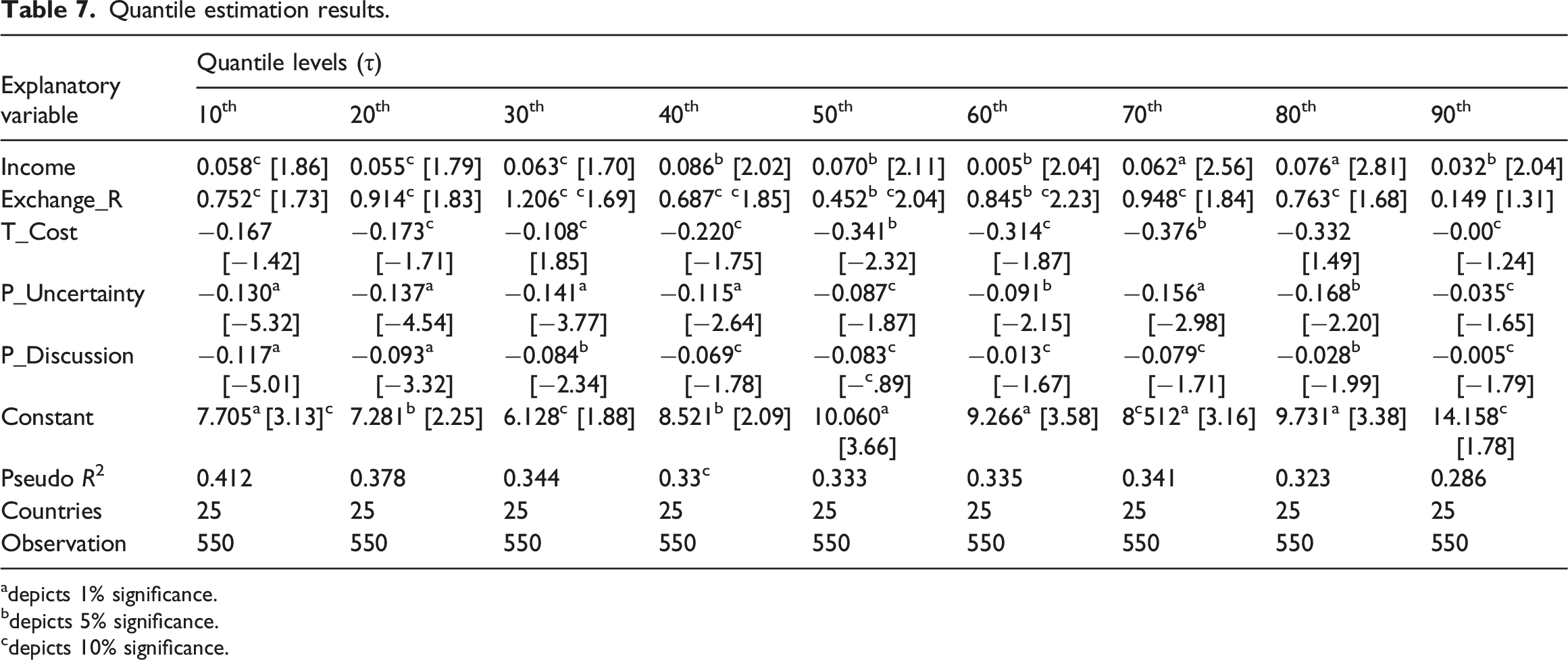
Quantile estimation results.
adepicts 1% significance.
bdepicts 5% significance.
cdepicts 10% significance.
In static estimation models, the R2 value is in the range of 0.55–0.88. These values indicate that the estimated goodness of fit of the regression parameters is efficient. On the other hand, endogeneity, heteroscedasticity and autocorrelation problems may arise in static estimates (Baum et al., 2003). We set up a dynamic model and use difference-GMM and system-GMM estimators to avoid these problems (Arellano and Bond, 1991; Arellano and Bover, 1995; Blundell and Bond, 1998). GMM estimators adopt the first difference transformation in the econometric model and use all lagged variables as instrumental variables. Two conditions should be confirmed for the robustness of GMM estimates. First, the model should not have second-order autocorrelation. The AR (2) values for difference-GMM and system-GMM are 0.23 and 0.25, which are not statistically significant. These findings confirm that there is no second-order autocorrelation problem in the model. The second is the Hansen J-statistic, which tests the null hypothesis that the instrumental variables are not valid. Statistical values are 13.76 and 24.98, which are not statistically significant. The findings confirm the reliability of GMM estimates. Finally, the error term coefficient in the panel PMG model used to estimate the short- and long-term coefficients is −0.20 (p < 0.01). The statistical significance of the error correction coefficient indicates the stability of the long-term relationship between the variables. This coefficient implies that the system is stable and that short-term shocks are temporary and short-term imbalance will be corrected in the long-run.
The panel quantile regression findings are reported in Table 6 to explain the effects of explanatory variables on the outlier values of dependent variable visitor arrivals. It is seen that the findings are similar to the conditional mean estimators. Global pandemic uncertainty and discussion negatively affect tourism demand when visitor arrivals are low (τ = 0.10,., τ = 0.40) and high (τ = 0.60,…, τ = 0.90). In other words, considering the heterogeneous nature of the dependent variable, tourism demand in the USA in all quantiles is significantly negatively affected by pandemic uncertainty and discussion. Finally, the effect of income, real exchange rate and travel cost on tourism demand is consistent with expectations in almost all quantiles. Finally, panel quantile regression estimates confirm the robustness of static and dynamic estimates. Thanks to this method, the response of the dependent variable to the independent variables in the heterogeneity of tourism demand is revealed. Pseudo R2 value ranges from 0.28 to 0.41 in all quantiles, indicating that the goodness of fit is appropriate.
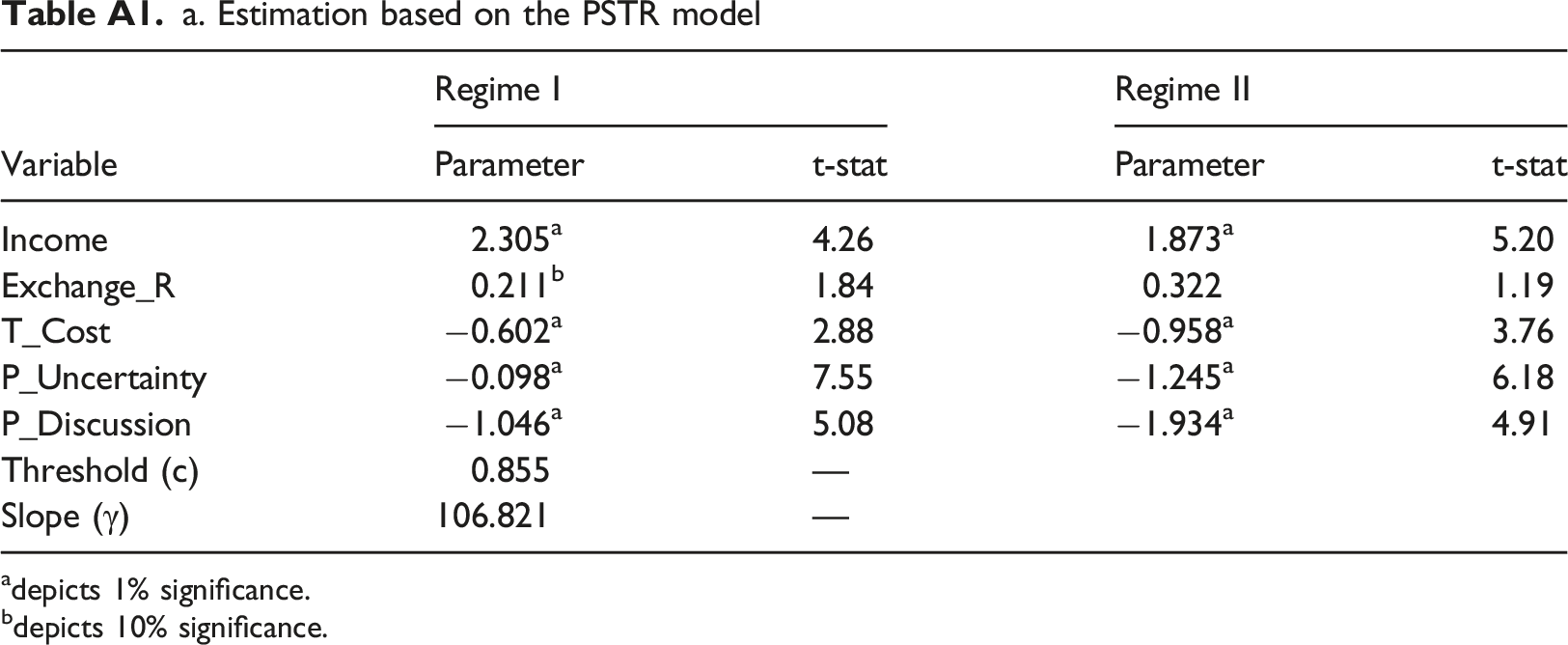
Finally, it is considered that there may be a regime change due to COVID-19 on the uncertainty of the pandemic. In particular, the impact of COVID-19 on tourism demand is thought to differentiate it from other pandemics. To demonstrate this separation, the panel smooth transition regression approach proposed by González et al. (2005) is followed. For this purpose, firstly, Wald Test (LM), Fisher Test (LMF) and LRT Test (LRT) are followed to determine the number of regimens. For this purpose, firstly, Wald Test (LM), Fisher Test (LMF) and LRT Test (LRT) are followed to determine the number of regimens. The test results are calculated as LM = 1.076 (p > 0.10), LMF = 0.925, (p > 0.10) and LRT = 1.003 (p > 0.10), respectively. The findings do not reject the hypothesis that the model includes a threshold effect/regime change. In other words, two models can be estimated that involve a regime change between pandemic uncertainty and tourism demand. Appendix II (Table A1) reports estimation results with regime change. According to the estimation results, the slope coefficient is 106,821, implying a sharp transition between regimes. In the model, it may show that the effect of pandemic uncertainty occurs in two different scenarios. The threshold value is estimated at 0.855. This result reveals that the pandemic uncertainty below the threshold value has a smaller reducing effect on tourism demand (Regime I), while the effect increases above the threshold value (Regime II). In other words, as pandemic uncertainty increases, tourism demand decreases more. Due to the impact of COVID-19, pandemic uncertainty has greatly increased. Therefore, since Regime II covers the period when pandemic uncertainty is above the threshold, it can be said that the greater impact on tourism demand is due to COVID-19.
Discussion and conclusions
Conclusions
This research examined the impact of global pandemic uncertainty and discussion on US tourism demand. The heterogeneous, short- and long-term effects of pandemics on visiting behaviour were demonstrated using panel-conditional mean and quantile estimators. The estimation results confirm that US tourism demand has been negatively impacted by global pandemic uncertainty and discussion. According to these results, in addition to new cases, the number of deaths and epidemic peak periods caused by pandemics, the public’s perceptions about the pandemic also significantly affects tourist behaviour. The research findings provide several new insights.
First, this study provides information about the impact of the global uncertainty and discussion index on tourism demand related to the pandemic produced by text mining, considering the COVID-19 and other pandemics of the visitors to the USA for the period 1999–2020. Second, panel ARDL findings provide output on short- and long-run dynamics. In the short term, global pandemic discussions do not affect tourism demand, while the global pandemic affects uncertainty negatively. In the short run, uncertainties are more important on visitor behaviour than public discussion. In the long term, both indices affect tourism demand negatively. It can be argued that the reason why the visitor response is negative and stronger in the long run is related to the duration of the response to pandemic uncertainty. According to Consumer Behaviour theories, a period of adjustment is required for consumers to react emotionally, mentally and behaviourally to a change in the decision-making process (Fernie and Sparks, 2018).
Third, panel quantile estimation findings also provide critical information about the heterogeneous structure of dependent variable tourism demand. For example, in high quantiles (τ = 0.70, τ = 0.80 and τ = 0.90/where tourist arrivals are high and extremely high), global uncertainty and risk perception reduce tourism demand. Therefore, the perception of global pandemic negatively affects visitor behaviour even in cases or periods when tourism demand is high. In other words, visitors react to pandemic in both high and low quantiles. We confirm that visitors have sensitivity to pandemic uncertainty and discussion. We underline that there may be important political implications behind our findings. Finally, this paper follows the PSTR model to reveal possible regime changes. The findings show the threshold for pandemic uncertainty as 0.855. In other words, higher pandemic uncertainty (>0.855) has a greater negative impact on tourism demand. This result may imply that tourism demand has had a greater response to COVID-19.
Implications
A good indicator and the right tools are crucial for policymakers to calculate demand in the future, and tourism demand models have been a subject of intense study. Previous studies have often attempted to determine the best model for determining the relationship between economic and non-economic variables and tourism demand by identifying ideal variables. There is evidence that negative sentiment and uncertainty about the future may affect tourism demand (Altin and Uysal, 2014). In light of the uncertain environment created by COVID-19, this paper provides some valuable policy recommendations. Past research has documented that epidemics such as Malaria, Ebola, Dengue, swine flu, avian flu, MERS, SARS and Yellow Fever negatively affect visitor behaviour (Kuo et al., 2008; Zeng et al., 2005). Recent papers reveal the devastating effects of COVID-19 on the tourism industry (Gil-Alana and Poza, 2020; Škare et al., 2021; Uğur and Akbıyık, 2020; Williams, 2020). According to the literature, COVID-19 cases and deaths represent the pandemic, but we believe uncertainty and discussion sparked by the outbreak have vital implications for tourism demand. Therefore, although the number of cases and deaths are brought under control because of vaccination, health and restrictions, the authorities should consider the perceptions of visitors about the pandemic.
Regardless of other pandemics, COVID-19 has enormous devastating effects on the tourism industry. Governments should urgently identify effective ways to combat the epidemic and facilitate future travel. The fact that higher levels of trust in institutions result in higher awareness of the threat of disease should be a primary consideration in developing policy sets. The facilitating roles of media and scientific institutions in creating a perception of trust should not be forgotten. Science-based approaches play a key role in gaining public support (Suess et al., 2022). Also, apart from the risk of contracting the virus or death, the perception of not being treated in the destination for tourists directly affects their travel decisions (Das and Tiwari, 2020). Therefore, the strategies developed for the perception of trust should be considered as multifaceted applications that include not only the fight against the pandemic but also the treatment processes. In the event of a possible infection of the visitors, the potential and cost of treatment in the destination may direct the negative impact of pandemic uncertainties and may be decisive on travel decisions.
In the new normal in tourism, policy authorities should consider the uncertainties and discussions about the pandemic and manage public perceptions. COVID-19 has led to fundamental changes in tourism consumer patterns and consumer behaviour. Therefore, new business paradigms are required to satisfy tourism demand patterns and evaluate the consequences of the epidemic. Especially, anxiety and fear of infection shape the travel decisions of consumers. Therefore, consumers' fear of the pandemic should be accepted as a basic assumption for businesses in the tourism industry (Ozdemir et al., 2021). Tourism businesses should be strong advocates of safe travel programs for visitors. For example, market-leading airlines such as Qantas and American Airlines can make great contributions to creating a perception of healthy travel and trust (Suess et al., 2022).
While the US is the world’s top-visited destination, authorities should establish a greater sense of security for visitors in the new normal. Governments’ safety, hygiene, testing and procedural standards can influence the visitor’s decision to travel and accommodation (Gössling et al., 2021). The public can be informed about pandemic safety standards in the travel and accommodation sector through information and communication technologies. A more reliable and transparent environment can be provided for visitors (Jelilov et al., 2020). The importance of strong institutions in the new normal can also be emphasized for the US and other countries. Erdem (2020) revealed that countries with strong institutions are more resilient to pandemic shocks than others. Numerous studies confirm that democratic and trustworthy institutions support tourism demand (Aloui et al., 2020; Antonakakis et al., 2016; Belgodere et al., 2021; Hanon and Wang, 2020; Haseeb and Azam, 2020; Koçak et al., 2022).
Finally, in terms of visitor perceptions, the behaviour of tourism and travel companies during shock periods is also critical. Firms should also attach importance to openness and transparency in the new normal and constantly inform their customers. Companies should provide their personnel with adequate training on the pandemic and implement particular and high-security health protocols in the fields of travel and accommodation. Businesses should develop innovative products and services for their customers. Technology and social media should be used effectively, and reliable corporate image messages should be provided to their customers. Also, companies can ensure that customers' visit requests are protected with flexible and customer-oriented offers (Duarte Alonso et al., 2020; Nicola et al., 2020). Boto-García and Leoni (2021) demonstrate that travel concerns caused by the pandemic can be alleviated when effective health and safety protocols are followed, and appropriate communication strategies are developed.
Limitation and suggestions for future research
This paper has some limitations. First, we focused on the impact of the various outbreaks, including COVID-19, on US tourism demand. However, COVID-19 is causing far greater devastating effects on the tourism industry than past outbreaks (Škare et al., 2021). So future research can examine the impact of COVID-19 on tourism demand. Research samples can be micro, macro, regional or global scale. Field studies on the pandemic risk perception of tourists about the destination country can be illuminating, as well as official statistics. Second, this paper followed linear panel data estimators in forecasting demand. New estimates can also be launched with non-linear methods. In the context of different empirical analyses and different disciplines, the presented implications for the impact of pandemics on tourism can be very useful in the new normal. Third, we examined the pandemic-demand relationship in the context of uncertainty and discussion. Future econometric/statistical models may consider visitor perceptions in the context of business, country and region image. The effects of health measures, vaccination and testing policies on visitor behaviour can be explained. Finally, future research studies may look into the magnitude of the impact of pandemic uncertainties. Researchers can present new findings by following time-varying statistical and econometric methods. Undoubtedly, much more research, discussion, information and evidence about tourism are needed in the new normal.
Footnotes
Declaration of conflicting interests
The author(s) declared no potential conflicts of interest with respect to the research, authorship, and/or publication of this article.
Funding
The author(s) received no financial support for the research, authorship, and/or publication of this article.

Appendix I
Appendix II
a. Estimation based on the PSTR model
| Regime I | Regime II | |||
|---|---|---|---|---|
| Variable | Parameter | t-stat | Parameter | t-stat |
| Income | 2.305 a | 4.26 | 1.873 a | 5.20 |
| Exchange_R | 0.211 b | 1.84 | 0.322 | 1.19 |
| T_Cost | −0.602 a | 2.88 | −0.958 a | 3.76 |
| P_Uncertainty | −0.098 a | 7.55 | −1.245 a | 6.18 |
| P_Discussion | −1.046 a | 5.08 | −1.934 a | 4.91 |
| Threshold (c) | 0.855 | — | ||
| Slope (γ) | 106.821 | — | ||
adepicts 1% significance.
bdepicts 10% significance.