




Abstract
This research investigates protest masculinity within the incel community, focussing on avatar pictures as a unique form of self-expression and community-building. Analysing self-portrayals from incel.is, the study unveils how these avatars, laden with distinct qualities, serve as tools for both individual and collective political expression. Departing from traditional views on protest masculinity, the study highlights these aesthetic expressions as a social manifesto, offering a new perspective on incel critiques regarding male loneliness and ‘sexual agony’ within gender radicalisation. These avatars act as avenues for both personal and political empowerment, simultaneously challenging and coveting societal beauty standards for men. Through an analysis of around 1000 avatarphotos, the research explores the intricate interplay between graphical and thematic choices, revealing the volatile nature of incel collectivity and its contribution to digital protest masculinities. By reshaping incels’ realities into ‘neo-realities’, these choices redefine visual narratives in incel culture, extending beyond individual expression to broader socio-political implications. This study sheds light on masculinity, identity formation, and socio-political landscapes, offering valuable insights into these critical areas of study and contributing significantly to ongoing discussions.
Keywords
Introduction
As derived from the term ‘involuntary celibate’, incels are primarily young men claiming to be unable to find romantic or sexual partners because of the high standards of the current erotic market and ‘male-discriminative’ gender-inclusive governmental systems. Their archive of feelings (Cvetkovich, 2003) is constructed through frustrations, anger, hopelessness, and isolation due to their lack of intimate relationships and alpha-male erotic capital (Ging, 2019a). Incels congregate on digital networks such as online forums, blogs, and social media where they establish their culture and ideology by sharing their emotions, experiences, beliefs, thoughts, and creations (O’Malley et al., 2022). The incel mindset and culture are reshaped by a masculinist ideology, which they refer to as the black pill, which broadcasts extreme, pessimist, and nihilistic belief systems. It is an even more radical and negative perspective compared to the more commonly known red-pill or blue-pill analogies derived from the famous trilogy The Matrix (Glace et al., 2021). Taking these pills refers to accepting so-called disturbing realities or maintaining ignorance, respectively. In the incel context, the black pill can also be understood as the stage where incels lose hope or motivation to find romantic or sexual partners and think about radical changes and interventions to current social relations, regimes, and political systems (O’Donnell and Shor, 2022).
We contend that the rise of the incel community must be situated within a broader historical context of crisis. As Kimmel (2013) argues, the ‘crisis of masculinity’ is not an isolated phenomenon but one that intersects with ongoing economic, political, and social confusions that have destabilised traditional gender hierarchies. In periods of economic uncertainty and declining social mobility, men who once relied on patriarchal privilege as a form of symbolic capital experience acute status anxiety. This convergence of crises, what Kimmel terms the ‘aggrieved entitlement’ of white men, renders the loss of male privilege not merely a personal objection but a perceived collective dispossession. Within the incel sphere, this sense of loss manifests as a moral panic over men’s perceived loss of privilege, particularly in relation to sex and power, giving rise to narratives that conflate personal sexual failure with broader narratives of social decay and decline.
Recent incel studies show that incel culture possesses misogynistic (Zimmerman, 2022), violent (Hoffman et al., 2020), hostile (Cottee, 2020), body-centred (Held, 2023), angry (Kay, 2021), depressive (Broyd et al., 2023), and anxious (Sparks et al., 2023) characteristics. Employing different metaphors, allegories, and fictional narratives, the incel-reality is conceptualised by the black-pill philosophy and pseudo-evolutionist psychological assumptions on women’s bodies and sexualities (Prażmo, 2020; Waśniewska, 2020; Williams, 2020). Furthermore, the ideological foundations of incel communities intertwine gendered grievances with racialized imaginaries. As Kaiser (2023) observes, the ‘political masculinities’ cultivated by incels, authoritarians, and fundamentalists converge in their mobilisation for patriarchal and ethnonationalist orders. Within this schema, whiteness becomes both a marker of masculine victimhood and a cultural boundary that must be defended. This biological-racist component manifests in recurrent incel narratives that lament white women’s sexual autonomy and portray non-white men as ‘invaders’ or ‘defilers’ of a racialized gender order. Even in European contexts where whiteness is not overtly politicised, these imaginaries circulate transnationally, reinforcing the intersection of misogyny, racial anxiety, and protest masculinity (Gheorghe, 2024), within the incel neo-reality. 1
Incels believe they are living in a post-feminist era where all feminist goals are accomplished; women became humanoids, and blue-pilled people invalidated male privileges in the name of gender equality, inclusivity, and democracy (Bogetić et al., 2023; Ging, 2019b). This game of symbols, fiction, and metaphors serves as a strategy to make common concerns, ideas, and modes of action more intelligible, comprehensive, rational, and sophisticated to establish a homosocial in-group communication and socialisation (Bogetić et al., 2023). The same narratives can be observed in the visual culture of the incel community (Regehr, 2022), especially in the use of avatar pictures as a source of individual and collective expression of the incel self. Based on the assumption that the incel culture and ideology are interconnected with both real facts via personal experiences and fictive, phantasmatic thoughts of male entitlement, incels create for themselves not only a communal identity but also a sense-making alt-reality (alternative reality) through digital aesthetics, practices, symbols, and imageries (Billig, 1995; Musolff, 2006).
An alt-reality is crafted through selective interpretations of cultural, biological, or historical elements (as strategic weapons) to legitimise objections, beliefs, and attitudes, representing men as victims of systemic oppression or social changes (Happer et al., 2019). However, the concept we coined as neo-reality refers to the dynamic process of interactional alignment, synchronisation, and reconstruction, wherein men’s real and lived frustrations, pain, and experiences are integrated with and shaped by a given alt-reality. In other words, neo-reality is neither entirely imaginative and phantasmatic nor purely real and experience-based; rather, it is predominantly hermeneutic and derivative. This version of reality refers to a sum of alternative norms and narratives constructed within incel communities, challenging existing social beliefs on gender and sex cultures, and creating new frameworks for understanding the ‘misandric society’. Through real, fictive, nostalgic, and phantasmatic elements, the incel neo-reality is characterised by its shared norms, values, ideas, symbols, practices, and hierarchies, which foster a collective identity and belonging. They reshape how men engage with the world and interact with ‘male-discriminatory’ power structures, opposing gender equality, feminisms, and the goals of sexual democracy (James, 2024).
According to social labelling theory, a subculture is a response to societal labelling and systematic stigmatisation of broader society. The members of such a group can come together, and develop their unique codes of conduct and storytelling, language, and values that challenge the norms of the dominant culture (Becker, 1963). Creating cultural meaning for incels by incels requires strong storytelling tactics based on myths and dramatic forms of representation since they reflect and challenge established ideologies, imagine alternative worlds, fortify emotional bonding, create moral dilemmas, and insist on social change by shaping identities and belongings (Barthes, 1972 [1957]; Williams, 2010; Marwick and Caplan, 2018). In these online male networks (manospheres), incels utilise visual representations to construct and affirm both individual and collective identities. They do this by reflecting on how they see themselves and others, as well as how they form an itinerary to access empowerment. By doing so, we will understand how incels use graphical rhetoric to express their belonging to the community and (re-)create the incel-reality within a manosphere, carving an ‘anti-public sphere’ (Davis, 2021) where every member develops and transforms their identity in both cultural, political, and radical terms (Botto and Gottzén, 2024).
In this paper, by studying incels’ use of visual representations, we delve into the nuanced presence of protest masculinity within the incel community. We do this by focussing on the utilisation of avatars as a mode of individual expression, political engagement, and communal establishment. In doing so we define ‘protest masculinity’ as both a gendered performance and a compensatory strategy adopted by men who perceive themselves as disempowered, marginalised, or subordinated within the sociocultural hierarchy, responding to systemic inequalities (Broude, 1990). However, this form of resistance paradoxically reinforces patriarchal structures, heteronormativity, and associated body regimes (Connell, 1996; Lane-Steele, 2011) by emphasising hypermasculine performances and aesthetics that react against mainstream cultural expectations and normative gender roles. Consequently, this performance becomes a site of both rebellion and complicity (Sarelin, 2010). From this perspective, visual content within the incelosphere plays a critical role in shaping hypermasculine subcultural identities, as users actively create and share images that reinforce their protesting and politicised personas. This includes a wide range of formats such as memes, GIFs, avatar pictures, videos, and digital collages. By analysing self-representations through avatar pictures collected from the incel website incel.is, we aim to find how aesthetics exerts significant political influence in shaping incel identities. These avatar images, imbued with distinctive traits, establish a reflective connection with their creators, transforming into visual tools that articulate both personal and collective ideological and political narratives with a protesting nature. We interpret the aesthetic expressions of incels as a form of creative social proclamation, providing a unique perspective on their grievances regarding sexual inactivity and the so-called male-discriminative society. Furthermore, we argue that their distinctiveness lies in their ability to foster solidarity and a sense of virtual belonging among individuals who share these perspectives.
In our exploration, we embark on an analysis of aesthetics as a potent political instrument shaping the digital landscape of incel existence. This study further delves into the nuanced significance of avatar selection within the vibrant tapestry of incel communities and aims to unveil the layers of meaning embedded in these chosen visuals, avatar pictures, and memes. Our methodology details the data collection and analysis process, dissecting avatar photos and sorting them into three pivotal dimensions: anonymity, violence, and the fictional narratives they embody. As we navigate these dimensions, we reveal the complex interaction of identities, grievances, and expressions within the constructed social realities of incels that we refer as ‘incel neo-reality’. The concept emphasises the transformational impact of digital platforms in shaping perceptions and aligning individuals around shared grievances, emotions, or ideological goals, ultimately influencing broader societal narratives and political landscapes. The visual repertoire they curate, utilising avatar aesthetics as a powerful political tool, encapsulates a yearning for recognition and a narrative of resistance against perceived societal injustices in an ever-evolving socio-political sphere.
Aesthetics as a political tool of incel digital-existence
We propose that the avatar pictures utilised by incels possess a distinct uniqueness. The avatar photo, as an icon and fruit of creation, establishes a consistent connection with its subject, sharing certain qualities that enable it to symbolise them. Dewey emphasises that in artistic creation, experience holds the keynote; the creative and artistic expression no longer revolves around the (de)materialised artwork itself but instead focuses on the organic evolution or transformation of an individual or collective experience. Once this focus on artistic production shifts, what is aesthetic starts to overlap with daily experience (Dewey, 1934). We contend that these avatar pictures evolve into an aesthetic conduit for the process of individuating an idea, a subject, a process, a function, or an event. In this context, we extend beyond the Kantian understanding of aesthetics, which pertains merely to beauty or visual appeal, and encompass a spectrum of political expressions, embracing a diverse range of political expressions. In this regard, we draw from the contemporary scholarship of cultural sociologists who delve into the significance of aesthetics in shaping not only social relations but also the political sphere (Olcese and Savage, 2015: 723). Aesthetics transcends mere notions of quality, taste, or value; it embodies a complex communicative and expressive process (McGarry et al., 2019a) that serves as a wellspring for political discourse. Furthermore, we posit that it is through this aesthetics of visual narratives that the incel existence discovers its identity within incel anti-publics. In this context, our motivation is to illustrate how incels utilise aesthetics to reshape their realities into what we term as neo-reality, a complex world woven together with real, ideal, phantasmatic, and emotional understandings of the living self and its projection.
Kasra’s (2017) research explores the domain of digital-networked images, particularly online self-portraits, commonly referred to as ‘selfies’. This work stands as a crucial exemplification of the role of aesthetics in serving as acts of political expression. She scrutinises the evolution and expansion of meaning within these online spaces, a transformation largely driven by their presence on the Internet. Using the nude self-portrait of the young Egyptian woman, Aliaa Magda Elmahdy, during the Egyptian uprisings in 2011 as a case study, Kasra sheds light on how this image circulated within the digital network, giving rise to ever-changing and overarching narratives. Her research broadens the contextual scope through which images are traditionally perceived and discusses how creating a platform for Elmahdy and her supporters helped to amplify their political voices. Furthermore, Kasra argues that these digital-networked images empowered Elmahdy and subsequently garnered support on a global scale, ushering in a new era of feminine identity and political engagement in the Arab world. They provided a means of resistance against deeply ingrained cultural and social inequalities. This transformative medium not only allowed Elmahdy to reclaim her agency but also inspired a broader movement for change.
In a similar vein, McGarry et al. (2019b) demonstrate through their analysis of images shared on social media during the Gezi Park protests the significance of looking beyond iconic representations that are often seen as emblematic of the protest. Instead, they direct attention towards the images that represent the ‘everyday’ or mundane activities that transpire during a protest occupation. They explore how social media platforms amplify the expressive and communicative dimensions of these images. Their conclusion underscores that protests can find expression through commonplace activities, thereby conveying a political message through visual means. In this paper, by transitioning our perception of aesthetics from a personal preference to a collectively constructed fictive ideal, neo-reality, and representations about painful loneliness, we can also apprehend an anti-public encompassing both its material and visual dimensions, its silence, as well as its vocal expression. It is within this space we will show that the neo-realities and alt-reality of incels take shape.
Avatar pictures as a political performance
The selection of avatar photos in the digital realm serves as a dynamic form of self-expression and assertion, particularly within the context of incel communities on social media platforms. Applying Erving Goffman’s dramaturgical theory (1990) to this phenomenon allows us to dissect the intricate layers of meaning and representation embedded within these chosen visuals, avatar pictures, and memes. Each image becomes a carefully orchestrated performance, a deliberate attempt to exert influence, albeit in a virtual space.
In Goffman’s (1955) insightful exploration of human interaction, he discovers the intricate dynamics of performance, likening social encounters to a theatrical production with distinct front-stage and back-stage dimensions. The front stage represents the public arena where individuals consciously project a carefully curated image of themselves, while the back-stage symbolises more private, unguarded moments where this façade can be relaxed. Central to Goffman’s thesis is the notion that individuals possess a dual capacity for expression. On one hand, there are the intentional impressions they seek to convey, carefully orchestrated to align with their desired self-image. In the context of avatar photos, Okubo (2017: 90-91) highlights that an avatar serves as an icon or a digital space, representing a public personality and an archive of desires, encompassing idealised and fantasised bodies, thus functioning like a two or three-dimensional ‘puppet’. This space is often constructed around a character modified by an internet user according to their own graphic choices or identification material Avatar photos can be personalised to reflect and provide clues about someone’s physical appearance, personality, personal pursuits, or political and ideological affiliations. From this point of view, incels search for images, select them, and consider how to present them within the limited space – cropping, adjusting colours or light and shadow, personalising them (sometimes using artificial intelligence), collaging them, and ultimately crafting a digital representation of their social identity as an incel.
These deliberate expressions serve as a form of self-presentation, revealing the aspects of the individual’s identity that they wish to put forth. On the other hand, Goffman astutely points out that there exists another layer of expression – the impressions that individuals unwittingly emit, which are received and interpreted by the audience. These unscripted cues, often involuntary and spontaneous, can reveal insights that were not intended to be disclosed. This dual nature of expression adds depth to our understanding of human interaction, highlighting the nuanced relation between conscious presentation and subconscious communication. Goffman’s concept of performativity emphasises the situational and strategic aspects of performance, allowing more room for individual choices and tactics of alignment within varying social contexts. However, this approach to performativity may be limited and depend on its subversive potential, as performances are shaped and constrained by the frameworks within which identities are enacted. For instance, Butler (1990), by contrast, conceptualises gender performance as a series of repeated acts, gestures, and behaviours shaped by the limitations and enforcement mechanisms of social norms. Identity, in this view, is sustained through the repetition of cultural expectations and the sanctions tied to them. In this sense, the manospheric performances and identity-construction processes of incels both alter, parody, and dramatise pre-existing masculine norms and their perceived hierarchies to create a sense of social belonging among ‘beta-men’. Yet, this process also necessitates a prior acknowledgement of hegemonic or subversive masculine norms and their mise-en-scène within the manosphere.
In the context of the evolving digital landscape, the visual performances bring together Goffman’s strategic understanding of ‘social alignment’ and Butler’s identity construction through repetition and mimetic embodiment of gender norms and structures. Goffman’s perspective foresaw how the technology of his era had the potential to redefine the ‘interaction order’ reshaping the dynamics of face-to-face encounters. In today’s interconnected world, this foresight rings even truer, as online interactions continue to exert a deep influence on our social fabric and manifestations (Preston et al., 2021). Also, these interactions and performances, both online and offline, are shaped and decorated by gender norms and body ideals, serving as a source for either protesting or glorifying (or both) these norms to construct identities. Taking the case of incels as an illustrative example, while their influence may not manifest itself in traditional, direct face-to-face encounters, it undeniably permeates the confines of masculinist online spaces. Here, individuals engage in a meticulous process of crafting and controlling their impressions, leveraging visual elements to convey specific messages and uphold particular ideals.
Central to this digital performance is the avatar picture, which takes on newfound significance as a potent tool for political articulation. It serves as a canvas upon which individuals paint a curated image of themselves, strategically emphasising certain facets of their identity while artfully concealing others. In this way, the avatar picture emerges as a powerful instrument in the context of political performance, enabling individuals to assert their ideals and beliefs in an increasingly interconnected and influential online sphere. This calculated approach not only aids the performer in projecting their desired persona but also serves as a shield against potential scrutiny. By carefully curating their visual presence, individuals navigate the digital landscape with a level of control that empowers them to communicate their chosen narrative, all while safeguarding themselves from unwanted intrusion or analysis. This performative aspect not only shapes the individual’s self-presentation, but it also contributes to the broader narrative and identity within the incel community, namely in the establishment of incel neo-reality.
Method
Data collection
For the theme-centred and visual analysis portion of this study, a random sample of 1000 avatar photos were collected from a pool of 4600 images sourced from the incel website incel.is. This sample was drawn from various comments and threads within the forum to ensure a diverse representation of graphical and thematic choices made in selecting and using avatar photos within the manosphere. The images were sourced from all threads and discussions published up until April 18, 2023. To retrieve and store the data, we employed the HTTrack software program, downloading images designated as avatar pictures, with none exceeding 180 x 180 pixels in size. The collection was prepared to facilitate a random selection of photos, independent of the specific context in which these avatar pictures were originally situated. This approach was chosen because the images were created and used to represent the user’s digital identity, highlighting its ability to shift fluidly across different threads and discussions. Additionally, the visual nature of these avatars ensures their navigability within digital spaces, allowing users to maintain recognition and coherence across various interactions. Since this study primarily focuses on analysing incel avatars, distinct from other forms of visual content like memes, GIFs, or videos, we intentionally chose to forgo a chronological examination of these images. Instead, we aimed to identify recurring themes linked to the fundamental values, concepts, and symbols of incel ideology, which have remained largely stable from the forum’s inception to the present.
In line with the evolving ethical standards of the Association of Internet Researchers (AoIR, 2012, 2019, 2025), we adopted a process-based and situational approach to ethical decision-making to minimise harm while preserving the integrity of digital content analysis. The more recent AoIR guidelines extend earlier frameworks to address visual, algorithmic, and affective data, issues central to this study of avatars and self-representation. As Markham (2012), Markham and Buchanan (2015) note, digital ethics must remain flexible, dialogic, and context-sensitive, requiring researchers to negotiate potential harm rather than rely on fixed principles. Our methodological choices, therefore, align with contemporary ethical practices in digital visual research. To uphold these ethical standards, we collected no personal or sensitive information, and all personal data was either anonymised or removed. The images were carefully processed and modified to eliminate identifying features through graphical alterations and verbal descriptions for dissemination purposes. Additionally, we utilised artificial intelligence tools to edit the images in a manner that prevents them from being traced through online searches, ensuring anonymity through fabrications (Markham, 2012), further ensuring adherence to ethical standards. To verify that these images cannot be reverse-searched or visually traced via common engines (e.g. Google Images, TinEye, Bing), we conducted multiple tests confirming that none of the ethically fabricated visuals returned identifiable matches. This verification process ensures that the dataset remains anonymised and non-recoverable while preserving its analytical value. This approach aligns with Nissenbaum’s (2004) principle of contextual integrity, which emphasises that privacy is not merely about restricting information flow but about ensuring that information is used in ways that align with contextual norms and expectations. By preserving the contextual integrity of digital content, we have ensured that data handling respects both ethical and privacy considerations. The study strictly adhered to ethical guidelines and obtained authorisation (reference number 478612) specifically related to research involving visual and digital content.
Data analysis
We conducted both visual and thematic analyses of the same set of photos. For the theme-centred analysis, we utilised a sample of 300 photos while adhering to the saturation principle. The entire data collection and analysis process spanned 6 months. Initially, both authors coded together for the first 2 months. Later, we chose to code separately to obtain diverse perspectives in the categorisation process, enhancing code diversity and ultimately increasing the reliability of the analysis. In the final 2 months, we consolidated our codes and data, integrating them into code families and supra-themes to streamline our ultimate analysis. The data analysis software NVivo was used for the coding.
The thematic analysis involved a thorough examination of various thematic elements, with a particular focus on identifying major recurring themes, discerning expressed emotions, and the specific jargon unique to incel culture. This rigorous process provided insights into the construction of their perception of reality. In essence, during the thematic analysis, which centralises on the aspect of ‘representation’, content was systematically categorised based on affective themes that emerged from the prominent narratives depicted in the photos. These categories encompassed a range of emotional states, including the poignant ‘depiction of loneliness’, the seething ‘expression of anger’, the glimmer of ‘hope’, and the intense ‘revengefulness’. Additionally, symbolic elements that contributed to these emotional tones and sentiments were taken into account. This encompassed references to animal imagery, nods to anime culture, incorporation of memes, and other evocative elements. By considering these layers of meaning, our analysis strives to uncover the multifaceted dimensions of representation within incel culture, where the theme-centred analysis allowed us to discern patterns and trends within the visual content of the avatar pictures.
In our analysis, we worked with two interconnected but analytically distinct layers. First, we organised the visual material through three code families (technical, material, and insight/affective codes). Second, across this coding structure, four recurrent emotional themes emerged inductively as dominant affective registers shaping avatar expression. These emotional themes do not function as freestanding coding categories; rather, they operate at a different interpretive level and reflect how incels aestheticise emotion and grievance in visual self-representation. To make this distinction explicit and increase analytical transparency, the table below summarises the emotional themes and their associated visual logics.
Our analytical process aligns with Holbrook and Pourchier’s (2014) conceptualisation of analysis as an evolving and interpretative act, where data are not simply coded but actively constructed through iterative engagement. As they argue, qualitative analysis is not a fixed or linear process but involves a ‘fabrication of meaning’ (Markham, 2012) through constant interaction with the data, where different fragments of information are hoarded, mustered, and refolded to reveal new connections. By considering these layers of meaning, our analysis strives to uncover the multifaceted dimensions of representation within incel culture, where the theme-centred analysis allowed us to discern patterns and trends within the visual content of the avatar pictures.
For instance, the visual analysis involved a careful examination of each selected image, delving into an evaluation of visual elements. This encompassed a thorough consideration of colour utilisation, forms, and shapes; the interplay between light and shadow; the precise positioning of figures and objects within the frame; facial expressions conveying emotions; background settings; and the overall clarity and composition. These diverse visual elements were methodically classified according to predetermined categorisations of their presentation. These classifications included descriptors like ‘dark’, evoking sombre tones or themes; ‘colourful’, indicating vibrant and dynamic compositions; ‘abstract’, denoting non-representational or conceptual imagery; and ‘figurative’, referring to recognisable depictions of human figures or other objects. This rigorous categorisation process ensured a structured and systematic analysis of the visual components in each selected image.
Emotional themes across visual narratives.

Codes and code families.

In the ensuing section, we will concentrate on the first three code families to gain a bigger understanding of the aesthetic and thematic orientations of incels in their selection of avatar pictures. We argue that their practices of community-building are rooted in visual narratives and communication. Enhancing our comprehension of this structure enables us to discern how incels conceptualise the visual use of social media as an integral aspect of their collective identity as well (Jenzen et al., 2021:416).
Findings
The integration of findings from both thematic and visual analyses enabled a thorough understanding of the representation of the incel way of life and its political implications. Our examination exposed the links between graphical and thematic elements, shedding light on how they collectively shape the expression of the incel identity and foster a sense of belonging within the community. Moreover, this analysis also underscored the nuanced ways in which visual and thematic choices contribute to the broader socio-political discourse surrounding incel culture. By delving into these intricacies, we gain deeper insights into the underlying factors that influence and reflect the incel way of life, thereby enriching our understanding of this phenomenon and its broader societal implications. These insights, along with the nuanced exploration of socio-political dimensions, form the cornerstone of our findings in this section.
Faceless voices: Unveiling the incels’ quest for visibility
The face, whether human or otherworldly, stands as a foundational aspect in our recognition and differentiation of individuals (Spencer-Oatey, 2007). Within social realms, it serves as a potent identifier, carrying emotional, cultural, and societal cues (Krolak-Salmon et al., 2006). Our capacity to connect with and comprehend others greatly relies on this, as highlighted by Le Breton (2017). As Goffman observes (1955), social interactions are performances in which individuals act to preserve their own face and that of others. As part of everyday ritualisation, the presentation of face, or ‘face-work’, seeks to maintain a public image or identity. Maintaining face is crucial for social cohesion and harmony, as it embodies notions of dignity, credibility, and respectability within various interaction-based contexts. Hence, it is no surprise that the majority of avatar depictions are centred around or prominently feature the face. Our data indicate that the avatar pictures used by incels raise questions, both consciously and unconsciously, about the anonymity and identifiability of oneself within the digital sphere. For instance, a significant portion of figurative images depicted faceless figures or figures lacking mouths or eyes. In certain instances, characters wore masks either to prevent recognition by others (on a practical level) or to underscore the concept of recognition (on a symbolic level) within society as an incel. As highlighted in research on anonymity and avatar photos, these images serve to enable users to engage in online communities while preserving a level of privacy and intimacy (Bargh et al., 2002; Joinson, 2001). They also facilitate interaction with others without revealing specific aspects tied to their everyday identities (Donath et al., 1999).
Through role-playing and gaming, certain avatar photos offer a channel for creative expression, enabling individuals to detach from real-life challenges and shield themselves from unwanted attention, harassment, or stalking (DeGloma, 2023; Yee, 2006). However, we contend that the avatar pictures used by incels not only serve as a means to ensure personal protection through anonymity or symbolically disconnect from the tangible world but also function as a strategy to transform anonymity into a foundational aspect of incel politicisation that allows them to project it onto violent actions within the online manospheres. As articulated by DeGloma (2023) various forms of anonymity can harbour different intentions and essences; when employed in subversive ways, they seek to introduce new life perspectives and philosophies, aiming to reshape existing social landscapes and propose alternative social structures. From this perspective, we argue that the faceless avatar photos utilised by incels are subversive, employing anonymity as a means to alert society about what they perceive as the adverse impacts of feminisms and gender equality policies on young men grappling with their sexuality.
As depicted in Image 1, the upper portion of a human form is rendered with white stripes against a black background. Facial features such as eyes, mouth, or expressions like smiling or crying are absent. The silhouette is adorned with words varying in font size, prominently featuring terms related to different mental health conditions and disabilities. Notably, words like depression, melancholic, trauma, and illness appear larger in font size. The anonymised figure, perceived as male, is shown holding a gun to his head in an act of suicide. At a representational level, the narrative conveys the concealed aspects of incel isolation, despair, and mental anguish stemming from societal pressures related to celibacy. This expression is emphasised through monochromatic effects and the omission of bodily details, directing focus toward the concept of being ‘nobody’ or lacking an identity. This, in turn, contributes to the construction of the incel identity, mirroring the existence of incels in obscurity. A silhouetted figure with a gun pressed to his head.
On the contrary, the nihilistic notion of being ‘nobody’ transforms into a communal desire to be ‘somebody’ – visible, recognisable, and taken seriously. As evidenced in the coding process, faceless images are succeeded by face-centric visuals, including self-portraits featuring either the incels’ own or others’ regular photos, as well as fictional images where the face or eyes take precedence. Notably, in images like those represented in Images 2 and 3, the emphasis on the face relegates other body parts to a secondary role within the visual narrative. For instance, in Image 2, a young boy self-identifying as an incel likely uses his self-portrait as an avatar picture, positioning his face at the photo’s centre and creating an aura reminiscent of Christian or saintly references. An altered self-portrait of an incel, illuminated by a halo of light. A Clown.

Moving to Image 3, a pointillist depiction of a clown with eyes either closed or opened in an astonished manner is observed. The clown touches his face with his hands, conveying emotions like fear, deceit, or excitement. Here, the focus remains on the central, forward positioning of the clown’s face, achieved through the use of hands and contrast effects in the illustration. The common thread between these two images is the pivotal role of the face in visual self-expression, seeking a public voice and visibility within incel culture. This expression is reinforced by frequently employed incel symbols such as aspiring to ‘be a saint [like Elliot Rodger]’ or ‘be a clown’.
The exploration of incel avatar usage reveals a transition from faceless anonymity to a fervent quest for visibility. Face-focused images, from self-portraits with saintly auras to emotive clown depictions, underscore the desire to transform the sense of being ‘nobody’ into a visible and recognised ‘somebody’ with a transformative potential in mainstream society. These avatars serve as a platform for incels to grapple with societal challenges, seeking a voice and recognition within a digital space that often renders them unseen. The evolution of these avatar pictures encapsulates the nuanced complexities of incel self-expression, which we will devolve into by focussing on their relationalities with violence in the following section.
New order per vim: Anger, threat, and incel guardianship
Recent research into incels has brought attention to the increasingly violent tendencies within incel communities (Lockyer et al., 2024). Over the past two decades, the history of European and Transatlantic gender extremism has witnessed a disturbing surge in incel-related violence, manifested through mass-murder attacks, femicides, and suicide attacks, profoundly disrupting the societal notions of security and cohabitation (McCain Institute, 2021; Moskalenko et al., 2022). Extensive literature exploring incel ideology, gender radicalisation, and the political culture among incels indicates a normalisation of pro-violent notions among men, largely attributed to the masculinist and vengeful characteristics prevalent in incel echo chambers (Salojärvi et al., 2020). Our analysis underscores the significance of violent expressions in the construction of the incel identity within the incel sphere. In line with our exploration of anonymity and the quest for recognition, the visual data reveals violence as the second major theme. Our coding process reveals a notable prevalence of avatar pictures depicting various aggressive behaviours or acts of violence (Yee, 2006).
However, we contend that incels exhibit diverse definitions of violence and engage with it in various relational contexts within their avatar pictures. For example, they might employ aggressive and violent cartoon characters as a means of playful interaction with violence, while also utilising imagery depicting the mutilation of women’s bodies or scenes of suicide. Despite this multiplicity in their engagement with violence, the most commonly represented objects in avatar photos are ‘gun’ or ‘blood’, particularly when incels aim to project a hostile image of themselves and their community (Refer to Image 4). A new-born baby holding a gun.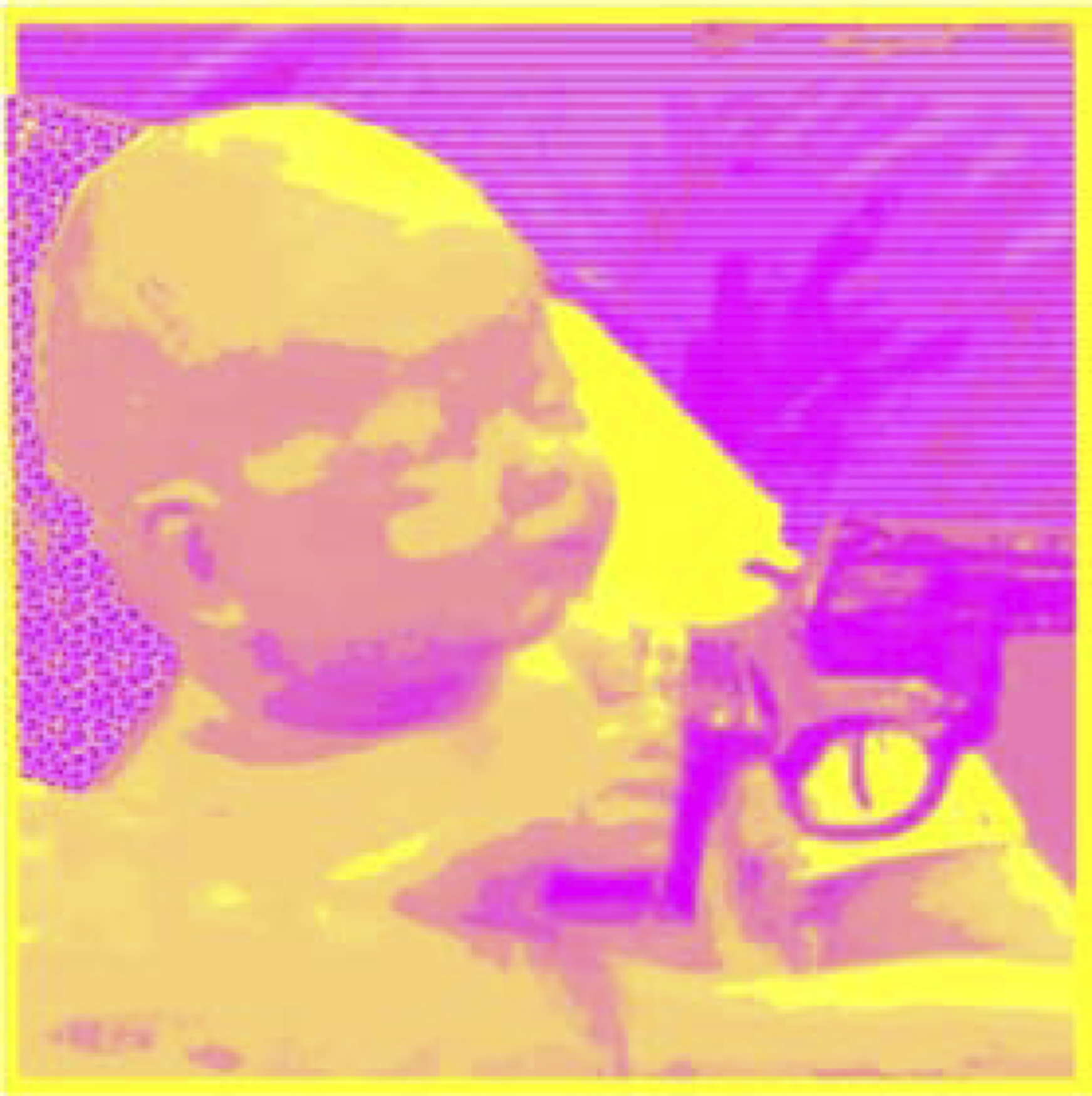
From the perspective of social identity theory, avatar pictures depicting violence can offer insights into the digital environment and the preferred methods of engagement within that specific space, as well as the networking strategies of its members (Turner et al., 1979). Individuals select representations that align with their perceived identity or the image they aim to cultivate within a subcultural social group or community. Image 5 serves as an illustrative example of this alignment. Here, a gang-style jewelled and tattooed young Caucasian man is depicted, seen in profile holding a gun in a public space, seemingly threatening unseen others. This visual narrative conveys a story about a white male seeking revenge, using murder as a means to address his sexual frustration and feelings of marginalisation. As highlighted by Kimmel’s (2013) exploration of violent white men in the United States, men may endorse and normalise violence to assert power and control, particularly in circumstances where they feel marginalised or lack power due to social, political, and economic shifts that challenge traditional masculine norms, roles, and narratives. A tattooed young white man, gun in hand.
These evolving norms might incentivise men to resort to violence as a means of resolving conflict, preserving ‘old-but-valued’ ideals, or imposing a new societal order through force (Wilson, 2022). However, identification with violence or murder through visuals can also be constructed in subtler ways, often through pop culture, fictional characters, historical events, or figures. At times, sympathies with violence are bolstered by images of young mass-murderers such as Marc Lépine or Elliot Rodger (refer to Images 6 and 7), both of whom committed femicides and became the supreme heroes of the incel community. A digital collage depicting a headstone for Elliot Rodger, inscribed with “Here lies Elliot Rodger. He never scored.” An altered and stylized depiction of Marc Lépine.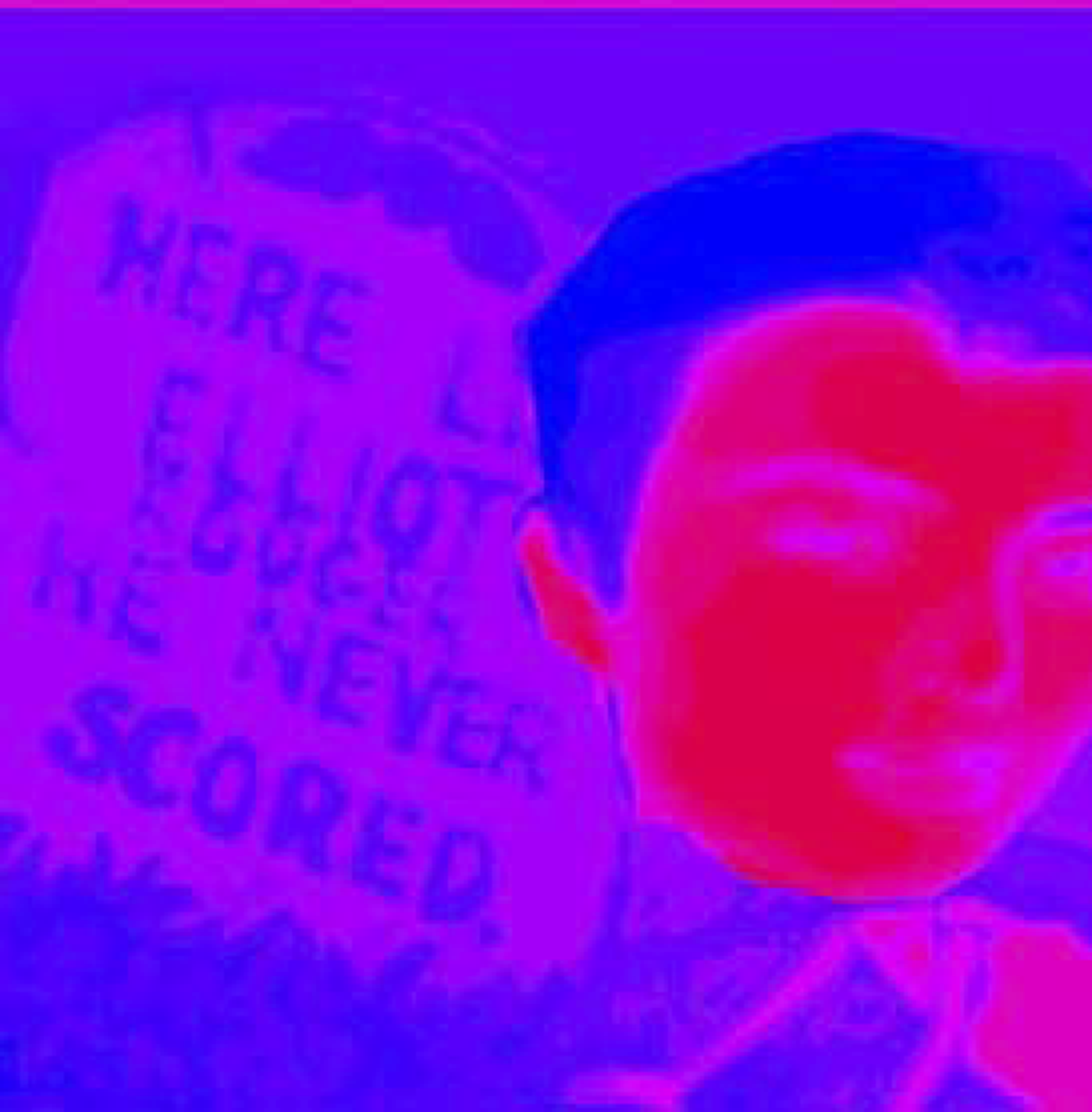
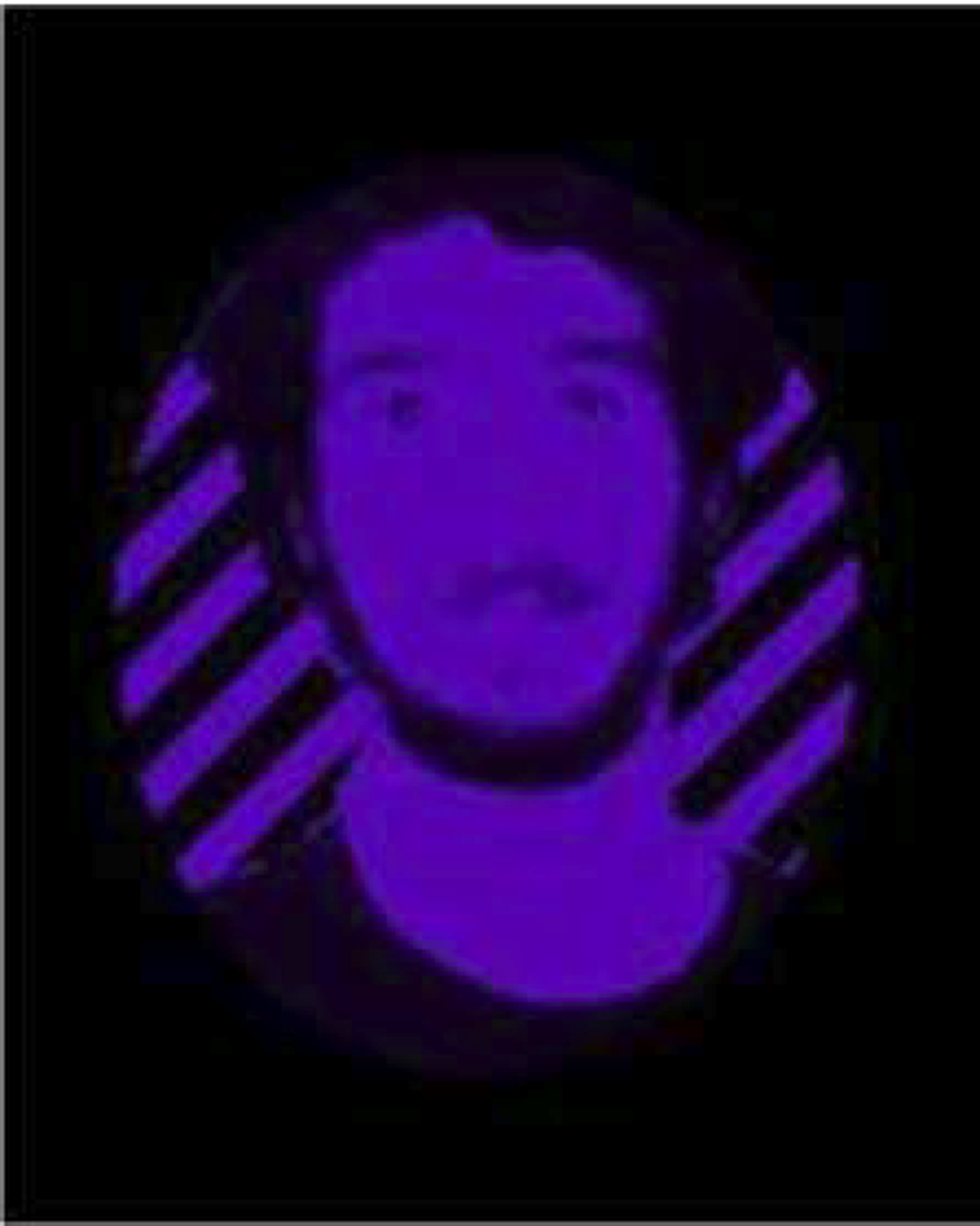
Without a doubt, one of the most referenced productions is the film ‘Joker’, portraying a male character grappling with feelings of marginalisation, misunderstanding, and societal neglect. The protagonist, Arthur Fleck, undergoes a gradual journey of rejection and isolation, coupled with mental health issues, resonating strongly with a significant number of incels. Eventually, he resorts to massive violence during his delinquent trajectory. In Image 8, the entire avatar picture is a fan art creation featuring the main character, the Joker. Created through digital drawing or special effects reconstruction, he is depicted in his iconic multi-coloured clown costume and make-up. Here, he is seated, smoking, and wearing a comfortable smile. However, the violent undertone becomes markedly visible upon closer inspection of the bloodstain on his face, signifying a recent act of murder. It is posited that the Joker symbolises a quasi-orgasmic sensation of post-murder, referencing notions of revenge and male uprising. The Joker reimagined in anime style, shown smoking with a smile.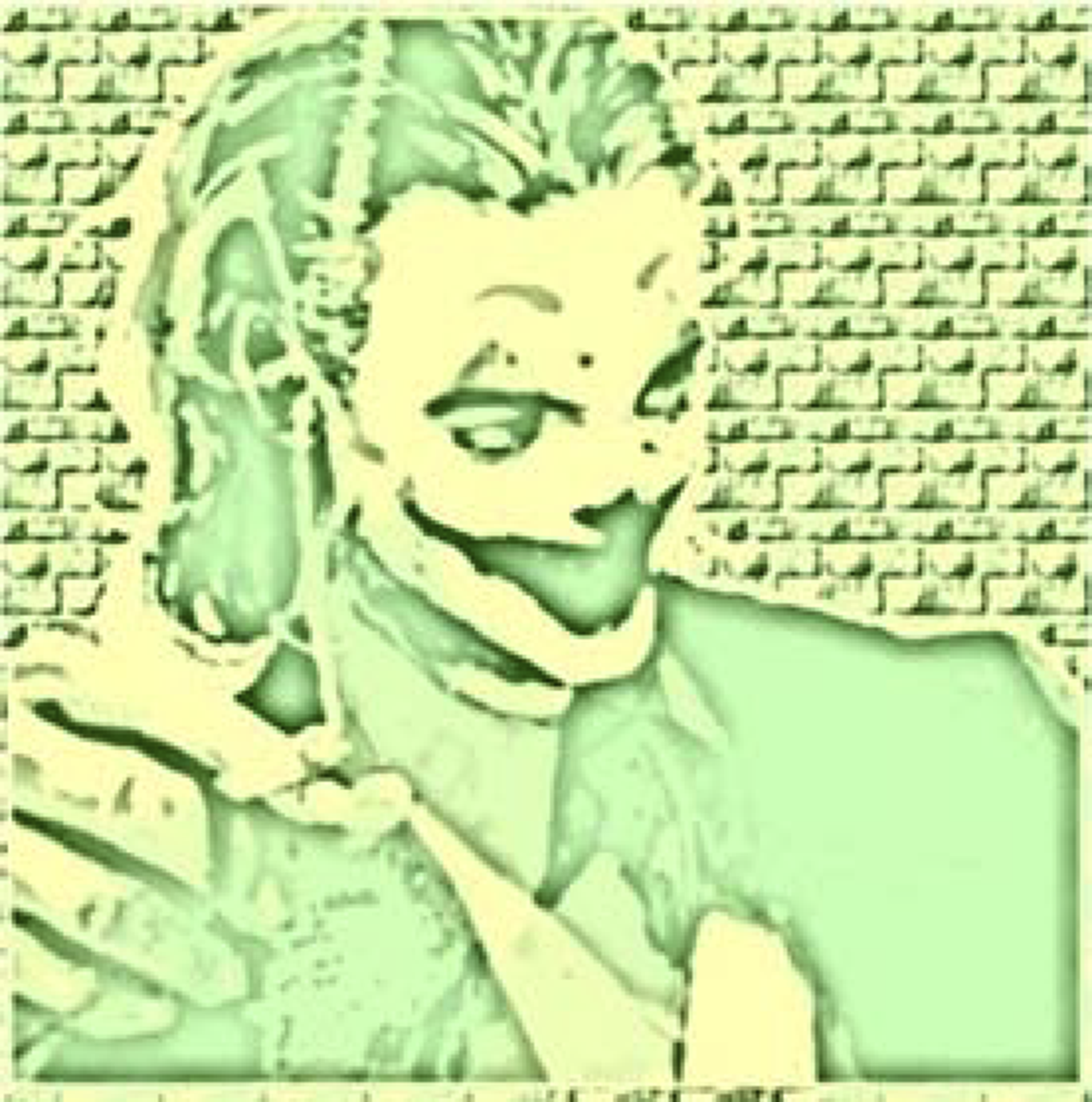
The theme of violence is also evident in images encompassing themes of defence, uprisings through wars and conflicts. Typically, these depictions feature historically significant commanders, influential political figures in wars, radical violent organisations, revolutionary icons, military artifacts, or fictional warrior characters. For instance, such images may include SS fighter aircraft, ISIS logos, or samurais, serving as means for incels to express their ideological stances, aiming for socio-political upheavals as well as the preservation of traditional values through acts of ‘bloodshed’ (Refer to Image 9). A composite image combining an ISIS flag with a photograph of several sympathizers performing a Nazi salute.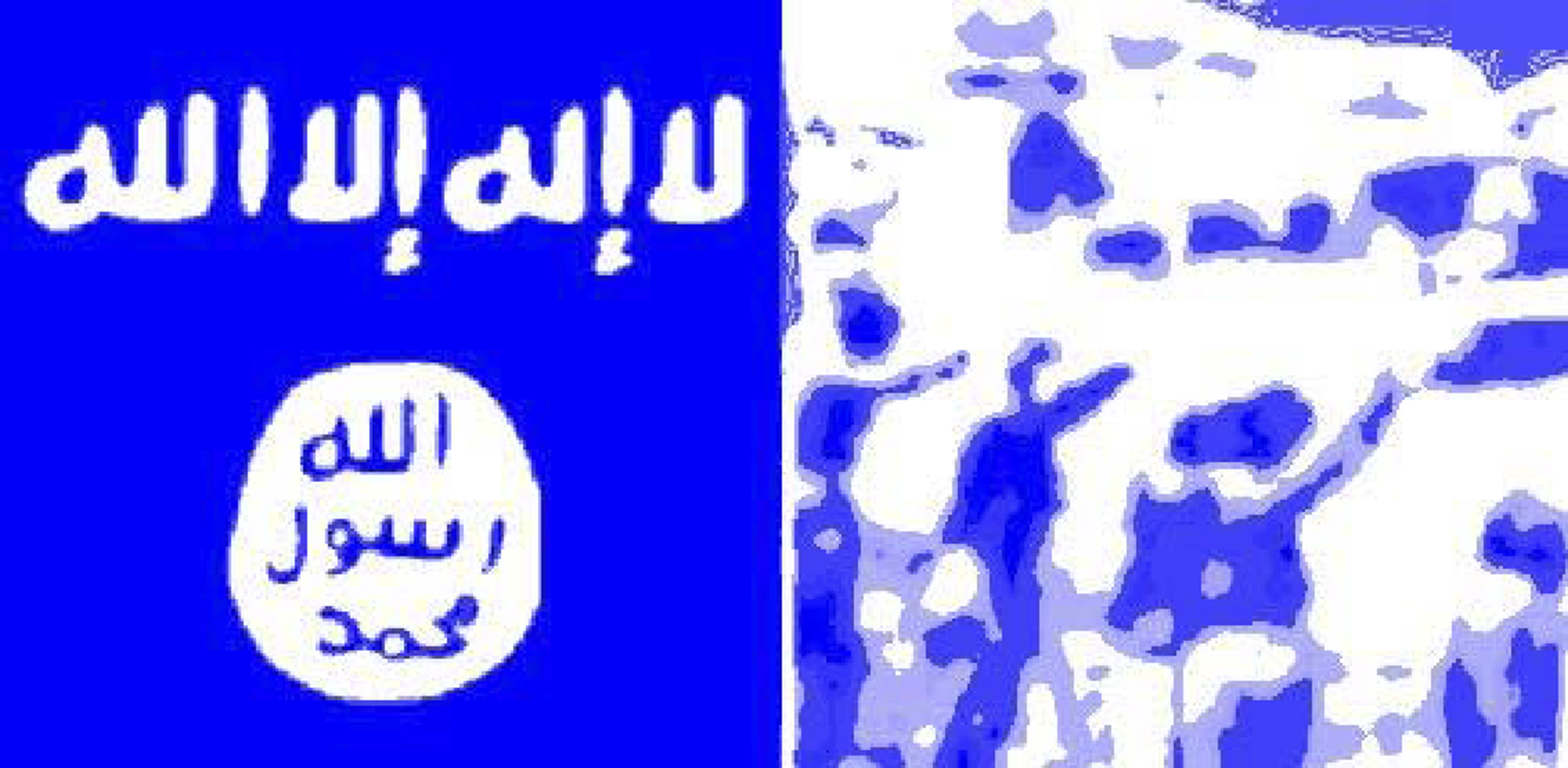
Image 10, for instance, is artfully composed through contrast and shadowing techniques. The shadowed portion creates the outline of a human figure, likely a knight, alongside the silhouette of a medieval castle. Within the image, the figure – lacking a discernible face – is depicted wielding a weapon resembling a spear, positioned in defence of the castle against potential external threats. While various interpretations of this symbolic imagery are plausible, the most evident message may centre on the potential utilisation of violence in safeguarding and defending the incel realms, nurturing the realities, visual representations, and fantasies within the incel community. A dark silhouette of a castle guard.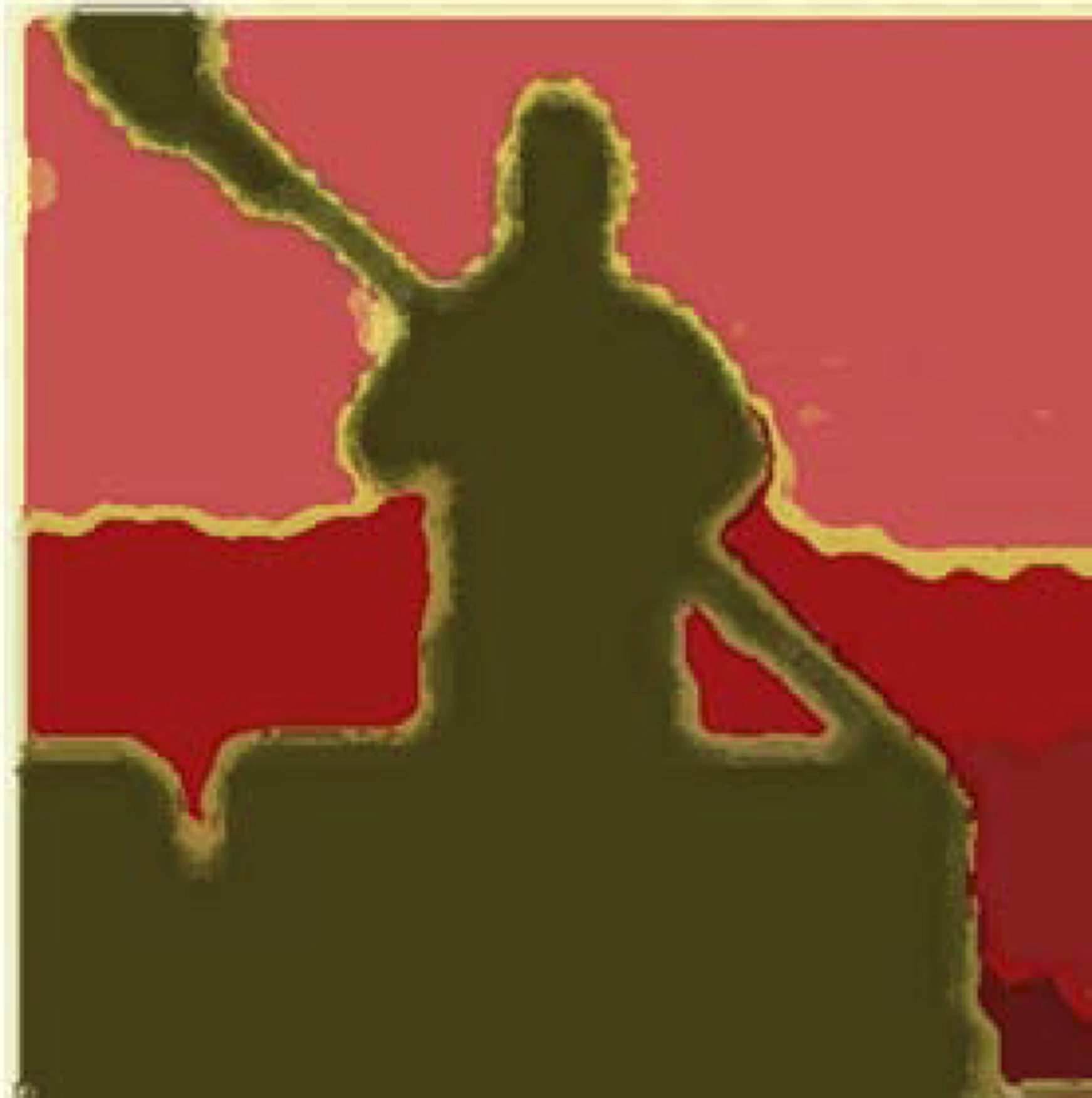
In examining the multi-layered expressions of violence within incel communities, our analysis unveils a complex tapestry of avatar depictions, referencing films like ‘Joker’, historical icons, and symbolic imagery. Avatar pictures, as seen in Images 5–10, illustrate diverse representations – ranging from the quasi-orgasmic post-murder sentiments encapsulated by the Joker to symbolic depictions of defence and protection, emphasising the potential use of violence to safeguard incel realms. The visual narrative extends to historical commanders, radical organisations, and fictional characters, serving as avenues for incels to express socio-political upheaval and conserve traditional values through symbolic acts of ‘bloodshed’. In our subsequent section, we delve into the role of anime, fiction, and gamer culture within the incel community, exploring their significance in shaping and reinforcing ideologies and perceptions among incels.
Chromatic narratives: Exploring fictional self-presentations, pop-cool agony, and masculinity
Fictional characters often function as mirrors, reflecting our own ideas, emotions, experiences, and lifestyle choices (Gabriel et al., 2017). They serve as conduits through which identification with a character becomes a reflection of various aspects of our constantly evolving sense of self (Georges, 2009). This connection to characters undergoing familiar situations and emotions can evoke feelings of understanding, validation, visibility, and recognition, as they mirror the diverse struggles, fears, fantasies, or aspirations we internalise (Horton and Wohl, 1956). In this context, individuals who identify as incels often use a multitude of fictional characters (such as anime and manga characters, cartoon figures, meme personas, or game avatars) in their profile pictures as a means of expressing a nihilistic perspective on male loneliness (Conley, 2020), as well as issues related to (a)sexuality, social isolation, and fantasies, albeit in a culturally appealing manner. For marginalised or underrepresented groups, these characters can serve as empowering symbols, offering a nuanced sense of validation, visibility, and public representation in contrast to prevailing social norms (Hills, 2002; Jenkins, 2020). Within this framework, the notion of empowerment within incel communities hinges not only on communal empathy regarding the absence of conventional attractiveness but also gaining public attention and acknowledgement of a perceived societal threat stemming from those considered less dominant (Ging, 2019a). These fictional characters cater to various psychological needs of incels (Katz et al., 1973), enabling them to identify themselves within the universes these characters inhabit, fostering emotions like envy, empathy, or admiration (Rosenblatt, 1994).
Our data on fictional characters is predominantly constructed via the photos of anime and manga characters including hentai photos (a genre of Japanese manga and anime that is hyper-eroticised with sexually explicit images). The overwhelming majority of these photos features young or teenage female figures that are hyper-sexualised and eroticised, subjected to the male gaze. With colourful, shiny, and seductive effects and features, these characters reflect not only incels’ challenging access to women but also an object of both desire and hate. As reflected in Image 11, there is a scene from an anime where a young girl is playing with her horse and petting it. The girl is illustrated with long black hair styled with red ribbons, wearing a wide-cut grey sweater that nudes one of her shoulders. We see her fuchsia bra and the contours of her breasts. She looks both embarrassed and pleased at the horse’s reaction licking her face, the saliva is perfectly drawn just above her chest. She is trying to resist the horse’s physical force and giggles as a bodily response to the (sexual) affection. Symbolically, this image can be interpreted as a convergence of themes encompassing sexual desire, incels’ idealised perceptions of women as passive beings in the face of masculine power, and the objectification of women. Additionally, the intersection between incels and the gaming community often highlights portrayals of masculinity rooted in traditional values: competitiveness, assertiveness, dominance, virility, and hyper-sexuality (Light, 2013; Lindsay, 2021; Regehr, 2022). As a tool wielded within the realm of introversion as a form of political expression, we contend that the portrayal of sexual fantasies within avatar photos illuminates the yearnings and mechanisms associated with gaming masculinities (DiSalvo, 2016), functioning in favour of dominant models of masculinity and male desire. An anime-style illustration of a girl as a horse licks her.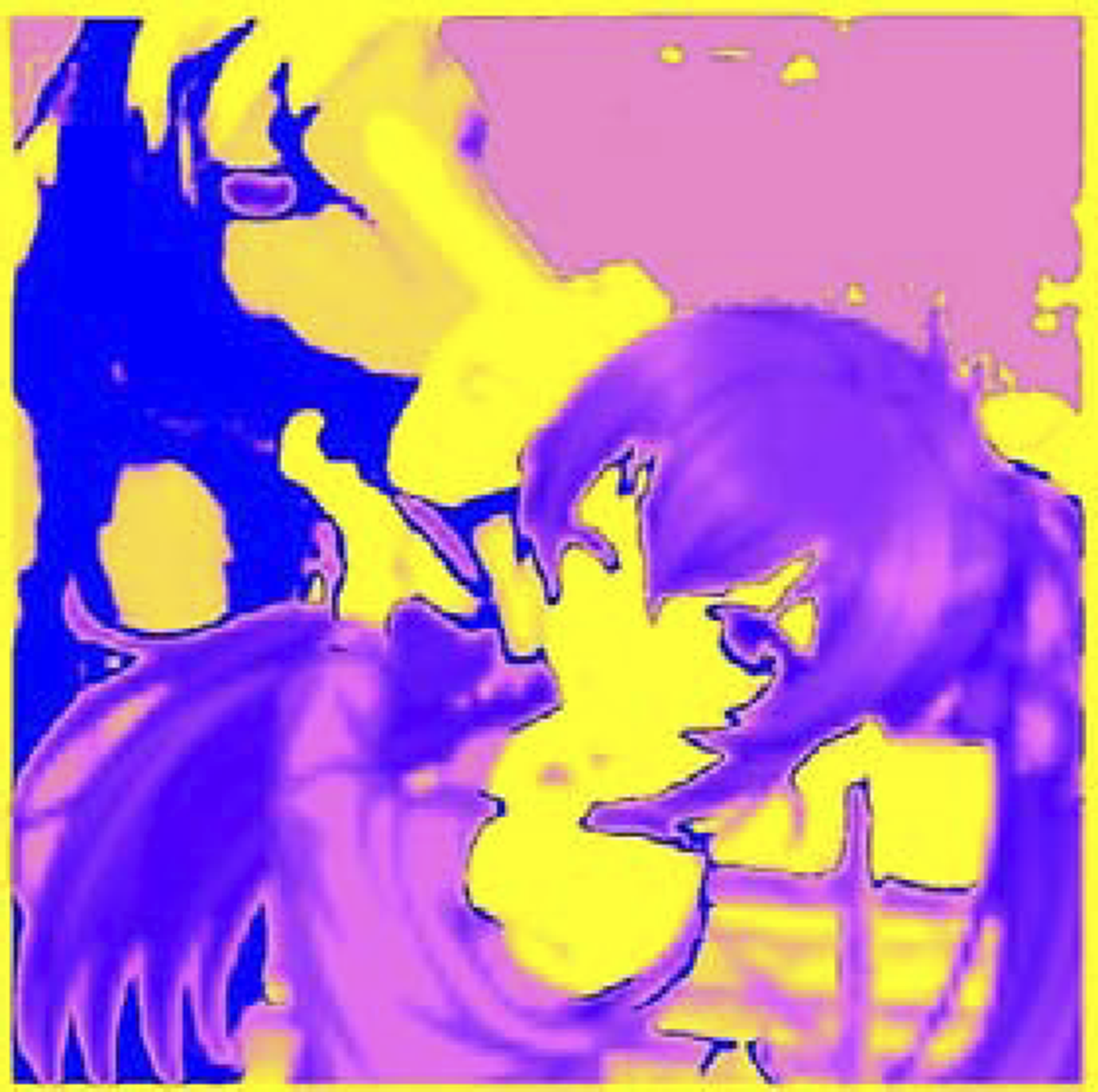
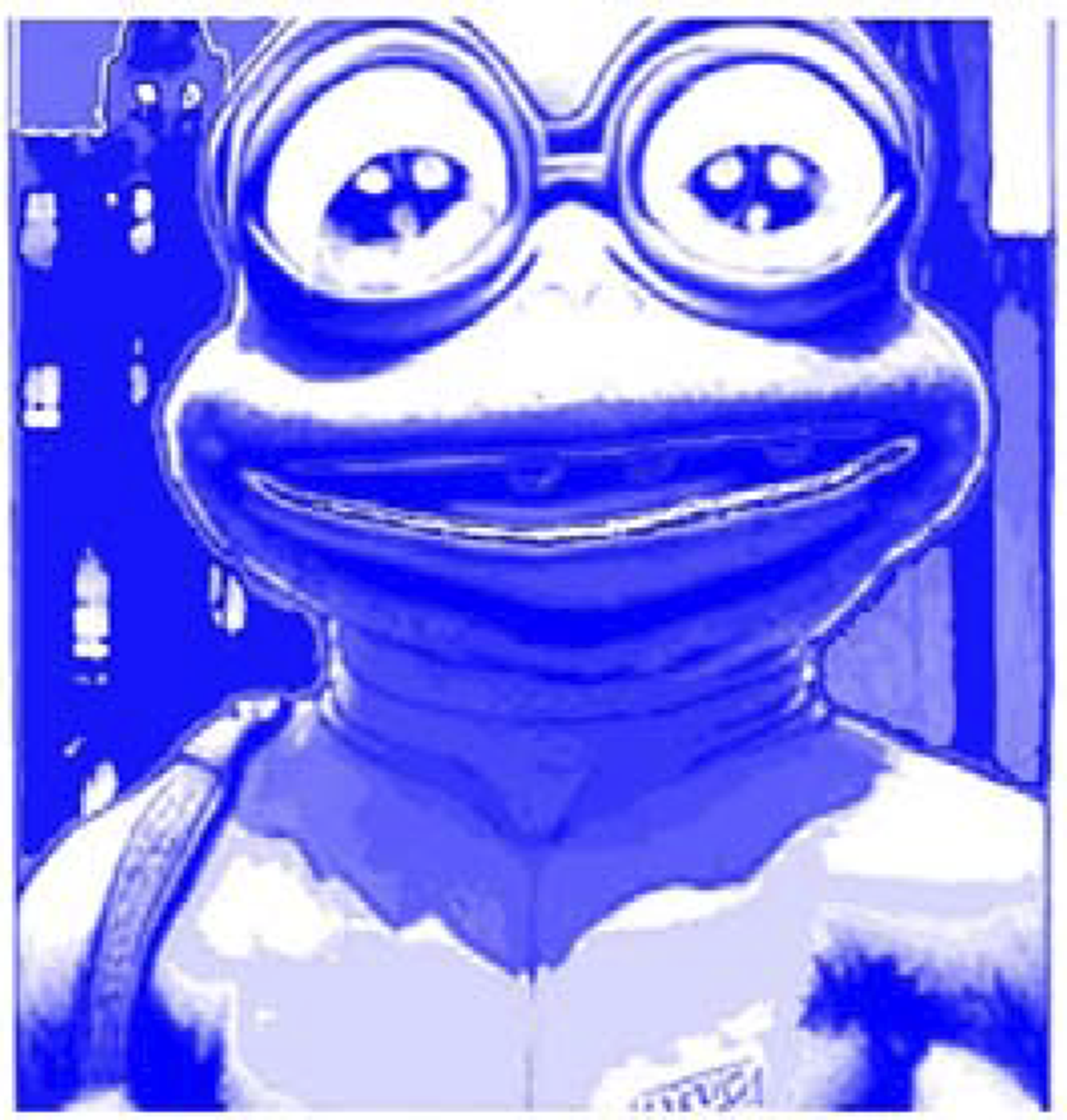
Our analyses demonstrate distinct ways in which male figures are employed to articulate the politicised self within the incel sphere. These figures are utilised in two primary manners within photos: the first involves aligning oneself with idealised male characters who exude charisma, villainy, seduction, flirtation, or malevolence. The second method entails establishing a symbolic connection with figures possessing traits that mirror the ongoing struggles faced by incels in reality. In the first category, male figures hold erotic capital, wielding manipulative power and exhibiting the potential for violence. Conversely, characters in the second category often portray unhappiness, depression, or agony; they express emotions through crying, screaming, or yelling, encapsulating emotional suffering. As Lucy analyses (2024), incels’ discourse on masculinity diverges from the ideals of hegemonic masculinity, largely because of their perceived or actual inability to fulfil societal expectations, particularly in the realms of romantic and sexual experiences (2024). To illustrate, incels frequently employ characters like ‘Pepe-the-frog’ or ‘Wojak’ (Images 13 and 12), non-player characters highly popularised to convey vulnerability in various manospheres dominated by incels (Aulia and Rosida, 2022; Laurie et al., 2021; Pantucci and Kyler, 2020). However, these same characters may also be repurposed within the first category to emphasise notions of empowerment. For instance, consider Image 13, where Pepe-the-frog is depicted in a scene of suicide or a murderous act, displaying a fractured skull, blood, and partial carnage. The avatar picture amalgamates elements of depression and dark humour, establishing a connection with themes of fatalistic outcomes, isolation, or a perceived state of hopelessness. In contrast, Image 14 portrays Pepe-the-frog from a frontal profile, employing 3D effects to render him more human, larger, and muscular, imbuing him with vitality, strength, and vigour. Even when Pepe-the-frog is depicted as a costume for a real person to wear in public spaces, the figure is illustrated as heroic, masculine, and captivated by ordinary life. A masked “Feels Guy” figure sitting in the dark, watching a screen. A depiction of Pepe the Frog shown with an exploded head. An anthropomorphic frog depicted wearing a hero costume at night.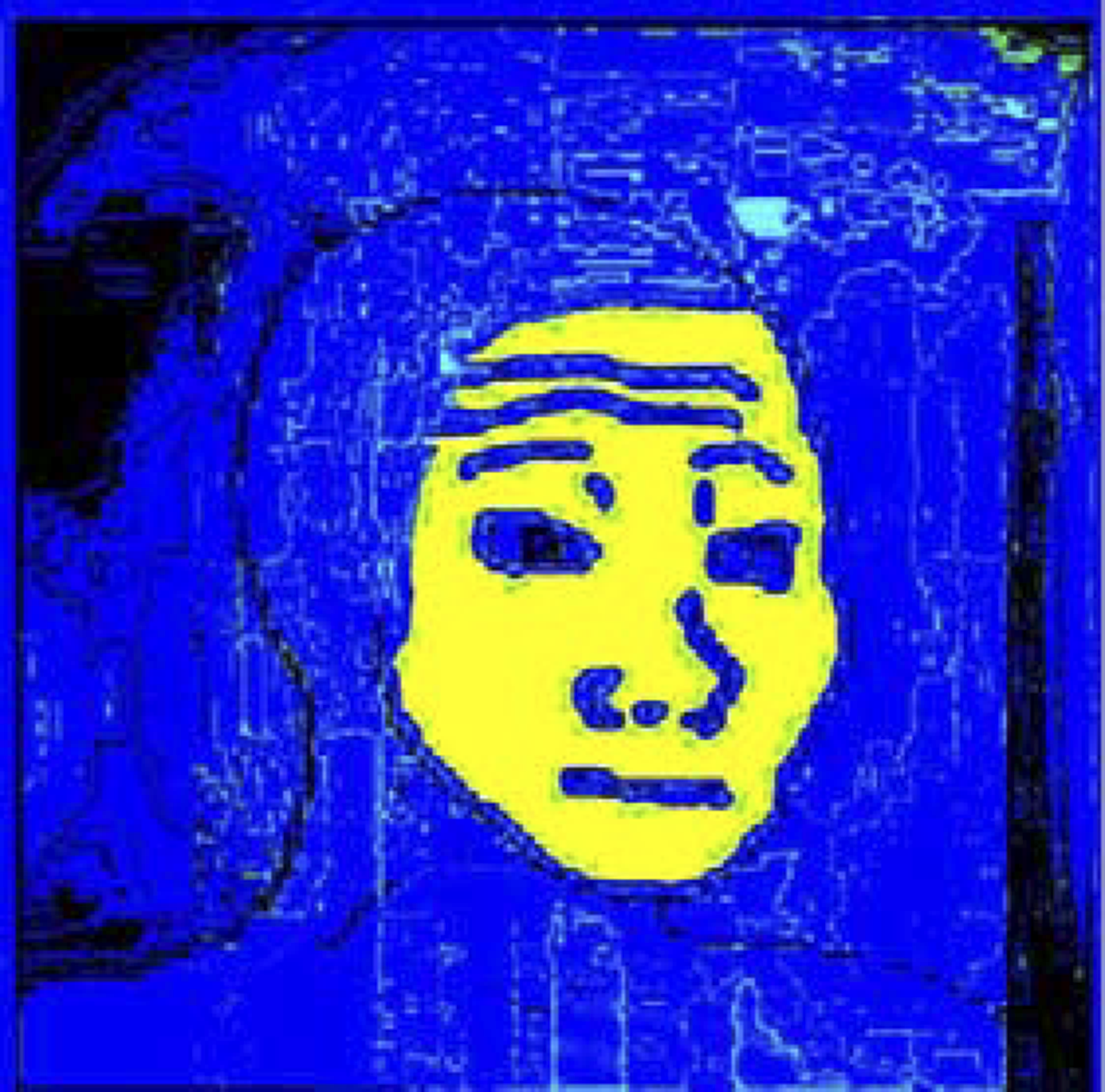
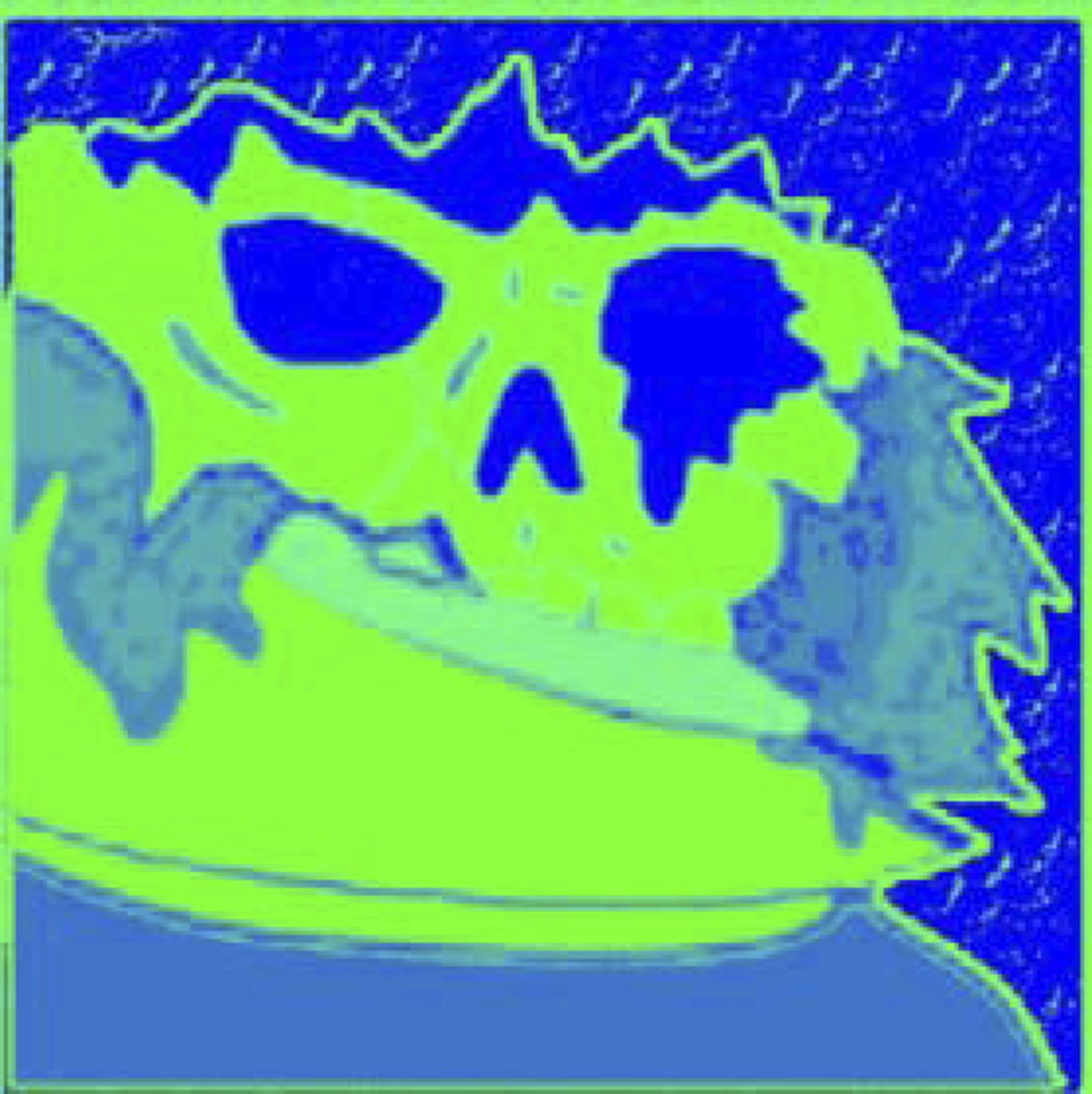
As illustrated by the examples above, it is a common practice among incels to utilise surreal and fictional elements – characters, environments, and settings – to establish a connection between anonymity and an alternate reality. This prevalent use of surreal visual storytelling often incorporates dark and ominous elements to convey the mental anguish stemming from the state of being ‘red-pilled’ or ‘black-pilled’ for incels. In these renditions, avatar pictures tend to adopt a less vibrant, monochromatic aesthetic, frequently in black and white, intensifying the challenge of comprehending context, narratives, bodies, objects, or concepts. For example, consider Image 15, where this dark storytelling unfolds. In this black-and-white photo, a slender naked figure faces a bathroom mirror, seen from behind. The mirror reflects a disturbing white mask, either worn by the figure or inseparable from their face, perhaps suggesting a detachment from humanity or a transformation into something non-human. The scene evokes a bleak and despondent atmosphere, where the subject appears alienated from the human experience, rendered vulnerable through the symbolism of nakedness, physical frailty, and emotional destabilisation. As evident throughout these instances, fictionality functions as a versatile tool – a ‘Swiss army knife’ of sorts – enabling the creation of diverse visual narratives that encompass self-expression in sarcastic, victimised, idealised, and realised forms, all at once. A monstrous, human-like figure gazing at its reflection.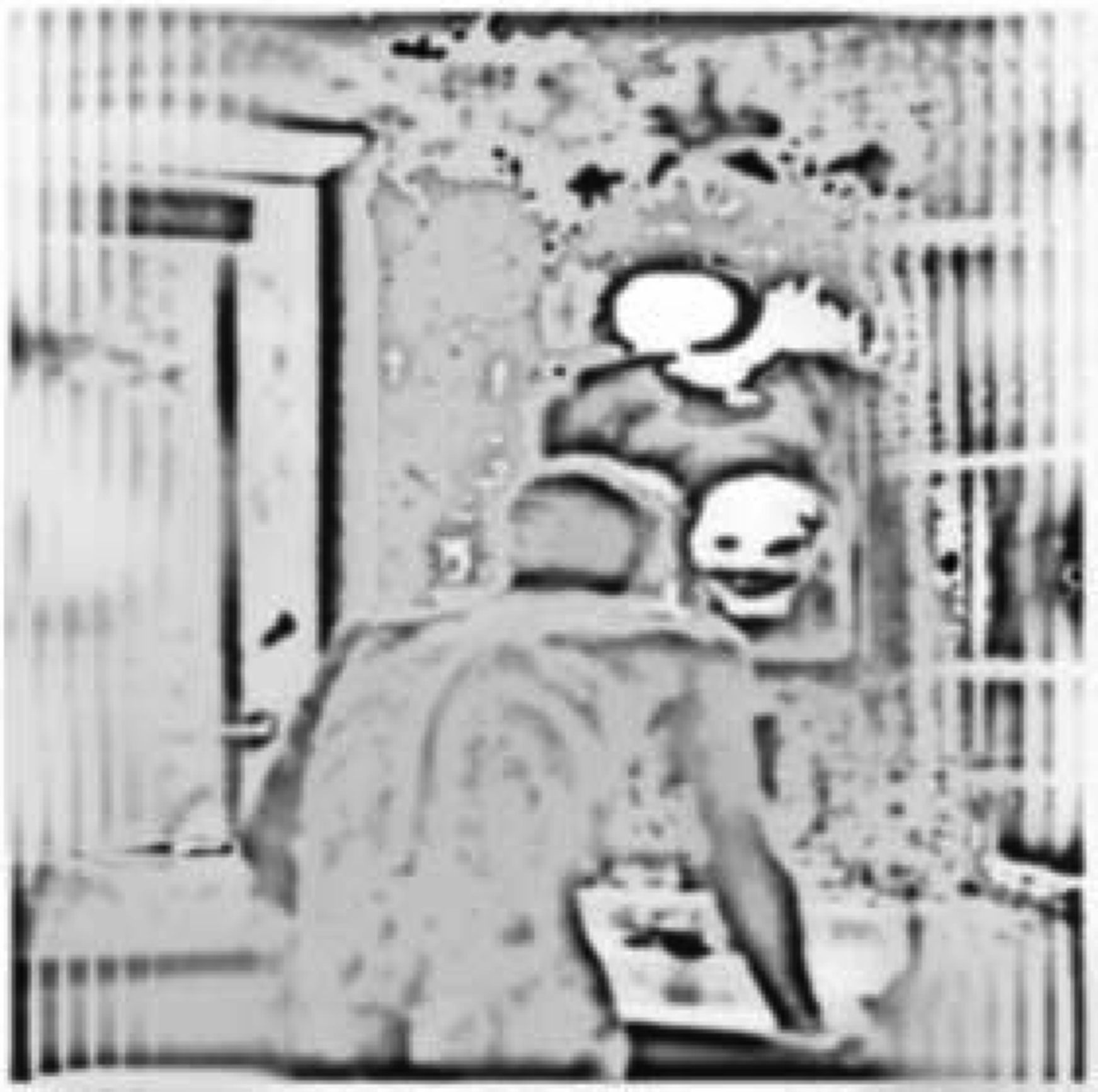
In the realm of incel expression through fictional characters and surreal imagery, a complex narrative unfolds – a tapestry woven with layers of symbolism, emotional resonance, and societal commentary. These visual representations, often employing dark and surreal elements, serve as a canvas for the intricate portrayal of incels’ inner struggles, aspirations, and disillusionments. From the utilisation of idealised and villainous male figures to the evocation of emotional pain and detachment through monochromatic, enigmatic visuals, the spectrum of expression within this sphere is vast and multifaceted. Fictionality here acts not merely as a mirror but as a kaleidoscope, refracting varied facets of incels’ perceptions and experiences in poignant, if sometimes unsettling, ways. Ultimately, these visual narratives reflect a yearning for identity, recognition, and understanding within a framework where surrealism and symbolism become the language of a marginalised community seeking expression in a world often difficult to navigate.
Discussion: Unravelling incels’ visual politics
Our examination of incel dynamics reveals different layers of identity, protest, and expression within their constructed neo-realities. Drawing inspiration from Goffman’s concept of dramaturgy (1990), we perceive incels performing complex behaviours, crafting personas and narratives on the stage of visual mediums to project their frustrations and aspirations onto a wider social and political canvas. This dramaturgical orientation of incel aesthetics and rhetoric generates ‘drama rooms’ (or coulisses), facilitates the proliferation and dissemination of subcultures of anger, and fosters a sense of community through shared feelings of victimhood and resentment, often with extremist tendencies. Efforts toward gender equality and sexual democracy are usually perceived not as progress but as a collective loss and erosion, frequently regarded as the main force behind systemic emasculation. These efforts are characterised as promoting an ‘anti-nationalist, pro-globalist, feminist, and misandric society’ (Kimmel, 2013).
Through a fusion of visual aesthetics, protest masculinity, and responses to social changes, incels traverse a gendered polyphonic landscape. Despite its heteroclite nature, the incelosphere establishes an incel subculture in response to this perceived collective loss and erosion, further marginalising its members and excluding them from the social and erotic marketplace. As Becker highlights in his analysis of subculture formation (1963), incels unite to create their own jargon, semantics, and methods of dramatising the ‘problem’, positioning themselves in opposition to what they perceive as a dominant, male-discriminatory mainstream society. In this context, creating cultural meaning is organically linked to unique storytelling tactics and the use of aesthetics, which envision fictional, real, and alternative worlds, through which social belonging becomes possible.
The visual narratives they craft, employing avatar aesthetics as a political tool, reflect a quest for recognition and resistance against perceived injustices in a changing social landscape. Incels intricately utilise aesthetics of anonymity, violence, and fictionality to construct a (post)-incel projection and delve into self-exploration. Drawing from Gerbner’s (1998) perspective on media influence, this constructed projection, which we term incel neo-reality, reimagines their bodily pain as a transformed, empowered, and intimidating experience, aimed at unsettling and challenging ‘normies’, blue-pilled people living mainstream society. Within this neo-reality, incels deploy abstract, surreal, and vibrant storytelling patterns, signalling protest masculinity against the uneven distribution of their lack of sexual and physical privilege, sexual desires, and entitlement to incel personas.
Our study investigates the creation of incel neo-realities through the lens of protest masculinity. This theoretical framework illuminates how incels negotiate traditional masculine values, critiquing both old patriarchal norms (Kandiyoti, 1988) and post-patriarchal gender arrangements and democratic structures (Macé, 2016). This critical stance is reflected visually through the development of incel aesthetics and visual narratives (Regehr, 2022), serving as both political performances in digital realms and expressions seeking visibility across socio-physical spaces (McGarry et al., 2019b). These visual expressions intersect with protest masculinity as incels respond, individually and collectively, to perceived challenges to traditional masculine roles and identities (Bantugan, 2024; Edwards and Fuller, 2019), challenging societal norms enforced by a perceived sexo-society (Kelly and Aunspach, 2020). The incel community positions itself in a society where male virginity is stigmatised, fostering the creation of masculinist contexts and networks that perceive threats to social patriarchal roots in evolving gender norms, relations, politics, and sexualities. As Kimmel argues, male entitlement assumes that men, under their gender, are inherently entitled to certain privileges, rewards, or social statuses. This sense of entitlement can give rise to frustration, resentment, or even anger when men perceive that their anticipated privileges – such as access to power, authority, or sexual relationships – are being denied or challenged (2013). As a gendered defensive reaction to new-challenging conditions in the male-dominated sphere (Molinier, 2000), incel masculinity gravitates toward violence and aggression, crafting a narrative of entitlement and revenge (Halpin et al., 2025).
Our paper re-examines this framework of entitlement, highlighting the perceived scarcity of erotic resources among incels and their strategic use of avatar aesthetics as a means of political expression. This political expression revolves around arguments concerning the perceived male-discriminative effects of societal changes, aligning with masculinist rhetoric against feminist movements, gender equality policies, and ‘woke culture’ (Eastman, 2023). Engaging with masculinist networks, incels reject the idea of ‘sexual democracy’ (Fassin, 2012; Ging, 2019a), critiquing hegemonic masculinity and related male beauty standards. Yet, this critical position contains hybrid dimensions (Ging, 2019a) and a queer-pervert identity (Kelly and Aunspach, 2020), simultaneously idealising masculine power and female submission to a male-dominated world.
The need for asserting oneself shapes the incelosphere as a ‘defensive solidarity space’ (Noble et al., 1998) against the perceived injustices of the sexo-society, emphasising concepts like ‘looksmaxxing’ and body transformation as responses. Avatar pictures serve as tools for aesthetic political expression, strategic identity construction, and the legitimisation of incel neo-reality. They convey threats, communicate incel gender critiques in a graphically simplified manner, and facilitate indoctrination (Regehr, 2022). Despite their creative potential, these images often become banal due to continuous reproduction, fostering not just communal belonging and new realities but also a distinct polity with a potential for violence.
Incels’ neo-reality spotlights anonymity and recognisability, exposing incel loneliness as a distorted outcome of a perceived ‘post-feminist sexo-society’. Normalising and popularising violence via avatar pictures serves as a response mechanism to what is believed to be hidden sexual injustice by mainstream society. To cope with the destructive effects of sexual and social frustration, incels often immerse themselves in fictional characters and phantasmatic stories. However, this immersion in the fictional realm breeds a misogynist culture where boundaries between the ideal and reality blur, potentially directing incels toward radical solutions and attacks. The nebulous nature of this neo-reality, existing between the real and phantasmatic, generates ‘fast-food ideologies’ through visual and dark-humour mediums. This convergence fertilises manospheres and their cultures, amalgamating misogynistic and pro-violent ideologies, practices, values, and judgements. From a standpoint of public security and coexistence strategies, questions arise about the fluid boundaries between realities and fantasies. These queries explore the pivotal points where incel neo-realities intervene in public space through physical violence and the friction coefficient when transitioning between social realities in pursuit of justice and a fairer society.
Concluding remarks
In conclusion, our exploration into the world of incels uncovers the relationship between identities, grievances, and expressions within their constructed neo-realities. The visual tapestry they weave, employing avatar aesthetics as a political tool, reflects the symbolic and ideological dimensions of incel protest masculinities. By performing protest masculinity and expressing the shared experience of ‘male agony’ to diverse audiences, incels reject their sexo-romantic loneliness and oppose what they perceive as a rising misandrist society. This engagement with visuality and avatar-based expression transforms into a dramatised desire for recognition and a narrative of protest against perceived injustices. However, this realm of expression, oscillating between reality and fantasy, raises concerns about the propagation of ideologies that merge misogynistic undercurrents with pro-violent sentiments, underscoring the need to understand and address the nuanced complexities within incel cultures.
This study is limited by its focus on one incel forum and by its reliance on avatar-based visual material, meaning insights may differ across other manospheric spaces and media formats. Additionally, ethical anonymisation and modification of images, while necessary, inevitably shape representational precision. Future research could therefore triangulate visual analysis with discourse, or digital ethnography across multiple platforms to examine how incel aesthetics evolve, circulate, and influence broader gender-political ecosystems.
Footnotes

Funding
The authors disclosed receipt of the following financial support for the research, authorship, and/or publication of this article: This study is supported by Horizon Europe Marie Sklodowska-Curie Actions; MSCA Grant / 101065243.
Declaration of conflicting interests
The authors declared no potential conflicts of interest with respect to the research, authorship, and/or publication of this article.