




Abstract
Objective
The development, implementation, and study of virtual day treatment programs for adolescents with eating disorders (EDs) was accelerated by the onset of the COVID-19 pandemic. As we transition into a post-pandemic period, it is necessary to analyze how adolescents, parents, and healthcare professionals experience such programs in a context where pandemic-related challenges are less relevant.
Method
Semi-structured interviews were conducted with 25 individuals including eight adolescents with EDs, nine parents, and eight healthcare professionals who participated in the Intensive Ambulatory Care Program (IACP). The IACP is a 6 to 8-week virtual day treatment program for EDs, offered alongside usual in-person care. Phenomenology was adopted as the guiding qualitative theory, and interviews were analyzed using a six-step thematic analysis.
Results
Three themes emerged across all groups: (1) the positive impact on adolescents’ well-being; (2) improved access to care through the virtual format; and (3) challenges encountered due to the program’s virtual and intensive format. An additional theme, the positive impact on parents’ well-being, was identified among parents and healthcare professionals only. Participants also shared their suggestions for improvement for future virtual day treatment programs.
Conclusion
Overall, participants reported a positive experience during the virtual day treatment program, noting improvements in well-being and valuing its accessibility. Taken together with the reported challenges and suggestions for improvement, our findings can guide clinicians and researchers implementing virtual day treatment programs for adolescents with EDs to ensure they fit the needs of this population.
Plain Language Summary
Treatments for teenagers with eating disorders moved online during the COVID-19 pandemic. As we enter the post-pandemic period, we need to understand how families and professionals feel during these virtual treatments. We interviewed 8 teenagers with eating disorders, 9 parents, and 8 professionals who participated in a virtual intensive program for 6 to 8 weeks. Most families and professionals enjoyed the program and saw that it improved teens’ and parents’ well-being. They also described challenges related to the virtual format, and suggested improvements. This suggests that virtual intensive programs could be helpful for teens and parents who can’t access in-person care.
Introduction
Before the COVID-19 pandemic, some eating disorder (ED) treatments, including family-based treatment, relapse prevention programs, and after-care programs, were already being delivered virtually (Dufour et al., 2022), while others, such as day treatment programs, had not adopted this approach yet. Day treatment programs provide intensive treatment, several hours per week, with no overnight admission with the aim to normalize eating symptomatology and improve psychological functioning (Baudinet & Simic, 2021; Henderson et al., 2014; Krishnamoorthy et al., 2023; O’Connor et al., 2023). The COVID-19 pandemic accelerated the implementation and study of virtual day treatment programs. Research teams comparing virtual day treatment programs to in-person day treatment programs tailored towards adolescents and adults with EDs demonstrated that the virtual delivery of these programs is feasible, acceptable, and effective for the treatment of EDs. For example, three quantitative studies conducted among patients ages 9 to 47 established that no significant differences in ED severity, depression and anxiety symptoms, and perfectionism were observed between those who attended day treatment programs via telehealth versus in-person (Levinson et al., 2021; Penwell et al., 2023; Van Huysse et al., 2023). While the treatment outcomes for patients undergoing a virtual day treatment program show promise, it is essential to consider the perspectives of those attending these programs to better tailor them to their needs. To date, few qualitative studies have explored patients’, caregivers’, and healthcare professionals’ experiences during a virtual day treatment program for EDs (Brothwood et al., 2021; Catenacci & Couturier, 2023). These studies have shown that, on the one hand, adolescents, their caregivers, and healthcare professionals appreciated the increased flexibility and accessibility of virtual treatment. On the other hand, virtual treatment posed challenges in forming connections with the treatment team and other participants, which led to feelings of isolation and decreased peer allyship.
While the aforementioned qualitative studies examining adolescents’, caregivers’ and healthcare professionals’ experiences during a virtual day treatment program provide valuable insight into participants’ perceived benefits and limitations of such programs, their generalizability beyond the COVID-19 pandemic is limited. Participants in Brothwood and colleagues (2021) as well as those in Catenacci and Couturier’s (2023) studies attended the virtual day treatment programs during the height of the COVID-19 pandemic: between March 2020 and March 2021. The COVID-19 pandemic brought on unique challenges, including social isolation, perceived threats to one’s health, food insecurity, and potential trauma related to illness or death (Monnig et al., 2023; Paslakis et al., 2021; Robillard et al., 2020), which are less relevant during the transition to post-pandemic times. These pandemic specific challenges may have shaped participants’ experiences during virtual day treatment programs in ways that do not reflect current realities. There is therefore currently a gap in the literature as we lack understanding of participants’ experience in virtual day treatment programs during the transition out of the pandemic period. Our study aimed to address this gap by examining the lived experiences and perspectives of adolescents, caregivers, and healthcare professionals participating in a 6 to 8-week virtual day treatment program, known as the Intensive Ambulatory Care Program (IACP), during the transition to post-pandemic times (January 2022–September 2023).
Method
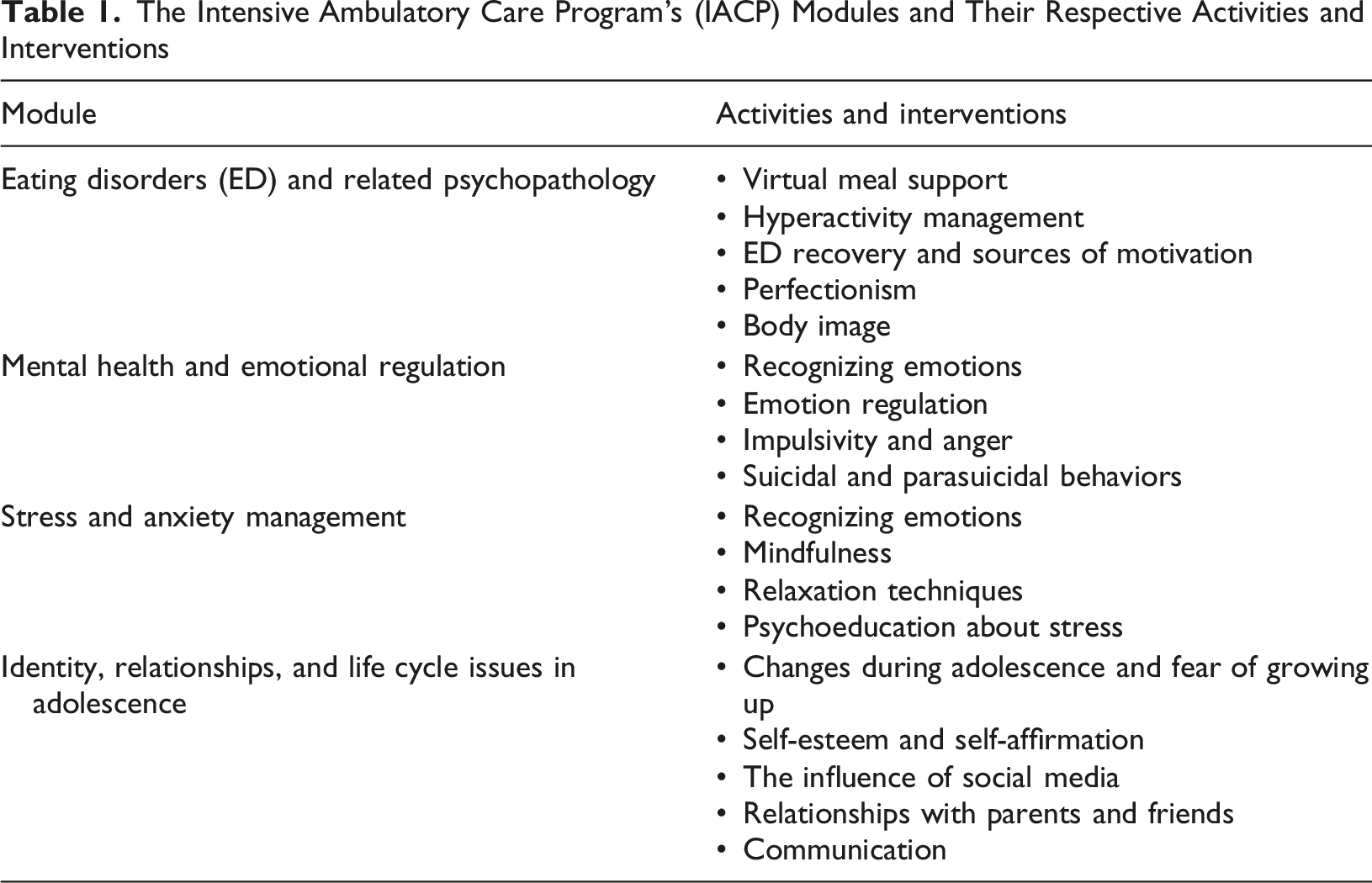
Intensive Ambulatory Care Program
The Intensive Ambulatory Care Program’s (IACP) Modules and Their Respective Activities and Interventions
Qualitative Approach and Research Paradigm
This study’s guiding qualitative theory was phenomenology. This approach focuses on understanding individuals’ lived experience, especially how they perceive, experience and make sense of a phenomenon (Tavakol & Sandars, 2025). In this study, the phenomenon of interest was participants’ experiences during the virtual day treatment program. Based on our chosen approach, we are subscribing to the interpretivist paradigm (Racher & Robinson, 2003).
Reflexivity
The research team included the authors DS and MB who conducted interviews and qualitative analyses. Both brought different perspectives based on their distinct experiences in ED treatment. DS has clinical experience with adolescent and adult ED treatment in a private setting, and MB has worked in adolescent ED care as a research assistant in a hospital setting. Additionally, KN, who reviewed themes, has experience with ED treatment in the public healthcare system as a psychiatry resident. The study supervisors, LB and NC, are researchers in the field with extensive clinical experience in youth ED treatment, LB as a clinical psychologist and NC as a pediatrician. This diversity in care contexts was an asset to the analysis, as it allowed the team to approach participants’ experiences of virtual care from multiple vantage points. However, we also recognized that these backgrounds carried potential biases: familiarity with specific treatment settings may have led to implicit assumptions about what constitutes accessible or effective care. Additionally, while the study supervisors’ extensive clinical knowledge helped ground the analysis, we also recognized that extensive experience in the field may carry implicit assumptions regarding what constitutes meaningful improvement or accessible care. To manage these potential influences, the research team met regularly throughout the coding and data interpretation process to identify and critically examine emerging assumptions, and ensure that interpretations remained grounded in participants’ accounts rather than researchers’ preexisting frameworks.
Participants and Recruitment
Of the 25 adolescents and their parents who partook in the IACP, 14 adolescents and 14 parents initially consented to a quantitative research component and agreed to be contacted for future IACP-related research. All health professionals actively providing care to adolescents at the Sainte-Justine University Hospital Center Eating Disorder Program in Montreal, Canada for a period of at least six months during the implementation of the IACP (between January 2022 and September 2023) were also eligible to participate. This included 33 professionals including pediatricians, child psychiatrists, nurses, psychologists, social workers, specialized educators, and psychoeducators. All 14 adolescents and their parents were approached for post-participation interviews via email in February 2024 and subsequently by telephone in April 2024 when no responses to two emails were received. Healthcare professionals were recruited via email in February 2024. Ultimately, eight adolescents, nine parents, and eight healthcare professionals completed interviews. Based on Moser and Korstjens’ (2018) estimate that phenomenological studies require fewer than 10 interviews, we determined that eight or nine participants per group was adequate. By the last few interviews, significant repetition of concepts was occurring, thereby suggesting sufficient sampling. This study received approval from the the Sainte-Justine University Hospital Centre Research Ethics Board.
Data Collection
Data was collected through semi-structured interviews that lasted between 5 and 30 minutes, for an average of 15 minutes. Interviews were conducted between February and May 2024. The interview guide was developed based on those used in previous studies exploring patients’, parents’, and healthcare professionals’ perspectives on ED treatments (Catenacci & Couturier, 2023; McArdle, 2019), in addition to being informed by the principal investigators and co-investigators’ ED expertise. The interview guide included questions about participants’ appreciation of the IACP, perceptions of the virtual intervention format, evaluation of content modules, suggestions for improvement, and, for health professionals only, the program’s impact on their clinical practice. All interviews were conducted in French via the Microsoft Teams video conferencing platform or over the phone, depending on the participant’s preference. Separate interviews were held with adolescents and their parents. All interviews were audio-recorded and transcribed verbatim. To ensure confidentiality, participants were de-identified in the transcripts using participant ID numbers, and transcripts were stored on a secure hospital server.
Data Analysis
A thematic analysis was conducted following the six-phase process outlined by Braun and Clarke (2006). A master’s student (DS) and a research assistant with master’s level training (MB) first independently read all transcripts to familiarize themselves with the data and generate an initial list of main ideas present in the data (phase 1). They then each independently developed a preliminary coding scheme using NVivo 12 software (phase 2) and began sorting codes into main themes and sub-themes, while noting any relationships that emerged between them (phase 3). Both coders held reflective journals in which they documented the progress of each analysis session and the questions or observations that arose during it, meeting every two weeks to discuss and resolve any discrepancies. During phase 3, both coders independently identified thematic similarities across all three participant groups. These similarities were discussed with the principal investigator and co-principal investigator NC and LB, and as a team, the decision was made to create themes across groups rather than keeping the themes separate for each group of participants. The themes conceived in phase 3 by both coders were then combined by the master’s student, and differences in coding were discussed in team meetings with the principal investigator, co-principal investigator and KN. The final combined themes and sub-themes were then reviewed and refined in collaboration with the principal investigator and co-principal investigator (phase 4). With the principal investigators’ guidance, DS then defined and named the different themes (phase 5) before proceeding with the final analysis and write-up of the report (phase 6).
Results
Participant Demographics
Demographic Characteristics of Study Participants
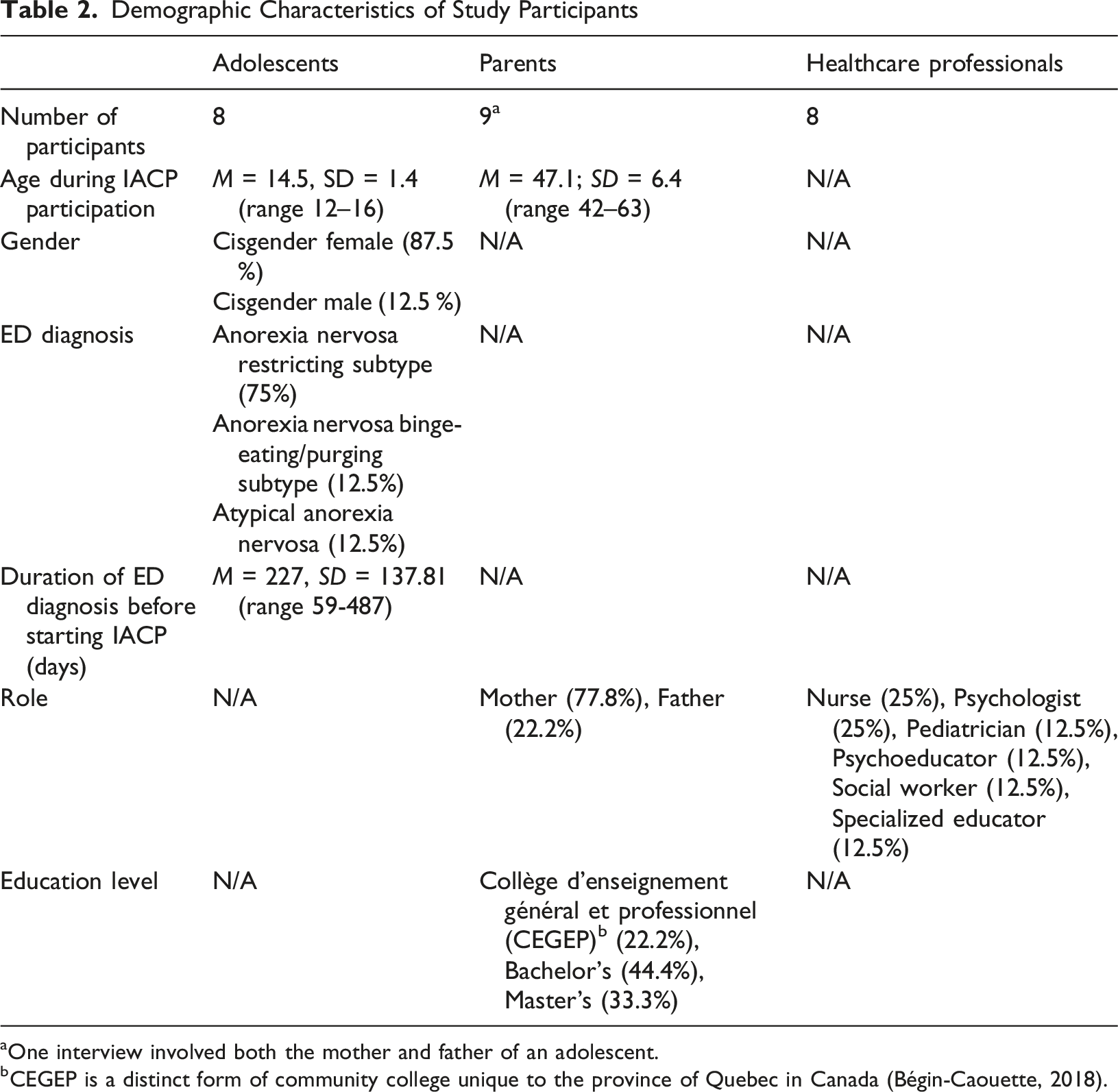
aOne interview involved both the mother and father of an adolescent.
bCEGEP is a distinct form of community college unique to the province of Quebec in Canada (Bégin-Caouette, 2018).
Qualitative Results
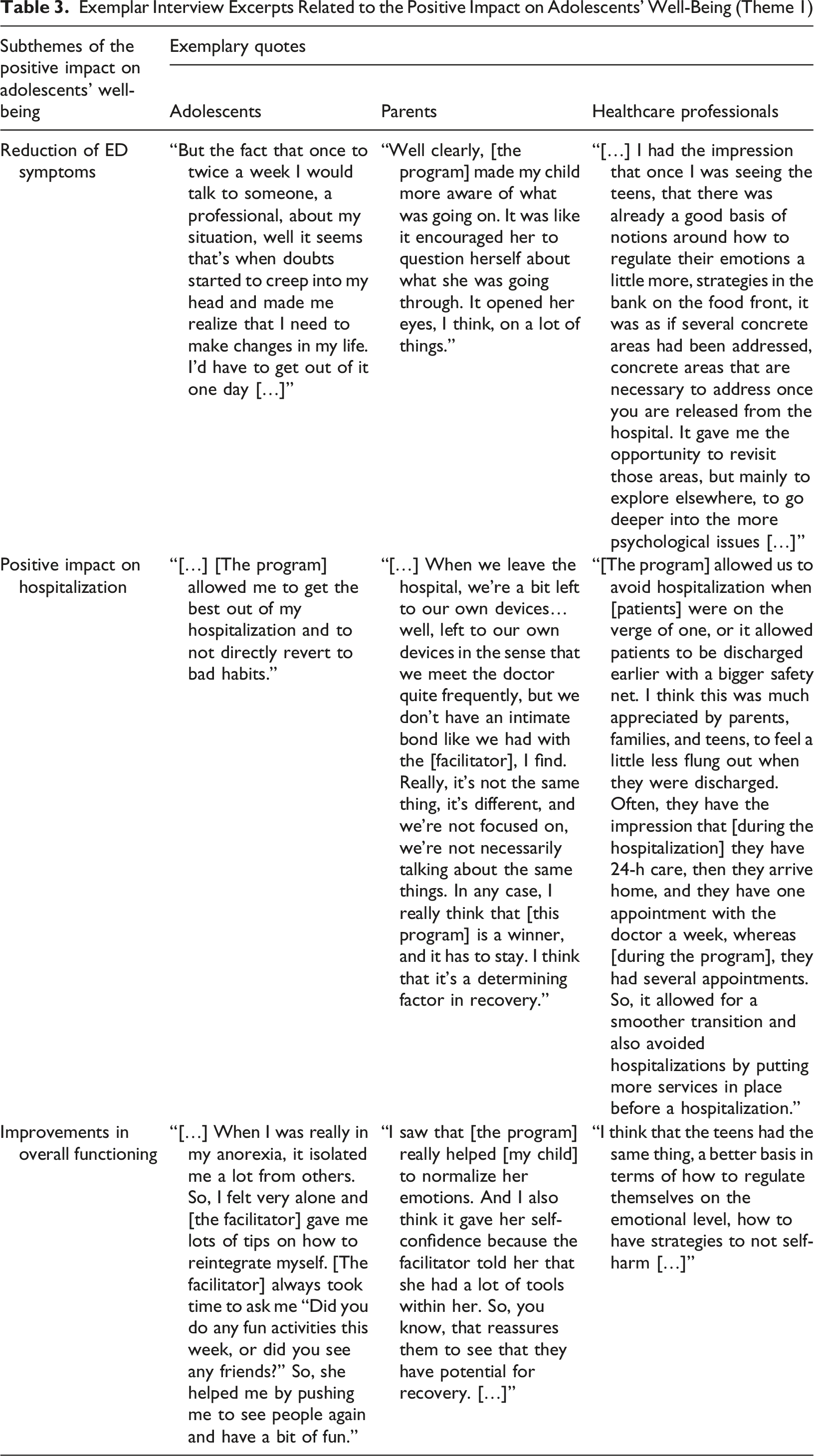
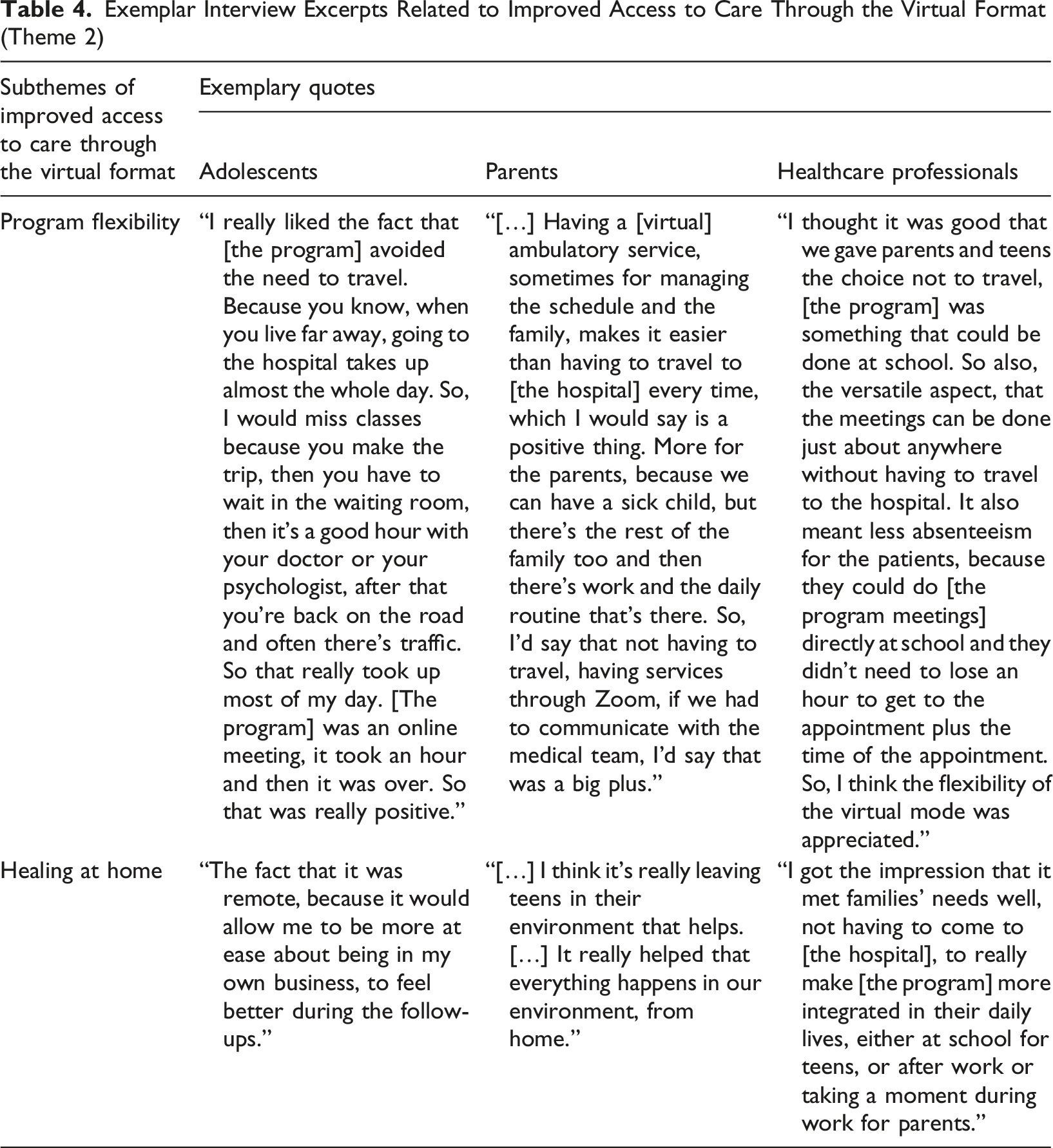
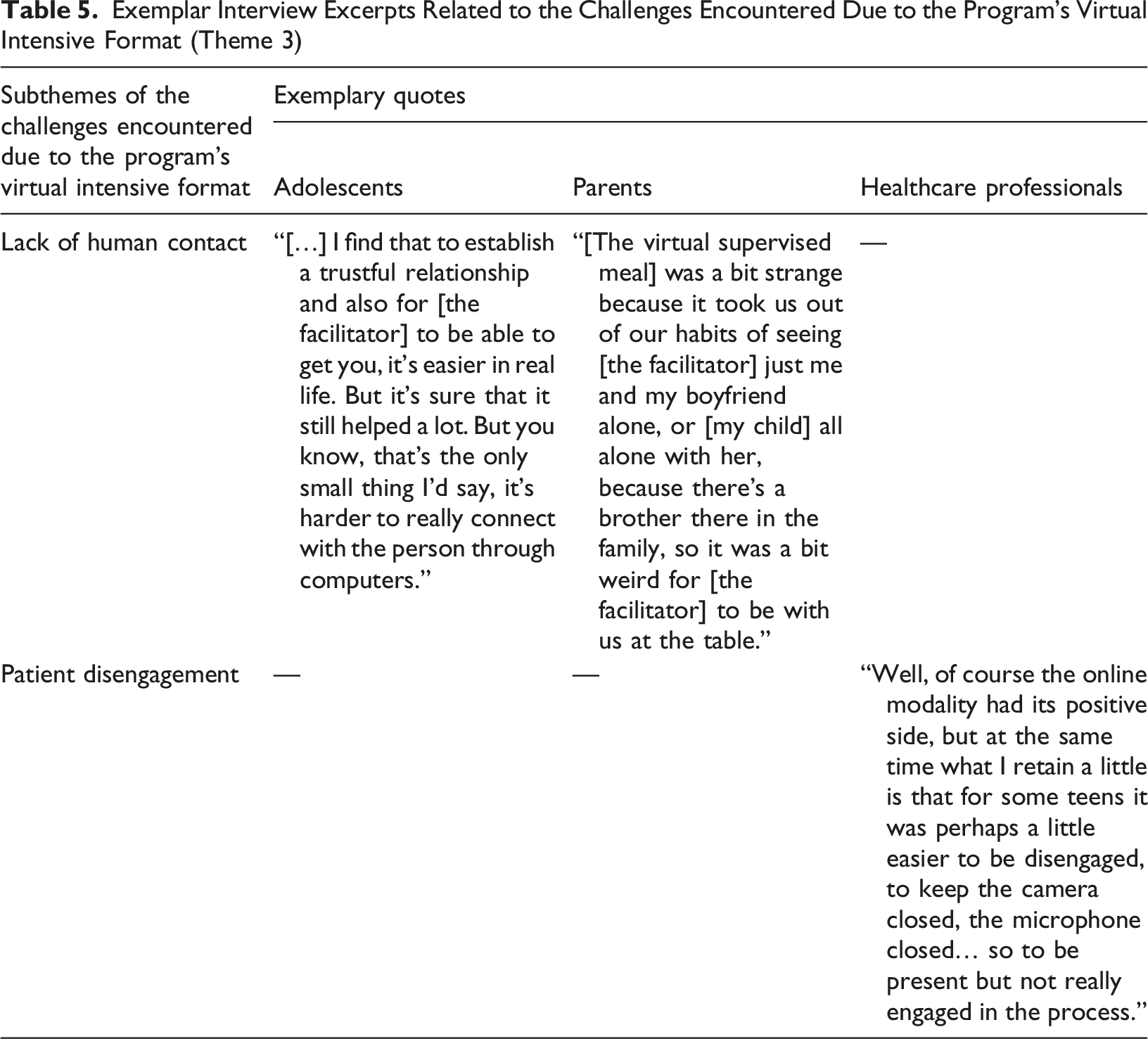
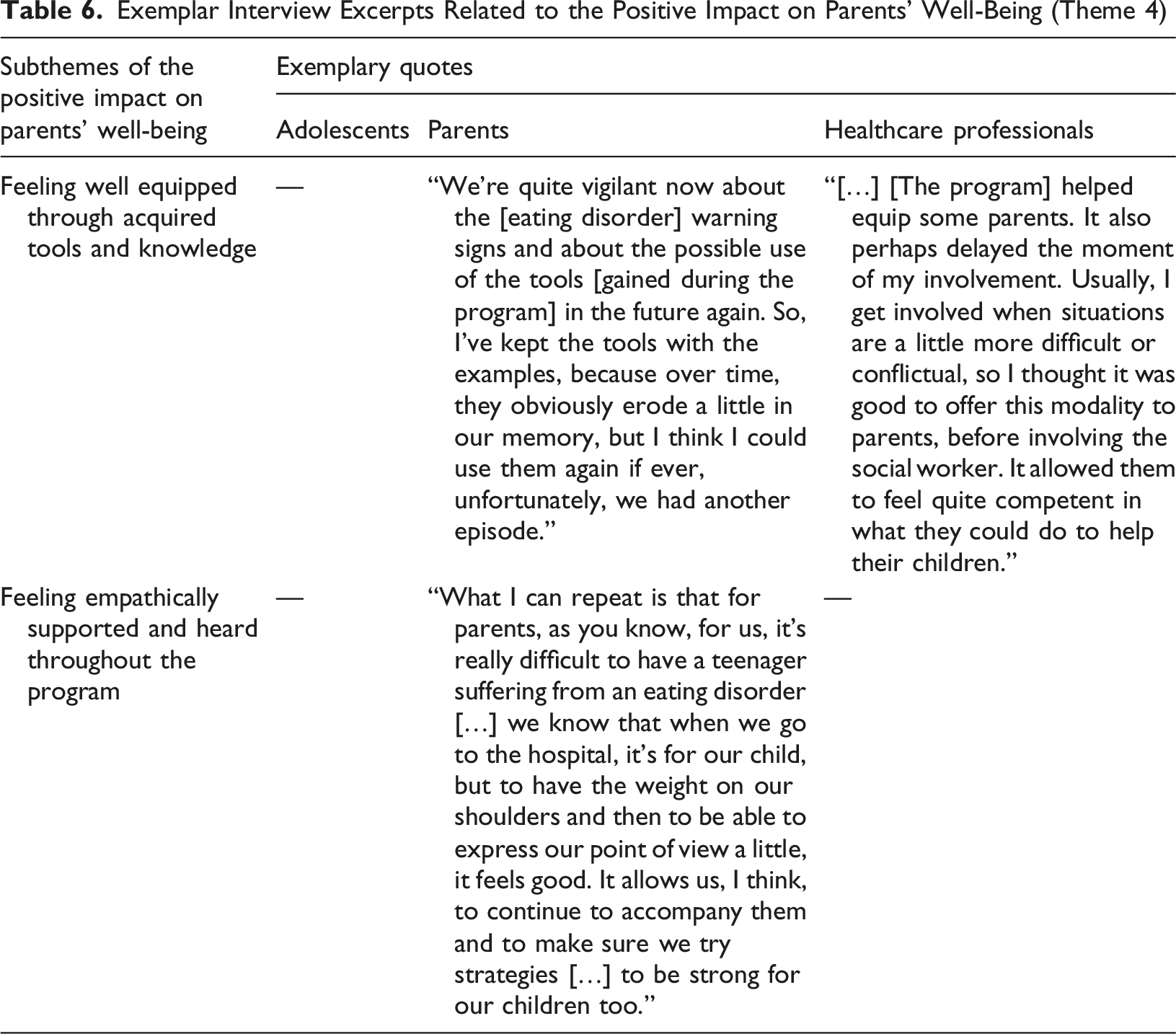
Through the thematic analysis, we identified three main themes and seven sub-themes across all participant groups (Figure 1). These themes were 1) The positive impact on adolescents’ well-being, 2) Improved access to care through the virtual format, and 3) Challenges encountered due to the program’s virtual intensive format. It is worth noting that, across these themes, parents and healthcare professionals largely oriented their accounts toward adolescents’ experiences and progress, reflecting their respective roles as caregivers and care providers. Their perspectives are therefore presented in relation to adolescents’ experiences throughout. Additionally, a fourth theme, the positive impact on parents’ well-being, with two sub-themes, emerged from the parent and healthcare professional groups only. Each theme is described below and supported by relevant quotations (Tables 3–6), which were translated and back translated from French by lead author DS and co-author KN who are fluent in both languages. Lastly, recommendations for program improvement shared by the participants are presented separately as they fall outside these themes but remain valuable for clinical practice and future research. Thematic map of participants’ experiences during the virtual day treatment program Exemplar Interview Excerpts Related to the Positive Impact on Adolescents’ Well-Being (Theme 1) Exemplar Interview Excerpts Related to Improved Access to Care Through the Virtual Format (Theme 2) Exemplar Interview Excerpts Related to the Challenges Encountered Due to the Program’s Virtual Intensive Format (Theme 3) Exemplar Interview Excerpts Related to the Positive Impact on Parents’ Well-Being (Theme 4)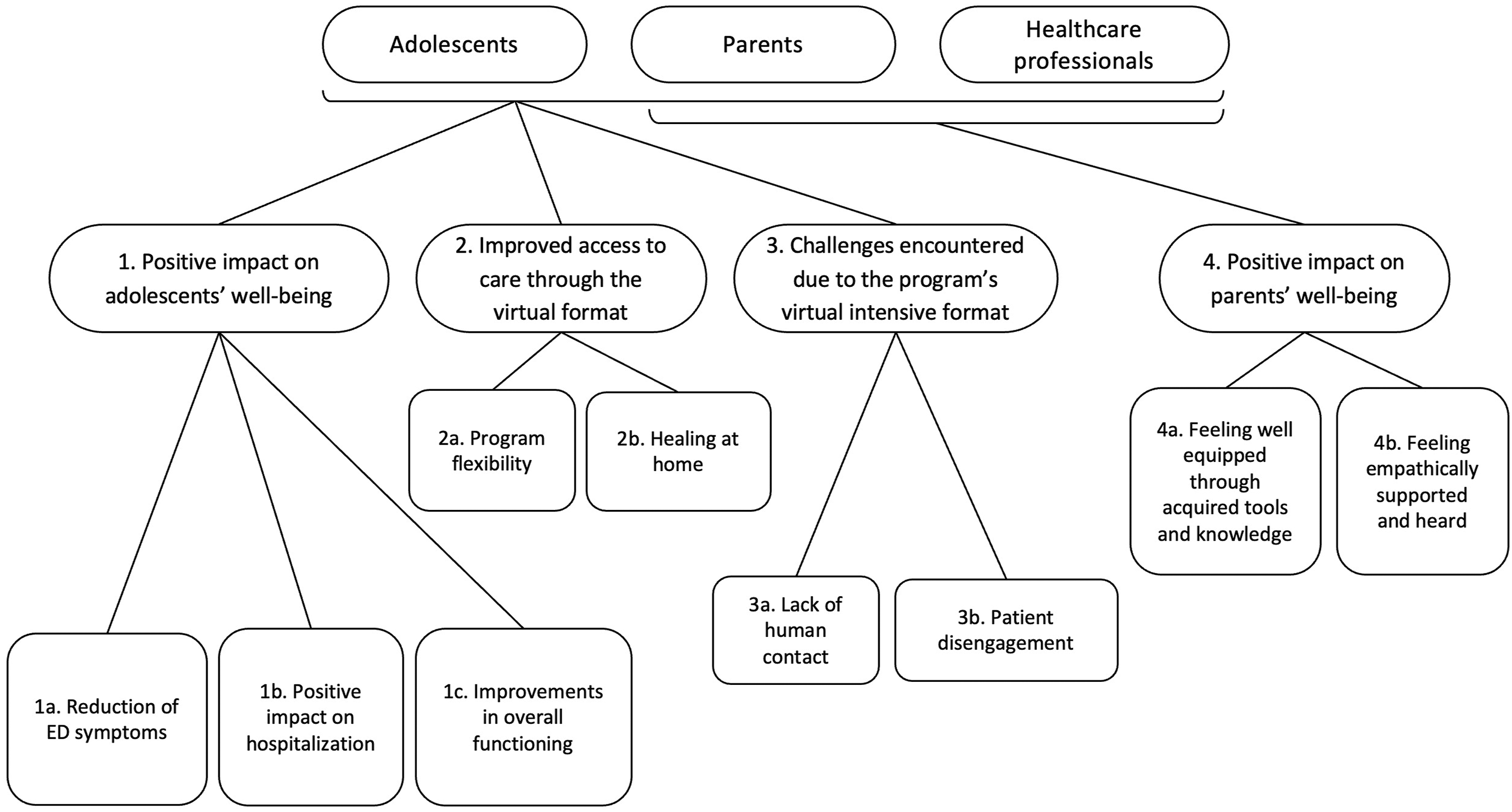
Theme 1: Positive Impact on Adolescents’ Well-Being
Reduction of ED Symptoms
Adolescents, their parents, and healthcare professionals shared that completing the program led to a reduction of ED symptoms among adolescents. Specifically, adolescents noted improvements in their eating behaviours, a decrease in unhealthy habits, and a greater appreciation of their bodies. They also reported that the program encouraged them to question their ED, reflect on its impact on their life, and recognize its negative consequences, something that was also observed by parents. This increased awareness motivated adolescents to engage in their recovery journey, actively participate in the program, and take back control over their lives. One adolescent stated: “the fact that once to twice a week I would talk to someone, a professional, about my situation, well it seems that’s when doubts started to creep into my head and made me realize that I need to make changes in my life.”
Healthcare professionals noticed adolescents’ greater awareness of their condition and noted that it supported their recovery process, echoing adolescents’ experiences. Healthcare professionals also noted that adolescents were better equipped with knowledge and strategies to manage their eating behaviours and emotions, allowing them to use their psychological follow-up sessions to focus on deeper therapeutic work rather than covering foundational psychoeducational content and enabling them to further advance in their recovery journey.
Positive Impact on Hospitalization
Parents and healthcare professionals agreed that the program played a key role in reducing hospitalizations, or, at the very least, significantly spacing them out over time by providing adolescents with psychological support and equipping them with tools and strategies to prevent a rapid decline in their ED symptoms.
One adolescent shared that the program was particularly beneficial during her transition following a hospitalization, as it helped her consolidate what she learned and maintain progress by avoiding unhealthy habits. This perception was shared by parents and healthcare professionals who emphasized that the program served as a structured step-down in care following a hospitalization, bridging the gap between 24-h hospital support and the much more limited outpatient follow-up. Adolescents and their parents benefited from multiple sessions per week with the program facilitator, ensuring psychological support, continuity of care, and a smoother transition back to daily life, which, according to healthcare professionals, resulted in fewer and less frequent rehospitalizations. In particular, one healthcare professional stated: “[The program] allowed us to avoid hospitalization when [patients] were on the verge of one, or it allowed patients to be discharged earlier with a bigger safety net. I think this was much appreciated by parents, families, and teens, to feel a little less flung out when they were discharged.”
Improvements in Overall Functioning
All three groups reported that the program resulted in improvements in adolescents’ overall functioning and well-being. Adolescents mentioned that their ED had isolated them from others, but the program helped them feel less alone and reduced their social isolation by acquiring strategies to re-engage in social interactions and reflect on their relationships with others. This encouraged and motivated them to connect with friends and family, make new social connections, and enjoy meaningful moments during their teenage years.
Both adolescents and parents shared that the program positively impacted emotional well-being, with adolescents feeling calmer, happier, liberated, and better equipped to manage stress and anxiety. They attributed these improvements to adolescents learning to normalize and express their thoughts and emotions, gaining confidence in their abilities, and acquiring emotion regulation strategies. One parent shared: “I saw that [the program] really helped [my child] to normalize her emotions. And I also think it gave her self-confidence because the facilitator told her that she had a lot of tools within her. So, you know, that reassures them to see that they have potential for recovery.”
Parents also noted that adolescents’ improved ability to express themselves improved communication within the family. Healthcare professionals also observed adolescents’ progress in managing their emotions more effectively.
Theme 2: Improved Access to Care Through the Virtual Format
Program Flexibility
All participants shared that the program’s virtual format contributed to its flexibility by reducing the need to travel to the hospital for intensive specialized ED services (with in-person visits being limited to medical follow-up appointments) and allowing families to access care more frequently from anywhere for an immediate response to adolescents’ needs. The elimination of long travel times, which could take up to half a day, meant that parents took less time off work and adolescents missed less school. With the virtual modality, adolescents could join sessions during school hours, which adolescents and healthcare professionals noted minimized school disruptions and resulted in less absenteeism compared to in-person visits, because adolescents could quickly return to class after the session. One healthcare professional stated: “I thought it was good that we gave parents and teens the choice not to travel, [the program] was something that could be done at school. So also, the versatile aspect, that the meetings can be done just about anywhere without having to travel to the hospital. It also meant less absenteeism for the patients, because they could do [the program meetings] directly at school and they didn’t need to lose an hour to get to the appointment plus the time of the appointment.”
Overall, the time commitment of the virtual program was much shorter than in-person programs, making it easier to integrate into adolescents’ daily routines, allowing them to maintain their regular activities with fewer disruptions. Parents noted that this flexibility encouraged more consistent participation, reduced their stress, and lightened the burden of managing the ED, leading to a sense of relief, especially since they could attend sessions during challenging periods such as holidays, and at different times of the day, including evenings.
Healing at Home
All participants reported that completing the program from home was a key benefit of its virtual format. Adolescents shared that they appreciated attending the program from the comfort of their home on their computer, preferring this over going to the hospital for services. Parents noted that their child could attend sessions from a familiar and comfortable space where they felt at ease. One parent stated: “[…] I think it’s really leaving teens in their environment that helps. […] It really helped that everything happens in our environment, from home.”
Healthcare professionals shared similar perceptions, naming that the virtual format helped better integrate the program into families’ daily lives.
Theme 3: Challenges Encountered Due to the Program’s Virtual Intensive Format
Lack of Human Contact
Adolescents described facing difficulties due to the lack of human contact in the virtual format of the program. They felt that the screen acted as a barrier, making the experience less pleasant, preventing them from connecting with the facilitator as well as they would have in person, and limiting the facilitator’s ability to support their progress. One adolescent commented: “[…] I find that to establish a trustful relationship and also for [the facilitator] to be able to get you, it’s easier in real life. But it’s sure that it still helped a lot. But you know, that’s the only small thing I’d say, it’s harder to really connect with the person through computers.”
Additionally, one adolescent and a few parents mentioned that the lack of human contact during virtual supervised meals made the experience uncomfortable. One adolescent described having the facilitator set up on a computer at their table during a family meal as strange, explaining that it felt as though the facilitator was there to watch them, making it feel intrusive and uneasy. A parent voiced that the virtual supervised meals were stressful for everyone, feeling like it was a test they needed to pass. Another parent reported that having the facilitator virtually present during their family meal felt unusual, as it was not part of their routine, and it involved a sibling who was not participating in the program.
Patient Disengagement
One healthcare professional pointed out that the virtual format made it easier for patients to disengage by keeping their camera and microphone turned off. This healthcare professional stated: “Well, of course the online modality had its positive side, but at the same time what I retain a little is that for some teens it was perhaps a little easier to be disengaged, to keep the camera closed, the microphone closed… so to be present but not really engaged in the process.”
Another professional observed that patients who in her view needed the program the most were often disengaged and would passively refuse treatment by agreeing to attend virtual sessions but failing to follow through, something she believes may have occurred less with in-person or hybrid sessions.
Other healthcare professionals also noticed that when adolescents continued in-person psychological follow-ups while participating in the program, they often appeared disengaged, possibly due to being emotionally overloaded from having too many treatment appointments at once. Some professionals also shared that adolescents showed signs of disengagement in their psychological follow-ups after completing the program, either because they felt they already had the necessary knowledge or because they lacked interest in treatment.
Theme 4: Positive Impact on Parents’ Well-Being
Feeling Well Equipped Through Acquired Tools and Knowledge
Parents shared that gaining knowledge about their child’s ED, receiving answers to their questions, and being provided with resources, particularly early in their child’s illness, helped them better support their child’s recovery. Other parents highlighted that the program restored their confidence in their ability to provide proper nutrition for their child and helped them rebuild trust in their relationship. They also described becoming more vigilant in recognizing ED warning signs and keeping the tools acquired during the program for future use.
Additionally, some parents explained that navigating their child’s ED was emotionally distressing, and they did not want their child to feel responsible for managing their sadness. Learning strategies to manage their own emotions during the program helped them cope with stress and, in turn, provide better support for their child.
Healthcare professionals echoed these observations, noting that parents had a deeper understanding of EDs and gained concrete skills to tackle daily challenges, enabling them to provide structured support at home. A social worker emphasized that the program helped parents develop skills and confidence in their ability to support their child’s recovery, which delayed the need for her direct involvement, especially when parents joined early in their child’s ED, feeling more competent from the beginning of the illness. She noted: “[…] [The program] helped equip some parents. It also perhaps delayed the moment of my involvement. Usually, I get involved when situations are a little more difficult or conflictual, so I thought it was good to offer this modality to parents, before involving the social worker. It allowed them to feel quite competent in what they could do to help their children.”
Feeling Empathically Supported and Heard
Parents described that living with a child with an ED can be difficult and anxiety-inducing, but they named feeling reassured knowing they had a weekly session with the program facilitator where they could express themselves and their concerns. During the sessions, they felt heard with empathy and without judgment and validated in their experiences, which gave them the strength to keep going and continue supporting their child. One parent reported: “What I can repeat is that for parents, as you know, for us, it’s for our child, but to have the weight on our shoulders and then to be able to express our point of view a little, it feels good. It allows us, I think, to continue to accompany them and to make sure we try strategies […] to be strong for our children too.”
Parents added that when they had concerns, felt desperate or uncertain about how to respond to their child, they could email the facilitator, and they would quickly receive a helpful response. This quick response time made them feel supported and at ease, knowing they were never left with their worries for too long. Overall, parents were very appreciative of their involvement in their child’s treatment and the dedicated space they received as parents, something they noted is not always offered with other types of treatments.
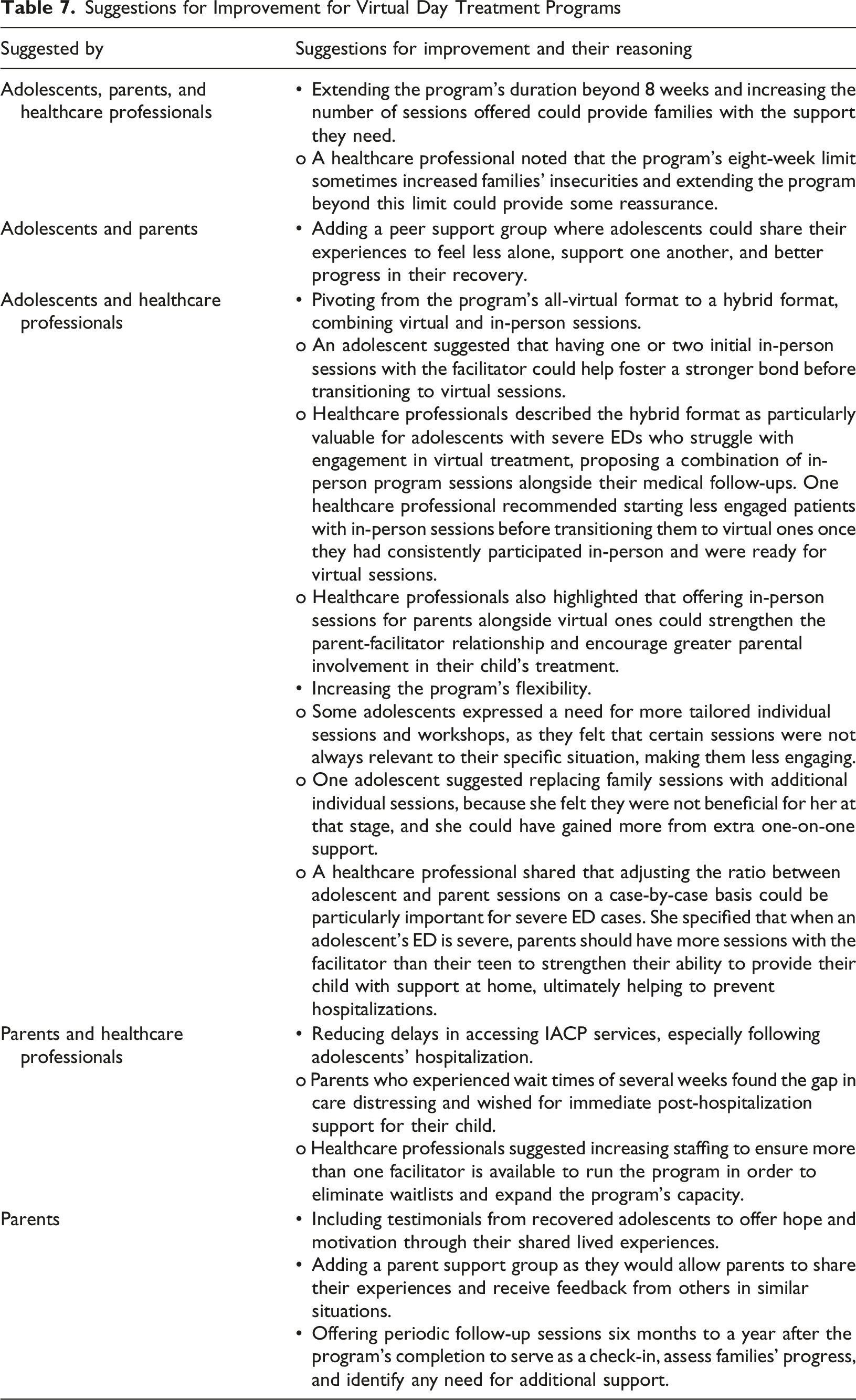
Suggestions for Improvement
Suggestions for Improvement for Virtual Day Treatment Programs
Discussion
Summary of Main Findings
This qualitative study aimed to examine the lived experiences and perspectives of adolescents, parents, and healthcare professionals participating in a virtual day treatment program for EDs during the transition out of the COVID-19 pandemic, between January 2022 and September 2023. Through thematic analysis of semi-structured interviews, we identified that most participants appreciated the program and recognized its positive impact on adolescents’ well-being, including reduced ED symptoms, overall improved functioning, the prevention of hospitalizations and support during post-hospitalization transitions. All participants agreed that the program’s virtual format significantly improved access to care, offering greater flexibility and allowing them to attend sessions from the comfort of their homes. Parents and healthcare professionals also highlighted the program’s positive impact on parents’ well-being, as it left them feeling heard, supported, and better equipped to support their child. However, all participants also brought forth challenges related to the program’s intensive virtual format, including a lack of human contact noted by adolescents and their parents, as well as patient disengagement observed by healthcare professionals.
Interpretation of Study Results
Participants’ perception of the program’s positive impact on adolescents’ well-being aligns with previous quantitative research showing that completing a virtual day treatment program is associated with significant improvements in BMI, self-esteem, and reductions in ED symptoms among both adolescent and adult patients (Blalock et al., 2020; Levinson et al., 2021; Ortiz et al., 2023; Penwell et al., 2023). Consistent with this literature, adolescents, parents, and healthcare professionals in our study observed a noticeable decrease in adolescents’ disordered eating behaviours and improvements in body image. Our study provides additional context by providing insight into the potential mechanisms behind these improvements: adolescents’ greater awareness of their ED’s negative impact on their lives, developed through the program’s psychoeducational approach, encouraged them to recover and actively engage in treatment, which ultimately led to a reduction in ED symptoms. These findings are corroborated by a qualitative study where adolescents shared that learning about their EDs’ impact and consequences on physical and mental health increased their self-awareness and influenced their motivation for recovery and their compliance with treatment (Holgersen et al., 2024).
Additionally, quantitative studies have demonstrated that patients with EDs, aged 15 to 47, showed improvements in depression, anxiety, emotion regulation, and quality of life at the end of other virtual day treatment programs (Blalock et al., 2020; Levinson et al., 2021; Ortiz et al., 2023; Penwell et al., 2023). Our participants’ experiences align with these findings, as they noticed improvements in adolescents’ overall functioning and well-being. Interestingly, our findings of reduced social isolation differ from the existing literature. Catenacci and Couturier (2023) explored the experiences of adolescents, parents, and healthcare professionals in a virtual day treatment program offered during the COVID-19 pandemic and found that all groups reported that adolescents were feeling isolated, both from their friends and other patients in the program. This discrepancy may be explained by the unique environment created by the pandemic, where social isolation was enforced as a necessary disease containment measure. Another possible explanation is the differences in treatment intensity, as our virtual day treatment program provided structured support for 2 to 4 hours per week, whereas the program in Catenacci and Couturier (2023) was far more intensive, providing around 40 hours of treatment per week. This increased intensity may have contributed to adolescents feeling disconnected from their social network, whereas the lower intensity of our program may have allowed for greater flexibility in maintaining social relationships outside of treatment.
Our participants perceived the IACP as a program that contributed to the prevention of hospitalizations, delayed the need for rehospitalization, and supported adolescents’ transition post-hospitalization. While previous qualitative studies have not captured this, a quantitative study comparing treatment outcomes of adolescents with EDs attending an in-person partial hospital program versus a virtual intensive outpatient program found no differences in rehospitalization rates between the two groups. This suggests that virtual programs may be just as effective as in-person ones in preventing rehospitalizations, though more research is needed to support this point (Van Huysse et al., 2023).
As expected, our participants echoed previous qualitative findings on the benefits of increased accessibility and flexibility provided by a virtual day treatment program (Baudinet et al., 2023; Brothwood et al., 2021; Catenacci & Couturier, 2023; Stewart et al., 2021). They highlighted several advantages, including the reduction of travel time, the ability to attend sessions from home or another convenient location, fewer disruptions to their routine including reduced absenteeism from school, faster response times to their needs, more frequent support, and increased motivation to participate regularly. Importantly, the virtual format also allowed adolescents to receive more intensive psychoeducational support than they would through care as usual, while remaining in their home and school environments. Unlike hospitalization, which removes adolescents from their daily context, the virtual program enabled them to immediately apply newly acquired strategies within the very situations where they face their challenges, including meals, family interactions, and daily routines. This real-life integration, combined with the ability to maintain connections with family and friends who may serve as additional sources of support (Wolfe et al., 2024), may help explain the program’s positive impact on adolescents’ ED recovery, reduced hospitalization rates, and overall functioning.
Although our participants appreciated the program’s virtual intensive modality, they also shared with us its downfalls, including the lack of human contact and patient disengagement, challenges that have also been reported in the literature (Baudinet et al., 2023; Brothwood et al., 2021; Catenacci & Couturier, 2023; Stewart et al., 2021). This highlights the need to find ways to improve the therapeutic alliance online to ensure adolescents can fully benefit from day treatment programs. As suggested both in prior research and by adolescents and healthcare professionals in our study, implementing a hybrid format where adolescents can attend sessions both in-person and online or at the very least meet the program facilitator in-person for the first few sessions could ensure they benefit the most from the program (Baudinet et al., 2023; Brothwood et al., 2021; Catenacci & Couturier, 2023; Novack & Chadi, 2025).
Consistent with previous literature, our healthcare professionals also observed the virtual format contributed to patients’ disengagement during the program (Baudinet et al., 2023; Brothwood et al., 2021; Catenacci & Couturier, 2023; Stewart et al., 2021). One healthcare professional provided additional insight, noting that patients with more severe EDs would often disengage by agreeing to attend the sessions but then not show up. A novel observation that emerged from our study was that some adolescents were not only disengaged from treatment during the program, but this disengagement either continued or appeared after the program ended when patients transitioned to receiving care as usual (i.e., medical check-ups and therapy appointments), often due to a lack of interest, according to healthcare professionals. This lack of interest could potentially be explained by adolescents’ transition from a more intensive day treatment program to more sparse outpatient services, which has previously been reported as a difficult transition period characterized by a continued struggle with change (Clark Bryan et al., 2022).
While parental involvement in day treatment programs for adolescents with EDs has been associated with improved parental self-efficacy, which in turn predicts improvements in youth’s ED symptoms, there has been little focus on parents’ experiences in these programs, and far less so in virtual ones (Girz et al., 2013; Hoste, 2015; Wilson et al., 2025). Our study highlights the positive impact of a virtual day treatment program’s family-based approach on parents’ well-being. Parental involvement in their child’s treatment resulted in parents’ greater awareness of EDs, increased confidence in their ability to support their child at home, improved distress management, reduced worries, and a sense of feeling heard by the care team. As expected, when parents are excluded from their child’s ED treatment, they often report feeling the complete opposite: greater worry and stress, feeling unheard by clinicians, and uncertainty and confusion about how to support their child at home (Cribben et al., 2021). Our findings call attention to the benefits of parent involvement in a virtual day treatment program for adolescents.
Study Limitations
This study has some limitations. First, there was a time gap between program participation (January 2022 to September 2023) and interviews about their experience (February to May 2024), which may have introduced recall bias. However, participants were provided with a description of the program before the interview to help prompt their memory. Another limitation of the study is the short duration of the interviews, which averaged approximately 15 minutes, with three adolescent interviews lasting less than 8 minutes. This may have limited the depth of the discussions, and consequently, could affect the study’s credibility. Nevertheless, these interviews still captured important experiences, and data collection continued until data saturation was reached across all participant groups. Research has shown that conducting multiple short qualitative interviews (approximately 15 minutes each) can still generate rich data and allow researchers to reach data saturation (Mwita, 2022), as was the case in our study. Moreover, the generalizability of these findings must be evaluated with caution for several reasons. All adolescents in this study were diagnosed with anorexia nervosa, meaning the themes presented here may not fully reflect the experiences of adolescents with other EDs. Furthermore, the IACP was delivered by a single facilitator trained as a specialized educator at one hospital in Montreal, and adolescents continued receiving usual care, including medical and psychological follow-ups, alongside the program. Future research should further explore whether similar themes emerge in different clinical settings, among adolescents with other EDs and their parents, and in intensive virtual day treatment programs with different levels of concurrent care. Future qualitative research should also compare participants’ experiences of virtual day treatment programs to those of standard outpatient care, to better understand the added value of this modality from the perspective of those who receive and deliver it.
Implications for Research and Practice
This qualitative study contributes to the existing literature on virtual ED day treatment programs by providing insight into the experiences, perceived benefits, and challenges of virtual care as reported by those receiving the treatment (adolescents), those supporting adolescents in treatment (parents), and those providing ED care to adolescents in treatment (health professionals) during the transition to a post-pandemic context. A key recommendation emerging from our findings is to offer adolescents with EDs hybrid family-centered day treatment programs that combine in-person and virtual care. This could help address challenges related to virtual care while maintaining its benefits. The implementation and study of such hybrid programs need to take place while considering several factors including patients’ sociodemographic characteristics and social determinants of health, rationale for hybrid modality, patients’ clinical characteristics, treatment context and target audience, treatment modality, and the in-person/virtual ratio (Novack & Chadi, 2025). Given the omnipresence of virtual means of communication and socialization among younger generations, the hybrid modality may be especially well suited to the evolving realities of the post-pandemic world. As such, future research should begin by examining the acceptability, feasibility, and effectiveness of hybrid day treatment programs tailored for adolescents with EDs, in comparison to fully virtual and fully in-person formats. Then, researchers should explore the lived experiences of those participating in hybrid day treatment programs to assess their perceptions and overall satisfaction with such programs.
Footnotes
Acknowledgements
The authors would like to thank the adolescents and families who participated in the Intensive Ambulatory Care Program (IACP) as well as the adolescents, families and healthcare professionals who took part in the qualitative interviews. The authors would also like to thank the providers who implemented the IACP, and specifically, Ms. Bigitte Goyer, for her vital role in the delivery of the IACP.

Ethical Considerations
This was approved by the Sainte-Justine University Hospital Centre Research Ethics Board (approval no. 2022-3925).
Consent to Participate
All participants provided written informed consent prior to enrollment in the study.
Author Contributions
Funding
The authors disclosed receipt of the following financial support for the research, authorship, and/or publication of this article: This study was supported by a grant from the Pediatric Research Foundation. The intervention was supported by a grant from the Bell Let’s Talk Foundation. NC is supported by a career development award from the Fonds de Recherche du Québec - Santé (296442).
Declaration of Conflicting Interests
The authors declared no potential conflicts of interest with respect to the research, authorship, and/or publication of this article.
Data Availability Statement
The data that support the findings of this study are available from the corresponding author upon reasonable request. The data are not publicly available due to privacy and ethical restrictions.