



Abstract
Although the majority of studies have examined student teachers’ perceptions, emotional experiences, and responses during their teaching practicum (TP), there is a scarcity of research focusing on English as a foreign language (EFL) student teachers’ internal and behavioural responses to negative feedback from mentors or supervisors. Feedback literacy, as a comprehensive concept encompassing internal factors, offers an innovative perspective to explore the characteristics and interplay among learners’ cognitive, affective, and behavioural capacities when dealing with feedback. Therefore, from the perspective of feedback literacy, this study investigated how student teachers cope with negative feedback experiences during TP. This study involved 16 student teachers from five teacher education programmes at the four selected Chinese universities in Sichuan, Fujian, Guangdong, and Macau contexts in China. Multiple data sources were collected, including participants’ narrative reports, semi-structured interviews, and teaching documents. The results revealed participants’ various situations of feedback literacy to cope with negative feedback experiences from their university supervisors and school mentors during TP. Student teachers’ feedback literacy is crucial in mediating their responses to negative feedback experiences, which started with their appreciation of feedback by understanding its meaning, conflicts, and difficulties. Following that, they did not necessarily generate negative external and internal judgements towards negative feedback. Meanwhile, it enabled participants to regulate their emotions with diverse external or internal strategies to respond to such feedback. The findings of this study also provided pedagogical implications for student teachers and teacher educators, respectively.
I Introduction
Teaching practicum is a key aspect of student teachers’ training for being competent teachers (Graham, 2006), wherein school mentors or university supervisors provide post-observation feedback (Akcan & Tatar, 2010; Heron et al., 2023) to facilitate student teachers’ acquisition of professional knowledge, teaching skills, and abilities to reflect on their teaching performance (Le & Vásquez, 2011; Maphalala, 2013). University supervisors are academics who are affiliated to the tertiary institutions on teacher training and they pay regular on-site visits to student teachers’ placement schools to observe their lessons, offer guidance on lesson planning and feedback, as well as assess their teaching performance. On the other hand, school mentors are employed by the placement school’s administration with years of teaching experience to offer practical preparation and mentor student teachers’ daily teaching and classroom management (Akcan & Tatar, 2010). Student teachers acknowledge the significance of expert comments and suggestions on their professional development, placing heavy reliance on feedback from mentors or supervisors (Brandt, 2008). However, student teachers’ feedback experiences with mentors or supervisors are not always positive. They are likely to experience negative feedback processes when receiving negative or critical comments (Bjørndal, 2020), obtaining feedback inconsistent with their beliefs or expectations (Martínez-Agudo, 2016), or encountering power imbalance between mentors and students (Hyland & Lo, 2006; Nguyen, 2014). This contributes to different cognitive, affective or behavioural feedback responses, and consequently limits learning opportunities in teaching practicum.
Although some studies have concerned internal attributes of student teachers in their engagement or responses to mentor or supervisor feedback, such as emotion and motivation (Nguyen, 2014; Waber et al., 2021; Wexler, 2020), perceptions and cognitive judgement (Bjørndal, 2020; Ellis et al., 2020; Le & Vásquez, 2011), the complexity of working mechanism that involves the interactivity of cognitive and affective resources, as suggested by the notion of student feedback literacy (Carless & Boud, 2018), in feedback responding process remains underexplored. As an overarching notion of internal factors, student feedback literacy underlies a wide variety of responses to feedback processes and empowers students ‘to deploy internal feedback in productive ways’ (Carless, 2022, p. 3). Thus, feedback illiterate student teachers may encounter diverse internal difficulties in reacting to feedback. Meanwhile, in English as a foreign language (EFL) contexts, empirical research regarding student teachers’ feedback experiences in teaching practicum has mainly focused on feedback reflection (Brandt, 2008), student teacher – supervisor/mentor power relationship (Hyland & Lo, 2006; Teng, 2017), and feedback perceptions (Agudo, 2016; Fawzi & Alddabous, 2019), with lacked information about how EFL student teachers implement their feedback literacy when coping with mentor or supervisor feedback, let alone negative feedback experiences.
Since existent studies have uncovered the features of EFL students’ feedback literacy in disciplinary writing, written corrective feedback, etc. (Han & Xu, 2021; Li & Han, 2022; Yu & Liu, 2021), the investigation on EFL student teachers who play dual roles as both teacher and student in teaching practicum is informative to advance knowledge on feedback recipients’ internal and behavioural responding characteristics in conjunction with their interrelationships. Given the potential variation of individuals’ capabilities in handling feedback (Han & Xu, 2020; Malecka et al., 2022), the revelation of individual differences in affective and cognitive abilities also contributes to a deep understanding of the complexity of working mechanisms in student teachers’ feedback processing. Additionally, the research focus on negative feedback experiences underscores the challenging and cognitive-demanding part in student teachers’ reaction to mentor or supervisor feedback, thereby better guiding the development of feedback illiterate student teachers who may encounter challenges in feedback responses. Therefore, with the aims to strengthen academic knowledge on student teachers’ cognitive, affective, and behavioural capabilities when coping with negative feedback experiences within teaching practicum and reinforce the detailed information about individual differences in the intertwined feature of student teachers’ feedback appreciation, judgement, emotion regulation, and responding behaviour, the present study drew upon Carless and Boud’s (2018) student feedback literacy framework to investigate (1) how student teachers cope with negative feedback experiences from supervisors and mentors during teaching practicum, and (2) the individual differences in the four dimensions of student teachers’ feedback literacy in dealing with these negative experiences.
II Literature review
The present study draws upon research examining student teachers’ reactions to receiving negative feedback during their teaching practicum. It also considers student feedback literacy as a theoretical perspective that may elucidate and direct their cognitive and behavioural reactions.
1 Student teachers’ responses to negative feedback experiences in teaching practicum
Among the studies on how student teachers react to negative feedback experiences from mentors or supervisors in teaching practicum, student teachers’ internal factors like cognitive capacity and emotion have been found essential in student teachers’ feedback responses (Bjørndal, 2020; Ellis et al., 2020; Le & Vásquez, 2011; Nguyen, 2014; Wexler, 2020). Based on 12 post-observation sessions, Bjørndal (2020) observed that student teachers accepted a majority of critical feedback for its usefulness and contribution to their professional development in classroom teaching. This highlighted their cognitive capacities of identifying and judging the value of received feedback, given that student teachers’ feedback responses (e.g. appreciation, acceptance, questioning, focus shift, or neglect) depend on their assessment of whether the feedback from mentors or supervisors is high-quality, constructive, adequate, and individualized to meet their needs (Bjørndal, 2020; Ellis et al., 2020; Le & Vásquez, 2011; Yoon et al., 2013). Meanwhile, evidence showed that student teachers capable of evaluating their teaching performance would not blindly accept or place too much reliance on their received feedback (Sayeski & Paulsen, 2012); instead, they tended to negotiate the comments with their mentors, other professionals or peers by mentioning their positive acts, achievements and challenges in teaching practices (Ambrosetti & Dekkers, 2010; Clarke et al., 2014).
Aside from cognitive capacity, student teachers’ different emotions elicited by negative feedback experiences from mentors or supervisors have also been investigated in limited studies. Although professional and emotional support in conjunction with constructive solutions evoked positive emotions like happiness, satisfaction, confidence, and gratitude (Nguyen, 2014; Wexler, 2020), student teachers would more or less experience negative emotions (e.g. stress, anxiety, anger, disappointment, etc.) when receiving negative feedback or criticisms, unprofessional or insufficient comments, lacked support in student teacher-mentor interactions, and feedback that conflicts with their teaching beliefs and practices (Hagger et al., 2008; Timoštšuk & Ugaste, 2012; Varol et al., 2023; Waber et al., 2021). Given that negative emotions like stress triggered by supervisors’ negative feedback led to a wide variety of negative responses, student teachers need to enhance their emotion regulation and management for better feedback effects (Alhebaishi, 2019).
In addition, mentoring relationships significantly impact student teachers’ responses to mentor or supervisor feedback (Brandt, 2008; Nel & Marais, 2021) and contribute to the establishment of their teacher identities (Lamote & Engels, 2010). The relationship between student teachers and mentors or supervisors is normally asymmetrical for its imbalanced power (Hyland & Lo, 2006; Nguyen, 2014). Mentors especially in the context of Chinese culture have a tendency to ‘maintain their power and status’ in teaching practicum (Teng, 2017, p. 129), due to which student teachers are compelled to avoid disputes with their mentors and suppress their negative emotions when experiencing negative feedback processes (Izadinia, 2016). The same is true in the supervision relationship, where student teachers appreciated ‘a trusting, cooperative and empathetic’ relationship with their supervisors (Caires & Almeida, 2007, p. 522).
In teaching practicum, student teachers may not effectively respond to negative feedback experiences from mentors or supervisors owing to the cognitive and affective challenges involved (Le & Vásquez, 2011; Waber et al., 2021). Based on the idea of social constructivist paradigms (Carless & Boud, 2018; Nieminen & Carless, 2023), feedback-literate individuals’ capacity of applying their knowledge to feedback understanding and appreciation, making appropriate judgements, and managing their emotions empowers them to proactively take actions on and make sense of the received feedback (for details, see Section II.2), which was supported by empirical findings that negative affect and low level of understanding negatively influenced behavioural operations and mental efforts to cope with the received feedback, while positive affect and deep level of understanding positively influenced them (Zheng et al., 2020). Therefore, the construct of feedback literacy provides an innovative lens to delve into the working mechanism of student teachers’ internal factors of how they cope with the negative feedback experiences from their mentors or supervisors.
However, despite the pivotal role of individual differences in feedback responses, almost none of the empirical studies have directly focused on the inextricable interconnections among student teachers’ cognitive, affective, and behavioural responses to their mentors’ or supervisors’ feedback, not mentioning negative feedback experiences. Since student teachers oftentimes position themselves as learners in their interactions with mentors or supervisors in teaching practicum, studies on student feedback literacy may be insightful. For example, Han and Xu (2021) explored the individual similarities and differences in terms of two university students’ cognitive capacity, socio-affective disposition, and socio-affective capacity to deal with feedback. They found that with different levels of analytical and evaluative abilities, one participant reluctant to invest efforts in learning was able to regulate her emotions, whereas the other motivated to work on feedback failed to regulate negative emotions. Similar findings also revealed the dynamic features of interpersonal elements among feedback recipients (Li & Han, 2022; Yu & Liu, 2021), evident in their different levels of cognitive and affective capacity for feedback processing and response.
Although student teachers can encounter a wide range of challenges in dealing with negative feedback experiences from mentors or supervisors, the existent studies have been conducted through a single lens of cognition or emotion, failing to present a holistic picture of the dynamic working mechanism of student teachers’ feedback responses. In this sense further exploration of features and individual differences in cognitive, affective, and behavioural feedback reactions from the multifaceted perspective of feedback literacy is warranted to enhance knowledge of the relationship between mental attributes and feedback responses.
2 Conceptualization of student feedback literacy
Drawing upon the concept of academic literacy, Sutton (2012) referred to student feedback literacy as ‘the ability to read, interpret and use written feedback’ (p. 31), and proposed epistemological (understanding and knowing knowledge from feedback), ontological (building identity through affect regulation), and practical dimensions (taking actions on feedback) to specify learner internal factors related to feedback engagement. Building on Sutton’s original work, Carless and Boud (2018) conceptualized student feedback literacy as ‘the understandings, capacities and dispositions needed to make sense of information and use it to enhance work or learning strategies’ (p. 1316). With the emphasis on the students’ proactive role in perceiving, interpreting, and utilizing feedback information for future development, their framework of student feedback literacy consists of four components: appreciating feedback, making judgements, managing affect, and taking action. Empirical data also inductively contributes to the conceptual update of student feedback literacy, such as Molloy et al.’s (2020) learning-centred framework and Yu and Liu’s (2021) model of technical, social-interactive and individual levels.
Fabricated as psychologically capable individuals and contextually-situated individuals (Nieminen & Carless, 2023), feedback-literate students are characterized by their internal capabilities of dealing with received feedback during their interactions with teachers in specific disciplines (Carless & Winstone, 2023; Winstone et al., 2022). Given that the present study aims to investigate how student teachers manipulate their cognitive and affective resources when coping with negative feedback experiences with mentors or supervisors, Carless and Boud’s (2018) framework is applicable for its intensive consideration on the working mechanism in feedback reactions and the interactive effects of appreciation, judgement, emotion, and behaviour involved. Thus, the following accounts articulate four components of Carless and Boud’s (2018) student feedback literacy.
According to Carless and Boud (2018), appreciating feedback refers to students both acknowledging the value of feedback and understanding their centrality in terms of feedback processing. Reflecting the declarative aspect of student feedback literacy, students’ appreciation is related to their conception of feedback, which further impacts learning outcomes (Winstone et al., 2022). Meanwhile, they are capable of describing characteristics of feedback that they do and do not appreciate (Gamlem & Smith, 2013; Weaver, 2006), although their identification of feedback information in different modes sometimes fails. Such a failure could be attributed to the conventional one-way communication from teachers to students, which inhibits learners from sensing, decoding, and acting on the received feedback appropriately (Sadler, 2014).
Making judgements is defined as students’ capability to conduct sound evaluations on the quality of performances by themselves or others (Carless & Boud, 2018). Self-assessment is one of the crucial abilities university students should possess, because it works for both summative and formative purposes (Butler, 2023). Facing the limited opportunities to receive precise and detailed feedback from teachers, students need to make robust evaluations for themselves as the progressive development of feedback literacy through actively seeking external feedback and generating internal feedback by repetitive comparisons of feedback references and their own practices (Carless & Boud, 2018; Yan, 2020). Meanwhile, internal feedback functionally complements external teacher feedback, which leads to better outcomes in students’ learning achievement, motivation, and perceived competence (Narciss et al., 2022).
Furthermore, feedback-literate students are able to manage affect or, in other words, properly regulate their feelings and emotions in the feedback process. Feedback partially aims to point out inefficiencies and less successful aspects of works in a way that may make students affronted (Molloy et al., 2013). Specifically, low grades, critical comments, negative evaluations, and miscommunication in teacher feedback are likely to evoke students’ negative emotions (Mahfoodh, 2017; Nguyen, 2014; Pekrun et al., 2014). These negative emotions lead to students’ defensive responses to teacher comments, demotivating them to engage with feedback (Pitt & Norton, 2017), threatening their identity as active learners (Gallacher et al., 2002), and reducing their self-efficacy (Olivier et al., 2019).
Taking action ends the feedback loop by feedback-literate students’ response to and action on feedback for future improvement. Although feedback holds great potential to foster learning and alter the gap between current and expected performance (Sadler, 2014), students who admit its value sometimes fail to make full use of feedback (Brown & Glover, 2006). This is partly due to the lack of strategies for the productive use of feedback (Jonsson, 2013) or over-relying on a mantra of working harder (Furnborough & Truman, 2009). Other potential reasons lie in the lack of specific and individualized feedback (Jonsson, 2013) as well as limited opportunities to apply the knowledge from feedback to new tasks (Irons & Elkington, 2021).
For student teachers, feedback literacy is a crucial component to contribute to their professional development in the future teaching careers (Ayalon & Wilkie, 2020). However, it is challenging to be feedback literate as it requires the joint capabilities of understanding the importance of supervisor and mentor feedback (Gamlem & Smith, 2013), actively seeking external feedback and generating internal feedback for appropriate judgement (Narciss et al., 2022), maintaining emotional equilibrium and developing emotional readiness to engage with critical and negative feedback throughout their teaching practicum (Alhebaishi, 2019), and equipping themselves with a repertoire of strategies to execute their proactive role in the feedback processes (Jonsson, 2013). In this sense Carless and Boud’s (2018) framework of feedback literacy can operate as an effective lens to uncover the capabilities and intertwined nature of appreciation, judgement, emotion, and behaviour of student teachers when responding to negative feedback experiences.
To sum up, given that feedback literacy is closely related to feedback responses and influences learning gains during teaching practicum (Carless, 2022; Nieminen & Carless, 2023), it deserves much research attention on whether student teachers are literate to handle and learn from the negative experiences of mentor or supervisor feedback, and if so, how feedback literacy helps to achieve student teachers’ learning. Meanwhile, it is also intriguing to look at individual differences in student teachers’ feedback literacy. Considering the potential variation of individuals’ capabilities in handling feedback in terms of learning contexts (Malecka et al., 2022), individual variations including motivation and beliefs might distinctly influence individuals’ responses and instructional effects of feedback (Han & Xu, 2020). Therefore, the current study intends to explore student teachers’ feedback literacy and investigate their capabilities of learning from negative feedback processes in the Chinese context of teaching practicum. This study is guided by two research questions.
• Research question 1: How do student teachers cope with negative feedback experiences from supervisors and mentors during teaching practicum?
• Research question 2: What are the individual differences in the four dimensions of their feedback literacy in dealing with these negative experiences of feedback during teaching practicum?
III Methodology
To answer the research questions, this study adopted a qualitative case study approach with a multiple case design (Yin, 2018). Such a method enabled the researchers to investigate particular individuals and their feedback experiences at specific moments in naturalistic settings (ie. their teaching practicum contexts) and to acquire an in-depth understanding of the contemporary issue (ie. student teachers’ feedback literacy) across various teaching practicum (TP) contexts by collecting multiple data sources.
1 Research context
This study is part of a large-scale project investigating university supervisor and school mentor feedback practices and exploring how student teachers cope with feedback processes during teaching practicum. This study is situated in both the Chinese Mainland and Macau (ie. a Special Administrative Region of China), including student teachers from three selected universities by convenient sampling, respectively in Guangdong, Sichuan, and Fujian Province, which offered English teacher education programs to cultivate English teachers for local primary and secondary schools. Meanwhile, one public university in Macau was involved, as it’s the only one that offers four-year bachelor of education (B.Ed.) programs in primary education (with a specialization in English teaching) and secondary English education. All four universities required their year-four students to take TP as a compulsory course to meet their graduation requirements. According to their teaching practicum policy documents and syllabi, these TP programs mainly require student teachers to accomplish four aspects of duties, including (1) subject teaching duties; (2) class advisor duties; (3) teaching and research development; and (4) career development. Among them, the subject teaching duties are emphasized, particularly the number of English lessons that student teachers should observe, prepare, and independently teach during TP, which range from 12 to 32 lesson hours according to the various lengths of TP duration (ie. 8 weeks to 2 full semesters).
Besides the requirements for student teachers, each student teacher’s TP is conducted under the supervision of one assigned university supervisor and one or more school mentors. During TP, university supervisors must visit pre-service teachers’ schools and observe their delivery of English lessons, while school mentors have mentoring responsibilities as well, according to the regulations of each school on their subject teaching and class management. Both supervisors and mentors need to evaluate and provide feedback on pre-service teachers’ teaching performance. Supervisors are responsible for providing a final grade on student teachers’ TP performance, while mentors have to submit an evaluation form as a reference for the faculty.
2 Participants
To investigate how student teachers cope with their supervisors’ and mentors’ feedback on their TP, purposive sampling and convenient sampling have been adopted to recruit participants for this study (Maxwell, 2013). The recruited participants are year-four undergraduate students from the five English teacher education programs of the four selected universities, and they were conducting their TP in either a local primary or secondary school during the data collection period. Meanwhile, their supervisors and mentors are all local teacher educators who had more than one year’s experience supervising or training pre-service English teachers. After sending out the recruitment messages, over 40 participants volunteered to participate in this research project, and 16 of them were involved in this study as they were regarded as the ‘information-rich cases’ (Patton, 2002, p. 230) who had negative feedback experiences with their supervisors or mentors during TP. The detailed demographic information, including participants’ names (all pseudonyms), gender, programs, TP school types, and class levels are listed in Table 1.
Demographic information of the participants.
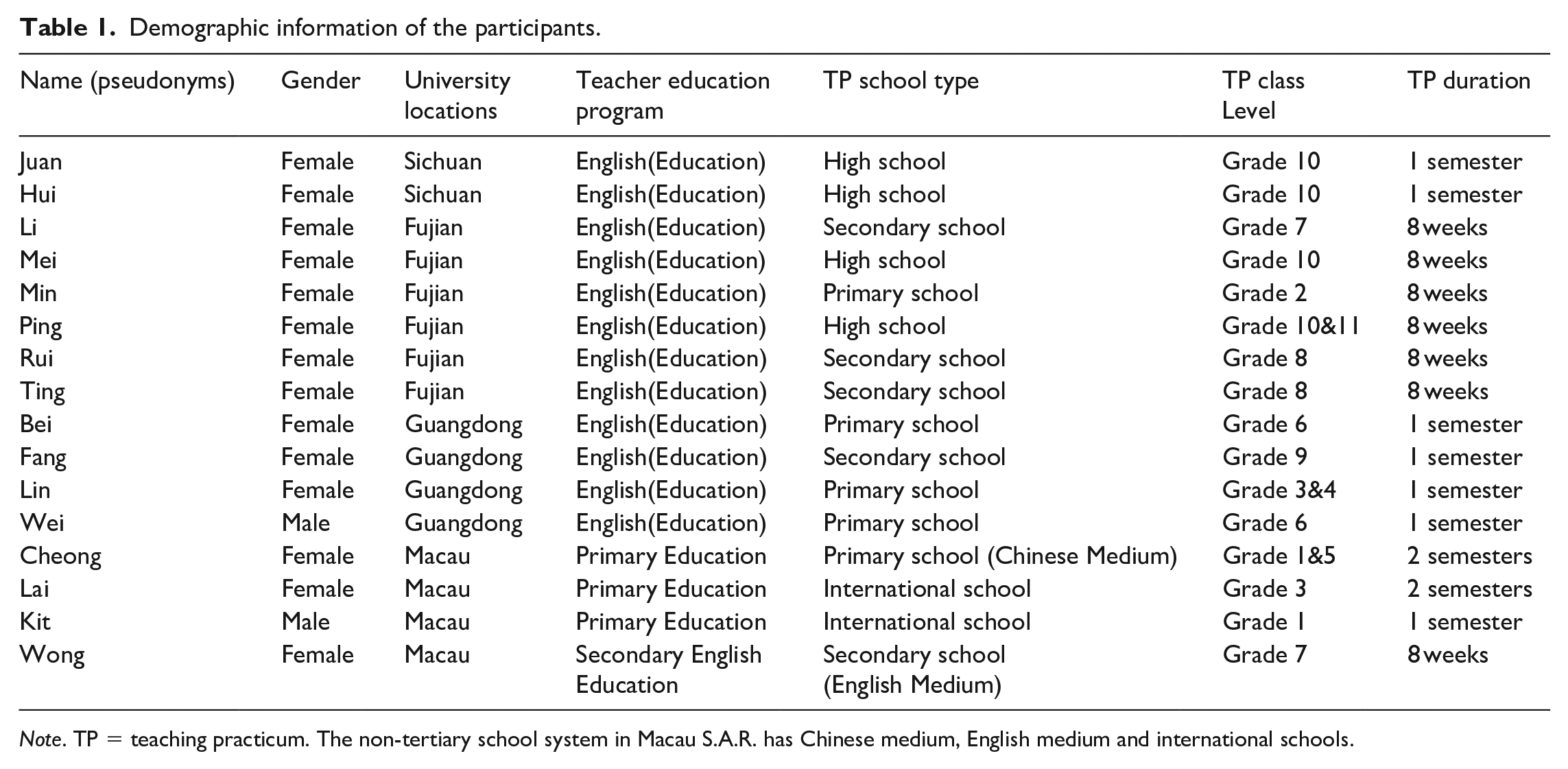
Note. TP = teaching practicum. The non-tertiary school system in Macau S.A.R. has Chinese medium, English medium and international schools.
3 Data collection
After gaining the ethical approval and participants’ consent, the data collection of each participant took place at the end of their TP periods. First, an electronic version of narrative frames (see Appendix A) was sent out via Wenjuanxing (a Chinese online survey platform) to have an overview of their feedback experiences throughout TP. Besides the basic information on TP arrangements, most blanks and questions were open-ended and referred to the narrative clues provided by Xu (2014) which evoke participants to share their experiences and responses to the feedback provided by supervisors and mentors during their TP. After filling out the online narrative frames, semi-structured face-to-face interviews (for the interview protocol, see Appendix B) were conducted with the participants to investigate their various appreciations of; judgements on; and emotional management towards the negative feedback experiences. To implement the semi-structured interviews, first, the first author designed and drafted the interview questions according to the research aims and the two research questions about participants’ feedback experiences during TP, particularly the negative ones and their personal reflections. Then, the first and the third author conducted a peer discussion on the design of interview questions, especially whether they could uncover the nuances of participants’ feedback literacy in such negative feedback experiences. After that, the revised interview protocol had been sent to one expert in the assessment and feedback research field, who is the second author of this manuscript, to ensure its credibility and dependability. Finally, according to the expert’s voice, the finalized interview protocol had been implemented in an earlier study of this large-scale project on student teachers’ feedback experiences as a pilot study of the current one to demonstrate its transferability. Both the narrative frame and interview were conducted in Chinese, and each interview lasted around 45 to 60 minutes. All the interviews were audiotaped and transcribed into texts for further data analysis.
Moreover, researchers collected participants’ teaching and feedback materials, particularly those for the observed English lessons, to explore what kinds of actions they have taken to respond to the negative feedback from supervisor or mentor. The text-based data includes their lesson plans, PowerPoint slides, worksheets, written feedback sheets or evaluation forms, pictures of participants’ written notes of received feedback, and their own reflective journals on feedback experiences during TP.
4 Data analysis
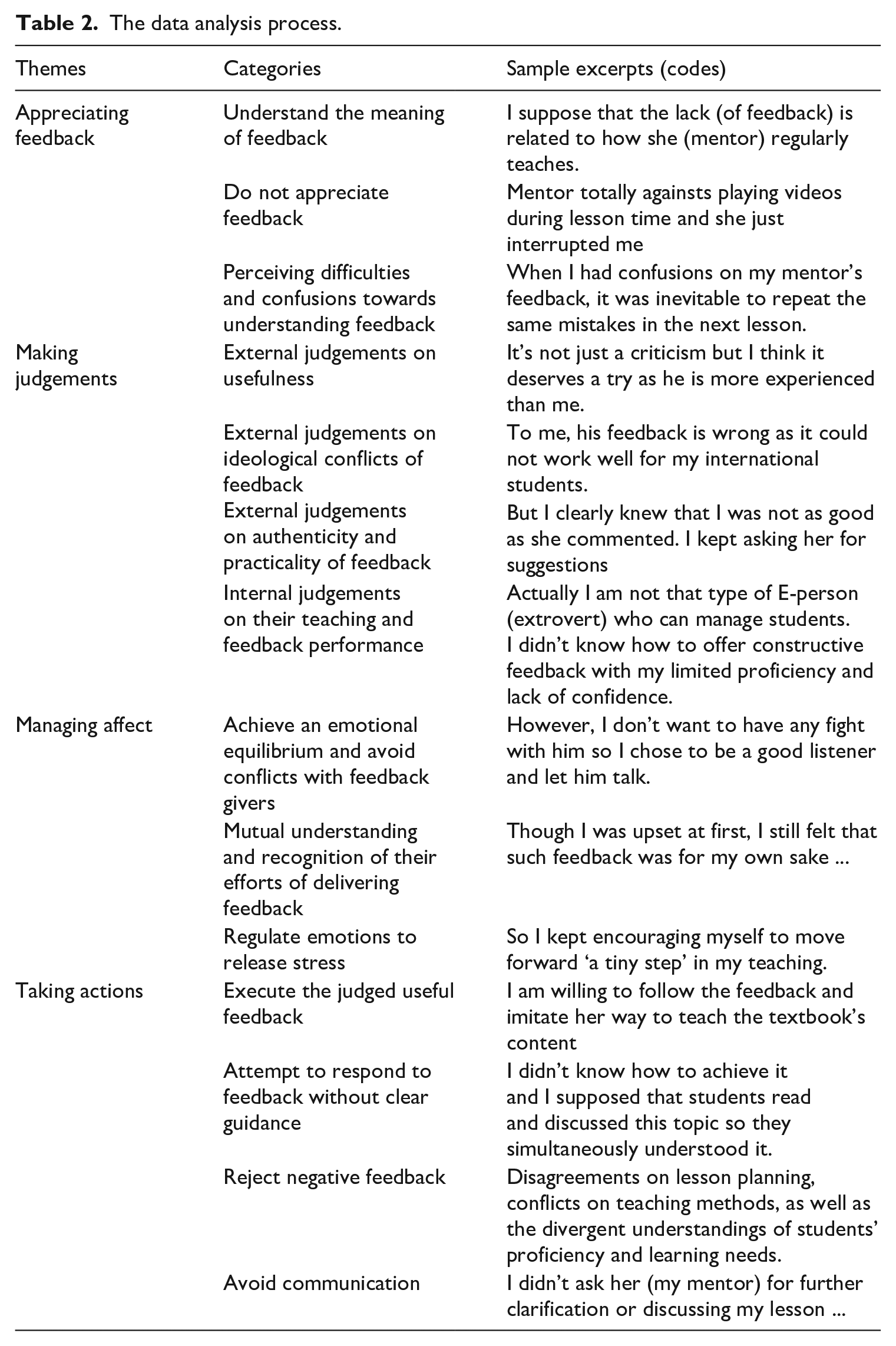
The procedures followed the qualitative data analysis scheme (Miles et al., 2014), which was analysed in an iterative and recursive paradigm under the guidance of the four components of student feedback literacy (Carless & Boud, 2018). First, the first and third authors worked independently to conduct open coding, during which the narrative frames and interview transcripts were read and re-read to identify participants’ negative feedback experiences with supervisors or mentors and codes were applied to relevant data on how they adopted their feedback literacy to deal with negative feedback experiences. For example, the code ‘understanding the meaning’ was applied to participants’ narrative frames and interviews when they indicated, such as ‘I suppose that the lack (of feedback) is related to how she (mentor) regularly teaches’ or ‘I could get his/her rationale behind the feedback.’ Then, the two authors further compared and merged the codes with similar ideas into related overarching categories, both inductively referring to the codes and deductively according to various aspects of feedback literacy. Informed by the conceptual framework of student feedback literacy (Carless & Boud, 2018), these categories were further merged into themes with the discussions of all authors, including appreciating feedback, making judgements, managing affect, and taking actions. The entire process was iterative, and the two authors separately generated the categories and themes, then verified and confirmed by the second author. Furthermore, participants’ observed lesson documents and notes on supervisors’ or mentors’ written feedback were also recursively analysed together with interview excerpts for justifying their executions of feedback literacy towards negative feedback. The coding process is illustrated in Table 2.
The data analysis process.
IV Findings
The findings illustrated how 16 participants coped with negative feedback experiences in TP with their supervisor and mentor by adopting different aspects of their feedback literacy. This section reports the findings under the four major themes of student feedback literacy including, (1) appreciating feedback with congruent or incongruent understanding of feedback, (2) making judgements on both the external feedback and internal teaching competence, (3) managing affect through seeking external emotional support and internal emotional regulation, and (4) taking actions to execute or reject the perceived and judged negative feedback.
1 Appreciating feedback with congruent or incongruent understanding of feedback
Though participants experienced negative feedback processes with their supervisors and mentors, they still demonstrated their appreciation of such feedback by understanding the meaning and functions of it and recognizing its role for benefiting their teaching and learning during TP. For instance, Juan from Sichuan province stated that the deficiency of mentor feedback on EFL teaching methods was a pity, yet she understood the potential rationale behind such negative feedback.
I suppose that the lack (of feedback) is related to how she (mentor) regularly teaches. She often cares more on the textbook content and transits the linguistic knowledge to students without adequate concerns on her teaching methods. (Juan’s interview)
With the same need on feedback about teaching method, Min from Fujian context appreciated her supervisor’s straightforward feedback on her inadequate design and implementation of innovative teaching methods, which met her needs for teacher learning.
I appreciate his (supervisor’s) straightforwardness on my demo lesson. (Min’s narrative frame) He pointed out 6 to 7 problems on my teaching procedures that were in consistency with my needs on the creativity of my teaching methods. (Min’s interview)
However, participants also indicated that they did not appreciate the role of negative feedback even with full understanding. The lack of appreciation could be mainly represented by their divergent understandings of pedagogy, assessment, and students’ language proficiency with supervisors or mentors. Meanwhile, the discrepancy of student teachers’ expectations on feedback and their actual feedback experiences occurred in TP. Ting from Fujian and Cheong in Macau coincidentally stated that they could not appreciate supervisor and mentor feedback on their lessons but had to accept them.
I am a teacher who value entertainment during lessons, especially when students finished the assigned tasks. However, my mentor totally against playing videos during lesson time and she just interrupted me ... (Ting’s interview and lesson plan with indication of video-playing as a teaching activity) I had English as first language kids in my classroom as it’s an international school. (Cheong’s narrative frame) My supervisor did not realize that the pedagogical activities should be different from EFL students in the post-lesson feedback. (Cheong’s interview)
Moreover, the non-individualization of supervisor feedback was mentioned by Wong in the Macau context, which she perceived as unacceptable.
I shared received supervisor’s feedback with my peers and we found that he provided us with more or less the same feedback. So speechless ... (Wong’s interview)
Besides, several participants in Fujian and Macau contexts pointed out that they sometimes had difficulties and confusions towards understanding supervisor or mentor feedback, especially when such feedback is general or abstract to put into practice.
My mentor always requires me to seize the key points of each unit. However, sometimes it’s really hard to figure out what should be my foci in different types of lessons ... (Min’s interview) When I had confusions on my mentor’s feedback, it was inevitable to repeat the same mistakes in the next lesson. Then, she would remind me again, like deducting some overwhelming content, so I can understand it better. (Wei’s interview)
In terms of appreciating feedback, most participants could understand the meaning and functions of the perceived negative feedback from supervisor and mentor, while they also had divergent comprehension of such negative feedback experiences when the discrepancies occurred between their expectations and the received feedback. Moreover, some student teachers still held confusions and difficulties to understand the negative feedback without further clarification from the feedback givers or the justifications situated in their TP contexts.
2 Making judgements on both the external feedback and internal teaching competence
When participants engaged in the negative feedback processes with their supervisors and mentors, many of them demonstrated their capabilities to make valid judgements not only on the received feedback but also about their own teaching competence and performance. Thus, making judgements has been categorized into judgements on external received feedback and internal teaching practice. Firstly, participants in Macau could critically judged supervisor or mentor’s negative feedback as useful in their TP. For instance: He (my supervisor) asked me to add more student-centred activities so they would be more proactive in class. It’s not just a criticism but I think it deserves a try as he is more experienced than me. (Kit’s interview)
According to Kit’s excerpt, negative feedback experience might not always be judged as harmful. As a male student teacher, Kit judged that it is worth trying to implement supervisor feedback in the follow-up teaching practice. Female participants demonstrated their judgements in a different way in the negative feedback processes. Lai in the same context narrated an ideological conflict with her supervisor after feedback.
He (my supervisor) devalued my grammatical maze and required me to combine all these pieces of sentence into an essay as the worksheet for students to correct the grammatical errors ... To be frank, I thought we had conflicts on our mindsets to view teaching ... It’s like conservative vs. innovative. To me, his feedback is wrong as it could not work well for my international students. (Lai’s interview)
When the supervisor denied her innovative grammar activity, Lai activated her feedback literacy, especially her capacity to make judgements on more than the piece of negative feedback, but their conflicting teaching beliefs. Furthermore, participants from Fujian and Guangdong sometimes judged supervisor and mentor’s positive or constructive feedback negatively with their justifications on its authenticity and practicality in the situated contexts.
I often received compliments from Ms. Wang (mentor) on my lessons. (Rui’s narrative frame) But I clearly knew that I was not as good as she commented. I kept asking her for suggestions; however, she just replied ‘you will do better!’ (Rui’s interview) My supervisor was an expert in morphology so his feedback for teaching vocabulary was very academic and professional, such as their affix and suffix. However, it might be challenging primary students to understand them. (Lin’s interview)
On the other hand, participants were able to activate feedback literacy as a type of self-evaluation to make sound judgements on various aspects of their own teaching performance according to the negative feedback experiences, including their lesson planning, teaching performance, and personal characters as well. Taking Li from Fujian as an example, My supervisor asked me to use a higher volume to teach ... and to be stricter with my students. I know this is my problem ... Actually I am not that type of E-person (extrovert) who can manage students. (Li’s interview and her feedback note)
With such a self-evaluative capacity as their feedback literacy to make judgements, participants from Fujian and Macau contexts also tended to reflect on the effectiveness of their own teaching and feedback practices in TP classrooms.
I often let my students deliver peer teaching on some language knowledge with my supplementary information afterwards. Such a student-centred method was more effective than my mentor’s suggested teacher-led lecturing. (Mei’s interview) With my supervisor’s feedback, I realized that I didn’t do well on giving students oral feedback within the Q&A process. When they gave incorrect answers, I didn’t know how to offer constructive feedback with my limited proficiency and lack of confidence. (Kit’s interview)
In short, participants demonstrated their feedback literacy to cope with negative feedback experiences by making sound judgements on the external feedback sources from supervisor and mentor. Meanwhile, they were able to evaluate and reflect their own teaching beliefs and practices situated in the TP contexts. Their capability to make judgements does not emerge from the vacuum, but guided by their appreciation or understanding of negative feedback experiences. Furthermore, their affective management also co-existed with their judgements on negative feedback experiences. See Figure 1.
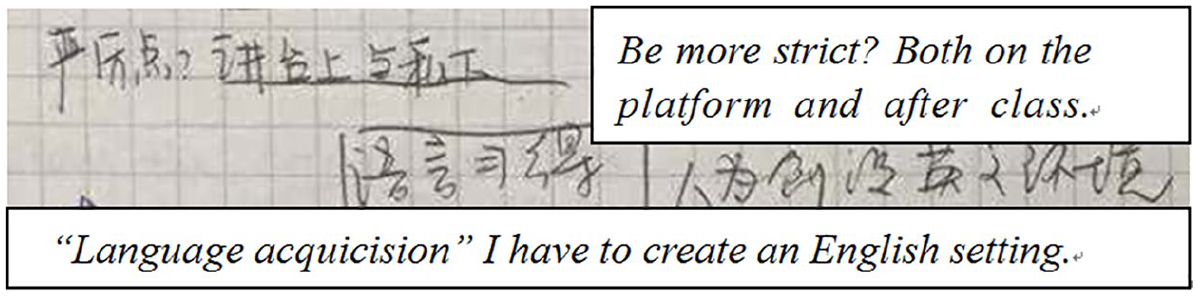
Li’s feedback note on her supervisor’s feedback.
3 Managing affect through seeking external emotional support and internal emotional regulation
All participants more or less expressed negative emotions when they engaged in the negative feedback experiences during TP, including but not limited to awkward, angry, disappointed, fear, panic, nervous, shocked, and stressful feelings. To cope with these negative emotions generated by supervisor or mentor feedback, participants attempted to regulate their emotions to achieve an emotional equilibrium and avoid conflicts with their supervisors and mentors. Taking Lai’s conflict with her supervisor in Macau context as an example, she actively regulated her negative emotions triggered by her supervisor’s feedback in several ways.
After the first feedback session with my supervisor, I was annoyed that he didn’t buy my innovative teaching activity ... (Lai’s narrative frame) I almost stood up when he required me to adopt the traditional grammar worksheet ... However, I don’t want to have any fight with him so I chose to be a good listener and let him talk ... After my unhappy feedback talk with the supervisor, I consulted my mentor on whether I should give up my grammar maze to give a worksheet. When she heard my supervisor’s feedback, she was as shocked as me. See, we are on the same boat! (Lai’s interview)
As a student teacher who had a two-semester TP in an international school, Lai chose to be silent as a good listener to avoid the head-on confrontation with her supervisor at the beginning of TP. Meanwhile, she proactively sought her mentor’s emotional support and achieved a sense of camaraderie to further regulate her negative emotion towards supervisor’s negative feedback. Besides, to cope with the negative emotions, student teachers tended to put themselves into feedback giver’s shoes to demonstrate their mutual understanding and recognition of their efforts, especially their good intentions of delivering negative feedback.
I understood my mentor’s straightforward criticism on my teaching performance. (Fang’s narrative frame) Though I was upset at first, I still felt that such feedback was for my own sake ... She’s an aging teacher who provided me (feedback) with a true heart. (Fang’s interview)
Furthermore, participants demonstrated their capability to internally regulate the negative feedback process to release the stress. They attempted to explain and justify the perceived negative feedback in order to switch to positive emotions for their professional development as future teachers.
Yes, this (negative feedback) was definitely stressful to me ... (Hui’s narrative frame) So I kept encouraging myself to move forward ‘a tiny step’ in my teaching. I was eager to receive encouragement from my own satisfactory result (of teaching). (Hui’s interview) I viewed my supervisor’s feedback separately ... Although I was under pressure when he criticized me, I still believe his feedback could work on vocabulary teaching. Later, I conducted that activity with vocabulary cards, which actually operated smoothly. (Cheong’s interview & teaching materials)
Overall, though participants experienced negative emotions in the feedback process with their supervisors and mentors, many of them were able to address their feedback literacy to manage affects through both external extension of feedback talk to others and internal emotional regulations followed by concrete teaching practices. See Figure 2.
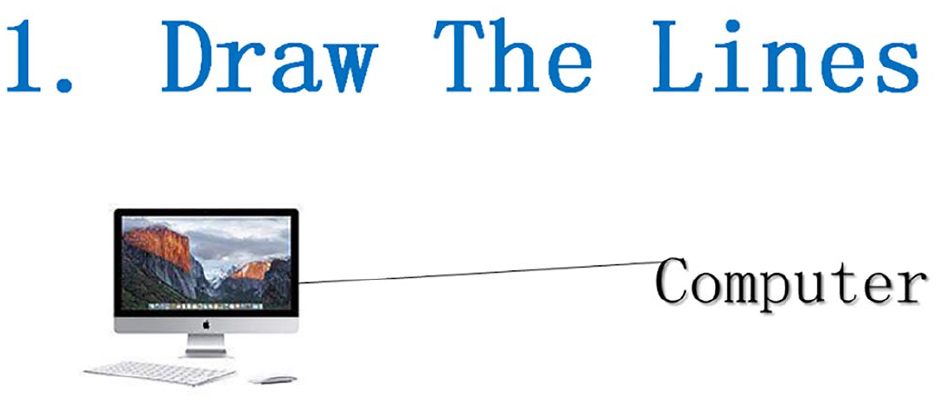
Cheong’s vocabulary card made after her supervisor’s feedback.
4 Taking actions to execute or reject the perceived and judged negative feedback
To close the feedback loop, participants executed various actions to respond to their negative feedback experiences with supervisors and mentors (Boud & Molloy, 2013). Some indicated that they accepted and implemented all feedback even they perceived them negatively. However, most participants stated that they accepted and implemented the negative feedback only if they judged it (or part of it) useful to apply in their TP contexts. Specifically, participants in Fujian context accepted and executed the feedback with their deliberate reflections and adaptive practices in both secondary and primary schools.
Though my mentor didn’t provide me with a lot of feedback (on my teaching), I am still willing to follow her feedback and imitate her way to teach the textbook’s content as it works well to students. (Li’s interview) Supervisor’s criticism was like a reminder for me to reflect on the ‘principal axes’ of my following lessons. I’ve tried to design a ‘focus’ in each lesson. (Min’s interview and her lesson plan for a primary grammar lesson)
Moreover, some student teachers still encountered difficulty when they attempted to respond to the received negative feedback, particularly on how to execute the negative feedback without supervisor or mentor’s clear guidance.
That reading passage was about Olympic Games and my supervisor required me to ‘sublimate the theme’. I didn’t know how to achieve it and I supposed that students read and discussed this topic so they simultaneously understood it. (Ping’s interview)
On the other hand, participants still directly rejected the feedback from supervisor or mentor according to their disagreements on lesson planning, conflicts on teaching methods, as well as the divergent understandings of students’ proficiency and learning needs. Meanwhile, participants rather avoided communication as a type of repertoires, which defends the negative feedback experience from supervisor or mentor.
I didn’t ask her (my mentor) for further clarification or discussing my lesson ... We were not that close and she seemed not very outgoing as well. (Ping’s interview) When I received my mentor’s notes during my teaching time, I just didn’t reply to it otherwise my mind would be filled with ‘running out of time’. (Bei’s interview)
Concisely, no matter participants executed supervisor and mentor feedback with agreement or disagreement, even rejected their feedback, these actions are processed and mediated by their appreciation of, judgements on, and emotions towards the received negative feedback. Meanwhile, findings indicated that some participants still cannot execute their repertoire of strategies to solve the confusions or disagreement with such negative feedback, which deserves further discussion in the following section. See Figure 3.
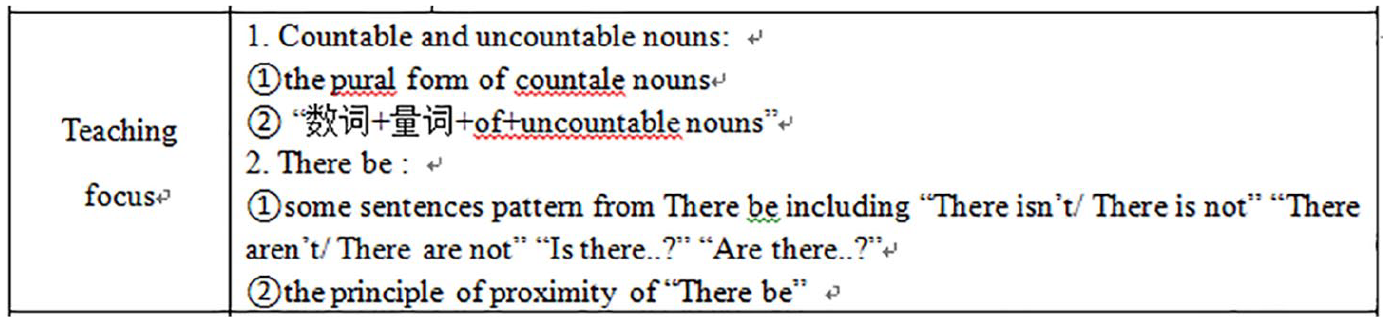
Min’s lesson plan with adding ‘teaching focus’ after supervisor’s feedback.
V Discussion
This study investigated how the student teachers coped with negative feedback experiences from their university supervisors and school mentors during TP, particularly by adopting the four major dimensions of their feedback literacy. In terms of negative feedback experiences, they are not necessarily negative feedback such as criticism or sharp comments on their teaching performance. Participants also experienced the deficient or overwhelming feedback; ineffectiveness and impracticability of feedback; conflicts on divergent teaching beliefs, straightforwardness in the feedback process, and even the compliments yet perceived surreal. Overall, participants not only passively received feedback from teacher educators but also actively co-constructed the meaning of such negative feedback experiences during their TP processes (Bjørndal, 2020; Yoon et al., 2013).
Under the first aspect of appreciating feedback, experiencing the negative feedback with their supervisor and mentor, most of them initially demonstrated their clear understandings of the meaning and rationale of feedback (Carless & Boud, 2018), particularly the deficiency of feedback, realization of inconsistent perceptions, or the feedback givers’ misunderstandings of the teaching content and contexts (Gamlem & Smith, 2013; Weaver, 2006). However, some participants still had difficulties to understand the general and vague feedback during TP (Jonsson, 2013), as student teachers may receive limited training on coping with feedback. In the cases of Min and Wei, their difficulties and confusions to understand supervisor’s general feedback could be attributed to their mentors’ fuzziness and overwhelming amount of feedback embedded in the limited post-observation feedback conversations in both Fujian and Guangdong contexts (Brandt, 2008; Nel & Marais, 2021). Wei, who had TP for one semester, still had more opportunities to let his mentor repeat such negative feedback as reminders, while Min had fewer chances to clarify her doubts about the received negative feedback in a shorter TP programme (Zheng et al., 2020). For participants Ting, Cheong, and Wong who did not appreciate the negative feedback, though they did not aggressively respond to it, they somehow ignored the perceived negative feedback (Bjørndal, 2020; Ellis et al., 2020). Thus, equipped with the feedback literacy of understanding such feedback (Carless & Boud, 2018), they still could not optimize their active roles to reflect on the negative feedback experiences for their professional development with limited appreciation of them (Svojanovsky, 2017).
Constructed on their appreciation of feedback, student teachers not always generated negative judgements and emotions towards their negative feedback experiences in TP (Carless & Boud, 2018). Lai and Kit from Macau context could critically and productively judged the external feedback sources in different ways to understand their teaching practices and the potential negative effect of feedback in their context (Sayeski & Paulsen, 2012). Referring to their different gender, Kit as a male participant, was willing to try the negative feedback out for its optimal effectiveness. Lai, as a female participant in the same international school, rather refused supervisor’s feedback by her nuanced understandings of the targeted students and real-life classroom teaching experiences (Tai et al., 2018). In the cases of Fujian and Guangdong contexts, though Rui received compliments on her teaching performance and Lin got constructive feedback on the teaching content, they still judged such feedback negatively and tried to seek more practical feedback for self-reflection (Brandt, 2008; Svojanovsky, 2017). With the capacity of making external judgements on negative feedback, they implied the lack of efficacy on EFL teaching (Olivier et al., 2019); while they somehow judged that they need concrete and grounded feedback for improving their teaching. On the other hand, participants Li and Mei from Fujian context displayed their capability of making internal judgements on their own teaching capacities and practices throughout the negative feedback experiences (Carless & Boud, 2018). Facing the short TP periods and limited opportunities of receiving feedback from supervisors and mentors, such a capacity functioned as the self-evaluation on their problems of teaching, such as individual teaching styles and effectiveness of teaching approaches for their teacher’s learning gains and professional development (Sayeski & Paulsen, 2012; Svojanovsky, 2017). Furthermore, participant Kit judged on the insufficiency of his oral feedback practice towards students’ errors. His judgements manifested that student teacher who plays a dual role in TP contexts (Hagger et al., 2008) not only acted as the passive receivers of negative feedback but also transferred such feedback encounters into how they design and implement their own feedback practices towards students (Carless & Winstone, 2023).
Throughout participants’ negative feedback experiences, the critical comments, negative evaluation, and miscommunication in feedback inevitably evoked their negative feelings (Mahfoodh, 2017; Nguyen, 2014). All participants have experienced certain negative emotions while only four of them had the dispositions to regulate their emotions to achieve an emotional equilibrium and avoid conflicts with or defensive responses with their supervisors and mentors (Molloy et al., 2013; Pitt & Norton, 2017). Fang from Guangdong and Hui from Sichuan regulated their negative emotions by demonstrating mutual understanding with their mentors and self-encouragement, aiming for progress and a sense of satisfaction within one semester of their TP. The negative feedback experiences did not demotivate these participants from mainland China in executing their teaching practices (Alhebaishi, 2019). This finding echoes earlier studies that emphasized the imbalanced power relationship between student teachers and teacher educators (Hyland & Lo, 2006; Nguyen, 2014). The significant power distance with feedback providers and the relatively short duration of TP might both influence their emotional regulation strategies in an internal manner, through self-reflection and mutual understanding with feedback providers.
In contrast to participants from the Chinese mainland context, Lai from Macau fostered a sense of camaraderie with her mentor and expanded her repertoire. Cheong, also in Macau, implemented pedagogical activities suggested by negative feedback to assess their effectiveness with her students. Consequently, participants in Macau tended to shape their identities as proactive learners during their TP by applying feedback practices in the classroom or seeking emotional support from other TP practitioners (Gallacher et al., 2002; Jonsson, 2013). This active approach to emotional regulation may be due to their extended TP periods, which lasted for two semesters. In Lai’s specific case, her TP took place in an international school, where her sense of camaraderie with her mentor was facilitated by a shared understanding of both first language (L1) and second language (L2) students. This camaraderie, along with her expanding repertoire of strategies, helped her regulate negative emotions throughout the supervisor’s feedback processes over an extended period (Jonsson, 2013).
To close the feedback loop (Boud & Molloy, 2013), participants mainly adopted four types of actions to act on the negative feedback which reflected their feedback literacy (Carless & Boud, 2018). Besides these actions, some participants stated that they accepted and implemented all negative feedback from supervisors and mentors through their hardworking (Furnborough & Truman, 2009). Such a blind acceptance of feedback reflected that student teachers still lacked feedback literacy to execute appropriate actions to filter the inappropriate or impractical feedback; meanwhile, these participants failed to draw more inferences that are valid from the negative feedback experiences (Carless & Boud, 2018). By contrast, Li and Min could activate their student feedback literacy to selectively act on what they judged as useful and practical feedback. Instead of making full use of each negative feedback, their external judgements and internal self-evaluations guided them to develop a repertoire of strategies for acting on feedback (Carless & Boud, 2018). For instance, they could follow mentor’s teaching method and adjusting lesson plans according to supervisor’s feedback to improve their teaching as the consequence of their active student feedback literacy.
However, several participants had difficulty to understand and process the negative feedback (Jonsson, 2013), thus they did not take further actions to productively respond to such feedback from supervisors or mentors. It could be attributed to their lack of strategies to act on the cognitively challenging feedback within their TP contexts (Zheng et al., 2020) and their understanding of themselves as passive feedback receivers who did not request clarification or explanation of such negative feedback (Brandt, 2008; Nel & Marais, 2021). Furthermore, as feedback recipients’ emotional and behavioural responses are interrelated (Storch & Wigglesworth, 2010; Zhang, 2017), participants’ actions of managing negative affect were also parts of their repertoire of strategies including consulting other TP practitioners or seeking emotional support instead of merely avoiding communication with the feedback giver (Alhebaishi, 2019).
Referring to the theoretical lens of student feedback literacy, it has the significance to enable student teachers to cope with the negative feedback experiences. Student feedback literacy also enables the feedback-literate student teachers to take up the active roles to co-construct the meaning for their teacher learning and professional development in such a negative process (Bjørndal, 2020; Svojanovsky, 2017). Feedback-literate student teachers first appreciated their active roles in feedback during TP and understood the meaning of negative feedback on their teaching. Then, they could actively make external judgements on the feedback content, forms or quality (Lizzio & Wilson, 2008) and generate internal evaluations on their teaching practices situated in the contexts. Meanwhile, their dispositions can empower them to manage affects, both internally and externally regulate emotions from relatively negative to positive ones, which furthered boosted their self-efficacy for teaching (Olivier et al., 2019). Finally, taking actions, constructed on the appreciation and understanding of negative feedback and guided by both aspects of making judgements and managing affects, was the most evident aspect that could demonstrate their abilities to utilize negative feedback productively to develop their teaching competence throughout negative feedback processes in TP (Carless, 2022; Hagger et al., 2008).
VI Conclusions
This study drew on the conceptualization of feedback literacy proposed by Carless and Boud (2018) to investigate how student teachers in Sichuan, Fujian, Guangdong, and Macau contexts demonstrated their feedback literacy to cope with negative feedback experiences from their university supervisors and school mentors during TP. As a summary, student teacher’s feedback literacy plays crucial roles in mediating their responses to negative feedback experiences during TP, which started with their understanding or (non-)appreciation of the received negative feedback and the perceived difficulties towards understanding feedback. Followed by that, they did not necessarily generate negative external and internal judgements towards such feedback experience. Those feedback-literate participants could generate external judgements on the usefulness and ideological conflicts from the negative feedback experiences. Student feedback literacy also enables them to produce internal judgements on both their teaching and feedback performances. Meanwhile, though the negative emotions inevitably existed in the abovementioned negative feedback experiences, student feedback literacy enables participants to regulate their emotions for achieving emotional equilibrium and avoid conflicts with their supervisor and mentor. Student teachers could also generate mutual understanding and recognition of supervisor or mentor’s efforts of delivering feedback under the guidance of their student feedback literacy. Even some participants still blindly accepted, rejected, and avoided communication towards the received negative feedback; the more feedback-literate student teachers could execute the judged useful feedback and attempted to respond to feedback without clear guidance.
The findings of this study have several pedagogical implications for student teachers, supervisors and mentors, and designers of teacher education programs. For student teachers, they need to be equipped the awareness that they are eligible to participate in the co-construction of feedback meaning, especially towards the negative feedback experiences during their TP as they are immersed in the teaching contexts to conduct professional practices. University supervisors and school mentors should be aware of the need to activate student teachers’ feedback literacy during the feedback process. They can provide situated feedback on teaching performance and create opportunities to negotiate the meaning of feedback within the teaching practicum (TP) context. Additionally, they can encourage student teachers to express their own appreciations, judgements, and emotions to develop their repertoire for responding to feedback experiences and to mitigate potential negative impacts. Furthermore, teacher education programs should incorporate comprehensive feedback literacy training to raise awareness among student teachers and empower them with strategies for managing potential negative feedback during TP. This study also offers insights for future research directions, which should track the developmental trajectories of student teachers’ feedback literacy and explore the long-term impact of feedback literacy training on their professional development within teacher education contexts.
