



Abstract
Guided by feminist and a queer intersectional framework, this article explores the discursive production of sexuality in contemporary sexual science research. Specifically, this article examines the absence of pleasure as a topic in research on human sexuality in the sexual sciences. Articles from 2010 to 2015 were sampled from The Journal of Sex Research (JSR) N = 300 and discourse analysis was performed. Contemporary research on sexuality in this journal focuses on risk, disease, and dysfunction and reinforces heteronormativity. This focus examines sexuality from a limited and negative vantage point and, as a result, does not provide us with a holistic portrait of human sexuality. Researchers must discuss pleasure and should make greater efforts to ensure more inclusivity and diversity around issues of gender, race, nationality, age, and sexual identity. Importantly, I show how the three main focal points of this article (the erasure of sexual pleasure, the reproduction of heteronormativity, and the erasure of marginalized racial, gendered, classed, and sexual identities) are mutually reinforcing. Scholars in the sexual sciences can avoid these issues by using feminist and queer intersectional frameworks. Finally, because the empirical findings of scientific research often inform political policy, healthcare policies, workplace policies, and larger societal understandings of human life and experience, we must appreciate that the limited frameworks used by sexual scientists will have an impact on people’s lives and their access to the resources and services they need to survive, and to lead pleasurable—not just healthy—lives.
Mainstream research in the sexual sciences needs a feminist and queer intervention! Decades of feminist and queer scholarship has demonstrated that while the motivations for sex can be multifaceted, complex, and contextual, one notable motivation for having sex is how potentially pleasurable sex is. Feminist scholars have already demonstrated the importance of studying sexual pleasure (Chapkis, 1997; Firestone, 1970; Snitow et al., 1983; Taormino et al., 2013; Vance, 1984). Yet, scholars working in sexual science fail to highlight the importance of sexual pleasure in shaping sexual behavior.
Despite the proliferation of feminist scholarship, feminist work has had a limited impact on the field of sexual science (Pollis, 1998). As Pollis noted, “disciplines with strong traditions in hermeneutic and interpretive epistemologies, e.g., anthropology, history, and literature, have been more receptive to feminist work than have disciplines more deeply rooted in and committed to positivist epistemologies, e.g., biology, medicine, psychology, sociology, and economics” (1998: 96). Pollis’s work suggested that the conservative epistemological and methodological traditions of many scholars studying sexuality may explain the reluctance of many sex researchers to draw from feminist and queer perspectives that highlight sexual pleasure.
In this article, I examine the curious absence of pleasure in contemporary research on human sexuality. Specifically, guided by a queer intersectional framework, this article explores the discursive production of sexuality in contemporary sexual science research. In genealogies of sexuality, social historians have noted the prominent role that medical doctors and psychologists have played in the discursive production of sexuality and specifically in the secular production of heteronormativity in the 19th century (Foucault, 1976; Katz, 1990). This study draws from this line of inquiry to examine the ways in which heteronormativity is still reproduced within sexual science research and, in the process, also erases pleasure.
Genealogies of gender and sexuality conducted by social historians have shown us the ways in which these categories have been discursively produced and, once institutionalized coercively, regulate behavior and bodies. In ‘The invention of heterosexuality,’ Katz (1990) examined the discursive development of the term heterosexuality. Specifically, he showed that the term was originally coined in 1892 by Dr J Kiernan and was used to refer to sexual dispositions that were considered abnormal (e.g. inclinations towards both sexes). However, Katz also showed how its original usage changed as other psychologists such as Krafft-Ebing started to write and discuss the terminology, and documented how heterosexuality came to be used to reference a healthy/productive normative sexual interaction between people of different genders.
In The History of Sexuality (1976), Foucault similarly traced the origins of homosexuality. Both Katz and Foucault emphasized that once given legitimacy by doctors, the categorization of human sexuality into binary categories (hetero/homo) established a secular heteronormative standard, which became accepted knowledge by other secular institutions and came to affect juridical discourses (e.g. sodomy laws). These heteronormative discourses were then also filtered to people in society via institutions such as the media. Acknowledging that sexuality is discursive and not natural is important. It is crucial to the analysis presented in this article that we remember that all our ideas about ostensibly appropriate sexual behavior are socially constructed, are constantly in flux, and vary across time, culture, and space. Furthermore, scientists must be conscious of the role they play in constructing knowledge about sexuality.
In this article, I sampled five years of research in the leading sexuality studies journal The Journal of Sex Research in order to explore the language scholars in sexual science are currently using to write about sex. In this analysis, I ask how current sex researchers are reproducing heteronormativity, and by emphasizing disease and dysfunction in their research, are also erasing sexual pleasure. 1 Specifically, I used discourse analysis to empirically show that contemporary sexual scientists ignore pleasure and reproduce heteronormativity as well as other hegemonic discourses around gender, race, and age. I am certainly not the first sexualities scholar to criticize the sexual sciences for its “pleasure deficit” and the tendency toward reproducing heteronormativity. However, the unique contribution of this article is that I am not merely asserting that these problems exist in sexual science research—I am empirically showing that these problems exist in sexual science research. In addition, I used a queer intersectional perspective to analyze the findings. Specifically, the articles in the sample were examined for the language used to discuss intertwining issues of race, gender, class, age, and sexual identity. Finally, using an intersectional framework also demonstrates how the three main focal points of this article (the erasure of sexual pleasure, the reproduction of heteronormativity, and the erasure of marginalized racial, gendered, classed, and sexual identities) are mutually reinforcing. The implications of the findings from this discourse analysis are explored, and suggestions are made for future lines of inquiry in the sexual sciences.
Background
Feminist scholars have already called out sexual science researchers for their lack of attention to pleasure. Ruth Dixon-Mueller (1993) famously criticized scholars of reproductive health for focusing almost exclusively on risk and disease. Dixon-Mueller argued it is vital to people’s health and the ability of medical practitioners to do their jobs, for researchers to also study sexual pleasure and enjoyment. For example, it is important to ask how pleasure seeking behavior influences contraceptive usage because understanding pleasure can help medical practitioners to advocate effective condom usage. Higgins and Hirsch (2007) revisited this issue over a decade later and found that while progress had been made, the issue Dixon-Mueller identified, overwhelmingly still remained in this literature. Moreover, using a framework of gender, they were attentive to the fact that there was more research about men’s sexual pleasure than women’s sexual pleasure. They showed that in the reproductive sexual health literature there was an assumption that women did not care about sexual pleasure in family planning decisions. I show that what Higgins and Hirsch (2007) called “the pleasure deficit” still exists in an expansive amount of literature in the sexual sciences.
It is important to note that queer scholars have also written explicitly about the importance of pleasure in analyses of sexuality. Like feminist criticisms, calls for attention to pleasure by queer scholars have fallen on deaf ears in the sexual sciences. There is a growing body of queer scholarship across a range of disciplines such as: African American Studies, humanities, sociology, anthropology, feminist studies, critical race studies, media studies, and cultural studies that explore pleasure and sexuality. In this literature queer and intersectional perspectives are used to better understand the complexity of human sexuality, resituate pleasure into that understanding, challenge heteronormativity, and integrate into these analyses additional variables that overlap such as race, ethnicity, gender, ability, and citizenship status. Queer intersectional perspectives have not been adopted by researchers in the strict positivist tradition that still dominates sexual science research published in leading journals such as The Journal of Sex Research.
The queer intersectional perspectives being used by scholars in the humanities and social sciences must be integrated into the sexual sciences. There is much more to be learned about the role of pleasure in people’s sex lives and there is a bourgeoning body of queer scholarship that attests to this. For example, Dean (2009) in the humanities and Robinson (2013) in sociology both wrote separate accounts of “barebacking” that pushed back against the sexual sciences characterization of men who have unprotected sex with other men as vectors of disease. Instead, these authors pointed to the importance of both nuance and pleasure in understanding the motivations for barebacking. Barebacking is a sexual practice, but what sexual scientists miss is that this practice is also the basis of some gay men’s identities and helps them to forge community, which is important to a group of people facing regular discrimination in a heteronormative society. Hoppe (2011) too, pushed back on the traditional sexual science focus on HIV, and wrote about the sexual interactions between men and the complex ways in which pleasure shapes the sexual scripts developed in these erotic encounters. Thus, while we need research on HIV transmission that furthers the goals of prevention, better understanding the pleasures and joys of sex, alongside the social and political contexts that shape people’s sexual behaviors can help researchers to serve better the communities and agencies engaged in fighting the HIV epidemic.
Sexual science scholars should not only take cue from queer studies scholarship, research on subjects such as HIV would also be strengthened by the use of a queer intersectional framework. For example, sexual scientists have identified and tried to understand high rates of HIV among Black gay men. As will be explored later in this article, sexual scientists approach this phenomenon in limited ways that often pathologize gay men of color. As queer scholar Bailey noted, “[i]t is critical that HIV prevention research and services that focus on black gay men develop approaches that are appropriate, practical, realistic, effective, and, most important, pleasure and sex affirming” (2016: 241). An appropriate and sexually affirming approach would require that sexual scientists are attentive to pleasure, alongside pain, and do so using an intersectional framework that is also attentive to how race, class, and gender shape people’s sexual lives and choices. For example, much of the barebacking literature focuses on White, gay, middle-class men and often ignores the ways race and class shape motivations for engaging in unprotected anal sex. Bailey (2016) argued that a Black queer intersectional analysis shows that there are distinct motivations for practicing raw sex among Black gay men. First, while the sexual sciences focus on raw sex as high risk behavior that must be prevented, these researchers ignore that “the risky nature of raw sex—its potential for causing seroconversion and leading to drastic life changes and possibly premature death—can/does actually enhance sexual pleasure…it is the risk of seroconversion created by raw sex that enhances the pleasure, not seroconversion as an outcome of raw sex” (Bailey, 2016: 251). Second, prevention and safe-sex discourses are disciplinary—that is, these discourses are used by doctors and other healthcare agents to regulate, manage, and surveil gay men’s bodies. Therefore, raw sex is an exercise in power; men who fuck raw are pushing back against the institutions that seek to regulate their bodies and behaviors. Importantly, due to the legacy of institutionalized White supremacy in scientific and medical institutions and the history of scientific racism, many Black folks are skeptical of scientific institutions, medical institutions, and medical practitioners. Therefore, the decision to have unprotected sex should not be reduced to irresponsibility, but also, understood as a legitimate (albeit risky) response to oppressive social systems. As Bailey noted, “condom use presents a barrier to pleasurable and satisfying sex that maybe a deep source of intimacy, connection, and self-affirmation that run counter to their experiences of social disqualification, marginalization, alienation and deprivation” (2016: 254–255). Thus, high-risk behavior such as raw sex is also correlated with institutional oppression; the overlapping systems of neo-liberal capitalism, White supremacy, and heterosexism shape the everyday lives of Black gay men and the exclusion and marginalization experienced by these men creates a motivation within them to seek out deep intimacy and autonomous bonds with similarly situated men. As Bailey said, “[r]aw sex and catching nut is a way to deal with or alleviate the alienation and feelings of worthlessness and ultimately to create a livable life” (2016: 256). As Bailey’s work highlighted, using a queer intersectional perspective would allow sexual science researchers to document the nuance and complexity of people’s sexual lives, the desire for sexual pleasure that motivates their behavior, and the ways that overlapping identities shape their sexual choices.
Not just limited to health studies, a wide range of sexualities researchers use queer intersectional perspectives and focus on the importance of sexual pleasure. For example, recent interdisciplinary literature on sex work also highlights the importance of sexual pleasure in the erotic labor market (Bernstein, 2007; Jones, 2016; Walby, 2012). For example, in my recent (2016) study of adult webcam performers, I highlighted that many performers said, they “get paid to have orgasms.” Many performers said they do not “fake” orgasms on camera, and therefore, performers derived a lot of sexual pleasure performing online sex work. Thus, the motivation for choosing to perform erotic labor for a living is not just about access to wages, but it is also about the acquisition of pleasure and satisfying sexual desires.
Many scholars study different populations and areas of sexuality while considering pleasure as integral to their research. For example, there is cutting-edge research in sociology that accomplishes this. Schippers (2016) drew on polyqueer methods—a use of feminist, cultural, and autoethnographic methods—to explore compulsory mononormativity and polyamory and highlighted the pleasures of consensual non-monogamies. Ward (2015) provided riveting queer intersectional analysis of the ways pleasure and masculinity mediate sexual encounters between straight White men. Orne (2017) wrote about the importance of sexual pleasure to forging communities in gay enclaves such as Boystown, Chicago. Pfeffer (2017) wrote about the sexual relations between trans men and their cis female partners and frankly discussed both the pleasure and problems in these sexual relationships. Weiss (2011), an anthropologist and Cruz (2016), who holds a degree in African Diaspora Studies with a Designated Emphasis in Women, Gender, and Sexuality, have both written exceptional books that highlight pleasure in BDSM communities. As a final example, Tepper (2000) studied sexual pleasure in people with spinal cord injuries, and used this analysis to call out disability studies for its lack of attention to sexual pleasure.
The research highlighting the importance of pleasure is also not limited to the USA. Scholars currently study sexuality around the globe and take into consideration how immigration affects both people’s sexual lives and the amount of pleasure they experience as part of these relationships. For example, González-López (2005) studied the sex lives of straight Mexican men and women in Los Angeles, California and examined how these immigrants reinvented their sexualities as part of their settlement experience, and that they did so in ways that were extremely pleasurable and empowering. As another example, Wekker (2006) studied “mati work,” which is a Surinamese practice among working-class women in which they shirk heteronormative and monogamous relationships in favor of more open sexual relationships, which for them were both more empowering and pleasurable.
Despite the promises of all this feminist and queer intersectional research, the advances made around sexuality and pleasure across a wide range of disciplines, are largely ignored by sexual scientists. If pleasure is not a marginal theme in sexualities research in the humanities and many social science disciplines, and queer and intersectional frameworks are used across a wide range of academic disciplines, how do we explain its virtual absence in the sexual sciences? In the concluding sections of this article I discuss issues related to funding and institutionalized heteronormativity and White supremacy as possible explanations for pleasure’s absence in the sexual sciences. I also discuss the consequences of these issues. Sexual science research informs public policy and political discourse and as a result, sexual science research affects the resources and services people need to survive. It is with these consequences in mind that I end with a call to sexual scientists to adopt feminist and queer intersectional frameworks.
Methods
In this article, discourse analysis was used to examine contemporary sexual science research on human sexuality. Specifically, articles from 2010 to 2015 were sampled from The Journal of Sex Research (JSR) N = 300. JSR’s ranking and focus provided a perfect sample for this analysis. According to Reuters, JSR has a 2.862 impact factor, making it one of the highest ranked journals in the social sciences. Crucially, it is the leading international journal for the scientific study of human sexuality. Furthermore, JSR purports to be an interdisciplinary journal publishing work from scholars from a “variety of disciplines involved in the scientific study of sexuality” such as: psychology, sociology, communication studies, and the health and medical sciences. Nevertheless, it is largely dominated by research in psychology and the health and medical sciences. Drawing inspiration from what Foucault (1978) and Katz (1990) have shown in the 19th and 20th centuries, JSR provided an ideal sample for examination into the discursive production of sexuality in the 21st century and the prominent role that medical researchers and psychologists continue to play in knowledge production.
In order to collect the sample, the research team compiled all available research articles from 2010 to 2015 published in JSR. Articles published in 2016 were excluded because of an embargo on articles in the databases available to the researchers. For the same reason, the sample included only volumes 1–3 for the year 2015. All articles were uploaded into Atlas Ti and analyzed.
First, as part of our discourse analysis, the research team used the Word Cruncher analysis tool to run word counts for deductively generated codes using a Stop List in Atlas. These codes were divided into two lists. The first list included deductive codes that were hypothesized would relate to potentially pleasurable themes or represented understudied themes, which included “joy,” “pleasure,” “orgasms,” “satisfaction,” “stimulation,” “enjoyment,” “intercourse,” “fellatio,” “cunnilingus,” “pornography,” and “sex work.” The second list included codes of variables that were hypothesized would dominate this literature, which included “healthcare,” “dissatisfaction,” “sexual dysfunction,” “HIV,” “STD,” “STI,” “risk,” “violence,” “discrimination,” and “abuse.” Word counts for each code were generated and outputted into Excel files and Word Clouds for further analysis.
Atlas was also used to Word Crunch the entire sample, and Excel files and Word Clouds were also created for these words. These data were searched for words that appeared frequently (high word counts), and an additional list of inductive codes was created. The entire sample was searched for words used to represent demographic variables in the research articles. For example, the entire word counts were examined for all words related to gender (e.g. “male,” “female,” “trans”), sexual identity (e.g. “heterosexual,” “homosexual,” “gay,” “lesbian”), age (e.g. “adolescent,” “adult”), race (e.g. “African American,” “Hispanic,” “Asian”), and class (e.g. “affluent,” “middle-class”). Given that this study is guided by a queer intersectional framework, non-normative/non-binary identities were of particular interest. For example, when searching for words used to discuss sexual identities, we searched for terms such as “polyamory.” When looking at gender, we looked for non-binary identities such a “genderqueer” and “two-spirit.”
All the articles in the sample were reviewed, and Atlas Ti was used to conduct open-ended coding and thematic analysis. In addition, articles featuring words from the Atlas Stop Lists were reviewed carefully. For example, as will be shown in the proceeding findings section, for words that were used frequently, we isolated the articles that used this word and reviewed them. For example, for the word “orgasm,” which was used frequently, thematic analysis was conducted, and it was noted whether each individual research article focused on the enjoyment of orgasm or the failure to have them. Therefore, in the results sections that follow, both quantitative and qualitative data analysis strategies are used interpret the data.
Sexuality as pain, trauma, and disease: The erasure of pleasure
In the sample, researchers focused on psychological and physiological motivations for sex and social dimensions of sex such as negotiating consent and condom use, but not on the pleasure experienced in sexual encounters (e.g. Sunner et al., 2013). 2 In fact, sex was even examined in relationship to disgust—that is, researchers such as de Jong et al. (2013) did not study how enjoyable cunnilingus or fellatio is; they discussed how these sex acts triggered feelings of disgust.
The erasure of pleasure and a focus on risk, disease, and dysfunction.

As shown in Table 1 and Figure 1, in the sample there was a clear focus on risk and disease, not the pleasures of sex. It is important to note that these word counts can be misleading and could not render any empirically sound conclusions without additional qualitative analysis. To ensure that words were not taken out of context, these counts were then used to provide guidance for qualitative analysis. For example, “satisfaction” was used 3422 times in the sample. In order for this word count to be useful, thematic content analysis was conducted of individual articles discussing satisfaction. This analysis shows that in general, while variables such as satisfaction are measured, these studies tend to focus on a wide range of independent variables that decrease sexual satisfaction. This was also the case when empirical counts of “orgasm” were examined. “Orgasm” was used 1236 times in the sample. And while orgasms are a good measure of sexual pleasure, close examination of the articles themselves in Atlas Ti showed that discussion of orgasm focused on faking orgasms or not having them (e.g. Muehlenhard and Shippee, 2010).
Risk and HIV dominate discussion of sex.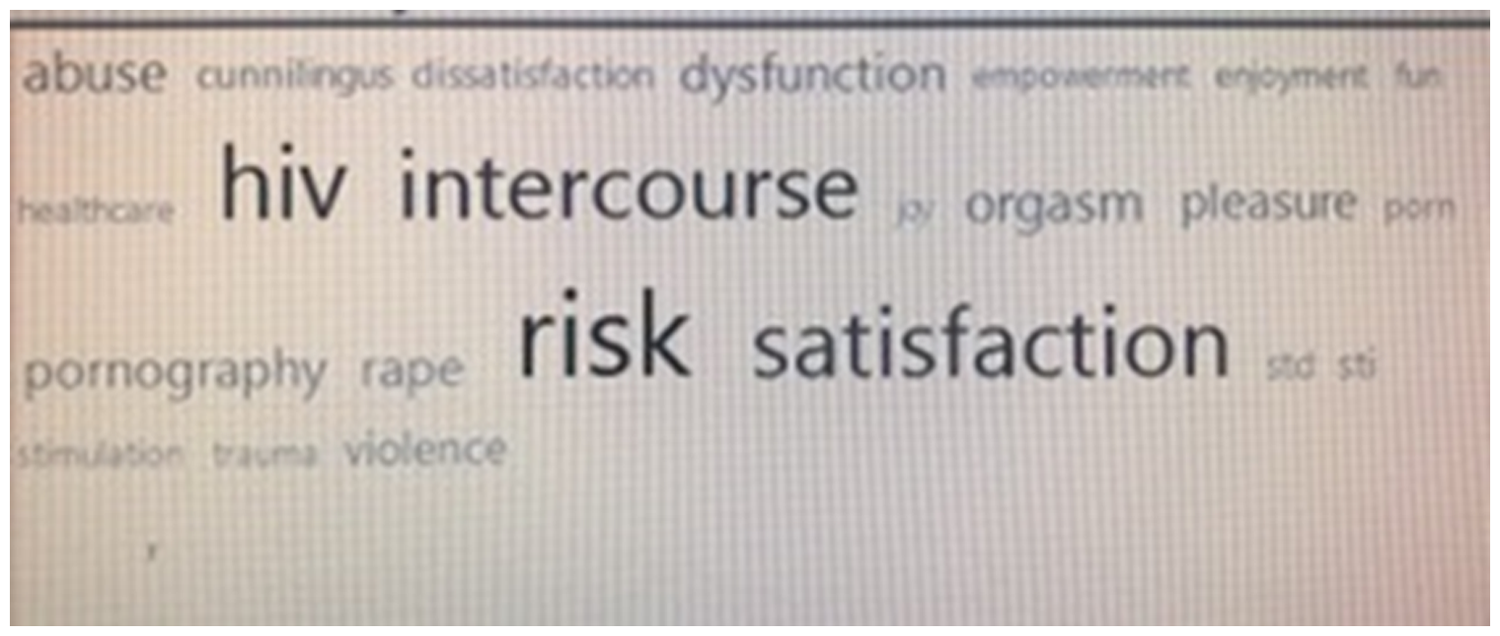
The research published in this sample from JSR demonstrated an overall focus on dysfunction and disease. Again, the qualitative analysis performed in Atlas Ti of the articles in the sample showed that extensive research focused on sexual dysfunction caused by chronic disease (e.g. Verschuren et al., 2010), such as erectile and ejaculatory dysfunction (Catania et al., 2013). Researchers studied sex-related stress and hypoactive sexual desire disorder (DeRogatis et al., 2011) and sexual difficulties among men (Hendrickx et al., 2014; McCabe and Connaughton, 2014; Quinta Gomes and Nobre, 2014). In addition to focusing on the medicalization of sex, there was also a focus on themes such as sexual guilt (e.g. Janda and Bazemore, 2011) and sexual desire and guilt in the context of cultural restraint (Brotto et al., 2012).
When additional words with high word counts were examined and the literature further probed, other important data were found. For example, the word “virginity” was used 560 times in the sample. First sexual encounters with another person are important, but often, the first occasion of sex was associated with negative psychological, social, and physical outcomes (Hawes et al., 2010; Pearson et al., 2012). First sexual encounters occurring in early adolescence were often framed as pathological and resulting from childhood trauma (e.g. Tenkorang and Gyimah, 2012). These studies suggested that there is nothing positive or pleasurable about people’s first sexual encounters with another person. In addition, the focus on painful first sexual encounters caused by the breakage of the female hymen also demonstrated the heteronormative nature of contemporary research. These studies ignored first sexual encounters with someone of the same gender. Thus, this also pointed to the ways that reinforcing heteronormativity and erasing pleasure were mutually reinforcing in this literature. Another example was “contraception.” Contraception was a frequently discussed theme—used 462 times. However, in this literature, contraception was not a vehicle for more pleasurable sex—it merely helped to ward off unwanted pregnancies and disease (Tone, 2012). What should be noted is that the absence of unwanted pregnancies and disease also opens up the potential for more pleasure.
The frequency of word use of specific sexual practices was examined. For example, sex practices such as anal intercourse were discussed primarily as a risk behavior that increased the risk of STD and HIV exposure, and the research in the sample overwhelmingly referenced these practices when discussing men who have sex with other men (e.g. Duby and Colvin, 2014; Hess et al., 2014). The lack of attention to pleasure was neglectful. Instead, if conducting a queer intersectional or feminist analysis we would ask, what role does pleasure play in the motivation for high-risk sexual behavior? In addition, what about anal sex between heterosexual couples? What about anal sex between a woman and a man (or men) when a woman is using a dildo or sex toy to penetrate a man (commonly referred to as pegging)? I raise this issue to point to the limited ways in which sexuality is understood and explored in this research, and to highlight the importance of feminist and queer intersectional frameworks to studies of human sexuality. A queer intersectional analysis shows that not only did a heteronormative framework dominate this literature, but in doing so, a limited range of sexual practices were explored and understood.
The Stop Lists also included words such as “sex work” and “pornography.” Thematic analysis showed that the sexual health and lives of people who work in sex industries were framed through a lens of victimization (e.g. Prior et al., 2013). There was research on female sex workers and HIV (Le et al., 2010; Robertson et al., 2014). Pornography consumption focused on negative outcomes such as interference with working memory (Laier et al., 2013). Male consumption of pornography was associated with negative outcomes, particularly in their heterosexual relationships (Poulsen et al., 2013). Despite the focus of the research examined in the sample, copious literature in feminist studies has shown that sex workers, while often subject to horrific conditions of labor, often do enjoy their work and experience high levels of pleasure (e.g. Bernstein, 2007; Jones, 2016; Walby, 2012). There are consequences of sexual science researchers ignoring pleasure in sex work. If sexual science researchers continue to focus almost exclusively on negative motivations and outcomes of sexual labor, this will reify stereotypes of sex workers and perpetuate the stigma sex workers face in society.
Pleasure was not completely absent in the contemporary research analyzed. In one instance, psychologists explored sexual pleasure, orgasms, and young adults (Opperman et al., 2014). In another study, psychologists Paterson et al. (2014) studied the gendered similarities and differences in orgasms and pleasure. In the sample, there was one article that was conducted on women, masturbation, and pleasure (Fahs and Frank, 2014). Despite these few studies, as demonstrated here, the systematic content analysis conducted of all the articles in the sample shows that themes such as joy and enjoyment of sex are understudied by sexual science researchers. Therefore, while previous calls have arisen for greater attention to eroticism, sexual desire, and pleasure (e.g. Meana, 2010), these calls do not appear to influence the current focus of scholarly inquiry in the scientific study of sexuality.
Reinforcing binaries
In this article, I am arguing that examining the ways that scholars are talking about sexuality is important. I ask, in what ways are scholars continuing to reproduce heteronormativity and a binary understanding of sexuality and other socially constructed categories such as gender? What are the consequences of scholars continuing to do so?
Sexual identity
Sexual identity.
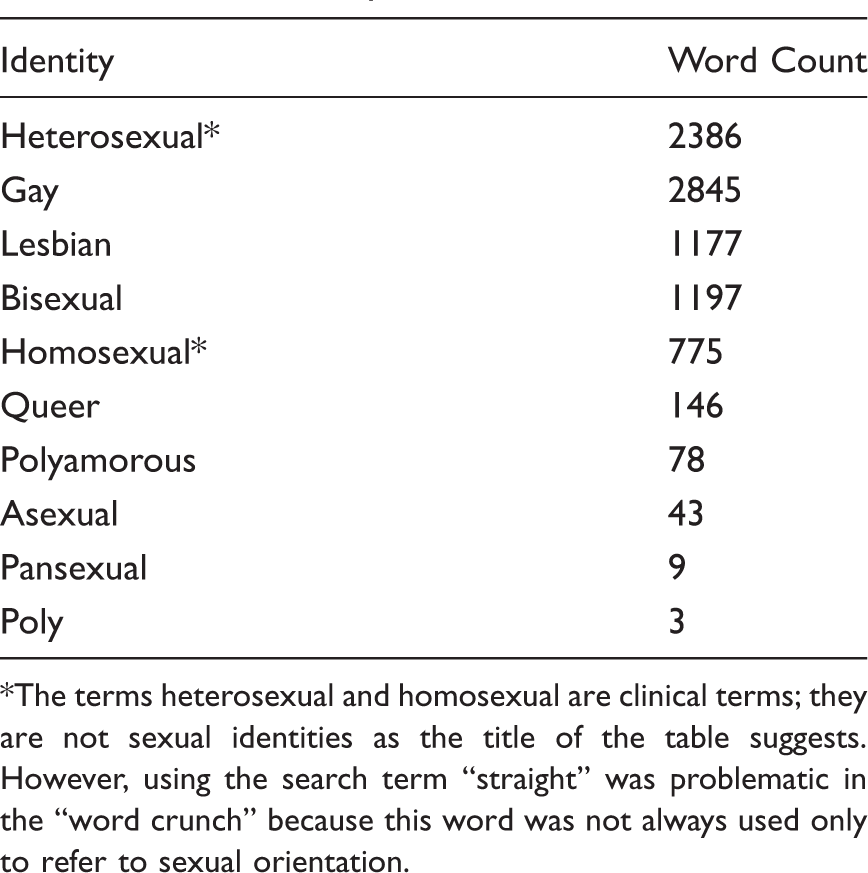
The terms heterosexual and homosexual are clinical terms; they are not sexual identities as the title of the table suggests. However, using the search term “straight” was problematic in the “word crunch” because this word was not always used only to refer to sexual orientation.
Qualitative analysis of the articles showed that sexuality outside of the binary is generally discussed in ways that pathologize non-normative sexual desires (e.g. De Block and Adriaens, 2013). Even the literature that focused on sexualities such as polyamory still glossed over the pleasure in these relationships. For example, Mitchell et al. wrote “polyamory may be a viable and fulfilling alternative way of conducting intimate relationships” (2014: 329). First, the authors’ focus was on need fulfillment and not the pleasure of these relationships. Second, if we analyze the language used by the authors, polyamory was described as “maybe” being a legitimate “alternative” to heteronormative monogamous relationships—the effect of which, even if unintentional, is delegitimizing these “alternative” relationship forms. More generally, nonmonogamous casual sexual encounters are generally framed as less satisfying and almost exclusively discussed in terms of public health problems (e.g. Lehmiller et al., 2014), and casual encounters were correlated with negative psychological outcomes (e.g. Bersamin et al., 2014). Some articles explored non monogamy among gay men and the relationship agreements designed by these men, but unsurprisingly, these practices were correlated with STI transmission (e.g. Wheldon and Pathak, 2010), and not with how these arrangements potentially lead to more pleasurable and satisfactory relationships. Therefore, another important finding here was to demonstrate that this research also reinforces monogamy as an ideal standard for intimate relationships, despite our knowledge that poly relationships are legitimate and when voluntary and equitable are incredibly satisfying and pleasurable to the people who are in them (e.g. Schippers, 2016).
An even more troubling finding emerged after a careful content analysis of the research in the sample. Articles about LGBT people tended to focus on prejudice and discrimination (Kleinert et al., 2015; West and Cowell, 2015), negative attitudes towards LGBT people (Carrera-Fernandez et al., 2014; Collier et al., 2015; Cunningham and Melton, 2013), risk of sexual assault (Hequembourg et al., 2015), sexual health inequalities (Chetcuti et al., 2013; Kuyper and Vanwesenbeeck, 2011; Mustanski et al., 2015), and sexual risk of HIV among trans people (Kosenko, 2011). The point is, this finding is troubling because the overall focus on sexual minorities was primarily on victimization (e.g. Katz-Wise and Hyde, 2012), particularly among LGBT youth (Collier et al., 2013). The researchers who embraced an intersectional framework often focused on psychological distress for LGBT racial minorities (e.g. Chae and Ayala, 2010). This research discursively painted a morbid picture of LGBT sexuality. Psychologist Clara Mayo (1982) famously wrote about the importance of positive marginality. Experiences of marginal identities are not just experiences of pain, discrimination, inequality, and victimization; they are also experiences of empowerment and joy. To sexual scientists I ask, is there no joy in the sexual lives of LGBT people? Why are you only interested in queer pain and not also in queer joy?
According to the research analyzed in the sample, no pleasure existed in sex for LGBT people. A tendency toward desexualizing lesbians (sexual bed death) was found, particularly in literature on aging lesbians and how they manage life (Averett et al., 2012). Sex between men was generally framed around HIV (Mitchell, 2014; Reback and Larkins et al., 2013; Salazar et al., 2013; Yi et al., 2011). For example, Binson et al. (2010) studied a gay bathhouse, which could be seen as an important community and social resource providing camaraderie and pleasure or as a safe space for men to meet other men, but, instead, the bathhouse was framed only as a site of HIV transmission. Research on men of color who have sex with other men focused on HIV and STDs and on the correlation between transmission and alcohol and other substances (e.g. Mutchler et al., 2014). This trend in the research is particularly troublesome as it has the potential to reify racist stereotypes of men of color and could have been avoided if a queer intersectional perspective was used.
Race, nationality, and sexuality
Race and nationality.
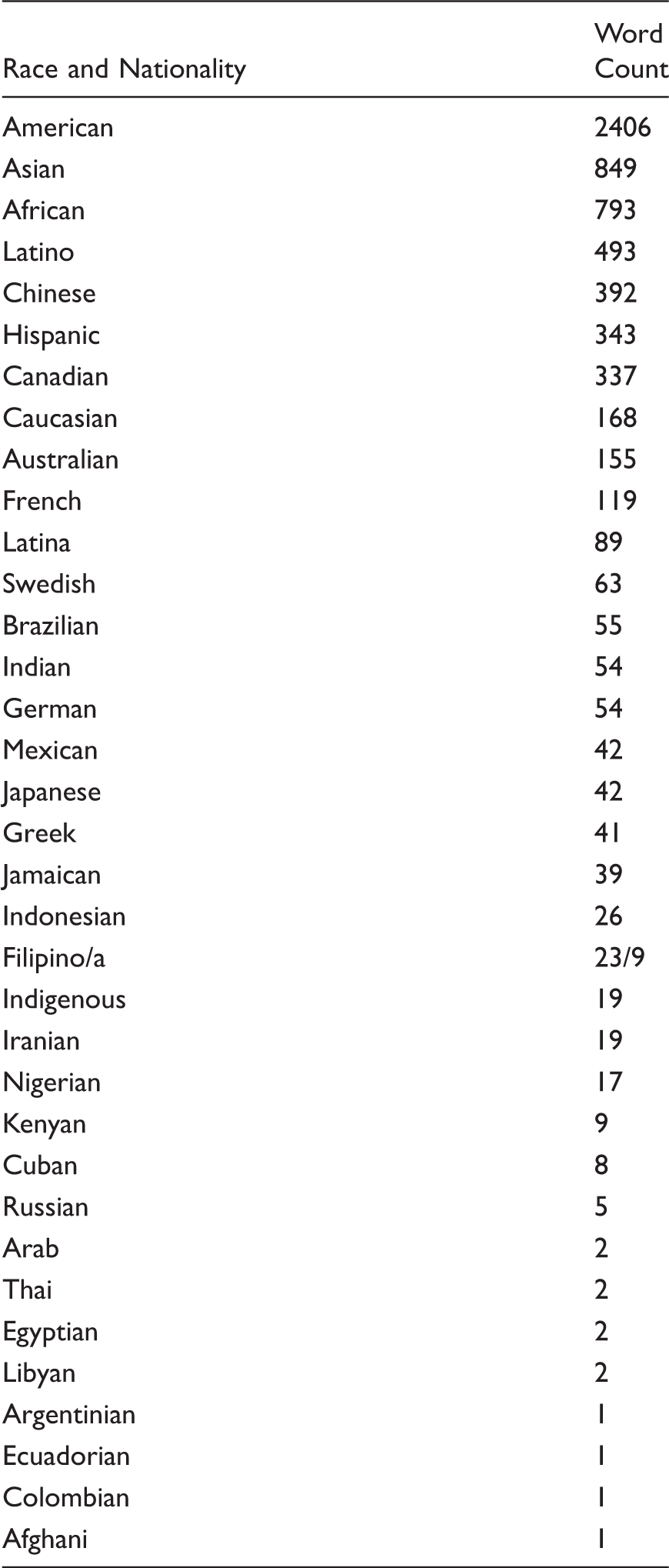
While some of the sampled articles had an international focus, the research overwhelmingly focused on sexuality in the USA. Researchers should work to be more inclusive of non-western nations and people, outside of the USA. When researchers were attentive to race in the USA, an overrepresentation of articles that focused on high risk sexual practices and STIs, particularly among young Latino and Black adolescents (e.g. Roye and Tolman, 2013), emerged. In these cases, most focused on males. For example, word counts for “Latino” were 493, and only 89 for “Latina.” Moreover, the term “Latinx,” which is gender neutral and the preferred term among most queer scholars and queer Latinx people was not used even once. This finding may be attributed to two other related problems. First, there is an androcentrist tendency to default male (Latinos) when referring to all Latinx people. Second, there could be a cultural misunderstanding or lack of knowledge among sexual science researchers regarding the correct way to refer to Latinx people. However, the failure of any sexual scientists to use the term Latinx signals a desire to preserve the gender binary, which erases the lives of trans, genderqueer, and non-binary Latinx people. Crucially, the erasure of Latinx people from this literature would not occur if sexual scientists embraced queer intersectional frameworks.
In addition to reproducing a binary framework of gender, as noted before, focusing almost entirely on high-risk sexual behavior among racially stigmatized groups, has the potential effect of reproducing longstanding racist discourses about Black and Latino male hypersexuality and irresponsibility. Moving forward, in the spirit of our ethical charge to minimize harm to the populations of people we study, scholars should be more mindful of how their research questions may be buttressed by racist discourses. They should be more mindful of how their findings could (even if unintentionally) reproduce racist stereotypes and a binary construction of gender that ignores people’s lived experiences of gender. Again, use of a queer intersectional perspective would help sexual scientists avoid this trap.
Women’s sexual subjectivity
Extensive attention was paid to female sexuality in the recent literature on human sexuality. Here, only drawing from data that emerged from open coding and thematic analysis of the sample, women’s sexual subjectivity was generally framed around self-esteem issues, anxiety, and shame (Brassard et al., 2015), as well as important issues such as rape (e.g. Koo et al., 2015) and sexual victimization (Masters et al., 2014). Articles in the sample focused on the medicalization of women’s sexuality, with an emphasis on HPV (Polzer and Knabe, 2012); sexual pain disorders (LoFrisco, 2011); poor sexual functioning after breast cancer (Boehmer et al., 2014); sexual dysfunction among women with diabetes (Giraldi and Kristensen, 2010); and sexual pain (Farrell and Cacchioni, 2012; Lykins et al., 2011). Fasula et al. (2014) discussed how the sexual double standard adversely affected women’s health. Finally, the majority of this literature reinforced heteronormativity—in that the primary focus was on heterosexual women. Once again, the discursive erasure of pleasure and the reinforcement of heteronormativity was often mutually reinforcing in this literature.
The research examined in this sample discursively reproduced images of women’s sexuality as unagentic and constrained by antiquated gender norms. For example, according to studies, women grappled with sex-related guilt (e.g. Woo et al., 2012). Researchers examined how negative body image was correlated with less sexual satisfaction (van den Brink et al., 2013). Notable exceptions existed. For example, some work focused on cultural practices that support—not hinder—women’s sexual agency (Vera Cruz and Mullet, 2015) and sexual minority women’s positive experiences with sexual satisfaction (Cohen and Byers, 2015). However, overall, this recent literature in the sexual sciences suggested that women’s sexuality is preferably understood through a medicalized lens and that women’s sexuality was far more of an experience of pain and anxiety than it was one of joy or pleasure.
Sexuality and youth
Age.
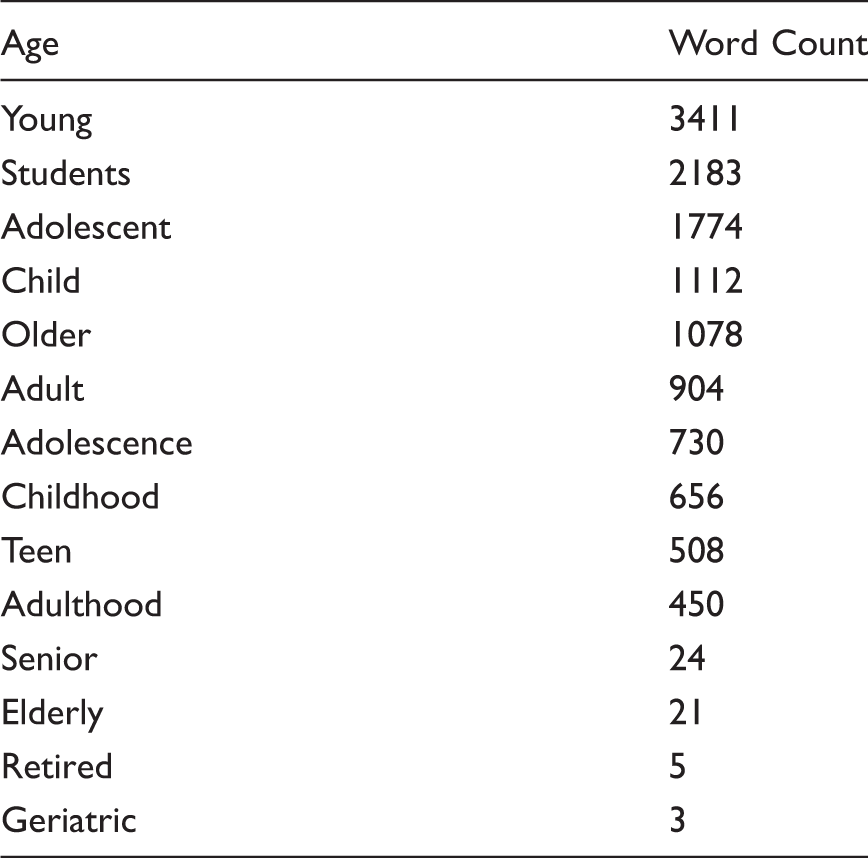
As we have already seen across a range of demographics, the focus of research was not on pleasure or empowerment but on disease. In the previous section, where dysfunction was the primary focus among studies of women’s sexuality, the focus was on risk among youth. For example, research explored young boys who use steroids and the impact this practice had on condom use and sexual behaviors (Blashill et al., 2014). There was focus on sexual assault and the correlation with excessive drinking (Mumford et al., 2011) and adolescent sexual violence (Mallet and Herbe, 2011). Other scholars such as Walls and Bell (2011) added to the concerns about risky behavior by studying survival sex among homeless youth.
The word “students” was used 2183 times, and research focused extensively on college students as a study population. Many students are away from home, and college presents an opportunity for access to many new partners and new sexual exploration for young people. Much attention was paid to risky sexual behaviors among undergraduates (e.g. Lewis et al., 2014) and sexual aggression and victimization among both male and female students (e.g. D’Abreu et al., 2013).
The focus on risk in this research was tied to concerns about the mental and physical health of young people. For example, Fielder et al.’s (2014) study focused on “hooking up,” depression, and STDs. Other studies investigated correlations between depression and sexual activity (Jamieson and Wade, 2011), and still others focused on STDs (Garcia-Retamero and Cokley, 2015), particularly with a focus on young men who have sex with men (Mustanski et al., 2011; Yeagley et al., 2014). As noted previously, for LGBT youth, there was a focus on the prevention of “unhealthy sexual behaviors” (Gowen and Winges-Yanez, 2014).
Adolescence is an important period in people’s lives, particularly in people’s sexual lives. However, a heavy focus was placed on risk only. The societal perceptions of youth and adolescence as periods of emotional and psychological, economic, and social precariousness were likely shaping this sexualities research. Therefore, young people were seen as more prone to risky behavior. However, what would it mean to study sexuality among youth outside of a clinical or health paradigm? It is plausible that there would be a neo-Victorian backlash against studying youth, sex, and pleasure, which might make it harder for researchers to acquire funding. However, this of course, is not a good enough reason to not study youth, sex, and pleasure.
Sexuality and gender
Gender.
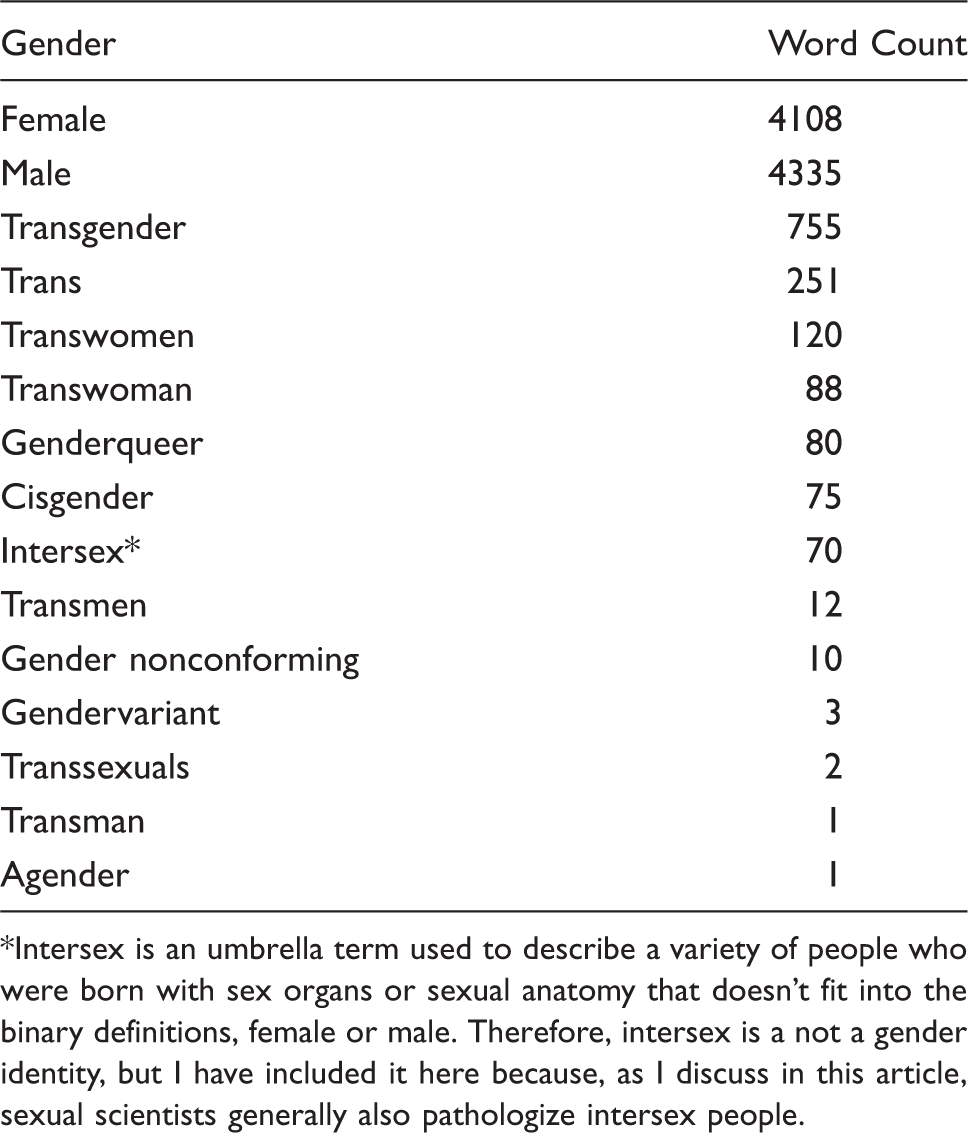
Intersex is an umbrella term used to describe a variety of people who were born with sex organs or sexual anatomy that doesn’t fit into the binary definitions, female or male. Therefore, intersex is a not a gender identity, but I have included it here because, as I discuss in this article, sexual scientists generally also pathologize intersex people.
In addition, mention of intersex people was sparse, and when discussed, intersexuality was framed as disorders of sex development and focused on sexual distress and dissatisfaction (Ediati et al., 2015). Exploration of intersex people’s sexual lives (outside of discussions of disease) is absent in this literature. Sexualities scholars working in health studies should take cues from queer and feminist scholars who show us the dangers of pathologizing intersex people and who show us the positive marginality intersex people experience (Davis, 2015). The exclusion and pathologization of intersex people in sexual science research is yet another example of the way that the erasure of sexual pleasure, the reproduction of heteronormativity, and the erasure of marginalized identities are mutually reinforcing in sexual science research.
Moreover, despite the fluidity of gender identity that exists and the language available to represent this diversity, it was largely absent in the literature examined. For example, while “transgender” was used 755 times, the identity “genderqueer” is used only 80 times. The acknowledgment of “agender” occurs in 1 out of 300 articles. The identity “non-binary” was used only 6 times. Even more telling, gender-neutral vocabulary was almost entirely absent. For example, the gender neutral pronoun “ze” was used only twice, and its plural “zir” was never used. As noted earlier, gender-neutral terms that intersect gender and race such as “Latinx” were also never used. Culturally marked gender identities such as “two-spirit” were also not used. This means that genderqueer and non-binary people are generally not being studied or they are being misgendered by researchers. Future lines of inquiry in the sexual sciences must be more attentive to the fluidity of gender identities, as well as how gender identity overlaps with race, ethnicity, nationality, and culture.
Sexuality and class
The research team attempted to create counts for words that reflect socio-economic position. For example, the word “wealthy” was used only five times. The term “working class” was never used. The word “affluent” was never used. The word “poor” was used 229 times, but cross-checking of the articles showed that use of the word “poor” was overwhelmingly used to refer to low amount or quality. In order to overcome this limitation, other words denoting socio-economic position were accessed. For example, the word “income” was used 275 times and the word poverty was only used 78 times. Other terms related to economic experience were analyzed. The word “job” was used only 112 times, and “jobs” was used only 32 times. Thematic analysis also revealed that class is an underrepresented unit of analysis in this research. If people are engaged in risky sexual behavior, their class position affects their ability to make healthy choices and access contraception, condoms, and healthcare. Therefore, a lesson to be gleaned from a queer intersectional analysis shows us that sexual scientists need also to be more attentive to the intersections between class and sexuality moving forward.
Conclusions
This study has demonstrated that recent research on human sexuality in the leading sexual science journal, The Journal of Sex Research reproduced heteronormativity and erased sexual pleasure. Contemporary research on sexuality in the sample focused on risk, disease, and dysfunction. While these issues were incredibly important, this focus examined sexuality from a limited and negative vantage point and, as a result, did not provide us with a holistic portrait of human sexuality. The overwhelming majority of authors published in JSR hold appointments and positions within medicine, health sciences, and psychology. Thus, it is understandable that the focus of this research was on issues related to physical and mental health. However, we should question why the work of scholars using feminist or queer intersectional perspectives is not being published here? It could be that scholars who are already using these perspectives do not send their work to JSR, but then why are sexual scientists in health-related fields not embracing these useful perspectives?
We know that many sexual scientists (in the USA at least) have little access to major funding outside of the National Institutes of Health (NIH). This means that because access to funding comes primarily from the NIH, that sexual science researchers will be more likely to adopt mental and physical health-related frameworks. However, again, it is still the responsibility of all researchers conducting sexualities research to explore human sexuality in the most exhaustive way possible. Crucially what this study shows is that if researchers allow funding to dictate the topics scholars study, then only a limited view of human sexuality will be presented. Therefore, it is important for researchers in the sexual sciences to make better efforts to explore themes such as pleasure, empowerment, and satisfaction using queer intersectional frameworks that are currently being employed by many scholars across a vast array of disciplines. Researchers can find strategies to include these frameworks and themes such as pleasure in their research that do not comprise ability to acquire funding.
Researchers in the sexual sciences should also make greater efforts to ensure more inclusivity and diversity around issues of gender, race, nationality, age, and sexual identity. Specifically, regardless of disciplinary background, scientists who study sexuality should use an intersectional perspective. Our sexual lives do not operate in silos; individuals’ sexual lives, sexual health, and sexual satisfaction are best understood in relationship to all of the social forces that operate in our lives—our sexual identities, gender, race, nationality and ethnicity, socio-economic position, age, ability, and so on. To not examine how these overlapping systems affect our sexual lives, again, gives us an incomplete portrait of human sexuality. However, it is precisely because heteronormativity and White supremacy are institutionalized in the academy that these themes are not explored. There is a very long history of scientific racism (Brandt, 1978) and institutionalized heteronormativity (Ward and Schneider, 2009) in the academy. There are brave scholars who are using feminist and queer intersectional perspectives to combat institutionalized White supremacy and heteronormativity, and sexual scientists need to join in this struggle—people’s lives are at stake.
Scientists and doctors hold an enormous amount of discursive power—that is, scientific research is imbued with power because published studies have the power to influence and shape social policy and people’s ideas about the world. Specifically, for researchers receiving funding from sources such as the NIH, which is the largest public funder of biomedical research in the USA, a lot of their published research will go on to influence social policy. Thus, we must take the drawbacks of contemporary sexual science research delineated in this article seriously. What are the consequences of the reproduction of heteronormativity and the binary constructions of gender and sexuality in the sexual sciences? What might be the consequences of the lack of diversity and inclusivity around gender, sexual identity, race, nationality, age, and class? We know—the consequences are reifying heteronormativity and White supremacy. The empirical findings of scientific research inform political policy, healthcare policies, workplace policies, and larger societal understandings of human life and experience. We must appreciate that the limited frameworks used by sexual scientists will have an impact on people’s lives and their access to the resources and services they need to survive, and to lead pleasurable—not just healthy—lives.
Footnotes
Acknowledgements
I would like to thank the editor Feona Attwood and the anonymous reviewers of this article for their meticulous feedback. I am indebted to my amazing undergraduate research assistants Palma Palacio Colon and Blair Doyen for their hard work on this project. We presented an early version of this research at the Eastern Sociological Society annual conference in 2017. Finally, I want to express gratitude to Erica J Friedman for comments on a draft of this article.