



Abstract
Near-surface mounted reinforcement system using fibre reinforced polymer bars has been widely considered as an accepted system for strengthening of reinforced concrete columns, particularly with respect to increasing the flexural resistance. It involves cutting grooves into the concrete cover and bonding laminates inside the grooves with fillers (either epoxy resin or cement mortar) ensuring proper bond between fibre reinforced polymer laminate and concrete to prevent premature failure (debonding of laminate). Near-surface mounting does not require extensive surface preparation and takes minimum installation time than externally bonded fibre reinforced polymer. Unlike conventional fibre reinforced polymer jacketing technology, the efficiency of near-surface mounted bars does not depend on the geometry of the column cross-section as well. Previous experimental studies indicate that strengthening using near-surface mounting increases the lateral strength capacity and energy dissipation capacity of reinforced concrete columns. However, the scope of employing a strengthening system for structural retrofits is constrained by the limitations of the material used for strengthening. The lack of adequate confinement results in reduced ductility and energy dissipation capacity for columns strengthened using near-surface mounted technique, particularly under increased loading eccentricities. Jacketing of columns using fibre reinforced polymer increases confinement; however, the efficiency was observed to be reduced at increased loading eccentricities. Similarly, the flexural capacity and drift capacity under low levels of axial load were not observed to be significantly enhanced by the use of fibre reinforced polymer jacketing. Previous studies have indicated that a combination of these two systems could provide effective behaviour for reinforced concrete columns under eccentric loading. Therefore, this research focuses on utilizing a combination of these two methods in the form of a hybrid fibre reinforced polymer reinforcing system consisting of near-surface mounted bars and fibre reinforced polymer confinement to study the structural response of strengthened reinforced concrete columns under eccentric axial compression.
Keywords
Introduction
The behaviour of fibre reinforced polymer (FRP) confined reinforced concrete (RC) columns has been a subject of extensive research since the introduction of this technology to the strengthening of existing structures (Mirmiran and Shahawy, 1997). Significant research has been conducted in this area with results indicating that confining RC columns by FRP jacketing leads to increase in the axial capacity, shear strength, stiffness and energy dissipation capacity (Challal et al., 2006; Rodrigues and Silva, 2001; Rousakis, 2001; Shahawy et al., 2000; Shao et al., 2006). The effectiveness of confinement is a function of the geometry of the specimen, and confinement effects on rectangular columns are less than circular columns due to an effective confinement area less than the actual area of cross-section (Abbasnia et al., 2012). Furthermore, eccentric loading creates a non-uniform lateral strain in concrete which results in changes to the distribution of confining stresses. Theoretical model for predicting the behaviour of confined concrete was developed by Mander et al. (1988). From then, a number of analytical models have been developed till date for FRP confined concrete (Ozbakkaloglu et al., 2013) with key contributions by Spoelstra and Monti (1999), Fam and Rizkalla (2001), Lam and Teng (2003—design oriented curve, 2009—uniaxial cyclic compression), Wu (2007), Youssef et al. (2007) and Jiang and Teng (2007).
Fardis and Khalili (1982) were the first to study the behaviour of FRP confined concrete column under uniaxial bending. Studies conducted by Hadi (2006) and Hadi and Widiarsa (2012) in normal concrete and high strength concrete showed that as eccentricity increases, the ultimate load-carrying capacity of the confined column decreases. Furthermore, extensive studies on the strengthening efficiency of FRP confined columns under eccentric loadings were conducted by Parvin and Wang (2001), Maaddawy (2009) and Csuka and Kollar (2010). The results indicated that though prismatic columns had increased strength and ductility when laterally confined, under eccentric loading, the loss in strength was observed to be evident. Thus, experimental studies have shown that the effectiveness of carbon fiber reinforced polymer (CFRP) is affected considerably by the loading eccentricity, and hence, the efficiency of FRP in resisting flexure was considered to be questionable. The effects of these factors on modifying the stress–strain behaviour of FRP confined concrete were studied by Wu and Jiang (2013). These limitations of FRP jacketing led to the use of near-surface mounted (NSM) bars for the flexural strengthening of RC columns. NSM system was first practised in Europe by embedding steel rods on the grooves made on the surface of the concrete and bonded with cement mortar for strengthening RC structures since early 1950s. The strengthening methodology using NSM bars for flexure was well investigated and considered to be successful in increasing the capacity of flexural members (De Lorenzis et al., 2000; Parretti and Nani 2004). The observed effect of increase in flexural resistance for RC beams was extended to RC columns by Bournas and Triantafillou (2008) by conducting extensive investigations into the behaviour of RC columns strengthened with different types and configurations of NSM. Strengthening cracked RC columns with NSM techniques showed better enhancement in terms of load capacities, ductility ratio and dissipated energies under uniaxial compression. However, RC columns strengthened with NSM bars under combined axial loads and cyclic flexure had increased flexural capacity but reduced energy dissipation due to lack of confinement.
Hence, a combined hybrid system of NSM bars together with CFRP confinement was introduced as an alternative by Sarafraz and Danesh (2010) to improve the behaviour of FRP confined specimens under eccentric loading. The applicability and effectiveness of NSM were studied by inserting the NSM rods on two opposite sides of the columns and wrapping with CFRP. Similar approach using NSM bars and textile-reinforced mortar (TRM) for confinement was successfully implemented by Bournas and Triantafillou (2008) and showed improved seismic performance levels for RC columns in terms of flexural capacity and ductility. The conclusions from these studies indicated that although NSM technique is very effective for increasing flexural resistance of RC columns failing in bending, the displacement ductility decreases as the NSM increases. Furthermore, NSM delays the stiffness degradation of RC column and prevents buckling of longitudinal reinforcement. However, using NSM in addition to CFRP increases the ductility of the column, and this prevents possible instability of rod in compression and stops splitting cracks of the grout when rod is in tension. Analytical models were proposed for FRP confined columns under uniaxial and biaxial eccentricities by Sayed and Maaddawy (2011). Extending these works, Maaddawy and Dieb (2013) investigated the effectiveness of the RC columns strengthened with NSM– Glass Fiber Reinforced Polymer (GFRP) rebars in combination with external CFRP confinement under simultaneous axial load and biaxial bending with equal eccentricity in the direction of each principal axis. Maaddawy and Dieb (2013) concluded that for the same concrete grade, the NSM–GFRP reinforcement in combination with a layer of CFRP confinement was more effective in increasing the load-carrying capacity at higher eccentricities. In an RC column, at high axial loads, failure initiates by crushing of the concrete on the compression side of the member, and at low axial loads and high flexural moments, the failure is tension-controlled. After the NSM rods are installed, the axial load–moment interaction diagram expands on the axis of flexural strength in proportion to the increase in reinforcement ratio in the tension-controlled region. Conversely, with the application of a composite jacket, the capacity under compression of the section increases as the composite jacket contributes confinement to the cross-section. Hence, under the combination of NSM rods and externally bonded reinforcement, the strength of a member, in both compression and tension-controlled regions, is enhanced. Chellapandian et al. (2017) conducted extensive tests on the strength and ductility of combined NSM reinforced and CFRP wrapped systems under pure axial compressive loading. Further studies were conducted by the same authors (Chellapandian et al. 2018) in columns subjected to eccentric axial loading with results indicating significant increase in strength and displacement ductility for hybrid strengthened specimens. Another notable work was by Talaeitaba et al. (2019) who tested RC specimens under pure axial, eccentric and four-point loading of damaged and undamaged columns.
However, under increased eccentricities, the cyclic behaviour and energy dissipation capacity provided by the strengthening methodology need to be properly addressed. Under the effects of eccentric axial loading, the increase in load capacity should be accompanied by sufficient displacement ductility and these effects could be captured adequately only by incorporating cyclic tests. In this context, there has been limited number of experimental tests conducted till date to characterize the cyclic behaviour of hybrid strengthened specimens under eccentric axial loading. This experimental programme looks at addressing these gaps including monotonic and cyclic tests to study the behaviour of the aforementioned systems focusing on how each of these systems behave in terms of strength capacity, displacement ductility, energy dissipation and whether it is acceptable to provide a hybrid reinforcing system under increased eccentricities.
Specimen preparation
For experimental studies, a total of 40 RC square columns of 150 mm × 150 mm cross-section and 700 mm length were casted corresponding to a target compressive strength of 30 MPa. Reinforcing layout corresponding to minimum reinforcement ratio was adopted to represent the condition of an RC column with inadequate flexural capacity. The longitudinal reinforcement consisted of four numbers of 10-mm diameter bars, and the transverse reinforcement consists of two-legged 6-mm diameter bars. Strengthened specimens were prepared as per ACI Committee 440 ACI 440 2R-08 (2008) provisions with
NSM reinforcement,
Hybrid strengthening (confinement with CFRP sheet in addition to NSM with CFRP laminate).
Out of 40, 28 specimens were NSM with CFRP laminates. NSM involves grooving the cover of RC column and bonding the laminates into the column using epoxy. Three layers of grooves were made, and Nitowrap CFP 50, high strength, corrosion resistant pultruded carbon fibre plates/laminates cut to the size of 680 mm × 5 mm, is inserted into the grooves. The grooves were cleaned with steel wire brush and air compressor to remove any dust particle since the presence of oil and dust particles will decrease the debonding resistance. The Nitowrap 40 base and hardener are mixed in the 2:1 ratio, and this mixed epoxy was applied over the laminate and inserted into the grooves. The specimen preparation details are shown in Figures 1 and 2.
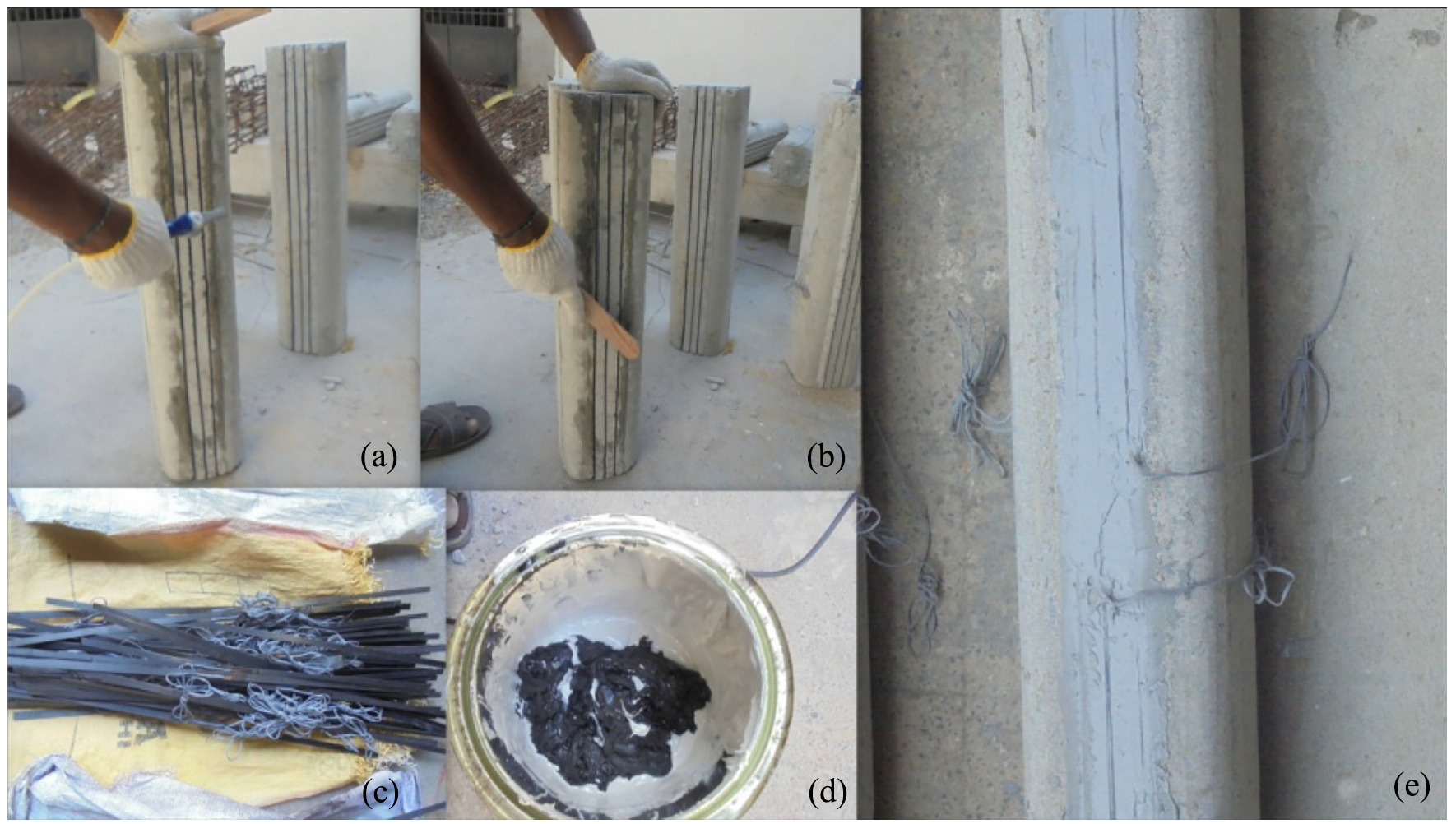
Installation of NSM: (a) blowing compression air in grooves, (b) cleaning with steel wire brush, (c) CFRP laminates with stain gauges, (d) Nitowrap 40 and (e) NSM specimen.
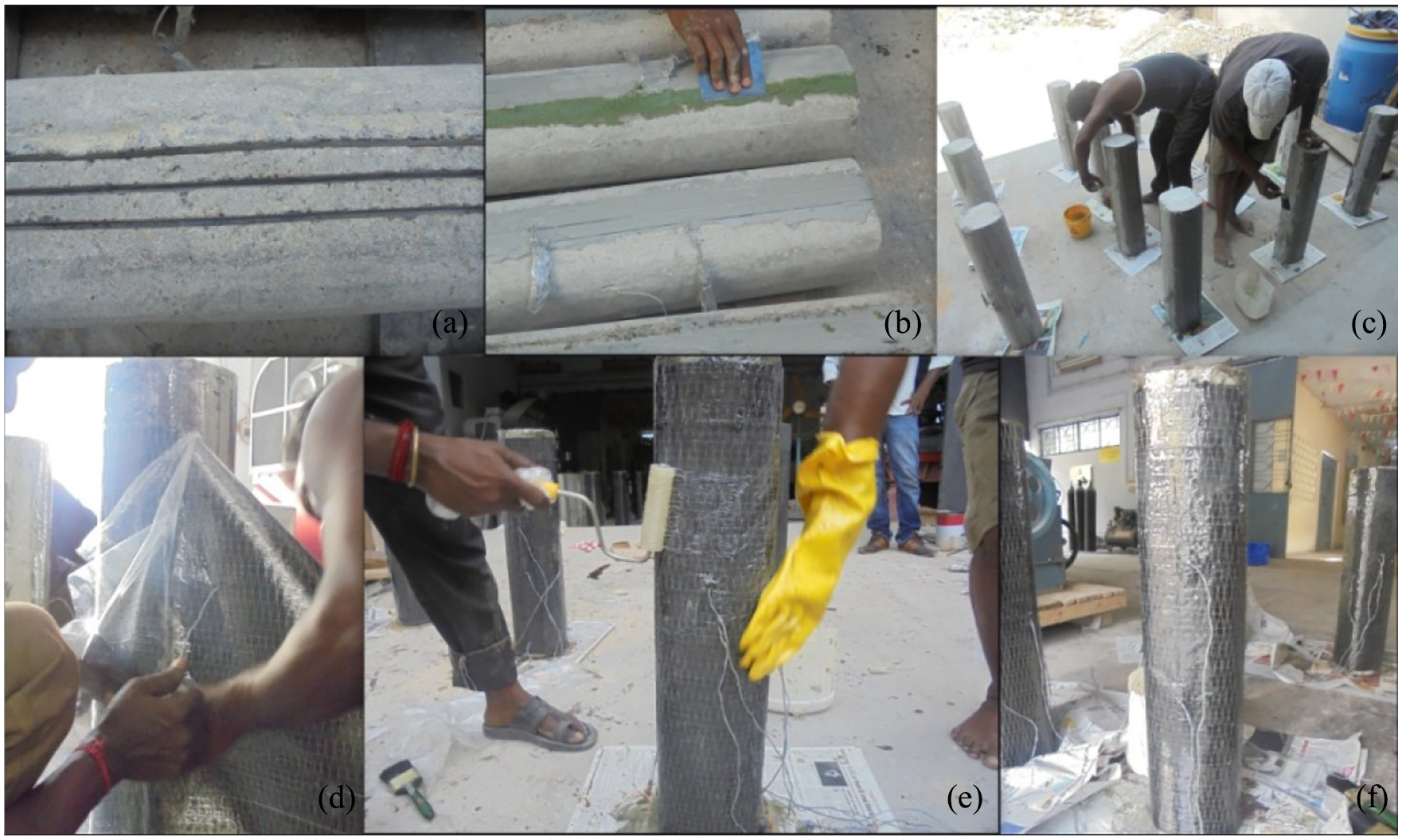
Confinement with CFRP sheet: (a) grooved specimen with round corners, (b) application of lock fix, (c) application of Primer Nitowrap 30, (d) wrapping CFRP over saturant Nitowrap 410, (e) finishing and (f) CFRP wrapped RC column.
For confining RC column (Figure 2), surface preparation was done and Nitowrap 40, thixotropic epoxy adhesive for carbon fibre plate, was used to bond CFRP laminates. Figure 2 shows the installation of CFRP sheet: (a) The round corners were ground smooth to avoid undulation corners; (b) the honeycomb in the concrete was patched with lock fix epoxy; (c) after 24 h of patching, Nitowrap 30, structural strengthening epoxy primer, was applied; and (d) primer was allowed to dry for 24 h, and Nitowrap 410 was used as a saturant for wrapping CFRP. One-layer confinement was done with 50 mm overlapping. (e) After confining, rollers were used to spread the saturant and to remove the entrapped air and (f) View of strengthened CFRP wrapped RC column. The material properties of the specimens are given in Table 1.
Material properties for NSM and FRP confinement.
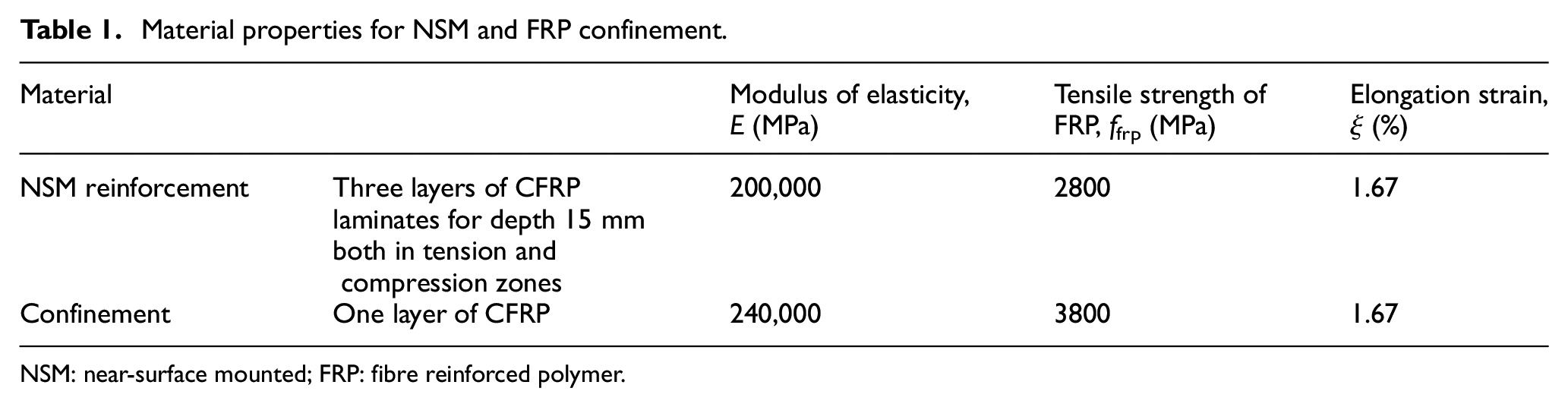
NSM: near-surface mounted; FRP: fibre reinforced polymer.
Instrumentation
The axial strains on the internal reinforcement, CFRP laminates and CFRP sheets were measured using strain gauges. The displacement of the specimen is expected to be maximum at the mid-height, and hence linear variable differential transducers (LVDTs) were attached at the mid-height of the column and the axial displacements were measured both in tension and compression regions. Two strain gauges were fixed at the middle of the reinforcement in opposite directions so that strain in tension and compression was measured at various loadings.
Four strain gauges were fixed on CFRP laminate, two at the middle of the laminate in the tensile side and other two in the compression side. After wrapping with CFRP sheets, four strain gauges were fixed on the sheet at 200-mm height from the top in the adjacent directions. Two strain gauges were fixed at the corners since stress concentration at the corners was expected to be maximum.
Eccentric loading was applied by providing an adapter plate with grooves at various distances, mounted on the top of the RC column. The first set of 18 specimens was given static loading at the rate of 0.3 mm/min and loaded to failure. Another set of 18 specimens was given cyclic loading with the rate of loading increased to 0.4 mm/min. For each cycle, two repeated cycles were followed. Static and cyclic loading was applied at an eccentricity of 0, 20 and 30 mm.
Test setup
The eccentric loading at the top of RC column was applied through an adapter plate with grooves at various distances mounted on the top of the RC column. Figure 3 shows the experimental setup with adapter plate. The adapter plate shows the eccentricity of 0 and 30 mm. The knife edge plate was fixed on the actuator of the testing machine. Similar setups were used in other works, including Wu and Jiang (2013) and Al-Nimry and Al-Rabadi (2019). The primary objective of the current work is to demonstrate the inefficacy of NSM bars as a strengthening solution under eccentric compression and to reiterate the requirement for using FRP jacketing along with NSM bars, for better confinement. Hence, the experimental boundary conditions do not strictly correspond to the ideal boundary conditions since the scope of the current work does not involve defining an analytical basis for eccentrically loaded FRP confined columns for which an exact simulation of pure bending conditions is required.
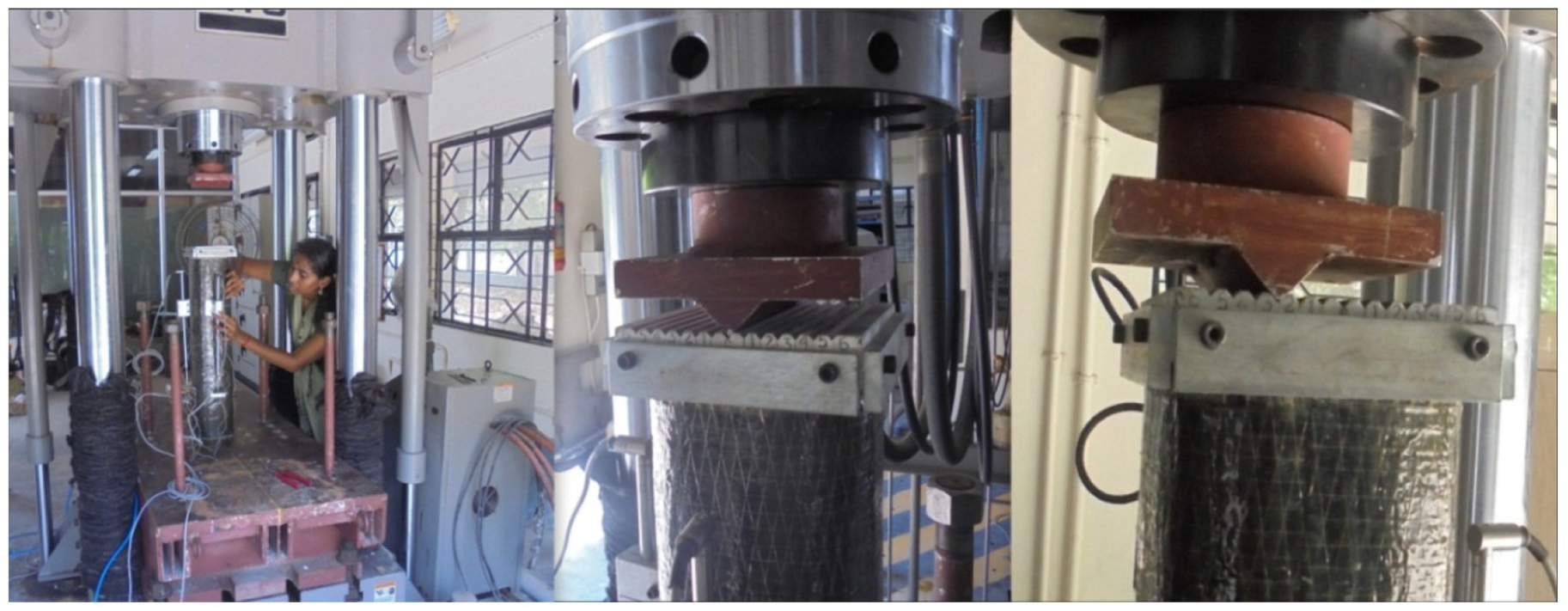
Experimental setup with adapter plate for eccentric loading.
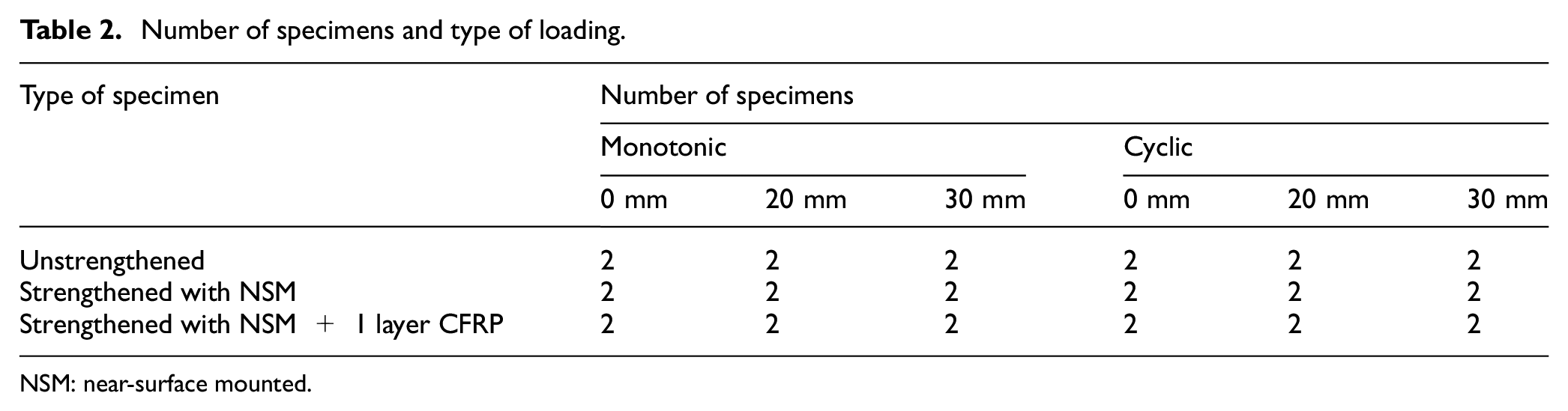
The longitudinal steel, CFRP laminates, CFRP sheet strain gauges and two LVDT were connected to a dedicated data acquisition system. The gauge length of the LVDT was fixed as 300 mm. Two sets each with 18 specimens were subjected to static loading and cyclic loading, respectively. Each set was further divided into sets of six specimens (two each for eccentricities corresponding to 0, 20 and 30 mm) each corresponding to unstrengthened, strengthened with NSM bars and hybrid strengthening. The number of specimens for each type of loading is summarized in Table 2. The test was carried out in MTS servo-controlled testing machine of 2500 kN capacity . The static test set was given displacement-controlled static loading and loaded to failure with a rate of loading of 0.3 mm/min and the cyclic loading set had rate of loading increased to 0.4 mm/min. The cycles are repeated with reference to loading. For each cycle, two repeated cycles followed and the experiment was carried out for eccentricities 0, 20 and 30 mm.
Number of specimens and type of loading.
NSM: near-surface mounted.
Analytical prediction of ultimate load
For predicting the theoretical ultimate capacity of FRP confined concrete columns, the stress–strain model for FRP confined concrete columns is developed based on the formulations by Lin and Teng (2019), as shown in Figure 4. The model caters to both ascending and descending type of stress–strain curves defined by equations (1) and (2), respectively. The model has a parabolic first segment and linear second segment


The transition stress and strain are defined by equations (3) and (4)


As per the model, developing the stress–strain curve requires the slope of the second segment E2,ecc which is estimated based on equation (7) where the ratio of the slope of the second segment for an eccentrically confined to concentrically confined column is expressed as a function of ratio of the total depth of the section to depth of compression zone (D/c), which is indirectly a function of the eccentricity. Similarly, the ratio of ultimate strain of eccentrically loaded column to concentrically loaded column is estimated as a function of eccentricity as shown in equation (8)




From the stress–strain model, the ultimate load was derived by assuming the initial neutral axis depth as ‘c’ for a given external eccentricity. Furthermore, the distance from the extreme compressive fibre to the resultant of compression force is calculated as dc in equation (9). The axial capacity and flexural resistance are estimated using equations (10) and (11) using the above values of neutral axis depth. This process is iterated till the assumed eccentricity matches with Mn/Pn.
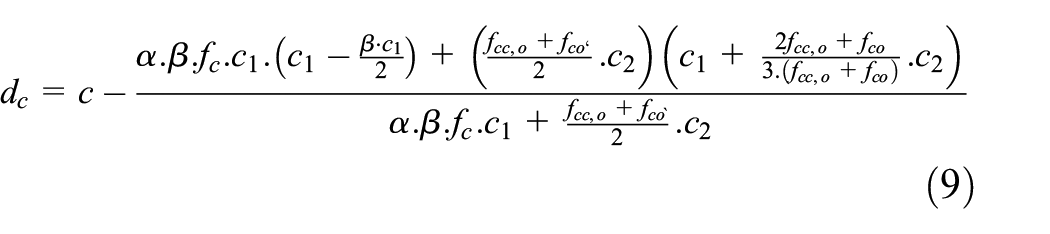

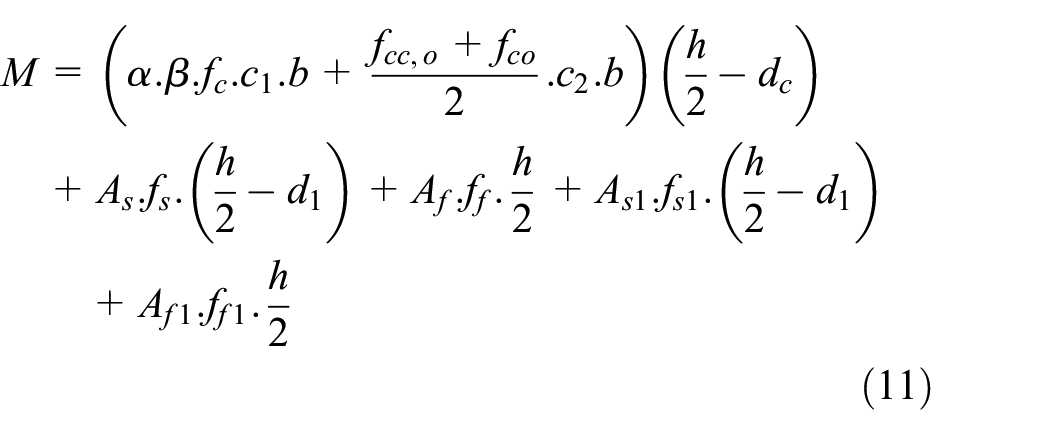


Figure 4 compares the stress–strain behaviour for the specimen strengthened with one-layer CFRP confinement for different levels of eccentricities as per the model by Lin and Teng (2019). Table 3 compares the analytically obtained transition strain and ultimate strain for different specimens. It shows that for increasing level of eccentricities, both transition strain and ultimate strain were observed to increase for CFRP confined specimen. It was also observed that adopting NSM system without confinement will not increase the lateral load resistance, especially at increased eccentricities. Laterally confining the NSM specimen with one-layer CFRP increases the ultimate load and enhances the load-carrying capacity since CFRP has higher tensile strength and elongation strain.
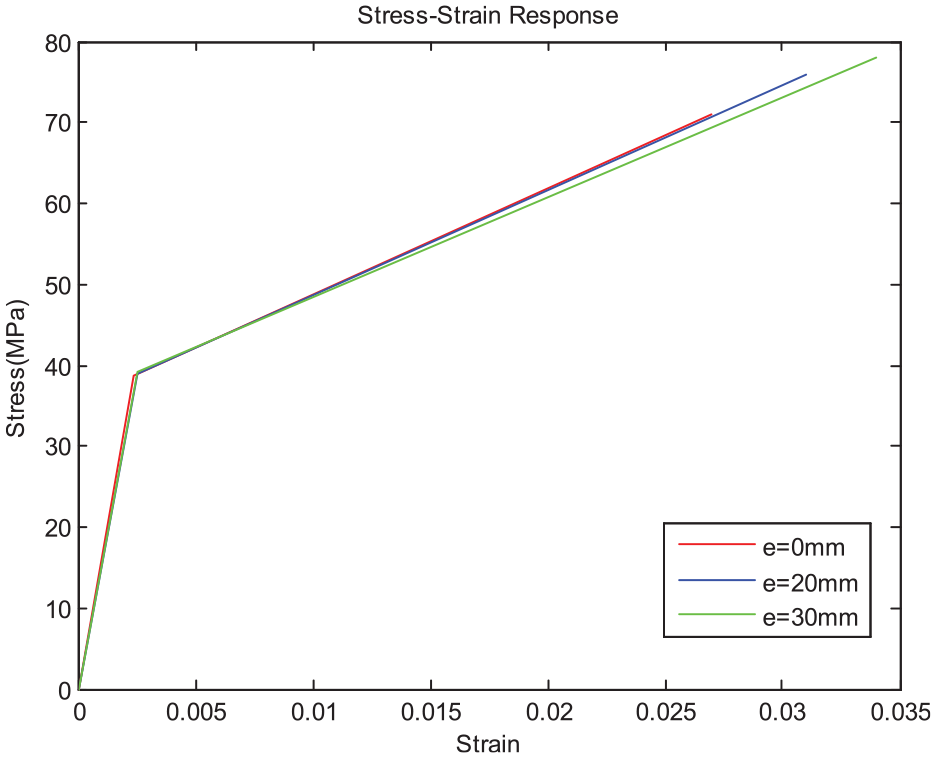
Idealized stress–strain behaviour for FRP confined specimen with eccentricity.
Ultimate strain of control versus NSM+I layer CFRP.
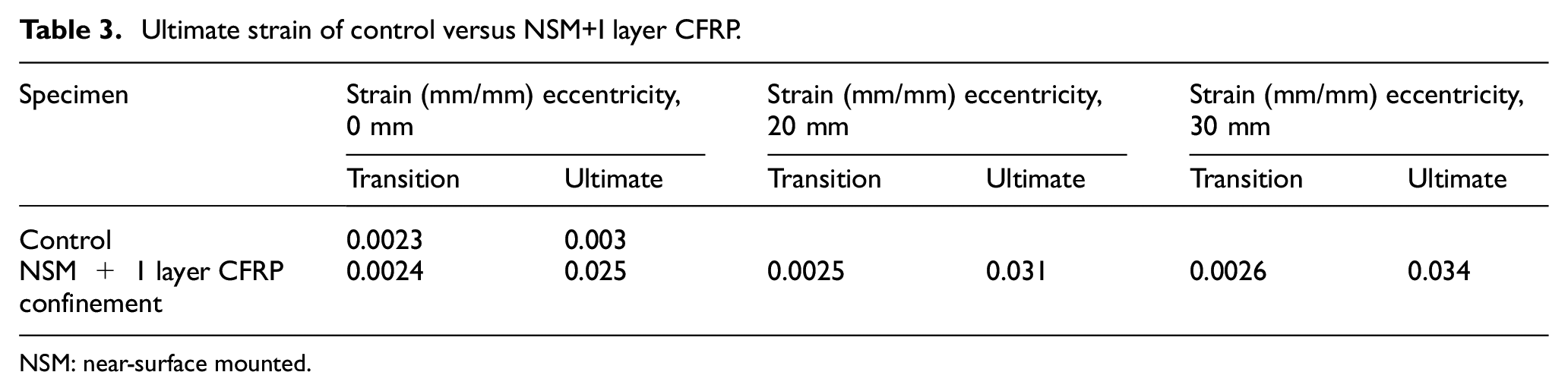
NSM: near-surface mounted.
Results and discussion
The comparison of ultimate load obtained from experimental model and analytical model is tabulated in Table 4. The comparison of experimental results with analytical load predictions shows that the analytical model predicted the load-carrying capacity for NSM strengthened concrete specimens effectively for concentric axial loading. The model predicted the peak loads for NSM column confined with CFRP also with reasonable accuracy.
Ultimate load estimate: experimental versus analytical.
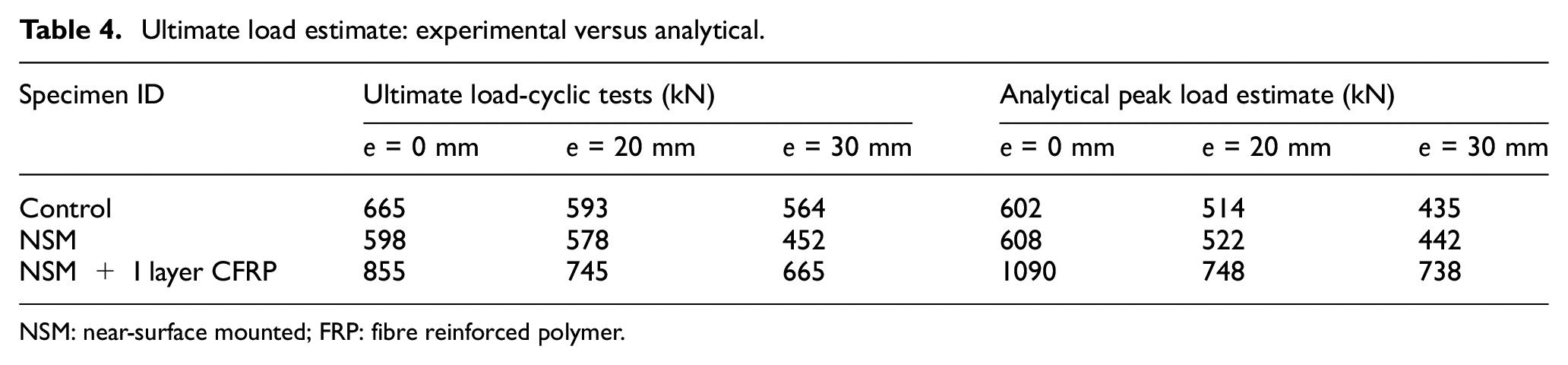
NSM: near-surface mounted; FRP: fibre reinforced polymer.
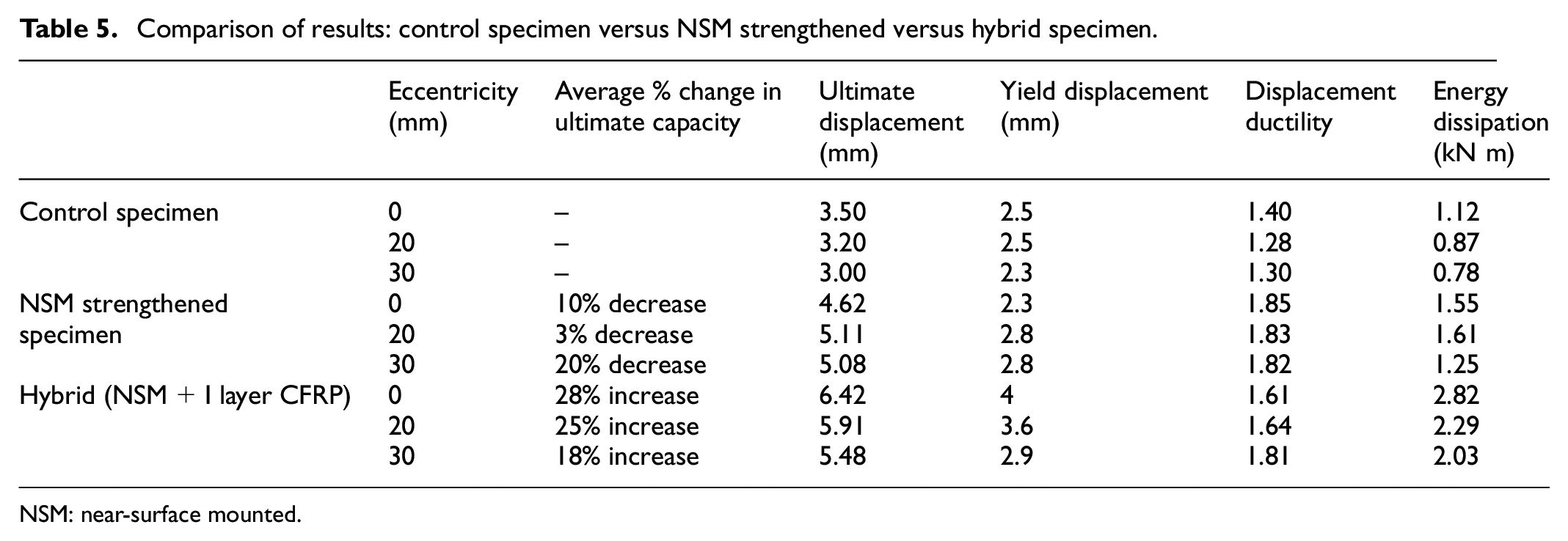
The monotonic load–displacement curves under axial compression for different eccentricities are shown in Figures 5 to 7, and the cyclic load–displacement curves for the same eccentricity levels are shown in Figures 8 to 10. Furthermore, Figure 11 represents that the monotonic backbone curve was obtained for the test specimen from cyclic tests. The comparison of ultimate displacement, yield displacement, displacement ductility and energy dissipation capacity of the test specimens are tabulated in Table 5 and represented graphically in Figure 12.
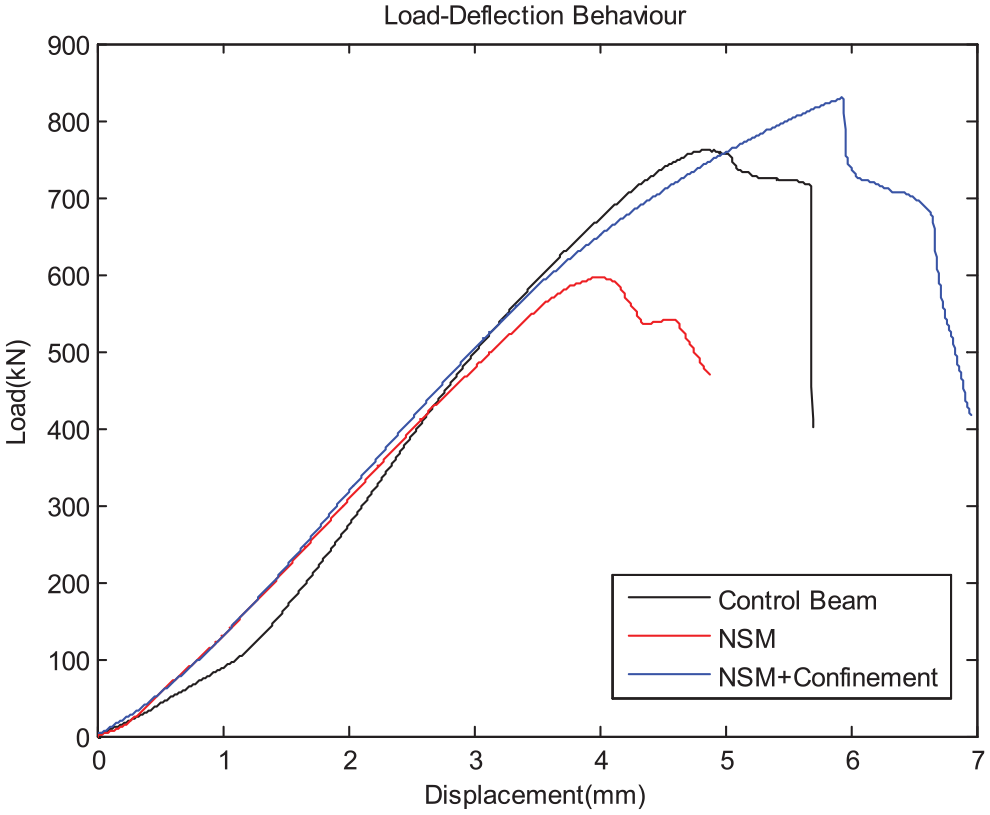
Monotonic ‘load–displacement’ behaviour for eccentricity of 0 mm.
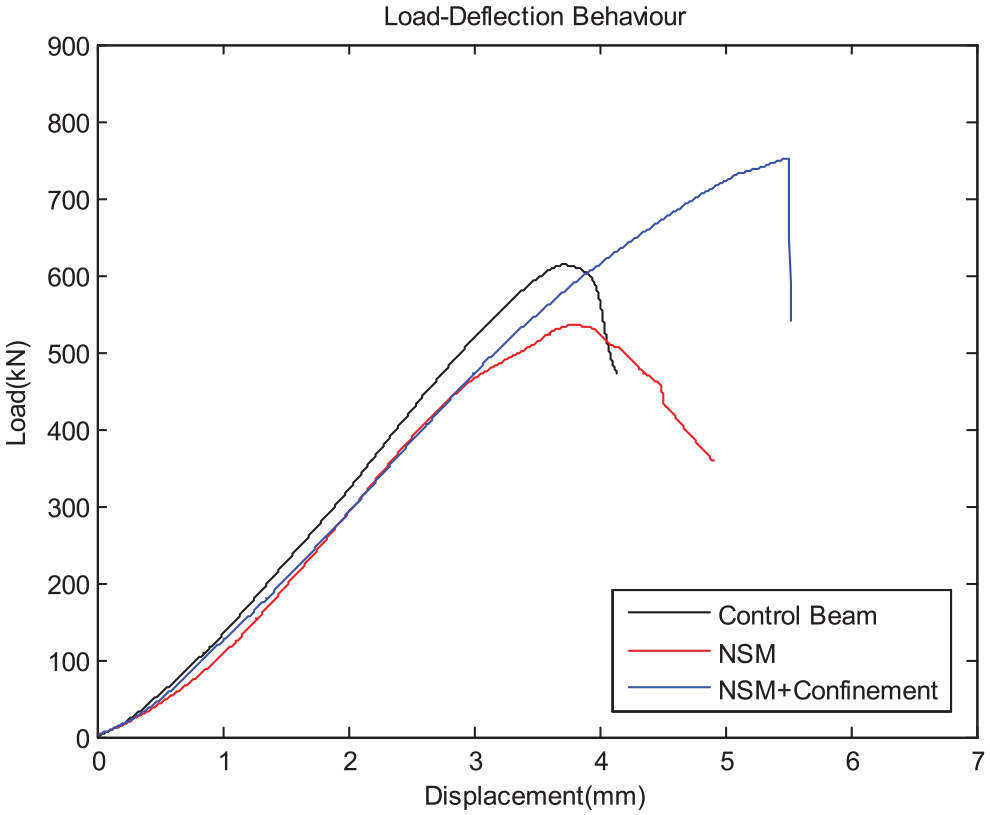
Monotonic ‘load–displacement’ behaviour for eccentricity of 20 mm.
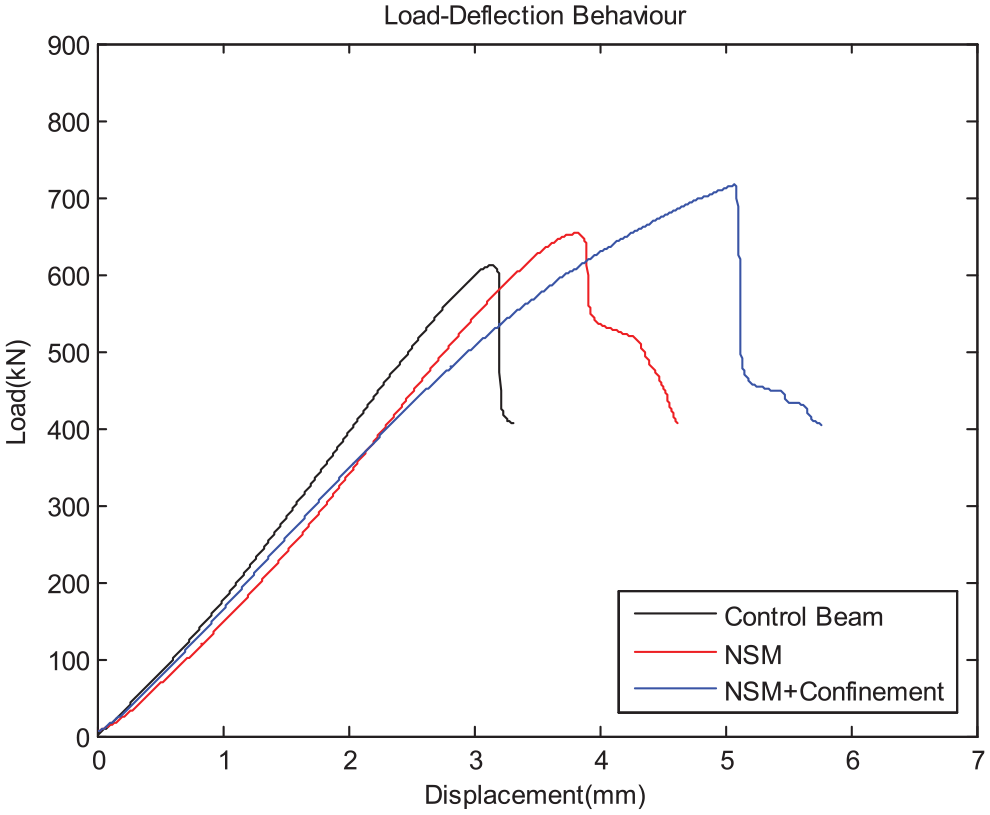
Monotonic ‘load–displacement’ behaviour for eccentricity of 30 mm.
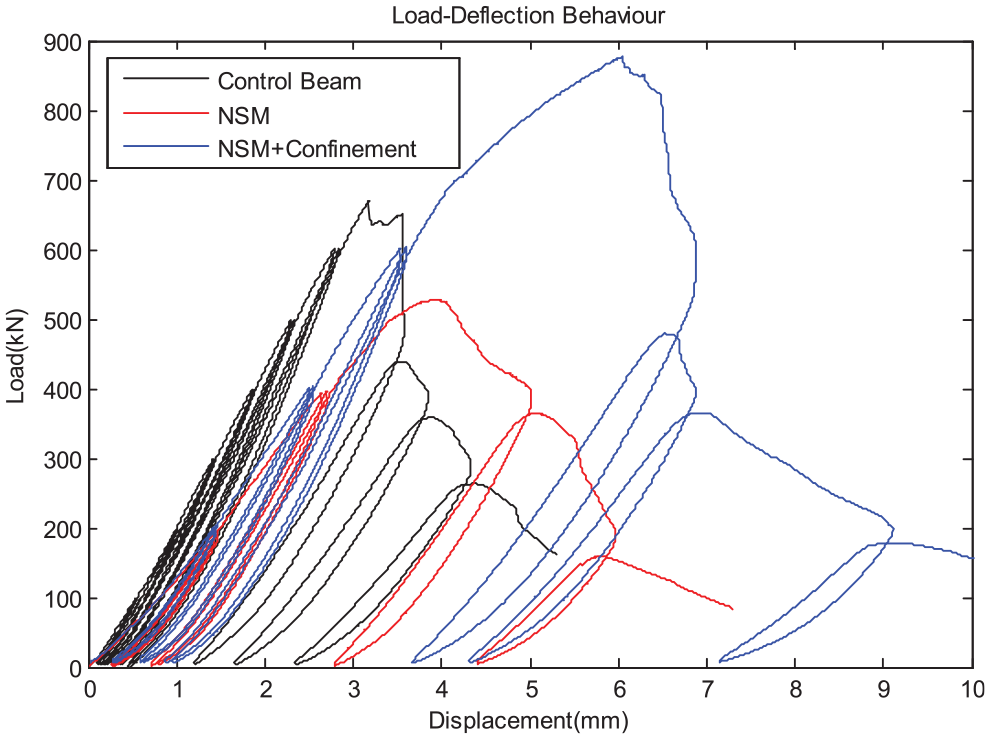
Cyclic ‘load–displacement’ behaviour for eccentricity of 0 mm.
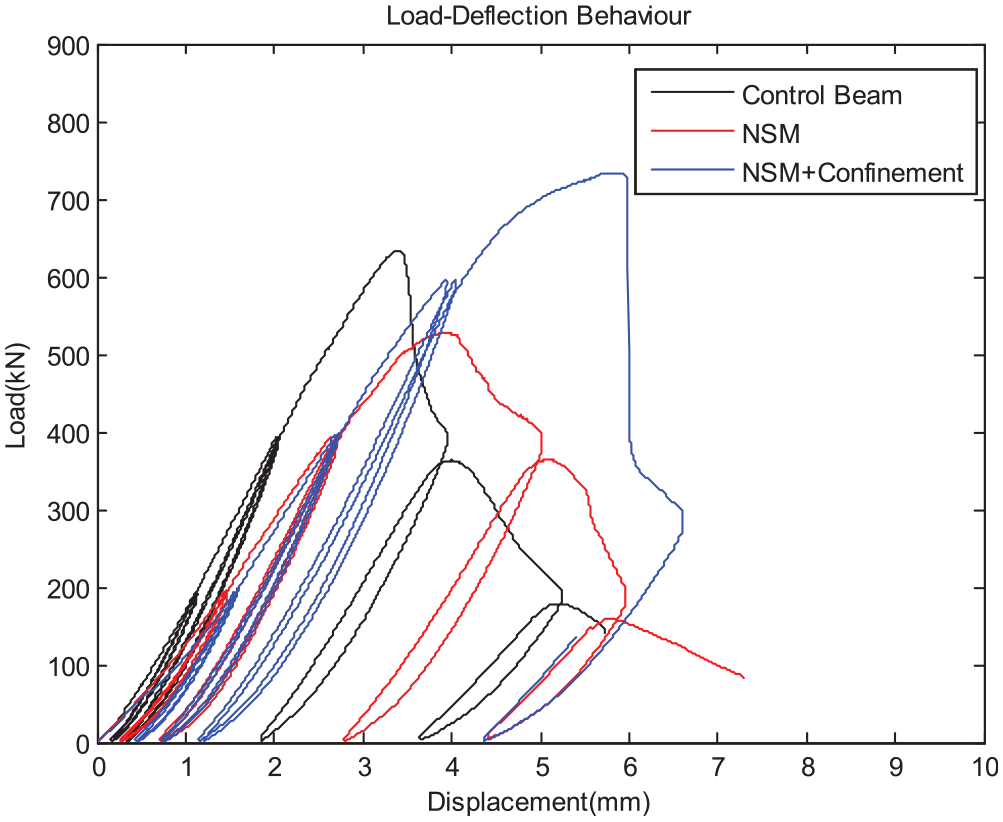
Cyclic ‘load–displacement’ behaviour for eccentricity of 20 mm.
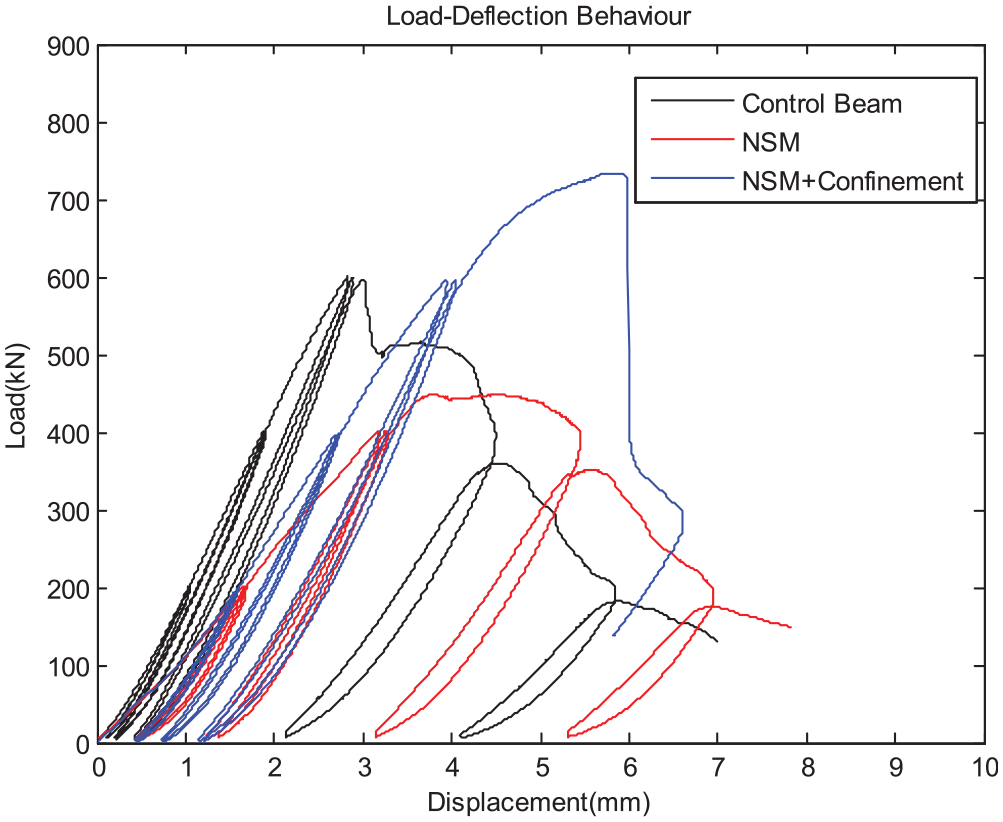
Cyclic ‘load–displacement’ behaviour for eccentricity of 30 mm.
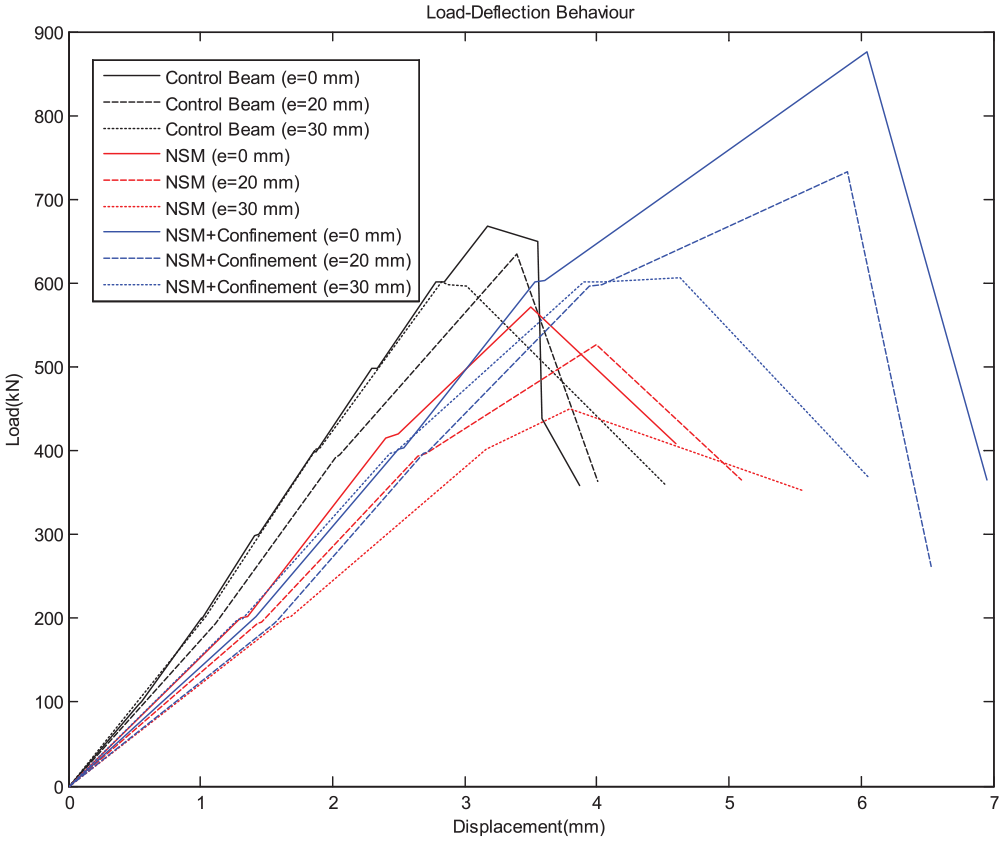
Monotonic backbone curve from cyclic test results.
Comparison of results: control specimen versus NSM strengthened versus hybrid specimen.
NSM: near-surface mounted.
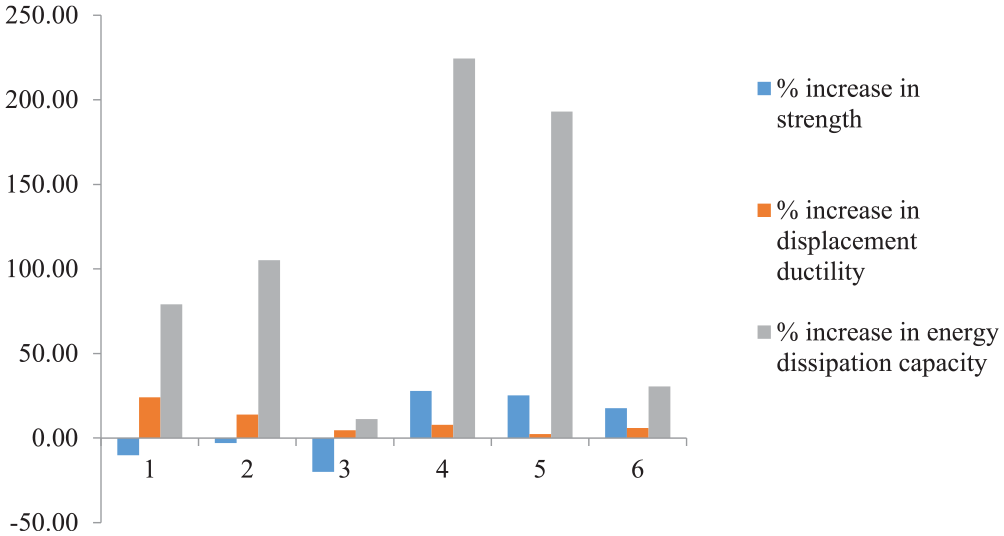
Percentage increase in strength, displacement ductility and energy dissipation capacity for strengthened specimens.
The capacity enhancement obtained by strengthening the control specimen with three numbers of NSM strips was observed to be insignificant. This was observed with both monotonic and cyclic loading. Similarly, from both monotonic and cyclic test data, the ultimate displacement was observed to be higher for NSM specimen than control specimen. Thus, NSM adds displacement ductility to the RC column. However, an increase in load-carrying capacity of 25% is achieved when NSM strengthened concrete is confined with CFRP sheet (Table 5). For specimens strengthened with NSM bars, a decrease in the compressive strength was observed compared to the control specimen. This could be due to the reduction in gross concrete area due to the addition of NSM bars. For NSM strengthened specimen, significant loss in axial capacity is observed under increased loading eccentricities which were eliminated by the use of CFRP wrapping, and an increase in capacity of 18% was observed even when the specimen was subjected to an eccentricity of 30 mm which corresponds to 20% of the cross-section. However, the same was not observed with ductility of the cross-section. Furthermore, confining with single layer of CFRP was not able to provide a ductile post-peak behaviour for NSM strengthened specimens. This can be understood from the fact that there was a reduction in the displacement ductility for the NSM + CFRP confined specimen compared to the NSM strengthened specimen as shown in Table 5 and Figure 10. This result was reinforced by a sudden drop in load-carrying capacity with a brittle mode of failure observed for the hybrid strengthened specimens. On the other hand, the post-peak behaviour for NSM strengthened specimens was observed to be smoother with tensile cracking.
The displacement ductility of the specimen was obtained by bilinearizing the cyclic load–displacement curve for the specimen and estimating the ratio of ultimate displacement to yield displacement. The brittle failure mode of the cross-section was reflected in the estimated ductility values for the section. Compared to a ductility ratio ranging between 1.83 and 1.85 for NSM reinforced specimen, the ductility ratio was observed to be in the range of 1.6 to 1.8 for the hybrid specimen strengthened with NSM and confined with CFRP. However, significant increase in load-carrying capacity was achieved without compromising ductility. Another important parameter to be addressed was the energy dissipation capacity of specimens under eccentric loading. Figures 4 and 5 indicate that at low levels of displacement demand, the energy absorbed by the hybrid strengthened specimen was less than that of the control specimen and NSM strengthened specimen. The increased initial stiffness due to FRP confinement could be the reason for the relatively less energy dissipation. However, at increased levels of demand, the energy absorbed by the hybrid strengthened specimen was observed to be higher than the control specimen and this makes the system effective under cyclic loading conditions.
Failure modes
The failure specimens due to cyclic loading at eccentricities 0, 20 and 30 mm are shown in Figures 13 to 15. The failure modes indicate that unstrengthened control specimens developed flexural cracks in the tensile region when eccentrically loaded. The development of tensile cracks was arrested while adopting the NSM, but the specimen failed at similar load under compression. Figure 12 shows the failure patterns of concentrically loaded columns. The control specimen failed by crushing of concrete. The NSM strengthened specimen could not resist higher load due to debonding occurring at earlier strain. In case of CFRP confined column, the load-carrying capacity is enhanced. Failure is observed at the distance of 200 mm from top due to overlap failure. At the bottom, CFRP remained unstressed and this indicates that if the overlap was increased, the concrete would have taken more loads. In most of the CFRP confined specimens, the load did not transfer to bottom and failure occurred at top itself. For specimens with 20 and 30 mm eccentricities, tension failure was observed in the control specimen. Buckling of reinforcement was clearly observed in all the three specimens, including NSM strengthened specimens and CFRP confined specimens. For the CFRP confined specimen, the wrapping gives lateral confinement; however, the post-peak behaviour is not enhanced and the specimen fails with brittle mode of failure.
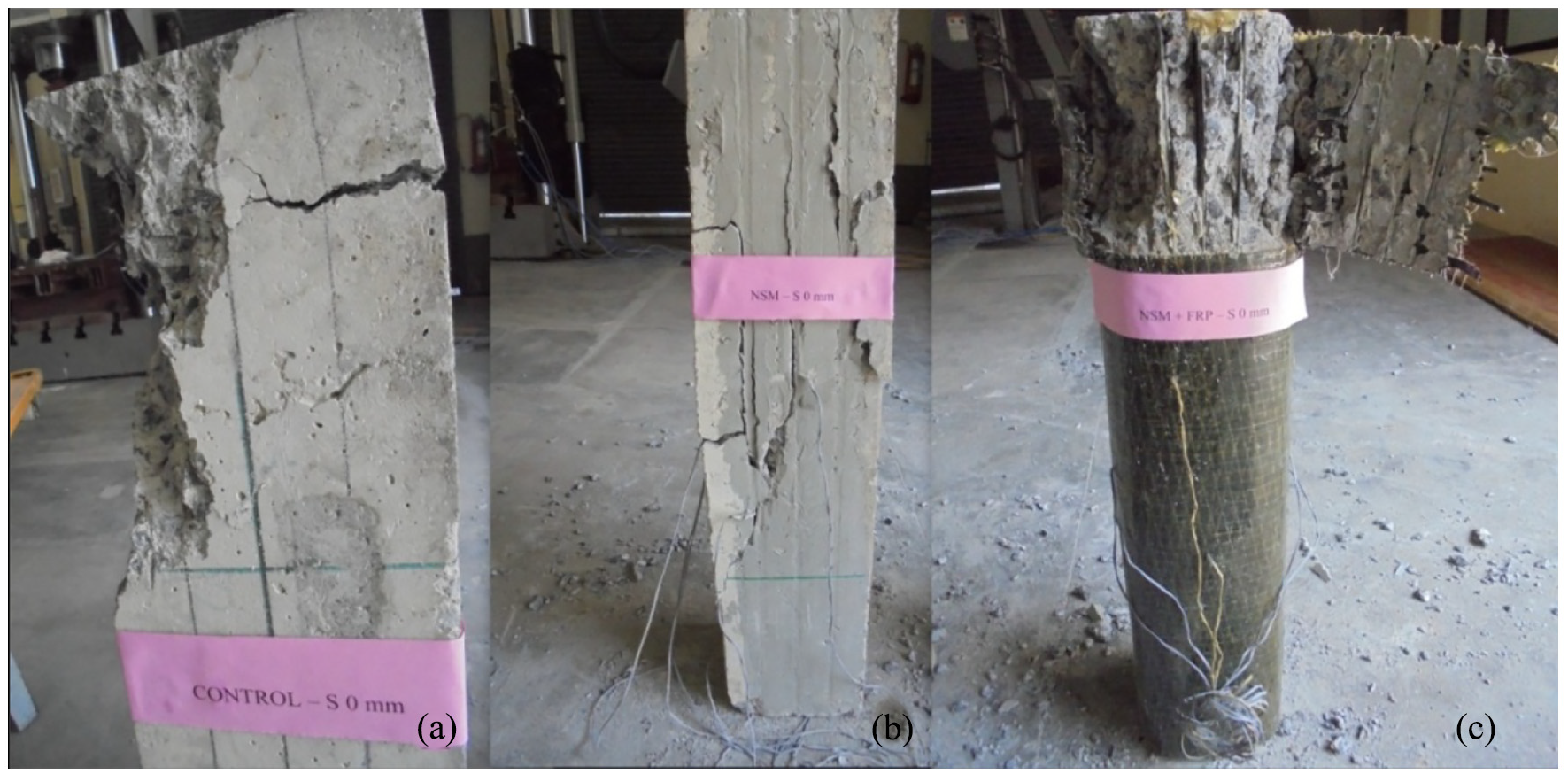
Failure profile (e = 0 mm): (a) control specimen, (b) NSM strengthened and (c) hybrid NSM + I layer CFRP.
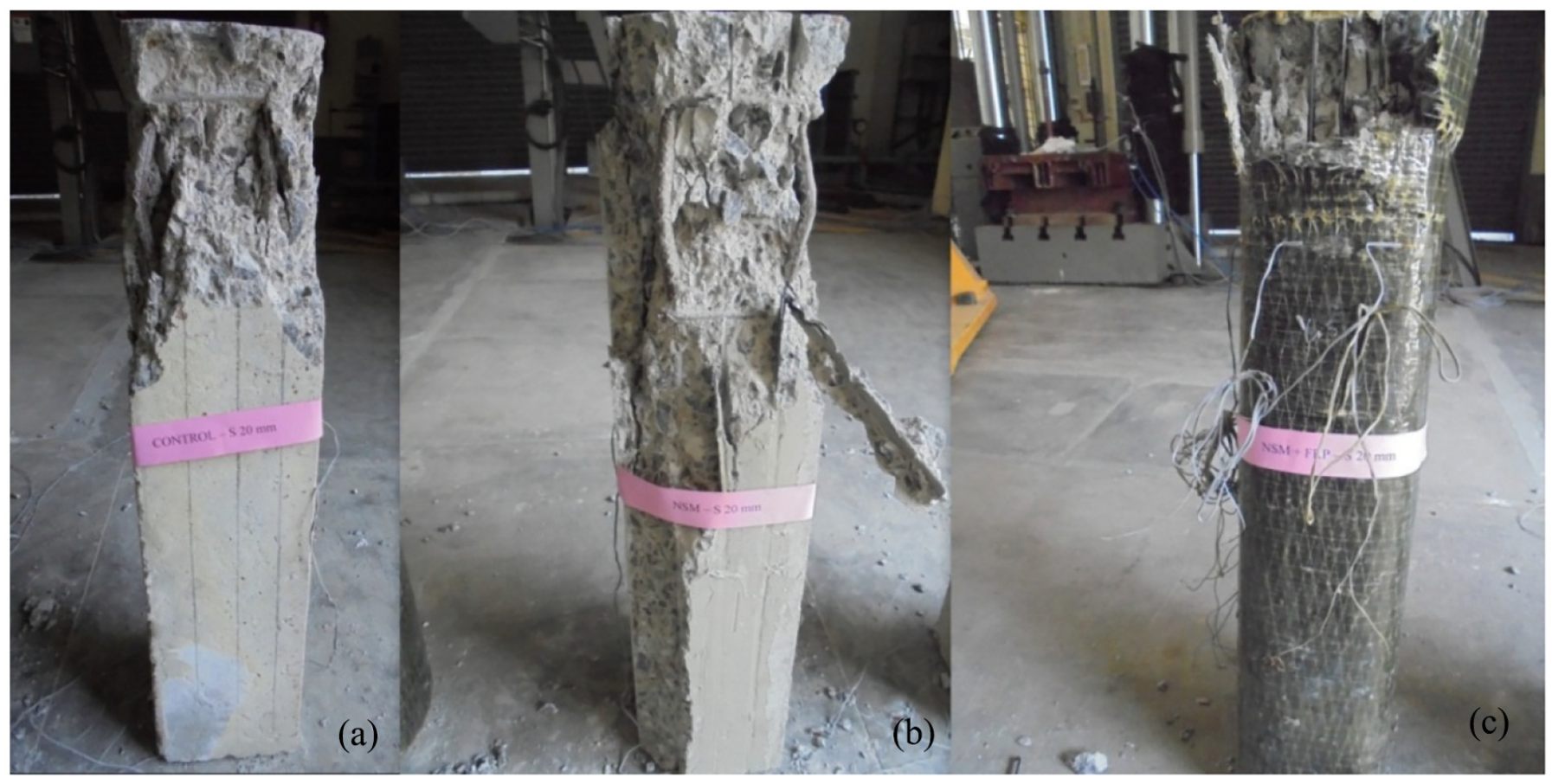
Failure profile (e = 20 mm): (a) control specimen, (b) NSM strengthened and (c) hybrid NSM + I layer CFRP.
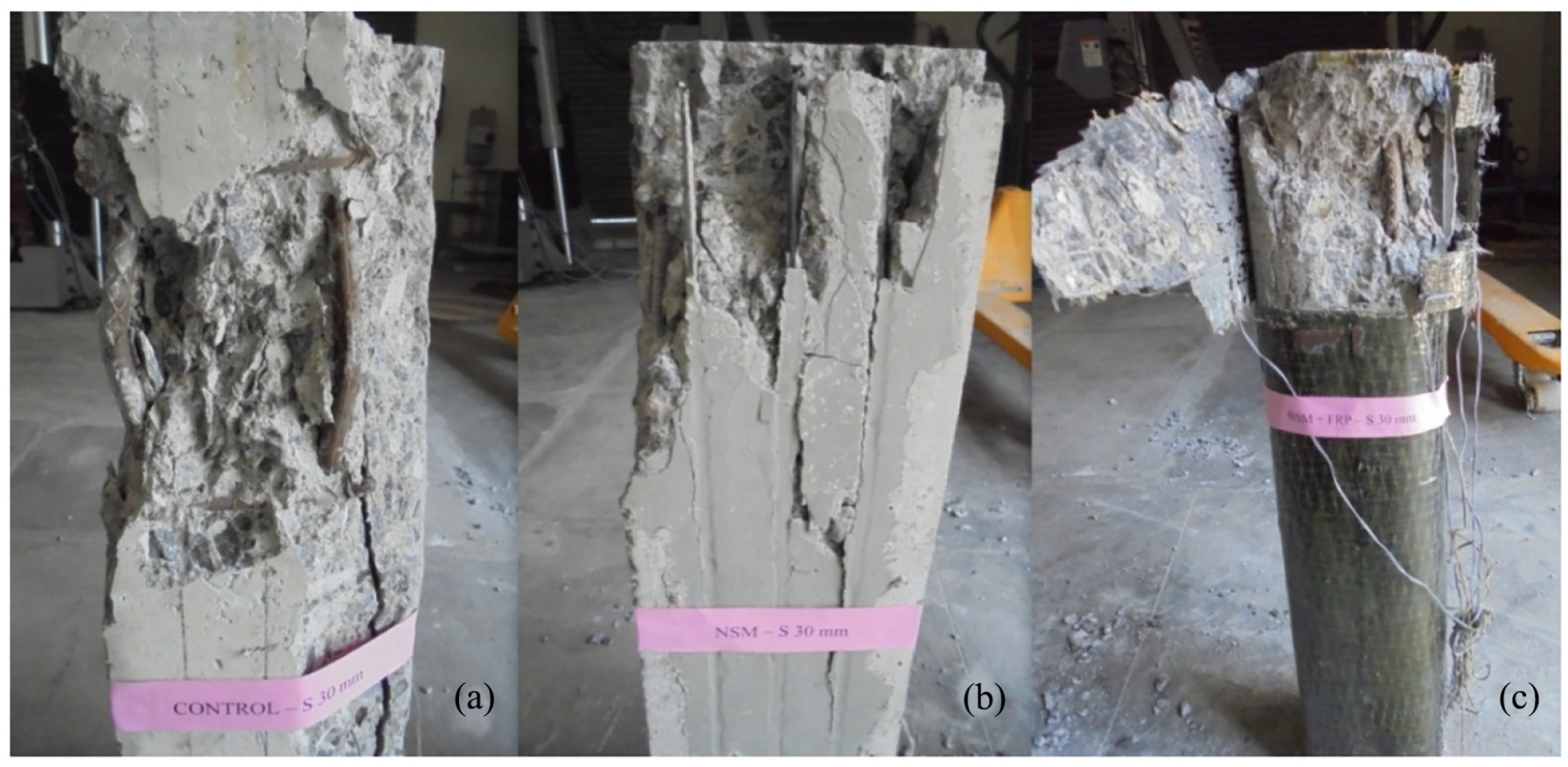
Failure profile (e = 30 mm): (a) control specimen, (b) NSM strengthened and (c) hybrid NSM + I layer CFRP.
Conclusion
Strengthening RC columns using NSM technique without wrapping does not produce adequate confinement and thereby does not enhance the axial capacity of the column. Similarly, increasing the number of layers of confinement increases the axial load-carrying capacity of the column; however, it has less significance in resisting flexure developed due to eccentric loading. Hence, in this work, the monotonic and cyclic response of RC columns strengthened with a hybrid reinforcing system comprising of NSM strips and confined with one layer of CFRP wrap was obtained under uniaxial eccentric loading. The results indicate that to increase the load-carrying capacity and effectiveness of the NSM strengthened column, in addition to NSM reinforcement, CFRP confinement is recommended. Up to an eccentricity corresponding to 20% of cross-section, NSM strengthening with one layer of CFRP confinement performs adequately producing 18%–25% increase in the axial load-carrying capacity and significant improvement in the energy dissipation capacity. Close to 30% increase in energy dissipation was obtained at a loading eccentricity corresponding to 20% of the cross-section. However, the displacement ductility of the specimen is not enhanced with a brittle mode of failure obtained and less than 10% increase in the ductility of the column compared to the control specimen. Hence, further studies have to be carried out to estimate the optimum number of jackets and the eccentric loading levels up to which this system could be safely adopted without compromising the displacement ductility.
Footnotes
Appendix 1
Declaration of conflicting interests
The author(s) declared no potential conflicts of interest with respect to the research, authorship, and/or publication of this article.
Funding
The author(s) received no financial support for the research, authorship, and/or publication of this article.
