




Abstract
This study investigates the post-fire performance of steel reinforced concrete composite (SRC) columns used in building construction using experimental compression tests. Four conventional steel sections as I-shaped, Cross, Box, and Plus were considered as the steel core. For fire loading, all fabricated columns were subjected to five target temperatures, including 25°, 250°, 500°, 700°, and 900°C, and then the cooling phase of the columns was done under natural conditions. Then using pressure jacks, the compressive behavior including strength and axial deformation of each of them was measured, and force-deformation curves were plotted and investigated for each SRC column. The results of these tests showed that the compressive strength and the elasticity modulus of the columns decrease at higher temperatures. Also, the effect of the steel core was examined on the compressive strength. Among the tested sections, SRC columns with the Box-steel core showed a more recovery in its compressive strength and elasticity modulus, and hence, its performance was better than SRC columns with the other steel cores. Moreover, SRC columns with the Plus-steel core indicated the weakest compressive strength and elasticity modulus. Finally, some equations were proposed for the prediction of the compressive strength and elasticity modulus of SRC columns at different temperatures by applying gene expression programming (GEP modeling) to the results.
Keywords
Introduction
In building construction, the steel reinforced concrete column (SRC) has been widely used in medium and high-rise buildings during recent years. Steel reinforced concrete column is a composite, consisting of steel cores (or steel sections), reinforcing bars, and concrete. This type of composite element is able to combine the advantages of both steel and concrete, and the structural performance will be improved accordingly. Since the concrete has a much lower heat conduction coefficient, effectively retards and reduces the rise of temperature in the steel sections. The peripheral concrete acts as a protective layer for the steel section under fire. Hence, it has a high fire resistance compared with the element without the concrete layer. A typical SRC column with different parts is shown in Figure 1. Different parts of a typical steel reinforced concrete column.
Due to the high construction speed of composite columns, their use in buildings, especially in high-rise buildings, has led researchers to study various aspects of its performance in recent years (Morino et al., 1984; Guo et al., 2009; Zhou et al., 2015). One of the constant concerns in buildings, especially in high-rise buildings, is the conflagration because it is difficult to access fire and extinguish it in tall structures, especially in the dense urban fabric.
So far various research studies have been carried out on steel and concrete structures and their performance (Ketabdari et al., 2019; Lou et al, 2016, 2018; Li et al., 2019; Pachideh and Gholhaki, 2020; Saedi Daryan and Yahyai, 2009a, 2009b, Saedi Daryan and Ketabdari, 2019;). In recent years, due to the importance of SRC columns in construction, research studies have been conducted on the performance of these columns at high temperatures. In this respect, various SRC columns have been studied, among which can be referred to composite columns with I-section, Box-section, Cross-section, and Plus-section steel cores. In 2006, a method for heat transfer analysis of SRC columns with I-shaped cores was proposed by (Wang and Tan, 2006). In this method, using Eurocode 3 and a one-dimensional heat transfer model, temperature responses were obtained at each point of the steel profile via equations. Yu et al. (2007) tested the temperature distribution and ultimate strength of SRC columns under the fire, in which 12 columns were tested at different temperatures, and finally by numerical modeling and generalization of the results, some equations for predicting the ultimate strength of SRC columns at different temperatures were provided. Huang et al. (2008) investigated the effect of dimensions of sections and load levels on the strength of SRC columns with I-steel cores at elevated temperatures. In this study, the dimensions of 250*250, 300*300, 350*350, 400*400 (mm2), and the load levels between 0.2 and 0.5 were used. The results of this study show that columns with smaller sections have no fire resistance and increased column sections increase the fire resistance. Mao and Kodur (2011) have investigated fire resistance of SRC columns under three-side and four-side standard heating. In this test, the steel core of some columns was eccentrically loaded to account for its impact on column performance. The results of these tests show that the eccentricity and the load ratio have a great impact on the fire resistance of these columns. In another research, Young and Ellobody (2011) presented a finite element model investigating the behavior of axially restrained I-shaped core columns at elevated temperatures. Han et al. (2014) experimentally and numerically investigated steel reinforced concrete composite columns under fire conditions in which four SRC columns with H-shaped and Cross-shaped sections were tested, and a finite element model has been applied to complement the results and finally the strength of these columns after being exposed to fire conditions has been evaluated. In another study, Han et al. (2016) experimentally and numerically investigated the post-fire steel reinforced concrete composite columns. In this study, flexural and compression failures were observed in the specimens. Also, peak load values of the calculated columns after exposure to high temperatures are about 26% lower than those at ambient temperature. Temperature distribution, load–axial deformation relation, and load distribution during the loading and temperature rise phase are among the other achievements of this research. The post-fire seismic analysis of the I-shaped SRC columns was conducted by Guangyong and Dongming (2017). In this experimental research, eight SRC columns were tested in which the length of the plastic hinge zone increases with increasing temperature. The results of this test indicate the appropriate energy absorption of these columns at high temperatures.
Given the above research on the SRC columns performance in fire, there are common limitations in this regard. The most important of these limitations include: (a) they often have considered the I-steel core and have not considered other types of steel cores; (b) the evaluation of the compressive strength of the columns has not been performed at very high temperatures (about 900°C); (c) limited number of tests has been performed in these studies; and (d) the cooling phase in the applied thermal regimes has not been considered in these research studies. For this purpose and to cover these limitations, this research experimentally investigates the compressive strength of SRC columns with different steel sections as the column core after exposing to different temperatures and cooling them. In this regard, four different I-section, Plus-section, Box-section, and Cross-section steel cores are considered as the core of concrete columns and each of these columns is exposed to five target temperatures of 25, 250, 500, 700, and 900° C, and the cooling is done naturally. In the following, the compressive strength of each specimen is measured experimentally, and the force-axial deformation curves for each specimen are presented. In the next phase, using the values obtained from the test results and applying the genetic algorithm, some equations are proposed for the prediction of the reduction factor of “the compressive strength and the elasticity modulus” of the SRC columns.
Experimental investigation
Specifications of the test specimens
To compare the impact of steel cores on the performance of SRC columns after fire exposure, four different steel sections including I- Section, Plus-Section, Box-Section, and Cross-Section are considered as cores of concrete columns. A view of the sections with column dimensions is shown in Figure 2. It is worth mentioning that the height of all columns is 550 mm. It should be noted that the dimensions shown in Figure 2 are nominal. The measured dimensions have about 2 mm of tolerance as shown in Table 1. Steel reinforced concrete columns with different steel sections (unit of measurement of dimensions in millimeter). (a) Column dimensions and reinforcement detailing for a typical column. (b) Parametric dimensions of column sections (used in Table 1). Nominal and average measured values for the sets (unit of measurement of dimensions is millimeter).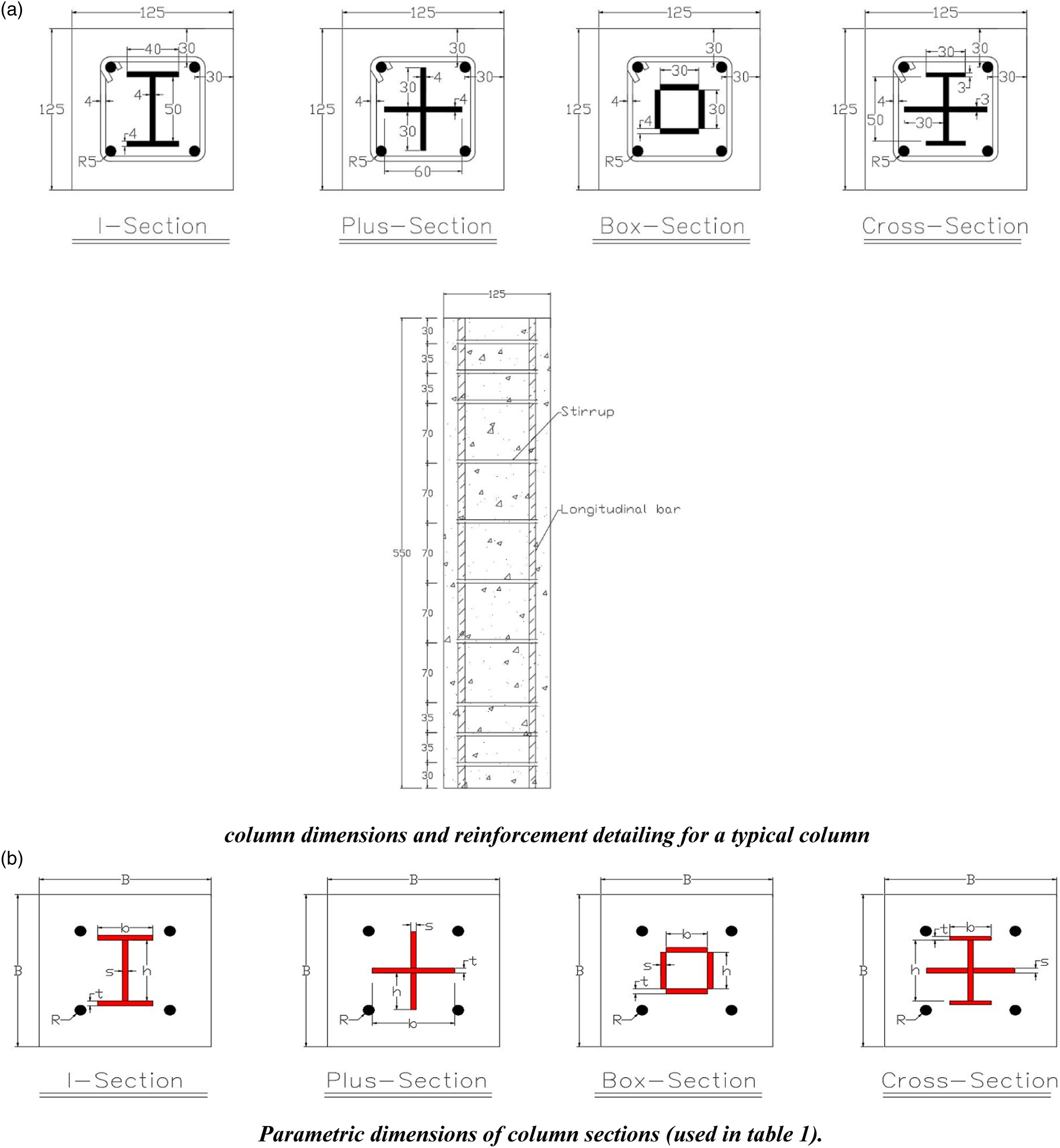

Columns concrete mix design (Kg/m3).

The SRC columns with the four steel cores of I-Shaped, Cross, Box, and Plus shapes are considered. Then each of them, including four sets, is exposed to five target temperatures of 25, 250, 500, 700, and 900°C. Given the importance of the issue, specimens were designed according to AISC360-16- standard, as explained in Compressive Strength in AISC Code. Figure 3 illustrates the different stages of the fabrication of the specimens. The number of fabricated specimens is presented in Table 3. Specimen’s fabricating. (a) Rebars and stirrups, (b) four fabricated steel sections, (c) molding, and (d) some fabricated specimens. Number of fabricated specimens.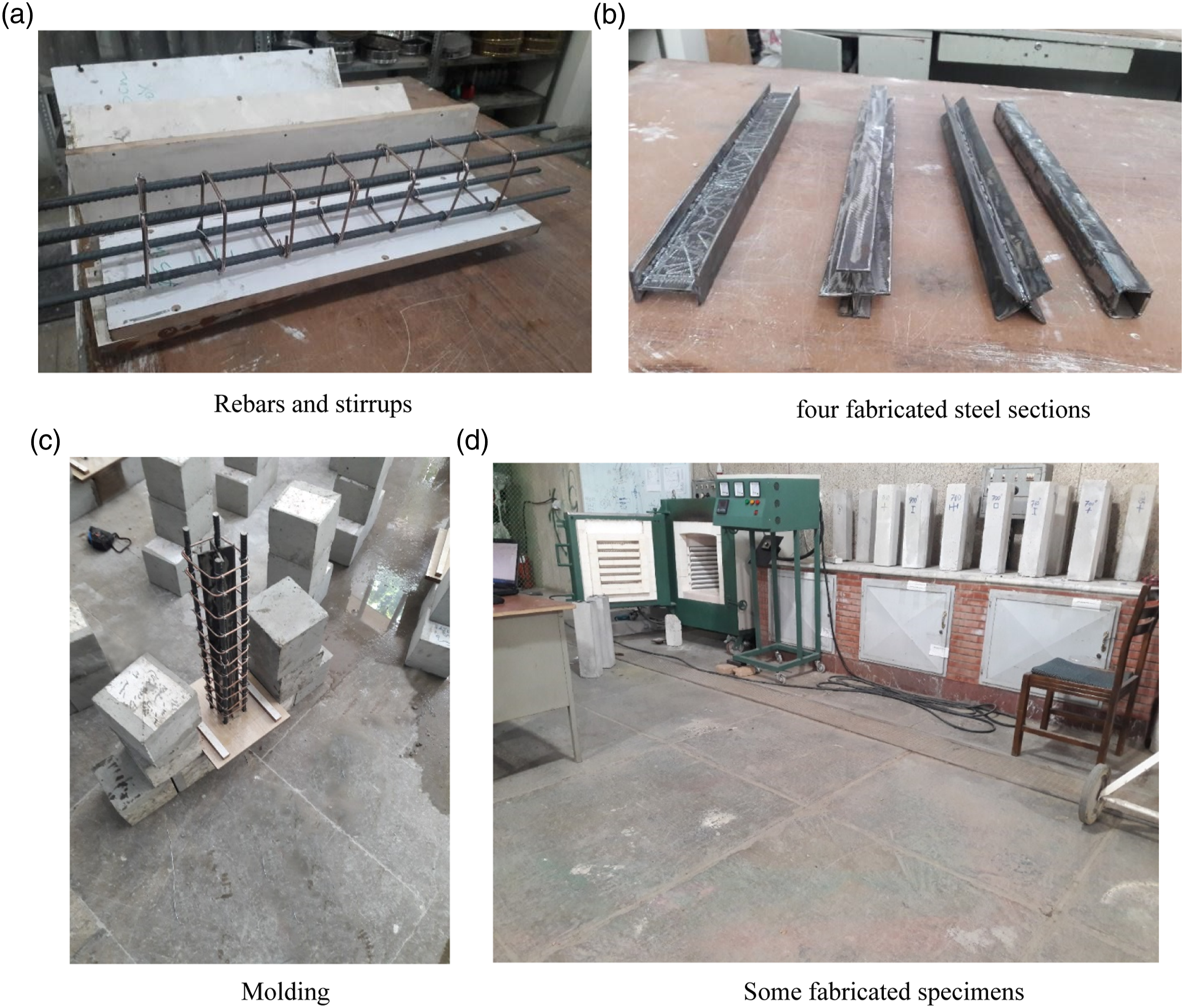

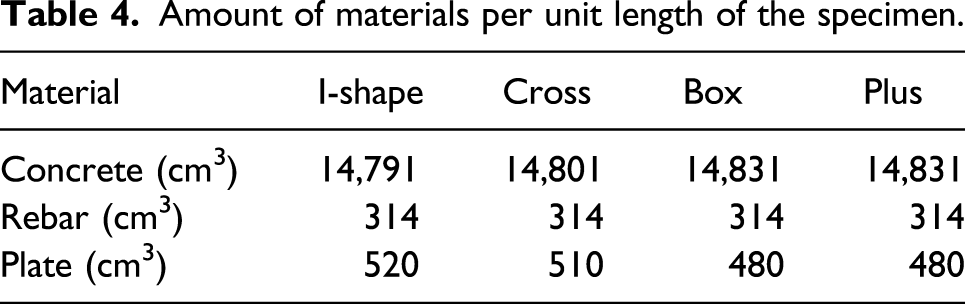
Amount of materials per unit length of the specimen.
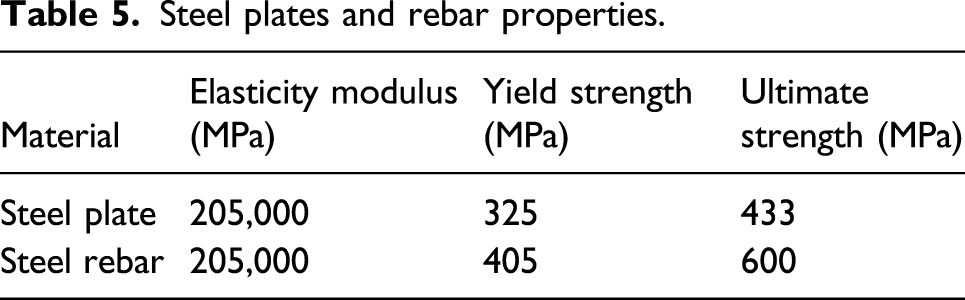
In order to present the specifications of the steel and reinforcement bars used in this study, tensile tests on steel plates and rebars were performed, and stress–strain curves of which are presented in Figure 4(a) and (b). Tensile test results. (a) Steel plates and (b) rebar.
Steel plates and rebar properties.
Heating–cooling regime and loading patterns
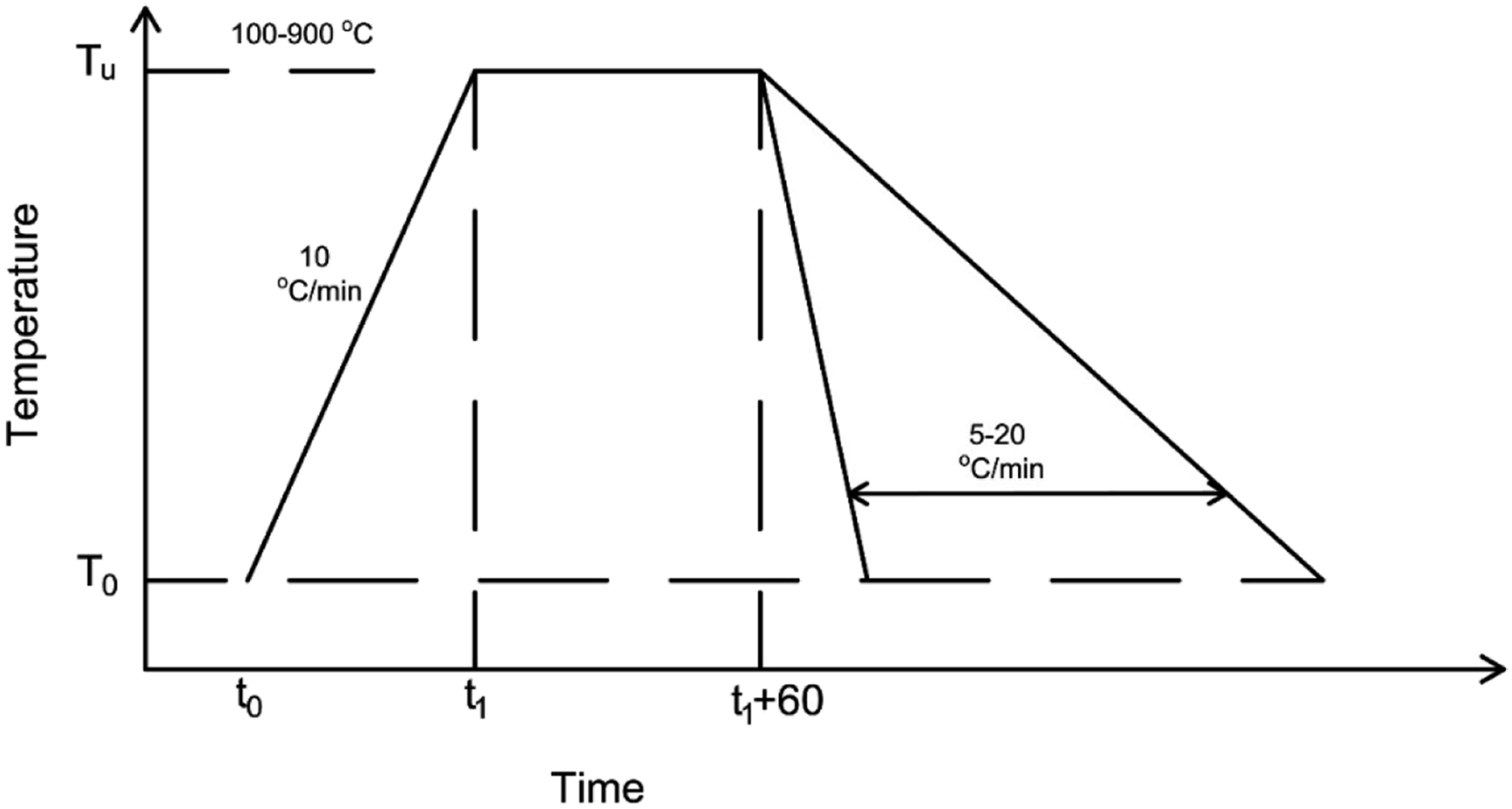
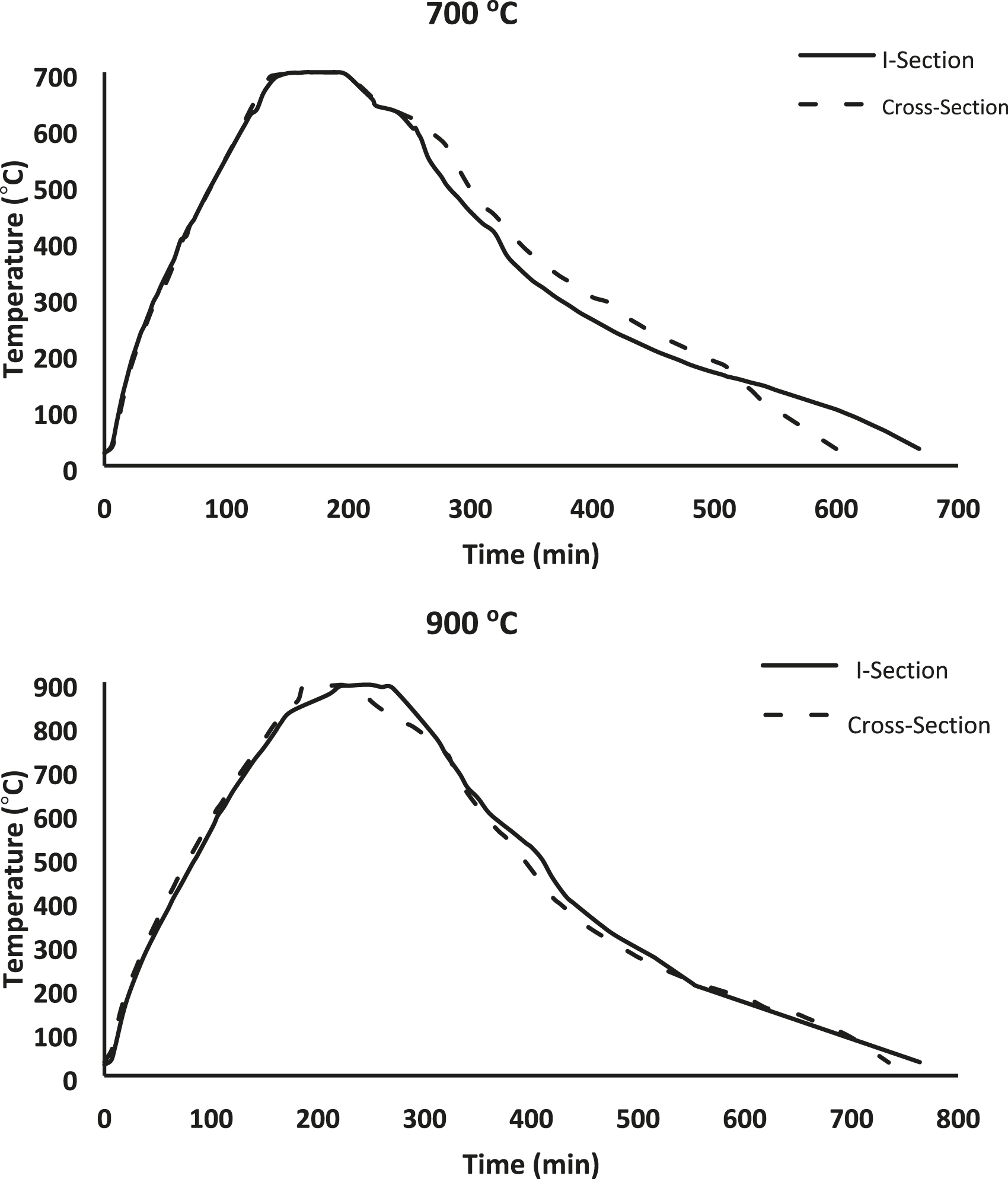
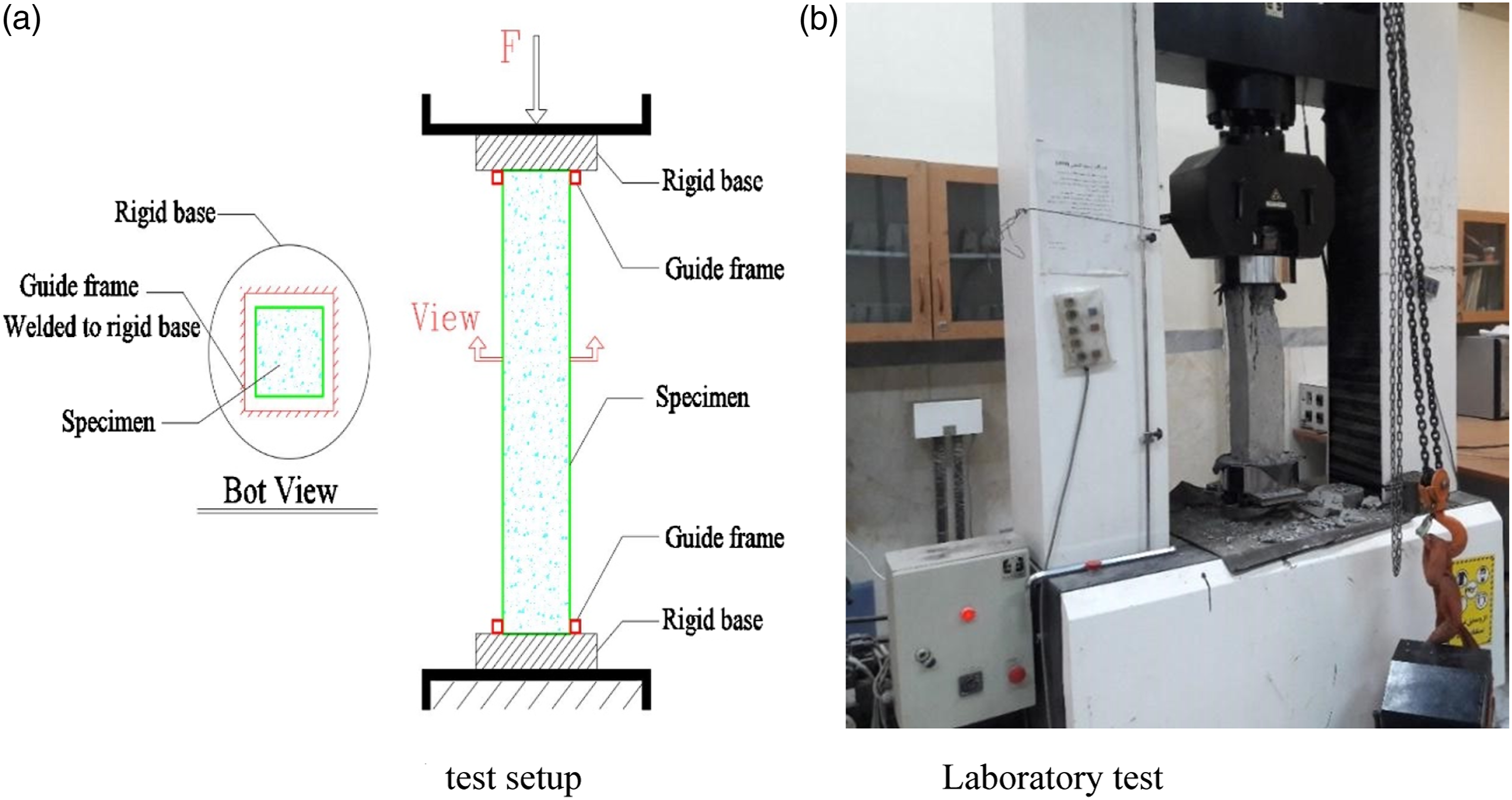
An electric furnace with manual power adjustment is used to heat the columns (Figure 5). Figure 6 shows a picture of the furnace. Two K-type thermocouples on the specimen and furnace recorded specimen and furnace temperatures. As shown theoretically in Figure 6, the columns were heated from ambient temperature to 4 target temperatures (Tu) of 250, 400, 500, 700, and 900 at a rate of 10° per minute. Once the specimen was heated to the target temperature, the temperature was kept constant for 60 min to prepare a stable heating condition for the specimens and to ensure a uniform temperature distribution in the columns. Then the furnace is switched off and the specimen cooling phase is started. The specimens were cooled naturally at an average rate of about 2–10° C to reach room temperature. Figure 7 presents the actual temperature–time curve in which the heating and cooling phases for the target temperatures of 700 and 900° C are measured for each SRC composite column. Upon completion of the cooling phase, the compressive strength of each column was measured by placing it between the pressure jack. In Figure 8, the test setup and an example of a column being placed under a pressure jack are shown. Once the specimens have been placed, the load is applied and continues until failure. Electrical furnace. Theoretical heating–cooling cycle diagram. Measured curve of the heating–cooling cycle diagram. Column under the pressure jack and test setup (a) test setup and (b) laboratory test.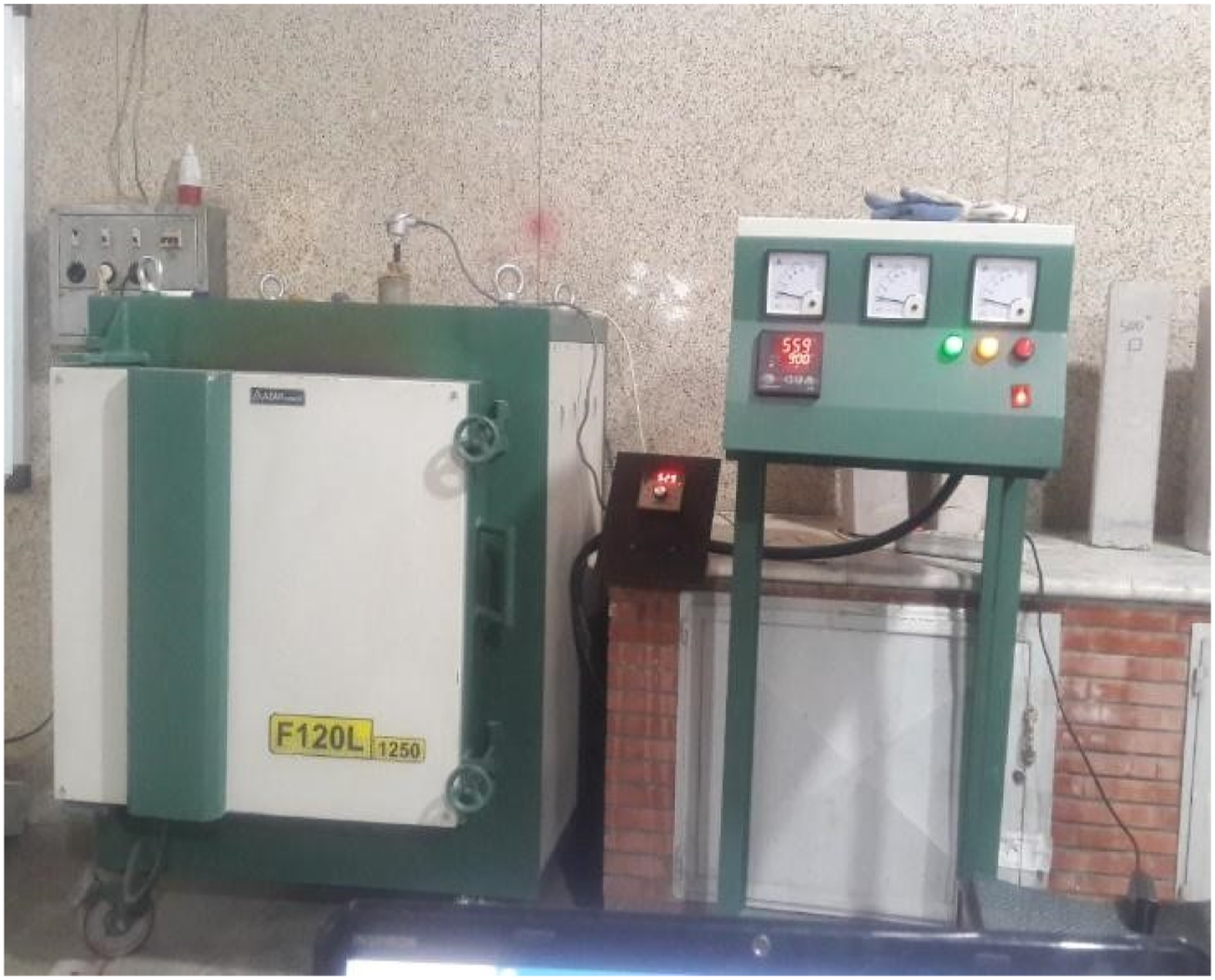
Results and discussion
Compressive strength result
According to the descriptions given in the previous sections, this section first studies the appearance of the specimens and the occurrence of explosive spalling during heating and then describes the compressive strength tests on the specimens. The explosive spalling phenomenon occurs in concrete columns exposed to fire due to various reasons such as pore pressure, thermal stress, or both, and factors such as the type of materials and additives, the dimensions of the sections, and the moisture content have a significant impact on its occurrence. No explosive spalling was observed in the heated specimens, and only scaling was observed in the corner spalling of some specimens. Among the reasons, we can refer to control of the specimen’s moisture content in accordance with the recommendation (Eurocode 2, 2005), use of appropriate additives in the mix design, selection of the appropriate dimensions of the sections, control of the heating rate of the specimens, and failure to apply axial load during the heating. Therefore, the avoidance of spalling in the specimens has resulted in the proper conditions for performing compressive strength tests and comparing the compressive strength as well as the axial deformation between different specimens.
Figure 9 shows a comparison of the compressive strength of SRC columns with different steel cores at different temperatures. According to the results, the values of the compressive strength of the columns at the ambient temperature are almost similar, and this similarity is also true up to 250° C. As the temperature increases, the compressive strength of the SRC columns with different steel cores follows a decreasing trend, and the impacts of such temperature rise on all columns strongly increase at temperatures above 700°C. The reason is the evaporation and cracking with respect to the non-homogeneous and distinctive expansion and contraction of concrete. Among the specimens, the column with the Box-shaped core showed better performance at temperatures above 700° C due to the confinement of the concrete core. Comparison of compressive strength of steel reinforced concrete columns with steel cores at different temperatures.
Figure 10 also presents force–axial deformation curves of the columns and their performance at different temperatures. The axial deformation of the columns with different cores had a similar performance in such a manner that the strain corresponding to the ultimate strength increases by the temperature rise, but the final strain of the columns did not change so much by temperature rise. Axial–force deformation diagram.
Compressive Strength in AISC Code
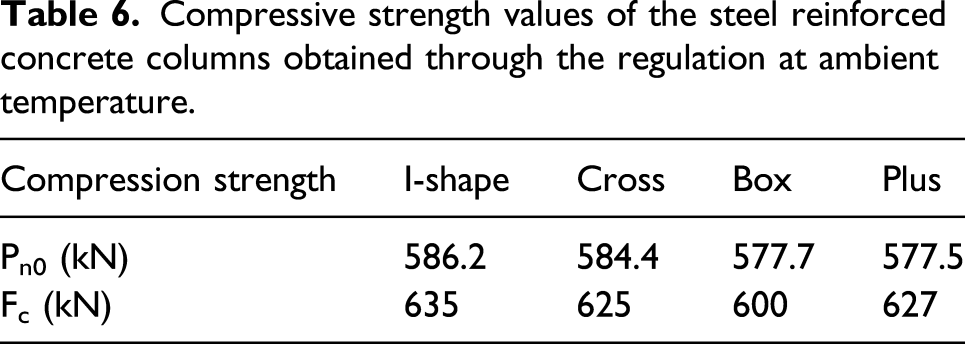
Furthermore, given the specifications of the materials used to fabricate the SRC columns in this study, the design compressive strength values of the axial members can be obtained by applying the equations of the AISC360-10 standard and using equation (1)





Compressive strength values of the steel reinforced concrete columns obtained through the regulation at ambient temperature.
Failure modes
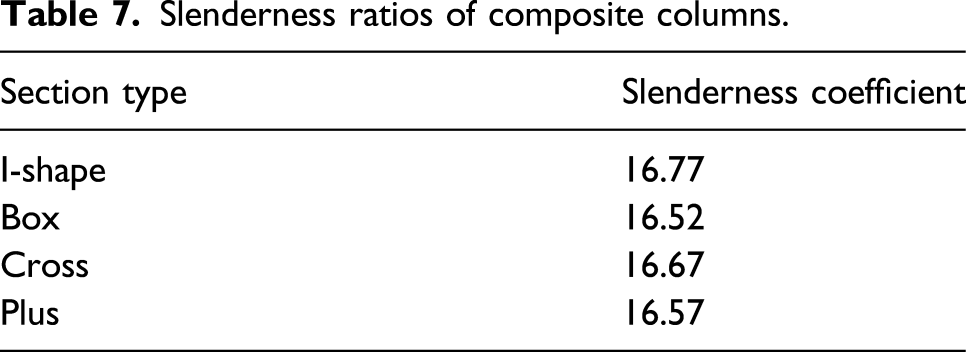
The reduction factors for the compressive strength and the modulus elasticity of the various columns calculated using equations (7) and (8) are presented in Figure 11. As it is shown, with increasing temperature, the Plus-shaped section loses about 70% of its compressive strength, which has the worst performance among the sections. The Cross-shaped section with a 68% reduction in strength and the I-shaped section with a 65% reduction in compressive strength had a performance similar to the Cross-shaped sections. But the performance of the Box-shaped section is different from other sections, and by recovering about 45% of the compressive strength at 900° C, it shows a performance much better than other sections at high temperature. Investigation of the reduction factors for modulus of elasticity shows that as the temperature increases, the reduction slope of modulus of elasticity is much greater than that of the compressive strength, so that at 700° C more than half of the elasticity modulus of all four columns is lost, and at temperatures above 700° C, this decrease occurs more strongly. Reduction factor–temperature curve for steel reinforced concrete columns (a) compressive strength and (b) elasticity modulus.



Slenderness ratios of composite columns.
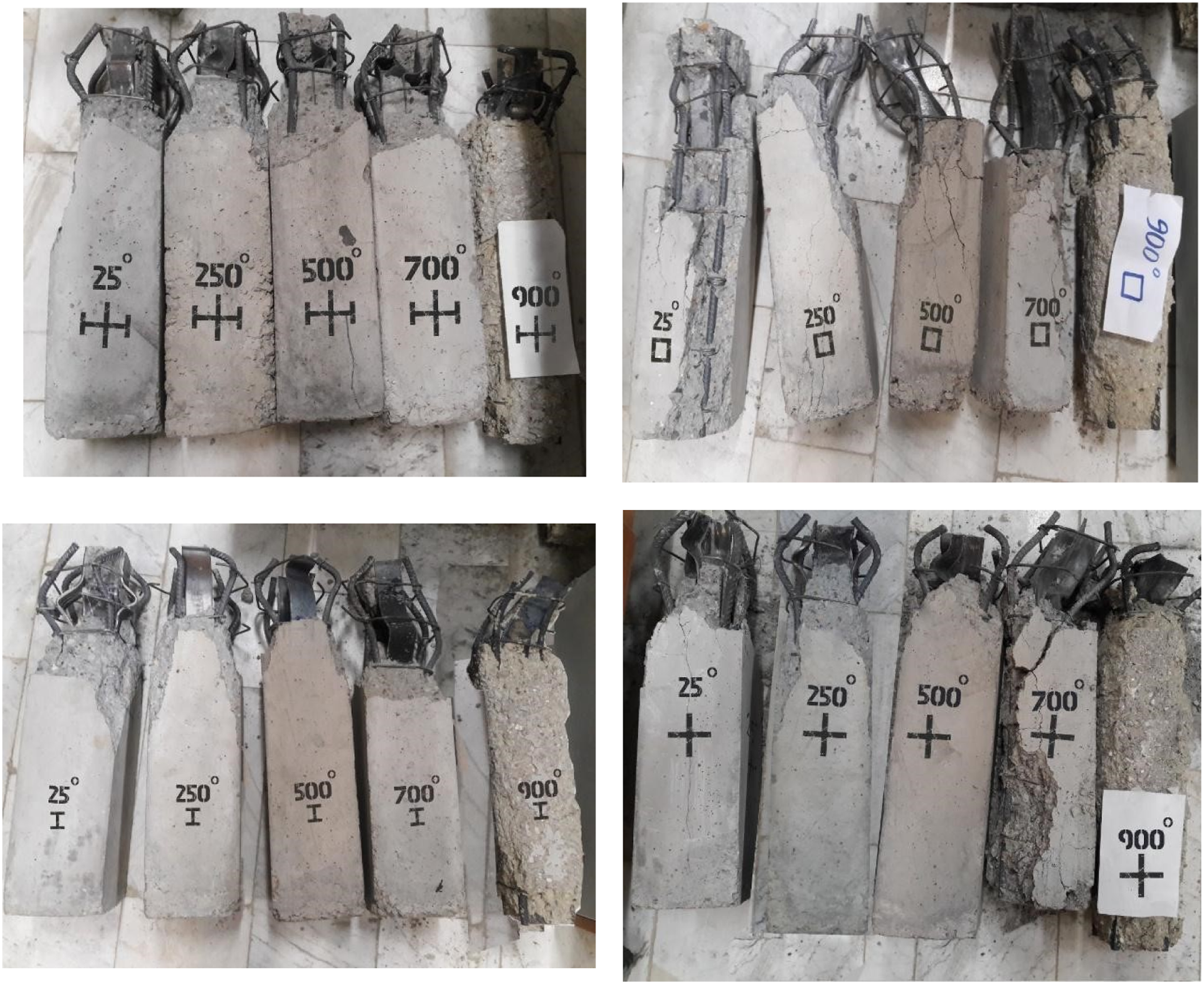
Composite columns with different steel cores after failure.
According to the observations, the stability of Box-core SRC columns is more than that of the other specimens. The reason can be investigated from three-point of view. First, confinement of the concrete inside the Box-shaped section increases the strength of the column and its stability. Second, since the plates of the Box-shaped section are restrained at both ends, local buckling does not occur therein, and consequently their strength increases. However, due to local buckling in section components of the other three sections, the column fails sooner. Last, since the Box-shaped section is closed, one-sided heating of its plates affects, and the impact of heating on it is less. But the core components of the other three specimens are exposed to heating on both sides.
Application of the metaheuristic algorithms for predicting
Background of metaheuristic algorithms’ for predicting the performance of SRC columns under fire
The ability of metaheuristic algorithms and artificial intelligence to establish relationships of different levels of complexity between different input parameters has led to use in structural fire engineering in recent years. One of the pioneers in the use of artificial intelligence and metaheuristic algorithms is Chan et al. (1998) who predicted the compressive strength of concrete under fire conditions using a neural network. In recent years, most of the relationships presented in structural fire engineering have been done using artificial neural networks among which can be referred to as semi-rigid flexible end-plates and flush end-plate joints at elevated temperatures (Al-Jabri and Al-Alawi, 2007), the behavior of steel frames under fire conditions (Hozjan et al., 2007), prediction of the flexural capacity of concrete slabs under fire conditions (Erdem, 2009), prediction of temperature rise in tubular steel trusses under fire conditions (Xu et al., 2013), the prediction of the behavior of the welded angle connections at high temperatures (Saedi Daryan and Yahyai, 2018), and the presentation of temperature-dependent material models for steel structures (Naser, 2018). A combination of genetic algorithm and neural network is also used to predict the flexural capacity of steel beams exposed to fire (Zhao, 2006) and to evaluate wood structures under fire conditions (Naser, 2019).
The ability of the genetic algorithm is to present high-precision relationships and nonuse of them in research studies on SRC columns. The lack of reliable and applicable relationships for the performance of these columns under fire conditions as well as the use of linear regressions and the presentation of low-precision relationships in the previous research studies have led to the use of one of the powerful subdivisions of the genetic algorithm called gene expression programming (GEP). The modeling method and results are provided below.
GEP modeling process
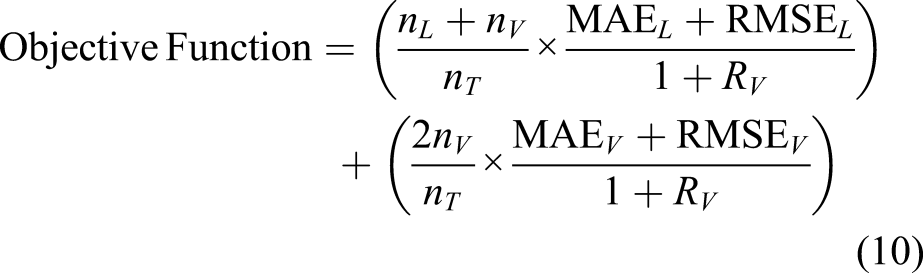
The genetic algorithm used by many researchers in recent years has several subdivisions, and one of the most important and powerful subdivisions is the gene expression programming. The summarized GEP modeling process is provided in the following steps: Laboratory data gathering. Generation of the initial answers using the data obtained and probabilistic rules. Determination of objective function and fitness function. In this study, equations (10) and (11) are assumed as objective function and fitness function 3. Determining the response fitness rate 4. Implementing genetic operators on the response



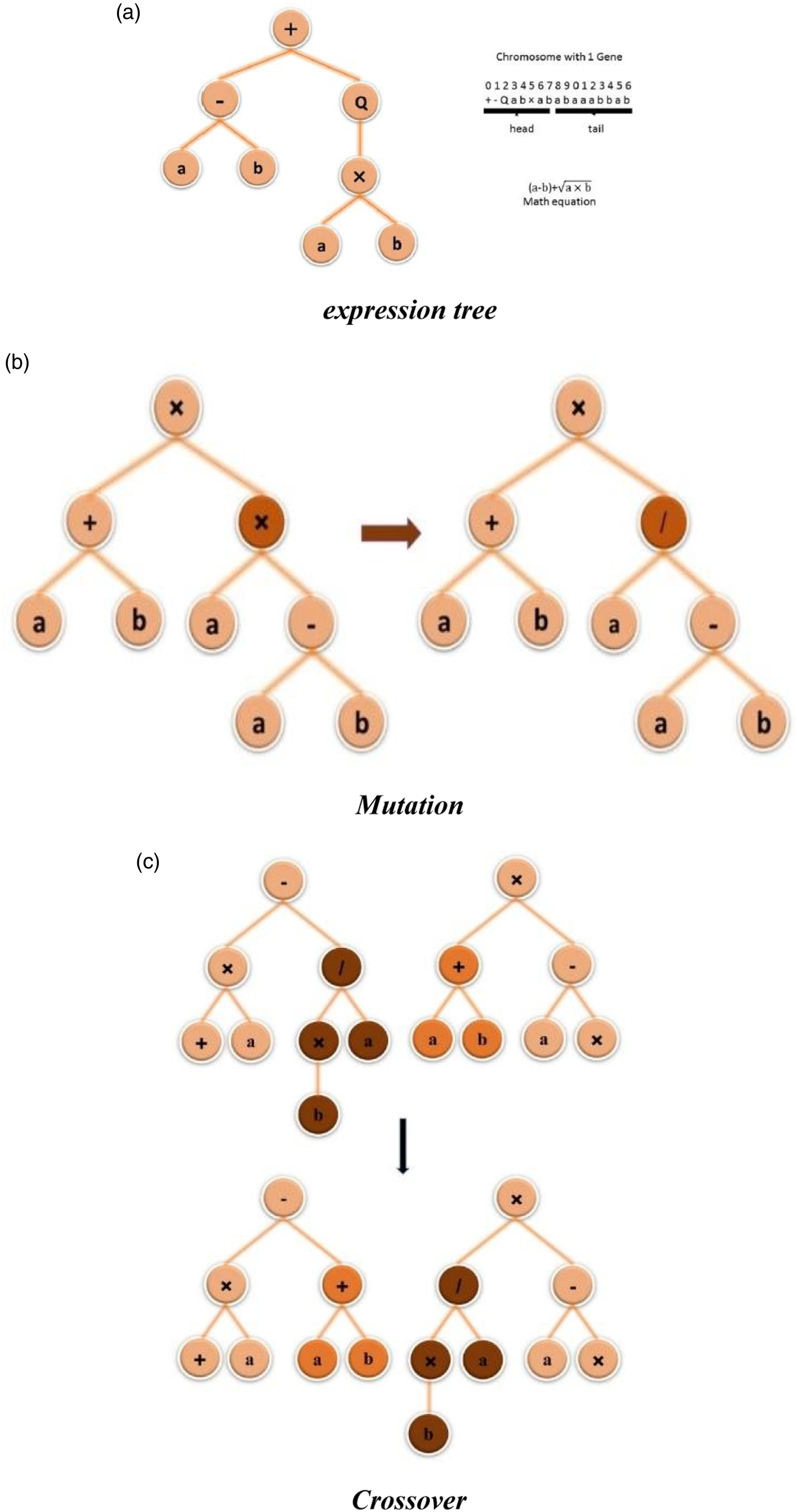
To define these operators, the GEP modeling language, named the Karva language is provided in Figure 13(a). GEP is developed based on two essential elements: chromosomes and expression trees (ETs). The chromosomes contain one or more genes (Beheshti Aval et al., 2017; Ketabdari et al., 2020; Ketabdari et al., 2021). As observed in Figure 13(a), the genes are formed in the two sections of head and tail which include the mathematical equations, variables, and constants. The expression tree and its related mathematical equations are shown in Figure 13(a). The genetic operators consist of crossover and mutation, expressed in Figure 13(b) and (c), respectively. 5. Generating new respond. 6. Determining the fitness of the responses. 7. Repeating stages 5–7 until algorithm ending conditions are met. 8. Measuring the accuracy of the equations by comparing their error rates. Gene expression programming modeling details and operators (a) expression tree, (b) mutation, and (c) crossover.
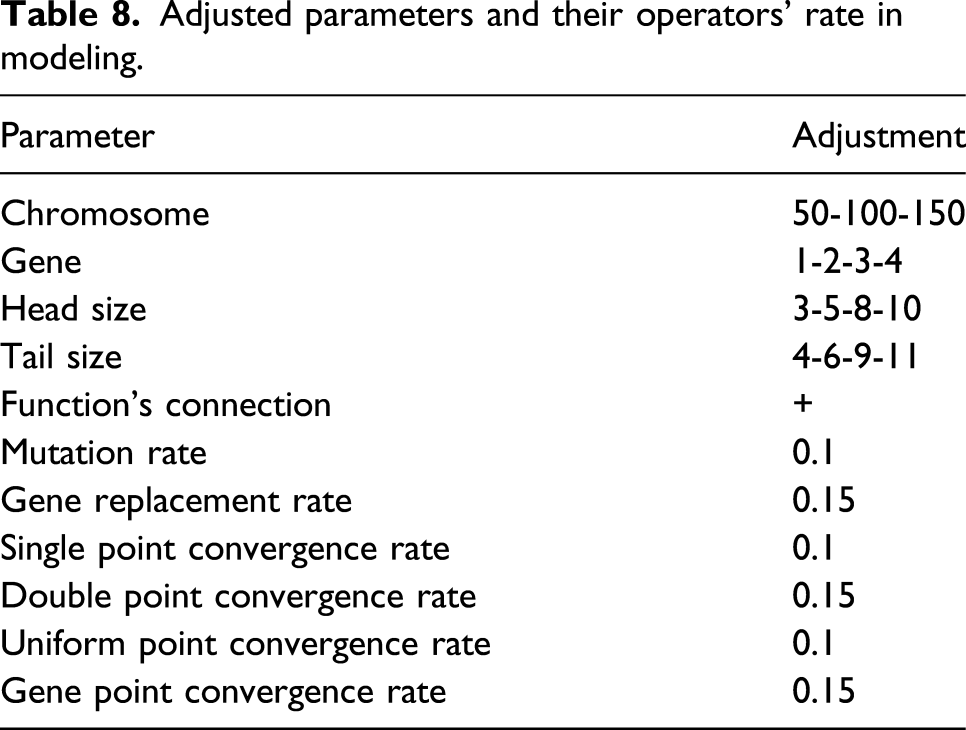
Propose prediction equations
Adjusted parameters and their operators' rate in modeling.
Proposed equations.

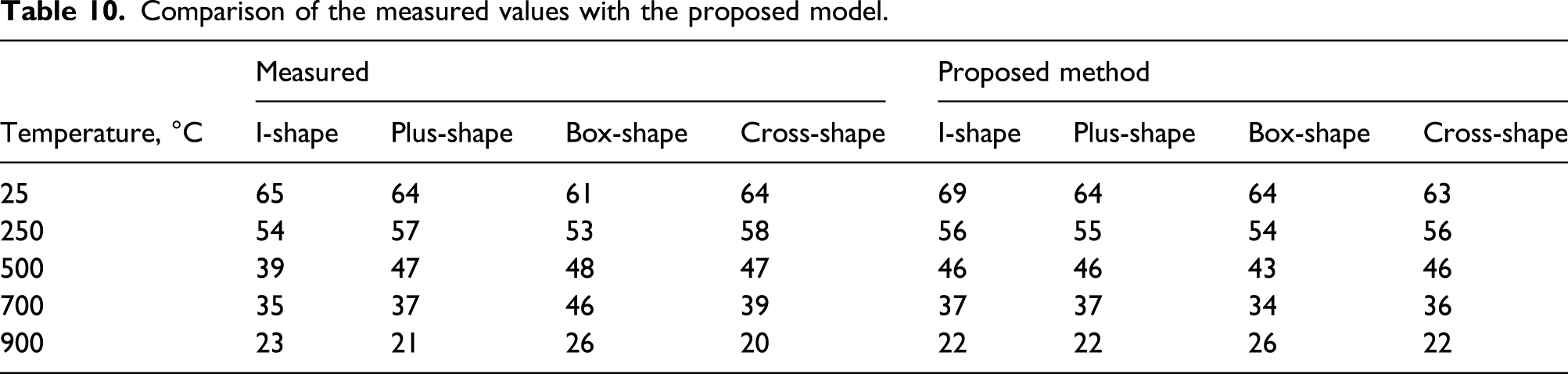
Comparison of the measured values with the proposed model.
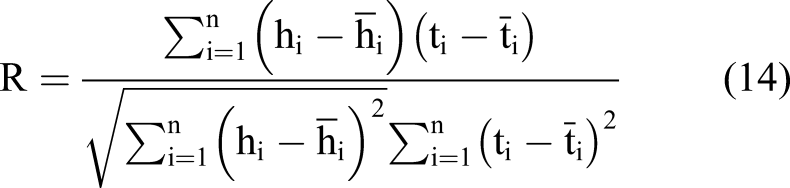
Correlation coefficient and relative error of the proposed equation.

Note: GEP: gene expression programming.
Conclusions
Given the importance of the compressive strength as one of the effective parameters in the design and analysis of structures, this study investigates the impact of the fire on the compressive strength of SRC columns. For this purpose, four sections including I-shaped, Cross-, Box-, and Plus-shaped sections were considered as the column core to investigate the impact of the steel core on the compressive strength of the SRC columns at elevated temperatures. After constructing the columns, five target temperatures were considered for each column. The columns were exposed to 4-sided heating in an electric furnace, and the cooling phase was done naturally, and the temperature of each specimen was lowered to the ambient temperature. Finally, the compressive strength and axial deformation of each specimen were measured. The summarized results of these experiments are presented as follows: The compressive strength and the elasticity modulus of the SRC columns with different steel cores reduce with increasing temperature, and the rate of this reduction increases sharply at temperatures above 700° C. By comparing the performance of the steel cores, the Box-shaped section with 45% recovery of the compressive strength and 25% recovery of the elasticity modulus at 900° C showed a better performance than the other sections. The reason can be originated from three-point of view. First, confinement of the concrete inside the Box-shaped section increases the strength of the column. Second, since the plates of the Box-shaped section are restrained at both ends, the local buckling does not occur, and consequently their strength increases. Last, since the Box-shaped section is closed, only the one side of its plates affects the heating, and the impact of heating on it is less. However, the core component of the other three specimens is exposed to heating on their both sides. Plus-section SRC columns with 30% recovery of the compressive strength and 18% recovery of the elasticity modulus at 900° C also showed the weakest performance among the four steel cores. The strains of the SRC columns with different steel sections at different temperatures have almost a similar performance to each other. Some equations are proposed to predict the compressive strength and the elasticity modulus of the SRC columns at high temperatures using the obtained experimental results and applying the GEP modeling. The values of correlation coefficients and relative errors of the relationships indicate their applicability in structural fire engineering.
Footnotes
Acknowledgment
The research work presented in this study was done in the Laboratory of Structural and Earthquake of Shahid Beheshti University. The authors would like to express gratitude to the laboratory manager who prepared materials and equipment for the experimental test to proceed this study.
Declaration of conflicting interests
The author(s) declared no potential conflicts of interest with respect to the research, authorship, and/or publication of this article.
Funding
The author(s) received no financial support for the research, authorship, and/or publication of this article.
