



Abstract
This study investigates the seismic control mechanism of tuned viscous mass damper (TVMD) outriggers in a core wall-frame system, which can be regarded as providing frequency-dependent equivalent stiffness and damping. Closed-form formulas for equivalent stiffness and damping of TVMD outriggers are derived based on a distributed-parameter model that represents the core-wall frame system. As the frequency increases, the equivalent stiffness transitions from negative to positive values and asymptotically decays to the spring stiffness of TVMD outriggers at infinite frequency. Simultaneously, the equivalent damping increases from the TVMD damping coefficient to a maximum value as the frequency increases from zero to the tuning frequency, and then asymptotically decays to zero along with the increasing frequency. A modal response mitigation ratio is defined and calculated, revealing that equivalent damping plays a dominant role over equivalent stiffness in the control mechanism. An analysis of equivalent damping-frequency curves elucidates that the control mechanism of TVMD outrigger, i.e., tuning effect for the targeted mode and damping supplement effect for the lower-order modes. Finally, seismic control performance of TVMD, viscous damper (VD), and negative stiffness damper (NSD) outriggers is compared based on a 140-m tall core wall-frame structure. Seismic response analysis demonstrates that TVMD, VD and NSD outriggers reduce the maximum inter-story drifts by 26%, 10%, and 17%, and the maximum floor accelerations by 27%, 12%, and 18%, respectively.
Keywords
Introduction
Recent earthquakes highlight the importance of enhancing the seismic resiliency of high-rise buildings (Lu et al., 2013; Malhotra, 1999) by controlling their seismic responses and mitigating the consequences. The core wall-frame system is a prominent structural system commonly adopted in commercial high-rise buildings due to its efficient structural solution and highly economical construction process (Hong et al., 2011). The concept of a damped outrigger, illustrated in Figure 1, was proposed for enhancing the seismic performance of core wall-frame system (Smith and Willford, 2007), where energy dissipation devices (EDDs) are installed to connect the outrigger trusses or beams with the perimeter columns. Configuration of a damped outrigger.
In early stage, conventional EDDs such as viscous dampers (VDs) (Smith and Willford, 2007; Zhou and Xing, 2021), metallic yielding devices (Wang, 2017), and friction devices (Lin et al., 2023) were adopted in damped outrigger systems to enhance structural performance. For instance, Smith and Willford (2007) proposed a VD outrigger along with its practical design methodology, which was implemented in the 210-m tall Saint Francis Shangri-La Twin Tower in the Philippines. In a comparative study, Wang et al. (2016) evaluated the seismic performance of three damped outrigger systems, i.e., the VD outrigger, buckling-restrained brace outrigger, and shear metal damper outrigger, for a 41-story high-rise building. The results demonstrated that these systems could reduce the maximum inter-story drift ratio by 20% to 25%. Ding et al. (2021) presented the design of a hybrid outrigger system composed of rigid outriggers and VD outriggers in the China International Silk Center Building (518 m tall). The seismic control effectiveness of these conventional damped outriggers has also been validated in other real projects, including the Chongqing Raffles North Tower, which employed steel damper outriggers (Hu et al., 2021), and Shenzhen China Resources Headquarters, which utilized VD outriggers (Ho, 2021).
While VD outriggers provide additional damping to structures, their achievable additional damping ratio could be limited by the axial stiffness of perimeter columns (Zhou and Xing, 2021). The vertical displacement of the VD outriggers comprises both the VD deformation and the axial deformation of the perimeter columns. If the axial stiffness of the columns is inadequate, the resulting non-negligible axial deformation of columns reduces the VD deformation, thereby limiting damping supplement. To overcome this difficulty, scholars have proposed to incorporate a negative stiffness element to connect in parallel with the VD (Liu et al., 2018; Wang et al., 2020), forming a negative stiffness damper (NSD). The introduction of negative stiffness reduces the dynamic stiffness of the damper, leading to increased VD deformation and enhanced damping supplement. The negative stiffness can be realized using precompression springs (Sarlis et al., 2013; Sun et al., 2023a, 2023b), negative stiffness metamaterials (Giri and Mailen, 2021), magnets (Yuan et al., 2021), and buckled beams (Zhang et al., 2020). Nagarajaiah et al. (2022) revealed that NSD outriggers effectively provide damping to multiple modes of high-rise buildings and achieve superior seismic control performance compared with VD outriggers.
Except for the negative stiffness element, the inerter is another element which can enhance the efficiency of damped outriggers. The inerter (Smith, 2002; Smith and Wang, 2004) is a mechanical element that generates an inertial force proportional to the relative acceleration between its two terminals. Primary approaches to obtaining the inerter include the ball-screw system (Arakaki et al., 1999a, 1999b), the rack-and-pinion system (Saitoh, 2012; Mirza and Mercan, 2016), the hydraulic motor system (Wang et al., 2011), and the helical pipe system (Swift et al., 2013). Among various types of inerter-based dampers, the viscous mass damper (VMD, also known as a rotational inertia damper, RID) (Hwang et al., 2007) and the tuned viscous mass damper (TVMD) (Ikago et al., 2012b) are very promising. The VMD is composed of an inerter element and a dashpot element connected in parallel. Liu et al. (2018) proposed a VMD outrigger, and indicated that this outrigger significantly reduced the peak responses of inter-story drift and floor acceleration of high-rise buildings. Nagarajaiah et al. (2022) reported that the VMD outrigger provides supplementary damping for a specific structural mode because of its frequency-dependent characteristic. Connecting the VMD with a spring in series, a TVMD (Ikago et al., 2012b; Cheng and Ji, 2022) can be formed. Various methods based on
This study investigates the seismic control mechanism of TVMD outriggers. A Kelvin-Voigt model is proposed to represent the TVMD outrigger system, through which frequency-dependent equivalent stiffness and damping are quantitatively formulated. A modal response mitigation ratio is defined and calculated, revealing that equivalent damping plays a dominant role over equivalent stiffness in the control mechanism. An analysis of the equivalent damping-frequency curves elucidates the control mechanism of TVMD outrigger, i.e., tuning effect for the targeted mode and damping supplement effect for lower-order modes. Finally, a case study of a 140-m tall building is performed to compare the seismic control performance of three damped outrigger systems, i.e., the TVMD, VD and NSD outriggers.
Distributed-parameter model of a core wall with damped outriggers
A distributed-parameter model is developed to represent a core wall equipped with damped outriggers. Figure 2 illustrates the model, which comprises a core wall with k pairs of damped outriggers along the structural height. Note that while in practice only a limited number of outriggers are typically installed, the use of k pairs in this formulation preserves generality for theoretical derivation. Due to the flexural-dominated deformation mode of the core wall, it is simplified as an Euler-Bernoulli cantilever beam with a height of H and a sectional flexural stiffness of EI. The jth pair of outriggers is located at a height of Simplified model of a core wall with damped outriggers.
Uncontrolled structure
For an uncontrolled core wall without outriggers, the lateral displacement y is expressed as:


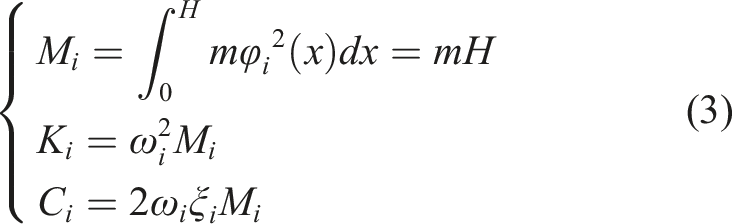
When subjected to seismic motions, the equivalent external loads and the ith modal force are expressed by Equations (4) and (5).



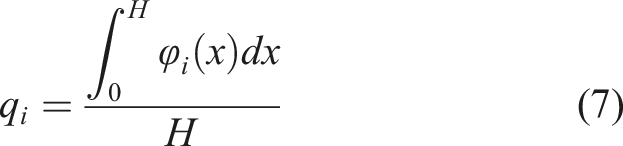
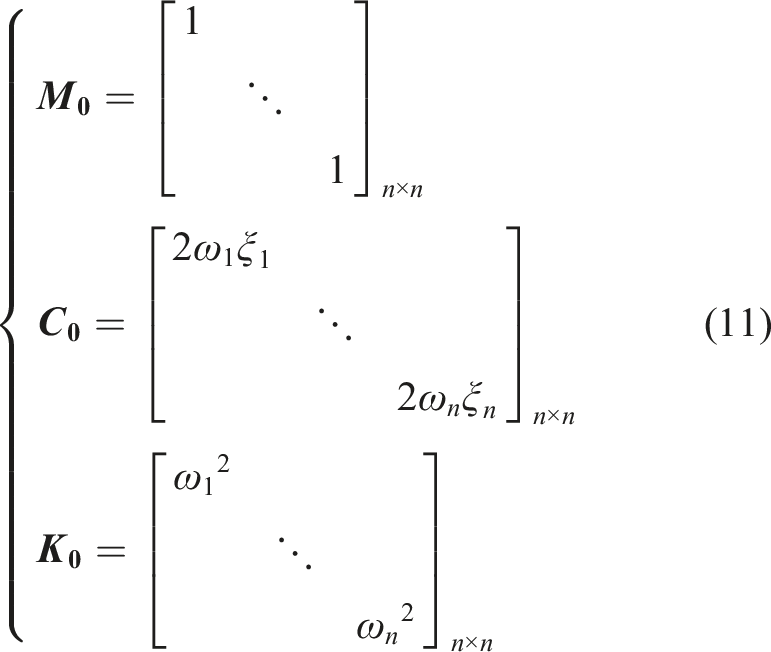
By combining the first n modal equations of motion, the simplified model of a core wall system is represented by Equations (8) through (11). Further details regarding this distributed-parameter model can be found in previous work by the authors (Jia et al., 2023).



Structures with TVMD, VD, and NSD outriggers
We assume that k pairs of damped outriggers are installed at the height of



Therefore, the ith modal equation of motion for a core wall equipped with k pairs of damped outriggers can be formulated as Equation (15).

The damper force Mechanical models for the core wall equipped with damped outriggers. (a) VD outriggers. (b) NSD outriggers. (c) TVMD outriggers. Derivation for damped outrigger force.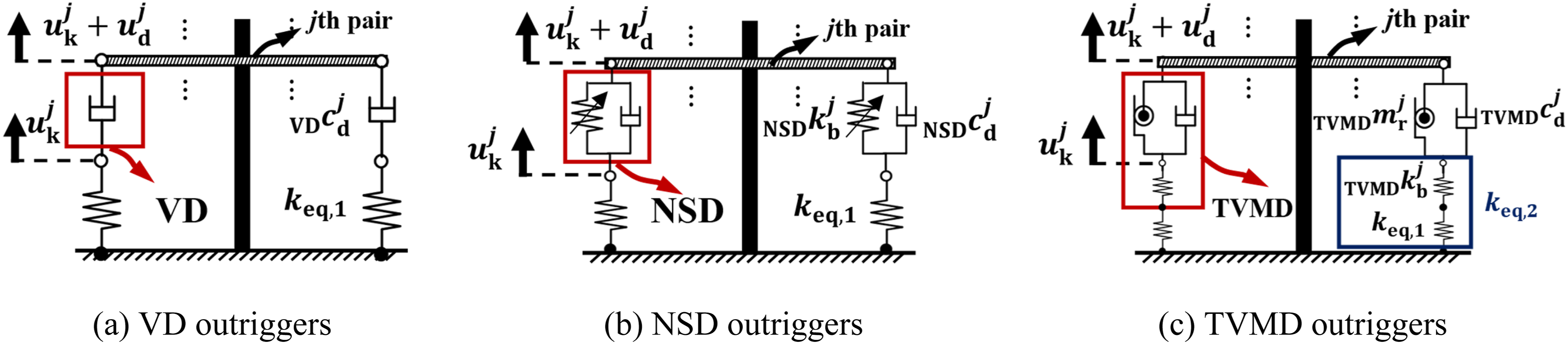
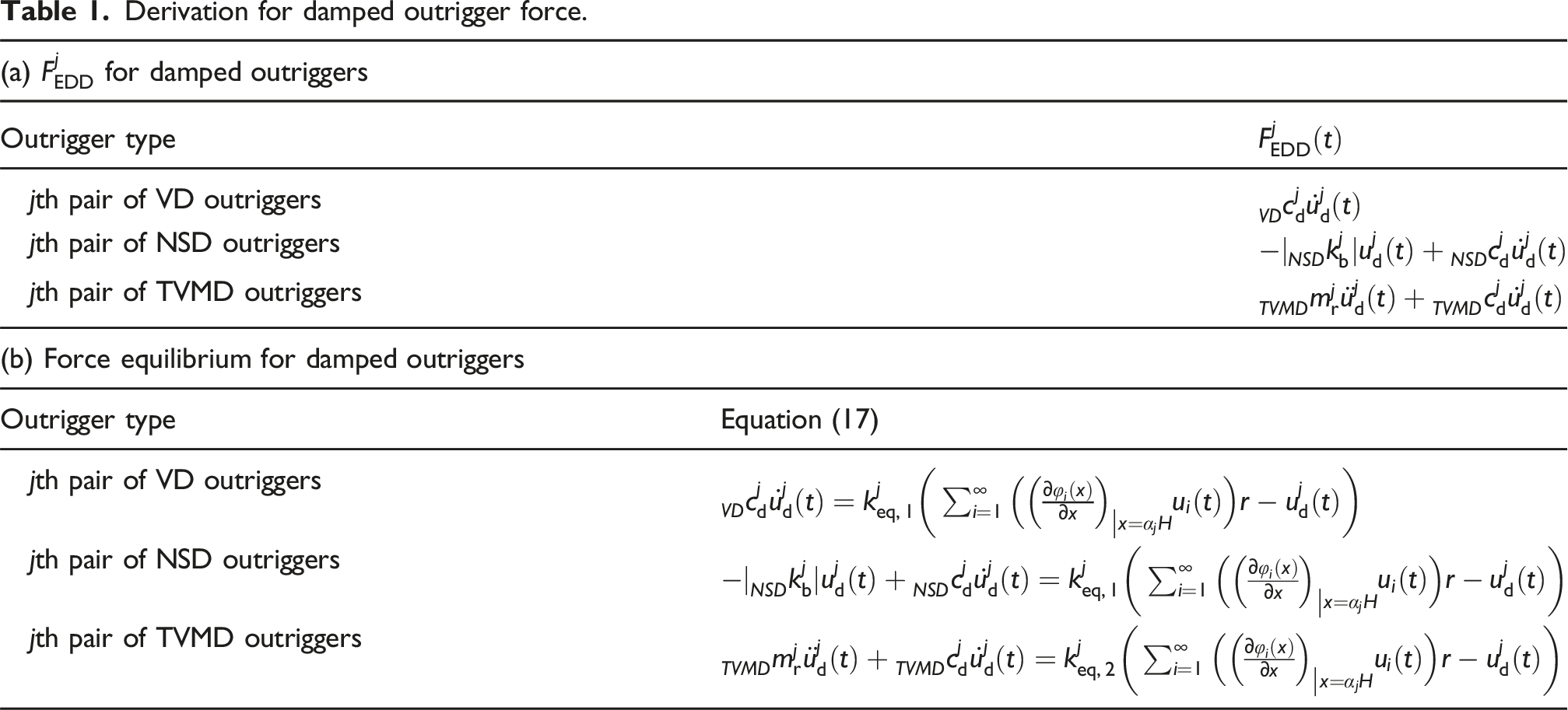
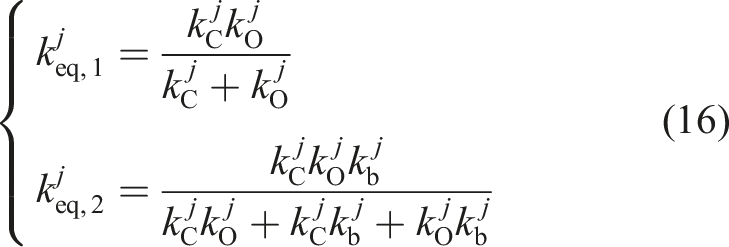
The force equilibrium between the EDD and the equivalent springs can be expressed by 



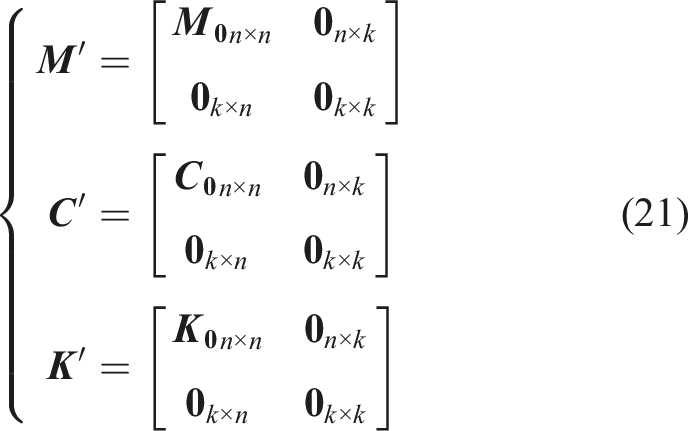
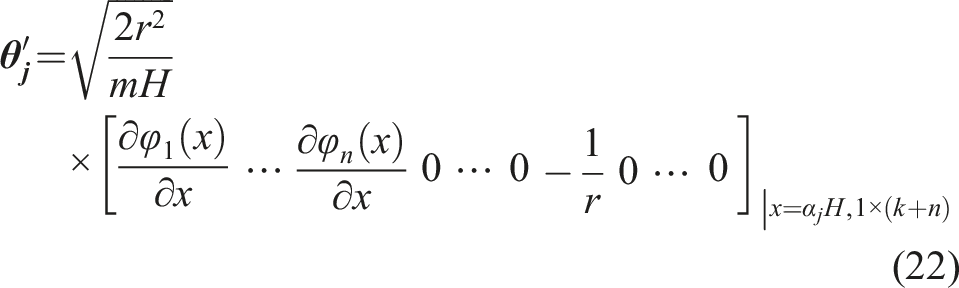

Additional matrices of damped outriggers.

Equivalent stiffness and damping coefficient of TVMD outrigger system
This section proposes an equivalent Kelvin–Voigt model for representing the TVMD outrigger system, which consists of frequency-dependent equivalent stiffness and damping. The term “equivalent” here indicates that the force-displacement response of the Kelvin-Voigt model is equal to that of the TVMD outrigger under dynamic excitation. Besides, the authors’ prior research (Jia et al., 2023) has demonstrated that the installation of TVMD outriggers nearly does not change the mode shape of uncontrolled structure. Therefore, the mode shape of uncontrolled structure is used in the subsequent derivations. Assuming that the ith modal coordinate 
We then substitute the following dimensionless parameters: 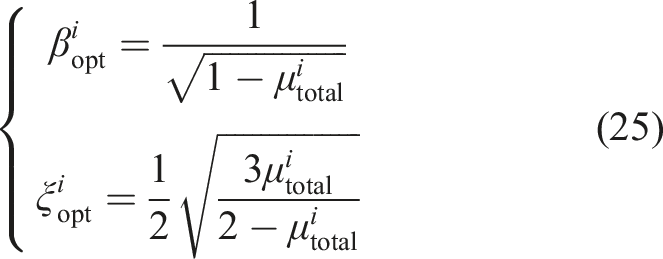

Substituting Equation (26) into the force of the jth pair of TVMD outriggers 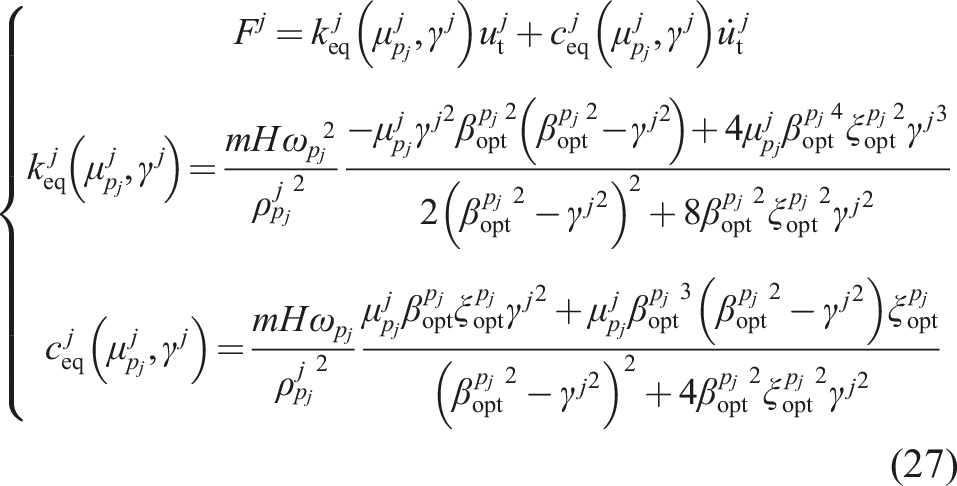
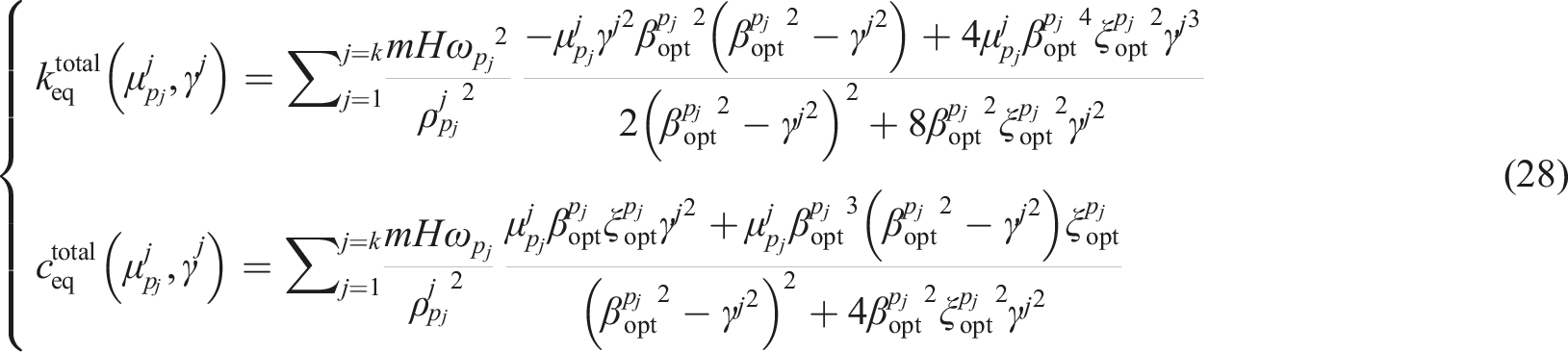
Seismic control mechanism of TVMD outriggers
Equivalent parameter curves
For a core wall system equipped with one pair of TVMD outriggers tuned to the pth mode, the supplemental equivalent stiffness 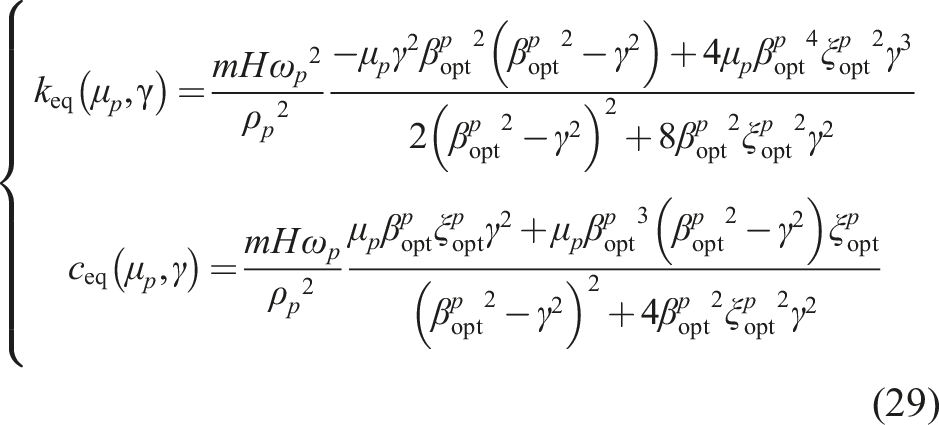
Figure 4(a) and (b) present the relationships between equivalent parameters ( Relationship between equivalent parameters with 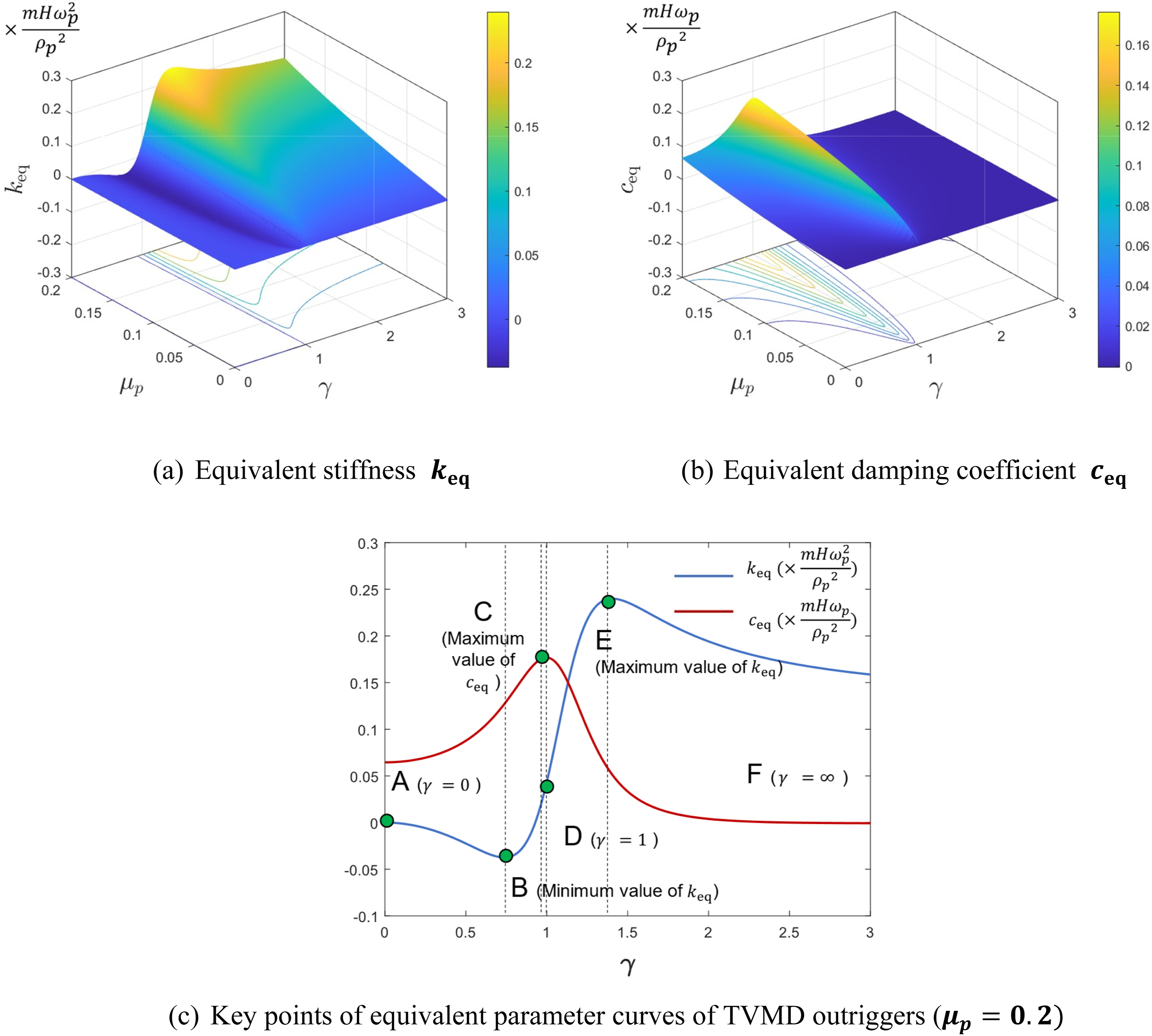
Key point values of the equivalent parameter curves of TVMD outriggers.
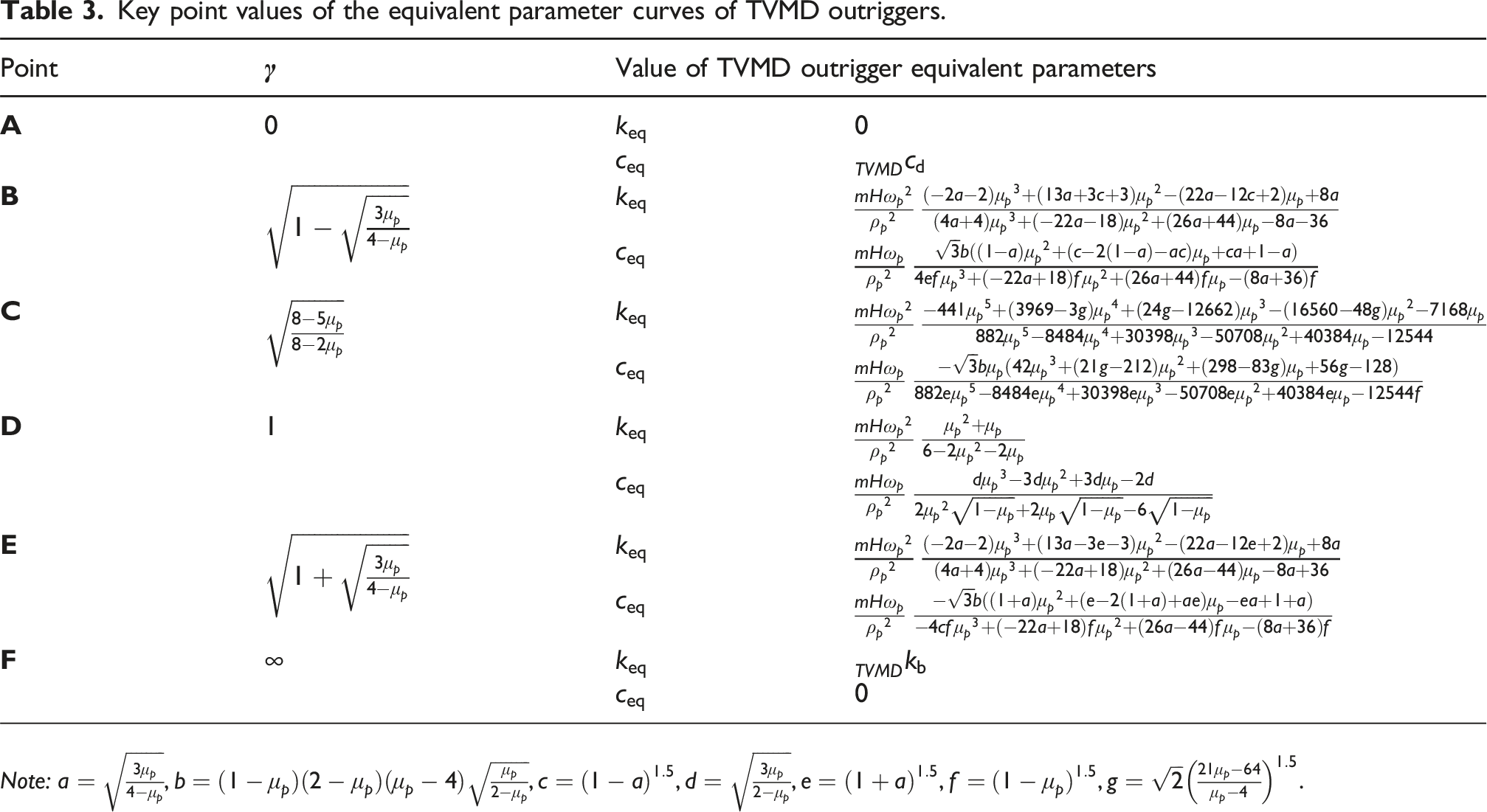
Note:
Figure 5 presents the transfer functions from TVMD outrigger total displacement Transfer functions of TVMD outriggers. Hysteretic curves of TVMD outrigger components and equivalent parameters. (a) Case 1 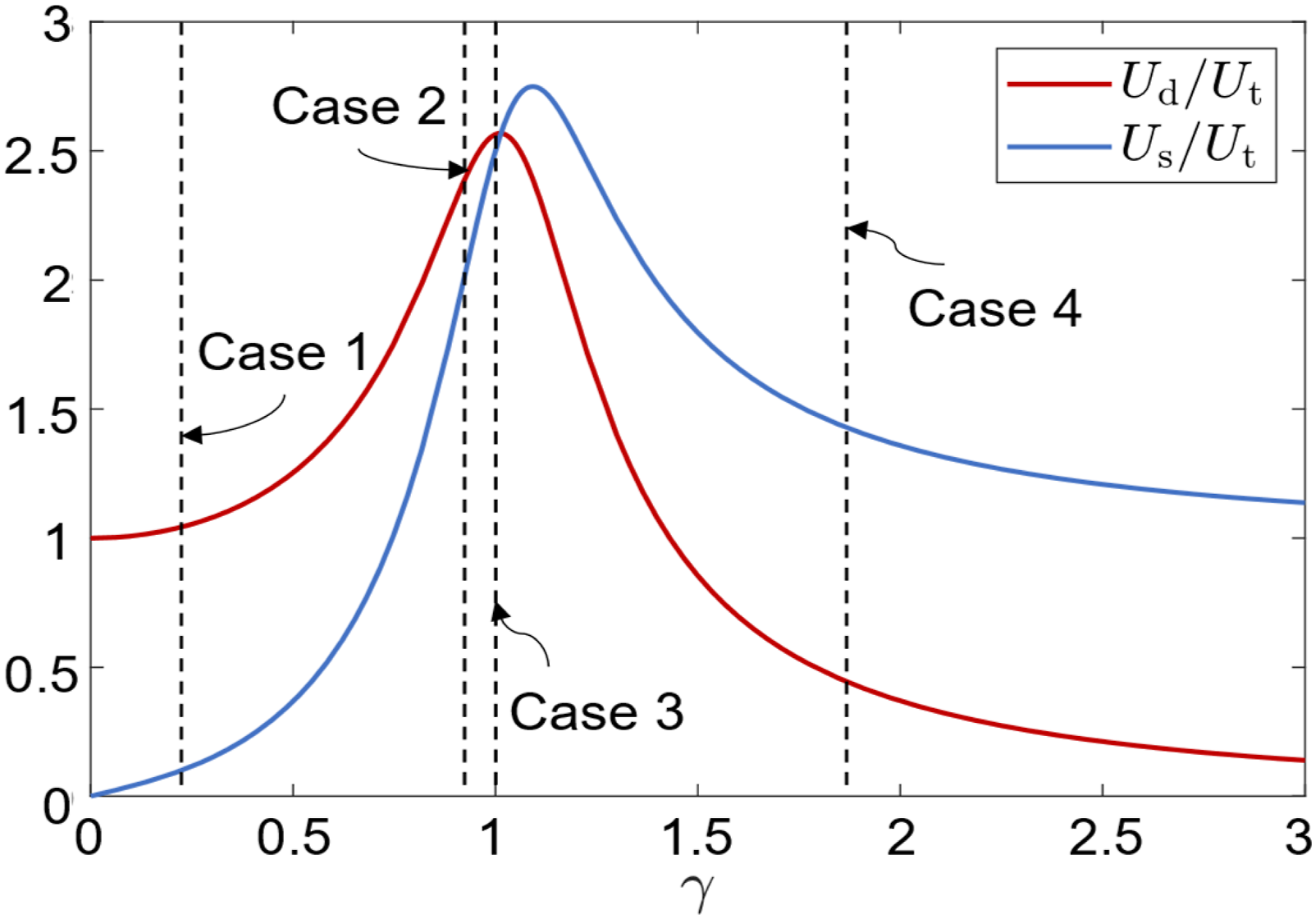
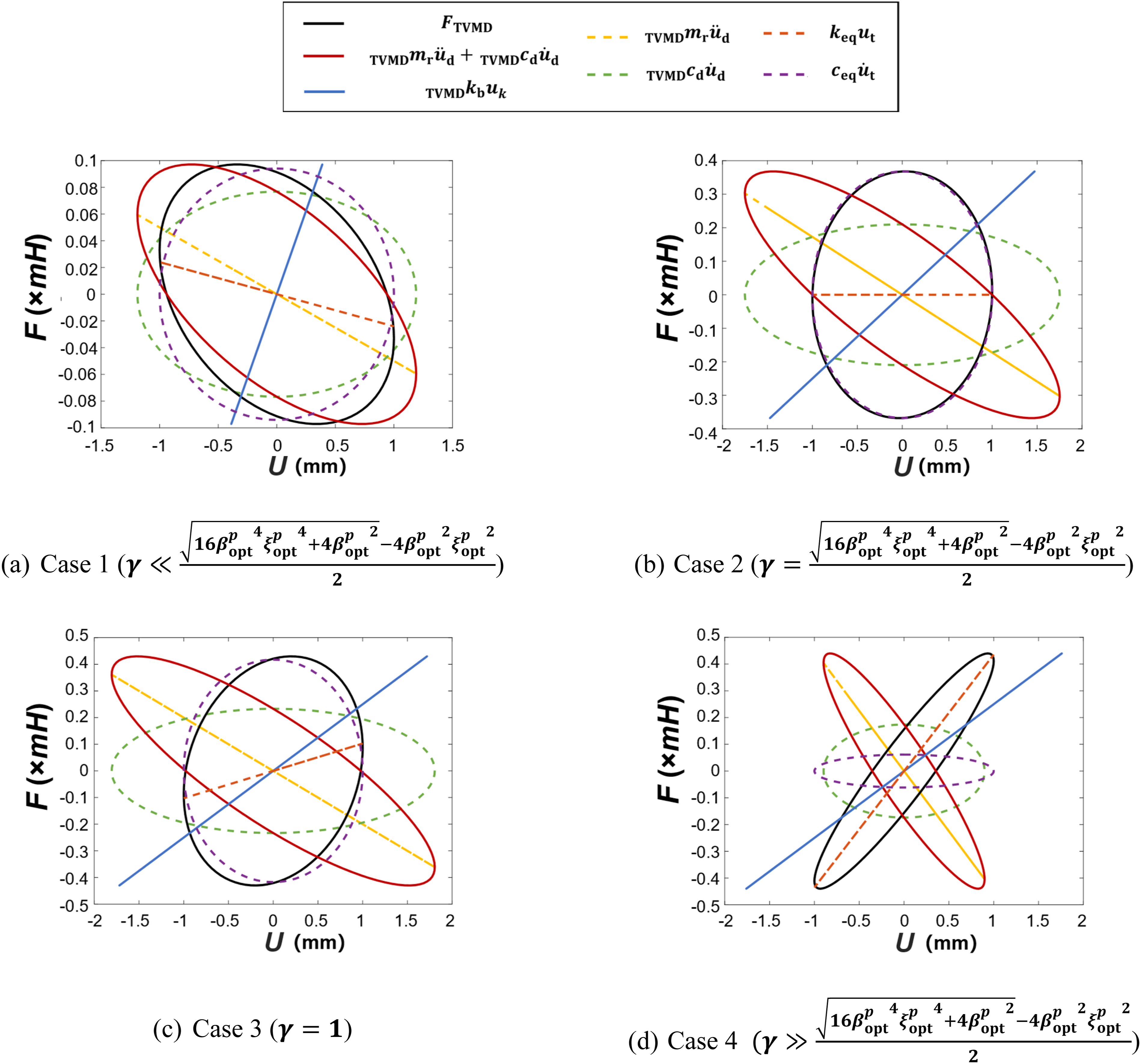
In summary, near the tuning frequency, the anti-phase motion between the spring and the VMD becomes most pronounced (Figure 6(c)). Correspondingly, the equivalent damping of TVMD outriggers attains its maximum (see Figure 4(c)), which enables significant suppression of the tuning frequency vibration. Under low-frequency vibration, the VMD displacement dominates the TVMD total displacement (Figure 6(a)). The VMD’s cyclic responses with large magnitude supply additional damping to low-frequency vibration. Under high-frequency vibration, the equivalent damping is close to 0 (see Figure 4(c)), rendering the TVMD outrigger ineffective in controlling high-frequency vibration.
Control contribution of equivalent parameters
To further investigate the control contribution of equivalent parameters, a 140-m tall core wall-frame structure is considered as a case study. One pair of TVMD outriggers with an inertance ratio of 0.05 is tuned to the structural second mode. More detailed information about this 140-m structure can be found in ‘Prototype structure and structural design' section. Figure 7(a) and (b) present transfer functions from base acceleration to structural displacement and acceleration at the top floor, which are calculated using the proposed simplified model. The transfer functions clearly reveal the tuning effect for target mode (i.e., second mode) and damping supplement effect for lower-order mode (i.e., first mode). It should be emphasized that this observed control mechanism stems from the inherent dynamic characteristics of the TVMD itself (Ji et al., 2020; Jia et al., 2023). Besides, the TVMD outriggers exhibit negligible control effectiveness for higher-order modes. For scenarios requiring simultaneous control across a broader frequency range (including higher modes), alternative strategies such as the frequency-independent outrigger system proposed by Wang et al. (2023) may be considered. It should be noted that the control effectiveness of TVMD outrigger is related to its location and structural mode shapes. For instance, when a TVMD outrigger is situated at a floor corresponding to the stationary point of one mode shape, it cannot provide control forces to this specific mode. Transfer functions of a high-rise building structure. (a) From base acceleration to structural top displacement. (b) From base acceleration to structural top acceleration. 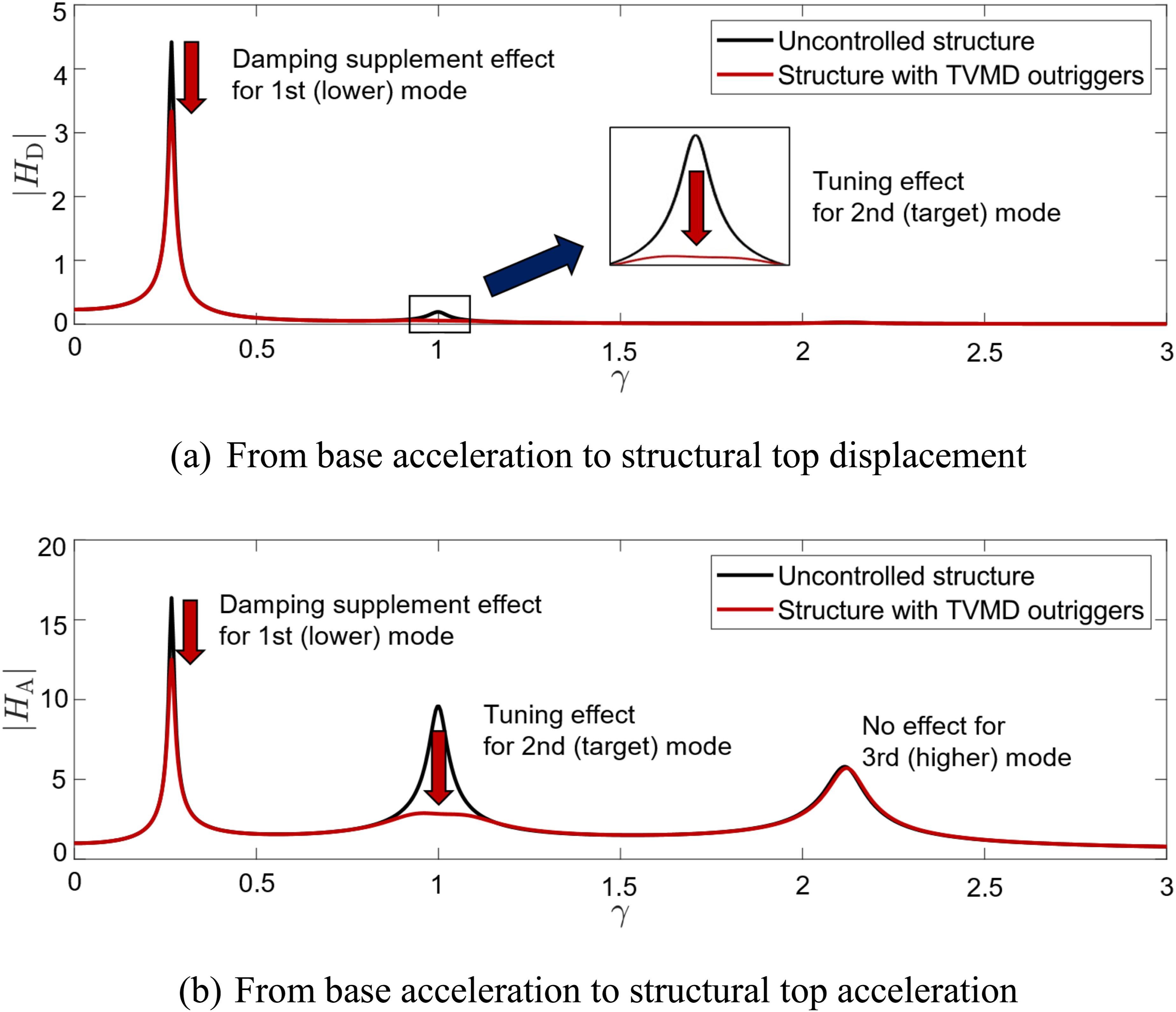
Using Equation (29), the equivalent stiffness and damping of the TVMD outriggers are calculated for this case study. The transfer functions from base acceleration to top floor acceleration are calculated using these equivalent parameters for three configurations: considering only the equivalent stiffness (blue line), only the equivalent damping (green line), and both parameters simultaneously (red line), as presented in Figure 8(a). The modal peak values are identified by solid dots. The equivalent damping, Control contribution of equivalent parameters. (a) Transfer functions of structures with separately considered equivalent parameters. (Note: solid dots denote modal peak values of transfer function, and dashed vertical lines indicate modal frequencies). (b) Equivalent stiffness and damping-frequency curves for 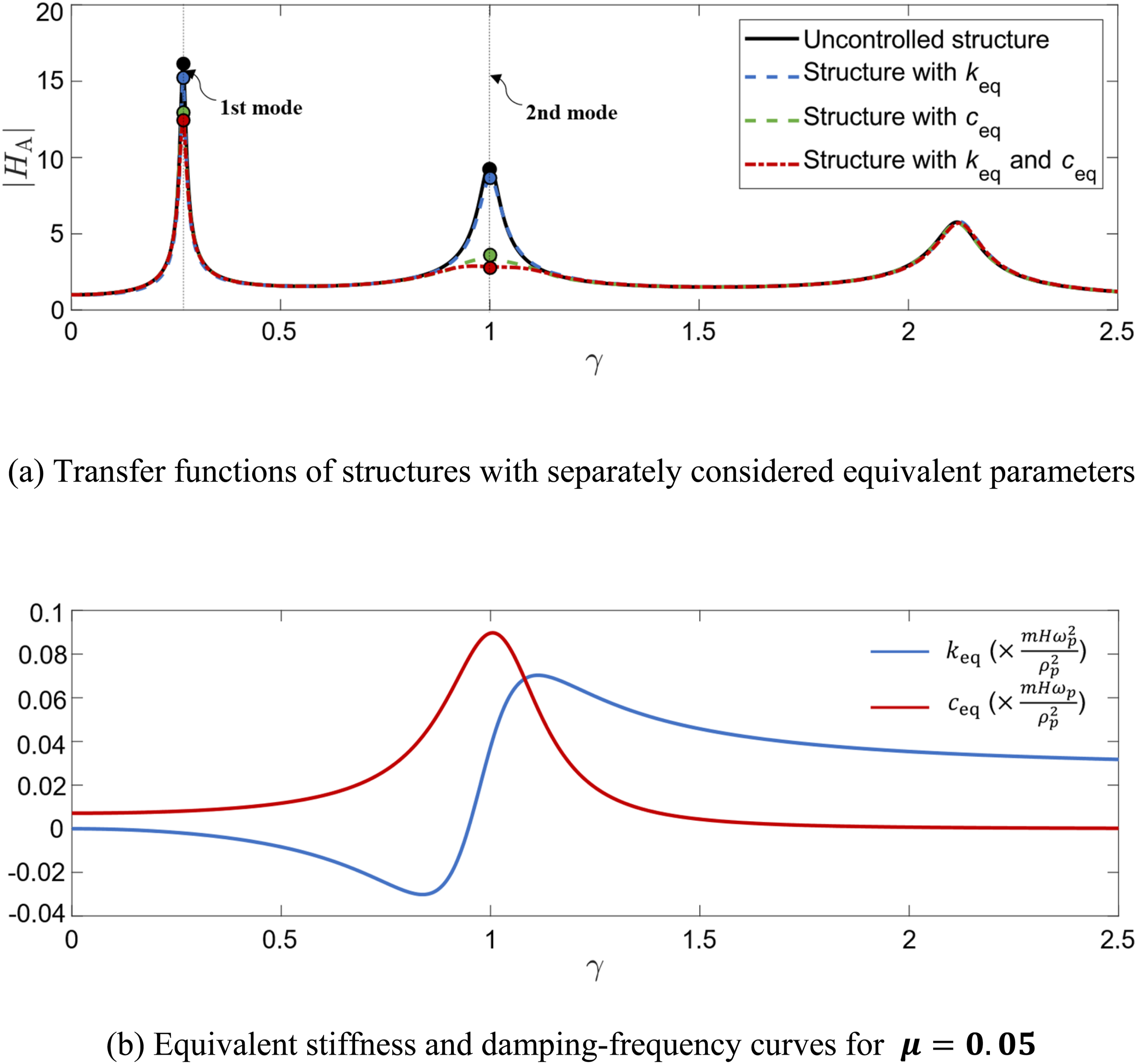
The TVMD outriggers exhibit negative equivalent stiffness in the low-frequency range (
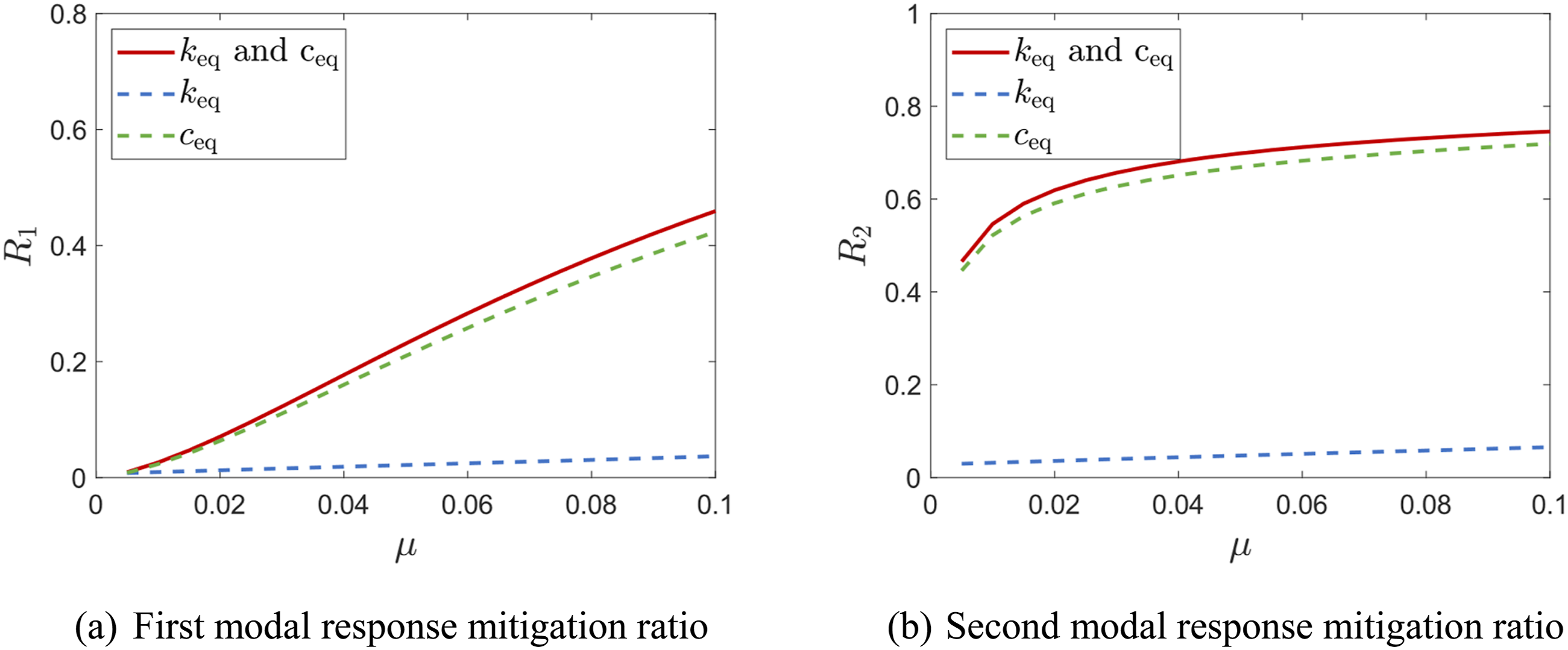
To quantitatively investigate the control contribution of equivalent stiffness and damping of TVMD outriggers, this study defines a modal response mitigation ratio, as expressed in Equation (30). This ratio represents the proportional reduction in the ith modal peak value of transfer functions for the structure with equivalent parameters compared to the uncontrolled structure. Figure 9 presents the mitigation ratios for the first two modal acceleration responses within an inertance ratio range of [0, 0.1]. The results align consistently with the conclusions drawn from the transfer function analysis in Figure 8. Over the examined inertance ratio range, the contribution of equivalent damping to the control effect of the TVMD outrigger consistently exceeds 90%. Modal response mitigation ratios of TVMD outriggers. (a) First modal response mitigation ratio. (b) Second modal response mitigation ratio.
Comparison of the seismic control performance of damped outriggers
Prototype structure and structural design
A prototype structure located in Beijing was selected as a case study. The building site had a peak ground acceleration of 0.2 g for a design basis earthquake (DBE, with a 10% probability of exceedance in 50 years) and a characteristic site period of 0.55 s. The building adopted a reinforced concrete (RC) core wall-frame system. As displayed in Figure 10(a), the first three floors had story heights of 5 m, 4.5 m, and 4.5 m, respectively, and other floors had a story height of 4.2 m, resulting in a total structural height of 140 m. The building structure had a plan measuring 40.8 m × 30.6 m, with a 16 m × 12 m core wall at its center (see Figure 10(b)). Prototype building. (a) Elevation view. (b) Plan view.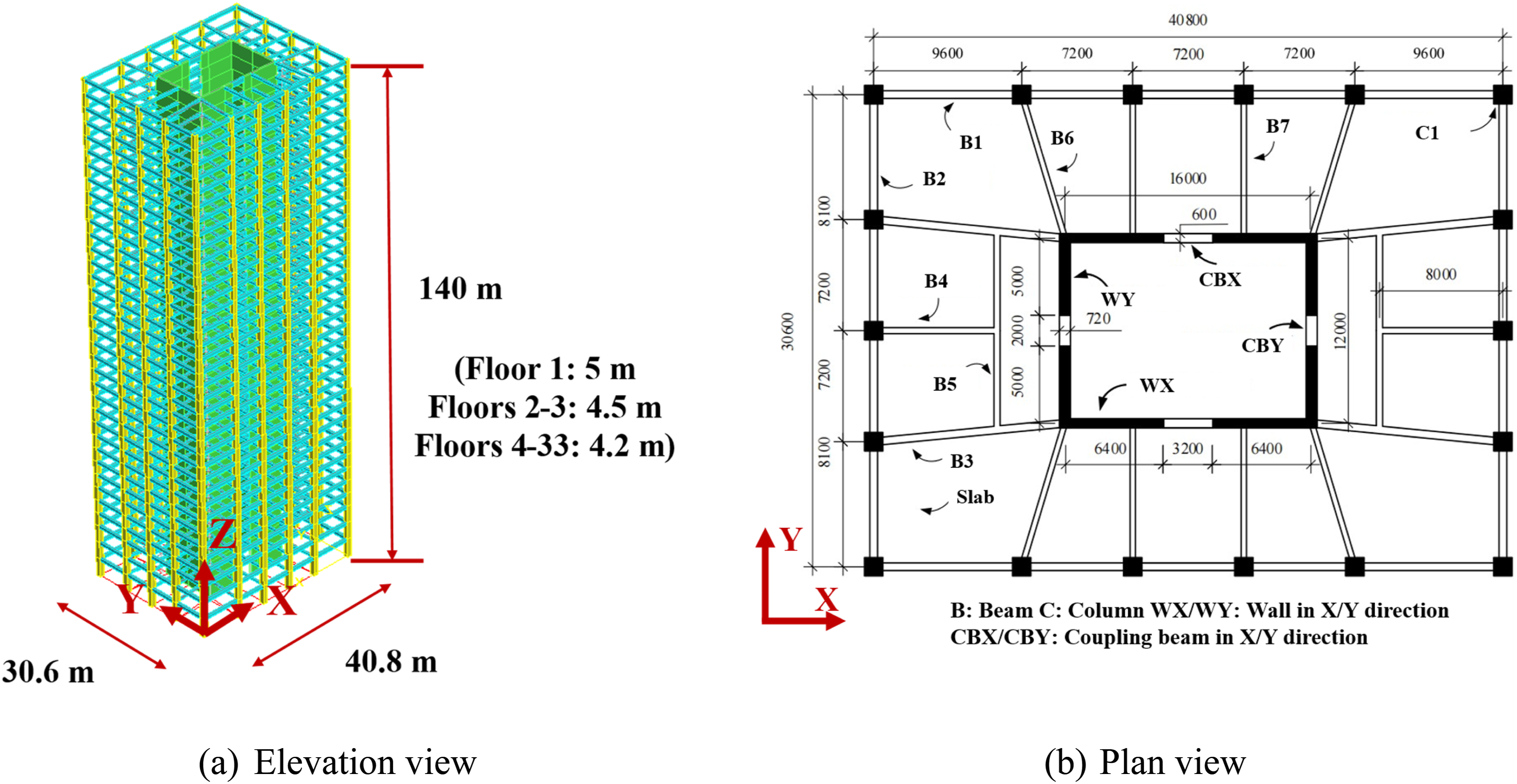
Material and member size of prototype building.
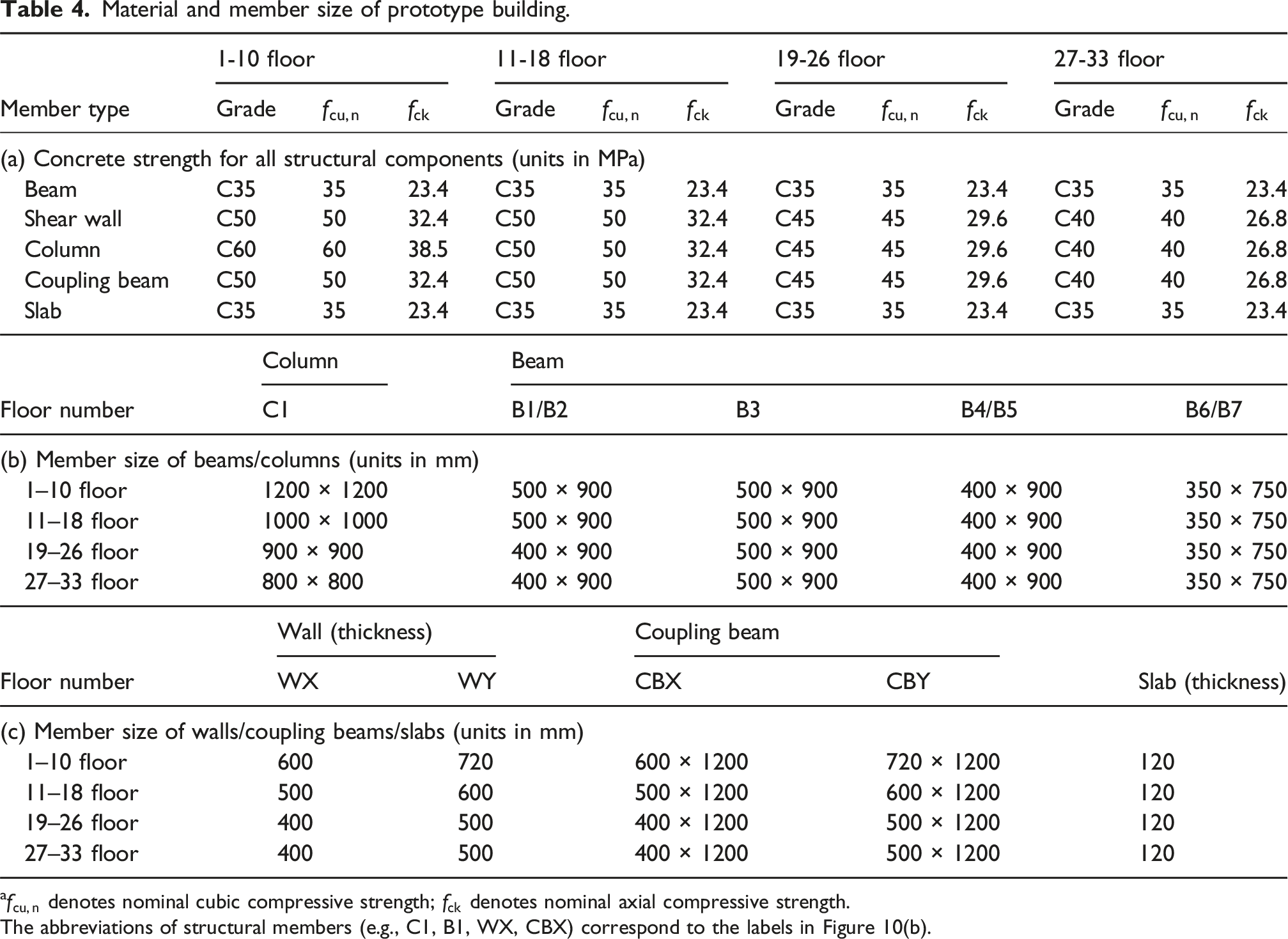
a
The abbreviations of structural members (e.g., C1, B1, WX, CBX) correspond to the labels in Figure 10(b).
The structure was designed according to the Chinese code for the seismic design of buildings (GB 50011-2010) (CMC, 2010b) and Chinese technical specifications for the concrete structures of tall buildings (JGJ 3-2010) (CMC, 2010a). Linear response spectrum analysis of a three-dimensional structural model was performed to determine the design forces of the structural components and the deformation of the structure under a service level earthquake (SLE, with a probability of exceedance of 63% in 50 years) with a peak ground acceleration (PGA) of 0.07 g. The first three natural periods of the building were 3.33 s, 2.68 s, and 2.11 s, corresponding to the vibration modes of translation in the Y-direction (i.e., transverse direction), translation in the X-direction (i.e., longitudinal direction), and the torsional mode, respectively. Under SLE, the maximum inter-story drift ratios of the structure were calculated to be 1/1055 in the X-direction and 1/884 in the Y-direction, both below the upper limit of 1/800 required in GB 50011-2010 (CMC, 2010b).
TVMD outrigger design
The design of Y-directional TVMD outriggers is presented. As illustrated in Figure 11, the TVMD outriggers were positioned at the locations highlighted by red lines in the plan view. The outrigger trusses adopted Q420 (nominal yield strength = 420 MPa) steel with box sections. The chord members had cross-sectional dimensions of 500 × 500 × 60 × 60 (units in mm), while the diagonal members had cross-sectional dimensions of 500 × 500 × 50 × 50 (units in mm). The shear stiffness of outrigger trusses was calculated as 326 kN/mm. Placement of TVMD outriggers.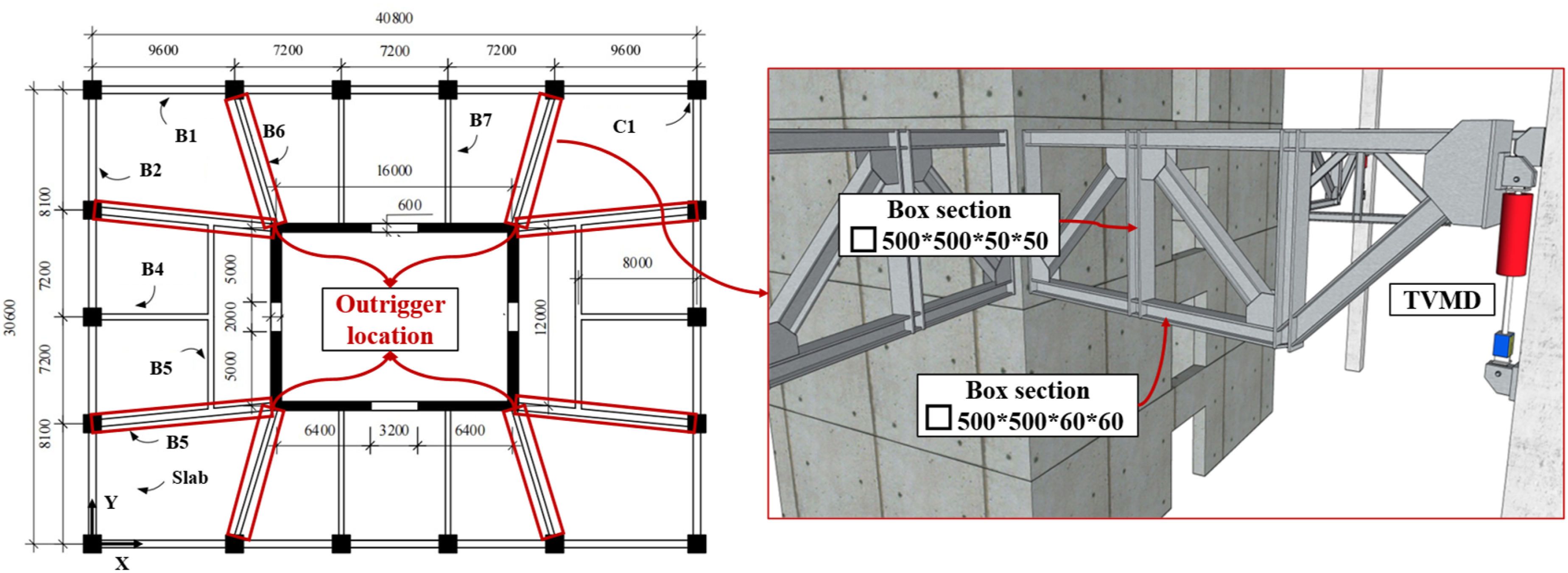
The process for designing TVMD outriggers was as follows: (1) Based on the prototype building, calculate the structural dynamic properties, including the modal frequency (2) Determine the number of damped outriggers k. Select the installation position of each damped outrigger (3) Based on fixed-point theory (Ikago et al., 2012b), calculate the ith modal optimal frequency ratio


For the jth pair of TVMD outriggers, the stiffness and damping coefficient are calculated using Equation (33).
Design parameters of TVMD outriggers.

OpenSees numerical model
A numerical model was developed in OpenSees to represent the prototype structure. For unconfined concrete, the Kent-Park model (Kent and Park, 1971) was adopted to define the uniaxial compressive stress-strain relationship. For confined concrete, the Saatcioglu-Razvi model (Saatcioglu and Razvi, 1992) was adopted. The Giuffré-Menegotto-Pinto model (OpenSees Wiki, nd) was utilized to represent the uniaxial stress-strain relationship of the steel reinforcement. The beams and columns were modeled using displacement-based beam-column elements. Multi-layer shell elements (Lu et al., 2015) were employed to model the shear walls. For each L-shaped wall panel at every story level, the element mesh was discretized into four divisions along the story height, eight divisions along the X-direction and six divisions along the Y-direction. The coupling beams were also modeled using the multi-layer shell elements, with a discretization scheme consisting of two elements along the height and three elements along the length. Additionally, the Rayleigh damping model was adopted, where the parameters were determined based on the assumption that the damping ratios of the first and third translational modes in the Y direction were equal to 0.025.
Seismic control performance comparison
A comparative analysis was performed to evaluate the seismic control performance of the three types of damped outriggers. A third-party tool named GimmeMCK, based on OpenSeesPy (Zhu et al., 2018), was adopted to extract the mass, stiffness, and damping matrices of the OpenSees FE model of uncontrolled structure. By combining these matrices of the uncontrolled structure with the additional matrices listed in Table 2, the mass, stiffness, and damping matrices of the structures equipped with damped outriggers were obtained. The seismic responses of high-rise buildings with damped outriggers were then calculated based on linear response spectrum analysis using MATLAB program. The design spectrum specified by the Chinese code (CMC, 2010b) was adopted and was scaled to the design basis earthquake (DBE). Modal responses were combined using the complex complete quadratic combination (CCQC) method (Ikago et al., 2010; Zhou and Yu, 2006). Note that a non-linear time history analysis in OpenSees demonstrated the structure considered in this study behaved in nearly elastic stage when subjected to seven DBE-level ground motions, with maximum inter-story drifts less than 0.32%. The non-linearity of the structure that may occur when subjected to strong seismic motions is not considered in this paper.
As illustrated in Figure 12, compared with the uncontrolled building, use of VD, NSD and TVMD outriggers led to reductions of 9.5%, 16.7%, and 26.2% in the maximum inter-story drift ratio, and reductions of 12.4%, 18.0%, and 27.0% in the maximum floor acceleration, respectively. The control effectiveness of TVMD outriggers stems predominantly from its equivalent damping coefficient, as evidenced by the blue and cyan lines in Figure 12. Seismic responses of VD, NSD, and TVMD outriggers. (a) Inter-story drift ratio (%). (b) Floor acceleration (m/s2).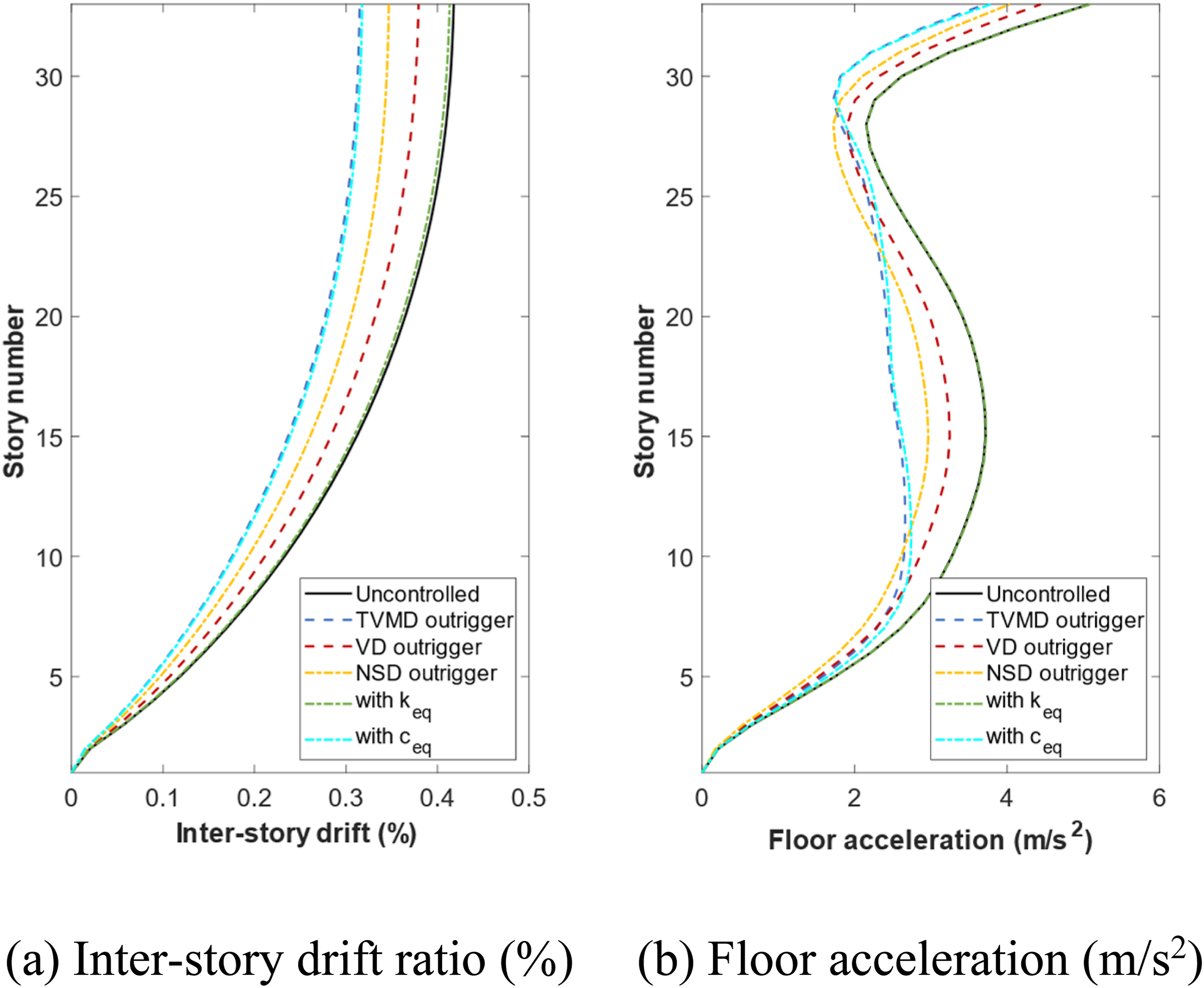
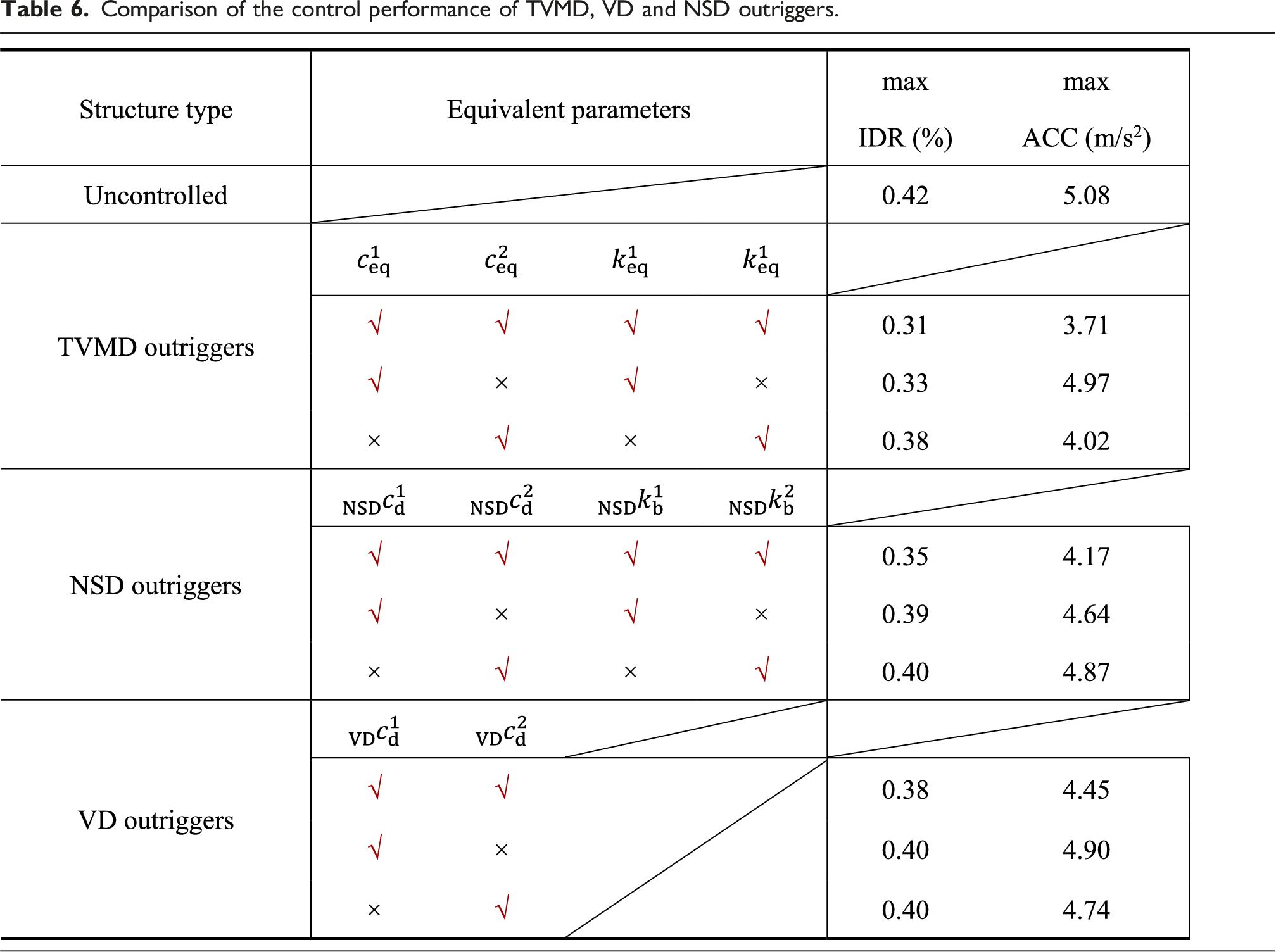
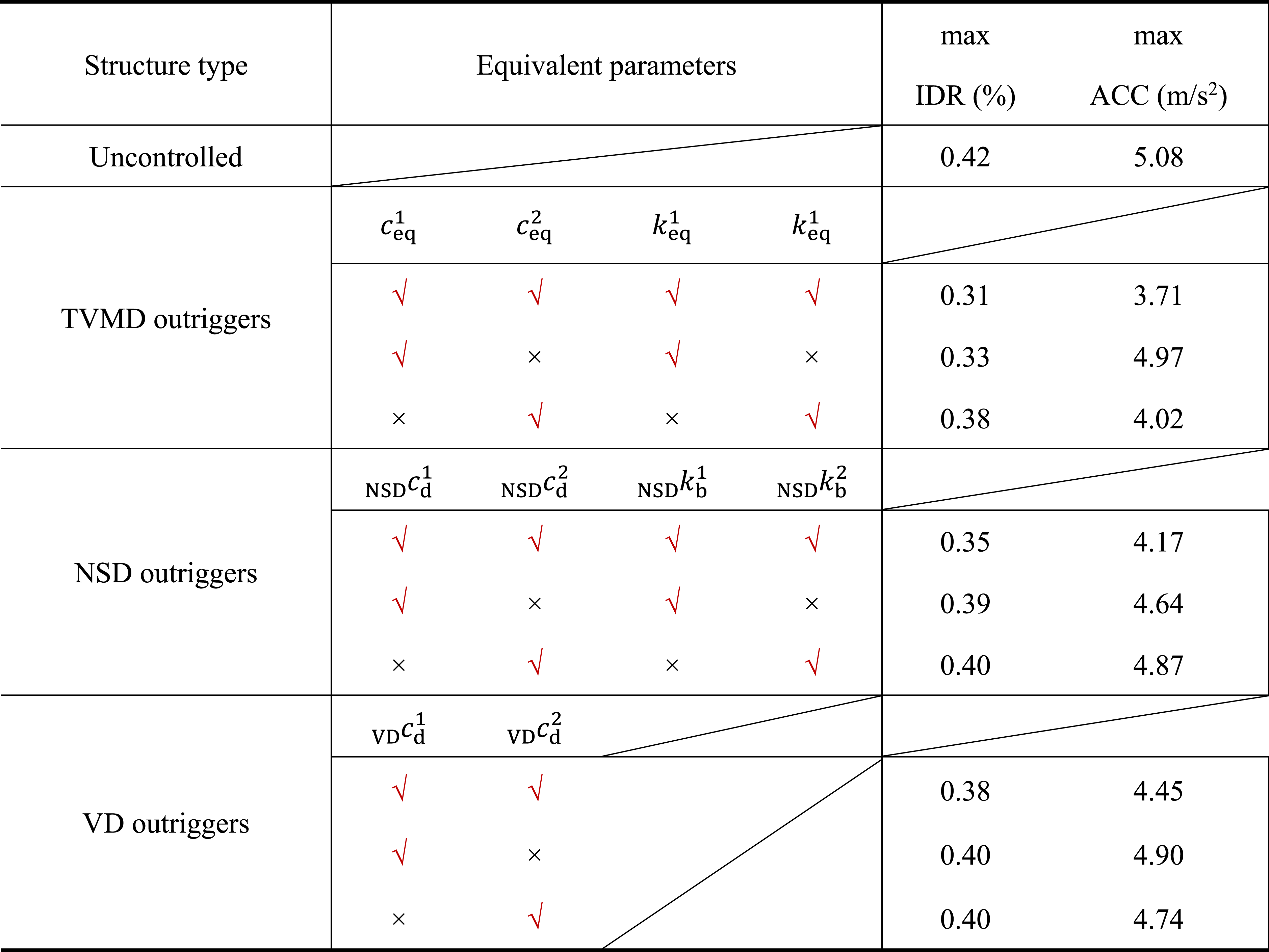
Table 6 presents the maximum inter-story drift ratio and floor acceleration of structures equipped with different damped outriggers. These include cases where the equivalent stiffness and equivalent damping of the TVMD outriggers were considered separately, as well as cases in which the first-mode tuning and second-mode tuning of the TVMD outriggers were individually considered. The following observations are obtained from Table 6. (1) For TVMD outriggers, first-mode tuning produced a substantial reduction in inter-story drift (a 22% decrease from 0.42% to 0.33%) but limited acceleration control due to second-mode dominance of acceleration responses. Second-modal tuning reduced accelerations by 21% (5.08 m/s2 to 4.02 m/s2), while maintaining a 10% inter-story drift reduction (0.42% to 0.38%) by providing additional damping for lower-order modes (i.e., first mode). (2) For NSD outriggers, implementation of negative stiffness ( (3) For VD outriggers, the vibration control relied entirely on supplementary damping for modal response mitigation across all vibration modes. Control performance comparison demonstrated inferior effectiveness relative to the TVMD outrigger system, exhibiting 19% and 17% smaller reductions in displacement and acceleration responses, respectively. Comparison of the control performance of TVMD, VD and NSD outriggers.
Conclusion
This study investigates the seismic control mechanism of tuned viscous mass damper (TVMD) outriggers. A Kelvin-Voigt model is proposed to represent the TVMD outrigger system, through which frequency-dependent equivalent stiffness and damping are quantitatively formulated. The dominant parameter governing the vibration control performance of TVMD outriggers is identified. An analysis of equivalent damping-frequency curves elucidates the control mechanism of TVMD outriggers. Finally, the seismic control performance of TVMD, viscous damper (VD), and negative stiffness damper (NSD) outriggers is compared based on a 140-m tall core wall-frame structure. The main findings are listed below. (1) Closed-form formulas for equivalent stiffness and damping coefficient of TVMD outriggers are derived based on a distributed-parameter model and are functions of inertance ratio and excitation frequency ratio. The relationships between equivalent parameters and excitation frequency ratio exhibited similar trends consistent across varying inertance ratios. (2) As the frequency increases, the equivalent stiffness transitions from negative to positive values and asymptotically decays to the spring stiffness of TVMD outriggers at infinite frequency. Simultaneously, the equivalent damping increases from the TVMD damping coefficient to a maximum value as the frequency increases from zero to the tuning frequency, and then asymptotically decays to zero along with the increasing frequency. The modal response mitigation ratio reveals that the equivalent damping plays a dominant role over the equivalent stiffness in the control mechanism. (3) An analysis of the equivalent damping-frequency curves elucidates the control mechanism of TVMD outriggers, i.e., tuning effect for the targeted mode and damping supplement effect for lower-order modes. Near the tuning frequency, the equivalent damping reaches its maximum value, leading to a substantial reduction of the targeted modal response. Under low-frequency excitation, the equivalent damping approaches the TVMD damping coefficient, which contributes to providing supplemental damping. (4) A case study of a 140-m tall core wall-frame structure demonstrates that the TVMD, VD and NSD outriggers reduce maximum inter-story drifts by 26%, 10%, and 17%, and decrease maximum floor accelerations by 27%, 12% and 18%, respectively. Due to the aforementioned seismic control mechanism of the TVMD outriggers and the damping amplification effect of the NSD outriggers, they achieve superior control performance compared to the VD outriggers.
Footnotes

Funding
The authors disclosed receipt of the following financial support for the research, authorship, and/or publication of this article: The work presented in this paper was supported by funding from the National Natural Science Foundation of China (Grant No. 52425808), Science Research Project of Hebei Education Department (Grant No. BJ2025196) and Hebei Natural Science Foundation (Grant No. E2025105058). The authors are sincerely grateful for this financial support.
Declaration of conflicting interests
The authors declared no potential conflicts of interest with respect to the research, authorship, and/or publication of this article.