




Abstract
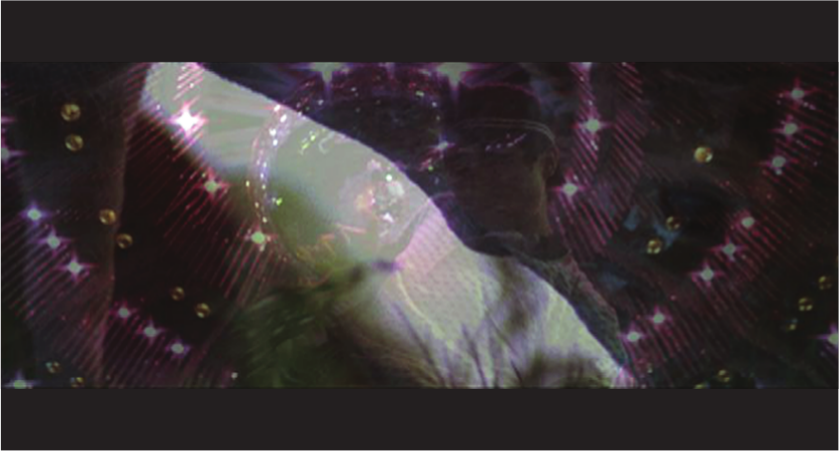
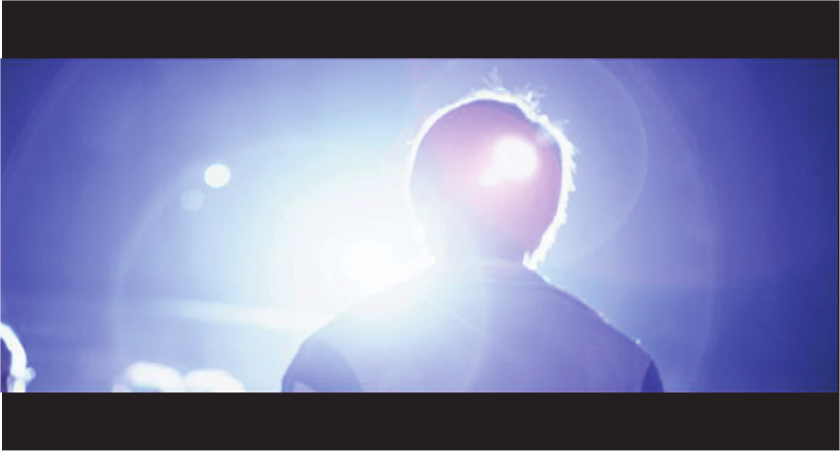
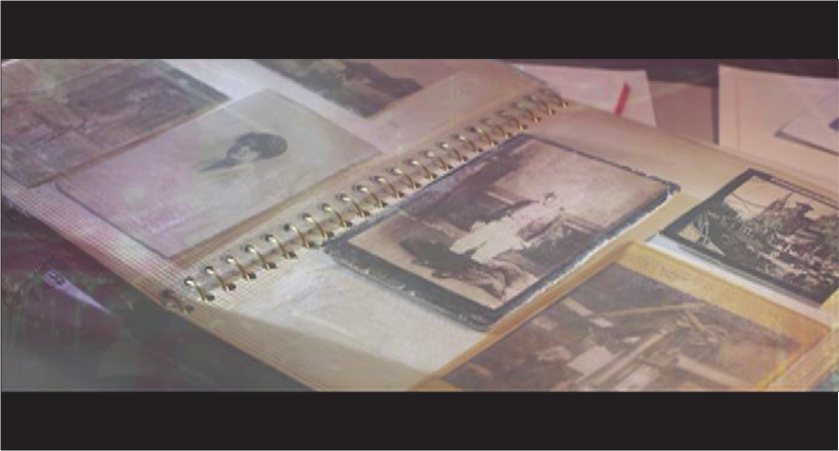
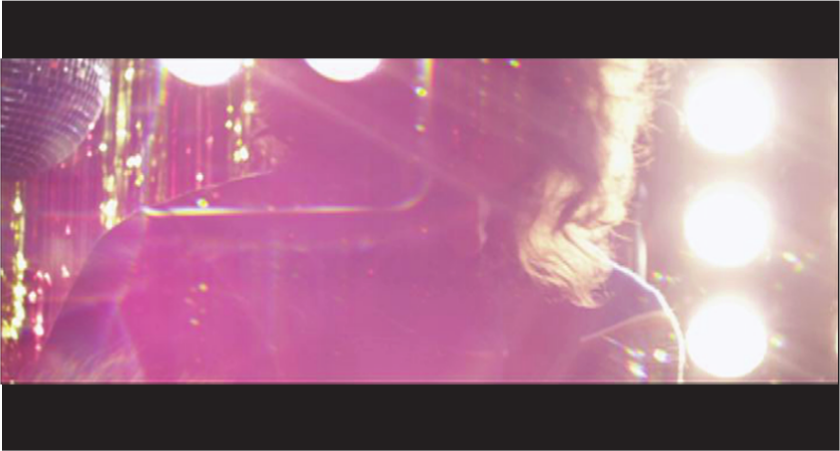
Over the summer of 2011, Shezad Dawood went into production on his first feature film: Piercing Brightness, in Preston, Lancashire, in the North-West of England, after two years of research in the city, and in wider networks and archives suggested by this initial research. Interested in any case in the interplay between existing and self-created archives, for the artist the project became a way to explore the hybrid and allegorical potential of overlapping different film and video formats and different sets of meanings. As an additional layer, and based on Dawood’s interest in how artist’s film was and might be read between cinema and gallery, Dawood also made two additional ‘cuts’ of Piercing Brightness: Trailer, a 15-minute version for gallery installation (that plays with the semantics of cinema, yet altering and transferring them to the gallery), and a special 40-minute version, only to be performed with a live score by Acid Mothers Temple, or Alexander Tucker’s Decompressed Orchestra (playing with Dawood’s interest in both expanded cinema and improvised music).
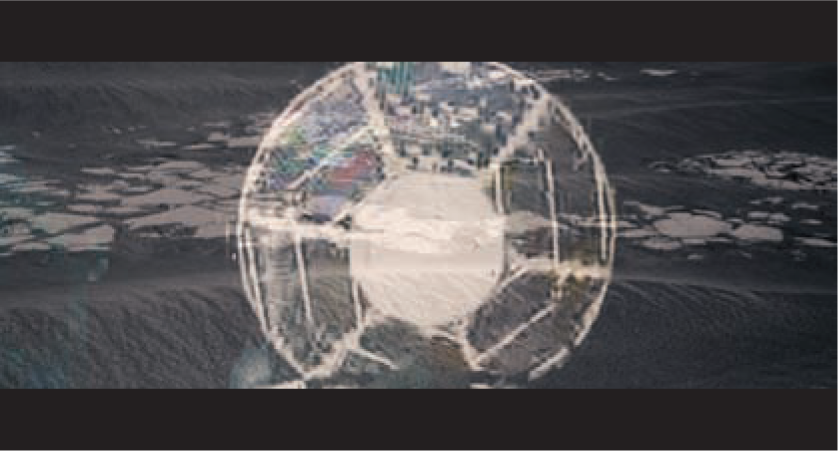
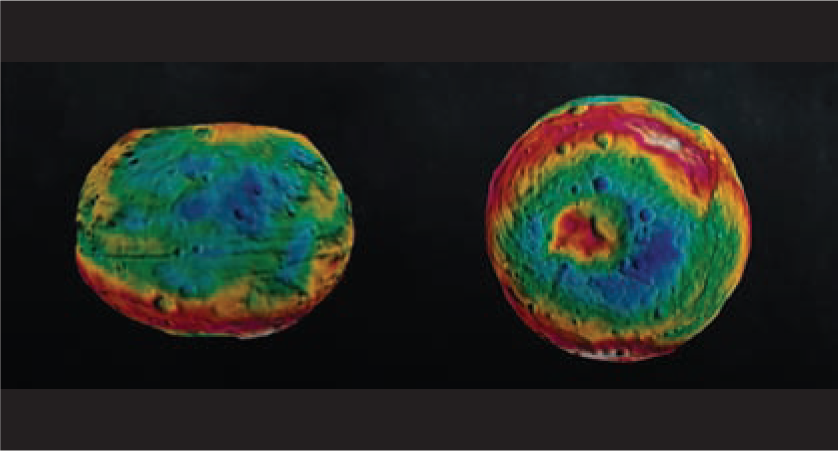
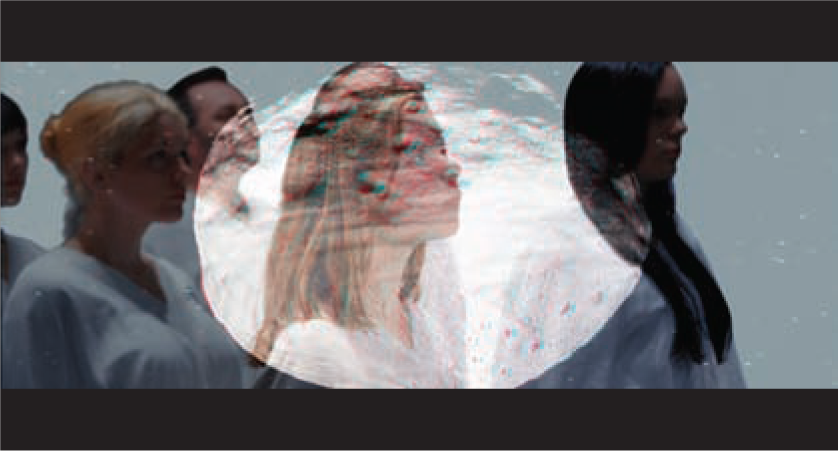
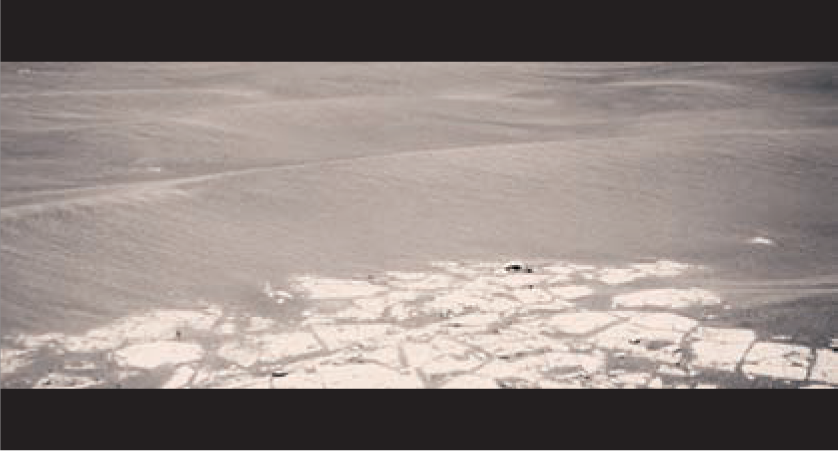
These approaches are further interrogated and discussed in the following dialogue between Dawood, and academic and art/film historian Mark Bartlett, who became a regular interlocutor of Dawood’s in the lead-up to and over the course of the production. Their ongoing conversation looks at the concept of an an-archive, in relation to Foucault’s citation of Borges: ‘alter-taxonomy’ in relation to the overarching schemata of Piercing Brightness, presented here as a series of image grids.
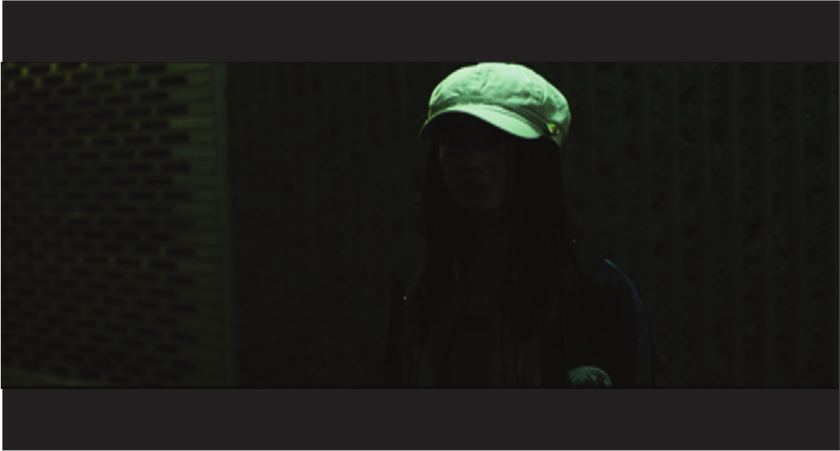
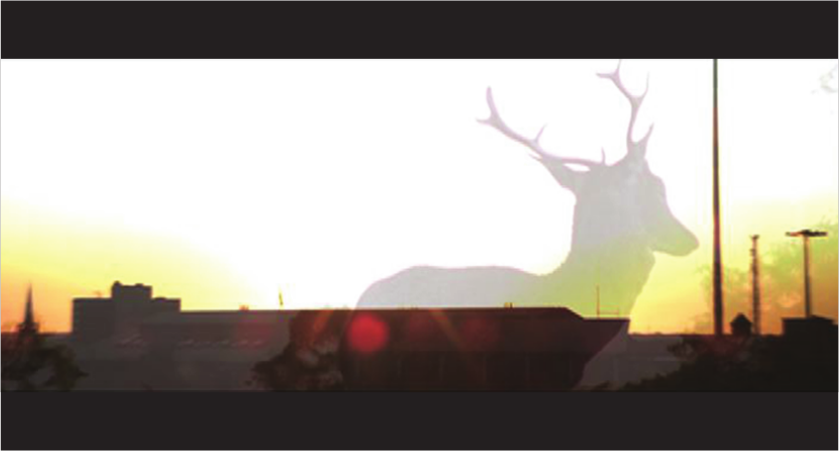
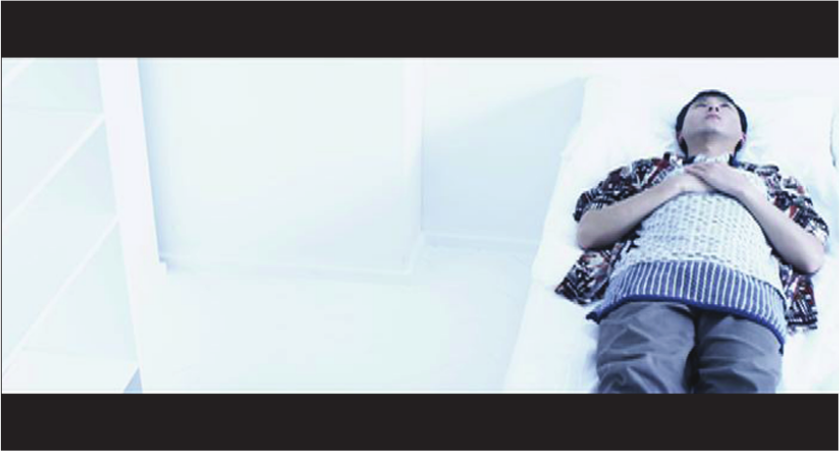
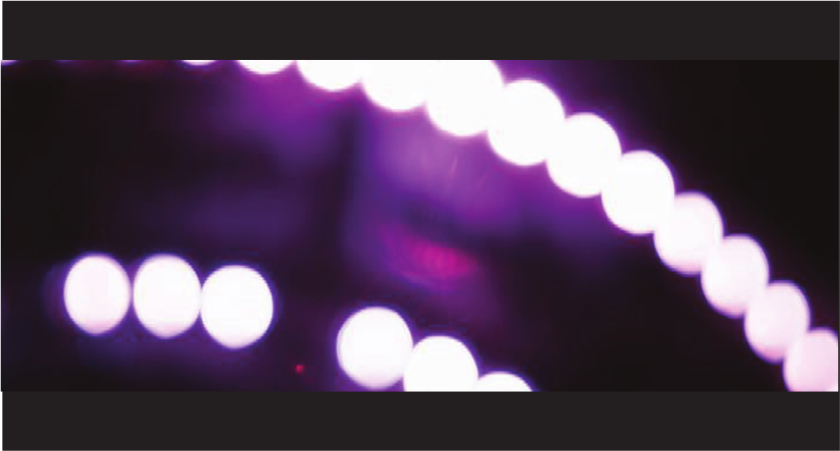








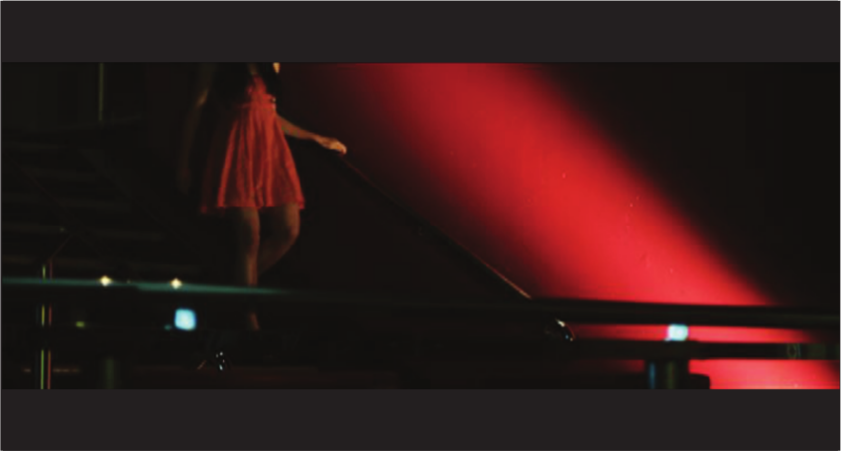
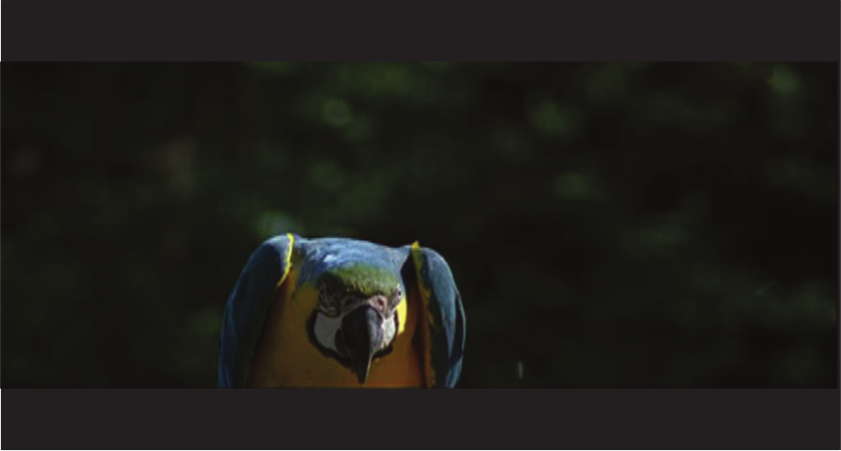
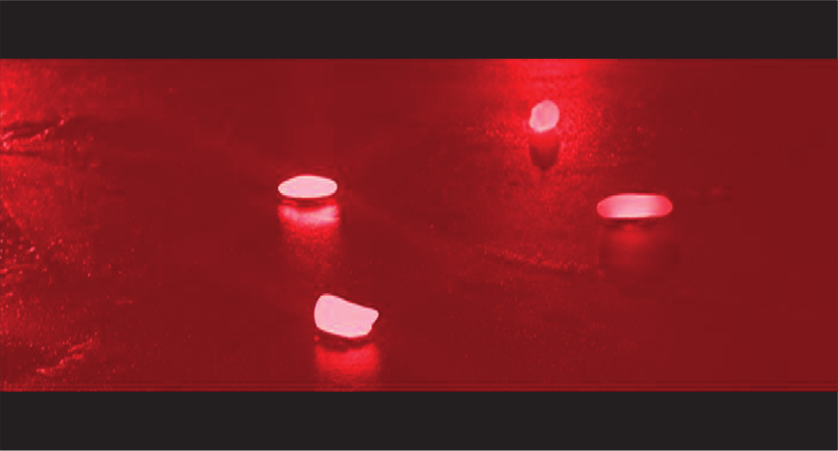


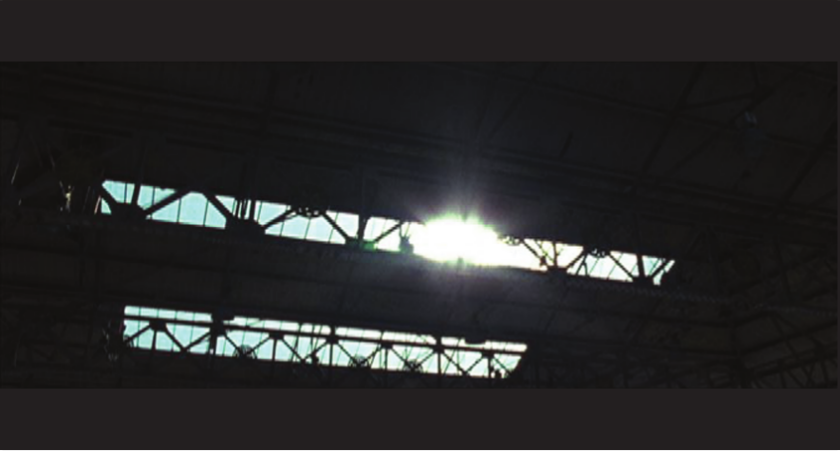
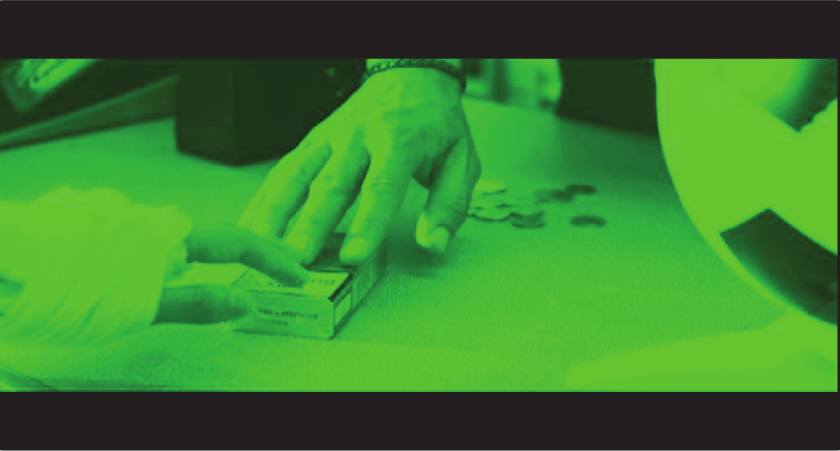
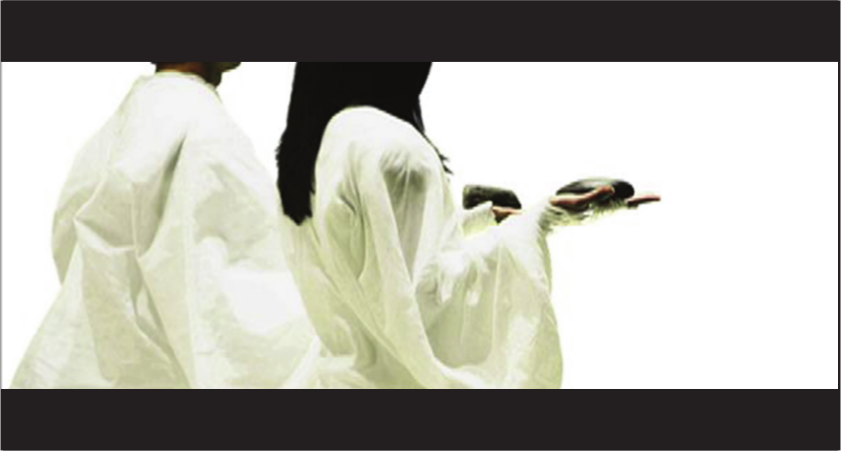
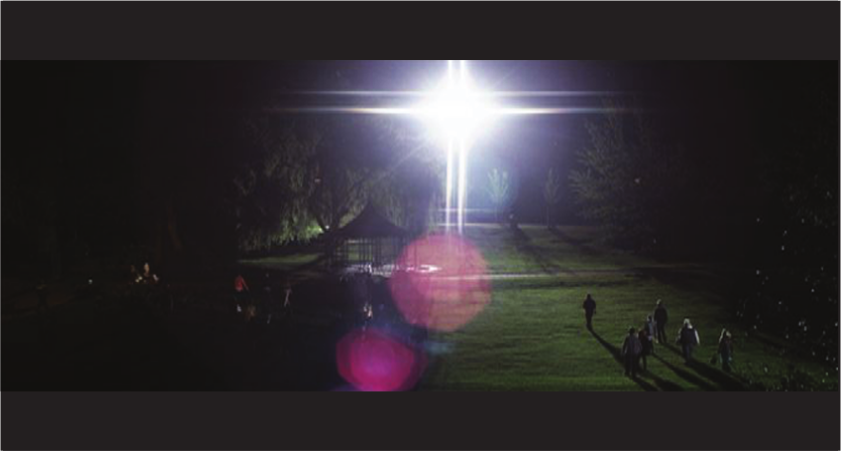


If traditional archives could be said to equate fixed bodies of knowledge, an intuitive or poetic activation of these fixed bodies of knowledge starts to open up the possibility of generating new knowledge. Rather than proposing a major leap, what I am suggesting is something more akin to cross-referencing methodologies in order to arrive at a more rigorous, comparative process, and necessarily a hybridised one.
For example, in the analysis of place that informed the research and text for my recent series of film projects in Preston, Lancashire (that exist under the umbrella title of Piercing Brightness), although I was interested in the historical photographic archive of the city (held by the Harris Museum & Art Gallery), that came much later. I was in the first instance drawn to Preston’s rich textile history, and in particular a set of historic fabric samples called ‘The Textile Manufactures of India’. Given to Preston in 1866, and containing over 700 fabrics, the 18-volume set acts as an archive of textile production in 19th-century India, but, perhaps more importantly, as a lexicon for cultural appropriation and assimilation of Indian patterns into the mills of the north of England. This act of appropriation and transformation into local production is what I am interested in: not just what an archive professes to be, but what it also reveals about the imperatives, historical or otherwise, that informed its creation.
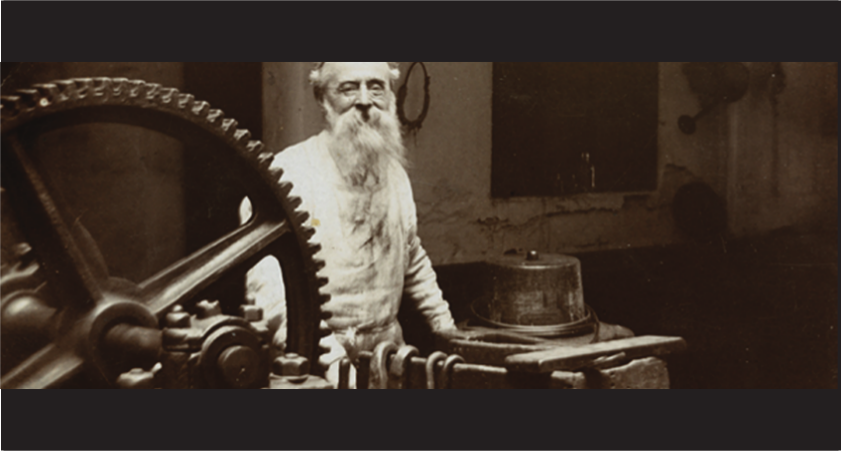
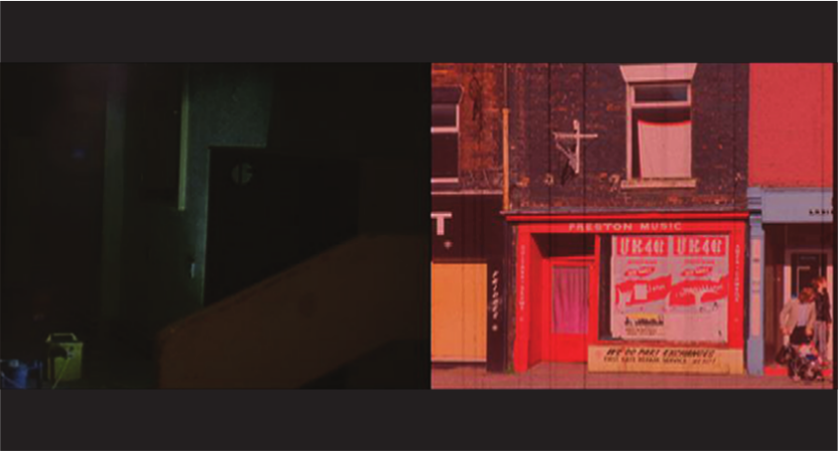
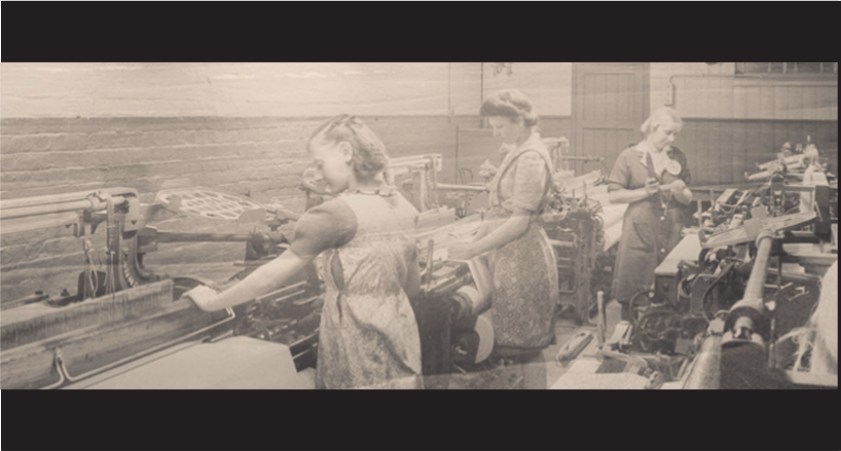
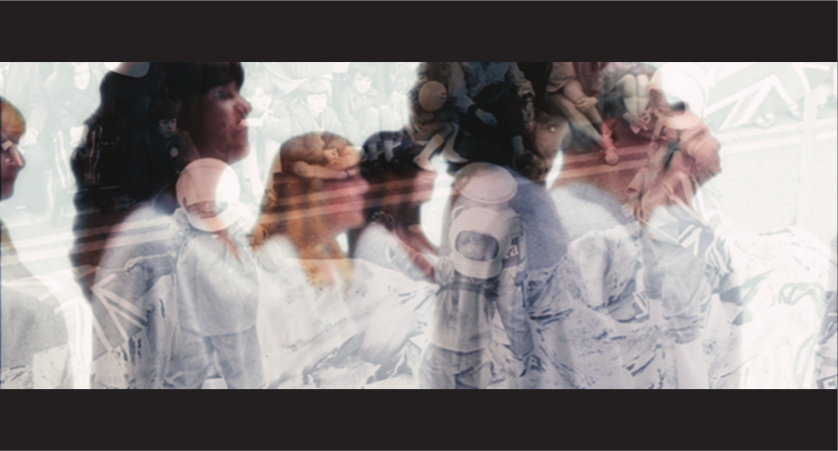
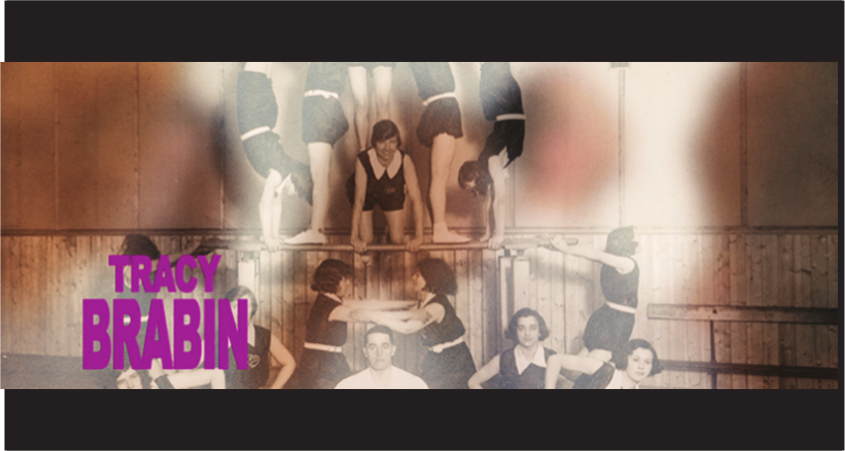
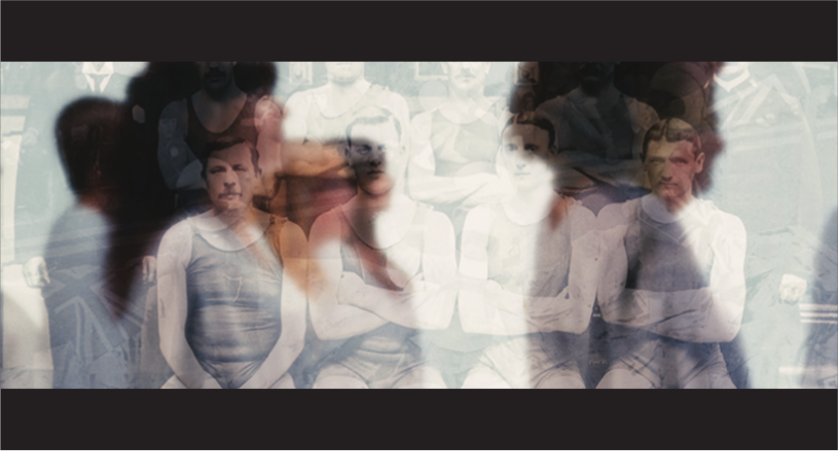
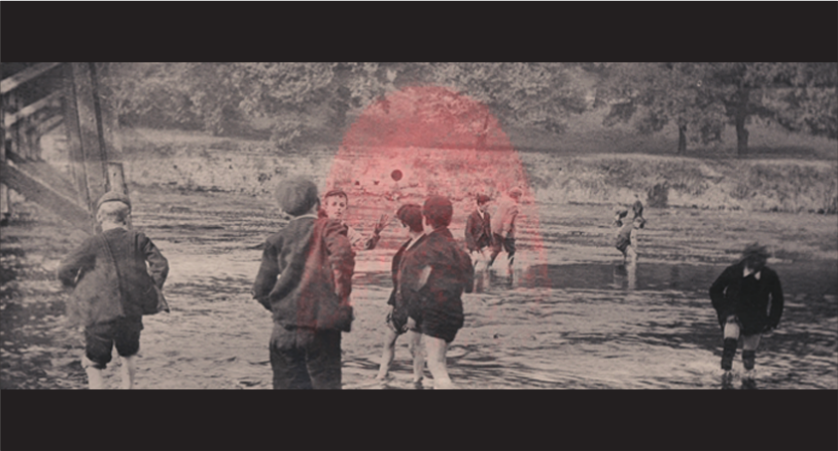
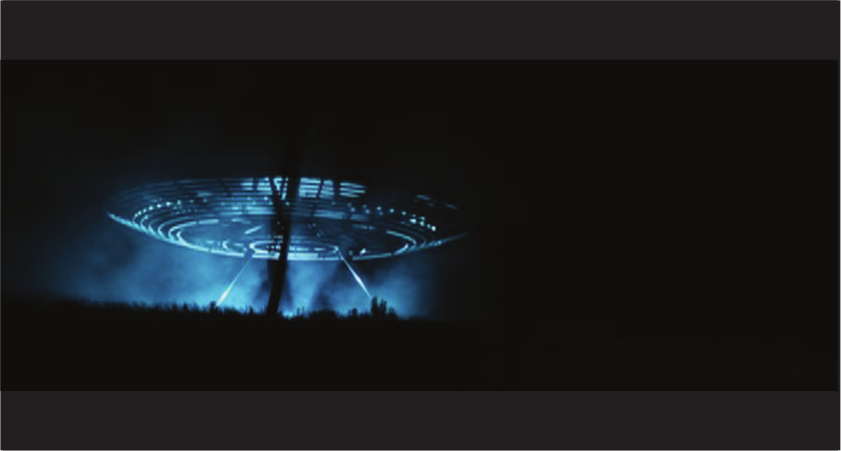
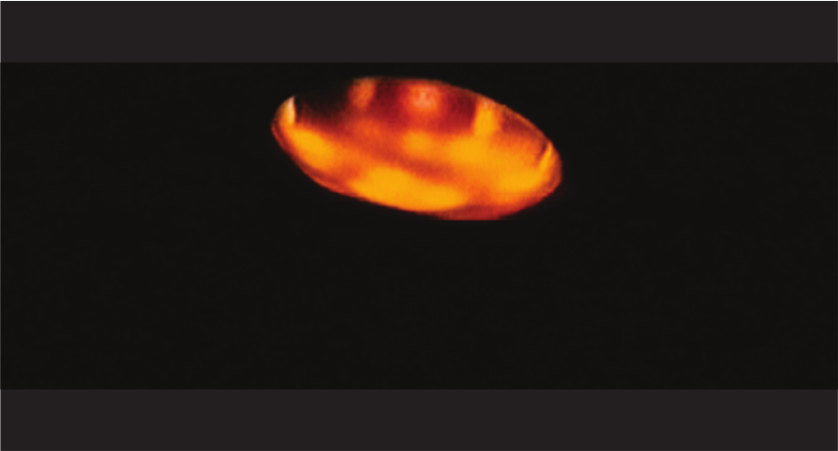
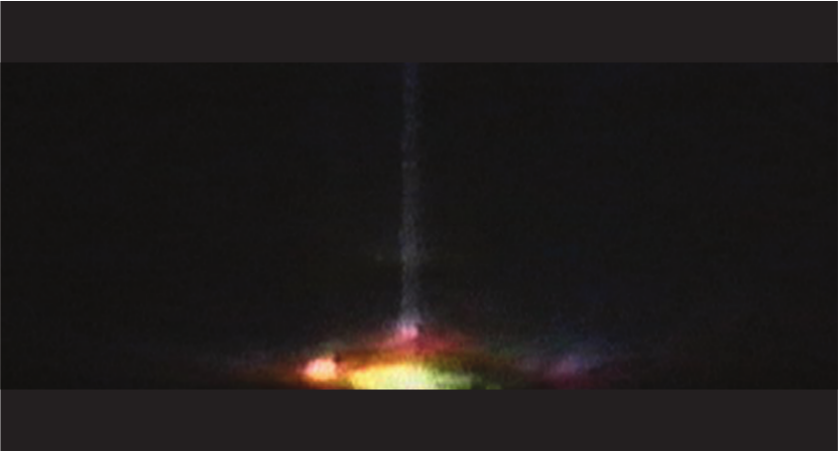
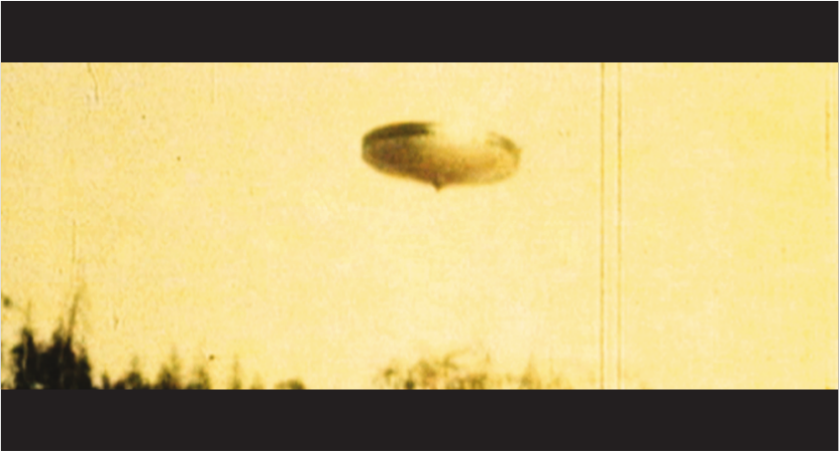
Equally my interest in the level of UFO sightings in the wider county of Lancashire led to time spent with UFO groups and enthusiasts and attendance at specific conferences, which in turn led me to Michael Hesemann in Germany, who holds one of the world’s most authoritative archives of UFO sighting footage. For me, attempting to relate these two archives related to ‘travel’ and belief in a certain paradigm, whether the historical imperative of Empire or the cataloguing of speculative phenomena – both essentially ephemeral – was a curious process, but one that started to bear fruit in terms of trying to reveal something of the hidden layers of ‘place’ across different times, and hypothetical encounters.
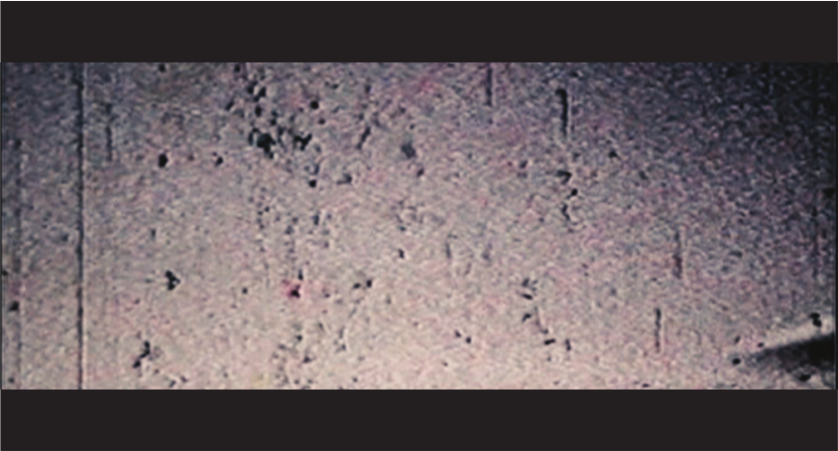
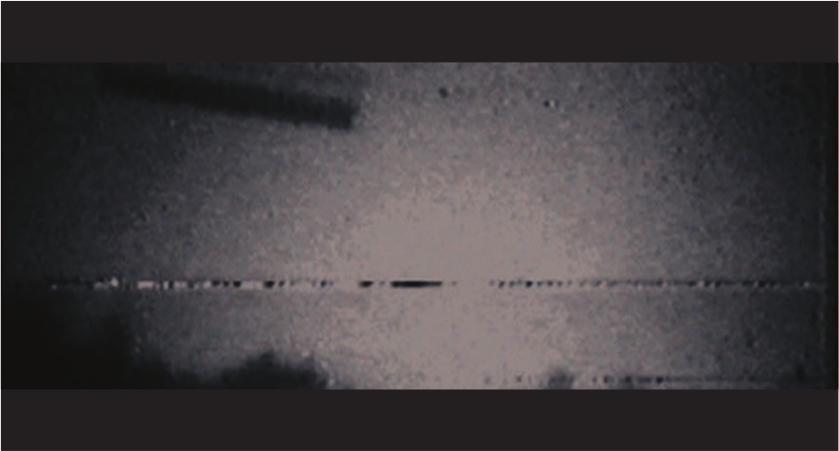
In an unexpected parallel, the UFO archive, which contains material roughly from the 1950s to the present day, also doubles as an archive of hand-held film and video media, containing everything from 8mm film to Hi8 and even HD formats. Which in turn fed back into the patina of the final film I made. So yes, I would subscribe to the notion of an an-archive, rather than a collection. Not that the syntax is that important to me, but I feel a collection is a looser grouping, and what I am trying to do is to activate certain archives in relation to each other, to try to provide a fresh way of looking, not just at place, but at the alternate geographies that emerge from any reading of place.
What if the call to arms you are proposing is a movement from narrow subject positions to bridging the ‘schism’ of either aesthesis or poesis (which I’m not sure if you can entirely separate, especially if dealing in metaphor, which is a hybrid form par excellence)? Or, perhaps more urgently, bridging the self-limiting belief in atomised fields of knowledge as fields generally border and overlap already. So perhaps that is what I would propose as an art archive or an-archive … one that starts to see the poetics in how different collections, or systems of knowledge, image or archetype begin to speak to each other in a lively and well-considered way. I am thinking of this in terms of both the eclectic archive, and someone like John Latham, who bridged science, art and philosophy through his ‘Flat Time Theory’ (which saw the entropy generated by the fragmentation of bodies of knowledge as fundamentally detrimental to the functioning of society), and the adoption of the term ‘an-archive’ by many open-source software designers and sharers, as well as proposing an alternative cosmology of related and unified understanding of various bodies of knowledge in relation to each other, and the increased understanding that is generated as a result.
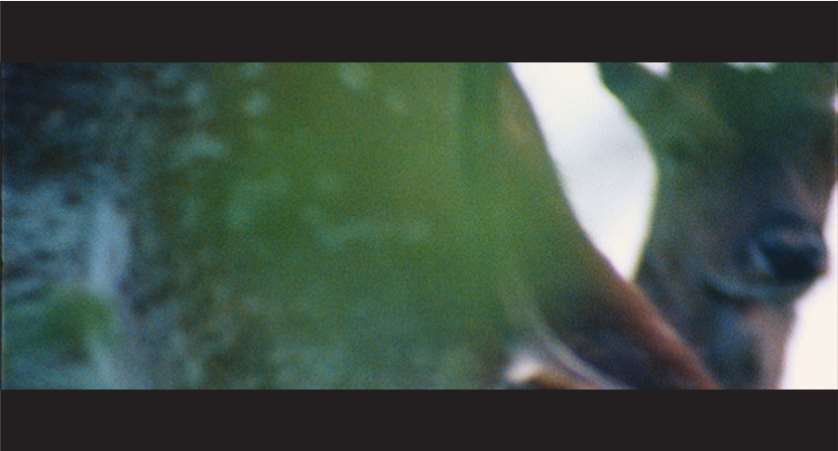
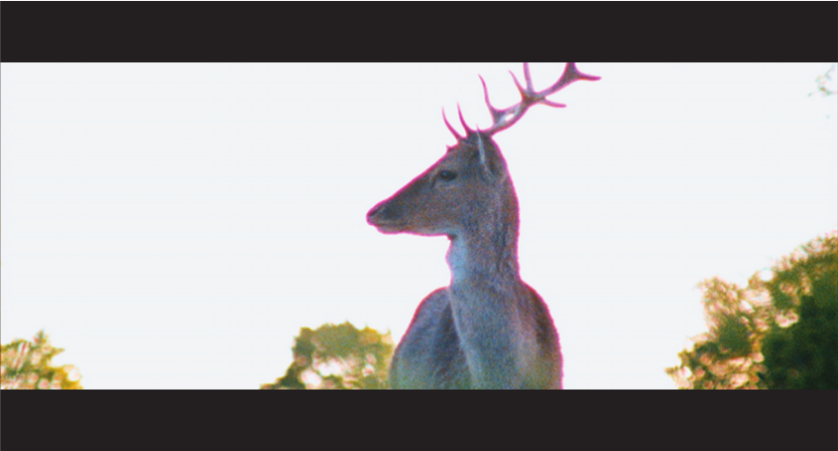
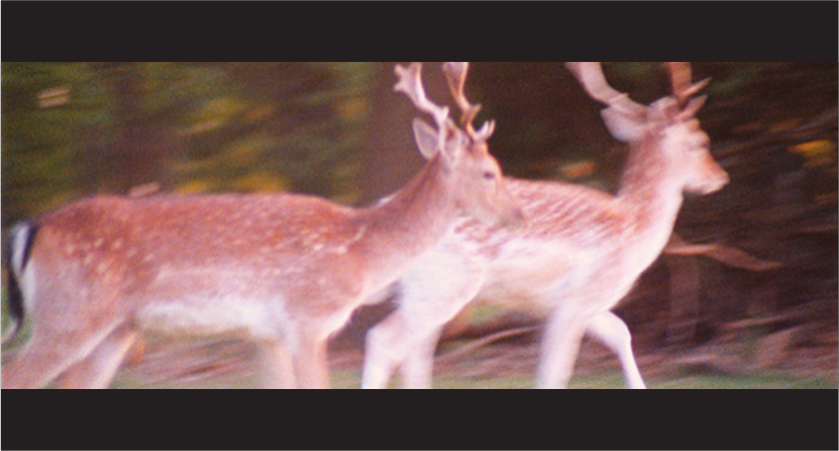
In relation to Piercing Brightness, there are a series of metaphors, which connected as such (in series), start to generate assonance and consonance (I tend to think musically about the process of editing). For example, the various 16mm studies of Muntjac deer are based on my interest in them being so generic as to appear indigenous. They actually originate from South East Asia and are one of the most ancient species of deer on the planet. They were only brought to England in 1900, to decorate the grounds of Woburn Abbey, the Duke of Bedford’s estate.
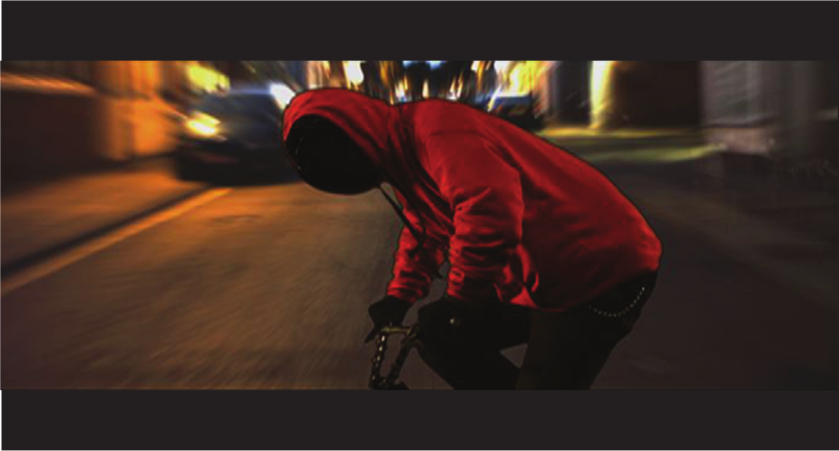
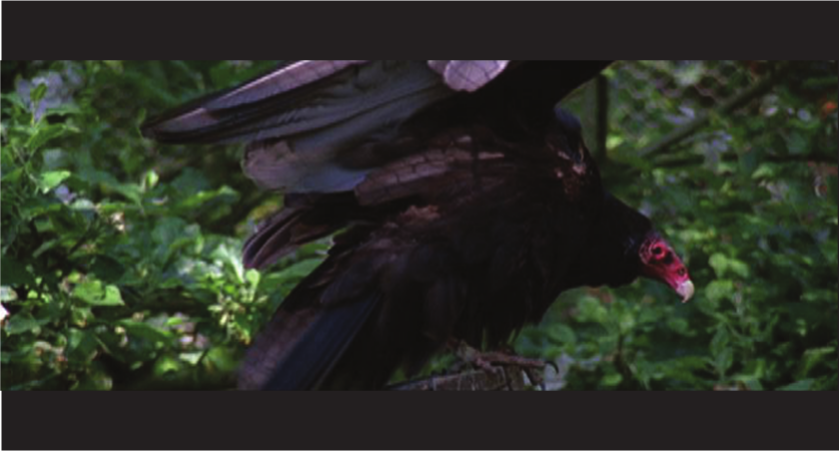
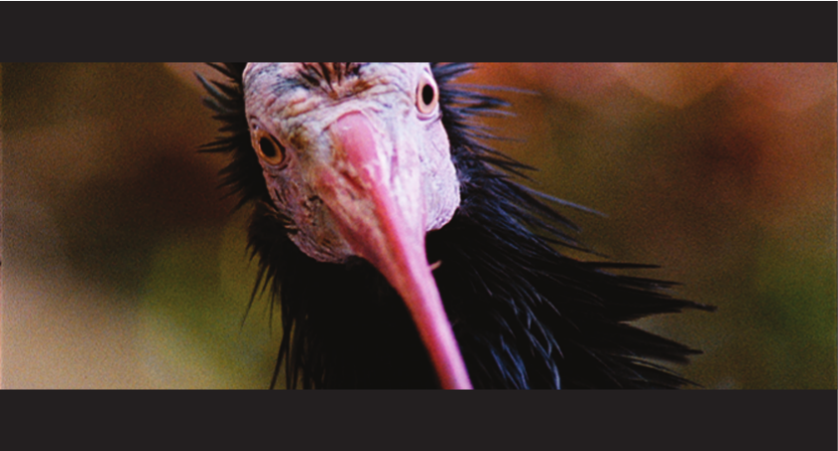
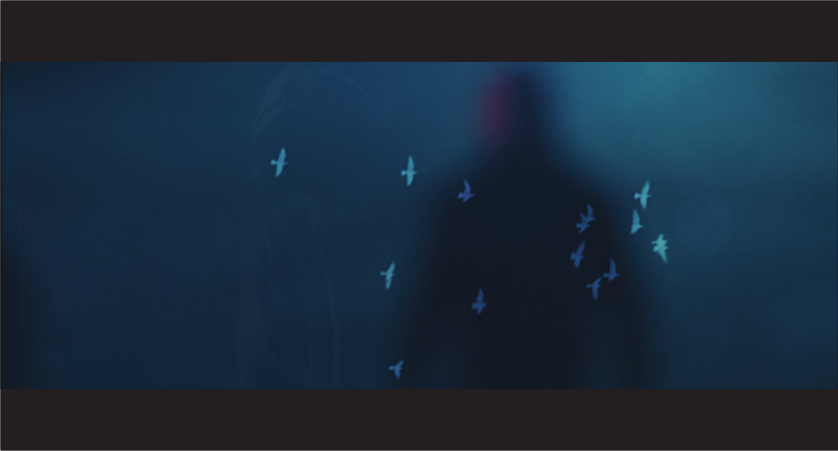
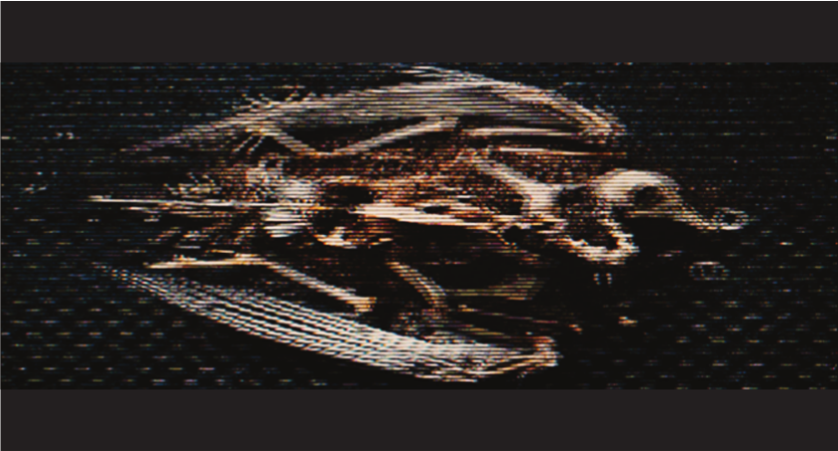
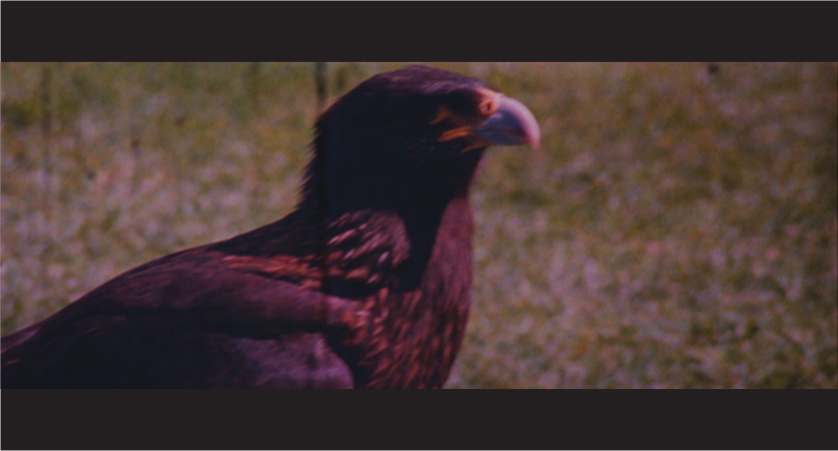
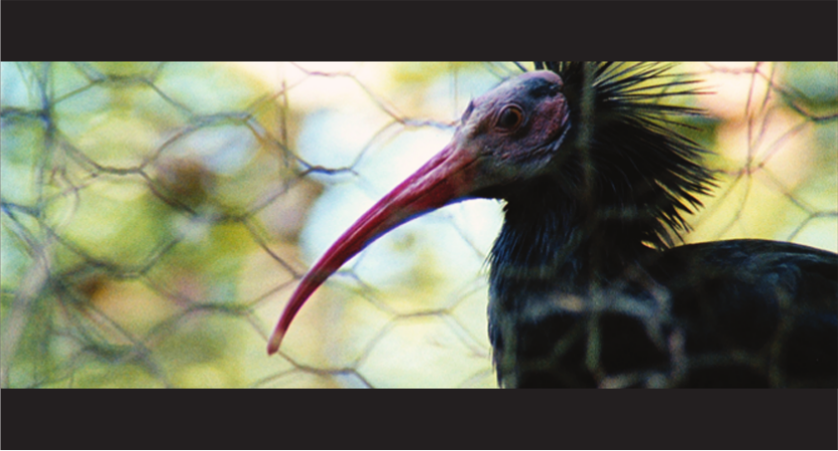
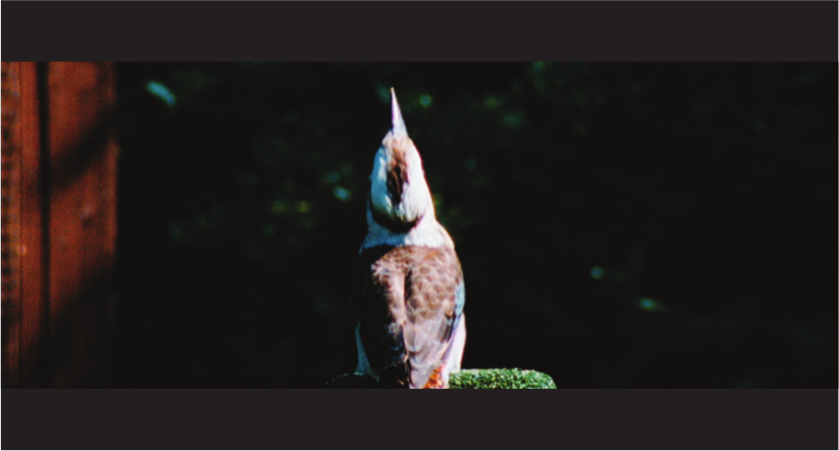
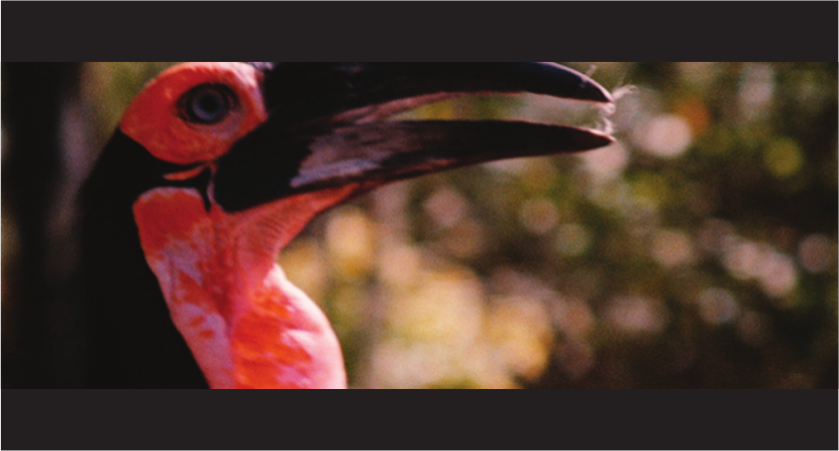
Then there are my various studies of exotic birds, which in relation to the pigeons (and their skeletons) appearing at various junctures throughout the film, actually privilege the exotic, or foreign, over the scrappy hybrids that the pigeons represent – while bemoaning the fate of the hooded alien–human hybrids that they represent, as being ultimately without place. The Muntjac and the various bird species are then put into relation with imagery from Michael Hesemann’s archive of UFO sighting material. Which places all these various genera – deer, birds and flying saucers – as visitors, or migrants, while at the same time questioning the veracity of both the images, their source archives (in terms of who authored their selection), and how they work in counterpoint to one another, in order to pull the viewer in two or more directions at once. Which brings us back again to metaphor in its truest sense: as a type of analogy closely related to other rhetorical figures of speech that achieve their effects via association, comparison or resemblance.

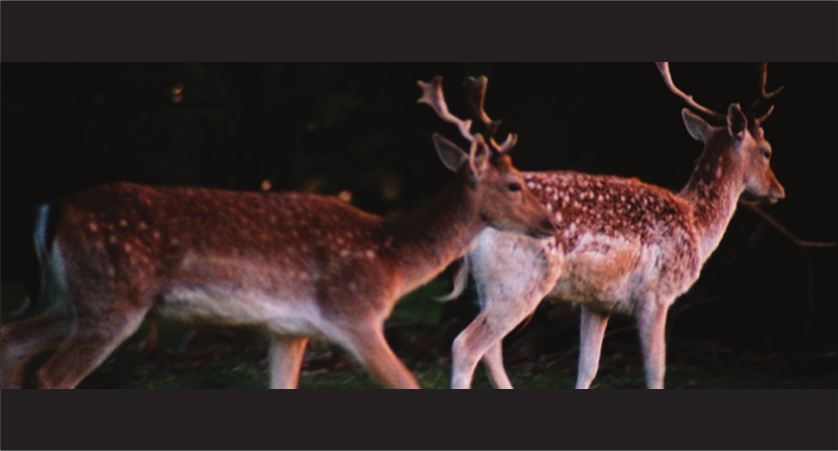
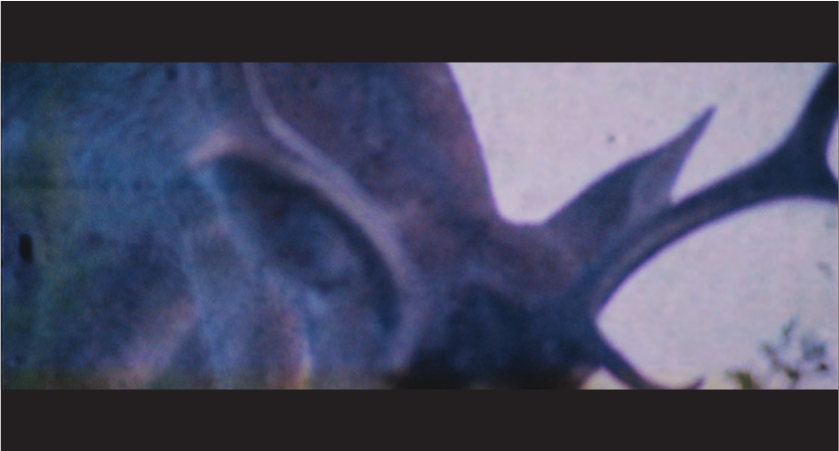
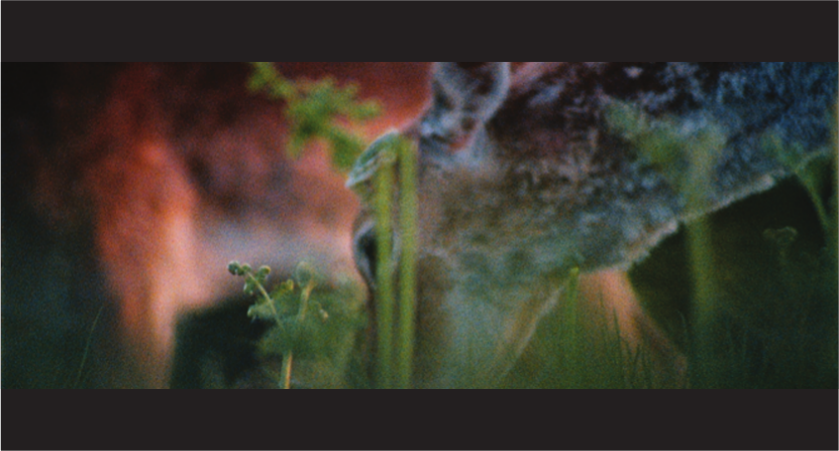
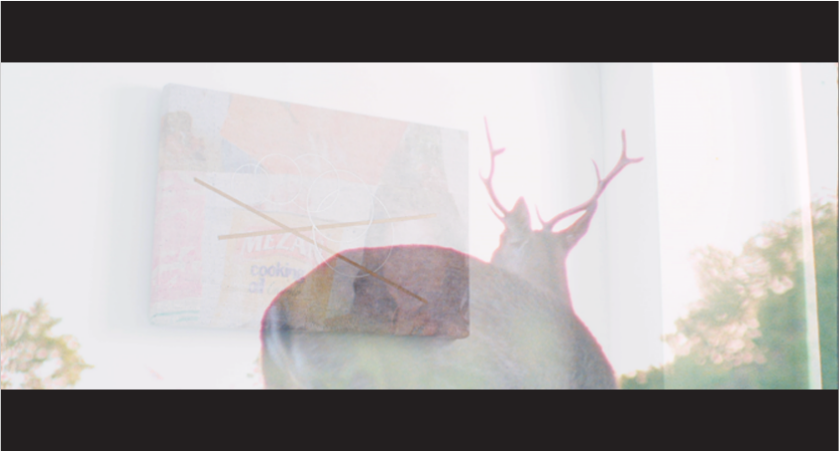






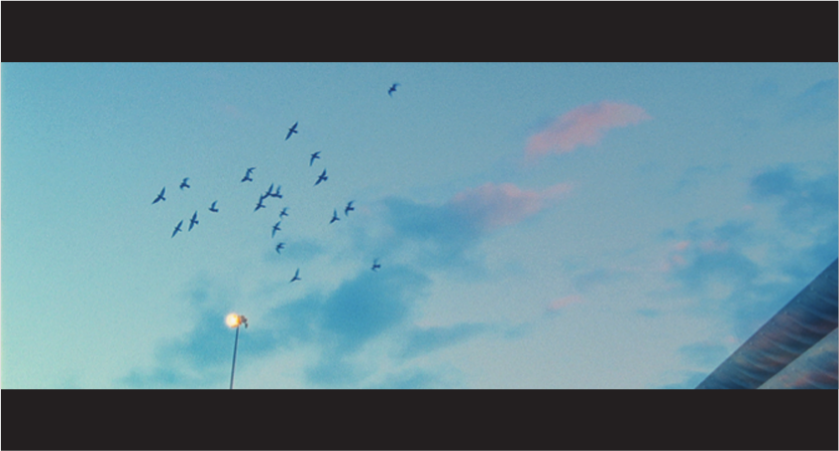
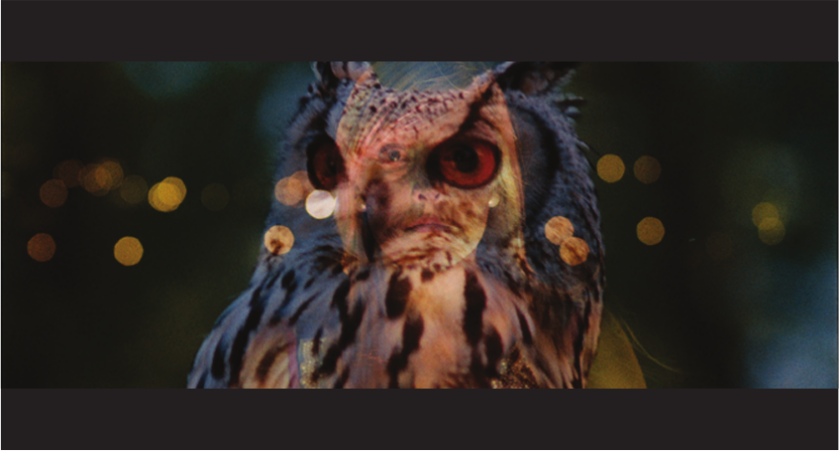
Would you agree with Foucault that: Observation is logic at the level of perceptual contents; and the art of observing seems to be a logic for those meanings which, more particularly, teach their operations and usages. In a word, it is the art of being in relation with relevant circumstances, of receiving impressions from objects as they are offered to us, and of deriving inductions from them that are their correct consequences. Logic is the basis of the art of observing, but this art might be regarded as one of the parts of logic whose object is more dependent on meanings. [Foucault, (1994 [1966]: 108)
To go back to your earlier question, that need for community I think becomes ever more important at this moment. Individualism is looking rather tired, and the individualised gesture, ‘free’ from the corruption of interlocutors, is a poor man’s product, artificially set apart from a wider sea of sharing and interaction. The interplay of different formats, mediums and histories is a rich playing field in which archives are being generated endlessly, so perhaps the visceral is always one step ahead of the discursive? And yet the discursive is needed, I would say; more as a method of transcribing of the ephemeral, than the more commonplace idea of the need to proscribe frameworks and context. And of course the visual is already a text, even if one is evolving an ‘an-archive’ as one goes, it is always grounded in sets of codes (from multiple contexts) if not particular codes (from a more semiocentric position), and so a certain rhetorical awareness is required to try and push the juxtaposition of images in new directions, and to create new or revealed meanings. And maybe this is the link between the visceral and theological? But to go back to the beginning of my response, I think it is best to avoid a categorical answer: the tension between observation and meaning for me is the fault-line for poeisis. And perhaps as Deleuze says of Foucault’s conception of the archive, this fault-line, at least in the present moment, is an audio-visual one. Which I think bears a nice relationship with the construction of perceptual fields in the passage from book to film of a number of Philip K Dick novels, not least the Richard Linklater ‘translation’ of A Scanner Darkly (2006). Adaptation is as much an act of translation, as migration, where for me hybridisation becomes the fictionalisation of oneself (in the person of the individual migrant), or of narrative (the movement of a work of fiction from idea to object), and then to another ‘author’s’ interpretation in audio-visual form. What interests me particularly about the Linklater adaptation of Dick is that the hinge of animation (the technical tour-de-force that it represents) is such a specific, and yet oddball vision of the shifting states of awareness and paranoia that encapsulate the original novel. In some ways it is the most faithful Dick adaptation, and yet the most radical translation (whereby the assertion of the director/translator/author’s rights to be named author in turn are most in evidence). In my case I was heavily influenced in the early stages of development of Piercing Brightness by the Canopus in Argos series of novels by Doris Lessing. This prefigures three galactic empires, each for their own reasons observing and manipulating the development of humanity over millennia. And given the time in which it was written, it both critiques and becomes an apology for colonialism, while imagining a future in which China is the dominant world power. While moving away from the grand scale of this ‘space opera’ to something more low-key and playful (in the use of the city of Preston as the epicentre), I still hinted at a broader scope in Piercing Brightness, which might cause us to think differently about issues such as migration, belonging, time and memory. So is Doris Lessing’s set of novels another archive from which I am drawing? Just because they are works of fiction (or announce themselves as such), does this discount them from being viewed as an archive? With many of the archives I have looked at and spent time researching, you quickly realize that they are usually archives of more than one thing, and that they are intensely subjective, which always calls to mind the layers necessary for good fiction.






Footnotes
Address: Centre for Research and Education in Arts and Media (CREAM), University of Westminster, 309 Regent Street, London W1B 2HW, UK. [ email:
Address: Digital Film and Screen Arts, University for the Creative Arts, Farnham, Falkner Road, Farnham, Surrey GU9 7DS, UK. [ email: