



Abstract
This paper presents a rigorous and in-depth systematic review of the literature on Basic Psychological Needs Theory (BPNT) and its applications in marketing research. Despite the widespread use of conventional models and theories in marketing research, motivational theories, such as BPNT, which have demonstrated significant effectiveness in driving motivation, have been relatively neglected. BPNT proposes that fulfilling basic psychological needs for autonomy, competence, and relatedness (ACR) leads to intrinsic motivation, emotional stability, and strong attachment. Our systematic review identifies how the constructs underpinned by BPNT have been utilized, as well as what research designs, contexts, and methodologies have been applied in marketing research. By integrating BPNT into marketing research, the authors aim to provide researchers with much-needed directions for future research and advocate for its continued growth. Specifically, the review notes tensions in terms of contradictory findings, identifies major gaps, and operationalizes BPNT in marketing research by establishing a set of marketing priorities (provided in the form of testable propositions) in seven major domains under the lens of BPNT. As the first systematic literature review of its kind, this theoretical study serves as an essential reference and valuable resource for scholars and practitioners aiming to explore and integrate BPNT into their research and practice.
Keywords
Introduction
Marketing is a dynamic and ever-evolving field that constantly seeks to understand what drives consumer behavior. At the heart of this quest lies one of the most fascinating and intriguing concepts: motivation (Fullerton, 2011). Originating from Maslow’s (1943) work and popularized by Cofer & Appley’s (1964) studies, motivation has become a dominant theme not just in management and organizational behavior literature, but also in marketing and consumer behavior research. Marketing scientists have borrowed various behavioral theories and models to unravel the mystery of customers' motivation. These include the input–process–output model, Vroom’s expectancy-value theory, the family decision-making model, the consumer decision model, the theory of buyer behavior, the theory of reasoned action, the service quality model, the hierarchical model of attitude, and the theory of planned behavior. Of these, the family decision-making model, the theory of reasoned action, and the theory of planned behavior are considered preliminary theories in marketing research (Ajzen, 1985; Fishbein & Ajzen, 1975; Pollay, 1968). Later, in the 1990s and early 2000s, the technology acceptance model (TAM), the theory of trying, the unified theory of acceptance and use of technology (UTAUT), and the model of goal-directed behavior captured the interest of marketing academics all over the world (Bagozzi & Warshaw, 1990; Davis, 1989; Perugini & Bagozzi, 2001; Venkatesh et al., 2003).
It can be observed that marketing research is replete with thousands of published studies, repeatedly using the same traditional models/theories (Chaouali et al., 2017; White et al., 2019). However, there have been critiques of these theories and models, and some have limitations in predicting behavior (Cheung et al., 2017; Webb et al., 2013). Additionally, these theories mostly focus on extrinsic motivations and may not adequately explain behavior driven by intrinsic motives. For instance, a woman may purchase a high-quality camera, such as a Canon EOS R6, not to show off her wealth (i.e., extrinsic motivation), but rather because she has a passion for photography and wants to capture high-quality images to express herself creatively (i.e., intrinsic motivation).
The above line of thinking (marketing investigation) is similar to the intrinsic motivation of BPNT, which suggests that customers tend to experience intrinsic motivation when their basic psychological needs for autonomy, competence, and relatedness (ACR) are satisfied (Deci & Ryan, 2000; González-Cutre et al., 2020; Gilal et al., 2019) and that when these needs are fulfilled, they provide the emotional stability needed to build strong attachment and brand passion (Gilal et al., 2021a). Based on these propositions, we contend that relying on extrinsic motivation (e.g., offering a good price, good quality, reliability, and packaging) is not always sufficient to explain consumer behavior. For instance, consumers may choose a brand because it makes them feel valued, empowered, and capable of expressing their independence (i.e., the brand satisfies their autonomy needs); other consumers, on the other hand, may build a bond with a brand that makes them feel knowledgeable, competitive, and competent (i.e., the brand satisfies their competence needs); alternatively, consumers may form emotional attachments to a brand that appears to care about them and expresses warm feelings of approval and openness (i.e., the brand satisfies their relatedness needs). These different needs fulfillments directly affect customer behavior, and therefore such explanations are useful in marketing research. As a result, BPNT is the most significant theory for understanding and responding to these types of customer behavior, while traditional behavioral theories and models, such as those outlined earlier, are incapable of solving such marketing problems.
Despite its well-established theoretical foundations and relevance to the discipline, the BPNT has received limited attention in marketing science. This neglect may be attributed to marketing researchers' unfamiliarity with BPNT’s concepts or the perceived complexity of its application. Consequently, this study endeavors to integrate BPNT into marketing research as a fresh perspective for comprehending customer motivations, advocating for its continued growth in the field, and providing crucial directions for future research. To achieve this objective, we conducted a comprehensive synthesis of BPNT literature published between 2006 and 2023, identifying significant research discrepancies arising from the various applications of BPNT’s fundamental frameworks, research subjects, contexts explored, and research designs employed. Our review also pinpointed seven marketing domains in which BPNT shows particular promise for addressing pressing issues, highlighting several promising research directions. Moreover, our review generated a set of testable propositions for future research in diverse areas of marketing, utilizing innovative contexts and methods, thereby augmenting the existing knowledge base. The findings of this study contribute to the marketing literature by offering a current and state-of-the-art review of BPNT, introducing new research avenues for marketing scholars to pursue and addressing the gap in the literature on the underutilization of BPNT. By integrating BPNT into marketing research, a novel perspective can be offered to understand customer behaviors and motivations, providing insights that benefit marketing researchers and practitioners.
The present review is organized as follows. First, following the introduction, we conduct a thorough review of established marketing approaches and theories before providing an overview of the fundamental concepts and underlying assumptions of BPNT. In Section 3 of the methodology, we provide a comprehensive explanation of the boundaries established for our theory-driven research, including article recognition, screening, and eligibility criteria. Section 4 provides a detailed account of the BPNT studies, covering publication sources, trends, countries of study, research contexts explored, design methodologies, sampling frames, and data analysis techniques. Additionally, in Sections 5 and 6, we identify underdeveloped and emerging research areas and propose potential research directions in the form of testable hypotheses. In Section 7, we offer practical implications by discussing how BPNT could help market practitioners gain a deeper understanding of consumer behavior. Finally, in Section 8, we discuss the key takeaways and limitations of this study.
Theoretical paradigms
We begin by providing an in-depth examination of the existing literature on traditional models and theories, offering a critical analysis of their underlying principles, assumptions, and limitations. Drawing from a wide range of research sources, we distill the key insights and identify the gaps and challenges that persist within the field. Building on this foundation, we introduce the BPNT as a fresh and innovative theory that has yet to receive the attention it deserves in the marketing discipline. Our analysis highlights the potential of BPNT to deepen our understanding of consumer motivations and decision-making processes, and we offer a thorough exploration of the fundamental concepts and assumptions that underpin this theory
Review of existing marketing approaches/theories
Before analyzing the literature on how BPNT has been used in marketing research, it is important to evaluate existing marketing theories related to customer motivation and identify their limitations in predicting consumer behavior. The input–process–output model suggests that a firm’s marketing efforts, such as product, pricing, promotion, and place, are combined with the social environment, including factors such as family, reference groups, culture, and social class, to impact the consumer decision-making process (Chan & Ngai, 2011; Waldorf, 1962). While extrinsic factors such as those mentioned above are crucial in a consumer’s decision-making process, they alone cannot predict behavior when intrinsic motives are also present (Gilal et al. (2019).
Vroom’s (1964) expectancy theory proposes that motivation is influenced by three factors: expectancy, instrumentality, and valence. These factors are shaped by an individual’s perception of their ability to perform a task, the expected outcome, and the value of that outcome. However, the theory has two limitations. Firstly, it mostly focuses on extrinsic motives and may not fully explain behavior driven by intrinsic motives. For example, instead of evaluating the expectancy, instrumentality, and valence of purchasing high-end designer clothing, a woman may choose to buy affordable, comfortable clothes that allow her to move freely during her yoga practice, because she has an intrinsic motivation to prioritize her physical and mental well-being. Similarly, a woman might choose to buy an expensive musical instrument, such as a Steinway grand piano, not to show off her wealth (extrinsic motivation) but because she has a genuine love for music and wants to hone her skills as a musician (intrinsic motivation). Secondly, Vroom’s (1964) theory proposes that customers engage in a particular behavior if they perceive the goal of purchasing goods as valuable and believe that their efforts will lead to a positive outcome. However, this theory has been criticized for being overly rationalistic and mechanistic, as consumers do not always make decisions based on a calculated evaluation of expectation, instrumentality, and valence. Rather, they tend to seek out a satisfactory solution (Savolainen, 2018).
According to the family decision-making model, consumers are more likely to purchase a product or service after discussing it with their family (Pollay, 1968). However, this does not guarantee that the individual will make a decision based solely on the family’s recommendation. For instance, even if the individual intends to purchase the product or service with their own money, they will most likely confer with family members before making a decision (Beatty & Talpade, 1994). Despite its importance, the family decision-making model has significant limitations. First, the model is primarily focused on social effects in the acquisition and consumption of goods and services. For example, a woman might buy Maria B’s clothes after her significant other recommended them. However, social effects may not always predict consumer behavior as an individual may decide to make an autonomous decision that makes them happy and independent rather than under social pressure from their mother, friends, or others. Second, the family decision-making model fails to reflect consumers' intrinsic motivation, as it emphasizes the importance of external social influence. For example, a woman may favor Maria B’s clothing not because she is under societal pressure or wishes to enhance her appearance but because she has a natural interest in the clothing of young designers. Therefore, while the family decision-making model provides insights into consumer behavior, it is not a comprehensive predictor of consumer behavior.
The TRA, proposed by Fishbein and Ajzen in 1975, was one of the initial attempts to explain consumer behavior. It suggests that the intention to perform a behavior is the most important factor in determining whether or not consumers perform that behavior. TRA further asserts that consumers act rationally in accordance with their intentions, which are driven by their attitudes towards a certain behavior and subjective norms (SN). However, these two factors, which have a rational/extrinsic focus, are unable to predict behavior when intrinsic motives are present (Gilal et al., 2019) and when the studied behavior is not under volitional control (Gentry & Calantone, 2002). To address the limitations of the TRA, Ajzen proposed an extension in 1985 known as the Theory of Planned Behavior (TPB). The TPB was developed to provide a more comprehensive understanding of behavioral intentions. TPB includes the concept of perceived behavioral control (PBC), which refers to a person’s perception of how easy or difficult it is to perform a given behavior (Ajzen, 1985). Intentions are thought to operate as a link between these predictors (such as attitude, SN, and PBC) and behavior. Although TRA and TPB are frequently employed to understand customer behavior, their limitations have been identified. Specifically, they fail to account for the influence of past behavior (e.g., habitual processes), affective components, and motivational processes on future behavior (Leone et al., 1999; Meng & Choi, 2016). Similarly, the TPB has been criticized for not accounting for broader affective influences (such as emotional or instinctual responses) on attitudes, SN, and PBC and not being able to predict behavior when intrinsic motives are present (Gilal et al., 2019), and not accounting for more global goal-directed motives (Hagger et al., 2002). As a result of these issues, the goal-directed behavior model (MGB) was subsequently developed (Perugini & Bagozzi, 2001).
The MGB, developed in 2001 by Perugini and Bagozzi, posits that people act rationally based on their intentions. The MGB takes into account desires, anticipated emotions, and past behavior, in addition to the factors found in the TRA and TPB (e.g., attitude, SN, and PBC). Several studies have shown that the MGB can predict intentions and behavior better than the TPB. However, recent research indicates that intrinsic motivation is a better predictor of behavior than the MGB (Lavergne et al., 2010; Webb et al., 2013; Cheung et al., 2017; Masson & Otto, 2021). Thus, we argue that extrinsic motives alone cannot fully explain consumer behavior.
Existing marketing approaches/theories.
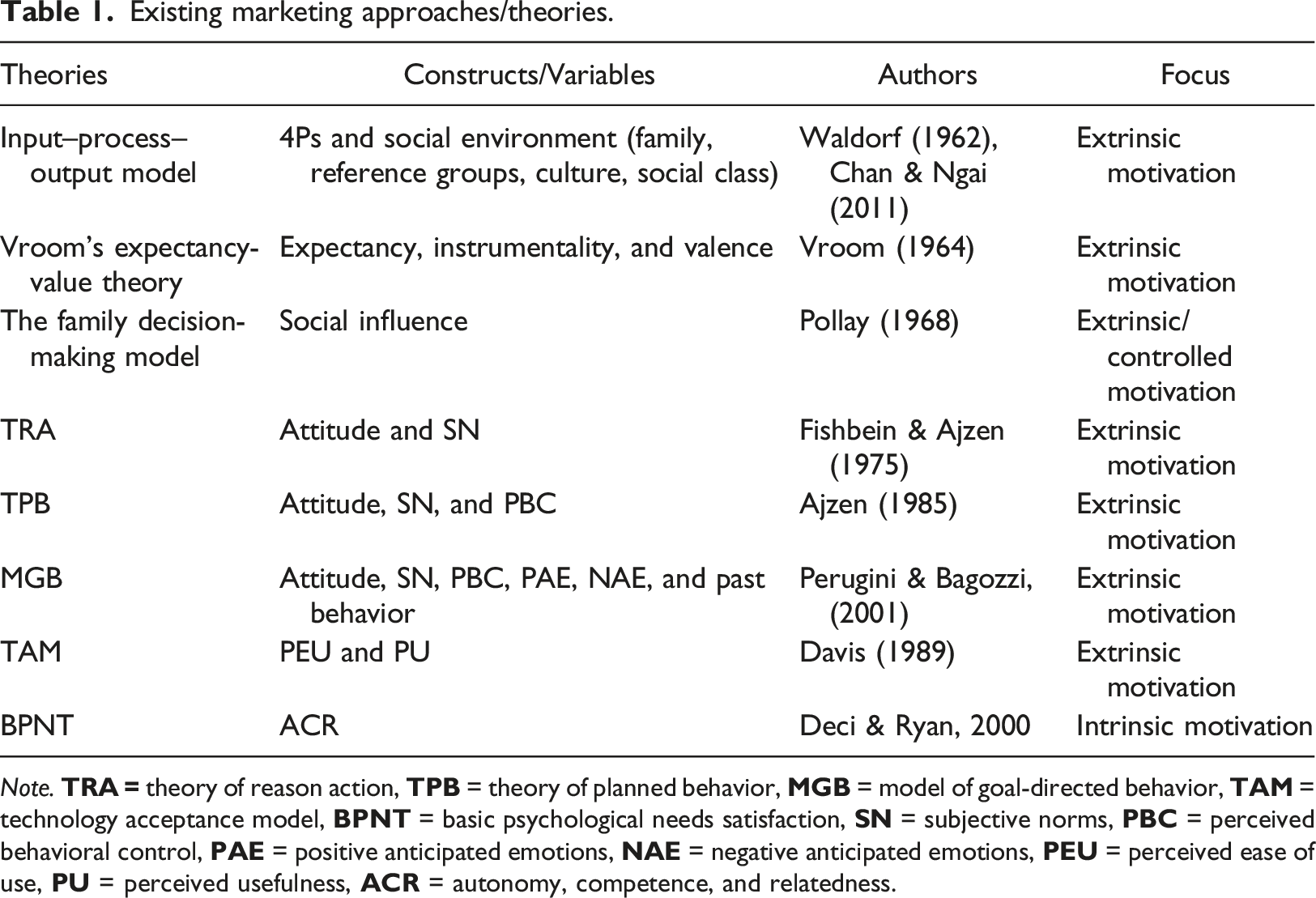
Note.
To build upon the criticisms of traditional theories and models, it can be argued that the aforementioned models and theories tend to prioritize extrinsic factors and may not be entirely effective in predicting behavior when intrinsic motives are at play. For example, a student may choose to study hard for an exam because they have an intrinsic motivation to learn and improve their knowledge, rather than studying to please their parents or gain external rewards. This line of research is supported by BPNT, which posits that intrinsic motivation is based on individuals' inherent need for ACR (Gilal et al., 2019; Ryan & Deci, 2000). Therefore, when these needs are fulfilled, individuals are more likely to engage in behavior that reflects their intrinsic values, leading to greater satisfaction and well-being. We argue that extrinsic motivation is not always enough to explain consumer behavior. For instance, a consumer may prefer to buy a brand because it makes them feel valued, empowered, and capable of expressing their independence (i.e., it satisfies autonomy needs), or they may form an emotional attachment to a brand that appears to care about them and expresses warm feelings, or they may develop a passion for a brand that satisfies their relatedness needs. Because these various needs fulfillments have a direct impact on customer behavior, a better understanding of consumers' intrinsic motivations can aid in explaining and predicting consumer behavior in ways that current extrinsic motivation theories do not. Therefore, BPNT is a viable theoretical lens for informing marketers about the intrinsic motivations of their customers, which they can then use to influence and guide their behavior.”
The science behind BPNT: Core tenets and concepts
BPNT is a sub-theory of self-determination theory, which asserts that when humans' basic psychological needs for autonomy, competence, and relatedness are met, they are more likely to experience intrinsic motivation (Dholakia, 2006; Gilal et al., 2019). According to BPNT, these needs must be fulfilled for optimum human functioning and well-being, and failing to meet any of them can result in a distinct functional cost (Ryan and Deci, 2002). Satisfaction with autonomy is linked to a human desire to experience volition and freedom of choice based on personal wishes and beliefs (Bagheri & Milyavskaya, 2020; Ryan & Deci, 2020). It is supported when individuals make their own choices based on experiences, interests, and values. Autonomy satisfaction contrasts with autonomy frustration, which occurs when a person’s need for autonomy is thwarted or undermined by external pressures and demands, or when free will and choices are denied (Chen et al., 2015). The basic psychological need for competence represents an inner need for personal competence in overcoming obstacles and attaining desired outcomes. The opposite of competence satisfaction is competence frustration, which triggers feelings of inadequacy and incompetence. The need for relatedness is an individual’s innate desire to feel a sense of belonging, to care for, and to be cared for, resulting in the perception of belonging (Baumeister & Leary, 1995). The feeling of closeness or being connected and the sense of belonging with others leads to satisfaction of the relatedness need (Van Orden et al., 2012). Relatedness frustration, in which people feel isolated or lonely in their relationships, is often contrasted with relatedness satisfaction (Chen et al., 2015). Loneliness, feelings of rejection, and a sense of not belonging are all manifestations of frustration with the need for relatedness. It is important to satisfy these three psychological needs as they explain behavioral motives by eliciting optimistic emotions (Chen et al., 2015).
From the marketing perspective, consumers can be motivated by the three key psychological needs of ACR. Specifically, we contend that these needs are necessary for capturing positive consumer behavior outcomes. In the marketing domain, the need for autonomy can be defined as a consumer’s ability to have a sense of volition and freedom of choice, indicating that the consumer can choose the products and services without any external pressure (Wertenbroch et al., 2020). To further elaborate, the need for autonomy is fulfilled when the consumer has a sense of individuality, empowerment, and appreciation while buying a particular brand, e.g., Dell Inc, an American multinational technology company, allows customers to design their own computer (Gilal et al. 2019b). For instance, when buying a luxury car (e.g., a Rolls-Royce), a consumer can believe that his purchase behavior is exclusively based on his conscious choice and he can feel empowered while driving it. Likewise, consumers' need for competence is fulfilled when the brand and its marketing programs enable them to experience a sense of proficiency and capability to perform well (Gilal et al., 2019b). For instance, when consumers purchase a luxury car, they may trust that the Rolls-Royce brand will make them feel competent enough to achieve their desired goals. Similarly, satisfaction with relatedness is attained when consumers feel that the brand and its marketing programs truly care about them and provide a sense of intimacy. For example, when buying a luxury car, such as a Rolls-Royce, a consumer may feel that the company cares about its consumers and offers them a feeling of acceptance, resulting in a sense of attachment.
In summary, it is our firm belief that consumers are more likely to develop a strong emotional connection and loyalty towards brands that make them feel valued, inspired, and empowered to express their individuality (i.e., satisfaction with autonomy). Similarly, brands that enable consumers to feel competent, capable, and successful in achieving their goals (i.e., satisfaction with competence) are likely to foster positive attitudes and behaviors towards the brand. Finally, brands that show genuine care and concern for their customers, and provide a sense of warmth, openness, and acceptance (i.e., satisfaction with relatedness), are likely to create a loyal customer base. Therefore, it is crucial to focus on fulfilling these basic psychological needs of ACR to create a more promising and valuable brand-customer relationship.
Method
Systematic literature reviews are of different types (Palmatier et al., 2018; Paul & Criado, 2020; Paul et al., 2023) and can be classified as follows: method-based reviews (Ali et al., 2018), theme-based reviews (Gilal et al., 2023; Paul & Feliciano-Cestero, 2021; Talwar et al., 2020), reviews using a framework as a methodology (Lim et al., 2021), theory-based reviews (Sahu et al., 2020), reviews with the aim of furthering theory (Kumar et al., 2020), bibliometric reviews (Donthu et al., 2021), meta-analysis (Rana & Paul, 2020), and hybrid reviews (Dabić et al., 2020). This study adopts a theory-based review method to illustrate the significance of BPNT and its application in the field of marketing science. To gather a variety of papers about BPNT in marketing, the study used the PRISMA (Preferred Reporting Items for Systematic Reviews and Meta-Analyses) protocol, which is an evidence-based minimum set of items for reporting in systematic reviews and meta-analyses (Page et al., 2021). The PRISMA protocol consists of four interconnected steps: article recognition, screening, eligibility, and article inclusion. By following these steps, the PRISMA protocol ensures transparency and reproducibility in the systematic review process. Article identification/recognition involves searching for relevant papers using specific keywords and databases (Kelly et al., 2016). Screening involves reviewing the titles and abstracts of the identified papers to determine their relevance to the study. Eligibility involves reading the full text of the selected papers to determine if they meet the inclusion criteria. Finally, article inclusion involves selecting the papers that meet the inclusion criteria for the review. By using the PRISMA protocol, the study ensures the quality and reliability of the review. The guidelines' consistency was kept in mind while using the PRISMA protocol to ensure that the study adhered to the best practices for conducting a systematic review.
Identification of articles
As noted above, the PRISMA protocol involves four interconnected steps, the first of which is the identification of literature based on four different criteria: (i) source type, (ii) source quality and relevance, (iii) search engine and publishers, and (iv) keywords. For this review, only articles published in journals were considered, and other types of publications such as books or book chapters were excluded. Gray literature, such as conference papers, working papers, and industry reports, was also omitted. Second, the sources of the selected papers were evaluated for accuracy in the journals in which they were published. Only journal articles that were listed in Scopus and were relevant to the marketing setting were included in the study. Third, the most effective and feasible search engine for this study was Google Scholar due to its free access and being the world’s largest academic search engine. Additionally, peer-reviewed articles in journals listed on the Web of Science were included. Fourth, the search keywords used included “basic psychological needs,” “satisfaction with autonomy,” “relatedness,” “competence,” “self-determined needs,” and “needs satisfaction.” All the articles containing these keywords in either the title of the paper, the keywords, or the abstract were downloaded based on guidance from previous studies (Paul & Criado, 2020). At this stage of the review, a total of n = 270 articles appeared to meet the criteria.
Screening
The next step in the PRISMA protocol is to screen the literature collected in the identification stage (Page et al., 2021). Screening is performed using predetermined criteria, which in this study included checking for duplicates and excluding unpublished papers. A total of n = 36 documents were excluded as a result of the duplicate issue. This process helps ensure that the review is comprehensive and avoids the inclusion of redundant information.
Eligibility and inclusion of the articles
The third and fourth steps in the systematic review process guided by the PRISMA protocol are eligibility and inclusion of the articles (Page et al., 2021). In this study, we established two eligibility criteria: (i) article type and (ii) content relevance. To avoid redundancy, only empirical research articles published in Scopus-listed journals were included, while review or conceptual articles were excluded. Given that this review is confined to the marketing field, it was crucial to only include papers that were relevant to the different areas of marketing. After careful reading of n = 130 full-text articles by the authors, non-empirical articles (n = 7), conference proceedings (n = 8), articles not listed in the Scopus database (n = 11), articles not based on BPNT constructs (n = 7), and non-English papers (n = 3) were excluded from the analysis. Finally, a total of 94 research papers from 67 Scopus-listed journals met the inclusion criteria and were retained for the study. Figure 1 provides a detailed overview of the inclusion criteria for research articles. This rigorous process helps ensure the quality and reliability of the systematic review. Criteria for identifying, screening, and qualifying BPNT papers.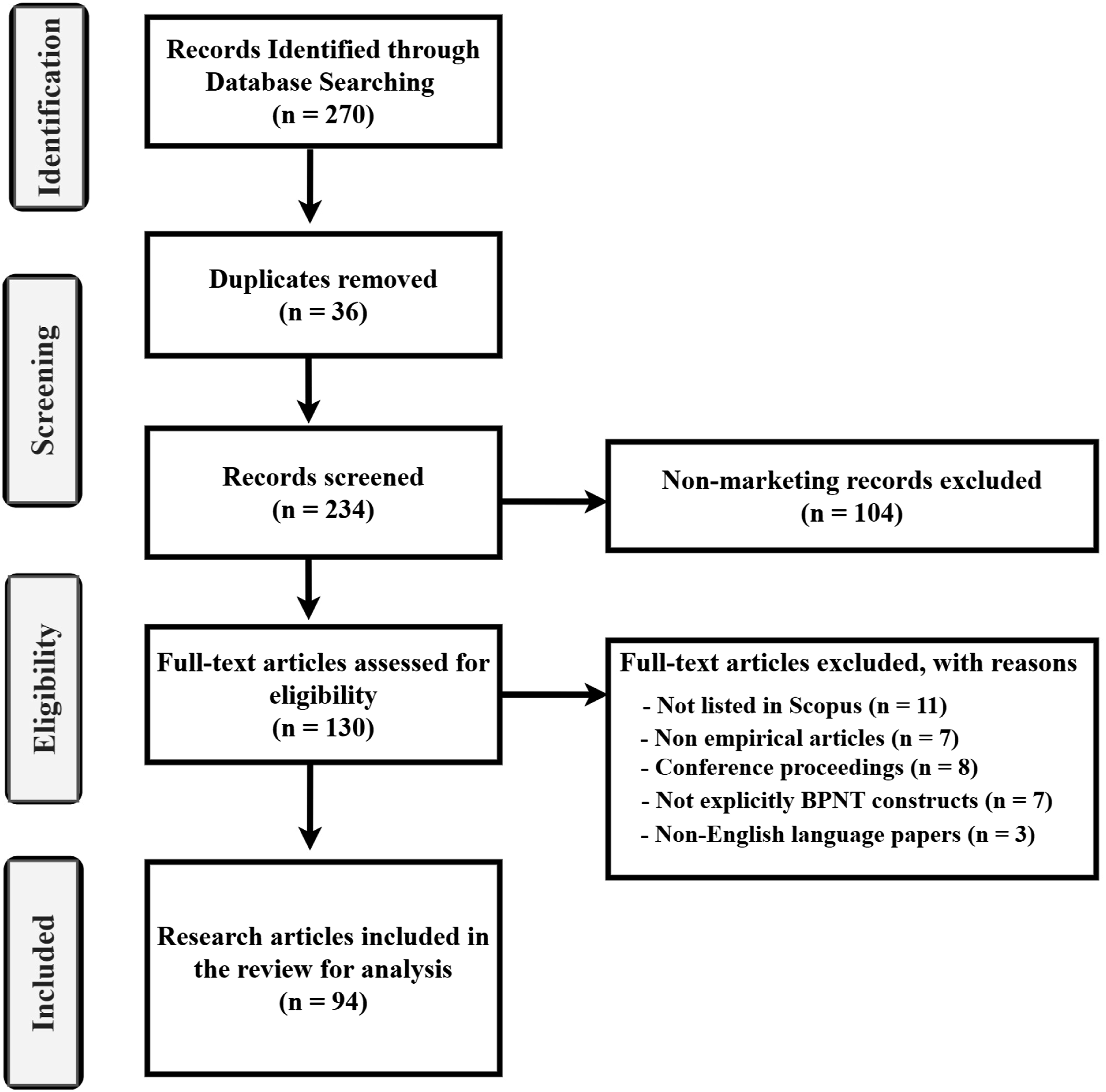
Findings and reflective insights
This paper looks at the BPNT studies in-depth, including the academic journals that publish BPNT research, the number of peer-reviewed papers published per year, the countries that use BPNT, the research areas that are being studied, the design method used, the sampling frame, and the data analysis methods applied. Finally, using the above fields as a guide, it identifies gaps, outlines underdeveloped and novel research problems, and proposes ideas that could be used as a foundation for future marketing science research.
Journals and publication sources
To gain insights into the publication trends of BPNT research in marketing, we evaluated the journals that were included in our analysis. The results showed that the Journal of Business Research had the highest research output (n = 6), followed by Psychology & Marketing (n = 5) and the Journal of Retailing and Consumer Services (n = 4). A detailed list of the journals analyzed is available in Web Appendix A.
Publication trends
We conducted a thorough analysis of marketing publications to determine the number of studies that have utilized BPNT as a theoretical lens or incorporated its insights since its inception. Our analysis reveals that the use of BPNT in marketing science is increasing, with a total of 94 research articles using ACR based on BPNT to solve marketing problems. Interestingly, from 2006 to 2015, only ten research papers were published under the BPNT lens. However, since 2015, the trend has shifted, and BPNT has gained more attention, resulting in 59 research articles published in the last three years since 2020. We have illustrated these trends in Figure 2, which clearly demonstrates the growing interest in BPNT among marketing scholars. Based on our analysis, we anticipate continued growth in the utilization of BPNT to address marketing problems in the future. Publication trend.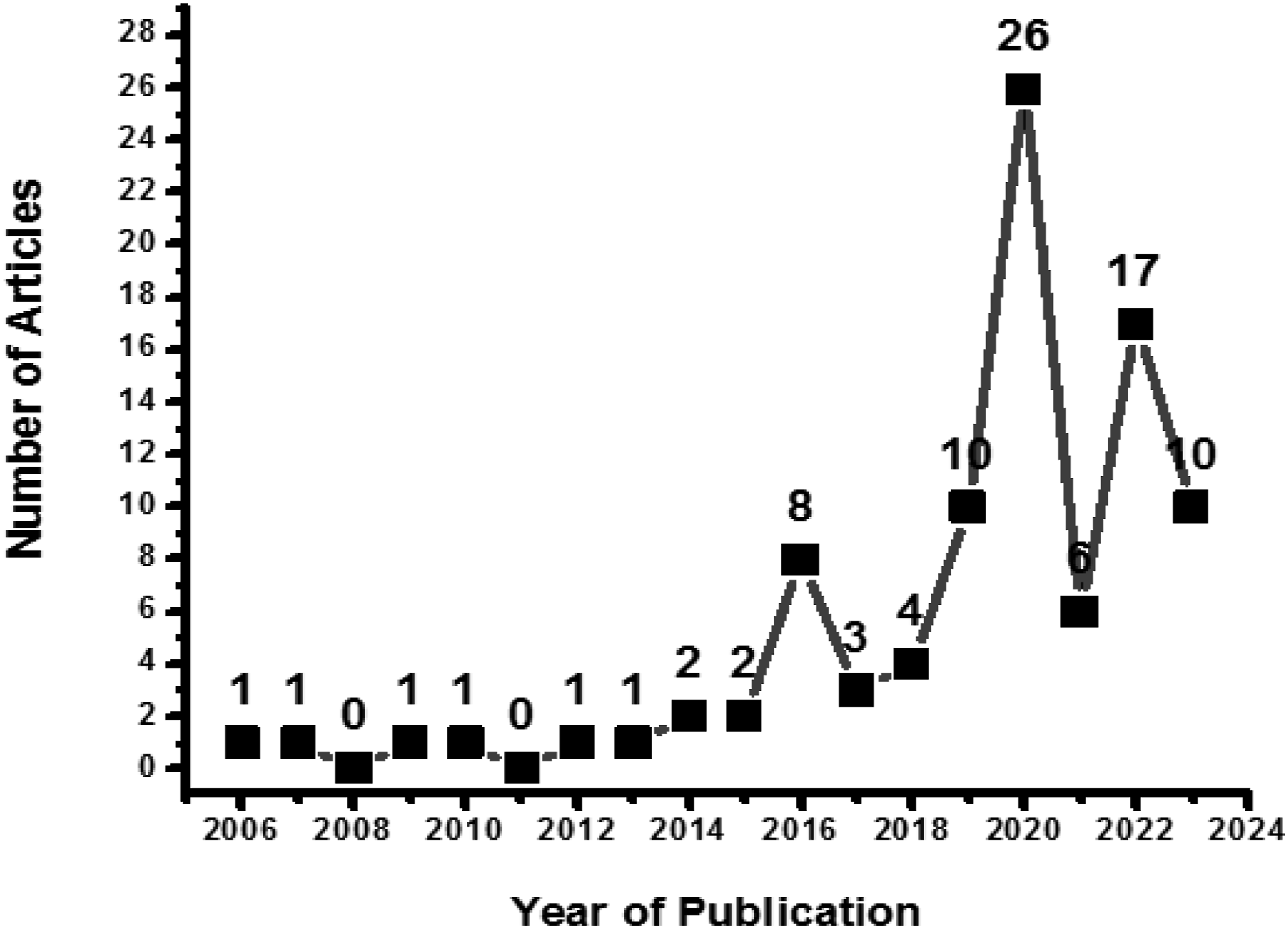
The geographic concentration of BPNT research and the lack of cross-cultural studies
Upon examining the study settings and/or countries researched, our analysis revealed that BPNT analysis has been conducted in over 20 countries. However, it is worth noting that the majority of the studies were conducted in the United States of America (n = 28), followed by China (n = 18), Taiwan (n = 8), Australia (n = 7), Pakistan (n = 7), South Korea (n = 4), Indonesia (n = 3), and Spain (n = 2). This indicates that BPNT research has predominantly taken place in a handful of countries, and there may be an underrepresentation of other regions in the scholarly literature. To further emphasize this point, Figure 3 highlights that out of the n = 94 research papers included in our analysis, n = 88 articles drew their sample from a single country, while n = 6 studies drew participants from multiple countries. This finding suggests that there is limited cross-cultural research in BPNT, and the potential for insights into cross-cultural differences and similarities in consumer behavior is yet to be fully explored. Some important countries where BPNT research is not conducted or has not yet captured scholars' attention include countries in Africa, South America, and the Middle East. Future research in these regions could provide valuable insights into the applicability of BPNT in diverse cultural contexts and expand the understanding of consumer behavior beyond the currently dominant regions. Geographic Concentration of BPNT research.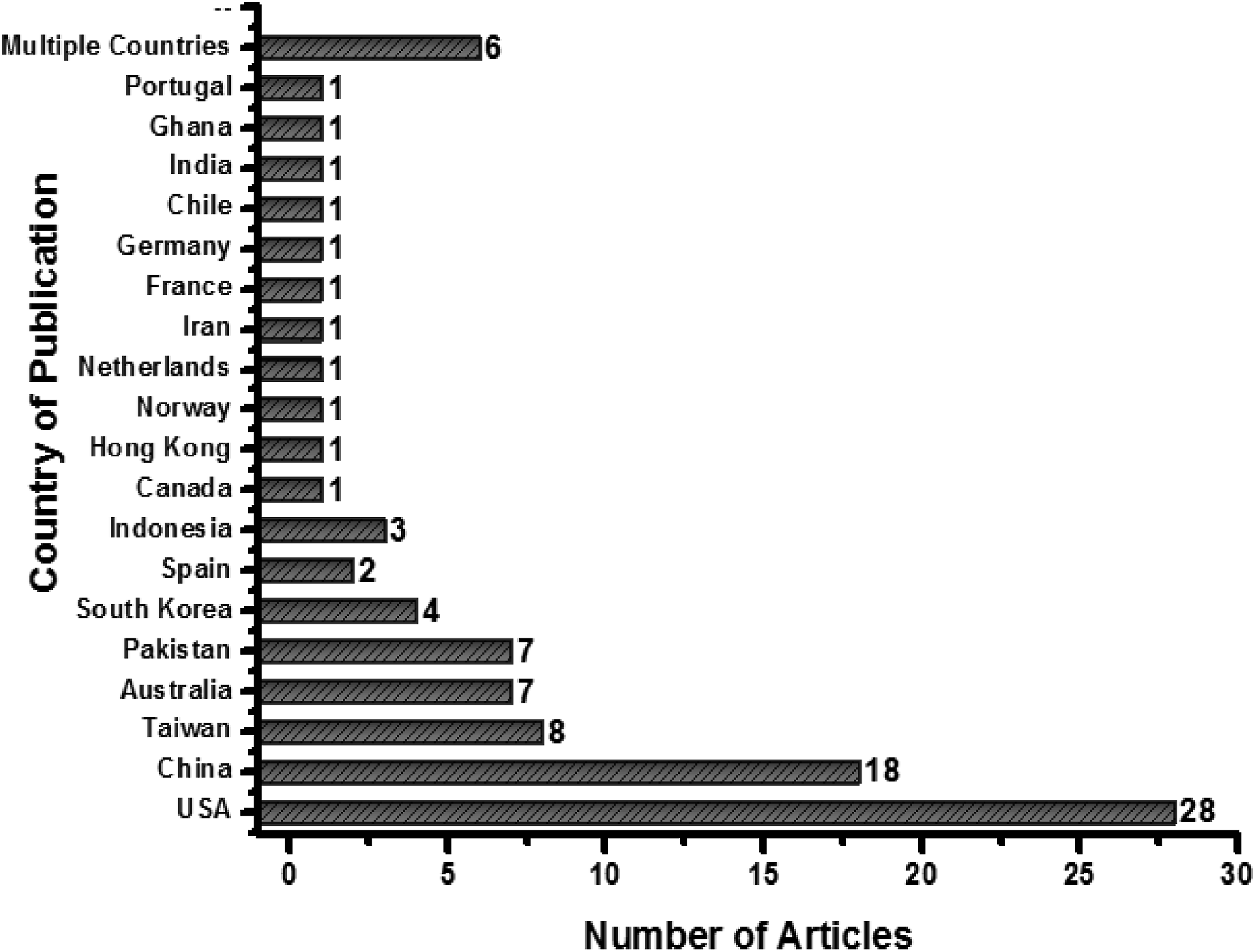
Research areas
After conducting a thorough evaluation of research areas utilizing the BPNT, our review of n = 94 studies suggests that BPNT demonstrates robust potential in addressing marketing problems across seven distinct research areas or sub-fields. As illustrated in Figure 4, the majority of BPNT research studies (n = 27) were conducted in the domain of consumer behavior, encompassing a broad range of topics such as customer satisfaction, loyalty, well-being, participation in CSR activities, energy-saving behavior, e-waste disposal behavior, sustainable behavior, willingness to pay a premium, fear of missing out, creative experiences, intention to adopt self-service technologies, revisit intention, purchase intention, halal food purchase intention, patronage intention of innovative green products, revenge buying, and consumer preference for mobile applications. Although BPNT has been utilized in a broad spectrum of consumer behavior research topics, there are still several critical areas that have not been examined where this theoretical framework is particularly valuable to address unique consumer behavior issues. We have identified these under-researched areas in our agenda for future research section, as having the potential to provide valuable insights into the complexities of consumer behavior and represent promising avenues for future inquiry. Bpnt research in key marketing domains.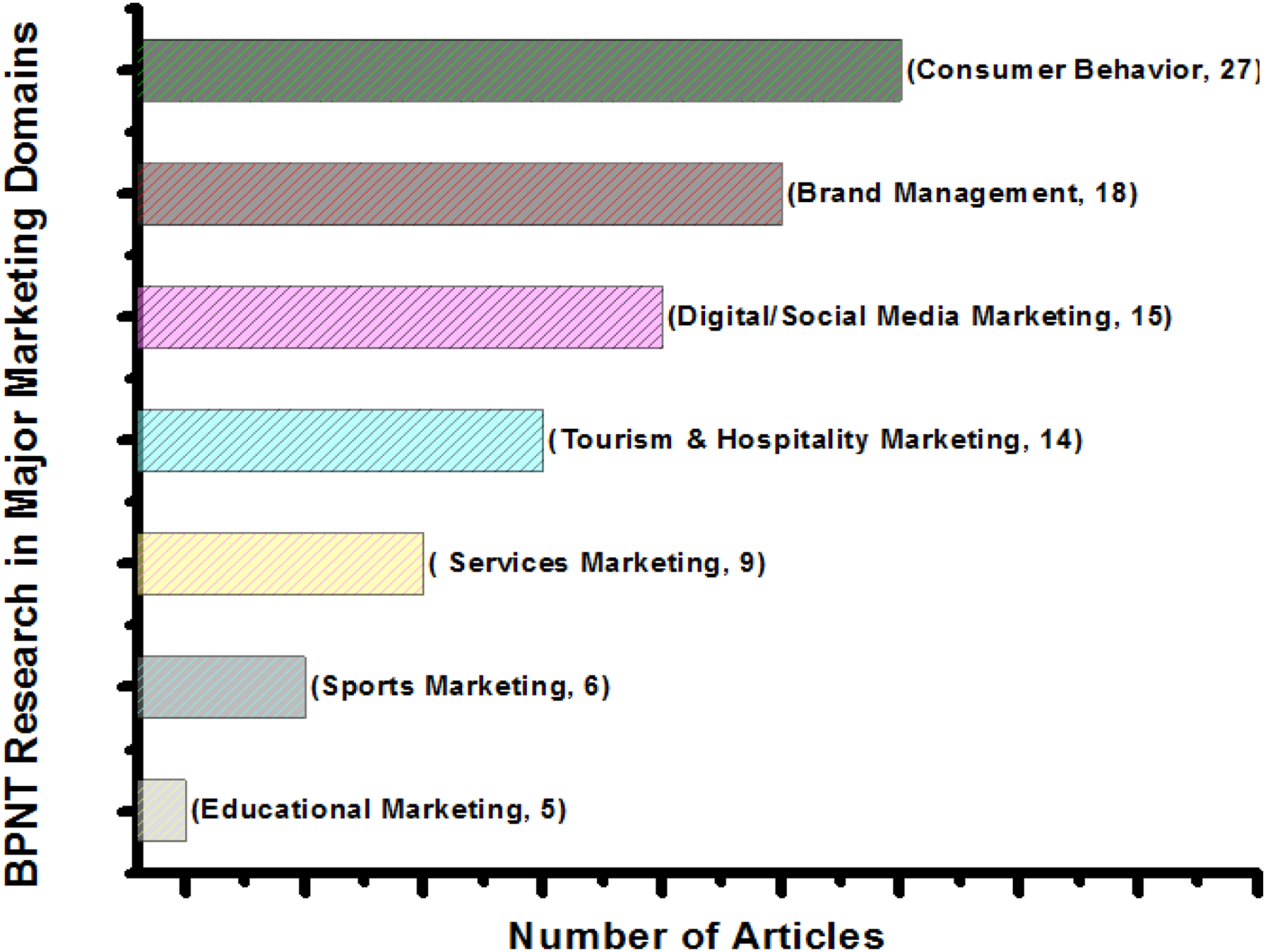
In a similar vein, our comprehensive analysis of eighteen studies published in the brand management domain reveals that BPNT has proven to be a versatile theoretical framework for studying a broad range of branding issues. These studies address intriguing and complex topics, including brand attachment, brand passion, and celebrity authenticity, among others. Furthermore, fourteen studies were conducted in the tourism and hospitality marketing domain, which illustrates the flexibility of BPNT to examine a wide range of tourism marketing issues such as revisit intention, WOM, destination loyalty, and customer participation. These studies provide compelling evidence for the applicability of BPNT to these domains, highlighting the unique insights and perspectives that this theoretical framework can offer. BPNT has been widely used in branding and hospitality marketing research, but there are still critical areas that have not been explored. We have identified these areas as having the potential to provide valuable insights for practitioners, and by exploring them, we hope to expand the applicability of BPNT and inspire scholars to use this framework in new and diverse areas.
Our analysis further shows that BPNT is an essential framework for addressing a wide range of digital and social media marketing issues. In particular, our analysis of n = 94 studies indicates that BPNT has been extensively researched, with 15 studies conducted in the digital/social media marketing domain, six in sports marketing, nine in service marketing, and only five in educational marketing. In the digital/social media marketing domain, researchers have explored topics such as user-generated content, satisfaction with social networking sites, loyalty, purchase intention, engagement, offline/online store patronage, user loyalty, and information adoption intention. Similarly, studies in sports marketing have focused on sports passion, e-sport word-of-mouth, gamers' loyalty, fans' engagement, autonomous motivation, and fans' ACR needs satisfaction. In the service marketing domain, researchers have examined employees' in-role behavior, customer compliance, service quality, value co-creation, usage of self-service technology, intention to conduct self-service technologies and loyalty. Meanwhile, studies in educational marketing have explored topics such as e-learning technology adoption, academic enjoyment, satisfaction with the learning process, learning motivation, and professor brand advocacy. Our analysis highlights the growing importance of BPNT in various areas of marketing research. To further advance our understanding of the application of BPNT in emerging fields of marketing, such as blockchain marketing, influencer marketing, and AI-based marketing, future research should focus on exploring these topics. Our detailed agenda for future research across various marketing domains is discussed in the future research agenda section.
Research design
The utilization of research design strategies in 94 studies that applied BPNT to address marketing issues in different subfields of marketing research is depicted in Figure 5. The data presented in the figure shows that the online survey/cross-sectional design was the most commonly used research design strategy across the seven identified marketing domains, with 80 studies using this approach. This indicates that survey respondents were the primary source of data for researchers investigating consumer behavior, brand management, digital/social media marketing, tourism and hospitality marketing, sports marketing, services marketing, and education marketing. Furthermore, the figure highlights that experimental design was utilized in only nine studies, with consumer behavior and tourism and hospitality marketing domains employing this strategy the most. Interestingly, mixed-methods design was predominantly used in the brand management domain, indicating its potential applicability across other marketing domains. The findings in Figure 5 indicate a lack of diversity in research design strategies utilized in the BPNT research across various marketing domains, with rare use of other methodologies such as observational design, case study design, and eye-tracking design. Therefore, there is a need for the development and exploration of diverse research methodologies in BPNT research to gain a better understanding of the multifaceted factors that influence marketing outcomes. To address these gaps, the agenda for future research section highlights essential problems in different marketing subfields that could be tackled using various research methodologies under the BPNT lens. Research design strategies across areas of marketing.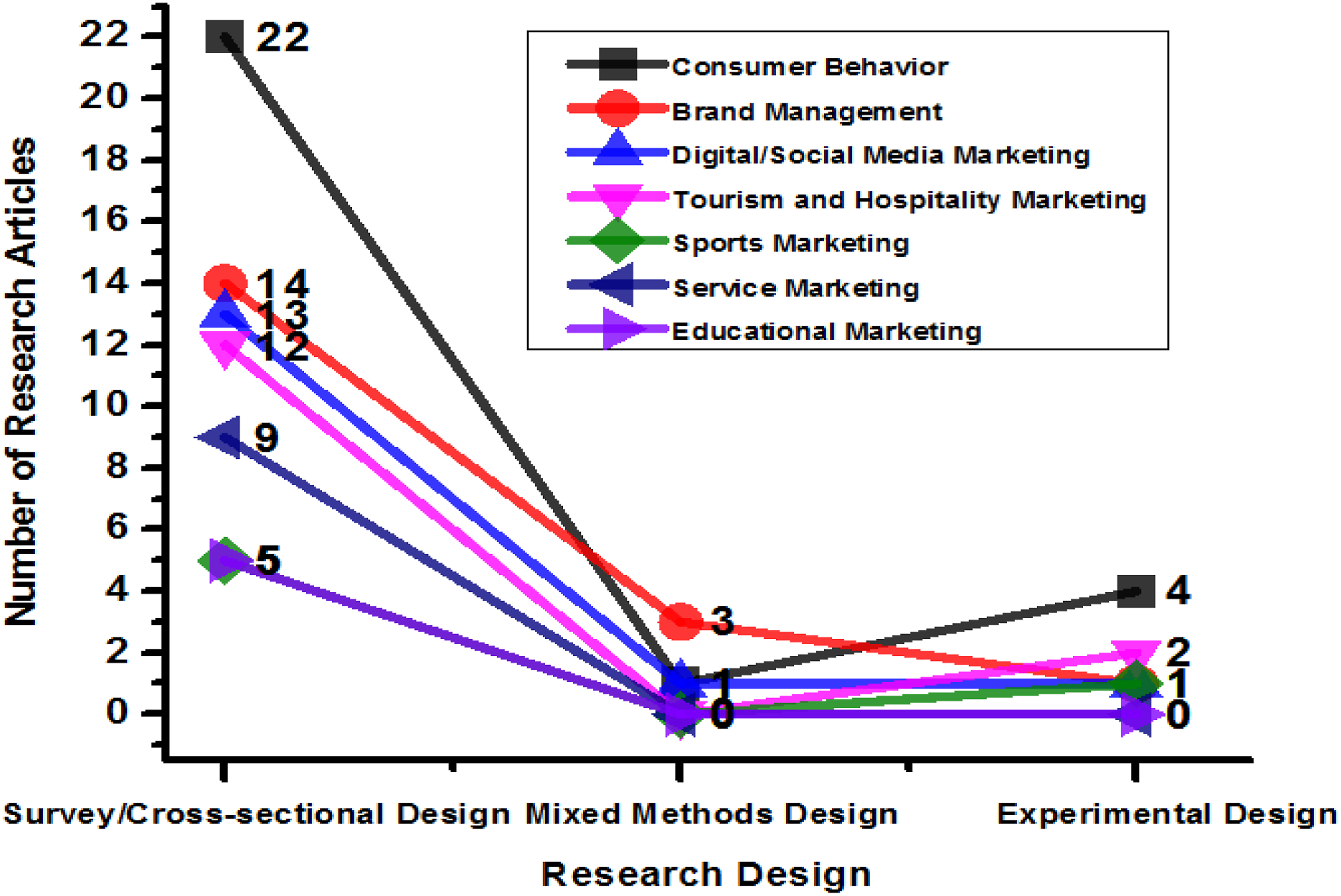
Methods for data analysis
Data analysis methods.
Sampling design
The distinction in sampling methods is primarily between non-probability and probability sampling. Our review indicates that BPNT scholars have tended to prefer non-probability sampling over probability sampling. Specifically, student sampling has been the most frequently applied sampling technique for investigating marketing issues under the lens of BPNT, followed by convenience sampling and purposive sampling. Conversely, within probability sampling, only a simple random sampling approach was utilized in just five studies. Our analysis of the sampling methods also highlights that student sampling has been most frequently used in the consumer behavior domain, followed by digital/social media marketing, brand management, tourism and hospitality marketing, educational marketing, sports marketing, and service marketing. Additionally, it is observed that quota sampling, stratified random sampling, and simple random sampling have been surprisingly underutilized in nearly all domains of marketing. Figure 6 presents a graphical representation of these findings. Overall, these findings highlight potential gaps for future research in terms of sampling methods. While student samples can provide a convenient and cost-effective way to collect data, they may not always be representative of the target population and can lead to sampling bias. Similarly, purposive and convenience samples may be useful in certain situations, but they also have limitations in terms of generalizability and representativeness. Thus, in the future research agenda, we recommend exploring underutilized sampling methods to address marketing issues through the lens of BPNT. Sampling design.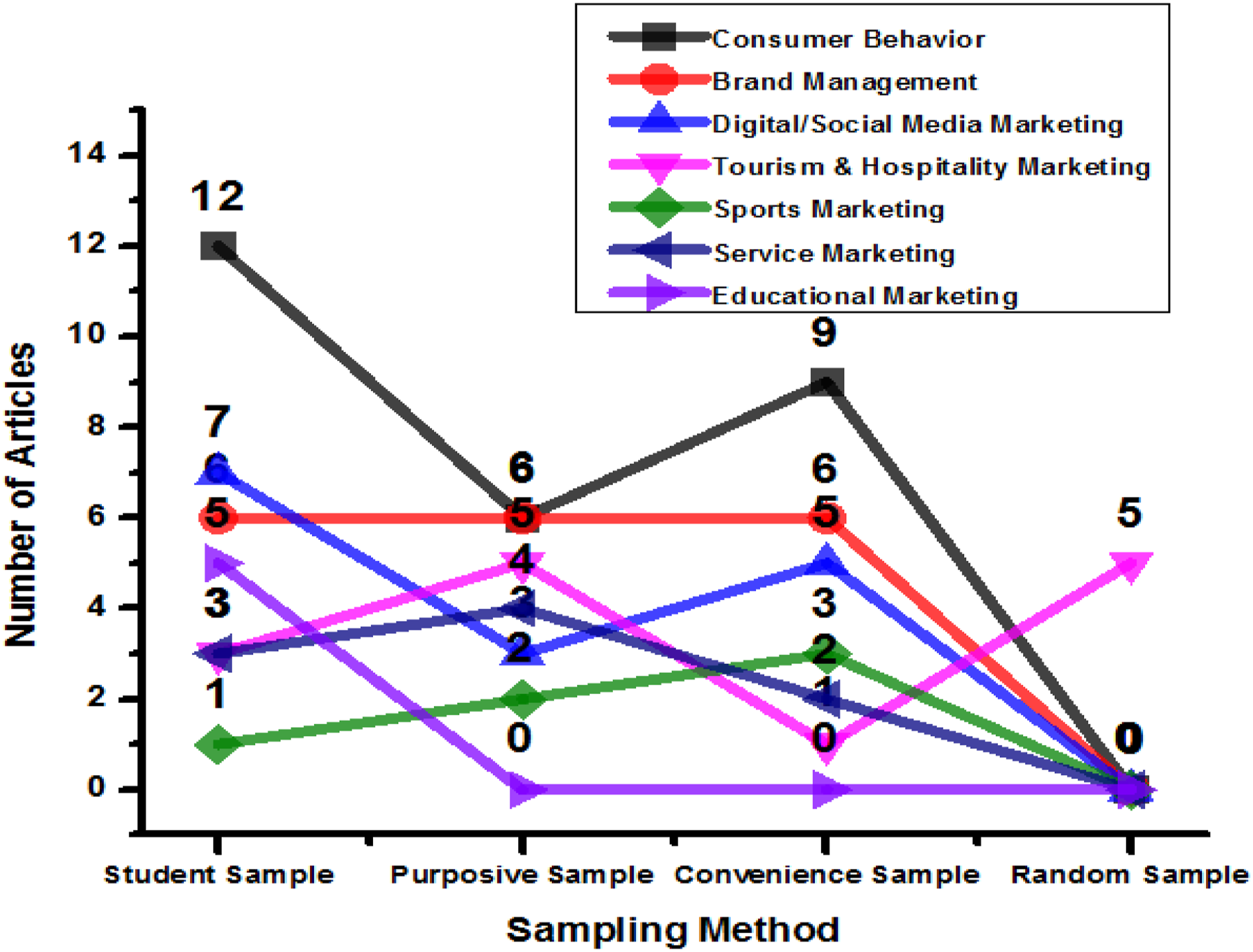
BPNT constructs in the literature: What is known
We further conducted a thorough examination of the literature to identify the use of constructs grounded in BPNT. We performed an analysis of independent, dependent, moderating, and mediating variables. Our analysis uncovered that BPNT constructs, specifically ACR needs satisfaction, were predominantly employed as independent variables in thirty-eight studies by marketing scholars. These studies employed BPNT constructs as independent variables to predict behavioral outcomes across various marketing fields. For instance, they predicted the intention to adopt self-service technologies, revisit intention, purchase intention in the context of dried fruit, celebrity attachment, brand attachment, motivation to produce user-generated content, continuance intention, self-determined travel motivation, behavioral intentions for an integrated resort, visitor satisfaction, destination loyalty, sports passion, e-sport WOM, gamers’ loyalty, in-role behavior, customer compliance, behavioral intention to adopt mobility as a service, intention to use e-learning technology, and professor brand advocacy in higher education institutions.
As indicated in Web Appendix B, forty studies were conducted to examine the psychological needs for ACR underpinned by BPNT as a mediator to capture creative task experiences, loyalty, customer happiness, energy-saving behavior, well-being, willingness to pay, e-waste disposal behavior, CSR engagement, sustainable behavior, fear of missing out, intention to join the brand community, brand passion, brand attachment, attachment transfer, satisfaction with social networking sites, purchase intention, behavioral intentions towards a destination, tourists' intention to revisit, sports engagement, and loyalty, autonomous motivation, and service quality.
Moreover in our analysis, we found that five studies utilized BPNT to identify satisfaction with social media networks, social media experience, social media networking satisfaction, digital self, virtual satisfaction, and types of shoppers using the comparative and cluster analysis technique. Additionally, only seven studies used constructs underpinned by BPNT as moderating variables to capture customer satisfaction, brand engagement, and value co-creation. Two studies used insights from BPNT to develop and validate a scale for measuring consumers’ ACR needs in brand management and tourism & hospitality marketing settings. Surprisingly, only two articles in this review found that ACR needs satisfaction, a BPNT construct, was used as a dependent variable, and these were in the contexts of tourism & hospitality management and sports marketing. These studies provide strong evidence for our assertion that BPNT is an essential theory of motivation that can contribute to understanding various marketing issues. These studies demonstrate that addressing consumers' needs, such as ACR satisfaction, can stimulate more precise intrinsic motives, which can be leveraged in marketing science to better comprehend consumer behavior in various marketing contexts.
Directions for future studies
Outcomes of ACR needs satisfaction
The utilization of BPNT in marketing literature has been notably limited, as only a small number of studies (17 in this review) have borrowed constructs underpinned by BPNT as an independent variable in the domains of consumer behavior and brand management. However, existing studies have demonstrated the value of meeting innate psychological needs. For example, Thomson (2006) suggested that meeting consumers' basic psychological needs can lead to brand attachment, a perspective that was supported by Ilicic et al. (2016) who found that fulfilling autonomy and relatedness needs enhances attachment to celebrities, thereby contributing to brand attachment. Additionally, Hsieh and Chang (2016) found that fulfilling psychological needs motivates consumers to participate in brand co-creation. Despite the importance of these findings, more academic research is needed in the branding and consumer research domains to explore the impact of basic psychological needs fulfillment on brand-related outcomes.
To advance the field, future research should investigate the effect of satisfying ACR needs on customers' engagement in brand resurrection movements. This includes exploring how these needs, when met, inspire customers to bring their beloved brands back to life. Similarly, it is important to examine how meeting the psychological needs of ACR motivates consumers to purchase masstige brands in both emerging and developed markets. It is also crucial to identify which need is the most important in cultivating customers' enthusiasm for masstige brands (Kumar et al., 2020). Finally, exploring the effects of psychological needs fulfillment on a customer’s ability to participate in brand co-creation and willingness to pay a premium for luxury brands can provide further insight into the value of meeting innate psychological needs in marketing.
In the hospitality and tourism domains, the limited utilization of BPNT is evident in this review, with only seven studies having borrowed its constructs as independent variables. These studies offer valuable insights into the importance of fulfilling psychological needs for resort attachment and brand loyalty. For instance, Ahn and Back (2019) found that meeting ACR needs contributes significantly to tourists' happiness and attachment to integrated resort brands. Similarly, Ahn (2019) emphasized the role of psychological needs fulfillment in developing resort attachment. To better understand consumer behavior in the travel and hospitality sectors, more academic research is needed to explore which psychological needs are crucial in inspiring consumers to choose one travel destination over another, and to investigate which needs must be fulfilled to encourage customers to select Airbnb over traditional hotels. Additionally, researchers must investigate how meeting basic ACR needs affects travel behavior, including connections to destinations and the growing trend towards flying on environmentally friendly electric planes.
Similarly, after reviewing 94 studies, it has become clear that there is a significant lack of research on the utilization of customers’ ACR needs satisfaction as independent variables in sports marketing. Surprisingly, we found that only three studies have attempted to explore this area, looking at fans’ passion, e-sports WOM, and gamers’ loyalty. This underlines the need for further investigation into the effects of ACR on the intention to play e-sports, as well as on fans’ behavior and attitudes towards mega sports events such as the FIFA World Cup, T20 World Cup, and/or Olympic Games. By investigating the impact of psychological needs fulfillment on fans’ intentions, researchers can develop a better understanding of how to engage fans with their favorite teams and events, resulting in greater brand loyalty and revenue for sports organizations. Therefore, we urge sports marketing scholars to dedicate more research efforts to this area and explore the potential of BPNT as a theoretical framework for sports marketing.
A significant gap in research related to the utilization of customers' ACR needs satisfaction as an independent variable in service marketing has been identified. Only five studies in this domain have explored this area, such as Schikofsky et al.'s (2020) research, which found that fulfilling ACR needs influences behavioral intention in transportation services. However, more research is needed to understand the impact of ACR needs satisfaction on service brand-related outcomes, such as the intention to use self-service technologies (e.g. ATMs, food delivery apps), intention to adopt an airline brand, or intention to open a bank account. It would be beneficial for service marketing scholars to investigate how satisfaction with ACR contributes to a strong passion for service brands like airlines, banks, and internet (5G) services. Additionally, it is crucial to examine how meeting different psychological needs affects a customer’s decision to use ride-sharing services. Future research in this area can provide valuable insights into how service providers can better satisfy customers' ACR needs after service failure and increase customer loyalty (Kim, 2021).
Our comprehensive review of 94 BPNT studies indicates that the adoption of this theoretical framework to social media marketing is still in its early stages. Surprisingly, only three studies have examined the impact of BPNT on users' motivation to generate content and their intention to continue using social media. Therefore, future research must explore this area in greater depth to gain a more comprehensive understanding of how BPNT can be applied to social media marketing. One promising area for future research is to investigate the relationship between ACR need fulfillment and social network site attachment. It would be beneficial to examine how different social networking sites fulfill various psychological needs and whether these needs impact users' site preferences and usage. Another promising area of research is to explore the impact of ACR need fulfillment on the intention to use fintech services such as online payments. It is crucial to understand whether and how fulfilling one’s ACR affects the adoption of digital/cryptocurrency. To further advance the understanding of how BPNT can be applied to social media marketing, future researchers can investigate specific research questions. For example, how does fulfilling the need for ACR on social media lead to greater user engagement with brand-sponsored content? Additionally, how does fulfilling the need for ACR affect users' intention to take/post selfies with brands and interact with brand pages? These specific research questions can provide actionable insights for marketers and contribute to the development of a more comprehensive understanding of how BPNT can be applied to social media marketing.
Finally, our analysis revealed that among the 94 studies reviewed, only three studies in educational marketing utilized the constructs underpinning BPNT as independent variables. This highlights the need for more extensive research on the application of BPNT to educational marketing. While the existing studies have shown that fulfilling ACR needs satisfaction is essential for predicting e-learning continuation intention and developing an attachment to professors, further investigation is necessary to determine the impact of ACR needs fulfillment. To advance the understanding of the relationship between ACR needs satisfaction and students' attachment to their university, future research can explore specific research questions. For example, how does ACR needs fulfillment affect students' emotional attachment to their university and their willingness to promote the institution on social media platforms? Moreover, what role does ACR need satisfaction play in influencing students' perception of the institution’s brand image and their loyalty towards the university? Answering these questions can provide crucial insights into the factors that shape students' emotional bonds with their academic institutions and enable strategic decision-making in higher education. Therefore, future researchers can explore these areas to contribute to a more comprehensive understanding of how BPNT can be applied to educational marketing. Thus, we propose the following:
Satisfaction with customers’ ACR needs will drive key downstream marketing consequences/outcomes.
Boundary Conditions on the Relationship between ACR Need Satisfaction and Positive Marketing Outcomes
The review of existing marketing research indicates that several customer factors, including gender, age, prior knowledge/experience, confidence, and social comparison orientation, as well as the product type, may significantly moderate positive marketing outcomes. To gain a complete understanding of the factors that influence customer behavior, it is important to investigate the boundary conditions of these factors. This is particularly relevant given the conflicting findings reported in previous studies. For instance, Herrando et al. (2019) found that Generation Y builds trust based on company-generated information, whereas Generation Z develops trust mainly based on user-generated information. Additionally, Gilal et al. (2021b) studied intergenerational differences in T20 World Cup viewing and found that while interest in star players and nostalgic connections were important predictors for Generation X-ers, patriotism, and social influence were significant determinants for Generation Z-ers. Future research should continue to explore these boundary conditions to better understand how customer characteristics and product types influence marketing outcomes. For example, researchers can investigate how customer characteristics interact with specific marketing strategies, such as influencer marketing, to produce positive outcomes. Examining these relationships can offer critical insights into the most effective marketing strategies for different customer segments and product types, leading to more successful marketing campaigns.
In a similar vein, a growing body of marketing research has produced conflicting findings regarding the moderating impact of consumer gender. For instance, while Gilal et al. (2020) found that intrinsic motivation plays a crucial role in driving female customers' passion for clothing brands, Osei-Frimpong (2019) found that intrinsic motivation has a significant impact on both male and female customers' participation in social brand engagement activities. Against this backdrop, it would be valuable to investigate the influence of generational cohorts (Gen Z, Gen Y, and Gen X) on the relationship between consumers' needs for ACR and their engagement in brand resurrection movements, exploring potential differences in psychological needs across these generations. Moreover, it would be worthwhile to examine whether customer age, gender, or national culture moderates the relationship between needs fulfillment and intention to revisit an integrated resort brand. To gain a more comprehensive understanding of the factors driving positive marketing outcomes, such as customer passion for integrated resorts, airline brands, or masstige brands, future research should explore the interaction effects of brand innovativeness, brand identity, consumer/user experience, and customer-company identification with customers' satisfaction of their ACR needs. Pursuing these research avenues, we recommend the following:
Satisfaction with customers’ ACR needs will interact significantly with theoretically actionable moderators to drive key downstream marketing consequences/outcomes.
Antecedents/determinants of customers’ ACR needs satisfaction
Numerous studies in the fields of management and organizational behavior have examined the impact of work-home interference, job characteristics, and task identity on employees' satisfaction with their ACR needs (Jiang et al., 2020). However, comparatively few studies have explored how marketing practices can enhance customers' satisfaction with their ACR needs. Specifically, only two studies have investigated how perceived parenting style and gamification can increase customers' satisfaction with their ACR needs in the domains of tourism and hospitality management and sports marketing, respectively. Our analysis of 94 studies has identified a significant research gap in the areas of consumer behavior, brand management, digital/social media, service marketing, and educational marketing. While no studies have used satisfaction with customers' ACR needs as a dependent variable in these domains, there are several promising avenues for future research. See Figure 7 for detailed future research agenda. Future research agenda.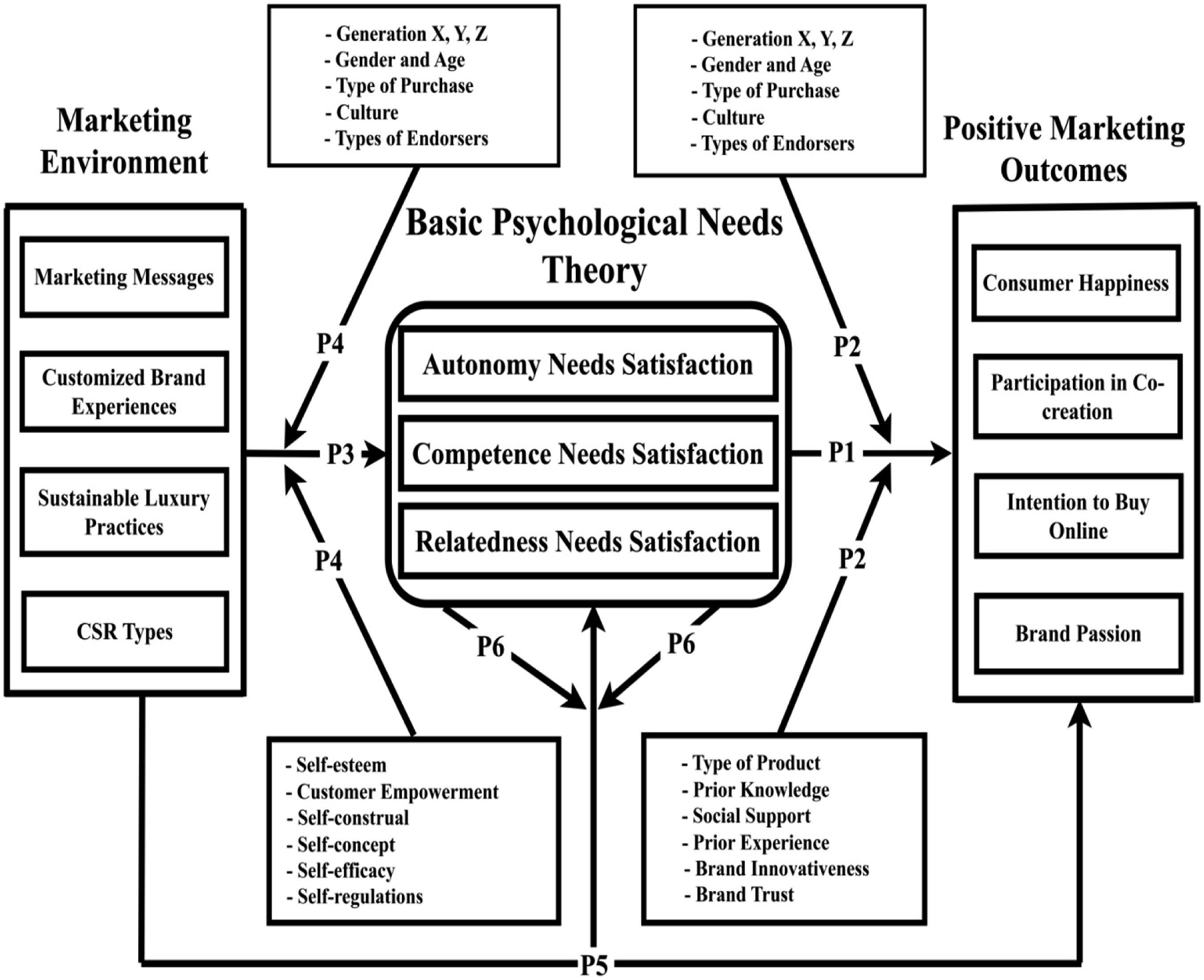
For example, in the realm of sports marketing, investigating the impact of sports NFTs launched by celebrities compared to those launched by sports persons on fans' ACR needs could be valuable. Exploring the relationship between fan engagement through virtual reality experiences and fans' satisfaction with their ACR needs is another area of potential research. Additionally, research can examine the role of sports sponsorship in fulfilling fans' ACR needs in the context of sports marketing. Beyond sports marketing, investigating how social media influencers can satisfy customers' ACR needs through various marketing strategies and the effect of artificial intelligence, blockchain, and machine learning on customers' satisfaction with their ACR needs in the context of digital marketing are promising research areas.
While there is increasing evidence that customers' needs for ACR are powerful predictors of their behavioral outcomes (Webb et al., 2013; Cheung et al., 2017), it is still uncertain how these needs are fulfilled by the marketing environment in different marketing domains. To address this gap, potential research avenues include investigating how buy-one-get-one-free coupon appeals affect customers' ACR needs, exploring whether online mass customization experiences help customers meet their ACR needs, and examining how hotel brand personality, hotel brand experiences, and human-robot interaction influence different types of psychological needs in tourism and hospitality management settings (Chan and Tung, 2019). Additionally, investigating the effects of service experiences in museums, airlines, and ridesharing on consumers' expectations of ACR needs fulfillment in the context of service marketing, as suggested by Park et al. (2020), could be a valuable area for exploration. Further research can also investigate the role of educational marketing in fulfilling students' ACR needs and how it contributes to their academic performance and satisfaction. Finally, examining the role of professors (e.g., assistant, associate, full professor) in higher education institutions in enhancing (or inhibiting) students' ACR needs could provide valuable insights. Addressing these research questions will help fill the gap in the literature and advance our understanding of how marketing strategies can satisfy customers' ACR needs across various domains. Therefore, we recommend pursuing these research questions to advance our understanding of the subject:
The marketing stimulus (such as personalized brand experiences) will have a significant positive effect on customers’ ACR needs satisfaction.
Boundary conditions for the antecedents/determinants of customers’ ACR need satisfaction
Consumer behavior research has long emphasized the importance of understanding the psychological needs that drive purchasing decisions (Gilal et al., 2019). However, these needs are not universal, and they can be influenced by a variety of factors. By conducting a comprehensive review of the marketing literature, we have identified various moderating variables that may affect the satisfaction or frustration of psychological needs underlying BPNT. These moderators include culture, consumer age and gender, self-regulation, self-construal, self-concept, self-efficacy, and self-esteem, which can interact with the marketing environment and affect customers' satisfaction with ACR needs. These theoretically derived moderators can play a crucial role in enhancing customers' ACR needs satisfaction. Therefore, future research should focus on investigating the specific strategies that marketing managers can employ to influence customers' satisfaction with ACR needs. To this end, several promising research directions have been identified.
Firstly, future research could explore how rational and emotional appeals impact the satisfaction of ACR needs among different generations, including X, Y, and Z. For instance, researchers could examine whether emotional appeals, such as creating a sense of belonging, are more effective at satisfying ACR needs for younger generations compared to rational appeals, such as emphasizing product features. Secondly, future research could investigate the impact of luxury brand experiences shared with peers, colleagues, friends, or family on basic psychological ACR needs, while considering moderating variables such as gender and customer age. For example, researchers could explore whether experiencing luxury brands with different social groups affects the fulfillment of ACR needs differently. Another promising research direction is to investigate how motivational regulations, self-construal, self-concept, self-efficacy, and self-esteem interact with the marketing environment to complement or subvert the essential psychological needs of ACR. For instance, future research could examine how motivational regulations, such as intrinsic or extrinsic motivation, affect the fulfillment of ACR needs in different marketing contexts, such as sports or entertainment. Additionally, the research could explore how self-concept and self-esteem interact with the marketing environment to influence ACR needs fulfillment. To address the above-mentioned knowledge gaps in a variety of marketing domains, scholars are urged to create models. For instance, some more specific future research directions could include conducting experimental studies to test the effectiveness of different marketing appeals on ACR needs fulfillment, as well as exploring the role of social media and technology in influencing ACR needs. By developing a deeper understanding of the moderating variables that influence the satisfaction of ACR needs, future research can provide valuable insights for marketing managers to develop effective strategies that improve customers' satisfaction with ACR needs, leading to increased customer loyalty and positive business outcomes. Thus, we recommend the following:
The marketing stimulus (such as sustainable luxury practices) will interact significantly with theoretically driven managerially relevant actionable moderators to drive satisfaction with customers’ ACR needs.
The mediating role of customers’ ACR needs satisfaction
Our comprehensive review of BPNT has shed light on the mediating role of psychological needs for ACR in the consumer behavior domain. Specifically, we identified 16 studies that explored the meditational mechanism of ACR needs satisfaction in capturing customers’ happiness, energy-saving behavior, well-being, WTP, e-waste disposal behavior, CSR engagement, sustainable behavior, creative experiences, loyalty, and fear of missing out. Among these studies, Gilal et al. (2018) found that customer satisfaction with ACR mediates the relationship between product design and customers’ willingness to pay a premium. This result was further supported by another study by Gilal et al. (2019), which revealed that ACR needs satisfaction mediates the relationship between positive WOM messages about e-waste and consumers’ motivation for e-waste disposal, leading to an increase in e-waste disposal behavior. While these studies provide valuable insights into the role of ACR needs satisfaction in consumer behavior, further research is needed to fully understand its mediating role. For instance, it would be interesting to investigate how different media elements of advertisement influence customers’ ACR and which psychological needs are most effective in driving mindful consumption and sustainable post-consumption behavior. In addition, future research using the BPNT framework could examine whether CSR brand fit contributes to an increase in customer happiness through the mediational mechanism of ACR needs satisfaction. Specifically, researchers could identify which psychological needs are affected by a company’s CSR practices and which psychological needs are essential for capturing customer happiness (Sheth et al., 2011; Milne et al., 2020).
In the realm of brand management, only six studies have utilized ACR needs as mediating mechanisms to explore brand-related outcomes, such as brand passion, attachment, and attachment strength. To advance branding scholarship, researchers should model consumers' ACR needs as intervening variables to identify and re-link missing psychological drivers for brand-related outcomes. For example, researchers could examine how omnichannel retailer brand experiences affect brand happiness by satisfying customers' ACR needs (Frasquet-Deltoro et al., 2021). Additionally, researchers should determine whether celebrity endorsers (CEO, experts, sports, and film stars) have an effect on customers' ACR needs satisfaction and what contribution that satisfaction makes to brand equity and popularity (Muniz and Guzmán, 2021).
Furthermore, our analysis of BPNT indicates that the satisfaction of customers' ACR needs was investigated as a mediating variable in six studies in the digital/social media marketing domain. These studies explored how ACR needs mediate the effects of the marketing environment on customer satisfaction with social networking sites (SNSs), loyalty, and purchase intention. Although these studies provide some support for BPNT, further research is required to establish the mediating role of ACR in digital/social media marketing. Researchers could investigate how augmented, virtual, and mixed reality technologies affect consumer behavior and decision-making by fulfilling ACR needs (Javornik, 2016). They could also examine how social media influencers and/or industry mavens' recommendations influence their followers' purchase intentions through ACR needs satisfaction (Flavián et al., 2019). Finally, researchers could investigate how online reviews and mobile apps affect consumers' purchasing decisions through ACR needs satisfaction and whether misinformation, disinformation, fake news, and misleading ads help or hinder ACR satisfaction and online purchasing intentions.
In the field of tourism and hospitality management, there has been limited exploration of customers' desires for ACR as a means of mediating various problems. Previous studies have primarily focused on customers' behavioral intentions towards a destination, tourists' well-being, and their intention to revisit. For instance, Ahn and Back’s (2019) study found that autonomy and relatedness significantly impact customers' hedonic and eudaimonic well-being in integrated resort environments. In another study, Ahn (2019) revealed that meeting customers' ACR needs leads to positive conative effects, such as revisiting and word-of-mouth intentions. Likewise, Japutra and Keni (2020) found that a destination’s source reputation and image help satisfy tourists' ACR needs, leading to positive emotions, commitment, and a higher likelihood of returning to the resort. Nevertheless, despite the promising findings regarding the antecedents and consequences of the three psychological needs for ACR, further research that employs these needs as a mediating variable is necessary. For instance, it is critical to explore how experiences with robots in service delivery environments and hotel service automation can impact customers' ACR needs and which needs, when satisfied, lead to hotel brand advocacy, hotel brand passion, and revisit intention.
In the realm of sports marketing, only two studies have utilized different psychological needs as mediating variables, indicating a need for further research. Bitrián et al. (2020) found that apps with incommensurate elements can boost ACR while also increasing engagement and loyalty compared to those with commensurate elements (Feng et al., 2020). These studies provide significant potential for future research opportunities. Thus, it is essential to investigate how sports marketers' marketing practices influence individuals associated with sports, such as sports fans, using the BPNT lens. One area for future research in sports marketing is to explore how marketing appeals, nostalgic vs. non-nostalgic, impact sports fans' intentions to watch domestic franchised cricket leagues (Pakistan Super League, Indian Premier League, Bangladesh Premier League, etc.) through the mediation of ACR needs. Therefore, it is essential to investigate which psychological ACR needs of sports fans are affected by nostalgic advertisements. Similarly, it is promising to examine the mediating role of psychological ACR needs in the relationship between stadium setting, sports event experience, and fans' intention to watch sports activities. Scholars are encouraged to test these relationships to contribute to the BPNT literature in the marketing domain.
In the service marketing domain, our analysis shows that only three studies have examined the role of different psychological needs as mediating variables, which is surprising. One of these studies found that meeting customers' ACR needs significantly enhances their expectations of service quality (Lin and Lai, 2020), highlighting the importance of addressing innate psychological needs in service marketing. However, more academic research is needed to fully understand how satisfaction with ACR needs mediates the relationship between the marketing environment and marketing outcomes. To this end, future research could explore the role of self-service technologies (SSTs) and their ability to fulfill these needs. Specifically, investigations could assess whether the use of SSTs impacts customers' satisfaction with their ACR needs and determine if increased satisfaction leads to a boost in overall happiness. Furthermore, it would be interesting to examine how service providers' marketing messages, whether rational or emotional, can improve customers' satisfaction with their ACR needs and whether this satisfaction contributes to greater customer attachment and loyalty to service brands such as airlines, banks, and Internet (5G) service providers. Finally, it is crucial to investigate which specific psychological needs are influenced by service authenticity, as well as how frontline service staff influences customers' ACR needs and which psychological needs, when fulfilled, lead to greater willingness to use services. Overall, more research is needed in the service marketing domain to fully understand the role of ACR needs as mediating variables in the relationship between marketing environments and customer outcomes.
Finally, the realm of educational marketing has a significant gap in research that examines the mediating effects of ACR needs fulfillment. Specifically, no studies have utilized ACR as a mediating variable in this area. Therefore, future research can greatly benefit from applying BPNT to investigate whether online lectures and classes during the COVID-19 pandemic satisfy students’ ACR needs, identify which specific ACR needs are fulfilled, and assess the resulting increase in satisfaction and attachment. Another potential area of research in educational marketing is exploring the connection between teaching styles and students' satisfaction with their ACR needs. It would be valuable to investigate whether autonomous (as opposed to controlled) teaching styles lead to greater satisfaction of students’ ACR needs, and which specific needs fulfillment positively influences academic performance. Furthermore, it is crucial to examine how professors can use advanced e-learning technology, such as gamification and virtual reality, to enhance students' satisfaction with their ACR needs and increase their enrollment in courses. For example, research can explore how incorporating interactive simulations and quizzes into the course content can fulfill students' ACR needs. Moreover, it is vital to investigate the impact of technology-mediated course delivery on students' social connectedness and sense of belonging in the university community, as this can offer valuable insights into enhancing ACR needs satisfaction in higher education institutions. These research directions hold great promise in advancing our understanding of how technology can enhance the educational experience and promote students' ACR needs satisfaction. Thus, we suggest:
Satisfaction with customers’ ACR needs will have a significant mediating effect on key downstream marketing consequences/outcomes.
The moderating role of customers’ ACR needs satisfaction
Our analysis of BPNT reveals that only seven studies have examined the moderating role of customer satisfaction with ACR in domains such as consumer behavior, brand management, digital/social media marketing, and service marketing. However, no research has explored the interaction effect of customers’ ACR in the domains of tourism & hospitality management, sports marketing, or educational marketing. Thus, future research directions should focus on investigating the moderating impact of ACR satisfaction. One potential research agenda is to study the impact of soft (vs. hard) promotional appeals on purchasing intention for a luxury fashion brand when consumers are high (vs. low) on ACR needs satisfaction. Additionally, the research could investigate how election candidate campaign advertisements on social media (e.g., Twitter, WeChat, and/or Instagram) influence voting behavior when people have high (vs. low) satisfaction with their relatedness needs. It would also be valuable to examine whether autonomy moderates the impact of green advertising appeals on responsible luxury brand consumption by consumers.
Furthermore, it is crucial to investigate whether firms’ high (vs. low) CSR brand-fit practices lead to customers’ happiness when their ACR needs satisfaction is low (vs. high). Similarly, brand management research could benefit from examining the influence of attractive celebrities on emotional brand attachment when consumers have high (vs. low) satisfaction with relatedness needs. In the field of tourism and hospitality management, it would be fascinating to investigate the impact of positive travel experiences of friends and family on travelers’ destination visit intention when relatedness needs satisfaction is high (vs. low) (Liu et al., 2019).
Regarding digital marketing, it would be beneficial to look into the impact of sales promotions (such as buy one get one free, buy one get 20% off, and fear of missing out) on buying behavior when consumers have high (vs. low) satisfaction of autonomy and relatedness requirements. In the field of education marketing, researchers could investigate the impact of online lectures on students’ intentions to take online classes when they have low (vs. high) competence and need fulfillment. Finally, in the context of service marketing, exploring how customers' competence and autonomy needs can be used as moderating variables to influence the relationship between their satisfaction with online food delivery services and their behavioral intentions to use such services in the future would be valuable. For instance, researchers could investigate how customers' perceptions of their competence in using digital technology may influence their willingness to use online food delivery services such as Foodpanda, particularly when their competence needs are met to a high (vs. low) level. Based on these potential research directions, we suggest the following:
Satisfaction with customers’ ACR needs will interact significantly with the marketing stimulus/environment (e.g., customized brand experiences) to drive key downstream marketing consequences/outcomes (e.g., brand masstige values).
Directions With reference to methodologies
Methodological perspectives for modeling complex relationships in BPNT research
Our review of 94 studies across various marketing domains uncovered some interesting trends and valuable insights into the various methodologies used to explore customers' ACR needs. The most commonly used research method in the reviewed literature was field surveys, with eighty studies employing this approach. However, it is surprising to find that influential methods like observation, case study, correctional design, and eye-tracking designs were underutilized in various marketing domains. Therefore, researchers should consider applying these advanced methodologies to address complex marketing issues. For instance, the Tobii Pro eye-tracker could be used to examine how much time customers spend reading marketing messages that encourage ACR. Additionally, the observational design could be used to investigate whether consumers prefer prices that support autonomy, competence, and/or relatedness in the retail setting. A longitudinal design could be applied to investigate the relationship between a parent’s attachment to a brand and a child’s attachment to the same brand over time, providing valuable insights into how the parent-child attachment relationship to the brand evolves and changes over time. Moreover, latent growth curve modeling is an advanced methodological design that can identify patterns of change in attitudes and behaviors towards environmentally responsible consumption over time and examine how these patterns are influenced by various factors, such as parental values or social norms. Additionally, an experimental design could be used to investigate the impact of low versus high autonomy-supportive CSR programs on brand equity. This approach can provide valuable insights into how consumers perceive and respond to different levels of CSR support and how marketers can develop effective CSR programs to enhance brand equity. To advance this line of inquiry, we suggest the following:
BPNT research will particularly benefit from the use of innovative methodologies to drive managerially meaningful downstream marketing consequences/outcomes.
Data analytic approaches for modeling complex relationships in BPNT research
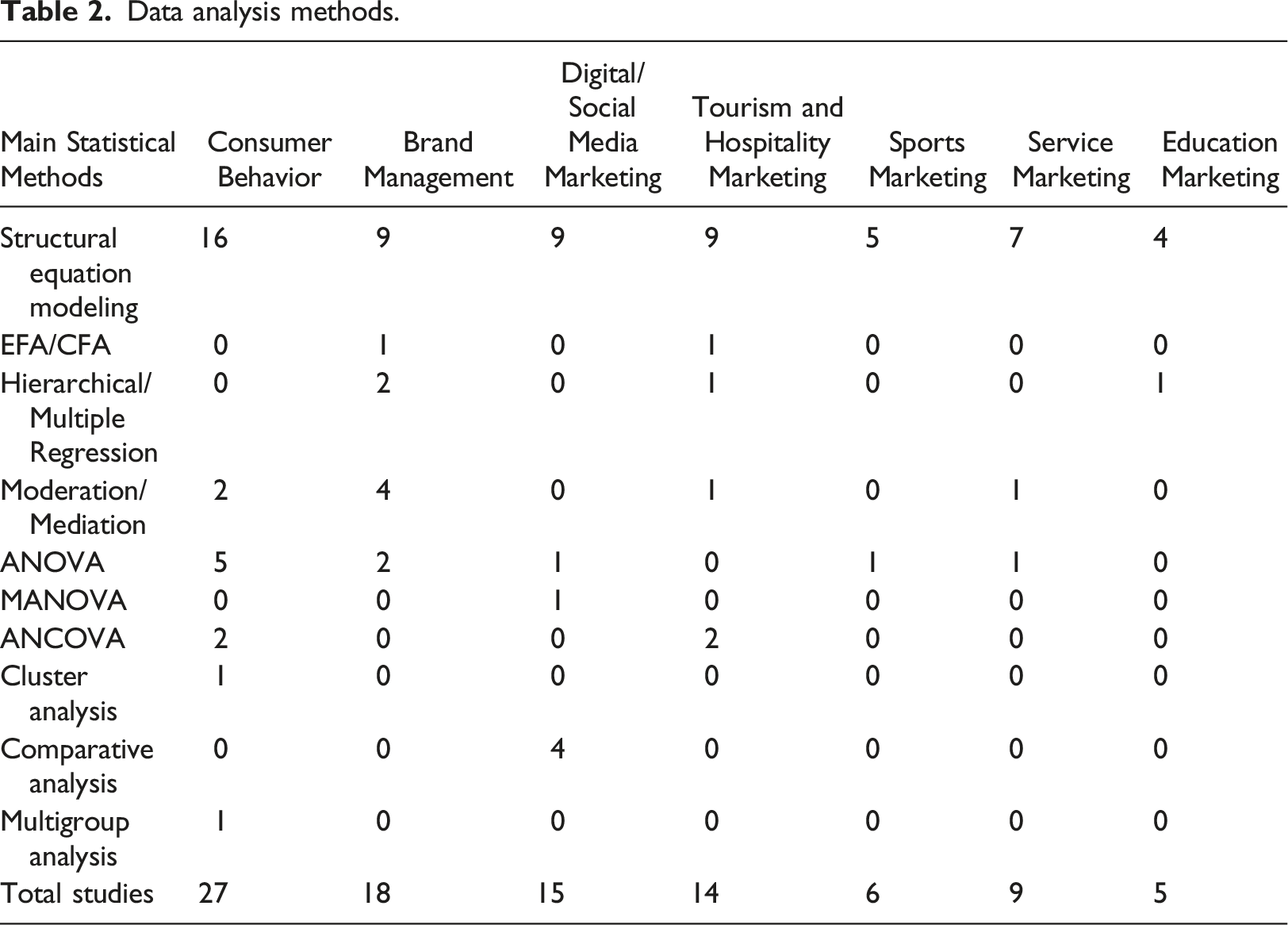
The statistical methods currently utilized in marketing research are presented in Table 2, with Structural Equation Modeling being the most frequently used method, followed by Moderation/Mediation analysis, ANOVA, ANCOVA, and Comparative Analysis. However, there are significant gaps in the application of some advanced data analytics methods such as Hierarchical/Multiple Regression, Cluster Analysis, and Multigroup Analysis across most marketing domains. Therefore, it is imperative to explore the potential use of these methods in marketing research to address a broad range of issues.
To achieve this, one research goal could be to utilize cluster and latent profile analysis to segment customers by gender, age, education, occupation, and other variables based on their satisfaction with their ACR needs. Another potential research topic is to investigate the impact of a celebrity’s eye gaze and smiles on the satisfaction of luxury consumers’ ACR needs, particularly those of Henrys and Generation Z customers, using multi-group modeling. This research direction can be further enhanced by incorporating additional variables such as the celebrity’s social media presence, the type of product being endorsed, and the level of consumer involvement with the product. Additionally, sentiment analysis of social media posts related to the celebrity and the endorsed product can provide insights into how consumers perceive the celebrity and their impact on ACR needs satisfaction. To gain deeper insights into the relationship between the celebrity’s eye gaze and smile and ACR needs satisfaction, advanced data analytics methods such as multi-level modeling and parallel/sequential mediation analysis can be utilized. For instance, the need to belong, the need for uniqueness, and social comparison orientation can be investigated as possible mediators in the relationship between the celebrity’s eye gaze and smile and consumers' ACR needs satisfaction. Identifying these potential mediators can offer a more nuanced understanding of the underlying mechanisms driving the impact of a celebrity’s eye gaze and smile on luxury consumers' ACR needs satisfaction.
Furthermore, future research could investigate how firms' ACR-supportive CSR practices affect emotional attachment among different customer segments, such as males vs. females and young vs. older consumers. Moderation analysis could be used to determine whether the impact of CSR practices on emotional attachment differs between these segments. In the realm of sports marketing, scholars could delve into the impact of ACR needs satisfaction on fans' motivation to attend sporting events. Specifically, researchers could explore how fans' identification with their favorite team mediates the relationship between ACR needs satisfaction and attendance motivation. Moreover, by considering the moderating effects of fans' gender and age, this research could uncover valuable insights into how these factors influence the interplay between ACR needs, team identification, and attendance motivation.
Finally, employing multilevel modeling data analysis in tourism and hospitality marketing research is a promising avenue to investigate the intergenerational relationship between a parent’s satisfaction with ACR needs and their intention to revisit an integrated resort, and how this relationship is influenced by their child’s needs and preferences. By examining how the parent-child relationship affects revisit intentions, researchers can gain a deeper understanding of the dynamics that drive family travel decisions. This research direction can be further enhanced by incorporating additional variables such as family structure, travel experience, and the level of parent-child involvement in trip planning. Incorporating such contingencies would provide a more comprehensive understanding of the factors that influence intergenerational travel decisions, which would be particularly valuable for hospitality and tourism marketers seeking to target families. Thus, to advance this line of inquiry, we suggest the following:
BPNT research will benefit from the use of advanced data analysis techniques to solve motivational issues in different marketing contexts.
Implications for market practitioners
As noted at the outset, the BPNT postulates that people have three fundamental psychological needs: autonomy, competence, and relatedness (Gilal et al., 2019). These needs are essential for optimal growth, development, and well-being, and their satisfaction shapes intrinsic motivation (Vansteenkiste et al., 2020). For example, imagine two individuals shopping for a new laptop. One of them, Sarah, is motivated by the features and specifications of the laptop, and she is excited about how the new device will enable her to work more efficiently and productively. Sarah is intrinsically motivated to purchase the laptop because it satisfies her need for competence, and she believes it will improve her work-related skills and abilities. On the other hand, John is primarily motivated by a special offer of a free gift that comes with the laptop. John is not interested in the specifications or features of the laptop and does not care about how it will impact his work productivity. His primary motivation for purchasing the laptop is to acquire a free gift. John is extrinsically motivated to purchase the laptop because his motivation is coming from an external reward or benefit.
The role of intrinsic motivation in shaping consumer behavior is often overlooked in market research, but it plays a critical role in driving genuine satisfaction and motivation in customers. Understanding the fulfillment of ACR needs through the BPNT framework offers a new perspective for comprehending consumer behavior. Specifically, by applying the BPNT framework, marketers can gain valuable insights into the fundamental needs that individuals require for optimal growth, development, and well-being. For example, a cosmetics brand can highlight natural ingredients to satisfy customers' need for autonomy by providing them with the choice to use products that align with their values. By satisfying these needs through marketing strategies, marketers can better understand their target market, develop more effective campaigns, and increase customer happiness and passion for brands. Thus, adopting the BPNT framework is crucial for enhancing the understanding of consumer behavior and developing impactful marketing strategies that align with consumers' fundamental needs.
Furthermore, one way that marketers can use BPNT to understand consumer behavior is by examining the extent to which their products or services satisfy consumers' autonomy needs. Autonomy refers to the desire to feel in control of one’s own decisions and actions. For example, car manufacturers can appeal to consumers seeking autonomy by offering a range of customizable options, such as color, trim, and features. By allowing consumers to personalize their vehicles, car manufacturers can increase consumer satisfaction and strengthen their intrinsic motivation to purchase a particular brand. Similarly, the satisfaction of competence needs can also provide insights into consumer behavior. Competence refers to the desire to feel capable and effective in one’s actions. Marketers can consider how their products or services provide opportunities for consumers to feel competent by offering challenges and opportunities for growth. For example, video game companies can appeal to consumers seeking competence by providing a range of difficulty levels, achievements, and rankings. By providing opportunities for players to improve their skills and compete against others, video game companies can increase consumer satisfaction and strengthen their intrinsic motivation to continue playing. Finally, relatedness need refers to the desire to feel connected to others and to belong. Marketers can examine how their products or services foster a sense of relatedness by creating communities, promoting social interactions, and providing opportunities for shared experiences. For example, travel companies can appeal to consumers seeking relatedness by offering group tours and activities. By providing opportunities for travelers to connect with others who share similar interests, travel companies can increase consumer satisfaction and strengthen their intrinsic motivation to continue exploring.
Overall, understanding BPNT can provide marketers with valuable insights into consumer behavior. By examining the extent to which their products or services satisfy consumers' ACR needs, marketers can develop more effective strategies to meet the needs of their target audience. Additionally, by strengthening consumers' intrinsic motivation through the satisfaction of these needs, marketers can increase brand loyalty and profitability for their companies.
Conclusion
To the best of our knowledge, this study is the first of its kind, providing a comprehensive and foundational analysis of the relevance of BPNT in marketing, shedding light on an important aspect of academic marketing research that is often overlooked in the marketing science discipline. Specifically, we present customers' ACR needs based on BPNT as a unique perspective for understanding customers' intrinsic motivation and demonstrate how these needs can be applied to solve marketing problems across various marketing domains. We are confident that this expanded perspective will enable marketing scholars to gain a deeper understanding of BPNT and inspire further research. However, while our review has used BPNT as a lens to map out the major research articles and develop the research agenda, we acknowledge that it has some limitations. We included only peer-reviewed papers published in Scopus-listed journals and excluded non-Scopus publications, editorial opinions, book chapters, conference proceedings, and articles published in languages other than English. Despite these limitations, our classic review findings suggest that future studies should use advanced data analysis techniques to investigate one, two, or all of our propositions rather than repeating research using the same conventional models and theories.
Supplemental Material
Supplemental Material - Advancing basic psychological needs theory in marketing research
Supplemental Material for Advancing basic psychological needs theory in marketing research by Faheem Gul Gilal, Justin Paul, Rukhsana Gul Gilal and Naeem Gul Gilal in International Journal of Market Research
Footnotes
Declaration of conflicting interests
The author(s) declared no potential conflicts of interest with respect to the research, authorship, and/or publication of this article.
Funding
The author(s) received no financial support for the research, authorship, and/or publication of this article.

Supplemental Material
Supplemental material for this article is available online.
References
Supplementary Material
Please find the following supplemental material available below.
For Open Access articles published under a Creative Commons License, all supplemental material carries the same license as the article it is associated with.
For non-Open Access articles published, all supplemental material carries a non-exclusive license, and permission requests for re-use of supplemental material or any part of supplemental material shall be sent directly to the copyright owner as specified in the copyright notice associated with the article.
