




Abstract
With the increasing emphasis on personalized learning in the field of education, music teaching has gradually turned to personalized methods to meet the diversified needs of students. In order to ensure the high efficiency and pertinence of music teaching, it becomes particularly important to evaluate the quality of music teaching. The purpose of this study is to explore the role of artificial intelligence technology in personalized music teaching quality evaluation. This paper reviews the historical evolution and current personalized trend of music teaching through literature, and summarizes the basic theory and application model of artificial intelligence technology. On this basis, the empirical research method is used to carry out detailed data collection, model construction, data verification and analysis. The results show that by applying artificial intelligence technology, the quality of music teaching can be evaluated more accurately and efficiently, so as to provide targeted feedback and suggestions for teachers. This discovery not only brings a new evaluation tool to the field of music education, but also opens up a new research direction for the application of educational technology.
Introduction
With the progress of society and the development of science and technology, music teaching has also experienced the evolution from traditional to modern. In the early teaching mode, teachers dominated the classroom and students mostly passively accepted knowledge. However, with the deepening of pedagogical research and the change of social concepts, educators began to pay attention to the uniqueness of students, including learning characteristics, interests, and rhythms. This shift has promoted the application of personalized music teaching methods, transforming the role of the teacher from a single knowledge imparts to a guide and assistant for students’ learning.
Personalized music teaching not only reflects the changes in the field of music education, but also reflects the development of modern education ideas. In this model, students’ subjectivity is emphasized, and they can choose the appropriate learning resources and methods according to their interests and abilities to achieve more effective and in-depth learning.
In recent years, the rapid development of artificial intelligence (AI) technology has brought new possibilities for personalized music teaching. In particular, advanced technologies such as machine learning and deep learning enable educators to capture students’ learning feedback in real time and provide more precise guidance and resource recommendations. The introduction of AI technology not only provides educators with a powerful auxiliary tool, but also helps them to deeply understand the learning state of students, so as to formulate teaching strategies more effectively.
However, the application of AI in music teaching also faces many challenges. For example, how to ensure that AI systems can fully and accurately understand and respond to students’ personalized learning needs, and how to effectively use data while protecting students’ privacy. In addition, educators need to have the appropriate technical knowledge to effectively integrate AI technology into music teaching. These challenges require us to promote AI technology while also focusing on its actual effects and potential impact in educational practice.
In recent years, the application of artificial intelligence technology in the field of music teaching quality evaluation has been widely concerned. Jeremic et al. 1 explored the application of music technology software in the adoption of music teaching content, highlighting the potential of technology to enhance teaching effectiveness. Similarly, Meng et al. 2 studied digital music recommendation technology based on deep learning, highlighting its role in improving the efficiency of music teaching. Chen 3 focused on the design of music teaching system based on artificial intelligence, showing the practicability of this technology in the teaching process.
In terms of music teaching methods, Ma 4 studied AI-based multimedia music teaching, demonstrating the potential of AI technology in improving the interactivity and learning experience of music teaching. Qin 5 proposed a music teaching evaluation technology based on data mining, emphasizing the importance of data-driven methods in teaching quality evaluation. In addition, Chang and Peng 6 explored the application of visual perception human motion detection system in interactive music teaching, revealing the potential of AI technology in improving teaching interactivity.
Yu et al. 7 evaluated the teaching quality of online music education apps in China and emphasized the important role of AI in teaching quality assessment. Li 8 studied the application of generative adversarial networks in music symbol recognition, demonstrating the practical application potential of AI in the teaching process. Chen 9 proposed a compensatory fuzzy neural network based music teaching ability evaluation model, highlighting the importance of AI in teacher ability evaluation. The research of Zhu and Liang 10 focused on the design and implementation of J2Ee-based music teaching system, demonstrating the effectiveness of AI technology in the development of teaching system.
In summary, these studies show the wide application and potential value of artificial intelligence technology in music teaching quality evaluation, especially in improving teaching efficiency, enhancing teaching interaction, and optimizing teaching content.
This study focuses on the application of artificial intelligence in personalized music teaching quality evaluation. First, through a comprehensive review, this paper systematically explores the application status and key technical characteristics of artificial intelligence in music education, and further clarifies its core advantages and potential challenges as a personalized music teaching tool. In view of this, the development trend, existing problems, and prospect trend of personalized music teaching are deeply analyzed, which lays a solid theoretical foundation for the follow-up research. In the empirical research part, this research adopts various strategies such as questionnaire survey, data collection, and model construction, aiming to explore how artificial intelligence specifically affects the quality of personalized music teaching. In addition, for the results of data analysis, the exact role of artificial intelligence in the evaluation of music teaching quality, possible bottlenecks, and solutions are deeply discussed. It is expected that through the organic integration of technology and education, the existing evaluation model of music teaching can be optimized and further personalized education can be achieved.
From a theoretical point of view, although there have been extensive studies on teaching evaluation in the field of music education, there are still relatively few in-depth discussions combining artificial intelligence. This study fills the gap and provides a new theoretical perspective and framework for the intersection of music education and artificial intelligence. This study will deepen educators’ understanding of how to optimize music teaching evaluation with technical means, and provide theoretical basis and direction for subsequent research.
In practice, the personalization of music education is a key component of educational reform. With the continuous development of artificial intelligence technology, its application potential in music teaching evaluation has become increasingly prominent. This study provides an empirical basis for educators and decision makers on how to use artificial intelligence technology to conduct more accurate, efficient and personalized music teaching evaluation, so as to better meet the personalized learning needs of students, improve the teaching effect, and promote the continuous innovation and development of music education.
Theoretical basis
Overview of artificial intelligence technology
Technical system
Artificial intelligence (AI) technology has gone through multiple stages of development and formed a mature technical system. From the early days of symbolism and rule-based systems, machine learning and deep learning have evolved today. 11 In this process, neural networks, especially convolutional neural networks (CNNs) and recurrent neural networks (RNNs), have become key to deep learning, especially in the fields of image and speech processing.
The AI technology architecture has also been extended to sub-fields such as natural language processing, computer vision, and speech recognition. For example, in natural language processing, BERT model sets a new standard in text analysis and semantic understanding. 12 In the field of computer vision, new network structures and training techniques continue to improve the accuracy of image and video analysis.
In the field of education, especially music education, recent developments in AI technology offer new possibilities. For example, deep learning models can analyze students’ musical compositions to provide personalized feedback and guidance. Real-life examples such as Google’s Magenta project, which uses machine learning to create new musical compositions, demonstrate the potential of AI in creative music education.
Application model
The application model of AI is constantly evolving to suit the needs of various industries. Supervised learning models are widely used in classification or regression prediction training, while unsupervised learning models automatically discover structures and patterns in data.
Deep learning models perform well in image and sequence data processing. Reinforcement learning models learn to perform specific tasks through interaction with the environment. Generative adversarial networks (GANs) and variational autoencoders (VAEs) show new possibilities in the field of data generation.
Transfer learning and multitasking learning models reduce training time and data requirements, while the attention mechanism and transformer structure offer new perspectives for handling large data sets and complex tasks.
In the field of education, such as IBM’s Watson education platform, AI technology is used to provide personalized learning experiences, demonstrating the potential of AI to improve the quality and efficiency of education. In music education, AI can analyze students’ practice data and provide targeted practice suggestions, for example, Yousician application is a successful case. 13
Overall, the application model of AI provides a wide range of tools and methods for dealing with complex problems and big data. As technology continues to advance, the application value and potential of these models in the field of education, especially music education, continues to grow.
Definition of personalized music instruction
Personalized music instruction is a method of instruction specific to the field of music education, which provides customized teaching content and methods according to the specific abilities, interests, and learning styles of individual students. The core philosophy of this teaching method is to recognize and respect the uniqueness of each student, through in-depth analysis of the learning needs and potential of individual students, in order to create a more targeted and effective teaching experience. Its purpose is not only to transfer skills and knowledge, but also to cultivate individual students’ musical creativity, expression ability and aesthetic concept. 14
To illustrate personalized music instruction more specifically, here are some practical examples:
Case 1: In a conservatory of music, teachers designed different lessons and exercises for each student’s vocal skills and musical understanding. Because student A has a good sense of rhythm, the teacher designed more rhythm training exercises for him; student B, on the other hand, is more prominent in melody expression, so the teacher provides him with more opportunities for melody creation.
Case 2: An app called SmartMusic that uses AI to analyze students’ playing and provide instant feedback. This way, each student can receive personalized advice and guidance based on their own performance.
Key components of individualized instruction.
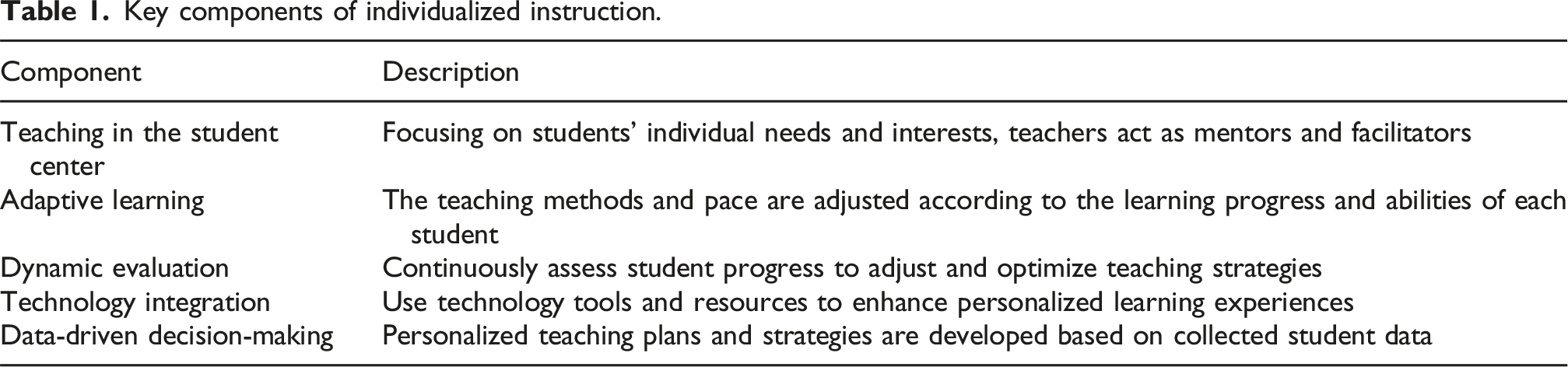
Supporting theories of individualized teaching.

Empirical research strategy
Research objectives and methods
In order to deeply understand the role of artificial intelligence in the evaluation of personalized music teaching quality, a series of concrete empirical research objectives and corresponding research methods are formulated in this study.
Research objectives
Frequency and Scope of assessment: This study aims to gain insight into how often educators use AI technology for quality assessment in personalized music instruction and identify its main application areas.
Specific application and effect: This paper analyzes the implementation and effect of artificial intelligence in personalized music teaching evaluation.
Assessment of attitudes and satisfaction: To assess educators’ and students’ attitudes and satisfaction with the use of AI technologies to assess the quality of music instruction.
Research methods
Questionnaire survey: A detailed questionnaire was designed, which was divided into the following three parts:
Basic information: Collect basic information such as educators’ personal background, music teaching experience, and familiarity with artificial intelligence.
Application section: Learn how often educators are using AI to assess the quality of music instruction, the main tools and platform choices, and the challenges they face.
The Satisfaction section collects the satisfaction, opinions, and improvement suggestions of educators and students on the use of AI technology for music teaching evaluation.
Sample selection: During the sample selection phase, special attention was paid to the selection of educators from different backgrounds, experiences, and regions to ensure broad and diverse feedback.
In-depth interview: After the questionnaire survey, some respondents were interviewed in depth to obtain more detailed views and experiences.
Data analysis: Quantitative data will be analyzed using statistical software, and qualitative data will be processed through content analysis.
Research logic framework: This study will first collect preliminary data through questionnaires, and then acquire more in-depth insights through in-depth interviews. Data analysis will combine quantitative and qualitative methods to comprehensively evaluate the role of AI in the quality evaluation of personalized music teaching.
This research method aims to comprehensively capture the actual situation of the role of artificial intelligence in quality evaluation in personalized music teaching by combining quantitative and qualitative data collection methods.
Sample screening and questionnaire distribution
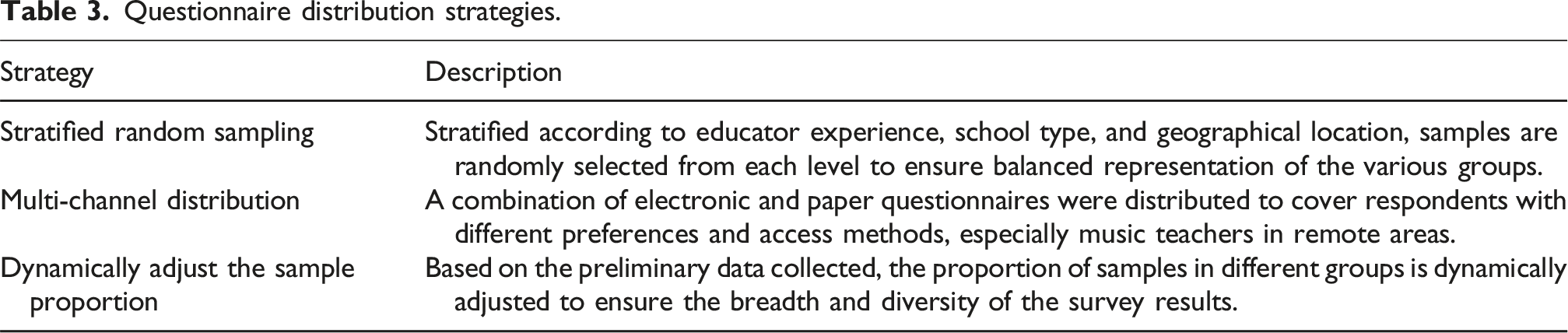
To ensure the representativeness of the survey and the reliability of the results, this study adopted a series of strategies in the process of sample screening and questionnaire distribution.
Strategies to ensure the validity of the questionnaire
(1) Questionnaire design review: After the questionnaire design was completed, 5 experts in music education and 2 experts in artificial intelligence were invited for review. These experts have rich practical experience and theoretical knowledge to ensure the relevance and effectiveness of the questionnaire questions. (2) Pre-test: Before the formal distribution, 30 music teachers were selected to conduct a questionnaire pre-test. These teachers come from different districts and different types of schools and are able to help us identify and correct potential problems in the questionnaire. (3) Clear guidance: At the beginning of the questionnaire, detailed filling guidelines and background instructions are provided to ensure that respondents understand the purpose of the research and the importance of the questionnaire. (4) Question design to avoid bias: Through expert review and pre-test feedback, ensure that all questions remain neutral and avoid guiding or leading statements.
Strategies to ensure questionnaire representativeness
Questionnaire distribution strategies.
Data collection and model construction
Data acquisition strategy
Data source identification
In order to deeply study the role of artificial intelligence in the evaluation of the quality of personalized music teaching, it is crucial to accurately identify the data sources. Given the special nature of this study and the complexity of the details required, the following core data sources were selected:
Student evaluation feedback set: The evaluation feedback collected by the student questionnaire constitutes the primary data of this study, including the comprehensive evaluation of teaching content, methods, and educator performance. The data is anonymized to ensure authenticity and reliability.
Educator assessment documents: Educator’s systematic assessment of students provides another perspective of research, revealing students’ skill mastery, learning progress, and performance.
Learning Management System (LMS) records: Using the large amount of data in the LMS, students’ online learning activities, performance, and educator’s interactions with students can be captured in detail.
Combining these data sources, this study aims to explore students’ feedback and performance in personalized music instruction from multiple dimensions. This multi-source data strategy ensures the depth and breadth of the assessment, providing a solid foundation for subsequent data processing and analysis.
Data preprocessing method
Ensuring the quality and accuracy of the data is crucial for subsequent model construction. The following data preprocessing methods were used in this study:
Data cleansing: Perform basic data cleansing first, including removing duplicates, correcting glaring errors, and deleting incomplete records.
Data standardization: In order to ensure the comparability of evaluation data, all scoring data are standardized to a uniform range. Specifically, suppose 
Outlier detection and processing: z-score method was adopted for outlier detection, as shown in formula (2) below.
Feature selection: Based on correlation analysis, select features that are highly relevant to the research purpose. Specifically, the Pearson correlation coefficient between each feature and the final score is calculated, and then features whose correlation coefficient is higher than a preset threshold are selected for subsequent analysis.
These preprocessing methods ensure the quality of data and provide a solid foundation for the subsequent model construction.
Model construction and optimization
Deep learning model structure.

Loss function and optimization
The mean square error (MSE) is used as the loss function, as shown in formula (3) below. Loss function changes with the number of training iterations.
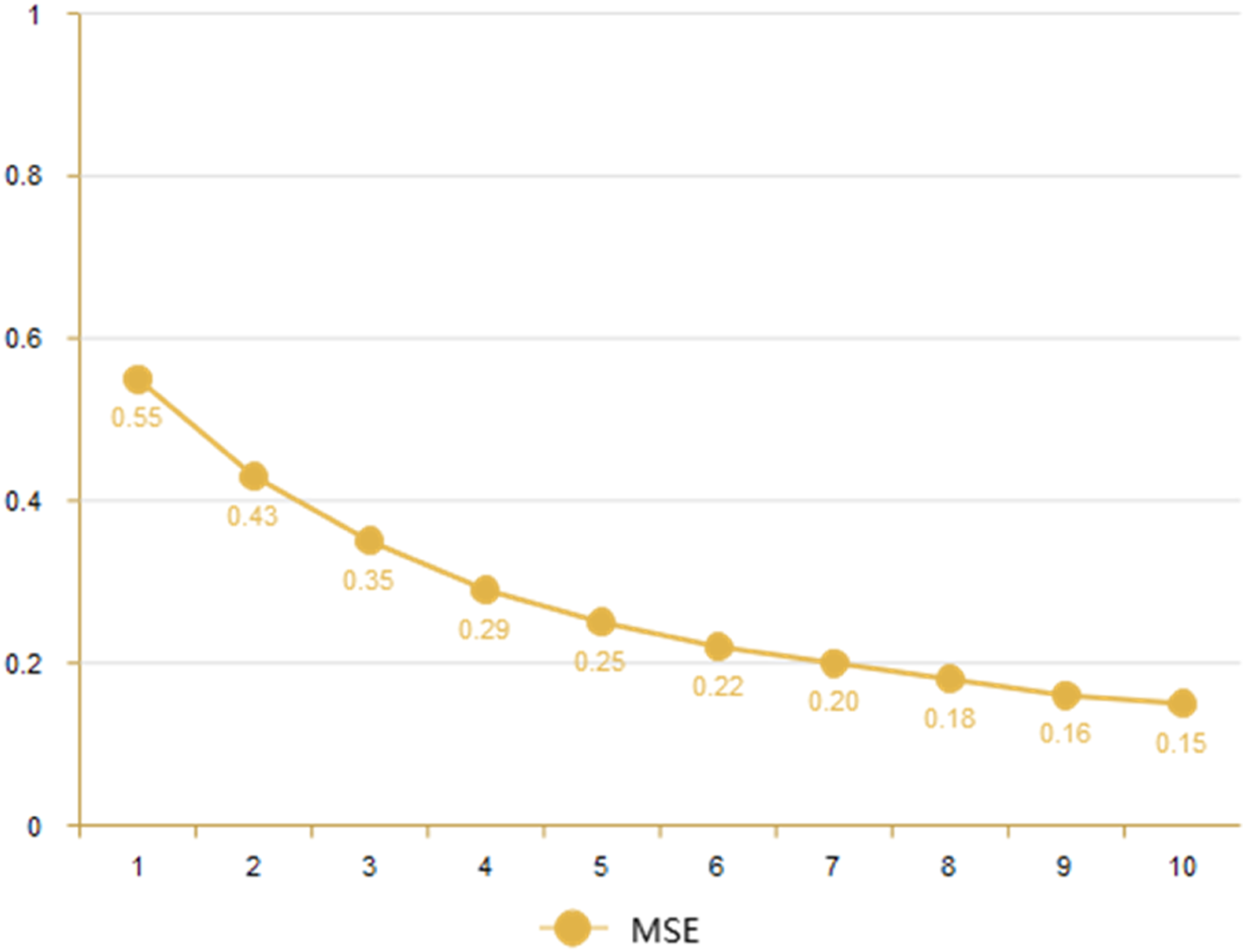
With the increase of the number of training iterations, the value of the loss function decreases gradually, which indicates that the model gradually converges and develops towards optimization.
Regularization and prevention of overfitting
To ensure the model’s ability to generalize, the study employs Dropout technology to randomly turn off a subset of neurons in the network, thereby preventing overfitting. In addition, the early stop method is also adopted to stop the training of the model when the performance on the verification set is no longer improved.
Model verification and adjustment
The model is trained on the training set and verified on the validation set to ensure its performance and generalization ability. According to the verification results, the study carried out hyperparameter tuning to further improve the accuracy of the model.
Finally, after several iterations and optimization, an efficient and reliable model was obtained for evaluating the teaching quality of individual students in personalized music instruction.
Data validation and result analysis
Data validation methods and tools
During the data validation process, we focused on ensuring the accuracy and robustness of the deep learning model in the task of evaluating the quality of music teaching. To this end, the following innovative validation methods were used:
Enhanced K-fold cross-validation
Based on the standard K-fold cross-validation, the data enhancement technique is introduced to improve the generalization ability of the model. This approach not only uses raw data for validation, but also fine-tunes and transforms the data to simulate more real-world situations. The error calculation of enhanced cross-validation is shown in the following formula (4): Cross-validation records.
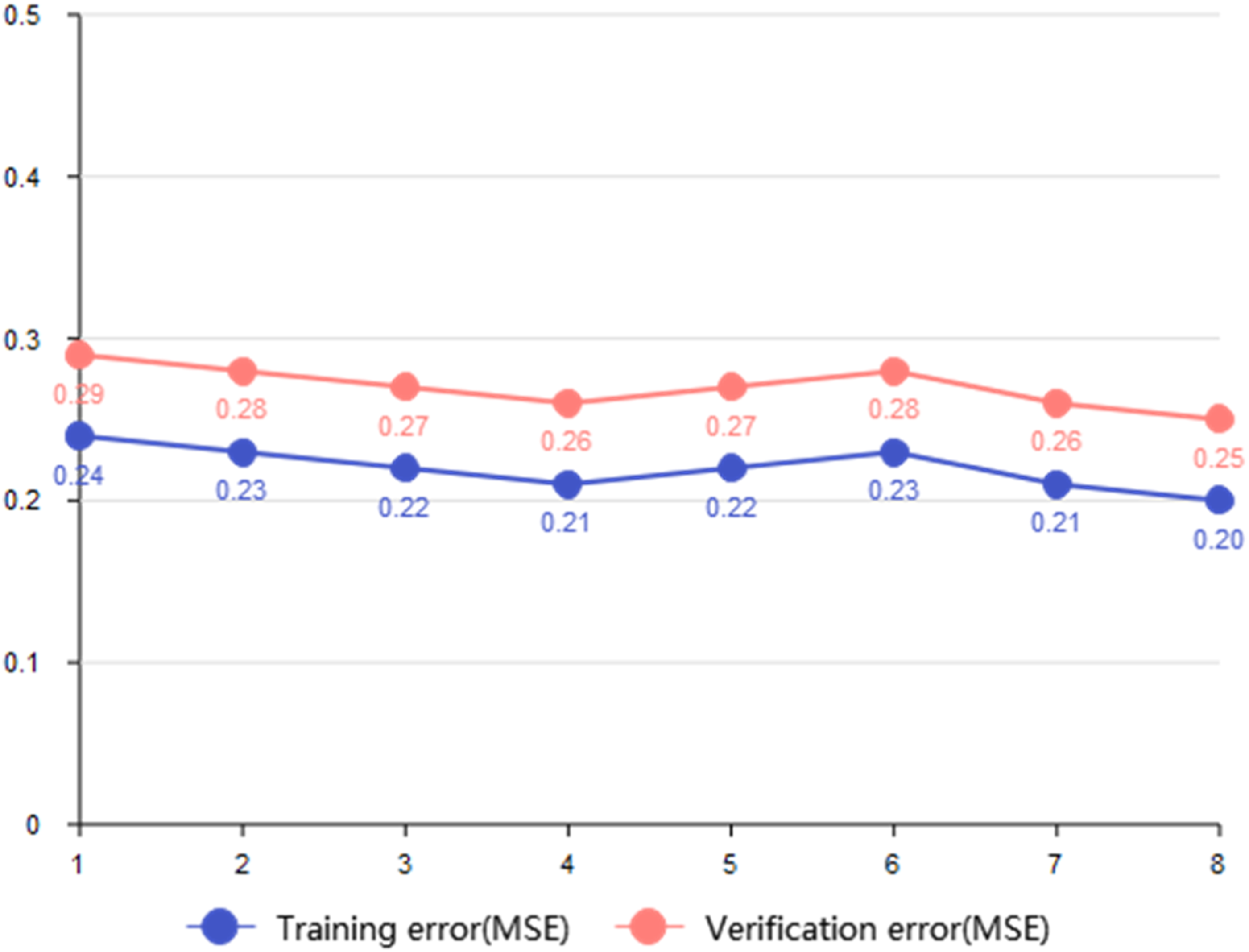
Figure 2 depicts the training and validation errors in each round of enhanced validation, which helps to understand the stability and generalization ability of the model.
ROC curve and AUC score
The ROC curve and AUC score were also used to evaluate the classification performance of the model, as shown in formula (5) below.
Confusion matrix
Confusion matrix.

Table 5 shows the actual performance of the model when predicting positive and negative examples, from which key indicators such as accuracy rate and recall rate can be obtained.
Taken together, these data validation methods and tools provide a comprehensive perspective to evaluate the effectiveness and reliability of AI in the evaluation of the quality of personalized music instruction.
Data results and analysis
After the above data validation method, the research continues to conduct in-depth analysis of the obtained model results. Here are the main results and the corresponding analysis:
Overall evaluation accuracy
Based on the confusion matrix in Section 5.1, the overall accuracy of the model is calculated. Formula (6) is shown below.
Substitute the values in Table 5 to obtain:
That is, the overall accuracy of the model was 88%.
Recall rate and accuracy of the model
Recall rate and accuracy are the key indexes to evaluate the model performance. Formulas (7) and (8) are shown below.

Substitute the values in Table 5 to obtain:
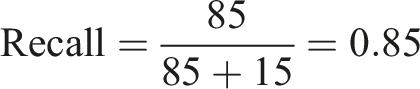
The three statistics are shown in Figure 3. Main performance indicators.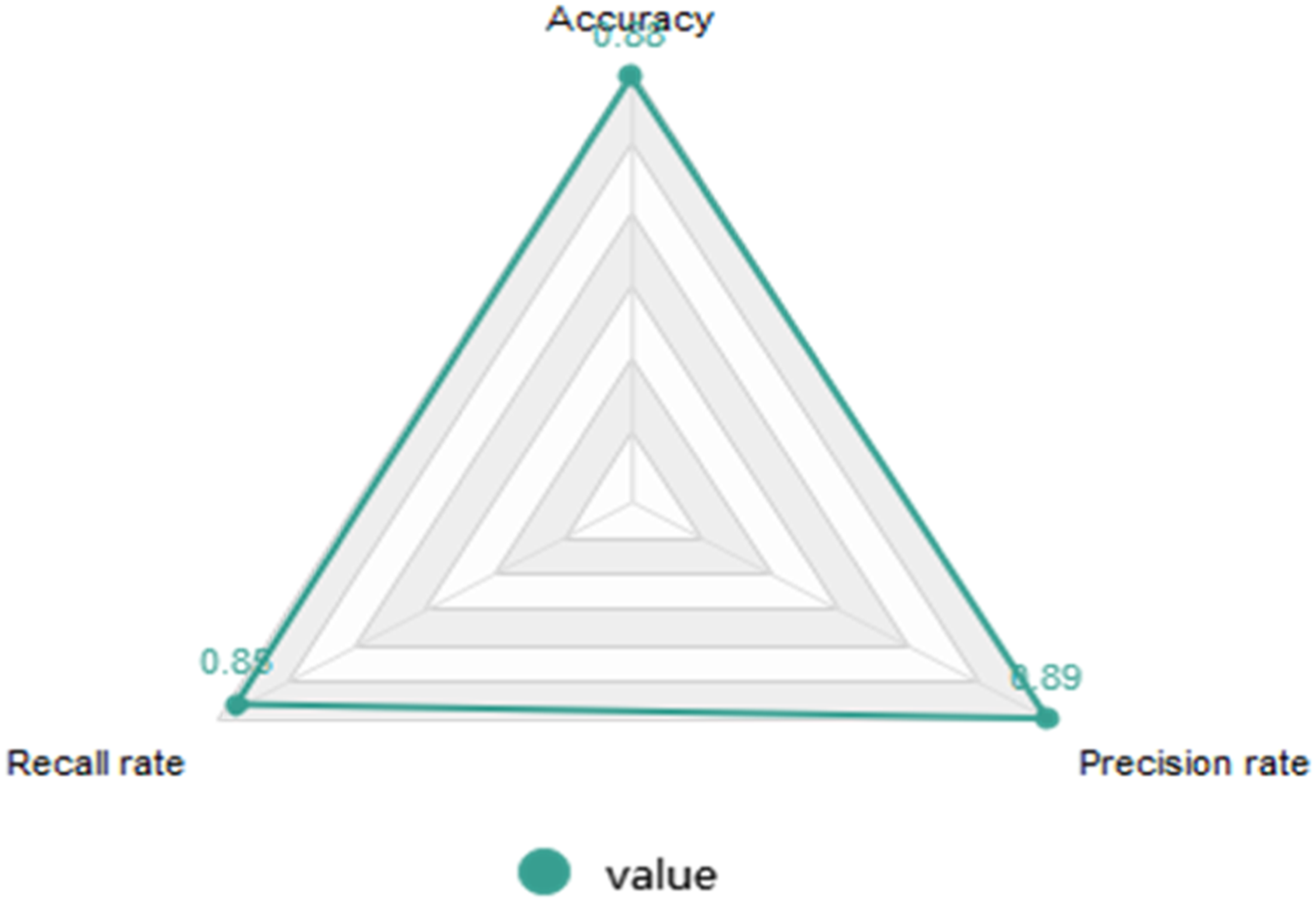
Figure 3 shows the three key performance indicators of the model. From this, we can see the excellent performance of the model in the task of music teaching quality evaluation.
AUC score analysis
According to the ROC curve and AUC score in Section 5.1, the model has an AUC score of 0.92, which means that the model has a high ability to distinguish.
Feature-based analysis
To further understand which features are most important to the model’s predictions, a feature importance analysis was performed. Students’ musical foundation, learning motivation, and historical evaluation data were found to be the three most important characteristics, as shown in Figure 4. Feature importance ranking.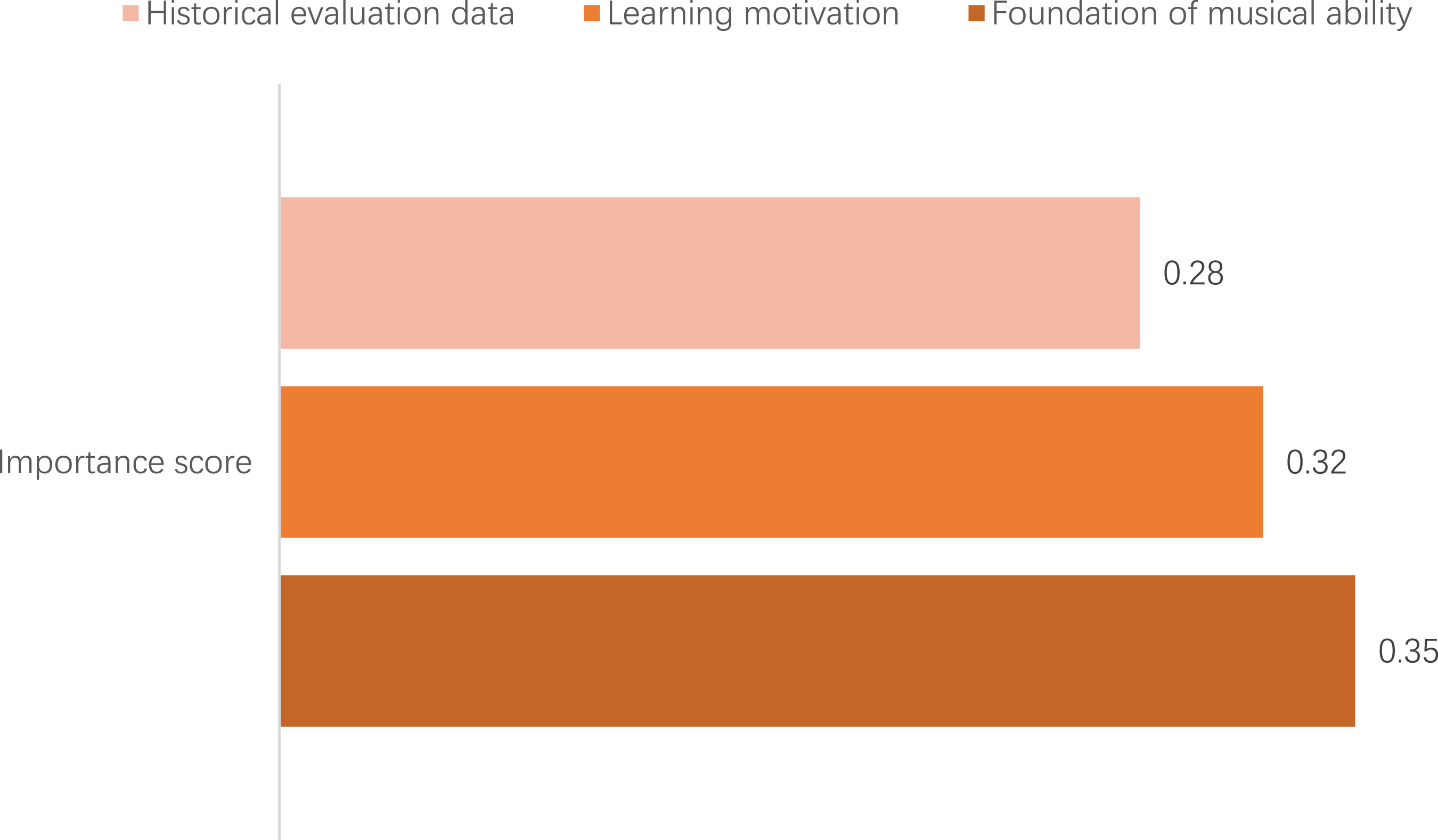
The importance scores of each feature are shown in Figure 4, which helps to understand the driving factors behind student performance in music instruction.
Based on the above results and analysis, artificial intelligence has a significant effect on personalized music teaching quality evaluation, which not only improves the accuracy of evaluation, but also provides a method for in-depth understanding of students’ music learning.
Application and enlightenment
In the field of personalized music teaching, it is extremely important to ensure the evaluation of teaching quality, especially in the context of modern educational trends. Through the introduction of artificial intelligence technology, this study brings a new perspective and depth to the quality evaluation of music teaching. Using AI technology to evaluate teaching quality allows educators to more accurately capture the learning outcomes and feedback of each student, providing music educators with deeper insights to better optimize teaching methods.
In the future development trend, the application of artificial intelligence technology in the field of music education may exhibit the following characteristics and influences:
Real-time and continuous assessment: Compared to traditional music teaching assessment, AI technology can be conducted in real time, providing immediate feedback on communication between educators and students. This kind of real-time and continuous evaluation will greatly improve the interactivity and efficiency of music teaching.
Multidimensional evaluation: In addition to traditional teaching quality evaluation, artificial intelligence can also explore multidimensional information such as students’ emotional responses and learning styles in music learning, providing a richer and more diversified evaluation dimension for music education.
Personalized learning path: Based on in-depth analysis of AI technology, it is possible to develop a more personalized learning path in the future, with customized teaching plans and content tailored to the specific needs and preferences of each student.
Data-driven instructional decisions: AI technology will make the field of music education more dependent on data-driven decision-making, resulting in more effective and targeted instructional strategies and content.
In general, the application of artificial intelligence technology in personalized music teaching quality evaluation not only improves the accuracy and efficiency of evaluation, but also predicts the future development direction of music education field. These innovative applications and approaches will open up new research and practical opportunities for music education, creating richer and more efficient teaching and learning experiences for music educators and learners.
Conclusion
This study discusses the application and value of artificial intelligence technology in personalized music teaching quality evaluation in detail. Through empirical research and in-depth data analysis, we have come to a key conclusion: the quality of music learning can be more accurately assessed using advanced AI techniques. The technology provides educators with feedback to help them develop targeted strategies based on each student’s unique learning situation.
Compared with traditional evaluation methods, artificial intelligence has demonstrated significant advantages in music teaching quality evaluation, especially in terms of automation and efficiency. However, limitations of this study should also be noted:
Limitations of sample scope: Due to resource and time constraints, the sample collected in this study may not be fully representative of all music learners. Therefore, future studies need to expand the sample size to obtain more general conclusions.
Development of techniques and methods: In order to fully utilize the potential of AI technology, future research should explore more advanced techniques and methods to improve the accuracy and depth of evaluation.
Interdisciplinary cooperation: Promoting the cooperation of multiple disciplines such as music education, artificial intelligence technology, and psychology will provide a richer and more comprehensive perspective for research in this field.
All in all, despite the positive results of this study, these limitations need to be further considered and addressed in future studies. This study provides strong evidence support for the application of artificial intelligence technology in music teaching quality evaluation and looks forward to the broad prospects and innovation opportunities of this technology in the field of music education evaluation in the future.
Statements and declarations
Footnotes
Conflicting interests
The authors declared no potential conflicts of interest with respect to the research, authorship, and/or publication of this article.
Funding
The authors received no financial support for the research, authorship, and/or publication of this article.