



Abstract
The effective tracking and management of on-site operations in power infrastructure (PI) is critical for assuring operational reliability and avoiding service interruptions. Traditional monitoring systems are frequently constrained by human error, slow response times, and the inability to give real-time data on system conditions. This research uses a digital system to identify on-site operations of PI, utilizing Time-Stamped Measurements (TSM) to provide real-time monitoring and problem identification. The suggested system architecture is made up of both software and hardware parts that work together to collect, process, and evaluate data concurrently for fault detection and condition estimate in PI. Various types of sensors are installed throughout the power grid to collect data on operating characteristics such as current, temperature, voltage, and performance metrics. The collection of TSM is an important step in the proposed system since it provides precise, time-based data required for reliable problem identification and operational analysis. The sensors communicate TSM to IoT devices or gateways and employ communication protocols such as Wi-Fi to deliver the data to the main server or cloud server. Before the analysis, the raw data is pre-processed, utilizing data normalization and feature extraction using the Fast Fourier Transform (FFT). Intelligent Genetic Energy Valley Optimizer (IntGen-EVO) is used to detect defects in real time using time-stamped data. The framework demonstrates superior accuracy (98.7%), precision (98.3%), recall (98%), and F1-score (98.4%) compared to traditional methods, significantly enhancing fault detection in the PI system. The findings demonstrate the method provides accurate concurrent insights into the infrastructure’s operational state, allowing for preventive maintenance and rapid identification of problems. Therefore, the digital system described in this research provides an effective solution for increasing operational effectiveness and reliability in PI management.
Keywords
Introduction
Power infrastructure (PI) is one of the most important resources for contemporary society. The significance of digitalization in power infrastructure has become increasingly apparent, particularly with the advent of smart technologies and IoT systems. These advancements provide real-time tracking, data analysis, and improved operational efficiencies, thereby ensuring that electrical energy remains reliable for critical societal functions. By harnessing these digital innovations, the primary objective of this research is to develop a cutting-edge digital system that facilitates real-time monitoring and fault detection in power infrastructure using Time-Stamped Measurements (TSM). This system not only aims to enhance operational reliability but also seeks to pre-emptively address potential service interruptions through proactive management. Broadcast exceeds maintaining high-voltage diffusion lines that transmit the bulk electrical energy across great distances from power generating locations to power distribution locations. These transmission tower collapses frequently cause significant economic losses as well as interruptions in the operation of other infrastructure systems.
1
Infrastructure has gotten smarter due to digitalization. The process of digitization has gradually improved the effective functioning of the power system, the proactive management of users, assets, and processes, and the best possible use of physical space and energy. Nations that have used digitalization in areas other than manufacturing like robotics and the Internet of Things (IoT).
2
PI supports electrical circuits with anticipated lifespans of 60–80 years and is made up of transmitters and hundreds of entity extremities. The infrastructure is subject to changing environmental conditions as it matures, leading to unanticipated degradation and jeopardizing the system’s security and dependability. The physical condition of PI must be regularly monitored for proper asset management. Trained field personnel perform visual inspections at regular intervals, visiting each pole in PI’s right-of-way.
3
Figure 1 shows the classification of the PI system. PI system classification.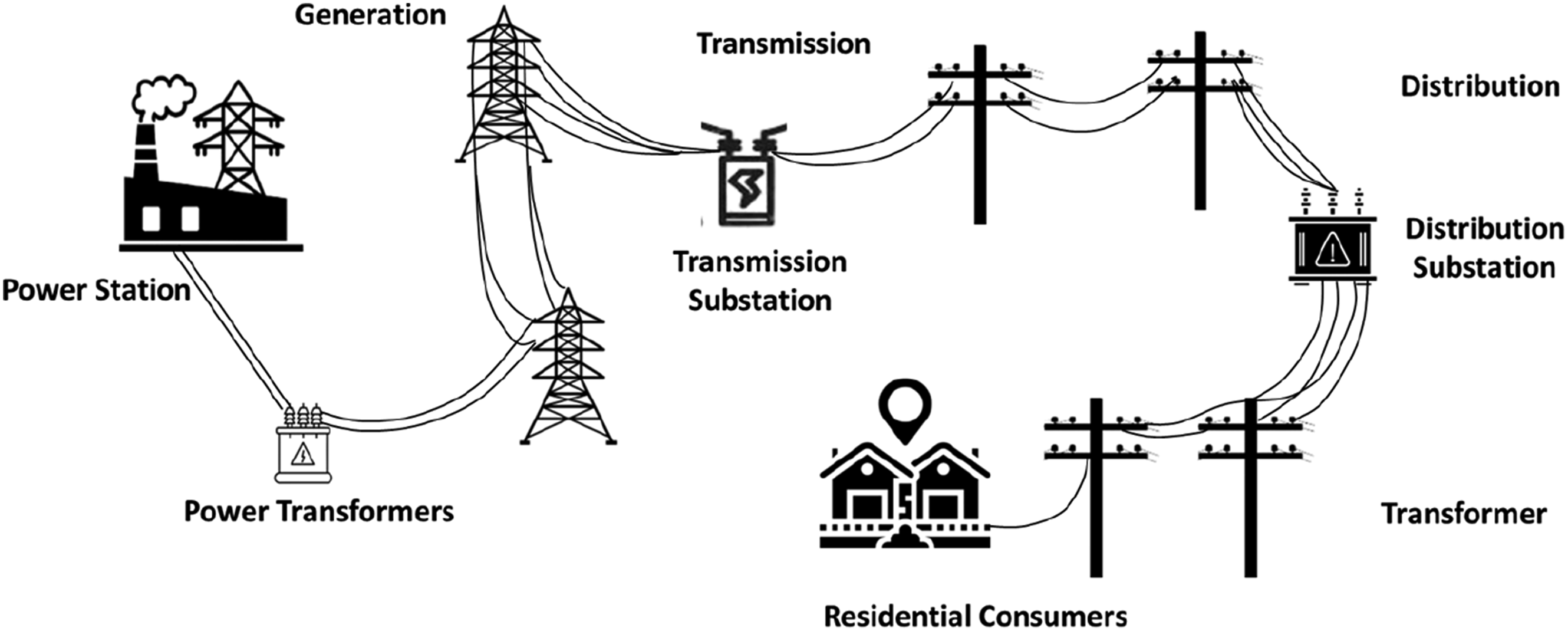
Nevertheless, conducting routine inspections is not economically viable. The budgets for the TSO are strained even by yearly inspections. Statistical methods for lifespan estimation are inadequate due to the lack of information from traditionally low-conduction transportation faults exacerbating this issue. 4 A Health Index (HI) organization provided on a broader position of extremity situation is developed to assess the probability of quality failure in a specific instant structure. Several technical publications concerning PI state estimation and determination of significant faults concentrate on the recognition of fundamental failure. The method necessitates data gathering through the foot patrol inspections, even if it is created precise, predefined criteria lists for every PI component. 5 Over the past 10 years, the usage of aerial vehicles, like drones or helicopters, for inspections has increased. Typically, cameras and Light Detection and Ranging (LiDAR) are used for aerial inspections to obtain 3D models, images, and geographic data, including the PI’s point cloud and right-of-way. 6 The primary focus of such inspections is on the vegetation and transmitter’s earth consent examination rather than on evaluating the mechanical condition. Unfortunately, input regarding PI problems is typically lacking on the stage that foot rounds offer evidence. While line components are detected in entity recognition based on video and images from aerial analysis, no condition evaluation is carried out. 7 The research objective is to develop a digital system for real-time monitoring and fault detection in PI using Time-Stamped Measurements (TSM). The aim is to improve the accuracy and consistency of operational insights, facilitating efficient fault identification, preventive maintenance, and improved overall management of the PI system.
The effective management and monitoring of PI are crucial for ensuring uninterrupted service and operational reliability. The main contributions of this work are: (1) The objective is to develop a digital system for real-time monitoring and fault detection in PI, utilizing TSM to enhance operational reliability and identify issues promptly. (2) Data is gathered from various sensors installed across the power grid to monitor operating features like current, voltage, temperature, and performance metrics. (3) The data is pre-processed using normalization to standardize values and feature extraction using Fast Fourier Transform (FFT) to ensure the data. (4) The research introduces the Intelligent Genetic Energy Valley Optimizer (IntGen-EVO) to execute concurrent defect detection and condition estimation on the pre-processed TSM data, providing accurate insights into the operational state of the PI. (5) The system successfully delivers real-time monitoring and defect detection, offering precise insights into the PI operational state. This enables preventive maintenance and timely problem identification, improving the overall effectiveness and reliability of PI management.
The proposed system effectively improves operational monitoring and fault detection in PI, enabling timely maintenance and problem resolution. Its real-time capabilities significantly boost the efficiency and reliability of PI management.
Related work
This section provides a summary of previous research and methodologies in the field of PI monitoring and defect detection, focusing on the use of advanced technologies and highlighting the strengths and limitations of the existing approaches.
Research 8 created a new Digital Twin (DT) structure to improve the Electric Power Network’s (EPN) hurricane resilience. The technique allows for real-time failure estimation by combining data-driven and physics-based models with a dynamic Bayesian network (DBN). Results demonstrated precise performance validation; nonetheless, scalability issues still exist.
The objective of the goal 9 focused on cybersecurity in the electric influence industry and used a DT to create a cyber-resilience system for Critical Cyber Infrastructures (CCI). Minimizing response time and impact, the approach improved common understanding, situational awareness, and response capability. Limitations include possible problems with generalization and dependence on validation particular to the EU.
Research 10 evaluated the Broadband Pilot Policy (BCPP) provided an exogenous shock to boost energy efficiency in developed countries that were more energy efficient than China. According to a difference-in-differences (DID) model, BCPP improved urban energy efficiency and was fueled by digital dividends, such as technology and talent. Targeted interventions were suggested by the fact that the effect was less pronounced in resource-based and historically developed cities.
The goal 11 described the physical, cyber, combination, and examination stages of a bridge’s DT implementation and provided an outline of DT infrastructures. Interoperability was emphasized by the findings and also highlighted the importance of data management in multidisciplinary designs. Scalability issues and misaligning organizational viewpoints were the limitation.
Research 12 investigated how China’s innovation gap was impacted by the digital infrastructure disparity. Provincial panel data from 2013 to 2018 was examined using the entropy weight approach. Research showed that while upgrading the industrial structure reduced the innovation gap, the split worsened it. Regional variances and the limited coverage of the data were the limitations.
Assessment 13 investigated the detection and classification of Smart Grid (SG) faults, tackling important issues such as low-latency connectivity, data management, and real-time measurements. In addition, a thorough fault classification methodology for different SG applications was evaluated. It explored how monitoring and fault detection advance in the future. Among the drawbacks were insufficient data on developing SG technology.
Exploration 14 addressed the problem of monitoring power transformers that were situated far from electrical plants by combining Deep Learning (DL) and an IoT approaches to identify malfunctions and cyber-attacks. With ±5% uncertainty, it obtained accuracy rates of 94.36% in normal situations and 92.58% in cyber-attacks using a 1D-conventional Neural Network (CNN). Potential vulnerability to high levels of uncertainty and a variety of attack kinds were among the limitations.
Research 15 emphasized data-driven condition monitoring to lower Operations and Maintenance (O&M) expenses and improve wind turbine reliability. Twin Support Vector Machine (TWSVM) and adaptive threshold identify abnormalities in gearboxes. Scalability and real-time application were still limited, despite the demonstrated superior performance over other methods.
The goal 16 suggested Industry 4.0 by identifying and addressing sensor irregularities for trustworthy DTs. A classifier and neural network estimators were used in an ML-based framework for data reconstruction and fault identification. Results demonstrated resilience to artificial errors when validated on three real-world datasets; nonetheless, environmental dependence and model complexity were drawbacks.
Research 17 presented a Global System for Mobile Communications (GSM) based electric traction power supply examination and defense system. It makes difficulty recognition, wear examination of circuit breakers, and preservation alert probable through the use of complicated sensors and apparatus. It enhanced the constancy of railway infrastructure and it has been authorized in labs and field tests; nonetheless, it has restrictions in terms of scalability and concurrent receptiveness when dealing with large data loads.
The objective 18 employed early ignition risk detection to stop wildfires brought by High Impedance Faults (HIFs). With the help of a sizable experimental dataset and features from time- and frequency-domain analysis, the approach showed excellent accuracy in anticipating dangers before materializing. However, depending on the circumstance, its performance was changed.
The goal 19 suggested an ML-based microgrid fault detection system that would permit independent fault identification through an Intelligent Electronic Device (IED) without the required for dependable contact. When tested on a customized IEEE 13-node feeder, it is established to be precise, flexible, and easy to use. For outsized real-world requests, scalability and elevated prices present difficulties.
Probe 20 utilized DL to mechanize the assessment of physical extremity situations in electrical program systems. Nine diverse kinds of defects were found by testing three object detection systems and translating the outcomes to HI. Results were designated in reduced manual inspection efforts and good concert for serious flaws, while accuracy for small flaws was low.
Research 21 suggested a cloud-based IoT solution that used a novel fault localization method to reduce the amount of time it takes to restore power in a Power Distribution System (PDS). Using a zone-based methodology, the system finds single or multiple problems as well as sensor failures. Results indicated that data reduction and fault localization were successful. One limitation is that complex systems face issues with sensor accuracy.
Assessment 22 introduced an affordable Long Range Wide Area Network (LoRaWAN) based IoT platform to improve problem identification and detection in sub-Saharan African power distribution systems. The technology was in use in Nakuru, Kenya, detects faults in 100 milliseconds. Budgetary restrictions and the difficulty of modernizing legacy grids in poor nations were limitations.
Goal of the research 23 discussed high-resistance fault sensitivity and fixed thresholds were two issues in DC grid fault protection. Using disjoint-based bagging and Bayesian optimization for Ensemble Artificial Neural Networks (EANN), it suggested a unique fault detection method. According to simulation results, accuracy reaches 400 Ω. Reliance on offline data and the requirement to account for noise influence were among the limitations.
Probe 24 addressed the shortcomings of conventional approaches for fault detection in microgrids by proposing Brownboost, a sequential ensemble of intelligence-based techniques. Nonconvex optimization was used by the ensemble to make it resistant to overfitting. The Hilbert-Huang transform lessens the sensitivity to noise. Its efficiency was confirmed by the results, albeit it worked well in extremely noisy environments.
Research 25 examined the difficulties and methods electric companies confront in reducing the risk of wildfires, especially in the wildland-urban interface. Techniques including enhanced protective systems, vegetation management, and structural hardening were presented. Limitations included the need for more research on incorporating wildfire mitigation strategies into power systems and operational conflicts with reliability assumptions.
In power systems, protection algorithms were generally separated into AI-based techniques and traditional protective devices. Conventional methods have drawbacks such as signal distortion and fault resistance, resulting in imprecise fault location estimates. Faster power restoration and more precise fault identification were offered by AI algorithms. ANN, communication between protective devices, directional relays, and Multi-Agent Systems (MAS) have been employed in recent studies on protection in ring grids to identify problems. Nevertheless, the effects of Distributed Generation (DG)-based inverters were frequently ignored in these researches. 26 The research creates a digital system for real-time monitoring and fault detection in PI to improve operational reliability and quickly identify problems utilizing TSM.
Methodology
Research gathers sensor data that measures temperature, voltage, current, and performance metrics and then it is pre-processed using Min-Max normalization. The FFT is used to extract features from frequency-domain signals to detect faults. To improve operational dependability and the accuracy of real-time monitoring in PI, fault identification and condition estimation are optimized using the IntGen-EVO. Figure 2 shows the methodological flow. Methodological flow.
Data collection
The data is gathered from TSM through a variety of sensors positioned across the electrical grid to track operational parameters like voltage, current, temperature, and performance indicators. Every element contains a timestamp, sensor type, sensor identifier, and related measurements. The communication protocol and the IoT gateway ID used for data transmission are also recorded. The status code field shows the model’s existing condition of functioning. To enable preventative preservation and prompt issue identification, this data is essential for real-time monitoring, fault detection, and condition estimates in the power infrastructure.
Data preprocessing
The gathered data is pre-processed using Min-Max Normalization to ensure standardization across different measurement scales. Normalization rescales the input variables to a uniform range, which significantly contributes to reducing biases in the dataset and improving the overall model performance. This step is crucial, especially when integrating measurements from various sensors that may operate under different units or scales. Following normalization, the Fast Fourier Transform (FFT) is employed for feature extraction, converting time-domain signals into frequency-domain representations. The use of FFT enables the identification of dominant frequencies and harmonics related to fault conditions, thus enhancing the model’s ability to accurately predict and detect anomalies. By isolating significant patterns in the data while minimizing noise, the combination of normalization and FFT results in a robust preprocessing framework that underpins effective fault detection. This normalization scales features to the [0, 1] range using equation (1).

The features are

Feature extraction using FFT
The standardized data features are extracted using FFT. The output patterns are analyzed in the frequency range to produce a potent fault analysis technique. Different output signal parameters have been extracted using the FFT approach. The inability to measure output parameter signals is a key characteristic in classifying incorrect assumptions. FFT is used in the execution of a single likely approach with a Digital Signal Processing (DSP) microprocessor. Starting with the Discrete Fourier Transform in equation (3), the FFT technique is described in equations (4) and (5) using a combination of decimation in time decomposition algorithms.



The even-numbered elements of


By transforming time-domain signals into frequency-domain signals, important patterns, such as dominant frequencies and harmonics are seen. Signal analysis applications benefit from its ability to streamline features, reduce noise, facilitate efficient computing, assist real-time defect detection, and improve model performance.
Fault detection using intelligent genetic energy valley optimizer (IntGen-EVO)
The IntGen-EVO integrates the advantages of EVO and IntGen algorithms for fault identification and condition estimation in PI.
Intelligent genetic (IntGen) optimization
The frequency-removed data is used for identifying Faults in PI through IntGen. The fitness ratio method and the best individual preservation strategy are frequently used by conventional genetic algorithms to choose individuals. Even though, this approach has a high chance of selecting suitable parents, it has random error means that people with great fitness are disqualified indicating a lack of competition. Consequently, this research suggests a novel approach to selection operations that efficiently chooses the best members of the population. Equation (8) used to calculate the cumulative probability for each individual.





Energy valley optimization (EVO)
The fault identified data is optimized using EVO for better accuracy and reliability. The EVO method is presented as a method of optimization that draws inspiration from sophisticated physics concepts, especially those about stability and different particle decay modes. The EVO is primarily inspired by the basic ideas of the decay mechanism affecting additional particles in physics. Excess energy is released during decay processes when lower-energy particles are formed. The
The initialization process takes place in the first phase, and treats solution candidates (
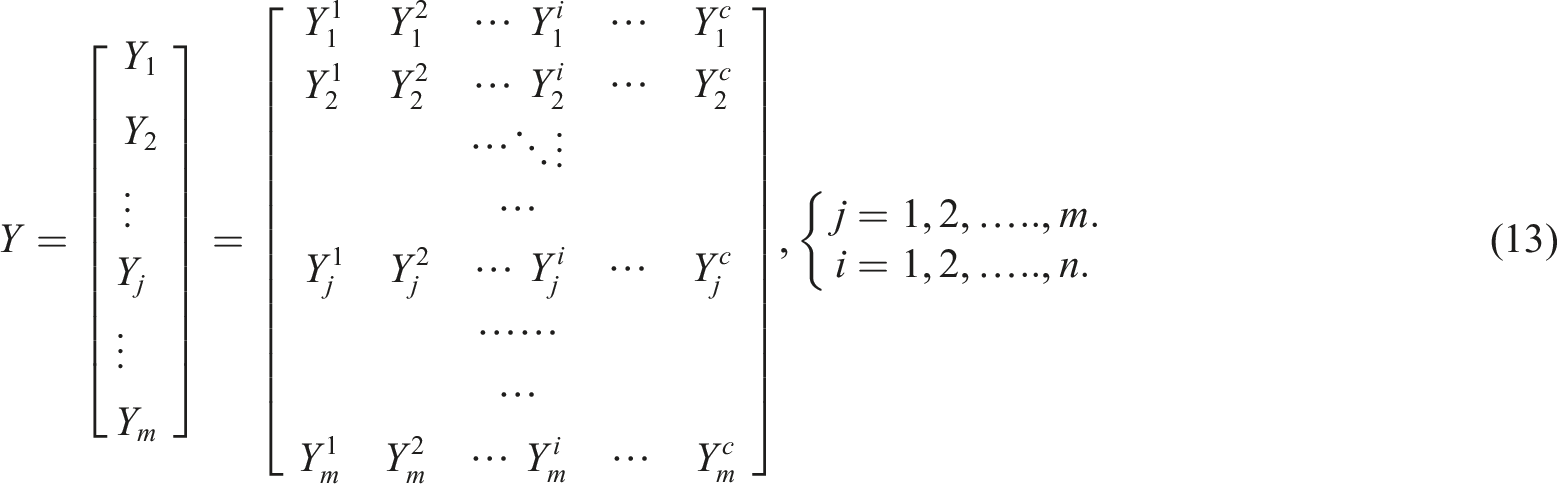



In


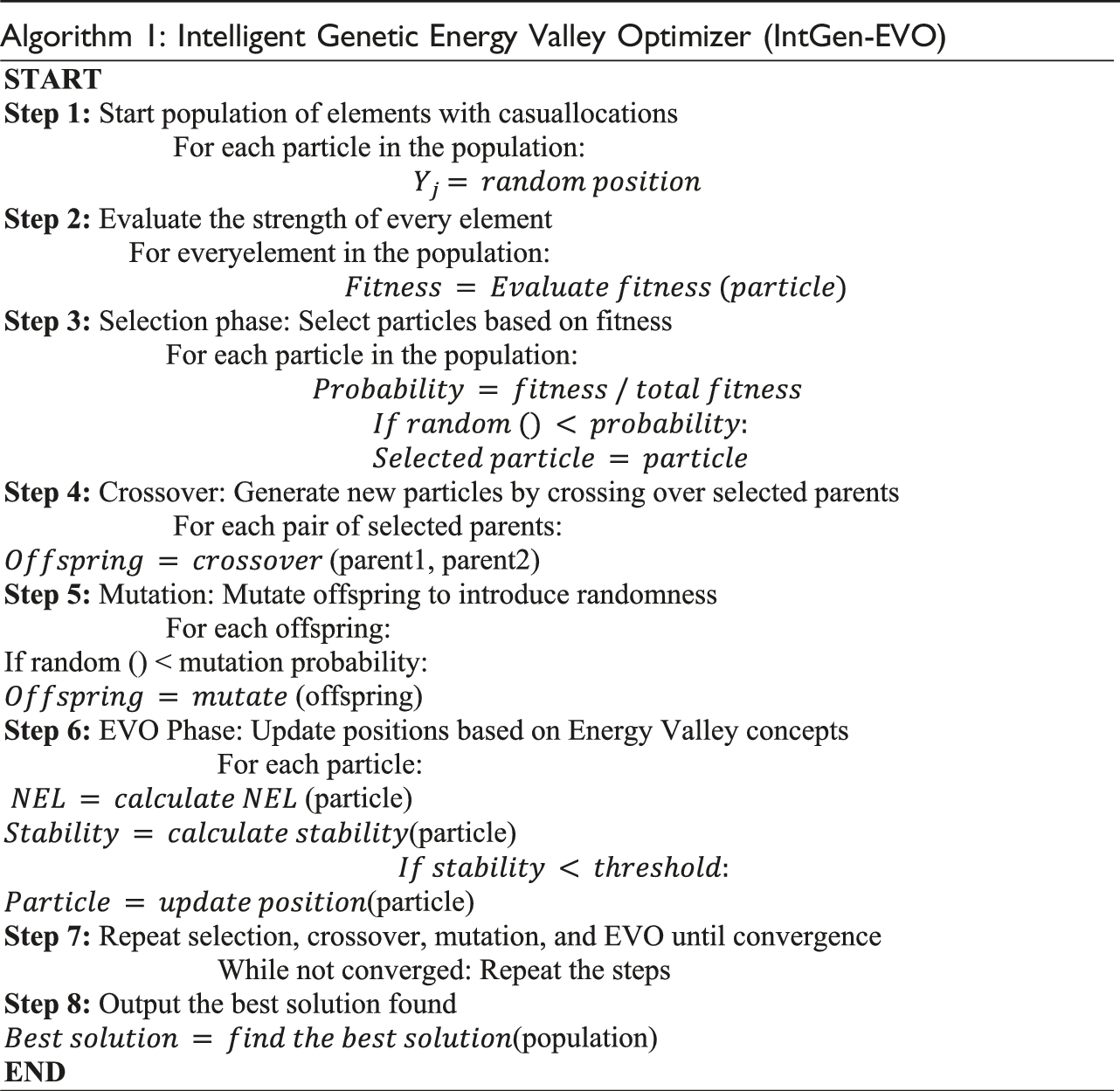
Mimicking a dynamic search for ideal solutions in complicated systems improves fault identification. EVO enhances the identification process by efficiently navigating the energy globe, improving the accuracy of operational issue detection, and ensuring speedier, more precise status evaluations for PI.
Result
This research uses Python 3.10, to assess the effectiveness of the suggested IntGen-EVO approach for PI failure detection. The performance is estimated employing different metrics such as recall, precision, F1-score, accuracy interruption frequency, reliability, and ROC analysis served as the foundation for the assessment. The IntGen-EVO compared with conventional techniques like Decision Trees (DTs), 27 Deep Neural Networks (DNNs), 30 Deep Graph Neural Networks with Multi-Layer Perceptron (DGNN-MLP), 29 and Gated Recurrent Units (GRUs). 28
Accuracy

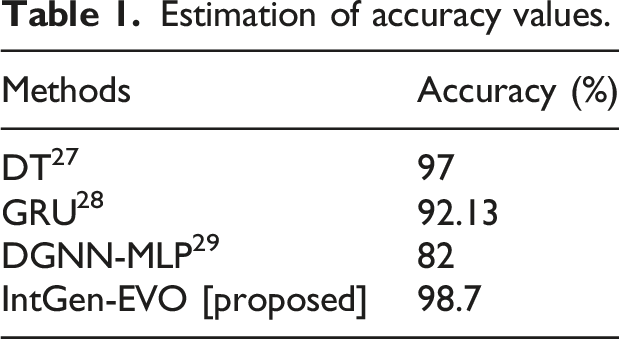
Estimation of accuracy values.
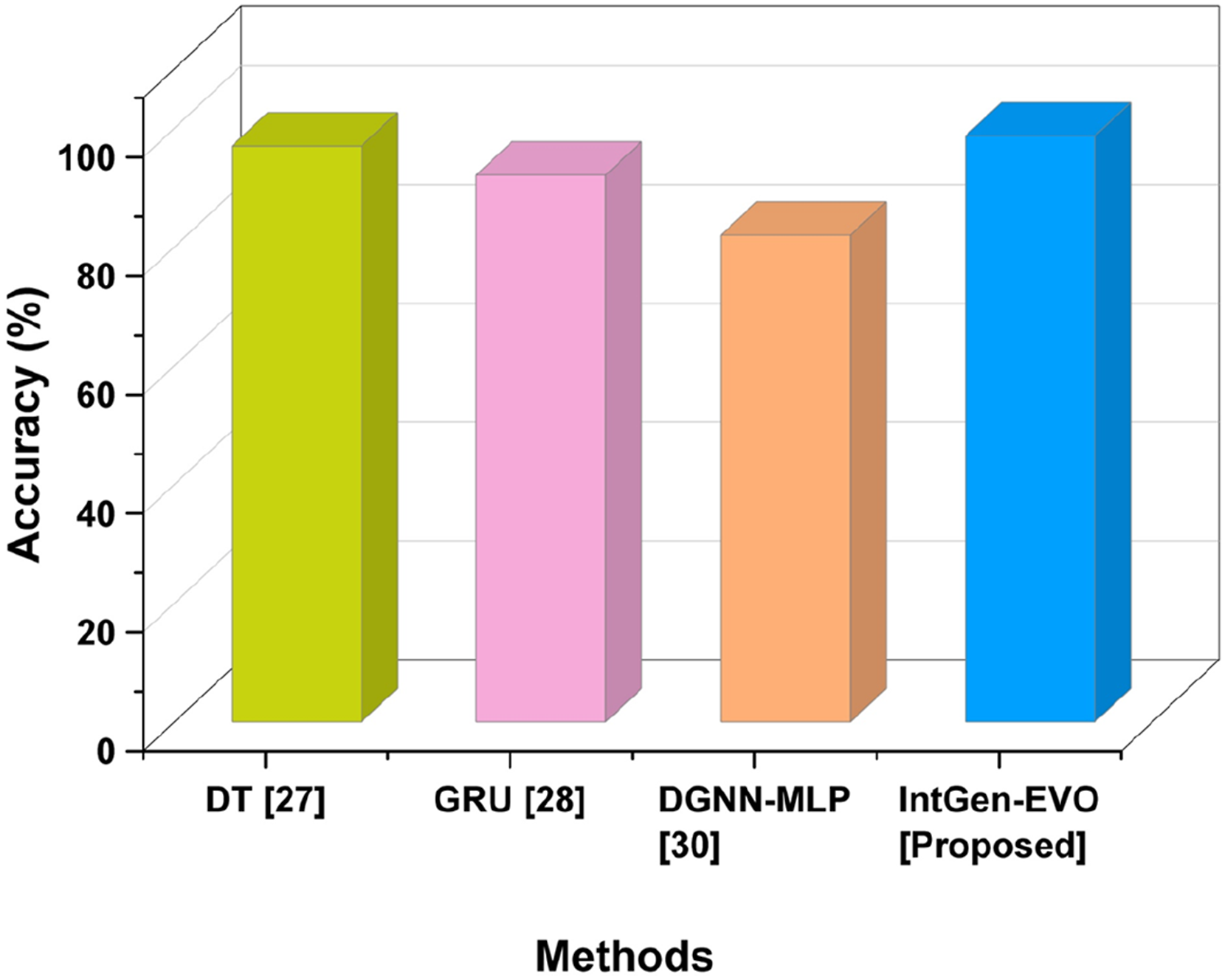
Evaluation of accuracy.
With an accuracy of 98.7%, the IntelGen-EVO offers better performance than the other techniques. The results show that it outperforms DGNN-MLP at 82%, GRU at 92.13%, and DT at 97%. As demonstrated by these outcomes, IntGen-EVO is a viable method for applications requiring accurate identification due to its ability to achieve high predicted accuracy.
Precision
It quantifies the proportion of positively anticipated cases that are positively predicted. A model with high precision is assumed to have a low False Positive (FP) rate, which makes it crucial in applications where the expense of FP is substantial. Figure 4 and Table 2 demonstrate the outcomes of precision. Precision is calculated using the equation (20). Precision outcomes. Assessment of precision values.
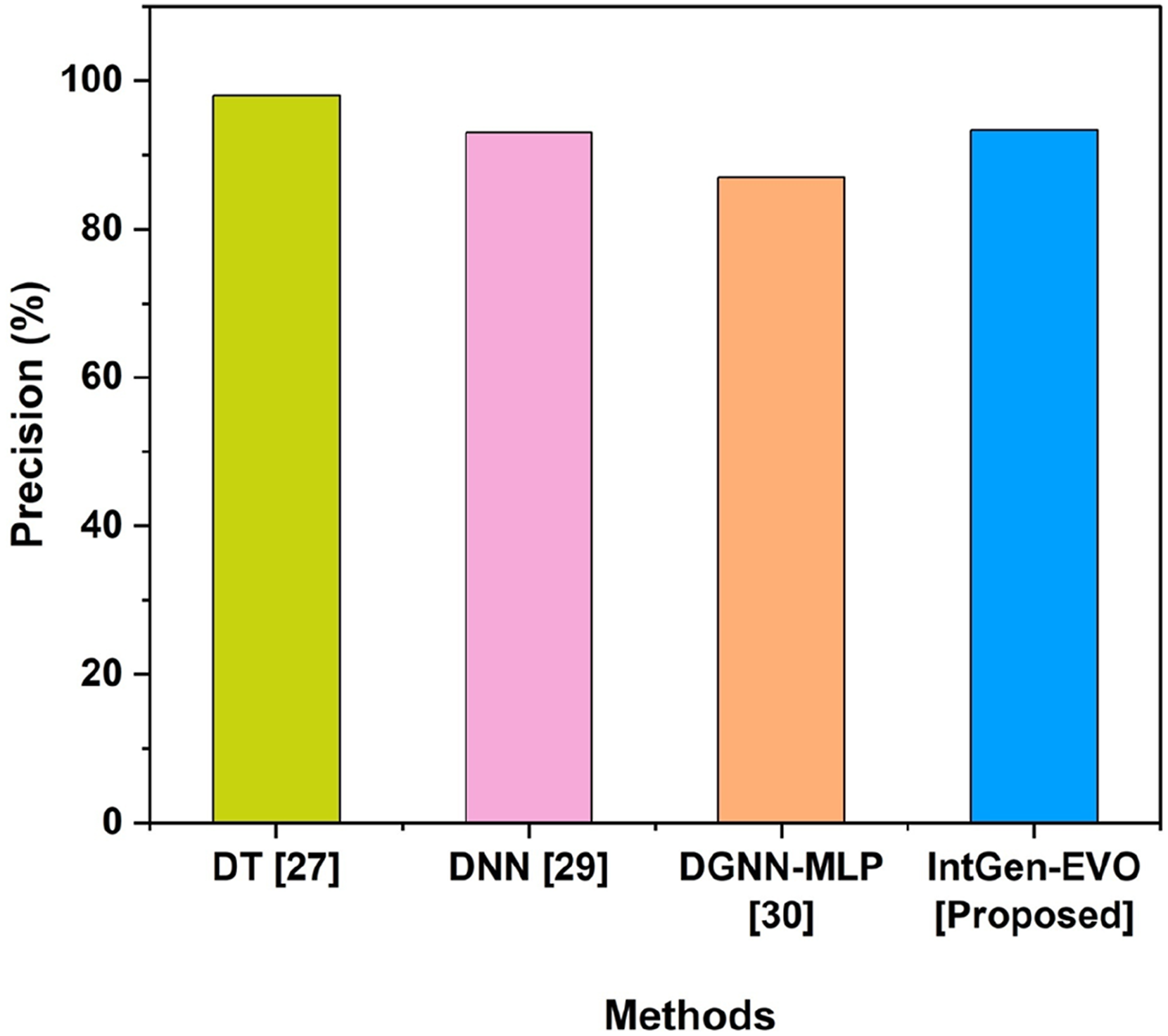
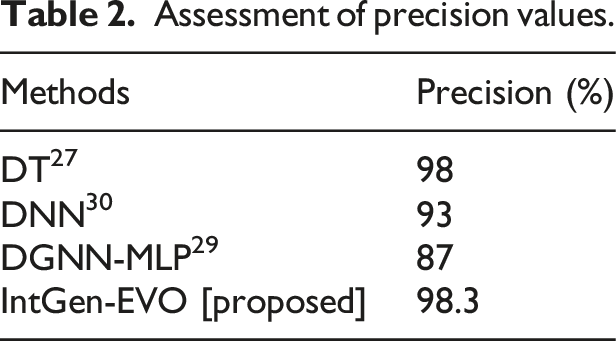
The precise comparison of the various approaches reveals that the suggested IntGen-EVO strategy performs better than the DT (98%), DNN (93%), and DGNN-MLP (87%), with a precision of 98.3%. While the notable improvements over DNN and DGNN-MLP highlight its resilience in managing complicated data, the slight improvement over the DT shows how effective the suggested improvements are. These results show the potential of the IntGen-EVO technology for high-accuracy applications, making the most precise approach.
Recall

Outcomes of recall.
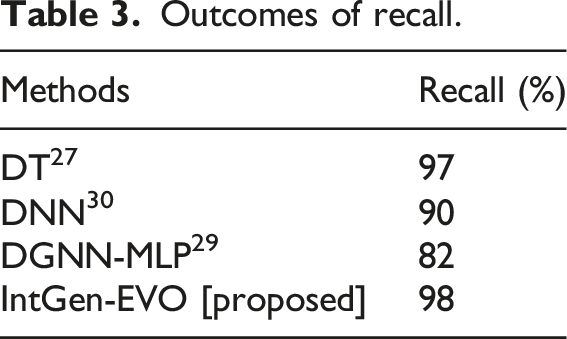
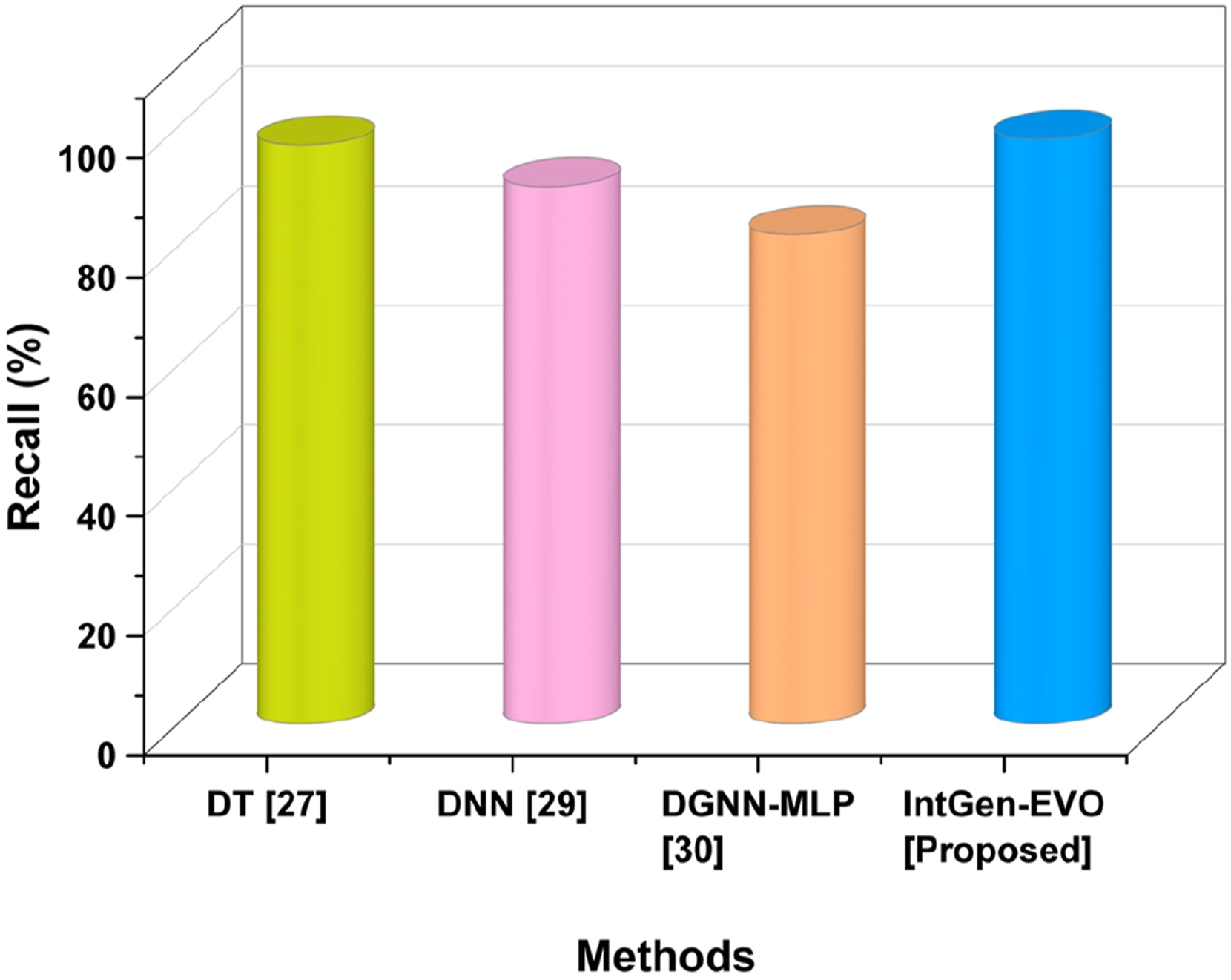
Estimation of recall.
The results demonstrate that the suggested IntGen-EVO outperformed the DNN at 90%, the DGNN-MLP at 82%, and the DT at 97%, with a recall of 98%. These findings show how reliable and successful IntGen-EVO is at increasing recall, which is essential for reducing FN. This enhancement represents a step toward improving fault detection and ensuring precise forecasts in the relevant field.
F1-score

Determination of F1-score.


Evaluation of F1-score.
With an F1-Score of 98.4%, the IntGen-EVO method performed better than the current methods, surpassing DT (98%), DNN (91.5%), and DGNN-MLP (81%). While the notable difference between DNN and DGNN-MLP emphasizes IntGen-EVO’s resilience in managing intricate patterns, the slight improvement over DT shows its improved optimization capacity. These findings confirm that the suggested approach is successful in producing accurate and consistent results in the assessed task.
Interruption frequency analysis
This finds patterns in system disruptions and detects irregularities or anomalies through the analysis of frequency data. Raw data is pre-processed by standardization and emphasizing fault patterns. This improved the IntGen-EVO algorithm’s detection precision and reliability, organized data inputs that ensured precise fault detection and condition estimates. Figure 7 shows the outcome of the frequency analysis. Analysis of interruption frequency.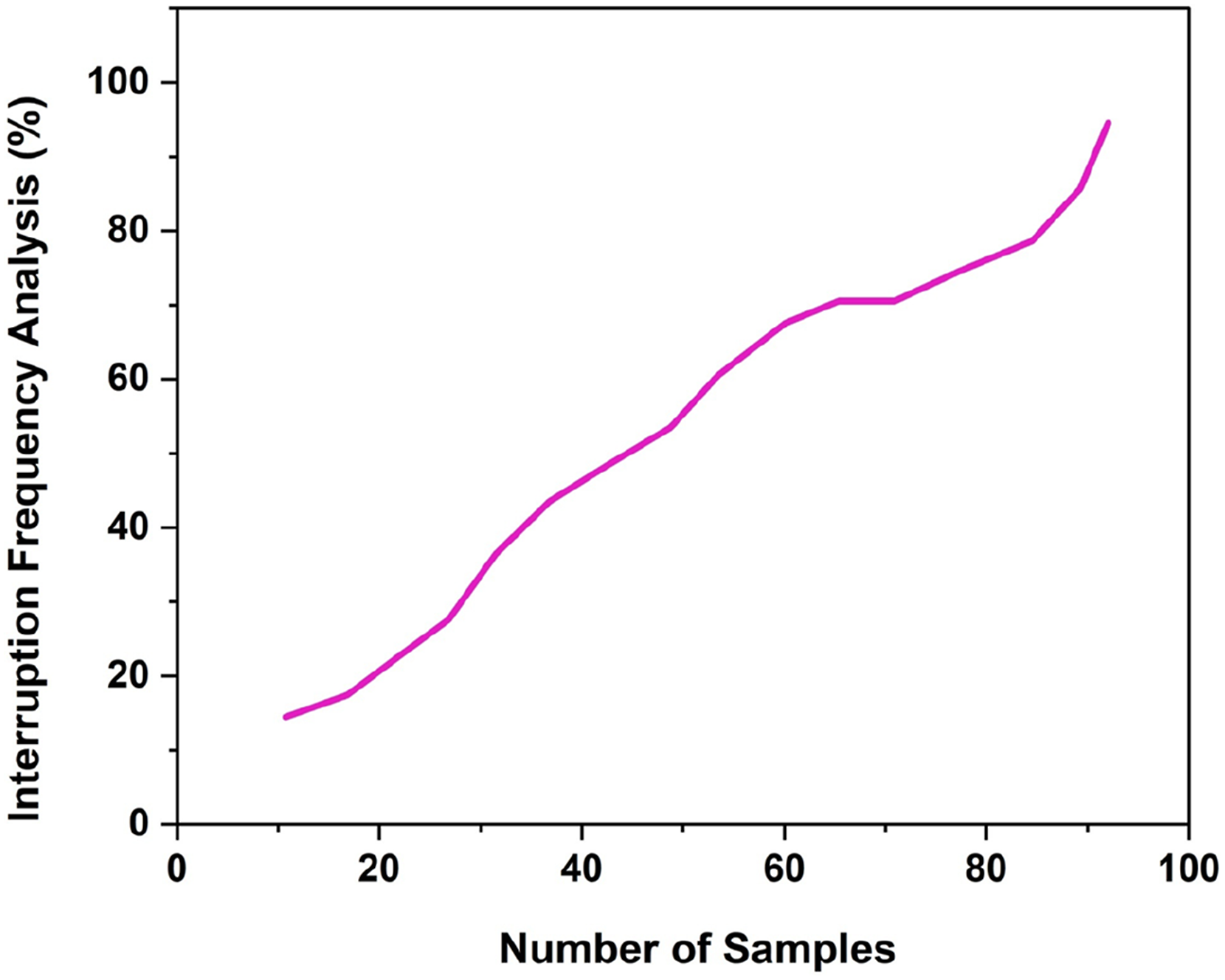
The examination of interruption frequency shows that performance steadily improves with an increase in sample size. With increasing sample sizes, lower interruption frequencies and improved grid reliability, as evidenced by the reliability ratio’s progression from 73% to over 99%. This demonstrates its ability to monitor and minimize interruptions over time.
Reliability analysis
It assesses a system’s capacity to function consistently throughout time. It examines persistent problems and identifies weak points in the PI to provide a consistent and unbroken power supply. It comprises a comprehensive assessment of the PI dependability while taking various factors into account. The reliability of the PI’s ability to deliver electricity continuously and uninterruptedly must be carefully assessed. The model identifies weak spots in the grid and learns about recurring issues. Figure 8 demonstrates the PI reliability analysis. Reliability analysis of the PI.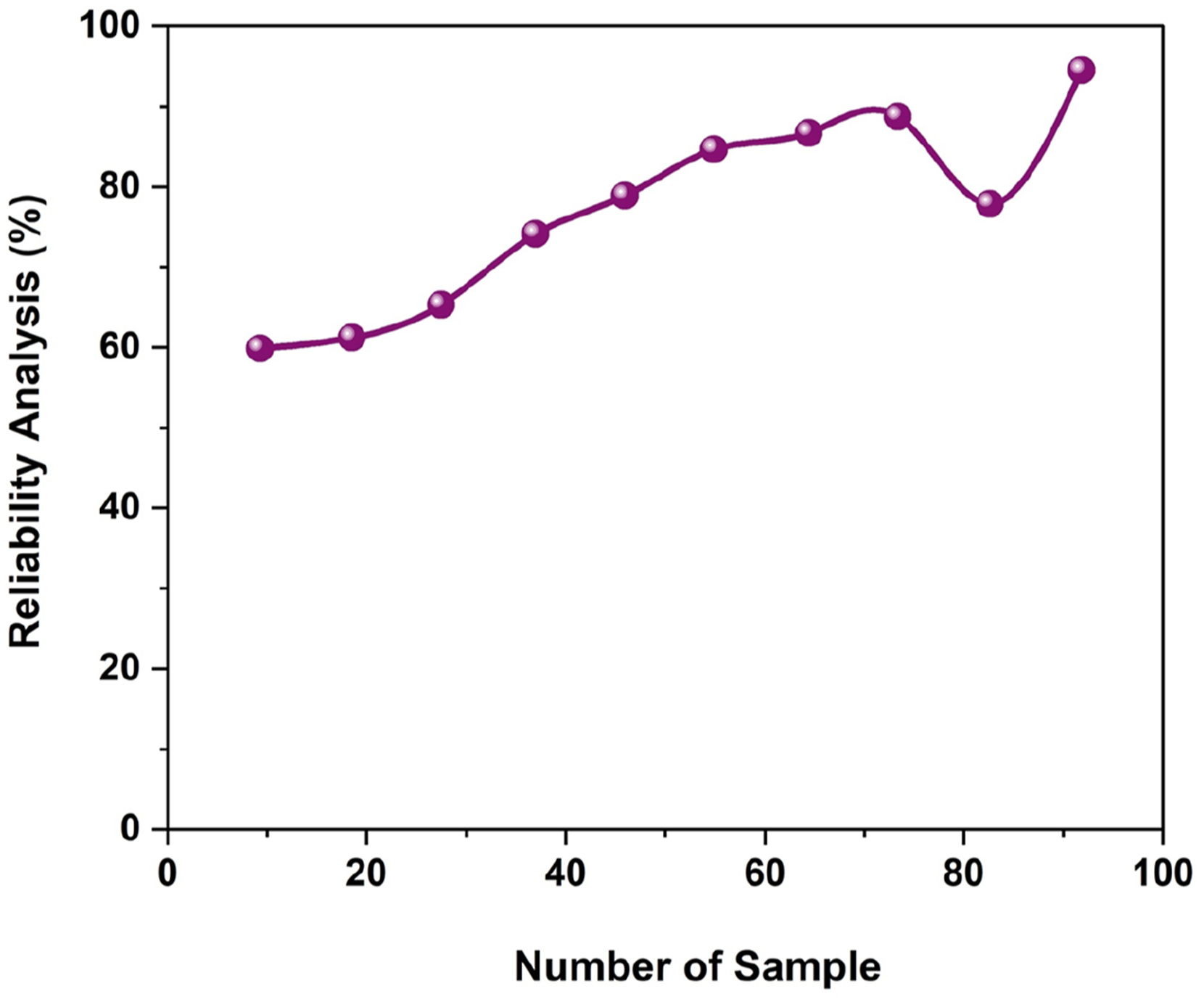
The reliability analysis shows that the PI reliability ratio continuously improves as the number of samples rises. This pattern implies that the technique improves with bigger sample sizes, underscoring its potential to provide increased reliability in power grid analysis as more data is used for assessment.
ROC analysis
It is employed to evaluate a model’s capacity for identification and design the TP Rate about the FP Rate across thresholds. The ROC curve uses an AUC value to assess the IntGen-EVO model’s predicting performance for time-series forecasting system failures. In Figure 9, the anticipated AUC value is shown. Evaluation of ROC outcome.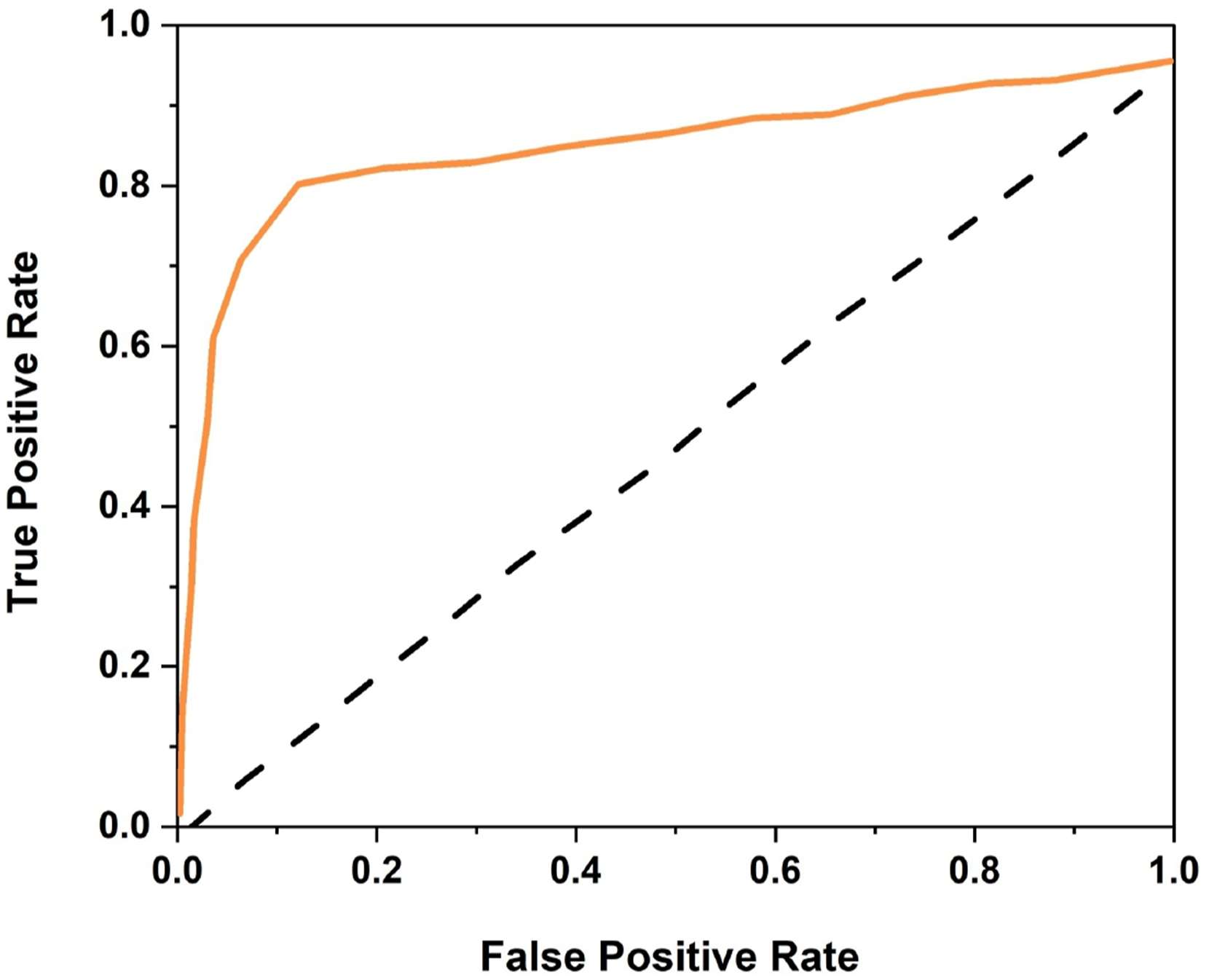
The ROC curve shows how well the IntGen-EVO algorithm performs in fault identification by classifying flaws across various thresholds. The system has exceptional prediction accuracy, successfully reducing FP, with a curve in the top-left corner and an AUC of 0.90. This dramatic increase in decreased FP rates demonstrates the algorithm’s strong decision-making abilities and validates the accuracy and dependability of the suggested optimization framework in identifying system defects.
Discussion
Research aimed to improve real-time monitoring and fault detection in PI using TSM. The proposed method was compared with conventional techniques like DT, 27 DNN, 30 DGNN-MLP, 29 and GRU. 28 This addressed some limitations, like slow response times, overfitting, and inefficiency were problems that traditional approaches faced when working with complicated, real-time data or huge datasets. For instance, DTs 27 struggle with high-dimensional data, whereas DNNs 30 require large amounts of labeled data and processing power. GRUs 28 frequently failed to retain long-term memory across lengthy sequences, while DGNN-MLP 29 models were computationally costly, despite their effectiveness for graph-based data. The system addressed the drawbacks of conventional methods in large-scale PI management by leveraging Wi-Fi communication protocols and employing Fast FFT for feature extraction. This ensured quick data transmission and examination, improving operational effectiveness, reducing dependence on huge data, and offering accurate, sensible insights for defensive protection. Despite the promising results achieved through the IntGen-EVO approach, some limitations need to be acknowledged. The methodology’s reliance on specific sensor types could impact consistency across diverse power infrastructure environments. Additionally, while the method demonstrated strong performance metrics, its computational complexity may pose challenges when implemented in real-time systems with extensive data inputs. Directions for future research could include exploring alternative optimization techniques that may streamline processing times and enhance scalability. Investigating hybrid models that combine IntGen-EVO with other machine learning algorithms could also reveal synergies that improve accuracy and reliability in fault detection. These considerations will be essential for developing adaptive systems capable of addressing the evolving needs of power infrastructure management.
Conclusion
Monitoring and problem identification were necessary for PI to be reliable, efficient, and safe. Early fault detection made probable by concurrent monitoring lowers safeguarding costs and downtime. Advanced technologies like ML and IoT sensors were utilized to enlarge infrastructure flexibility, decreasing malfunctions and enhancing overall operational efficiency. The objective was to create an automated method that precisely monitors and detects PI faults using TSM and complicated approaches, like the IntGen and EVO. This research highlighted how significant it was to monitor and analyze defects in PI concurrent to reduce facility disruption and ensure operational consistency. Based on performance criteria like precision (98.3%), accuracy (98.7%), recall (98%), and F1-score (98.4%), the outcomes demonstrated that the IntGen-EVO approach performed superior to traditional methods. The examination of interruption frequency and consistency measures also established improved grid reliability and proficient fault identification. The research studies have certain drawbacks, such as its reliance on particular sensor types and communication practices that do not work in every PI system. Expanding the data for wider simplification and including more complicated defect detection systems also develops the method’s performance. The system’s scalability and flexibility to diverse PI settings should be optimized in future research, along with the combination of analytical protection techniques and the examinations of ML models’ possibility for more definite and immediate defect detection in PI organization.
Statements and declarations
Footnotes
Conflicting interests
The authors declared no potential conflicts of interest with respect to the research, authorship, and/or publication of this article.
Funding
The authors disclosed receipt of the following financial support for the research, authorship, and/or publication of this article: This research was funded by the science and technology project of State Grid Shandong Electric Construction Company of China: “Deepening Application Research of the whole Process of Planning and Construction based on 3D Design Results - Research on digital intelligence construction technology based on 3D design results” (No. 520632220001).
