




Abstract
During COVID-19, a blended approach to online and offline interactive teaching and learning will be a primary mobile teaching methodology. The effectiveness of online and offline interactive blended learning models depends heavily on the evaluation and optimization of the quality of instruction. However, current evaluation methods often lack systematicity and accuracy, and cannot fully reflect the actual performance and learning effects of students in the interactive blended learning mode. To optimize student learning in this mobile mode, it is most important to adhere to the basic design principles, utilize micro-learning resources and establish a mobile online teaching platform. Therefore, a comprehensive evaluation system and a hybrid teaching quality evaluation model based on back propagation (BP) neural network were proposed in the study. The new model innovatively combined BP neural network and genetic algorithm (GA) to propose a GA-BP optimization model. Subsequently, the accuracy and dependability of teaching quality evaluation were successfully increased by the study’s establishment of a thorough hybrid mobile system. The outcomes revealed superior student performance in the hybrid teaching mode compared to traditional methods, with an increase in the number of students achieving high scores. Among the four evaluation models (GA, BSA, BP, and GA-BP), GA-BP demonstrated the closest alignment with original grades. It yielded mean error and mean relative error of 3.78 and 0.03, respectively, representing the smallest discrepancies. These findings underpinned the efficacy of the blended instructional model in enhancing student learning outcomes. Moreover, the GA-BP-based mobile evaluation model was more accurate in assessing the quality of instruction, thus providing a more effective evaluation.
Introduction
The nation’s economy and industry have been severely impacted since the 2019 new coronavirus illness (COVID-19) outbreak. In the context of COVID-19, schools are required to change their teaching and learning models accordingly, opening up online and offline blended teaching (OFBT) models to adapt to and meet the learning requirements of students under the epidemic situation. 1 Blended learning and instruction is a learning-centered model that focuses on enhancing learner engagement, expression, and confidence. The blended learning model (BLM) will facilitate the effective use of online media, online and offline platforms to facilitate the advancement of instructional and learning and to facilitate the achievement of instructional objectives and tasks. 2 In the meantime, evaluating the instructional quality of this teaching model can promote the verification of its feasibility. Moreover, back propagation (BP) is a suitable computational method to build a blended online and offline teaching quality evaluation (TQE) model. 3 In view of the complexity of the training process, this study will use BP to build an instructional level evaluation model while constructing a blended instructional model, and select a genetic algorithm (GA) to optimize the BP for the purpose of improving the degree of accuracy of the evaluation model and helping students to study effectively in the context of COVID-19 in the OFBT model.
In response to the changes in the instructional pattern in the context of COVID-19, many scholars have conducted research on the on-off hybrid instructional mode and have used GAs and BP to explore the quality evaluation of hybrid instructional, and numerous study findings have been made.
To investigate the efficacy of on-off hybrid instruction in pathophysiology, a control experiment was conducted by Peng X and Wei 4 on two groups of students receiving either traditional instruction or hybrid teaching. The result was that the students’ performance was greatly improved, and the teaching effect was significantly improved with on-off hybrid teaching. The hybrid teaching model of Xu 5 was developed to reveal the effects of blended teaching (BT) in computer courses. The results showed that the hybrid teaching model would bring more novelty to the teaching activities. To understand the transition from offline to online music in the context of COVID-19, Gibson 6 conducted a survey with art instructors and online participants to reveal the process of changing music teaching from offline to online. Huang 7 proposed an online open course design method for the purpose of revealing the efficiency of hybrid instructional in the context of online open course development and illustrated the course teaching practice data. The strategy offered some reference value for reforming hybrid teaching in 3D classrooms, according to the results. Luo et al. 8 addressed the problem that teaching order and teaching quality assessment were greatly affected in the context of COVID-19. The study constructed a BP-based art teaching quality assessment model, and reasonably selected TQE indexes. The result revealed that the model could effectively evaluate art instructional during COVID-19, and could guarantee a high standard of art classroom instruction. Lu et al. 9 developed a GA-RBF TQE model to address the issue of low accuracy in assessing the quality of English interpretation instruction. The outcome showed that this model had a good degree of accuracy and was capable of assessing the caliber of instruction in English interpretation.
He et al. 10 established an evaluation model based on BP in order to enhance the accuracy of traditional university talent instructional ability evaluation, combined with data collection to determine the evaluation index weights. The simulation result indicated that the model could effectively enhance the efficiency of university research talent evaluation. Huang 11 developed a novel classifier and evaluation technique to address the issue of low accuracy in conventional English TQE. The outcome proved that this approach may successfully raise evaluation efficiency and accuracy. To address the issue of traditional English TQE’s low accuracy, Chen 12 suggested a novel evaluation technique that incorporated information and K-means clustering with adjusted weighting factors. The outcome proved that this approach might successfully raise teacher assessment accuracy. To improve the assessment of offline and online English ideological and political teaching models, Wu 13 developed a hybrid teaching evaluation approach. The result indicated that this method could improve the evaluation efficiency and quality, which is conducive to the progress of the education system. Ning et al. 14 proposed a hybrid GA-BP algorithm to evaluate air quality in order to make an accurate evaluation of spatial quality. The study used four levels of criteria as the annual evaluation criteria of air quality. The outcome demonstrated how the approach might improve the evaluation model’s accuracy and efficiency. Wu et al. 15 developed a GA-BP-based land ecological security evaluation model by using a GA to enhance the BP. The result indicated that the model effectively reduced the training and prediction errors and improved the evaluation accuracy compared with the traditional model. To adjust to the increased demands for English instruction in Chinese higher education as well as the teaching reform in the information age, Li 16 suggested an online-offline hybrid English teaching path using artificial intelligence technology. According to the study’s findings, this methodology greatly increased learning efficiency through individualized instruction and the integration of worldwide resources, while also raising students’ interest in English and improving their pronunciation. To handle the intricacy of online learning materials and the difficulties brought on by the pandemic, Wang et al. 17 suggested a learner path planning model that combines blockchain and machine learning technology. The research results indicated that the model significantly improved the learning experience, significantly increased the goal achievement rate. This study ensured data security and transparency, providing an effective solution for optimizing online teaching. Dey and Dasgupta 18 proposed an emotion recognition method that combined deep convolutional neural networks and custom Gabor filters to accurately and efficiently monitor human emotional states during the epidemic. The research results showed that the model achieved a recognition accuracy of 85.8%, which was better than some traditional deep learning models. When sadness or anger emotions were detected, the alarm system was automatically triggered.
In summary, although existing research has achieved some results in the evaluation of BLMs, most current studies only rely on traditional BP neural networks (BPNN) or simple statistical methods, and the evaluation index system (EIS) of many studies is not comprehensive enough. The majority of recent studies have not properly utilized optimization algorithms to increase evaluation accuracy and efficiency, and thus are unable to accurately reflect students’ learning circumstances in blended learning modes. In the meantime, this article’s mixed TQE index method incorporates a number of elements to guarantee that the assessment can accurately depict the learning circumstances of students in the mixed teaching mode. In the context of COVID-19, the new model serves as a guide for the creation and assessment of an online/offline hybrid teaching mode. The new model can utilize online platforms and micro-learning resources for teaching in practical applications, breaking the limitations of time and place. Teachers can conduct teaching analysis through models before class, enhance teaching effectiveness through classroom interaction, and use online resources for consolidation and review after class. The GA-BP model has achieved four key technological innovations in mixed learning quality evaluation that differ from traditional frameworks. Firstly, it deeply integrates genetic algorithm (GA) with BP neural network. Secondly, a dynamic evaluation index system covering multiple dimensions before, during, and after class was constructed, and a customized neural network structure was designed. Then, high-precision prediction was achieved in mixed learning scenarios. Finally, an interdisciplinary and scalable evaluation framework was proposed.
OFBT model and TQE
BT mode and TQE index system construction
The blended instructional model should follow the basic principles in instructional design, integrate online teaching resources, and identify design ideas. Through literature study and other methods, the study identifies the principles of openness, efficiency, applicability, and subjectivity that should be followed in the OFBT. OFBT (online-offline blended learning) is a teaching method that combines physics classrooms with web-based learning components. Firstly, a mixture of methods should be used to enhance students’ learning in books as well as using the Internet to expand students’ knowledge. Moreover, students should be assessed not only in terms of their examination results but also in various ways. Secondly, teachers should make the most of online instructional practices in the BT mode, and pay attention to posting learning tasks and explaining them through online resources before and after class to enhance students’ learning efficiency. Finally, the subjective role of students should be the main focus of the on-off hybrid instructional pattern, which should also fully utilize students' initiative and excitement for learning.
Teachers should make active use of micro-learning resources and create online instructional platforms. Micro-learning resources can be used to complete learning content through public platforms such as WeChat and Weibo, regardless of time and location. In addition, online learning platforms can be developed to give teachers and students timely contact and to give feedback on how well students are learning and being instructed. In the meantime, teachers should distribute learning resources in stages, which will facilitate students’ learning in a progressive manner.
The implementation of OFBT is divided into three phases: pre, mid and post. The pre-phase includes teaching analysis, preparation of online teaching resources, pre-testing and pre-questionnaires for students. The mid phase is the implementation of blended instructional activities. The post phase is the evaluation of blended instructional.
19
The implementation process of the BLM can be displayed in Figure 1. BLM (blended learning mode) is a teaching design framework that achieves OFBT through three-stage implementation. Implementation process of mixed teaching mode.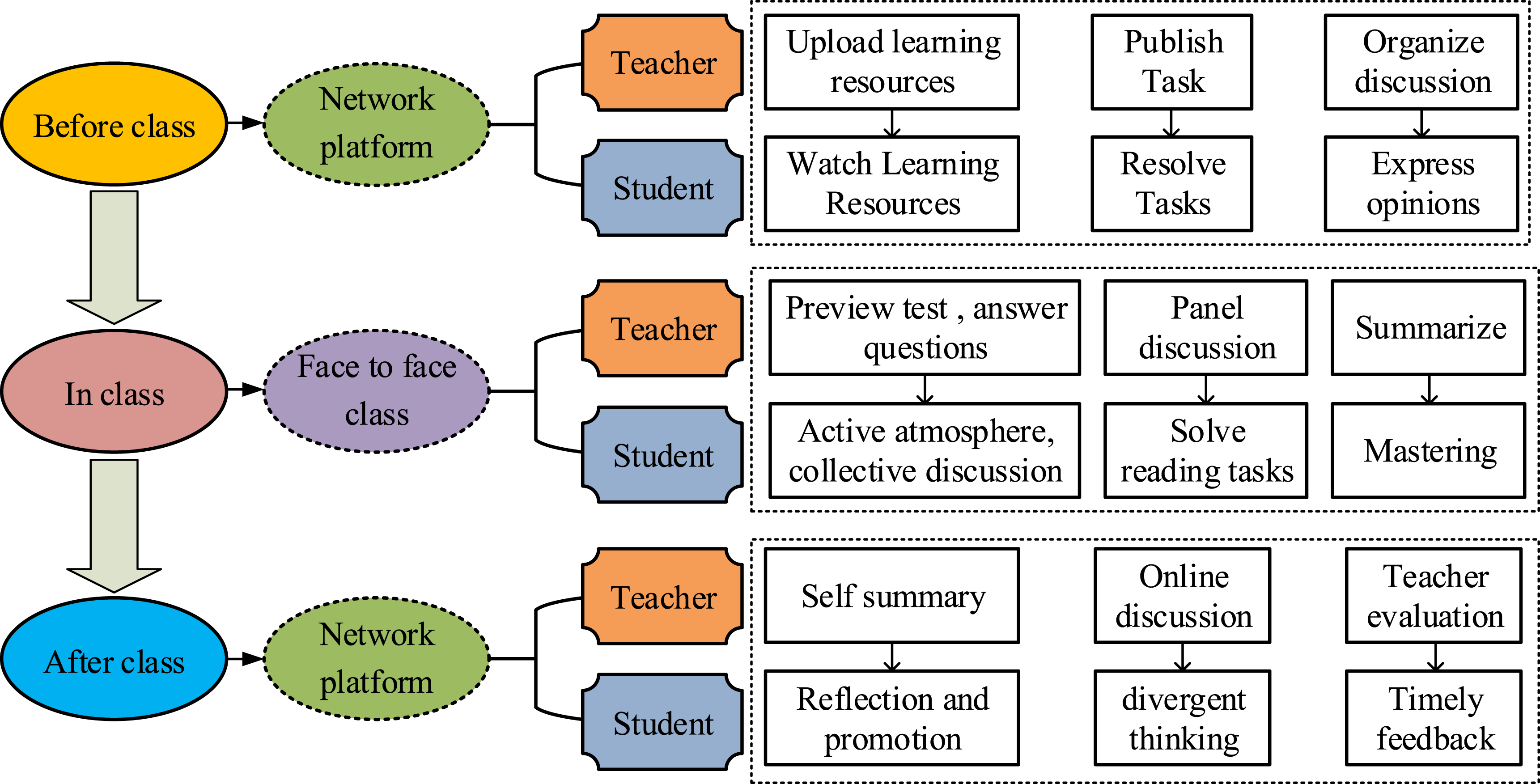
In Figure 1, prior to implementing BT, educators should first conduct a cognitive analysis of the course materials and create a rational and scientific lesson plan. They should also use the online teaching platform to fully utilize the benefits of combining online and offline learning. Afterward, teachers implement the instructional content according to the instructional plan and adjust the instructional schedule and strategies according to students’ learning progress. Afterward, the online resources are prepared and the most used group chat software is selected to set up a chat group, and all students are invited to join the group. In the middle of the implementation period, the blended learning activities are carried out according to the instructional plan. In the online phase, students should first pre-study on their own and give feedback to the teacher on any difficulties or doubts they encounter in the pre-study process. In the offline phase, interaction between teachers and students should be strengthened to guide students to take ownership of their learning, to promote mutual help and to enhance their ability to share. At the end of the lesson, the online learning resources can be used again to check the gaps and consolidate the revision.
Through the structure of the on-off BLM, it is found that the later stage of the implementation of the model is the evaluation of blended learning. With the setup of the BLM, a quality evaluation model for blended learning should also be constructed for the purpose of testing the feasibility of the model while applying it to the BLM.
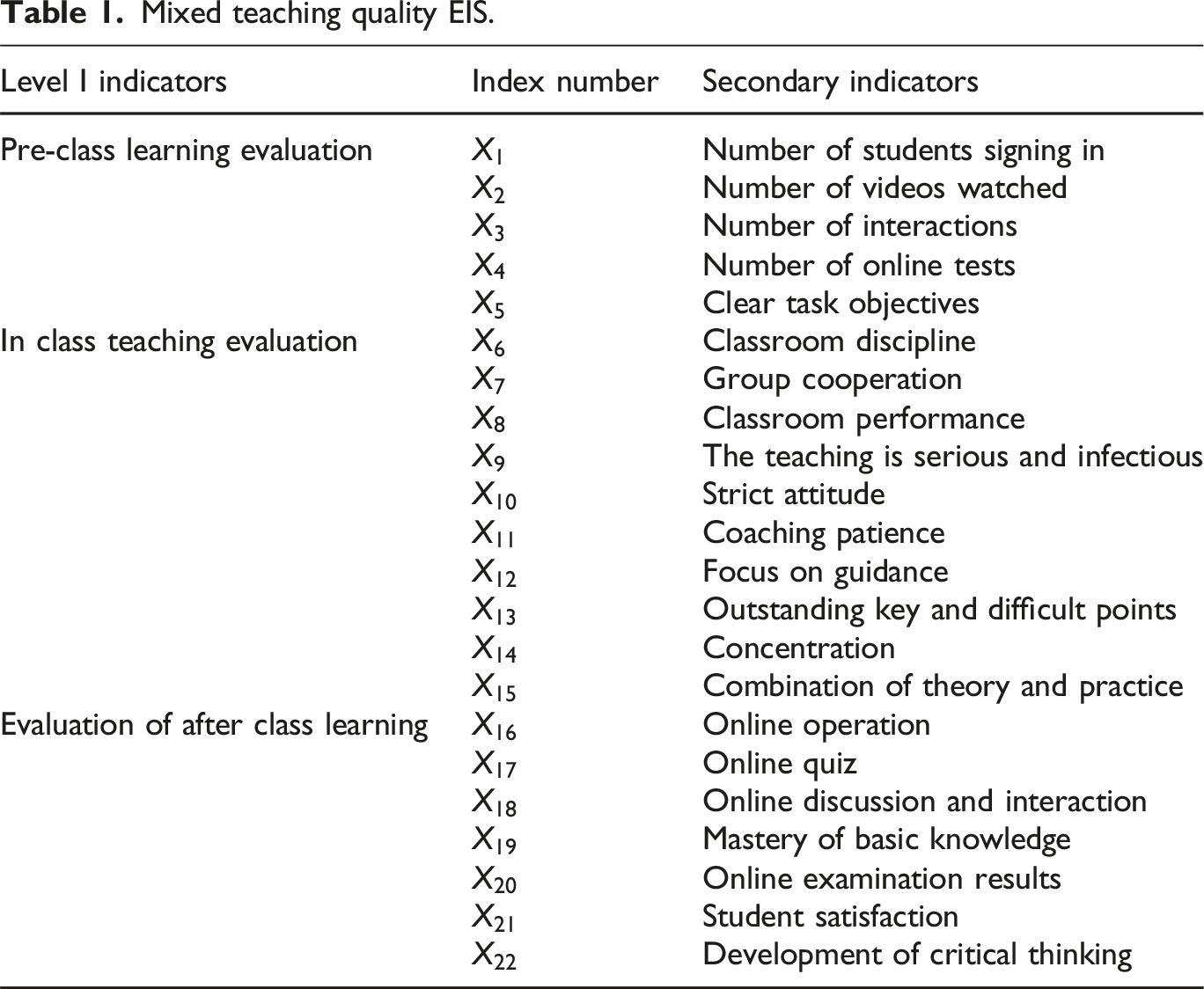
Compared with traditional instructional methods, the diversity of the on-off hybrid instructional mode makes its EIS much more complex. Therefore, a few guidelines should be adhered to when creating the EIS. In this study, based on the on-off hybrid teaching pattern, the EIS should consider the principles of online and offline, process and result, teachers and students, so as to make the EIS scientific and accurate. The judgment of blended instructional quality considers many factors and influences, including teachers’ and students' factors, such as students’ specific learning behaviors online and offline in the BT mode, as well as teachers' instructional methods and attitudes.
Mixed teaching quality EIS.
Construction of a hybrid TQE model based on BP
In the establishment of an online and offline hybrid TQE model, it is of paramount importance to select a reasonable calculation model that will facilitate the model’s construction process. TQE (Teaching Quality Evaluation) is an indicator system that quantifies the effectiveness of blended learning across cognitive, behavioral, and affective dimensions. One of the most popular neural network models among them, BPNN, can be utilized to create evaluation models when conducting research.
The BP consists of three topologies: input layer (IL), implicit layer (ImL), and output layer (OL). In the training process, it can transfer information and error in both directions, and the information moves forward while the error moves backward.
20
The process of using BP to build TQE model can be displayed in Figure 2. Hybrid TQE model based on BP.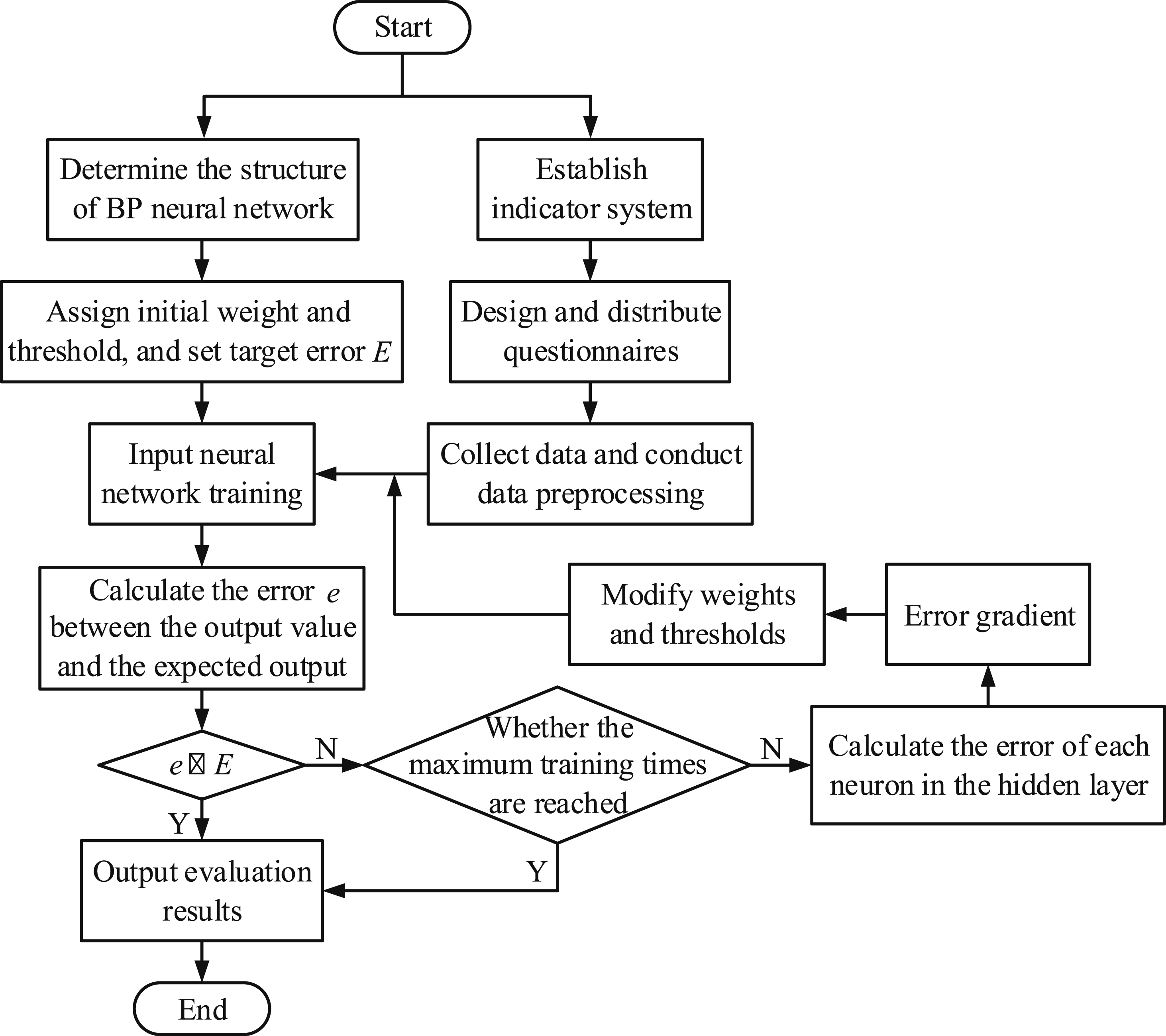
In Figure 2, the structure of the BP needs to be determined first, then input the raw data into BP for training. Therefore, it is necessary to design all three floors. The number of neurons (NON) in the IL is 
In equation (1), 
As a result, the structure of the BP can be determined, as shown in Figure 3. The BP is a 20-70-1 three-layer structure. The weights and thresholds (WT) are then initially set to avoid falling into local minima. In general, smaller random numbers will be selected as weights, so as to reduce the network learning time. In view of this, in this study, the range of weights and initial threshold values of BP will be set as [−0.5, 0.5]. BPNN structure.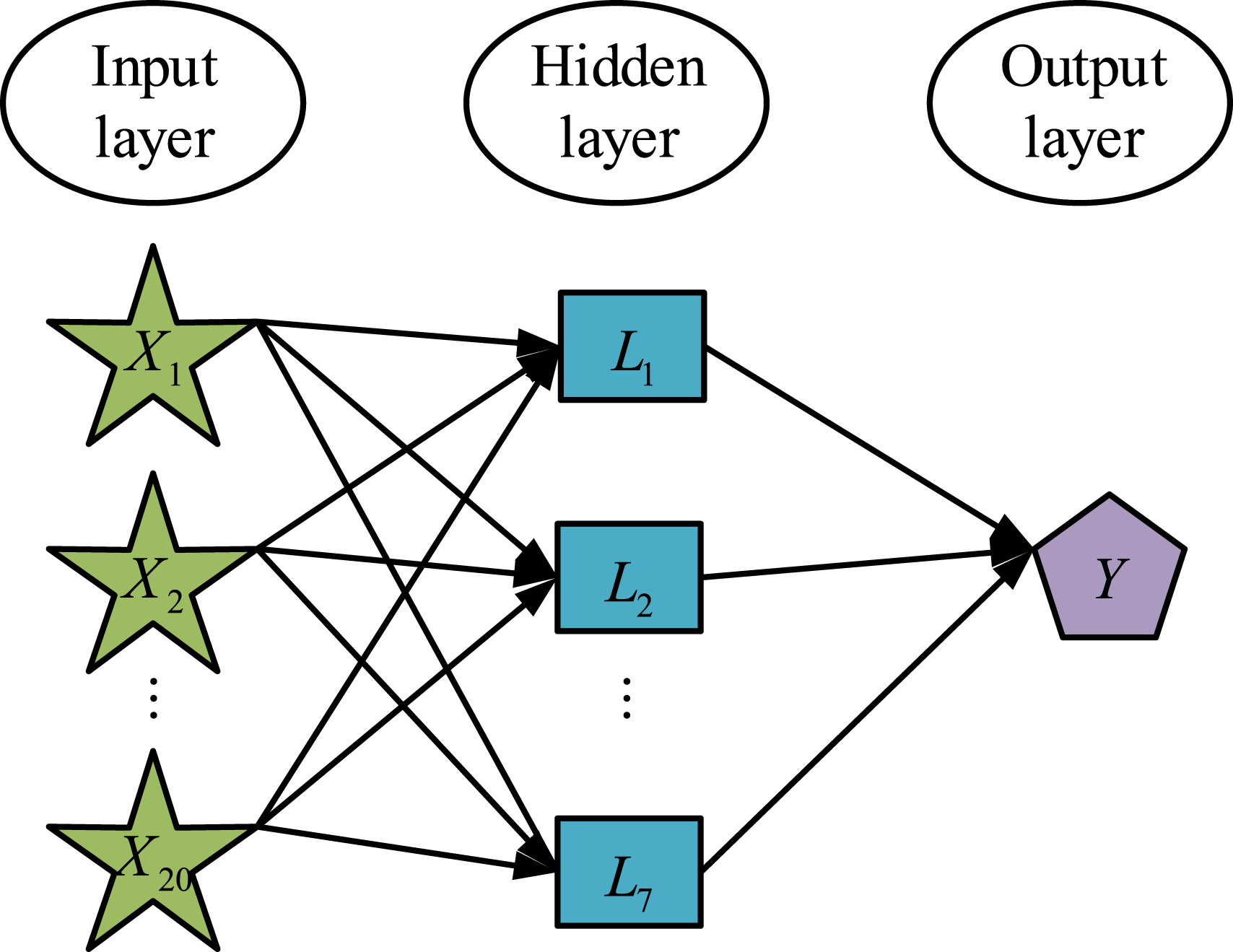
Afterward, the raw data will be pre-processed. Once the index system has been established, a classroom questionnaire can be designed and distributed based on the index system. It is then filled out and collected, and the data is statistically processed. The scores of the original data are normalized to the interval [0,1] in an attempt to lessen the complexity of correcting the weights because of the wide range of the input data. The normalization process using the maximum-minimum method allows for better protection of the data information while preserving the original meaning of the data.
21
The normalization formula for the maximum-minimum method is shown in equation (3),
In equation (3),
GA-BP evaluation model
The evaluation model must be adjusted because the BP-based hybrid teaching evaluation model demonstrates that the WT have a substantial influence on the training procedure and results, making the training process more difficult and requiring more training time. The GA is an optimization tool for simulating biological evolution, which can make the breeding and selection process stable and optimal in the way of individual genetic inheritance and variation, and promote the evolution of the search space range of the population. The BPNN serves as the foundation for the GA-BP model, which is improved with the GA to increase the model’s efficiency and evaluation accuracy. The GA-BP model consists of an IL, an HL, and an OL, just like the BPNN. Establishing the starting population, defining the fitness function (FF), and then putting selection, crossover, and mutation operations into practice are the first steps in training the GA-BP model. The optimization process’s implementation comes next. The BPNN is further trained using the optimal WT.
Using the empirical formula, which is displayed in equation (4), the NON in the HL is first computed after the structure of the BP has been established.
According to equation (4), the NON in this layer is 41. Based on specific experimental results or previous practical experience, it was found that equation (4) can provide better performance in specific application scenarios. In neural network design, the optimal number of hidden layer neurons often depends on various factors, including the number of input features, the complexity of the problem, the expected model accuracy, and computational resources. The selection of the number of hidden layer neurons is an important hyperparameter adjustment problem when building neural networks, and there is no fixed rule. Therefore, there is a deviation between the current results and the above results. The WT of BP can be optimized by GA. To depict the network WT, a population is first created via random operation. Additionally, the fitness value is calculated by combining the FF, and the best individuals are then found through the use of selection, crossover, and variation processing.
22
The GA-BP can then be used to make predictions, and the accuracy and efficiency of the GA-BP are better because the WT have been optimized twice during the training process. As a result, Figure 4 displays the judgment model based on GA-BP. Evaluation model based on GA-BPNN.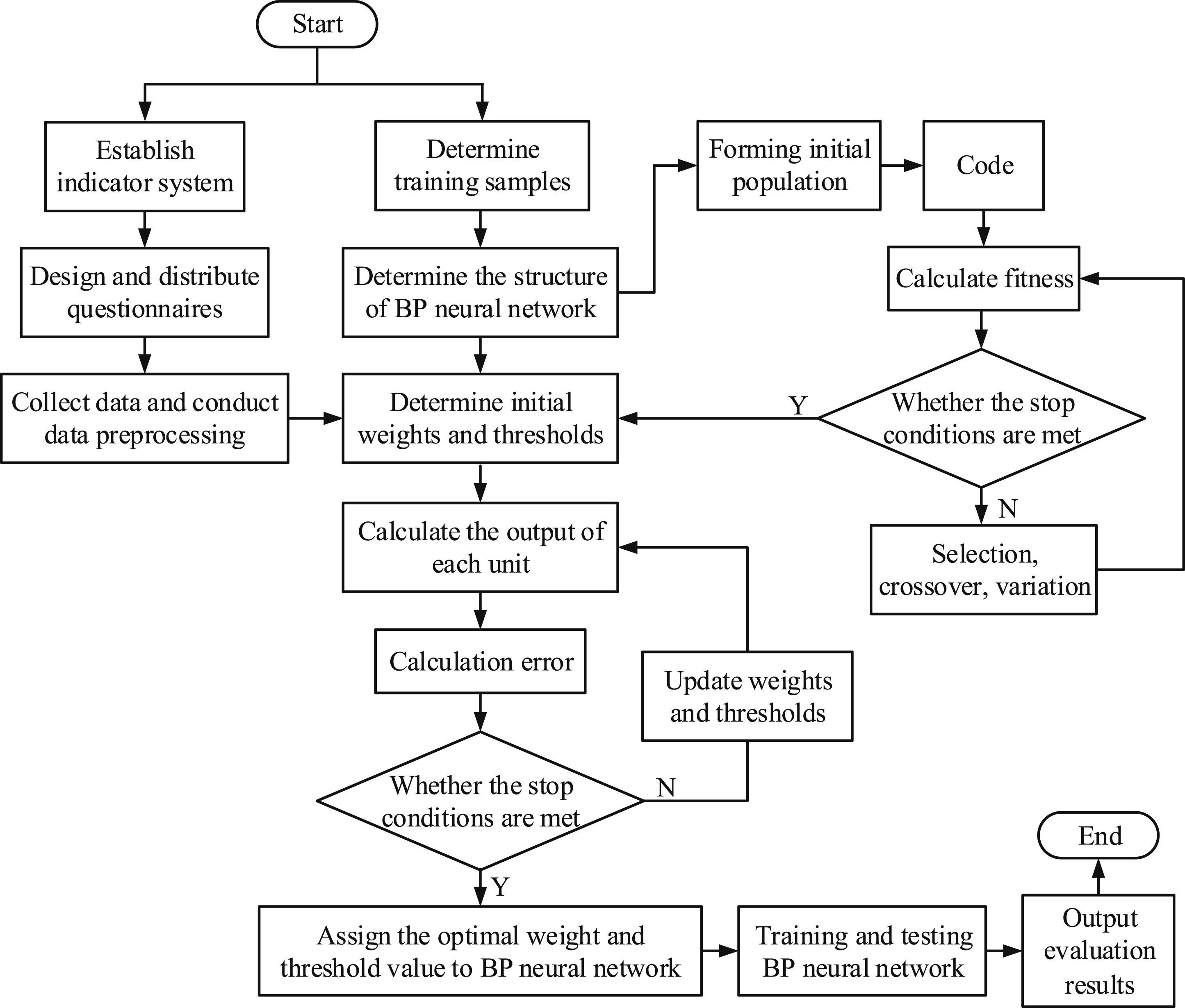
In Figure 4, the structure of the GA-BP model is 20-41-1, and the population size is 
In equation (5),
Teaching effectiveness and TQE model of on-off hybrid teaching mode
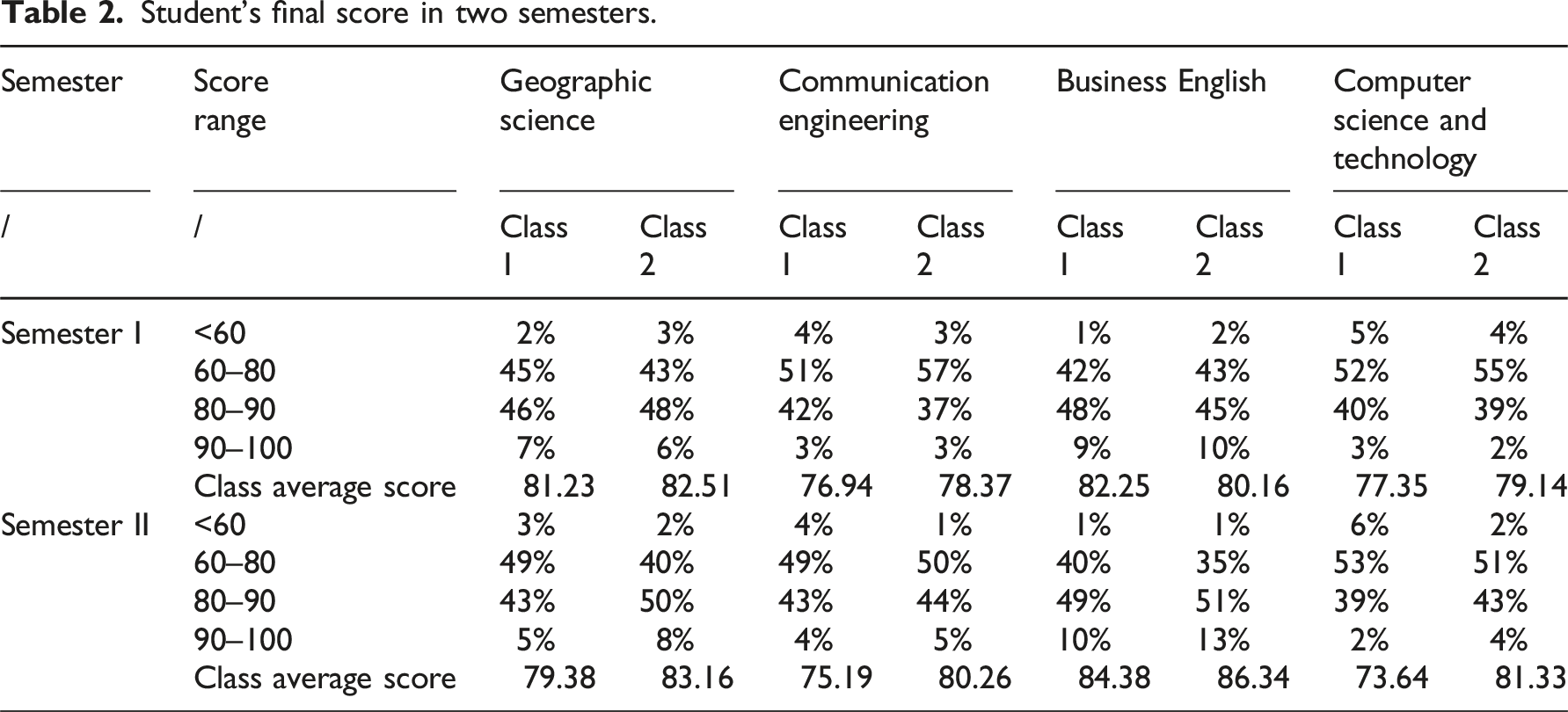
Analysis of teaching and learning outcomes in a BLM
Student’s final score in two semesters.
Analysis of blended TQE models
The study selects Intel Core i7 processor, chooses 16 GB memory, chooses at least 512 GB SSD hard disk size, and chooses graphics card NVIDIA GTX 1660. The system is Windows 10 (64 bit), macOS 10.15 (Catalina), and Linux is Ubuntu 18.04. The MATLAB is chosen as the software version. The development platform is MATLAB R2021b, and DEAP or Global Optimization Toolbox can be used for genetic algorithms, while Keras or Neural Network Toolbox can be used for neural networks. The MATLAB environment was chosen for the study mainly because it is a high-level programming language suitable for dealing with complex mathematical and engineering problems, has powerful numerical operations and performance-optimized built-in functions, supports parallel computing, as well as providing rich graphical and visualization capabilities. However, the choice of software may affect the reproducibility of the research results as different software may have different functions and toolboxes, which may lead to discrepancies in the results of the analyses. Therefore, the use of MATLAB may improve the accuracy and efficiency of the study, but may also limit the replicability of the results in other software environments.
26
The questionnaires designed according to the index system are collected, and the results and the original data are sorted and pre-processed to obtain 800 sets of valid sample data. 650 sets of samples are used as the training set and input into the BP and GA-BP, respectively, for training. Moreover, the remaining 150 sets of samples are used as the test set to test the trained BP and GA-BP. The age ratio is 30% for those aged 18-20, 40% for those aged 21-23, 20% for those aged 24-26, and 10% for those aged 27 and above. The gender ratio is 60% male and 40% female. The proportion of different academic disciplines is 30% for computer science, 20% for geography, 25% for business English, and 25% for other subjects. The sample had a higher proportion of students aged 21–23, which may have led to the model performing better for students in this age group and slightly worse for students in other age groups. The sample also had a higher proportion of male students, which may have led to the model making more accurate predictions for male students and biased predictions for female students. The sample had a higher proportion of students majoring in computer science and business English, which may have led to the model performing better for these disciplines and slightly worse for other disciplines. The trained BP and GA-BP are tested and validated. In the meantime, MATLAB software is used for simulation analysis. The amount of training times is set to 5000, and the training target error is set to 0.0001 (Figure 5). The GA crossover rate is set to 0.8, the mutation rate is set to 0.01, and the selection method adopts the roulette wheel selection method. After the network training, the output simulation judgment outcomes and the actual judgment outcomes are obtained from the test set, as shown in Table 3. Scatter plots of different models. Comparison between simulation judgment outcomes and actual judgment outcomes.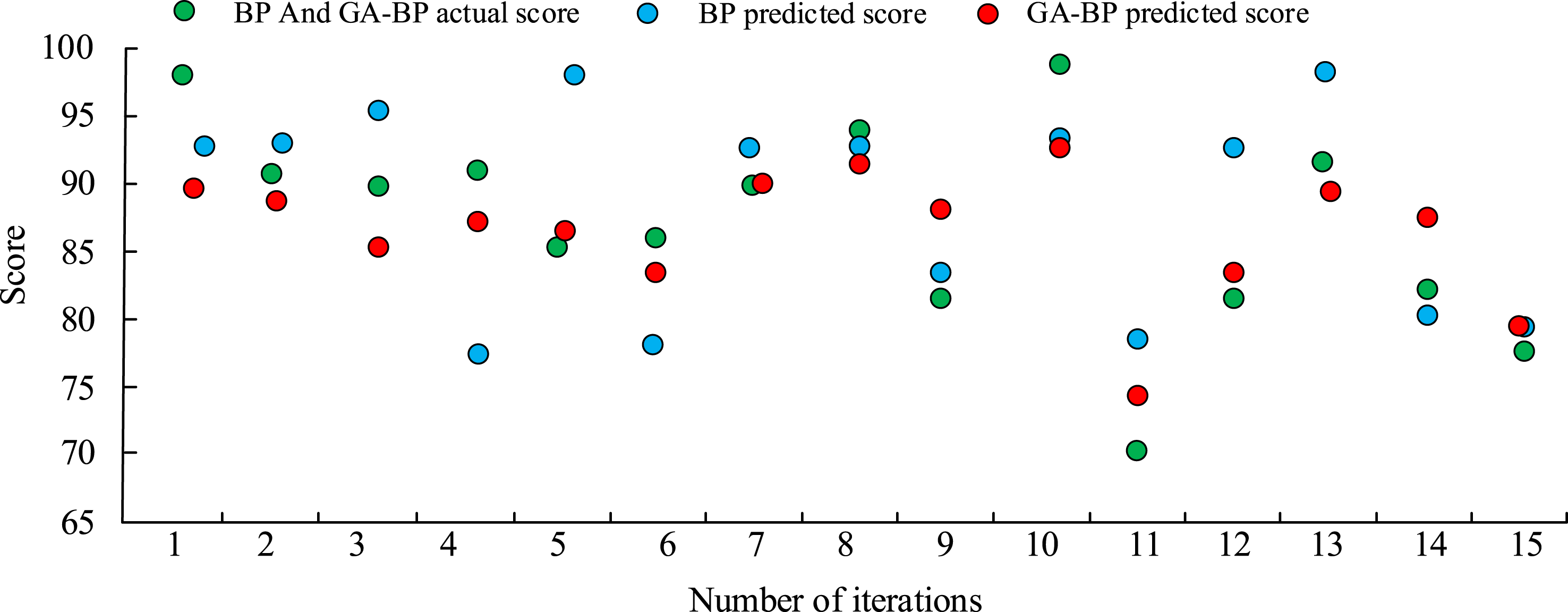
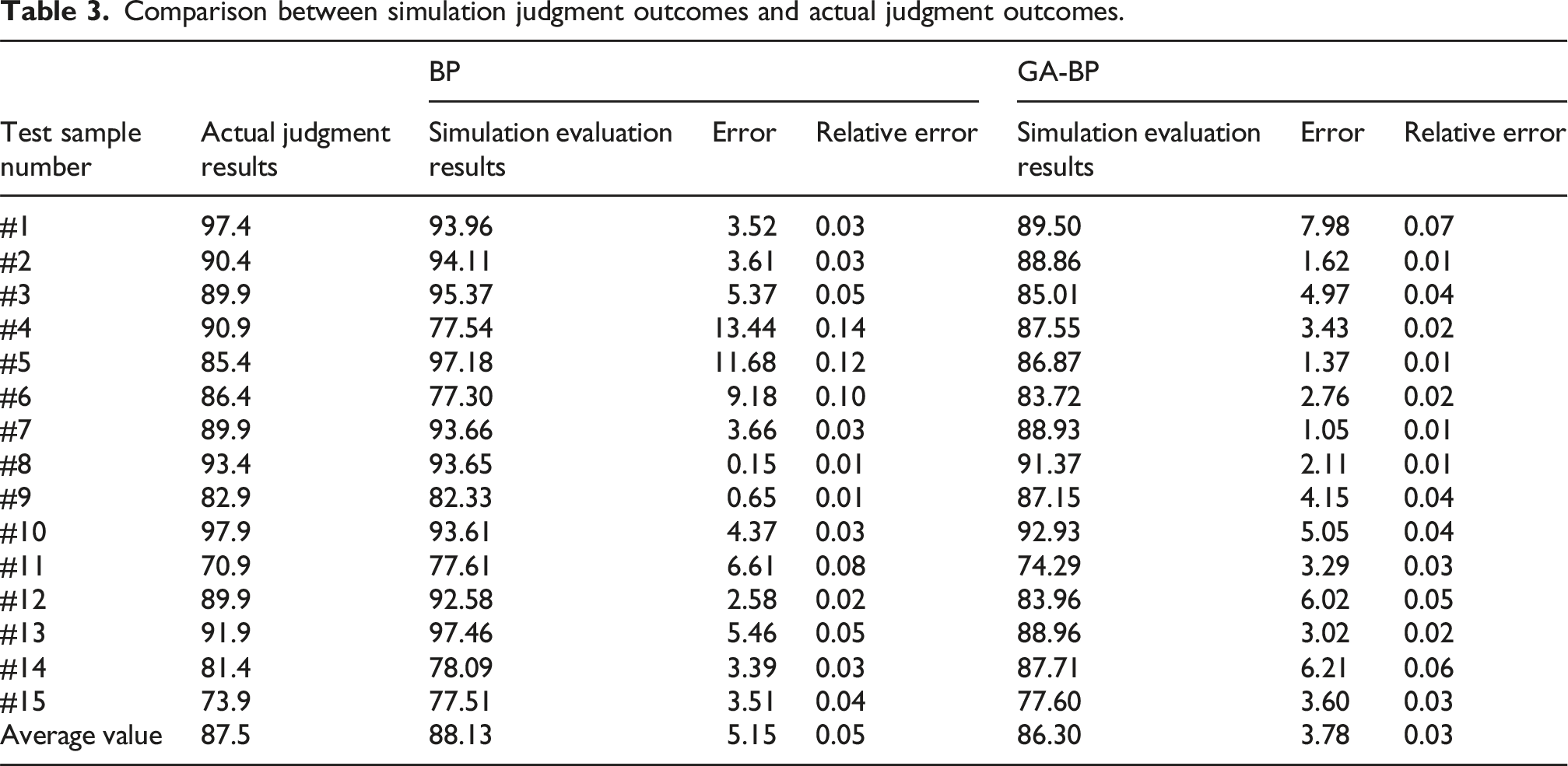
Table 3 illustrates that the simulation judgment outcomes and the actual judgment outcomes of both the BP-based and GA-BP-based hybrid TQE models are relatively proximate, despite the fact that the average errors of the two models are 5.15 and 3.78, respectively, and the average relative errors are 0.05 and 0.03. The error of 7.98 may be caused by model defects, data noise, or insufficient training. To deal with this outlier and improve model performance, measures including data cleaning, model tuning, hyperparameter optimization, increasing training data, applying regularization techniques, analyzing outliers separately, and using ensemble learning methods need to be taken. The errors and relative errors of the latter are smaller. After that, the test sample is predicted, and Figure 6 displays the outcomes. Two kinds of neural network evaluation and prediction results. (a) BP (b) (GA-BP).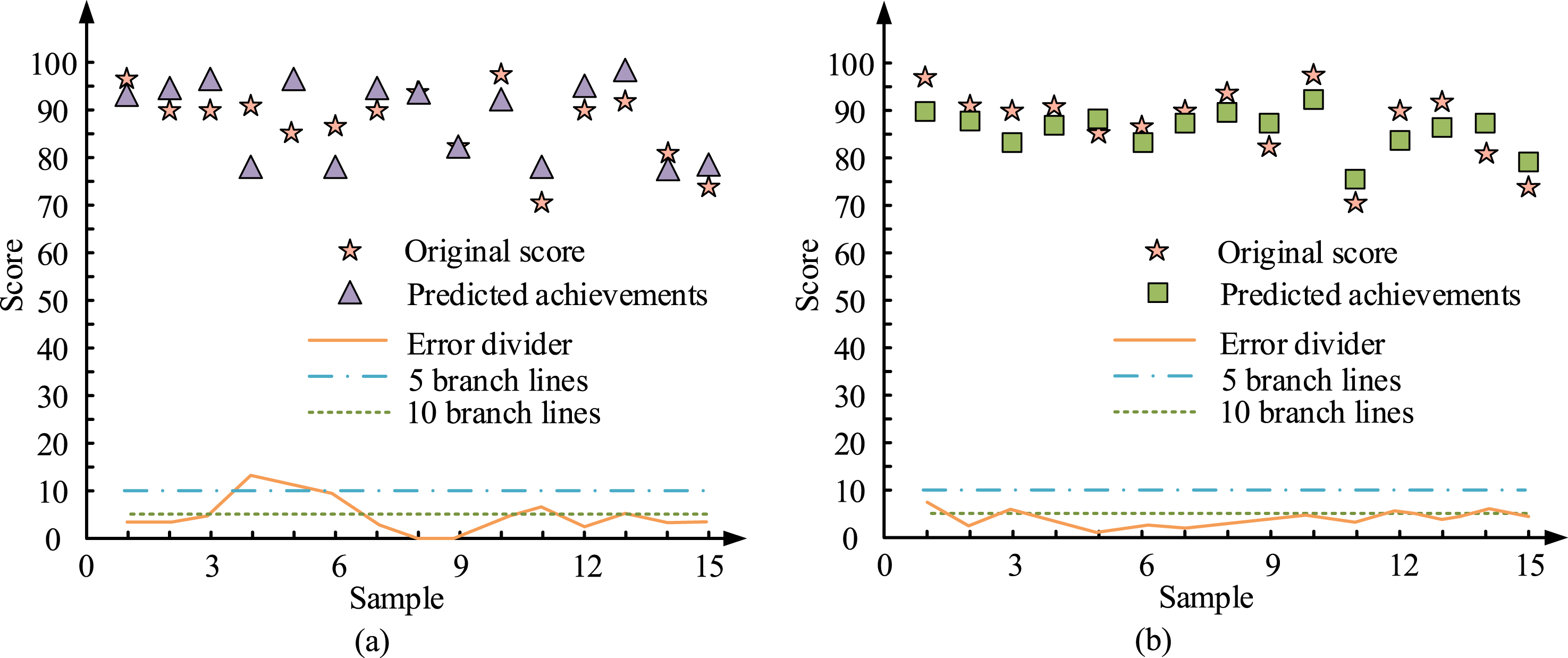
In Figure 6, sub graph (a) and (b) are the judgment and prediction outcomes of BP and GA-BP, respectively. In Figure 6, that the prediction results (PRs) of the GA-BP are closer to the original outcomes than those of the BP, indicating that the prediction outcomes of the GA-BP are more accurate. Most of the PR errors of BP for the 15 sets of samples are within 10 dotted lines, while the PR errors of GA-BP are within 10 dotted lines. Most of the PR errors of GA-BP are within 10 dB.
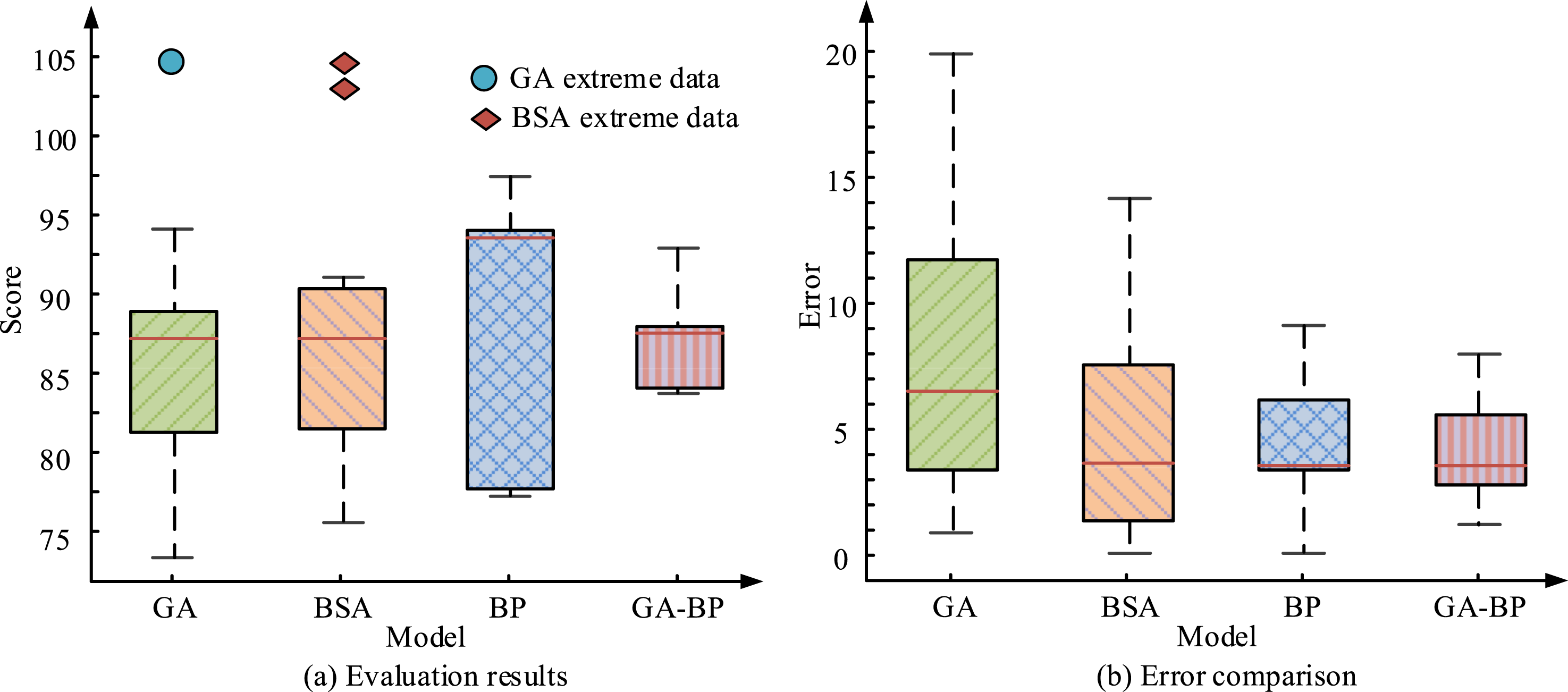
Using both the original GA and BSA algorithms, the prediction is carried out on 15 sets of sample test set data in order to better depict the impact of the GA-BP judgment model. The outcomes are displayed in Figure 7. Figures 7(a) and (b) are the judgment and prediction outcomes of GA and BSA, respectively. In Figure 7, GA and BSA can generate prediction outcomes based on students' original scores. When comparing GA and BSA models, it was found that there were significant fluctuations in their performance, which may be due to factors such as data quality, model parameter settings, randomness, and model complexity. In order to improve the stability of these models, data cleaning and enhancement can be carried out, model parameters can be optimized, the influence of randomness can be reduced, regularization techniques can be introduced to simplify the model structure, ensemble learning methods can be adopted, and model performance can be strictly evaluated through cross validation and other means. These methods can effectively reduce model fluctuations and improve its stability and accuracy in teaching quality evaluation. The study chose BSA as the comparative object mainly because it belongs to the same evolutionary algorithm as GA and has comparative value in global optimization and exploration development balance: BSA adjusts the search direction by backtracking the historical population, complementing GA's genetic operations; Its low parameter dependency and strong search capability make it an ideal benchmark for validating GA-BP performance. The comparison of BSA effectively highlights the advantages of GA-BP, but more algorithms, statistical techniques, and large-scale validation are needed to fully ensure the universality and reliability of the conclusions. Future research can integrate ensemble learning (Stacking) and automated parameter tuning (Bayesian optimization) to further enhance model robustness. However, their evaluation results have large fluctuations, with a few cases of evaluation results exceeding the normal grading range, and their errors are greater. The prediction errors are then compared to obtain a comparison of the evaluation results and errors under the four models, as shown in Figure 8. GA and BSA evaluation results. (a) GA (b) BSA. Comparison chart of evaluation results and errors under four models. (a) Evaluation results and (b) error comparison.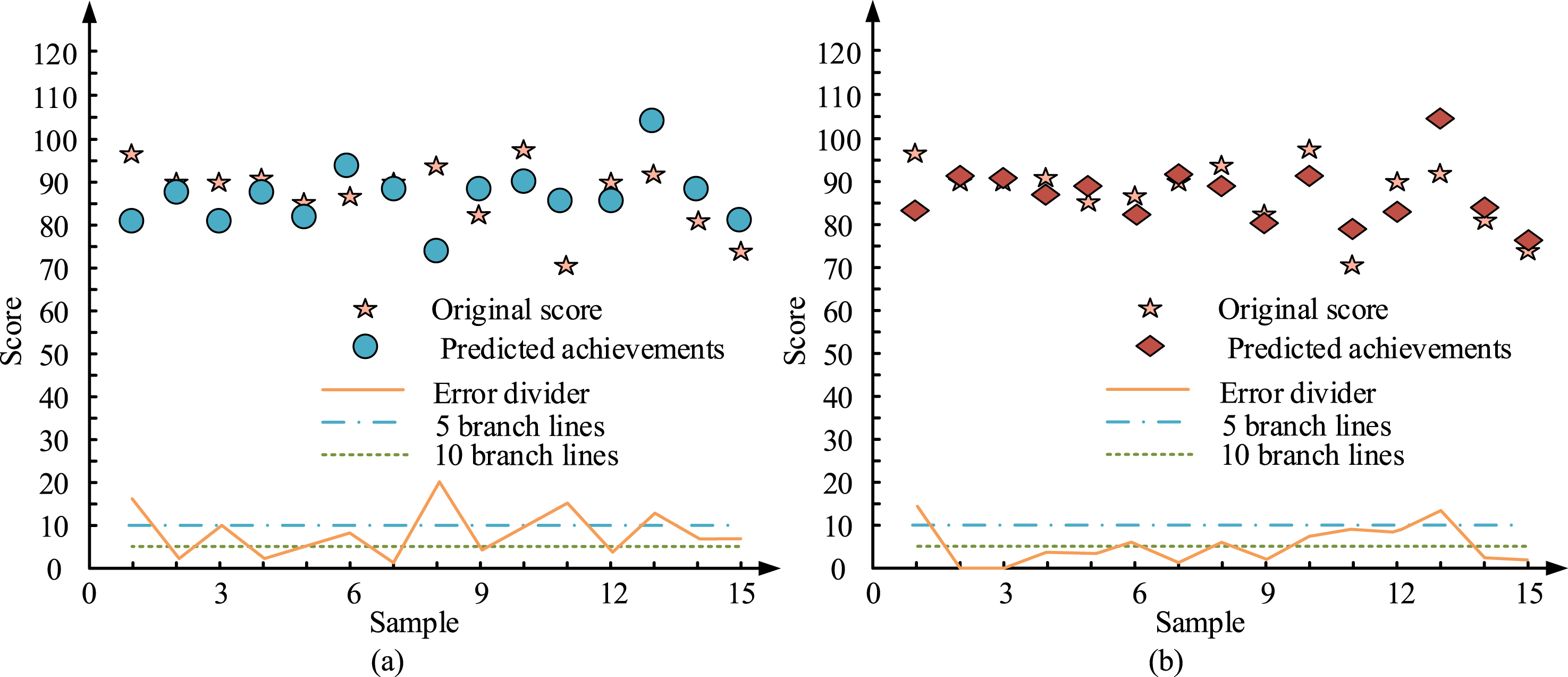
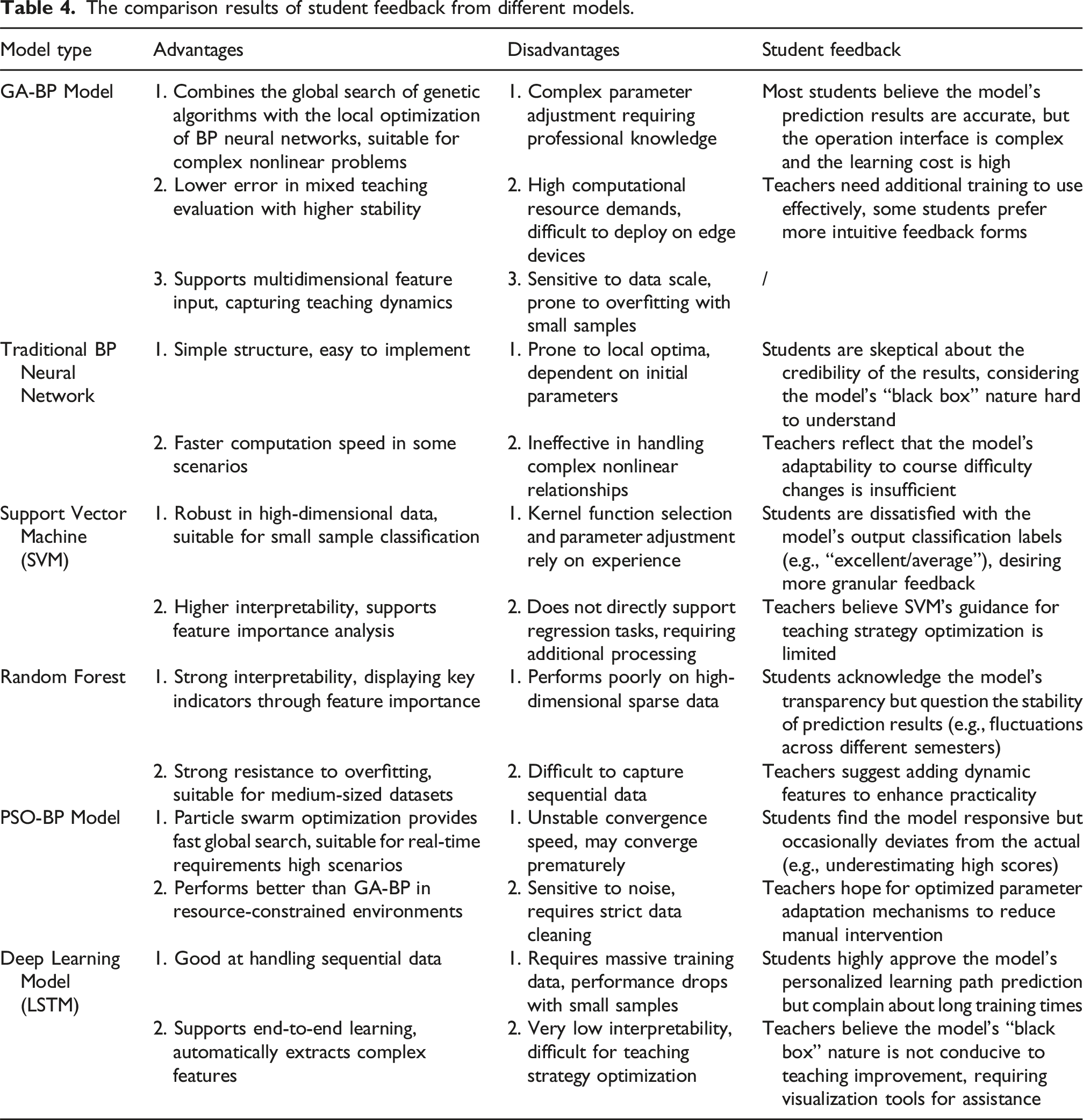
The comparison results of student feedback from different models.
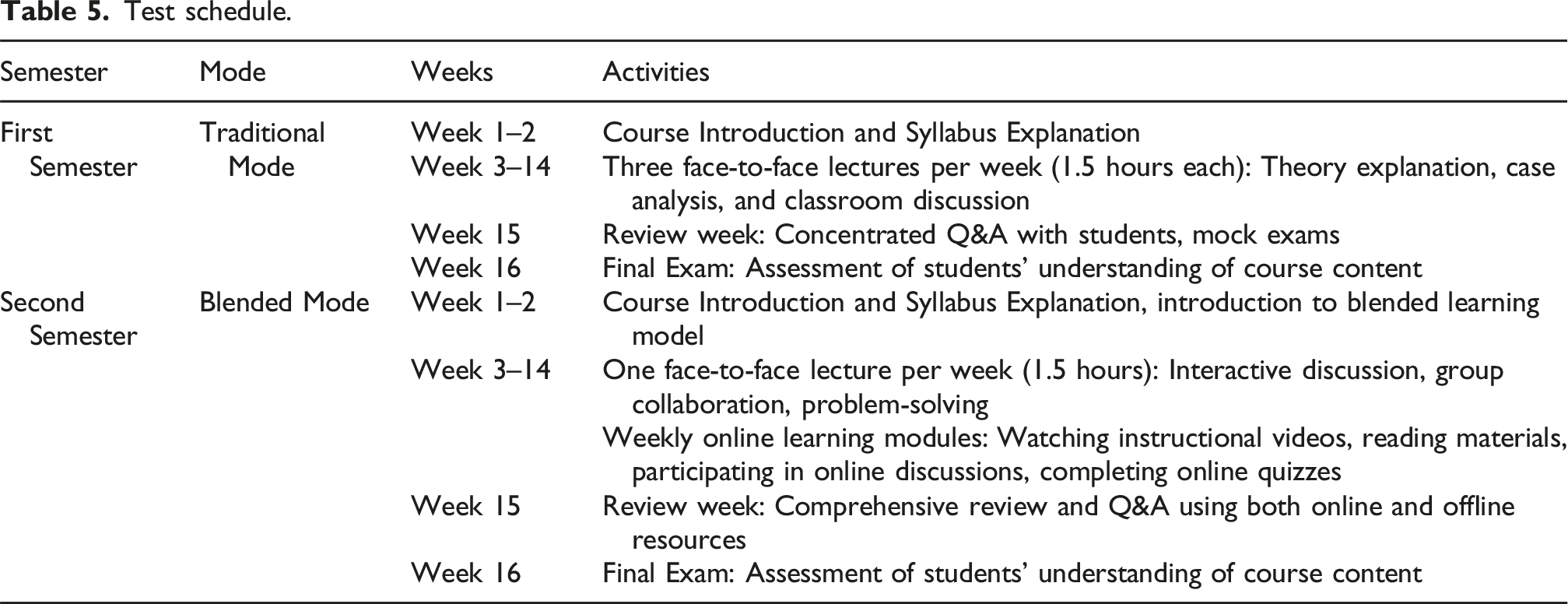
Test schedule.
Statistical analysis results of grades for Class 1 and Class 2.
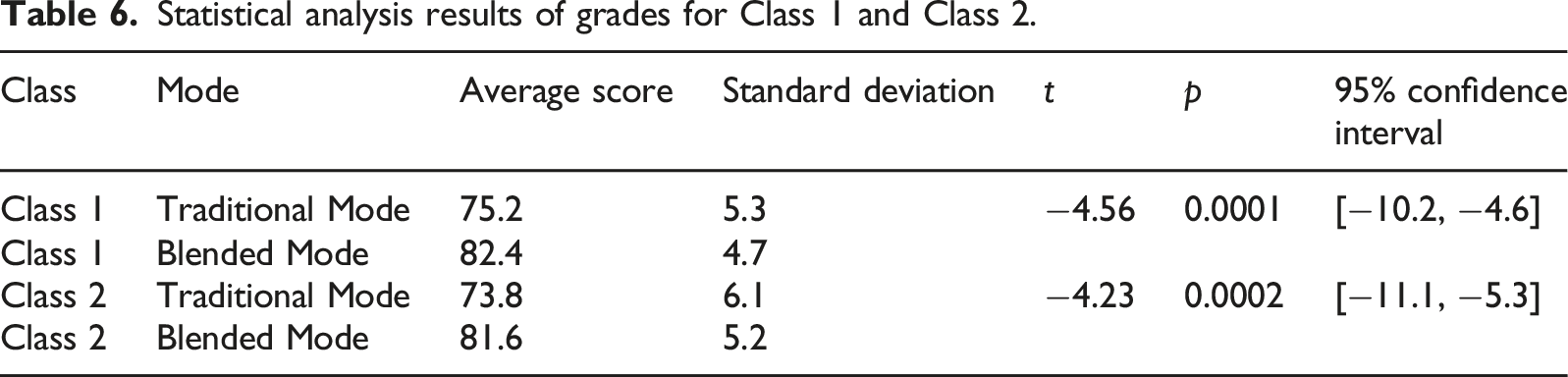
From Table 6, it can be seen that the average score of Class 1 in the mixed mode is 82.4, which is 7.2 points higher than the traditional mode’s 75.2, with significant statistical differences (p < 0.05). The 95% confidence interval is [−10.2, −4.6], indicating that the average score of the mixed mode is 4.6–10.2 points higher than that of the traditional mode. The average score of the mixed mode in Class 2 is 81.6, which is 7.8 points higher than the traditional mode’s 73.8, with a significant statistical difference (p < 0.05). The 95% confidence interval is [−11.1, −5.3], indicating that the average score of the mixed mode is 5.3–11.1 points higher than that of the traditional mode.
Discussion
Since the outbreak of COVID-19 in late 2019, all aspects of life around the world have been affected to varying degrees, including education. To cope with the challenges posed by the epidemic, schools at all levels have suspended classes and turned to online teaching. However, the implementation of a single online teaching model has revealed some problems, such as insufficient student autonomy and enthusiasm in online learning, reduced frequency of teacher-student interaction, and difficulty in ensuring teaching effectiveness. This has led educational institutions to explore more flexible and effective teaching models to ensure teaching quality and student learning outcomes. A new BLM is developed for this study.
In analyzing and comparing BLMs, it was found that in classes using BLMs, changes in student grades were relatively small in the first semester under both models. However, as the course difficulty increased, the grades of high-scoring students increased significantly in the BLM. This suggested that hybrid models could promote students’ mastery of knowledge and improve their overall academic performance. Meanwhile, hybrid models could also improve students' mastery of knowledge points to some extent. In the comparative test of teaching quality between BP model and GA-BP model, the average error of GA-BP model was 1.37 smaller than BP model, and the average relative error was 0.02 smaller than BP model. This might be due to the addition of GA to improve the overall performance of the model. This also indicated that the current model had good prediction and evaluation effects on teaching quality. In comparing the PRs between the GA-BP model and the BP model, the prediction error of the GA-BP model was within 10 dB, which was smaller than that of the BP model. This might be due to the fact that the current model had improved its prediction and judgment ability after data processing. Finally, when comparing the scores and errors of different models, the GA-BP model had a score range of about 85–95, with a median score of about 88. Compared to other models, this model had higher scores. This might be due to the more stable data processing of the model, and it could also be concluded that the model had better data stability and better model performance ability, which had a better effect on the evaluation of teaching quality in mixed mode. In the comparison of different model errors, the GA-BP model had more concentrated scores and errors, which showed higher stability and accuracy. This may be due to the combination of the advantages of the GA and the BP algorithm in the GA-BP model.
In the study by Abualadas and Xu, 27 online teaching mode was used to teach students. Through this new model, most students’ academic performance was significantly improved. This indicated that using this new teaching model could effectively enhance students' actual teaching effectiveness and greatly helped improve the quality of teaching for students. It could be concluded that the new teaching mode could effectively improve the quality of student teaching. However, this model cannot judge the actual effectiveness of student teaching, so it is necessary to simultaneously implement offline teaching models to improve student teaching effectiveness. In the comparative study of blended learning and traditional learning by He, 28 it was found that using blended learning as a teaching method could effectively improve students’ teaching performance, stimulate their own learning motivation, and cultivate their ability for self-directed and cooperative learning. This could compensate for the shortcomings of traditional teaching methods. It was evident that the conventional pedagogical approach was inadequate for fostering students' autonomy in learning and critical thinking. However, the blended learning method offered a viable solution to this shortcoming. In comparison to traditional teaching methods, BLM can successfully increase teaching effectiveness and raise students’ knowledge of self-directed learning.
In conclusion, the overall assessment of blended learning quality indicates that blended learning has the potential to significantly enhance students’ academic performance and directly impact the quality of instruction. The GA-BP model shows better teaching performance in judging and predicting blended learning modes. In order to make the GA-BP model more accessible to educators who lack computing resources without sacrificing accuracy, measures such as simplifying the model structure to reduce the number of input features and optimizing the hidden layer structure, optimizing the data processing flow to automate data pre-processing and dimensionality reduction, developing easy-to-use tools and platforms to provide graphical user interfaces and cloud platform support can be taken to enable more educators to use the model for teaching quality evaluation.
The GA-BP model has demonstrated extensive adaptability potential in other educational disciplines. In natural science education, models can optimize teaching strategies and reduce evaluation errors by analyzing the correlation between experimental data and theoretical knowledge; In language education, it can integrate multimodal data such as speech recognition and writing grading, accurately locate students’ weak links, and generate personalized learning paths; In the field of art education, it is necessary to combine subjective evaluation with objective data; In the vocational education neighborhood model, the dynamic correlation between simulated operational data and theoretical testing can be used to enhance the effectiveness of skill training. The large-scale implementation of GA-BP mode requires high-performance hardware resources, such as Intel Core i7 processor, 16 GB memory, 512 GB SSD hard drive, NVIDIA GTX 1660 graphics card, as well as software support such as Windows 10, macOS or Linux Ubuntu 18.04 operating system and MATLAB; At the same time, it is necessary to have the ability to collect, organize, pre-process, and normalize data, as well as sufficient sample data to train and test the model. For institutions with poor technical equipment, external technical support or cooperation may be required to obtain the required computing resources through cloud platform services, simplify model structures, optimize data processing processes, and develop user-friendly graphical user interfaces or online platforms. Novice teachers can quickly learn how to handle teachers with different levels of professional knowledge and students’ participation in real-world applications through pre-set micro-learning resources, while experienced teachers can expand their content based on this foundation. At the same time, micro-learning resources are distributed through platforms such as WeChat and Weibo, including short videos, graphic summaries, interactive quizzes, etc. For example, art disciplines may require audio clips or performance demonstrations.
In comprehensive universities, this model can be used to evaluate the teaching effectiveness of large-scale online courses, but additional training for teachers may be required to effectively use the model. Technical colleges may use the GA-BP model to optimize experimental courses in STEM fields, while teacher training colleges may use it to improve teacher training and educational methods. Art schools may need to adjust their models to adapt to more subjective teaching evaluation criteria, while rural schools may need to adapt to the challenges of weak network infrastructure. In the study by Zhang et al., 29 the GA-BP model has significant potential application value in the field of agricultural greenhouse environmental control. It can optimize tomato growth conditions, improve yield and quality, reduce production costs and labor input, and promote sustainable agricultural development through real-time monitoring and intelligent control of greenhouse environmental parameters. In Peng et al., 30 the GA-BP model has significant potential application value in the field of building carbon emission prediction. This model can accurately predict the carbon emissions of the provincial construction industry by optimizing the initial weights and thresholds of the BP neural network. In the case of Sichuan Province, the GA-BP model performed well with an average absolute percentage error of only 6.303%.31,32
On the basis of the advantages of GA-BP technology, the research on the newly added educational component mainly constructs a comprehensive and dynamic blended learning evaluation index system. This system not only covers the three stages of pre class, in class, and post class, but also refines into 20 secondary indicators, such as online interaction frequency, classroom discipline, homework completion, etc., which can reflect the dynamic changes in the teaching process in real time. In the field of computer science, researching the use of models can increase indicators related to programming skills and online learning interactions; in the field of humanities and social sciences, emphasis can be placed on indicators such as classroom discussions and homework quality. In addition, the model has demonstrated its applicability in different disciplines through multidisciplinary validation, demonstrating its adaptability to resource richness and resource-constrained scenarios. At the educational level, models can adjust evaluation indicators based on specific teaching objectives and student characteristics, making them applicable to teaching evaluations at different levels. Therefore, this model has broad potential for promotion and can provide effective blended learning quality assessment solutions for different academic fields and educational levels.
Conclusion
In the context of the COVID-19 epidemic, numerous educational institutions have implemented OFBT strategies to address the unique learning requirements of their student populations. The study uses microcourse resources to establish an online teaching platform and construct a BT mode. The outcome is that in the mixed teaching mode, academic performance can be enhanced. The simulation analysis showed that most of the outcomes of the GA-BP evaluation model were within the 5th percentile error line, and the error line fluctuated more smoothly and had higher accuracy. Compared with other models, the error was minimal and the predicted scores were closer to the original scores. The GA-BP model can accurately evaluate teaching effectiveness, optimize teaching strategies, and improve overall teaching quality in educational institutions. The GA-BP model can also provide detailed student learning analysis data, support personalized learning, and improve students’ learning outcomes. There are still some issues with the GA-BP model, such as its performance depends on high quality input data, requires high level of technical expertise and resource support, and further validation of its applicability in different disciplinary fields. Therefore, further research will analyze how to reduce the complexity of the model and improve its applicability. Although 80 samples can preliminarily verify the advantages of the GA-BP model, its reliability is limited by the risk of overfitting and insufficient statistical power, and its generalizability is limited by disciplinary singularity and sample narrowness. Therefore, future research needs to expand data scale, optimize model structure, and strengthen validation methods to ensure the robustness and cross scenario applicability of conclusions. The two semester experiment can preliminarily verify the effectiveness of blended learning mode, but due to the limited time span, it may overestimate the short-term incentive effect and underestimate the challenges and long-term dynamic changes during the adaptation period. Therefore, future research needs to conduct longer experiments and combine longitudinal data tracking with cross disciplinary comparisons. The average error and average relative error, as technical indicators, effectively quantify the prediction accuracy of the model, but at the same time, they fail to cover core dimensions such as fairness, consistency, and scalability in educational evaluation. Therefore, in subsequent research, comparative analysis will be conducted through different data dimension indicators. Future research directions should further simplify the GA-BP model and improve its operational efficiency and accessibility. At the same time, validate the applicability of the model on more disciplinary fields, different cultural backgrounds, and larger datasets. In addition, follow-up research will explore cost-effective implementation strategies to reduce hardware and software costs. Finally, conduct long-term tracking research, establish a long-term data collection mechanism, develop dynamic evaluation tools, regularly evaluate the effectiveness of the model in long-term teaching, and optimize model parameters and strategies.
Footnotes

Funding
The authors received no financial support for the research, authorship, and/or publication of this article.
Declaration of conflicting interests
The authors declared no potential conflicts of interest with respect to the research, authorship, and/or publication of this article.