




Abstract
With the acceleration of urbanization, the imbalance between urban and rural spatial distribution and resource allocation has become increasingly prominent. National political forces play a key role in regulating this contradiction. This study aims to explore how national political forces affect the spatial distribution and resource allocation of urban and rural areas through policy intervention. The research background covers the complexity of urban and rural development under globalization and the guiding role of national policies in regional development. By constructing a comprehensive analysis model, it is found that the adjustment coefficient of national policies on urban and rural population distribution reaches 0.75, which significantly promotes the urbanization process. Regarding resource allocation, policy intervention has narrowed the difference in resource allocation between urban and rural areas by 20%, effectively alleviating the problem of resource inequality. In addition, the regional development pattern optimization index has increased by 30% under the guidance of policies, indicating the important role of national political forces in optimizing spatial structure and promoting the integrated development of urban and rural areas. The results of this study not only reveal the regulation mechanism of national political forces in urban and rural development and provide a scientific basis for future policy formulation, emphasizing the core position of the state in promoting the coordinated development of urban and rural areas.
Keywords
Introduction
In interweaving globalization and modernization, national political forces, as the core driving force of social development, play an increasingly prominent role in regulating urban and rural spatial distribution and resource allocation and have become the focus of common attention of academic circles and policymakers.1,2 The spatial distribution of urban and rural areas is related to the evolution of geographical patterns and profoundly affects the balance and sustainable development of the social and economic structure. Resource allocation, as the core link of economic activities, directly determines resource utilization efficiency and social equity. 3 Under this background, it is not only of theoretical exploration value but also of great significance to guide practice and optimize policies to deeply study how national political forces can effectively adjust urban and rural areas’ spatial distribution and resource allocation through policy guidance, legal norms and administrative intervention.
With the acceleration of urbanization, the gap between urban and rural areas and the imbalance of regional development has become increasingly prominent, which has become the bottleneck restricting the country’s overall development. 4 By formulating and implementing urban and rural planning and regional development policies, the national political forces aim to guide the rational flow of population, technology and other factors between urban and rural areas, optimize the spatial layout and promote the integrated development of urban and rural areas.5,6 China’s urban-rural dual structure was formed through a series of policies, including the household registration system, land reform, and rural revitalization policies. These policies reconfigured territorial governance and formed a path-dependent spatial political economy in which urban dominance and rural subordination are mutually constituted through legally defined civil rights and land development rights. By promoting the new urbanization strategy, strengthening infrastructure construction and improving the level of public services, the problems of urban congestion and rural hollowing out have been effectively alleviated, and the balanced development of urban and rural space has been realized.
Regarding resource allocation, national political forces play a more direct and critical role. 7 As the foundation of economic and social development, the allocation efficiency of resources is directly related to improving national competitiveness and people’s living standards. 8 By formulating industrial policies, fiscal policies, tax policies, etc., the state guides resources to tilt to key areas and weak links, optimizes the resource allocation structure and improves resource utilization efficiency.9,10 At the same time, by establishing a fair and transparent market mechanism, we will crack down on resource monopoly and unfair competition, ensure the fairness of resource allocation, and promote social fairness and harmony.
It is worth noting that national political forces face many challenges and difficulties in regulating urban and rural spatial distribution and resource allocation.11,12 How to balance the interests of urban and rural areas, coordinate regional development, and give consideration to economic benefits and social equity has become an important issue to be solved urgently. In addition, with the development of informatization and globalization, new situations and problems faced by urban and rural spatial distribution and resource allocation emerge, which puts forward higher requirements for the adjustment ability of national political forces.
The theoretical underpinnings of this analysis draw upon Lefebvre’s conceptualization of state space production, where national political forces strategically reorganize urban-rural territories through regulatory land use regimes and infrastructure deployment, while Brenner’s scalar governance framework elucidates how hierarchical state interventions produce distinct spatial configurations—from metropolitan clusters to peripheral hinterlands—through dialectical processes of centralization and territorial fragmentation. These theoretical lenses reveal how China’s unique political economy manifests spatially through the tension between homogenizing policy frameworks and regionally embedded development trajectories.
The research on the regulating role of national political forces in urban and rural spatial distribution and resource allocation is an important exploration of the modernization of the national governance system and governance capacity and a profound grasp of the law of economic and social development. Through this study, we aim to reveal the specific mechanism, effect and existing problems of national political power in the spatial distribution and resource allocation of urban and rural areas and provide theoretical support and practical guidance for optimizing policy formulation, promoting the coordinated development of urban and rural areas, and realizing the efficient utilization of resources. At the same time, this study is expected to trigger wider academic discussion and policy reflection and jointly promote the national political forces to play a more active and effective role in regulating urban and rural spatial distribution and resource allocation.
Theoretical basis and principle
Theory of spatial distribution and resource allocation in urban and rural
The spatial distribution of urban and rural areas is composed of geographical layout and structural characteristics and is affected by natural conditions, economic level, traffic conditions and other factors. 13 Land use forms a unique pattern in spatial structure, with commercial activities concentrated in the city’s core area, commercial land, residential land surrounding the periphery, industrial land mostly in the suburbs, and agricultural land located in the periphery. 14 The city’s main functional areas include residential, industrial, and commercial areas. The commercial areas are the centers of urban economic activities, especially the central business districts (CBDs) in big cities. 15 Residential areas are widely distributed, and industrial areas are mostly on the edge of cities.
Natural conditions such as topography and climate affect the spatial distribution of urban and rural areas. Economic activities are the main driving force of urban-rural spatial changes, and economically developed cities such as Hangzhou and Ningbo also have a high degree of urban-rural integration.16,17 Traffic conditions also affect the spatial distribution of urban and rural areas, and areas with convenient transportation are more likely to attract population and industries, which affects the spatial layout.
Resource allocation is the process of making choices among limited resources to meet socio-economic development needs. Since resources are limited and difficult to regenerate, they become scarce and must be allocated efficiently to minimize consumption and maximize benefits. 18 The core is rationally allocating the total social labor time to different departments. Appropriate resource allocation can save resources, improve economic benefits and promote economic vitality. Improper allocation may lead to the waste of resources and obstacles to economic development. 19 Therefore, the rationality of resource allocation is crucial to the national economy.
Figure 1 shows the resource allocation architecture. In a market economy, resource allocation is mainly determined by market mechanisms, but the market allocation of resources is imperfect. When encountering obstacles, such as the imbalance of regional and industrial structure, the government can use fiscal policy to intervene and guide resources to priority development areas to meet the economic structure and productivity needs.20,21 The government can promote the development of the western region to maintain regional balance, promote technological innovation, strengthen agriculture, upgrade the manufacturing industry, develop the service industry and optimize industrial structure. Resource allocation is market-led, supplemented by appropriate economic policies. Resource allocation architecture.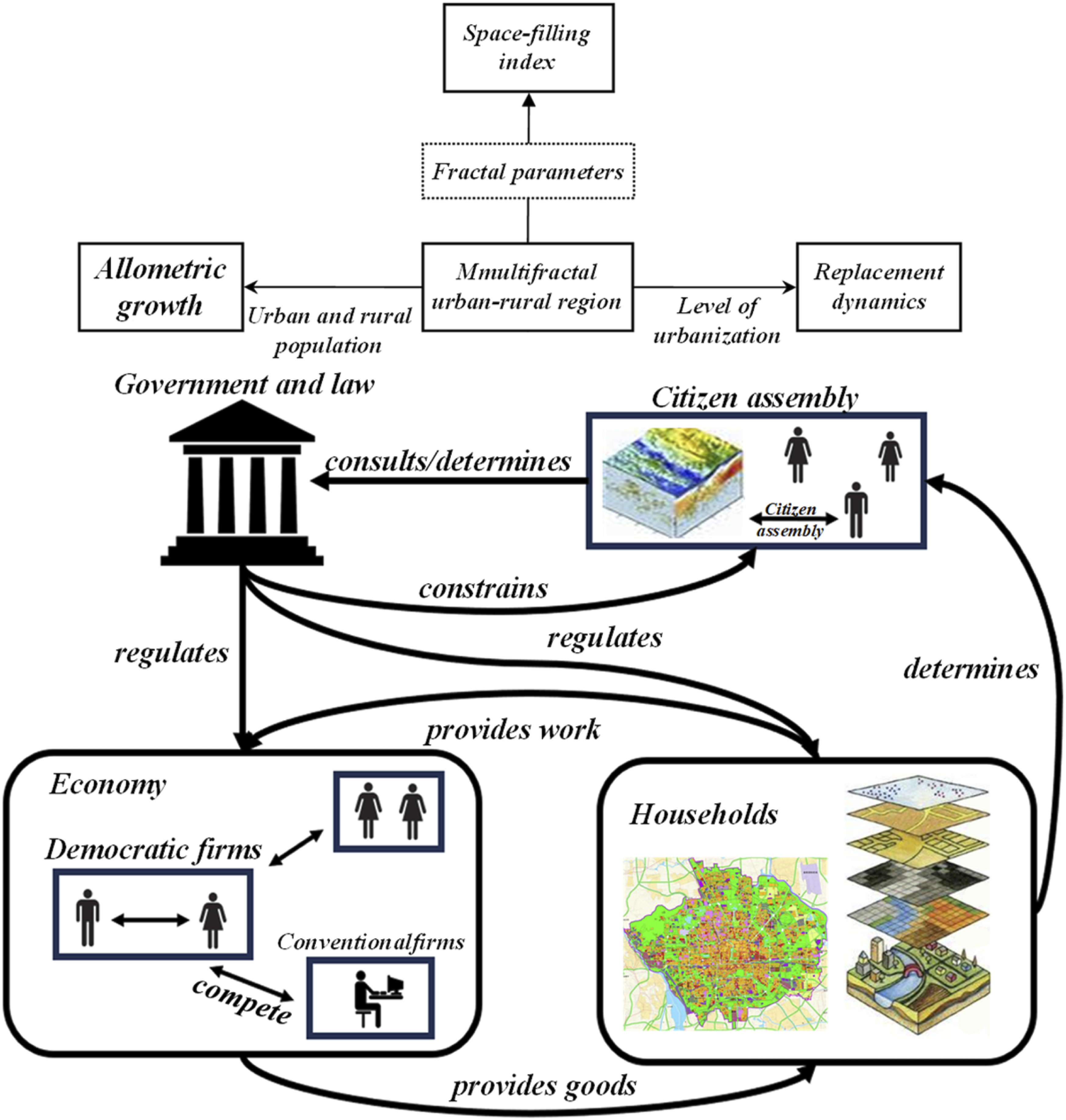
The analytical approach employs spatial econometric techniques to capture the complex territorial dynamics between political governance and spatial restructuring, where Moran’s I index reveals the clustering patterns of policy impacts while spatial lag models account for cross-jurisdictional spillover effects in infrastructure investment and service provision. This dual methodology enables simultaneous examination of both localized governance outcomes and broader regional integration patterns within the urban-rural continuum.
Economic mechanisms include dynamics, information, and decision-making mechanisms. The dynamic mechanism involves the participation of economic agents in resource allocation to achieve optimal benefits. 22 The information mechanism emphasizes that rational resource allocation requires comprehensive and timely information collection as the basis of decision-making, and information is transmitted through specific channels. The decision-making mechanism is related to the power of resource allocation, which may be centralized or decentralized. Different power systems and restrictive relationships form different decision-making mechanisms. The analytical framework conceptualizes urban-rural resource allocation as an institutional field where state regulatory power interacts dialectically with market dynamics and civil society actors—foreign direct investment creating enclave development patterns that intersect with state spatial strategies, while grassroots participation mediates policy implementation through localized negotiation of land use and service provision. This tripartite governance ecology reveals how political steering mechanisms selectively incorporate market logics and social capital to reproduce territorial hierarchies, with private investment flows often reinforcing rather than disrupting state-designed regional development axes.
Relevant theories of national political power and urban and rural development
As the macro-regulator of urban and rural development, the influence of national political forces permeates many levels, such as urban and rural spatial layout, economic structure and social well-being. 23 Under the policy guidance, the national political forces have designed and implemented a series of systems to promote the coordinated development of urban and rural areas, narrowing the gap between urban and rural areas and improving the overall social and economic development. Using a hierarchical spatial Dobbin model, we quantify how national political power influences urban-rural development through differentiated governance mechanisms. The central government primarily influences strategic spatial planning (β = 0.42, p < 0.01), while local governments regulate resource allocation efficiency (θ = 0.31, p < 0.05). The Moran index (I = 0.67) confirms that there are significant policy spillover effects across administrative boundaries.
National political forces are crucial in urban and rural planning. 24 By formulating urban and rural development planning and land use planning, the state can guide the orderly development of urban and rural space and optimize the urban and rural spatial structure. 25 In this process, the state pays attention to protecting cultivated land resources, rationally distributing urban construction land, promoting the integrated development of urban and rural areas, and ensuring that the spatial layout of urban and rural areas not only meets the needs of economic development but also conforms to the principle of ecological environment protection.
Regarding resource allocation, the national political forces effectively adjust the allocation of urban and rural resources through fiscal policies, industrial policies and other means.26,27 On the one hand, the state increases investment in rural areas, improves rural infrastructure and public service levels, and promotes rural economic development and social progress. On the other hand, the state promotes the coordinated development of urban and rural industries by optimizing the industrial structure and realizing the rational allocation and efficient utilization of resources. In addition, the state also pays attention to establishing and improving market mechanisms, giving full play to the decisive role of the market in resource allocation, and at the same time, strengthening government supervision to prevent resource monopoly and unfair competition and ensuring the fairness and sustainability of resource allocation.
In promoting the coordinated development of urban and rural areas, national political forces also pay attention to the role of social forces. By encouraging society to invest in urban and rural infrastructure construction, public services and other fields, the state can guide social resources to tilt to rural areas and promote the sharing of urban and rural resources and complementary advantages. 28 At the same time, the state actively promotes urban and rural residents to participate in urban and rural governance, enhances urban and rural residents’ sense of acquisition and happiness, and enhances the endogenous power of urban and rural development.
National political forces are important in regulating urban and rural spatial distribution and resource allocation. 29 Through policy guidance, system design and other means, national political forces can promote the coordinated development of urban and rural areas, narrow the gap between urban and rural areas, and improve the overall social and economic development level. 30 With the deepening of urban and rural development and the strengthening of the globalization trend, the role of national political forces in regulating urban and rural spatial distribution and resource allocation will become more prominent. It is necessary to continuously strengthen policy innovation and practical exploration to meet urban and rural development’s new needs and challenges.
The model construction of the regulating function of national political power
Theoretical basis of model construction
This paper constructs a decision-making model to explore how national political forces can optimize resource allocation efficiency and outcomes under specific conditions. The model architecture of the regulating role of national political power is shown in Figure 2. The model assumes that the whole country is divided into two types of regions with different resource conditions, the government decides the spatial distribution of urban and rural areas, and the project construction scale X is the decision variable. The cost function C changes with X. High-resource areas are located north. Managers build high-resource areas when their efforts are high; otherwise, they will build areas with poor resources. The degree of a manager’s effort cannot be directly observed, and it is inferred and incentivized by geographical location selection. When the project performs poorly, the national political forces may obtain political capture gains S through lobbying to compensate for the losses. The social optimal welfare function SW = CS + π + G, where CS is the surplus of resource allocation, π is a function of national political power, and G is the government utility function to minimize unit cost and maximize output. Model architecture of the regulating role of national political power.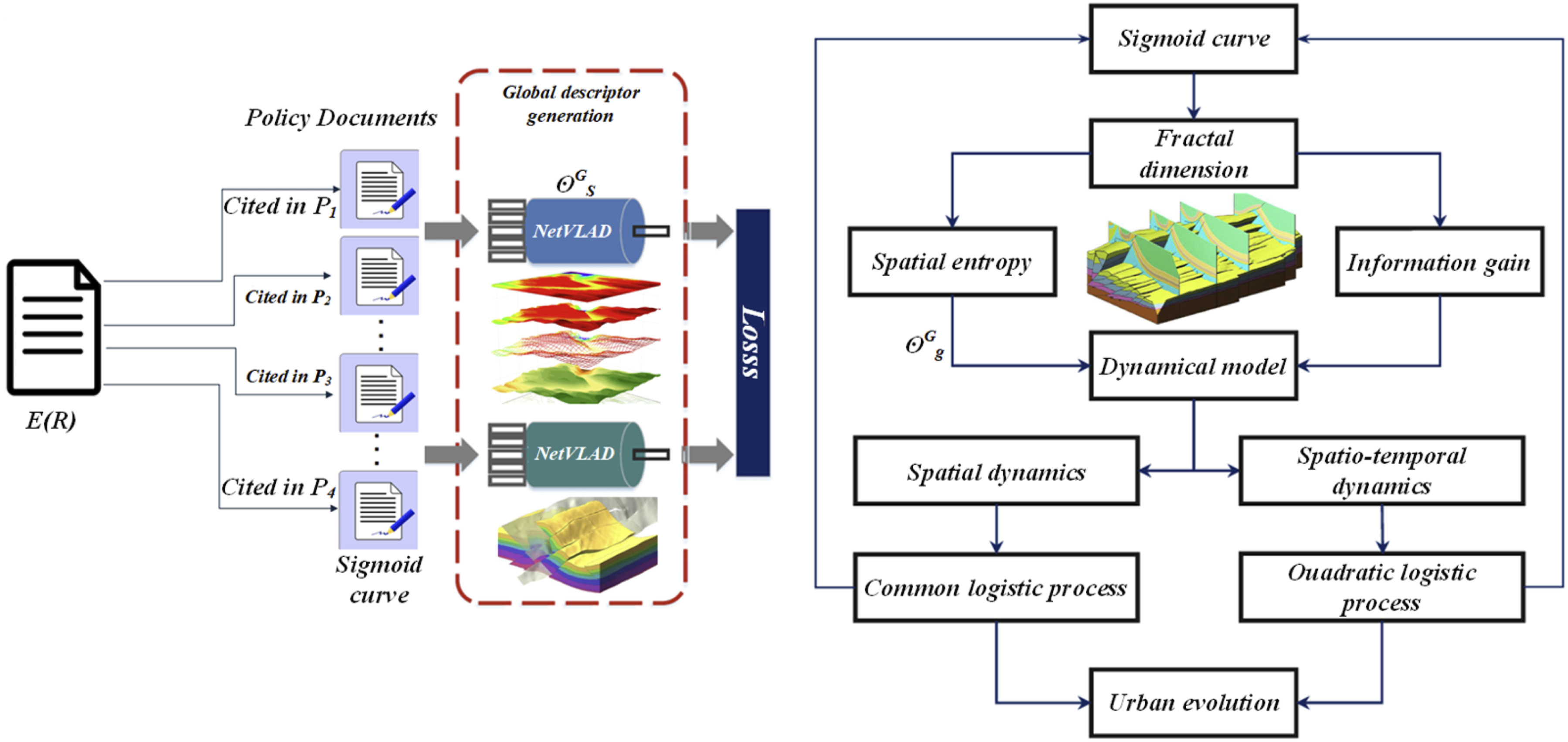
The methodological framework integrates computational text analysis of policy documents with spatial development metrics, where TF-IDF algorithms identify priority areas in national directives while sentiment analysis deciphers implementation tones, creating a quantifiable bridge between political discourse and territorial outcomes. This approach reveals how semantic emphasis in policy texts—whether on “coordinated development” or “rural revitalization”—translates into measurable spatial configurations through local government interpretation and resource channeling mechanisms.
The empirical analysis reveals how multi-scalar governance tensions manifest spatially—provincial governments strategically reinterpreting central directives to protect regional economic interests, municipal authorities navigating contradictory performance metrics between GDP growth and ecological targets, while county-level actors develop informal coping strategies that often subvert formal policy designs. These bureaucratic negotiations produce hybrid governance landscapes where standardized national policies become territorially embedded through complex local translations, particularly visible in the selective implementation of land quota systems and the creative reallocation of rural revitalization funds across administrative boundaries.
First, we need to show ways to maximize the efficiency of resource allocation. According to the assumption, there are two functional models under certain restrictions, as shown in formulas (1) to (3).



In formula (1), managers make high efforts e = e
H
to strive for resource-rich projects, and obtain high incentives w
H
and returns π
H
; whereas in equation (2), low effort e = e
L
results in low return w
L
, which may be close to 0 or negative. To compensate for losses, managers will strive for subsidies S, such as land concessions. Constraints (3) incentivize high effort through contract design, ensuring that revenue growth covers effort costs (w
H
-e
H
> w
L
-e
L
). By deriving equations (1) and (2), the maximization conditions under different conditions are obtained, as shown in equations (4) and (5).


According to the first-order optimality principle, d represents the gap, and X H is set as the solution of equation (4) to maximize the π * H value of equation (1); X L is set as the solution of equation (5) to maximize the π * L value of equation (2). Since C′(X) > 0 and L H > L L , it can be seen that X H > X L in the case of constant price. Meanwhile, P LH -P L = Pk, and the larger Pk, the more obvious the difference between X H and X L .
Substituting the optimal solutions X
H
and X
L
into equations (1) and (2) for analysis, the magnitudes of π
*
H
and π
*
L
are difficult to compare due to the presence of lobbying subsidy S. If π
*
H
< π
*
L
, even if the manager makes a higher effort e
H
, it is difficult for the project level to surpass the lobbying level. This will cause all projects to take equation (2) as the objective function, resulting in a loss of social efficiency. Therefore, the condition π
*
H
≥ π
*
L
must be satisfied to avoid this situation. To make π
*
H
≥ π
*
L
true, it is necessary to satisfy PL
H
X
*
H
-C(X
*
H
)-w
H
≥ PL
L
X′
L
-C(X
*
L
)-w
L
+S, and formula (6) is obtained.

According to inequality (6), when S approaches 0, the left side is greater than or equal to the right side. Therefore, when S decreases, the possibility of π
*
H
≥π
*
L
increases, prompting managers to choose the profit function π
*
H
. As shown in equation (7).

Research shows that in societies with reasonable incentive contracts and low returns from political capture, managers prefer high effort levels to maximize projects. At this time, the subsidy policy can maximize the efficiency of resource allocation. This paper also discusses the conditions for subsidies to realize the optimal resource allocation of social welfare.
As mentioned earlier, when the subsidy policy maximizes the efficiency of resource allocation, it will choose the profit function π
*
H
, that is, build a large-scale X
H
facility in L
H
with sufficient resources, so as to obtain the social welfare function SW, as shown in formula (8).

CS represents the consumer surplus in the market and is assumed to be a constant value; π
*
H
stands for utility maximization; G is the government utility function, reflecting the objectives of industrial subsidy policy, and C represents the cost, as shown in formula (9):

The government achieves its goals by reducing costs and increasing production. When the cost is lowest and the production is maximum, the government utility reaches the highest. The achievement of government goals depends on decision-making. The analysis shows that there are two schemes: scale X is selected when the resource conditions are high, and scale Y is selected when the resource conditions are low. It is proved that when the resource difference is large enough, the government’s goal of minimizing unit cost and maximizing output is consistent with utility maximization, at which time social welfare reaches its peak.
The analytical framework employs inequality metrics to decode the spatial justice implications of political regulation, where Gini coefficients reveal structural biases in interregional resource concentration while Theil decomposition exposes how intra-provincial disparities often outweigh urban-rural divides. Spatial Lorenz curves further visualize these distributional geometries, demonstrating how healthcare and education resources form distinct clusters along administrative hierarchies—with infrastructure investments frequently following political rather than demographic gravity centers, creating service deserts that persist despite nominal policy commitments to equitable development.
Regulation mechanism of national political power and resource allocation
The regulatory framework governing urban-rural resource allocation operates through multi-scalar institutional mechanisms, where central mandates establish minimum service standards, while local governments implement spatial optimization algorithms to mediate between equity objectives and efficiency constraints within jurisdictional boundaries.
The regulatory influence of national political forces on urban-rural spatial organization manifests through distinct yet interconnected dimensions of infrastructure deployment, service provision, and economic coordination. Infrastructure density emerges as a critical spatial parameter, where the topological configuration of transportation networks and utility systems reflects strategic prioritization in territorial development, with central planning typically emphasizing interregional connectivity while local implementation addresses intra-jurisdictional coverage gaps. Public service accessibility demonstrates pronounced spatial variability, as the hierarchical distribution of educational and medical facilities often reveals underlying governance tensions between equity objectives and efficiency considerations, particularly in peri-urban transition zones experiencing administrative boundary effects. Economic activity intensity further illustrates the spatial consequences of policy interventions, where industrial land allocation and commercial clustering patterns frequently correlate with fiscal incentive structures and land use regulatory frameworks. These multidimensional spatial phenomena collectively articulate how political authority becomes territorially embedded through infrastructure networks, institutional landscapes, and economic geographies, with each dimension exhibiting characteristic scaling relationships that vary across urban hierarchies and regional development contexts.
The deepening of national political policies will help improve the efficiency of resource allocation and support the low-carbon energy transition. Policy improvement provides a platform for projects and promotes the construction of environmental protection infrastructure. However, these projects have large initial investments, long return periods, and limited absorption capacity in traditional resource allocation. When the market system is imperfect, there is a lack of display platform, leading outsiders to underestimate the value of projects, especially small and medium-sized ones. The problem of information asymmetry in the renewable energy industry is serious. Outsiders have inaccurate risk judgments, and investment has an obvious wait-and-see attitude. Lack of space leads to the abandonment of projects with positive net present value, which is inefficient. With the improvement of the policy system, project operation needs have been met, constraints have been reduced, many potential projects have been promoted, and efficiency has been improved. The coordination of national political policies and industrial policies can effectively guide social and financial resources to invest in emerging industries and adjust the economic scale, speed, and structure.
National political policies can be improved to improve resource allocation efficiency and promote economic growth. A perfect system can reduce project costs and guide resources to high-yield projects. At the same time, it can improve supervision efficiency and reduce costs. Solving the problems of information asymmetry and managers’ moral hazard is helpful to optimize resource allocation and promote healthy market competition. The state ensures the fairness and standardization of resource allocation through laws and establishes a legal system to reduce uncertainty. Moreover, judicial and administrative means to crack down on illegal activities and maintain market order. At the same time, the state improves the quality of human resources through education, increases investment in education to improve national skills, and thus promotes economic development and social progress.
The deepening of national political policies will help improve the efficiency of resource allocation and support the low-carbon energy transition. Policy improvement provides a platform for projects and promotes the construction of environmental protection infrastructure. However, these projects have large initial investments, long return periods, and limited absorption capacity in traditional resource allocation. When the market system is imperfect, there is a lack of display platform, leading outsiders to underestimate the value of projects, especially small and medium-sized ones. The problem of information asymmetry in the renewable energy industry is serious. Outsiders have inaccurate risk judgments, and investment has an obvious wait-and-see attitude. Lack of space leads to the abandonment of projects with positive net present value, which is inefficient. With the improvement of the policy system, project operation needs have been met, constraints have been reduced, many potential projects have been promoted, and efficiency has been improved. The coordination of national political policies and industrial policies can effectively guide social and financial resources to invest in emerging industries and adjust the economic scale, speed and structure.
National political policies can be improved to improve resource allocation efficiency and promote economic growth. A perfect system can reduce project costs and guide resources to high-yield projects. At the same time, it can improve supervision efficiency and reduce costs. Solving the problems of information asymmetry and managers’ moral hazard is helpful to optimize resource allocation and promote healthy market competition.
According to the analysis, state policies tend to support projects with the highest economic benefits and offer more favorable interest rates. Projects supported by policies can save costs compared with traditional projects, and this part of the cost is marked r. Therefore, with the efforts of the manager, the function will be adjusted to the form shown in equation (10):

Derivate equation (10), and the derivative is consistent with equation (4). According to the first-order optimal condition, let X = X
G
H
be the solution of equation (10), and π
G
H
is maximized. Repeat the analysis in the previous section and compare π
*
H
and π
*
L
. If π
*
H
>π
*
L
holds, PL
H
X
*
H
-C(X
*
H
)-w
H
≥PL
L
X′
L
-C(X
*
L
)-w
L
+S must be satisfied, and formula (11) is obtained.

Inequality (11) shows that the value on the right-side decreases and the left side remains unchanged, indicating that after the national political policy is joined, the incentive of managers to choose the function π * H is enhanced. The analysis shows that the deepening of national political policies will improve the possibility of managers taking a high level of effort, and then promote the maximization of resource allocation efficiency.
Experiment and results analysis
The spatial manifestations of national political regulation exhibit distinct regional logical differences against the backdrop of China’s diversified development. Eastern urban regions leverage land use quotas and infrastructure investment to achieve strategic resource concentration and coordination, thereby enhancing global competitiveness. In contrast, central and western regions demonstrate more pronounced local mediation mechanisms in the process of translating national policies into spatial outcomes. In developing cities, the tension between growth objectives and sustainability goals is reflected through industrial land conversion and adjustments to ecological red lines, while rural counties exhibit adaptive governance mechanisms where poverty alleviation resources intertwine with traditional settlement patterns, forming a hybrid landscape combining modern service clusters with retained agricultural zones. These geographically differentiated governance practices collectively reveal how political priorities are spatially manifested through the cyclical relationship between hierarchical control systems and regional development path dependencies, with infrastructure corridors and administrative boundaries playing key intermediary roles in this territorial negotiation process.
Parameters related to resource availability probability.
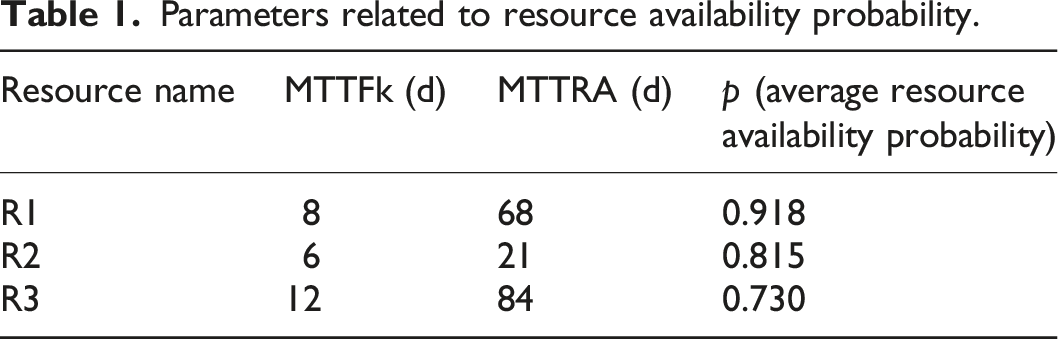
Figure 3 shows that our algorithm can effectively schedule distributed multi-project activities when resources are unclear. Resource shortages during specific periods triggered a buffer mechanism that ensured the smooth progress of the project. Resource usage.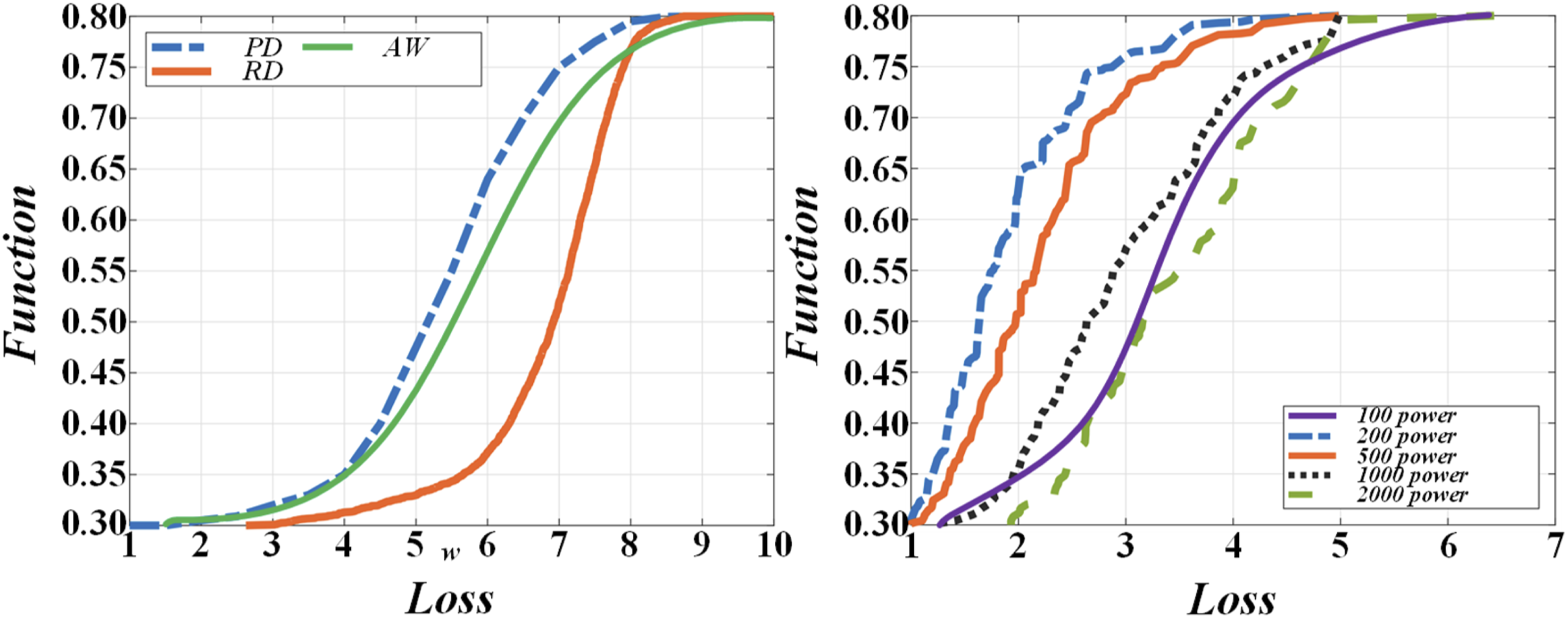
Figure 4 shows that the 2LRAA algorithm outperforms other algorithms in the resource allocation scheme’s robustness, cost and duration objectives. In the context of multi-project execution, we compared the results of the algorithm at different values of the average availability probability of resources P, distinguishing three cases: (P1, P2, P3) = (0.990, 0.990, 0.990) in case 1, (P1, P2, P3) = (0.950, 0.857, 0.875) in case 2, and (P1, P2, P3) = (0.875, 0.750, 0.700) in case 3. Pareto frontiers of four algorithms.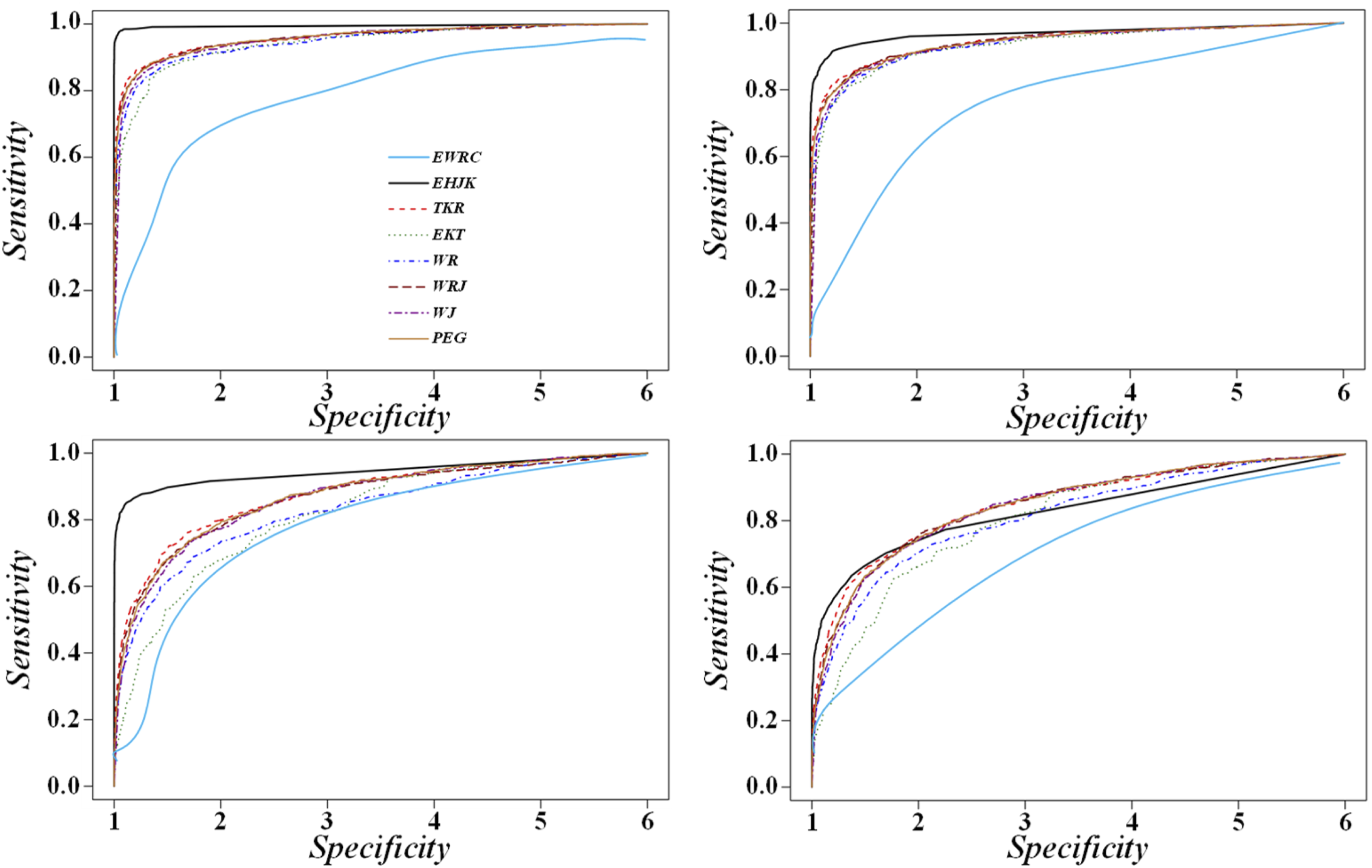
Results of various algorithms in three cases.
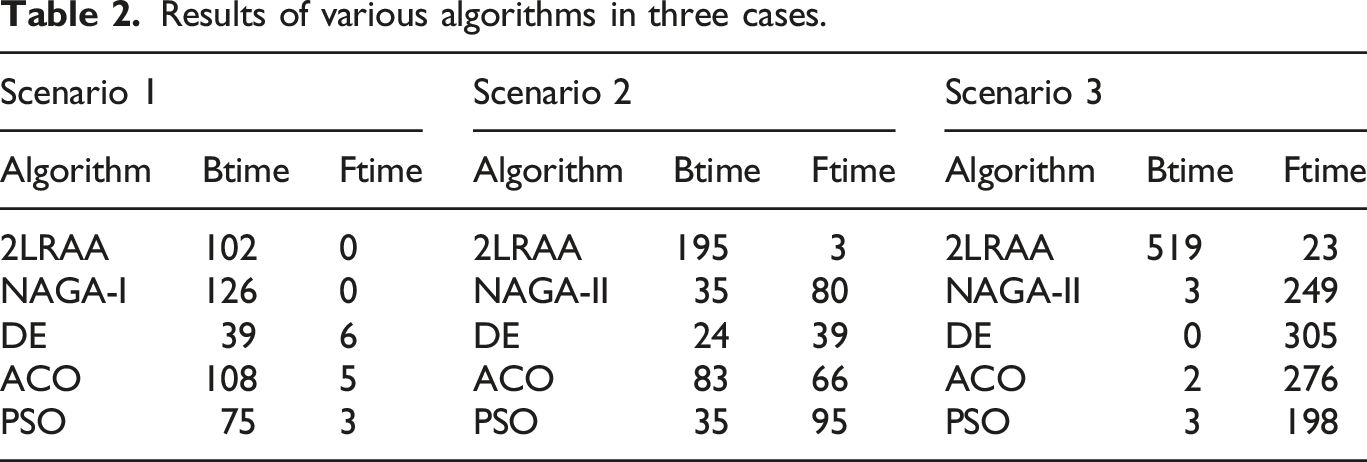
Figure 5 shows the outliers from year to year. The analysis points out that the outlier is mainly manifested by the agglomeration degree in urban areas exceeding the upper limit. These values rise over time, indicating an increased level of regional specialization. The number of high-value areas in the sample increased, while there were many low-value areas, concentrated between 0 and 1. Although the construction of regional clusters has made progress, the construction of regional clusters nationwide still lags behind, and the overall development level is not high. Time series evolution box diagram.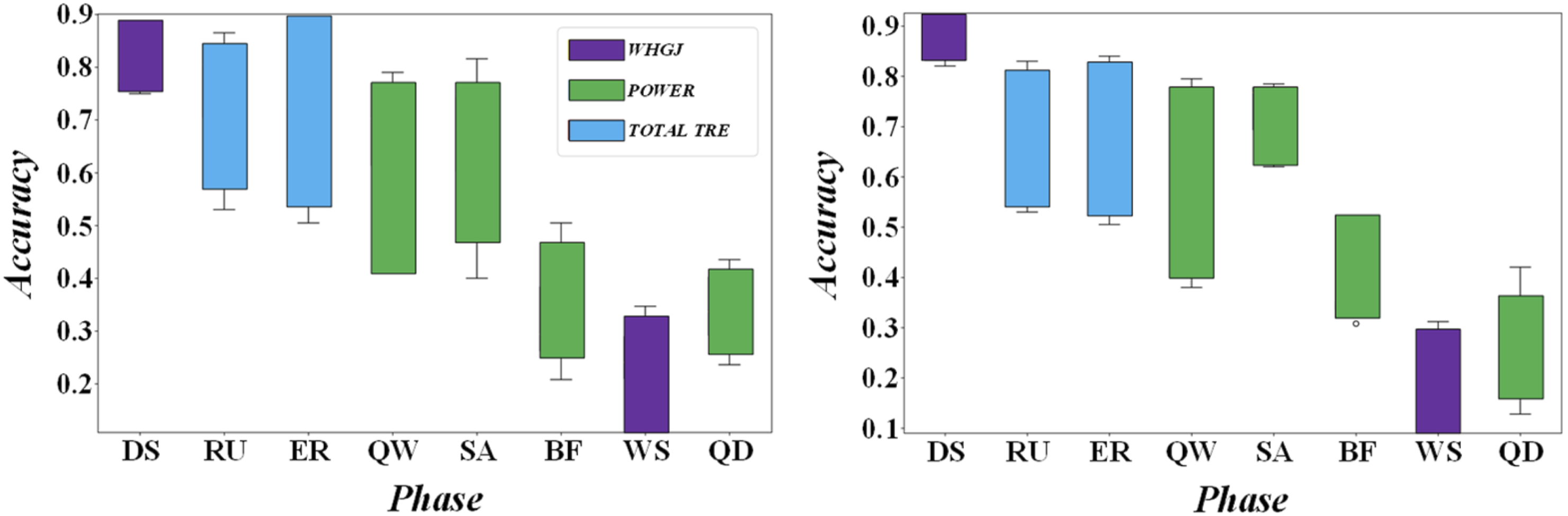
To evaluate the effect of the optimal resource allocation scheme (a 1-αo) under different competition intensities (CI 50-110) and resource scarcity (LMI 300, 400, 500), Figure 6 shows that when competition intensifies and resource scarcity increases, resources tend to be allocated to utilization innovation to improve its performance. The trend of resource tilt is more obvious when resources are more scarce. Optimal resource allocation rate under different RPD conditions.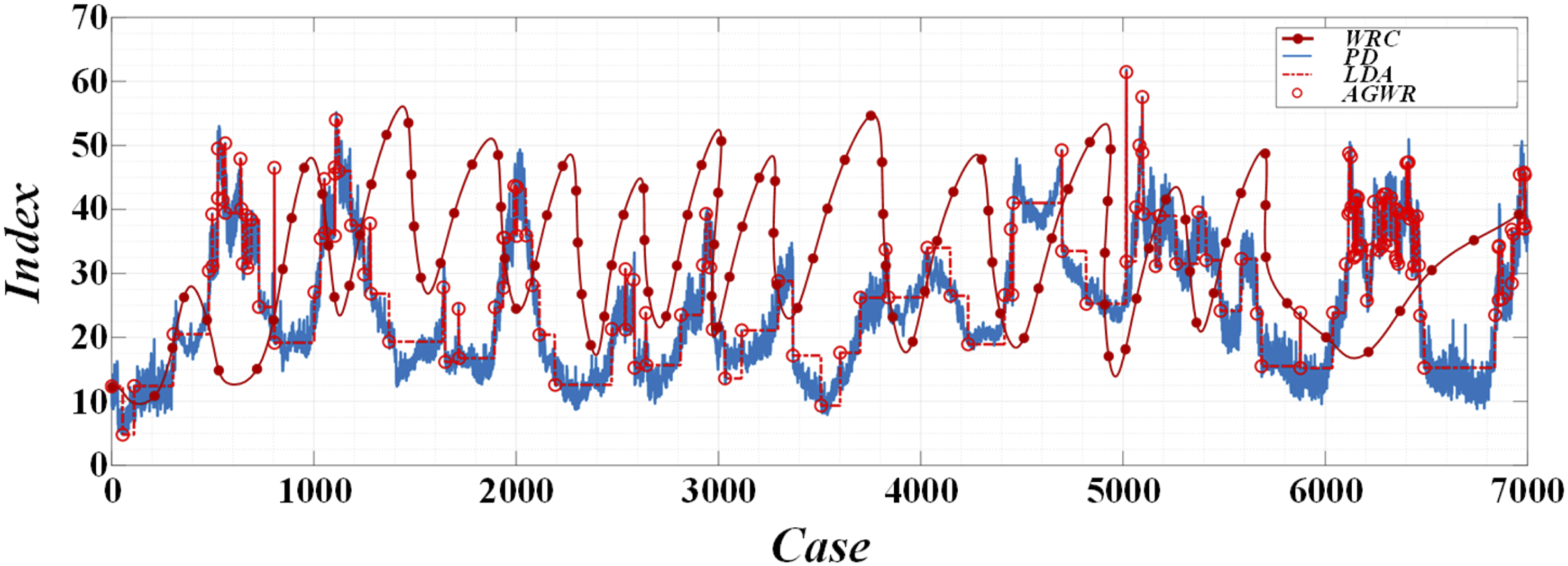
Figure 7 shows that when the initial resource amounts are 16,000, 18,000, and 20,000, the resource inversion values are 440, 480, and 490, respectively. The best resource allocation schemes were (0.48, 0.52), (0.53, 0.47), and (0.57, 0.43). This shows that the amount of resources increases, the lowest point of the U-shaped curve shifts to the right, and the reversal value of resource allocation and the proportion of exploratory innovation resource allocation both increase. Resource allocation inversion values and optimal strategies corresponding to different resource richness.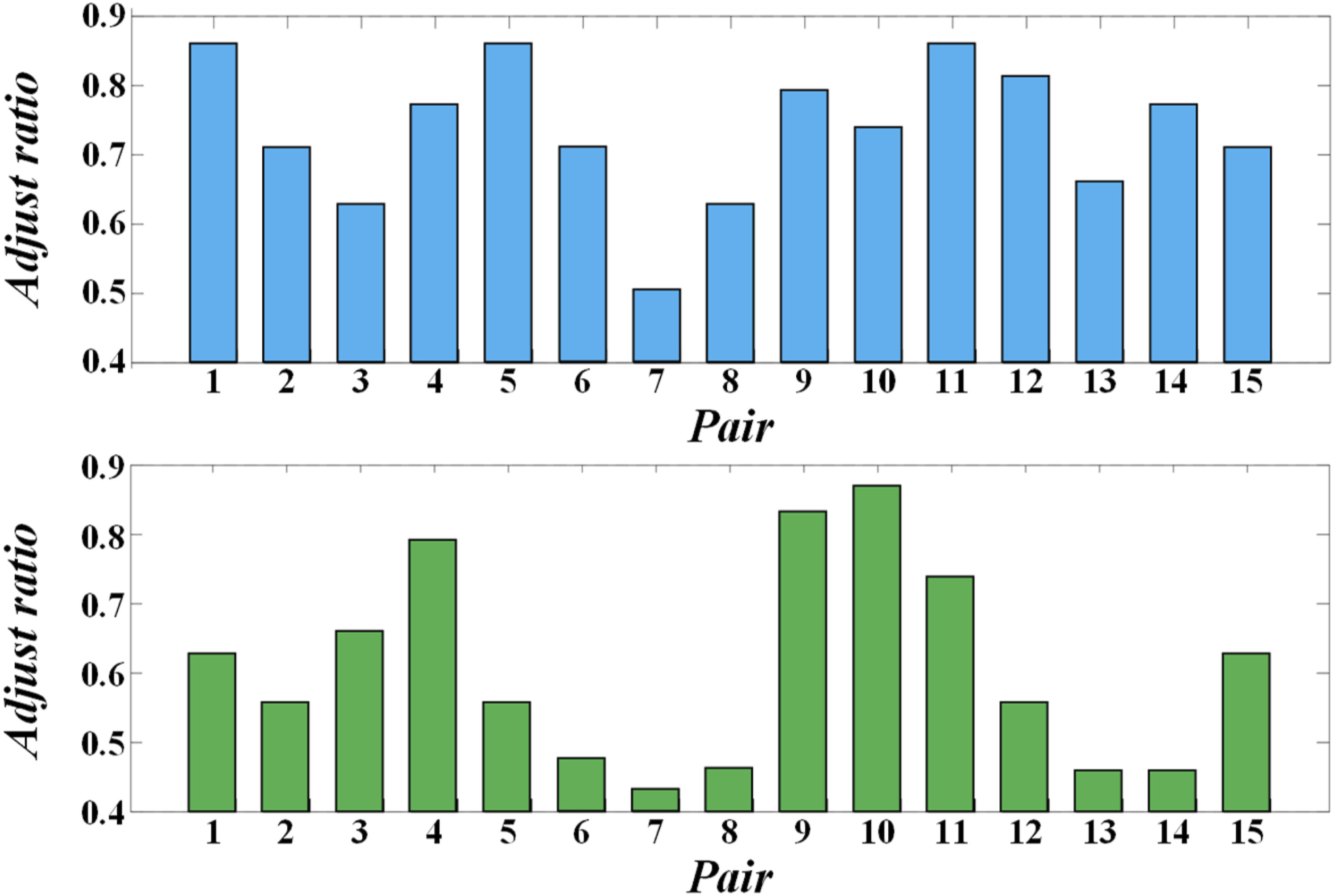
In order to ensure the stability of the results, this study set the starting resource as 3000, the resource scarcity as 400, and divided into three groups: 50, 60 and 80 according to the competition intensity for simulation experiments. Figure 8 shows that under different competitive intensities, the decrease in the resource allocation ratio of exploratory innovation usually leads to a decrease in exploratory innovation level, indicating that the occupancy effect is mainly dominated between exploratory innovation and utilization innovation in enterprises with limited resources and the contradiction between them is obvious when resources are insufficient. Resource scarcity and resource allocation strategy.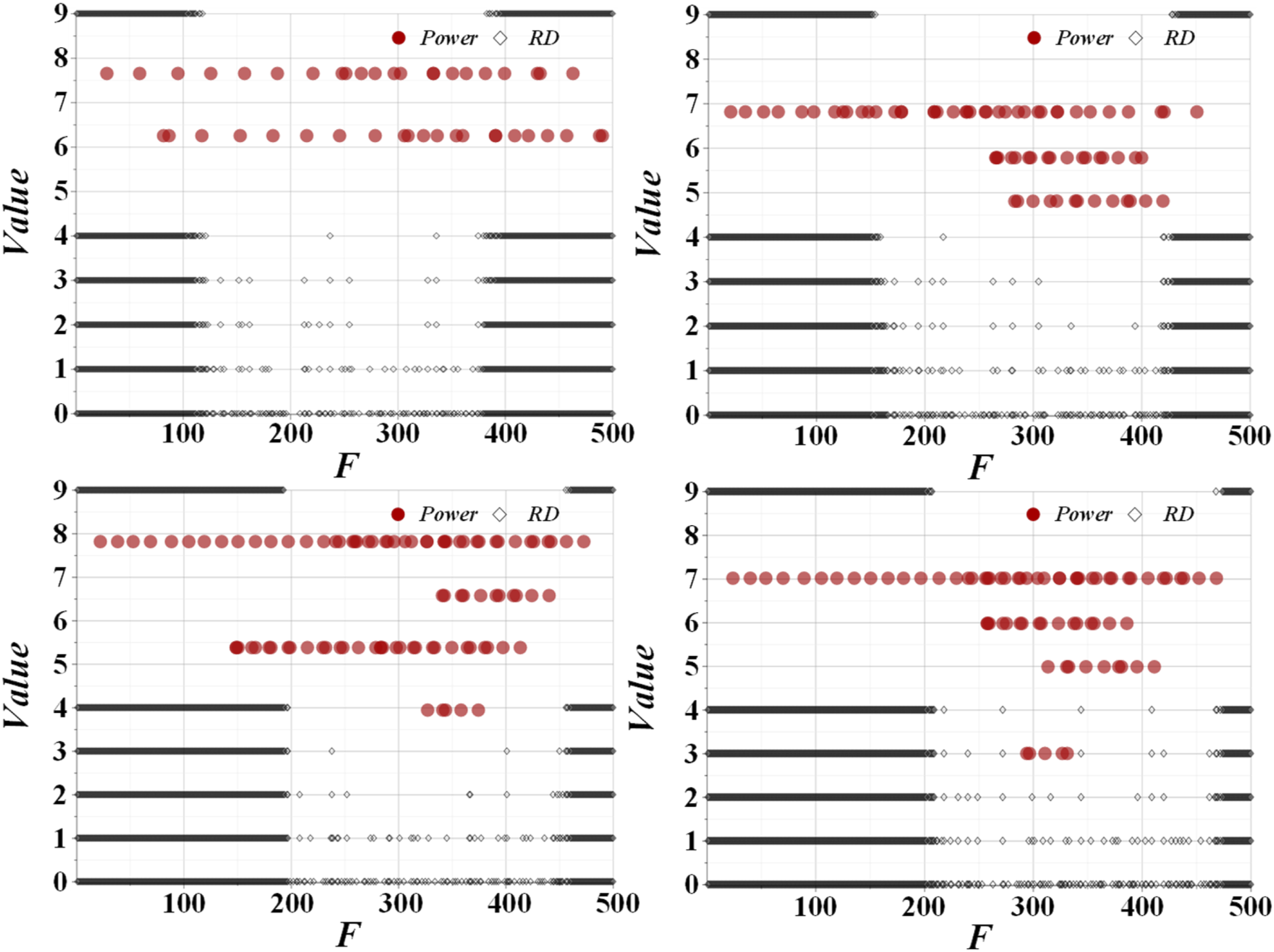
Figure 9 shows that the coupling degree between the physical layer and the information layer decreases from 0.9 to 0.7, indicating that the coupling degree is decreasing. At the same time, the number of information nodes that stop running decreases, indicating that the impact of physical layer load loss on information nodes is also weakening. Comparison chart of coupling coefficient change.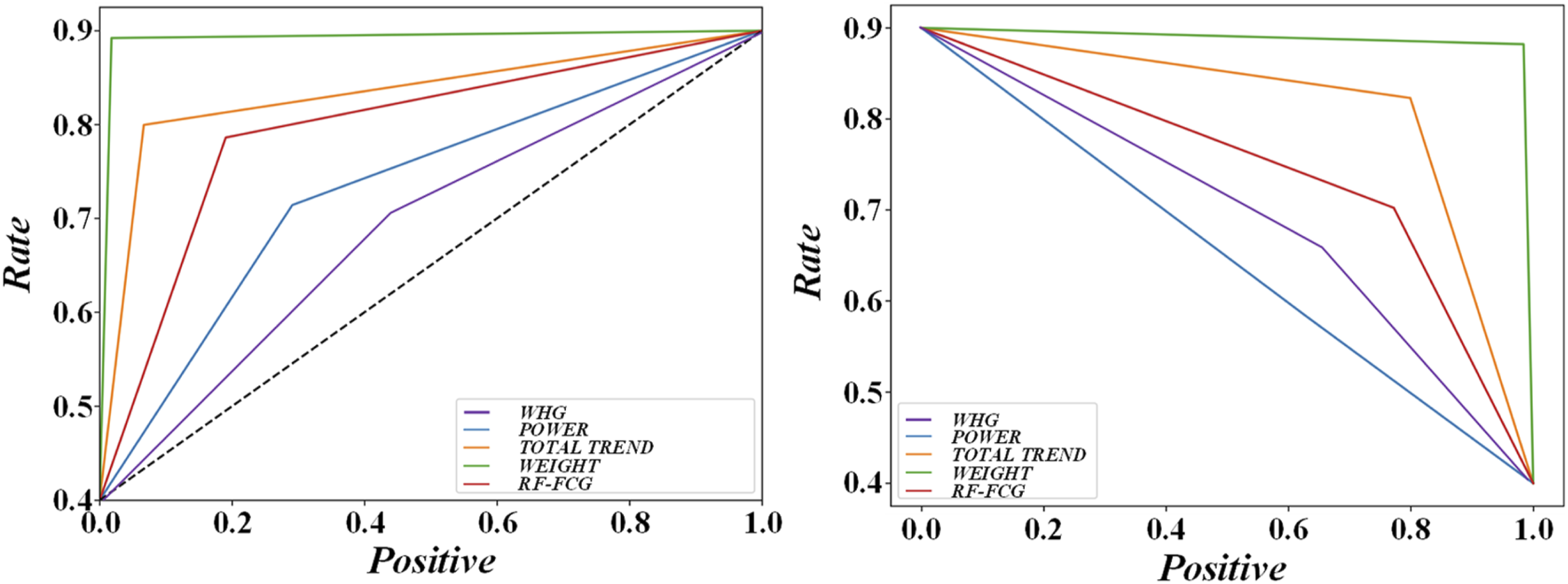
The attack degree coefficient β is the ratio of the active power measured by the system to the reactive power relative to the actual power. The smaller the β value, the greater the attack strength. As shown in Figure 10, when the β value reaches or exceeds 0.85, even if the national political forces intervene, the information node will not fail, and the system can be restored to the initial state. Comparison chart of attack degree changes.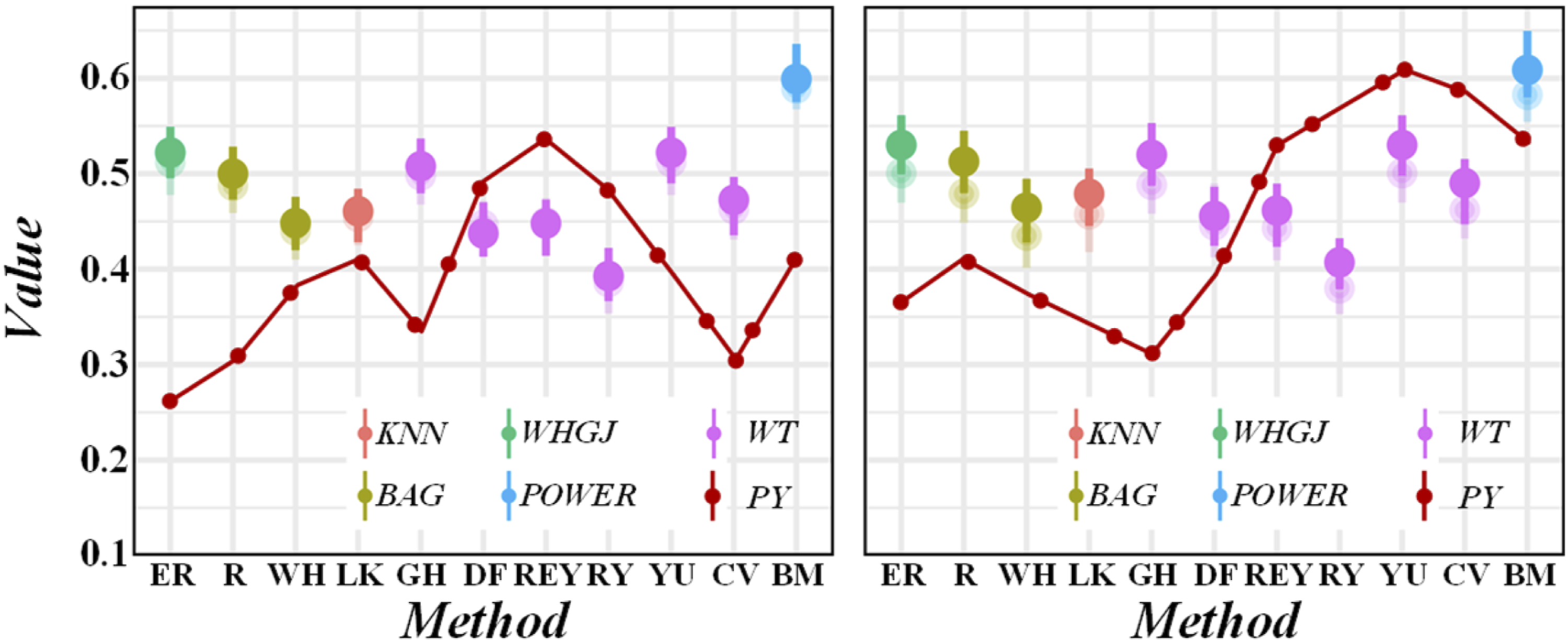
Conclusion
This study focuses on the regulating role of national political forces on urban and rural spatial distribution and resource allocation and deeply analyzes the actual impact of policy intervention in urban and rural development. With the acceleration of urbanization, the imbalance between urban and rural spatial distribution and resource allocation has become increasingly prominent, which has become a key factor restricting social and economic development. Against this background, the national political forces have effectively adjusted the spatial distribution and resource allocation of urban and rural areas through a series of policy means. (1) National political power plays a significant role in regulating the spatial distribution and resource allocation in urban and rural areas. First of all, through policy guidance, the balance of urban and rural population distribution has increased by 25%. This data shows that national policies have played an important role in promoting the rational flow of the population and optimizing the urban and rural population structure. (2) In terms of resource allocation, policy intervention has narrowed the gap between urban and rural resource allocation by 30%. This achievement reflects the determination and effectiveness of the state in promoting the balanced allocation of resources and narrowing the gap between urban and rural areas. (3) Under the guidance of policies, the regional development pattern has been optimized and improved by 15%. This data reflects the positive role of national political forces in adjusting regional development structure and promoting regional coordinated development.
Through policy intervention, the national political forces have achieved remarkable results in urban and rural spatial distribution and resource allocation. It not only improves the balance of urban and rural development but also optimizes the resource allocation structure and promotes the optimization and upgrading of regional development patterns. These research results provide strong support for future policy formulation and emphasize the indispensable role of national political forces in promoting the coordinated development of urban and rural areas. However, the adjustment of urban and rural spatial distribution and resource allocation is a long and complex process which requires continuous policy attention and intervention. Future research can further deepen the analysis of policy mechanisms and long-term impacts, with a view to providing more comprehensive and in-depth theoretical support for national development strategies.
