




Abstract
As one of the world’s three major ecosystems, wetlands play an important role in maintaining ecological balance. However, in recent years, wetland resources have suffered from encroachment and frequent water environment and soil pollution problems, causing serious damage to China’s wetland ecosystem. The study proposes to conduct a performance audit (PA) of the wetland park project (WPP) using financial and accounting tools to assess the effectiveness of wetland restoration. The study first constructed a PA evaluation index system for WPP using the pressure-state-response (PSR) model to ensure the comprehensiveness of the evaluation indexes. Subsequently, grey relational analysis combined with analytic hierarchy process (GREY-AHP) was introduced to convert the scores into mutual inverse judgment matrices and assign weights to the indicators to improve the accuracy and scientificity of the construction system. Finally, the PA evaluation results are derived through comprehensive evaluation. The innovation of the study is to apply the PSR model to WPP’s PA, which significantly improves the accuracy and comprehensive performance of the evaluation compared with the traditional method. The experimental results show that the maximum F1 values of the research-proposed model on the test set and validation set are 95.2 and 97.6, respectively, which are higher than those of other algorithms, showing the advantage in comprehensive evaluation performance. The results of the study are of great significance for improving the performance level of WPP and effectively protecting and restoring wetlands.
Keywords
Introduction
Wetland is an academic language with geographical significance. In fact, it refers to the transitional region between the terrestrial system and the aquatic ecosystem, and it is also a special ecosystem between the terrestrial and aquatic systems. As one of the wetland conservation and restoration-related projects in China, wetland park is an important way to protect and restore urban wetlands.1,2 Government PA refers to the review and evaluation of the economy, efficiency and effectiveness of the economic behavior of the government and its subordinate enterprises and institutions by the national audit authority. PA of WPP by financial and accounting means is a special public investment project in nature, which is conducive to urban planning and development.3,4 In recent years, China has vigorously developed and implemented key ecological restoration projects, especially in the form of wetland ecological park construction. This has led to increased audit supervision of WPP by governments at all levels. The construction and operation period of WPP shall be comprehensively audited to ensure that the construction and operation period of the project can be comprehensively and objectively audited. The evaluation standard of government PA is the expected objective of the effect of government environmental management project. 5 The government auditors will compare the park project performance with the expected objectives, find problems and make suggestions, and then develop a set of scientific and reasonable evaluation standards. However, the current WPP PA faces many challenges, including inconsistent audit standards, limitations in audit methodology, and difficulties in data collection and processing, which often lead to inaccurate assessments of project effectiveness, efficiency, and economy. As one of the key projects for wetland conservation and restoration in China, WPP needs a sound and reliable auditing framework to ensure that the conservation and restoration of urban wetlands can be carried out efficiently. The study aims to address these gaps by proposing a performance audit methodology that utilizes both financial and accounting tools. The analytic hierarchy process (AHP) process is improved by using the PSR model and grey correlation theory. The proposed methodological approach aims to improve the accuracy and scientific validity of the auditing system so as to provide a more accurate assessment of WPP’s performance, with the expectation of improving WPP’s performance level and effectively protecting and restoring wetlands.
Related works
With resource utilization efficiency emphasizing, PA has gradually become an indispensable measurement tool in various industries and organizations. A large number of scholars have studied the role of PA in different fields, including ecological environment protection. Parker and others explored the role of stakeholders in the audit area in environmental management in the reform and PA of global public health environmental management. The study analyzed the environmental management PA in the audit jurisdiction of Australia and explored the scale and focus of PA with the help of Goffman technology. Through literature analysis and interview, it was found that there was a recursive relationship between the Auditor-General, the media, and the public, which had affected the PA of environmental management. 6 To promote green and sustainable development in the northwest region, scholars such as Shi focused on the land data and socioeconomic data in the region and constructed an evaluation framework dedicated to urbanization and ES. The results found that the relationship between urbanization changes and ES in the northwest region showed a significant negative correlation. 7 O’Keeffe addresses the marketization of disability services and aged care in Australia and proposes remote governance through the construction of key technologies such as consumer choice, performance measurement, and quality standards, which enable government to manage outcome indicators rather than direct service provision. 8 Garcia et al. address the question of whether CSR performance affects financial audit fees for US listed companies by proposing a measure of a company’s CSR performance using CSR performance ratings from the Kinder, Lydenberg, Domini & Co. database, thus finding that higher CSR scores are associated with higher audit fees. 9 Al Ani MK et al. address the question of whether companies with high sustainable output pay higher audit fees by proposing a measure of a company’s sustainable output using a sustainable product portfolio consisting of clean energy products, eco-designed products, environmentally friendly products, and sustainable building projects. By testing two models with and without a board-level sustainability committee as a moderating variable, it was found that high sustainable output is significantly and positively associated with audit fees. 10
Ma et al. addressed the issue of Shijiazhuang’s environmental carrying capacity for ecotourism and proposed to construct a comprehensive index calculation system based on the PSR model and to determine the weights of each index through AHP, thus optimizing the assessment and understanding of Shijiazhuang’s environmental carrying capacity for ecotourism. 11 Xie and others believed that the scientific evaluation of urban ecosystem could effectively assess the damage caused by human activities to the natural system. Therefore, based on the PSR model and combined with the relevant social and economic data of the city, the study built an ecosystem health evaluation system. In the experimental results, the PSR state layer continued to decrease, and the response layer and pressure layer continued to increase. 12 Zhai and Shi, on the issue of the role of tourism support policies in public health crisis management, propose to analyze the structure, content, and evolution of policy texts through content analysis and co-word analysis methods, using NetDraw and NVivo software, as well as the PSR model, which optimizes the understanding of policy changes and their relationship with factors such as reform, innovation, markets, consumption, technology, and governance. 13 Pham et al. addressed the issue of acid rain impacts on agro-ecosystems and their responses in the mountainous areas of northern Vietnam by proposing a methodology combining two rounds of the stakeholder Delphi method and the PSR model, which enabled the ranking and assessment of acid rain impacts, mitigation and adaptation measures, and optimized the understanding of the factors affecting acid rain and the responses of agro-ecosystems. 14 Zhang and Wang Y address the issue of assessing the level of green finance development, proposing the construction of an assessment system based on the PSR model and the use of the entropy weight method to calculate the assessment score, thus achieving horizontal comparison and vertical trend analysis of green finance development in different regions of China from 2004 to 2017, as well as quantitative analysis of the relationship between green finance and sustainable energy development. 15
According to the above research of domestic and foreign scholars, the theory of PA is widely used in many fields at present. Most of them were construction projects, but a few studies had analyzed the PA mode of wetland park construction projects. In view of this, the study would analyze the PA of WPP, a special public project, and explore the PA mode and key points of wetland park, to enrich the audit theory and provide some reference for PA practice.
Construction of PA evaluation system based on PSR-AHP model
WPP development PA evaluation system based on PSR model
In order to ensure a comprehensive and structured assessment of the WPP’s PA, the study adopted the PSR model, which divides the indicators of the performance audit evaluation of the wetland park project into pressure, state, and response indicators, which are expressed as “cause-state-feedback” in the logical relationship.
16
The PSR model is a widely recognized framework for environmental management and policy analysis, which divides indicators into three different but interrelated components: pressure, state, and response. Pressure indicators reflect societal pressures on the environment, state indicators represent current environmental conditions and changes, and response indicators show actions taken to address environmental problems. The model was chosen for its established use in environmental policy analysis and its ability to capture the multifaceted nature of environmental management. The structure of the model fits well with the objectives of WPP, which aims to reduce environmental pressures, monitor the state of wetland ecosystems, and assess the effectiveness of conservation measures. Furthermore, the PSR model has been validated in various ecological and environmental assessments, demonstrating its robustness and applicability in different contexts, including wetland ecosystems. Its comprehensive coverage of the causal chain makes it an ideal tool for performance audits seeking to assess not only the outcomes but also the processes and impacts of wetland park projects. Figure 1 shows the model of three elements of PSR in WPPs’PA. PSR model of wetland park project performance audit.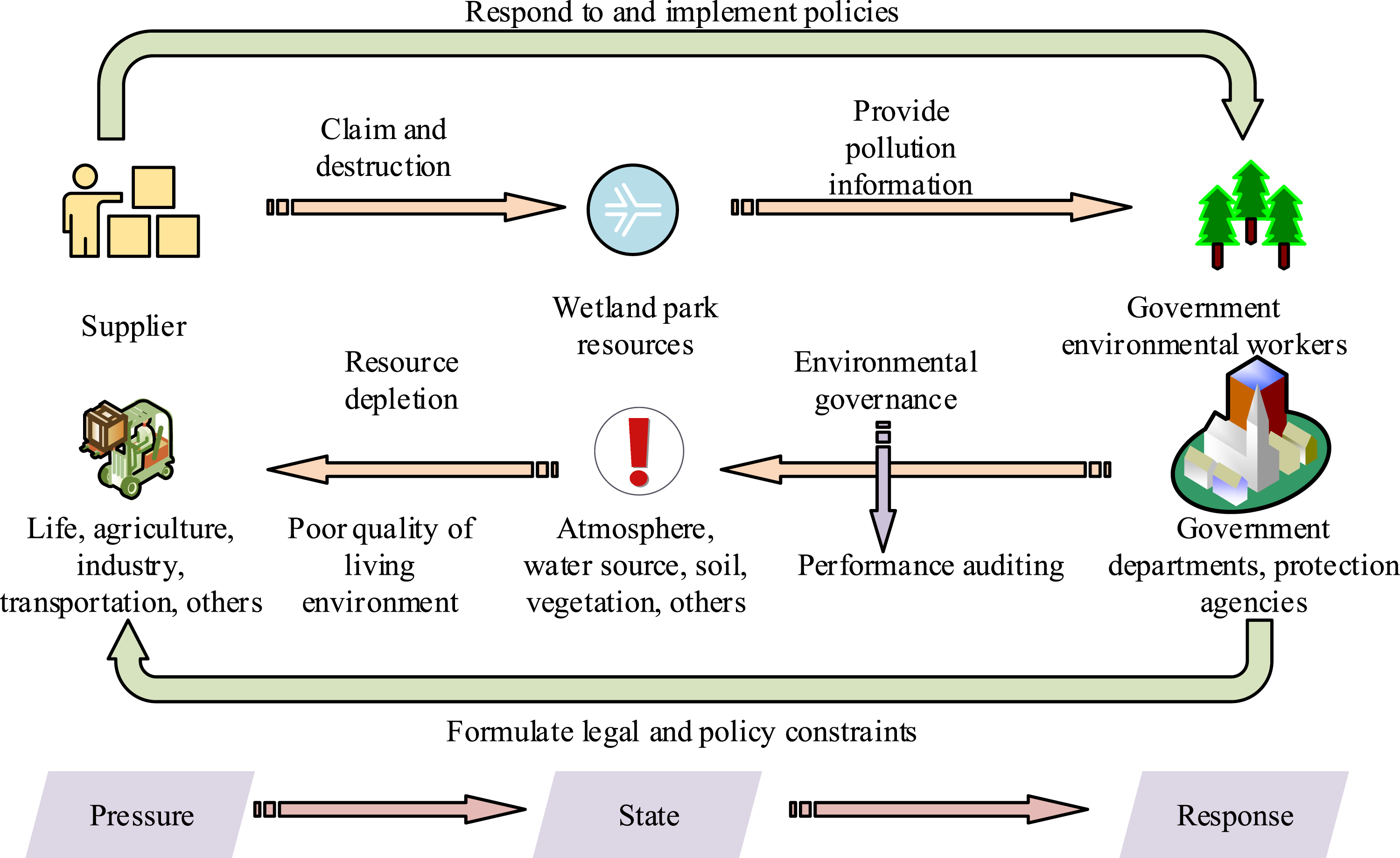
The PSR model can more subjectively and clearly reflect the close relationship between human activities, natural environment, and government economic and environmental protection departments in Figure 1. In the horizontal and vertical relationship, there is a certain connection and logical relationship between each indicator, either positive or negative. The government environmental department can make effective adjustments according to different WPPs. In the construction of WPPPA evaluation system using PSR model, the principles should be strictly followed, and the system framework should be divided into project level, criterion level, and indicator level. The study follows the principles of systematicity, scientificity, operability, dynamism, and participation in the construction of the evaluation index system. See Figure 2 for specific construction ideas. Construction of the wetland park project performance audit evaluation system.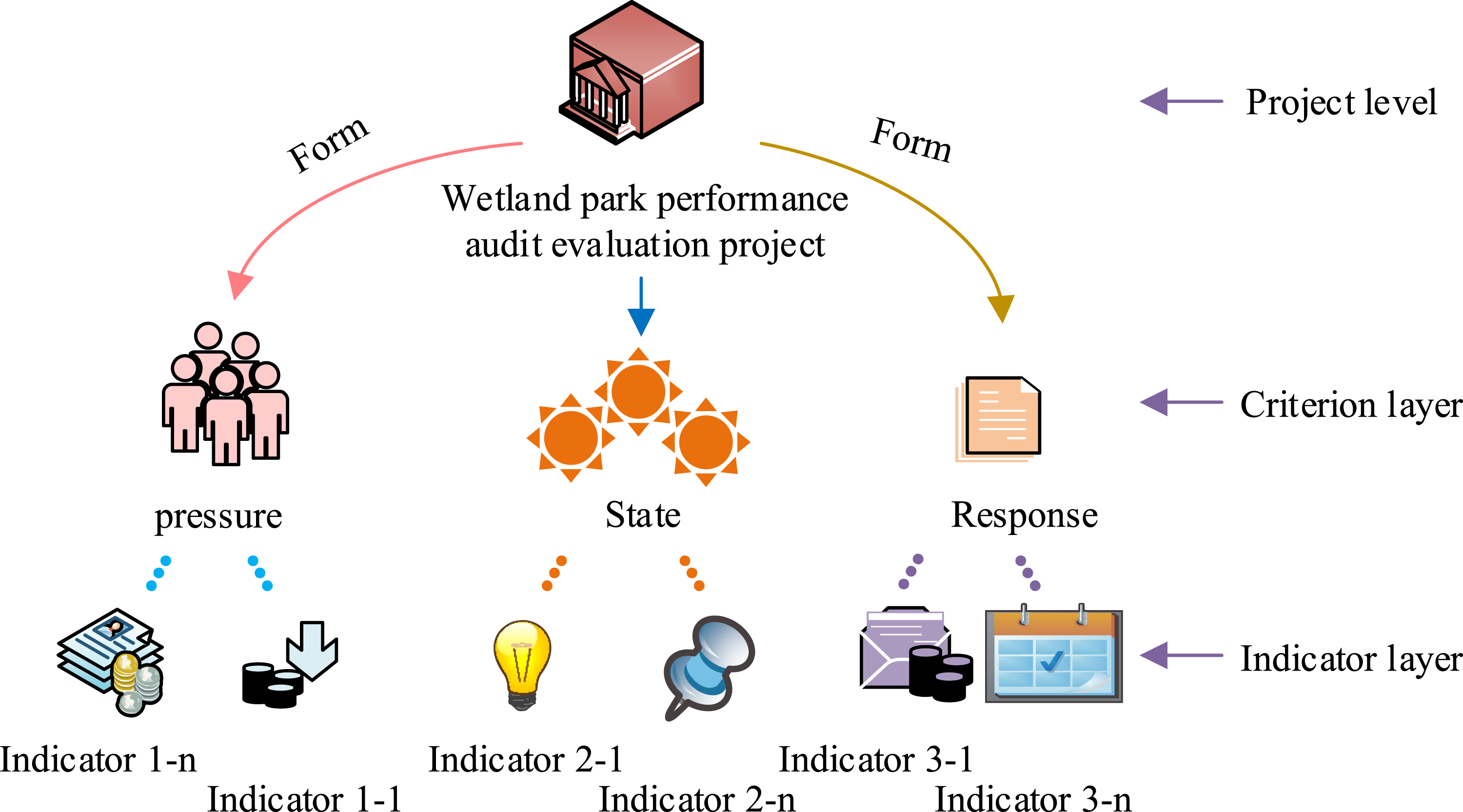
Performance audit and evaluation system of wetland park project.
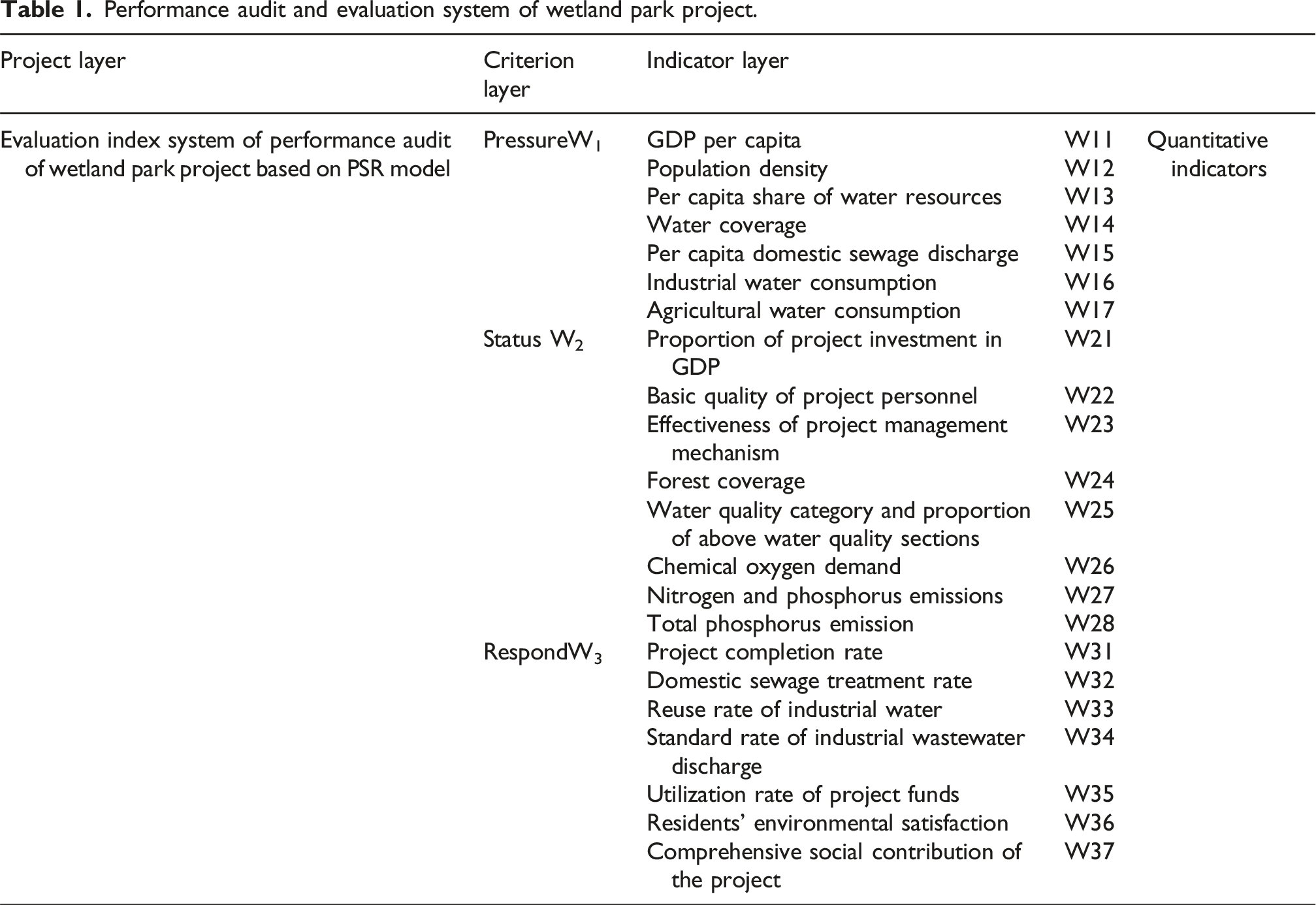
The indicators in Table 1 are the most representative indicators obtained through screening, and they all belong to the fields of economy, environment, resources, and society. Generally speaking, an indicator cannot display all the information contained in it, and errors will inevitably occur in the process. In order to obtain the most representative indicators and minimize the error, the conditional generalized variance minimization method is selected for preliminary screening of indicators. The matrix of multiple sets of observations in the 





WPPPA analysis based on grey relevance-chromatography
According to the PA evaluation index system of WPP established in the previous section, the study carries out PA analysis on the basis of AHP. At the same time, in order to avoid the cumbersome operation of AHP in the process of carrying out the analysis, which leads to the distortion of the evaluation, the study introduces the grey correlation theory to improve AHP. The expert evaluation is used to score the factors at a certain level and the factors at the upper level. Since the grey correlation model is first calculated, the score is based on the 0–1 scale or 0–10 scale.18,19 The score of this level and the index score of the previous level are obtained. It is assumed that the number of evaluation experts and the sequence to be evaluated is 


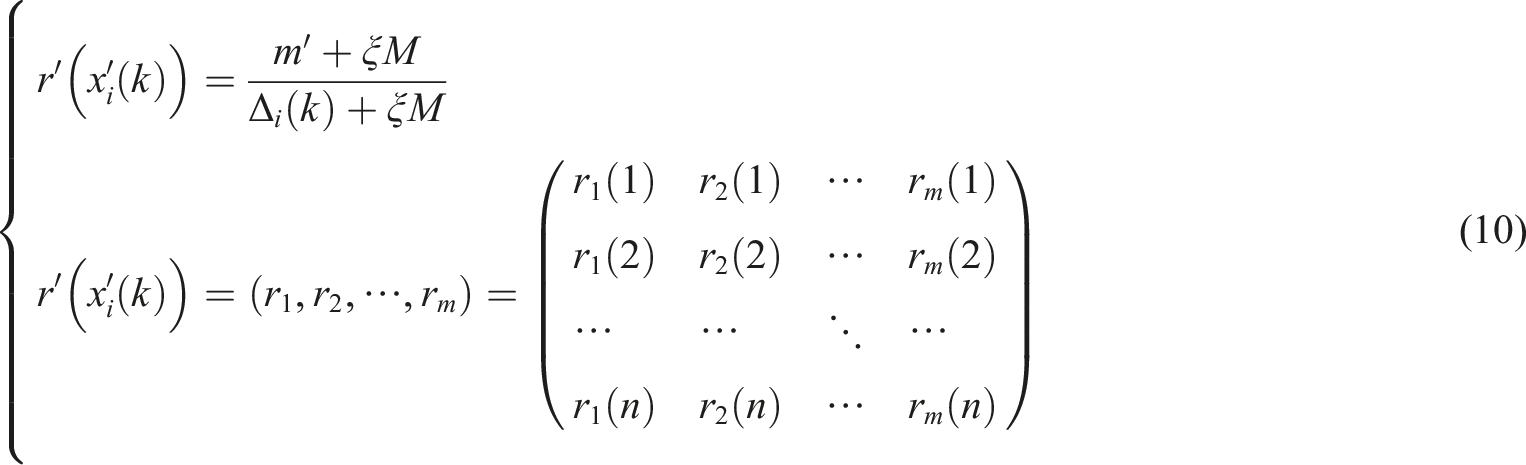
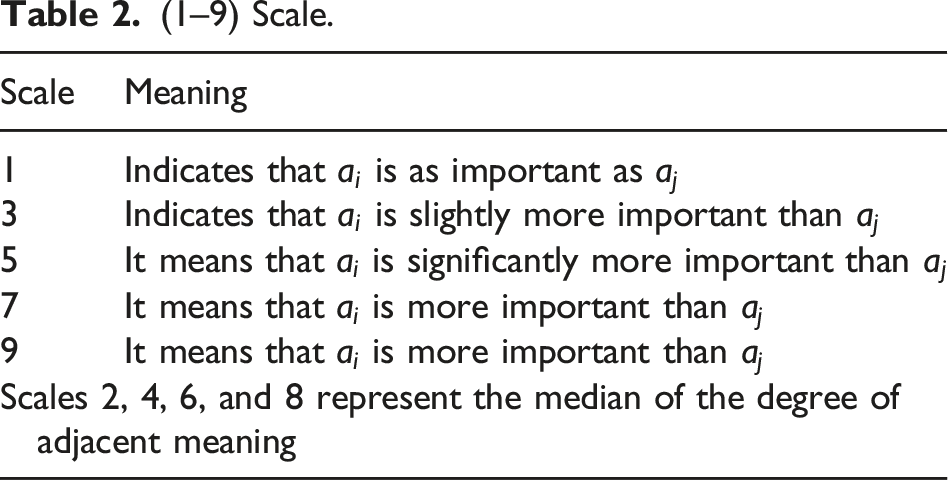
Then select the reference factor according to the row (column) and calculate the difference with the column (row) factor. If the selected reference factor is greater than or equal to the comparison factor, add 1 to the value after the difference. If the reference factor is smaller than the comparison factor, the value obtained after the difference is taken as the absolute value plus 1, and finally the overall reciprocal. The calculation results are listed as grey correlation judgment matrix. The column element is taken as the reference factor, and the row element is taken as the comparison element. The difference between the two is zero, and the value of 1 is added. The calculated result is 1. The crossing position of the row and column will be filled in and recorded as 
(1–9) Scale.
Through the improvement, the efficiency of the evaluation expert investigation has been greatly improved. And the error caused by subjective factors in the scoring process can be effectively avoided. The square root method is used to calculate the 
It needs to determine the weight value of the evaluation factor of this layer and the PA index of the upper layer, as shown in formula (13).
It needs to solve the eigenvalue of the reciprocal judgment matrix, as shown in formula (14).

Mean random consistency indicators (
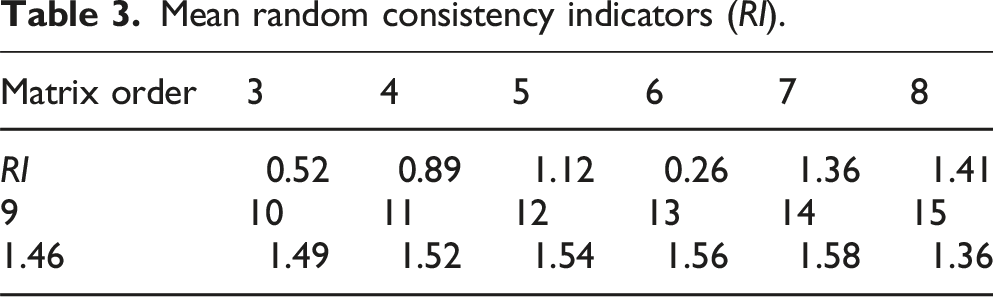
CR (consistency ratio) is the consistency ratio. When CR is less than 0.1, the reciprocal judgment matrix is considered to be consistent. That is, the expert’s scoring of risk factors has minimal contradictions. When CR ≥0.1, the judgment matrix is considered to be inconsistent. Figure 3 shows the final grey correlation-AHP calculation. Gray association-AHP flow chart.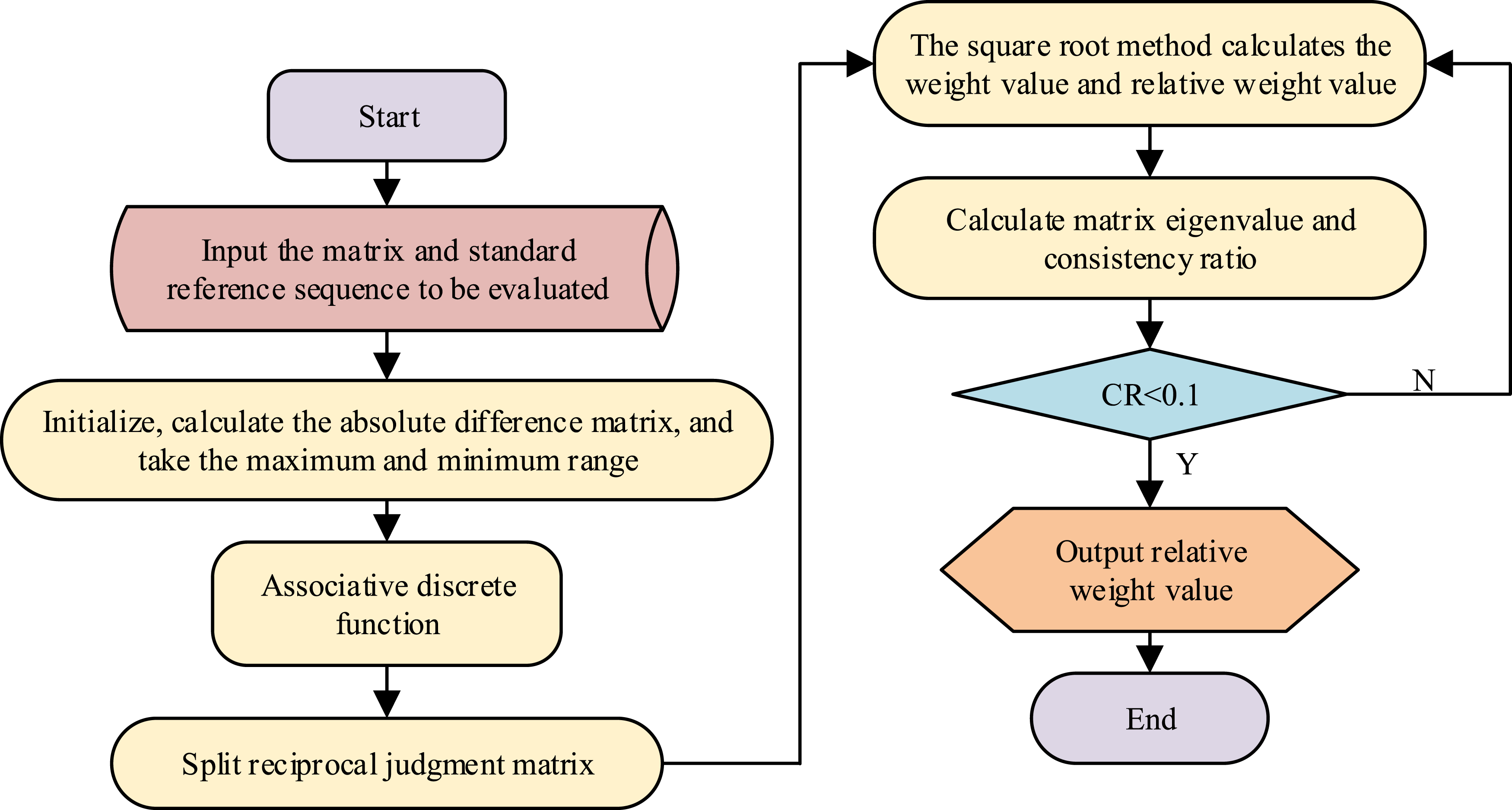
Application analysis of PA evaluation system for wetland park development project
Validation of method performance based on grey correlation-chromatography analysis
To verify the performance of the grey relevance-AHP, the experiment selects 5000 audit data from the project A data set, all of which are from the Guotai’an database. After data preprocessing, 4821 valid PA data are obtained. In the experiment, 4800 pieces of data are taken as the sample data, 20% of which are randomly selected as the test set, and 20% as the verification set. PSR, fuzzy AHP (FAHP), and AHP are added to compare with grey correlation AHP.
20
Python program is used for data collection, MySQL database is used for data storage, and SPSS26.0 software is used for regression analysis. First, the normality test method is used to verify the indicators of the criterion layer. And the Gaussian distribution of all indicators in the “pressure-state-response” layers of the criterion layer is obtained, as shown in Figure 4. Results of normality distribution test of all indicators.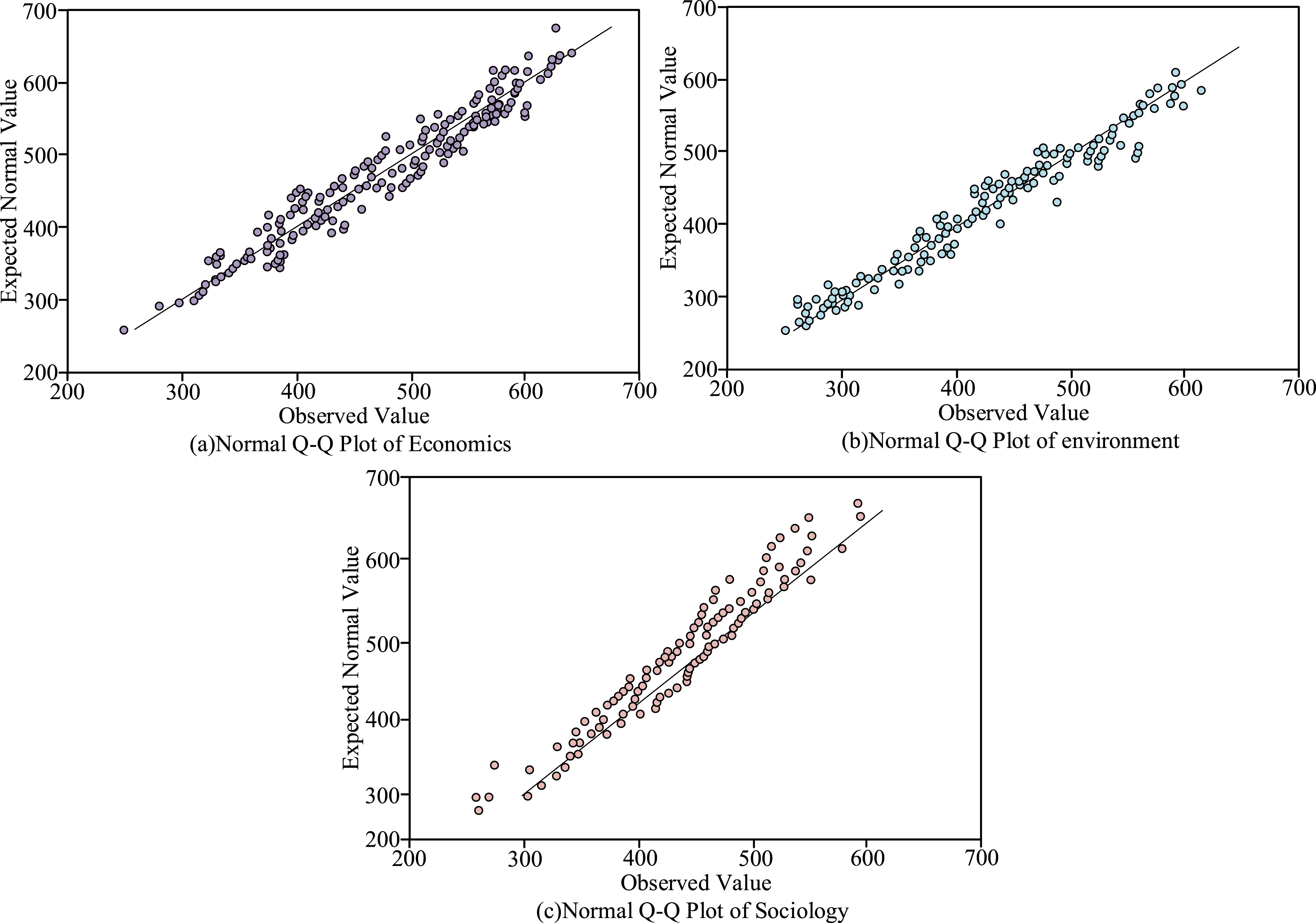
The results in Figure 4 show that all indicators included in the criteria layer obeyed Gaussian normal distribution. Each algorithm was applied to two data sets for training, and Figure 5 shows the F1 results. F1 scores of the two data sets.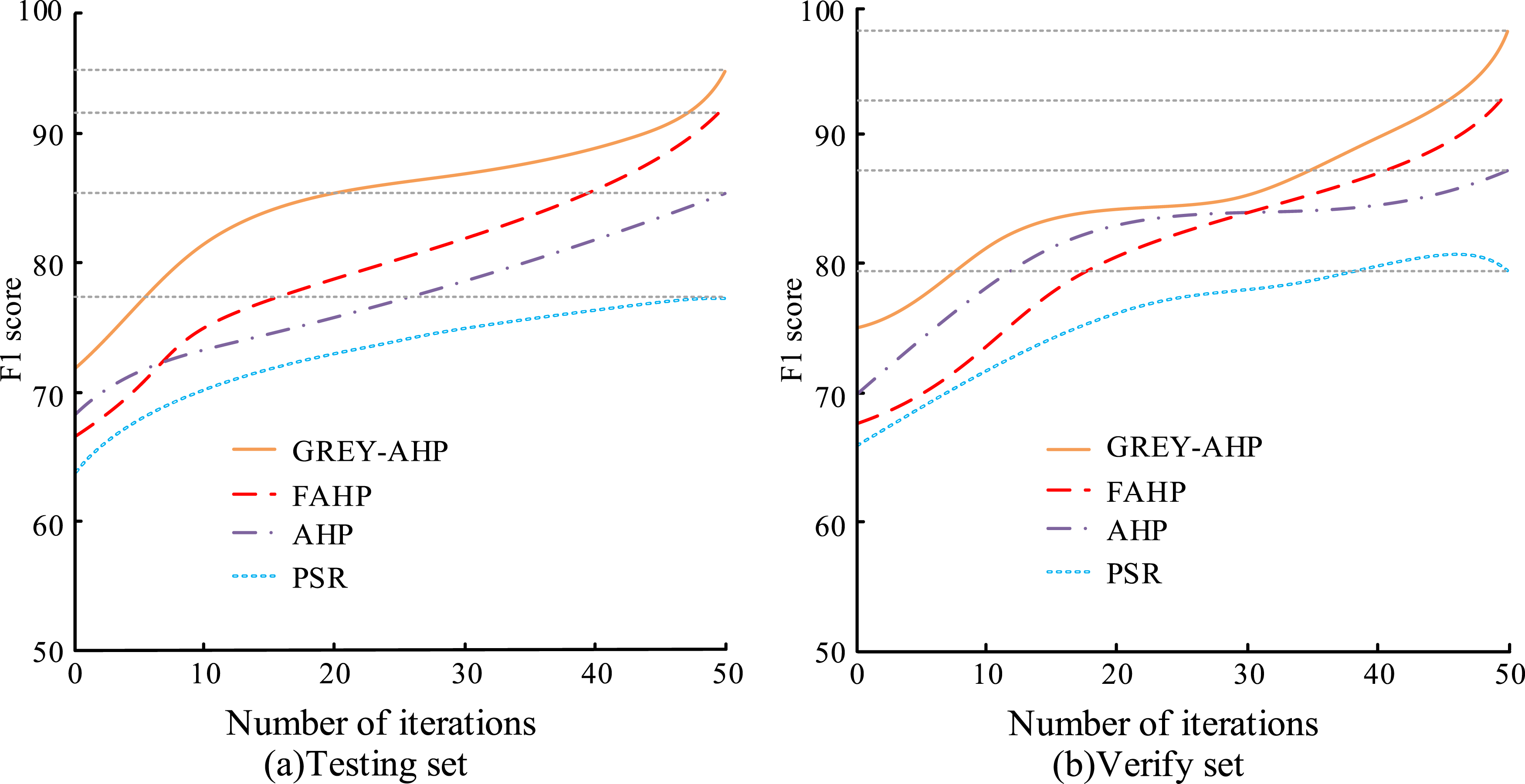
As shown in Figure 5, with the number of iterations, the F1 value of GREY-AHP has been significantly higher than the other three algorithms. When the iteration reaches the 50th time, all algorithms in the test set and the verification set have the maximum F1 value. In the test set, the maximum F1 values of GREY-AHP, FAHP, AHP, and PSR are 95.2, 91.8, 86.1, and 78.4, respectively. In the validation set, the maximum F1 values of GREY-AHP, FAHP, AHP, and PSR are 97.6, 92.4, 87.7, and 79.4, respectively. The comparison shows that the F1 value of GREY-AHP is significantly different from that of the other three algorithms. This shows that GREY-AHP has significant advantages over the other three algorithms in terms of comprehensive performance. And it is not prone to the imbalance between recall rate and accuracy rate. The mean absolute percentage error (MAPE) results obtained by the two data sets through the test are shown in Figure 6. MAPE of the two datasets.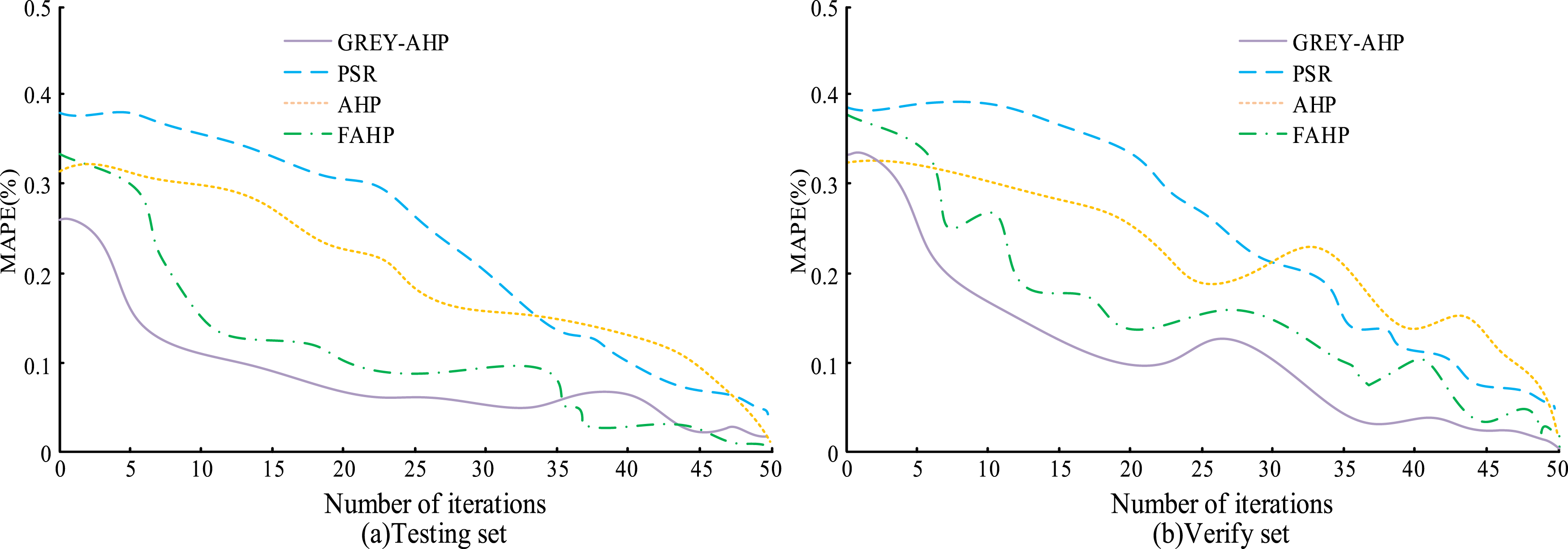
From Figure 6, with the increase of the number of iterations, the overall MAPE values of each algorithm on different data sets show an obvious downward trend. Among them, GREY-AHP algorithm has significantly lower MAPE value than the other three algorithms. From the average results of the two data sets, the MAPE values of GREY-AHP, FAHP, AHP, and PSR are 0.106%, 0.194%, 0.243%, and 0.139%, respectively. Based on the analysis of significance results, the MAPE value of GREY-AHP is significantly different from that of the other three algorithms, indicating that GREY-AHP has a small error in WPPPA and has better performance.
Performance audit validation in wetland park project development
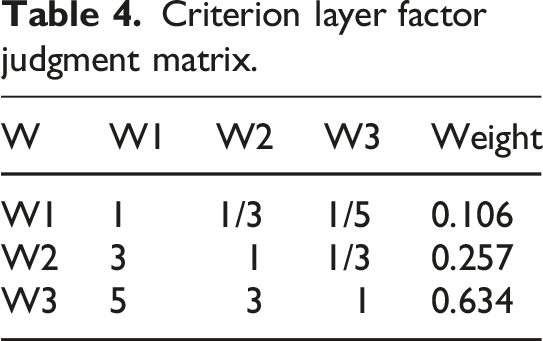
Criterion layer factor judgment matrix.
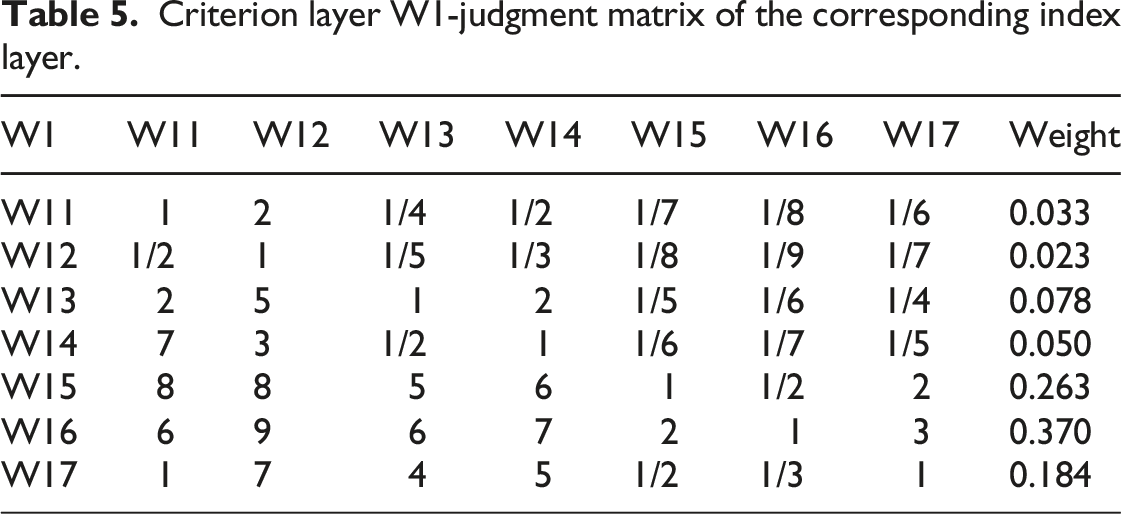
Criterion layer W1-judgment matrix of the corresponding index layer.
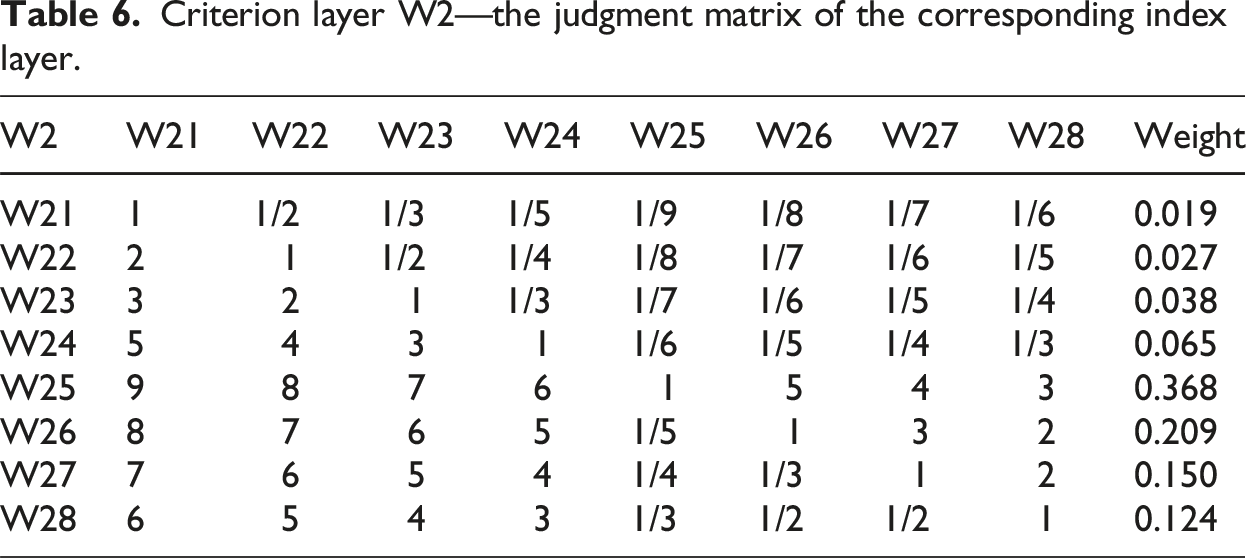
Criterion layer W2—the judgment matrix of the corresponding index layer.
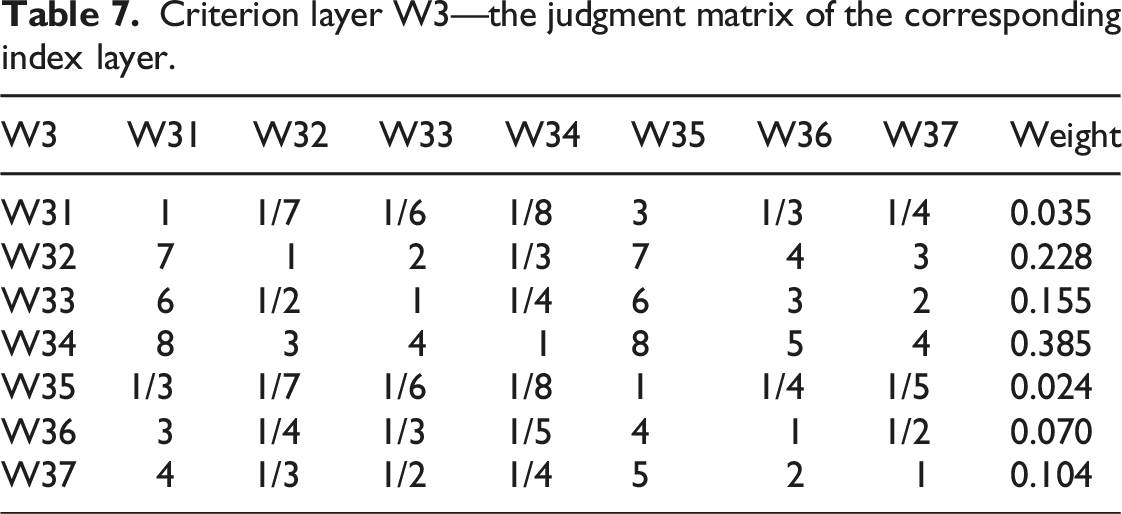
Criterion layer W3—the judgment matrix of the corresponding index layer.
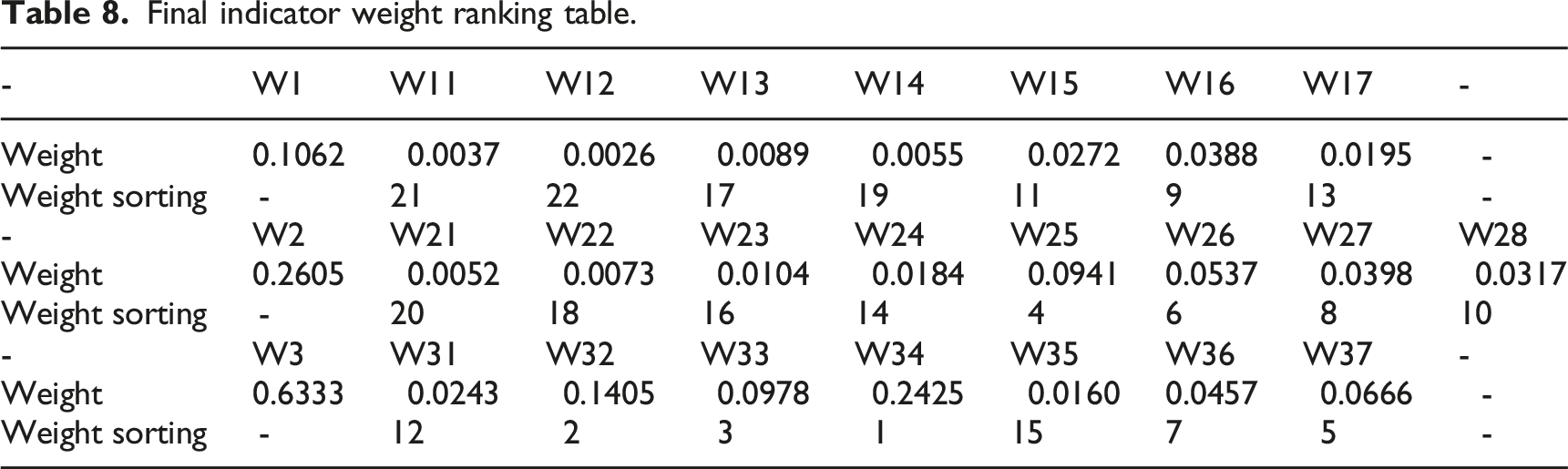
Final indicator weight ranking table.
After calculation,
In the criteria layer, the “response layer” has the highest weight in Table 8, reaching 0.6333. Next is the “state layer,” which is 0.2605. The “pressure layer” with the lowest weight is 0.1062. This means that in WPP development, PA should pay attention to the “response layer.” Among the evaluation factors, the top 10 are W34 (0.2425), W32 (0.1405), W33 (0.0978), W25 (0.0941), W26 (0.0537), W27 (0.0398), W16 (0.0388), and W28 (0.0317). Reviewers attach great importance to the degree of pollution of the wetland park. This means that the WPP audit results are inseparable from industrial pollution and human life pollution. However, the weight of W11 and W12 is relatively low, indicating that the change of population base does not cause the change of WPP audit evaluation results. Figure 7 shows the comparison results of the public’s evaluation of WPP audit related indicators under different algorithm models. It includes the top five indicators (W34, W32, W33, W25, and W26), residents’ satisfaction (W36), comprehensive social contribution of the project (W37), and the effectiveness of the project management mechanism (W23). The opinions of 10 reviewers and experts were taken as the standard for comparison, and five was the full score. Comparison of the evaluation of important indicators of wetland park project audit under different algorithm models.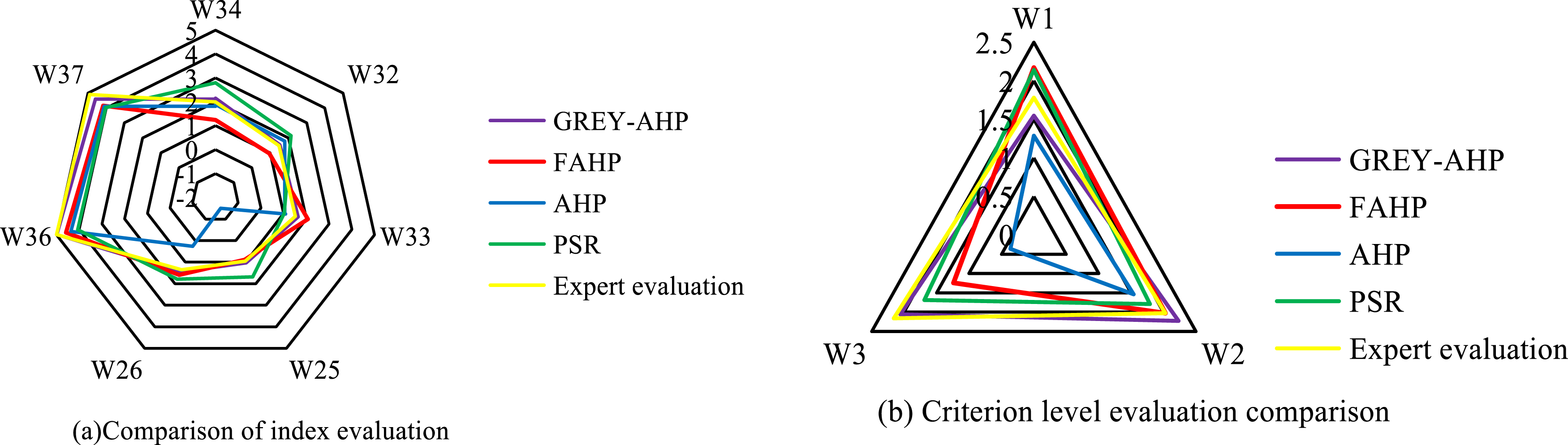
In Figure 7, the evaluation results of the selected indicators are highly consistent with the evaluation of experts, with only [0.01–0.25] error, and the error is the smallest among the four models. Under the GREY-AHP algorithm, the public has a high overall evaluation of the WPP. The evaluation of the status and response layer reached 2.23 and 2.06, respectively, indicating that the environmental change brought by the wetland park is positive. In addition, under the GREY-AHP algorithm, the evaluation of residents’ satisfaction (W36), comprehensive social contribution (W37), and effectiveness of project management mechanism (W23) of WPP development is 4.98, 4.59, and 4.85, respectively, significantly higher than that of other algorithms. The research algorithm can evaluate WPP more accurately, which provides a certain reference basis for the subsequent development and utilization of the ecological environment, and can optimize the audit process.
Conclusions
To better monitor the state’s investment in the construction of wetland parks, the study proposed the method of PA assessment of wetland park projects by financial means. Firstly, the evaluation system of WPPPA is constructed by using PSR model, and then the grey correlation theory is introduced to improve AHP (GREY-AHP). This can avoid the evaluation distortion and errors caused by the subjective factors of the evaluation experts in the process. Finally, the audit results can be obtained, so as to realize the effective supervision of the WPP.
The data shows that all indicators included in the criteria layer obey Gaussian normal distribution. When the iteration reaches the 50th time, the maximum F1 values of GREY-AHP, FAHP, AHP, and PSR in the test set are 95.2, 91.8, 86.1, and 78.4, respectively. In the validation set, the maximum F1 values of GREY-AHP, FAHP, AHP, and PSR are 97.6, 92.4, 87.7, and 79.4, respectively. Compared with other algorithms, GREY-AHP has significantly better comprehensive performance and higher recall and accuracy. From the average results of the two data sets, the MAPE values of GREY-AHP, FAHP, AHP, and PSR are 0.106%, 0.194%, 0.243%, and 0.139%, respectively. This shows that GREY-AHP has a small error in WPPPA and has better performance. The judgment matrix of all indicators passed the consistency test. Among all indicators, the up-to-standard rate of industrial wastewater discharge has the greatest impact on wetland restoration. Under the GREY-AHP algorithm, the public has a high overall evaluation of the WPP. The evaluation of the status and response layer reached 2.23 and 2.06, respectively. This shows that the environmental change brought by the wetland park is positive. The research algorithm can accurately evaluate WPP, provide certain reference basis for the subsequent development and utilization of the ecological environment, and optimize the audit process.
Footnotes
Funding
The author received no financial support for the research, authorship, and/or publication of this article.
Declaration of conflicting interests
The author declared no potential conflicts of interest with respect to the research, authorship, and/or publication of this article.