




Abstract
Different initiatives have promoted the use of improved cook stoves around the world. Their goal has been to eradicate cooking over open flame inside dwellings because it is associated with health problems, inefficient resource use and greenhouse gas emissions. Most of these improved cook stoves initiatives depend heavily on expert-generated solutions, treating users as mere recipients. However, they have had little success in terms of adoption rates. Their failures are due to myriad factors, highlighting the complexity of this problem. In the rural community of Yaxcabá, Mexico, most households use wood as a cooking fuel in small fire pits. As an alternative approach to this problem, we proposed a project to create an improved cook stoves based on dialogue with community members. We used a systems approach to analyze the large number of variables involved in the problem. Following participatory action research approach, we worked with 17 participants forming two groups in a process of self-diagnosis, design, construction and evaluation of two improved cook stoves models. The participants stated that the resulting improved cook stoves offered multiple advantages over previous devices, particularly in sociocultural, environmental and comfort aspects.
Introduction
Improved cook stoves (ICS) are devices that can improve cooking efficiency in comparison with traditional wood-burning stoves or three-stone fire pits (TSF). For more than half a century, different organizations have worked toward developing and promoting ICS with the goal of improving user health, preserving resources and reducing greenhouse gas emissions (Lewis & Pattanayak, 2012). Initiatives began in Asia, followed by sub-Saharan Africa and Latin America. Scale and dissemination methods of these initiatives changed over the years and have included two nationwide programs in India and China (Honkalaskar, Bhandarkar, & Sohoni, 2013). Most of these initiatives have enjoyed only limited success due to low user adoption rates. Various studies have been done to understand the success or failure of ICS programs, addressing economic factors, education level, meeting of household needs, fuel savings, user training, type of financing and community social capital (Agurto, 2014; Eshetu, 2014; Rehfuess, Puzzolo, Stanistreet, Pope, & Bruce, 2014; Rhodes et al., 2014). It has been argued that successful adoption of ICS requires integration of psychological, sociocultural and functional ambits in the development and promotion phases (Bielecki & Wingenbach, 2014; Urmee & Gyamfi, 2014). Furthermore, dissemination programs and design of ICS have shown greater success when community members participate actively and equally in the project (Honkalaskar et al., 2013; Westoff & German, 1995). Participation of local people can also generate other advantages, such as elevating social status (Barnes, Openshaw, Smith, & Van der Plas, 1994).
At the start of our project we assumed that technologies arising from dialogue between researchers’ theoretical conceptions and users’ needs, preferences, resources and expectations would be more readily and widely appropriated and adopted (Bucchi & Neresini, 2008; Oudshoorn & Pinch, 2003; Parfitt, 2004). The project objective was to design, build and evaluate an ICS model with the participation of domestic groups (DG) 1 in a rural community in Yucatan, Mexico, that reduced problems related to previous cooking devices, according to user criteria. Through the systems approach (Meadows, 2008), we analyzed the multiple relationships and interactions between DG and ICS to identify the aspects to target. These were classified into environmental, sociocultural and comfort related issues. Participatory action research (PAR) (Reason & Bradbury, 2008) methodology was applied to integrate users’ perspectives. Following examples of PAR and participatory design, we implemented a five-stage participatory process over about one year: (1) approach problem; (2) self-diagnosis; (3) design; (4) building; and (5) evaluation and follow-up.
Documentation was generated of the participatory consulting and creation processes, existing cooking technologies in the community, and participant opinions about these existing technologies. Two locally-designed ICS models were built and evaluated, and a manual written and evaluated for low-cost construction of these models.
The applied methodology helped to effectively address a complex problem, resulting in ICS models that meet local needs by increasing user comfort level and reducing accidents, as well as fulfilling the recommendations of international agencies for smoke reduction in home interiors and greater fuel efficiency.
Improved cook stoves in Mexico and Yucatan
About one in every five households in Mexico, most of them rural, meet their household cooking needs using wood or some other type of biomass as fuel. Mexico’s rural population is about 26 million people, many of whom live in the nearly five million households that cook over open flame (Díaz, Berrueta, & Masera, 2011). Three-stone fire pits are the most common open flame cooking device in Mexico (García-Frapolli et al., 2010). Fuel wood use and its associated impacts vary widely by region (Masera, Diaz, & Berrueta, 2005). Common problems related to fuel wood use include high indoor air pollution levels, respiratory ailments, fuel scarcity and high family fuel expenditures (as high as 20% of total income) (Díaz et al., 2011).
Promotion of ICS in Mexico had been limited until recently. The first documented attempt was a government program launched during the 1980s and abandoned due to poor results (Masera et al., 2005). During the 1990s and 2000s, non-governmental organizations (NGO) worked on very small-scale ICS projects with poorly documented outcomes; two exceptions are the PATSARI and HELPS International projects. By far the best documented effort to date, the PATSARI project was developed in collaboration with the National Autonomous University of Mexico (Universidad Nacional Autónoma de México). HELPS International had a broader impact, building 26,000 devices nationwide by 2010 (Díaz et al., 2011). Government support for ICS increased during the 2006–2012 federal administration, with implementation of the Priority Zone Development Program (Programa para el Desarrollo de Zonas Prioritarias). Over 600,000 ICS were provided to households in some of Mexico’s poorest areas (Ministry for Social Development [SEDESOL], 2012). However, this ambitious program did not include local NGOs specialized in ICS, and its impacts have not been evaluated.
Application of this program in the state of Yucatan resulted in delivery of 5000 privately-manufactured ICS to needy families in 2009 and 2010 (Quiroz-Carranza & Cantú-Gutiérrez, 2012). This far surpassed the 500 devices each built up to 2011 by the three main local organizations participating in ICS initiatives: U’yo’olché A.C., Red Verde A.C., and Centro de Estudios y Desarrollo Social, A.C. (Díaz et al., 2011). The current federal administration (2012–2018) has stated that ICS will be one of the social development areas targeted for support in the country’s priority zones (SEDESOL, 2015a).
Systems approach
Devices such as ICS can be understood as technological systems consisting of subsystems (fuel input opening, combustion chamber, chimney and base). They are used by DGs to meet their cooking needs, and energy, products and byproducts flow into and out of these subsystems (Meadows, 2008) (Figure 1). For example, a DG uses an ICS to transform raw food and wood into the primary product of the cooked food required to meet household member dietary needs, and the byproducts of smoke, ash and heat. In some cases, these byproducts meet other needs such as heating. The uses and products of an ICS therefore affect a DG’s comfort, safety and health.
Flows, products and byproducts between a domestic group and an improved cook stove.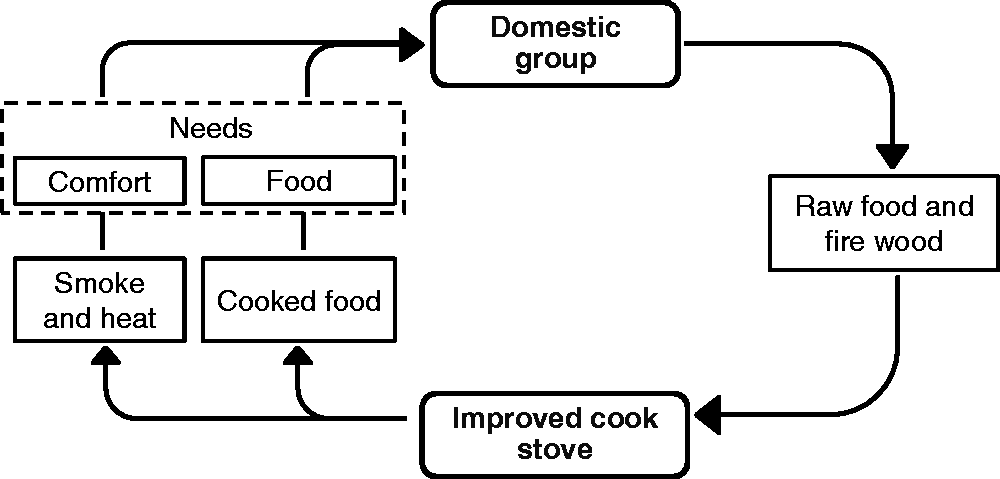
With the same perspective, a person can be seen as a psychological system (Luhmann, 1995; Mischel & Shoda, 1995), and DGs and communities can be seen as social systems (Luhmann, 1995; Urteaga, 2009). An ICS is therefore part of a DG’s ecosystem (environment). This systems approach can help to better understand the relationships between an ICS, DG members and a community.
This approach also highlights why ICS adoption programs need to consider environmental (resources), psychological (specific to each cook) and sociocultural (of each household and community) systems. The subsystems of both the psychological and sociocultural systems can be summarized as having three levels: (1) perceptions (needs and resources); (2) preferences (priorities, attitudes); and (3) expectations (goals) (Mischel & Shoda, 1995). Individual and group interviews were applied in our study to understand how the ICS related to psychological and social systems.
Study site and participants
Yaxcabá is a rural town of about 3000 inhabitants distributed among 722 households (National Institute of Statistics, Geography and Data Processing [INEGI], 2010a). It is located at the center of the state of Yucatan, about 90 km southeast of the state capital of Merida, and 47 km southwest of the well-known ancient Mayan archaeological site Chichen Itza. Climate in the area is sub-humid tropical with an average annual temperature of 26℃, average annual rainfall of 1200 mm, and a seasonal pattern of a dry season (approx. November–April) and a rainy season (approx. May–October). Regional topography is one of low hills and basins, and the bedrock is limestone (INEGI, 2010b).
Like many communities in the region, the people of Yaxcabá share a strong Mayan culture, clearly reflected in use of the Yucatec Maya language by at least 50% of the population in 2010. It is a culture also defined by its agricultural practices, home gardens, beekeeping, cuisine, spiritual rituals, medicinal practices and architecture, among other aspects. The main agricultural system is an association of corn, beans and squash production known as milpa, and is mainly intended for subsistence. Beekeeping is the principal local money-producing activity, although a large portion of the population depends on employment in the urban centers of the Yucatan Peninsula (e.g. Merida, Cancun) (Pérez, 2013). The municipality of Yaxcabá, of which the town of Yaxcabá is the seat, has one of the lowest development index values of the 106 municipalities in the state of Yucatan. In 2010, the National Council for Evaluation of Social Development Policy (Consejo Nacional de Evaluación de la Política de Desarrollo Social – CONEVAL) reported that 83.2% of the town’s population lived in poverty, of which 43.63% lived in extreme poverty. In addition, 93% of its homes lacked basic services (SEDESOL, 2015b). 2 These and other factors have made Yaxcabá a focal point for several government social assistance programs.
Yaxcabá has also been the subject of a series of academic studies, including ethnobotany (Hernández, Bello, & Levy, 1995), agricultural production (Cuanalo & Uicab, 2006), and anthropology (Pérez, 2011). Beginning in 1995 with the project “Development of Traditional Production Units in the State of Yucatan”, the Human Ecology Department of CINVESTAV-IPN, Merida, has been in constant interaction with the community (Cuanalo, 2003). This relationship has remained active through several Master’s thesis projects, as well as an ongoing advisory role by academics to members of the Ma’alob Cuxtal cooperative since its founding. This long-term link was the decisive point in favor of choosing Yaxcabá for this study. We hoped that the trust between CINVESTAV personnel and the people of Yaxcabá would facilitate the initial project stage and increase the probability of success.
The project dynamic involved two groups. Two researchers, a local assistant and a key informant constituted the academic group. One of the researchers had experience in architecture, design and construction, while the other had a background in PAR, agriculture and social development. Yaxcabá community members formed the other group. They worked as local researchers and, to better describe their role, are referred to herein as community partners.
PAR steps
Project stages, phases and chronogram.
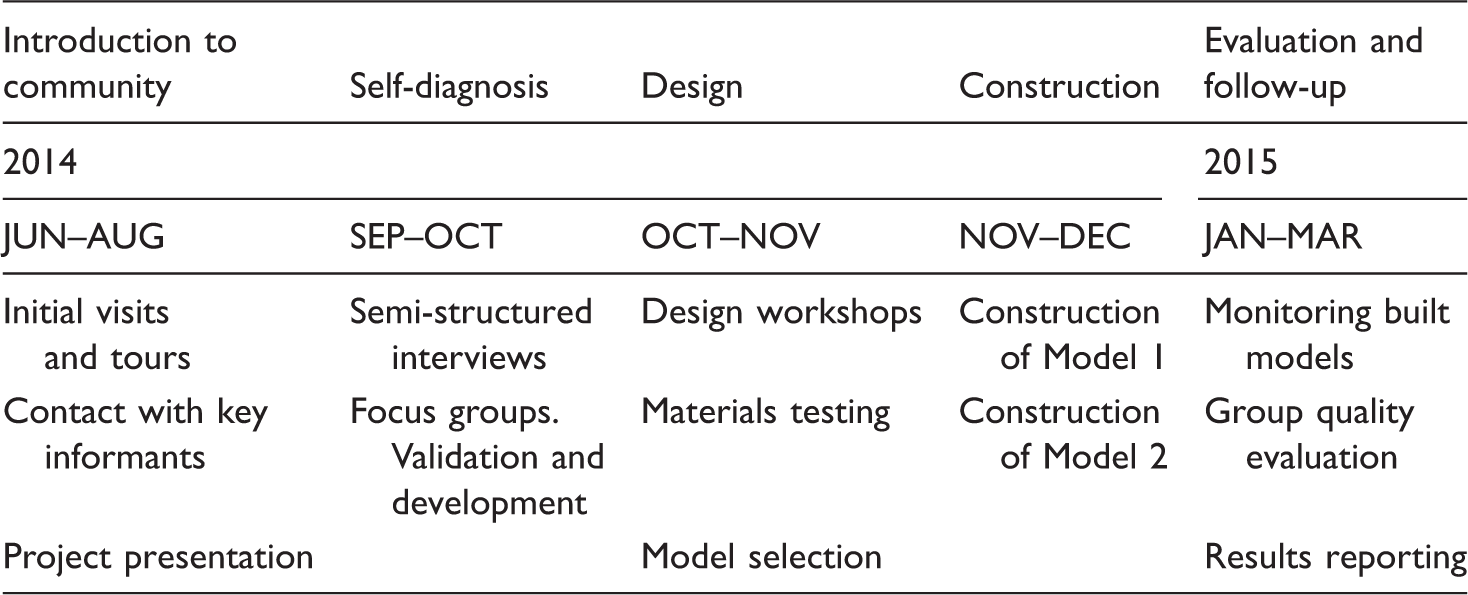
Given the flexible and adaptive logic of PAR, the time schedule was modified as needed depending on participants’ time availability and to account for unforeseen tasks.
Introduction to the community
The first stage consisted of weekly visits to Yaxcabá for a three-month period, during which we located people interested in participating in the project, and established relationships and trust with community partners. During the initial visits, we attended public events in the community and, through our key informant, were able to visit some homes where TSF and different types of wood-burning stoves were in use. This allowed us to confirm community interest in the proposed project and its relevance to community members. We then presented and explained an outline of the projects’ aim and methodology to the municipal president and the director of the Ma’alob Cuxtal cooperative in an effort to enlist their support in finding interested community members.
We gave two presentations of the project outline: one in the municipal library to three men; and another at a private home in front of 16 women, two men and various children. During the presentations, we explained that their time and knowledge would be compensated with corn grain, which they could use in their everyday cooking. Of those who saw the presentation, 17 people expressed their interest and agreed to allow us to visit their homes and interview them.
The existing relationship between CINVESTAV-IPN and the community was instrumental in facilitating this stage because local authorities trusted the academic researchers and were therefore willing to assist.
Self-diagnosis
Individual and group interviews were conducted to identify the limitations and potentials in the community through a study of needs, resources, preferences and expectations related to their cooking devices. This stage was completed in a two-month period during which one of the researchers lived in the community.
The group of participants consisted of 15 housewives and two men who alternated in part-time jobs with their wives. Of the 15 husbands, nine worked in construction either in Merida or Cancun and the remaining six worked in the village (three as farmers, one as a carpenter, one as a photographer and one as a merchant). Five participants had previous knowledge of PAR since it had been applied in previous agriculture, home garden and human nutrition projects (Cuanalo, 2003).
Using an interview guide, we individually interviewed the 17 participants in their homes. Interviews were held in Spanish in all but one case, when a participant speaking in Maya had her son interpret for her. After the individual interviews, we called a meeting with the participants to evaluate the overall results and address the need to form discussion groups. Because we did not have a large enough team or workplace to accommodate 17 participants at the same time, we suggested they form two groups so that all opinions could be heard; one contained ten people and the other seven.
We held interviews with each group using a focus group approach (Onwuegbuzie, Dickinson, Leech, & Zoran, 2009). These meetings were aimed at verifying and complementing the information gathered during the individual interviews. Participants reflected on the current condition of their kitchens and ways of changing them. As was done during the individual interviews, four themes were addressed during the group meetings: needs, preferences, resources and expectations. Each meeting consisted of a presentation of the information gathered during the individual interviews and discussion of it. Discussion about the advantages and disadvantages of each ICS was long and detailed. The first set of results helped us to orient the rest of the process, which involved deciding on the order of design workshops and the techniques to be used.
Interview results are described in the following three sections: (1) needs; (2) preferences and expectations; and (3) resources.
Needs
Yaxcabá is located in a region of subsistence farming (known as milpa) which produces mainly corn, beans and squash (Cuanalo & Uicab, 2006). The dominance of these products is reflected in the cooking practices of the participants: corn tortillas and beans were the foods most frequently prepared in 16 of the 17 participating households. Other frequently prepared foods included chicken, eggs, rice and beef.
The fact that tortilla preparation was the main activity in participants’ kitchens showed the importance of this food and the infrequent use of store-bought tortillas. In 12 of the households, tortillas were prepared twice daily in three steps: (1) corn grain was boiled in lye until soft; (2) it was then taken to a mill to be ground into dough; and (3) finally shaped into small discs and cooked on a hot griddle. This process occurred along with other activities and cooking, which required changing pots or pans; in some cases, children were present during this process.
Except for one case, the eldest woman in the household oversaw food preparation, and was normally assisted by another woman from the family when tortillas were made for the mid-day meal. In 14 of the households, the cook worked while seated, usually on a wooden stool or chair. All the participating households used aluminum pots and in 16 households water was heated daily for personal bathing.
Preferences and expectations
In most cases, the kitchens followed a traditional Mayan arrangement, in which there is a separate room behind the house where food is prepared and eaten (Sánchez, 2006). Four kinds of cooking devices were identified in the participating households (Figures 2 to 4). They were all located inside the kitchen, and some participants had a second device in their backyards. According to the participants, these four types of devices were the most commonly used in the community.
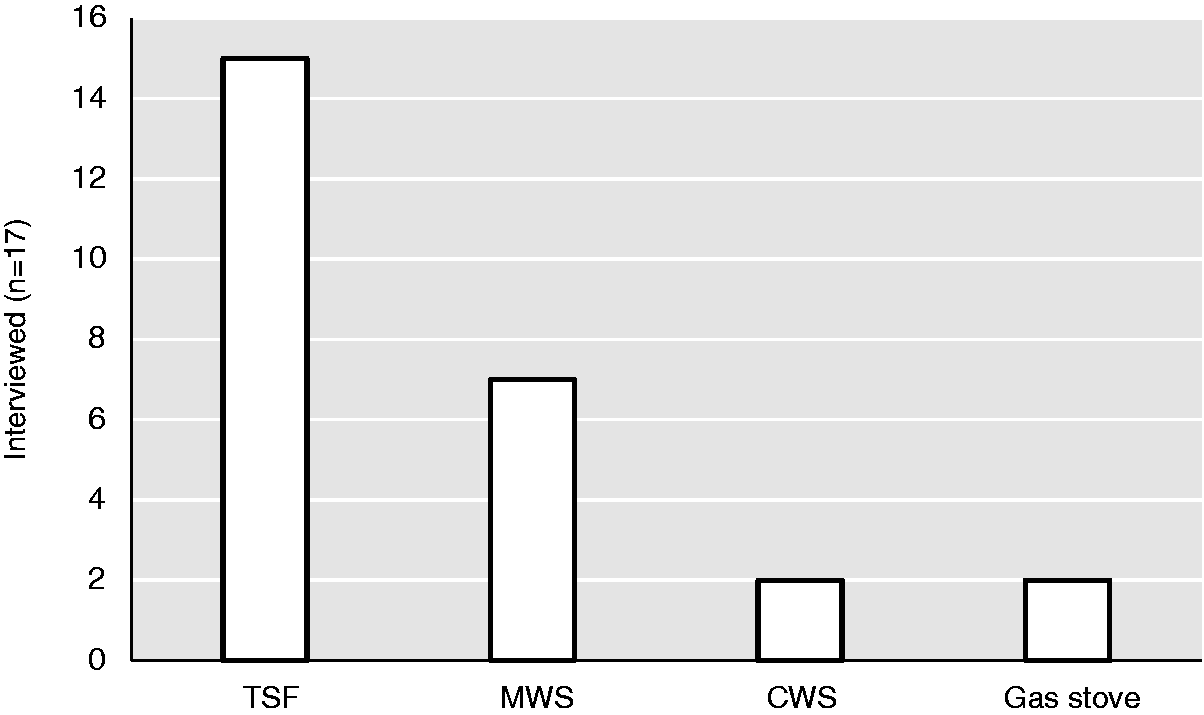
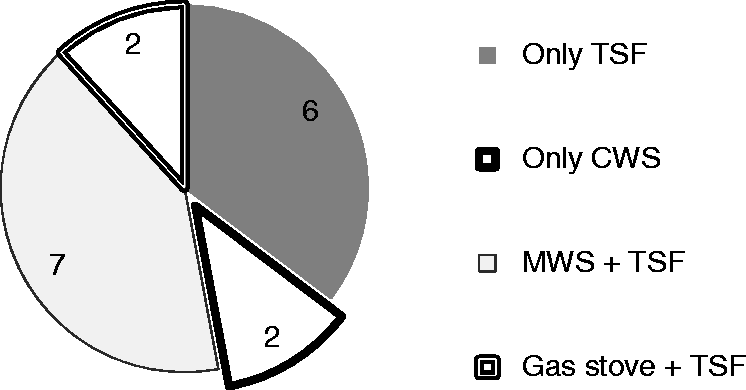
Three-stone fire pit: This is a traditional method and the most common cooking technique in rural zones of the Yucatan Peninsula (Baños, 2009). It consists of three irregularly shaped stones placed in a close triangle that function as a support for pots, pans, griddles and other cooking implements. Heat is produced by burning wood placed between the stones (Figure 2a). In most cases, families eat seated on stools around a small table near the hearth. This technique was used in 15 of the 17 participating households. Metal wood-burning stove (MWS): This is a galvanized steel box (80 × 60 × 20 cm) with metal feet and a small hole into which wood is introduced (Figure 2b). Originally, these had a metal board and an exhaust pipe but all users removed them. This type of device was used in seven households. Concrete wood-burning stove (CWS): This is a monolithic concrete structure (1.0 × 1.5 × 0.70 m) consisting of a base and an upper level forming walls around a central chamber where wood is burned (Figure 2c). This type of device was used in two households. Gas stove: This standard commercial product comes in different sizes and is generally shaped like a rectangular block, with burners on the top and an oven below. Fuel is liquid propane gas in a metal cylinder kept outside the dwelling (Figure 2d). Although it is commonly used for food preparation in urban areas, only two participating households in Yaxcabá had gas stoves. They only used them when the family needed to cook food quickly, usually in the mornings on their way to work or school. Cooking devices used by participants: (a) TSF; (b) MWS; (c) CWS; and (d) gas stove. Number of participants who use each device type. Number of users of each device and combined users.

Participants said that the TSF and CWS had more advantages than the other devices. The advantages of the TSF are that it is accessible to the entire population and can be used to cook quickly. Also, it is useful for cooking with large pots, since it is near the floor, allowing large pots to be moved easily. However, it has disadvantages such as the use of large amounts of wood, production of smoke and being prone to accidents, such as fires and burns. The CWS was perceived as less dangerous since the fire and coals are contained in the central combustion chamber. As one participant commented: “[…] well, it [the CWS] is also safer for children, and for yourself. You’re cooking [with the TSF], the wood is on the floor, you’re walking, you trip on the wood or you kick it […]”. Other advantages were that wind would not put it out, it saves wood and allows cooking of many things at the same time. Perceived disadvantages of the CWS included that it cannot be repaired if it breaks, it is too big and takes up the whole kitchen, and only a limited amount of wood can be used at one time because of its small chamber.
Participant expectations for an ICS included greater household safety, and the ability to cook several dishes at once and thus save time. They also expressed that an ICS should be durable and suited to the specific conditions of each household (e.g. different sized pots, the need to burn large pieces of wood, sized in proportion to kitchen dimensions).
Resources: fuels, knowledge and construction materials
Wood is the main fuel used in Yaxcabá, since it is abundant in the landscape and its collection requires little effort. Collected when dry, it mainly includes bush stems and branches from over twenty different species. Collection is mainly done by farmers after they clear their land for “slash-and-burn” agriculture (Cuanalo & Uicab, 2006). Low pressure propane is also used in the village, but in a limited manner; it has the disadvantage of having to be purchased, and, in 2006, only 10% of the population had a gas stove in their home (Bracamonte, Lizama, & Torres, 2006).
Of the 17 participating households, eight supplied their own wood, three purchased wood from vendors (approx. seven US dollars per cubic meter); and six used both strategies depending on available cash and the ability of a household member to harvest wood. For example, collecting half a cubic meter of wood requires an extra hour of work for farmers or up to two hours for those only harvesting wood. No fuel wood shortages have been documented to date in the community, and no community conflicts have arisen related to this resource.
When asked about the construction phase, 15 of the households were identified as including a member capable of building a stove. Fourteen of these household members had some previous construction experience, and four had specific experience building CWS. However, 12 of these people worked outside the community and only returned occasionally on weekends.
The most common construction materials in the community can be seen in the three categories of buildings found in the community: traditional buildings of organic materials with palm roofs and waddle-and-daub walls; traditional stonework buildings; and concrete block structures. Construction materials proposed by participants for building ICS included stone, bricks and concrete. We suggested the use of red earth, an especially abundant resource in the town. This began a debate on the advantages and disadvantages of using red earth as a building material that continued into later meetings.
Design
At this stage, we held two workshops with each group, experimented with building materials and settled on two proposed ICS designs. In the first workshop, we conducted three activities. First, we presented ICS characteristics, describing the use of each part. This ensured that we all understood the basic concepts from the outset and were familiar with mutual differences in language. Second, we showed images of different ICS used in other regions of Mexico and Central America. We discussed the advantages and disadvantages of each model and elements that could be used in the context of Yaxcabá. Finally, a mock-up was used for each participant to express ideas about how to improve and adapt it to their living conditions. This stage was completed over a two-month period.
Group agreements
Design proposals in common and differing between the two groups.
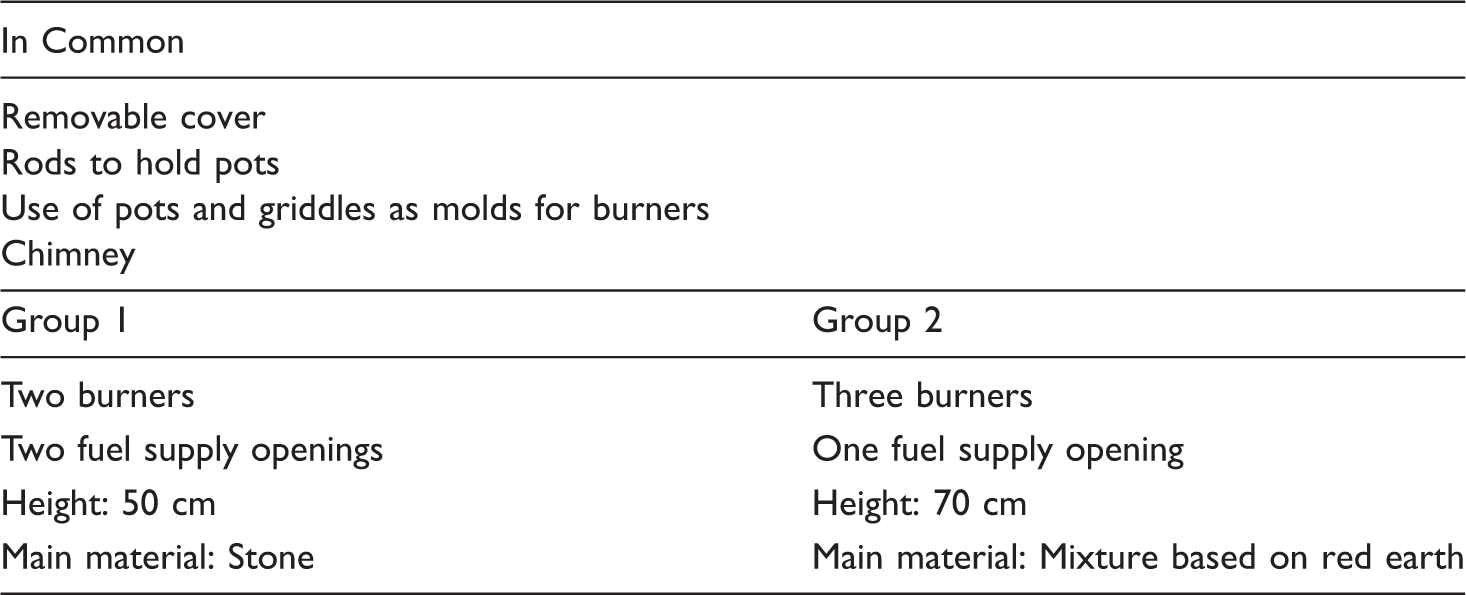
Red earth as a building material
In search of local materials resistant to high temperatures, we visited the local bakery to analyze how its oven was built. It was built exclusively of local materials. The baker directed us to the mason who had built it about thirty years ago. He recommended we use a mixture based on red earth because, in his experience, it resisted heat. Following his recommendations, we made eight bricks with four different mixtures containing different amounts of red earth, ground rock (a regional substitute for sand), lye and cement (Figure 5). Once dry, the bricks were exposed to high temperatures in the kitchens of two participants. One mixture was clearly superior to others and was chosen for use in building the ICS.
Bricks made with red earth: (a) while drying and (b) after heat exposure.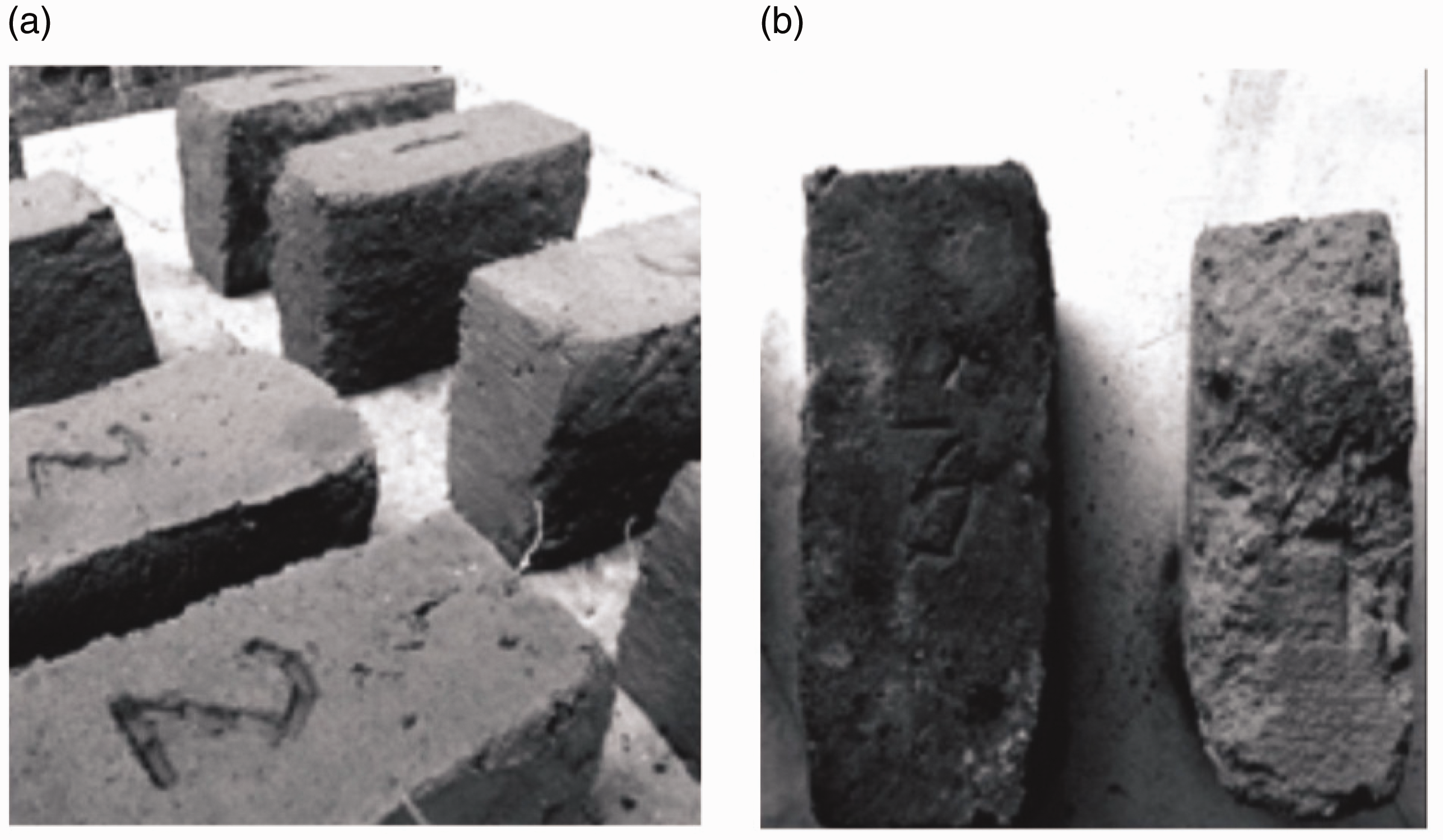
Proposals consolidation
Based on the agreements reached during the design stage, we generated an initial proposal for each group (Figure 6). These were then modified by the participants until they had reached a definitive proposal. This process required extensive work by the facilitators in response to active feedback from the community partners.
Consolidated models. (a) Group 1. (b) Group 2.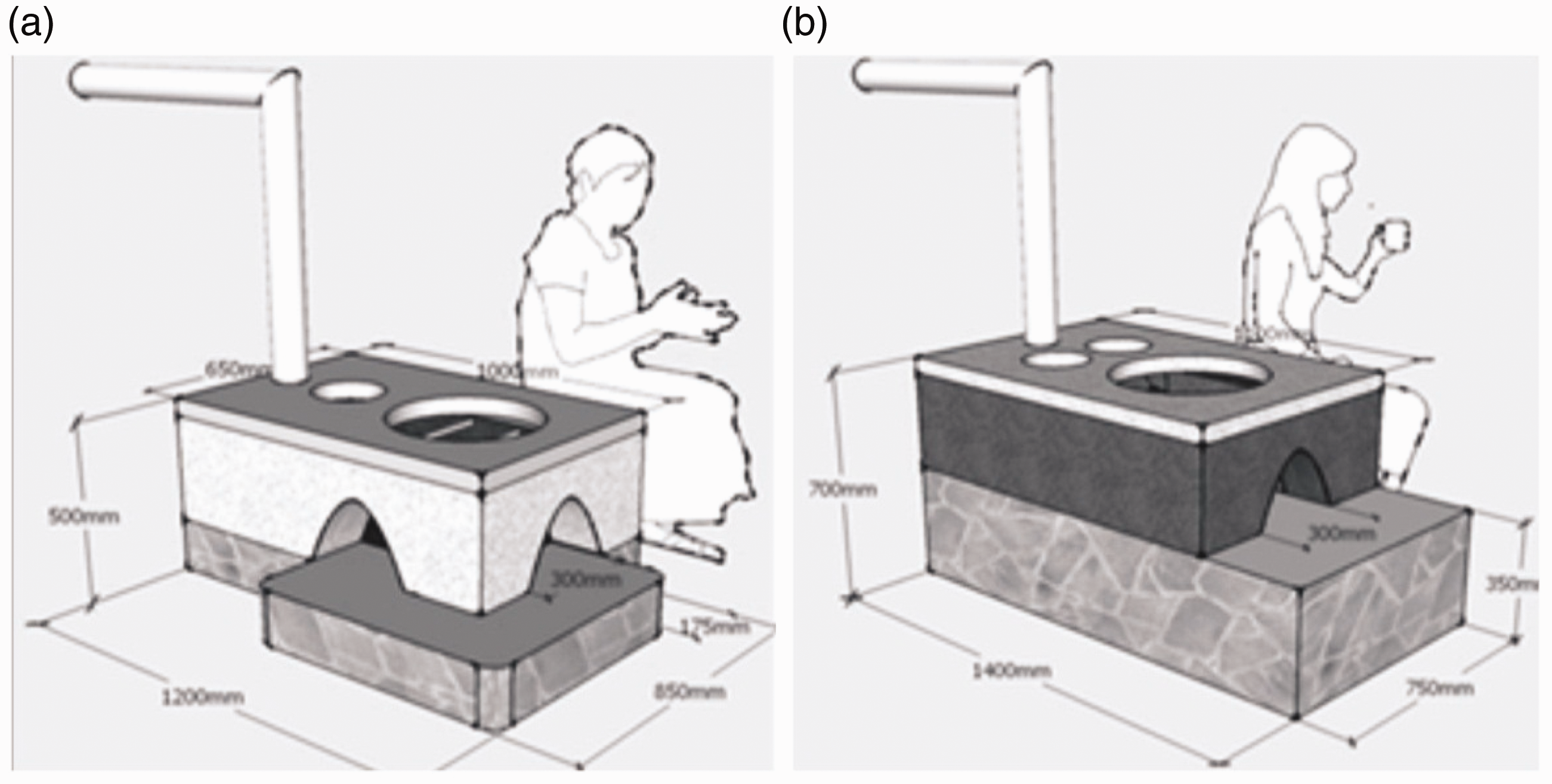
Construction
The members of each group chose a house in which to build the ICS model. They based their choice on two criteria: the household with the greatest need, and availability of a family member to assist with construction. This stage was completed in a two-month period. In both cases, most of the work was done by the husband in the household and a facilitator, although all DG members participated to a certain extent. The Group 2 model was the first to be built (Figure 7). Once the cement and red earth mixture had dried, the ICS was put to use. During construction, many group participants visited the house to see how it was progressing.
Construction process for Group 2 ICS model. (a) Combustion chamber construction. (b) Finished ICS.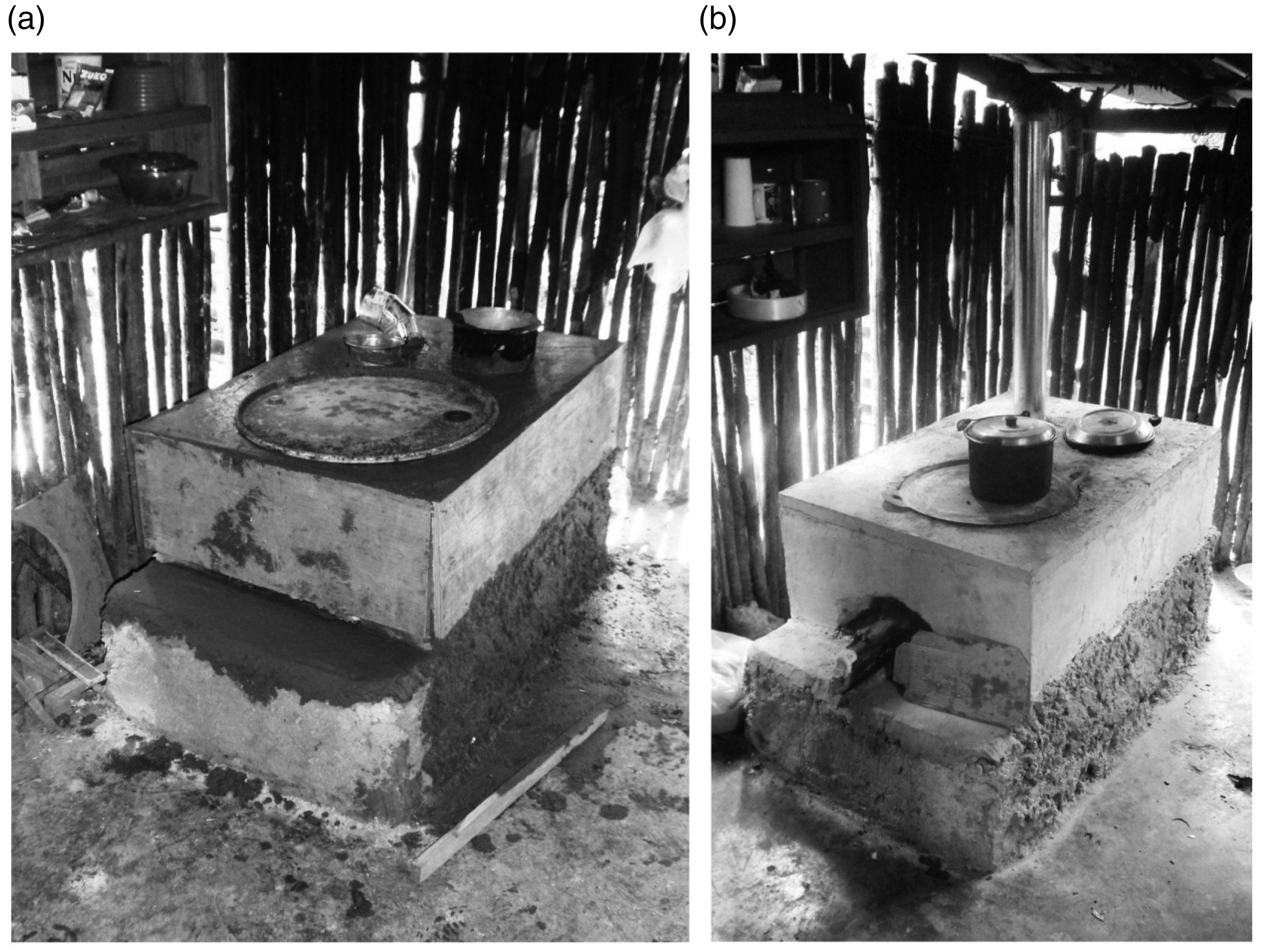
Building the Group 1 ICS was easier (Figure 8). However, when it was put into use it became apparent that the chimney posed a risk of burning because the cook kept objects behind the stove and tended to touch the chimney when reaching for them. This was resolved by placing metal mesh around the chimney to prevent direct contact. The opportunity to immediately resolve complications helped to avoid user disappointment.
Construction process for Group 1 ICS model. (a) Combustion chamber construction. (b) Finished ICS.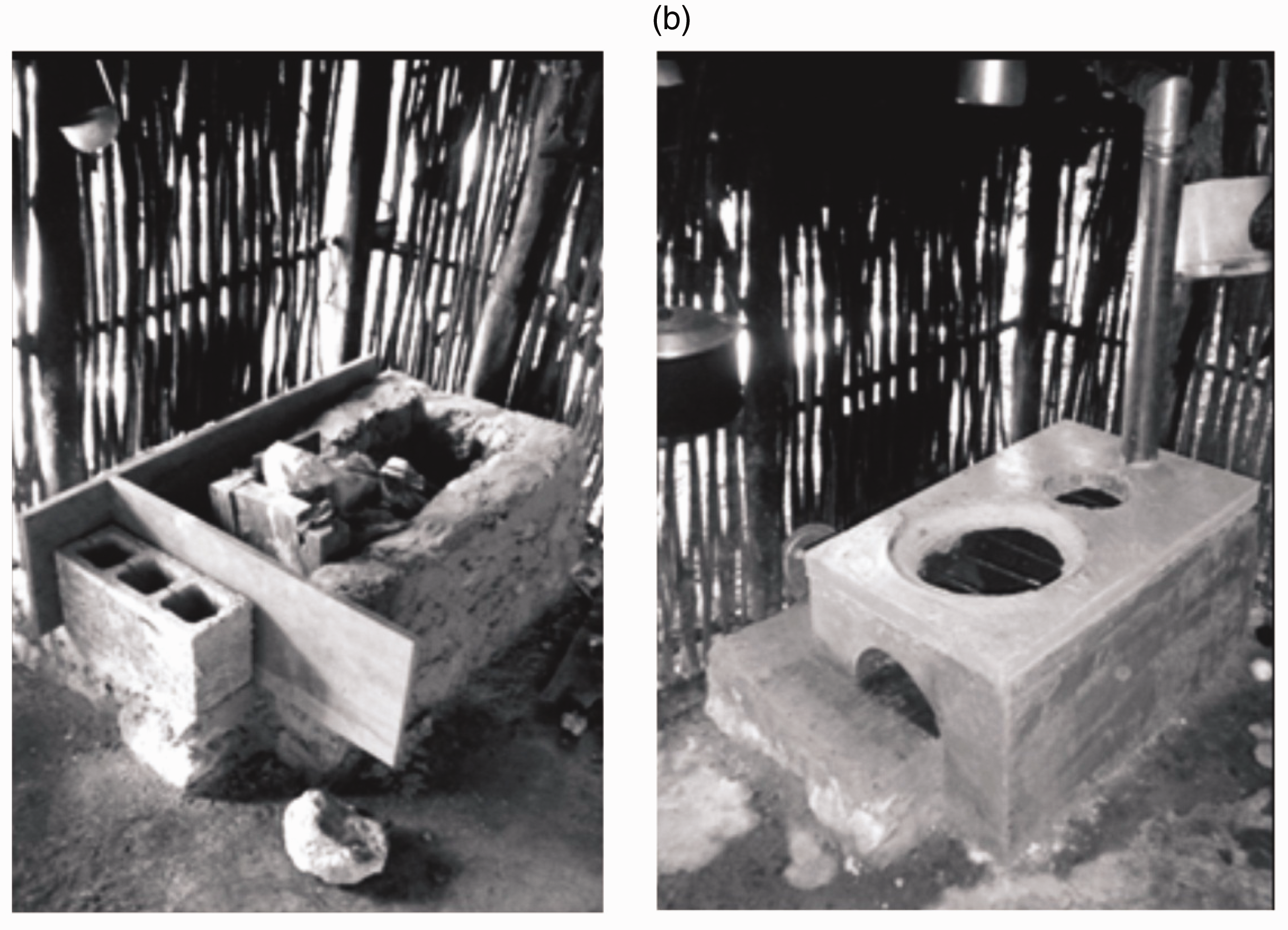
Evaluation and follow-up
After two months of continuous use, we called a meeting to compare experiences and to generate an evaluation with the other participants. They observed that both ICS models provided a series of advantages in their daily activities, particularly in sociocultural, environmental and comfort issues:
Cooking practices (sociocultural). Participants in both groups stated that the ICS allowed them to cook all the food they normally prepared. In other words, they had no need to use different devices to prepare different foods. Saves wood (environmental). Both groups also confirmed that the ICS saved wood because the multiple burners allowed cooking of various things simultaneously, thus requiring less wood to prepare an entire meal. Interior temperature (comfort). Neither of the users noted a difference in interior room temperature, but all participants appreciated the increased safety of having the fire contained. Smoke inside dwelling (comfort). Both users stated that they suffered less irritation from interior smoke pollution when using the ICS. Safety and accidents (comfort). Both groups mentioned that use of the ICS created a safer environment inside the home because they reduced the risk of children having accidents, and of fires starting.
PAR process
The participants expressed that development of the ICS had been a positive experience because it had included their recommendations and addressed real needs. Throughout the evaluation, participants compared the PAR process to government programs in which they had participated; one comment summarizes the overall opinion: they felt excluded “they just say ‘here it will be, here it will be’. They don’t care; they don’t ask if it will help us later or not” (participant opinion in evaluation). Those participants who did not have an ICS built in their house stated they were going to continue requesting building materials from the local government to build their own stoves. However, they said they would need support from CINVESTAV because they expected their requests to be ignored.
After receiving participant feedback, we reflected on the challenges faced in applying the PAR methodology:
– It is essential that the researchers/facilitators encourage community partners throughout the different stages, particularly if it is the first time the latter have participated in a PAR process. We accomplished this by assuring participants that by working as a team, sharing knowledge, experience and action, their ICS would be greatly improved. Motivating participants can be especially difficult for researchers inexperienced in handling groups. – Those participants who had previously been part of a PAR process were more confident and active during the entire process, and expressed their preferences more clearly. It is important for facilitators to prevent inter-group divisions in response to differing participant experience levels. In our case, we invited experienced participants to actively join in explaining the process to inexperienced participants. – Being responsible and keeping commitments are vital for facilitators to elicit a positive response from community partners. Although it was quite disappointing when meetings were postponed or people arrived late, it slowly became clear that the participants required time to realize that the project was going to occur and that we facilitators were serious about it. By the end of the process, participants were promptly answering the calls for meetings.
Conclusions
Application of PAR supported by a systems approach produced a successful ICS design that met local needs and satisfied users. It is clearly an effective alternative to conventional approaches. Use of the systems approach allowed us to do a preliminary analysis of the relationship between the DG and the ICS. It also helped us consider how to study the problem’s psychological aspects (through individual interviews), and social aspects (through focus groups and workshops). The PAR process was vital to incorporate local knowledge during the project by acknowledging participants’ sociocultural practices, preferences, resources and expectations in the design and construction stages. Once complete, the participants validated the benefits of the two ICS models and the methodology used to design and build them. Further research is needed on the viability of extending use of these ICS models within Yaxcabá. However, the present results indicate that the methodology is flexible enough to be applied in other regions as long as adjustments are made for context-specific factors that could affect implementation.
Successful completion and use of the two ICS models built as part of this project served to materialize the dialogue between researchers and community partners, and as an example of a functional ICS for non-participating Yaxcabá community members. Project experiences and results allowed us to produce an illustrated manual for ICS construction which has since been distributed to Yaxcabá community members, local authorities and regional NGOs. One year after construction, both ICS models continue to be used daily for food preparation and heating water, and are often admired by friends and neighbors. This positive outcome highlights the vital role of dialogue between researchers and local inhabitants in creating appropriate technologies. Often ignored when planning social projects, local knowledge is valuable to the success of any social development initiative, and contributes to projects in ways that even the most thorough academic study cannot.
Footnotes
Acknowledgements
The authors thank the participants of Yaxcabá for allowing us access to their homes and kitchens. Special thanks are also due to Dr. Teresa Castillo for her valuable comments on the project, Dr. Tomás Villasante for his advice during an academic stay at the Universidad Complutense de Madrid, and to Dr. Karim Kassam for coordinating the review process.
Declaration of conflicting interests
The author(s) declared no potential conflicts of interest with respect to the research, authorship, and/or publication of this article.
Funding
The author(s) disclosed receipt of the following financial support for the research, authorship, and/or publication of this article: This project was financed by the Mexican Council for Science and Technology (Consejo Nacional de Ciencia y Tecnología/CONACYT) and the Center for Research and Advanced Studies of the National Polytechnic Institute in Mexico (Centro de Investigación y de Estudios Avanzados del Instituto Politécnico Nacional/CINVESTAV).