



Abstract
Stakeholder participation is the systematic mapping of potentially influential actors who can affect or be affected by intervention(s). Literature to date acknowledges the presence and interrelatedness of multiple stakeholders but is extremely limited in its approach on how to systematically identify and encourage stakeholder participation in social marketing systems. To address this limitation, this article responds to Buyucek et al.’s call for “stakeholders to be systematically identified and managed throughout the intervention design, planning and implementation.” This research proposes stakeholder participation as important to social marketing, regardless of whether it is for a single intervention or systems. We describe and demonstrate seven protocols for stakeholder participation in social marketing systems. We apply an illustrative participatory research context that follows the seven protocols of stakeholder participation and their related sets of tasks, tools, and activities and designed to identify, classify, and map stakeholders across marine environmental social marketing domains. The participatory research context illustrates that working “with” stakeholders rather than “on” their behalf can build bridges and transform societies. We then discuss the implications of embedding a stakeholder participation orientation in social marketing systems—for example, the complexities associated with multilevel stakeholder identification, partnership formation, ownership, conflict and continuity, and the value derived from interlocking co-creation and participatory processes for change.
Keywords
In marketing, “a single-minded focus on the customer to the exclusion of other stakeholders” has become the new marketing myopia (Kull, Mena, & Korschun, 2016; Smith, Drumwright, & Gentile, 2010, p. 4). Similar to the customer-centric thinking in commercial marketing, historically social marketing received much criticism for its myopic tendencies to target only lay individuals in its behavioral programs and interventions (Andreasen, 2006; Buyucek, Kubacki, Rundle-Thiele, & Pang, 2016; Gordon, 2013; Hastings, MacFayden, & Anderson, 2000). Given social marketing stimulates change in the “social issues arena, stakeholders take on an even more important role in our considerations than they do commercially” (Niblett, 2005, p. 11). Hastings, MacFayden, and Anderson (2000), Andreasen (2006), Gordon (2013), and Buyucek, Kubacki, Rundle-Thiele, & Pang (2016) acknowledge the need for a broadened focus beyond lay individuals. This moves social marketing toward systemic orientations, whereby intervention efforts target and infuse other stakeholders (Gordon & Gurrieri, 2014; McHugh & Domegan, 2017; Smith & Fischbacher, 2005) across the full ecosystem of society (Kennedy, Kapitan, Bajaj, Bakonji, & Sands, 2017). We define social marketing systems as a multiplicity of people and stakeholder groups interacting to create patterns of behaviors, choices, and values over time in a dynamic macro–micro context. Social marketing systems tackle whole-systems-in-the-room change, emphasizing top-down, bottom-up connections, and the co-creation of shared and interlocking values among all stakeholders within the defined micro, meso, and macro contexts (Domegan et al., 2016). This article responds to Buyucek et al.’s (2016, p. 12) call for “stakeholders to be systematically identified and managed throughout the intervention design, planning and implementation.” A broad spectrum of stakeholders is required if a collaborative social marketing systems change agenda is to be achieved in the face of wicked, commons, or sustainable problems. Social marketing systems literature to date acknowledges the presence and interrelatedness of multiple stakeholders (Hillebrand et al., 2015; Pera et al., 2016) but is extremely limited in its approach on how to systematically identify and encourage stakeholder participation (Bryson, 2004). Stakeholder participation is the systematic mapping of potentially influential actors who can affect or be affected by the intervention(s) such as governments, policy makers, leaders of the social sector, producers and makers of goods and services, and communities in addition to key individuals (Freeman, 1984).
To advance the theoretical and practical application of stakeholder knowledge in social marketing, this article contributes seven protocols for stakeholder participation in social marketing systems. Protocols, a set of practices, tools, and activities, ensure that in social marketing systems—all voices are heard and that stakeholder deliberations are not restricted to only those who are aware or have a vested interest in the problem but include a broader set of market shapers (Giesler & Fischer, 2017). Furthermore, protocols can assist in the identification of non-identified stakeholders, leading to better outcomes and building collaborative places and spaces for greater impact, reach, and ultimately systems change.
The article begins with a brief introduction to stakeholder participation in marketing and its growing importance in social marketing systems and then outlines an illustrative participatory research context by which each of the stakeholder participation protocols can be put into practice by social marketers in a system setting. Within the illustrative participatory research section, the article details the application of the protocols to a marine education stakeholder participation process. The article then concludes with a discussion surrounding the implications of embedding a stakeholder participation orientation in social marketing systems.
Background and Literature
Stakeholder Participation in Marketing
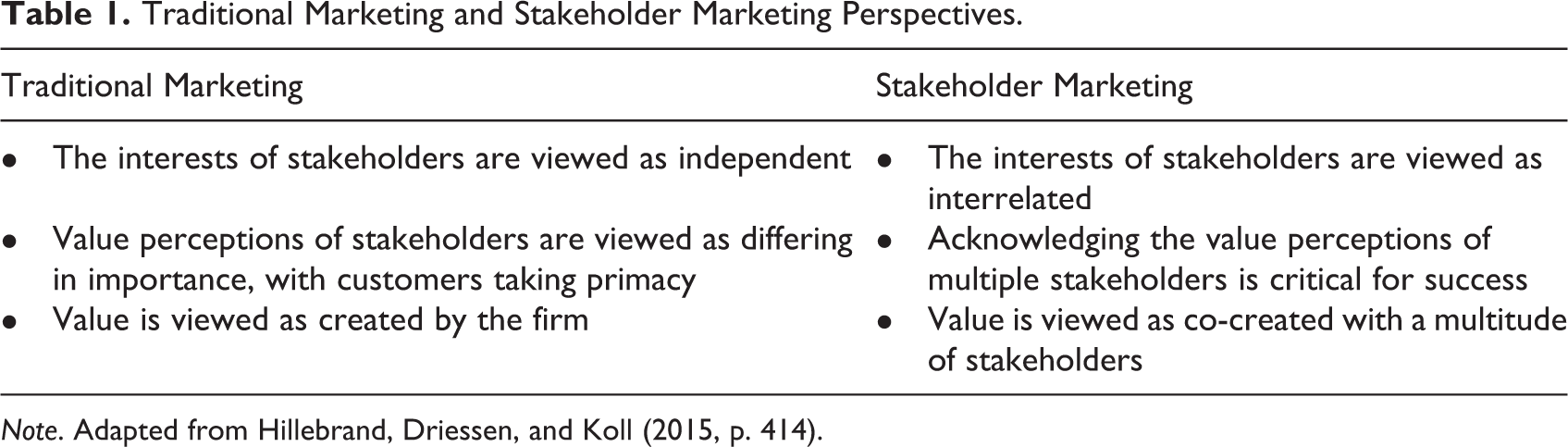
Traditional marketing perspectives analyze what the customer, as an independent entity, values as well as the economic benefits derived from an exchange for a company (Bagozzi, 1975). In the 1980s, Freeman broadens the former marketing perspective by introducing a stakeholder marketing perspective, where customers and stakeholders are seen as equally important entities capable of creating and co-creating value, as opposed to customers taking primacy, as illustrated in Table 1. The seminal definition of stakeholders also derives from Freeman’s (1984, p. 46) and management literature, describing stakeholders as “any group or individual who can affect or is affected by the achievement of the organization’s objectives.” While Freeman’s approach to defining stakeholders has the benefit of being comprehensive, its expansiveness has incurred the criticism of being difficult to implement (Kull et al., 2016) with Miles (2012, 2017), espousing that the concept of the “stakeholder” continues to cause conceptual confusion and contestation. However, Freeman (1984) in his all-encompassing definition wanted marketers to move beyond traditional linear thinking, to contemplate “who counts” and “what really counts” for the fulfillment of both economic and social means, with only those who have no power (who cannot affect), no claim, or relationship (are not affected by it) being excluded (Mitchell, Agle, & Wood, 1997).
Traditional Marketing and Stakeholder Marketing Perspectives.
Note. Adapted from Hillebrand, Driessen, and Koll (2015, p. 414).
More recent marketing literature sees stakeholders as interrelated. Rather than focus attention on one particular group of stakeholders, the inclusion of diverse networks of stakeholders has the potential to create more value and may result in improved commitment to economic, social, and behavioral means (Buyucek et al., 2016; Domegan, Collins, Stead, McHugh, & Hughes, 2013; Gummesson, 2008). This interrelated multiplicity gives rise to stakeholder marketing, defined by Hult, Mena, Ferrell, and Ferrell (2011, p. 57) as “activities within a system of social institutions and processes for facilitating and maintaining value through exchange relationships with multiple stakeholders.”
Stakeholder marketing translates into systems of stakeholders; a dispersed spectrum of individuals and groups with common interests across geographical, political, resource, or social boundaries and across subsystems. It assembles top-down/bottom-up, micro, meso, and macro levels (e.g., representatives of industry, professional associations, consumer and civil associations, leadership positions, and decision-makers) and cross-sectoral approaches (e.g., inland sectorial groups/local, industrial sectors, local authorities and agencies, and nonprofit government organizations [NGOs] including citizen associations and environmental organizations) that bring together different groups of people to enact change (Brennan, Previte, & Fry, 2016; French & Gordon, 2015; Kennedy & Parsons, 2012). This type of stakeholder interrelatedness extends beyond a traditional client focus and acknowledges multiple webs of stakeholder groups simultaneously affecting and affected by marketing environments (Buyucek et al., 2016; Gordon & Gurrieri, 2014; McHugh & Domegan, 2017).
It is evident that the thinking and contributions surrounding contemporary stakeholder marketing and analysis take a very collective approach. By taking this collective approach to defining a stakeholder and their interests, theoretical progressions in marketing highlight a participative stakeholder capacity. Systems and stakeholders control assets, information, communications, and networks and influence the success, or not, of an intervention. In many cases, their support is needed to implement change, and occasionally, they are the problem or barrier to the transformation sought. Stakeholders can “perpetuate the problem, with multiple levels of interconnecting factors involved” (Kennedy, 2016, p. 355). It is advised in these instances that differing and sometimes conflicting stakeholder’s views and interests should be balanced to ensure attention is concurrently paid to the “legitimate interests of all appropriate stakeholders” (Donaldson & Preston, 1995, p. 67).
The Growing Importance of Stakeholder Participation in Social Marketing Systems
Bryson (2004, p. 24) argues that stakeholders, their participation, and analysis have never been more important due to the increasingly interconnected nature of the world with a heightened emphasis on “markets, participation, flexibility and deregulation.” Many of social marketing’s complex problems such as obesity, alcohol consumption, antibiotic resistance, climate change, and conservation are systemic. Tackling systemic problems in social marketing encompasses collective action and the encouragement of individuals and groups to “learn new skills, reflect on their social and economic conditions, and act in their collective interest, improving the ability of individual actors to understand and advance their capability to exert system-level influence” (Hamby, Pierce, & Brinberg, 2017, p. 370).
Systemic social marketing problems are growing in number, complexity, and scale and include multiple stakeholders with varying value (Kennedy et al., 2017). The degree to which stakeholders can be managed is contentious and no longer appropriate (Bhattacharya & Korschun, 2008; Kennedy et al., 2017). Stakeholder management derives from the neoclassical economic view of organizational-based exchange. The use of traditional linear thinking, methods, and causal stakeholder chains in tackling systemic problems are not sensitive enough to the dynamics and complexities of interaction in social marketing systems. In addition to linear causality, social marketing systems need nonlinear causal reasoning and modeling (Domegan, McHugh, Biroscak, Bryant, & Calis, 2017). This intensifies the instinctively realistic need for social marketers to develop greater stakeholder awareness and engagement for collective inquiry (Senge, 1990). As Buyucek et al. (2016) state, a greater understanding of the stakeholders who need to be involved in a social marketing process, the degree to which they are involved and the role they play, can yield powerful insights into why some interventions achieve desired behavioral change states and why others do not. Mobilizing stakeholder participation as opposed to stakeholder management in social marketing systems empowers stakeholders to look at problems and strategies for change from different perspectives. This improves the quality of thinking, the capacity for reflection, group learning, and the ability to develop shared visions and shared understandings of complex issues (Senge, 1990).
Applying stakeholder participation knowledge in social marketing systems provides an impetus to understand stakeholders’ existing values and motivations and work with them to develop mutually acceptable strategies for realizing these (Gordon & Gurrieri, 2014; Hastings & Domegan, 2014). Stakeholder participation ensures that all potential groups and individuals who may be affected, involved, or have a partial responsibility to act are considered (Bryson, 2004). Participation is about collaboration, empowerment, and direct active engagement with priority groups and audiences through all stages of a social marketing process. Participation is about speaking and listening to people on their terms. Participation goes significantly beyond just asking people for their opinions. It gives priority groups and audiences a voice in relation to the barriers to change and ownership and responsibility for solutions to influence their welfare. Research is interactive; it is “with” and not “on” priority groups and audiences.
Direct active participation with individuals, communities, and policy decision-makers is the foundation for behavioral change. Community stakeholders are important since they have the ability to mobilize opinion, support, and engagement in favor of, or in opposition to, behavioral change actions (Hult, Mena, Ferrell, & Ferrell, 2011). Active participation by multiple stakeholders is more empowering because it reflects blended values, important to individuals themselves, and the group dynamic, thereby enhancing joint decision-making and co-ownership. Active participation provides the necessary dialogue, interaction, and mutual learning to manage and resolve highly complex issues such as influencing human behavior and the choices we make concerning the focal problem.
Attempts to influence behavior in a social marketing system through stakeholder participation should start with an understanding of the priority individuals and groups you want to do the changing. Social marketers need to chart the system stakeholders involved and their interactions; work out why they do what they do at present, their values and motivations; and use this understanding to develop an offering that is equally appealing but with positive personal and/or social outcomes (Kennedy et al., 2017; Layton, 2014). Stakeholder participation is central for co-creation, and successful behavior change is built through a well-grounded understanding of current behavior and the people engaged in it.
Stakeholder participation encourages social marketers to tackle critical questions such as those posed by Miles (2012)—Who are the stakeholders? How do stakeholders impact the focal problem? How does the focal problem impact the stakeholder? Why are the stakeholders being identified? What is the form of the stake? What is the nature of the stake and what does the stake relate to? We believe that it is in tackling these pertinent questions that a series of stakeholder participation protocols with related sets of tasks, tools, and activities are important practical tools for social marketers to appropriately identify, classify, and map stakeholders across the focal social marketing system domains.
Seven Protocols for Stakeholder Participation—An Illustrative Participatory Research Context and Application
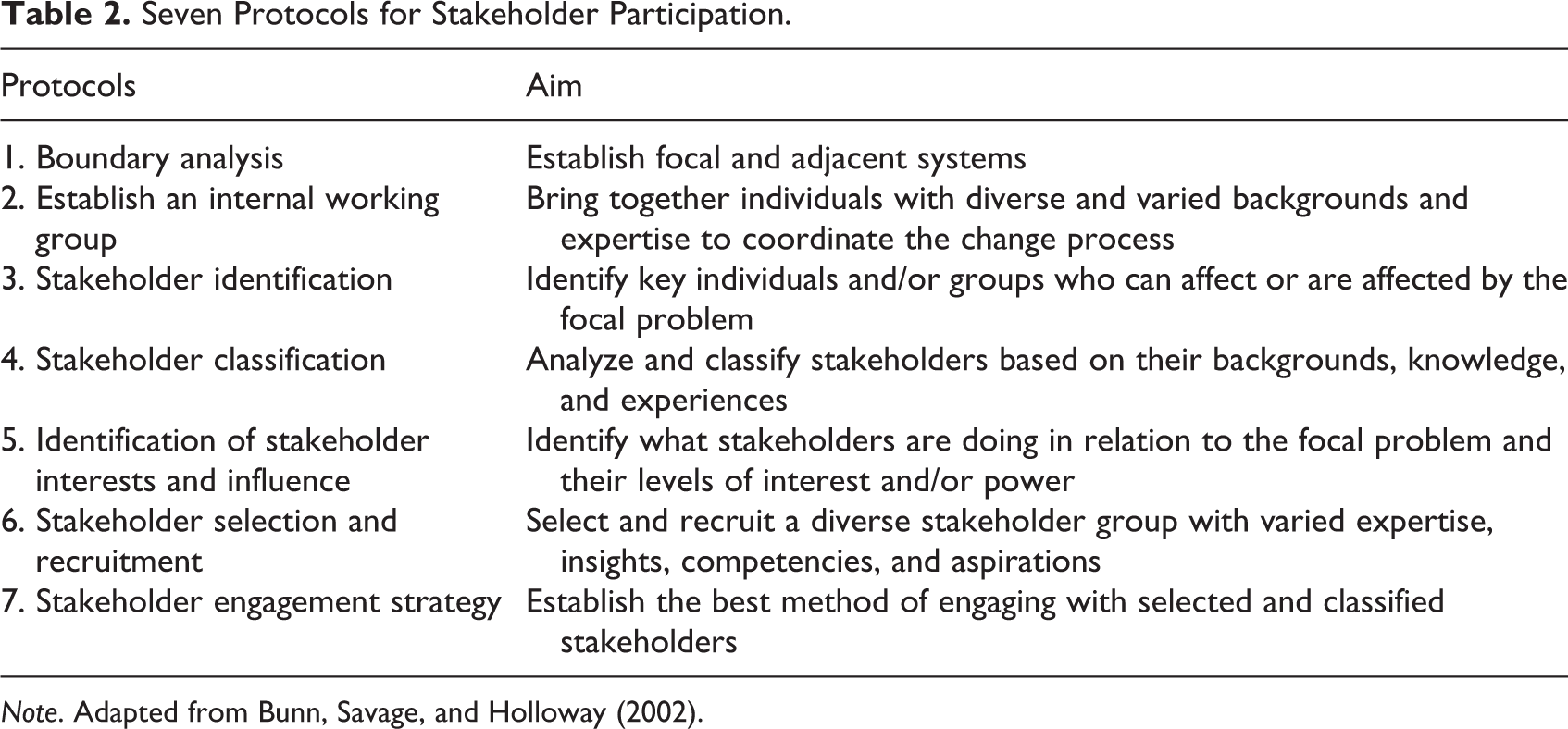
The research strategy for this article is related to that of participatory research (Bergold & Thomas, 2012). Participatory research is open-ended and flexibly designed to enhance stakeholder buy in and empowerment (Hamby et al., 2011). The unit of analysis is at the level of a marine education system. The participatory research design with marine education stakeholders expands the knowledge and awareness of the focal issue to enable joint action inspired by new insights (Brown, 1983). Through this research approach, we adapt and expand the stakeholder analysis process of Bunn, Savage, and Holloway (2002) to develop seven key protocols for stakeholder participation within social marketing systems.
Context
The illustrative context emanates from Sea Change, a pan European study designed to bring about a fundamental shift in the way European citizens view their relationship with the sea. Sea Change empowers individuals and groups as “Ocean Literate” citizens to take direct and sustainable action toward healthy seas, healthy communities, and ultimately, a healthy planet (Domegan et al., 2017). Oftentimes, European citizens are not fully aware of how day-to-day actions can have a cumulative effect on the health of the ocean and seas—a necessary resource that must be protected for all life on the planet earth to exist (McHugh, Domegan, Devaney, & Hastings, 2015).
Sea Change details stakeholder participation from a marine education system using the research question: What are the barriers to teaching 12- to 19-year-olds about the ocean? This behavioral issue was examined using a participatory research method called collective intelligence (CI). CI is a system software–facilitated thought- and action-mapping technique that assists groups to develop outcomes and integrate and synthesize contributions from individuals with diverse views, backgrounds, and perspectives (Domegan et al., 2017). In a typical CI session, participants with expertise and insight into a problem engage in (a) developing an understanding of the situation, (b) establishing an integrative basis for thinking about the way forward, and (c) producing a strategic framework for effective change (Hogan et al., 2015). CI follows a four-step process (Domegan et al., 2014, 2016) as outlined below: Generate and clarify ideas using a trigger question such as “What are the barriers to teaching 12- to 19-year-olds about the ocean?” Categorize ideas for structuring through group discussions and multivoting procedures. Structure barriers and generate a structural barrier map based on a series of relational questions; “Does Barrier A significantly aggravate Barrier B?” Generate options and solutions to overcome barriers. The CI session then closes and stakeholders leave with a roadmap of barriers, their interconnections, and a portfolio of options to resolve the problem under investigation.
For explicit guidelines and information on the CI methodology, please see Domegan et al. (2014, 2016).
Application
This section details the seven stakeholder participation protocols and how they were implemented within a marine education system context across eight European countries—Belgium, Denmark, Greece, Ireland, Portugal, Spain, Sweden, and the United Kingdom. More specifically, the application highlighted in this section details the specific protocol process and data of one country, but all eight countries rigorously followed the same seven protocols to ensure consistency and reliability. The process across all eight countries began in September 2015 and was completed in May 2016. In September 2015, members from the eight European countries received training to develop their understanding of the conceptual foundation of the stakeholder participation protocols. Table 2 outlines the seven protocols and their respective aims.
Seven Protocols for Stakeholder Participation.
Note. Adapted from Bunn, Savage, and Holloway (2002).
Protocol 1: Boundary analysis
Conceptually, it was important to identify and examine the dynamics of the Sea Change systems likely to be “involved, their interactions and environments” (Duffy, Layton, & Dwyer, 2017, p. 270). A boundary analysis in Sea Change examined the complete system, of which the focal problem, teaching 12- to 19-year-olds about the ocean, is a part. It identified and mapped how causal dynamics work at the individual, community, and national levels. One of the critical issues faced by Sea Change members during this process was where to start—where to specify an initial set of boundaries for its focal system. Adjacent systems were also identified to determine what other systems might impact the desired focal system of behaviors. Tool 1 helped Sea Change members conduct a boundary analysis.
In Sea Change, a boundary analysis identified marine education as the focal system which was significantly intertwined with the adjacent system of marine science. The interactions between the focal and adjacent systems are central to the understanding of the chain of causal dependencies underlying the barriers to teaching 12- to 19-year-olds about the ocean. For this reason, boundary definition and analysis is an iterative process repeated over time. The depiction of the three levels (micro individual, meso community, and macro national) within each system (marine education and marine science) became invaluable, as it segmented the marine education and marine science systems into their component parts. For example, in the marine education system at the micro-individual level were students, parents, and teachers; at the meso community level were schools, outreach organizations, aquariums, museums, media, NGOs; and at the macro national levels were curriculum agencies, departments of education, policy makers, and regulatory bodies. Each level interacted across and between its boundaries.
Protocol 2: Establish an internal working group
In each of the eight Sea Change countries, an internal working group consisting of three to six members was needed to prepare the settings for the change intervention. Conceptually, it was best for the working group to include a mixture of people with a connection to the focal system, marine education and the adjacent system of marine science, yet each having varied backgrounds, expertise, and experiences bringing together new insights for change. The diverse insights and expertise gained from an internal working group that spans both the focal and adjacent systems, uncovered fundamental interrelationships underpinning the issue of teaching 12- to 19-year-olds about the ocean. It also unearthed the collective inquiry needed to achieve desired change (Senge, 1990). Tool 2 was used to brainstorm individuals with relevant knowledge and experience. It ensured a varied internal working group was established as opposed to co-ordinating traditional silos of individuals.
More specifically, six individuals were brought together as the internal working group for the CI process. Two teacher trainers, both with formal and informal teaching experience, were involved. An individual working in the field of marine education policy and an aquaria educator with a remit for informal science education also participated. In addition, two marine change agents, knowledgeable in applying behavior change techniques to marine science communication and outreach, became involved.
Protocol 3: Stakeholder identification
Sea Change moved beyond identifying conventional stakeholder types of those “who consume” and those “who produce” to the inclusion of a broader set of market shapers (Giesler & Fischer, 2017). These included individuals, communities, suppliers, trade unions, charities, policy makers, commercial firms, special interests groups, governments, the media, and many others. Stakeholder identification in Sea Change involved identifying who or what really counts (Freeman, 1984), identifying priority audiences (Biroscak et al., 2014), or determining stakeholder salience (Mitchell et al., 1997). It did not dictate that all “possible stakeholders should be satisfied, or included, or otherwise wholly taken into account, only key stakeholders, and that the choice of which stakeholders involves judgement” (Bryson, 2004, p. 26).
The focus became one of defining the stakeholders who may affect or be affected by teaching 12- to 19-year-olds about the ocean. As Buyucek et al. (2016) state, this can be a lengthy and time-consuming process, given the dynamic of the many intricate, interlinked, and interrelating factors such as stakeholders willingness to co-operate (Thomas, 2008), differing interests (Hoek & Jones, 2011), motives (Pera et al., 2016), institutionalized practices (Gordon & Gurrieri, 2014), fluctuating or contradictory values (Kennedy et al., 2017), and even conflicting value–action gaps (Kollmuss & Agyeman, 2002). Furthermore, change can occur in any direction (Friedman & Miles, 2002), and stakeholders can represent direct opposition to change (Kennedy, 2016) and work against the process.
Another key element considered in Sea Change was stakeholders who may not normally be associated with the desired behavior change issue to ensure the stakeholder identification process was inclusive and collective. This involved empowering the silent voices of marginalized groups (Friedman & Miles, 2002). Research assisted Sea Change members to attain inclusive stakeholder identification processes. Secondary sources of data, key informant interviews, snowballing, and verification were some of the research processes available.
In Sea Change, stakeholder definition for CI was not limited to “primarily pragmatic and company-centric” stakeholders but also included “normative, macro/societal and network-focused” groups (Laczniak & Murphy, 2012, p. 284). The internal working group used Tool 3 to collectively brainstorm stakeholders connected to the research question—what are the barriers to teaching 12- to 19-year-olds about the ocean? The internal working group worked together to identify cohorts of groups or individuals who could affect or were affected by marine education and marine science. After a period of time, the group paused and discussed each suggestion, adding more stakeholders as they arose.
In addition to collective brainstorming, the internal working group individually consulted online secondary sources, using Tool 3 to record their findings. Members searched marine- and education-related organizations such as those involved at a policy level including departments of education and marine, national marine institutes, curriculum associations, national maritime forces, the defense forces, and environmental municipalities. Formal educators and education centers were also identified as well as informal marine and education organizations such as aquaria, museums, NGOs, fisheries, filmmakers, and the media. Conferences and associated delegate listings also provided the group with key stakeholder names and organizations. Following this process, all individual tool sheets were electronically integrated to produce one complete list of stakeholders reflecting the groups’ suggestions.
Once integrated, national marine and education organizations were contacted for key informant interviews. The internal working group met with seven individuals who looked at the complete list and identified additional stakeholders and stakeholder organizations that the group overlooked. The key informant interviews provided a means of verification, verifying the stakeholders previously identified by the internal working group to ensure inclusivity, and collectiveness across the domains of marine education and marine science. In total, this process resulted in the identification of 180 stakeholders across varied organizations.
Protocol 4: Classify stakeholders
Once stakeholders were identified, classification began. Marketing classifications schemes considered in Sea Change include the following: Wheeler and Sillanpää’s (1997) categorization of stakeholders by their level of influence, albeit secondary or primary, and the nature of their influence—social or nonsocial (Clulow, 2005); Smith and Fischbacher’s (2005) eight dimensional typology including dormant, dominant, dangerous, definitive, dependent, discretionary, demanding, and nonstakeholder groupings; and Miles’ (2017) updated four-point classification typology detailing stakeholders as influencers, claimants, recipients, and collaborators.
Social marketing system classification schemes considered by Sea Change included Domegan et al.’s (2014, 2016) extensive use of Freeman’s (1984) stakeholder classification scheme of primary and secondary influencers and Kennedy, Kapitan, Bajaj, Bakonji, and Sands’s (2017) role and action field classification framework, categorizing stakeholders as incumbents, challengers, and regulating agencies (Fligstein, 2001; Fligstein & McAdam, 2011; Layton, 2014). In Sea Change, the appropriate classification of stakeholders was vital as it ensured an inclusive approach, incorporating multilevel thoughts, beliefs, and mental models. If Sea Change omitted an appropriate stakeholder classification scheme, it would have increased the risk of multiple and uncoordinated attempts at addressing the issue of teaching 12- to 19-year-olds about the ocean, especially if all parties who may affect or be affected are not identified and classified.
The Sea Change internal working group classified 180 CI stakeholders into the incumbent, challenger, and regulating agency classification with clear statements for positioning outlined. Incumbents were dominant stakeholders who were highly influential, powerful, and happy with the way things were and wished to preserve the status quo (Fligstein & McAdam, 2011; Layton, 2014). Challengers were considered less privileged than incumbents. They often conformed to the prevailing order but were awaiting new opportunities to challenge the structure of the existing system. Regulating agencies were governance actors who defended the status quo and facilitated the smooth running of a system. A detailed description of the characteristics of incumbents, challengers, and regulating agencies is outlined in Figure 1. Throughout the classification process, it was essential to classify stakeholders according to the values, motives, and interests of their respective marine organizations as opposed to their individual values and perspectives. Sea Change members experienced challenges in identifying “which stakeholders to prioritize and how to handle them” (Hastings, 2003, p. 11), and as a result, Tool 4 was used to assist the classification process of stakeholders as incumbents, challengers, or regulating agencies. This process resulted in 80 challengers, 71 incumbents, and 29 regulating agencies. For ethical considerations, these classifications cannot be shown as some of the stakeholder details given by members of the internal working group and the key informant interviews were deemed sensitive and confidential to their respective organizations.

Stakeholder characteristics. Adapted from Fligstein (2001), Fligstein and McAdam (2011), and Layton (2014).
Protocol 5: Identify stakeholder interests and influence
The identification of stakeholder interests and influence in Sea Change provided a deeper insight into the nature of the classified stakeholders and why they should be further considered and involved (Bunn, Savage, & Holloway, 2002). Tool 5.1 helped describe the stakeholders who would either help or block the attainment of teaching 12- to 19-year-olds about the ocean, in terms of their goals, motivations and interests, the benefits they may perceive in participating in the intervention, and barriers to participation.
To gain a deeper insight into stakeholder interests, a stakeholder-mapping exercise assisted in determination of the strength of interest and influence. The use and application of Tool 5.2 in Sea Change considered the shared narrative among stakeholder groupings (Kennedy et al., 2017) and provided an indication of stakeholder framing and their roles. For example, did they frame the teaching 12- to 19-year-olds about the ocean as a problem or opportunity? Do they frame it negatively or positively? Do they approach the issue from a self-interested perspective or from one of mutuality? and Do they see the issue as a sense of urgency or from a laissez faire perspective? The power–interest grid as depicted in Figure 2 determined which interests, values, and competencies should be taken into account; whose buy in should be sought; and who should be invited to participate and engage in the Sea Change intervention process (Heaton, Miles, & Duhan, 2012).
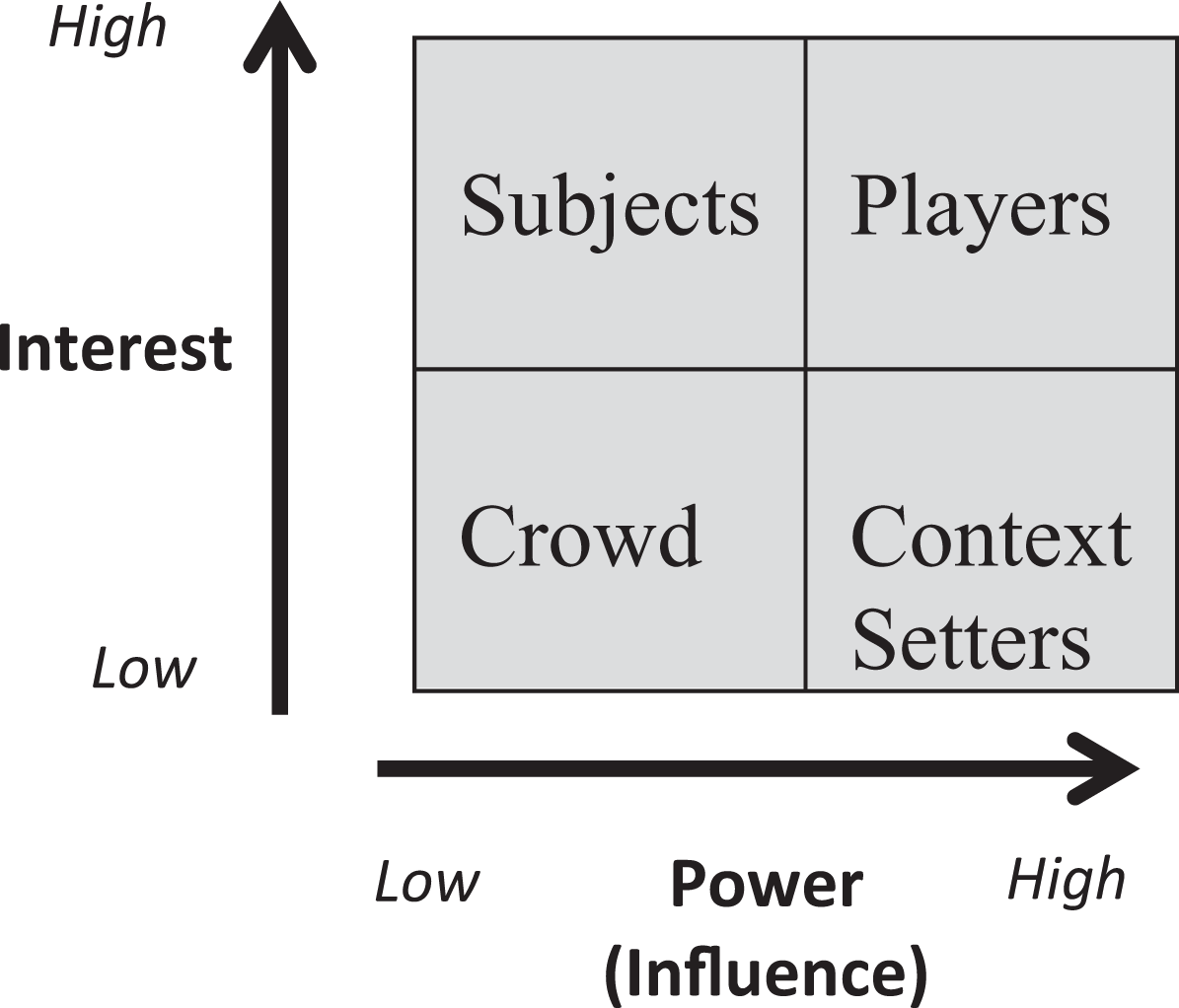
Power versus interest grid. Source:Bryson (2004, p. 30).
In Sea Change, each of the stakeholders’ interests was assessed by the internal working group based on the mission statements, visions, and activities of their respective marine organizations. The potential benefits and barriers to their participation were analyzed in conjunction with their classifications from Protocol 4. It was through this process that inclusivity and variance across and between stakeholders became apparent. Using Tool 5.2, the group mapped the CI stakeholders to ensure stakeholders were charted from a societal perspective and not just the traditional sectoral view of marine organizations (Domegan et al., 2014). It is also worth noting that the incumbent, challenger, and regulating agency classification will impact the mapping of stakeholder power–interests, but it alone should not determine stakeholder allocation in the grid. Figure 3 displays the power–interest grid for marine education.

Sea Change marine education power–interest grid.
Protocol 6: Stakeholder selection and recruitment
For stakeholder selection in Sea Change, it is now important to examine the dynamic relationships among stakeholders (Bunn et al., 2002). Specifically, stakeholder selection in Sea Change depended upon an inclusive and targeted process, whereby stakeholders spanning incumbents, challengers, and regulating agency classifications need to be included as well as a balance between those who have varied levels of interest and influence. The number of stakeholders selected was influenced by the CI research methodology. Tool 6 was also a useful resource for the Sea Change internal working groups to decide upon and agree a balance between their key stakeholders for recruitment and participation.
Once the selection process was complete, it was critical to employ an optimum recruitment and hospitality strategy. When dealing with groups, the timing, venue and location became important decisions. In Sea Change, it was important to first consider budget and resources and based on this a venue and room that was spacious and convenient for all methods of transportation. Second, the recruitment strategy itself was equally as important as the right contact points, information, and context had to be communicated. Figure 4 outlines the recruitment tips that Sea Change members followed to that produce high stakeholder involvement and retention.

Recruitment tips.
More specifically, in Sea Change, stakeholder selection for CI involved two strands—the selection of stakeholders for an online forum and also their selection for a subsequent stakeholder workshop. In all, 15 from each group (incumbents, challengers, and regulating agency) were invited to participate in the online forum and 25 responded (9 incumbents, 11 challengers, and 5 regulating agencies). For the stakeholder workshop, 32 stakeholders were invited to participate (8 from each of the quadrants in the power–interest grid), resulting in 21 agreeing to participate and 14 attending (see Figure 5 for breakdown).
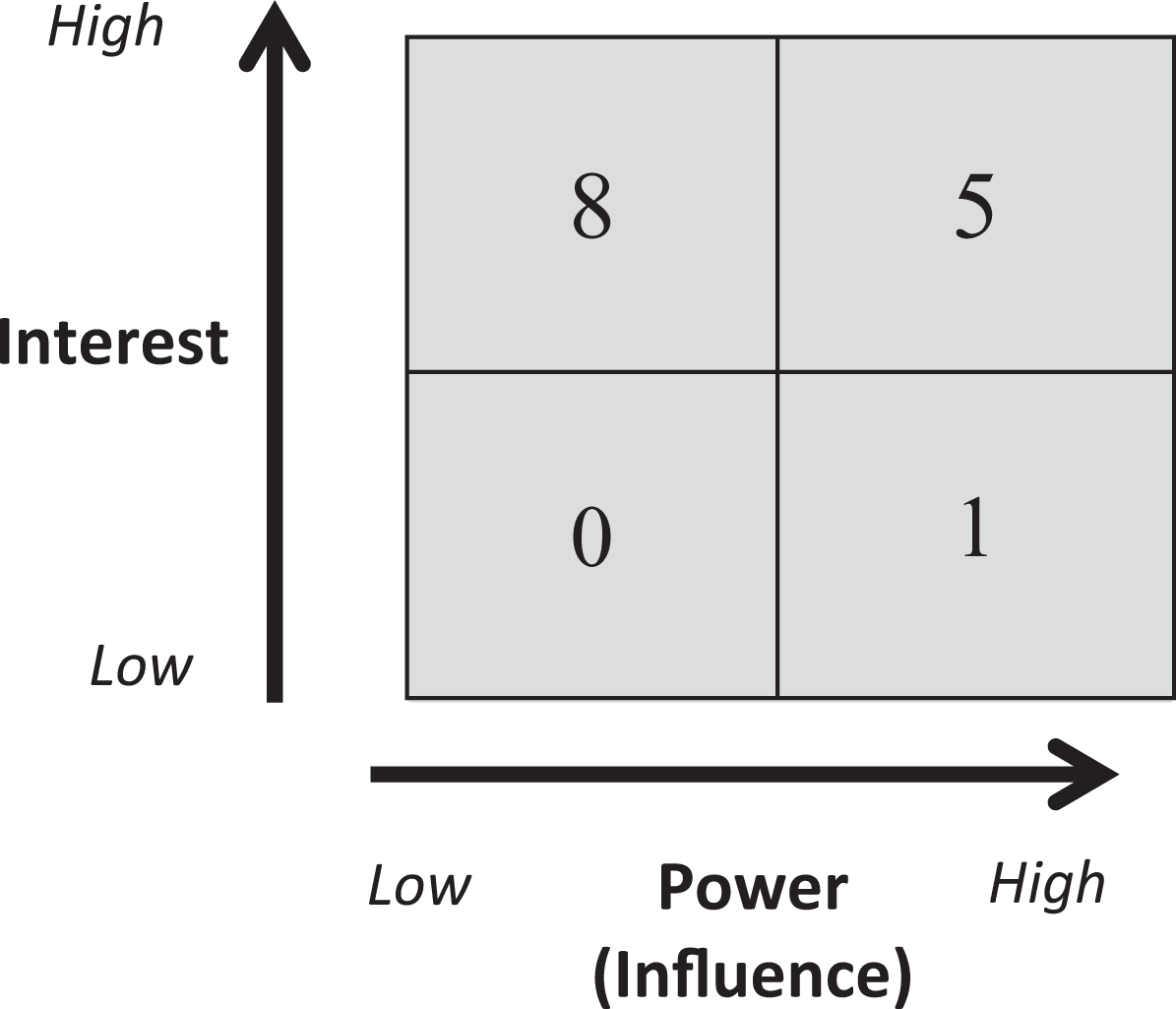
Sea Change CI workshop power–interest grid.
Given the marine context, a venue with a view of the sea was chosen and the room was set up in a U-shape style as seen in Figure 6 to facilitate group discussion and debate.
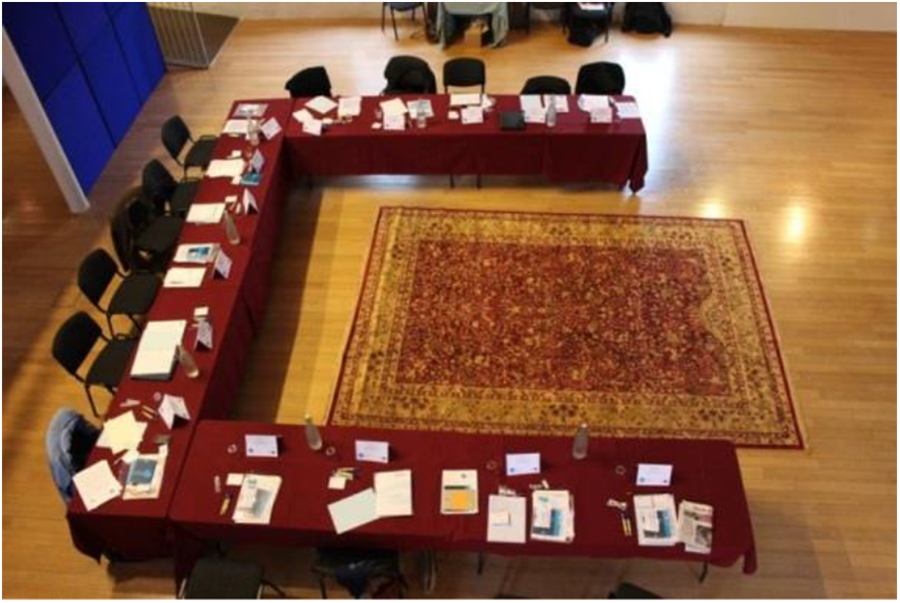
Workshop venue.
Stakeholders were very impressed by the varied audience in the room with one stakeholder commenting “I usually know everyone in the room you know it’s always the same faces at every event but today there’s so many new faces I’ve never met before or organisations I didn’t know of…it’s refreshing.”
Protocol 7: Stakeholder engagement strategy
The stakeholder engagement strategy for Sea Change moved significantly beyond passive information transmission to the facilitation and empowerment of interactive communication, debate, and dialogue “with” stakeholders. Sea Change members wanted to tackle change with rather than on a stakeholder’s behalf, for the creation and delivery of citizen value, stakeholder value, and societal value (French & Gordon, 2015). Figure 7 shows the continuum of stakeholder engagement considered by Sea Change members and the different forms of engagement available to guide social marketing interventions. Each engagement strategy aims to “reach a creative outcome where all stakeholders are genuinely better off than they were before” (Alderson, 1957, p. 136).
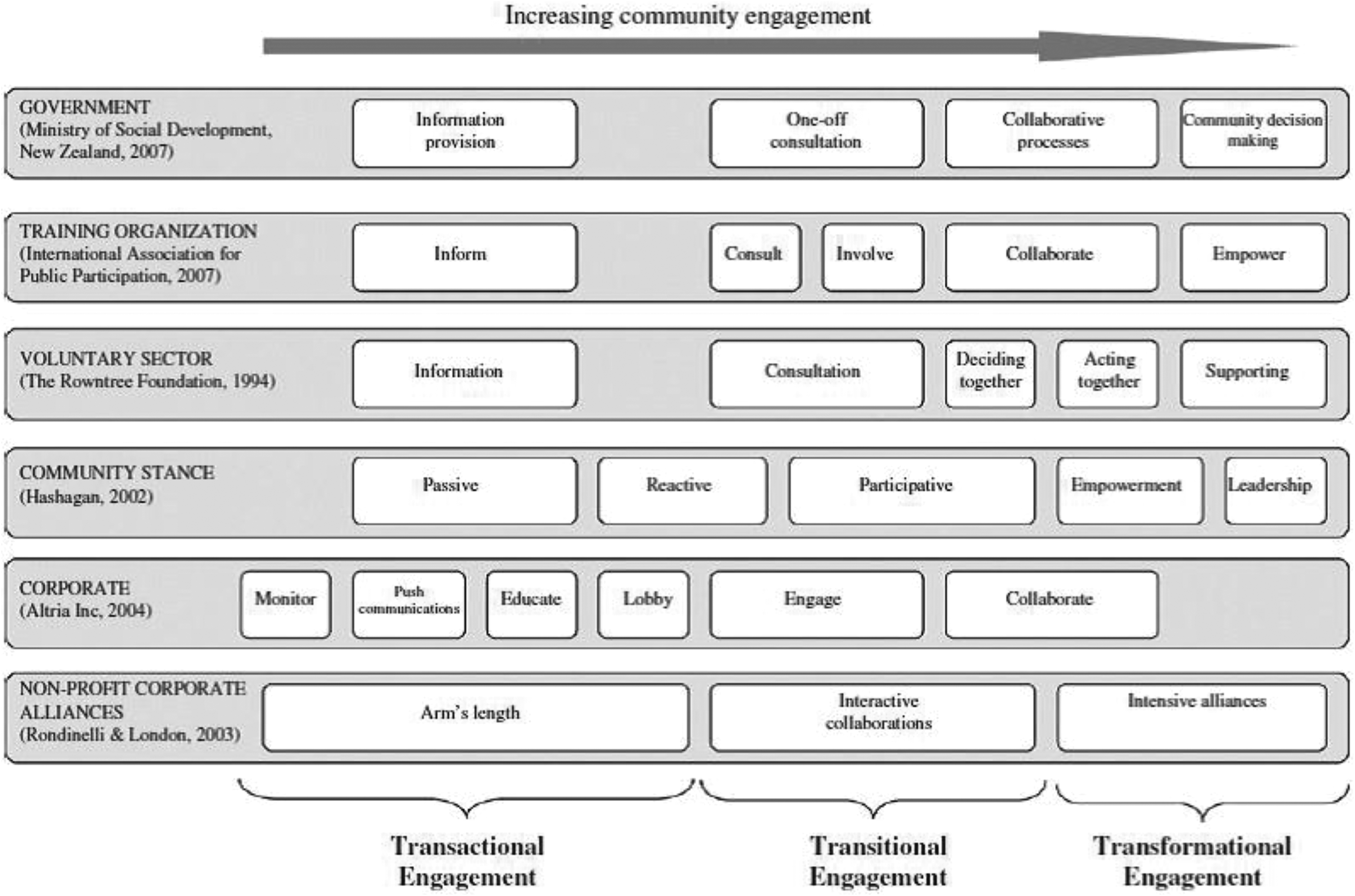
The continuum of stakeholder engagement. Source: Bowen, Newenham-Kahindi, and Herremans (2010, p. 304).
In Sea Change, a transitional engagement strategy emanated as the preferred approach, as CI required many stakeholders for the online forum and a reduced group of participants for the workshop. The internal working group controlled the process of setting the research question, organizing the conversation forums, and facilitating the workshop. However, they were dependent upon the communication between and across the stakeholder groups to produce the barriers and direction for change. The benefits and outcomes of the CI online forum and stakeholder workshop were distinct as stakeholders produced a structural barrier map determining the most aggravating barriers to teaching 12- to 19-year-olds about the ocean as well as proposing potential scenarios for change. Throughout the implementation of the seven protocols, there was a lot of repeated interaction between the stakeholder group and the internal working group team.
Outcomes
The stakeholder participation protocol process produced significant results for national and European marine education systems. At a country-specific systems level, each of the eight European countries produced their own structural barrier map. These maps visualized the most aggravating barriers to teaching 12- to 19-year-olds about the ocean. They also reflect the localized social, cultural, and economic environments specific to each country. Figure 8 represents one such map. The map is read from left to right. The arrows indicate that the barriers on the left significantly aggravate (or make worse) the barriers to the right. For example, “lack of political will—the government is slow to act and implement on marine-related issues” significantly aggravates “the lack of personal experience on the ocean.” Barriers that are grouped together in one box are reciprocally interrelated and they significantly aggravate one another. For example, “lack of school programs on marine subjects,” “lack of awareness of the subject matter at societal level,” and “failure to educate young people about the sea” are reciprocally interrelated, and they significantly aggravate one another. Four different barrier aggravation pathways are evident in Figure 2, with directional arrows indicating aggravating pathways. Four aggravation pathways exist as not all barriers aggravate each other. For example, “lack of conflict resolution due to competing interests in the ocean environment” does not aggravate “lack of awareness of maritime career opportunities.” No one pathway exhibits dominance in the map, all of the barriers interact and interlock, illustrating that there is constant interaction among elements in a system (Domegan et al., 2017). The numbers beside each of the barriers correspond to when it was inputted into the computer software.
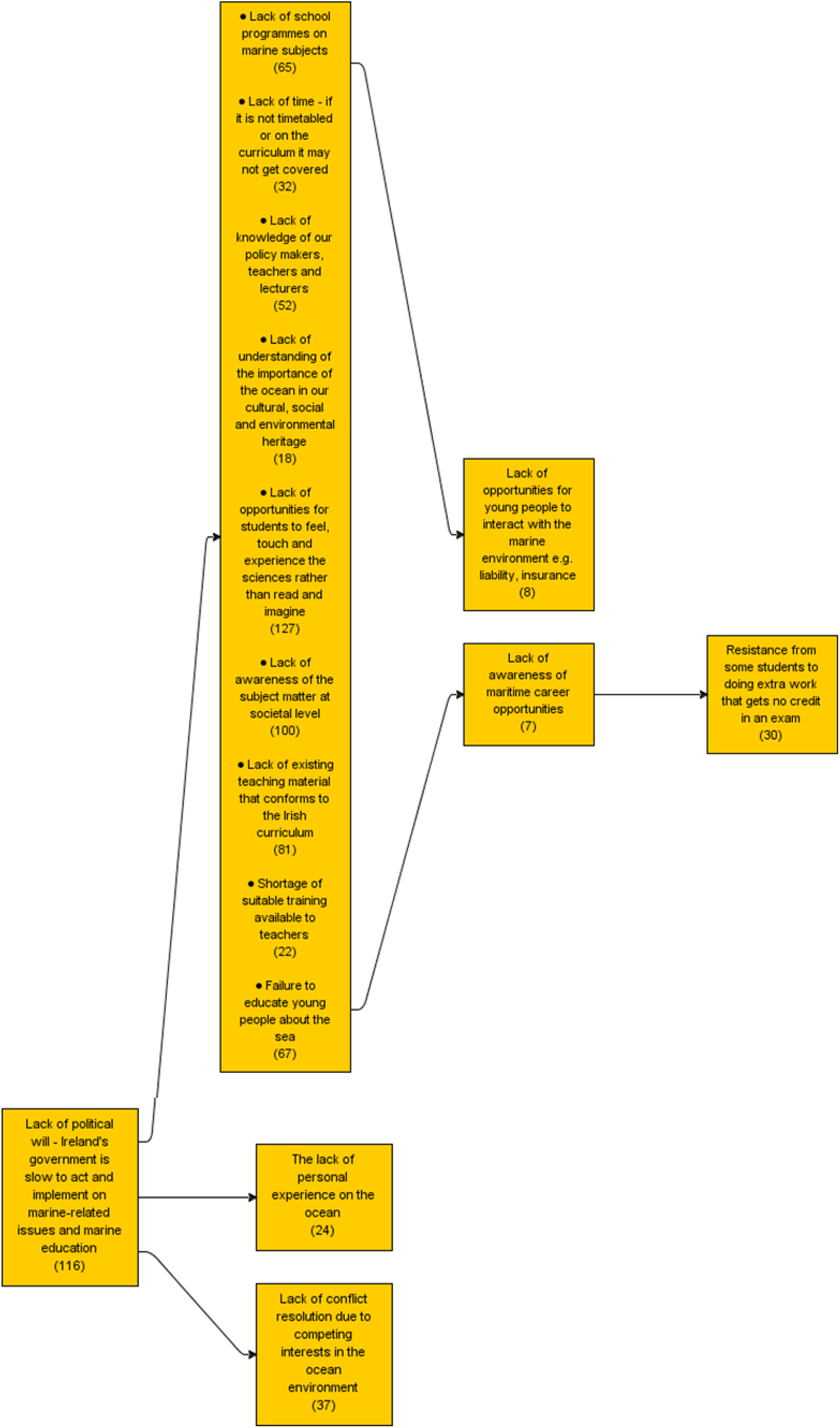
Sea Change structural barrier map.
Each of the national structural barrier maps pinpoint casual dependencies in the marine education systems along with an indication of the most aggravating factors perpetuating the challenge of teaching 12- to 19-year-olds about the ocean. These factors span micro-, meso-, and macro-level issues. A vital learning outcome for each country is that all of the elements in a structural barrier map interact with one another, either directly or indirectly. These interacting and dynamic system relationships are critical to a more strategic understanding of the constant interaction among processes in marine education systems.
Once an understanding of the system is in place, stakeholders generate options and solutions to overcome the barriers to teaching 12- to 19-year-olds about the ocean. In total, 316 options were generated. Following their identification, stakeholders discuss and vote for solutions they perceive to be the most feasible, impactful, and timely. Solutions are country- and context-specific. For example, in Sweden, the most voted for option was “further development for teachers and principals in their ‘desire to create’ activities,” whereas in Denmark “meaningful stories that the students can relate to” emanated as the top option and in Spain, the top voted for option was to “develop educational programs to be experiential and relevant for the students.” Each set of solutions produced was incorporated into activities and initiatives such as eBooks, massive open online courses, promotional materials, Ocean Literacy networks, and citizen science interventions to overcome barriers and teach 12- to 19-year-olds about the ocean.
In addition to country-specific data, the data from each of the eight countries underwent scoring, paired comparison, categorization, and a thematic meta-analysis to produce a European influence map (see Figure 9). This influence map captures a European systems view of marine education. Figure 9 shows the influence scores ranging from a high of 7 to a low of −3. The map is read from left to right with themes to the left having more overall influence to teaching 12- to 19-year-olds about the ocean than themes on the right. This means that “awareness and perceived knowledge” (Stage 1) exercises the highest level of overall influence in teaching 12- to 19-year-olds about the ocean. The theme that exercises the lowest level of influence is “connections between humans and the ocean” and “blue economy” (Stage 6).

A European Influence Map.
This European influence map uncovers the dynamic and mutually interrelated set of influences underlying the pathways to teaching 12- to 19-year-olds about the ocean. The map reflects the pluralistic values, knowledge, experiences, and expertise of multiple stakeholders across multiple sectors, levels, and countries across Europe. The European influence map also provides an invaluable overarching view of the dynamic system relationships contained within a marine education system.
Discussion
Achieving desired behavioral and social change states requires a greater understanding of the stakeholders that need to be involved in the social marketing systems process and the degree to which they are involved and the role they play (Buyucek et al., 2016). Stakeholders are no longer viewed as subjects of studies to be communicated to; rather, they have become partners for change (Buyucek et al., 2016; French & Gordon, 2015; Niblett, 2005; Thomas, 2008). To embed a stakeholder participation orientation in social marketing systems requires three elements—a process perspective, a partnership philosophy, and value co-creation (Smith et al., 2010), all of which are bounded by resource capabilities and allocations. These three elements emphasize how stakeholder theory can transcend the traditional firm-centric view of stakeholder management to the empowerment and facilitation of inclusive and collective inquiry for stakeholder participation in social marketing systems.
First, a process perspective is an interactive and iterative method emphasizing deliberations among citizens, and between citizens and social marketers with the purpose of contributing meaningfully to change (Powell & Colin, 2008). Processes ensure that the road of change is traveled together. The use and application of the protocols for stakeholder participation is an example of how processes can ensure those who are key; who count and who have a stake are involved in the design and delivery of behavioral and social change states. It must be acknowledged that a process mindset is not easy and it takes time. However, a dedication to the protocol process results in the amalgamation of stakeholder groups that are both critics and creators of change who can bring new, creative, and innovative thinking to the focal problems or opportunities under investigation. Learning and reflecting upon the strengths and weaknesses of the process is critical. Reflexivity shapes experiences, insights, and knowledge, which in turn can improve future stakeholder participation decisions, actions, and behaviors in social marketing systems (McHugh & Domegan, 2017).
Second, a partnership philosophy moves social marketing programs and interventions beyond dyadic exchanges to system collaborations, empowering and mobilizing multiple stakeholders across networks of value co-creating communities to achieve change. Stakeholders move from passive observers to active contributors for change. To maintain and grow a partnership philosophy, mutual benefit, shared values, and communication are needed (Hastings & Domegan, 2014). The establishment of trust is important, and as Tool 7 outlines, this can be limited, evolutionary, or relational depending on an engagement strategy chosen for stakeholder participation. Partnerships do not evolve overnight, and time is needed to turn trust into commitment (Duane, 2015) and to establish contact points, repeated interactions, and networks in order to create meaningful value exchanges.
Third, value co-creation allows stakeholders from different backgrounds, contexts, and expertise the opportunity to codiscover, codesign, and co-deliver change (Hastings & Domegan, 2014). An aspect worth considering is the systems dynamic of changing stakeholder relations as a result of co-creation. Working with individuals outside of traditional silo blurs the boundaries of tacit knowledge. Stakeholders through the process of co-creation can change previously held assumptions, ideas, and values; their material interests may change; and institutional support and practices may alter (Friedman & Miles, 2002). A common issue arising from stakeholder participation is the existence of tension and conflict between individuals or groups of stakeholders. Hillebrand, Driessen, and Koll (2015, p. 418) advocate paradoxical thinking when conflict arises. Paradoxical thinking in social marketing systems encourages critical debate and dialogue to allow stakeholders the opportunity to voice their views and concerns rather than “ignore or suppress the tension.” As a result, stakeholders get time to “reflect on the tension to reach a joint solution that may not be perfect to all, but where all stakeholders still perceive some benefit.”
This article addresses Buyucek et al.’s (2016) call by making identified contributions to both the theory and practice of stakeholder participation in social marketing systems. The core contribution to social marketing practice is seven protocols for stakeholder participation and tools and guidance for their application. These protocols and their associated tools, activities, and active examples provide social marketers with the opportunity to advance their practical skills in conducting boundary analysis, in identifying the full ecosystem of stakeholders and classifying them as either incumbents, challengers, or regulating agency, while also presenting them with the skills and tools to gain deeper insights into stakeholders’ interests and roles. Furthermore, the protocols assist social marketers with their selection, recruitment, and hospitality approaches in addition to developing the skills necessary to identify and pursue the most appropriate engagement strategy for their context-specific social marketing systems. The adoption of these protocols in social marketing practice builds a case for engaging stakeholders in every element of a social marketing process, from problem definition to solution seeking and implementation. Often, it is difficult to assess the point at which stakeholders become involved in a social marketing intervention and how to meaningfully engage with them. A key implication of this article is the provision of protocols, tools, and techniques for social marketers. These protocols ensure that change is not arbitrary. These protocols for stakeholder participation create a platform for people powered change rather than expert-driven change delivered on behalf of a community. Relationships and relationship building with stakeholders are critical factors for change and to ignore groups or communities affected by issues is likely to lead to dissatisfaction, uninformed approaches, and an unsatisfactory outcome. For social marketing practice, the involvement and engagement of stakeholders, using these protocols, leads to better outcomes for the public and society. It is envisaged that the use and application of these protocols in tackling systemic problems such as obesity, alcohol consumption, antibiotic resistance, climate change, and conservation transcend traditional firm-centric views of stakeholder management and instead facilitate inclusivity and collective inquiry for stakeholder participation in social marketing systems.
This article has focused on the issue of stakeholder participation with a specific methodological approach—CI. Future research studies could adopt the protocols for stakeholder participation for other methodological approaches such as focus groups, dynamics systems modeling, and community-based social marketing and in other contexts such as health. Furthermore, future studies could expand upon engagement strategies, investigating how multiple diverse stakeholders in social marketing systems engage and how might the dynamics of stakeholder engagement for value creation in social marketing systems be explained. Finally, if we are attempting to embed stakeholder participation and engagement within social marketing practice, the area of social mechanisms becomes inherently important to explain why stakeholders “acting the way they do, bring about the social outcomes they do” (Hedström, 2005, p. 14).
Conclusion
A broad spectrum of stakeholders is required if a collaborative systems change agenda is to be achieved in the face of wicked, commons, or sustainable problems. Responding to Buyucek et al.’s (2016) call, protocols to identify, classify, and select deliberative engagement strategies between a diverse range of stakeholders (e.g., micro–macro, profit–nonprofit, public, commercial, and private stakeholders) are central to uncovering barriers to transformation, identifying potential solutions, and the practical design and delivery of interventions. Every person in a community and society has a stake, whether it is high on their agenda or not. Embedding a stakeholder orientation in social marketing systems and the use of appropriate protocols ensures that all voices are heard. It also ensures that stakeholder deliberations are not restricted to only those who are aware or have a vested interest in the problem but also non-identified stakeholders, leading to better outcomes and building collaborative places and spaces for strategic settings and system change.
How and Why: Consider the system you are working in. Jot down and map the individual, community and macro players in the system. Then look at adjacent systems that might impact the focal system of interest.

Note. Adapted from Koch et al. (2014).
How and Why: Use this tool to begin brainstorming participants for the internal working group.

How and Why: Use this tool to begin the process of identifying key stakeholders. Based on research and conversations, are there any stakeholders that are missing from the list?

How and Why: Use this tool to begin classifying stakeholders as Incumbents, Challengers or Regulating Agencies.

How and Why: Use this tool to gain a deeper insight into stakeholders’ individual interests, and the benefits and barriers to their participation.

How and Why: Use this tool to gain a deeper insight into stakeholders’ individual roles and the levels of power and/or interest they have.

How and Why: Use this tool to document the selected key stakeholders and recruitment techniques and outcomes.

How and Why: Use this tool to gain a deeper insight into the engagement strategy to be pursued and activated.


Note. Adapted from Bowen, Newenham-Kahindi, and Herremans (2010, p. 305).
Footnotes
Acknowledgments
The authors are grateful to Sea Change Project Management, Work Package 3 Education Leaders and the Lead Partners from Belgium, Denmark, Greece, Ireland, Portugal, Spain, Sweden and the United Kingdom. The authors would also like to acknowledge the contributions and information received from all of the stakeholders involved in the study.
Declaration of Conflicting Interests
The author(s) declared no potential conflicts of interest with respect to the research, authorship, and/or publication of this article.
Funding
The author(s) disclosed receipt of the following financial support for the research, authorship, and/or publication of this article: The research leading to these results has received funding from the European Union’s Horizon 2020 Framework Programme for Research and Innovation (H2020-BG-2014-1) under grant agreement No. 652644. This publication reflects the views of the authors, and the European Union cannot be held responsible for any use which might be made of the information contained therein.