



Abstract
The NASA Viking mission successfully landed three separate biological experiments on Mars in 1976 with a goal to detect microbial processes or materials in samples of the planet’s regolith. While the Labeled Release (LR) experiment yielded robust signals, interpretation of data as a consequence of biological response or, alternately, chemical reactivity of regolith with the experiment’s constituents was challenging during the mission. Laboratory experiments, conducted with the LR Test Standards Module to elucidate flight data, did not fully explain results of the planet experiments. Scientific debate between biological and chemical proponents of the LR findings has been fueled by subsequent Mars explorations that revealed that martian samples can contain (1) complex organic compounds and water, suggesting an environment that could have been amenable to microbial life and (2) oxychlorine compounds as reactive chemicals. This perspective is that of a microbiologist who supported the LR experiment during the Viking mission.
Viking Mission Primer
A scientific and engineering collaboration between NASA, industry, and academia, the Viking mission was the first to explore an exoplanet for life. The mission was scheduled for a Mars landing in July 1976 to coincide with the United States Bicentennial celebration. Three independent biological experiments were packaged within each of two identical spacecraft landers positioned approximately 4000 miles apart. As the fundamental premise ascribed by Viking scientists, life on Mars would resemble microbial life on Earth. Accordingly, life detection experiments were based on analyzing martian surface regolith samples for biological processes and materials encountered on Earth.
Strong signals were generated from the Labeled Release (LR) biological instrument, while no significant response indicative of life was received from the other two biological instruments (Pyrolytic Release [PR] and Gas Exchange [GEx]). In addition, analytical instruments in the landers suggested that martian surface material contained scant levels of water and no detectable organic compounds. The findings led to the scientific consensus that there was no conclusive evidence for detecting life. The inability to formulate a “yes” answer for discovering life on Mars initiated scientific debate on the interpretation of LR experimental data and quashed future missions to search for life on Mars that lasted until the present time.
Viking mission findings provided the basis for subsequent Mars exploration, and while Viking focused on detection of biological processes and materials, later missions emphasized physical and chemical analyses that led to the discovery of organic compounds and the possibility of liquid water. Consequently, the martian environment later appeared to be more amenable to life than originally postulated with Viking data.
A Return to Mars
While attending a scientific conference in Los Angeles in June 2025, I noted that the program included a session on microbes and Mars. While my research has focused on detection and disinfection of microbes in environments on Earth, I have an enduring interest in the astrobiology of the Red Planet. I participated in the Viking mission search for life on Mars as a microbiologist with Biospherics, Inc., a small company based in Maryland. NASA selected Biospherics’ LR technology as one of three biological systems designed to detect the presence of life on the surface of Mars. My role was to conduct laboratory experiments to elucidate LR flight data received from the planet. The goal was to ascertain whether LR signals from Mars were of biological origin. Naturally, I included the Mars session in my meeting agenda.
While sitting in the session hall, I realized almost 50 years had elapsed since I supported the mission. I thought of Biospherics and NASA personnel I encountered while I conducted post-flight laboratory experiments at NASA Ames Research Center. In particular, I fondly recalled my experience with my boss, Dr. Patricia Straat (Biospherics Scientist), and Dr. Gilbert Levin (Biospherics President) as LR experiment Co-Principal Investigator and Principal Investigator, respectively. I also remembered how the LR system was cast in the limelight as the only biological experiment that generated robust signals. Consequently, laboratory experiments were crucial to interpret LR flight data. However, attribution of LR signals to life on Mars was controversial among scientists during the mission and remained so for decades. In addition, the Viking mission remains, after 50 years, the first and only Mars exploration with systems designed to directly detect biological processes on the planet’s surface.
Viking Mission Biological Instruments
Engineering challenges
The original concept of each Viking biological instrument was demonstrated with lab-bench and prototype systems from the inventors. The initial systems were transitioned to breadboards by Thompson, Ramo, and Wooldridge, Inc. (TRW), located in Redondo Beach, CA, under contract by Martin Marietta Corporation (Brown et al., 1978). Challenges included transforming breadboard instruments to functional Viking lander systems controlled and monitored from Earth. Lander systems required durability to maintain integrity during spacecraft heat sterilization prior to launch, the physical stresses of launching and landing, prolonged space travel (10 to 11 months), and operation in the austere environment of the lander sites (−14 to −120°C, 7 to 11 torr of CO2 with some N2 and Ag) (Moore et al., 1987; NASA, 1988). In addition, a sampling arm and a distribution assembly were required to collect martian surface regolith and deliver material to the test cell of each instrument. The mission was an astounding engineering accomplishment. Each spacecraft was successful at launch, arrival at and orbit of the planet, orbiter imaging of the planet’s surface, and lander descent. For each lander, the sampler, biological experiments, supporting analytical instruments, and imaging system functioned properly.
Labeled Release
Presence of life in martian surface samples was based on the release of 14C-labeled gas that resulted from biological activity with a mixture of simple amino acids and carbohydrates universally labeled with 14C (Levin and Straat, 1976a). Substrate (glycine,
The LR system hardware fundamentally consisted of experiment components (stainless steel test cell, substrate reservoir, and two β-radiation detectors), pressurized helium sources, and vents that were interconnected by stainless steel lines (Levin and Straat, 1976a) (Figs. 1 and 2). Experiments, referred to as cycles, were executed by a series of commands that controlled solenoid valves within the system lines. Operations included (1) equilibration of sample in the test cell, (2) degassing of substrate to decrease background 14C prior to experimentation, and (3) injection of substrate into the test cell for an experiment. The instrument housed four test cells (each with 3.5 cm3 volume and 2 cm diameter) arranged on a rotating carousel for analysis of multiple samples. Sample (0.5 cm3) delivered to a test cell equilibrated with martian atmosphere (8 torr) at approximately 10°C (adjusted with two heat sources) prior to injection of substrate (115 µL). 14C-labeled gas released into the cell headspace diffused via tubing to the β-detectors for continuous measurement to derive reaction kinetics. Biological activity of a material was quantified by comparing 14C release of active cycles (fresh sample) with corresponding control cycles (sample heated at 160°C for 3 h). In addition, commandable injections were conducted as subsequent delivery of substrate into the cell after 14C levels from the initial injection reached equilibrium as an indication of nutrient depletion or cessation of biological activity. Operation of LR instruments on Mars was conducted from NASA Jet Propulsion Laboratory (JPL) in Pasadena, CA. The LR experiment was led by Biospherics scientists Gilbert Levin (PhD environmental engineer) and Patricia Straat (PhD biochemist).
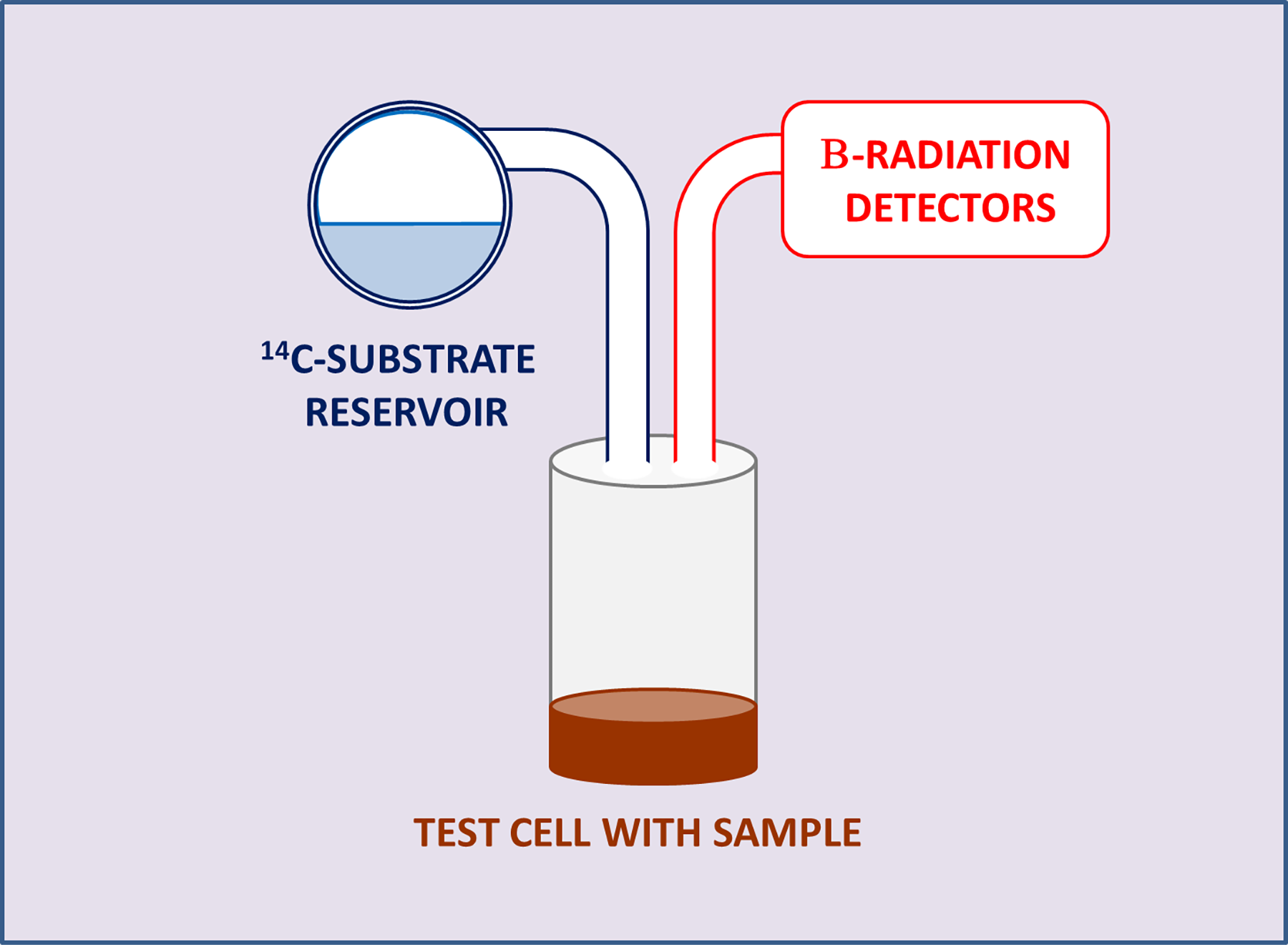
Basic diagram of core components (test cell, 14C-substrate reservoir, and β-radiation detectors) of the LR experiment. A network of stainless steel lines interconnected the components with pressurized helium sources and vents. Solenoid valves within the lines were operated to execute commands for experiments.
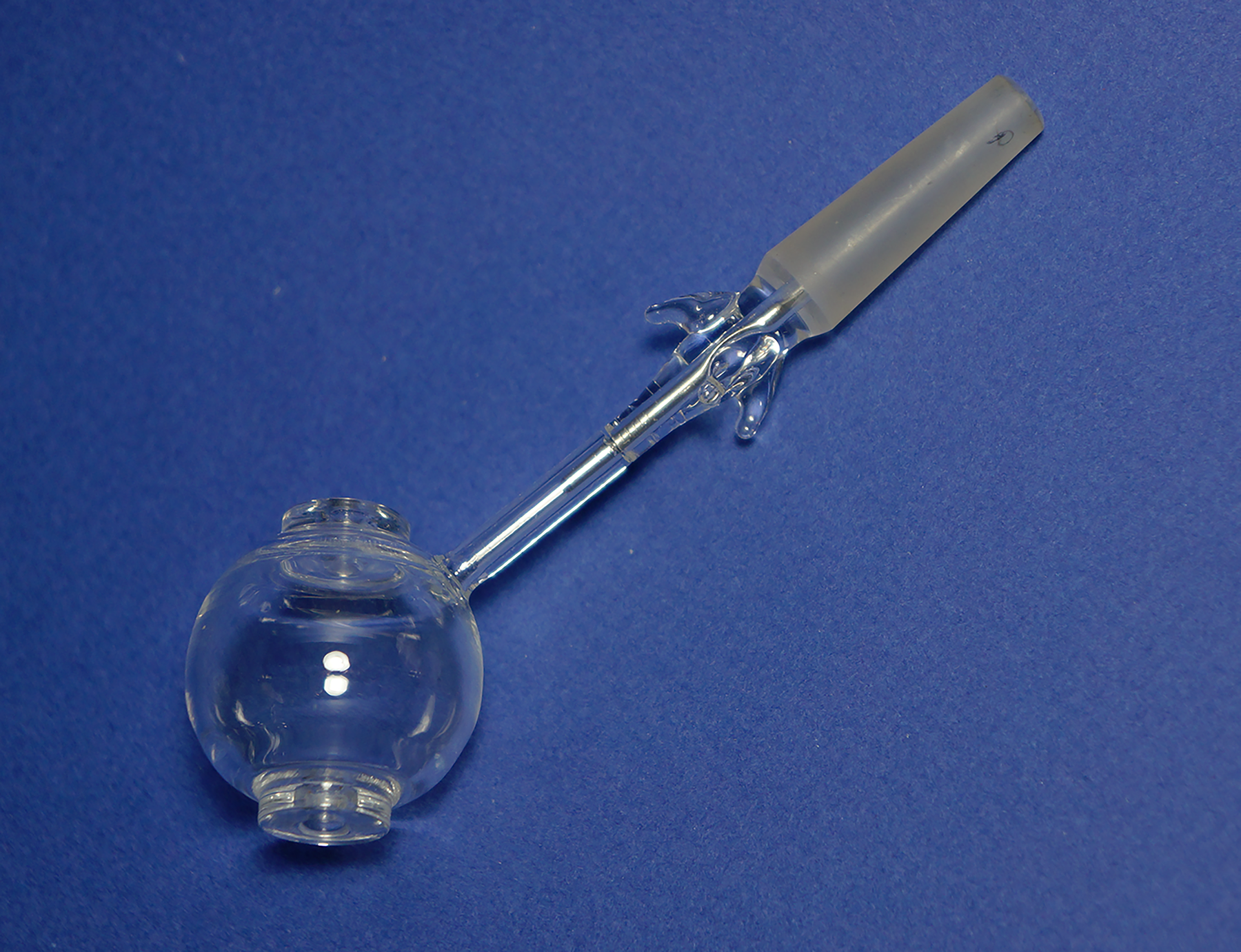
Remnant of the glass ampoules employed as substrate reservoir for the LR instruments on Mars and the LR Test Standards Module in the laboratory. The broken stem of the remnant precluded this ampoule from being loaded with LR nutrient for experimental use. Biologists Bruce Connor and Margaret Federline prepared the lot of substrate ampoules at Biospherics and conducted a longevity study that demonstrated substrate stability (Levin and Straat, 1979a) (Collection of and photo by Jon Calomiris).
Presence of life was based on the photosynthetic process of fixing CO2 and CO as biological material in the presence of UV light (Horowitz et al., 1972). Martian surface material was amended with 14CO2 and 14CO (19:1 ratio), exposed to simulated martian light at 15°C for 120 h for fixation, purged to remove unfixed labeled gas, and pyrolized at 650°C to release 14C-labeled fixed organic material. Released 14C was measured with β-radiation detectors to quantify fixed material. Fixation measurements were adjusted with experiments conducted with and without (a) light exposure and (b) water vapor. Control experiments employed martian surface material inactivated by treatment at 175°C for 3 h prior to fixation conditions. The experiment was led by Dr. Norman Horowitz of the California Institute of Technology with NASA scientists Dr. Jerry Hubbard and Dr. George Hobby.
Gas Exchange
Presence of life was based on generation of gas resulting from metabolic activity of a wide variety of microbial types, such as heterotrophs and chemotrophs (Oyama, 1972). Martian surface material was amended with water vapor or an aqueous complex nutrient mixture, referred to as “chicken soup” by the researchers, that consisted of amino acids, vitamins, organic compounds, and inorganic salts. After setting for an extended period to allow biological processes, generation of gases released into the test cell headspace was measured by gas chromatography. Levels of gases were adjusted by comparison with control cycles conducted with surface material heated at 145°C for 3 h. The experiment was led by Dr. Vance Oyama with scientists Ms. Bonnie Berdahl and Mr. Glen Carle of NASA Ames Research Center.
Supporting analytical and imaging analyses
The landers housed instruments to analyze surface regolith by a thermal volatilization gas chromatograph–mass spectrometer (GCMS) (Biemann et al., 1977; Rushneck et al., 1978) and X-ray fluorescence spectroscopy (Baird et al., 1977). Detection of organic compounds and water were primary objectives for relevance to the biological experiments. Imaging systems of the orbiters surveyed planet topography and revealed flat regions as potential landing sites (Carr, et al., 1976). Imaging systems on the landers scanned the martian landscape and, as selfies, the landers positioned on the planet’s surface (Mutch, et al., 1972).
Data Sent from Viking Landers on Mars to Scientists on Earth
For both scientists and the public, signals emanating from Mars were fascinating. Vivid color images from the landers on Mars showed a barren and dusty surface with a scattering of rocks and boulders, a landscape reminiscent of Death Valley National Park. Advanced forms of life, such as plants or animals, were not apparent (Fig. 3).
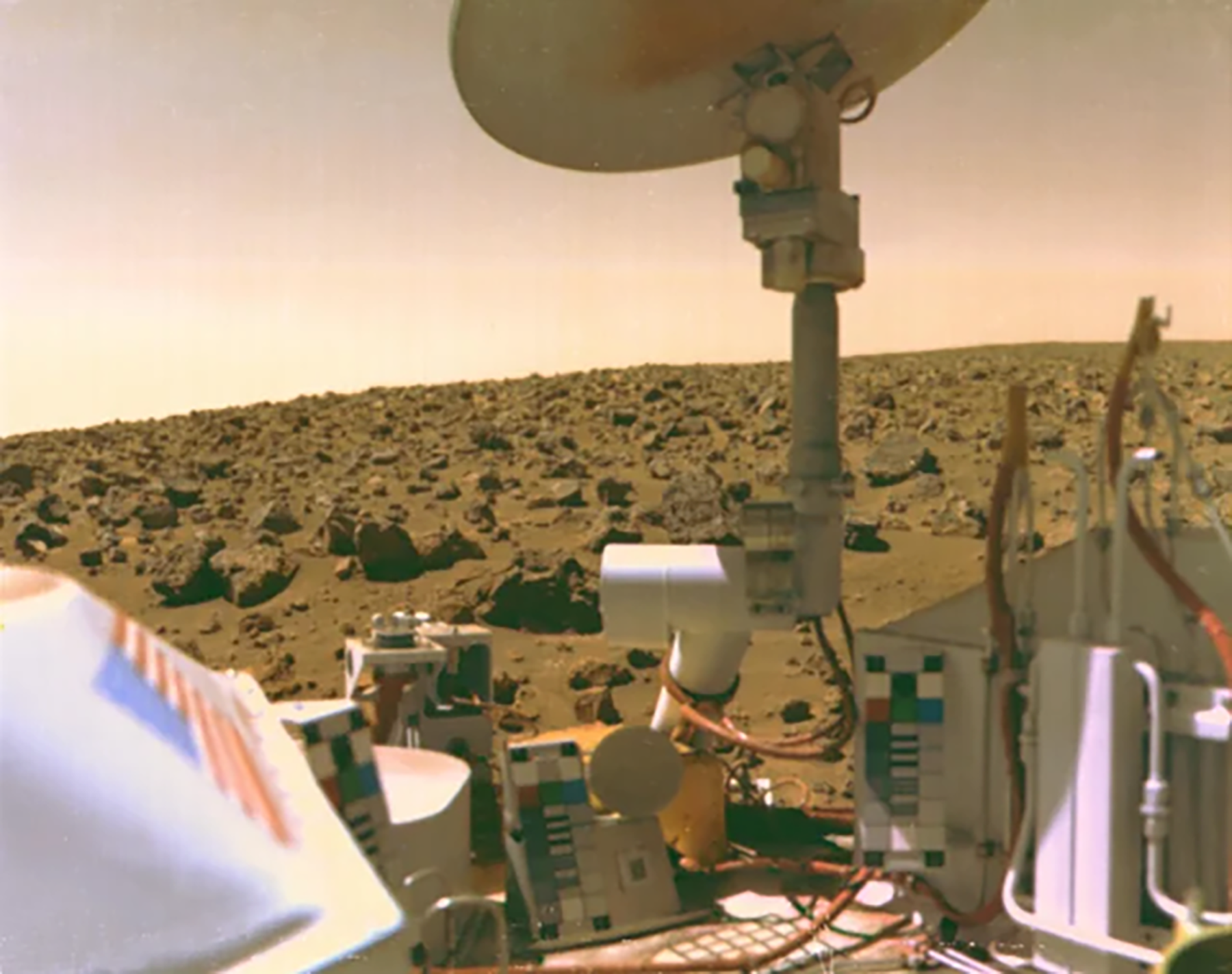
Viking Lander 2 with martian landscape and horizon at Utopia Planitia in September of 1976. (NASA JPL image).
Successful execution of experiments on a planet 140 million miles from Earth was regarded in 1976 as a remarkable accomplishment. While the PR and GEx experiments appeared to have functioned properly, their results were interpreted as negative (Horowitz et al., 1977; Oyama et al., 1977). In addition, GCMS data as interpreted by scientists during the mission indicated the regolith harbored traces of water (0.1–1.0% by weight) but no detectable organic compounds at part-per-billion sensitivity (Biemann et al., 1977; Mukhopadhyay, 2007; ten Kate, 2010). While data interpreted by scientists at the time suggested life was not evident, the LR experiment appeared as the red herring of the Viking mission. The first LR experiment on Mars, as an injection of substrate on regolith sample in the test cell, generated a robust response similar to that of terrestrial samples. However, results of subsequent LR experiments (a second injection of substrate or the heat-treated non-biological control) contrasted results observed with terrestrial soils. These conflicting findings initiated two thoughts for debate among scientists: (1) chemical reaction of regolith with LR nutrient constituents (as the majority opinion) and (2) biological activity and the discovery of life on Mars (as the minority opinion). Because the LR experiment yielded a significant response, this article focuses on (1) interpretation of LR flight data generated from the landers on Mars and (2) elucidation of flight data with experiments conducted with the LR Test Standards Module (TSM) located at NASA Ames Research Center.
The initial concept of the LR technology employed for the Viking mission was developed by Dr. Gilbert Levin (Fig. 4). His first proposed application of the radiorespirometric process was rapid testing of water for coliform bacteria (Levin et al., 1956). Later applications included identification of pathogenic bacteria in blood samples (Schrot et al., 1973). Proof of concept was demonstrated with a lab-bench getter assay. The assay entailed mixing a biological specimen with 14C-labeled metabolic substrates such as amino acids and carbohydrates in a vial. The rate of 14C released as a gas into the airspace during incubation, as the measure of metabolic activity, was derived from the quantity of gas quenched by Ba(OH)2-saturated pads and measured with a β-radiation counter. Biological activity of samples was quantified by comparing 14C release levels of active samples with non-biological control samples produced by heat treatment to inactivate biological components. While control samples exhibited some activity likely due to physicochemical processes, release from active samples was typically much greater.
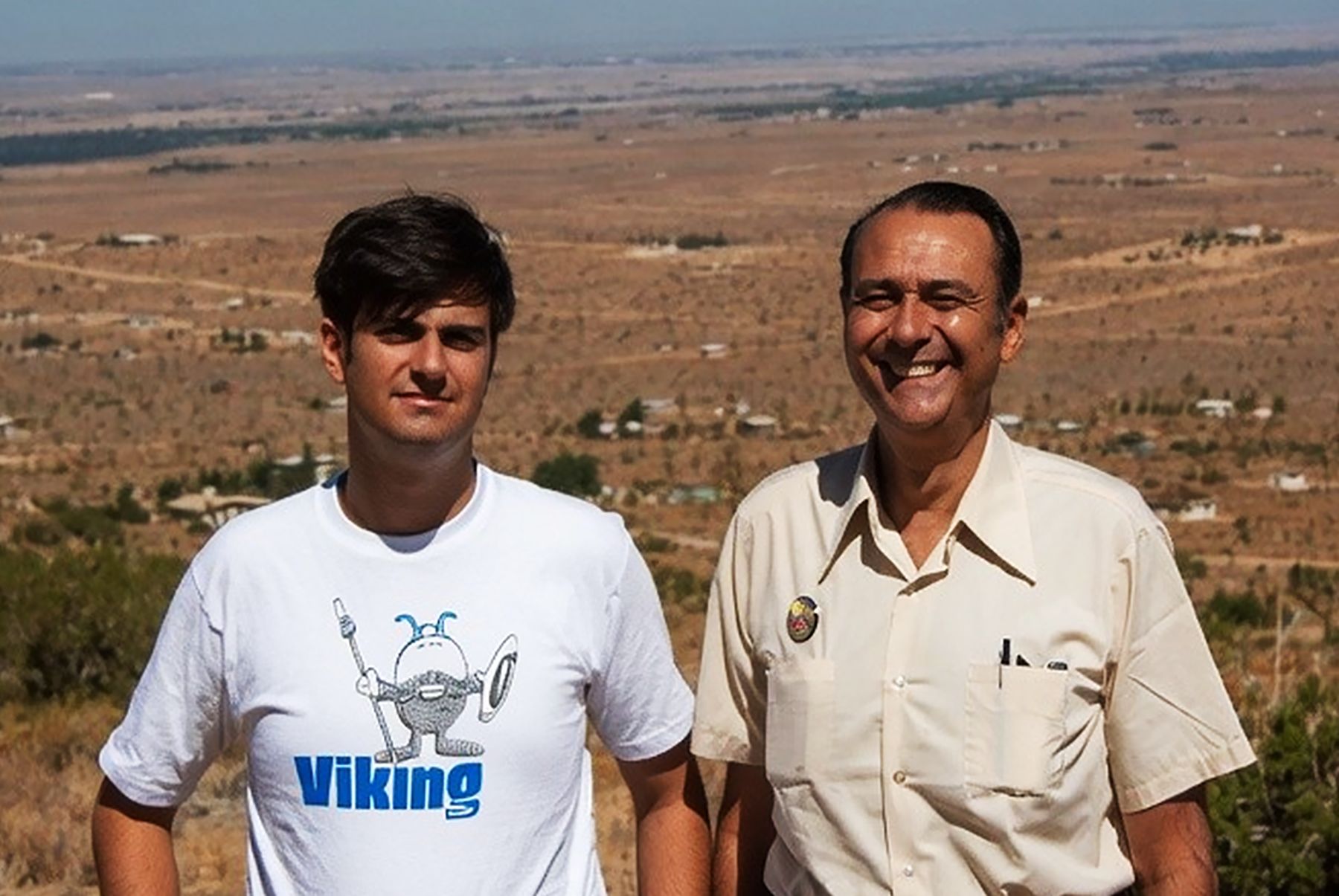
Gilbert Levin with son Ron, wearing a Viking mission shirt, in Apple Valley, California, 1976 (Collection of Ron Levin, photo by Karen Levin).
Application of the technology to detection of biological material in soil samples was initially dubbed Gulliver by Dr. Levin (Levin et al., 1962) and later renamed Labeled Release when selected as an experiment for the Viking mission. System sensitivity and precision, as qualification for the Viking mission, were established with experiments using various soil types (loam, clay, and sandy) (Levin and Straat, 1976a). Detection sensitivity was demonstrated with Antarctic and desert soil samples harboring low levels of cultivable microorganisms (Levin and Straat, 1976a). The 14C release from these soils was one-to-two orders of magnitude greater than the release from corresponding non-biological control samples.
Data of each cycle were presented as a graph of test cell activity (14C counts per minute) as a function of time in sols (Levin and Straat, 1976b, 1977, 2016). A sol is one rotation of Mars, which in Earth time is 24 h and 40 min. Initial signals transmitted millions of miles from the LR instrument on Mars to scientists at NASA JPL on Earth must have been exciting. Cycle 1, as the first LR analysis of martian regolith, yielded a response similar to that observed with some terrestrial samples tested in the laboratory. Addition of LR substrate to the sample triggered a rapid release of 14C, followed by a plateau, likely due to equilibrium that was reached after about four sols. As biological interpretations, (1) the initial response indicated biological metabolism of the LR substrate and (2) the equilibrium resulted from exhaustion of substrate and, thus, a pause to biological activity. Alternatively, as non-biological explanations, (1) chemical component(s) of the regolith reacted with LR substrate and (2) chemical reactant(s) or LR substrate became depleted.
The prospect of a biological response was quelled by a second injection of substrate (referred to as a commandable injection [CI]) during the plateau. With laboratory LR experiments using soil samples, a CI would be conducted to replenish LR substrate for an exhausted run and typically yielded an immediate and sustained additional release of 14C. Surprisingly, the CI with the Mars sample rapidly decreased the 14C level by about 30%, with the lower level sustained as a plateau to the end of the run. These findings were observed again with Cycle 3 as a duplicate experiment. A precipitous drop in test cell 14C following a CI was not observed with terrestrial soils tested in the laboratory. Scientists attributed the 14C reduction to sorption of airspace 14CO2. The sample/substrate mixture could have functioned as a sorbent matrix at the bottom of the cell (Fig. 5).
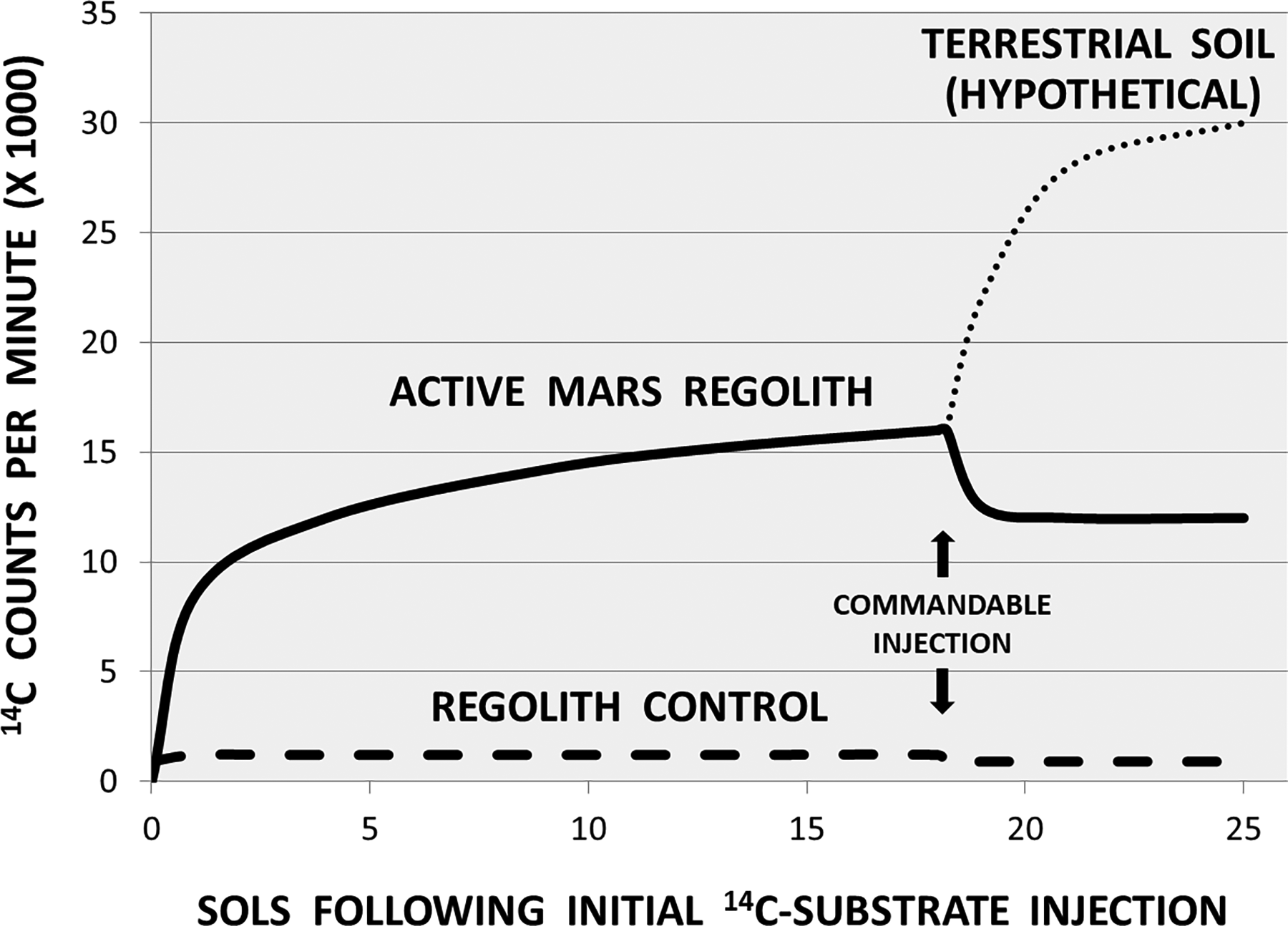
Graphic depiction of key results of Viking landers' LR cycles. While initial injection of substrate yielded significant 14C release from active samples of Mars regolith, a subsequent commandable injection (CI) rapidly reduced 14C levels of the test cell head space. By comparison, a typical terrestrial soil would generate a robust 14C response from an initial substrate injection as well as an additional burst of released 14C following a CI. Control material (heated at 160°C for 3 h) displayed minimal levels of 14C release for both martian and terrestrial samples.
Cycle 2, as a non-biological control experiment, was conducted with sample heated at 160°C for 3 h to destroy any biological material. Terrestrial soils, following this heat treatment, typically yielded a minimal release of 14C following substrate injection. The minimal release was attributed to physicochemical reactions and was typically much lower than that of active samples. Nutrient injection on the heat-treated regolith sample yielded a minimal 14C-release response that was characteristic of heated Earth soil samples. Again, scientists were excited by the similarity of the non-biological control data for the martian regolith and terrestrial soils. The result suggested the heat treatment effectively inactivated biological material of the regolith. Alternately, the elevated temperature could have degraded chemicals that reacted with LR substrate. However, as with the test sample, a CI decreased the 14C level, although minimally. With heat-treated terrestrial soils, a CI typically yielded a slight increase in 14C release. Reduction in 14C could be attributed to sorption of airspace 14CO2 as was observed with Cycle 1 and Cycle 3.
The impact of prolonged exposure of regolith to elevated temperature on LR activity was examined with Cycle 4. The experiment employed material housed in the lander for 41 sols under martian conditions (8 torr of CO2) but at the lander’s temperature (10–26°C) and in the dark. No activity was evident following two substrate injections. Inactivity could have resulted from (1) thermal-induced death of psychrophilic microbes, accustomed to subzero temperatures, resulting from exposure to the higher temperatures in the lander (as a biological explanation) or (2) instability of reactive chemical of the regolith at the lander’s higher temperatures (as a chemical explanation).
Although Viking Lander 1 and Lander 2 were situated at opposite sides of the planet, the data of the two landers appeared to be similar (Levin and Straat, 1976b, 1977, 2016). For Cycle 1 of Lander 2, an initial substrate injection yielded a robust 14C release followed by a plateau. Upon a CI, the level of 14C in the test cell airspace decreased. Activity was not observed with regolith controls heated at 160°C for 3 h.
The Viking Lander 2 analyses provided scientists an opportunity to formulate a new experimental approach to determine whether the LR results reflected biological or chemical activity. Scientists postulated that heat treatment (160°C for 3 h) employed to inactivate biological material for control cycles could also alter chemical compounds. Thus, the control could fail to distinguish between biological and chemical activities. To address this issue, Biospherics scientists proposed a control treatment of 50°C for 3 h with the assumption that a lower temperature would (1) inactivate psychrophilic microbes and (2) not degrade regolith chemicals. With commands sent from NASA JPL to operate the LR auxiliary heater without the main heater, the test cell temperature was adjusted to approximately 50°C. Cycle 4 was conducted with regolith heated at 46°C (instrument reading) for 3 h. Following substrate injection, LR activity at equilibrium was approximately 50% lower than that of the active cycle with no heat treatment. Biospherics investigators concluded that treatment at the lower temperature partially inactivated biological material, and consequently, LR data were consistent with detecting life. Alternatively, other scientists argued that regolith chemical was partially degraded at the lower temperature.
Oxidants on Mars and Experiments in the Laboratory
Viking scientists postulated that martian surface material contained oxidants (possibly as hydrogen peroxide, superoxides, or metal oxides) generated by reactions involving scant levels of regolith water with a catalyst (possibly y-Fe2O3) in the presence of UV radiation (Oyama et al., 1977; Oyama and Berdahl, 1979). As an oxidant that is unstable at elevated temperature and thus likely to be inactivated during heat treatment of LR control cycles, hydrogen peroxide was considered to play a possible role in LR results. In addition, reactivity of the oxidant with amino acids and carbohydrates of the LR substrate could lead to release of 14CO2.
A Lander 2 cycle was conducted to address the possibility of hydrogen peroxide formation in surface regolith involving UV exposure. Commands were sent to the lander to manipulate the sample arm to move a rock and then collect regolith from the area that was shaded by the rock. LR activity of the shielded sample yielded a significant LR release that was comparable with responses observed with UV-exposed material of previous cycles. Although the cycle did not support the hydrogen peroxide genesis hypothesis, scientists investigated the potential impact of hydrogen peroxide on lander results. The LR Test Standards Module (TSM) was employed to conduct oxidant experiments.
TSM Concept
For each biological instrument on Mars, an analogous TSM was built by TRW for operation by scientists in laboratories at TRW and NASA Ames Research Center. The TSM units were designed to approximate the hardware, operations, and conditions of the Mars lander instruments as closely as possible (Brown et al., 1978). As with the LR instruments on Mars, LR TSM operations were driven by a series of commands controlling solenoid valves. After adding 0.5-cm3 material to the test cell (adjusted to 10°C with a hydraulic cooling jacket), the unit was encased in a glass bell jar that was evacuated and backfilled with CO2 at 5 torr. Following sample equilibration at set temperature and pressure, 115-µL of substrate was injected into the cell that contained fresh material for active runs or heat-treated material (160°C for 3 h) for non-biological control runs. Operational validation conducted prior to each experiment included testing the test cell, fittings, and valves for leakage. In addition, valve operations and liquid substrate delivery were validated with oscilloscope tracings.
LR TSM Operation
The LR TSM, initially located at TRW facilities in Redondo Beach, was operated by Mr. Bruce Connor, a biochemist with Biospherics, with direction from Dr. Straat (Figs. 6 and 7). The TSM was later transported by Mr. Connor with TRW engineering support to NASA Ames Research Center at Moffett Field, CA. Following the Viking landings, Dr. Levin requested that I relocate to NASA Ames to operate the TSM (Fig. 8). I was to replace Mr. Connor, who was entering medical school. Mr. Connor graciously provided instrument training. He cautioned that specific valves and fittings were custom items and not replaceable. Because damage to any of these components would doom the TSM, I exercised extreme caution while conducting experiments, validations, maintenance, and repairs. I operated the TSM in a laboratory I shared with Mr. William Ashley, of NASA Ames, who conducted experiments with the Pyrolytic Release TSM. Ms. Bonnie Dalton kindly served as NASA liaison to ensure facilities and support were adequate for the LR TSM effort.
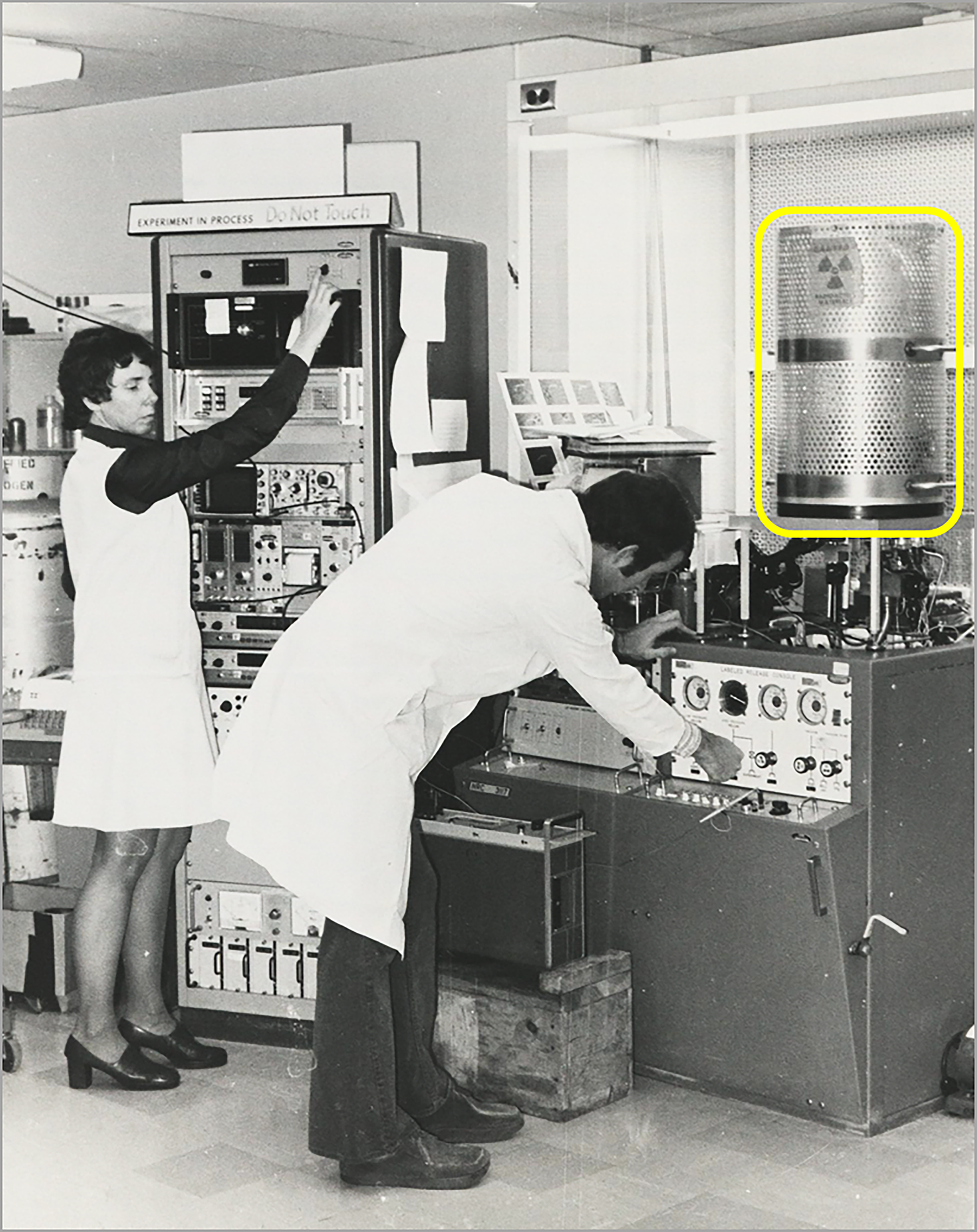
Patricia Straat and Bruce Connor with LR TSM at TRW facilities in Redondo Beach. Experiment hardware was covered with a bell jar (outlined) that could be evacuated and backfilled with CO2 at 5 torr (Collection of Gilbert Levin, photo by Patricia Straat).
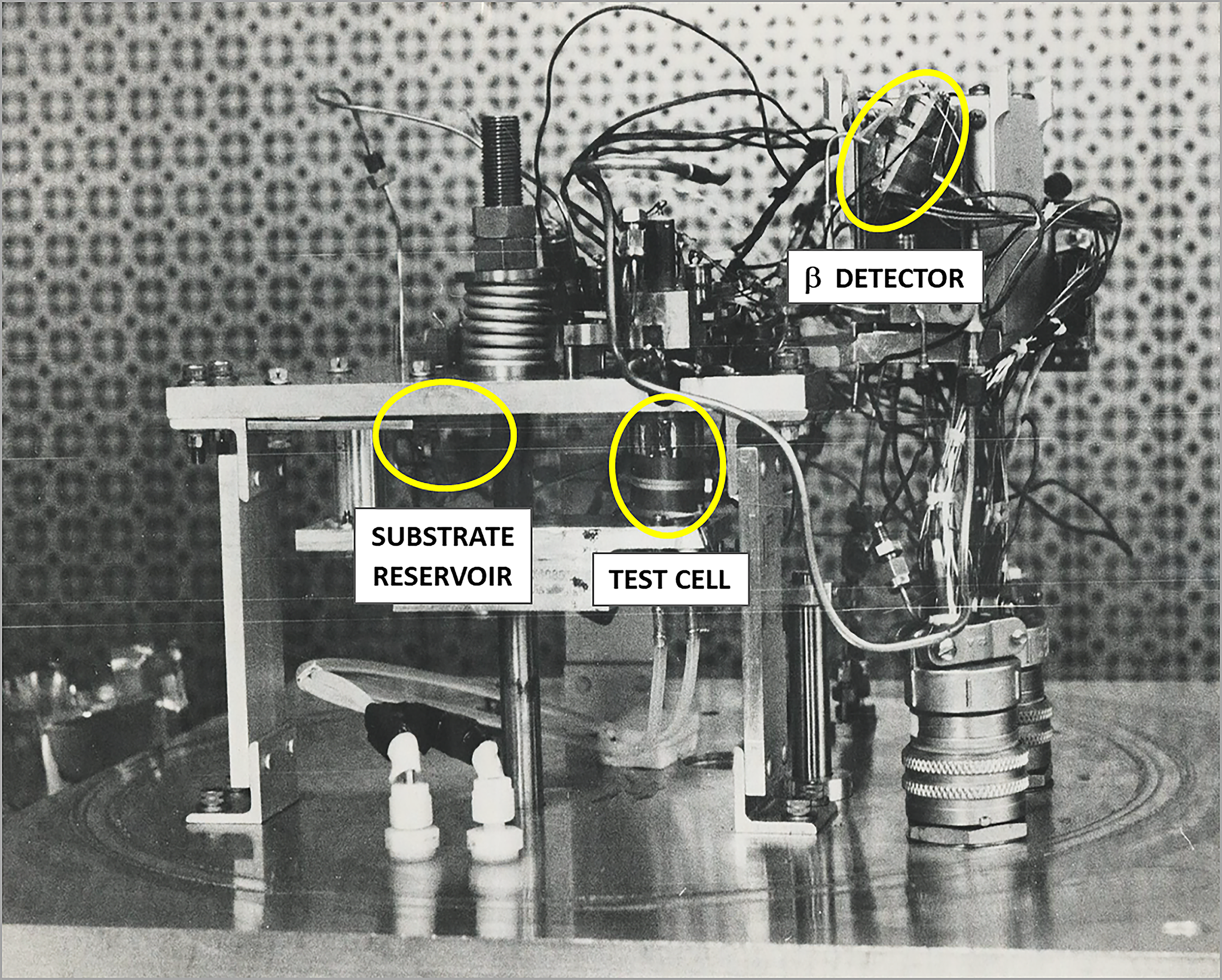
LR TSM hardware with core components of the experiment outlined (Collection of Gilbert Levin, photo by Patricia Straat).
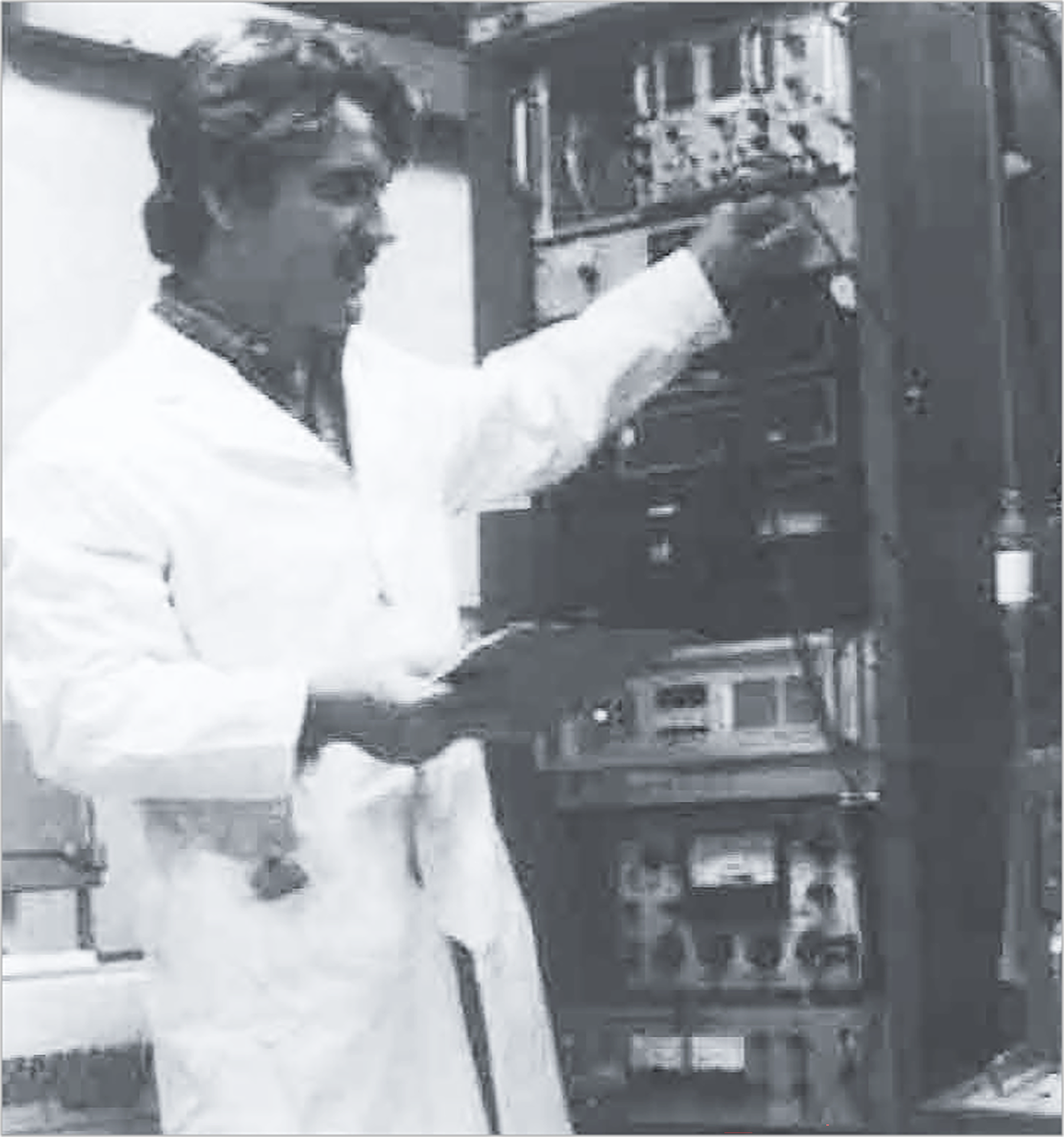
Jon Calomiris with LR TSM at NASA Ames Research Center at Moffett Field. Coincidentally, Patricia Straat (Fig. 6) and Jon Calomiris each had their hand on the switch that operated valves for injection of substrate into the test cell (NASA photo from The Astrogram, October 1976).
While I was working at NASA Ames, Dr. Straat was located at NASA JPL in Pasadena or Biospherics in Maryland. We discussed experiment designs, results, and ideas by telephone. Data analysis and information sharing were pre-personal computer and pre-web internet. I thought my Texas Instruments SR-50 scientific pocket calculator was high tech. Data were mailed by the US Postal Service or transmitted by facsimile (FAX), a novel technology at the time. For each experiment, data were archived by a teletypewriter, another technology of the last century. The machine captured raw data in real time by simultaneously printing on paper and punching holes in tape. Rolls of tape were wrapped, labeled, and stored for future record.
Reference soils were provided by NASA Ames Research Center to each biological team to develop, test, and validate bench systems and TSM units. Aiken, creek bed, and Death Valley soils were selected for a variety of soil types harboring different levels of biological material. A library of LR TSM responses from NASA reference soils and additional soils was compiled prior to the Mars landings for comparison with flight data (Levin and Straat, 1976a).
Two Mars analogs were formulated to simulate martian regolith based on X-ray fluorescence data from the landers (Fig. 9). Mars analog 1 (based on initial spectral data) was reformulated as Mars analog B2 to reflect later data. Each analog consisted of clays (nontronite and bentonite) with addition of various minerals, yielding a variety of metal oxides with SiO2, Fe2O3, CaO, and MgO predominating (Levin and Straat, 1979c). Each analog had a pH of 7.2 with particle sizes ranging from 10 to 100 µM. While each analog was approximately 20% Fe2O3, the oxide’s crystalline form for analog 1 was entirely α while analog B2 was 35% α and 65% γ. The analog B2 formulation aligned with the hypothesis that Fe2O3 of martian regolith was of the γ form (Oyama and Berdahl, 1977,1979). While analog 1 was tested initially, analog B2 was employed for the majority of TSM experiments (Levin and Straat, 1979a). The analogs were prepared by the Viking Inorganic Analysis Team and provided by Dr. Edward Merek and Ms. Ruth Mack of NASA Ames Research Center. Analysis of analog B2 oxides was conducted by the U.S. Geological Survey. The γ-Fe2O3 (as Cobaloy X4107) was provided by Dr. Vance Oyama.
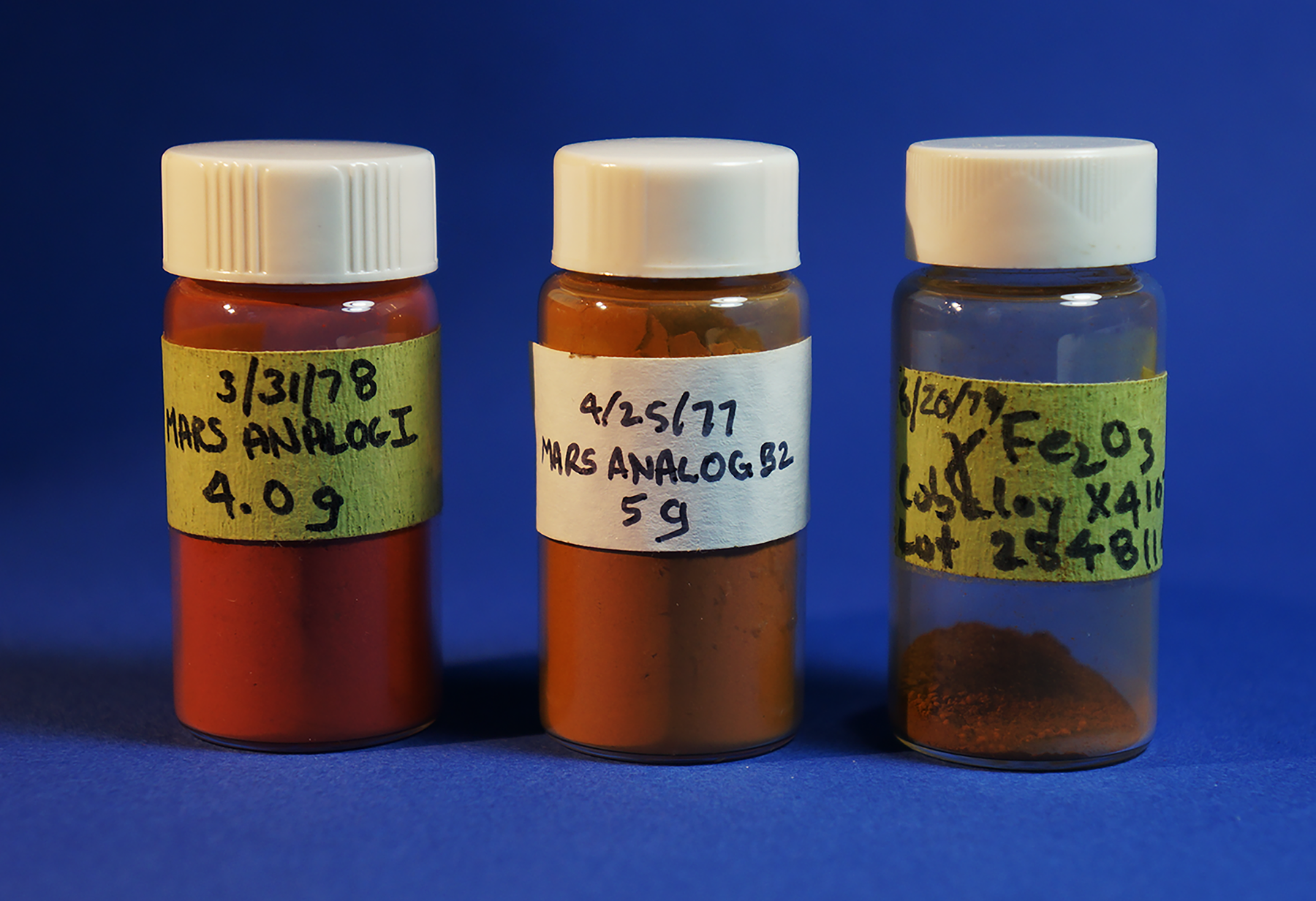
Test materials employed for LR TSM experiments. From left to right, vials containing Mars analog 1 (reddish from α-Fe2O3), Mars analog B2 (brownish from γ-Fe2O3), and γ-Fe2O3 (Cobaloy X4107). Materials are remnants at the completion of the LR TSM effort in June 1979 (Collection of and photo by Jon Calomiris).
TSM experiments were designed to determine whether the landers’ LR responses were of biological or chemical origin. In response to scientists professing chemical reactivity, experiments focused on the impact of hydrogen peroxide on LR results (Levin and Straat, 1981a). Test materials included Mars analog B2, γ-Fe2O3 alone, and γ-Fe2O3 at 15% mixed with SiO2 (as silica glass powder or sand). SiO2 was selected as matrix for γ-Fe2O3 due to its presence as the major component of martian regolith (about 40%) and its minimal reactivity. Test materials alone, as controls, or materials amended with hydrogen peroxide were equilibrated under Mars conditions prior to injection of LR substrate. While control runs without hydrogen peroxide did not exhibit significant LR responses, materials amended with the oxidant generated LR signals reflective of the active cycles of the landers. However, the hydrogen peroxide concentration (0.1M) employed for the LR response to reach the magnitude of the landers’ active cycles was much higher than the 1-to-250 ppm range estimated for the martian surface (Schulze-Makuch et al., 2008).
TSM runs failed to replicate a key LR result of Lander 2, Cycle 4: partial retention of LR activity (about 50% compared with the active cycle) observed with regolith sample heat treated for 3 h at 46°C instead of 160°C (Levin and Straat, 1981a). TSM testing of various materials (Mars analog B2, γ-Fe2O3 alone, and γ-Fe2O3 + silica glass powder) amended with hydrogen peroxide (0.1M) demonstrated complete, rather than partial, loss of reactivity with LR substrate due to heat treatment at 40°C or 50°C for 3 h. One test material, as γ-Fe2O3 + silica sand mixture, retained partial (about 30%) LR substrate reactivity following 50°C exposure. Partial inactivation of hydrogen peroxide with silica sand could be attributed to its lower surface area-to-volume ratio as compared with powder particles.
The TSM results presented above appeared not to support the hypothesis that hydrogen peroxide played a role in the LR responses with martian regolith. Consequently, experiments were conducted to address the possibility that UV exposure could generate other oxidant species that could react with LR substrate (Levin and Straat, 1981a). Mars analog B2 samples in quartz tubes were dried by vacuum and heat treatment and then equilibrated with Mars nominal gas (CO2 with traces of O2, CO, N2, and Ar) at 6 torr as dry preparations. Humid samples were prepared by equilibration with Mars gas containing water vapor. Following UV exposure for 712 h, the preparations were tested with the TSM. None of the samples demonstrated activity for LR substrate, which suggested that the conditions with UV did not yield reactive compounds.
Lander and TSM LR responses following a CI differed significantly (Levin and Straat, 2016). CI operation performed during lander active cycles reduced 14C levels. By contrast, TSM CI generated an increase in release that was sustained. The CI phenomenon of the landers could not be repeated with LR TSM testing of any material or condition, including γ-Fe2O3 and UV exposure. Only one terrestrial soil sample (Antarctic No. 664 as unheated active material) provided a result with reduced 14C following a CI (Levin and Straat, 2016). However, the decrease was minimal (approximately 5%) compared with unheated martian regolith (approximately 30%).
Adsorption of 14CO2 by Mars analog B2 in the TSM could be demonstrated with 14CO2 gas injected into the test cell headspace (Levin and Straat, 1979c). Gaseous 14CO2 levels decreased with dry B2 analog in the test cell and decreased further upon injection of water. A 14CO2 reduction due to liquid injection (approximately 10%) aligned with CI data of the flight instruments, though the decrease was greater with martian regolith (approximately 30%). By contrast, while dry Mars analog 1 also appeared to adsorb injected 14CO2, subsequent injection of water rapidly increased headspace 14CO2 to the initial level. The difference in the results between the two analogs could be attributed to Fe2O3 crystalline phase (Li et al., 2016). While 65% of the Fe2O3 of analog B2 was the γ form, Fe2O3 of analog 1 was entirely the α form. Compared with α-Fe2O3, γ-Fe2O3, as a cubic defect spinel structure, is more reactive due to greater surface area and more exposed active sites for gas interaction. Consequently, adsorption of injected 14CO2 by dry analog B2 could be attributed to chemical reaction of the gas with γ-Fe2O3. Upon water injection, the 14C could have remained chemically affixed to the analog and thus would not have reached the 14C-detector. By contrast, injected 14CO2 could have physically adsorbed to the α-Fe2O3 of analog 1 by weak nonspecific physical forces. The weak forces could have been overcome by the water injection, leading to 14CO2-labeled gas desorption from the analog and diffusion back into the test cell airspace.
Martian regolith alkalinity, as indicated by pH measurements of the Phoenix lander Wet Chemistry Laboratory (Kounaves et al., 2010), could have promoted sorption of released 14CO2 following CI that was observed with the landers. However, decrease of 14C-labeled gas by martian regolith following CI was not evident following the initial substrate injection. Instead, the first injection onto regolith generated a robust 14C release, as typically observed with terrestrial soils. Absence of sorption following an initial injection could be attributed to a low liquid-to-regolith ratio. As observed in the TSM test cell, initial substrate injection (115 µL) delivered to sample (0.5 cm3) typically yielded a partially moistened paste with an apparent moisture gradient. Test samples that received two substrate injections (230 µL total) appeared to be a saturated paste. Low moisture from a single injection level could have limited the dissolution of martian regolith constituents, resulting in incomplete reactions and unreacted residual material. However, additional water introduced by a CI could have increased regolith chemical reactivity and sorbing surface area, thereby leading to a physicochemical state for effective sorption. Consequent reactions involving hydration of metal oxides such as CaO, MgO, and Na2O could yield hydroxides that elevate pH and thereby increase sorption of 14CO2. In addition, martian regolith could contain highly sorbent materials. Zeolites, as microporous aluminosilicate compounds with adsorbent properties, were reported as a possible component of martian surface material (Tokano and Bish, 2005).
The possible impact of sample alkalinity on LR response was suggested by getter experiments conducted by Mr. Jed Fahey and Ms. Susan Olson, biologists with Biospherics (Levin and Straat, 1981a). Iron oxide preparations, as γ-Fe2O3 manufactured by different sources, were placed in glass vials and dosed with hydrogen peroxide. Either immediately or 3 h after oxidant addition, LR substrate was added to each sample, and rates of 14C release were derived from amounts of 14C-labeled gas captured by Ba(OH)2 pads. For the four acidic preparations (pH 2.5–3.0), significant LR activity was demonstrated with samples that received brief or prolonged peroxide treatment. By contrast, the alkaline γ-Fe2O3 preparation (pH 8.7) exhibited no LR activity with LR substrate added immediately or 3 h after oxidant addition. Influence of sample pH on sorption was also suggested with Antarctic soil No. 664 tested with the TSM. As the only soil sample to exhibit a sorptive effect following a CI, the material was alkaline at pH 8.1 (Levin and Straat, 2016).
Lander 1 and Lander 2 Aftermath and the Prospect for Lander 3
Dr. Levin and Dr. Straat proposed additional LR experiments to continue the Viking mission with a third lander. The Biospherics scientists suggested assaying LR substrates individually, rather than as a mixture, to demonstrate biological discrimination. In addition, they proposed comparing activity between
Following the Viking mission, Dr. Levin and Dr. Straat continued to report how LR results aligned with detection of life on Mars. Their case became somewhat more compelling as later missions discovered organic compounds and water on the planet. However, in my opinion, the presence of life on Mars is yet to be determined. Perhaps we will have the answer in the future should samples one day be returned to Earth for scientists to study. In addition to analyzing biomolecules indicative of previous life, scientists could, perhaps, discover living organisms able to exist in the harsh martian environment.
Later Missions: Mars Environment Less Austere Than Alleged by the Viking Mission
Water is presumed to be required for life on Mars as it is on Earth. Viking data indicated minimal levels of water in regolith samples at the lander sites as well as the possibility of water vapor in the atmosphere and frost formation on surfaces (Svitek and Murray, 1990). However, images of the planet’s surface from the Viking orbiters suggested a history of geological erosion from surface water leading to the formation of river valleys (Carr and Evans, 1980). In 2008, the Phoenix mission examined the martian arctic region for conditions that could support life, with a goal to ascertain existence of subsurface water ice. The Phoenix lander’s Thermal and Evolved Gas Analyzer (TEGA) detected water released from subsurface samples (depth of a few cm) collected from trenches excavated with a robotic arm (Smith et al., 2009). The investigators suggested the detected water indicated the presence of hydrous minerals or phases formed through aqueous processes. By contrast, surface samples yielded negative TEGA results, suggesting the uppermost regolith layer was arid with no absorbed water or interstitial ice.
Organic compounds are the basic building blocks of biomolecules of life-forms. In addition, they are regarded as precursors to life on Earth. Viking mission scientists reported that organic molecules were not detected in regolith samples using instruments with part-per-billion sensitivity. However, organic compounds were detected in 2013 by the Sample Analysis at Mars (SAM) suite of instruments housed in the Curiosity rover (Freissinet et al., 2015). Organic analyses using GCMS in evolved gas analysis mode detected long-chained organic molecules in the drilled Cumberland mud rock sample. Scientists have postulated that the molecules (decane, undecane, and dodecane) were (1) chemical signatures of complex biological molecules, such as fatty acid, of past life that may have existed on Mars or (2) products of geological processes and meteoritic inputs. Recently, a wet chemistry experiment was conducted using the SAM suite with tetramethylammonium hydroxide (TMAH) for analysis of clay-rich sandstone samples of 3.5 billion-year-old bedrock at Gale crater (Williams et al., 2026). The TMAH process was employed to yield organic compounds missed by previous SAM analyses using pyrolysis. Thermochemolysis products identified by an evolved gas analysis-GCMS revealed more than 20 organic compounds, including benzothiophene, methyl benzoate, and other aromatic compounds. Preservation of complex organic molecules within the martian subsurface supports the value of future exploration of the planet for evidence of life.
Oxidants on Mars Revisited: Oxychlorine Compounds
Analytical instruments of Viking and subsequent Mars missions detected chlorine as a significant chemical element of surface material (Clark et al., 1982). In 2008, the chlorine chemical form of martian surface samples analyzed by the Phoenix lander’s TEGA was unexpectedly discovered to be oxychlorine and was reported as being predominantly perchlorate (0.4–0.6%) with minimal chloride (0.01–0.04%) (Hecht et al., 2009). The presence of perchlorates and chlorates was verified later by instrumentation on the Curiosity and Perseverance rovers (Rzymski et al., 2024). In addition to perchlorate and chlorate, oxychlorine compounds of martian materials could include chlorite and hypochlorite (Mitra, 2025).
The presence of oxychlorine in martian regolith could have impacted Viking mission analyses of surface samples for organic compounds. Thermal-GCMS products reported for the Viking mission were (a) CO2 and water and (b) chloromethane and dichloromethane as organic compounds, detected but considered to be terrestrial contaminants (Biemann et al., 1977). The thermal step conducted prior to the GCMS procedure (200°C, 350°C, and 500°C to volatilize small organics and fragment larger molecules prior to delivery to the GCMS) may have obscured the analysis of organic compounds. Oxychlorine at the elevated temperatures could have degraded organics and yielded the CO2 product (Navarro-González et al., 2010, 2011).
As a strong oxidant, the oxychlorine of martian regolith could have contributed to the robust LR response via chemical reaction with LR substrates. To elucidate LR data, experiments were conducted with soils of the Atacama Desert, which is considered to be a Mars-like environment (Navarro-González et al., 2003). In addition to extreme aridity as well as very low levels of organic compounds and cultivable microbes, the area harbors soils with oxychlorine, primarily as perchlorate and chlorate. Soil samples were amended with 13CO2-labeled enantiomers that are (a) associated with biological activity (
Oxychlorine at Mars conditions could have the potential to generate other oxidants that are reactive with LR substrates. Researchers reported that exposure of perchlorate to ionizing radiation yielded reactive products that included hypochlorite and chlorine dioxide (Quinn et al., 2013). In the study, calcium perchlorate samples dehydrated in ampoules sealed under conditions simulating martian atmosphere produced hypochlorite and chlorine dioxide (as measured quantitatively by UV absorbance) following γ-radiation. Difference in reactivity between the two disinfectants was demonstrated by hypochlorite, but not chlorine dioxide, rapidly chlorinating alanine and glycine to yield chloramines that subsequently decomposed. For the LR instruments on Mars, products of hypochlorite reactions with the three LR amino acid substrates (glycine,
16. In Situ Resource Utilization (ISRU) of Oxychlorine in Support of Mars Missions
While the Viking mission was a significant technical challenge 50 years ago, the current prospect of human travel to Mars with the ultimate goal of colonizing the planet is, at least to me, mind boggling. However, NASA established the Moon to Mars Program in 2023 and built an evolutionary architecture with an objective to land humans on Mars (NASA, 2025). Mars colonization feasibility, challenges, and ethical considerations have been posed by scientists (Levchenko et al., 2019; Neukart, 2024). Colonization objectives include concepts such as terraforming (DeBenedictis et al., 2025) and an astropharmacy (Blum et al., 2026). Futuristic sports on a terra-transformed planet is envisioned in the surrealistic film Kaleidoscopic Surf Break Mars (Doolin and Sheldon, 2019).
From my perspective as a microbiologist, I envision missions on the martian surface to include astronauts conducting experiments designed to analyze directly the planet’s environment for biological life. In addition, I consider the control of microbes, of terrestrial or extraterrestrial origin, to be an important objective for Mars exploration. As humans, astronauts are walking, strapped, and floating microbiological experiments. Pathogens and opportunistic pathogens of skin, breath, secretions, and excrement are potential sources of microbial contamination and disease during space operations (Cowan et al., 2024). Microbial control is essential for providing healthy environments needed to ensure astronaut protection and mission success.
Concepts of ISRU to support human colonization of Mars have been proposed for (1) extracting water from martian atmosphere and regolith (Ralphs et al., 2015), (2) harvesting fuel and oxygen from regolith brine (Gayen et al., 2020), and (3) producing propellants (Rapp, 2024). Oxychlorines are a potential source of disinfectants that could be employed for microbial control on Mars. Martian regolith could be processed onsite to convert perchlorate, chlorate, and chlorite to chlorine dioxide and hypochlorite, disinfectants commonly employed for effective microbial control. Oxychlorine-based disinfectants could be prepared as a liquid to (1) decontaminate surfaces, laundry, and infectious waste; (2) disinfect personal and shared items; and (3) treat water and other commodities. In addition, the compounds could be processed to generate chlorine dioxide to fill the airspace of a treatment chamber for dry, noncorrosive disinfection of solid materials. ISRU-based disinfectant could provide Mars crews and colonists with safe shared spaces and personal quarters, spacesuits, land vehicles, and spacecraft.
Life after Viking
Funding for LR TSM experiments was initially intended for a few months following the Viking landings. However, NASA provided Biospherics additional incremental funding to elucidate flight data. The final experiment was conducted in June 1979. Because the instrument remained fully operable at the end of my Viking tenure, I provided the TSM operation manual to NASA Ames personnel to enable them to continue the effort. In addition, I inserted the one remaining substrate ampoule into the instrument. To my knowledge, findings of additional experiments have not been reported.
Upon notification of the final funding extension, Dr. Straat encouraged me to apply to graduate school. With my contribution to the Viking Mission completed, I parted with Biospherics in June of 1979, spent the summer in Greece, and entered graduate school in the fall. Through the years, I had occasional contact with Dr. Straat and Dr. Levin. Our last meeting was in 1997 in an auditorium at Johns Hopkins University. Dr. Levin presented Viking Mission findings and a case for life on Mars. The three of us celebrated a brief but joyous Viking 20-year reunion. It is a good memory.
Footnotes
Acknowledgments
The author thanks Dr. Benton Clark and Dr. Scott Perl for providing valuable suggestions during the drafting of the article. Gracious support from Dr. Brooke Shilling and the staff of Johns Hopkins University Sheridan Library to access the Viking mission collection of Dr. Gilbert Levin is greatly appreciated. The author also thanks Dr. Ron Levin for kindly providing the photo of him with his father Dr. Gilbert Levin.
Dedication
To the memory of fellow Viking pioneers Gilbert Levin, Patricia Straat, Bruce Connor, Margaret Federline, and William Ashley.
Author Disclosure Statement
No competing financial interests exist.
Funding Information
No funding was received for this article.
Associate Editor: Michael A. Meyer