



Abstract
Last decades showed a high interest in studying the workplace bullying (WB) phenomenon in a variety of disciplines and in a number of WB areas such as concepts and forms of WB, antecedents and consequences of WB, WB interventions, etc. This study offers classification and description of current WB literature, and identifies research gaps to be bridged by further empirical research. In the first part, authors systematically review 167 refereed journal articles, classify the WB research into five main research themes and summarize their findings. In the second part, the article uncovers various unknown aspects of WB and provides concrete directions for future empirical research. Thrust areas of attention are highlighted for industry and policy makers.
Introduction
In an organization, the prime responsibility of human resource development (HRD) professionals is to provide a conducive work environment for the growth and development of employees (Holton & Yamkovenko, 2008). Since last many years, one of the most serious challenges for HRD professionals has been growing number of workplace bullying (WB) incidents. The occurrence of WB incidents results into a toxic work environment which inhibits employee learning and development. If HRD professional fail in curtailing the WB in its initial stages, such behaviors disrupt work patterns and get converted into very intense forms of workplace aggression (Pearson & Porath, 2005). Because of the growing need to develop strategies to control WB behavior and engage employees in productive activities, HRD professionals and scholars have shown keen interest in studying WB phenomenon in greater details.
Understanding WB
The scholarly literature defines workplace bullying (WB) as an act harassment, socially excluding, offending, or negative affecting someone’s work related tasks (Einarsen et al., 2003). The first mention of bullying phenomenon is found in Carroll M. Brodsky’s seminal book titled as “The harassed worker” (1976). However, the first peer reviewed scientific article explicitly refereeing to the concept of WB appeared as late as 1989 in Norwegian language (Matthiesen et al., 1989) and sometime later, the first English language research article on WB was published by Leymann in 1996. Since then the research into WB has grown significantly (Samnani & Singh, 2012). Talking about WB as a research subject, a number of interchangeable concepts are used to define this phenomenon (Chirila & Constantin, 2013). Some of the most widely accepted concepts include: hard and soft mobbing (Leymann, 1990a, 1990b); workplace aggression (Kelly et al., 1996); abusive supervision (Tepper, 2007), interpersonal conflicts, and deviance (Bennett & Robinson, 2003); employee abuse (Keashly et al., 1994); incivility (Cortina et al., 2002), victimization (Aquino et al., 1999; Einarsen & Raknes, 1997), and workplace mobbing (Duffy & Sperry, 2007), etc. At the same time researchers used some other terms to describe WB phenomenon like: work harassment (Bjorkqvist et al., 1994); workplace trauma (Wilson, 1991); abusive behavior/emotional abuse (Keashly et al., 1994); and non-sexual harassment (Zapf & Einarsen, 2001), etc. Adding to the current WB literature, Fox and Spector (2004) classified the employee behaviors harming individual employees and organizations as counterproductive workplace behaviors (CWBs). They included aggression, retaliation, deviance, and revenge within CWBs. While studying aggression, Baron and Neuman (1996) placed bullying behaviors specifically within the category of aggression. However, there is a difference in aggression, violence, and bullying because unlike other two, bullying is repetitive and ongoing in nature (Lee & Brotheridge, 2006).
Different terms representing WB represent different forms of hostile behaviors and interpersonal aggression in the workplace and they are considered to border on bullying. According to Namie (2003), to understand the intensity of behaviors, aggressive workplace behaviors can be recorded on a spectrum quantified on a 1 to 10 scale. In addition to intensity, frequency of WB provides another perspective to look at this behavior. The research provides enough evidences of global prevalence of WB as 95% of employees were found to be reporting WB phenomenon in their workplaces (Einarsen et al., 2011; Fox & Stallworth, 2005). However, the degree of WB has not been found to be same at various parts of the globe. For example, the degree of WB in United States-46.8% (Lutgen-Sandvik et al., 2007); Turkey-40% (Yildiz et al., 2008); India-44% (D’Cruz & Rayner, 2013; Rai & Agarwal, 2018b); Italy-16% (Giorgi et al., 2011); and in other parts of Europe, it was found to be as low as 3.5% to 10% (Einarsen et al., 2011). Likewise, there is an extensive body of research available in relation to WB’s antecedents and consequences. Bullying may impose physical, social, educational, or psychological torture and anguish on victims (Gladden et al., 2014) which may lead to the intention to quit, low work engagement, job satisfaction and performance, poor physical and emotional health, and stress (Samnani & Singh, 2012). Often the negative impacts of WB are not limited to only direct impacts on victims but there are many indirect impacts also on others and on an organization leading to an uncivil and non-cooperative work climate.
Problem Statement
From the above discussion, it is apparent that WB phenomenon represents a more than 25 years old widely appeared research subject in literature in a variety of disciplines. The scholarly interest from scientific and social domain has steadily increased over the years resulting in developing deeper understanding of this pervasive and detrimental social problem. But there is no general agreement on defining WB concept (Bartlett & Bartlett, 2011). This happened because in scientific research WB has been approached as a social problem rather than an academic or theoretical area of research. Therefore, established theories from closely related domains such as psychology, human behavior, sociology, etc., were integrated by the researchers to understand WB phenomenon (e.g., Glambek et al., 2014; Laschinger & Fida, 2014). This approach created two problems. First, this hindered the development of dedicated theoretical models addressing unique characteristics and issues of WB. Second, the WB concept could not be clearly distinguished from closely related concepts such as interpersonal conflicts. Thus, scholarly research highlighted some shortcoming in WB literature, particularly in relation to its conceptual clarity, theoretical frameworks, processes, and underlying and intervening mechanisms (Tuckey & Neall, 2014). Extant literature also revealed that in order to bring clearer explanations in exploratory studies, researchers must pay due attention to methodological designs and, role of mediators and moderators (Ireland & Webb, 2007). Moreover, WB is a mature field of research which has been and is being thoroughly examined by scholars. Ever growing number of articles published on WB in last decade constitute a large set of studies for review and offers opportunities to look back in order reflect on how to move this field forward.
Previous Review Articles
After the first English language peer reviewed article on WB published by Leymann in 1990, not many articles were published up until the late-1990s. However, after 2005 WB domain witnessed a tremendous increase in the number of studies. The growing interest in the WB phenomenon led to remarkable improvement in the quality of research methods and research designs used by WB researchers. We found steady increase in the number of studies performed in different countries all over the world deploying advanced research methods and designs like meta-analyses, multilevel studies, and also prospective research designs. While mixed research methods such as naturalistic design (Lincoln & Guba, 1985) and qualitative research methods such as semi structured and in-depth interview were also popular among WB researchers. The studies conducted in last two decades have been remarkably consistent pertaining to their arguments that WB is prevalent globally with similar features and outcomes (Van de Vliert et al., 2013). As a result, a number of review studies and meta-analyses were also performed to provide an overview of WB research added to the literature over a period of time. Relevant information from the prior reviews (refer Table 1) was gathered to understand the concepts and phenomenon of WB; as well as to identify certain research gaps in review articles as suggested by Low and MacMillan (1988). Following dimensions were considered for conducting an in-depth study of literature review studies conducted in recent past: objective of the study, analytical tool, study period, and study scope. As shown in Table 1, most of the existing reviews focused on the consequence of WB (Leach et al., 2017; Nielsen & Einarsen, 2012, etc.) followed by interventions (Escartin, 2016; Gillen et al., 2017, etc.). Some of the review studies have reviewed the research on antecedents of WB (Moayed et al., 2006), research methods (Neall & Tuckey, 2014), and conceptualization of WB (Hershcovis, 2011). An in-depth review of recent literature review studies revealed the dearth of review studies classifying WB research into core research themes, synthesizing their findings and analyzing each themes on some important aspects such as conceptualization, constructs, theoretical frameworks, methodological designs, and research gaps. Building on findings from previous systematic reviews and meta-analyses, the main aim of this study was to conduct systematic literature review of recent WB research to provide meaningful inputs for future research.
Overview of Literature Reviews on WB Performed in Previous Years.

Purpose and Contribution of the Study
In the light of aforementioned limitations in the extant literature and growing interest of researchers in WB domain (Samnani & Singh, 2012), we aimed to review recent WB research on defined aspects to suggest appropriate approach and directions for future research and to further advance the knowledge about WB. Both in research and legislation, WB is established as highly recognized social stressor (Samnani & Singh, 2012). It is now a phenomenon of global interest, new research themes are continuously emerging within WB domain, and new and sophisticated methodologies are being used by researchers. Therefore, this study would classify recent WB research (analyzing data from more than 55 countries) in core research themes and provide a description of the scholarly research under each theme. We attempted to answer following questions;
RQ1 Which core research themes of WB were explored in last decade?
RQ2 What was contributed by recent WB research to extant literature?
RQ3 How to approach WB in future research?
RQ4 What should HRD professional do to manage WB incidents in the organizations?
This review study will also be useful in providing answers to practical questions by understanding the existing research on a specific subject. At the same time the description of recent WB research will help HRD professionals, organizations, and researchers to understand recent developments in WB domain.
Structure of the Article
The research article is organized as follows: Section 2 provides an overview of the research methodology and classification schemes. Section 3 presents core research themes derived out of classification scheme, highlights major scholarly contributions, and type of research. Section 4 provides in-depth analysis of reviewed studies on select important aspects to provide concrete directions for future WB research. Section 5 concludes the review and suggests implications for theory and practice.
Research Methodology
This study followed a systematic process of searching, filtering, and classifying research studies, and its outcome was illustrative of the current state of WB research (King & He, 2006). This study was categorized as systematic literature review (SLR). At the first place we attempted to classify recent scholarly research in WB domain (January 2008–December 2018) to ascertain the core research themes. Second, we synthesized the results of exploratory studies under each theme. Lastly, we reviewed each theme on various aspects, that is, conceptualization, constructs, theoretical frameworks, methodological designs, and research gaps. In this review study, the original procedures for SLR proposed by Kitchenham (2004) has been followed. As suggested, the review process began with the development of protocol for searching relevant studies then extracting the data from select studies followed by synthesizing and reporting the results. The steps in the SLR method are documented below.
Protocol Development and Selection of Relevant Articles
The purpose of protocol develpment was to set the criteria for searching relevant studies. EBSCO, Scopus database, and Google Scholar were used as primary sources of searching relevant studies published in English language during January 2008 to December 2018. The rationale behind choosing these databases was that their content came from more than 5,000 publishers, covering over 39,500 peer-reviewed journals in different knowledge areas. Keeping in view the purpose of the study, authors created different search strings to minimize the risk of missing out a potential article. The search terms used were “workplace bullying,” “workplace harassment,” “workplace violence,” “workplace trauma,” “incivility,” “interpersonal conflicts,” and “workplace aggression.” The Boolean “or” operator was used as these terms had interchangeably been used by the researchers in the domain of WB. The search was restricted to peer-reviewed research because peer reviewed articles served the purpose of a screen for quality, and met a certain level of conceptual as well as methodological rigor (David & Han, 2004). Light and Pillemer (1984) also advocated that if the review was restricted to peer-reviewed published studies only, it might enhance the quality control. Following this step, we got 290 articles.
In order to filter only relevant studies from the pool of 290 articles, a three-step process was followed (refer to Figure 1). First, two authors examined the title and keywords of each article and excluded the studies seeming not relevant. The third author went through the abstract of excluded articles to ensure that a potential article seeming not relevant from its title and keywords but looking promising from its abstract, was not screened out (Brereton et al., 2007; Gupta et al., 2019; Wright & Stickley, 2013). Thereafter, two authors simultaneously did in-depth reading of the abstracts of remaining 225 articles. The purpose of this step was to further refine the sample. Because in many articles, the above-mentioned search terms were present in the text, but central focus was not WB phenomenon. Subsequently, the independent opinion of the third author was taken to validate the exclusion of articles (Brereton et al., 2007; Gupta et al., 2019). Then all three authors discussed and deliberated on the exclusion of each article and jointly agreed for the same. After completing this step, 185 articles were left in the sample. Taking the last step, authors carried out full text reading of all sample articles to ensure that only relevant articles generating discussion about WB as their core research theme are included and not others. Following criteria were used for excluding the studies at this stage:
the core research theme of the article other than WB, and
the main objective of the article not directly related to WB.
Following the approach adopted by scholars in the past, the third author independently reviewed each excluded article to achieve an even consensus for exclusion (Gupta et al., 2019). The output of this step was the final sample of 167 articles for our study.
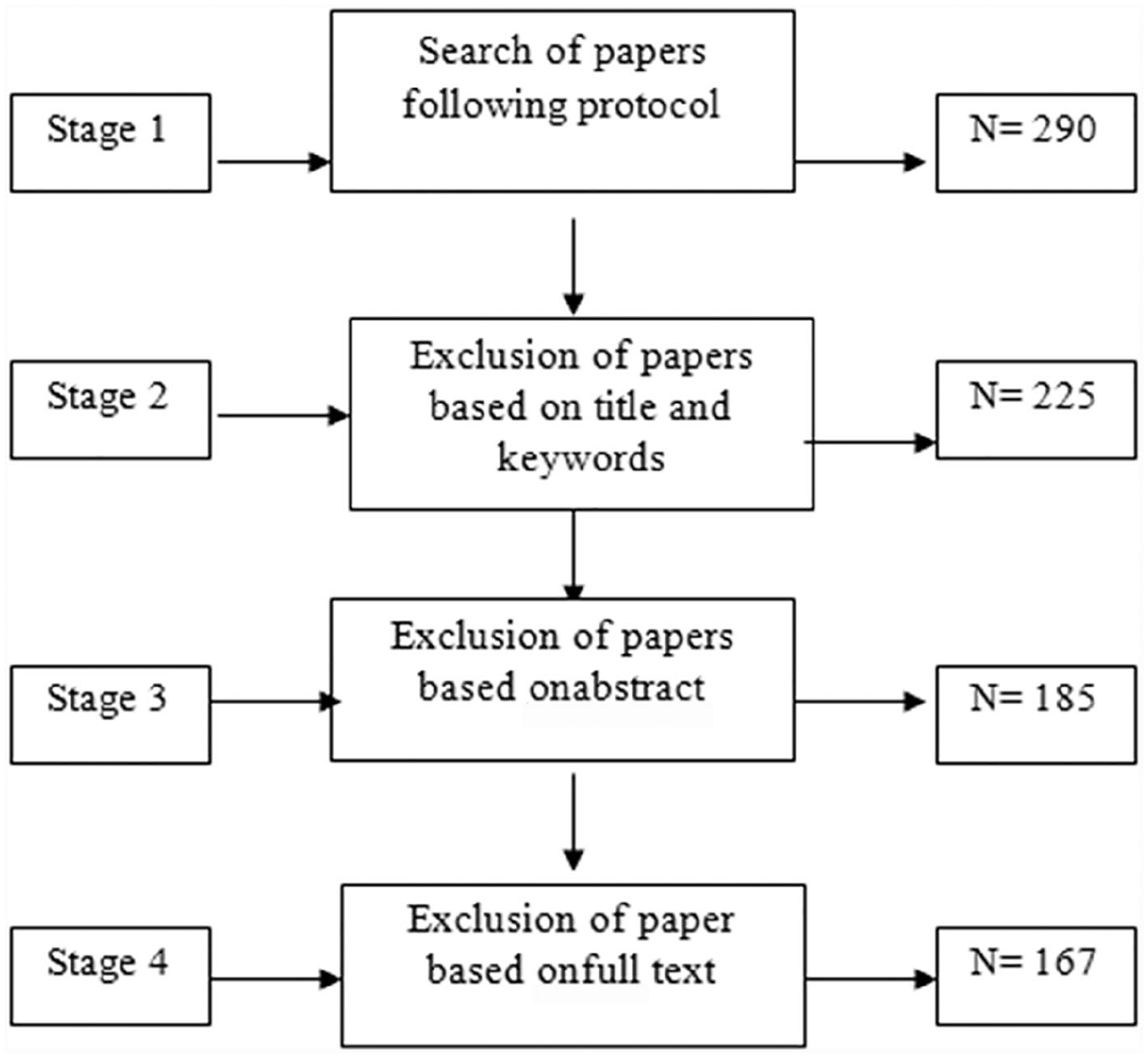
Selection of articles.
Data Extraction
Data from sample articles was extracted and a review matrix was prepared (Table 2). This was done to ensure that each research article was thoroughly analyzed and required information for obtaining the objectives of this study was extracted in a uniform manner. Two authors independently mined the data from selected studies in a Microsoft Excel worksheet. Later, the worksheets were compared, and mismatches were sorted out by the third author to reach a consensus (Gupta et al., 2019).
Representative Review Matrix.*

Table 2 is representative review matrix presenting the information of few reviewed studies. Full review matrix table is available on request.
Research Theme Classification
To systematically provide academic insights on core research themes, a classification scheme was developed. Through data extraction, the research objectives and findings of the select studies were obtained, which provided the basis of classification of the research themes. A “bottom-up” approach was adopted to categorize the research themes. Wolfswinkel et al. (2013) suggested this approach as a rigorous way of reviewing literature. Each article was considered under specific sub-themes and then it was synthesized under more generic research themes (refer Figure 2). The first step of the process was to generate open codes for sample articles. This was done through following open coding technique adopted by recent SLR studies (Gupta et al., 2019, 2020).

Extraction of main themes.
A wide range of 48 codes were recorded to capture the objectives, research problems, conclusions, and results of each article. In the next step, axial coding was performed to establish the relationship between open codes and to reduce them into 31 sub-themes (Gupta et al., 2019). A number of iterations were performed over the open codes to ensure that they represented diversification of the initial coding. In the final stage, 31 sub-themes were further grouped under five main themes by using the affinity diagramming (also called as K-J method) informed by Kawakita (1982). An affinity workshop was also conducted to negotiate and agree on the five main themes, formed by linking the 31 sub-themes under the WB domain. For example, the sub-themes labelled as “Human Resource Development & Planning, Performance Management, Team Management, and Training and Development in WB situations” based on the proximity of their research problems and objectives, were grouped into a single research theme labeled as “Concerns Related to Human Resource Development (HRD) in Bullying Situations.” During this process, some hybrid sub-themes were also found. It is important to note here that the extracted main research themes are not mutually exclusive because of the presence of such hybrid sub themes. However, while performing each steps of research theme classification, the opinion of third author was taken to validate the steps and achieving consensus with the other two authors.
What Recent WB Research Concludes
As discussed before, the classification scheme provided five main themes (refer Table 3). It is based on assigning the single most applicable research theme to a group of related sub-themes (e.g., workplace violence, sexual harassment, harassment, mobbing, e-bullying, cyber bullying was grouped under the main theme “consequences of WB”). It is inevitable that a piece of research may contribute to several sub-themes. However, for maintaining a simplified and structured classification, each research article was assigned to only one primary sub-theme and main theme.
Main Themes and Sub-Themes.

The first theme primarily discusses about how the concept of WB has been defined in different disciplines and its various forms. Revealing the antecedents of WB, the second themes provides a detailed discussion on work related factors and individual factors that significantly affect the occurrence of WB incidents. The third theme deliberates on consequences of WB for self and the organization followed by fourth theme reflecting upon the interventions in WB by management, supervisor, self, and state. The fifth theme highlights the concerns of organizations for human resource development in WB situation. Following section of the article presents the narrative (as opposed to statistical) summary of the findings (Rodgers et al., 2009) of 167 reviewed articles to provide an overview of major contributions and conclusions made by recent WB studies (refer Table 4 for contributing articles of each main theme).
Research Themes With Their Contributors.

Conceptualization and Forms of WB
WB and violence is defined in distinct ways in different disciplines but the violence of physical nature is the common focal point (Catley, 2004; Catley & Jones, 2002). Some researchers perceive only physically aggressive behaviors such as assaults as WB while others consider threats of violence as well as psychological aggression (Bentley et al., 2013) in WB activities. The definition of WB behaviors most conspicuously states that it must be a repetitive behavior leading to negative effect on victims (Einarsen et al., 2003). Bullying is a form of negative interaction expressed in numerous ways, varying from verbal abuse, extreme condemnation and monitoring of work to social isolation or silent treatment (Mortensen & Baarts, 2018; Zapf & Einarsen, 2003). It is taken into consideration through societal discourses, supported by responsive culture in the workplace, and preserved by local interactions (Brotheridge, 2013; Lutgen-Sandvik & Tracy, 2012; Valentine et al., 2018).
Over the last two decades, WB and its prevalent forms in the workplace have increasingly captured the attentiveness of researchers probably because of the numerous negative outcomes linked to it (Cortina et al., 2002). Bullying can be practiced secretly by someone or blatantly by pinpointing faults in the person’s work or even by openly maligning or badgering people (Al-Saggaf & Ceric, 2017). The subtle forms of WB behaviors are found to cause confusion not only among the targets but also among the witnesses. It decreases the target’s likelihood to react against the bullying (Samnani & Singh, 2014a). Research reveals that victims of WB more often face “compounded bullying” which is a situation where both interpersonal bullying and also depersonalized bullying operate at the same time (D’Cruz et al., 2014; Venetoklis & Kettunen, 2015). Another boundary-less, invisible, and sometimes anonymous form of WB is cyber bullying (D’Cruz & Noronha, 2013). A wide range of emotions from hatred to pride is evident in the incidents of bullying (DeJordy & Barrett, 2014). Zabrodska and Kveton (2013) argued that based on an operational definition of bullying (weekly exposure to one negative act), only 13.6% of the respondents were found to be the bullying targets, while only 7.9% were identified as targets based on self-reports. Bader et al. (2018) revealed another form of WB; gender harassment. They found that non-native females faced more workplace gender harassment than non-native males. The research highlights that gendered normative of power, gender role socialization theory, and social identity theory are also imperative for explaining the outlined differences in the gender in the WB occurrence (Salin & Hoel, 2013). Another extensively explored area of research was WB in academic institutions. Studying the sources of WB in academic institutions, the majority of WB was found to be initiated by three groups: fellow employees, those with power over employees, and students (Hunt et al., 2012; Kim et al., 2018; McKay et al., 2008). In keeping with India’s hierarchical society, superiors emerged as the predominant source of bullying, displaying task focused behaviors (D’Cruz & Rayner, 2013). Bloch (2012) in his study showed that WB perpetrators interpret victims as norm-breakers. Researchers further claim that getting bullied by a supervisor is more acute than being bullied by one’s co-workers. Co-workers are seen to gain confidence to bully someone if they see their supervisor do the same. Rivera et al. (2014) found in their study that mobbing by co-workers for WB was very uncommon as the majority of their surveyed employees reported not more than one mobbing behaviors from the co-workers in recent past. Here it is important to note that researchers believe that self-reporting of WB is very rare. Coinciding with their opinion, WB in the U.S. workplace was found to be a serious problem that was seldom reported to management (Van Fleet & Van Fleet, 2012). Caponecchia et al. (2012) found the rates of psychopathy to be much higher than scientific estimates of prevalence, for both participants who were bullied and those who were not.
Antecedents of WB
Scholarly literature classifies the antecedents of WB in two broad categories; the work environment related factors and individual factors (Zapf & Einarsen, 2011). Leymann (1996) highlighted the role of work environment in the WB phenomenon and stated that deficiencies in work designs and leadership behavior within organizations were the main reasons for WB. The scholars inspired from his arguments, claim that bullying is a consequence of the prevailing organizational culture, job design, interpersonal relationship between the employees, team culture, and social environment within organizations (Astrauskaite et al., 2014; Baillien et al., 2012; Einarsen et al., 2018; Zapf & Einarsen, 2011, etc.). The presumption of bad leadership is most likely linked to more and more cases being reported of WB (Francioli et al., 2018). Scholars also found an association between bullying and autocratic or tyrannical leader behavior. Such leaders deliver the punishment on their own terms, independent of the behavior of subordinates (Hoel et al., 2010). Researchers also believe that different types of paternalistic leadership in the work context are related to WB phenomenon in an organization (Soylu, 2011).
In previous years, a number of dramatic advancements have impacted the work environment leading to drastic changes in the way in which work was done. Some such changes are advances in technology, intensification of work, workforce diversification, increased competition, numerous women being the part of the workforce, and the vague line between family and work (Catsouphes et al., 2006). These changes have a direct and strong impact on WB phenomenon in an organization and also on its intervention (Blackwood et al., 2017). The work environmental issues most significantly impacting worker’s well-being are: WB and harassment, inter-organizational networks, commitment and intention to leave, intergenerational differences, and work engagement (Kalliath & Kalliath, 2012). Further, the factors like hierarchical position, formalization, and environmental influences, have moderating effect on the likelihood of experiencing internally or externally generated WB (Howard & Wech, 2012). It is also claimed that being bullied is negatively related to the perceptions of clan and adhocracy cultures and positively related to the perceptions of hierarchy culture (Pilch & Turska, 2015). Samnani and Singh (2015) argued in their study that in an organization, poor social work culture and power imbalance are prominent factors for increasing the likelihood of WB incidents. Interestingly showing a different dimension of WB phenomenon, Giorgi (2012) considered WB as a cause, rather than a consequence of organizational climate.
Scholars revealed a clear negative relationship between WB and task and relationship orientation of organizational culture (Tambur & Vadi, 2012). Research in previous years also indicates that harassment within policing may have its genesis in a lack of task specific resources in an organization, in particular concrete resources such as budget, time, personnel, vehicles, equipment, and training (Hauge et al., 2011a; Tuckey et al., 2012). Sometimes even changes in the allocation of the task, change in the workforce team composition or work methods or equipment, can also translate into experiences of being bullied by employees (Holten et al., 2016). Devonish (2013) suggested that the satisfaction which a person received while doing a job alone partially mediated the relationship between WB and task performance, whereas work related depression could moderate the relationship between WB and individual targeted citizenship behavior. However, task autonomy is not notably related to bullying (Notelaers et al., 2010). Therefore, the job demand resources model is a useful framework to explain how job demands and resources interact in the prediction of being a perpetrator of WB (Astrauskaite et al., 2014; Baillien et al., 2012). Increased degree of WB are found to be linked with the high stress situations: as job demands increase and support and control resources decrease (Tuckey et al., 2009). Further strengthening this view, researchers claim that most WB is perceived as “indirect” in nature emanating from highly intensive target driven working culture (Mawdsley & Lewis, 2017). The high strain jobs correlate to both being a target and to be the executioner of WB (Baillien et al., 2011b; Zabrodska et al., 2016). It is important to note here when the job insecurity is higher, stronger is the relationship between workload and WB (Spagnoli & Balducci, 2017).
The other group of scholars believe that the individual characteristics such as personality traits are the potential precursors of WB. They claim that specific characteristics or combinations of characteristics, increase the risk of being exposed to WB or for exposing others to it (Claybourn, 2011; Demir et al., 2013; Hidzir et al., 2017; Standen et al., 2014; Treadway et al., 2013, etc.). In this context, one must look to both the innate (nature) and learned (nurture) behaviors of individuals. The physiological components of an individual (i.e., genes and chemical balance) can have an undeviating outcome on the individual’s behavioral patterns (Harvey et al., 2009). Hauge et al. (2011b) stated that WB sometimes be perpetrated by a bully acting alone. Although WB victims are mostly pointed because of their lack of social skills, on numerous circumstances, bullies can have soaring levels of social skills (Treadway et al., 2013). Personal factors like lack of social competency and learning disability also positively affect WB (Hidzir et al., 2017). The relationship between WB and antagonism is bolstered for people who are too fixated on their job; even after controlling two attachments: job satisfaction and affective commitment to the organization (Burton, 2015). Moreover, employees with gloomy viewpoint about their work, believe that it is okay to harm other people (Ågotnes et al., 2018; Claybourn, 2011). In an exploratory study it was found that in organizations where immigrants were in the minority, the chances of being bullied were found to be nearly three times higher in the intermediate distance group and nearly eight times higher in the culturally most distant group. They were primarily subjected to social exclusion (Bergbom et al., 2014).
The scholarly research in recent past also highlights certain other antecedents of WB such as geographic location, socio-demographic characteristics, national culture, leadership styles, etc. (Vranjes et al., 2018). Al-Saggaf and Ceric (2017) in a recent empirical study established that topographical setting was one of the conjectures of WB. While at the corporation setting level, there is more bullying related to social-demographic features and working circumstances (Arnejčič, 2016). However, several results display that organizational arbiters affect the assessed rates of WB (Nielsen et al., 2010). National level ethos also can aid in elucidating the occurrence and practice of WB (Jacobson et al., 2014; Soylu & Sheehy-Skeffington, 2015). It is observed that cultures with high presentation alignment find WB to be more tolerable than the ones with high future alignment (Power et al., 2013). Conspicuous disparities in the basis of WB behavior, elusive variations connecting to cohabitation with group-based harassment, and passer-by behavior, underline the impact of nationwide beliefs (D’Cruz et al., 2016).
Consequences of WB
Bullying and stress at workplace adversely affect physical, emotional, and social health (Al-Shiyab & Ababneh, 2018; Dewa et al., 2004; MacIntosh, 2005) of the employees. WB is considered as stubborn, damaging, and unsolicited behavior that contributes to the power of inequity between the committer and target (Berthelsen et al., 2011). Depersonalized bullying stems more from abusive or illegitimate use of power than power which is considered legitimate (Hoel & Salin, 2003) and therefore employees agree to and participate in it (D’Cruz & Noronha, 2009). It leads to lost work efficiency and augmented employer charges (Higgins & MacIntosh, 2010; Johnson et al., 2018; O’Donnell et al., 2010). Descending bullying declines employee efficiency as the evolving adverse effect and corporeal signs hamper employees from performing proficiently (Casimir et al., 2012). It is worth noticing here that in the absence of moderating variables such as job security, employees’ perception of WB cannot be directly linked with low-level work engagement leading to low productivity (Page et al., 2018; Park & Ono, 2016). Key effects of WB on all strains excluding job attachment are insignificant when it is relapsed together with social support and the interaction term (Fox & Stallworth, 2010). Samnani and Singh (2014b) observed that through introducing dread in the beleaguered employee to contest for yield, upsurged their efficiency while targets would incline to undergo reduced efficiency. But the support in teams buffers negative outcomes of WB (Van Emmerik et al., 2007). Bullying often leads to nonattendance, increased employee turnover, and abridged output, and thus convey a considerable charge to organizations (Glambek et al., 2014). Campolieti et al. (2008) established a number of important relationships between individual characteristics of WB targets and its consequences like absenteeism from workplace. WB not only damagingly forecasts gratification for the wants of independence and capability but also aggravates all the needs. WB behaviors can modify group customs and squad unity over the period (Samnani & Singh, 2015). Devonish (2014) noticed that WB worsened the effects of job demands on uncertified nonattendance, physical fatigue, and also on melancholy. More severe and frequent bullying may also lead to greater level of absenteeism of employees from the workplace by impairing them with mental health and higher levels of job insecurity (Magee et al., 2017). Usually, it is assumed that WB is a precursor of turnover and also a subsequent exclusion from working life (Berthelsen et al., 2011; Sims & Sun, 2012; Valentine & Fleischman, 2018). It is also seen that tormenters in groups target victim’s private life rather than his or her work life (Meglich & Gumbus, 2015). Results of an exploratory study recommended that “isolation” is the key behavior labeled as bullying while other behaviors supposed of as bullying may be endured, until prohibited (Miller & Rayner, 2012). Outcomes of an experiential study revealed that preys of WB experienced more skirmish events with contemporaries, administrators, and subordinates than non-victims. Also, they were more frequently opposed with negative social behavior in their conflict incidents in comparison to non-victims (Baillien et al., 2017).
Besides the change in social behavior and work behavior, scholars have expressed grave health concerns for the victims of WB such as high anxiety and anger, depression, concentration disorders post-traumatic stress disorder, low self-esteem, the experience of mental indications, chronic fatigue, and also serious sleep disorders (Chia & Kee, 2018; Einarsen, 2000; Einarsen & Mikkelsen, 2003; Park & Ono, 2016; Rai & Agarwal, 2018b; Zapf et al., 1996). As a result, victims start using sleep-inducing drugs and sedatives (Vartia, 2003). There is an undesirable direct association between WB and psychosomatic security, in which higher experience to adverse doings at work is related to reduced well-being (Giorgi et al., 2014). It is not wrong to say that WB can be a “crippling and devastating problem” (Adams & Crawford, 1992). Giorgi (2010) developed a model of WB to create associations between structural and well-being features. This model proved that WB moderately arbitrated the climate-health relationship in an organization. Eriksen et al. (2016) poised that exposure to WB could not be significantly explained by gender as in case of both gender self-reported negative impact on health reveals the exposure of WB. However, only female victims were reported to have determined rises in long-term illness, absence and long-term negative impact on healthiness. Eriksen et al. (2016) suggested that male and female employees have different coping strategies for WB. According to MacIntosh et al. (2011) also female victims may suffer from a central health problem of disruption in her health. On the other side, no noteworthy effects were found on the long-term well-being of male victims although male victims indicated higher levels of presentism when exposed to WB. Research also features how elites expedite forms of professional misbehavior through the misappropriation of raise and radical improvement within the organization, serving as a financial incentive for those involved (Hutchinson et al., 2009). Vickers (2009) irradiated a possibly far broader and formerly under-scrutinized problem of WB of people with frailty. He observed that because of their presumed inferiority, or flawed physical presentation, negative subordination of and hostility to, disabled people was justified by negative stereotypes (Raja et al., 2018; Vickers, 2014). In jobs categorized by high levels of computer work in precise, violence is a developing peril (van den Bossche et al., 2013) and this emerging form of WB is Cyber-bullying. Fascinatingly, the exclusive nature to the cyber-context might make an increased disempowering influence for the individual mark, but an abridged disempowering effect for the witness (Coyne et al., 2017). Findings by Piotrowski (2012) indicated that overseers and administrative front-runners might not appreciate the full degree and influence that cyber exploitation had on their employees.
Interventions by Management, Supervisors, Self, and State
Interventions in WB have emerged as an important topic for researchers to further their research into. Researchers have thoroughly studied various important topics relating to anti-bullying policy, organizational anti-bullying initiatives, reconciliatory measures, strategies for leaders to cope with WB, codified law, and coping strategies at personal level for victims. In spite of programs outlined to reduce WB instances, it seems to affect a lot of employees (Workplace Bullying Institute, 2007); especially when it is integrated with management refraining from intervening in it. Ignorance of WB may lead to stress and frustration in the workgroup, thereby prompting continued bullying (Zapf & Gross, 2001). Fostering a work environment that is thoughtful of the significance of employees’ health, safety, growth and development, employee engagement, and work-life balance helps in achieving organizational performance and their sustainable well-being (Grawitch et al., 2006). It is observed that WB if not managed well can have serious repercussions on the overall performance of the organization because a healthy, engaged, and happy workforce is not attainable (Khan & Khan, 2012). The ultimate aim of all organizations should be to create an attractive, sustainable, and accountable profession and safeguard the rights of employees to dignity and respect at workplace (Omari & Paull, 2013). As emphasized by Bac (2018) an organization with a performing workforce and exemplary internal compliance structure can meet its performance objectives only when it displays extremely low levels of harassment and WB. Therefore, developing and implementing effective preventive programs and interventions against WB must be an important task for organizations (Nielsen et al., 2009). Bohle et al. (2017) strongly recommend that employers should intervene to minimize disorganization and increase compliance with regulations dealing with WB phenomenon. However, unless an ethics code is part of a well-communicated program, it can only serve as a window dressing (Valentine et al., 2015). Therefore, it is necessary for employers to run an updated anti-harassment program with clear anti-bullying policy, an explicit statement of prohibited behaviors and a complaint procedure that encourages victims to come forward (Becton et al., 2017). It is also important that the anti-WB policy is clearly explained to employees and management acts in a timely and fair manner whenever complaints are filed (Pesta et al., 2007).
Despite clear policies on WB, awareness programs and managerial training, some other factors such as hierarchy and organizational culture may restrict the efforts at change (McKay, 2013). Contextual factors like constructive leadership, organizational anti-bullying initiatives and perceived organizational support and psychological safe work culture directly influence the levels of WB and minimize its negative effects through perceived organizational support and anti-bullying initiatives (Cooper-Thomas et al., 2013). Emphasizing the importance of the organizational culture, researchers claim that psychosocial safety prevailing in the organization influences the bullying coping options available to the victims, and the likely success of these WB management strategies (Dollard et al., 2017; Kwan et al., 2014). Research provides the evidences that in organizations with people centered culture WB can be controlled to a significant extent (Baillien et al., 2011a, 2011c). In a psychological safe and people centered work culture, the victims react to conflicts and provide leads to organization to enact an anti-bullying policy (Laschinger & Fida, 2014). However, it is observed that during this process, trust may be broken between managers and employees (Harrington et al., 2012) and restoration of trust in WB situations becomes a complex and challenging process for HRD practitioners (Pate et al., 2012). To manage the delicate psychological situation of WB victims and avoid breach of trust, scholars suggest to use prevention strategies directed toward reducing risk factors and minimizing the prevalence of WB as effective measures for intervention (Blackwood et al., 2017). Organizations dependent heavily on reconciliatory steps for dealing with WB while punitive measures are seldom put to use (Notelaers et al., 2013; Salin, 2008a). Only handful of the organizations actually recognize violence as a risk at the workplace, whereas steps for intervention are limited to training of employees and other technological factors (Bentley et al., 2013). Researchers also believe that sometimes HRD professionals and management have vested interest in not addressing WB issues as evident in their readiness to defend powerful bullies. In such situations employees show more confidence in interventions by external sources such as using an ombudsman service, where the person investigating is neutral and doesn’t have any interest in protecting the bully (Hodgins & Mannix McNamara, 2017).
Another important input for organizations to manage and control WB incidents is provided in the form of association between leadership practices and WB. Research highlights that leadership practices and role conflict can predict WB at the departmental level, while role ambiguity hinders (Einarsen et al., 2017; Hauge et al., 2011b). The role of leadership is significant in preventing negative employee and organizational outcomes of WB (Ahmad et al., 2017; Ciby & Raya, 2014), but it seems to be taken far too lightly by many in leadership roles despite its tendency to cause counterproductive incidents (Wright, 2007). Both transformational leadership as well as ethical leadership are found to be very effective tools for supervisors and the managers to deal with WB (Appelbaum et al., 2012; Leon-Perez et al., 2015). Healthy workplace relationships with management and supervisors lead to job satisfaction and in turn resulting in non-cognitive commitment, which is inversely related with employee turnover (Farr-Wharton et al., 2017). Suggesting the measures to control WB, Creasy and Carnes (2017) warned that a prudent leader must conduct a strong evaluation before assigning the leadership and training role to the individuals having a propensity for abusive personalities or negative workplace acts. Baillien et al. (2015) suggested that active attempts by leaders to manage task conflicts through problem solving initiatives may stop it from escalating to relationship conflicts and hence bullying situations. Thus, leaders can prevent WB and maintain higher levels of work engagement of employees by effectively managing interpersonal tensions and conflicts among employees (Einarsen et al., 2018). Other forms of approaches like constructive management can also be considered in tackling WB (Tye-Williams & Krone, 2014; Woodrow & Guest, 2016). Phenomenology and artful ways of engaging with WB also offer a distinctive and invaluable approach toward management of WB (Edwards & Blackwood, 2017).
Suggesting the interventions at state level, Hanley and O’Rourke (2016) recommended to enforce codified law to adequately address the WB. Although a number of national and cross-national legislation to protect workers from aggressive WB behaviors have been introduced yet workplace violence has been on the rise. Therefore, such law must declare WB as a criminal offence and provide sufficiently stringent remedies acting as deterrent to WB (Malos, 2010; Van den et al., 2013). Behaviors leading to complaints of WB, though, typically persist over time (Pesta et al., 2007); as legal protections for individuals against various forms of harassment, bullying or stalking in the employment context of the United Kingdom as well as the United States have been quite disjoint and erratic (Gilani et al., 2014). A study conducted by Hoel and Einarsen (2010) drew attention to the difficulties faced in general in legislating and regulating intangible issues like WB.
The WB literature provides insights for useful ways in which employees at individual level can both do both, resist control and yet be controlling (Jung & Yoon, 2018; Smith & Cowie, 2010). However, scholars recommend to develop organizational level strategies to counter the WB, rather than expecting the employees to develop strategies at personal level (O’driscoll, 2012). Empirical research on coping strategies despite being restrictive outlines prevalence of emotion-focused, compliant, and avoidant five strategies: avoidance, confrontation, seeking support, destructive coping, and finally exit (Karatuna, 2015). Victims’ efforts to handle the WB depend on individual resources, social resources, and organizational options to ensure that their performance, emotional well-being, and long-term career goals are not threatened because of victimization (D’Cruz & Noronha, 2010). Talking about coping strategies of women employees, Parker (2014) found that after leaving the organization the use of restricted rhetorical tactics was their only hope for reducing the abuse. The modern-day managers must also understand the threat that domestic violence poses to the workplace (Savard & Kennedy, 2013). It is less likely that the employees high in collectivism and power distance resist the subdued forms of WB in its initial stages (Samnani, 2013b). However, the relationship between the two can be moderated by empowering the employees (Howard et al., 2015). The fear of job loss and financial loss discourage them from confronting the perpetrator or even reporting the WB (Bjørkelo, 2013; Bjørkelo et al., 2011; Catley et al., 2013). Pate and Beaumont (2010) stated that employees address the issues related to WB differently than the issues related to aggression because of their perception of no direct link between bullying and aggression.
Concerns Related to Human Resource Development in Bullying Situations
Over last three decades, work and workplaces have witnessed a number of changes centered on individualization and flexibility in terms of employment, jobs, organizational structures, and workplace relations (Hutchinson, 2012). One of the major changes in workplace relations is the growing number of WB and violence cases reported by the victims. According to life Nielsen et al. (2010), WB is widespread in contemporary working. A survey on WB prevention conducted by Bureau of Labor Statistics, U.S. Department of Labor (2017) revealed that nearly 5% of the 7.1 million private industries businesses in the U.S. had an occurrence of WB.
Human resource planning plays a vital role in WB situations by linking the job roles in a temporal and situational manner (Cowan & Fox, 2015). According to Ariza-Montes et al. (2017), responsible HRD professionals can significantly minimize the organizational levels of WB by modifying certain working conditions and setting up a supportive working environment. Handling the WB situation, the HR planners become emotional laborers as they play the role of a management advisor; an unbiased, neutral third-party investigator; as well as a mediator (Cowan & Fox, 2015). But at the same time, it is difficult to do the HR planning in such situation because of vague boundaries and differences among HR roles, dubious definitions and norms for conduct to be regarded as WB, and also insufficient organizational policies to handle it (Fox & Cowan, 2015). The difficulties faced by HRD professionals in WB situations were also observed by Thirlwall (2014). His interviewees reported that organizational sequestering prolonged the bullying and created additional problems for them. They shared that the bullying problem ended only when they stopped working with the person who was abusing them. Adequate measures against WB demand more than just making policy, rule forming and setting of guidelines. It is imperative to cultivate the flexibility of those who are at the sharp end of anti-bullying projects, and work together with managers and employees who face difficulties or tackle uninviting changes to their work conditions (Beirne & Hunter, 2013).
In the field of HRD, rather than being only an incident carried out by individuals, WB is usually seen as a sign of managerialist and capitalistic debate of intensified performance management in organizations (Harrington et al., 2015). Nielsen et al. (2010) indicated in their meta-analysis that 10% to 20% of populations face WB. In previous years, WB has drawn significant attention of scholars and media. However, very limited focus was given on bullying that occurs beyond an individual’s level (Samnani & Singh, 2012). Some very prominent WB issues of concern for HR professional are conflict of role, job insecurities, high workload, ambiguity of role, frequent conflicts, stressed employees, social support from fellow colleagues, and inefficient leadership (Baillien & De Witte, 2009; Mathisen et al., 2011). The prevalence of WB often leads employees to distance themselves from, or hide contacts with, the union. The bullying activities characterized by threats, oppression, and physical contact among others remain completely unreported (Samnani et al., 2016).
HRD professionals must address WB issues very proactively (Howard, 2009) as occurrence of WB results in to psychological contract breach between employee and employer (Beale & Hoel, 2010; Kakarika et al., 2017). Therefore, it is important for them to take effective measures against it (Salin, 2008b). Leymann (1990a, 1990b) and Lutgen-Sandvik & Tracy (2012) observed that if management responses did not confront the causes of bullying or settle the resulting issues; the targets were seen leaving the organization, mostly after a long-term sick leave or by dismissal, or by some other agreement. While at the same time the perpetrator of bullying remained in the organization and further continued bullying other targets. Kormanik (2011) suggested that the awareness programs at both the individual and organizational levels can effectively help the HRD professionals in predicting, explaining, and interpreting attitudes and behaviors associated with WB. Howard (2009) emphasized the need of compulsory employee training to create awareness among the employees about the workplace violence policy (WVP) so that a common understanding of what constituted WPV was reached by everyone in the organization. However, Woodrow and Guest (2014) warned that an uneven establishment of policies without an efficient regulatory mechanism in organization, portraying even the best practices, may lead to continued WB.
It is clear from the above discussion that recent WB research has majorly focused on antecedents and consequences of WB and interventions required at organizational and individual level to control WB incidents. The probable reason for the increasing attention of HRD scholars toward these issues is the abundant adverse business consequences related to WB and unavoidable interventions required to mitigate those. The in-depth review of main research themes concludes that WB is not a thing of the past but very much a pestiferous issue that the HRD scholars and professionals of today need to continuously work on.
What is Yet to be Explored—Directions for Future Research
Although the WB research in last decade has significantly enriched the literature, our review highlighted some research gaps in the research approach, methods, and subject areas. Moreover, we found that recent WB studies do not provide enough clarity about WB construct and it found to be very close to its cousin constructs such as interpersonal conflicts. Similarly, we observed that WB phenomenon needs more theoretical explanation than what is provided in WB literature. To facilitate effective and robust interventions, there is enormous need for future quality research on forms, nature, interventions, predictors, and outcomes of WB based on well-developed theoretical frameworks through the use of sound methodological designs. The following section discloses the research gaps and provides directions for future research.
Refining Conceptual and Theoretical Understanding
From the perspective of conceptual clarity, a close review of recent WB studies revealed a particular issue regarding its close proximity with another construct that is interpersonal conflict. Some studies described WB as a type of interpersonal conflict (e.g., Baillien et al., 2015; Einarsen et al., 2018) while some other provide a different perspective treating WB and conflicts as clearly distinct constructs (e.g., Leon-Perez et al., 2015; Nielsen et al., 2010). A more thoughtful look on both the perspectives shows a connect between WB and interpersonal conflict: one perspective relies on shared characteristics in one broad concept, while the other regards conflicts as a different concept from WB by content. However, we found that enough evidences are not available in support of either of the views. Therefore, both perspectives need more empirical evidences to validate the conceptual difference or conceptual overlap between the two constructs.
As we know that theories serve the purpose of an important basis and guide for providing reasonable explanations for how and why specific relationships may lead to specific events (Baillien et al., 2017). WB studies in recent past have attempted to provide theoretical explanations to many important questions regarding WB phenomenon. For example, the demand–control–support (DCS) model has been used by the studies conducted to understand the factors increasing the likelihood of WB (e.g., Demir et al., 2013; Notelaers et al., 2013). This model asserts that different levels of demands, control, and social support result into specific employee outcomes. For instance, high level of demand, and low level of control and social support tend to lead to more negative experiences, such as depression, job dissatisfaction, and distress (Mikkelsen & Einarsen, 2002). The studies investigating dire consequences of WB have more frequently discussed about potential exclusion of the victim from work leading to job insecurity, intention to quit, and personal health issues (e.g., Bjørkelo et al., 2011; Djurkovic et al., 2008; Eriksen et al., 2016). Studies support the relationship between WB and job insecurity by a reasonable theoretical explanation. That is, if the content and nature of the WB threatens the desired continuity in the job, the victim is unable to fight it, consequently experiences elevated levels of job insecurity over time (Vickers, 2009). Similarly, studies provide support for the hypothesized association between WB and intention to quit by the theories of turnover such as the unfolding model of turnover (e.g., Glambek et al., 2014; Laschinger & Fida, 2014). It explains that the process of turnover is initiated by the triggering “shock” which may be internal, or external. The shock forces the employee to re-evaluate his/her working conditions and if re-evaluation leads to discrepancies between previously held “images” and the current working conditions, thoughts of quitting the job may occur (Holtom et al., 2005). Since WB is repeated and long-lasting negative behavior, the application of the concept of a triggering shock is reasonable (Einarsen et al., 2011). It must be remembered that intention to quit the job is a significant predictor of turnover having substantial costs for organizations (Begley, 1998). Some other studies emphasized the role of emotions to explain the underlying association between WB and job dissatisfaction stimulating the intention to quit. These studies have applied Affective Events Theory (AET; Weiss & Cropanzano, 1996) as a theoretical framework and argued that the emotional experiences of the victims partially mediate these relationships (Laschinger & Fida, 2014). Although majority of the studies have examined the role of affective processes in shaping the experience, we believe that incorporation of cognitive process in this context is equally important. Because WB incident can directly trigger the victims’ cognitive reactions such as reassessment of psychosocial safety in the organization. Therefore, it is crucial to know the other unknown psychological processes occurring during exposure to WB (Parzefall & Salin, 2010). There are very few studies which have attempted to explain the negative effects of WB through a cognitive mechanism such as assessment of Psychological Safety Climate (e.g., Dollard et al., 2017; Park & Ono, 2016). We propose future research to direct their efforts in this direction to further build the theory and bridge the research gaps.
Besides risk of exclusion from work, in other cases, the victim of WB may suffer from severe health problems. A number of studies have examined WB-health relationship and supported their work by theoretical frameworks such as Cognitive Activation Theory of Stress (CATS; e.g., Baillien et al., 2012; Magee et al., 2014). CATS explains the process of subjective interpretation of a situation by the victim to determine whether he/she is actually victims of WB. Theoretically, the evaluation process may be triggered by any stressful stimulus which may result into increased cognitive arousal or non-arousal. The theory further explains that when the situation is found to be uncontrollable, victim’s cognitive arousal is increased and thus victim experience higher level of stress leading to major health issues. Since WB situations are generally considered uncontrollable and prolonged negative situations that may trigger chronic cognitive and physical activation (Nielsen & Einarsen, 2012). Few studies have used a theoretical rationale from the Conservation of Resources (COR) theory to explain the vulnerability of employees to WB situations (e.g., Tuckey et al., 2009, 2012). The theory argues that employees with a greater amount of resources are less vulnerable to stressful stimulus than those with fewer resources (Hobfoll & Shirom, 2001). Resources refer to all valuable entities, including objects (e.g., equipment), energies (e.g., knowledge), personal characteristics (e.g., self-efficacy), and conditions (e.g., social support). COR postulates that chronic and uncontrollable stressful situation (such as WB) will result into faster depletion of an individual’s overall resources and thus making him more vulnerable to stressors (Hobfoll & Shirom, 2001). We found the dearth of studies applying COR with respect to more than one type of resources at the same time. We believe that interaction effect of these resources will provide further insights to HRD professionals striving to train the employees for effectively managing WB situations.
It is clear from the above discussion that scholars have integrated established theories for adjacent research fields like psychology, social psychology, and sociology to explain WB phenomenon. The integration of related theories is justified because the scientific research of WB seems to address an important social problem rather than purely academic and theoretical domain. In order to move the field forward future research should be directed toward developing and establishing new theoretical models that specifically integrate the unique characteristics of the WB phenomenon and established theories for proximate research fields.
Approaching Antecedents and Consequences of WB at Work Environment or Organization Level
In the recent scholarly literature, the occurrence and outcomes of WB is explained at two levels, (1) at work or organization level and (2) at individual level (Zapf & Einarsen, 2011). Building on the work of Leymann (1996), recent studies on antecedent of WB in work environment include the prevailing job design and social environment within organizations. On the other hand, at individual level, some personality traits act as potential precursors of WB which increase the risk of being exposed to WB (Hidzir et al., 2017; Standen et al., 2014). Similarly, the consequences of WB are viewed at individual and organization level. During the review of our sample studies we found that most of the recent studies on antecedents and consequences of WB tested individual disposition hypothesis more than work environment or organizational hypothesis. Group-level antecedents and consequences could receive scant attention in WB literature added in last decade. Moreover, the antecedents of WB at work environment level have been explored by some studies but consequences at work or organization level could not grab the attention of scholars. Thus, not much recent knowledge is added to the extant literature about the antecedents and consequences of WB at these two levels. It is important to note here that to ensure the interventions at organizational level, scholars should draw the attention of organizational managers toward WB as an organizational phenomenon (Samnani & Singh, 2012). Therefore, we suggest the scholars to test the organization disposition hypothesis for antecedents and consequences of WB.
Reviewing Methods and Duration of Studies
The review of recent WB literature reveals that quite encouraging number of studies focused on consequences of WB (refer Table 3), employing more cross-sectional than longitudinal research designs. The evidences collected by a cross-sectional study provide valuable information about relationship between bullying and potential correlates, but such studies fail in establishing causality between the variables (Nielsen & Einarsen, 2018). To substantiate these casual relationships, in recent studies, we found that scholars have been contributing an increasing number of longitudinal studies on the time-lagged associations between WB and health related issues. As discussed before, research provides enough evidences of long-term negative impact of exposure of WB on mental health of the victim. However, only hands full of studies examined this association over a period of more than 2 years. Thus, future studies may direct their efforts to explore the association between the variables over longer period of time. While recent studies provide strong evidences of sickness absence as a consequence of WB, very few have examined WB as an antecedent of disability retirement (Berthelsen et al., 2011; Glambek et al., 2014). Similarly, in relation to suicide, a recent systematic review by Leach et al. (2017) stated that there was a strong need for high-quality epidemiological studies to examine the association between WB and suicidal ideation (Nielsen et al., 2015). Therefore, we suggest the longitudinal research of longer term to collect conclusive evidences for or against WB as a causal precursor of disability retirement and suicidal ideation. Further we suggest that upcoming studies may use quasi-experimental designs to measure the net effect of organizational factors on predictors and outcomes of WB. Some previous studies have suggested that genetic dispositions may also be useful in objective measuring of consequences of WB (Jacobson et al., 2014). Since data collected on individual dispositions such as personality through questionnaire may be influenced by reporting bias, objective, and less biased measures of experimental studies and genetic dispositions, will significantly contribute to WB literature.
Examining the Moderating and Mediating Effect
Although scholars have devoted significant attention to antecedents and consequences of WB, there is still a shortage of studies examining the effect of other variables on the associations established between the variables. Since majority of recent studies have focused on direct relationships between variables (Nielsen et al., 2014), consequently there is no strong theoretical foundation developed by recent scholarly knowledge to find the answers of some very important questions such as: what type of underlying mechanisms facilitate the occurrence of WB; which factors can multiply the influence of exposure to WB on the health and well-being of the victims; and who are the ones most profoundly affected by WB. Thus we find a huge scope of exploratory studies directed toward the effect of other variables on WB phenomenon. As suggested by Frone (1999) mediation models can be opted by future researchers to examine an observed relationship between WB and relevant dependent and independent variables by introducing a third intervening variable. Similarly, to examine the association of WB with other variables, moderation models can be used. Here the moderating variable will refine the strength of relationship between a specific antecedent and consequence (Frone, 1999). Further very few studies have emphasized on the importance of organizational moderators (Rai & Agarwal, 2018b), which is another potential area of research on WB. It may be noted here that scholars belonging to psychosocial safety climate domain believe that a positive perception of safety climate at workplace reduces the WB and its consequences on health and well-being of victims (Dollard et al., 2017). In order to substantiate the knowledge and claims about these issues, we suggest the future researchers to use objective data collected from a randomized sample in a multilevel design. The moderating effect of safety climate on occurrence and outcomes of WB would provide meaningful inputs for interventions at organizational level.
Examining WB Through Gender Lenses
Extant WB literature considers WB as a gendered phenomenon (Salin & Hoel, 2013). We find that only few studies in recent past have adopted gender perspective (e.g., Bader et al., 2018; Eriksen et al., 2016) in WB, reporting mixed findings. Some of these studies have found that both genders interpret and react to WB differently (Salin & Hoel, 2013) and their coping strategies also vary (Eriksen et al., 2016); while some other believe that gender cannot explain the occurrence and outcomes of WB (Eriksen, 2018). Thus, we find a scarcity of updated research on gender difference in WB as most of the studies in recent past have been gender blind. Gender has been used as a control variable or individual attribute rather than being a main variable of study. In order to provide clarity on the role of gender in WB process, we suggest the upcoming WB studies to adopt gender perspective especially in male-dominated culture where female employee is in a more vulnerable position carrying elevated risk of bullying (Hoel & Einarsen, 2010).
Unfolding Cultural Dimensions of WB
Another potential area of research in WB domain is the predictors and outcomes of WB in a culture or society which have not yet received due attention in WB literature. Despite being a socially constructed phenomenon (Lewis, 2003), the extant WB literature is not much enriched by the cultural realities (Parzefall & Salin, 2010; Rai & Agarwal, 2018a). Culture orientation of a person plays an important role in shaping the perception and reactions toward WB behaviors because it represents his/her motivational mechanisms (Parzefall & Salin, 2010; Samnani, 2013b). Previous studies have also claimed that the nature, antecedents, and consequences of WB cannot be analyzed in isolation with the cultural values in a country and society (Harvey et al., 2009; Rai & Agarwal, 2018a). Thus culture/societal level factors may also be strong predictor of WB (Harvey et al., 2009) by explaining how fellow colleagues at workplace will interpret and react to WB behavior which in turn is influenced by individual perception of WB in a society as an acceptable or unacceptable behavior at workplace (Salin, 2003). At present, the WB literature lacks in studies on antecedents and consequences of WB at national/societal/culture level. Thus, we encourage future researchers to direct their work in this direction.
Implications and Conclusion
As modern organizations are continuously looking for ways to expand themselves, they are heavily dependent on their workforce for the accomplishment of their short- and long-term goals as well as for tasks comprising of their daily execution. Therefore, developing a quality human resource and a positive work environment become non-negotiable contributing factors to an organization’s impending success. In the light of the review of recent literature, in the following sub-section we discuss the implications of WB for organizations and suggest some approaches to manage bullying incidents at workplace.
Implication for Practice and Recommendations
The extant literature confirms that WB is a persistent organizational problem having dire consequences for both, organizations and employees. From psychological issues to physical health problems, WB takes a toll on victim employees’ psychological and physical well-being while organizations suffer the effects of low employee performance, absenteeism, job dissatisfaction, low work commitment, and high turnover (Glambek et al., 2014; MacIntosh, 2005; Page et al., 2018). Therefore, developing a conducive and safe work environment becomes non-negotiable for HRD professionals in the organization. As a fundamental step toward prevention and cure of WB, organizations must have effective anti-WB policy. Merely having an anti-WB policy, however, is not sufficient; the effectiveness of the same may be limited by missing elements such as dissemination and enforcement of anti-WB policy, explanation of prohibited practices, clearly defined complaint procedure, coercive actions, or the absence of top management support (Reese & Lindenberg, 2004). Therefore, to ensure the successful implementation of anti-WB policy, some workplace interventions are required at employer’s end.
First, Organizations must have a plan to help employees detect potential WB situations and manage the confrontation. Prior research indicates that employees’ have differing levels of awareness around WB, anti-WB policy and ways to confront the bullies; some understand it while others do not (Kormanik, 2011). HRD professionals must design and move the awareness and training programs around WB and anti-WB policy. It will help not only in creating awareness but also actively engaging employees and managers with the policies. But the ever-increasing rate for WB incidents in recent past indicate that, despite zero tolerance for WB, current organizational strategies are failing, possibly because of inadequate engagement of managers with anti-WB policies. Since psychological and physical well-being of employees is found as an important predictor of performance (Valentine & Fleischman, 2018), HRD professionals in the organization should strategically intervene to sensitize the managers and supervisors about diverse effects of WB on their employees and organizational performance. To ensure the successful implementation of anti-WB policies, workplace interventions such as counseling and training of managers and supervisors. These specialized training programs for managers and supervisors will serve as a means of successful implementation, monitoring, and ongoing support for policies.
As discussed before that lack of commitment at top management level dilutes anti-WB efforts of HRD professionals in the organization. Recent WB research confirms that sometimes particular leadership styles may be perceived as bullying by subordinates (Hoel et al., 2010). Therefore, anti-WB training programs developed for leadership position holders should not only clarify their position on the issue, but also attempt to develop understanding of leadership as a potential source of the WB problem. We strongly recommend to not to adopt autocratic styles of leadership for policy compliance because application of force is deemed unacceptable and unjustified by both targets as well as observers.
Further, the empirical WB research provides evidences of personality factors playing important role in the development of a context where bullying occurs. Sometimes one may not even realize that he or she has committed or faced an act of bullying (Hidzir et al., 2017; Standen et al., 2014). HRD intervention in the form of an assessment tool of personality traits of employees may really be helpful in this regard. Since WB leads to psychological problems as well, not always the effects of WB on victims are visible. Therefore, we recommend to conduct occasional assessment to examine the psychological well-being of employees.
Conclusion
Over the last two decades, WB and its related forms of ill-treatment at the workplace have increasingly received the attention of HRD scholars because of the abundant adverse business consequences related to them. After establishing that many youth-related depreciative mental conditions such as high anxiety and anger, depression, concentration disorders, chronic fatigue, serious sleep disorders, etc., owe much of their existence to the phenomenon of WB, review of recent literature concludes that WB is not a thing of the past but very much a pestiferous issue that the HRD professionals of today need to continuously work on. Consequently, to facilitate effective and robust interventions, there is enormous need for future quality research on forms, nature, interventions, predictors, and outcomes of WB based on well-developed theoretical frameworks through the use of sound methodological designs. This review makes some important contributions to the extant literature on WB. Authors have organized, reviewed, and classified recent WB research to identify important knowledge gaps in most popular and less popular research themes of WB. The unique contribution of this study is the in-depth review of each research theme on various aspects, that is, conceptualization, constructs, theoretical frameworks, methodological designs, and research gaps. The study also provides summary overview of contribution made by recent studies to extant WB literature. Based on the review analysis, research directions have emerged for upcoming studies in each research theme. These directions have arrived from confusion about the concept and construct, weak theoretical underpinning, scope of improvement in methods and duration of research, concentration of WB research at individual level, ignored role of bystanders and perpetrators. In order to improve the quality of research and enhance the understanding of WB, we suggest the future studies to use the future research directions provided in section 4. By following these research directions, future studies may further advance existing understanding of WB and help the organizations in preventing the occurrence and outcomes of WB. It is imperative that HRD professionals must strategically tailor their practices to curtail the incidence of WB. Clearly, if not curtailed in their initial stages, WB behavior can escalate to workplace aggression resulting in an uncivil workplace environment.
Footnotes
Declaration of Conflicting Interests
The author(s) declared no potential conflicts of interest with respect to the research, authorship, and/or publication of this article.
Funding
The author(s) received no financial support for the research, authorship, and/or publication of this article.
