




Abstract
The Ceramides and other Sphingolipids as Predictors of Incident Dysglycemia (CASPID) study tests the overall hypothesis that sphingolipids are pathophysiologic mediators of transition from normal glucose regulation (NGR) to prediabetes, type 2 diabetes (T2DM), and associated complications. The CASPID study utilizes two longitudinal cohorts – the Pathobiology of Prediabetes in a Biracial Cohort (POP-ABC)/Pathobiology and Reversibility of Prediabetes in a Biracial Cohort (PROP-ABC) and the Diabetes Prevention Program (DPP)/DPP Outcomes Study (DPPOS). Normoglycemic POP-ABC/PROP-ABC were followed for 10 years for progression to prediabetes and offered lifestyle intervention to reverse prediabetes. The DPP/DPPOS participants had prediabetes at enrollment, were randomized to placebo, lifestyle intervention, or metformin treatment, and followed for 11 years for progression to T2DM. Using a case–control design, we analyze 76 targeted plasma sphingolipids as predictors of progression from NGR to prediabetes (Aim 1), prediabetes to T2DM (Aim 2), response to interventions (Aim 3), and development of diabetes complications (Aim 4). A sample size of 600 subjects provides >80% power to detect a 20% difference in sphingolipid profiles between comparison groups (alpha = 0.01). At enrollment, POP-ABC participants had a mean age of 47.7 ± 9.00 years, body mass index (BMI) 30.4 ± 6.10 kg/m2, fasting glucose 92.9 ± 6.90 mg/dL, and 2-h glucose 130 ± 28.8 mg/dL; DPP participants had a mean age of 51.9 ± 9.44 years, BMI 33.7 ± 6.33 kg/m2, fasting glucose 106 ± 7.88 mg/dL, and 2-h glucose 164 ± 16.9 mg/dL. Among normoglycemic participants, those with parental history of T2DM had significantly higher baseline levels of total sphingomyelins, and lower levels of total ceramides and sphingosine, compared with control subjects without familial diabetes history. As the first such study in longitudinal human cohorts, CASPID will elucidate the role of sphingolipids in the pathogenesis of dysglycemia and facilitate the discovery of novel predictive and prognostic biomarkers.
Keywords
Impact statement
Dysregulation of fatty acid and sphingolipids (including ceramide) metabolism precedes the development of diabetes in rodent models. The Ceramides and other Sphingolipids as Predictors of Incident Dysglycemia (CASPID) study extends observation to humans by exploring the role of specialized lipids across glycemic transition from normoglycemia to prediabetes and type 2 diabetes (T2DM). The study utilizes two established longitudinal multiethnic cohorts: participants with normoglycemia followed for incident prediabetes, and those with prediabetes followed for incident T2DM. Targeted analysis of 76 sphingolipids as predictors of progression from normoglycemia to prediabetes, and thence to T2DM, enables the CASPID study to determine their role in early dysglycemia. Further analyses of plasma sphingolipids in relation to response to interventions and diabetes complications would yield valuable insights. Findings from the two unique prospective cohorts have the potential to discover novel lipidomic predictors, biomarkers, and candidate therapeutic targets in the field of prediabetes, diabetes, and vascular complications.
Introduction
Diabetes mellitus is a major public health problem that affects 37 million adults in the USA and more than 537 million people worldwide.1–4 Diabetes is a leading risk factor for heart disease, stroke, blindness, amputation, chronic kidney disease, and other complications.1–7 Approximately 90–95% of patients with diabetes have type 2 diabetes (T2DM) and 5–10% have type 1 diabetes along with rarer forms of diabetes. 4 The risk factors for T2DM include genetic susceptibility, obesity, habitual physical inactivity, and older age. 4 Both type 1 and type 2 diabetes display ethnic disparities – the former being more prevalent among people of European descent, while the latter is more prevalent among those of non-European ancestry.2,4,8 The development of T2DM is preceded by an intermediate stage of prediabetes, defined as impaired fasting glucose or impaired glucose tolerance.4,9 Long-term prospective follow-up studies of initially normoglycemic individuals have shown that the progression to prediabetes and, ultimately, T2DM is characterized by weight gain and co-evolving defects in insulin sensitivity and insulin secretion.10–12
Sphingolipids are a diverse group of specialized lipids (including ceramide, monohexosyl ceramide, sphingomyelin, and sphingosine) found in all mammalian cells; they are characterized by the presence of an amino alcohol in their backbone.13,14 Sphingolipids are involved in signaling pathways that modulate growth, differentiation, inflammation, oxidation, and metabolic function, besides their traditional structural role.15,16 Diabetes is associated with dysregulation of fatty acids and lipid moieties, including ceramides and other sphingolipids.17–19 The alterations in lipid metabolism often precede the development of T2DM and diabetes complications.20,21 Insulin resistance associated with obesity and excess caloric intake leads to adipose tissue expansion, increased lipolysis, ectopic steatosis, and increased flux of non-esterified fatty acids in peripheral tissues.22,23 Fatty acids stored in the liver, skeletal muscle, and other tissues promote the biosynthesis and accumulation of ceramide,24–27 and there is substantial evidence linking ceramide accumulation to impaired insulin action, B-cell dysfunction, and vascular complications.28–30
Knowledge of the association of ceramides and other sphingolipids with insulin resistance, diabetes, and vascular complications derives mostly from experimental models and limited human studies. Currently, there are no data from prospective human studies on the role of sphingolipids during transition from normoglycemia through prediabetes to T2DM. Although changes in ceramide profiles have been linked to vascular complications, including retinopathy,30,31 data from longitudinal human studies are scant. Furthermore, lifestyle modification and certain medications can decrease the risk of progression from prediabetes to T2DM,32,33 yet no previous studies have examined associations between sphingolipid profiles and response to interventions for diabetes prevention. To address current gaps in knowledge, we have designed the Ceramides and other Sphingolipids as Predictors of Incident Dysglycemia (CASPID) study, to test the hypotheses that sphingolipids modulate pathophysiological processes driving progression from normal glucose regulation (NGR) to prediabetes, T2DM and downstream complications, and response to interventions for diabetes prevention. The CASPID study has enrolled a diverse population from well-characterized longitudinal cohorts suitable for testing these hypotheses.
Materials and methods
The CASPID study protocol was reviewed and approved by the University of Tennessee Health Center (UTHSC) Institutional Review Board (IRB Approval # 21-07936-FB) and was conducted at the UTHSC General Clinical Research Center (GCRC). We analyzed de-identified plasma specimens obtained from the Pathobiology of Prediabetes in a Biracial Cohort (POP-ABC)/Pathobiology and Reversibility of Prediabetes in a Biracial Cohort (PROP-ABC) and the Diabetes Prevention Program (DPP)/Diabetes Prevention Program Outcome Study (DPPOS) studies. Written informed consent was obtained from participants in the POP-ABC/PROP-ABC and the DPP/DPPOS before enrollment in those studies.
Study design
The CASPID study is designed to test a sequence of four hypotheses and specific aims, as depicted in Figure 1. We explore the role of ceramides and sphingolipid species during transition from normoglycemia to prediabetes (Aim 1) and progression from prediabetes to T2DM (Aim 2). We also determine whether ceramides and sphingolipid species are associated with the response to lifestyle intervention for diabetes prevention (Aim 3). Finally, we test the potential link between ceramides and sphingolipid species in the development of microvascular and macrovascular complications of diabetes in DPP/DPPOS participants during 11 years of follow-up (Aim 4).
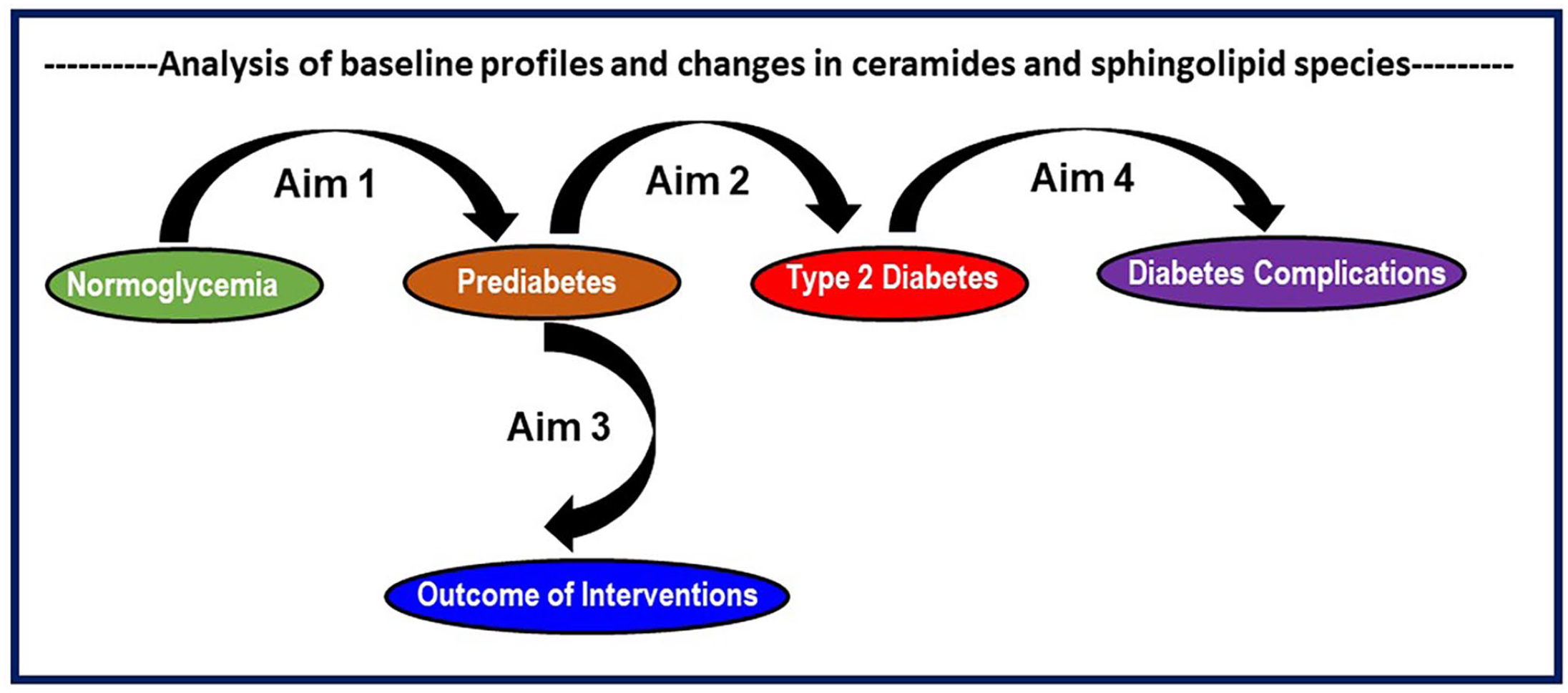
Design of the CASPID study. Baseline profiles and temporal changes in targeted plasma ceramides and sphingolipids are analyzed in study participants during transition from normoglycemia to prediabetes (Aim 1), progression from prediabetes to T2DM (Aim 2), and in relation to response to diabetes prevention interventions (Aim 3) and the development of microvascular and macrovascular complications of diabetes during long-term follow-up (Aim 4).
Study subjects
The CASPID study will analyze specimens and data from phenotypically well-characterized longitudinal cohorts enrolled in two National Institutes of Health–funded studies: the POP-ABC/PROP-ABC and the DPP/DPPOS. The POP-ABC study enrolled normoglycemic adults with parental history of T2DM and monitored them passively for 5 years, for the primary outcome of progression from normoglycemia to incident prediabetes. 34 The PROP-ABC study is a 5-year extension of POP-ABC, during which all POP-ABC participants who had progressed to incident prediabetes received lifestyle interventions aimed at reversing prediabetes and restoring NGR. 35 The non-progressors were followed up for incident prediabetes and promptly enrolled in the lifestyle intervention program. 35 The DPP participants all had prediabetes at enrollment and were assigned randomly to lifestyle intervention, metformin, or placebo treatment and followed for the occurrence of incident T2DM. 32 After completion of the DPP phase in 2002, participants were re-enrolled in DPPOS and have been followed up for the outcomes of T2DM and related complications. 36
POP-ABC/PROP-ABC
The POP-ABC study established and characterized a longitudinal cohort of 343 initially normoglycemic African American and Caucasian offspring of parents with T2DM, and followed them for 5.5 years, the primary outcome being incident prediabetes. The study subjects underwent a standard 75-g oral glucose tolerance test (OGTT) during an outpatient visit to the GCRC and were enrolled if they had normal fasting plasma glucose (FPG) and/or normal 2-h plasma glucose during OGTT (2hrPG). After the baseline visit for screening OGTT, each enrolled subject had repeated metabolic assessments during quarterly visits. The assessments included anthropometry, OGTT, body composition, energy expenditure, insulin sensitivity, β-cell function, cardiometabolic risk profile, adipocytokines, and behavioral and socioeconomic measures. 34 During 5.5 years of follow-up, 101 POP-ABC participants developed incident prediabetes. 34 The original POP-ABC participants were re-enrolled in the 5-year extension PROP-ABC study (ClinicalTrials.gov number: NCT02027571) during which lifestyle intervention was offered to participants with incident prediabetes. 35 The CASPID study utilizes stored plasma specimens obtained at baseline and during follow-up in the POP-ABC and PROP-ABC studies.
DPP/DPPOS
The primary objective of the DPP (ClinicalTrials.gov number: NCT00004992) was to prevent or delay the onset of T2DM in persons with prediabetes, and the DPPOS (ClinicalTrials.gov number: NCT00038727), an extension of the DPP, has continued to collect valuable laboratory and clinical data, including data regarding diabetes complications. The DPP was a landmark randomized clinical trial performed at 27 research centers in the USA that enrolled 3234 overweight or obese adult participants with prediabetes (IGT), fasting glucose 95–125 mg/dL, and body mass index (BMI) ⩾ 24 kg/m2. 32 The participants were randomized to intensive lifestyle intervention (comprising low-fat diet, physical activity > 150 min/week, weight loss of 7%), treatment with metformin (850 mg twice daily), or placebo. The primary results of the DPP showed that participants randomized to intensive lifestyle intervention had a 58% reduction in the incidence of T2DM compared with placebo. Metformin treatment decreased diabetes incidence by 31% compared with placebo. 32 After a median follow-up period of 3.2 years (and a 10-month “bridge” period), DPP participants were re-enrolled in the DPPOS. After a mean 10 follow-up period of 10 years in the DPPOS, the diabetes incidence was 34% and 18% lower in the intensive lifestyle and metformin arm, respectively, compared with placebo. 36
Normative control
In addition to the POP-ABC/PROP-ABC and DPP/DPPOS study participants, the CASPID study includes a control group of healthy, normoglycemic individuals without a family history of diabetes, to provide normative data on circulating sphingolipid levels in people without dysglycemia or parental diabetes. Normoglycemic status is confirmed using the standard 75 g OGTT based on the American Diabetes Association 4 criteria for normal FPG (<100 mg/dL {<5.5 mmol/l}) and normal 2-h plasma glucose (<140 mg/dL {<7.8 mmol/L}).
Lipidomic analysis
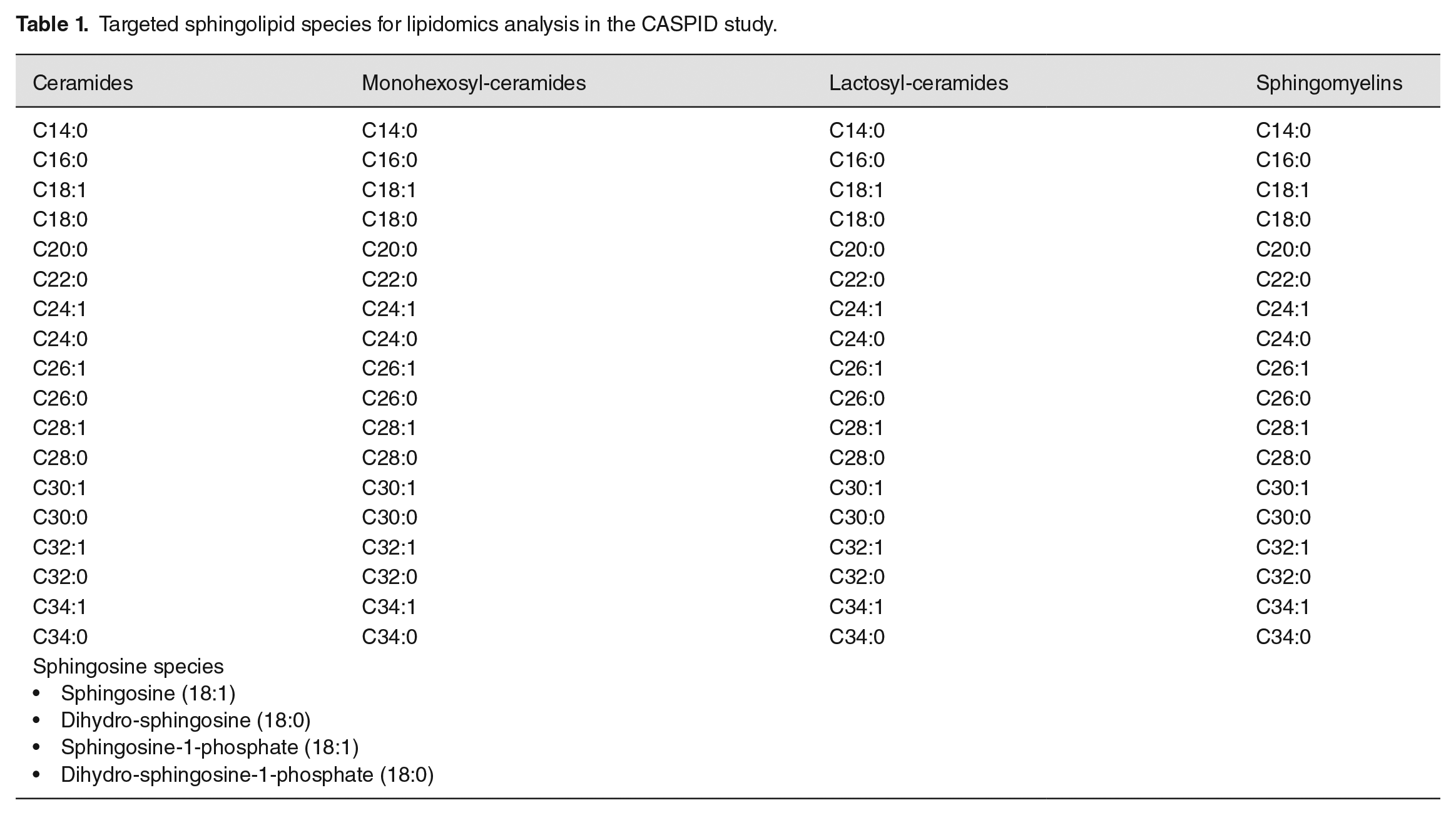
A targeted lipidomic profile assessing the species of sphingolipids of various classes (ceramide, monohexosyl ceramide, sphingomyelin, and sphingosine) in plasma will be generated by liquid chromatography–tandem mass spectrometry (LC–MS/MS) at the Lipidomics Core at Virginia Commonwealth University, Richmond, VA, using established protocols. Confirmation and quantification of individual species of sphingolipids will be performed using a Shimadzu LC-20 AD binary pump system coupled to a SIL-20AC autoinjector, and a DGU20A3 degasser coupled to an ABI 4000 quadrupole/linear ion trap (QTrap; Applied Biosystems, Waltham, MA, USA), operating in triple quadrupole mode. Sphingolipid species, ceramides, hexosyl-ceramides, lactosyl-ceramides, sphingomyelin, and sphingoid lipids, such as sphingosine, dihydro-sphingosine, sphingosine-1-phosphate, and dihydro-sphingosine-1-phosphate, will be identified based on their retention time and m/z ratio and quantified by comparing the target lipid ion of interest with the normalization of quantitated ion abundances, as described previously.37,38 Table 1 shows the list of sphingolipid species targeted for quantitation in the CASPID study.
Targeted sphingolipid species for lipidomics analysis in the CASPID study.
Statistical analysis
The case–control comparisons of the various lipidomics output from our study will use analysis of covariance (ANCOVA), adjusting for baseline differences in blood glucose, clinical, and metabolic variables. Data from progressors to prediabetes or T2DM versus non-progressors during longitudinal follow-up will be analyzed using analysis of variance (ANOVA) or the chi-square test as appropriate, followed by a pairwise comparison using the two-sample t test or chi-square test. We will further compare outcomes of interest (progressors versus non-progressors, microvascular/macrovascular complications) at defined follow-up time points using two-sample t test and ANCOVA, adjusting for baseline characteristics. A mixed-model approach, instead of paired t test, will be used to analyze lipidomics profiles in progressors versus non-progressors among DPP/DPPOS participants across the three time points (baseline, Year 2 DPP, Year 11 DPPOS) of assessment. We will use linear regression models to analyze the relationship between individual ceramides and sphingolipid species and adiposity measures, insulin sensitivity, β-cell function, adipocytokines, and other cardiometabolic variables. For all analyses with continuous variables as outcome, residual analysis will be carried out to make sure normality and homoscedasticity assumptions are valid; otherwise, log transformation will be applied to the outcome variables.
To determine predictors for conversion (Aims 1 and 2), response to interventions (Aim 3), or development of complications (Aim 4), stepwise logistic regression will be carried out. Initially, variables will be tested for association with outcomes using ANOVA or chi-square test. Those with P < 0.15 will be included in stepwise logistic regression. Final model will include those with P < 0.05. Power calculation indicated that a sample size of 600 subjects (150 from POP-ABC/PROP-ABC and 150 each from placebo, lifestyle, and metformin arms of DPP/DPPOS) would provide >80% power to detect a 20% difference in sphingolipid profiles between comparison groups, using a conservative type 1 error of 0.01.
Results
Baseline characteristics of the enrolled cohorts
Table 2 summarizes the baseline characteristics of the enrolled participants from the POP-ABC study and a comparison group of individuals without a family history of diabetes. Both groups had comparable proportions of African Americans and Caucasians and similar sex distribution. In general, values for age, weight, BMI, and glucose measures were higher in the participants with parental diabetes (POP-ABC) compared with those without a family history of diabetes. Furthermore, the offspring of patents with T2DM had lower insulin sensitivity, but similar acute insulin secretion, compared with individuals without a family history of diabetes. The planned comparison of lipidomic profiles in individuals with or without a family history of diabetes will adjust for baseline clinical and biochemical differences. A case–control panel was constructed for POP-ABC participants whose plasma glucose increased from normoglycemia to prediabetes levels during 5 years of follow-up (Progressors) and those who maintained normoglycemia during follow-up (Non-progressors). Table 3 shows that the “cases” (Progressors) and controls (Non-progressors) are well matched.
Baseline characteristics of POP-ABC participants and subjects without family history of diabetes enrolled in the CASPID study.

Values are mean ± SD; AIRg, acute insulin secretory response to i.v. glucose;
Si-clamp (µmol/kg.fat-free mass-min/pM), insulin sensitivity measured with hyperinsulinemic euglycemic clamp; T2D, type 2 diabetes. To convert the values for glucose to millimoles per liter, multiply by 0.0555. To convert the values for insulin (AIRg) to picomoles per liter, multiply by 6.0.
Baseline characteristics of POP-ABC progressors and non-progressors.

Values are mean ± SD; AIRg, acute insulin secretory response to i.v. glucose;
Si-clamp (µmol/kg.fat-free mass-min/pM), insulin sensitivity measured with hyperinsulinemic euglycemic clamp. To convert the values for glucose to millimoles per liter, multiply by 0.0555. To convert the values for insulin (AIRg) to picomoles per liter, multiply by 6.0.
Table 4 summarizes the baseline characteristics of CASPID study participants enrolled from each of the randomized treatment arms of the DPP. Participants randomized to placebo, lifestyle intervention, or placebo treatment had similar representation of individuals from African American, Caucasian, or Hispanic backgrounds. Furthermore, the female-to-male ratio was similar across the DPP treatment groups, and there were no significant differences among participants randomized to placebo, lifestyle intervention, or placebo treatment regarding age, BMI, or glycemic measures. Plasma samples obtained at prespecified intervals (Table 5) during longitudinal follow-up of DPP/DPPOS participants will be subjected to LC-MS/MS for lipidomics profiling.
Baseline characteristics of DPP/DPPOS participants enrolled in the CASPID study.
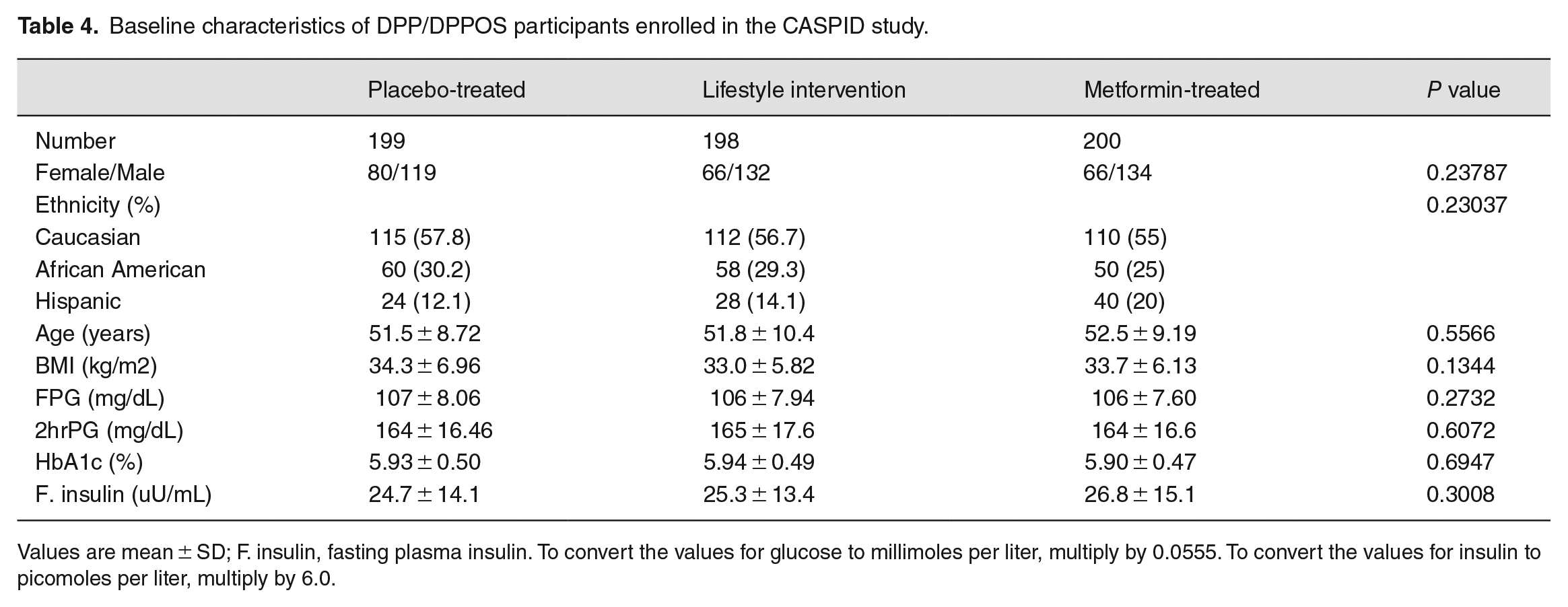
Values are mean ± SD; F. insulin, fasting plasma insulin. To convert the values for glucose to millimoles per liter, multiply by 0.0555. To convert the values for insulin to picomoles per liter, multiply by 6.0.
Sources of specimens from DPP/DPPOS participants for analysis in CASPID.
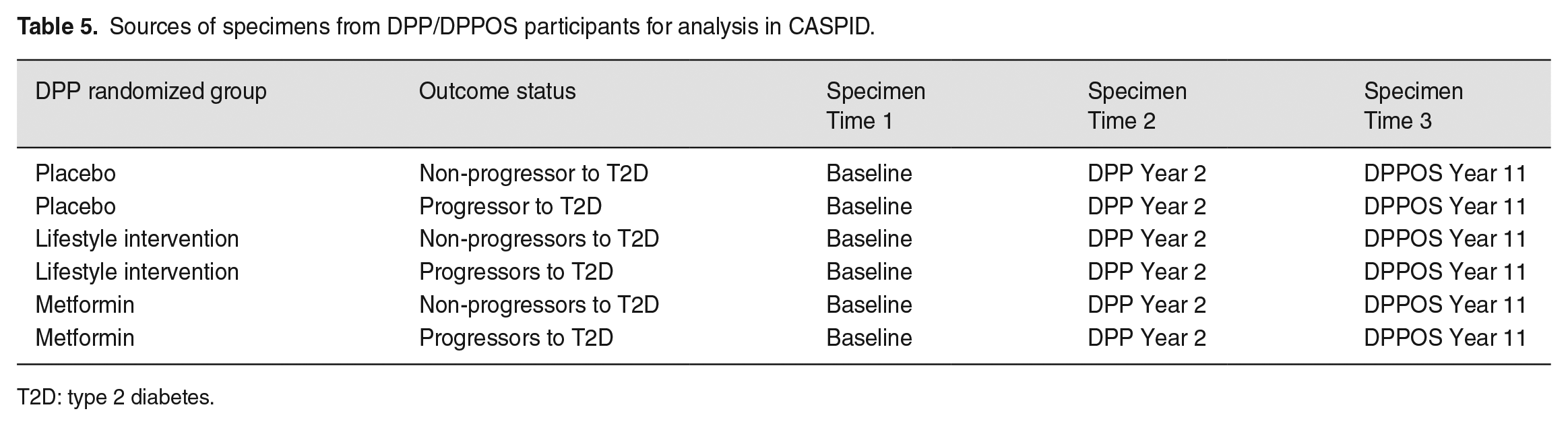
T2D: type 2 diabetes.
Baseline lipidomics profile in normoglycemic CASPID participants
Although the full spectra of the planned lipidomics analyses are ongoing, we have determined the total levels of sphingolipids, including sphingomyelins, ceramides, and sphingosines in baseline plasma specimens from CASPID participants who had normal plasma glucose levels at enrollment (Figure 2). Those initially normoglycemic participants comprised POP-ABC enrollees (offspring of parents with T2DM) and a control group of subjects without familial history of diabetes. The analysis showed that normoglycemic individuals with or without a family history of diabetes had similar levels of plasma total sphingolipids. However, the offspring of parents with T2DM had significantly higher levels of total sphingomyelins and lower levels of total ceramides and sphingosines, compared with individuals without a family history of diabetes (Figure 2). The differences persisted after adjustments for age, sex, race/ethnicity, BMI, waist circumference, FPG, and 2-h plasma glucose levels (Figure 2 and Supplemental Table 1).
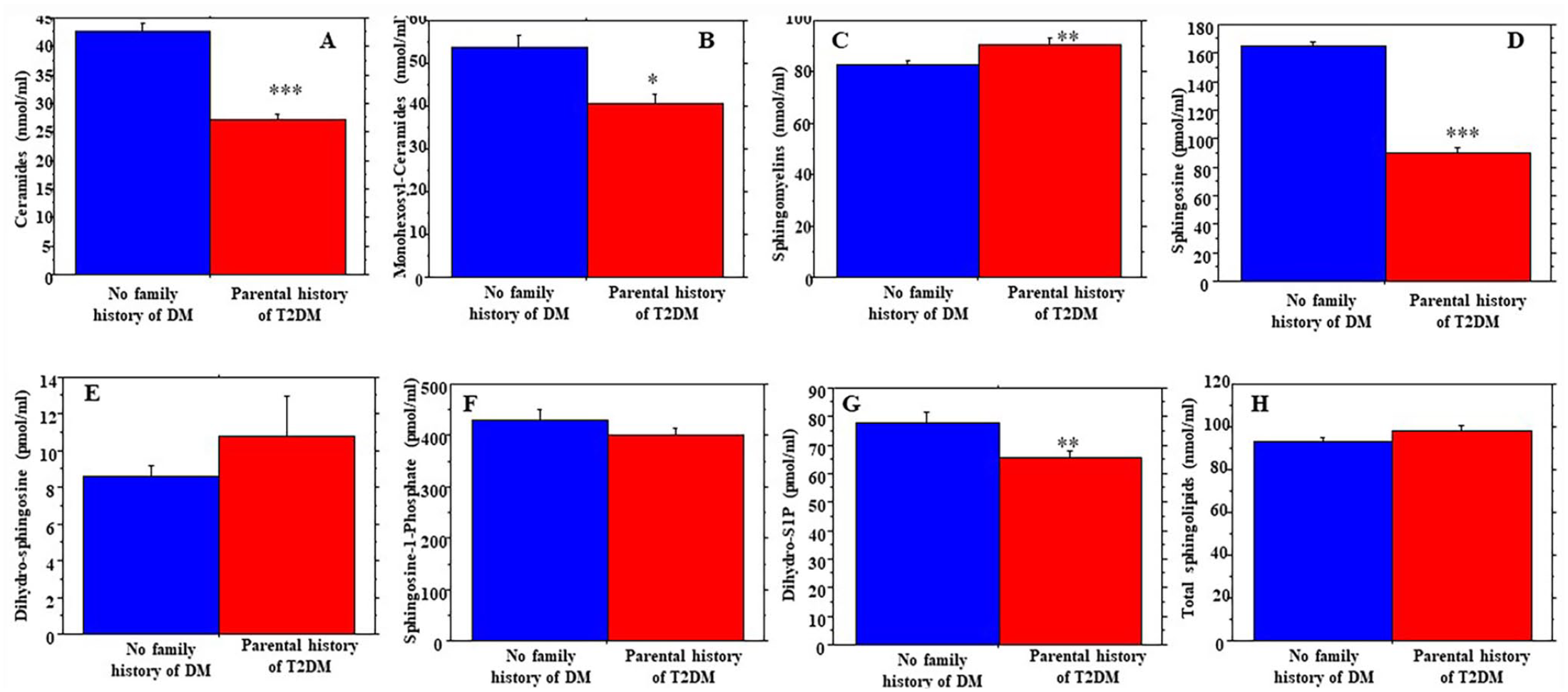
Baseline plasma levels of ceramides (A), monohexosyl-ceramides (B), sphingomyelins (C), sphingosine (D), dihydro-sphingosine (E), sphingosine-1-phosphate (F), dihydro-sphingosine-1-phosphate (dihydro-S1P) (G), and total sphingolipids (H) in normoglycemic adults with parental type 2 diabetes (red bars) and control subjects without familial history of diabetes (blue bars). *P = 0.02; **P = 0.005; ***P < 0.0001, adjusted for age, sex, body mass index, waist circumference, fasting plasma glucose, and 2-h postload plasma glucose levels.
Association of parental diabetes with dysregulation of sphingolipid metabolism
As all POP-ABC participants have parental history of T2DM, a comparison of their lipidomic profiles with data from normoglycemic control subjects without a family history of diabetes could reveal novel interactions between genetic diabetes risk and regulation of sphingolipid metabolism.
Progression from normoglycemia to prediabetes
By comparing baseline lipidomic profiles in initially normoglycemic POP-ABC participants who progressed to prediabetes (progressors) versus participants who maintained normoglycemia (non-progressors) during 5 years of follow-up, we hope to assess the role of ceramides and sphingolipids in the pathogenesis of incident prediabetes (Table 3). Further assessment of the change in lipidomic profiles at baseline and at occurrence of endpoint (progression to prediabetes) or end of study (for non-progressors) would provide additional insights into the relationship between temporal trends in lipidomic profiles and prediabetes risk.
Progression from prediabetes to T2DM
Comparison of baseline targeted lipidomic profiles in DPP participants assigned to placebo arm who progressed from prediabetes to T2DM versus non-progressors during longitudinal follow-up will provide data on the role of sphingolipids as predictors in incident diabetes. Assessment of temporal changes in lipidomic profiles during follow-up provides further opportunity for rigorous testing of our hypothesis linking dysregulation of sphingolipid metabolism to diabetes risk. The availability of specimens and clinical data obtained from DPP/DPPOS participants at three time points of the study-DPP (baseline, end-of-year 2 DPP, and at DPPOS year 11) guarantees feasibility of the planned analyses (Table 5).
Response to interventions
The CASPID study further tests the hypothesis that interventions that reverse prediabetes or prevent/delay progression from prediabetes to T2DM act via sphingolipid-mediated mechanisms. We will perform targeted lipidomics using longitudinal samples from PROP-ABC participants with prediabetes who received lifestyle intervention for 5 years and DPP participants assigned to lifestyle intervention or metformin arms. The glycemic outcomes of intervention among participants in the PROP-ABC and DPP studies were (1) regression from prediabetes to NGR, (2) persistent prediabetes, or (3) progression to T2DM.35,39 The CASPID study will evaluate pre-intervention (baseline) and postintervention changes in targeted lipidomic profiles as potential predictors and correlates of the various glycemic outcomes. The PROP-ABC analyses will utilize specimens collected at baseline and end of study (year 5); the DPP/DPPOS analyses will utilize specimens obtained at baseline, end-of-year 2 DPP, and at year 11 DPPOS (Table 5). Plasma specimens from PROP-ABC participants who had not developed prediabetes (Non-progressors) and, thus, were not enrolled in lifestyle intervention, obtained at baseline and end of study, will serve as controls for assessing the specific role of lifestyle intervention in any alterations observed in lipidomic profiles following lifestyle interventions. Similarly, specimens from placebo-treated DPP participants, obtained at identical time points, will serve as controls for assessing the specific roles of lifestyle intervention and metformin in any observed changes in lipidomic profiles.
Complications of diabetes
Finally, the CASPID study will utilize a case–control design nested within DPP/DPPOS to analyze the relationship between lipidomic profiles and the occurrence of three microvascular endpoints (retinopathy, nephropathy, neuropathy) and one macrovascular endpoint (coronary artery calcium scores).
Discussion
The CASPID study holds promise for expanding knowledge of the role of sphingolipids in the pathophysiology of prediabetes and T2DM. Though representing a relatively small component of total lipids in most tissues, sphingolipids (including ceramides) are involved in important cellular processes that modulate growth and differentiation, oxidative stress, inflammation, and metabolic function, among others.13–31
Abundant data link ceramide accumulation in tissues and the circulation to biological consequences such as insulin resistance, pancreatic β-cell apoptosis, insulin deficiency, and glucose dyshomeostasis.13,18–21 Lipidomic analysis in mice from different genetic backgrounds, corroborated by correlative studies in human population-based prospective cohorts, has identified certain long-chain dihydroceramides that were significantly elevated in the plasma long before the diagnosis of diabetes. 40 In further support of their pathogenic role, inhibition of ceramide synthesis prevents β-cell death and improves metabolic function.41–45
We have designed the CASPID study to investigate the role of ceramides and sphingolipids across the full spectrum of the transition from normoglycemia through prediabetes to T2DM. Access to two extensively characterized longitudinal human cohorts (POP-ABC/PROP-ABC and DPP/DPPOS) provides an unprecedented opportunity for studying targeted lipidomic profiles in relation to the pathogenesis of dysglycemia and vascular complications in a multiethnic population. In addition, the CASPID study provides opportunity to evaluate the association between targeted lipidomic profiles and the efficacy of interventions to prevent T2DM.
Furthermore, the availability of a comparison group of individuals without a family history of diabetes enables discovery of any link between genetic diabetes risk and alteration of sphingolipid metabolism among our normoglycemic offspring of parents with T2DM. Our preliminary data showed significant differences in circulating levels of sphingomyelins, ceramides, and sphingosines in offspring of parents with T2DM versus individuals without a family history of diabetes. As both groups were studied in the normoglycemic state, the observed lipidomics differences are not likely explained by alterations in glucose metabolism. Instead, our findings suggest a potential link between genetic diabetes risk and alterations in sphingolipid metabolism, a concept that would be clarified by our ongoing expanded lipidomics analyses of the full CASPID study population.
Besides their link to insulin resistance and glucose dysregulation, ceramide accumulation has been associated with increased risk of diabetes-related microvascular and macrovascular complications.16,24,30,37,46 The CASPID study will examine associations between ceramide and sphingolipid species with the development of microvascular and macrovascular complications during 11 years of follow-up of the DPP/DPPOS participants. Unlike previous reports, based on cross-sectional analysis, our findings from the CASPID study rely on the more rigorous prospective follow-up design. Thus, we would be able to determine temporality, and glean causal inferences, in any observed associations.
Our previous reports identified certain lipid moieties as significant predictors of the transition from NGR to prediabetes. 47 Other studies suggest that alterations in ceramide and sphingolipid profiles may precede the clinical presentation of diabetes and its complications.17,20,21,46 Thus, the CASPID study, which utilizes a more extensive lipidomics profiling approach, could identify novel sensitive and specific biomarkers for prediabetes, T2DM, or diabetes complications. Dietary intervention studies in human beings have demonstrated the impact of lipid consumption on circulating sphingolipids and cardiovascular risk markers. 48 Consumption of saturated fatty acids increases plasma ceramide concentrations along with alterations in triglyceride-rich lipoproteins, whereas consumption of polar lipids decreases circulating levels of ceramides and other sphingomyelins. 48 Thus, the findings from the CASPID study could inform dietary intervention strategies aimed at minimization of risk and optimization of cardiometabolic health.
The strengths of the CASPID study design include the enrollment of well-characterized prospective, multiethnic cohorts and the rigorous ascertainment of prediabetes and diabetes endpoints that occurred during extensive follow-up periods. Another strength is the scope of our targeted lipidomic profiling, which includes key saturated and unsaturated ceramides, monohexosyl-ceramides (glucosyl and galactosyl), sphingomyelin, and sphingosine species. Furthermore, the extensive phenotypic data from the POP-ABC/PROP-ABC and the DPP/DPPOS cohorts enable dissection of mechanisms of any observed associations between sphingolipids and dysglycemia, including the roles of insulin sensitivity, insulin secretion, body composition, dietary factors, inflammation, and adipocytokines, among others. Importantly, the intervention design of the PROP-ABC and the DPP/DPPOS would permit the evaluation of ceramides and other sphingolipids as predictors of the response to interventions to reverse prediabetes or prevent progression to diabetes.
One limitation is that the POP-ABC study enrolled African American and Caucasian offspring of parents with T2DM. In addition, due to their low representation in the overall DPP cohort, we did not include Asian and Native American subjects in the CASPID study. The lack of full inclusion of all demographic groups limits the generalizability of potential findings from the CASPID study. Furthermore, the prespecified microvascular complications (retinopathy, nephropathy, neuropathy) are consistent with current clinical practice. However, the macrovascular endpoint (coronary artery calcium scores) is a surrogate marker of atherosclerosis that does not equate to clinical cardiovascular disease. Despite these limitations, the design of the CASPID study should facilitate the acquisition of novel insights into the role of ceramides and sphingolipids in glucoregulatory pathophysiology.
The CASPID study is the first exhaustive investigation of ceramides and sphingolipids in the pathophysiology of incident prediabetes and T2DM in longitudinal human cohorts. In addition, the CASPID study will analyze the efficacy of interventions for diabetes prevention in relation to dynamic changes in ceramide and sphingolipids. Thus, the CASPID study should generate important insights into metabolic pathophysiology and potentially discover novel biomarkers that could facilitate prediction of prediabetes, diabetes, and vascular complications.
Supplemental Material
sj-docx-1-ebm-10.1177_15353702231184228 – Supplemental material for Ceramides and other sphingolipids as predictors of incident dysglycemia (CASPID): Design, methods, and baseline characteristics
Supplemental material, sj-docx-1-ebm-10.1177_15353702231184228 for Ceramides and other sphingolipids as predictors of incident dysglycemia (CASPID): Design, methods, and baseline characteristics by Nawajes Mandal, Peace Asuzu, Frankie Stentz, Jim Wan and Sam Dagogo-Jack in Experimental Biology and Medicine
Footnotes
Acknowledgements
The authors are grateful to investigators and research volunteers who participated in the DPP/DPPOS and the POP-ABC/PROP-ABC studies.
Authors’ Contributions
All authors have made substantial contributions to the intellectual content of the manuscript as follows: SD-J participated in the concept and design of the study, supervised the acquisition and interpretation of data, and drafted the manuscript; NM participated in the concept and design of the study, interpretation of data, and review and revision of the manuscript; PA participated in the interpretation of data, and drafting, review, and revision of the manuscript; FS participated in the interpretation of data, and review and revision of the manuscript; JW performed statistical analysis, reviewed and revised manuscript. All authors approved the final version of the manuscript.
Declaration of Conflicting Interests
The author(s) declared no potential conflicts of interest with respect to the research, authorship, and/or publication of this article.
Funding
The author(s) disclosed receipt of the following financial support for the research, authorship, and/or publication of this article: The CASPID study is supported by a grant from the National Institute of Diabetes Digestive and Kidney Diseases (R01DK128129). The POP-ABC/PROP-ABC study was supported by a grant from the National Institute of Diabetes Digestive and Kidney Diseases (R01 DK067269) and the DPP/DPPOS is supported by a grant from the National Institute of Diabetes Digestive and Kidney Diseases (U01DK 48411). The content is solely the responsibility of the authors and does not represent the official views of the National Institutes of Health.

Supplemental Material
Supplemental material for this article is available online.
References
Supplementary Material
Please find the following supplemental material available below.
For Open Access articles published under a Creative Commons License, all supplemental material carries the same license as the article it is associated with.
For non-Open Access articles published, all supplemental material carries a non-exclusive license, and permission requests for re-use of supplemental material or any part of supplemental material shall be sent directly to the copyright owner as specified in the copyright notice associated with the article.
