




Abstract
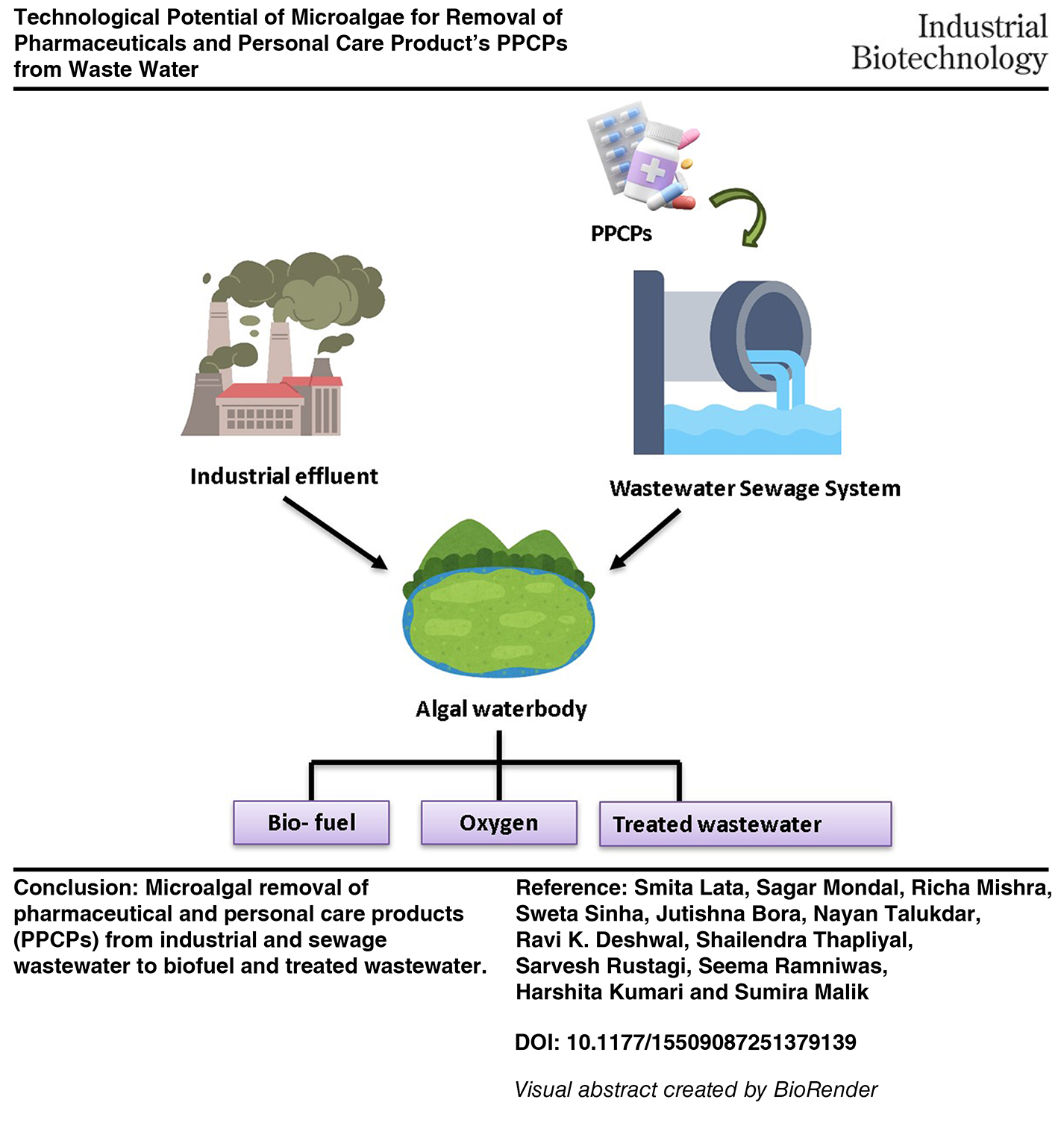
Pharmaceuticals and personal care products (PPCPs) have emerged as significant environmental contaminants due to their persistent nature and incomplete removal by conventional wastewater treatment systems. These micropollutants, which include antibiotics, hormones, analgesics, and personal care additives, pose ecological and health risks even at trace concentrations. Traditional treatment technologies such as activated sludge and membrane filtration often fail to fully eliminate PPCPs, necessitating innovative and sustainable alternatives. Microalgae have demonstrated promising capabilities for PPCP removal through mechanisms such as bioadsorption, bioaccumulation, and enzymatic degradation. Their ability to thrive under diverse environmental conditions, sequester carbon dioxide, and produce value-added biomass further enhances their appeal as an eco-friendly solution. This review explores the occurrence and impacts of PPCPs in industrial effluents, elucidates the biological mechanisms by which microalgae facilitate contaminant removal, and evaluates key technological and operational parameters affecting their performance. It also discusses current cultivation systems, integration strategies with existing infrastructure, economic and scalability challenges, and future directions involving genetic engineering and biorefinery integration. Microalgae-based systems, with proper optimization, offer a transformative approach for sustainable wastewater treatment and environmental remediation, by simultaneously removing nutrients and pollutants, producing valuable biomass, and reducing greenhouse gas emissions in an energy-efficient and eco-friendly manner. See Graphical abstract.
Introduction
Pharmaceuticals and personal care products (PPCPs) encompass an extensive and diverse group of chemical substances, such as prescription drugs, over-the-counter medications, veterinary medicines, fragrances, cosmetics, detergents, and hygiene products extensively used in human and animal health care, agriculture, aquaculture, and everyday personal care routines.1,2 The continuous and widespread utilization of these substances, coupled with inefficient removal by traditional wastewater treatment technologies, results in their persistent discharge into the environment. PPCPs have increasingly been identified in various water bodies including surface water, groundwater, and even drinking water resources, posing a significant challenge to maintaining water quality standards.3,4 Their presence in the environment is concerning due to their active biological properties, potential bioaccumulation in aquatic organisms, and long-term impacts on human and ecological health. 5
Conventional wastewater treatment approaches such as activated sludge, chlorination, chemical precipitation, filtration, and coagulation–flocculation are primarily designed to remove traditional pollutants such as suspended solids, organic matter, and nutrients. However, these methods often demonstrate limited effectiveness in completely removing PPCPs due to their intricate molecular structures, hydrophobicity, chemical stability, and varied physicochemical properties.6,7 Consequently, incomplete removal of PPCPs results in residual contamination, which exacerbates environmental issues such as antibiotic resistance, endocrine system disruption, reproductive abnormalities, developmental disorders in aquatic wildlife, and broader ecosystem dysfunction.8,9
Addressing the limitations inherent in conventional wastewater treatments necessitates innovative and sustainable remediation technologies. Microalgae-based systems have emerged as a promising alternative owing to their unique biological capabilities in contaminant removal. Microalgae utilize diverse and efficient mechanisms including bioadsorption (surface adsorption of PPCPs onto algal cell walls), bioaccumulation (internalization and storage of contaminants within algal cells), and biodegradation (enzymatic breakdown and transformation into less harmful substances). These processes facilitate the effective removal and transformation of PPCPs from contaminated wastewater streams.10,11 Beyond contaminant removal, microalgal wastewater treatment systems also provide considerable ecological and economic advantages, including significant carbon sequestration capabilities, oxygenation of treated water, reduced greenhouse gas emissions, and the generation of algal biomass, which can be subsequently utilized for sustainable bioenergy production, biofertilizers, animal feeds, or the extraction of valuable biochemicals.12,13
This detailed review aims to systematically explore the occurrence, chemical behavior, persistence, and toxicological consequences of PPCPs in industrial wastewater and aquatic ecosystems. It further delineates the complex biological and biochemical processes that microalgae utilize to mitigate PPCP contamination effectively. The review also critically assesses various environmental factors and operational parameters influencing microalgal treatment efficacy, including nutrient availability, temperature, pH, light intensity, hydraulic retention time (HRT), and initial pollutant concentrations. Through this comprehensive exploration, the review provides insights necessary for optimizing and scaling up microalgae-based remediation technologies, thus promoting their broader application as sustainable solutions for PPCP pollution control in industrial wastewater treatment.
Pharmaceuticals and Personal Care Products
SOURCES AND OCCURRENCE IN INDUSTRIAL EFFLUENTS
PPCPs constitute a significant class of contaminants originating from diverse sources, including pharmaceutical manufacturing plants, hospitals, health care clinics, veterinary services, agricultural practices, domestic sewage, and cosmetic production industries.14–16 The ubiquitous use and production of PPCPs result in their consistent release into wastewater streams, significantly impacting environmental quality due to their persistent and bioactive nature. In addition to direct industrial and health care-related discharge, PPCPs enter aquatic environments through indirect routes such as agricultural runoff containing veterinary medicines and improper disposal practices by consumers, further compounding their environmental prevalence. 17
In industrial effluents, various pharmaceuticals such as antibiotics, analgesics, anti-inflammatory medications, and antidepressants have been frequently detected, with antibiotics being particularly concerning due to their role in promoting antimicrobial resistance (AMR).18,19 Even at low, nonlethal concentrations, antibiotics in PPCPs can select for resistant bacteria. These sub-inhibitory levels allow bacteria with resistance genes to survive and outcompete susceptible strains. PPCP-contaminated environments such as hospital effluents, sewage treatment plants, and agricultural runoff can become hotspots for horizontal gene transfer. Bacteria exchange resistance genes via plasmids, transposons, and integrons, spreading AMR across diverse species. 20 Similarly, personal care products such as sunscreens, fragrances, preservatives (e.g., parabens), and disinfectants such as triclosan are extensively present, often showing considerable resistance to biodegradation and persistence in aquatic environments.21,22 PPCPs display variability in their environmental concentrations, influenced by production volume, industrial process efficiency, wastewater treatment capabilities, and regulatory frameworks.
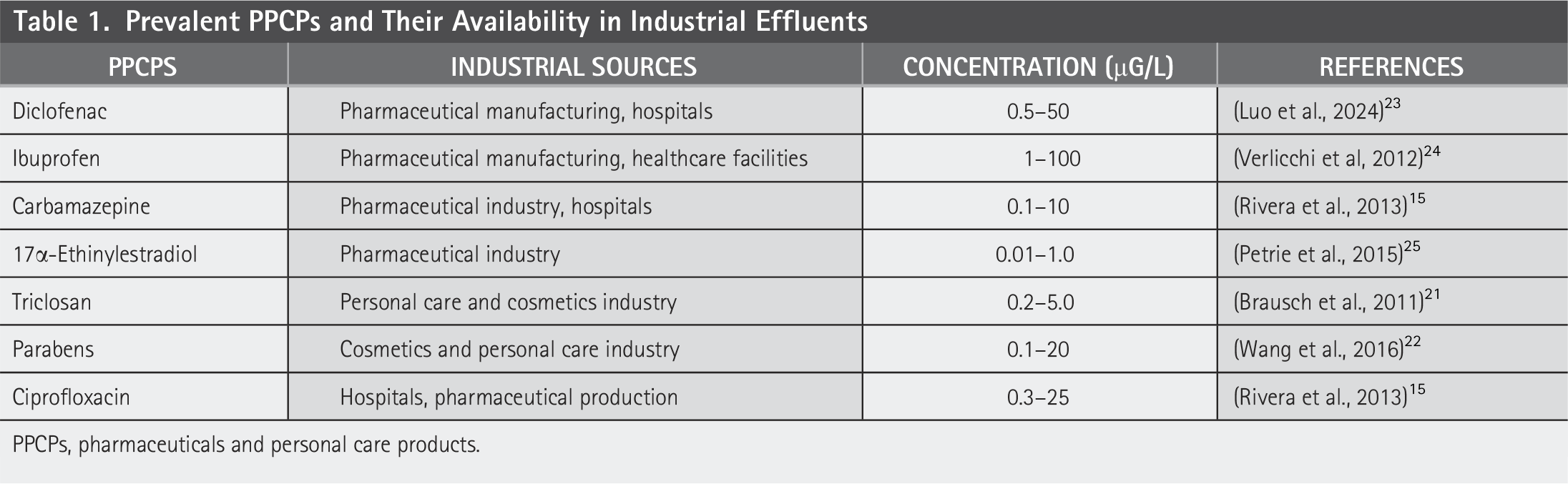
Several studies have documented the occurrence of PPCPs in aquatic environments worldwide, highlighting considerable variability across regions due to differences in industrial practices, wastewater management, and regulatory enforcement. For instance, diclofenac concentrations have been recorded at levels ranging from 0.5 to 50 µg/L, while ibuprofen and carbamazepine often exhibit concentrations between 1 and 100 µg/L, and 0.1 to 10 µg/L, respectively.23,24 Hormones such as 17α-ethinylestradiol are detected at significantly lower concentrations (0.01–1.0 µg/L) but pose severe risks due to their high endocrine-disrupting potential even at trace levels.25 Table 1 consolidates typical PPCPs, their industrial origins, and commonly observed concentration ranges in wastewater effluents.
Prevalent PPCPs and Their Availability in Industrial Effluents
PPCPs, pharmaceuticals and personal care products.
Polyfluoroalkyl substances (PFAS), microplastics (MPs), and PPCPs frequently co-occur in aquatic environments, especially in wastewater systems and natural water bodies, due to their persistent and wide-ranging sources. MPs can serve as carriers and concentration platforms for both PFAS and PPCPs, facilitating their transport and enhancing their bioavailability in the environment.26,27 The hydrophobic surfaces of MPs readily adsorb PFAS and hydrophobic PPCPs, forming complex contaminant mixtures that can amplify ecotoxicological effects. 28 Furthermore, PFAS and PPCPs tend to associate with suspended particles and biofilms in wastewater, where MPs often aggregate, creating hotspots of mixed contamination. 29 This co-occurrence raises concerns about synergistic toxicity, enhanced persistence, and potential for bioaccumulation in aquatic organisms. The widespread occurrence and detection of PPCPs underline the critical need for enhanced regulatory policies, improved industrial and municipal wastewater management practices, and adoption of advanced wastewater treatment technologies capable of effectively mitigating these contaminants. Addressing PPCP contamination requires integrated approaches involving public awareness, stringent disposal guidelines, and research into innovative remediation strategies, such as bioremediation using microorganisms, including microalgae.
CHEMICAL PROPERTIES AND ENVIRONMENTAL PERSISTENCE
PPCPs exhibit a diverse range of physicochemical properties, significantly influencing their environmental fate and persistence. These properties include hydrophilicity, hydrophobicity, volatility, polarity, molecular size, and biodegradability.14,24 Each characteristic contributes uniquely to the distribution, mobility, degradation, and overall environmental impact of PPCPs.
Hydrophobic PPCPs, characterized by their low water solubility and high affinity for organic matter, tend to adsorb strongly onto particulate matter and sediments. This adsorption limits their aqueous-phase mobility, leading to accumulation and prolonged persistence in sedimentary environments. For instance, hydrophobic substances like triclosan and certain parabens frequently demonstrate significant adsorption onto suspended solids and sediments, making their removal challenging through conventional wastewater treatments.30,31
Conversely, hydrophilic PPCPs possess high solubility in water, facilitating their widespread dispersion in aquatic environments and groundwater systems. Compounds such as antibiotics (e.g., ciprofloxacin) and certain hormones (e.g., ethinylestradiol) exemplify hydrophilic substances that readily remain in the aqueous phase, thereby posing significant challenges for treatment processes due to their rapid distribution and potential for persistent environmental contamination.15,32
Volatility is another crucial property influencing PPCPs’ environmental behavior. Volatile PPCPs may evaporate from wastewater treatment processes or surface water bodies, subsequently re-entering ecosystems through atmospheric deposition, thus expanding their environmental reach and complicating mitigation strategies. 33
Chemical stability and resistance to microbial degradation significantly determine the persistence of PPCPs in the environment. Many PPCPs, such as carbamazepine and diclofenac, exhibit high chemical stability, making them resistant to biodegradation. This stability facilitates their accumulation and persistence in aquatic environments, thereby increasing the risk of long-term ecological and human health impacts.1,23 Persistent PPCPs can accumulate in aquatic organisms, subsequently entering the food chain and potentially causing chronic toxicity, endocrine disruption, and other adverse ecological effects. 34
Environmental persistence is further influenced by factors such as pH, temperature, microbial diversity, and the presence of other organic contaminants, all of which can modify the degradation rates and mobility of PPCPs. For instance, elevated temperatures and specific microbial consortia can enhance biodegradation processes for certain compounds, whereas acidic or alkaline conditions may either promote or hinder the persistence and transformation of PPCPs depending on their chemical nature. 9 Therefore, understanding the physicochemical properties and environmental persistence of PPCPs is critical for developing effective management strategies, improving treatment technologies, and mitigating their ecological impacts.
TOXICOLOGICAL EFFECTS
The continuous discharge of PPCPs into aquatic ecosystems, even at relatively low concentrations, poses significant toxicological threats to aquatic life. The bioactive nature and persistence of PPCPs facilitate their prolonged presence, resulting in chronic exposure scenarios with detrimental ecological and biological impacts. The primary toxicological concerns associated with PPCPs encompass endocrine disruption, antibiotic resistance, immunotoxicity, genotoxicity, and carcinogenicity, which have substantial implications for both ecological integrity and human health.21,34,35 Several PPCPs have been found to interfere with immune responses in aquatic organisms, and potentially in humans, through prolonged environmental or drinking water exposure. Endocrine-disrupting PPCPs such as synthetic hormones (e.g., 17α-ethinylestradiol), parabens, and triclosan interfere with hormone regulation, reproduction, and developmental processes in aquatic organisms. Exposure to these endocrine disruptors can lead to feminization of male fish, altered reproductive behaviors, reduced fertility, and developmental abnormalities in fish and amphibian populations, severely impacting aquatic biodiversity.25,36 In addition, endocrine disruption may also indirectly influence trophic interactions and community dynamics, altering overall ecosystem stability and functions.
Genotoxicity of PPCPs is observed where DNA strand breaks and oxidative lesions via reactive oxygen species (ROS) generation, chromosomal aberrations and micronucleus formation, and interference with DNA replication and repair mechanisms. For example, sulfamethoxazole and ciprofloxacin cause DNA fragmentation in aquatic organisms through ROS-mediated mechanisms. 37 Ibuprofen has been associated with increased DNA breaks and chromosomal abnormalities in Daphnia magna and Danio rerio embryos. 38
The byproducts frequently exhibit higher toxicity than their parent compounds due to their reactivity and persistence in aquatic environments. For example, carbamazepine can degrade into acridine derivatives and epoxide intermediates, which are known for their mutagenic and genotoxic potential. Sulfamethoxazole breakdown produces sulfanilic acid and catechol-like structures, which can disrupt endocrine systems and exhibit cytotoxic effects. 39 The degradation of diclofenac leads to hydroxy-diclofenac and quinone-imine intermediates, which are highly toxic to aquatic organisms. 40 Similarly, triclosan, especially when exposed to chlorination processes, can form chlorophenols and dioxins, both of which are highly toxic and potentially carcinogenic. 41 Common preservatives such as parabens can degrade into p-hydroxybenzoic acid derivatives, which are linked to endocrine disruption. 42 The degradation of ibuprofen typically results in hydroxy-ibuprofen and carboxylic acid derivatives that, although less acutely toxic, may still bioaccumulate in aquatic environments. Complex antibiotic mixtures can form ROS and toxic aldehydes, which may contribute to oxidative stress and the spread of AMR. 39 In addition, surfactant-derived compounds such as nonylphenol can degrade into estrogenic metabolites that disrupt reproductive systems in aquatic species. 43 These byproducts can be detected through various techniques such as high-performance liquid chromatography, gas chromatography–mass spectrometry, nuclear magnetic resonance, Fourier transform infrared spectroscopy, and advanced oxidation process.
Antibiotic resistance is another significant toxicological effect associated with the persistent discharge of antibiotic compounds such as ciprofloxacin. These antibiotics at sublethal concentrations in aquatic environments promote selective pressure favoring antibiotic-resistant bacteria, thereby accelerating the dissemination of resistance genes within microbial communities. This proliferation poses serious risks to human health by potentially limiting the effectiveness of critical antibiotics and exacerbating global health threats associated with antibiotic-resistant pathogens.18,19
Immunotoxicity and genotoxicity are also crucial concerns stemming from chronic PPCP exposure. Pharmaceuticals such as diclofenac and carbamazepine have been documented to cause immune suppression, renal impairment, growth inhibition, and neurotoxicity in exposed aquatic species. Genotoxic compounds can induce mutations, DNA damage, and chromosomal aberrations, which may compromise population viability through reduced survival rates and reproductive success, thereby threatening biodiversity and ecological health. 16
Moreover, carcinogenicity associated with certain PPCPs is a critical toxicological issue warranting further research and regulatory scrutiny. Prolonged exposure to carcinogenic compounds in PPCPs may result in tumour formation and cancers in aquatic organisms, with potential risks of bioaccumulation and biomagnification through trophic levels, ultimately impacting human health via consumption of contaminated seafood. 30
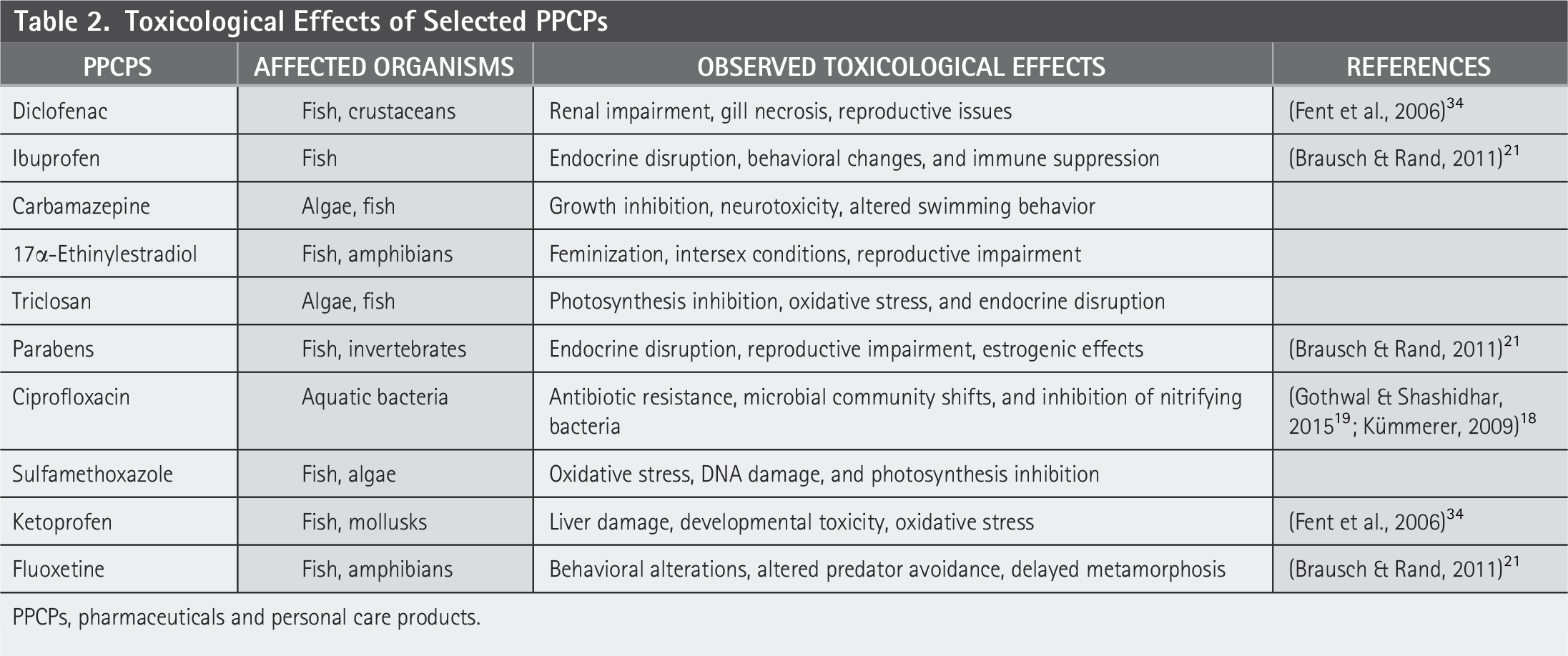
Table 2 summarizes the toxicological effects associated with selected PPCPs, providing insights into specific impacts on different aquatic organisms, underscoring the critical need for robust monitoring, comprehensive risk assessments, and the implementation of effective mitigation strategies.
Toxicological Effects of Selected PPCPs
PPCPs, pharmaceuticals and personal care products.
Microalgae: Biology and Mechanism of Contaminant Removal
Microalgae are unicellular or simple multicellular photosynthetic organisms that play a significant ecological role in aquatic systems by serving as primary producers. Their application in wastewater treatment technologies is gaining increasing recognition due to their capability to simultaneously sequester nutrients, degrade emerging contaminants, and generate valuable biomass. Unlike conventional treatment systems that often require substantial chemical and energy inputs, microalgae-based systems offer a cost-effective, sustainable, and eco-friendly alternative.44,45
Structurally, microalgal cell walls contain polysaccharides and proteins with diverse functional groups, such as hydroxyl, carboxyl, phosphate, and amine groups, which facilitate the adsorption of pollutants. 46 Metabolically, microalgae can produce extracellular enzymes and intracellular biocatalysts that participate in transforming or mineralizing organic contaminants such as PPCPs. Furthermore, microalgae offer additional advantages, such as high adaptability to variable wastewater conditions, tolerance to a broad spectrum of pollutants, and minimal sludge generation. Their ability to thrive in various photobioreactor (PBR) designs (open ponds, tubular reactors, flat panels) enhances their integration potential into existing wastewater treatment infrastructures. 47
Besides direct contaminant removal, microalgae also contribute to oxygenation of wastewater through photosynthesis, thus improving aerobic microbial degradation of co-contaminants. 48 The synergistic use of microalgae with bacterial consortia in wastewater has shown enhanced removal efficiencies for complex compounds, including pharmaceutical residues. Recent developments in genetic engineering and omics-based tools (genomics, transcriptomics, and metabolomics) are also being applied to develop genetically optimized strains of microalgae that exhibit improved PPCP degradation capacities and higher biomass productivity. 49 Overall, microalgae present a holistic solution for tackling wastewater pollution while aligning with circular economy principles by recovering resources in the form of biofuels, pigments, proteins, and other high-value products from harvested algal biomass.
Microalgae are photosynthetic microorganisms capable of converting solar energy into chemical energy while assimilating nutrients and contaminants from their surrounding environment. 50 Their application in wastewater treatment has garnered significant attention due to their fast growth rates, low nutrient requirements, CO2 fixation ability, and capacity to remove various pollutants including heavy metals, nutrients (N and P), and emerging contaminants such as PPCPs.44,45 The cell walls of microalgae contain functional groups (e.g., hydroxyl, carboxyl, amino) which facilitate the binding and uptake of various pollutants. Moreover, their enzymatic systems play a vital role in the biodegradation of complex organic compounds including PPCPs.
ALGAE SPECIES USED FOR WASTEWATER TREATMENT
A wide variety of microalgal species have been studied for their capacity to remove PPCPs from wastewater. These microalgae not only demonstrate high pollutant uptake and degradation capabilities but also exhibit resilience to variable environmental conditions, making them suitable candidates for integration into wastewater treatment systems. Common species include Chlorella vulgaris, Scenedesmus obliquus, Spirulina platensis, Chlamydomonas reinhardtii, and Nannochloropsis spp., among others.51,52
Chlorella vulgaris, a fast-growing unicellular green alga, is one of the most extensively researched species for wastewater treatment. It is capable of adsorbing and biodegrading a wide spectrum of contaminants, including endocrine disruptors and antibiotics. Its cell wall structure, rich in proteins and polysaccharides, facilitates strong binding interactions with polar and nonpolar contaminants.
Scenedesmus obliquus has also been effectively used in various studies due to its high lipid content and robust growth in polluted environments. Its colonial morphology enhances surface area for adsorption and increases its effectiveness in complex wastewater matrices. 53
Spirulina platensis, technically a cyanobacterium, is renowned for its high tolerance to extreme pH and temperature. It has shown promise in adsorbing heavy metals and breaking down a range of PPCPs, including antimicrobials and synthetic dyes. 54
Chlamydomonas reinhardtii, a model microalga with well-studied genetics, offers unique potential for engineered strains that can express enhanced degradation pathways for persistent pollutants such as triclosan and sulfamethoxazole. 55
Nannochloropsis spp., characterized by their small size and high oil content, are suitable for simultaneous wastewater treatment and biofuel production. They show effective tolerance for saline environments, making them appropriate for treating saline industrial effluents. 45
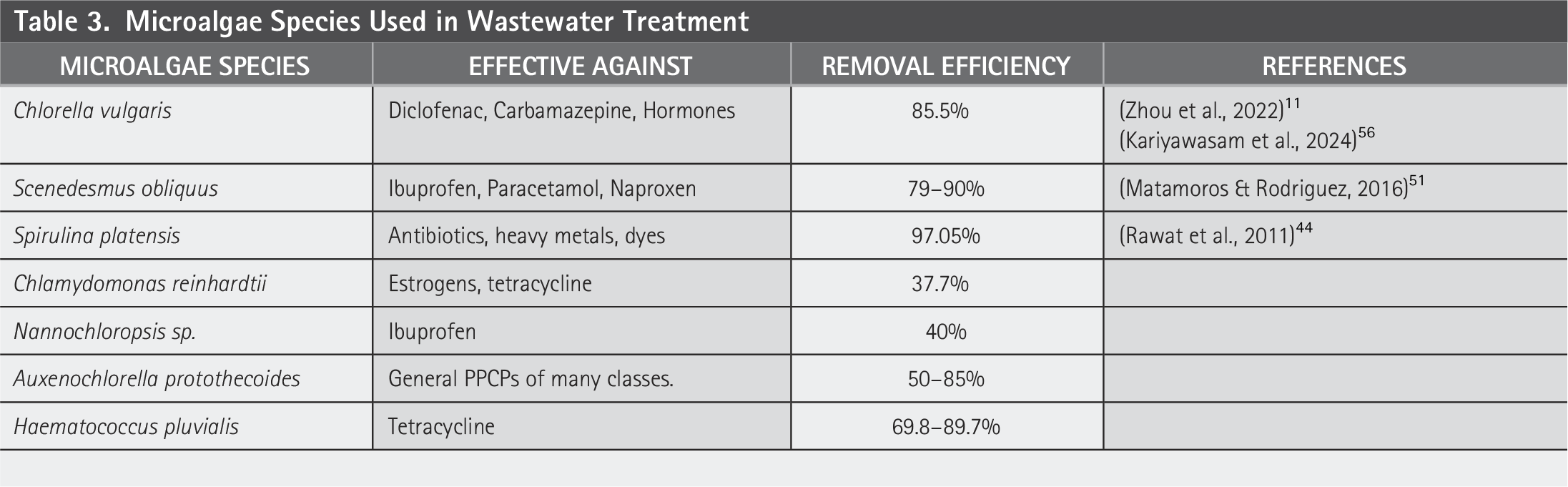
Recent studies have also identified other promising species such as Haematococcus pluvialis, Dunaliella salina, Botryococcus braunii, and Ankistrodesmus falcatus—each bringing unique advantages in terms of bioactive compound production, stress tolerance, or degradation pathways. Continued research into species-specific PPCP degradation mechanisms is necessary to optimise strain selection for targeted applications. Table 3 summarises the microalgae species against the class of PPCPs used in wastewater treatment.
Microalgae Species Used in Wastewater Treatment
MECHANISM OF PPCPS UPTAKE AND DEGRADATION
The removal of PPCPs by microalgae involves a multifaceted combination of physicochemical and biological processes. These include surface adsorption, intracellular accumulation, enzymatic transformation, and indirect photochemical interactions facilitated by the photosynthetic activity of the microalgae. Each of these mechanisms contributes synergistically to the effective attenuation of complex organic pollutants in wastewater systems.7 Figure 1 depicts the mechanistic pathway of PPCP uptake by microalgae, involving surface adsorption, intracellular bioaccumulation, enzymatic biodegradation, and subsequent excretion of transformed products. This approach highlights the multistep role of microalgae in contaminant removal from wastewater.

The inherent process via which microalgae assimilate waste substances, such as PPCPs, and produce a benign excretory byproduct. PPCPs, pharmaceuticals and personal care products.
Bioadsorption: This process represents the initial and passive phase of contaminant removal wherein PPCPs adhere to the microalgal cell surface. This is largely governed by physicochemical interactions such as hydrogen bonding, van der Waals forces, and electrostatic attractions. The algal cell walls are composed of biopolymers rich in functional groups (e.g., hydroxyl, carboxyl, phosphate, and amino), which serve as active binding sites for contaminants. Adsorption is particularly relevant for hydrophobic PPCPs or those exhibiting limited biodegradability. 7
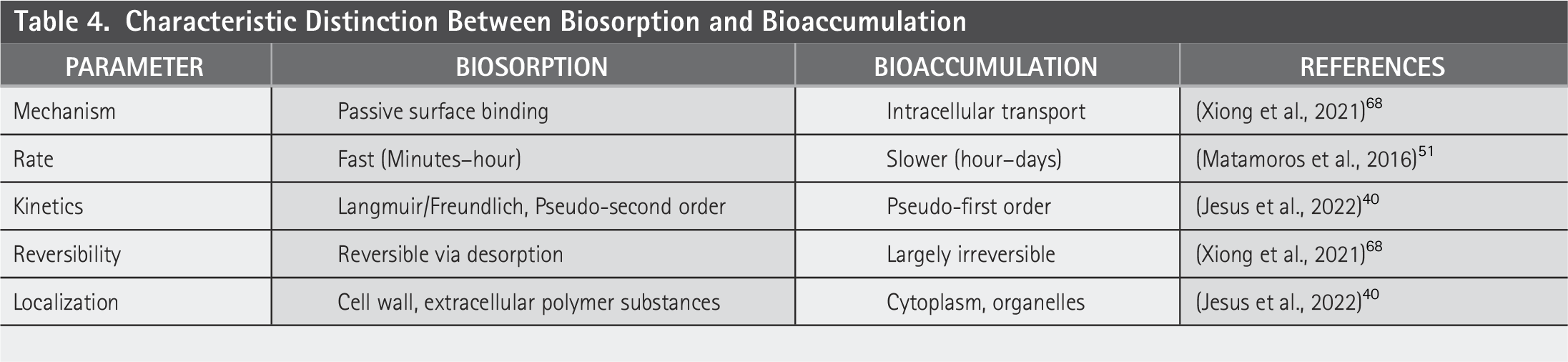
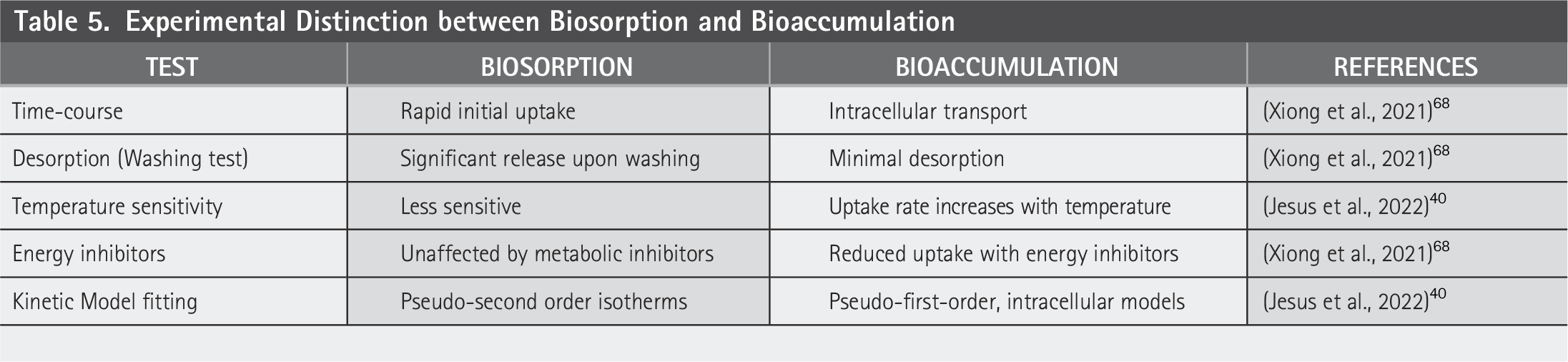
Bioaccumulation: Following initial adsorption, PPCPs may penetrate the algal cell membrane and accumulate within intracellular compartments. The characteristic distinction is represented in Table 4, and the experimental distinction is summarized in Table 5. The degree of bioaccumulation depends on the physicochemical properties of the compound (e.g., polarity, molecular size) and the physiological state of the algae. Microalgae such as Chlorella vulgaris and Scenedesmus obliquus have shown significant intracellular retention of drugs like diclofenac and carbamazepine. 57
Characteristic Distinction Between Biosorption and Bioaccumulation
Experimental Distinction between Biosorption and Bioaccumulation
Biodegradation: Microalgae possess intrinsic enzymatic systems that mediate the metabolic transformation of organic contaminants. Enzymes such as cytochrome P450 monooxygenases in C. reinhardtii, laccases in Spirulina platensis (Cyanobacteria), and glutathione S-transferases in C. reinhardtii facilitate oxidative and reductive reactions, converting PPCPs into less harmful or inert metabolites. 58 This biodegradation can occur both intra- and extracellularly, and in some cases, complete mineralization of contaminants to CO2 and H2O has been reported.
Photodegradation and photo-enhanced oxidation: In open or illuminated algal systems, photosynthetically generated ROS such as singlet oxygen (1O2), superoxide (O2−), and hydroxyl radicals (·OH) can induce photochemical breakdown of PPCPs. Additionally, the elevated oxygen levels from photosynthesis promote aerobic degradation pathways. This mechanism is especially beneficial for targeting recalcitrant and photolabile PPCPs. 59
Co-metabolism with other pollutants: Microalgae can simultaneously degrade PPCPs in the presence of other organic substrates, a process known as co-metabolism. This phenomenon suggests that microalgal systems can effectively treat complex wastewater matrices where PPCPs coexist with nutrients and other organic matter. 60
Together, these mechanisms underscore the versatility of microalgae as a treatment platform. A comprehensive understanding of the interactions between algal physiology, PPCP structure, and operational conditions is critical to optimizing these biological systems for environmental remediation applications.
FACTORS AFFECTING MICROALGAE PERFORMANCE
A complex interplay of environmental, operational, and biological variables governs the performance of microalgae in removing PPCPs from wastewater. Understanding and optimizing these parameters are critical for designing effective algal-based treatment systems. Below is an expanded discussion of the major influencing factors, followed by an integrated summary in Table 6.
Factors Influencing Microalgae-Based PPCP Removal
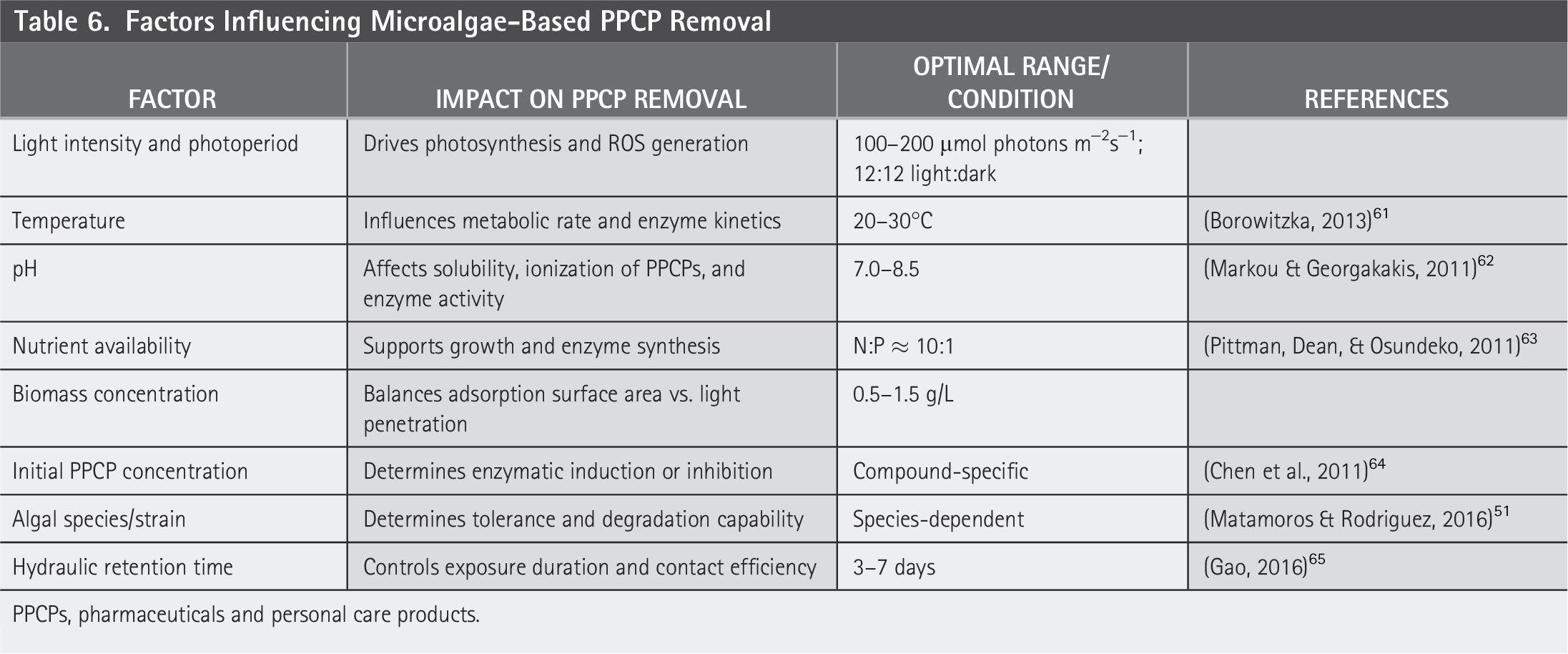
PPCPs, pharmaceuticals and personal care products.
Light intensity and photoperiod: As obligate photoautotrophs, microalgae rely heavily on light for energy. Light intensity not only drives photosynthesis and biomass accumulation but also modulates the production of ROS, which play a role in the photodegradation of certain PPCPs. A light intensity range of 100–200 μmol photons m−2s−1 has been found to be optimal for many freshwater species; however, the actual requirement depends on the strain, reactor design, and biomass density. Moreover, the photoperiod (duration of exposure) influences circadian rhythms, metabolic flux, and pollutant uptake dynamics. 66 ROS, including hydroxyl radicals (•OH), superoxide anions (O2•−), singlet oxygen (1O2), and hydrogen peroxide (H2O2), play a crucial role in the degradation of PPCPs, particularly in microalgae-based and advanced oxidation systems. Microalgae can generate ROS through photosynthesis and respiration, which subsequently oxidize and break down PPCPs via oxidative cleavage of chemical bonds. 67 Additionally, microorganisms and microalgae can enzymatically produce ROS via peroxidases and oxidases, enhancing the oxidative degradation of complex pharmaceutical molecules. 68 In algal-based PBRs, light-induced ROS such as hydroxyl radicals and singlet oxygen are particularly significant in degrading PPCPs like diclofenac, sulfamethoxazole, and ibuprofen. 68 Hydroxyl radicals (•OH) are highly reactive and nonselective, capable of attacking aromatic rings and functional groups within PPCP molecules, leading to rapid molecular breakdown. 69 Singlet oxygen (1O2), often generated by algal photosensitizers, is particularly effective in degrading electron-rich PPCPs. 70
Temperature: Enzymatic reactions in microalgal cells are temperature-sensitive. For most species used in wastewater treatment, including Chlorella and Scenedesmus, the optimal temperature range lies between 20°C and 30°C. At suboptimal temperatures, metabolic activity slows down, reducing pollutant uptake and degradation. High temperatures may destabilize membrane integrity or denature critical enzymes involved in biodegradation pathways. 61
pH: pH affects the physicochemical speciation of PPCPs, cellular enzyme activity, and the solubility of inorganic nutrients. Optimal algal performance is usually observed at a pH between 7.0 and 8.5. Deviations can hinder nutrient uptake, reduce cell viability, and modify the ionization state of PPCPs, thus affecting their availability and transport across membranes. 62
Nutrient availability: Adequate nitrogen and phosphorus supply is essential for sustaining growth, photosynthesis, and enzymatic function. Limitation of these macronutrients can induce stress conditions that inhibit PPCP biodegradation and lead to the accumulation of undesired metabolites. The optimal nutrient ratio (typically N:P ≈ 10:1) must be maintained for balanced metabolic activity. 63
Biomass concentration: Biomass density affects both pollutant adsorption and light penetration. A moderate biomass concentration (0.5–1.5 g/L) ensures sufficient surface area for PPCP adsorption while preventing self-shading that could impair photosynthesis. Excessive biomass leads to light limitation, whereas insufficient biomass reduces treatment capacity. 71
Initial PPCP concentration: The rate and extent of PPCP removal often depend on the pollutant concentration. Higher concentrations may inhibit cell growth or induce oxidative stress, while low levels may not trigger the activation of degradation pathways. The concentration must be within a biologically tolerable range to ensure effective treatment without cytotoxicity. 64
Algal Species and Strain Selection: Different microalgal species possess unique physiological and biochemical capabilities. For example, Chlorella vulgaris is known for its broad pollutant spectrum and strong tolerance to environmental stress, whereas Scenedesmus obliquus offers robust biomass yields and efficient nutrient uptake. Selecting strains with high enzymatic diversity and resilience is key to maximizing treatment performance. 51
HRT: This parematerdefines the exposure time of pollutants to algal biomass. Sufficient HRT allows for better contact, uptake, and metabolic transformation. However, excessively long HRTs may not be economically feasible, highlighting the need for optimization based on contaminant load and biomass productivity. 65
Technological Approaches for Microalgae Treatment of PPCPs
CULTIVATION SYSTEMS (OPEN PONDS, PBRS)
The chosen cultivation systems significantly influence the effectiveness of microalgae in removing PPCPs from wastewater. Different microalgal cultivation systems offer varying advantages in terms of productivity, operational control, and ultimately contaminant removal efficiency.
Open pond systems
Open pond systems, including raceway ponds and shallow lagoons, are widely adopted due to their low capital and operational costs. These systems rely on natural sunlight and are easily scalable for large-volume wastewater treatment. However, their open configuration introduces challenges such as contamination risks from invasive species, variable biomass productivity (typically 0.1–0.5 g/L), and significant water loss through evaporation. 72 Seasonal and diurnal fluctuations further reduce PPCP removal consistency, with reported efficiencies ranging between 40% and 60% for common pharmaceuticals such as ibuprofen and diclofenac. 73
Recent advancements suggest that modifying pond geometry and implementing paddlewheel-driven mixing can enhance hydrodynamic efficiency, improving light penetration and nutrient distribution. 74 Despite these improvements, open ponds remain less effective for recalcitrant PPCPs, necessitating supplementary treatment stages.
PBR systems
PBRs represent advanced closed cultivation systems designed to overcome many limitations of open pond systems. Closed PBR systems, including tubular, flat-panel, and column designs, offer superior control over environmental parameters such as light intensity, temperature, and CO2 supply. These systems achieve higher biomass densities (2–8 g/L) and demonstrate more consistent PPCP removal efficiencies (70%–90%) for compounds like carbamazepine and triclosan. 69 Tubular PBRs, in particular, are favored for their large surface-to-volume ratio, which maximizes photosynthetic activity and enhances contaminant uptake.
However, PBRs face limitations in scalability and energy consumption, particularly for aeration and temperature regulation. Recent innovations, such as internally illuminated PBRs and hybrid solar-light systems, aim to reduce energy demands while maintaining high removal efficiencies. 75 In addition, biofilm-based PBRs, where microalgae grow on immobilized substrates, minimize harvesting costs and improve operational stability. 76
Hybrid and advanced cultivation systems
Emerging hybrid systems combine the cost-effectiveness of open ponds with the controlled conditions of PBRs, offering a balanced solution for PPCP removal. For example, a two-stage system employing an initial PBR for rapid biomass growth followed by an open pond for extended treatment has shown enhanced degradation of antibiotics such as sulfamethoxazole. 77 Another promising approach involves algal turf scrubbers, which facilitate attached microalgal growth, reducing land use and improving nutrient recovery. 78 While algae-based systems, particularly PBRs, are promising for PPCP removal, it is essential to consider their environmental trade-offs. PBRs typically have a significant carbon footprint due to high energy requirements for lighting, temperature control, and mixing. Studies estimate that the energy demand of closed PBRs can result in carbon emissions ranging from 1.8 to 2.4 kg CO2-eq per kilogram of biomass produced. 79 In contrast, the carbon sequestration potential of algae during photosynthesis can partially offset this footprint. Algae can fix approximately 1.83 kg of CO2 per kilogram of dry biomass. 80 However, when considering the complete life cycle, including infrastructure, operational energy, and dewatering, open pond systems generally have a lower environmental impact than PBRs, though with less control over PPCP degradation efficiency. A brief LCA life cycle assessment (LCA) comparison suggests that while PBRs offer higher pollutant removal rates, they come with higher energy demands and associated CO2 emissions. In contrast, algal cultivation in open ponds has a lower carbon footprint but may require larger land areas and has lower PPCP removal efficiency. Therefore, system optimization is necessary to balance PPCP removal efficiency with net carbon impacts. Integration of renewable energy sources and CO2 recovery from industrial emissions could further improve the environmental performance of PBR-based systems.
Despite the promising potential of microalgae for PPCP removal, biomass harvesting remains one of the most expensive operational steps, accounting for approximately 20%–30% of total operating costs in algal wastewater systems.81,82 This substantial expense challenges the economic feasibility of standalone microalgal solutions, particularly at scale. Membrane-based PBRs and membrane bioreactors (e.g., ultrafiltration, microfiltration) integrated with algal systems have shown promising results in microalgae-enabled wastewater remediation, nutrient recovery, and the removal of trace organic contaminants, including PPCPs.83,84 These membranes provide residual PPCP retention, capture micropollutants not metabolised by algae, facilitate algal biomass separation, reduce harvesting energy consumption, produce high-quality effluent, and are suitable for water reuse applications.
INTEGRATION WITH EXISTING TREATMENT TECHNOLOGIES
Microalgae-based systems are increasingly integrated into conventional wastewater treatment plants (WWTPs) to address the limitations of standalone biological processes in PPCP removal and to create more comprehensive and efficient treatment trains. Figure 2 represents an integrated wastewater treatment system incorporating microalgal strains into activated sludge processes, enhancing pollutant removal and promoting sustainable effluent recycling.

A simplified illustration of the operational mechanism of the activated sludge method.
Sequential treatment configurations
Microalgae systems can be positioned after primary or secondary treatment stages to target dissolved PPCPs. For example, postactivated sludge microalgal polishing has demonstrated a 15%–30% increase in removal efficiency for endocrine-disrupting compounds such as bisphenol A. 88 High-rate algal ponds (HRAPs) following anaerobic digestion have also proven effective in degrading antibiotics like ciprofloxacin, achieving >90% removal under optimized HRTs. 72
Co-treatment and synergistic mechanisms
The co-cultivation of microalgae and bacteria in activated algal ponds creates a mutually beneficial relationship that significantly enhances PPCP degradation. Microalgae produce oxygen through photosynthesis, which sustains aerobic bacterial activity, facilitating the breakdown of complex organic pollutants. Simultaneously, bacteria mineralize organic matter, releasing CO2 and nutrients that promote algal growth. 89 This symbiotic interaction not only improves PPCP removal but also aids in nutrient recovery, reducing eutrophication risks. Recent research emphasizes the role of algal–bacterial biofilms in degrading persistent pharmaceuticals such as fluoxetine, where microbial consortia exhibit a 40% higher degradation efficiency compared with monocultures. 90 The biofilm matrix enhances microbial adhesion and extracellular enzyme secretion, accelerating contaminant transformation. Additionally, bacterial communities contribute to the breakdown of PPCP intermediates, preventing toxic byproduct accumulation. These synergistic mechanisms make co-treatment systems a promising strategy for sustainable wastewater remediation, particularly for recalcitrant compounds resistant to conventional treatment methods.
Despite their advantages, integrated systems face operational challenges, including mismatched HRTs between conventional and microalgal stages, seasonal performance variability, and biomass separation inefficiencies. Membrane-coupled algal systems (e.g., algal membrane bioreactors) offer a potential solution by combining high biomass retention with efficient solid–liquid separation. 91
DESIGN PARAMETERS AND OPTIMIZATION
The optimization of microalgae systems for PPCP removal requires careful consideration of numerous design parameters that significantly influence treatment performance. Table 7 provides a comprehensive analysis of these key parameters and optimization strategies.
Key Design Parameters and Optimization Strategies for Microalgae-Based PPCP Removal
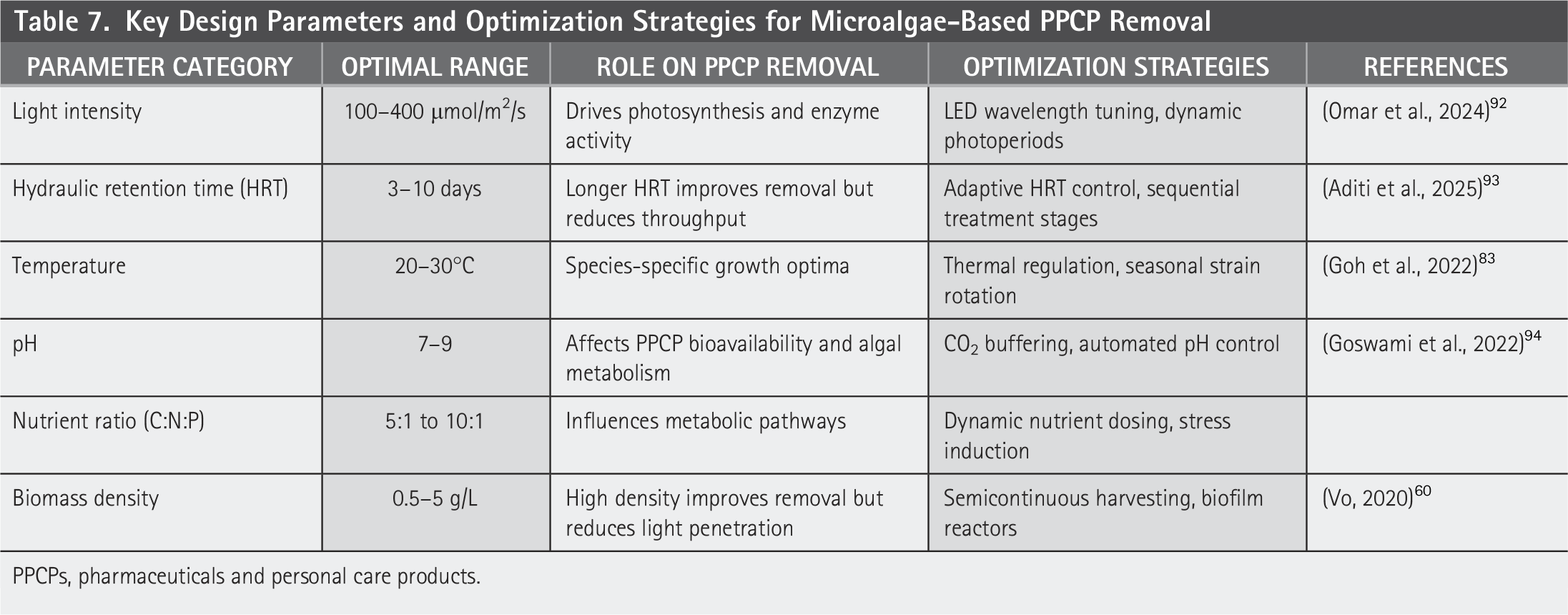
PPCPs, pharmaceuticals and personal care products.
Light and hydraulic conditions
Light intensity and spectral quality significantly influence microalgal metabolism and enzyme activity involved in PPCP degradation. Studies indicate that red and blue LED wavelengths enhance the breakdown of tetracycline antibiotics by stimulating cytochrome P450 enzymes. 95 HRT must be optimized based on PPCP persistence; for instance, a minimum HRT of 5 days is required for effective removal of carbamazepine in HRAPs. 96
Environmental and nutrient controls
Temperature and pH fluctuations directly impact microalgal growth and PPCP adsorption. Maintaining pH at 8–9 promotes the ionization of acidic pharmaceuticals, enhancing their bioavailability for degradation. 7 Nutrient supplementation (e.g., adjusting C:N:P ratios) can also steer metabolic pathways toward PPCP degradation, as demonstrated in studies where nitrogen limitation increased the production of extracellular enzymes targeting diclofenac. 92
System design and modeling innovations
Recent advances include hybrid photobioreactor–open pond systems, which balance cost and performance, and integrated photocatalytic–microalgal systems for recalcitrant compounds. Machine learning models are increasingly used to predict system performance under varying conditions, while multiobjective optimization algorithms help balance competing factors such as energy consumption, removal efficiency, and operational costs.
Challenges and Limitations
The implementation of microalgae-based systems for PPCP removal faces several critical challenges that hinder their large-scale adoption. These limitations span technical, economic, and environmental constraints, requiring targeted research and innovation for viable solutions.
SCALABILITY AND ECONOMIC FEASIBILITY
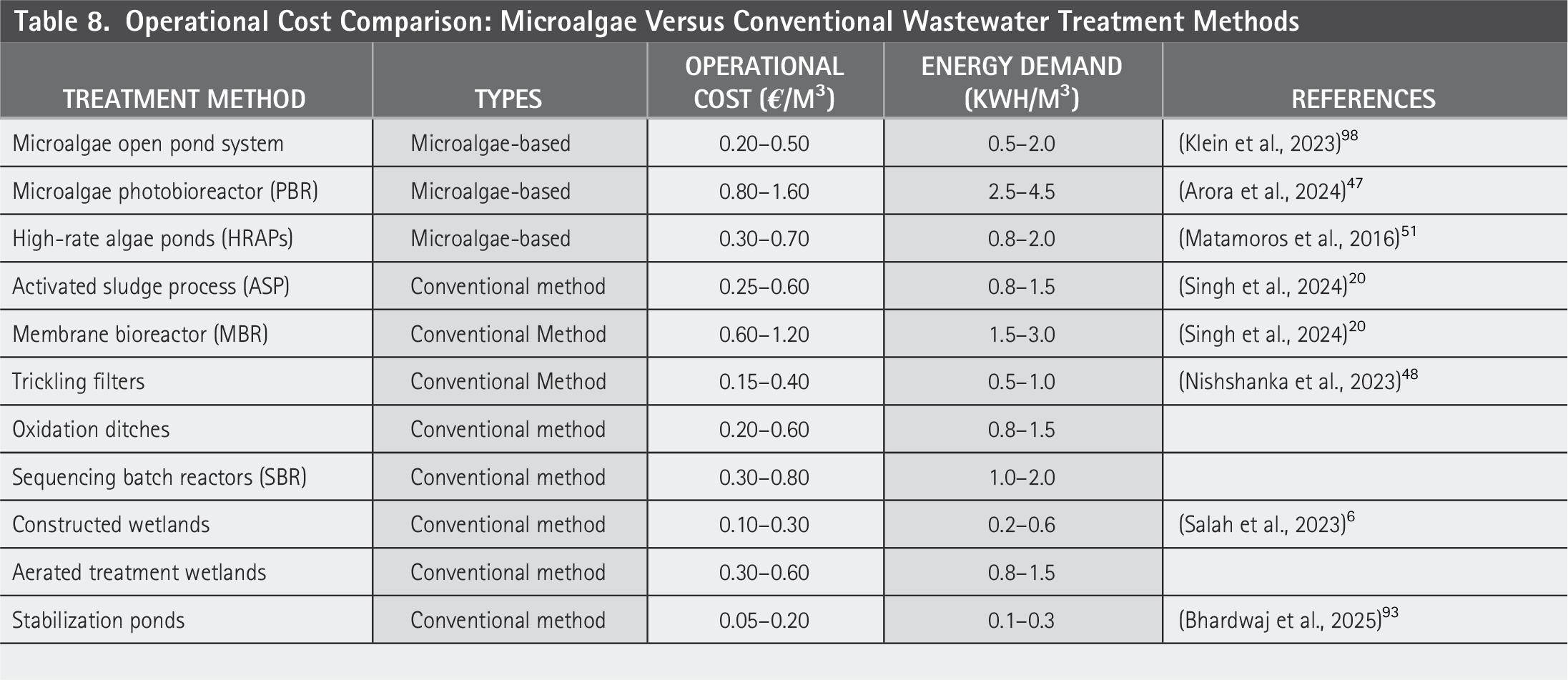
The widespread implementation of microalgae-based systems for PPCP removal faces substantial economic and technical barriers that limit scalability. 97 Closed PBR systems, while offering superior control over cultivation conditions and consistent PPCP removal efficiency, incur capital and operational costs 10–20 times higher than open pond systems. This cost disparity stems from the complex infrastructure, specialized materials, and advanced monitoring systems required for PBRs. In contrast, open ponds present a more economical alternative but suffer from lower biomass productivity (0.1–0.5 g/L) and inconsistent treatment performance due to environmental variability. The energy-intensive nature of large-scale operations represents another critical challenge, with mixing alone consuming 0.2–2.0 kW/m³ and accounting for 15–25% of total energy expenditure. Additional operational hurdles include substantial land requirements (2–10 hectares per ton of annual biomass production), significant water losses through evaporation (up to 1.5 cm/day in warm climates), and the technical difficulties associated with harvesting microalgal biomass. 98 The small cell size (2–20 μm) and dilute culture concentrations (0.5–5 g/L) make dewatering processes particularly energy-demanding, contributing 20–30% of total production costs. To improve economic viability, current research focuses on developing cost-effective harvesting technologies, hybrid systems that combine microalgae with conventional treatment processes, and biorefinery approaches that generate value-added coproducts. These designs can be like solar driven PBRs, which lower the pollution as well as reduce cost, coupling with bioenergy production, they create revenue from biofuels and improve harvesting and dewatering techniques, which can reduce energy consumption. However, comprehensive LCAs and techno-economic analyses remain essential to evaluate the long-term feasibility of these solutions across different implementation scenarios and geographic regions. The operational cost comparison in microalgae versus conventional wastewater treatment methods is summarized in Table 8.
Operational Cost Comparison: Microalgae Versus Conventional Wastewater Treatment Methods
Feasibility of microalgae-based PPCP removal in low-income regions
The practicality of implementing such systems in low-income regions with limited infrastructure remains a significant challenge. High-technology systems, such as closed PBRs, require substantial capital investment, reliable electricity, and technical expertise for operation and maintenance, which are often lacking in these settings. Additionally, PBRs have high energy demands for aeration, mixing, and temperature control, making them less suitable in resource-constrained areas. In contrast, open pond systems and low-tech algal lagoons present a more feasible solution. 99 These systems can leverage natural sunlight, require minimal mechanical input, and can be constructed with locally available materials. Several studies have demonstrated the potential of HRAPs to effectively reduce organic pollutants and emerging contaminants at a lower operational cost. 99 However, it is important to note that open systems typically have lower PPCP removal efficiency compared with advanced PBRs and may be more susceptible to environmental fluctuations and contamination. To enhance feasibility in low-income regions, co-treatment with existing wastewater stabilization ponds can be considered to reduce costs. Integration with natural wastewater polishing units (e.g., constructed wetlands) can complement algal systems for improved PPCP removal. Use of locally adaptable, robust microalgal strains that can thrive in fluctuating environmental conditions without external nutrient supplementation may increase system resilience. Capacity building and community-based management models are crucial to ensure sustainable operation, especially in decentralized or rural settings. Although microalgae-based PPCP removal faces technical and financial barriers in low-income regions, modifications such as low-cost open pond designs, minimal energy requirements, and integration with existing infrastructure can significantly improve its viability.
LIGHT, NUTRIENT, AND ENVIRONMENTAL CONSTRAINTS
The effectiveness of microalgae-based PPCP removal is significantly constrained by light availability, nutrient balance, and environmental conditions, which collectively influence metabolic activity and degradation efficiency. Light serves as the primary energy source for microalgae, yet its utilization is hindered by several factors. In dense cultures (>1 g/L), light penetration diminishes rapidly due to the Beer–Lambert law, with intensity dropping by 90% within just 2–3 cm of the culture surface. This creates zones of photoinhibition at the periphery and light limitation in deeper layers, restricting uniform photosynthetic activity. Optimal light intensity for most species falls within a narrow range (200–400 μmol/m2/s), beyond which photoinhibition occurs, complicating efforts to enhance degradation rates through increased illumination. Outdoor systems face additional challenges from diurnal and seasonal light variations, with winter productivity dropping by up to 60% in temperate regions, directly impairing PPCP removal. 93 Spectral quality further influences performance, as microalgae preferentially absorb blue (450–475 nm) and red (630–675 nm) wavelengths, which are often inadequately distributed in natural settings.
Nutrient availability equally governs microalgal metabolism and PPCP degradation. Carbon limitation frequently arises in dense cultures, even in carbon-rich wastewater, due to insufficient CO2 diffusion. Competition for nitrogen and phosphorus between microalgae and bacteria in mixed systems further disrupts nutrient stoichiometry, with imbalances from the ideal Redfield ratio (C:N:P = 106:16:1) stifling growth and enzymatic activity. 92 Trace metals (e.g., Fe, Mn), essential for redox enzymes involved in PPCP breakdown, may also be scarce in wastewater, exacerbating metabolic constraints.
Environmental fluctuations introduce additional variability. Temperature deviations of just ±5°C from the optimal range (20°C–30°C) can reduce growth rates by 20%–50%, while photosynthetic activity induces diurnal pH swings (7.5–10.5), altering PPCP speciation and bioavailability.83,94 Elevated oxygen levels (>250% saturation) from intense photosynthesis may inhibit certain degradation pathways. Open systems are particularly vulnerable to contamination by invasive species or grazers, risking culture collapse and treatment failure.
Mitigation strategies include engineered PBRs with internal LED lighting, thin-layer designs to improve light penetration, and automated CO2 injection for pH and carbon control. Polycultures and thermally regulated systems enhance resilience but cannot fully eliminate the inherent variability of biological systems. These constraints underscore the need for robust designs tailored to local conditions to ensure reliable PPCP removal.
Future Prospects and Innovations
Microalgae have emerged as a sustainable solution for wastewater treatment, particularly for the removal of PPCPs, which are persistent organic pollutants posing serious ecological and human health risks. Advances in genetic engineering and strain improvement have significantly enhanced the capabilities of microalgae to bioremediate complex industrial effluents contaminated with PPCPs. The genetic modification of microalgae focuses primarily on enhancing metabolic pathways involved in the biodegradation of PPCPs. This includes the overexpression of enzymes such as laccases, peroxidases, and cytochrome P450s, which facilitate the breakdown of complex pharmaceutical compounds. Clustered Regularly Interspaced Short Palindromic Repeats-based transcriptional regulators have recently been developed to fine-tune the expression of such genes, enabling precise metabolic flux control for higher degradation efficiency. 100
GENETIC ENGINEERING AND STRAIN IMPROVEMENT
Directed evolution and adaptive laboratory evolution (ALE) have been utilized to develop robust microalgal strains with improved tolerance and degradation capacity for PPCPs. For instance, specific strains of Scenedesmus and Chlorella have shown enhanced resilience to oxidative stress induced by these pollutants. 101 CRISPR-based tools have become a cutting-edge approach for enhancing microbial degradation of PPCPs, which are persistent pollutants posing significant environmental risks. Through precise genome editing, CRISPR/Cas9 can optimize key microbial pathways, improve enzyme specificity, and enhance microbial tolerance to toxic intermediates, significantly increasing bioremediation efficiency. For instance, engineered Pseudomonas putida using CRISPR to improve the degradation of recalcitrant pollutants, including PPCPs, by enhancing their aromatic hydrocarbon degradation pathways. 102
Further, CRISPR-Cas9 modifies filamentous fungi, enhancing their capability to degrade pharmaceutical residues in environmental samples. This suggests that fungal bioaugmentation combined with CRISPR can be an effective treatment strategy97,103 to create microbial strains specifically tailored for WWTPs, significantly improving the removal efficiency of pharmaceuticals such as antibiotics and nonsteroidal anti-inflammatory drugs. 97 Moreover, CRISPR-assisted microbial consortia engineering was explored and reported significant improvements in the biodegradation of sludge-borne PPCPs by designing microbial communities with enhanced metabolic compatibility and pollutant-specific pathways104,105 further validated the role of CRISPR in soil ecosystems, demonstrating the successful degradation of PPCPs by genetically engineered soil bacteria with enhanced catabolic genes. 105 These findings collectively underscore that CRISPR/Cas9 is not only advancing single-strain genetic improvement but is also facilitating the creation of synthetic, highly specialized microbial consortia for efficient and targeted environmental remediation of PPCPs. The genetically engineered microalgae and bacteria co-expressing a mutant cytochrome P450 BM3 enzyme showed significant improvement in degrading the herbicide Diuron. 56 The application of metabolic co-cultures or engineered consortia—where different strains perform sequential degradation steps—has been proposed as a promising approach. The integration of microalgae with bacterial strains in engineered ecosystems enhances the spectrum and rate of PPCP degradation. 106 Improved bioreactor designs, such as tubular PBRs, coupled with genetically enhanced microalgal strains, show increased efficiency in nutrient and contaminant removal. In a study, up to 90% nitrogen and 95% phosphorus removal efficiency was reported, which correlates with enhanced PPCP removal. 107 Synthetic biology approaches allow the construction of synthetic operons and pathways tailored for PPCP degradation. Researchers have demonstrated the use of data-driven CRISPR models to predict and implement metabolic pathways that can handle complex chemical loads found in industrial effluents. 100 Pilot-scale studies demonstrate that genetically improved microalgae can be integrated into existing wastewater treatment infrastructures. For example, a work reported a 60%–90% removal efficiency for pharmaceuticals such as carbamazepine and metoprolol in HRAPs. 107
INTEGRATION WITH BIOREFINERIES
Microalgae present a promising, sustainable technology for removing PPCPs from industrial effluents while enabling value recovery in integrated biorefineries. These photosynthetic microorganisms can adsorb, bioaccumulate, or degrade contaminants such as antibiotics, analgesics, and synthetic fragrances. Simultaneously, their biomass can be valorized into biofuels, pigments, and bioactive compounds, positioning them as an eco-efficient, circular bioeconomy solution. Figure 3 illustrates the conversion of various organic pollutants present in wastewater—including pharmaceuticals, pesticides, and detergents—into biogas (CH4 and CO2), highlighting the potential for waste-to-energy recovery through anaerobic digestion.

The uncomplicated procedure employed when utilizing anaerobic microorganisms for the purpose of treating wastewater, with the aim of effectively eliminating the organic contaminants contained within the wastewater during the treatment process.
Key Policies and Regulations Limiting PPCP Discharge
Conclusion
The pervasive presence of PPCPs in industrial effluents represents a growing environmental concern, demanding advanced treatment methods beyond the capabilities of conventional systems. Microalgae have emerged as a versatile and sustainable alternative for the remediation of these micropollutants. Their ability to uptake, degrade, and transform a wide variety of PPCPs combined with their inherent advantages such as rapid growth, photosynthetic activity, and CO2 fixation positions them as a valuable component of next-generation wastewater treatment strategies. However, the practical implementation of microalgal treatment systems faces several challenges, including scalability, operational stability, nutrient limitations, and economic feasibility. Technological advancements such as PBR design, optimization of HRT, and integration with existing treatment units are addressing some of these constraints. 116 Furthermore, future innovations involving genetic engineering and the coupling of wastewater treatment with biofuel or bioproduct production via biorefinery models hold great potential. Overall, microalgae offer a promising, environmentally sound solution for PPCP removal, and continued interdisciplinary research is vital to translate laboratory success into real-world applications.
Footnotes
Author Disclosure Statement
No conflict of interest to disclose
Funding Information
No funding was received for this article