



Abstract
The wastewater from factories in the upper Yangtze River has a low carbon-to-nitrogen (C/N) ratio, which poses a great difficulty for biological nitrogen removal. This article took a wastewater treatment plant in the upper Yangtze River as an example to analyze the effect of the addition of an iron source (Fe2+) on biological nitrogen removal under low C/N ratios. Two sequencing batch reactors were set up for comparison: system A had an influent C/N ratio of 2, while system B had an influent C/N ratio of 5. The experiment operated in three stages, each lasting 28 days. In stage 2, 1 mg/L of Fe2+ was added, and in stage 3, 2 mg/L of Fe2+ was added. It was found that system B maintained good nitrogen removal performance at a C/N ratio of 5. In contrast, system A achieved 88.21 ± 8.97% ammonia nitrogen removal at day 7, 91.64 ± 6.86% at day 56, 95.01 ± 6.33% at day 84, and 30.21 ± 9.87% total nitrogen removal at day 7, 38.45 ± 8.25% at day 56, 43.56 ± 7.33% at day 84, demonstrating the improvement effect of Fe2+ on nitrogen removal performance under low C/N ratios. In terms of microbial population distribution, the addition of Fe2+ promoted the growth of nitrifying and denitrifying functional bacterial communities. The results demonstrate the improved effect of the external iron source (Fe2+) on biological nitrogen removal technology, which could be applied in actual wastewater purification treatment.
Keywords
Introduction
With the rapid development of agriculture and industry, nitrogen pollution in water bodies has become increasingly serious due to factors such as the use of agricultural fertilizers, solid waste landfills, and factory wastewater discharge. 1 Excessive nitrogen concentration in water can cause eutrophication 2 and promote the reproduction of aquatic plants and algae, 3 which is detrimental to ecosystem stability. In addition, nitrogen-polluted water is also detrimental to human health. At present, biological nitrogen removal technology 4 is widely used in wastewater purification and discharge treatment, which removes nitrogen from water based on nitrification and denitrification. Ma et al. 5 investigated the effect of influent distribution patterns in a three-stage anoxic/aerobic process on the nitrogen removal performance for slaughterhouse and meat processing wastewater and found that a higher nitrogen removal rate (97.7%) was achieved when the influent distribution pattern was 50/40/10. Bui et al. 6 conducted a study in a wastewater treatment plant in Ho Chi Minh City, Vietnam, and analyzed the nitrogen removal effect of the integrated fixed membrane activated sludge technology. They found that the system achieved the best nitrogen removal results when operating at an alkalinity dose of 7.14 mg CaCO3/mgN-NH4+ and a dissolved oxygen value of 6 mg/L. Lopes et al. 7 analyzed the removal of nitrogen and phosphorus in domestic sewage in an upflow anaerobic sludge blanket reactor with fermented glycerol as the external carbon source and found that the total nitrogen removal rate increased after the addition of fermented glycerol. Zungu et al. 8 investigated the effects of pesticides on biological nitrogen removal in wastewater treatment and found that pesticides affected biological nitrogen removal to hinder nitrification and denitrification processes by altering microbial populations and enzymatic pathways. There are still many deficiencies in current biological nitrogen removal technologies, and technologies with lower costs and better effects are still being studied. There is a low carbon-to-nitrogen (C/N) ratio in industrial wastewater discharge in the upper reaches of the Yangtze River, which leads to poor nitrogen removal effects. In modern research on biological nitrogen removal, increasing attention is paid to the coupling and interaction among various element cycles. Among them, the coupling of the biogeochemical cycles of iron and nitrogen is particularly crucial. Iron is one of the most abundant metal elements in the Earth’s crust. It is not only an electron donor for denitrification but also an indispensable cofactor component of various key nitrogen-transforming enzyme systems, actively participating in and regulating the nitrogen cycle. Therefore, by externally adding bioavailable iron, the microbial metabolic network of the wastewater treatment system can be reshaped, thus breaking through the dilemma of biological nitrogen removal under low C/N ratios. Under this theoretical framework, this article took the treatment of industrial wastewater purification and discharge in the upper Yangtze River as an example to analyze the biological nitrogen removal technology under the low C/N ratios, optimized the traditional biological nitrogen removal technology by adding an iron source (Fe2+), and verified the improvement effect of this technology. This research provides a novel and effective solution for the industrial wastewater purification in the upper Yangtze River, reveals the superiority of Fe2+ in low C/N ratios, and offers an effective idea for the treatment of wastewater with low C/N ratios. However, the research in this article also has some limitations. For example, there is a lack of in-depth analysis of the correlation between the microbial community and nitrogen removal performance. The mechanism of the action of iron sources on microorganisms is not yet clear, and the detected indicators are not comprehensive enough. In future work, the experiment will be further expanded to obtain a sufficiently large sample size, and statistical correlation analysis will be carried out to analyze the mechanism by which microbial data affect nitrogen removal performance more deeply. In addition, more other operating parameters, such as redox potential and enzyme activity, will be measured to conduct a deep analysis of the impact of iron sources on the aqueous solution environment and microorganisms.
Materials and Methods
INDUSTRIAL WASTEWATER PURIFICATION TREATMENT IN THE UPPER YANGTZE RIVER
Industry and agriculture in the upper Yangtze River are constantly developing, and rapid urban development and hydropower construction have brought some adverse effects to the environment in this area. In terms of wastewater treatment, many treatment plants have been built in the upper Yangtze River. The industrial wastewater in the upper Yangtze River mainly comes from some chemical, food, and mechanical factories, and the main pollutants are chemical oxygen demand (COD), NH3-N, and cyanide. The wastewater purification treatment methods have adopted technologies such as the traditional activated sludge process, the Orbal oxidation ditch, 9 and the sequencing batch reactor (SBR). 10 Currently, there are still some over-standard indicators in the effluent, such as COD, ammonia nitrogen, and total phosphorus. This article took a wastewater treatment plant as an example for research. Through the analysis of its influent and effluent water quality, it was found that some plants upstream of the plant had illegal discharge of pollutants, resulting in a seriously high concentration of influent water, an insufficient carbon source, and an excessive nitrogen source, with a low C/N ratio. In the case of a low C/N ratio, the carbon source of the wastewater itself cannot meet the requirements of denitrification, which poses a great difficulty for biological nitrogen removal technology. 11
A low C/N ratio is a common problem in the purification treatment of wastewater in many cities. 12 In the face of the low C/N ratio, many new biological denitrification technologies have been studied, such as simultaneous nitrification and denitrification 13 and anaerobic ammonium oxidation. 14 The C/N ratio of wastewater can also be increased by adding external carbon sources, such as formaldehyde and acetic acid, 15 to meet the nitrogen removal conditions. However, the addition of carbon sources would significantly increase the cost of wastewater treatment, 16 and most of the new biological nitrogen removal technologies have problems such as reduced resistance to load shock and poor adaptability to the environment, so new technologies need to be further explored on the basis of existing ones. The method of adding iron sources has also been applied to some extent in wastewater treatment at present. 17 Iron is cheaper and easier to obtain, and has broad application prospects in wastewater treatment. 18 Previous studies have shown that Fe2+ is beneficial for the removal of suspended solids, phosphorus, and some COD. 19 Exploring the effect of Fe2+ in wastewater purification under low C/N ratios can provide some new ideas for biological nitrogen removal technology. Therefore, this study artificially simulated wastewater with low C/N ratios and controlled the influent C/N ratio using an anaerobic/aerobic (A/O) operating SBR to analyze the effects of Fe2+ intervention on biological nitrogen removal, thereby providing some theoretical support for improving biological nitrogen removal by adding iron sources under low C/N ratios.
EXPERIMENTAL MATERIALS AND APPARATUS
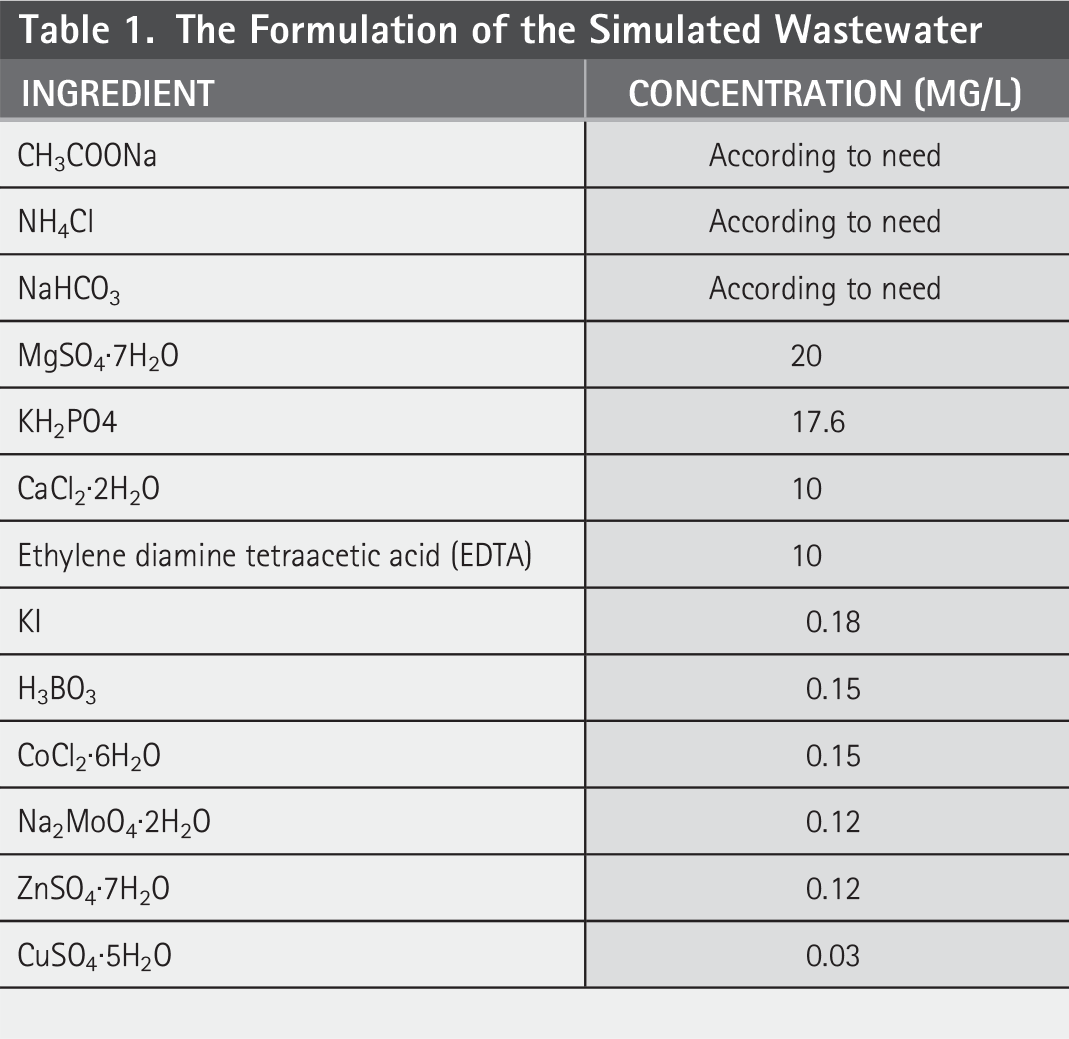
Test water: Industrial wastewater was artificially simulated in a laboratory, and the specific composition is shown in Table 1.
Inoculated sludge: The sludge was taken from the aerobic section of the oxidation ditch at the wastewater treatment plant.
Fe2+: 0.4965 g of FeSO4·7H2O standard reagent (analytically pure) was taken, dissolved in 100 mL of pure water, and mixed by stirring to obtain the FeSO4 solution (1 g Fe2+/L). Then, the solution was added to the reactor along with the influent according to the specified concentration.
Test apparatus: The test reactor was an SBR, operating in A/O mode for three cycles per day (8 hours per cycle), and the specific operation process is presented in Figure 1.
The Formulation of the Simulated Wastewater
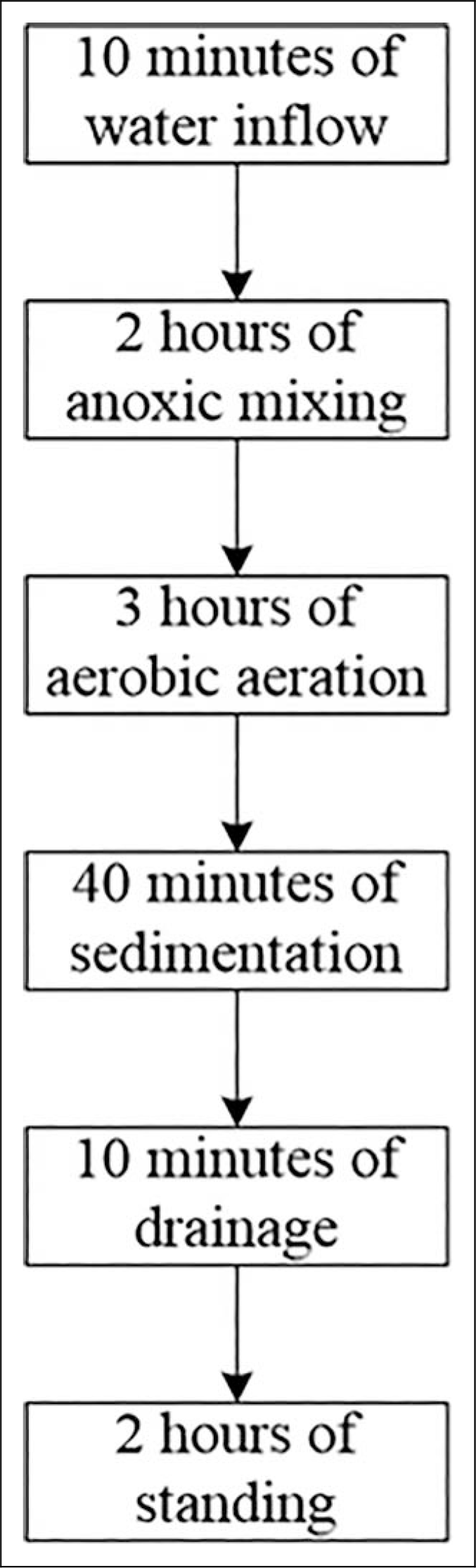
The operation process of the SBR.
EXPERIMENTAL DESIGN
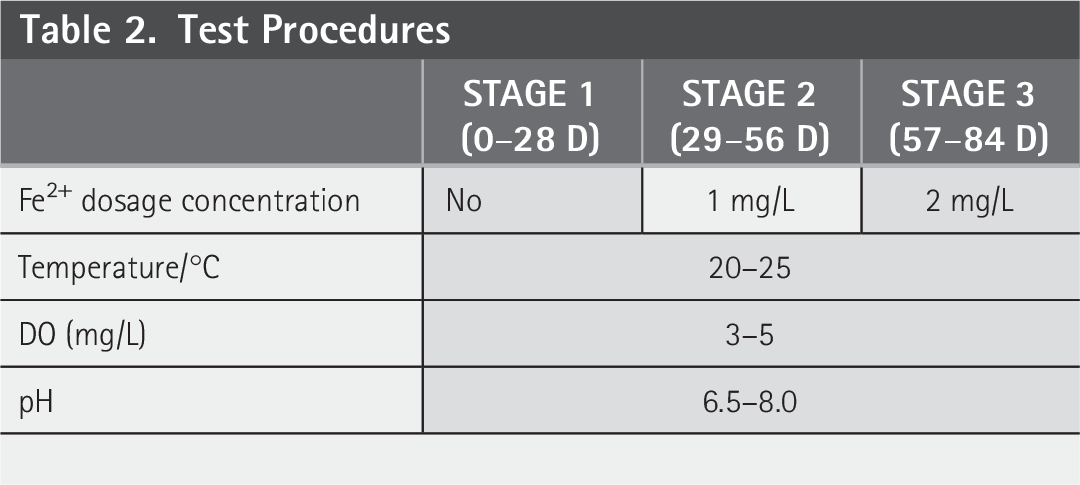
Two parallel operating SBRs were set up for comparison under influent COD = 200 mg/L. In system A, a low C/N ratio was simulated by setting the influent C/N ratio = 2 and influent NH4+-N = 100 mg/L. In system B, influent C/N ratio = 5, and influent NH4+-N = 40 mg/L, which were used for comparison. Considering that Fe2+ was added to the device in a dissolved state and would flow out of the system with the effluent, fresh FeSO4 solution was added again each time the influent was replaced. The acclimation and testing of the activated sludge were completed in the SBRs. The test ran through three stages, each stage operating for 28 days. A water bath oscillator was used to control the temperature, and sodium bicarbonate was used to control the pH. The specific conditions of the test process are shown in Table 2.
Test Procedures
TEST ITEMS AND METHODS
Routine water quality testing
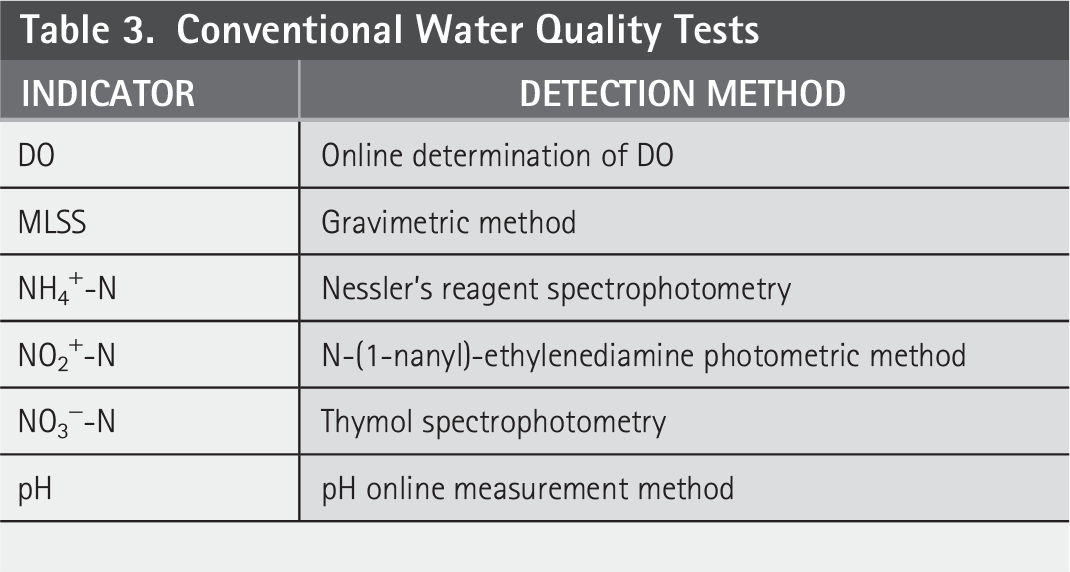
A conventional water quality test was performed once per cycle, referring to the Water and Wastewater Monitoring and Analysis Method (Fourth Edition). The test details are shown in Table 3.
Conventional Water Quality Tests
High-throughput sequencing. 20
The microbial population composition of the sludge was obtained through q-PCR high-throughput sequencing, as follows.
Sludge samples were collected under different conditions and centrifuged at an appropriate speed. The sediment for extraction was retained. Total deoxyribonucleic acid (DNA) was extracted using the E.Z.N.A™Mag-Band Soil DNA kit. Polymerase chain reaction (PCR) amplification was performed on the V3-V4 variable region of the 16S ribosomal ribonucleic acid (rRNA) gene using 338F and 806R. Sequencing was performed using the MiSeq PE300 platform provided by Illumina Company.
Result Analysis
ANALYSIS OF NITROGEN REMOVAL PERFORMANCE
Analysis of the ammonia nitrogen removal effects
The ammonia nitrogen removal effects of the effluent from the two systems during the test are shown in Table 4.
Comparison of the Ammonia Nitrogen Removal Effects between Two Systems (Unit: %)
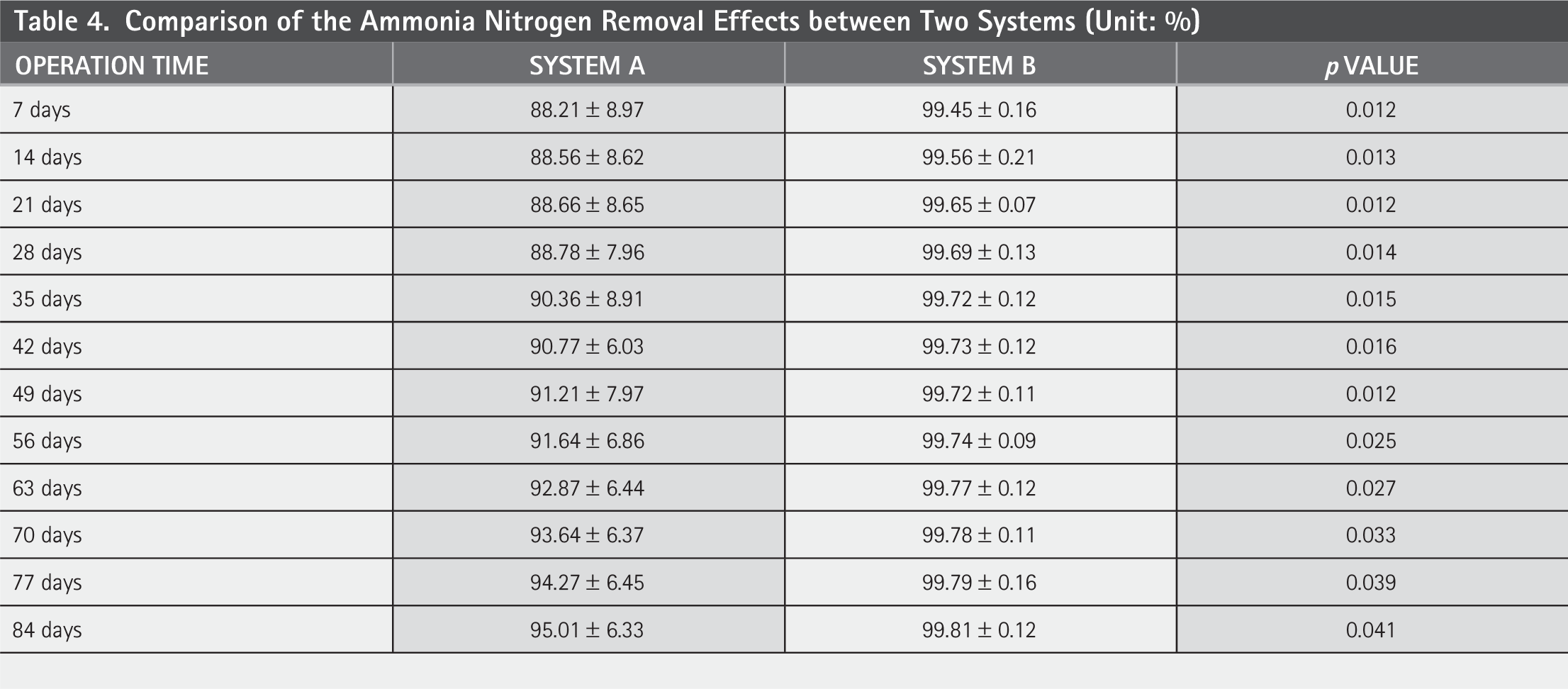
As shown in Table 4, first of all, the ammonia nitrogen removal rate of system B remained above 99% throughout its operation. This is because system B operated at a C/N ratio of 5 and had a good nitrogen removal effect, thus being less affected by Fe2+. System A operated under the low C/N ratio and had an ammonia nitrogen removal rate of 88.21 ± 8.97% at day 7, which was 11.24% lower than that of system B, indicating that the low C/N ratio led to a decrease in the nitrogen removal effect of the SBR system. With the addition of Fe2+, the ammonia nitrogen removal rate of system A increased. 1 mg/L of Fe2+ was added in stage 2 (29–56 days), and the ammonia nitrogen removal rate reached 91.64 ± 6.86% at day 56, which was 2.86% higher than that at day 28. 2 mg/L of Fe2+ was added in stage 3 (27–84 days), and the removal rate reached 95.01 ± 6.33% at day 84, which was 3.37% higher than that at day 56. These results demonstrated the effectiveness of Fe2+ on ammonia nitrogen removal. Through statistical significance tests, it was found that the difference in ammonia nitrogen removal rate between system A and system B was always significant, with p < 0.05, which demonstrated the impact of low C/N ratios on nitrogen removal performance.
Analysis of the total nitrogen removal effects
The total nitrogen removal effects of the effluent from the two systems during the test are shown in Table 5.
Comparison of the Total Nitrogen Removal Effects Between Two Systems (Unit: %)
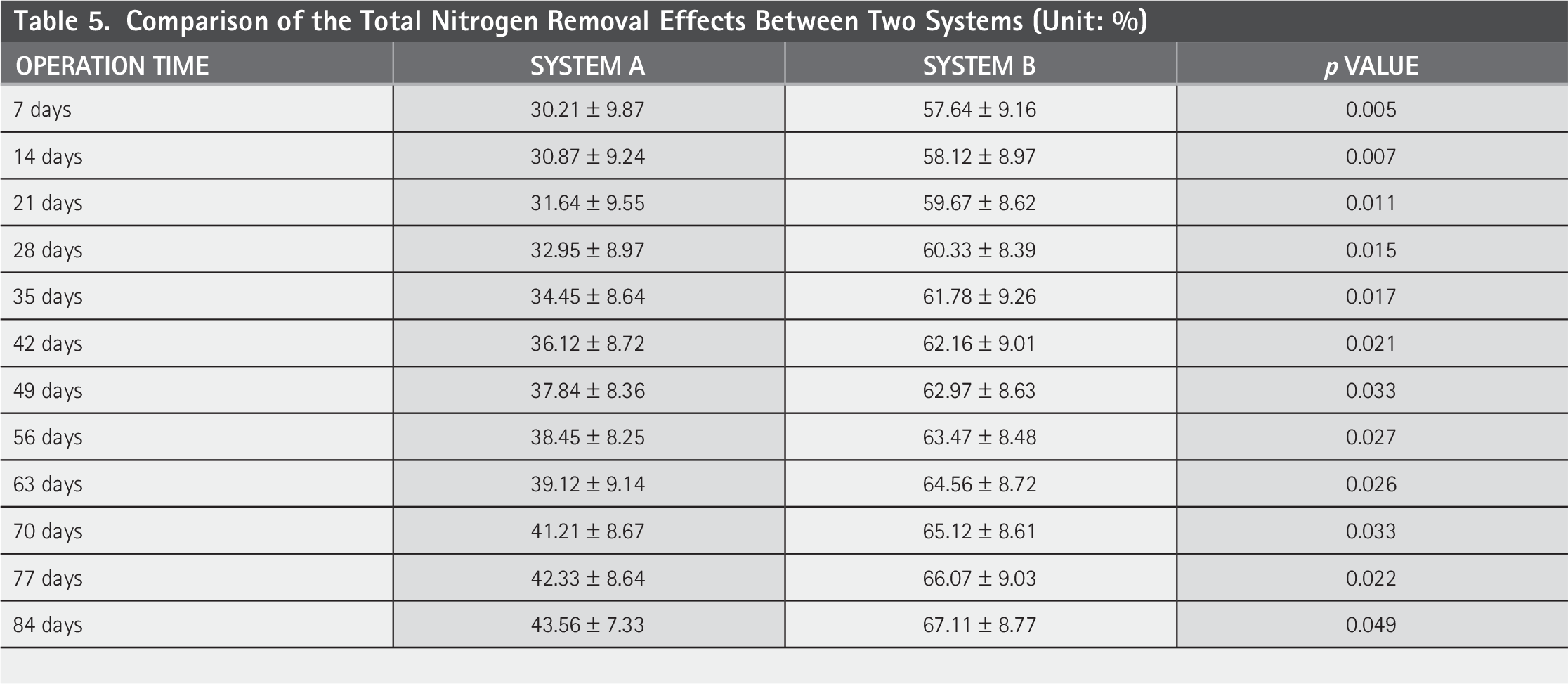
As shown in Table 5, the total nitrogen removal effect of systems A and B improved with the addition of Fe2+. At day 7, the total nitrogen removal rate of system A was 30.21%, which was 27.43% lower than that of system B. When 1 mg/L of Fe2+ was added, the total nitrogen removal rates of systems A and B at day 56 were 38.45% and 63.47%, respectively, which were 5.5% and 3.14% higher than those at day 28. When 2 mg/L of Fe was added, the total nitrogen removal rates at day 84 were 43.56% and 67.11%, respectively, which were 5.11% and 3.64% higher than those at day 56. The results demonstrated that Fe2+ was effective in improving nitrogen removal performance, and the improvement effect of Fe2+ on nitrogen removal was greater under low C/N ratios. Through statistical significance tests, it was found that the difference in the total nitrogen removal rate between systems A and B was also significant, with p < 0.05. This result further demonstrated the impact of a low C/N ratio on nitrogen removal performance. Moreover, the narrowing of the gap between the two systems also verified the role of Fe2+.
ANALYSIS OF MICROBIAL POPULATIONS
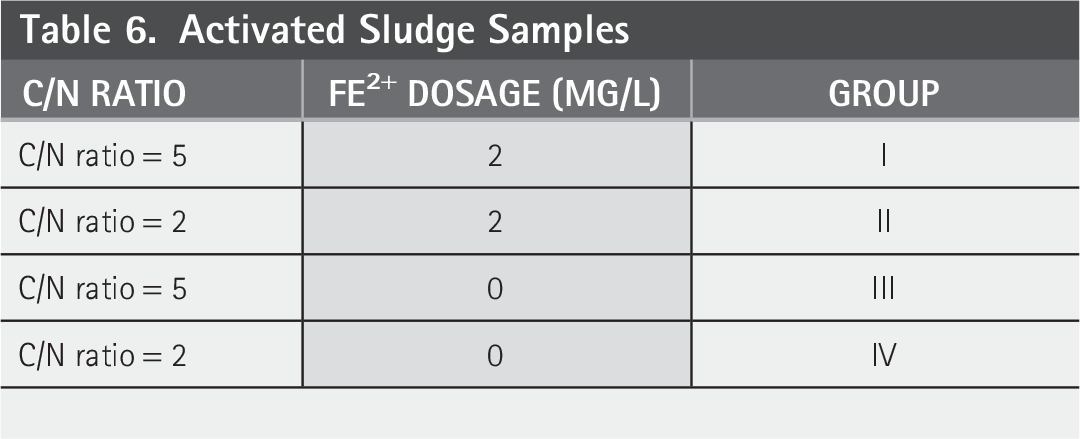
Microbial population information was obtained through high-throughput sequencing. Activated sludge was collected from two systems at the end of stage 1 (a Fe2+ dosage of 0) and the end of stage 3 (a Fe2+ dosage of 2 mg/L). There were four groups, three parallel samples for each group (Table 6).
Activated Sludge Samples
Analysis of microbial community distribution at the phylum level
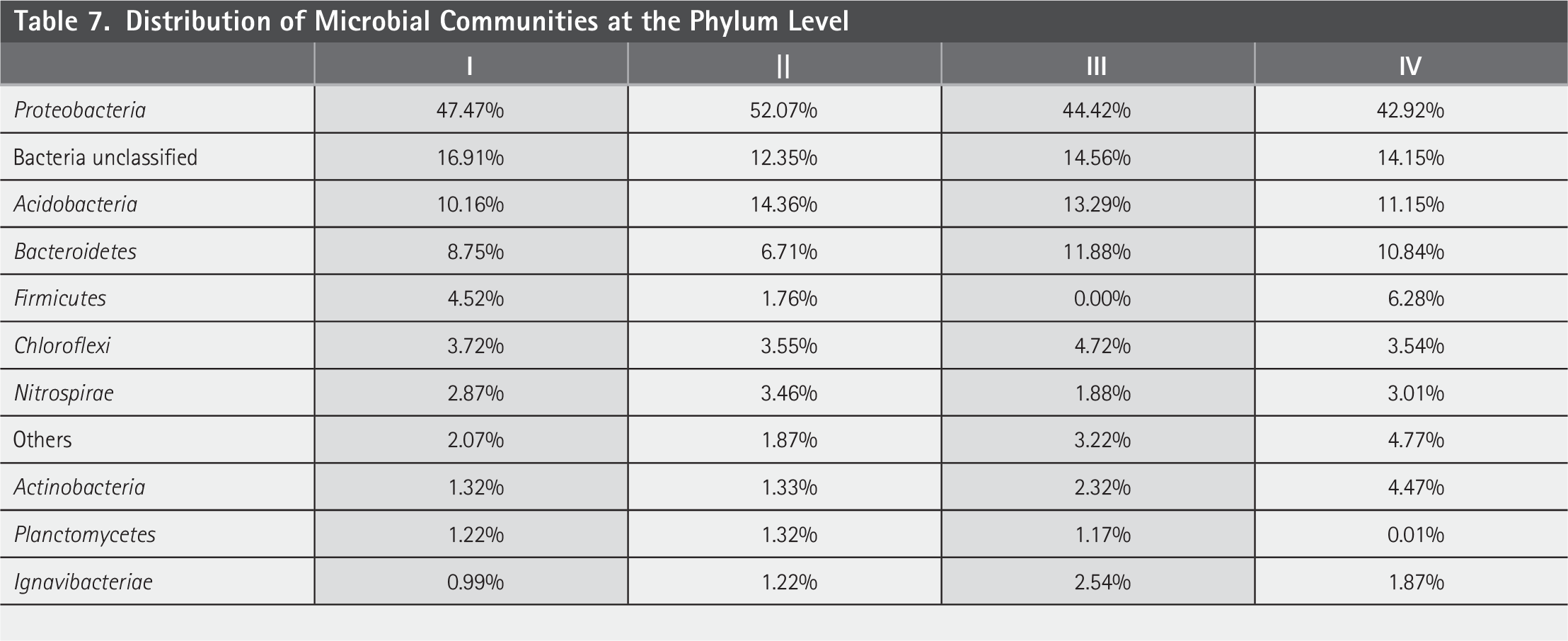
As shown in Table 7, at the phylum level, the dominant phyla were Proteobacteria, bacteria unclassified, Acidobacteria, and Bacteroidetes, while the remaining species accounted for a smaller proportion. Most of the bacteria related to wastewater treatment belonged to Proteobacteria, which are important contributors to COD removal. Some species of bacteria unclassified and Acidobacteria can participate in the iron cycle, while Bacteroidetes are conducive to organic matter degradation. In comparison, the microbial communities of different groups showed little difference at the phylum level, but under low C/N ratios (group II and group IV), the relative abundance of Chloroflexi decreased compared to group I and group III, while that of Nitrospirae increased. This is because under low C/N ratios, the system required more Nitrospirae to process and convert nitrogen, which led to a reduction in other populations. When Fe2+ was added (groups I and II), Planctomycetes showed an increase in relative abundance compared to groups III and IV. This phylum plays an important role in the nitrogen cycle, indicating one of the reasons for the improvement in nitrogen removal performance caused by Fe2+ addition.
Distribution of Microbial Communities at the Phylum Level
Analysis of microbial community distribution at the genus level
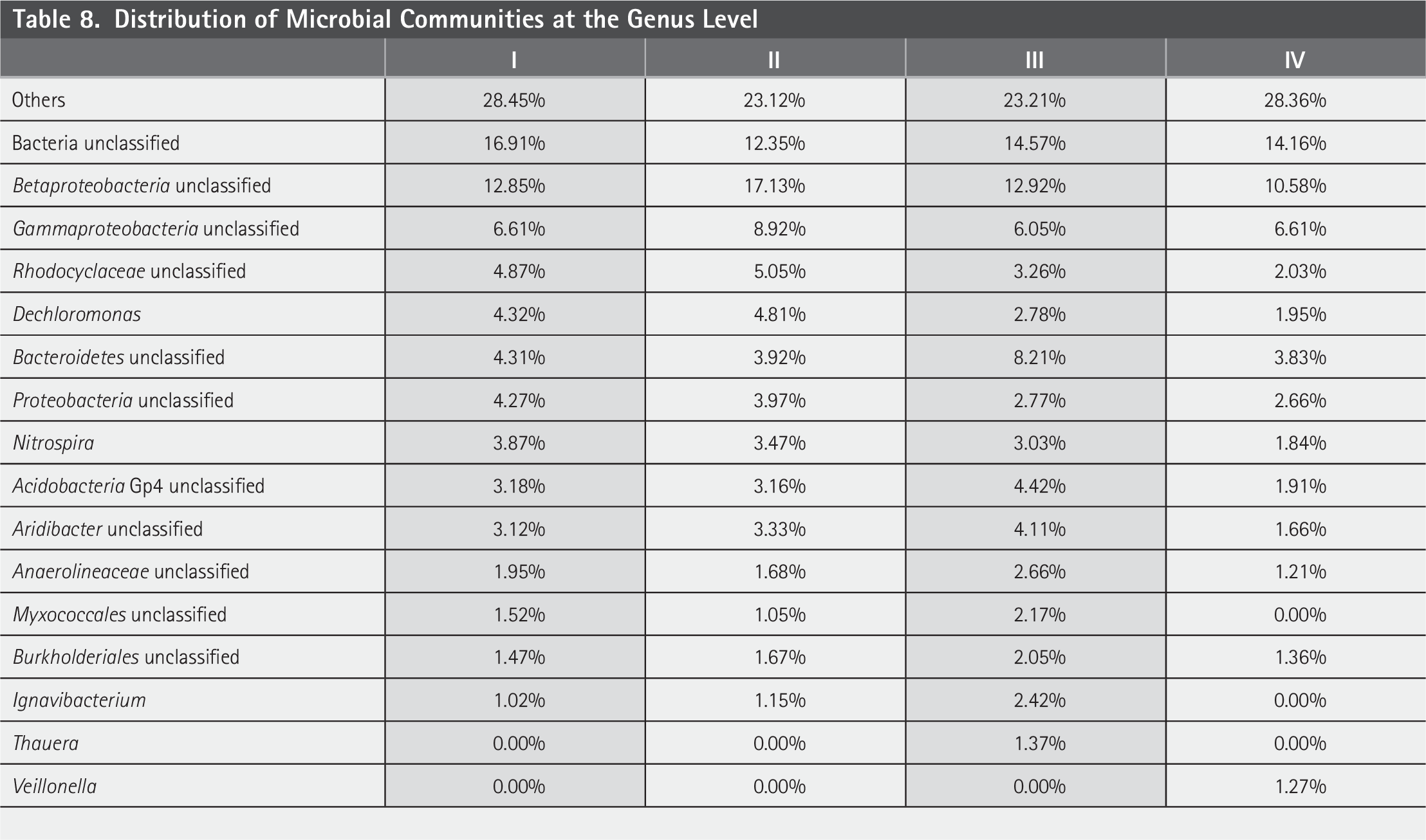
As shown in Table 8, at the genus level, the dominant genera were bacteria unclassified, Betaproteobacteria unclassified, and Gammaproteobacteria unclassified, and the relative abundance of Rhodocyclaceae unclassified, Dechloromonas, Bacteroidetes unclassified, and Proteobacteria unclassified was also high. Comparing the four groups of sludge in terms of Betaproteobacteria unclassified, group I < group Ⅱ, group III < group IV. Under low C/N ratios, the relative abundance of Betaproteobacteria unclassified in group II added with Fe2+ was higher than that in group IV without Fe2+ (17.13% vs. 10.58%); the relative abundance of Dechloromonas in group II was also higher (4.81% vs. 1.95%). These genera have aerobic denitrification and ammonia oxidation capabilities and can grow under aerobic conditions. Nitrospira is responsible for nitrite oxidation during nitrification, and its abundance was higher in groups I and II with Fe2+ added, indicating that the addition of Fe2+ is beneficial for enhancing the nitrification capacity of the system.
Distribution of Microbial Communities at the Genus Level
ANALYSIS OF THE EFFECT OF WASTEWATER PURIFICATION IN THE WASTEWATER TREATMENT PLANT
The biological nitrogen removal technology of the wastewater treatment plant was improved by adding an iron source, Fe2+. After operating for a period of time, water quality sampling was carried out at the end discharge outlet at a frequency of once every 2 hours. A 24-hour composite sample was taken, and the daily average value was calculated. Then, the monthly average value was calculated. The concentrations of ammonia nitrogen and total nitrogen in the effluent are shown in Figure 2.
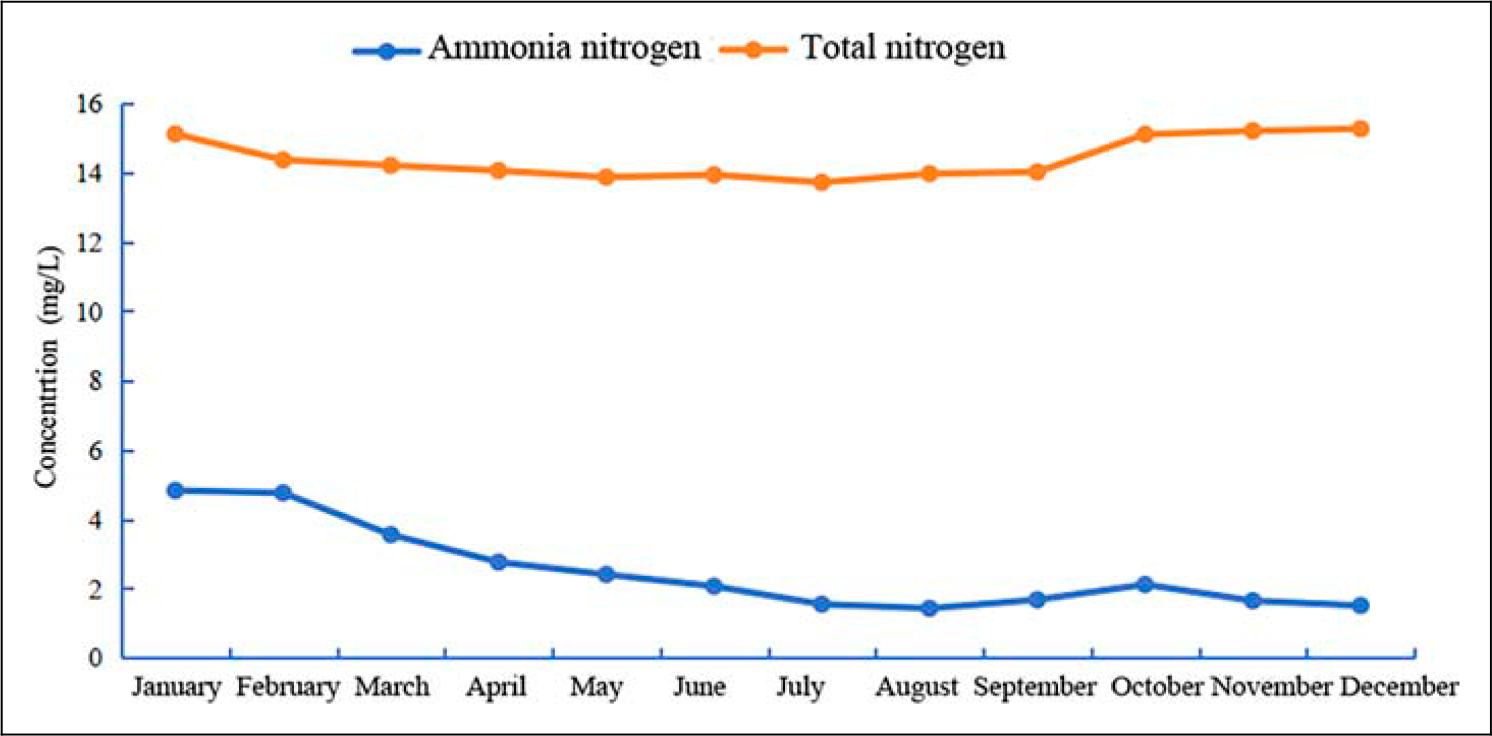
Monthly averages of ammonia nitrogen and total nitrogen concentrations in the effluent during one year of operation.
As shown in Figure 2, during the operation period, the concentrations of ammonia nitrogen and total nitrogen in the effluent were relatively low. Additionally, the concentrations of ammonia nitrogen and total nitrogen slightly increased in winter, which might be due to the decrease in nitrification and denitrification rates under low-temperature conditions. However, on the whole, the improved technology maintained a good nitrogen removal effect.
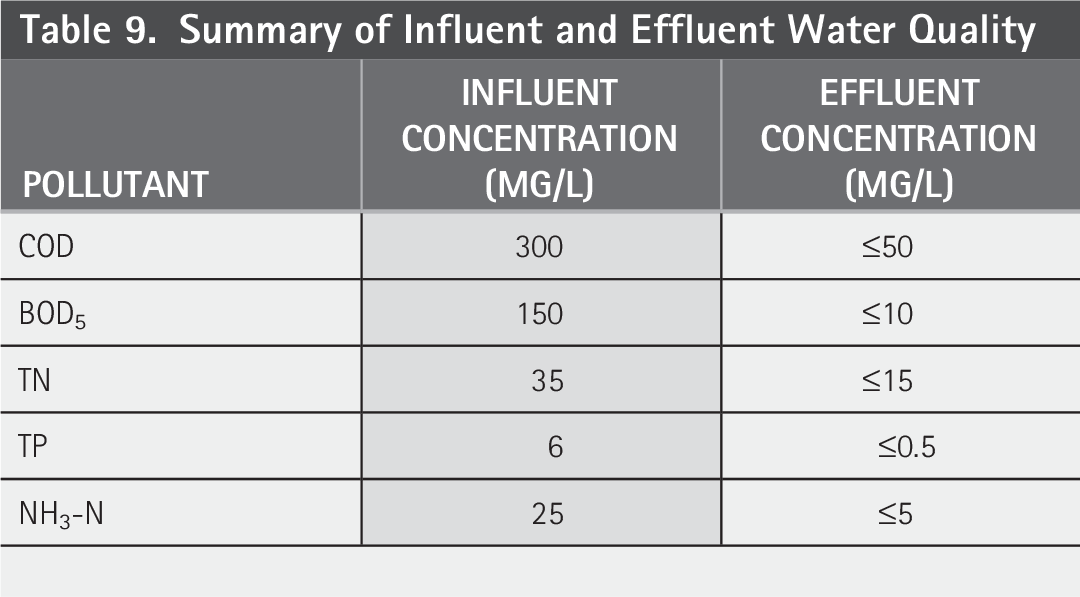
According to Table 9, the effluent quality of the plant was good under the improved technology, and all pollutants had been effectively controlled, demonstrating the rationality and effectiveness of the improved biological nitrogen removal technology.
Summary of Influent and Effluent Water Quality
Discussion
With the development of urbanization, water resources are polluted and wasted. As the government attaches great importance to water environment governance, the purification treatment of wastewater has also received increasing research. A low C/N ratio is a common situation in current wastewater treatment. Traditional treatment methods have problems such as low nitrogen removal efficiency and high operation costs. Therefore, exploring nitrogen removal technologies with excellent performance even under low C/N ratios has great practical value.
Aiming at the low C/N ratio of wastewater in the upper Yangtze River, this article designed a biological nitrogen removal technology with the addition of an iron source, Fe2+. Through comparative experiments on two SBR reactors, it was found that low C/N ratios can significantly affect the removal rates of ammonia nitrogen and total nitrogen. The addition of Fe2+ can effectively improve the nitrogen removal performance. The analysis results of microbial communities also showed that the addition of Fe2+ promoted the growth and enrichment of nitrifying and denitrifying functional flora. The biological transformation of nitrogen is inseparable from the catalysis of enzymes. The core active sites of many enzymes rely on iron elements. As an indispensable cofactor for various key nitrogen removal enzyme systems, Fe2+ directly enhances the metabolic activity of microorganisms, enabling microorganisms to successfully complete the nitrification and denitrification processes even under conditions of insufficient carbon source. In addition, Fe2+ may also serve as an electron donor for chemolithoautotrophic microorganisms and directly participate in the nitrogen removal process. Under low C/N ratios, the activity of traditional heterotrophic denitrifying bacteria is inhibited. The enrichment of autotrophic denitrifying bacteria that use Fe2+ as an energy source enables the system to partially break away from the absolute dependence on organic carbon sources. Finally, from the perspective of microbial ecology, the addition of Fe2+ reconstructs the microbial community structure. Microorganisms that can utilize iron to enhance the activity of key enzymes and use Fe2+ as an energy source gain a competitive advantage in this environment and are significantly enriched, making the function of the entire community more powerful and stable. Generally speaking, the enhancement effect of Fe2+ on biological nitrogen removal under low C/N ratios is a complex process dominated by microorganisms. The research results demonstrate the feasibility of the technology of adding Fe2+, providing a solid theoretical basis and practical direction for the development of new nitrogen removal processes based on trace element enhancement in the future.
Conclusion
This article studied the biological nitrogen removal technology used in the purification treatment of industrial wastewater in the upper Yangtze River. In view of the low C/N ratio characteristic of industrial wastewater in this area, the biological nitrogen removal technology was improved by adding an iron source, Fe2+. It was found through experiments that the low C/N ratio would lead to a decrease in nitrogen removal performance, but the performance was improved after adding Fe2+. There were also more microbial populations with nitrification and denitrification functions in the sludge, demonstrating the enhanced effect of added Fe2+ on ecological nitrogen removal. It was found that the optimal addition amount of Fe2+ was 2 mg/L. This technology can be further promoted and applied in practice.
Footnotes
Author Disclosure Statement
No competing financial interests exist.
Funding Information
No funding was received for this article.