



Abstract
This case study illustrates the perspectives of leaders and teachers regarding professional development and learning transfer as they relate to school improvement. The case study is set in a Midwestern middle school that is representative of many other American schools. It encourages future administrators to participate in meaningful conversations about effective professional development and learning transfer. The hope is to better understand how school leaders can plan, assess, and follow up post professional development events using a Multidimensional Model of Learning Transfer (MMLT). The case poses questions designed to prepare educational leaders to provide effective professional development for their teachers.
Keywords
Introduction
Professional development is an important element in improving teachers and leaders’ skills and abilities that will affect student’s academic achievement (Koonce et al., 2019; Reeves, 2010). Too often, budgets are spent on professional development (PD) that yields little results (Speck & Knipe, 2005). Each district has its own focus for PD depending on the needs of the school communities, the latest standardized test results, and the most recent policies. Despite the millions of dollars spent on PD nationally, student learning outcomes continue to stagnate or dwindle, discipline issues continue to skyrocket, and teacher moral plummets. This may be due, in part, to leaders paying little attention to learning transfer. This case study raises issues related to PD and learning transfer among teachers and school leaders. This case illustrates the importance of learning transfer and its impact on school improvement.
Learning transfer is the primary objective of teaching, yet it is the most challenging goal to reach (Foley & Kaiser, 2013; Furman & Sibthorp, 2013; Hung, 2013). Every year billions of dollars are spent on training in the United States, and only 10% results in transfer of knowledge, skills, or behaviors in the workplace or at home, translating to a loss of 87 to 90 cents per dollar spent on PD (Baldwin & Ford, 1988; Broad & Newstrom, 1992; Curry et al., 1994). These findings demonstrate the lack of attention placed on learning transfer and indicate that it is simply not sufficient to only offer PD events. This case study raises issues related to the lack of PD and learning transfer among teachers and school leaders and its impact on students and school improvement.
Background Information
To better understand the context in which this teaching case study takes place, the author first presents the definitions used to operationalize the concepts of PD and learning transfer. Following the definitions, contextual information about the community, district, and school is provided.
Operational Definitions
The author chose this specific definition of PD because it emphasizes the fact that PD is a lifelong and collaborative process. This is an important distinction because, to date, school and district leaders continue to only offer one-time PD events without follow-up post training. This hinders chances of implementing the new knowledge.
Professional development
“Professional development is a lifelong collaborative learning process the nourishes the growth of educators both as individuals and as team members to improve their skills and abilities” (Speck & Knipe, 2005, p.4).
Learning transfer
Learning transfer is defined as “the effective and continuing application by learners—to their performance of jobs or other individual, organizational, or community responsibilities—of knowledge and skills gained in the learning activities” (Broad, 1997, p. 2).
The Community
To describe the community, the school district, and the school itself, the author used pseudonyms. The city of Centennial is a medium size city located in the Midwest of the United States. Like most urban areas in America, the city has considerably changed in the past 20 years. The population has declined due to the closing of major industries and the property tax base that has plummeted because middle-class families chose to leave the area. As a result, 30% of the community lives with an annual income below the poverty line, crime rates are rising, and one in every three teenagers is or has been addicted to a substance. Many students have experienced some form of trauma, whether they have been abused by parents or siblings, are homeless, or have committed a misdemeanor or crime. Centennial is highly segregated, and residents live in two different sections: Noe Square and South Park. South Park is 42% African American, 10% Asian, 3% Hispanic, and 45% White. South Park is the most diverse part of town, but it is also the most economically and educationally challenged side of the city. In South Park, the unemployment rate is 40% and the property value has plummeted over the years. As a result, the schools are lacking resources. Teacher and principal attrition is high, students’ test scores are low, and students’ well-being is even lower with large numbers of students experiencing depression or other related mental illnesses.
Centennial School District
The Centennial School District (CSD) serves 6,000 students from Kindergarten to High School. The district receives a large amount of Title 1 monies because of the community’s economic challenges. Most schools in the district received an F on their report cards. As a result, the district might be taken over by the state if the schools do not improve within the next 3 years. For the first time in the city’s history, the superintendent is an African American female determined to help, revamp, and improve the district’s academic results. In the years prior to Dr. Anoi’s appointment, the district spent most of its PD monies on technology. The district had also allocated monies to the implementation of Positive Behavioral Interventions and Supports (PBIS), culturally responsive teaching, and STEM curriculum.[] This year, the district was fortunate to receive federal grants to help cover a large portion of the PD costs. Currenty, Dr. Anoi’s budget for PD is $12,000 for workshop and conference registrations and $110,000 for in-district presenters and consultants.
As part of her district improvement plan, Dr. Anoi’s approach is to focus on meaningful PD for teachers and leaders. She also wants to emphasize the implementation of the PD. Dr. Anoi has consulted with experts in PD at diverse universities and understands the significance of learning transfer. Her goal is to reform the PD at the district level and in one school in particular to serve as a model with the hope that this intervention will yield better academic outcomes over time.
South Park Middle School
South Park Middle School (SPMS) is located in South Park. It serves 596 students. Students at SPMS are 50% African American, 15% Asian, 5% Hispanic, and 30% White. Out of the 596 students, 203, or 34%, are identified as having a learning disability. The entire students (100%) are economically disadvantaged and receive free breakfast and lunches. On the state test, 83% of the students scored limited in all topics. The school received an F on its report card 3 years in a row. The school employs 22 full-time teachers, 5 special education teachers, 2 assistant principals, 3 janitors, 3 cooks, and 2 secretaries. The 22 teachers are experienced teachers. They all have taught a minimum of 5 years and five have taught at the school for over 20 years. The teachers are committed to their school and community but get discouraged by the academic results, the rampant poverty, the discipline issues, and the increasing number of children bearing some kind of trauma. They often do their best, but teachers admit “not knowing what to do anymore.” In terms of race, 98% of the teachers and administrative staff are White.
The Principal
The school has had the same principal for 7 years: Mr. Klein. Twenty years ago, he taught Information Communications Technology (ICT) to grades 6 through 8. He is originally from the East Coast and moved to Centennial 15 years ago when the city and schools did not face the challenges they now face. Mr. Klein has led the same way for the past 7 years. He is determined that the district’s current focus will eventually lead to school improvement. He is resisting the superintendent’s efforts to redesign the teachers’ PD. Mr. Klein believes that the PD he chooses for the teachers has been beneficial to them. He rarely seeks advice or the opinion of anyone. He makes decisions on PD alone to save the teachers some time and headache. This case study illustrates the perspectives of leaders and teachers regarding PD and learning transfer as they relate to school improvement.
The Case
Mr. Klein is a proponent of technology. As a result, he continually spends his PD budget ($40,000) to help teachers learn how to use the new tablets or other technological tools they received from the district. Most recently, he asked teachers to use another tool for their classroom called Edmodo. Edmodo is an educational technology company offering a communication, collaboration, and coaching platform to K-12 schools and teachers. The Edmodo network enables teachers to share content, distribute quizzes, assignments, and manage communication with students, colleagues, and parents. While teachers and students appreciate the use of technology in the classroom, teachers are increasingly frustrated with Mr. Klein’s approach to PD.
For the past 3 years, teachers have been asked by the district and their principal to attend workshops on PBIS, equity, culturally responsive teaching, STEM, the new English and social sciences curriculum, Edmodo, and other technology-related tools. Many of the teachers now feel PD fatigued. Teachers complain that there are too many PD events and that they “all have to attend everything.” Teachers voiced their concerns to Mr. Klein who simply replied, “We are giving you the tools to succeed in your classroom, even if you know the content. It is good for you to be there for a periodic review and to support your peers.”
Feeling unheard, two teachers decided to represent the school and meet with the superintendent and union representative in the hope of being understood. During this meeting, they shared: “The PD events are useful, and we appreciate the opportunities to be trained, but it is only useful and only benefits our students if it is implemented.” Another teacher added: The other issue is that just like we are asked to individualize the learning for our students, it should be the same for us. We do not all have the same needs, do not all want to be trained, and do not all have the same levels of understanding and experience on a given topic. I teach Math. Why do I need to attend a training on English curriculum? I am also originally from Kenya and in my culture, we learn best with others . . . but does anyone care to take that into consideration?
Following the meeting with the union representative and the superintendent, a formal complaint was filed against Mr. Klein. This complaint strained the relationship between numerous teachers and the principal. Mr. Klein felt betrayed and that his efforts to provide quality PD for his teachers were unappreciated. He told Dr. Anoi: “If they do not have PD, they complain, and when they do, they complain too, so what do they want?”
Over the semester, the issue escalated while students’ results dwindled. As a result, the teachers’ moral was at its lowest. Teachers were fatigued and frustrated. Despite the complaints, the numerous PD events that had been scheduled happened as planned. At the end of the first semester, another delegation of teachers returned to see Dr. Anoi. During the meeting, Dr. Anoi said: “I need something in writing. If I write a survey, would you be willing to pass it out to all your colleagues at South Park Middle? I think the survey data would help your principal understand your concerns.” The superintendent added: “And would it be alright with you and your colleagues if I attended one of the PD sessions you have scheduled? If so, I will ask Mr. Klein for a schedule and I will come with him.”
For the first time in months, teachers felt relieved and hopeful. Six days later, Mr. Klein received a survey from the superintendent’s office with a note asking him to distribute it to all his teachers. Without hesitating, he passed that email along to his teaching staff. The survey had been prepared by a colleague of Dr. Anoi. This colleague was a professor at a local university whose research interest was PD. The survey, based on the work of Speck and Knipe (2005), included questions such as “Is the focus of the PD on student learning?” “Does it emerge from teachers?” or “Does it involve inquiry, dialogue, and reflection?” Once the data were collected and shared with the leadership and teaching staff, teachers felt empowered to initiate systemic change.
In a debriefing session organized by Dr. Anoi, teachers expressed that they saw the PD events as “A one-time shot we attend. We check a box and then we are back to our normal routine.” While some teachers, who had a hard time with change and difficulties adapting to new practices and were happy with this arrangement, the majority of the teachers saw these events as: A waste of time and money because nothing is asked of us afterwards. We go by our business as usual, but we want to be better at what we do, serve better, and make a difference in these students’ education. They already face so much . . . We have so much PD. We have the knowledge; what is missing for us is the implementation. It is like a huge gap that no one addresses, so we keep having more PD and more meetings. It is a vicious circle and the students do not benefit from any of it because we, as teachers and leaders, are over the place. Also, we keep hiring White consultants to come lecture us, but we have a wealth of knowledge in this room. Why can’t teachers themselves lead some PD? We must have conversations with facilitators from diverse backgrounds in order to best serve our students because my White colleagues do not understand the African American culture, yet most of our students are African American or represent other minorities.
During the debriefing, teachers also mentioned that the PD they received “was always lecture based. So not only was the content not always pertinent to our area, but we are talked at for two hours and retain nothing.” A teacher leader added “We want to do well, but we are not even sure what the expectations are post training. We also do not have a say in the PD chosen or a way to evaluate it.” Another teacher affirmed: Some topics are key for us, like equity, but how do we continue the learning when we have one PD on it and that is all? There are many dimensions of culture, yet we only briefly talk about race. What about gender, ability, age, religion, and other dimensions of identity?
Mr. Klein was shocked to hear so much dissatisfaction. All along, he had not taken this issue very seriously because he himself enjoyed the PD when he attended them. Teachers reminded him “that as principal, he did not have to implement any of the PD in the classroom.” Dr. Anoi and Mr. Klein met once more and agreed that the PD offered needed to be transferred to practice because too much money had been spent in vain and the state takeover was threatening them. As Dr. Anoi said, “We have to get it right this time.”
Teaching Notes
In this case study, the school principal faced numerous challenges providing quality PD and ensuring the transfer of the new knowledge to the classrooms. The following Teaching Notes will help you further your understanding on these key concepts.
High Quality Professional Development
According to Speck and Knipe (2005), High Quality Professional Development (HQPD) has the following attributes. It:
Sustains a collaborative learning process.
Systemically nourishes the growth of educators/leaders (individual and teams).
It is: ○ Adult learner-centered, job embedded, and an ongoing process. ○ Focused on educators/leaders attaining the skills, abilities, and deep understandings they need to improve student achievement. ○ Based on research and best practices.
To have high-quality PD events, it is imperative to assess the needs of teachers, analyze student disaggregated student data to understand where the gaps are, and determine the focus of PD to help improve student achievement (Speck & Knipe, 2005). The authors assert that creating PD is a sound practice and the implementation of the plan requires time, resources, and support from the leadership team. The implementation should also be embedded in the job, as teachers will apply new learnings, monitor results, and reflect, as these results will inform the teachers’ practice. The authors warn us that one-time workshop have less than a 5% impact on student learning. The most effective strategy is job embedded with on-going practice, coaching, and feedback.
A PD plan should answer the following questions:
What are the desired outcomes?
What are the PD activities to reach the outcomes?
Who will be responsible for the evaluation?
How will the evaluation be conducted?
What types of data will be collected?
How and when will the data be analyzed?
Who is responsible for analyzing the data and reporting the results?
How does this plan contribute to continuous improvement process for the teachers and improve student learning outcomes?
Standards for Professional Learning
Effective principals are chief learners and focus on supporting the learning of their teachers (Koonce at al., 2019; Reeves, 2010). To help principals organize effective PD, support teachers in their learning, and follow-up post training, the professional learning organization “Learning Forward” created, with the collaboration of 40 other professional associations, the Standards for Professional Learning (Standards, n.d.). The standards outline characteristics of professional learning that aim to support leadership, improve teaching, and increase student learning outcomes. The standards address learning communities, leadership, resources, data, learning designs, implementation, and outcomes. Below are key points outlined in the Standards for Professional Learning (Standards, n.d.).
Learning communities should be committed to continuous improvement, collective responsibility, and goal alignment. Professional learning necessitates skilled leaders who develop capacity, advocate, and create support systems for professional learning. These leaders also prioritize, monitor, and coordinate resources needed for their educators’ learning to occur.
Administrators who support professional learning use various sources and types of student, educator, and system data to plan, assess, and evaluate professional learning. They also integrate adult learning theories to achieve intended outcomes. They oversee the implementation of professional learning to ensure sustained and sustainable change. Finally, they align professional learning outcomes with educator performance and student curriculum standards.
Learning Transfer: The Missing Link to Improved Outcomes
Being able to transfer newly acquired knowledge is the ultimate goal of teaching (Thomas, 2007). It has been challenging for scholars to measure learning transfer and its impact to date because all trainings, trainees, and trainers are different. Even so, authors have written extensively in seminal studies about what enhances and inhibits the transfer of learning (Caffarella, 2002; Ford, 1994; Hung, 2013; Illeris, 2009; Knowles, 1980; Lightner et al., 2008; Taylor, 2000; Thomas, 2007).
Broad and Newstrom (1992) identified six key factors that can either hinder or promote learning transfer in adults: (a) program participants, their motivation and dispositions, and previous knowledge; (b) program design and execution including the strategies for learning transfer; (c) program content, which is adapted to the needs of the learners; (d) changes required to apply new learning; (e) organizational context such as people, structure, and cultural milieu that can support or prevent transfer of learning values (Continuing Professional Development [CPD]); and (f) societal and community forces. Building on Broad and Newstrom’s (1992) work, Brion (2019) proposed the Multidimensional Model of Learning Transfer (MMLT).
The MMLT
Brion, (2020) combined two of Broad and Newstrom’s (1992) factors, namely organizational context and societal community forces, into one category called context and environment. The author posits that the context and environment categories encompass Broad and Newstrom’s (1992) ideas by including the micro and macro contexts of both organizations and societies. Based on the review of the learning transfer literature, Brion (2020) added two additional dimensions to learning transfer: pretraining and follow-up. As learning is multidimensional and does not happen in a vacuum (Ford et al., 2011), the author proposed the MMLT in which culture influences all other dimensions of learning transfer.
In this MMLT, Brion (2020) suggests that pretraining and posttraining play a key role in enhancing learning transfer and that Culture is the overarching factor that affects all dimensions of learning transfer. Specifically, the author affirms that culture affects all six other dimensions of learning transfer: Pretraining, Learner, Facilitator, Material and Content, Context and Environment, and Follow-up. Ignoring cultural issues in schools and organizations present numerous risks including reinforcing stereotyping, increasing intolerance among the groups, raising potential misunderstandings, escalation of frustrations and defensiveness, and withdrawals from learners and facilitators (Caffarella, 2002; Williams & Green, 1994).
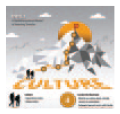
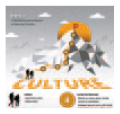
As Figure 1 indicates, pretraining includes the orientation of supervisors and facilitators so that they can support the PD event once it has begun. In the case study presented, Mr. Klein did not orient the facilitators and consultants who were coming to provide the PD. The facilitators and consultants were also not briefed about their audience. Pretraining also includes communicating expectations to trainers and trainees and explaining who will benefit from training. It is important to remind participants that they are accountable to implement new knowledge (Yang et al., 2009). At SPMS, Mr. Klein did not expect implementation. Finally, in the pretraining, facilitators learn about who their audience will be and share the schedule, goals, and information perceived as valuable to the learner (Baldwin et al., 1991).

The multidimensional model of learning transfer.
Learner refers to the learner’s levels of motivation, understanding the cultural background of the facilitators and self, and comprehending how history and social events affect stakeholders (learner, facilitator, peers, and colleagues). The learner dimension also includes understanding cultural differences in learning styles (collectivistic vs. individualistic cultures), as well as language and writing differences. Learner is also comprised of the participants’ beliefs and attitude toward their job (Yelon et al., 2013), whether or not they have the freedom to act, and the positive consequences of that application. Finally, it involves the participants’ belief of the efficacy of the knowledge and skills learned (Yelon et al., 2013). At SPMS, teachers did not believe that the knowledge they learned was beneficial to their growth because they did not have a choice in the PD they attended.
Facilitator includes the understanding of our own cultural background, the background of the participants, and how history and social events affect stakeholders (facilitator, learner, peers, and colleagues). It also refers to the understanding of language and writing differences, setting goals, and the selection of participants (Yang et al., 2009). Once again, at SPMS, facilitators came in and out without taking the time to understand the participants’ cultural backgrounds and learning styles. Facilitator also includes the dispositions of the facilitators. A facilitator understands the difference between teaching and learning transfer. Teaching is the delivery of content whereas a facilitator of learning uses the participants to create knowledge that is applicable to their jobs and personal lives. This creates an on-going dialogue between professionals. Facilitators of learning do not have to be consultants exterior of the organization. Sometimes in-house facilitators do better because they understand their colleagues and the culture of the organization/school. In this case, facilitators were all outside consultants who lectured rather than facilitated the learning.
Content and Materials involves using evidence based, culturally relevant, and contextualized materials. Using a pedagogical approach based on andragogy: how adults learn best (Knowles, 1980; Laird et al., 2003; Mezirow, 2000). Adults learn by doing, sharing their own experiences, seeing how the new knowledge can be beneficial to them, and reflecting. Content and Materials also include the use of symbols and meaningful artifacts to cue and help recall (Debebe, 2011). Consultants hired to lead PD at SPMS were not using student-centered approaches.
Context and Environment is comprised of the training environment and the work environment (micro and macro cultures within context), socio-cultural context, transfer climate, peer contact, and the presence of social networks. It also refers to having enough time to transfer knowledge, the support for action or resources, the freedom to act, and peer support (Facteau et al., 1995). Finally, Context and Environment refers to the training incentives: intrinsic incentives (provides employees with growth opportunities) and extrinsic incentives (rewards or promotion) (Facteau et al., 1995). In this case, Mr. Klein did not support the learning of his teachers because he did not provide them with resources and did not expect the transfer of knowledge.
Sustainable Follow-up post training to avoid skill decay and training relapse can include tutor facilitated networks via mobile technology, micro-learning using mobile technology (Brion, 2019), coaching, testimonials, Professional Learning Communities (PLCs) or Community of Practice (COPs), apprenticeship, coaching, and E-coaching (Wang & Wentling, 2001). Follow-up should include frequent and detailed feedback, upkeep of networks, modeling, and reflection. At SPMS, there was no follow-up or mechanism for feedback post training.
The MMLT provides an effective way to prepare PD events and assess learning transfer. It could be used systematically by educational leaders, leadership preparation programs, PD organizers, and researchers. The MMLT includes seven dimensions that can enhance or hinder the transfer of learning. These dimensions include culture, pretraining, learner, facilitator, content and materials, context and environment, and sustainable follow-up. Upon understanding which of the seven dimensions supported or prevented the transfer of training, learners, and facilitators can adapt their teaching, content, conditions for learning, pretraining activities, and follow-up methods. The MMLT can be used to assess learning transfer after classes, in university courses, in trainings, in workshops, in e-learning activities, or any other PD activity. The MMLT is an assessment tool that can be used for various areas of practice, whether it be education, business, human resources, or any other areas of practice.
At SPMS, Mr. Klein faced the challenge of providing quality PD and ensuring that teachers transferred the new knowledge to their classrooms. This case study uses the MMLT as a theoretical framework to raise critical questions relative to learning transfer that administrators can implement to provide effective PD.
Conclusion
The situation at SPMS is far from being resolved. Although the district and the principal realized that the monies spent on PD did not increase student academic outcomes, Mr. Klein still has a lot to learn about high-quality PD and learning transfer. The school still faces the possibility of being taken over by the state. This case study is relevant, and its solutions are applicable to many districts in the United States because it is rare that leaders take into consideration learning transfer when planning, implementing, and evaluating PD.
The Challenge
Next, you will have the opportunity to reflect on the case study and apply what you have learned. Using the teaching notes, please answer the questions and complete the activity.
Put yourself in the principal’s shoes. What would you do?
Questions on PD to Consider
1. Divide into two groups to discuss the PD at SPMS. Discuss why the situation at SPMS deteriorated. One group should take the perspective of Mr. Klein and the other group discuss as if they were teachers. Then, share your thoughts with the other group and discuss areas of consensus and dissension.
2. Individually, think about your own experiences with PD. Write down some quick thoughts to these 2 questions and share with a partner what you wrote. (a) What was the (b) What was the
3. Using the Survey of Successful Professional Development below (Speck & Knipe, 2005), please rate the PD at your school.
Survey of Elements of Successful Professional Development (Speck & Knipe, 2005).

Note. PD = professional development.
4. In pairs, discuss how does this score on the Elements of Successful PD informs your PD design and practices.
Activity on Learning Transfer
Utilize your knowledge of the MMLT to answer the following questions (Figure 1: MMLT above & Table 1 below). Be prepared to discuss the following.
In pairs, discuss and explain your understanding of the MMLT to each other.
Discuss what Mr. Klein could do in each of the MMLT dimensions to enhance the transfer of learning and the implementation of new knowledge in the classrooms post PD? Use Table 1 to write possible solutions. Column 3 is where you should be writing your possible solutions. Remember that Culture (i.e., our own culture, the learner’s culture, and the organization’s culture) influences all dimensions of the MMLT. Be ready to share.
Discuss the impact of learning transfer on school improvement (i.e., English language, Math, etc.), then apply the MMLT to your own school. Use Table 1 column 4 to create your PD plan for your school with a specific focus, that is, English language, Math, and so on.
As current and future leaders, are you prepared to handle situations related to learning transfer? In what ways do you feel prepared? In what ways do you feel unprepared?
Apply the Multidimensional Model of Learning Transfer to the Situation at SPMS and at Your School.


Note. SPMS = South Park Middle School; MMLT = Multidimensional Model of Learning Transfer; PD = professional development; PLC = Professional Learning Community; COP = Community of Practice.
Footnotes
Declaration of Conflicting Interests
The author(s) declared no potential conflicts of interest with respect to the research, authorship, and/or publication of this article.
Funding
The author(s) received no financial support for the research, authorship, and/or publication of this article.
