




Abstract
Blends of coal with potential fuels, such as bagasse, may help reduce greenhouse gas (GHG) emissions. This study investigates the combined effect of Thar lignite coal and sugarcane bagasse on their suitability for gasification or combustion. Extensive experimental investigations were conducted to assess the suitability of these blends as potential fuels. The Gross Calorific Value of Thar coal blended with sugarcane bagasse was found to be ∼8,610 Btu/lb, 8,387 Btu/lb, 7,968 Btu/lb, and 7,448 Btu/lb after being mixed in ratios of 100%, 75%, 50%, and 25% with coal, respectively. Thermogravimetric analysis revealed weight loss with increasing temperature in Thar coal; the data obtained will help in setting parameters for fluidized bed conditions. The activation energy and frequency factor were determined to be 68.11 kJ/mol and 636.60 min−1, respectively. Gamma spectrometry was also performed on these samples, revealing the presence of four main natural radioactive elements: 127.4 ± 45.2 Bq/kg for 40K, 2.1 ± 0.3 Bq/kg for 235U, 71.2 ± 12.1 Bq/kg for 238U, and 20.7 ± 3.1 Bq/kg for 40K, 235U, 238U, and 232Th. The radiometric measurements of Thar coal show lower emissions compared with the global average values of activity concentration in coal samples. The composition of a 50% bagasse and Thar coal blend results in a notable reduction in sulfur and ash content; however, there is some compromise in the heating value (from 8,610 to 7,969 Btu/lb). The findings of the present study will significantly impact sustainable energy and environmental protection by demonstrating that blending sugarcane bagasse with Thar lignite coal can effectively reduce GHG emissions, thereby contributing to cleaner energy production. These results encourage policymakers and industry stakeholders to adopt biomass-coal blending for sustainable development and environmental benefits. Future research should focus on developing advanced gasification and combustion technologies, along with comprehensive emission control measures, to further reduce GHGs and enhance energy efficiency.
Keywords
Introduction
Energy plays a significant role in a nation’s sustainable, social, and economic growth. Coal is the most widely used energy fuel for power generation worldwide, and its mineable life is expected to last for roughly 200 years (Butt et al., 2023). Furthermore, the use of fossil fuels intensifies environmental issues such as air pollution, climate change, and greenhouse gas (GHG) emissions. Coal is a vital energy source that is inexpensive and widely accessible. Due to its high energy content, coal is the preferred fuel in both industrialized and developing nations (Mehdi et al., 2024). Coal is mainly composed of carbon, a predominantly combustible material with a black or brownish-black appearance in sedimentary rock. Since it takes millions of years to form, coal is considered a nonrenewable energy resource. Coal is classified into four major types: anthracite, lignite, bituminous, and subbituminous. Its classification depends on the amount of carbon and its calorific value, which determines the heat energy produced (Abbasi et al., 2020). Pakistan has several coal reserves, including the coalfields of Sindh at Lakhra, Jherruck, Sonda, and Thar. Thar, located in the Sindh province, is the world’s 16th largest lignite coal deposit, with ∼175 billion tons of coal (Butt et al., 2023). Studies have reported that Thar coal has a calorific value ranging from 5,219 to 13,555 Btu/lb. The total estimated coal resources of Pakistan amount to 185.175 billion tons, while the coal reserves of Thar alone is estimated at 175.5 billion tons (Ali et al., 2022).
Irrespective of their importance, fossil fuels have now become a serious environmental hazard due to the emission of GHGs through combustion or gasification. Oil, coal, and natural gas, as conventional energy sources, have proven to be quite effective in boosting the economy. However, they are also highly detrimental to the environment and human health. GHG emissions continue to rise globally, significantly contributing to climate change and environmental degradation. The combined GHC emissions from the United States, China, India, Russia, Brazil, Indonesia, Japan, Iran, Mexico, and Saudi Arabia account for ∼64% of the total global emissions (Filonchyk et al., 2024). Studies in the past indicated that this escalation intensifies extreme weather events such as hurricanes, droughts, and heatwaves, which pose direct threats to ecosystems and human communities. Additionally, increased GHG levels lead to deteriorating air quality, resulting in respiratory and cardiovascular diseases among populations, especially vulnerable age groups like children and the elderly. The negative impact on public health is compounded by the loss of biodiversity and the disruption of natural habitats. Addressing the surge in GHG emissions is crucial to safeguard both planetary health and public well-being (Filonchyk et al., 2024). The need to reduce GHG emissions and the looming threat of climate change are two of the many environmental factors causing these traditional energy sources to come under increasing strain (Ali et al., 2022; Sarvaramini et al., 2014).
The term biomass is generally used for organic substances derived from wood, plants, and trees, and it provides the storage of solar energy through a natural chemical reaction, photosynthesis (Mahmood et al., 2021). Due to its low cost and easy accessibility as a byproduct, biomass has gradually attracted attention as an alternative energy source. Biomass used for bioenergy is obtained from residues produced during the processing of crops for food or other products, such as bagasse from the sugar industry (Al-Moftah et al., 2022). Bagasse, a byproduct of the sugar manufacturing process in sugarcane industry, has been considered a potential source for generating thermal energy through combustion for power production with fewer negative environmental effects (Chandel et al., 2012). However, bagasse’s high moisture content, exceeding 50% by dry weight, makes it an unattractive feedstock for bioenergy production and reduces combustion efficiency (Kabeyi and Olanrewaju, 2023). Sugarcane bagasse is used as a feedstock to generate bioenergy. A research study characterizing sugarcane bagasse found that the initial moisture content was 50.8% on a dry weight basis, with the sugarcane bagasse having a higher heating value (HHV) of 6,548.5 kJ/kg. In the same study, the moisture content of bagasse was reduced by 51.31% using a solar drying method, resulting in an increased HHV of 10,998.1 kJ/kg (Ali et al., 2022; Matin and Chelgani, 2016).
GHG emissions remain a critical challenge in emission control and energy production. Recent research highlights microalgae-based strategies as effective tools for CO2 sequestration, transforming emissions into valuable biomass for bioenergy, wastewater treatment, and flue gas utilization. The study by Krishnamoorthy et al. (2024) demonstrates that large-scale cultivation of microalgae not only enhances economic benefits but also advances climate mitigation efforts and promotes a sustainable bioeconomy through improved CO2 capture and biomass yield. These findings underscore the need for a multifaceted solution to address GHG emissions and support sustainable development.
Cofiring coal with biomass, such as bagasse, presents a promising strategy to mitigate GHG emissions and reduce the environmental footprint of power generation in Pakistan. This is achieved by burning small percentages of agricultural remains, including woodchips, rice husks, wheat straws, and bagasse, in coal-fired power plants (Bhattacharyya, 2019). By substituting a portion of coal with biomass, which is considered carbon-neutral due to its biogenic origin, significant reductions in CO2 emissions can be achieved. Specifically, cofiring has been shown to decrease CO2 emissions by ∼11–25%, depending on the proportion of biomass used, thereby lowering the overall carbon intensity of electricity production. Additionally, cofiring can lead to reductions in other pollutants such as nitrogen oxides (NOx) and sulfur oxides (SOx), with reported decreases of up to 15–20% in NOx emissions due to the lower nitrogen content in biomass and modifications in combustion conditions (Liu et al., 2022; Rokni et al., 2018).
The influence of biomass and fossil fuel blending on GHG emissions has been investigated to assess their implications for GHG mitigation efforts. A comprehensive life cycle GHG emission analysis provides a robust framework for evaluating the overall environmental impact. In this context, Liu et al. (2022) conducted a comparative study to examine how varying proportions of cellulose, hemicellulose (xylan), and lignin derived from different anatomical components, such as leaves, barks, and twigs or branchlets of yellow poplar, affect the life cycle GHG emissions of a yellow poplar biorefinery. Their findings indicate that processing-related GHG emissions can be reduced by ∼1,110 kg CO2-equivalent (CO2-eq) per metric ton of twigs or branchlets, 654 kg CO2-eq per metric ton of leaves, and 849 kg CO2-eq per metric ton of bark. These results underscore the significant potential for optimizing biomass composition and processing strategies to reduce GHG emissions in biorefinery operations and highlight the importance of data-driven analysis to monitor GHG emissions (Liu et al., 2022).
Butt and colleagues (2021) used thermogravimetric data and reaction kinetics parameters to characterize Thar coal. They reported that the analysis results indicate a higher moisture content in Thar coal, which reduces its economic value due to its low energy efficiency (Butt et al., 2021). During coal combustion, the presence of higher volatile matter (VM) will result in long smoky flames, which will potentially contribute to environmental pollution. The calorific value of such coals is also insignificant, as the produced heat is scattered over a larger space. Coal with high VM is appropriate to produce coal gas, especially when it is preferred to recover the by-products (Ceylan et al., 1999). In a recent study, researchers investigated lignite, chicken manure, and their blends both experimentally and numerically. They concluded that combusting lignite-coal and chicken manure mixtures can reduce coal emissions without compromising heat requirements and biomass waste management (Gürel et al., 2023).
Another important issue regarding coal utilization in industry is the presence of radionuclides in naturally occurring coal and its ash. Certain constituents of coal exhibit natural radioactivity. These radioactive elements include Uranium (U) and Thorium (Th), along with various decay products such as Radium (Ra) and Radon (Rn) (Naskar et al., 2018). A comparative study in the past estimated the natural radioactivity in five different bituminous coal samples collected from various basins, namely Russia, South Africa, Romania, Australia, and Ukraine, using various analytical techniques. Neutron activation analysis was used to determine Na, Th, U, K, Al, Ca, Mg, Cl, Sc, Ti, V, and many other elements, whereas 40K, 238U, 235U, and 232Th have been measured by γ-spectroscopy (Dwivedi et al., 2020).
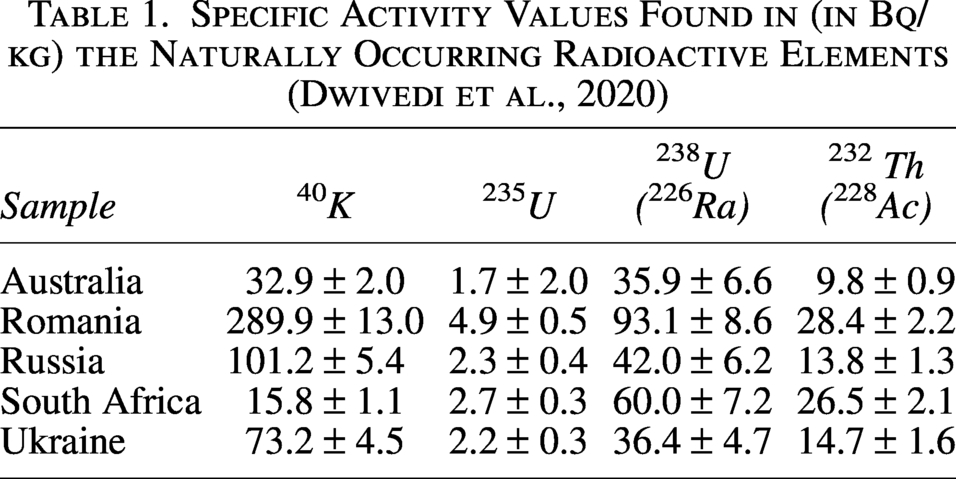
A study conducted by Dwivedi and colleagues (2020) shows that, regardless of the sample origin, the mineral portion of coal exhibits a composition similar to that of the upper layer of the continental crust (Dwivedi et al., 2020). Since the presence of radioactivity is important in coal utilization, the specific activity of these naturally occurring radioactive elements, as estimated in the study, is presented in Table 1.
Specific Activity Values Found in (in Bq/kg) the Naturally Occurring Radioactive Elements (Dwivedi et al., 2020)
The primary aim of this research is to investigate the characteristics and effects of cocombustion between Thar lignite coal and sugarcane bagasse in ratios of 100%, 75%, 50%, and 25%. The blend ratios were selected based on successful studies elsewhere that utilized mixtures of coal with sugarcane bagasse and biomass sorghum bagasse (Galina et al., 2019; Mortari et al., 2018). Thermogravimetric analysis (TGA) was conducted on the combustion of Thar coal and bagasse under fluidized bed conditions, and the activation energy and frequency factor were determined. Additionally, gamma spectrometry was performed to investigate radiation emissions. This work is particularly relevant in the context of climate change, as it demonstrates a pathway for developing cleaner energy alternatives that can be adopted in regions reliant on coal, holding promise for widespread applicability across diverse geopolitical landscapes. Although similar studies have been conducted elsewhere (Galina et al., 2019; Onochie et al., 2025), the present study possesses a significant novelty, as no prior research has investigated the Thar coal-sugarcane bagasse system within the framework of climate change mitigation in this region. This research also supports Sustainable Development Goal 7, which emphasizes affordable and clean energy.
Materials and Methods
The experiments were conducted on a sample of Thar coal obtained from Thar Block III and bagasse obtained from a local farm in Nawabshah City. The samples were pulverized to a particle size of 60 mesh using a universal pulverizer (Model: SF-130, China). American Society for Testing and Materials (ASTM) techniques were followed throughout the preparation, investigation, and sample collection processes.
Following this procedure, a predetermined mass of coal and bagasse was used for proximate analysis, ultimate analysis, thermogravimetric analysis, and radiometric analysis. All samples were prepared and investigated in triplicate.
Ultimate and proximate analysis methods
Proximate analysis was performed using ASTM standard methods. All samples were analyzed in an industrial benchtop muffle furnace (Thermo Scientific, ELED FD1530M, Thermolyne) to determine moisture, VM, fixed carbon (FC), and ash contents. Mc in the coal/blend samples was determined following ASTM D4933-99, 201 standard procedures. Ten grams of the treated coal/blend sample were weighed using a balance and placed in a crucible. The crucible was then put in the oven and heated at 105–110°C for 1 hour until it reached a constant mass. After cooling in a desiccator for a few minutes, the sample was weighed again to estimate moisture removal, using the following equation (1).

W1 = Initial weight of sample (g)
W2 = Final weight of sample after drying (g)
Ash content was measured following the ASTM D2866-94, 2004 method. In the procedure a crucible containing an oven-dried sample without a cover was placed in the muffle furnace at 525°C ± 5°C for 2 h. The sample was removed from the furnace and allowed to cool in a desiccator. After cooling, the weight was measured again. The same crucible was then placed in the furnace for 2 h. At 750°C, its weight was measured again after cooling. The procedure was repeated till the difference in the two consecutive weighings was not >1 mg. The value of ash content is determined by following equation (2).

VM was determined using the ASTM D5832-98 procedure through pyrolysis of the samples under controlled conditions. One gram of the sample was placed in a dried crucible with a loosely fitted lid to allow venting of volatile content. The sample was then subjected to analysis in a thermobalance (model Linseis TGA PT1000). The temperature was ramped from 20°C to 1,000°C at a rate of 10°C/min. After reaching 1,000°C, the sample was held at this temperature for 30 min, then cooled to 20°C at a rate of 10°C/min. The crucible was subsequently removed from the thermobalance and cooled to room temperature in a desiccator. The weight loss (in milligrams) was recorded from the initial weight of the sample. The VM was calculated as a percentage of the initial sample weight using the following equation (3).

The FC content of coal is determined by following the ASTM D3172 and ISO 1350 standard procedures. FC value is calculated by deducting the percentages of moisture, VM, and ash from a sample. The FC was estimated by utilizing the following equation (4).

The gross calorific value (GCV) was determined following the standard procedure (ASTM D 5865). An oxygen bomb calorimeter, coal heat analysis equipment, and an automatic oxygen bomb calorimeter, model no. BXT-ZDHW-9B, were used to measure the calorific values of Thar coal and biomass samples. One gram of the sample was placed into the provided stainless-steel container and inserted into the oxygen bomb. The ignition wire was fixed, and the bomb was sealed. Pressurized oxygen, at ∼400 psi, was supplied to facilitate combustion. To create a saturated vapor phase before combustion, 1.5 L of water were poured into the calorimeter. After ignition, the temperature was recorded at predetermined intervals until it reached its maximum value and then began to decline.
To determine the sulfur content in coal/blend powder, the ASTM D4239-18e1 method was used. One gram of accurately weighed coal/blend powder was placed in a tube furnace (Vacuum Atmosphere Tube Furnace, Model JYJ-100-17) having a precision of ± 1°C. The sample was placed in a tube furnace at room temperature and progressively heated to raise the temperature to 1,360°C in ∼1 h. The coal sample was subjected to heating in an oxygen-rich environment to facilitate the complete oxidation of sulfur-containing constituents into primarily sulfur dioxide (SO2). The quantity of SO2 generated from the combustion of the coal sample was subsequently quantified through titration with a 0.02 N sodium hydroxide solution. Produced sulfur oxides were absorbed in an aqueous solution of iodine, and the volume of titrant utilized was used to calculate the amount of SO2 in the sample (Zhu, 2014).
The thermal characteristics of Thar coal were analyzed using TGA to study the reaction characteristics and kinetics of the pyrolysis and devolatilization processes as functions of temperature and time. The equipment used was the Shimadzu TGA-50 analyzer. Thermal analysis was performed to identify the volatilization behavior of coal samples at a constant heating rate of 80°C/min. This heating rate was selected to represent the fast-heating conditions encountered in fluidized bed combustors. The temperature ranged from 25°C to 960°C. Nitrogen gas was used as the inert carrier gas, with a flow rate of 50 mL/min. During the pyrolysis process, 20 mg of the sample was used, and continuous measurements of weight percentage were taken as functions of temperature and time using a computer-linked system. From these recordings, thermograms displaying the fractional weight loss and the rate of devolatilization against temperature and time were generated (discussed in the next section) (Đurašević et al., 2014).
A kinematic study of Thar coal and bagasse blends was conducted using TGA. The TGA technique helps analyze kinetic data as a function of various reaction parameters, such as heating rate and temperature (Hameed et al., 2021). Generally, two methods are used to determine these parameters: the “Direct Method” and the “Integral Method.” In this study, the kinetic parameters were determined using the Integral Method, as presented in the following equation (5).

After applying the boundary conditions and simplified assumptions solution of equation (6) gives the following equation (Butt et al., 2021):

Radiometric measurements
Radionuclides were detected and measured in the samples using a gamma spectrometry system equipped with a high-purity Germanium (HPGe) detector (ORTEC N-type) and a preamplifier (Model A257N). The detector has a relative efficiency of 30% at 1332 keV (60Co). Its full width at half maximum resolution is 1.9 keV, with a peak-to-Compton ratio of 52:1 and a dead layer thickness of 5 mm. Spectrum analysis was performed using Genie-2000 software linked to a computer for high-resolution spectrometry. The detector was shielded with 10 cm of lead to minimize background radiation. An empty cylindrical container was used to measure the ambient background radiation around the detector. The background gamma spectrum was recorded over a 2-day period, calibrated accordingly, and subsequently subtracted channel-wise from the experimental spectra (Ndontchueng et al., 2015). ∼200 g of sample was used and stored for 2 weeks to reach radioactive equilibrium. The sample’s counting time used is 80,000. The efficiency calibration was done with a standard mixed solution of 133Ba and 152Eu. The calibration spectra were collected throughout 80,000 (Kayakökü and Kuluöztürk, 2024).
To determine the activity concentrations (Ac) of radionuclides in samples, the procedure depicted by Monged et al. was employed. The activity levels and radionuclide contents were measured using a HPGe)detector over a period of 80,000 s. The activity concentration (Ac) of each radionuclide in the sample was calculated by utilizing the counts per second (cps) obtained after subtracting the background counts from the gross counts for the same counting time under the selected photo peaks. This calculation was performed in conjunction with the weight of the sample, the photo-peak efficiency, and the gamma intensity at a specific energy. Equation (5) is used for this calculation (Monged et al., 2020).

Where,
Ac = Activity concentrations of the sample (Bq/kg)
Nc = The net counts per second (c/s) for the background value
η = The counting efficiency of the gamma energy
I = Absolute intensity of the gamma-ray and
Wn = Net weight of the sample (kg)
A systematic diagram is presented in Figure 1 to elaborate the flow of processes used in the study to achieve the targeted objectives.
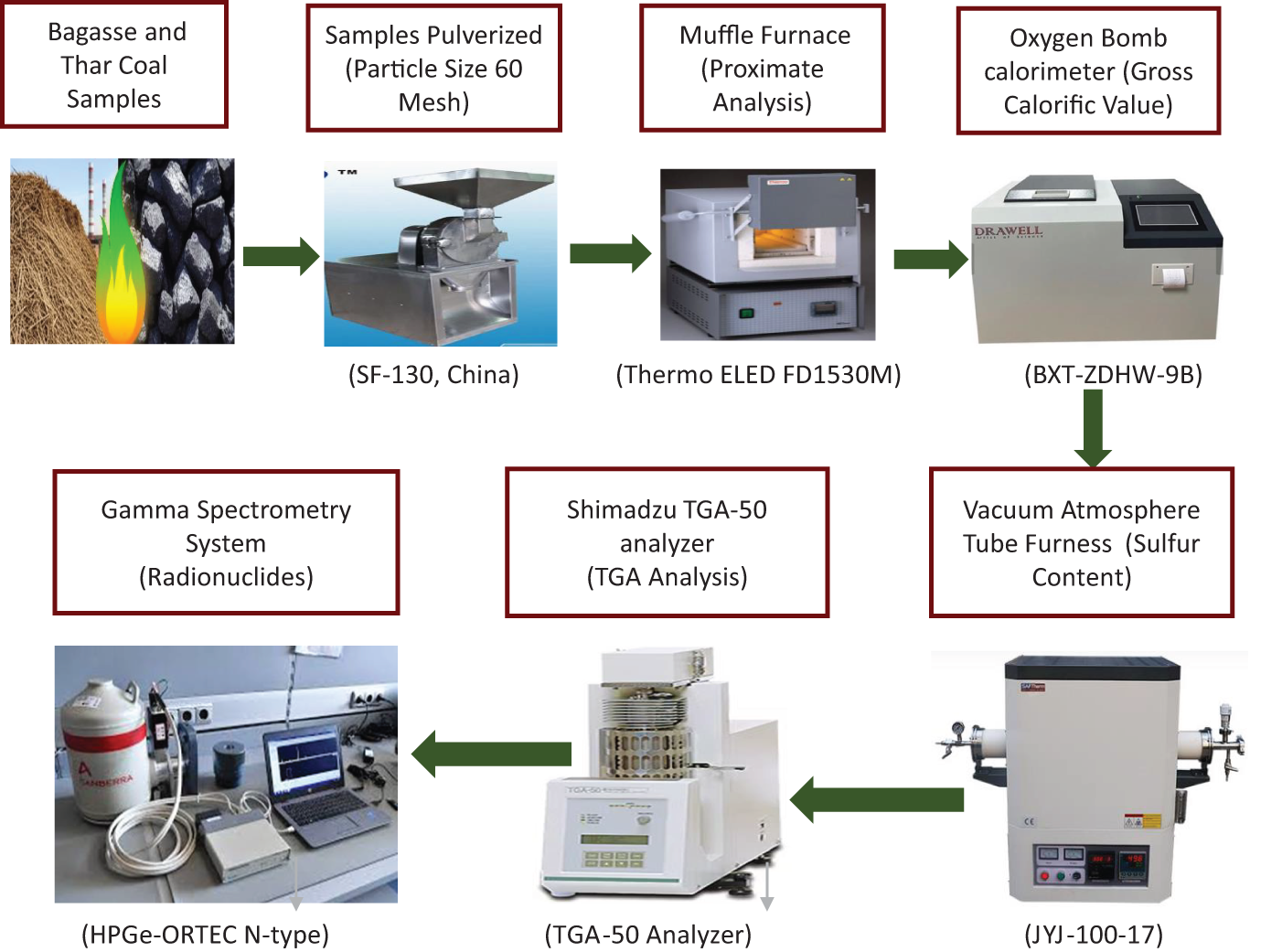
Schematic diagram of Thar coal and Bagasse’s samples assessment.
Error analysis
An error analysis comparing the calculated and experimentally measured parameters was conducted using equations (8) and (9) (Yousufuddin et al., 2025).

At 95% of confidence level and at an α of 5%,

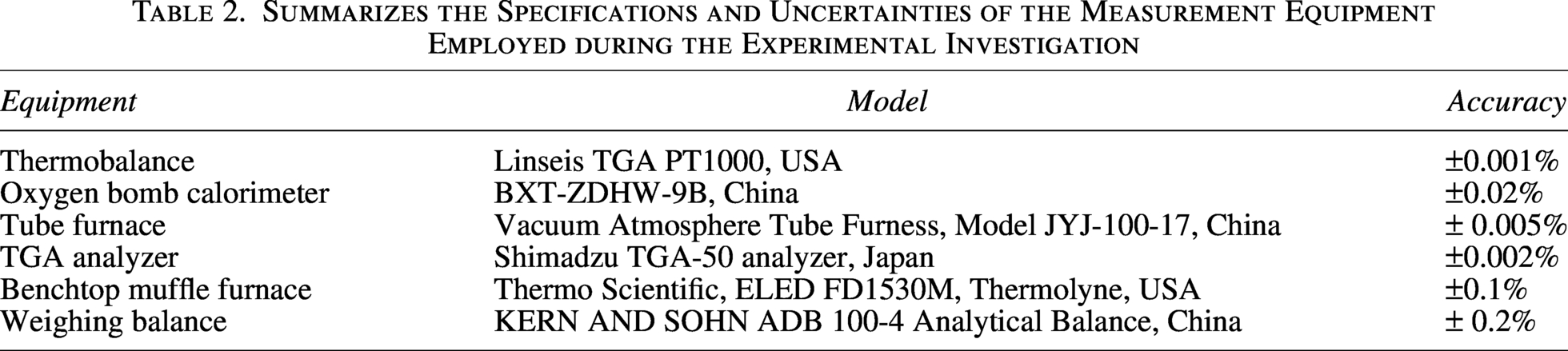
Analysis was conducted at a 95% confidence level, corresponding to an α value of 5%. The maximum error (E) was determined based on the combined uncertainties inherent in the measurement instruments and the calculation procedures. The analysis incorporated the error contributions from each instrument, as detailed in Table 2, and followed the established analytical framework referenced elsewhere (Gurbuz, 2020).
Summarizes the Specifications and Uncertainties of the Measurement Equipment Employed during the Experimental Investigation
Results and Discussion
Proximate and ultimate analyses of Thar coal and its bagasse-blended samples were conducted. A higher moisture content was observed in Thar coal compared with the bagasse sample. The blending technique significantly reduces moisture content in the coal, and it was found that a 50% blending ratio yields an acceptable level of moisture and ash content, which are higher in the coal sample. However, the FC value decreased from 21.39% to 18.18%, which remains acceptable (Table 3). A high FC percentage indicates that the coal will take longer to combust, as gas–solid combustion processes are slower than gas–gas reactions (Wang et al., 2022).
Proximate Analyses of Thar Coal and Its Blends

Table 4 presents the calorific values (GCV) for various coal-bagasse blends. Pure coal has a GCV of 8,610 Btu/lb, while pure bagasse has a GCV of 6,928 Btu/lb. A 50:50 mixture records a GCV of 7,969 Btu/lb, which is ∼600 Btu/lb lower than that of pure coal. This deviation highlights the influence of biomass incorporation on energy content; however, the blend retains a relatively high calorific value, suggesting its potential as an alternative fuel. Imran et al. (2020) conducted an extensive analysis of Indonesian coal, establishing an almost perfect linear correlation (R2 = 0.9998) between FC content and calorific value. Their findings emphasize that FC is a primary determinant of coal’s thermal energy, with increases in FC directly correlating with higher calorific outputs. This robust relationship enhances the predictive capacity for estimating calorific value based on FC measurements, thereby facilitating more accurate coal characterization and utilization. The FC content in the 100% coal blend is 21.3%, while the results show a decreasing trend with an FC value of 18.18% at a 50:50 mixture and 11.53% with 100% bagasse. The FC percentage of 18.18% is comparable to results reported elsewhere, which indicated FC values ranging from 4.17% to 14.1% in coal and biomass blends (Onochie et al., 2025). This aligns with the guidelines provided by the Bureau of Energy Efficiency, which recommends that boiler ash levels should fall within 5–40%.
Sulfur Content and GCV of Thar Coal for Various Blends with Bagasse
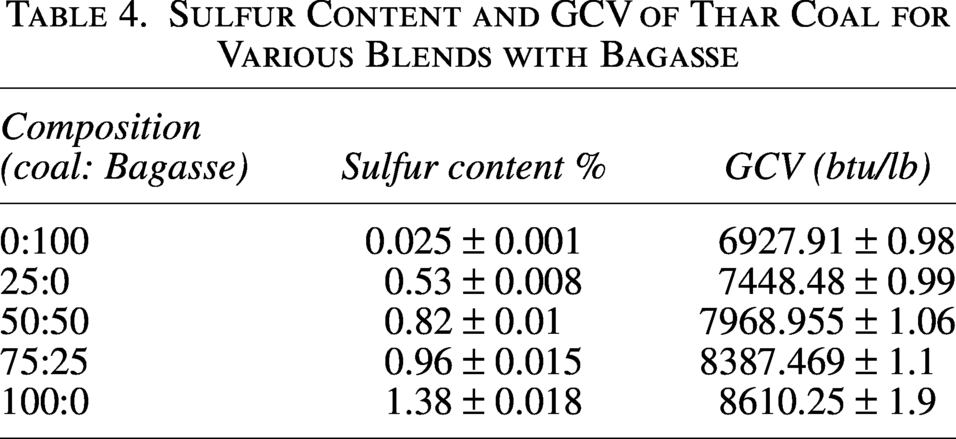
The blending process significantly affects several key parameters. Among these, Mc decreases notably from 39% to 23%, and ash content reduces from 8.0% to 4.0%. A study on the cofiring of coal blends reported that ash content up to 20% would not pose significant limitations to system operation or ash management (Vamvuka and Kakaras, 2011). Therefore, the lower ash content in the 50:50 percentage blend will improve the combustion efficiency and reduce the residual waste. Importantly, sulfur, being a significant contributor to pollutant emissions, is significantly reduced through blending, addressing environmental concerns associated with coal combustion. The sulfur content in the pure coal was found to be 1.38%, while it was reduced to 0.82% at a 50:50 mixture, demonstrating a 40.6% decrease in the sulfur content. This reduction in sulfur not only mitigates sulfur dioxide emissions but also contributes to lowering GHG emissions, aligning with environmental sustainability goals.
From an environmental performance perspective, cofiring can significantly enhance key metrics such as pollutant emission concentrations and overall ecological impacts. Janghathaikul and Gheewala (2006), in their study reported that, quantitatively, replacing 20% of coal with bagasse in existing power plants could lead to annual reductions of ∼1.5 million tons of CO2 emissions, along with substantial decreases in SOx and NOx emissions, potentially up to 10,000 tons and 3,000 tons per year, respectively (Janghathaikul and Gheewala, 2006). These reductions contribute to improved air quality and align with global climate mitigation goals. Life cycle impact assessments further reveal that cofiring can lower the global warming potential and acidification potential of power generation systems, making it an environmentally sustainable option for Pakistan’s energy sector. Implementing cofiring not only enhances energy security by utilizing domestic biomass resources but also promotes cleaner production pathways, thereby supporting Pakistan’s efforts to meet its emission reduction commitments under international climate agreements (Abdin, 2024; Picciano et al., 2022).
The decrease in FC with biomass addition may suggest a slight compromise in calorific value. However, the primary environmental benefits include reduced sulfur and ash content. The observed blending of coal with bagasse (50:50) significantly reduces ash content from 8.0% to 4.25% and sulfur content from 1.38% to 0.82%, leading to notable environmental and operational advantages. Lower ash content reduces disposal costs and enhances boiler efficiency by minimizing slagging and fouling, while the reduced sulfur content substantially decreases SO2 emissions, aiding compliance with environmental regulations and lowering costs associated with emission control systems. Although the heating value decreases slightly by ∼7.4%, from 8,610 to 7,969 Btu/lb, this marginal reduction is generally manageable within existing operational parameters and can be offset by fuel cost savings, especially if bagasse is locally available and cheaper. Literature supports these benefits; for example, Saidur et al. (2011) indicate that blending up to 50% biomass effectively reduces emissions without major boiler modifications, and Sami et al. (2001) confirm the operational feasibility of such cofiring ratios. Overall, considering environmental benefits, potential cost savings, and operational feasibility, the trade-off appears acceptable for industrial applications, particularly when environmental compliance and efficiency are prioritized.
The blending ratio thus archives an optimal balance by maintaining appreciable energy content while significantly enhancing environmental performance. Consequently, this ratio emerges as a promising candidate for cleaner energy applications, highlighting the strategic importance of coal-biomass blends in sustainable fuel utilization.
Thermal analysis of coal and biomass
The behavior of materials during thermal processes depends on their composition and process conditions. Thermal analysis enables us to observe changes in a sample’s mass and to determine the temperature ranges at which these changes occur. The analysis of coal was conducted using the procedure described in the literature (Kijo-Kleczkowska et al., 2022).
TGA serves as a critical technique for characterizing the decomposition and thermal stability of materials across diverse conditions. Additionally, it facilitates the examination of kinetics associated with the physicochemical processes occurring within the sample (Guo and Lua, 2001). TGA profiles of the Thar coal sample for pyrolysis and CO2 gasification periods at employed temperatures. TGA of Thar coal in Figure 2 shows the weight loss with temperature.
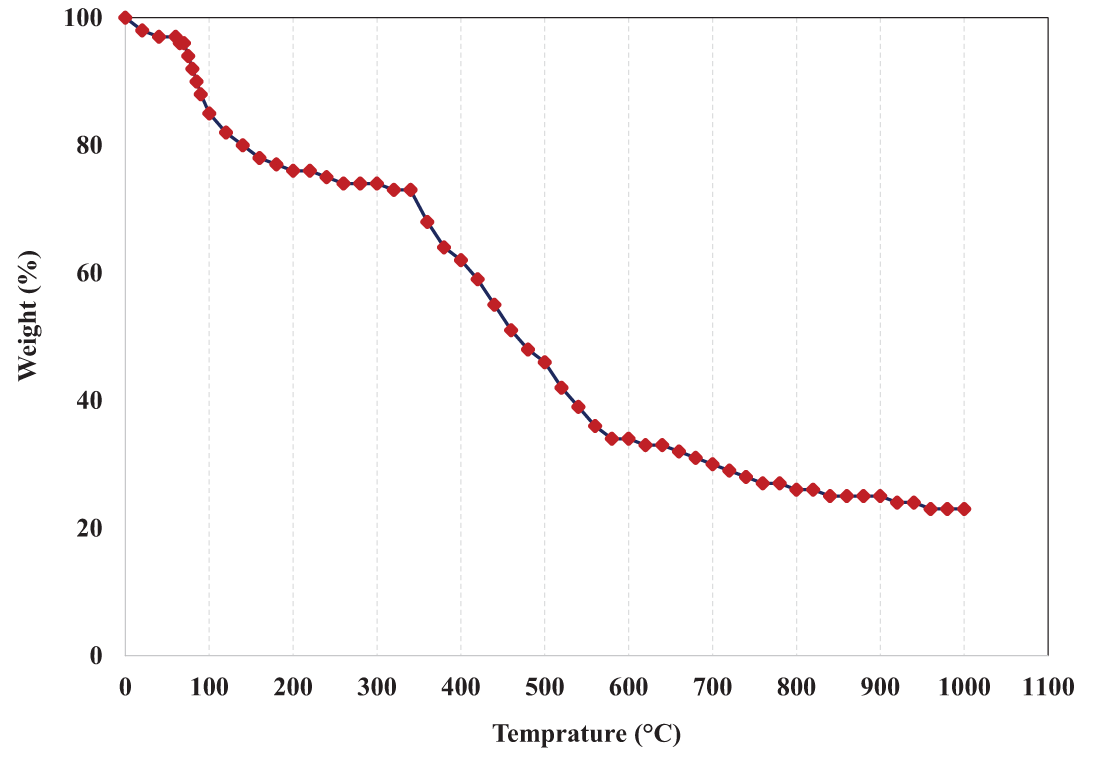
Variation of weight percent with temperature for pyrolysis of Thar coal using TGA. TGA, Thermogravimetric Analysis.
As illustrated in Figure 2, the weight loss trajectories exhibit significant fluctuations during both the pyrolysis and CO2 gasification phases, with a total weight reduction of ∼70%. The TGA graph shows the weight loss of the coal sample at a heating rate of 80°C/min. As shown in the figure, the sample loses <5% weight as the temperature increases from 0°C to 75°C. The heat energy generated during this stage is used to increase the temperatures of solid and liquid phases and to reach the devolatilization temperature. Subsequently, as the temperature continues to increase, moisture is effectively reduced, and the sample loses almost all its moisture below 200°C. This indicates that the thermal decomposition of all the lignite begins at ∼200°C. However, from 200°C to 350°C, weight loss becomes slow, indicating the preliminary stage of pyrolysis with <5% decrease in weight. The gradual weight loss observed in the coal sample within the temperature range of 200–350°C may be attributed to the release of a small quantity of pyrolysis water resulting from the decomposition of phenolic structures, carbonyl groups, or peroxy radicals (IAEA, 2021; Nzihou et al., 2014). The subsequent rapid devolatilization beyond 350°C is associated with primary carbonization processes.
The essential weight loss primarily occurs within the 350–600°C region. As shown in the Figure 2, the maximum devolatilization temperature lies between 75°C and 100°C. Notably, at temperatures exceeding 600°C, a weight loss of 5–10% is observed, which is likely associated with secondary pyrolysis. Zeng and colleagues observed a similar phenomenon of secondary weight loss, accounting for 4.5–16.5% of the initial mass. This was attributed to the contents of SiO2 and Al2O3 in the coal, which contribute to the secondary weight loss (Zeng et al., 2017). Furthermore, weight loss tends to decrease significantly after 800°C, and the heating rate appears to have little influence on weight loss beyond this temperature. These findings are consistent with observations reported by several other researchers in prior studies (Duliu et al., 2005; Guo and Lua, 2001).
Kinetic analysis
Equation (6) describes the linear relationship characterized by a slope of –E/R, where the slope facilitates the determination of the activation energy (Ea) in kJ/mol, and the intercept allows for the calculation of the frequency factor (A) in min−1. The data plotted in Figure 3, fitted to the regression equation, exhibit a correlation coefficient (R2 = 0.9635) close to unity, indicating a strong and reliable correlation between the kinetic parameters. From this analysis, the activation energy was determined to be 68.11 kJ/mol, and the frequency factor was found to be 636.60 min−1, as shown in Figure 3.
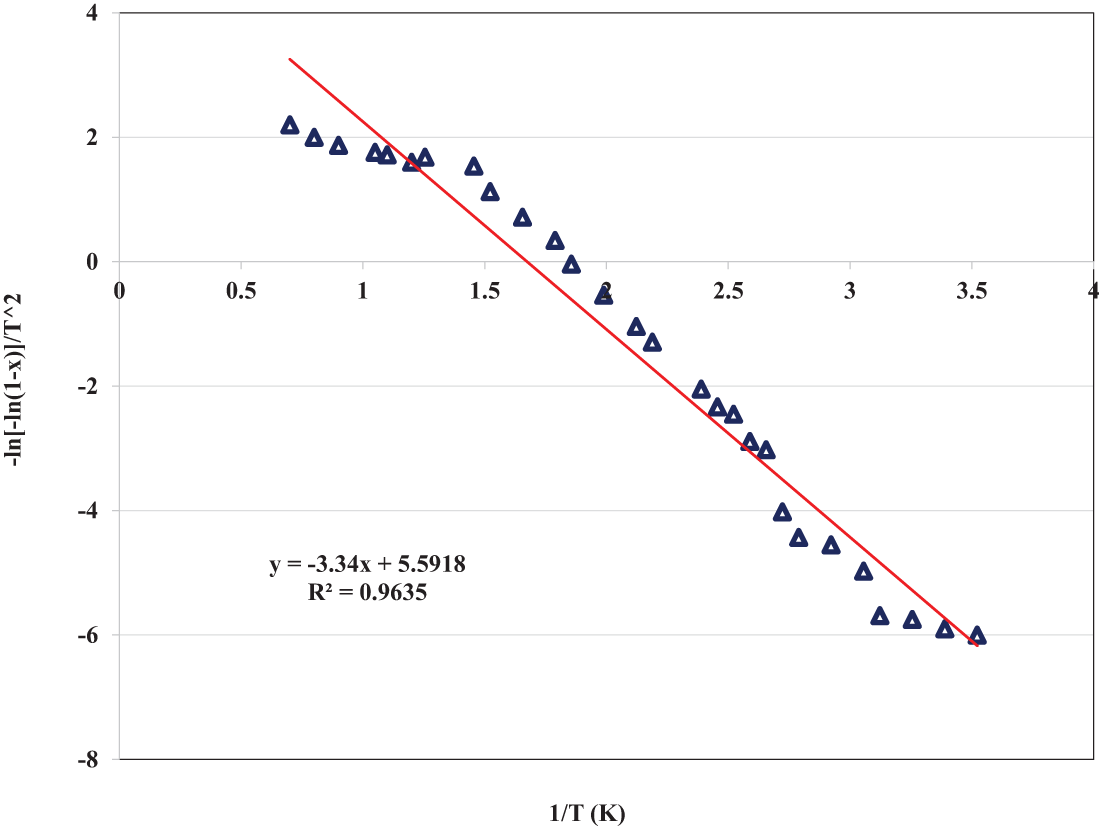
Determination of kinetic parameters for Thar Coal at a heating rate of 80°C/min utilizing the integral approach.
Yurdakul et al. (2021) investigated the thermal degradation kinetics of chicken manure biomass blended with coal, observing a decreasing trend in both activation energy and frequency factor as biomass content increased from 25% to 75%. This trend suggests that higher biomass proportions may influence the energy barrier and the molecular collision frequency during devolatilization. Notably, during the initial stages of thermal decomposition, the rate-limiting step is often governed more by mass transfer and diffusion of gases through the solid matrix than by chemical reaction kinetics (Yurdakul et al., 2021). As temperature rises, chemical reaction rates tend to become more dominant; however, at lower temperatures, diffusion constraints remain the primary limiting factor (Singh and Singh, 2021).
The activation energy value of 68.11 kJ/mol indicates the energy barrier necessary for devolatilization, reflecting a process that is neither excessively facile nor highly resistant with values consistent with typical devolatilization energies observed in coal (Biagini et al., 2002). Conversely, the frequency factor of 636.60 min−1 denotes the frequency of successful molecular collisions leading to reaction initiation; a higher value would generally imply a greater likelihood of reaction events at a given temperature (Porada, 2004).
The present findings suggest that, at lower temperatures, the devolatilization process is predominantly diffusion-controlled and primarily driven by moisture elimination, which aligns with previous reports (Ceylan et al., 1999). Understanding these kinetic parameters is crucial for optimizing pyrolysis processes and predicting coal behavior under varying thermal conditions, ultimately enhancing waste management efficiency. Studies such as Gürel et al. (2024) further support these observations, demonstrating that increasing coal content in biomass blends tends to reduce the average activation energy, thereby facilitating devolatilization and combustion processes. Overall, these insights provide a valuable foundation for designing and improving thermal conversion techniques for biomass-coal systems.
The combustion mechanisms and synergistic interactions between coal and bagasse are crucial due to their complex influence on combustion efficiency, emissions, and process stability. The results of the present study indicate that cofiring these fuels involves key processes such as decomposition and volatilization, char combustion, and gasification-oxidation reactions. Bagasse, characterized by higher volatile content, undergoes rapid devolatilization at lower temperatures, releasing combustible gases that facilitate ignition and enhance flame stability. Both fuels produce char during devolatilization, with bagasse char exhibiting higher reactivity owing to its porous structure. The volatile gases emitted from bagasse promote the oxidation of coal char, improving overall combustion completeness and reducing unburned carbon. The synergistic effects of cofiring lead to increased efficiency, as bagasse improves mixing and flame stability. Additionally, cofiring often results in lower emissions of SO2, NOx and particulate matter, due to bagasse’s inherently lower sulfur and nitrogen contents. Moreover, bagasse’s influence on flame temperature can mitigate thermal NOx formation, contributing to cleaner combustion. Collectively, these interactions highlight the benefits of coal and bagasse cofiring in optimizing combustion performance and emission profiles.
Radiometric analysis of Thar coal samples
Coal combustion inherently releases radioactive materials into the atmosphere, posing potential health and environmental risks to workers, the public, and surrounding ecosystems. Quantifying the activity concentrations of radionuclides in coal samples through gamma-ray spectrometry is essential for evaluating radiation exposure levels, understanding environmental impacts, and ensuring safety standards are met (Varol et al., 2023).
Naturally occurring radionuclides such as uranium, thorium, and their decay products, including radium isotopes, vary significantly depending on the coal’s geographic origin and mineral content. Studies conducted in Nigerian coal mines have revealed elevated levels of uranium- and thorium-bearing minerals, such as monazite and uraninite, in coal ash. The activity concentrations in these samples exceed the global averages reported by United Nations Scientific Committee on the Effects of Atomic Radiation (UNSCEAR) by a factor of three to five (Okeme et al., 2020). Similar assessments in coal deposits from the Appalachian, IL and Powder River basins in the United States as well as regions within China, including Xijiang, Guangxi, and Sichuan provinces, have documented high concentrations of radium isotopes (228Ra and 226Ra), underscoring the potential radiological hazards associated with coal ash utilization (Chen et al., 2017; Lauer et al., 2017). These findings highlight the necessity for cautious application of coal ash to mitigate internal and external radiation exposure risks to both workers and residents. Overall, the variability in radionuclide content underscores the importance of comprehensive radiological assessments to inform safety protocols and prevent adverse health and environmental consequences arising from coal combustion and its by-products (Okeme et al., 2020).
Ac of coal samples was determined using gamma-ray spectroscopy and utilizing equation (7). The results indicate the presence of radionuclides in the Thar coal sample, as shown in Table 5. The global average AC values of coal samples for 40K, 235U, 238U, and 232Th are presented in Table 5 along with the AC values reported in the literature (Nguelem et al., 2016; Đurašević et al., 2014).
Activity Concentration (Ac) of Thar Coal Samples
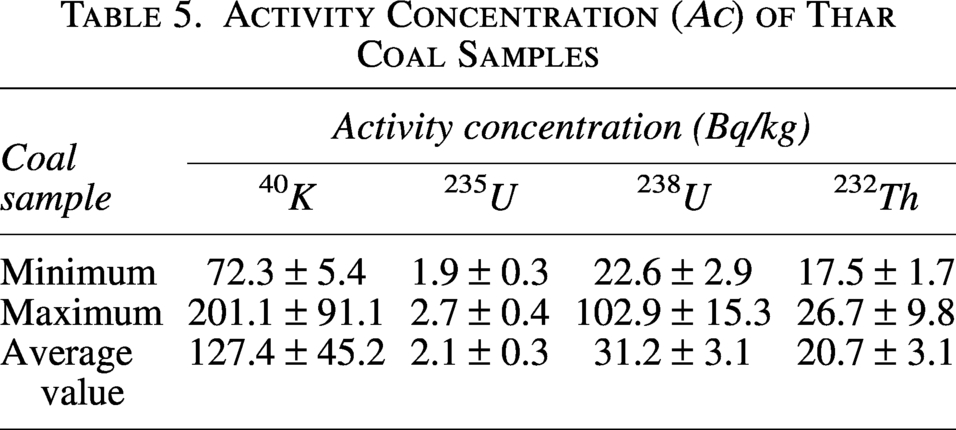
The Acs of 40K range from 72.3 ± 5.4 to 201.1 ± 91.1 Bq/kg, with an average value of 127.4 ± 45.2 Bq/kg. The findings of the present study indicate a value that is lower than the global average of 420 Bq/kg (UNSCEAR, 2008) and are comparable to the IAEA value of 394 Bq/kg (IAEA, 2021). Additionally, these values are lower than those reported in the literature by several researchers (Đurašević et al., 2014; Nguelem et al., 2016). The activity concentrations of 235U ranged from 1.9 ± 3 to 2.7 ± 0.4 Bq/kg, with an average of 2.1 ± 0.3 Bq/kg. The results are lower than the values reported in the literature (Đurašević et al., 2014; Nguelem et al., 2016). The Acs of 238U ranged from 52.6 ± 2.9 to 102.9 ± 15.3 Bq/kg, with an average value of 71.2 ± 12.1 Bq/kg. The findings of this study are lower than the reported value of 343.5 Bq/kg for 238U by the IAEA (2021). Moreover, the 238U activity concentrations are also lower than those reported in the literature (Nguelem et al., 2016; Đurašević et al., 2014). The Acs of 232Th ranged from 17.5 ± 1.7 to 26.7 ± 9.8 Bq/kg, with an average of 20.7 ± 3.1 Bq/kg.
The findings of the present study indicate a value that is lower than the global average of 45 Bq/kg (UNSCEAR, 2008) and are below the reported value of 59.7 Bq/kg by the IAEA (Pernicka et al., 1999). Furthermore, these values are generally lower than those reported in previous studies (Nguelem et al., 2016; Đurašević et al., 2014). However, they are slightly higher than the 18.5 Bq/kg reported by Duliu and colleagues in their earlier research (Duliu et al., 2005).
The results of the present study show the presence of four main natural radioactive elements as 127.4 ± 45.2 Bq/kg, 2.1 ± 0.3 Bq/kg, 71.2 ± 12.1 Bq/kg, and 20.7 ± 3.1 Bq/kg for 40K, 235U, 238U, and 232Th, respectively. These results are also compared with the data reported for coal samples from five countries (Table 1) by Duliu et al. (2005), which indicate the presence of significant amounts of 40K, 235U, 238U, and 232Th, with values of 289.9 ± 13.0, 4.9 ± 0.5, 93.1 ± 8.6, and 28.4 ± 2.2, respectively (Duliu et al., 2005). Radiometric measurements of Thar coal show significantly lower emissions. The variation in the results may be attributed to differences in sample counting time: 60,500 s in their study versus 80,000 s in the present study. Additionally, the sample size used in this study was 100 g, compared with 200 g in the previous study (Duliu et al., 2005).
The radiological data from this study indicate that the elemental radionuclide levels in the 50:50 blend of Thar coal and sugarcane bagasse are below the international safety standards established by UNSCEAR (2010) and exemption levels recommended by the IAEA (Table 6). Specifically, the Acs of 40 K, 238 U, and 232Th are well below these safety thresholds, suggesting that utilizing this fuel mixture is safe from environmental, health, and safety perspectives (Pernicka et al., 1999).
Global Average Values of Activity Concentration in Coal Samples and Reported Values in the Literature
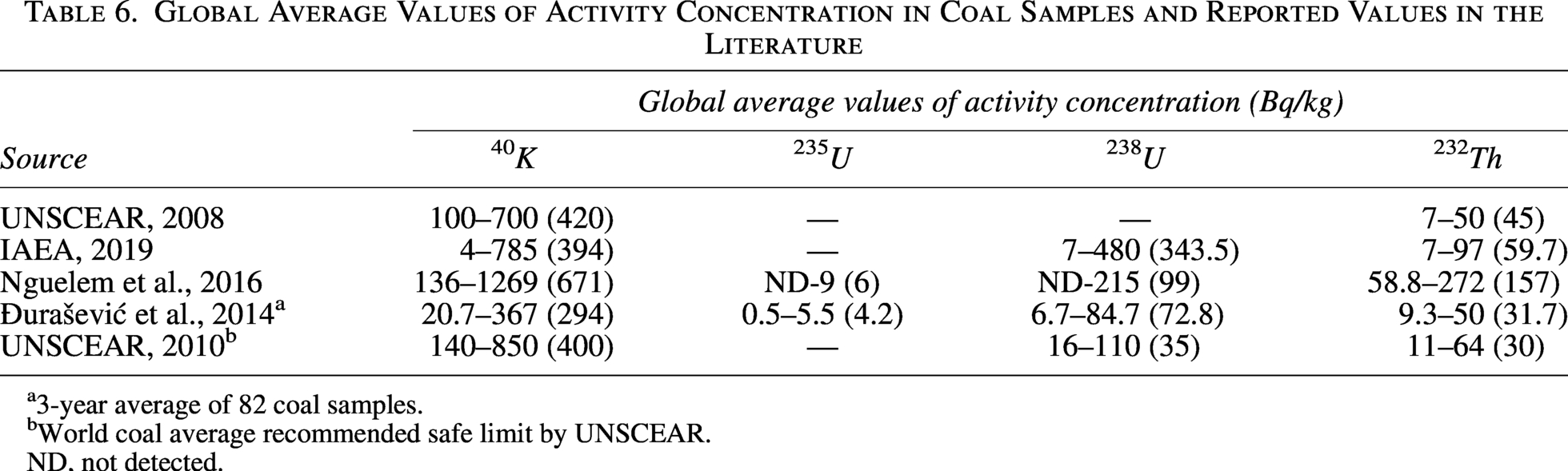
3-year average of 82 coal samples.
World coal average recommended safe limit by UNSCEAR.
ND, not detected.
These findings are significant for assessing the safety and environmental impact of energy production using this blend. The low radionuclide activity concentrations indicate minimal radiological health risks to workers and surrounding communities during combustion, with negligible potential for inhalation, ingestion, or environmental contamination. This reduces concerns about long-term bioaccumulation and pollution (Muala et al., 2015). Furthermore, the data support regulatory compliance and help build public confidence while also guiding the safe management of ash and residues. Overall, blending Thar coal with sugarcane bagasse offers a safer alternative for energy generation with minimal radiological hazards. It promotes environmentally sustainable practices. The study confirms that this mixture is both environmentally and health-wise safe, effectively minimizing radiological risks associated with fossil fuel combustion.
Blending 50% bagasse by mass not only reduces harmful sulfur and ash contents, but it also decreases pollution and enables cleaner combustion processes, making it an economical solution for obtaining cheaper energy. Although this blend results in a slight decrease in calorific value from 8,610 to 7,969 Btu/lb, the overall energy output remains substantial, making it a cost-effective alternative to pure coal. The widespread availability of bagasse and the simplicity of blending techniques support its scalability across industrial applications, particularly in sugar mills and biomass management facilities. Additionally, utilizing agricultural waste for energy through waste valorization reduces environmental costs associated with traditional coal combustion. While further large-scale validation is needed, this approach offers a practical, low-cost pathway to enhance energy security and environmental sustainability, especially in regions rich in biomass resources. Overall, biomass and coal blending, exemplified by bagasse and Thar coal, emerge as a viable, scalable strategy to meet growing energy demands responsibly.
The error analysis was conducted to evaluate the discrepancies between calculated and measured values for various parameters. The results of this analysis, which compares the calculated data with the measured data, are presented in Table 7. The percentage errors observed for the different parameters are within acceptable limits, demonstrating the reliability and precision of the measurement process.
Results of the Error Analysis in Calculated and Measured Parameters
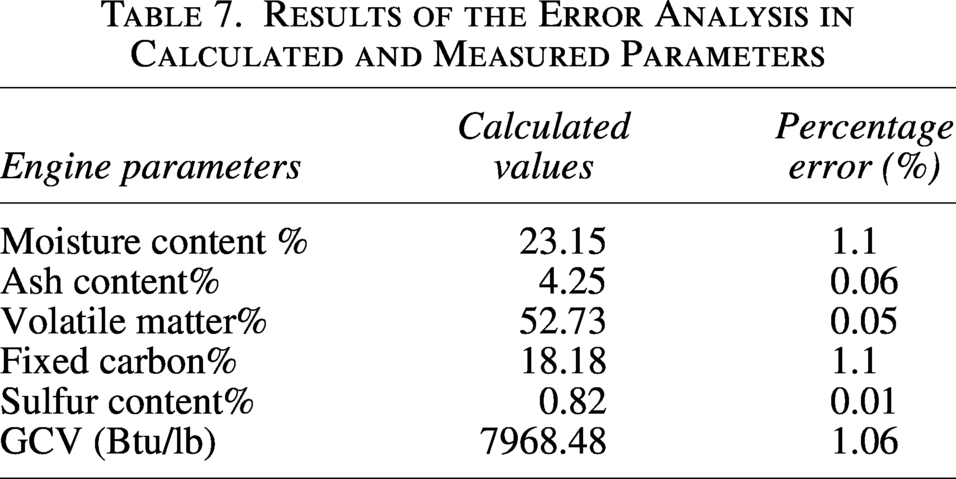
The findings indicate that the discrepancies between calculated and measured values are minimal and fall well within the predefined maximum error thresholds, thereby corroborating the robustness and accuracy of the experimental methodology and instrumentation.
Conclusion
The current study involved an abundantly available solid waste, bagasse from the sugar industry, blended with Thar coal. The properties of the coal and the blend were determined using gravimetric method and radiometric measurement. Thar coal has a high calorific value, low ash and sulfur content, and a higher FC content. TGA analysis showed that the maximum weight loss occurred in the temperature range of 350–600°C. Therefore, the temperature range characterized by the peak rate of weight loss may serve as a reliable indicator of coal reactivity during pyrolysis or devolatilization processes. Bagasse appeared to be a suitable biomass product for blending with coal. A 50% by mass composition resulted in a notable reduction in sulfur and ash content; however, this was accompanied with some compromise with the heating value (from 8,610 to 7,969 Btu/lb). The weight loss process is primarily governed by diffusion mechanisms at lower temperatures, where moisture content is predominantly reduced. Conversely, at higher temperatures, devolatilization becomes the primary mechanism, driven by chemical processes. The activation energy of Thar coal, a critical parameter for fluidized bed combustion, was found to be favorable based on the experimental results. Gamma-spectrometry was also performed for these samples, revealing the presence of four main natural radioactive elements with activities of 127.4 ± 45.2 Bq/kg, 2.1 ± 0.3 Bq/kg, 71.2 ± 12.1 Bq/kg, and 20.7 ± 3.1 Bq/kg for 40K, 235U, 238U, and 232Th, respectively. Radiometric measurements of Thar coal show significantly lower emissions as compared with the global average activity concentrations reported by UNSCEAR and the permissible limits defined by IAEA in coal samples.
Following are the specific findings and conclusions of the study:
Thar coal possesses a high calorific value (∼8,610 Btu/lb), along with low ash and sulfur content, and a favorable FC profile. Blending 50% bagasse by mass with Thar coal results in a significant reduction in sulfur and ash content, contributing to cleaner combustion. The heating value of the blend decreases slightly from 8,610 to 7,969 Btu/lb, indicating some compromise in energy density. TGA shows maximum weight loss occurs between 350°C and 600°C, with weight loss mechanisms transitioning from moisture diffusion to devolatilization at higher temperatures. The activation energy values obtained through heating up to 1,000°C for fluidized bed combustion of Thar coal are acceptable. Gamma spectrometry indicates low natural radioactivity levels in Thar coal, with activity concentrations below global average values. This blending approach offers a sustainable, cost-effective alternative for power generation, particularly suitable for industries especially sugar mills. The strategy aligns with global climate goals by reducing environmental pollution, promoting renewable biomass utilization, and enhancing energy security.
This study demonstrates the benefits of biomass-coal blending for industrial energy efficiency, waste management, economic growth, and environmental sustainability. It promotes cleaner energy, reduces pollution, and supports climate change mitigation through sustainable energy solutions. Current limitations include the scope and scale of emission analysis; future research should focus on integrating biomass blending into existing systems through modifications and optimization to enhance environmental benefits while maintaining energy production.
Authors’ Contributions
M.S. contributed in writing—original draft, project administration, and resource management. M.A.B.-S. contributed to the conceptualization, methodology, and formal analysis. M.T.B.-S. contributed to investigation, resource management, review and editing, and analysis. J.A.B. writing review and editing, writing—original draft, investigation, and validation. E.N.M. writing review and editing and validation.
Footnotes
Acknowledgments
The authors are grateful to the Jubail Industrial College (JIC), Bahria University Karachi Campus, and King Fahad University of Petroleum and Minerals (KFUPM) for providing the working environment to complete this study.
Author Disclosure Statement
No competing financial interests exist.
Funding Information
This research received no internal or external financial support. This work was not funded by a government agency, industry, or any other philanthropic organization.