




Abstract
This study investigates the seismic performance of self-consolidating concrete (SCC) and self-consolidating fiber-reinforced concrete (SCFRC) in full-scale beam-column joints subjected to cyclic loading. The experimental program involved applying reverse cyclic loads to evaluate critical structural parameters, including crack initiation, propagation, load-bearing capacity, energy dissipation, and ductility. The results revealed that while both specimens exhibited similar initial cracking patterns, the SCFRC specimen significantly outperformed the SCC specimen in terms of energy dissipation (35% higher at larger drift levels), maximum drift capacity (6% vs 4%), and crack resistance (first crack at 0.35% drift for SCFRC compared to 0.25% for SCC). The SCFRC specimen also required 55.6% of its ultimate load to achieve a drift ratio of 1%, compared to 59.5% for the SCC specimen, reflecting its enhanced deformation efficiency. Additionally, the SCFRC specimen maintained higher residual strength and delayed failure due to the effective distribution of stresses by the steel fibers. In contrast, the SCC specimen showed brittle behavior, characterized by rapid strength degradation and extensive cracking. Evaluation against the ACI-T1.1 acceptance criteria demonstrated that the SCFRC specimen exceeded the seismic performance requirements, offering greater resilience and ductility in comparison to the SCC specimen. These findings highlight the potential of SCFRC as a superior alternative to SCC in seismic design, reducing the need for extensive transverse reinforcement while enhancing the overall energy dissipation capacity of beam-column joints.
Introduction
The construction industry has increasingly turned to high-strength concrete (HSC) as a means of improving structural performance and reducing member dimensions. One of the key advantages of using HSC is its ability to reduce the size of columns, thus creating more usable space in buildings and reducing material costs. However, this reduction in member size often leads to issues with reinforcement congestion, particularly in regions with dense seismic reinforcement, such as beam-column joints.1,2 This congestion complicates construction, leading to longer labor times and higher costs. Self-consolidating concrete (SCC) offers a potential solution to this problem due to its excellent flowability and ability to fill complex forms without the need for mechanical vibration. 3 The self-consolidating behavior of SCC is achieved through its rheological properties, including high flowability and low viscosity, which are facilitated by a low water-to-cement ratio and chemical admixtures such as superplasticizers. However, SCC exhibits brittle behavior under seismic loading due to its limited tensile strength and rapid crack propagation. In contrast, self-consolidating fiber-reinforced concrete (SCFRC) incorporates steel fibers into the SCC matrix, which improves its mechanical properties. The inclusion of steel fibers enhances tensile strength, delays crack initiation, and increases energy dissipation capacity under cyclic loading. These differences make SCFRC more suitable for seismic applications where ductility and energy absorption are critical. 4 Self-consolidating concrete (SCC) has emerged as a highly flowable concrete that can fill intricate formworks without mechanical vibration. This is achieved through a low water-to-cement ratio and the inclusion of chemical admixtures like superplasticizers. While SCC improves construction efficiency and addresses issues like reinforcement congestion, its brittle behavior under seismic loading poses significant challenges. This study explores these challenges and evaluates the potential of fiber reinforcement to mitigate them.5,6 Its use reduces the labor and time required for placing concrete in congested areas. While HSC has superior strength properties, it is also more brittle than conventional concrete, exhibiting less ductility and energy absorption capacity, particularly under seismic loading. 7 Microcracks in HSC are fewer, but they propagate more rapidly once they initiate, leading to brittle failure modes.7,8 For seismic applications, this is a significant drawback because structures need to dissipate energy through inelastic deformation. In moment-resisting frames, the performance of beam-column joints is critical for ensuring the overall stability and safety of the structure during seismic events, particularly in corner connections where forces tend to concentrate.5,6 Given the importance of these joints, significant research has been conducted on improving their performance under seismic loading. A critical aspect of this research has focused on the confinement of concrete in these joints using transverse reinforcement. While transverse bars are effective in increasing the ductility and energy dissipation capacity of joints, they also add to the complexity and cost of construction, especially when dealing with HSC.9,10 Additionally, placing transverse reinforcement in small, congested areas such as corner joints can be challenging. To overcome this issue, several studies have explored the potential of using fiber-reinforced concrete (FRC) to replace or reduce the amount of transverse reinforcement required.9–12 Fiber-reinforced concrete has been shown to enhance the mechanical properties of concrete, including its toughness, tensile strength, and energy absorption capacity. 13 Steel fibers, in particular, have been effective in improving the seismic behavior of beam-column joints, allowing for a reduction in transverse reinforcement while maintaining or even improving joint performance. 14 These fibers help to bridge cracks, reducing crack width and delaying crack propagation, which contributes to a more ductile failure mode. 15 The combination of SCC with fiber reinforcement, known as self-consolidating fiber-reinforced concrete (SCFRC), has the potential to address both the issues of reinforcement congestion and the brittleness of HSC. SCFRC not only maintains the flowability and placement advantages of SCC but also benefits from the enhanced mechanical properties provided by the fibers, making it a promising material for seismic applications.16–19 Despite these advantages, there has been limited research on the use of SCFRC in beam-column joints, particularly in corner connections where the demands on seismic performance are highest. Current design practices in the United States, based on the recommendations of ACI Committee 352, provide guidelines for the design of beam-column joints in both ordinary (Type 1) and seismic (Type 2) constructions.18,19 These guidelines, however, do not fully account for the specific challenges associated with the use of HSC in seismic applications. While Type 1 joints are primarily concerned with strength and stiffness, Type 2 joints must also address ductility and energy dissipation. The use of HSC in these joints requires modifications to traditional reinforcement detailing, particularly with regard to transverse reinforcement, to ensure adequate seismic performance. 20 Recent studies have shown that steel fibers can significantly improve the cyclic behavior of concrete in beam-column joints, making it possible to reduce or even eliminate transverse reinforcement without compromising performance.21–25 This is particularly important for HSC, where the reduction in ductility and energy absorption capacity requires additional measures to prevent brittle failure. By incorporating steel fibers into SCC, SCFRC offers a promising solution for improving the seismic performance of high-strength concrete joints while simplifying construction.
Research significance and paper organization
The seismic performance of reinforced concrete structures, particularly beam-column joints, is critical in ensuring the overall stability and safety of buildings subjected to earthquake-induced forces. Beam-column joints are the focal points of structural systems where seismic loads are transferred between beams and columns, and any failure in these regions can result in catastrophic structural collapse. Traditional self-consolidating concrete (SCC), while offering advantages in terms of workability and placement, has demonstrated limitations in terms of energy dissipation and ductility, especially under cyclic loading conditions, where cracks can propagate quickly and lead to brittle failure. Incorporating steel fibers into self-consolidating concrete (SCFRC) combines the advantages of SCC’s workability with the mechanical benefits of fiber reinforcement. Steel fibers improve crack control, delay crack propagation, and enhance energy absorption under cyclic loading. The analysis in this study is based on the assumption that fibers are uniformly distributed within the concrete matrix and act as stress bridges across cracks, enhancing the material’s ductility and crack control capacity. Furthermore, the behavior of SCC and SCFRC was analyzed under the isotropic material assumption, with cyclic loading applied in accordance with ACI seismic standards. The distinct differences in behavior between SCC and SCFRC were observed, where SCC exhibited brittle failure characterized by large cracks and rapid strength loss, while SCFRC demonstrated distributed cracking, improved energy dissipation, and greater deformation capacity. 26 This dual benefit allows SCFRC to reduce the reliance on transverse reinforcement, offering an efficient and robust solution for seismic application.18,22 This study addresses these limitations by investigating the use of SCFRC as a potential solution for enhancing the seismic resilience of beam-column joints. The key research question is: How does the use of self-consolidating fiber-reinforced concrete (SCFRC) improve the seismic performance of beam-column joints, and to what extent can it reduce the reliance on traditional transverse reinforcement? Despite extensive research on SCC and fiber-reinforced concrete (FRC), there is a noticeable gap in the application of SCFRC to full-scale beam-column joints subjected to cyclic loading, particularly in corner connections where seismic demands are most critical. Current design guidelines, such as ACI 318-19, do not fully address the challenges posed by high-strength concrete in seismic applications, leaving a gap in understanding how SCFRC can simultaneously enhance seismic resilience and simplify construction. This research provides experimental evidence that SCFRC offers significant improvements in energy dissipation, crack control, and deformation capacity for beam-column joints. By demonstrating the potential of SCFRC to reduce or even eliminate transverse reinforcement without compromising seismic performance, this study contributes to addressing a critical research gap. The findings have practical implications for advancing seismic design codes and improving the construction of resilient and cost-effective structures, particularly in regions prone to high-seismic activity. The paper presents a comprehensive analysis of the seismic performance of SCC and SCFRC, highlighting the experimental program, key findings from cyclic loading tests, and implications for seismic design practices. Finally, it concludes with recommendations for further research and improvements in structural design codes.
Experimental program
Materials
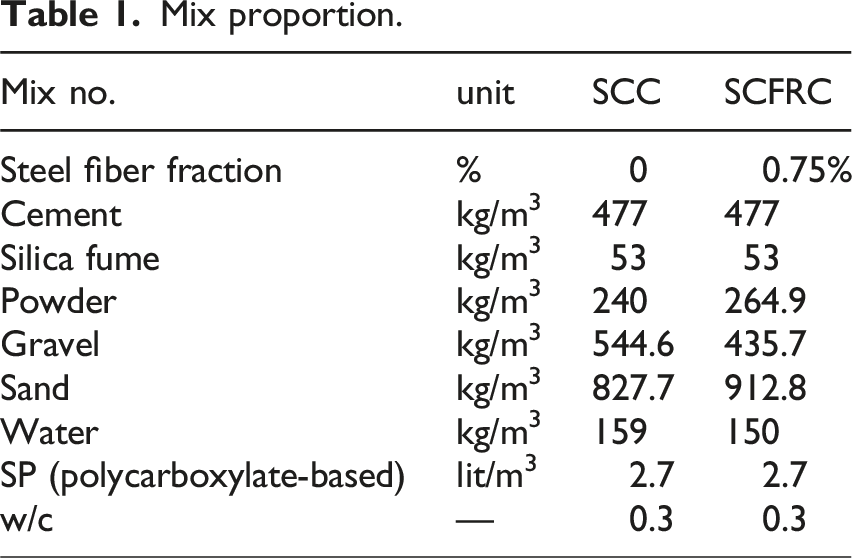
Mix proportion.
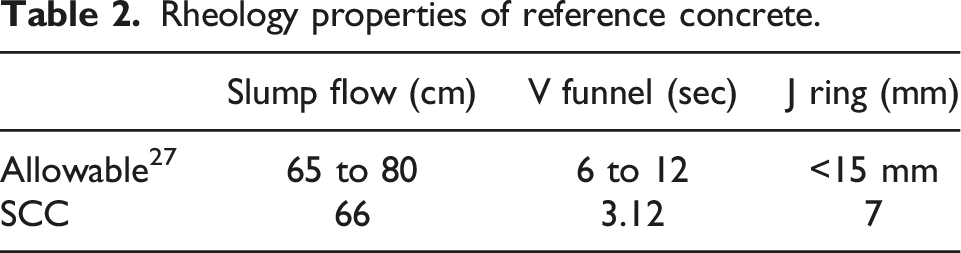
Rheology properties of reference concrete.
The compressive strength of the concrete was tested on standard cylindrical specimens (150 mm in diameter and 300 mm in height) at 28 days, yielding an average compressive strength of 60.3 MPa. For the reinforcement, AIII type steel was used for both longitudinal and transverse bars, with a minimum yield strength of 40 MPa.
Sample design and construction
Two full-scale corner beam-column connections were designed and constructed as part of a ductile moment-resisting frame in compliance with the ACI 318-19 28 seismic provisions. The key design philosophy behind these connections was to ensure adequate energy dissipation and seismic performance, with the aim of comparing the cyclic behavior of SCC and SCFRC under seismic loading. The two specimens were identical in terms of geometry and reinforcement, differing only in the concrete mixture used: one specimen was constructed using self-consolidating concrete (SCC), while the other incorporated self-consolidating fiber-reinforced concrete (SCFRC). The inclusion of steel fibers in the SCFRC specimen was intended to reduce the need for transverse reinforcement while maintaining or improving performance during seismic events.
Key design features
Beam and Column Dimensions: The dimensions of both the beam and column sections were selected based on the minimum requirements of ACI 318-19, ensuring that the sections were compact enough for a typical ductile moment frame. Reinforcement Detailing: Beam Reinforcement: The top longitudinal bars of the beam were designed based on the joint’s shear capacity, ensuring sufficient strength to resist shear forces induced by seismic loads. Column Reinforcement: The column bars were designed following the “strong column-weak beam” philosophy, a fundamental concept in seismic design aimed at preventing premature failure of the columns and ensuring plastic hinges form in the beams. Construction Details: The base of each column was securely anchored to a rigid foundation to simulate real-world boundary conditions during testing. This setup allowed for realistic simulation of seismic loads and accurate measurement of cyclic behavior. The detailed reinforcement configuration and section geometry of the specimens are provided in Figure 1, illustrating the placement of longitudinal and transverse reinforcement in both the beam and column. Detail design of specimen.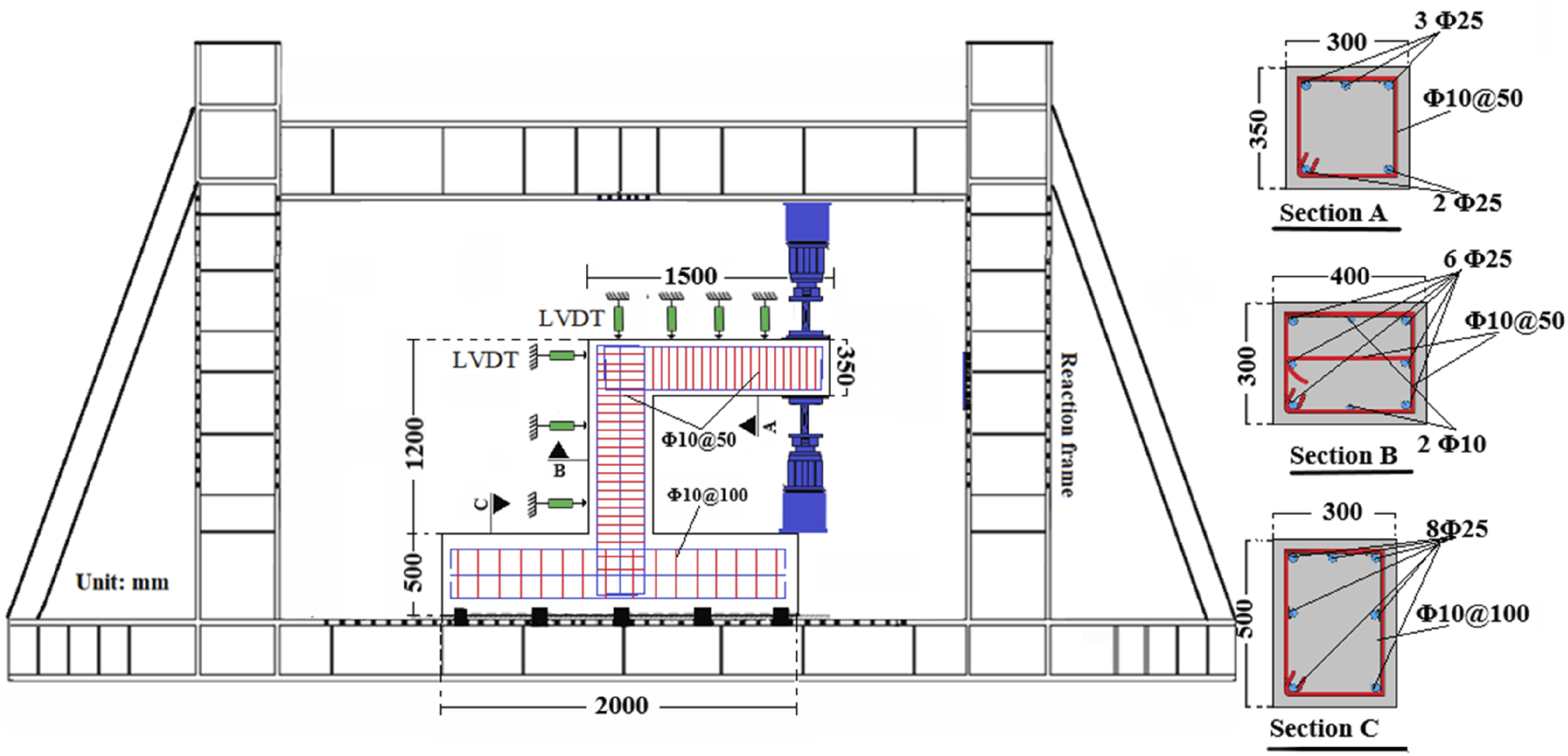
Testing procedure
To evaluate the seismic performance of the specimens, a reverse cyclic loading protocol was employed. This method is designed to simulate the effects of seismic forces by subjecting the beam-column connections to displacement-controlled cyclic loading. In this approach, displacement, rather than force, is gradually increased in each cycle to mimic the stress reversals that occur during an earthquake. The loading protocol was designed following the recommendations of ACI-T1.1 for quasi-static cyclic loading. The displacement-controlled loading history included progressively increasing drift levels, starting from small elastic deformations and advancing into the inelastic range. At each drift level, multiple cycles were applied to simulate the cumulative damage caused by repeated stress reversals during seismic events. This repetition of inelastic excursions is crucial for capturing the cumulative damage effects and energy dissipation behavior of structural elements under seismic loading. The loading scheme also accounts for the behavior of short-period systems, where the number of inelastic excursions increases significantly due to higher cyclic demands. In this study, the terms “drift” and “drift ratio” are used to evaluate the deformation behavior of the specimens under cyclic loading. Drift refers to the lateral displacement (Δ) of the beam-column joint relative to its base, while drift ratio is defined as the ratio of this lateral displacement to the height of the joint (H), expressed as a percentage:
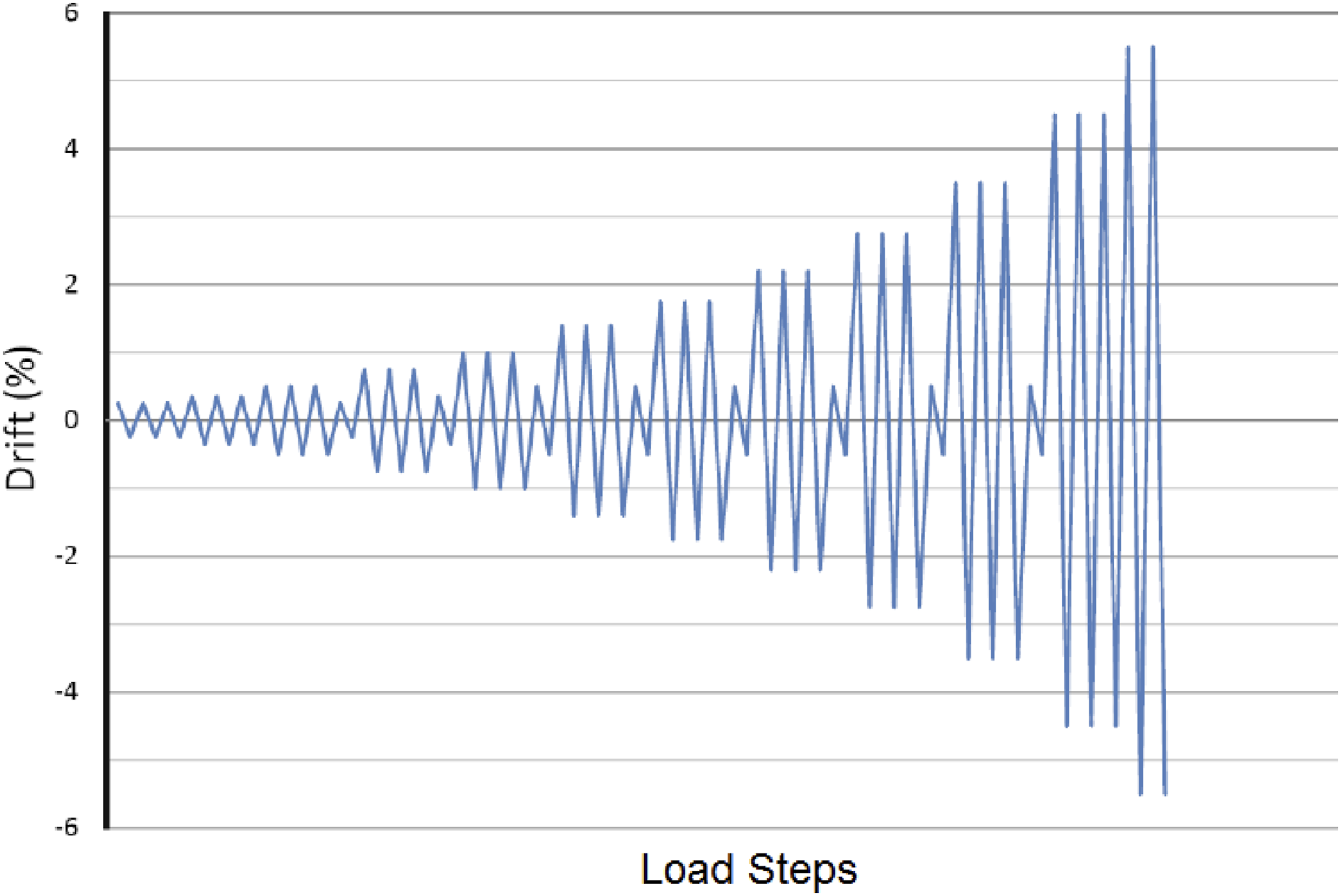
This parameter provides a normalized measure of deformation that allows for consistent evaluation of the specimens’ performance. These metrics are critical in assessing the ductility and energy dissipation capacity of the beam-column joints under seismic conditions. As illustrated in Figure 2, the drift ratio is calculated by dividing the lateral displacement (Δ) of the joint by its height (H). This figure provides a visual representation of how the drift ratio quantifies deformation. The aim of this test was to observe how both the self-consolidating concrete (SCC) and self-consolidating fiber-reinforced concrete (SCFRC) respond under these conditions and to assess their energy dissipation and deformation capacities. The specimens were anchored at the base, with the foundation cast first to provide a rigid support. The beams and columns were cast afterward to ensure proper integration with the foundation. The loading was applied at the free end of the beam, inducing both shear and bending moments in the beam-column joint. This setup, illustrated in Figure 2, was designed to replicate the forces that would typically act on corner joints during seismic events. Displacement transducers were installed at critical points to accurately record the displacement of the beam during each loading cycle. In addition to the displacement transducers, strain gauges were installed on the beam and column reinforcement bars at critical locations near the beam-column joint. These gauges were used to monitor localized deformations and capture strain data during cyclic loading. The strain gauges provided insights into the stress-strain behavior of the reinforcement and identified the yielding of bars at different drift levels. The pattern of end displacements was selected according to ACI-T1.1 as shown in Figure 3. As shown in Figure 4, these transducers provided real-time data on the deformation behavior of the specimens throughout the test. The use of displacement-controlled loading allowed for the precise measurement of inelastic deformations and provided insights into the ductility of the joint, which is crucial for understanding how the structure would behave under seismic loading. Throughout the testing process, several key parameters were continuously monitored to assess the performance of each specimen: Specimens loading. Pattern of end displacement. Installation of LVDT.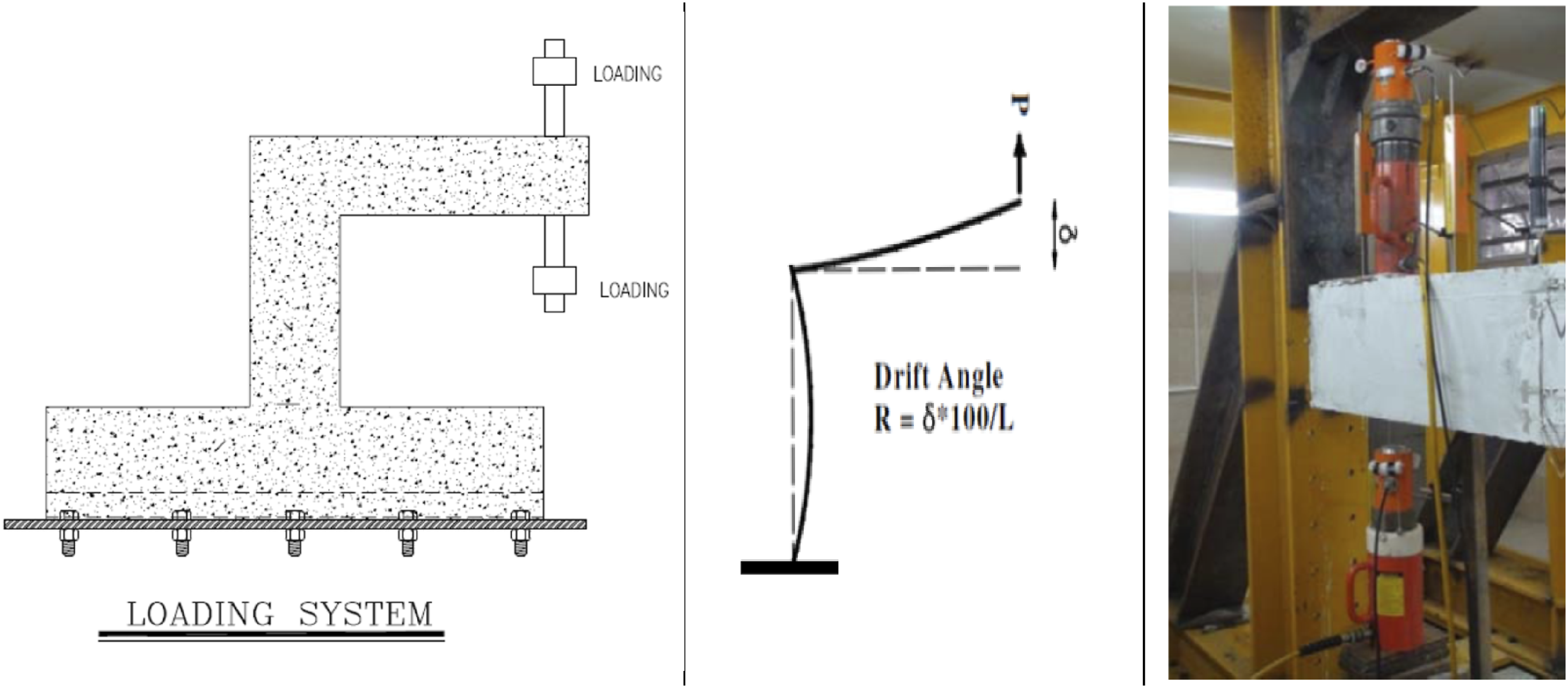

Load Capacity: The maximum load that each specimen could sustain before significant damage occurred. This was a critical indicator of the strength and overall integrity of the beam-column joint. Displacement Ductility: The ability of the specimens to undergo large displacements without significant loss of load-bearing capacity. This property is vital for structures in seismic zones, as ductility allows for energy absorption and reduces the risk of sudden, brittle failure. Joint Rotation and Crack Patterns: The behavior of the joint under cyclic loading was closely observed, including the formation and propagation of cracks. Joint rotation was measured to assess how much deformation occurred before the joint lost its integrity. Energy Dissipation: The cyclic loading allowed for the measurement of the energy dissipation capacity of each specimen. This is a crucial factor in seismic performance, as structures that can dissipate more energy are better able to withstand repeated stress cycles during an earthquake. The primary objective of this testing was to determine whether SCFRC, with its fiber reinforcement, could enhance the ductility and energy dissipation properties of the joint and potentially reduce the need for transverse reinforcement. The cyclic loading protocol enabled a direct comparison between the performance of SCC and SCFRC under identical seismic conditions, providing valuable insights into the potential advantages of using fiber-reinforced concrete in seismic applications.
Test result
Hysteresis loops and energy dissipation
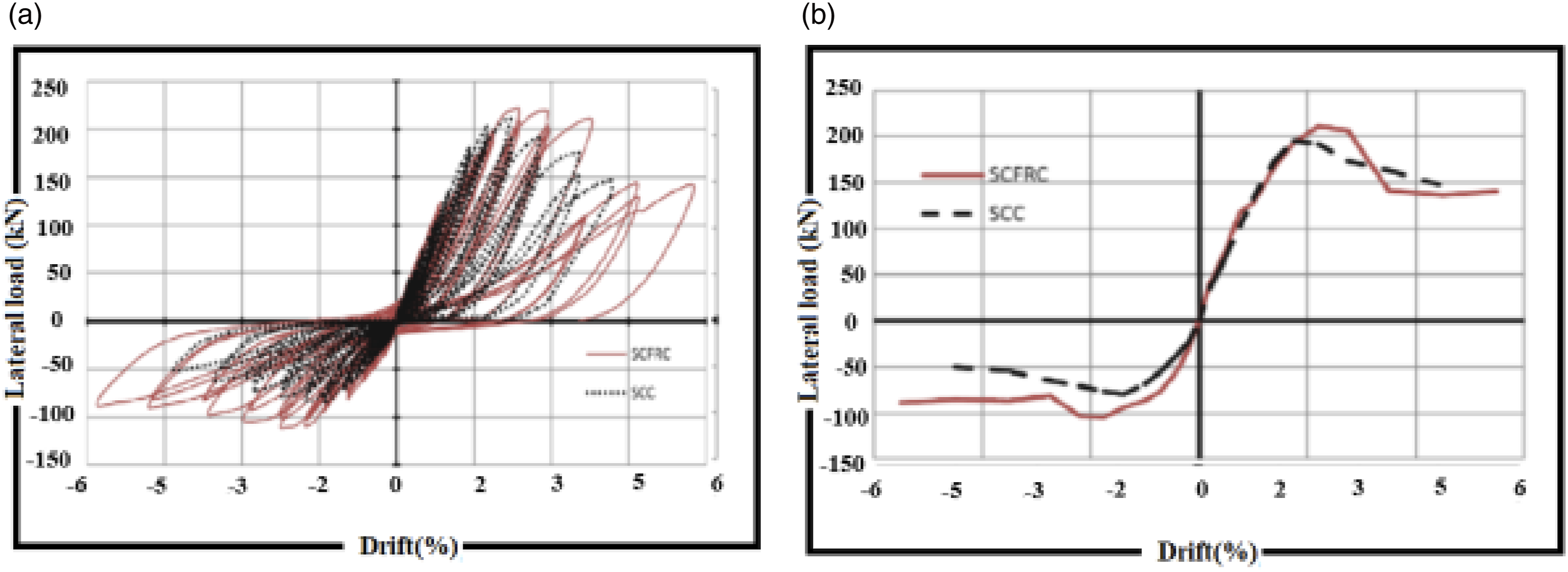
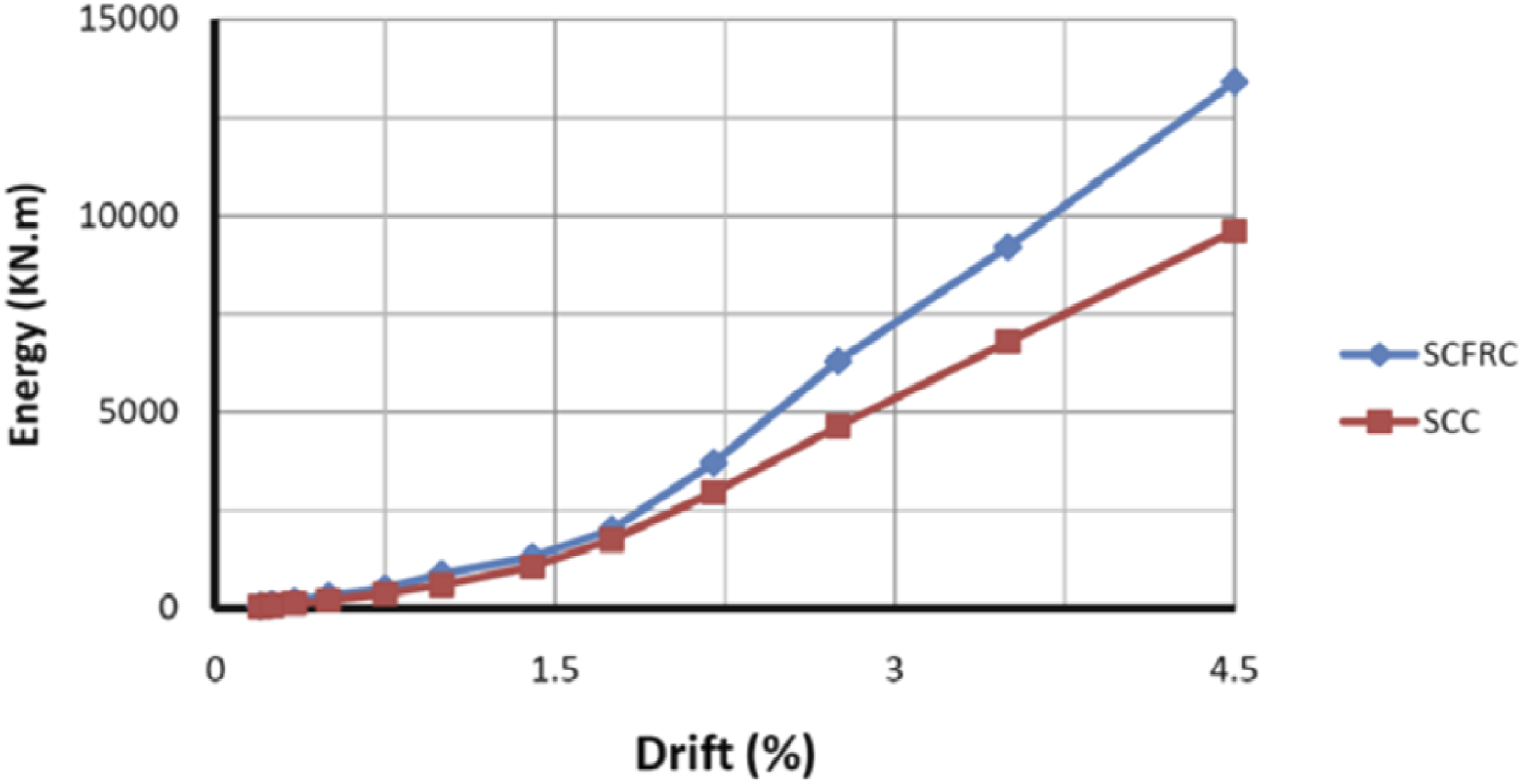
The hysteresis loops obtained from the cyclic loading tests for both specimens are shown in Figure 5. The adopted loading sequence was critical for assessing the performance of the SCC and SCFRC specimens under seismic-like conditions. The loading history, which included progressively increasing drift levels and multiple cycles at each level, allowed for a comprehensive evaluation of energy dissipation, cumulative damage, and deformation capacity. This approach emphasizes the importance of inelastic excursions in simulating real seismic demands, particularly for short-period systems where the rate of cumulative damage is higher. The results from the hysteresis loops reflect the effectiveness of this loading sequence in replicating seismic behavior and evaluating the structural resilience of both specimens. Additionally, the percentage of ultimate load required to achieve a drift value of 1% was analyzed. For the SCC specimen, approximately 59.5% of the ultimate load (125 kN out of 210 kN) was needed to reach 1% drift, whereas for the SCFRC specimen, this value was approximately 55.6% (125 kN out of 225 kN). These results demonstrate that the SCFRC specimen requires a lower percentage of its ultimate load to achieve the same drift level, reflecting its enhanced deformation capacity and better energy dissipation under cyclic loading. The maximum force applied to the SCC specimen reached approximately 210 kN, corresponding to a drift ratio of 2.25%. In comparison, the SCFRC specimen sustained a slightly higher maximum force of approximately 225 kN, which occurred at a drift ratio of 2.5%. A significant difference between the two specimens was the strength deterioration observed in the SCC specimen after reaching its maximum load, which was more pronounced than in the SCFRC specimen. This deterioration limited the loading on the SCC specimen to a maximum drift of 4%, while the SCFRC specimen was able to withstand loading up to 6% drift, indicating a higher deformation capacity. The comparison of the hysteresis loops for both specimens is presented in Figure 6(a). It is evident that the SCFRC specimen exhibits higher strength, larger hysteresis loops, and greater energy dissipation capacity compared to the SCC specimen. The hysteresis loops for the SCFRC specimen demonstrate its ability to withstand larger deformations and higher loads without significant strength loss. The energy dissipation capacity of the SCC and SCFRC specimens was evaluated through the hysteresis loops obtained during cyclic loading. Although the equivalent viscous damping (EVD) indicator was not explicitly used in this study, the observed hysteresis behavior suggests that the SCFRC specimen exhibits enhanced damping characteristics compared to the SCC specimen. This enhancement is attributed to the distributed cracking pattern and delayed strength degradation observed in the SCFRC specimen, which allowed for more effective energy absorption and dissipation under repeated cyclic loading. The envelope of the hysteresis loops for both specimens is presented in Figure 6(b), further illustrating the superior performance of the SCFRC specimen. The accumulated energy dissipation for both specimens is shown in Figure 7. Up to a drift ratio of 2%, there is no significant difference in the energy dissipated by the two specimens. However, at larger drift levels, the energy absorption capacity of the SCFRC specimen is markedly higher. In fact, at higher drift ratios, the SCFRC specimen absorbed approximately 35% more energy compared to the SCC specimen. This enhanced energy dissipation in the SCFRC specimen can be attributed to the presence of steel fibers, which provide additional toughness, delay crack propagation, and enable better energy absorption under cyclic loading. The larger hysteresis loops and higher energy dissipation values observed in the SCFRC specimen suggest that it has a superior ability to withstand seismic loads and maintain structural integrity under significant deformation compared to the SCC specimen. Hysteresis loop result. (a) SCC specimens, (b) SCFRC specimens. Hysteresis loop comparison. (a) Hysteresis loop comparison, (b) hysteresis loop envelop. Accumulated energy dissipation.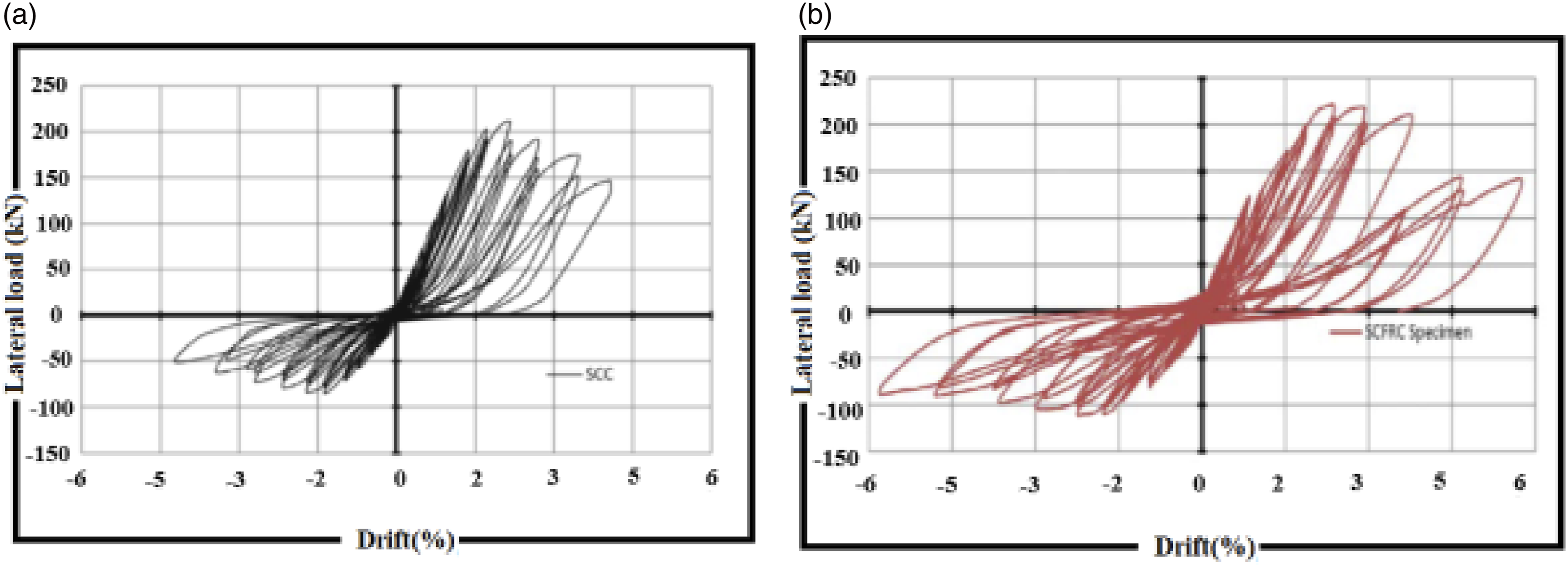
Equivalent viscous damping (EVD) analysis
To further quantify the energy dissipation characteristics of SCC and SCFRC specimens, the equivalent viscous damping (EVD) indicator was calculated. The EVD coefficient (ξeq) is commonly used to evaluate the damping efficiency of structural elements subjected to cyclic loading and is equation (1) as: • Wd = energy dissipated per cycle (area enclosed by the hysteresis loop) • Ws = elastic strain energy (triangular area under the initial loading curve)
Strain gauge measurements at various drift levels for SCC and SCFRC specimens.
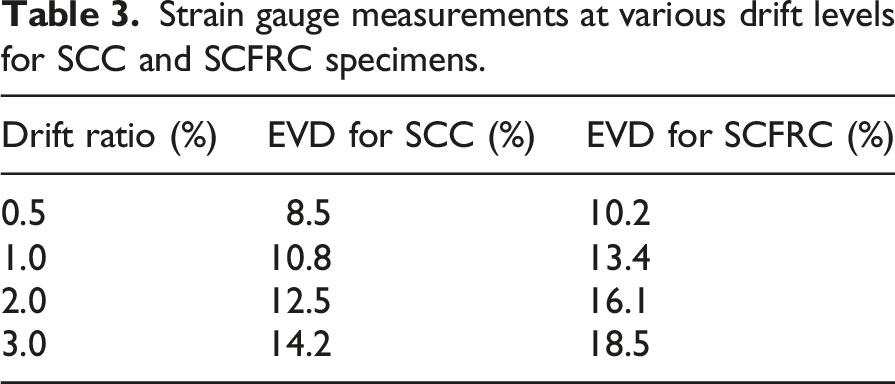
General observation
This section provides an in-depth analysis of the general behavior and key observations made during the cyclic loading tests on both the SCC and SCFRC specimens. The results of these tests reveal important differences in cracking behavior, energy dissipation, and overall structural performance under seismic-like conditions. These observations are critical for assessing the suitability of SCC and SCFRC in structural applications, particularly for seismic design. The data collected from the strain gauges revealed important trends in the behavior of the reinforcement under cyclic loading. In the SCC specimen, yielding of the reinforcement was observed at lower drift levels compared to the SCFRC specimen, indicating earlier onset of plastic deformations. The SCFRC specimen, on the other hand, exhibited delayed yielding, which can be attributed to the enhanced confinement and crack control provided by the steel fibers. These observations align with the global performance trends, including higher energy dissipation and improved deformation capacity observed in the SCFRC specimens.
Strain gauge measurements and reinforcement response
Strain gauge measurements at various drift levels for SCC and SCFRC specimens.

Crack initiation
The first visible crack in the SCC specimen appeared at a drift ratio of 0.25%, whereas in the SCFRC specimen, the first crack formed at a slightly higher drift ratio of 0.35%. This delay in crack initiation for the SCFRC specimen indicates that the fiber reinforcement enhanced its resistance to early-stage cracking, as fibers help to distribute the tensile stresses more evenly across the material. The higher crack resistance in the SCFRC specimen is significant because early crack formation can lead to premature strength degradation in seismic applications. This behavior is schematically illustrated in Figure 8, which highlights the cracking patterns observed in the SCC and SCFRC specimens at early drift levels. The numbers in Figure 8 represent key schematic points of interest, such as the locations of crack initiation or significant deformation during the tests. These schematic points are included to provide a clear visual representation of the differences in cracking behavior and deformation between the two materials. Schematic illustration of cracking patterns in SCC and SCFRC specimens at early drift levels. The numbers indicate key points of interest in the schematic representation, highlighting the sequence and progression of crack development during the tests.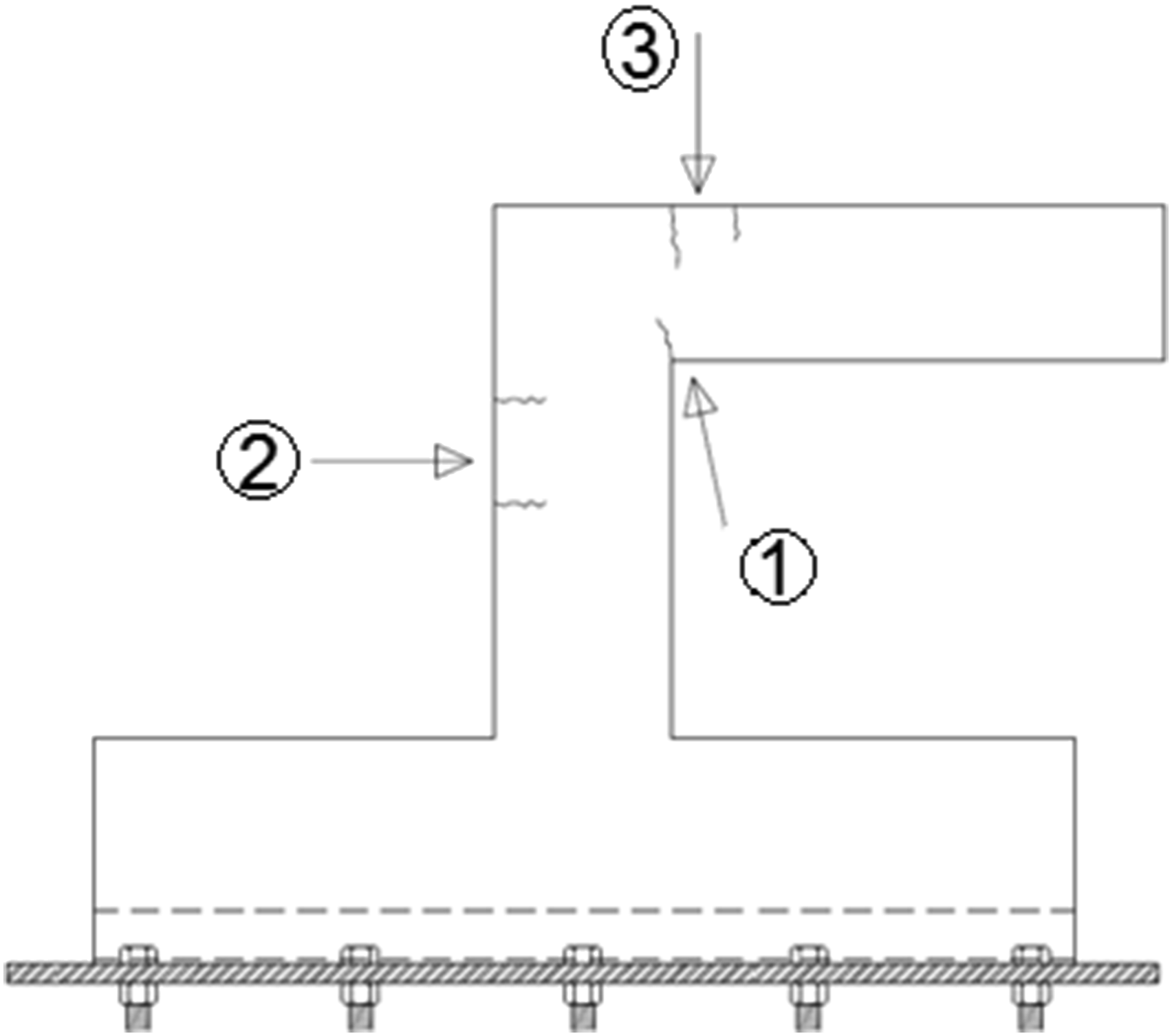
Cracking patterns and sequence
Both the SCC and SCFRC specimens exhibited a similar cracking sequence in the early stages of loading. Initial bending cracks formed in the beams and columns of both specimens, gradually propagating towards the beam-column joint as the loading increased. However, the key difference lies in the extent and severity of these cracks. As shown in Figure 9, the SCC specimen developed fewer but larger cracks, while the SCFRC specimen displayed a greater number of smaller cracks. This distinction in crack behavior is critical for seismic performance. Larger cracks, as seen in the SCC specimen, tend to concentrate damage in specific areas, which can lead to a sudden loss of strength. In contrast, the SCFRC specimen’s smaller, more distributed cracks suggest a better ability to dissipate energy and control damage propagation. Cracking pattern. (a) SCFRC specimen (1% drift), (b) SCC specimen (1% drift).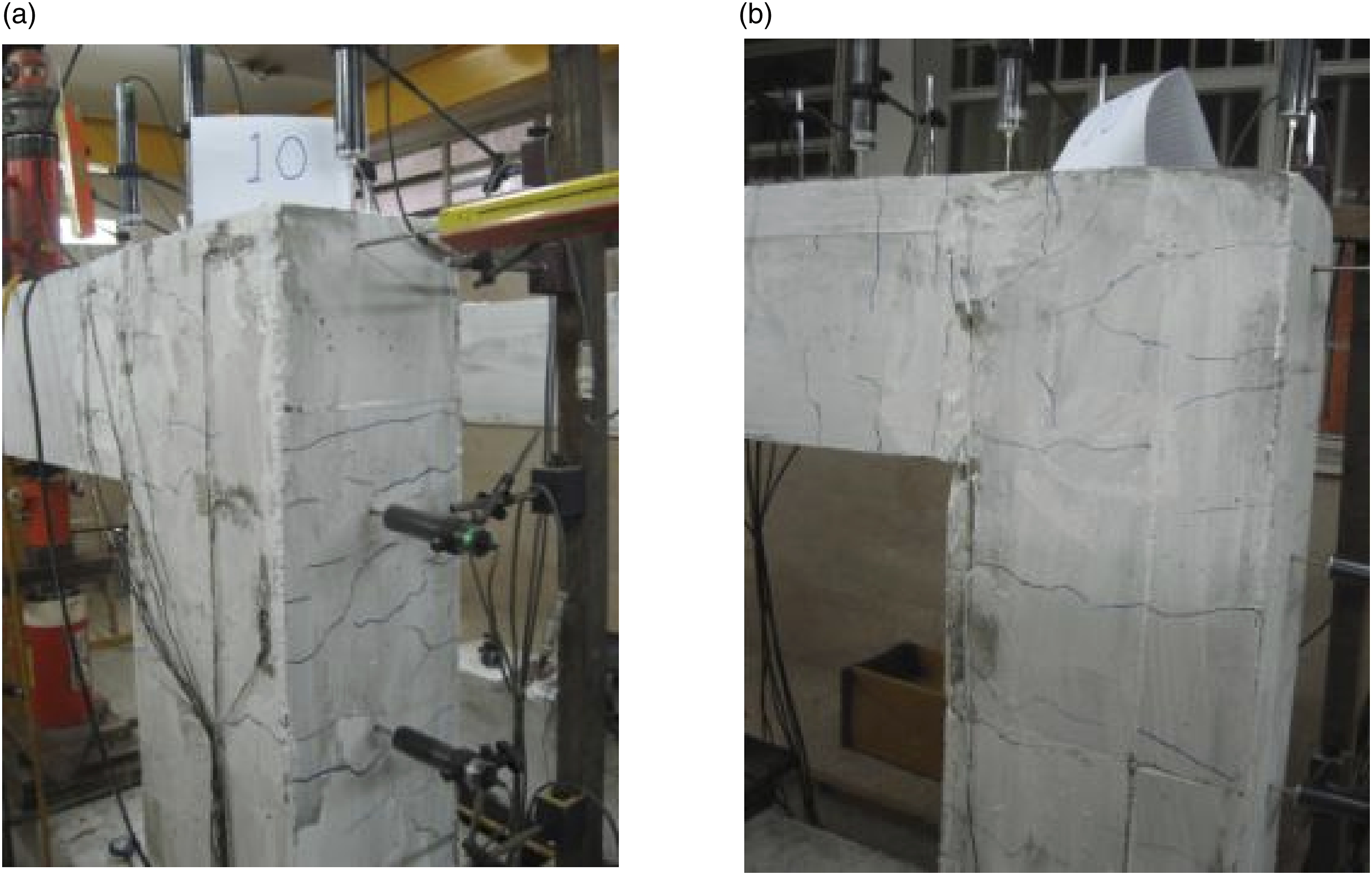
Crack width and depth at initial loading
At the early stages of cyclic loading, the cracks in the SCC specimen were larger in both width and depth compared to those in the SCFRC specimen. This behavior, as illustrated in Figure 9, highlights the role of fiber reinforcement in controlling crack growth. The steel fibers in the SCFRC specimen act as bridges across the cracks, limiting their width and depth, which prevents excessive crack propagation. The ability of the SCFRC specimen to maintain smaller crack sizes is particularly advantageous in seismic applications, where controlling crack growth is essential for maintaining the integrity of the structure under repeated load reversals.
Number of cracks at same drift levels
A notable difference between the two specimens is the number of cracks observed at the same drift levels. As depicted in Figure 9, the SCFRC specimen consistently developed more cracks than the SCC specimen at comparable drift ratios. This increased number of cracks in the SCFRC specimen is beneficial because it indicates better distribution of stresses throughout the material. In contrast, the SCC specimen exhibited fewer, larger cracks, which concentrated stresses in specific areas, making the structure more vulnerable to sudden failure. The greater number of cracks in the SCFRC specimen allows for more effective energy dissipation, which is a key factor in seismic resilience. This distributed cracking helps to prevent localized damage and ensures that the structure can continue to deform without experiencing a sudden loss of load-bearing capacity.
Behavior at higher drift levels
As the displacement levels increased, the cracks in both specimens propagated towards the beam-column joint, where the structure experienced the highest stresses. In the SCC specimen, crack formation ceased at a drift ratio of approximately 1%, after which existing cracks widened and deepened. This behavior indicates that the SCC specimen had reached its limit for forming new cracks, leading to concentrated damage in the existing cracks, as shown in Figure 10. In contrast, the SCFRC specimen continued to develop new cracks up to a drift ratio of 1.75%. The ability of the SCFRC specimen to form new cracks at higher drift levels suggests that it had a greater deformation capacity and was better able to accommodate large displacements without experiencing a significant reduction in strength. The fibers in the SCFRC helped to delay the concentration of damage in any single crack, allowing the structure to deform more flexibly. Cracking pattern in 2% drift. (a) SCFRC specimen (2% drift), (b) SCC specimen (2% drift).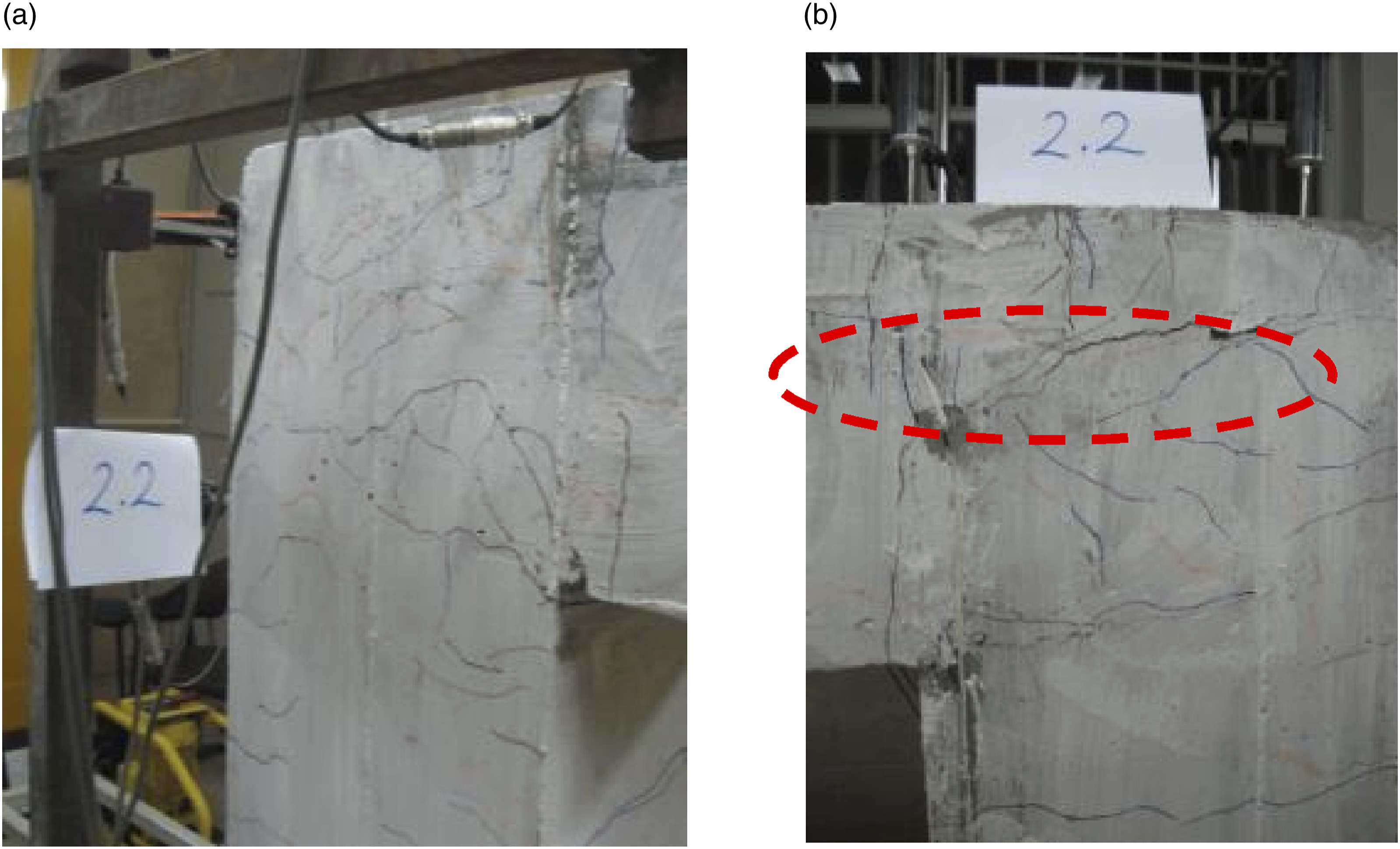
Damage index evaluation using Park and Ang model
To quantitatively assess the extent of damage in the tested specimens, the Park and Ang damage index was employed. This index provides an objective measure of cumulative damage by considering both load degradation and displacement capacity. The damage index (DI) is calculated using equation (2): • β = 0.1 (constant for beam-column connections) • Pmax = ultimate load (kN) • Pu = maximum load sustained before failure (kN) • θmax = maximum drift capacity (%) • θu = drift at ultimate load (%)
Evaluation of damage index using Park and Ang model for SCC and SCFRC specimens.

Major crack formation and failure mechanism
At a drift ratio of 2%, the SCC specimen experienced the formation of a major crack across the beam-column joint, as illustrated in Figure 10. The progression of damage in the SCC and SCFRC specimens was closely monitored at each loading step. In the SCC specimen, the development of a major crack at a drift ratio of 2% marked a rapid transition to significant structural degradation. Conversely, the SCFRC specimen exhibited distributed cracking throughout the loading sequence, with no single dominant crack observed. This distributed cracking pattern delayed failure and allowed for better energy dissipation. The influence of steel fibers in controlling damage progression was evident in the reduced crack widths, delayed spalling, and higher residual strength of the SCFRC specimen compared to the SCC specimen. This crack marked the beginning of significant structural degradation, and the specimen’s load-bearing capacity quickly diminished as the crack widened. The formation of this large crack is typical of conventional concrete under cyclic loading, where the absence of fibers allows cracks to propagate unchecked, leading to brittle failure. In contrast, the SCFRC specimen exhibited multiple smaller cracks at the same drift level, preventing the formation of a single dominant crack. The observed cracking patterns and hysteresis loops provide insights into the stress distribution within the tested specimens. In the SCC specimen, the formation of a single dominant crack suggests a concentration of principal stresses within the beam-column joint, leading to rapid structural degradation. Conversely, the SCFRC specimen exhibited multiple distributed cracks, indicating improved stress distribution and reduced concentration of principal stresses. This behavior can be attributed to the presence of steel fibers, which mitigate stress concentrations by bridging cracks and enhancing the tensile resistance of the concrete matrix. As seen in Figure 10, the multiple cracking pattern in the SCFRC specimen allowed for better distribution of stresses, delaying the onset of critical failure.
Concrete spalling in the SCC specimen
As the loading progressed, the main crack in the SCC specimen propagated through the beam-column joint, leading to significant spalling of the concrete cover, as shown in Figure 11. This spalling exposed the underlying reinforcement, weakening the joint’s structural integrity. The spalling observed in the SCC specimen is a typical failure mode in conventional concrete under seismic loading, where the concrete loses its bond with the reinforcement, resulting in a rapid reduction in load-carrying capacity. The spalling further accelerated the failure process in the SCC specimen, leading to a brittle failure mode that is undesirable in seismic applications. Concrete cover in specimens. (a) SCFRC specimen, (b) SCC specimens.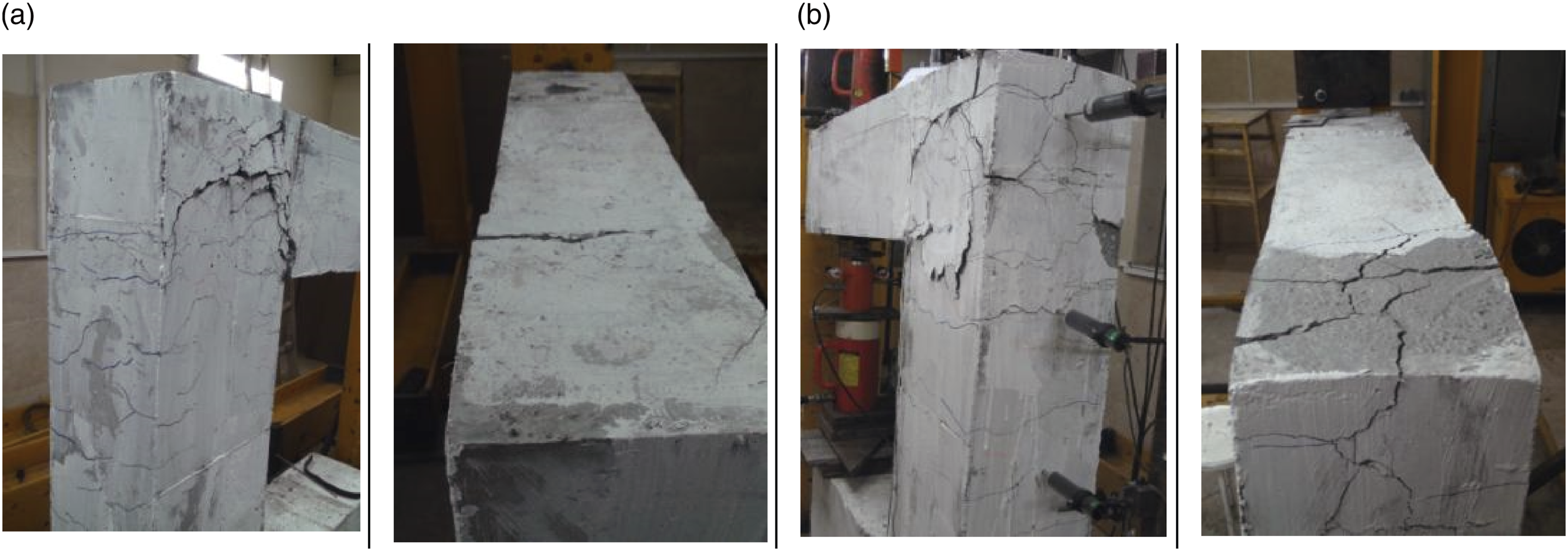
Multiple cracking and final failure in the SCFRC specimen
In contrast to the SCC specimen, the SCFRC specimen exhibited a more gradual failure process. At the end of the loading sequence, the SCFRC specimen showed multiple cracks across the beam-column joint, as depicted in Figure 12. The presence of multiple cracks indicates that the fibers effectively controlled the crack growth and delayed the failure process. Unlike the SCC specimen, which failed due to a single dominant crack, the SCFRC specimen’s distributed cracking pattern allowed it to dissipate energy more effectively, preventing the formation of a catastrophic failure. The final failure mode of the SCFRC specimen involved multiple cracks, with no significant spalling of the concrete cover, which highlights its superior performance under cyclic loading conditions. Cracking pattern of beam-column joint at the end of loading. (a) SCFRC specimen, (b) SCC specimens.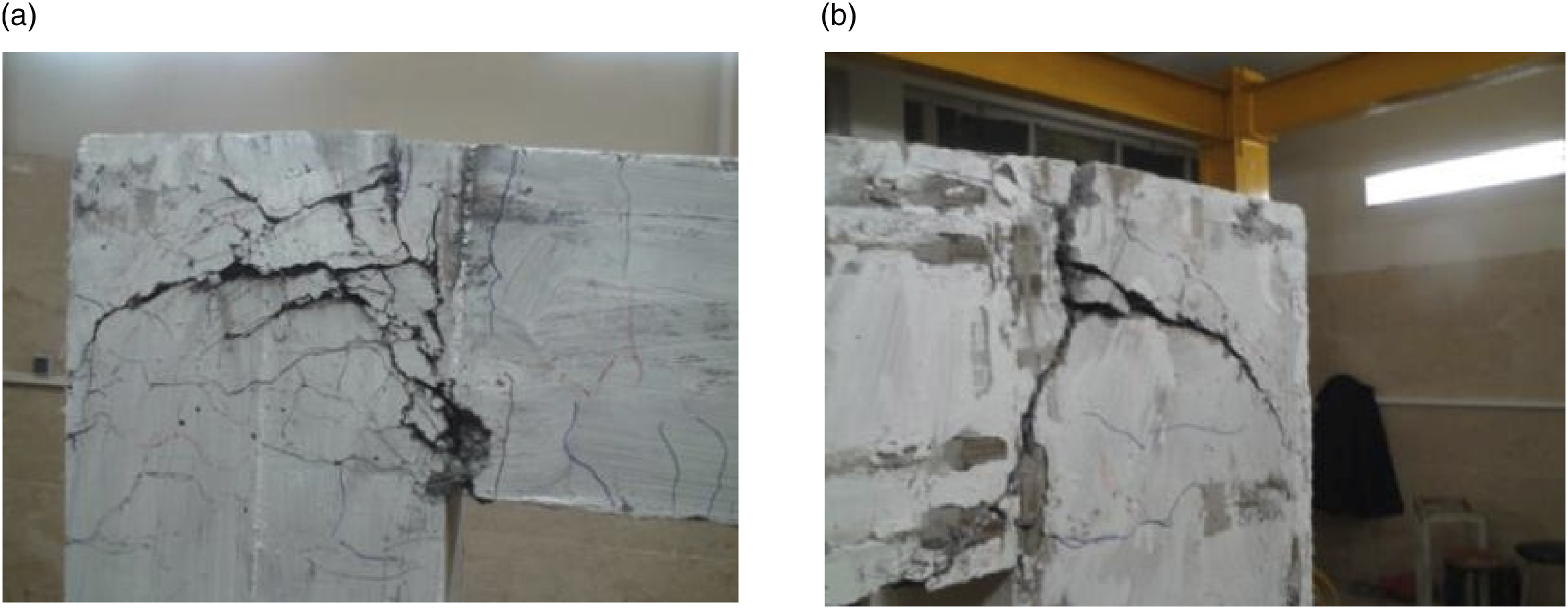
Energy dissipation and structural integrity
The ability of the SCFRC specimen to sustain larger displacements and develop multiple cracks contributed to its enhanced energy dissipation capacity. As shown in Figure 7, the energy dissipation in both specimens was similar up to a drift ratio of 2%. However, beyond this point, the SCFRC specimen absorbed approximately 35% more energy than the SCC specimen. This increased energy dissipation is crucial for seismic performance, as structures subjected to earthquakes need to absorb and dissipate large amounts of energy to prevent collapse. The SCFRC specimen’s ability to form multiple cracks and delay failure allowed it to dissipate more energy, making it a more resilient material for seismic applications.
Final failure mode comparison
As illustrated in Figure 12, the final failure modes of the SCC and SCFRC specimens were markedly different. The SCC specimen failed due to the formation of a large crack that passed through the beam-column joint, leading to spalling and a sudden loss of structural integrity. This brittle failure mode is typical of conventional concrete, which lacks the ductility to deform under high stresses. In contrast, the SCFRC specimen showed multiple cracking in the beam-column joint area, which delayed the failure process and allowed for better energy dissipation. The SCFRC specimen did not experience significant spalling, indicating that the fiber reinforcement helped to maintain the integrity of the concrete cover even under large displacements.
Acceptance criteria
Acceptance criteria
According to the ACI-T1.1 standard, the acceptance criteria for beam-column connections under seismic loading require that the structure must maintain a minimum drift ratio of 0.035, and the peak force in the third complete loading cycle must not be less than 75% of the maximum load reached in the same loading direction. This criterion ensures that the structure can sustain significant deformation and force without experiencing catastrophic failure. The performance of both SCC and SCFRC specimens was evaluated against this criterion, as illustrated in Figure 13. Acceptance criteria for specimens. (a) SCFRC specimen, (b) SCC specimens.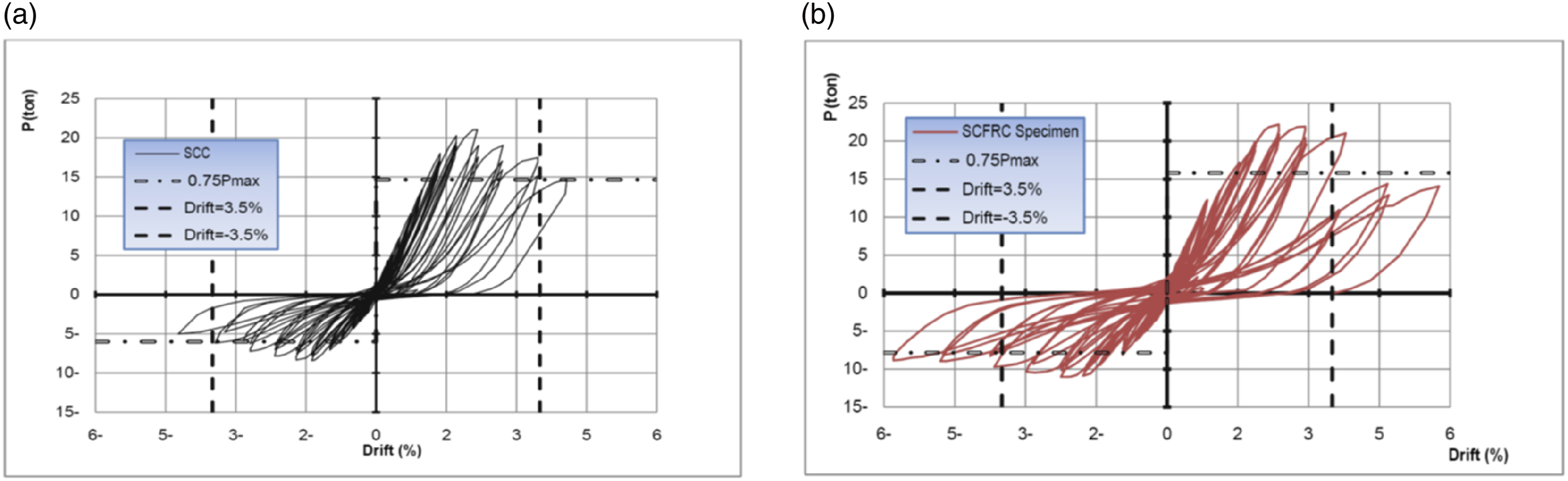
Evaluation of SCC specimen
The SCC specimen nearly meets the acceptance criteria, but with evident deterioration and considerable cracking. As shown in Figure 13, although the specimen sustained the required drift ratio, it displayed significant strength degradation in the later cycles of loading. The major crack that developed across the beam-column joint (discussed earlier in Figure 10) severely compromised the structural integrity, leading to spalling of the concrete cover and a rapid reduction in load-bearing capacity. This weakening was reflected in the force-displacement curves, where the peak force dropped below 75% of the maximum load after reaching its highest value. The SCC specimen’s failure mode, characterized by brittle cracking and spalling, suggests that while it could initially withstand the loading, it was unable to maintain the necessary strength in repeated cycles, thus only marginally meeting the ACI-T1.1 acceptance criteria.
Evaluation of SCFRC specimen
In contrast, the SCFRC specimen demonstrated a significantly improved performance under cyclic loading. As shown in Figure 13, the SCFRC specimen exceeded the ACI-T1.1 acceptance criteria by maintaining a higher peak load and larger drift capacity without significant strength deterioration. The presence of steel fibers in the SCFRC mix allowed for better control of crack propagation and distribution of stresses, which delayed the onset of significant cracking and maintained the integrity of the beam-column joint throughout the loading cycles.
Moreover, the SCFRC specimen exhibited superior ductility, with the ability to accommodate larger displacements while retaining considerable structural strength. The multiple cracks that formed in the SCFRC specimen (as shown in Figure 10) contributed to better energy dissipation and enhanced resilience to repeated load cycles. Additionally, the SCFRC specimen retained a considerable level of residual force even after the connection began to fail, which is critical for ensuring that the structure can withstand further deformations without sudden collapse.
The residual force observed in the SCFRC specimen, after the peak load was surpassed, further illustrates its ability to maintain a degree of strength even in the post-peak phase. This residual strength is an important feature for seismic applications, as it allows the structure to survive larger deformations and continue absorbing energy, reducing the likelihood of a brittle or.
Conclusion on acceptance criteria
The evaluation based on the ACI-T1.1 29 acceptance criteria shows that, while the SCC specimen marginally meets the minimum requirements, its performance was marked by significant deterioration and reduced ductility. On the other hand, the SCFRC specimen not only meets but also exceeds the criteria by maintaining a higher peak load, larger maximum drift, and better overall ductility. The enhanced behavior of the SCFRC specimen, particularly in terms of residual force and delayed failure, suggests that it is a more robust option for beam-column connections in seismic zones, where maintaining strength and ductility through repeated cycles is critical.
Conclusion
The study summarized several key insights regarding the performance of self-consolidating fiber-reinforced concrete (SCFRC) compared to self-consolidating concrete (SCC) under seismic conditions: 1. This study provides a comprehensive analysis of the cyclic performance of SCC and SCFRC in beam-column joints under seismic-like loading. The findings highlight the superior performance of SCFRC in terms of crack control, ductility, and energy dissipation, which are critical for maintaining structural integrity during seismic events. 2. The experimental results reveal that SCFRC significantly outperforms SCC in several key aspects. The SCFRC specimen exhibited 35% higher energy dissipation capacity at larger drift levels and achieved a maximum drift ratio of 6%, compared to only 4% for the SCC specimen. The first visible crack occurred at a drift ratio of 0.35% in the SCFRC specimen, indicating delayed crack initiation compared to 0.25% for SCC. Furthermore, at a drift value of 1%, the SCFRC specimen required 55.6% of its ultimate load, while the SCC specimen required 59.5%, reflecting the enhanced deformation efficiency of SCFRC. These quantitative improvements are attributed to the inclusion of steel fibers, which enhance the material’s ability to distribute stresses, delay the formation of large cracks, and sustain higher deformation demands without significant strength loss. 3. The equivalent viscous damping (EVD) analysis further confirms the superior energy dissipation capacity of SCFRC. The SCFRC specimen consistently exhibited higher EVD values at all drift levels, indicating enhanced damping efficiency and improved seismic resilience due to the presence of steel fibers. The enhanced performance of SCFRC is critical for high-seismic applications where ductility and energy absorption are paramount. The distributed cracking patterns and delayed strength degradation observed in SCFRC specimens provide a more gradual and controlled failure mechanism, in stark contrast to the brittle behavior of SCC. 4. The strain gauge analysis revealed that reinforcement in SCC specimens yielded at lower drift levels compared to SCFRC specimens. This delay in yielding, along with reduced strain values, suggests that the inclusion of steel fibers enhances stress distribution, postpones reinforcement yielding, and improves overall seismic resilience. 5. To quantitatively assess structural degradation, the Park and Ang damage index was calculated. The damage index was found to be 1.87 for SCC and 2.50 for SCFRC, indicating that SCFRC can sustain larger deformations before failure. This is attributed to better crack distribution and improved stress redistribution by steel fibers. These results highlight SCFRC’s ability to enhance seismic resilience while potentially reducing the need for extensive transverse reinforcement. 6. The findings underscore the potential of SCFRC to reduce the need for extensive transverse reinforcement in beam-column joints, thereby simplifying construction processes while improving seismic resilience.
The results demonstrate that integrating SCFRC into seismic design practices can lead to more robust and efficient structures capable of withstanding prolonged seismic activity. SCFRC’s superior ductility, energy dissipation, and residual strength make it a promising material for critical structural components in earthquake-prone regions.
Future studies are recommended to optimize the mix designs of SCFRC for various structural applications and assess its long-term durability under different environmental conditions. Additionally, the incorporation of advanced analytical tools, such as the equivalent viscous damping (EVD) indicator and the damage index model by Park and Ang, is suggested to provide a more quantitative evaluation of energy dissipation and damage progression. These tools would complement the qualitative observations in this study and provide a more objective framework for assessing the influence of parameters such as steel fiber inclusion. Their adoption into seismic design codes could enhance the resilience and efficiency of future structures, ensuring their durability under extreme seismic demands.
In conclusion, SCFRC offers a balanced combination of strength, ductility, and energy absorption, positioning it as a superior alternative to SCC in seismic applications. Its integration into large-scale construction projects has the potential to significantly enhance the safety, resilience, and cost-effectiveness of buildings and infrastructure in seismic zones.
Footnotes

Funding
The authors received no financial support for the research, authorship, and/or publication of this article.
Declaration of conflicting interests
The authors declared no potential conflicts of interest with respect to the research, authorship, and/or publication of this article.