



Abstract
This review article shares New Normal as part of impact of Covid 19, on Pharmaceutical Industry globally as whole & Manufacturing Operations as preventive measures or cure of Covid 19. Based on known transmissions & spreading routes, the Pharmaceutical Industry Manufacturing Operations needs to learn to avoid such impacts of transmissions & spreads. The pharmaceutical and healthcare operations need to take care to protect personnel
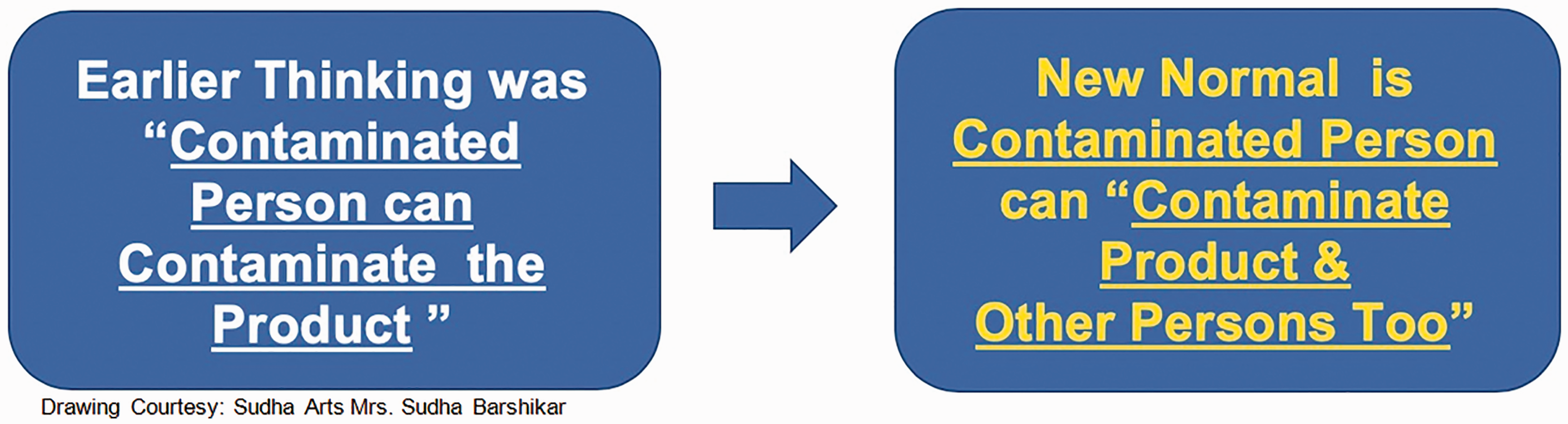
As such The Pharmaceutical Industry does take very good care to avoid cross contaminations as part of Good Manufacturing Practices (GMP). But now keeping in mind seriousness of virus spread, the Pharmaceutical Industry has to take precautions to avoid transmission & spread during travel in buses, entry & exit procedures, change rooms, avoid hand touch to doors, handles etc. at office work places & throughout the manufacturing operations at site
This article looks at various stages the Pharmaceutical Manufacturing Operation sites has to take care depending types of products & human involvement in such operations
As per WHO, key major steps to protect against the infection are: • Social distancing • Use of Masks/Face- Shields • Frequent Washing of Hands with soap & water or Sanitisation with proper sanitisers containing min. 70% Alcohol. • Segregation of staff in essential & non-essential at manufacturing site. • Non-essential staff to work from home
Essential staff are the ones who are required to work in person at manufacturing site
The Pharmaceutical Industry is moving forward very confidently by amending concerned SOP’s to meet Covid – 19 impact & challenges. This article describes “New Normal – impacts” of Covid-19 & basic requirements like Personal hygiene, Entry/Exit procedures to Protect the Workplace & Safety of the Workforce.
Keywords
Introduction
Corona viruses are a large family of viruses which may cause illness in animals or humans. The most recently discovered coronavirus causes coronavirus disease Covid-19. It is the infectious disease caused by the most recently discovered corona virus. This new virus and disease were unknown before the outbreak began in Wuhan, China, in December 2019.
Covid-19 is called SARS-CoV-2 (with SARS standing for ‘severe acute respiratory syndrome). The Coronavirus SARS-CoV-2 is an RNA molecule. SARS-CoV-2 RNA has a protein on its surface (‘corona’-shaped) which latches onto a receptor called in the lining of the lung. When the virus attaches to the receptor, it enters the cell and hijacks the cell’s machinery in order to make copies of itself. After thousands of copies are made, the cell bursts and the new virus particles can attack other cells. 1
Most people infected with the Covid-19 virus will experience mild to moderate respiratory illness and may recover without requiring special treatment. The best way to prevent and slow down transmission is be well informed about the Covid-19 virus, the disease it causes and how it spreads. Protect yourself and others from infection by washing your hands or using an alcohol based rub frequently and not touching your face. The Covid-19 virus spreads primarily through droplets of saliva or discharge from the nose when an infected person coughs or sneezes, so it’s important that you also practice respiratory etiquette (for example, by coughing into a flexed elbow).
Transmission of virus Covid-19
People can catch COVID-19 from others who have the virus. The disease spreads primarily from person to person through small droplets from the nose or mouth, which are expelled when a person with COVID-19 coughs, sneezes, or speaks. These droplets are relatively heavy, do not travel far and quickly sink to the ground. People can catch COVID-19 if they breathe in these droplets from a person infected with the virus. This is why it is important, as Social Distancing, to stay 1 meter to 2 meters away from a person who is sick depending upon space & situation. These droplets can land on objects and surfaces around the person such as tables, doorknobs and handrails. People can become infected by touching these objects or surfaces, then touching their eyes, nose or mouth. This is why it is important to wash your hands regularly with soap and water or clean with alcohol-based hand rub. 1 Coronavirus SARS-CoV-2 (causative agent of the disease Covid-19) has severe impact & thus a global pandemic in 2020, leading to a lockdown globally, a government-imposed measures designed to slowdown the rate of infection, in order to reduce the pressure upon health services.
This review article shares New Normal as part of impact of Covid 19, on Pharmaceutical Industry globally & efforts to overcome the challenges due to impact of Covid 19. Based on above known transmissions & spreading routes, the Pharmaceutical industry operations needs to learn to avoid such impacts of transmissions & spreads. The pharmaceutical Industry also needs to protect workforce.
Disinfection practices are important to reduce the potential of COVID-19 virus contamination in non-healthcare settings, such as in the home, office, schools, gyms, publicly accessible buildings, faith-based community centres, markets, transportation and business settings or restaurants. High-touch surfaces should be identified for priority disinfection such as door and window handles, cafeteria and food preparation areas, counter tops, bathroom surfaces, toilets and taps, touchscreen personal devices, personal computer keyboards, and work surfaces. 2
New normal for safer workplaces – The emerging scenario
New normal at work place “risk based assessments” for personnel protection
Since we are leaning more & more about new Corona 19 Virus every day, the information shared in this article may get updated based on experience & Global Experts advice. Eg. CDC USA & WHO has slightly different recommendations to use the masks or face shields as well as social distancing norms too.
Social distancing
Employers will need to restructure physical settings and responsibilities to 

WHO guidance on hand wash, a key requirement 3
Wash your hands often with soap and water for at least 20 seconds especially after you have been in a public place, or after blowing your nose, coughing, or sneezing. If soap and water are not readily available, 

WHO guidance on use of face masks 4
Face Masks is essential for every person for own protect ion as well of safety of others. Reusable face masks will be preferred. The virus that causes Covid-19 is mainly transmitted through contact with respiratory droplets rather than through the air. The main way the disease spreads is through respiratory droplets expelled by someone who is coughing or sneezing. Wash hands with soap, water or sanitise with Alcohol before putting on masks.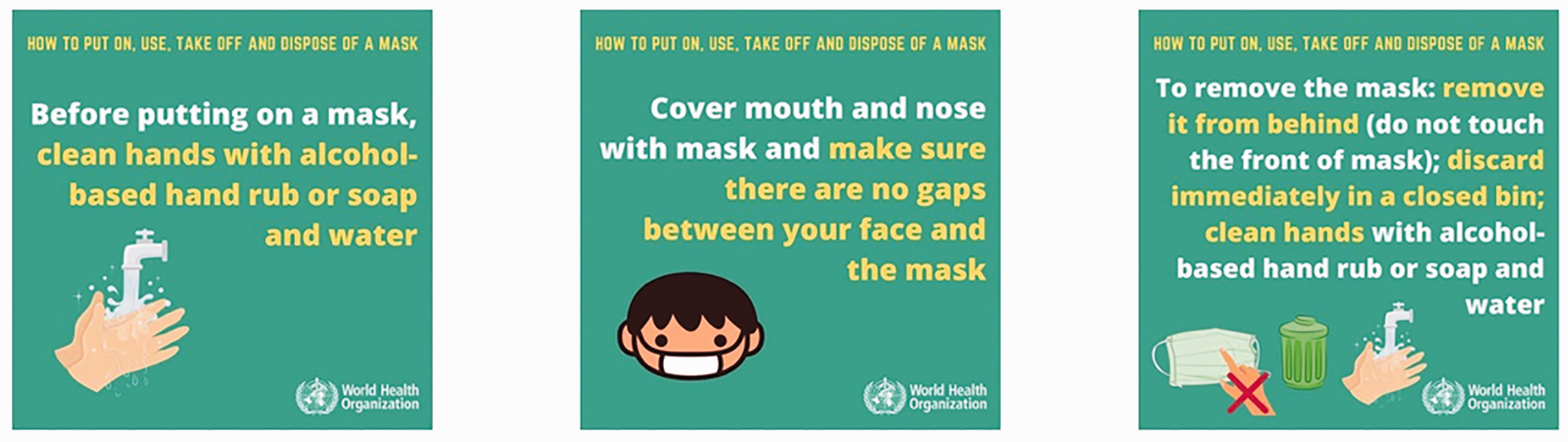
Flexible and remote working
The organisations will:
– prefer scattered work hours
– offer flexibility of working
– push for working from home and other remote locations
Employees will be expected to learn new tools and acquire new skills through digital learning platforms.
Use of digital technologies like artificial intelligence for communications
New job roles will be created and responsibilities will be redistributed using technology for communication.
Need to upskill ourselves to be relevant in the job market.
Cross-functional collaboration will become more common, especially with increased remote work.
HR will leverage modern technologies like artificial intelligence (AI) and modern tools, among other technologies, to make their jobs more streamlined and refined.
AI, including home-grown AI tools, will be used in monitoring workers’ productivity and their need for skill training.
Training
Training will play important role in implementing New Normal in Manufacturing Operations. Training for cleaning staff should be based on the policies and SOPs of the health-care facility and national guidelines. The training programme should include Do’s & Don’ts on risks involved while implementing New Normal & standard precautions and transmission-based precautions.
At manufacturing operation sites/offices, posters or other guidance should be visible to workforce and others to guide and remind them about the proper procedures on sanitisation & disinfection.
Covid-19 impact on global pharmaceutical industry
As such The Pharmaceutical Industry does take very good care to avoid cross contaminations as part of Good Manufacturing Practices (GMP). But now keeping in mind seriousness of virus spread, the Pharmaceutical Industry has to take precautions to avoid transmission & spread during travel in buses, entry & exit procedures, change rooms, avoid hand touch to doors, handles etc. throughout the manufacturing operations at site.
This article looks at various stages the Pharmaceutical Manufacturing Operation sites has to take care depending types of products & human involvement in such operations. Various operations like below have to be kept in mind:
Supply chain of all input materials & finished products. Cleaning & sanitising of Input Materials containers. Precautions during storage in warehouse. Precautions during sampling & testing. Necessary care during issue of Input Materials. Precautions while handling input materials during manufacturing operations Sanitisation of all the areas. Social Distancing right from travel in Co. buses, entry & exit procedures, during Mfg./Packaging/Testing operations etc. in the plant.
As per WHO, common major steps to protect against the infection are:
Social distancing Use of Masks/Face- Shields Use of Gloves Frequent Washing of Hands & or Sanitisation with proper sanitisers containing min. 70% to 75% Iso - Propyl Alcohol or Ethyl Alcohol Segregation of staff in essential & non-essential at manufacturing site. Non-essential staff to work from home. Essential staff are the ones who are required to work in person at manufacturing site.
Important is SOP generations & trainings for all above activities to take all necessary steps/precautions during manufacturing & testing of products to avoid contaminations, virus spread & no one enters the plant with the Covid 19 infection.
Impact of Covid-19 on larger Indian as well as Multinational players to be relatively limited. API supplies from China for Indian customers have gradually resumed with the Drug Controller General of India reaching out to companies to extend logistics support to airlift critical APIs from China. Manufacturing facilities continue to operate with lower workforce and at lower utilization, companies have faced disruptions in outbound logistics and in the movement of raw materials and shipments within the country.
Globally, the Pharmaceutical Industry is continuing to manufacture medicines for well-being of humanity. The Pharmaceutical Industry is in operation to save human lives. Therefore it is essential to take all necessary precautions to take care of themselves as well as others surrounding.
General precautions – Entry, exit procedures during Covid-19
Traveling from home to work place and back to home
At home (before travel to work place)
Personal Hygiene is very important now than before.
Wash hands with soap for minimum 20 seconds.
Have items like personal subitizable items
Have minimum items … essential only
Put face mask just before travel.
Keep in mind Social Distancing

Drawing Courtesy: Sudha Arts Mrs. Sudha Barshikar
Sanitisation of seats/door handles/hands Social Distancing Use of face Mask No curtains/floor carpets in pick up buses Sanitisation again before de-boarding Avoid newspaper/magazines
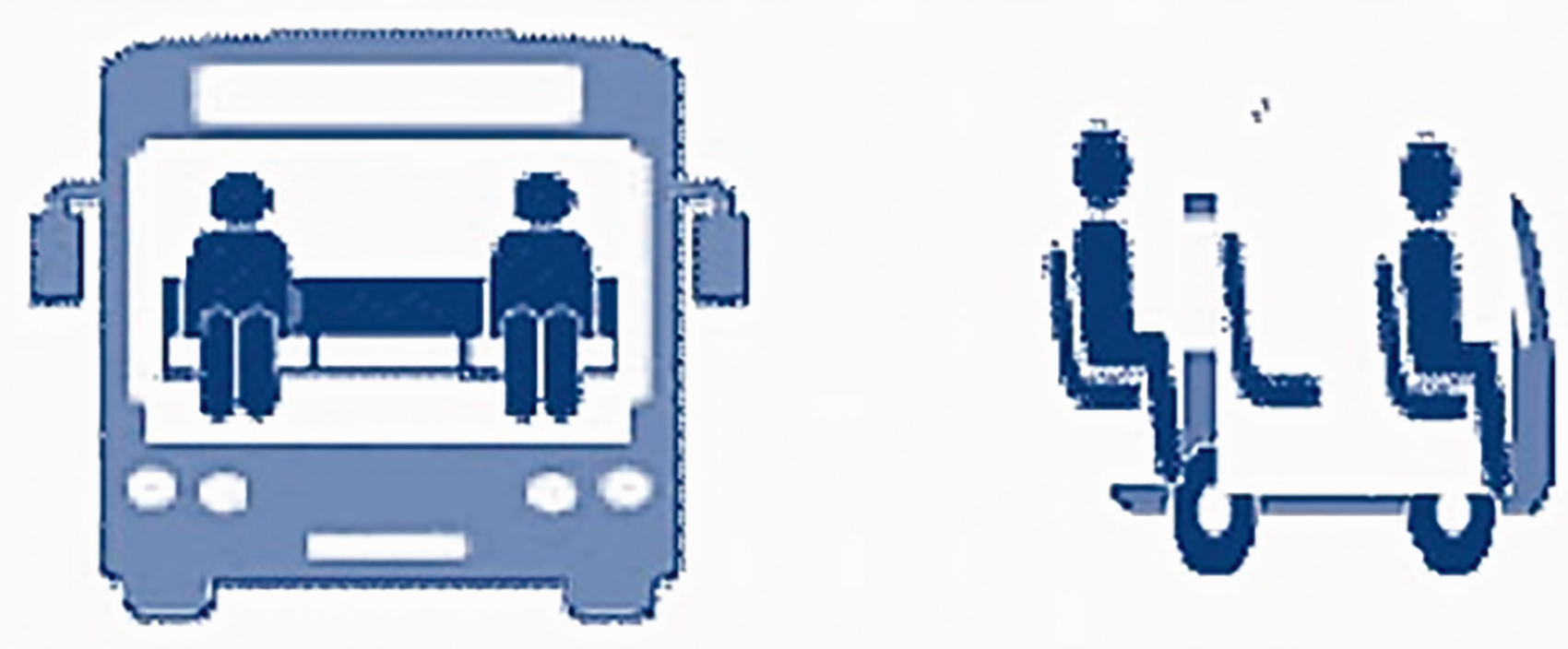
Drawing Courtesy Sudha Arts Mrs. Sudha Barshikar
At the entrance gate/security
Body temperature checks with calibrated/validated IR Thermometer. No Biometric access Cleaning/Sanitisation Shoes Sanitisation Self-declaration about health Social Distancing
Sanitisation/cleaning common areas at factory
Includes washrooms, passages, office areas, change rooms cafeteria etc.
Cleaning/Sanitisation procedures/frequency
Use of Hydrogen Peroxide/Sodium Hypochlorite
Sanitisation of supplies. Quarantine measures for supply and storage of goods after sanitisation
Sanitisation of lockers.
Maintain a sanitisation routine periodically especially in the common areas that include lunch area and common tables which will have to be wiped clean with disinfectants after every single use. Keep in, mind social Distancing here as well.
Factory primary change
Line up with Social Distancing before entry to the factory
Follow Social Distancing. Use marked areas for Social Distancing.
While opening the door avoid direct touch with hands.
Use Fresh Face Masks
Minimum number of persons at a time, as per SOP, while entry inside change room
Hand/Feet sanitisation
Follow gowning SOP sequence
Sanitisation of hand-gloves/shoes
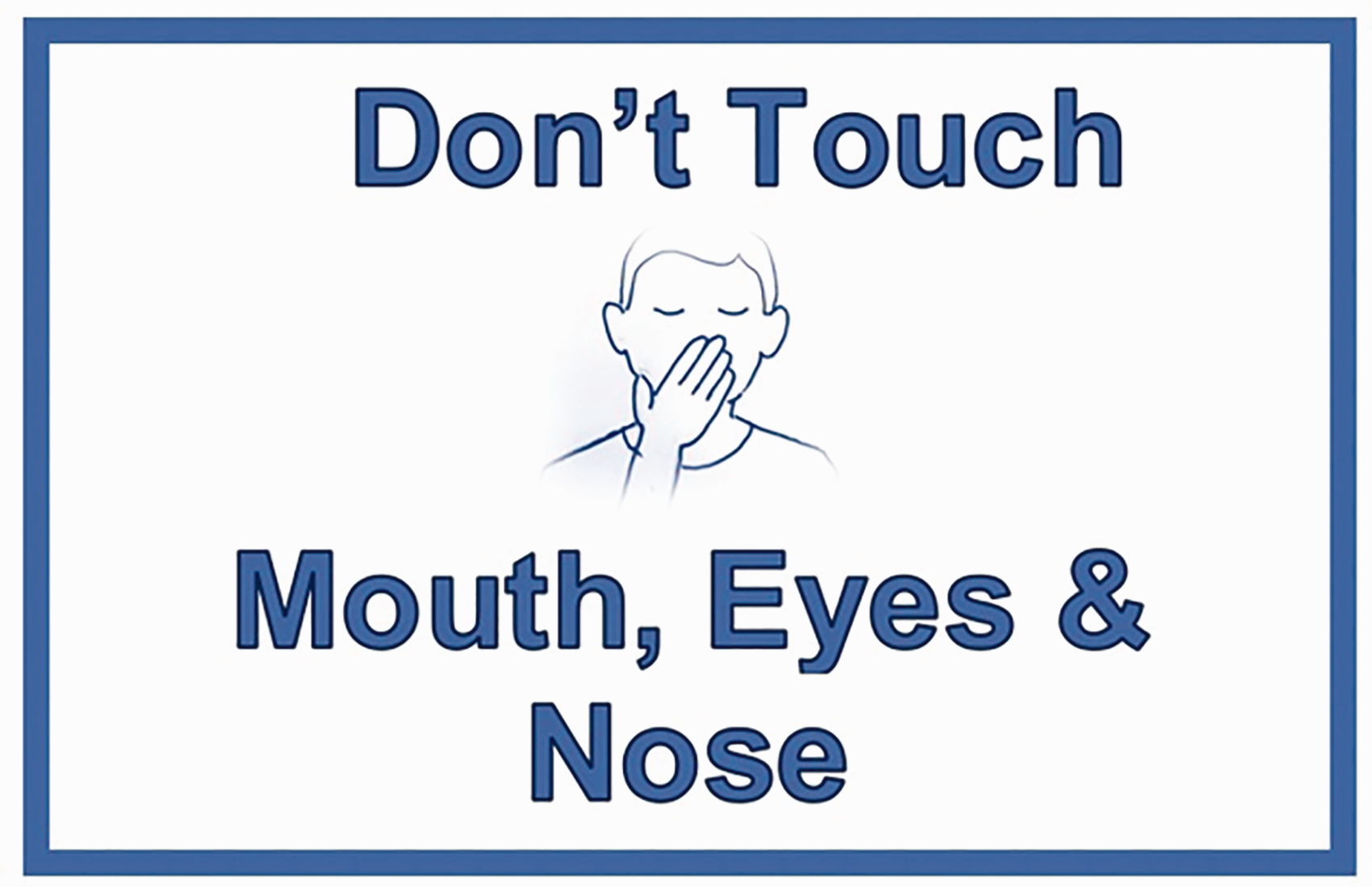
Drawing Courtesy: Sudha Arts Mrs. Sudha Barshikar
Factory secondary change
Minimum number of persons at a time, as per SOP, while entry inside change room
Again sanitisation & cleaning as per SOP
Use fresh face mask
Follow Social Distancing
During exit from factory
Proper hand washing/sanitisation
De-gowning as per SOP
Proper storing of used shoes
Wearing own civil shoes/sanitisation
Use of Face Mask
Follow Social Distancing
Board the travel buses
At home
Hand washing
Sanitisation of personal items
Used cloths to be discarded into bin for washing
Have Bath
General Hygiene/Personal Hygiene is more important NOW than in the past.
Additional safety proactive measures in pharma industry during Covid-19
Contactless operations to be considered like RFID-based attendance and cafeteria services, hands free sanitiser dispensers, contactless temperature measurement, automatic taps and soap dispensers etc,
Educating and Training staff with Covid 19 precautions to be initiated via emailers, posters, social distance meetings.
In the new Covid work culture, biometric finger-print punching may be replaced by face recognition or card swiping to avoid physical touch.
Thermal Scanners to be used location wise and temperature of all employees, contract workers & visitors entering the plants to be recorded.
Common areas such as meeting rooms, elevators, reception, drop and pick-up points, cafeterias are floor-marked with social distancing circles to offer positional cues for visitors while standing or sitting.
Field staff to Work from home.
Work from Home to be initiated to reduce the number of staff in offices.
Employees above 55 & pregnant women employees, if any, may work from home.
Cafeteria furniture to be periodically sanitized. Zig-zag seating has been facilitated in cafeterias and lunch breaks are now scattered over 4-5 hours.
Employees to note primary and secondary contacts every day to keep a track of whom they are meeting.
Create Helpline for all employees for any Covid-19 related support.
Avoid face to face meetings. Essential meetings to be held in smaller groups via VC.
Ensure items which can be sanitised only will be carried E.g. wallet, mobile, belt, eye-glasses, hand bags. Avoid unnecessary items.
All vehicles and machinery entering the premise should be sanitised.
Medical insurance for the workers to be arranged.
Work places shall have a gap of one hour between shifts and will stagger the lunch breaks of staff, to ensure social distancing.
Social distancing in gatherings, meetings and training sessions.
Not more than 2/4 persons (depending on size) to be allowed in lifts.
Use of staircase for climbing should be encouraged.
There should be strict ban of gutka, tobacco etc. and spitting should be strictly prohibited.
There should be total ban on non-essential visitors at sites.
Supply chain disruption
Obviously Globally, there will be a major impact of Covid-19 on supply Chain. Due to lockdown situations in various countries, minimum workforce at operational level affecting productivity. Similarly impact on transport & cargo operations has delayed the supplies further. New Normal in Operations, slowed down the activities in terms of time & products availability. Even then Pharma cos. globally doing their best to ensure availability drugs & also working day & Night in R & D – for vaccine development. As lockdown opens up situation will improve further. The intense focus on risk management across networks and supply chains will likely continue, despite the inevitable increased costs. Supply chains could become patient-centric with different end points of delivery and information Newer technologies should emerge and shift the overall industry.
Business impact
Covid-19 could affect the supply of finished drugs as well as Active pharmaceutical ingredients (APIs) to the world. China & India are major suppliers of Finished dosage products as well as API to the World. Factory lockdowns in China and logistics delays due to Covid-19 measures at ports may affect production and delays in shipping of APIs. With the coronavirus spreading Globally, the Pharmaceutical industry will have serious impact on costing. API imports from Indian manufacturers have been a major cost advantage for global pharmaceutical companies, but the outbreak in China and Covid-19 spread to the EU could limit the supplies to the global manufactures thereby increasing the overall costs to global manufacturers and importers & there by impacting consumers.
At operational level, obviously there is impact by way slowing down the operations due to delays in activities, social distancing, continuously wearing face masks, sanitisation, minimum workforce etc. All this results in lowering productivity.
However due to pandemic situation, Pharmaceutical products are in great demand & Pharmaceutical Industry is seeing silver lining in growing demand & business.
Drug development opportunities
The disease outbreak, however, also has opportunities for US pharmaceutical companies engaged in vaccine and drug development. Globally several organizations are working to develop the Vaccines supported by Regulatory agencies are working & spending Millions of dollars for development purposes. Phase wise Clinical trials are in progress & Covid-19 vaccine is expected to be ready by 2020-2021. Great hopes are there for positive outcome for The World.
Impact on FDA global inspections (US FDA communication – 10 March 2020)
After careful consideration, the FDA has postponed most foreign inspections effective March 2020. Inspections outside the U.S. deemed mission-critical will still be considered on a case-by-case basis.
The FDA based this decision on a number of factors, including State Department Level 4 travel advisories in which travel is prohibited for U.S. government employees, Centres for Disease Control and Prevention travel recommendations, access restrictions being imposed on foreign visitors by certain countries, guidance from the Office of Personnel Management and the importance of the health and safety of our employees. Another critical factor in taking this action is the confidence we have in our ability to maintain oversight over international manufacturers and imported products using alternative tools and methods.
Management role
The coronavirus pandemic is, first and foremost, an urgent health crisis affecting countless people around the globe. To manage a crisis of this magnitude successfully, Management will have to strategize short-term & long-term goals, actively involving all stakeholders, and support a fundamental rethinking of long-term strategies. While oversight and control remain vital, Management wisdom, insights, and experience have never been more important. Management to provide required guidance to The Team to ensure safety of workforce & the products.
Remember
Now is the time to prepare for COVID-19.
Simple precautions and planning can make a big difference.
Action now will help protect your employees and your business.
Footnotes
Declaration of conflicting interests
The author(s) declared no potential conflicts of interest with respect to the research, authorship, and/or publication of this article.
Funding
The author(s) received no financial support for the research, authorship, and/or publication of this article.
