




Abstract
This article contributes to the limited body of literature pertaining to attempts by educational systems to satisfy the professional learning needs of experienced principals, defined as those with more than 10 years of experience in at least two schools. Specifically, this article illustrates the Catholic Education Office of Western Australia’s endeavour to create an innovative, integrated, cross-sectoral program to enhance the leadership capabilities and health and wellbeing outcomes of experienced principals from Catholic, Government and Independent schools in that state. The program comprised four integrated pillars: a 360-degree review of participant leadership capabilities followed by executive coaching to effect improvement; an executive health assessment and coaching with an exercise physiologist to enhance participant health and wellbeing outcomes; a theoretical program based on a nationally accepted standard for principals, developed by the Australian Institute for Teaching and School Leadership; and a group project transacted in a non-educational setting. The article begins with a synopsis of existing literature related to the professional learning needs of experienced principals and the few reported evaluations of programs designed to cater for the unique needs of this cohort. Participant feedback collected at the commencement of the program, its midpoint and conclusion are presented. The article concludes with recommended changes that could be implemented to enhance the efficacy of future program iterations.
Introduction
This article reports on one system’s recent design of a professional learning program for experienced principals, which sought to respect their unique needs, consult them in the design of a suitable program, provide an experience that was intended to be innovative, facilitate the maintenance of enthusiasm and commitment to the role and respond to the exhortation of the literature that this is a need that must be met.
In 2012, the Catholic Education Office of Western Australia (CEOWA), the executive arm of Catholic Education in Western Australia (CEWA), sought to create a professional learning program for experienced principals, defined as those with 10 or more years of experience in at least two schools. The CEOWA educates 18% of the state’s school-age population (nationally the figure is 20%) in a state that covers 977,000 square miles with a total population of 2.6 million people. The state government schools cater for 66% of the school-age population, while Independent schools (largely other non-Catholic-faith-based schools) educate 16%. These principals, over the course of their careers, had developed unique needs that were neglected by other systemic leadership programs. Many of these men and women had served as principals for between 10 and 30 years, often spanning a number of schools in a variety of urban, regional and remote settings. Over the course of their careers, a significant number of principals usually complete postgraduate university study in leadership and management (80% of the pilot cohort had done so). Principals had also participated in a variety of state, national and international professional learning programs; however, ‘experienced’ principals were yet to participate in professional learning as a targeted cohort.
Professional learning for principals
Literature related to leadership in school settings generally, and principalship specifically, is extensive (Caldwell, 2006; Chapman et al. 2016; Day and Sammons, 2013; Day et al., 2010, 2016; Dinham, 2008; Hallinger and Murphy 2013; Harris et al., 2007; Leithwood and Seashore-Louis, 2012; Levin, 2013; Robinson and Timperley, 2007; Robinson et al., 2008; Simkins, 2005). The attention paid to school leadership and the principalship is warranted because this evidence-based research reminds us of the indirect influence the role of leadership has on school transformation, and improved student outcomes.
The Organisation for Economic Co-operation and Development (OECD, 2008) noted that school leadership ‘has become a priority in education policy agendas across OECD and partner countries because it plays a key role in improving classroom practice, school policies and connections between schools and the outside world’ (p.19). The provision of professional learning for leaders is, therefore, vital and the literature has acknowledged programs that support aspiring leaders in preparing for the principalship (Hess and Kelly, 2007; Orr et al., 2006; Versland, 2009), induction programs for first-time principals (Wildy and Clarke, 2008) and professional learning for established leaders (Watson, 2009). However, there exist few reports on programs specifically designed for very experienced principals. In the context of contemporary challenges for schools and school leaders to enact systemic reform, meet increasing accountability standards and deal with constant social change, experienced principals have been buffeted more than most due to their longevity in the role. There is a genuine need to focus on this specific cohort in terms of their professional development needs in order to maintain their enthusiasm, motivation and, in doing so, leverage their unique professional capital (Cardno and Youngs, 2013; Dempster et al., 2009; O’Mahoney and Barnett, 2008; Roberston, 2005; Smith, 2007). In contrast to leadership development specifically, professional development for experienced principals is an underdeveloped and understudied area.
Marks (2012) also notes the complex psychological position experienced principals find themselves in, with many feeling ‘unsettled transitioning through their late-career phase. These feelings (predominantly a mixture of anticipation and anxiety) were quite disorientating’ (p.23). These emotions relate to personal and professional readiness to retire with some opting to stay on because of concerns related to the loss of their professional identity, while some retire and then re-engage in part-time work, ‘providing a sense of purpose and a re-assuring sense of self-worth as they transitioned to retirement’ (Marks, 2012: 23). Earley and Weindling (2007) raised the honest observation that late-career principals can either be invigorated by the challenge of constant change or find enthusiasm and energy waxing and waning. Maintenance of energy, health and wellbeing are, therefore, paramount. This is further complicated by Government policy settings, increasingly encouraging baby boomers to stay on in the workforce in order to reduce or delay the amount of government-funded support required for these retirees. This presents a challenge for those managing an ageing workforce.
Recent unpublished data obtained through personal communication from the Department of Education in Western Australia (2017) illustrates that challenge well. Out of a total of 892 principals, 261 fall into the category of 60–73 years of age – 29% of the workforce.
Similar data was not available from the Catholic Education Office, but participants’ average age in this program was 59 years. Riley (2016) reports that Collectively, principals and deputy/assistant principals score below the general population average in terms of their wellbeing. All positive measures (self-rated health; happiness; mental health; coping; relationships; self-worth; personal wellbeing index) are lower than the population average. All negative measures are higher than the general population (burnout-1.6 times the population; stress-1.7 times; sleeping troubles-2.2 times; depressive symptoms-1.3 times; somatic stress symptoms-1.3 times; cognitive stress symptoms-1.6 times). (pp.15–16)
Department of Education Western Australia – principal age ranges.

Evaluation of professional learning programs for experienced principals
Early research in this area was conducted by Ricciardi (1997). Studying the perceptions of 140 experienced principals in South Carolina, she concluded that ‘training for experienced principals appears to be the most neglected, least developed component of training’ (p.65). She asserted that professional learning for this group should be seamless, commencing at principal induction and continuing through the various career phases of principalship, including role transfer and transition to retirement. Ricciardi’s (1997) study suggested five major concerns expressed by experienced principals with regard to engagement in professional learning: time commitment; geographical location to reduce travel; relevance; need to develop and interact with networks; and need for follow-up activities. Principalship is a time-poor endeavour (Su et al., 2003). Thus, the principals involved in Ricciardi’s study bemoaned activities that necessitated time away from their schools.
Stroud (2005) also argued that the professional learning needs of experienced principals should be surveyed in order to design programs that sustain, challenge and provide participants with the motivation to continue in the role. He, along with others (Brighouse and Woods, 1999; Day and Bakioglu, 1996; Earley and Weindling, 2007; Mulford et al., 2009; Pascal and Ribbens, 1998; Weindling, 1999; Woods, 2003), noted that experienced principals transition through phases of headship. As principals progress from the early career stage through developmental stages and achieve autonomy, the final stage may be one of disenchantment and decline (Stroud, 2005). This last stage has also been described as a plateau (Weindling, 1999). Marks (2012) and Woods (2003), however, dispute the inevitability of principalship plateau or decline and suggest that revitalisation is a possible pathway to sustainability.
Elements of professional learning with the potential to facilitate principalship revitalisation are cited by Stroud (2005) as a focus on relationships, coaching and mentoring, personalised learning and input into the design of the program. Further, experienced principals valued the inclusion of facilitators with role experience and opportunities to deploy learning in their school contexts. Finally, to minimise the erosion of valuable time, experienced principals preferred breakfast courses as opposed to full-day sessions.
Smith’s (2007) New Zealand study reported three salient findings. Firstly, the status of the program targeting a group of equals had a bonding effect on the cohort. Secondly, through the sharing of ideas and innovations pertinent to the career stage of the group, learning was enhanced. Thirdly, within a group of equals, principals benefited from a sense of safety and confidentiality (Smith, 2007: 281–284). In a similar study of a more formalised Australian program, O’Mahoney and Barnett (2008) examined ‘coaching relationships that influence how experienced principals think and act’ (p.16). A key goal of the program was to ‘establish school improvement programs that focus on student learning’ (O’Mahoney and Barnett, 2008). In concert with Smith’s (2007) study, the provision of a private, confidential coaching relationship was considered a useful vehicle for reflective practice that enabled experienced principals to examine their beliefs and values. O’Mahoney and Barnett’s (2008) research highlighted the potential benefits of coaching using a 360-degree instrument as a base. Principals involved reported that the program enhanced their leadership capabilities, enabled them to better appreciate the skills of staff, distribute leadership more effectively and engage in more effective strategic behaviours. Finally, participants perceived that coaches who were former principals were more effective than those external to the field of education. A clear finding from both Smith (2007) and O’Mahoney and Barnett’s (2008) studies was that coaching and mentoring were well received by participants and that professional learning programs for experienced principals should endeavour to leverage the potential of such relationships.
In a more recent study, Cardno and Youngs (2013) presented the findings of an evaluation of a professional learning program for 300 experienced principals in New Zealand developed by the Ministry of Education in that country. The goal of the program was to further develop the capacity of participants to lead change, notably to enhance the quality of teaching and learning in their respective schools. Participants undertook a 360-degree review of their leadership using a leadership assessment tool. Post-review, participants worked with a trained coach to improve areas of leadership weakness revealed by the tool. Every participant was expected to devise and implement a school improvement project. The project was informed by 360-degree review data and guided by the coaching relationship. The principals also ranked collegiality amongst the most influential features of professional learning programs for experienced principals.
The challenge of program design
Noting Woods’ (2003) disputation regarding the inevitability of ‘decline’ as a principal proceeds through the last stages of their career, it is suggested that revitalisation through engagement with professional learning is a possible circumvention strategy. However, as expressed by Cardno and Youngs (2013), reinvigorating professional learning for experienced principals poses significant challenges for those charged with its design. The CEOWA endeavoured to meet this challenge through the design and implementation of a ‘capstone’ professional learning experience: the Experienced Principals Program (Catholic Education Office of Western Australia, 2013).
Designing a program of this nature had the potential to provide a personalised learning experience for participants, leverage a wealth of professional expertise and foster a climate of openness and deeper reflection within a group of ‘equals’ that permitted expression of vulnerability. The challenge for the CEOWA was to ensure that it endeavoured to meet the personal and collective needs of participants whilst, at the same time, addressing the systemic requirement to engage with an emerging national agenda of professional standards for principals (Figure 1).
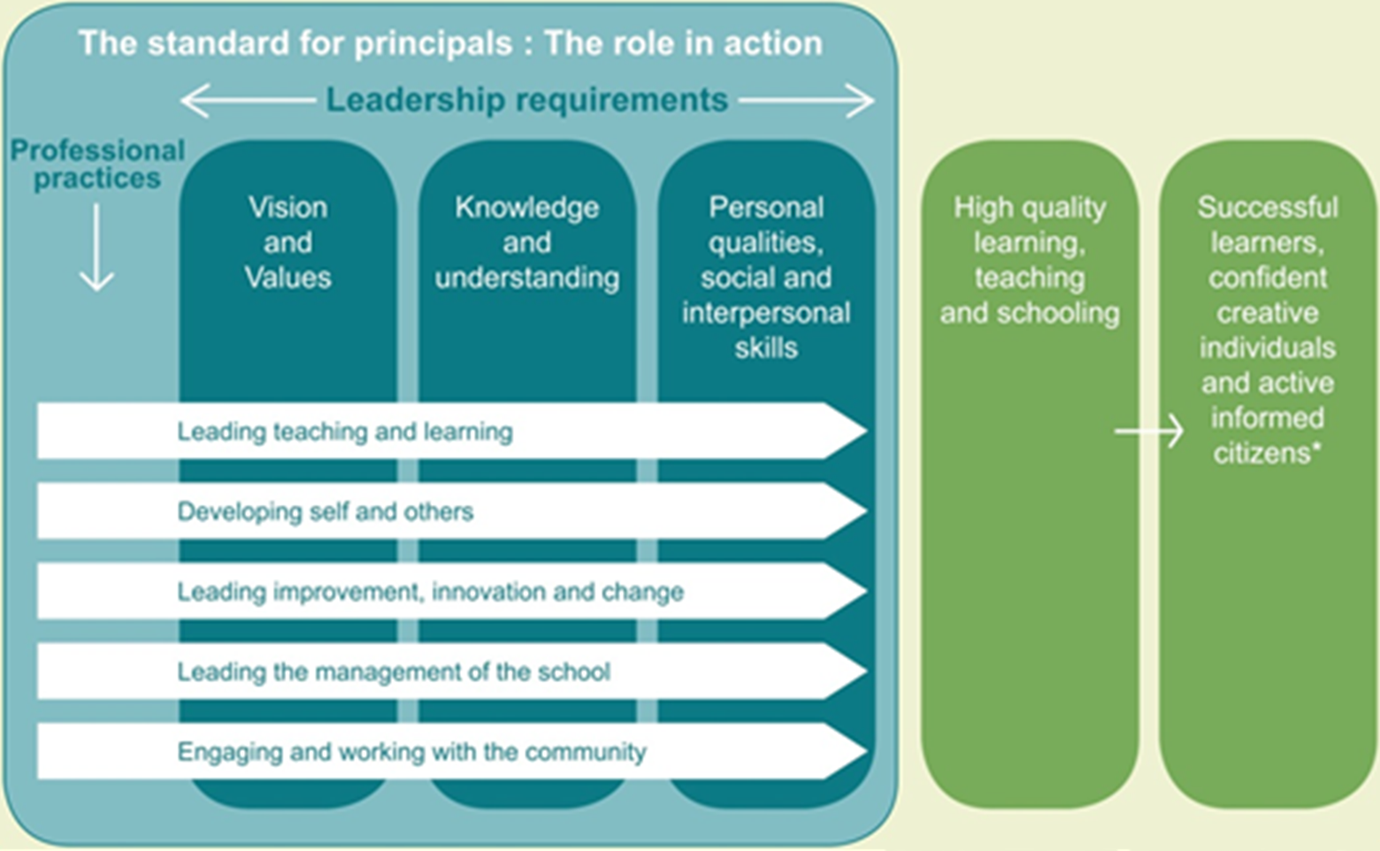
Australian Professional Standard for Principals.
The Australian Professional Standard for Principals was designed by the Australian Institute for Teaching and School Leadership (AITSL), which was founded by the Australian Government in 2010 to provide national leadership to state and territory governments. Its aims are to promote excellence in teaching and school leadership. In its first year AITSL developed the Standard for Principals which outlines professional practices and leadership requirements for all principals in Australia. Dinham et al. (2013) provide a thorough outline of its development, endorsement and design.
The CEOWA Experienced Principals Program
The Experienced Principals Program, funded through a grant provided by AITSL, was designed by CEOWA in 2012 and piloted in 2013. This eight-day program targeted primary (pre-Kindergarten to Year 6), secondary (Years 7–12) and composite (pre-Kindergarten to Year 12) principals from Western Australian Catholic, Department of Education and Independent schools. Experienced principals were defined as those having served a minimum of 10 years of experience in at least two schools. Twenty principals were selected for participation in the pilot program: 15 Catholic and five Department of Education principals. No applications were received from Independent school principals.
In keeping with the conclusions of Stroud (2005) and Cardno and Youngs (2013) who determined that experienced principals should be consulted during the professional learning design phase, collaborative discussion drove the Experienced Principals Program pilot. Specifically, collaboration between the program designer, the CEWA Assistant Director and representatives from the Western Australian Catholic primary and secondary principals’ associations, the Department of Education and the Association of Independent Schools of Western Australia resulted in the creation of the pilot version of the Experienced Principals Program. Unfortunately, those principals involved in early consultation did not actually participate in the pilot program. A tender process was conducted and a provider, external to CEWA, was appointed to facilitate the program. A university partner was also engaged to evaluate the efficacy of the program and recommend refinements.
Meeting systemic needs and a national agenda for principal development along with the individual needs of a unique cohort meant, as Dempster et al. (2011) noted, that such programs require a serious investment of time. The program was designed over an eight-month period rather than an intensive endeavour to provide participants both time and opportunities through which to reflect on and apply program theory to their unique contexts. The program designer hoped this mode of delivery would encourage participants to incrementally and positively change their leadership behaviours and health and wellbeing outcomes. It was envisaged the participant would be less visibly absent from their school compared to an intensive mode of delivery.
The program (Figure 2) comprised four, integrated ‘pillars’ that, combined, sought to enhance participant leadership capabilities and health and wellbeing outcomes. The program also sought to expose participants to the Australian Professional Standard for Principals, a requirement associated with the grant provided by AITSL. Access to the experiences and wisdom of colleagues from other systems and sectors was considered a vital aspect of the program, hence the decision to open the opportunity to Department of Education and Independent school principals. A hitherto untried professional learning experience was the placement of participants in a group within a non-educational setting to scope, conduct and evaluate a project with meaningful outcomes for both the sponsor organisation and the participants themselves.
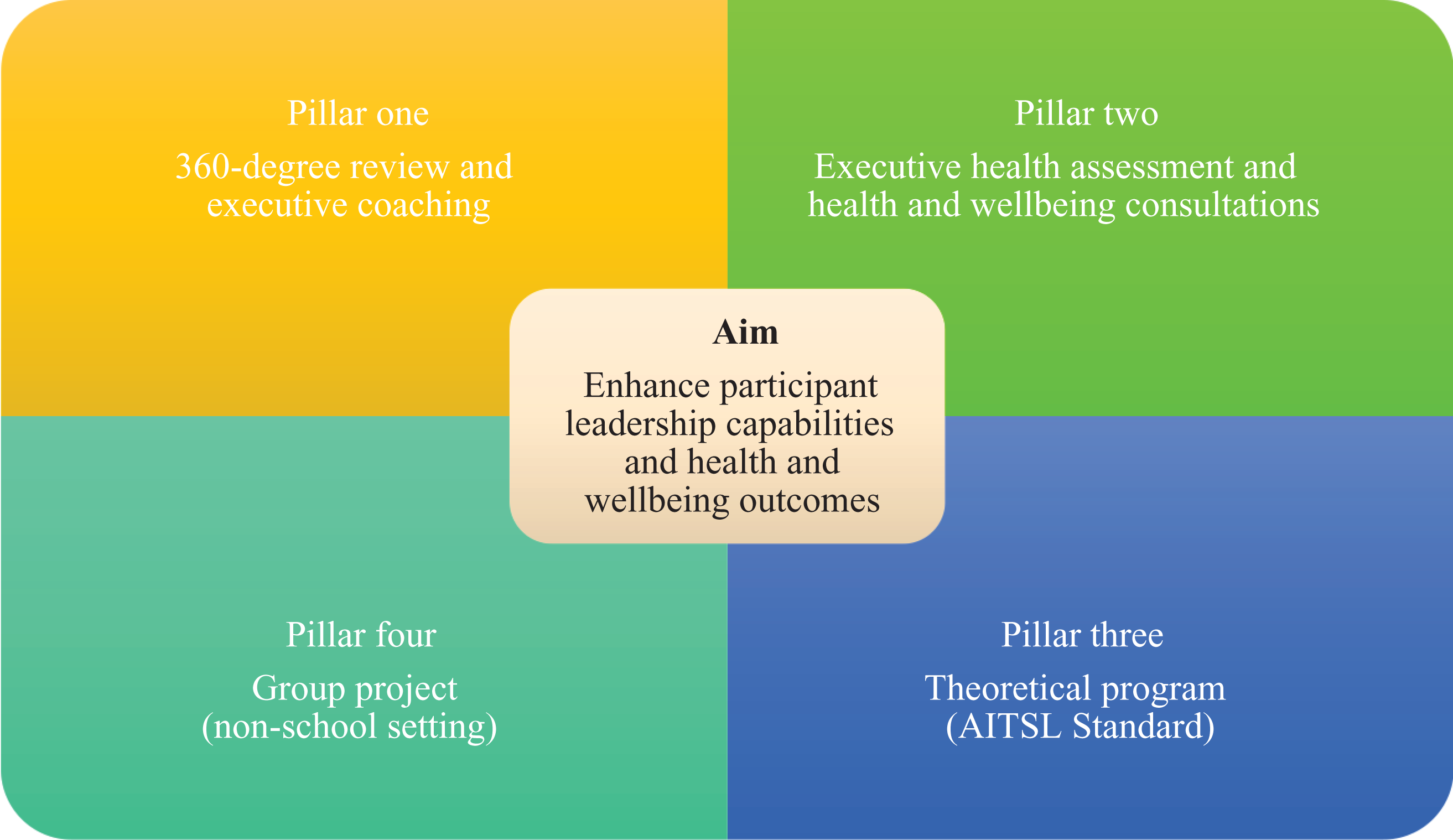
Program pillars.
Pillar 1 was a 360-degree review of participant leadership capabilities followed by a one-and-a-half-hour debrief and five, hour-long sessions with an executive coach scheduled over a five-month period. This program pillar was designed to provide participants with insight into their leadership capabilities. The tool used to provide 360-degree data is known as the Integral Leadership and Management Profile (ILMP). The ILMP is derived from Ken Wilber’s work on Integral Theory (Wilbur, 1996, 2000) and adapted by Cacioppe and Albrecht (2000a). The ILMP (Figure 3) combined the perspectives of up to 15 raters to provide participants with data regarding their capacity to lead and manage through four quadrants (people leadership, task/performance management, strategic goal management and transformational/visionary leadership) and eight roles (coaching, serving, achieving, monitoring, directing, negotiating, visioning, facilitation).
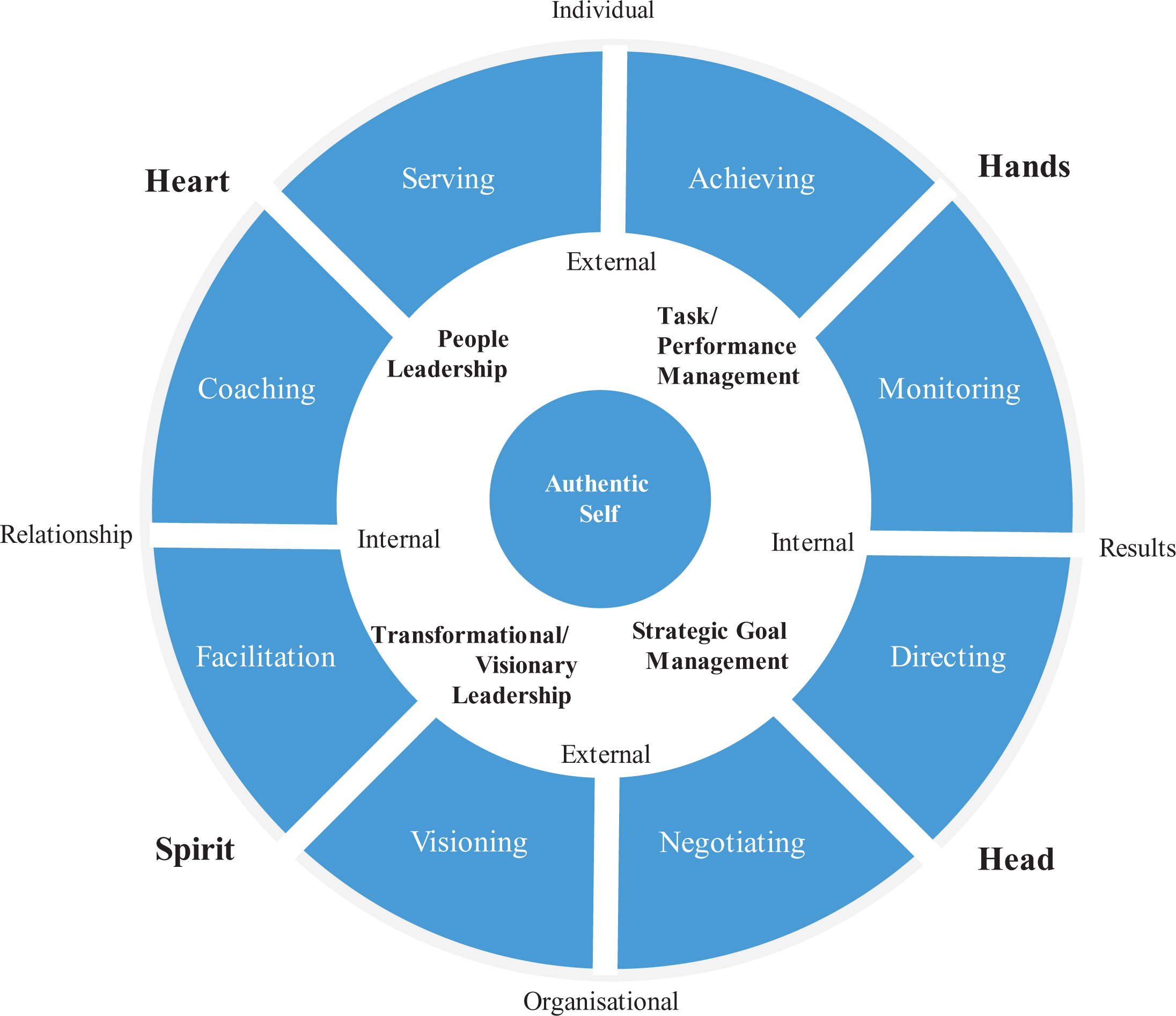
The ILMP profile. Adapted from Cacioppe and Albrecht, 2000a. Image given with permission from the Catholic Education Office of Western Australia.
According to Wilber (1996, 2000), our understanding of the world requires a holistic and multiple-perspective view. The model of integral leadership and management consists of a number of perspectives that cover visions, goals, people and tasks. As adapted by Cacioppe and Albrecht (2000a), these perspectives become a ‘dynamic between a relationship drive to connect, to relate and bring together and an outcome drive to complete, accomplish and finish tasks’ (p.394). A key component of Wilber’s integral focus is the development of a holistic self. As he draws on elements of philosophy and psychology, he describes reality as being composed of part-wholes or holons (Wilber, 1996). This attempt to develop a more holistic self is ideally suited to the career journey of experienced principals who expressed concerns about becoming preoccupied with transactional tasks such as compliance, finding a life–work balance and re-energising their professional career. Thus, the illustration in Figure 3 attempts to represent the holistic focus of a 360-degree feedback tool where our interconnectedness in relationships through coaching and service (with staff, students and parents) nurtures the heart and the spirit. However, the right side of the quadrant recognises the importance of the hands and the head – task management and strategic goal management. Wilber (1996, 2000) suggests that both sides of the quadrant represent the concepts of communion and agency both equally important in the work of leaders as they develop self and others. For a more detailed discussion of Wilber’s theory in the context of this tool, see Cacioppe (2000b, 2000c).
Equipped with the 360-degree data after a de-briefing by Cacioppe himself, participants then worked with an assigned executive coach to identify leadership strengths and limitations and devise improvement goals and achievement strategies which could potentially enhance balance in the participant’s work. This data enabled Program Pillar 2 (Health and Wellbeing) to be discussed, if principals so desired. In addition, the program designer envisaged that this ILMP and executive coaching might personalise the experience for participants as recommended by Stroud (2005). This process also had the potential to address a key theoretical component of Pillar 3 – the development of self and others in the AITSL Professional Standard for Principals.
Pillar two comprised an executive health assessment (Table 2) followed by a one-and-a-half-hour debrief and five, hour-long health and wellbeing consultations with an exercise physiologist. Consultation sessions were conducted over a five-month period. Sessions were designed to educate participants with regard to assessment results and provide a health and wellbeing improvement plan (Catholic Education Office of Western Australia, 2013).
The Executive Health Assessment (Image used with permission from the Catholic Education Office of Western Australia, copyright 2013).
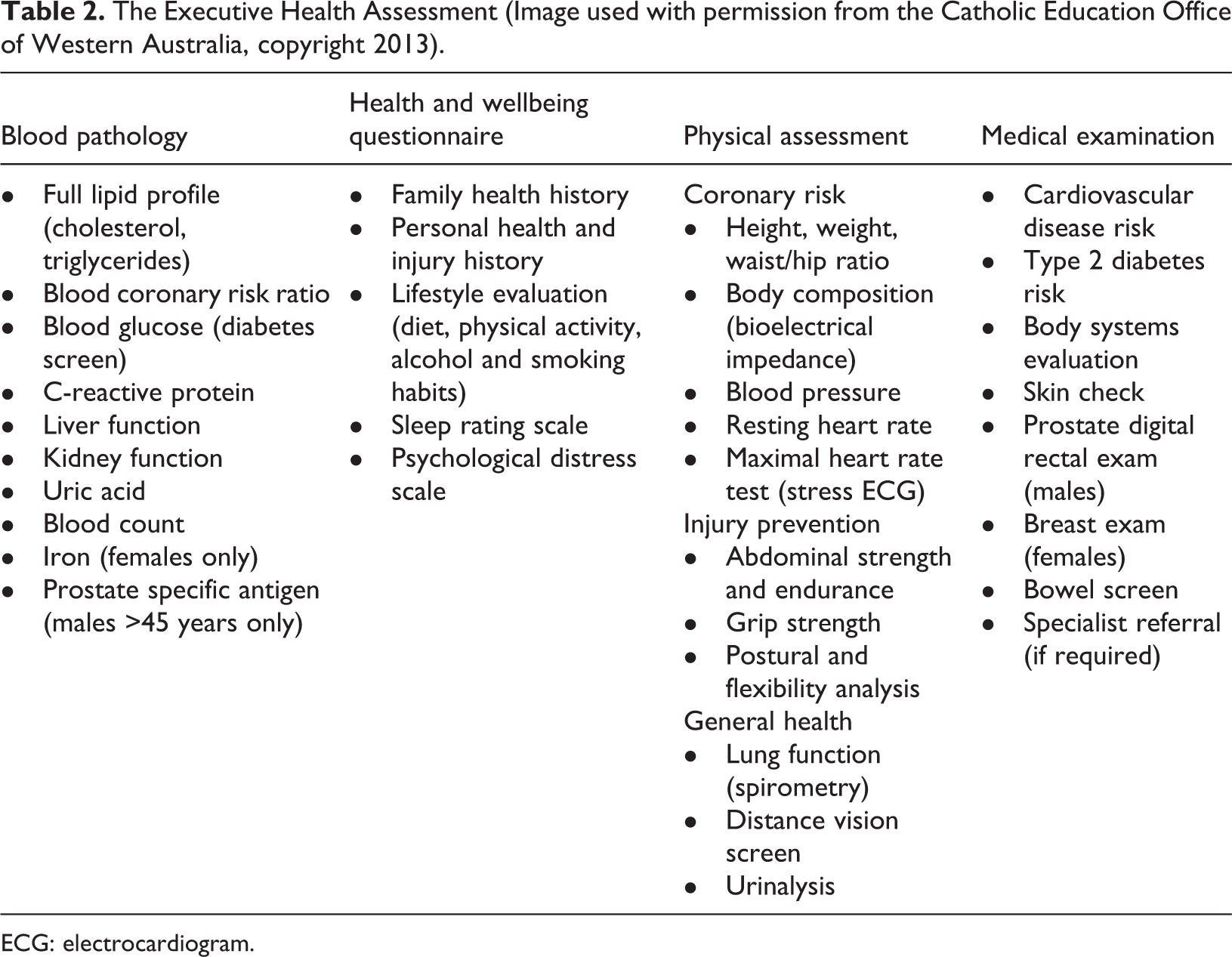
ECG: electrocardiogram.
Pillar 3 involved participation in a theoretical program based on the three leadership requirements and five professional practices of the AITSL Australian Professional Standard for Principals (Figure 2). The theoretical program comprised eight days of face-to-face professional learning (Table 3). This pillar aimed to provide participants with an enhanced understanding of the role of the principal and requisite capabilities expressed through the AITSL Professional Standard for Principals (Catholic Education Office of Western Australia, 2013).
The theoretical program 2013 (Image used with permission from the Catholic Education Office of Western Australia, copyright 2013).
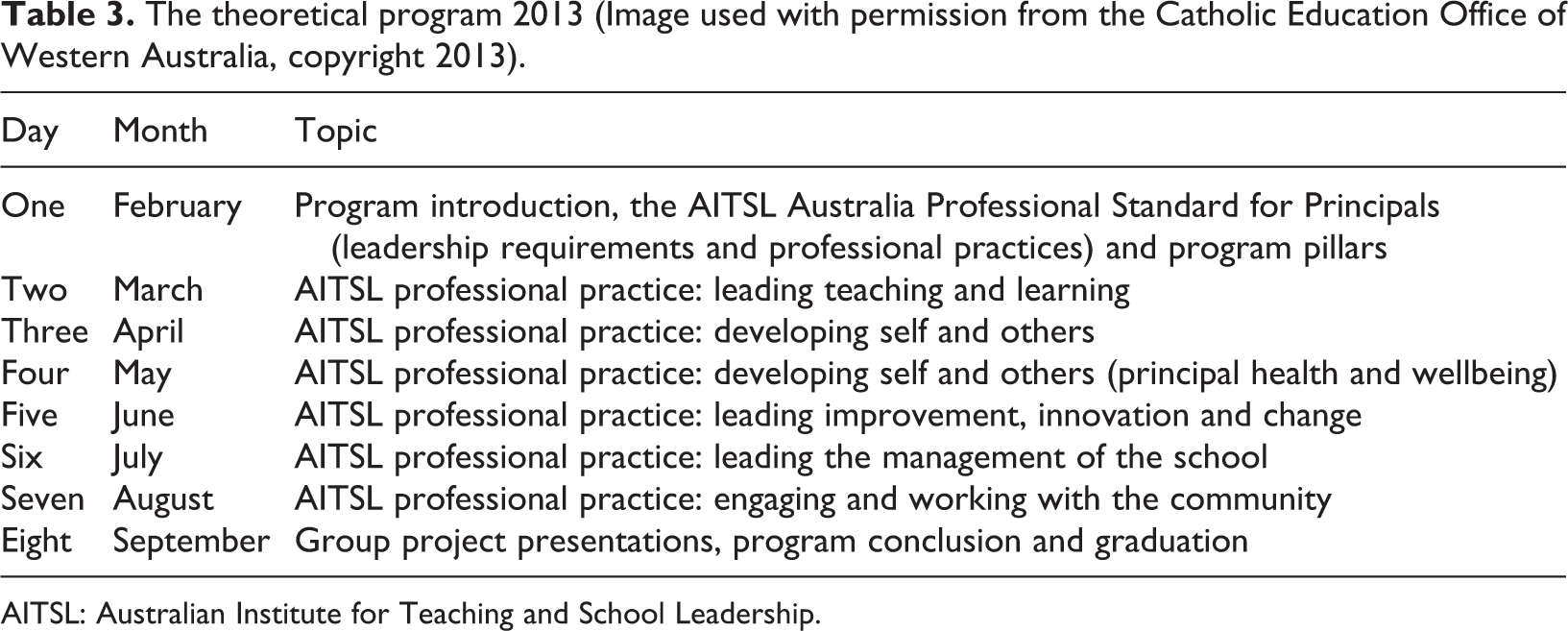
AITSL: Australian Institute for Teaching and School Leadership.
Pillar 4 required participants to form a cross-sectoral team before working with a partner organisation in a non-educational setting to complete a group project (Catholic Education Office of Western Australia, 2013). Participants were invited to work with senior personnel from their partner organisations over the eight-month duration of the program to scope, conduct and evaluate a project with meaningful outcomes for the organisation and themselves. The group project had a threefold purpose. Firstly, it was designed to broaden the network of principals to include colleagues from other systems and sectors and professionals from non-education industries ranging from an international mining company to not-for-profit organisations. Secondly, and linked to the first purpose, the project was intended to serve as a means through which participants could implement strategies to achieve leadership capability improvement goals generated through their coaching sessions (Pillar 1). Finally, it was envisaged that the project would serve as a means through which to apply program theory (Pillar 3).
Evaluation methodology
One AITSL requirement associated with the provision of the grant to fund the pilot was an evaluation of the program by a university partner. The evaluation entailed a qualitative epistemology with a theoretical perspective based on interpretivism (Crotty, 1998). This qualitative approach allowed the researcher to construct meaning and, in turn, tell the story of the lived experience of the participants through an empathic representation of their situated view of the real world (Crotty, 1998; Lincoln and Guba, 1985). The evaluation methodology involved the analysis of transcribed semi-structured interviews, field notes, focus groups and survey data. Six participants were interviewed individually at the commencement of the program and again at its conclusion. At each of these points, a focus group comprising six additional participants was used to verify and triangulate themes emerging from the semi-structured individual interviews. When recruiting participants for the semi-structured interviews and focus groups, purposive sampling (N = 12) was employed. For the semi-structured interviews, two female principals (one Catholic and one Department of Education principal) were selected along with one primary and one secondary school principal from the Western Australian Catholic system and one primary and one secondary school principal from the Department of Education. The focus group comprised both Department of Education principals and Catholic school principals. Given the small number of participants, it is not suggested that findings from the study are generalisable. Rather, the evaluation was undertaken to attain participant insights with regard to program effectiveness and suggestions for the refinement of the program for the benefit of future cohorts.
There is no doubt that program evaluation is as equally challenging as program design (Coldwell and Simkins, 2010; Holton, 1996; Kirkpatrick 1998); however, due to the limited space of this article the authors are unable to address the philosophical merits of various evaluation models. Suffice to say, the methodology above sought to represent answers to essential questions posed by Kirpatrick’s four-level model . Did participants find the professional development engaging and relevant? To what degree did participants acquire intended knowledge, skills, attitude, confidence and commitment (or in this case renewed enthusiasm)? Was there potential for changed behaviour? Were targeted outcomes achieved? These questions are synthesised in the following three major research questions.
Research questions
How might the design of a multi-dimensional professional development program for experienced principals sustain their motivation in the role? What was the cohort’s response to the program pilot and what might be learnt to improve future iterations of the program? Importantly, which elements of the program did participants report as most or least effective? Were there contextual variables that impacted on participants related to the degree of reported satisfaction with various components of the program?
Semi-structured interview questions posed after the first day of the program were designed to ascertain participant reasons for undertaking the course and expectations regarding the upcoming experience. At the program’s conclusion, participants were interviewed to ascertain their level of satisfaction with regard to the experience of the four program pillars and the potential of each to enhance leadership capabilities and health and wellbeing outcomes. Results of Likert-type surveys conducted at the conclusion of each face-to-face workshop associated with Pillar 3 (the theoretical program addressing the professional practices of the AITSL Standard for Principals) were used as descriptive statistics to gauge participant satisfaction with regard to content and delivery across a variety of facilitators. Additionally, open-ended survey responses were attained and contributed to the evaluation process. The program designer also conducted a midpoint Likert-type survey of the program. The evaluator was able to attend and observe all but one of the eight days associated with the program’s theoretical pillar, effectively embedded in the program and able to take extensive field notes as well as engage in ongoing reflective discussions with the designer at the end of each day.
Results
Theoretical program: Professional Practices of the AITSL Standard for Principals
Participants commented post day one that the relatively new Australian Professional Standard for Principals was yet to receive significant attention in terms of professional learning provided by their systems. Participants were, therefore, keen to have the time and opportunity provided by this program pillar to ‘unpack’ the standard over days 2–7 of the program, given its relevance to them as a measure of their professional capability.
Day two: Leading Teaching and Learning
This session was dedicated to investigating the AITSL professional practice, ‘Leading teaching and learning’. The input was facilitated by the recently appointed Executive Director of CEWA. One participant commented, ‘Being tasked with developing an observation tool and having to visit classrooms to observe our teachers was an inspired decision. The energy in the room when we were discussing our designs was palpable’. All participants (N = 20) agreed or strongly agreed with the statement: ‘I have benefited from the theory presented in this workshop and have applied associated practical tools when leading at my school’.
Day three: Developing Self and Others
This day focused on six aspects of the AITSL professional practice, ‘Developing self and others’. These aspects included: organisational development and alignment; motivation and engagement of staff; creating a positive working environment; leadership with emotional intelligence; personality and development; and coaching, mentoring and delegation. The facilitator was a former presenter in several Master of Business Administration programs offered by local, national and international universities. Consequently, the examples and case studies used throughout this day reflected corporate contexts. One participant noted, ‘Something is being lost in translation here’. Another principal suggested: Much of the content for this workshop was very base-line/low-level considering my depth of experience as a principal. I have attended many workshops on EQ and have completed the Myers Briggs Type Indicator four times over the course of my career. It would have been great to then ask the group to apply the case study/theoretical learnings to the school context. In other words, make it contextual.
Day four: Developing Self and Others (Principal Health and Wellbeing)
This day continued unpacking the AITSL professional practice, ‘Developing self and others’, primarily with regard to aspects of principal health and wellbeing. The content associated with this day was well received by all participants. Workshop content related directly to the risk factors collectively identified through participant executive health assessments. The following topics were addressed throughout the day: How to interpret cholesterol levels indicated in health and wellbeing reports. The capacity of diet and exercise to reduce ‘bad’ cholesterol. Maintaining peak performance under stress. Coping with anxiety and worry.
The content facilitated on this day provided participants with deep insight into self, self-care and the important concept that ‘we cannot care for others if we do not care for ourselves first’.
Day five: Leading Improvement, Innovation and Change
This component was based on four aspects associated with the AITSL professional practice: models of change; innovation and continuous improvement; processes and tools for change management; and managing resistance to change. Less than half of the participants (N = 9) agreed or strongly agreed that they had benefited from the theory presented on this day. Further, eight participants recorded ‘neutral’ responses. Participant responses were largely the result of facilitator use of non-educational examples and case studies, as well as his failure to leverage the collective experiences of the group.
Day six: Leading the Management of the School
This day examined three aspects associated with the AITSL professional practice, ‘Leading the management of the school’: defining vision; establishing and managing strategic priorities; and managing performance and difficult behaviour. More than two-thirds of participants (N = 15) agreed or strongly agreed that they had benefited from the theory presented in this workshop. These participants acknowledged the facilitator’s efforts to draw upon their experiences and make links between concepts presented and the unique contexts of their schools.
Day seven: Engaging and Working with the Community
The final day associated with the program’s theoretical pillar broadly examined the AITSL professional practice, ‘Engaging and working with the community’. As reflected previously, for many participants this day ‘missed the mark’ and was characterised by an over-focus on corporate community engagement and inability of the facilitator to make contextual links to the audience. One participant commented: I’ve been exposed to a great deal of professional learning over the duration of my career and this topic has been covered extensively. The day certainly reinforced understandings, but did I come away enlightened? No, probably not. There is a need to assess the prior learning of the group before embarking on such a topic.
360-degree Review and Executive Coaching
Post day one, participants indicated that the ILMP and executive coaching sessions had the potential to provide accurate feedback with regard to leadership strengths and weaknesses and enhance their leadership capabilities. Notably, participants were impressed by the ‘holistic’ nature of the ILMP, and expressed gratitude that feedback provided by the tool would occur outside of a performance management context.
By mid-program the majority of participants (17 out of 20) agreed or strongly agreed that the ILMP 360-degree data ‘accurately identified their leadership strengths and weaknesses’. Likewise, the majority of participants (N = 16) agreed or strongly agreed that their executive coaching sessions were effective means through which to enhance their leadership strengths and minimise weaknesses identified through the ILMP. Participants indicated that this program pillar was valued because it provided highly personalised learning. However, several participants commented negatively on the travel time associated with attending coaching sessions.
At the completion of the whole program The ILMP 360-degree data and executive coaching sessions were deemed by participants to be highly effective in identifying leadership strengths and weaknesses and enhancing leadership capabilities. A number of participants who had no prior experience of coaching commented that this program pillar was a key attraction for them. One participant reflected, ‘This is my fourth appointment, I have been a principal for twenty-five years, but I want to get better. Other peers have spoken about coaching positively, so I felt this was my opportunity and it has proven very valuable’. However, despite widespread positive feedback regarding ILMP data and executive coaching, some reiterated concerns regarding the need to travel from their schools to the coaching provider.
Group project (non-school setting)
Initially, post day one, participants expressed ‘challenge, but excitement’ at the prospect of working within a cross-sectoral group to undertake a project in a corporate setting. At the conclusion of the program’s first day, several participants were unclear regarding the design of the project, but remained optimistic concerning its capacity to develop their leadership capabilities. Additionally, a minority of participants expressed concern with regard to the time demands associated with this program pillar. One principal commented that, on the surface, the eight-day program over a year was ‘doable’, but the meetings and tasks in between program days loomed as a challenge that was ‘greater than initially anticipated’.
Whilst initial feedback regarding this pillar was positive and many participants expressed excitement at the prospect of participating in a group project in a non-educational setting, by the program’s midpoint, participants considered this aspect of the program unappealing. A minority of participants (N = 4) agreed or strongly agreed that their leadership capabilities were being enhanced as a result of participation in the project. A further five participants provided a neutral response to this survey statement and 11 disagreed or strongly disagreed. Of greater concern were participant responses to the survey question asking principals to indicate whether or not they were able to apply learning from the project in their school settings. Only two of the participants agreed or strongly agreed with the survey statement, whilst five indicated a neutral response and 13 disagreed or strongly disagreed. Initial perceptions regarding the potential for the mastery project to erode precious, limited time available to the principal were being confirmed.
By the end of the program there was broad agreement that the group project was collegially beneficial in that it assisted the establishment of links between principals from different systems. However, a number of strong criticisms were directed toward this program pillar. The ‘time-hungry’ nature of the project became a major problem for many participants. In some groups, there existed a lack of clarity with regard to purpose and scope of the project, as well as poor support from some project facilitators assigned by corporate partners. Participants noted that it was difficult to transfer observations regarding leadership capability and culture from corporate to school environments. Finally, there existed a perceived disconnect between the project and enhancement of participant ‘educational’ leadership capability.
Executive health assessment and health and wellbeing consultations
Participants overwhelmingly endorsed this pillar as the program’s most attractive feature. Notably, all participants identified this pillar as the primary reason driving their decision to apply. Participants unanimously identified role intensity as a root cause of role stress and discussed its potential to adversely impact health and wellbeing: There is a lot you do as principal (heavy pause and silence), a lot you carry. It is a huge job, a huge job…the issues that people have…you wear these things. I also think working sixteen hours a day has got to stop, I cannot keep doing that, it’s ridiculous. I am hoping this course will help me to work smarter. Health and wellbeing was a major attraction because I am still recovering from a battering at my last school. There is also this internal struggle with the loneliness of the role…you are isolated. I need to re-energize and I saw this program as an ‘ally’, especially through the health and wellbeing pillar and coaching.
The perceptions reported above represented the majority of the initial commentary.
By the midpoint of the program all but one participant (N = 19) agreed or strongly agreed that the executive health assessment and subsequent report enabled them to identify health and wellbeing concerns and initiate a remediation process. However, nearly one third of the cohort (N = 6) indicated that they had not utilised their allotted health and wellbeing consultations. Again, transit time to and from the health provider to participate in consultations with an exercise physiologist was identified as an engagement barrier.
Composite health and wellbeing risk factors for the 2013 cohort of the Experienced Principals Program (Health on the Move, 2013). Image used with permission from the Catholic Education Office of Western Australia.

AIHW: Australian Institute for Health and Wellbeing.
Due to the presence of multiple risk factors including elevated blood pressure, cholesterol, obesity and consumption of alcohol beyond the recommended daily maximum, the typical experienced principal has an increased risk of developing Type 2 diabetes and cardiovascular disease in the future. (Health on the Move, 2013)
Despite this dire conclusion, the majority of participants did not expend their allotment of health and wellbeing consultations. It was evident that the ambitious nature of the overall program resulted in participants struggling to avail themselves of all the coaching opportunities afforded to them, not because of a lack of desire, but simply due to time constraints. In some rare cases, individual participant’s health reports were sound. In these instances, there existed little motivation to engage with personalised consultations.
Discussion and recommendations for program redesign
The first research question in this investigation sought to determine how the design of a multi-dimensional professional development program for experienced principals might sustain their motivation in the role. A concluding comment from one principal was indicative of many: ‘The planning team have done a brilliant job with the pilot and I would encourage all principals to engage with the program and help it to be massaged into a package that experienced principals are fighting to get into’. The research is undeniable; there is a significant need for professional learning that targets this unique group of individuals. Principals in this study supported that view conclusively and although they felt enthused by the holistic nature of the program the researchers were able to ascertain which elements were favoured over others and what contextual factors influenced this feedback, thus providing answers to the second and third research questions.
The participants in the current study confirmed the value of the ILMP 360-degree feedback linked with executive coaching (common features of other similar programs reviewed). Specifically, 16 of the participants agreed or strongly agreed that coaching sessions were an effective vehicle through which to enhance their leadership strengths and minimise weaknesses identified by ILMP 360-degree data. O’Mahoney and Barnett (2008) reported increased legitimacy of the coaching experience when experienced principals were paired with a coach who had previously experienced the role. This finding was not confirmed by the current study. Rather, specialist executive coaches with strong coaching credentials and considerable experience in corporate settings proved a valuable asset for the majority of participants. The current study determined that many participants derived great value from a coaching relationship that moved ‘off script’ from a skills-oriented discussion based on the ILMP data, to more personal issues, especially the role’s adverse impact on health and wellbeing. This finding is supported by Megginson and Clutterbuck (2009), who argue that coaches who rely on mechanistic models miss ‘critical clues to the client context’ (p.3). Allowing for greater flexibility, especially when working with experienced principals as the coachee, proved successful.
Participants concluded that the executive coaching aspect of the program, characterised by the engagement of trained coaches external to CEWA, was an effective method through which to augment their leadership capabilities. In part, this sentiment was related to the unique nature of the opportunity for Experienced Principals Program participants, a conclusion reflected in the findings of Schalk and Landetta (2017), who asserted that external coaching was beneficial for leaders from organisations where the prevailing culture did not promote such practice among its own executives. Program participants also affirmed the link between coach credibility and the effectiveness of the executive coaching experience, a similar finding to that of Bozer et al. (2014). Further, participants expressed that the executive coaching process was valuable in that it was future-focused, developmental and oriented toward the achievement of work-specific topics that were important to them, a finding reiterated by Carr (2016). Moreover, participants claimed that they experienced increased career engagement, self-awareness and a positive and optimistic outlook as a result of the executive coaching process – findings also proffered by Archer and Yates (2017). These authors declared that one-to-one executive coaching was the catalyst for the development of hope and a change in cognitive processes of coachees. In line with the conclusions of Losch et al. (2016), participants confirmed that individual coaching created a high degree of satisfaction and was superior in assisting them to achieve their stated goals. Rhodes (2013) argued that this experience of satisfaction might be ascribed to the concept of actualisation, a deepening understanding of the professional self. It is strongly recommended that participant feedback concerning their coach’s capabilities – capacity to foster an empathic relationship, strong attending skills and overall flexibility to meet participant needs – be utilised to form a selective cadre of coaches for future program iterations.
Another important finding which has been alluded to earlier in the program design is participant diversity. It is erroneous to conclude simply because a program has been designed for a hitherto ignored cohort that it will meet all individual needs. A major strength of the 360-degree data allied to executive coaching is that it provides the opportunity for individuals to personally take ownership and prioritise their own needs, addressing them in the unique context of their school and with anonymity, completely divorced from a performance management process. This was reinforced by the fact that participants’ health reports were also completely confidential and, again, they could choose, based on medical advice, what areas they would focus on with their exercise physiologist or, if required, their doctor.
Notwithstanding the need to design a program that recognises diversity, the specific nature of the ‘experienced principals’ cohort defined as principals with 10 or more years’ experience in at least two schools meant they bonded as a group over the year. In particular, the shared vulnerability of their late-career stage meant they could find empathy and support in each other’s company. This was evident as colleagues from both systems confided in each other, but also inter-systemic boundaries were crossed because of a shared career-stage identity, which had before now not been recognised. A clear finding of the research project was the recommendation that the program be continued with a cross-sectoral representation.
The program clearly recognised that there is much ‘professional capital’ (Hargreaves and Fullan, 2012) within this cohort, supporting the research of Cardno and Youngs (2013), who concluded that experienced principals rated program colleagues as one of the greatest sources of professional learning. It was also evident that a certain ‘social capital’ (Bourdieu and Wacquant, 1992; Coleman, 1988) was built amongst the participants from the Experienced Principals Program, characterised by connectedness, a sense of belonging and frank conversation. However, far more could be done to harness the experience of principals. One recommendation is that future participants could present topics and lead discussions.
While the group project provided opportunities for cross-sectoral participation in a shared experience, principals’ less than positive feedback resulted in a recommendation that this pillar of the program be removed. This innovative element of the program was by far the most difficult to manage given the diversity of settings and the varied capacity of leaders in the partner organisations to provide an authentic challenge for their assigned group. It was designed to be innovative, creative and different from most other programs reviewed, but sadly it was the least successful element. A major factor was the ambitious nature of the project and the large commitment of time required. Instead, an inquiry-based project, conducted within the school environment and preferably linked to ILMP 360-degree data, deserves consideration for future program iterations. This recommendation supports the observation of (O’Mahoney and Barnett, 2008) concerning the importance of utilising 360-degree feedback to establish programs that focus on improvement of student learning. This would allow more integration across the pillars and potentially make further links with the professional practices of the AITSL Standard for Principals.
The role of the principal is characterised by extraordinary time demands (Stroud, 2005). As such, it is recommended that the five professional practices of the AITSL Standard for Principals, which constituted the theoretical pillar of the program, be delivered in breakfast sessions (similar to Stroud’s study), allowing principals time to return to school earlier on those days and be present to their community. A major learning from this pillar was that principals want to engage with presenters that can apply the theory of the five professional practices to their school context. Presenters from corporate Master of Business Administration (MBA) backgrounds failed to translate corporate language and examples to school settings.
Allison’s (1999) and Riley’s (2014, 2016) research, along with the Health on the Move (2013) data, strongly validates the need for a health and wellbeing focus within future iterations of the Experienced Principals Program. Notably, participant feedback tendered during focus group interviews at the end of the year suggested that time on task related to areas of health and wellbeing should be increased significantly. This element of the program was so highly regarded that a number of the principals decided to initiate similar programs in their schools, supporting the findings of researchers in the field (Price and McCallum, 2015). As far as the researchers are aware there has been nothing like this pillar presented to experienced principals before and it was by far the most successful element of the program.
At a broader level, it is recommended that an executive health assessment utilised within the Experienced Principals Program be offered to all principals in the system on a periodical basis to provide ongoing monitoring for illness and injury risk, including the prevention of chronic disease and the management of existing conditions. The aim of such an initiative would be the provision of education with regard to predominant risk factors collectively identified through the health assessments and the introduction of tactics to assist behavioural change. The ultimate benefit of such a program is enhanced principal longevity, commitment, engagement and productivity, resulting in re-enchantment rather than dis-enchantment. The debatable issue here is whether this is a systemic responsibility responding to a workplace context or whether principals should bear some of the responsibility for the maintenance of their own health and wellbeing after adequate education is provided. The cost of the health assessment at AUD$1000 per person, while significant, might be met through school budgets. Riley (2016) found increased levels of emotional labour (1.7 times the general population) in principals. In the case of very experienced principals, longer exposure to such emotional labour might suggest that this is an urgent shared responsibility. Moreover, it could be argued that educational programs on health and wellbeing for teachers in the early stages of their career could be an effective preventative measure to reduce the impact of long-term exposure to emotional labour.
Conclusion
Marks (2012) makes a strong argument for re-conceptualising the case for adequate recognition of the value of late-career principals. Charness et al. (2007) found that ‘a common myth about older workers is that they are unwilling and unable to learn. Generally, there is no support from the studies and the literature for this myth’ (p.232). This research strongly supports that view, indeed, experienced principals are thirsty for professional development that recognises who they are, what they can offer and what they can learn from each other.
The Experienced Principals Program recognises a need that has been completely neglected in the Western Australian Catholic and Department of Education systems. The literature suggests that similar levels of neglect may well have occurred in other states of Australia, with the possible exceptions of Victoria and Queensland. At an international level, there is a paucity of literature with regard to professional learning programs for experienced principals. Well designed, such programs have the capacity to meet the myriad of personal and professional needs of men and women who have contributed unselfishly to their profession and school communities over long periods of time.
This paper has attempted to make a modest contribution to the literature in the field by assessing the potential of an innovative multi-dimensional professional development program for experienced principals. In addressing the first research question it is clear that a multi-dimensional program had benefits for this group of principals, in particular Pillars 1–3. In answering research question two, undoubtedly the Health and Wellbeing pillar was by far the most well received and has most value in terms of its potential contribution to the development of experienced principals. The second pillar, the ILMP 360-degree feedback tool, aligned to executive coaching, was also a positive experience for the majority of principals. The third pillar, which addressed the AITSL professional standard for principals, had a mixed reception. Some elements of this program were viewed positively, especially the topic of leading teaching and learning. Research question three sought to investigate whether there were contextual variables that impacted on the degree of reported satisfaction with aspects of the program. Having presenters predominantly from MBA backgrounds, who could not create a bridge to school contexts when addressing the AITSL Standard for Principals, impacted negatively in some areas of that pillar of the program. Pillar 4, the group project in a non-school setting, was by far the least successful and marred by the fact that participants found it very time intensive and less relevant to their school context.
Future research is recommended to examine whether the suggested change to the fourth pillar by including an action research project based in the principal’s school and tied to 360-degree feedback is successful. A second area for future research is to assess the merits of devoting more time to the health and wellbeing pillar. A third focus is to assess the use of presenters with educational backgrounds to present elements of Pillar 3, the AITSL Standard for Principals. A final suggestion for future research is to evaluate the longitudinal health gains of participants in order to measure any lasting impact on their leadership in the work place.
Experienced principals deserve to be repaid with a program that rejuvenates, enthuses and enables them to care for themselves so that they, in turn, may care for those they lead. Whilst Ricciardi (1997) argued for a ‘seamless garment’ through the stages of principal professional learning, this report notes that there is no one-size-fits-all approach. Systems and sectors should consider a bespoke approach to the design of professional learning that is tailored to individual needs and contexts of a significant cohort.
Footnotes
Declaration of conflicting interests
None declared.
Funding
The author disclosed receipt of the following financial support for the research, authorship and/or publication of this article: This work was supported by a grant from the Australian Institute for Teaching and School Leadership (Grant number (13-081B).