



Abstract
Despite the global growth of women's football, female coaches remain underrepresented, particularly in leadership and elite coaching roles. In South Africa, historical inequalities, entrenched gender norms, and organisational barriers continue to shape coaching pathways. This study examined the challenges impacting the progression of women football coaches in South Africa, using LaVoi and Dutove's (2012) ecological model for women coaches to focus on intrapersonal, interpersonal, organisational, and socio-cultural influences on coaching experiences and career advancement. A quantitative research design was employed, with data collected from women football coaches (n = 135) across South Africa using a structured questionnaire. The questionnaire gathered demographic information and explored perceptions of coaching competence, organisational support, discrimination, access to opportunities, and professional development. Descriptive statistics were used to analyse the data and identify key patterns. The findings indicate that most participants reported confidence in their coaching competence and ability to motivate athletes. However, significant challenges were identified, including limited access to mentorship, inadequate organisational support, restricted professional development opportunities, and experiences of gender-based discrimination. These constraints were perceived to hinder career progression despite individual capability and commitment. The study concludes that the protracted advancement of women football coaches in South Africa is influenced less by individual competence and more by persistent structural, cultural, and organisational barriers. Addressing these challenges requires targeted organisational reforms, inclusive policies, and sustainable mentorship and support structures to promote equity in football coaching.
Introduction
The underrepresentation of women in sport coaching, particularly in football, remains a persistent global concern.1–6 Despite substantial global growth in participation among girls and women in football over the past two decades, this expansion has not been reflected by proportional increases in access to coaching and leadership positions.7–9 Research consistently highlights gender-based disparities in coaching pathways, with women frequently excluded from leadership and high-performance roles.2,3 Key contributing factors include deep-rooted gender stereotypes, limited access to influential networks, and the persistence of male-dominated sporting structures. 10 While international sport organisations, such as the International Federation of Football Associations (FIFA) and the International Olympic Committee (IOC), have introduced gender equity initiatives, implementation remains imbalanced with limited change across many regions.11–13
In Africa, these global trends overlap with everyday challenges such as resource constraints, inconsistent policy enforcement, and entrenched social norms. Women pursuing football coaching careers often face barriers, including limited access to accredited coaching programmes, a shortage of visible women role models, and societal perceptions of coaching as a male domain.14,15 Evidence from African countries such as Nigeria, Kenya, and Ghana highlights that barriers to women's advancement in football coaching extend beyond structural limitations and include embedded cultural and societal constraints.14–16 Football is often perceived as a male-dominated domain, where traditional gender norms frequently position women primarily as caregivers rather than leaders within sport organisations. 7 These cultural expectations, combined with stereotypes that associate leadership and coaching competence with masculinity, can discourage women from pursuing coaching careers and limit their acceptance within football environments.17–19 Despite these challenges, the experiences of African women coaches remain under-researched, and the complexities of the barriers they face and the potential support mechanisms available to them are not well understood.
While South Africa has established a professional women's league and a successful national women's team, women coaches in the football domain remain underrepresented across all levels of the football participation pathway, from grassroots and youth participation, through to club and professional leagues, as well as the national team.20–22 Many encounter barriers such as limited access to advanced coaching certifications, exclusion from decision-making structures, and a lack of structured mentorship or professional development opportunities.1,2,20,22,23 These challenges are reinforced by broader societal norms regarding gender disparities and inconsistent organisational support. This creates a coaching environment whereby women consistently navigate systemic barriers.
Despite the increase in visibility and advocacy for women in football, progress in terms of representation, retention, and advancement into senior coaching roles in South Africa remains protracted, due to persistent structural and organisational barriers. Understanding the challenges women face and identifying the strategies that enable them to persevere is critical to promoting equity in coaching pathways. The career progression of football coaches in South Africa occurs within a structured pathway governed by the South African Football Association (SAFA). This aligns with the Confederation of African Football (CAF) licensing framework, which requires advancement from the SAFA D license to the CAF Pro license. Advancement within this system is contingent on the successful completion of formal coaching courses, the accumulation of practical experience, and sustained engagement in continuous professional development across grassroots, university, and elite levels. However, access to advanced qualifications and high-performance environments remains disproportionately constrained for women.1,20,22 This is compounded by gendered barriers such as restricted mentorship opportunities, underrepresentation in leadership roles, and persistent cultural norms that position coaching as a male-dominated domain. Consequently, women navigate not only interpersonal challenges, but also systemic and institutional constraints embedded within the pathway itself. Grounded in LaVoi and Dutove's (2012) 24 ecological model of barriers and supports for women in sport coaching, this study adopts a multi-level analytical lens to interrogate the progression of women football coaches in South Africa. The model conceptualises coaching experiences as shaped by interdependent factors operating at the intrapersonal, interpersonal, socio-cultural, and organisational levels. Within this framework, barriers such as financial constraints, restricted access to coaching education and qualified educators, and the absence of visible women mentors are understood not as discrete challenges, but as structurally embedded constraints. By applying this ecological perspective, this study not only identifies these barriers but also examines the strategies through which they are navigated, foregrounding mentorship as a critical mechanism capable of disrupting entrenched inequities and facilitating progression. In doing so, the framework informs both the analysis and interpretation of findings, guiding the development of contextually relevant mentorship structures for women football coaches in South Africa. Conceptualising the issue as “coaching against the odds,” the research situates women's experiences within the intrapersonal, interpersonal, organisational, and sociocultural levels, while highlighting opportunities for transformational change within coaching pathways.
Materials and methods
Research design
Quantitative data from South African women football coaches was collected using a structured questionnaire (Barriers to Sport Coaching Questionnaire for Women in South Africa- BSCQW), to gather information regarding their football coaching experiences. Data was analysed using descriptive statistical methods, including frequency distributions and summary statistics, with Likert-scale items analysed to identify recurring patterns and summarise response trends.
Research instrument
The BSCQW developed by Kubayi et al., 25 demonstrated an overall internal consistency of .81. The validity and reliability of the Barriers to Sport Coaching Questionnaire for Women (BSCQW) have been established for use among women coaches in South Africa, across intrapersonal, interpersonal, organisational, and sociocultural levels. 25 The questionnaire was specifically adapted for application within a football context and used as the primary data collection instrument. It comprised 36 items measured on a 5-point Likert scale ranging from 1 (strongly disagree) to 5 (strongly agree), with an estimated completion time of approximately 10–15 min. The instrument assessed factors relating to women coaches across the individual, interpersonal, organisational, and socio-cultural levels.
Participants, sampling strategy, and recruitment
Using a purposive sampling strategy, a total of 135 South African women football coaches who met the inclusion criteria were identified and invited to complete the questionnaire. All participants participated voluntarily in the study. The inclusion criteria required participants to be 18 years or older, be proficient in English, and to have either previously coached or currently be coaching a football team at any level, including school, club, provincial, or national structures. Each participant held a SAFA or CAF coaching license and resided in one of South Africa's nine provinces, ensuring a geographically diverse sample. This distribution reflects the variety of coaching contexts and experience levels among women coaches in South African football, providing a broad perspective on the barriers and support mechanisms affecting women coaches.
Procedure
Prior to data collection, institutional ethical clearance was granted (REC-2627-2024). Written informed consent (online and in person) was obtained before the completion of the questionnaire. Data was collected over 10 months from August 2024 to June 2025.
For in-person data collection, participants were recruited by the primary researcher at football coaching courses, conferences, and tournaments, and completed the questionnaire under the researcher's supervision, allowing clarification of any queries. For online data collection, participants were provided with a link to a Google Forms questionnaire, which was completed at their convenience. Responses were automatically stored in Google Sheets, with access restricted to the primary researcher and supervisor. Data were regularly downloaded and backed up to a password-protected computer and secure institutional storage. No personally identifiable information was collected to maintain participant confidentiality.
Statistical analysis
Data analysis was conducted by using the Statistical Package for Social Sciences (SPSS v.30). To ensure rigor and accuracy, the statistical analysis was conducted by a qualified statistician. Descriptive statistics, including frequencies, means, and standard deviations, were calculated to summarise the data.
Results
Sociodemographic information
Age
A total of 135 women football coaches completed the questionnaire (Table 1).
Marital status
Mean age of the sample (n = 135).

Marital status data show that most participants were single (54%). A considerable proportion (29%) were cohabiting with a partner or spouse, while 7% were married. Additionally, 6% identified as engaged, 3% as divorced, and 1% as widowed (Figure 1).
Province
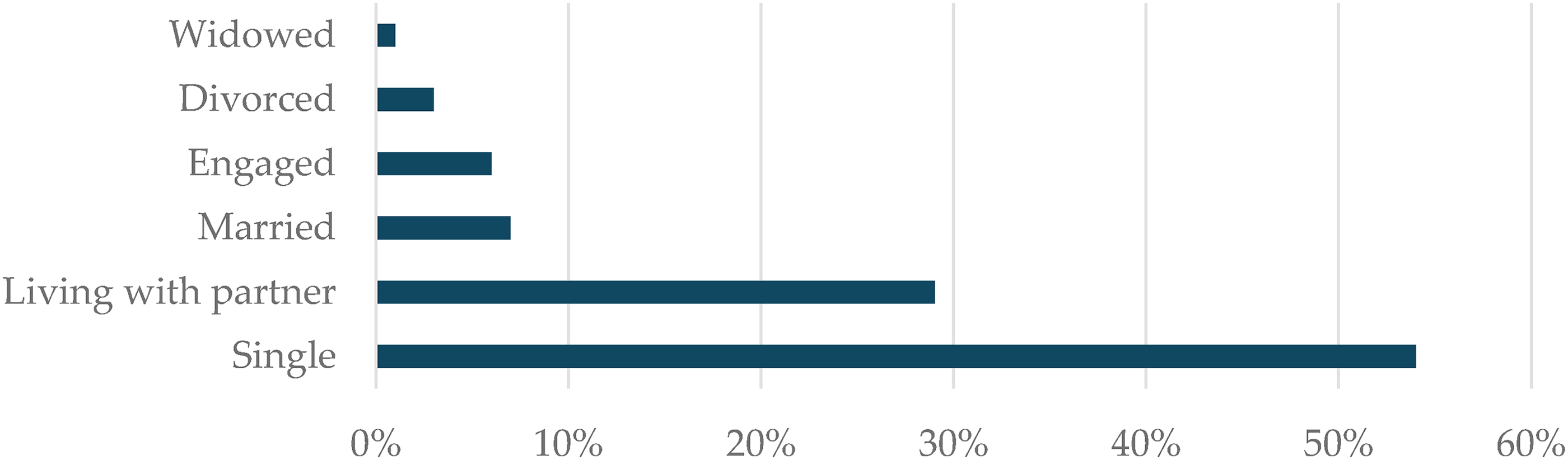
Marital status of participants (n = 135).
Gauteng shows the highest representation (46%), followed by the Western Cape (17%) and North West (11.9%). The Free State province accounts for 10% of the sample. In contrast, the Eastern Cape, Limpopo, KwaZulu-Natal, and Mpumalanga each contribute less than 5%, with the Northern Cape being the underrepresented at 1% (Figure 2).
Coaching positions
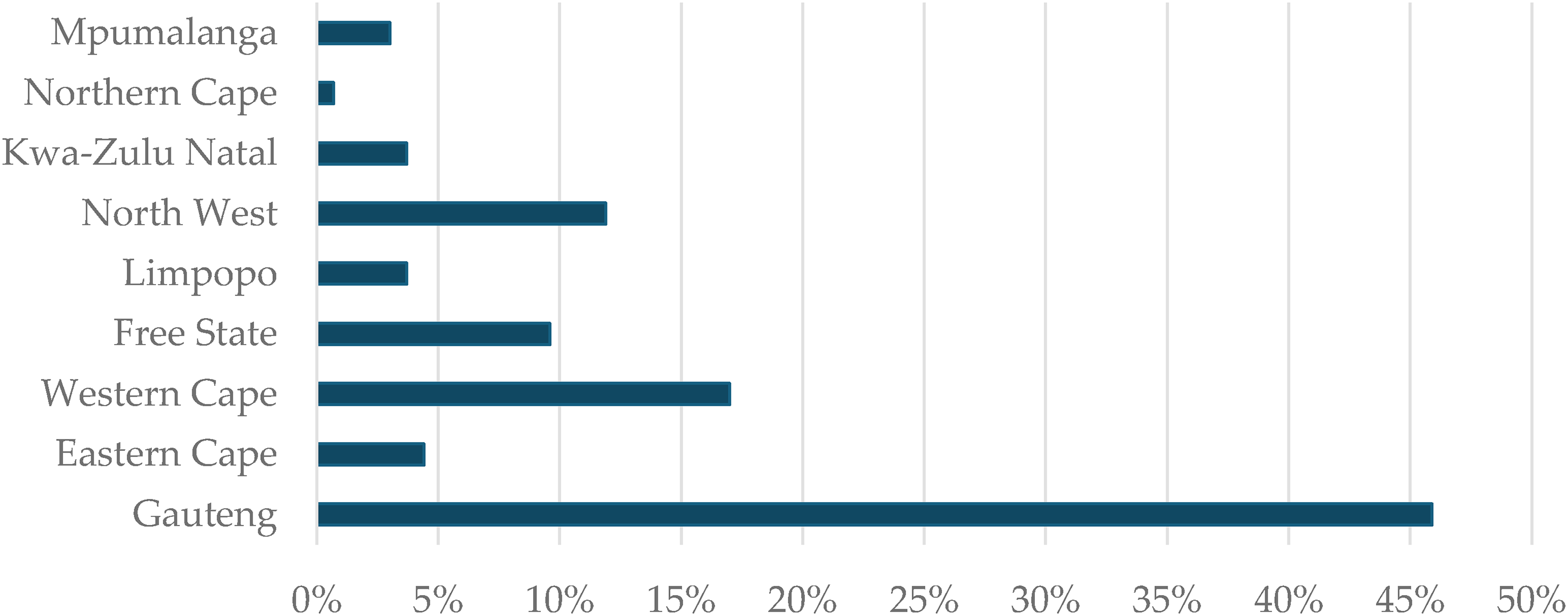
South African provinces.
As shown in Figure 3, the most common coaching role was assistant coach (45%), followed by head coach (28%). This indicates a smaller but notable proportion in primary leadership roles. Specialised roles such as goalkeeper coach and strength and conditioning coach were less common, comprising 8% and 6% respectively. The “other” category accounted for 13%, reflecting various coaching or support roles not listed. These roles consisted of a facilitator (1), vice chairlady (1), junior assistant (1), second assistant coach (5), sport scientist (1), team manager (1), and volunteers (7).
Years of coaching
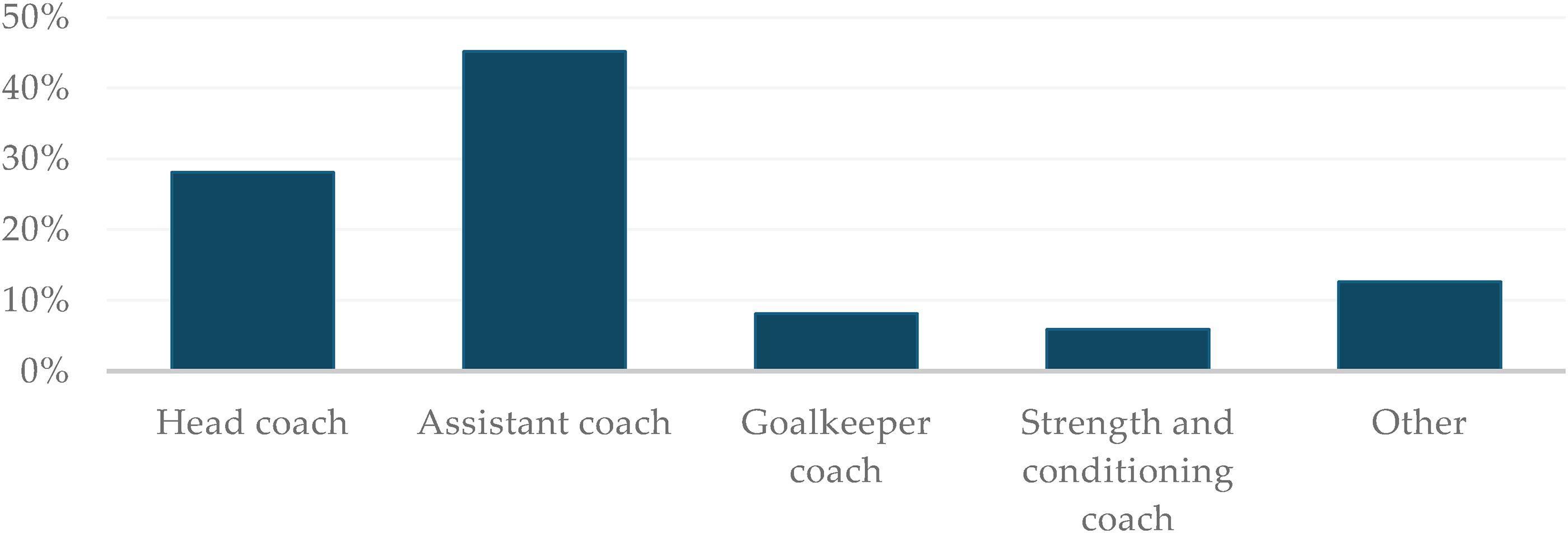
Coaching positions in football.
Over two-thirds of respondents (69%) had been coaching for five years or less, highlighting a predominantly early-career coaching population. Twenty-two percent had 6–10 years of experience, and only 10% had more than a decade of experience (Figure 4).
Coaching license
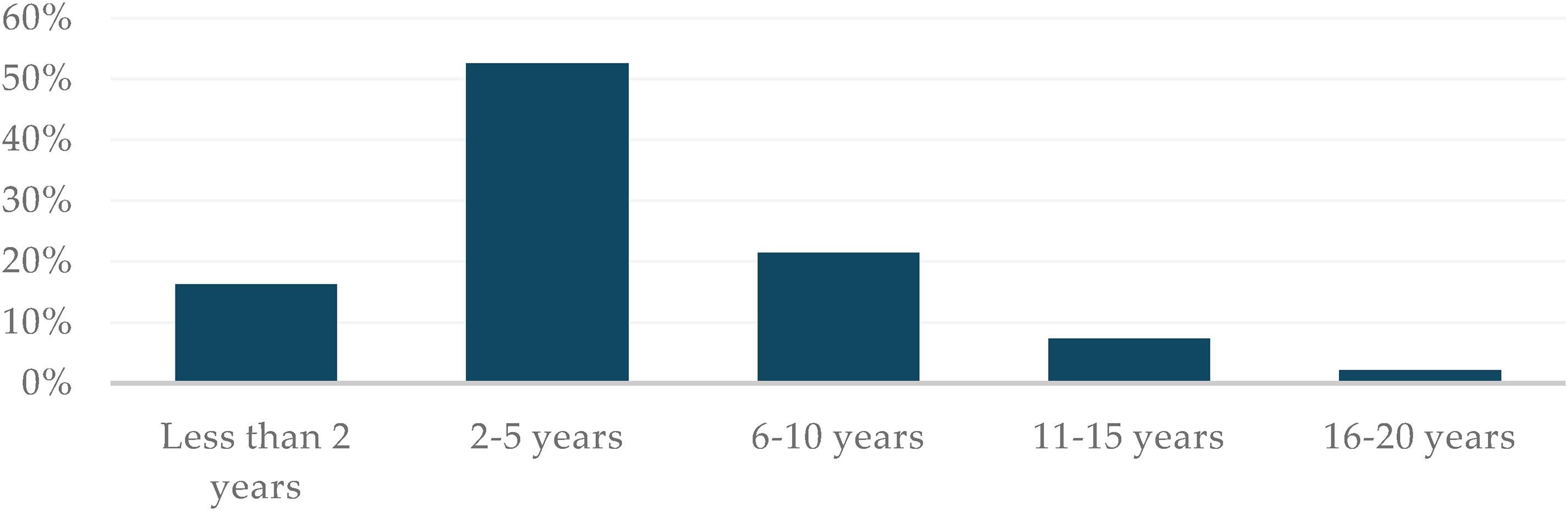
Years of coaching in football.
The entry-level qualification (SAFA D license) was the most held certification (62%). Only 30% had a CAF C license, and significant decreases in the numbers for CAF B (6%) and CAF A (3%) licenses (Figure 5).
What level are you currently coaching?
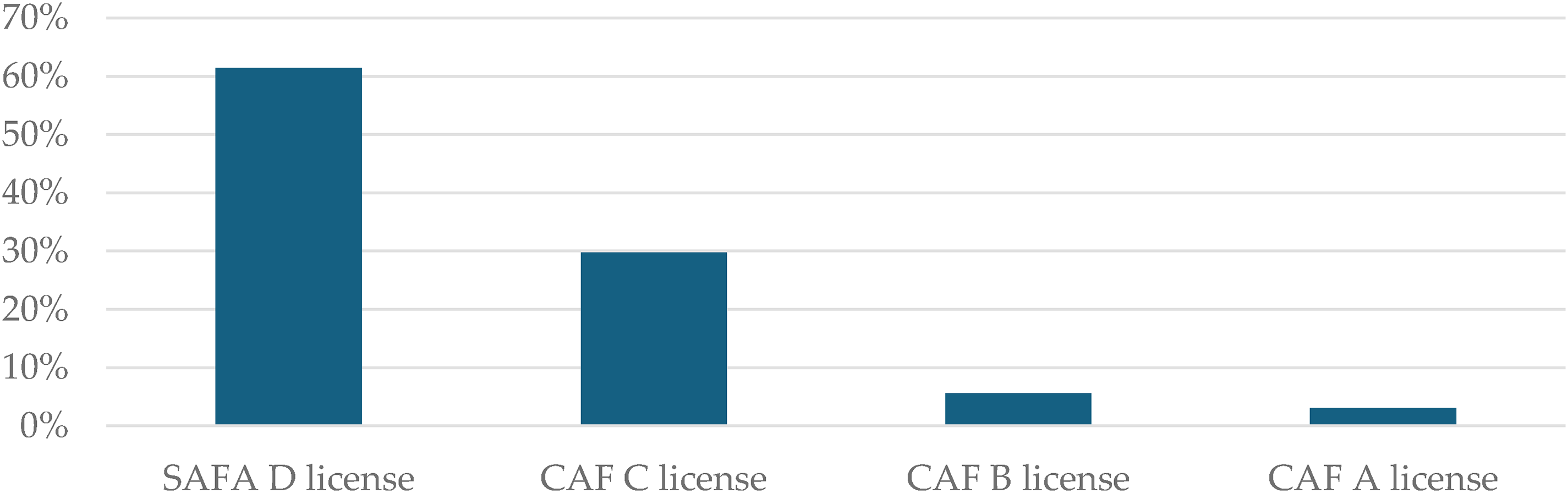
The South African & African Regional Coaching Licenses.
Most women coaches (75%) are coaching at the school or club level, indicating involvement in grassroots and community-based football. A smaller portion (18%) of coaches are at the provincial level, showing moderate progression beyond local structures. Only a few respondents coached at higher levels, such as national level (3%), professional league teams (2%), and international level (1%). An additional response marked “other” (1%) was specified as “regional” (Figure 6).
Prior experience, and at what level they have played
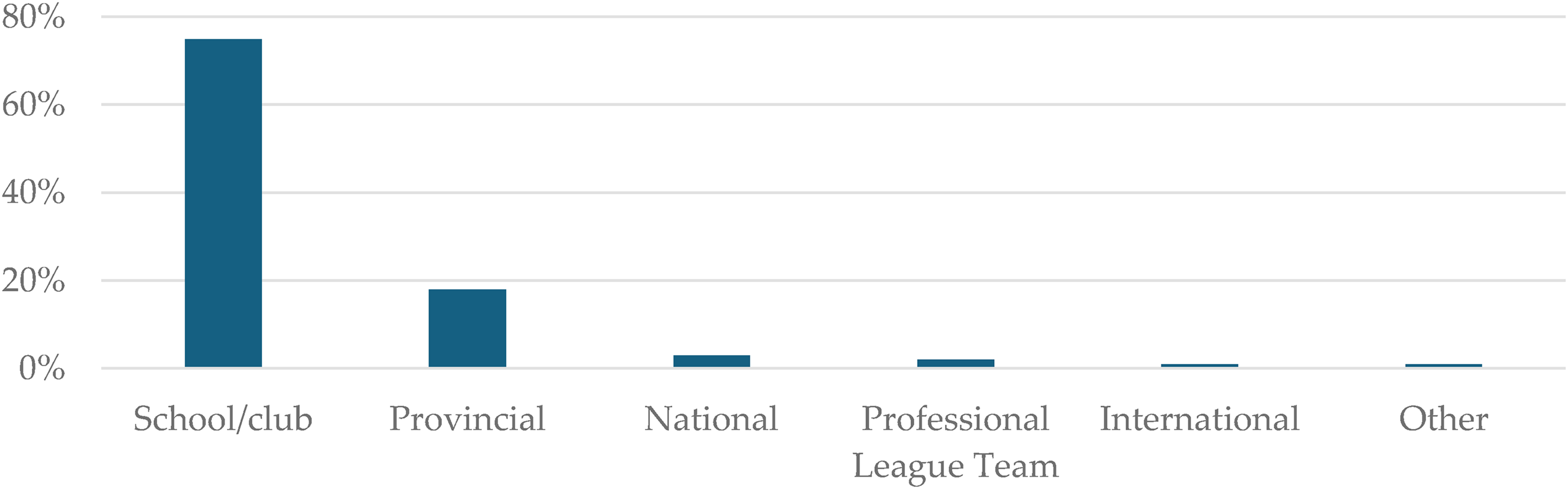
Coaching level.
A significant majority (68%) of coaches reported playing football before, while 32% reported no prior playing experience (Figure 7).
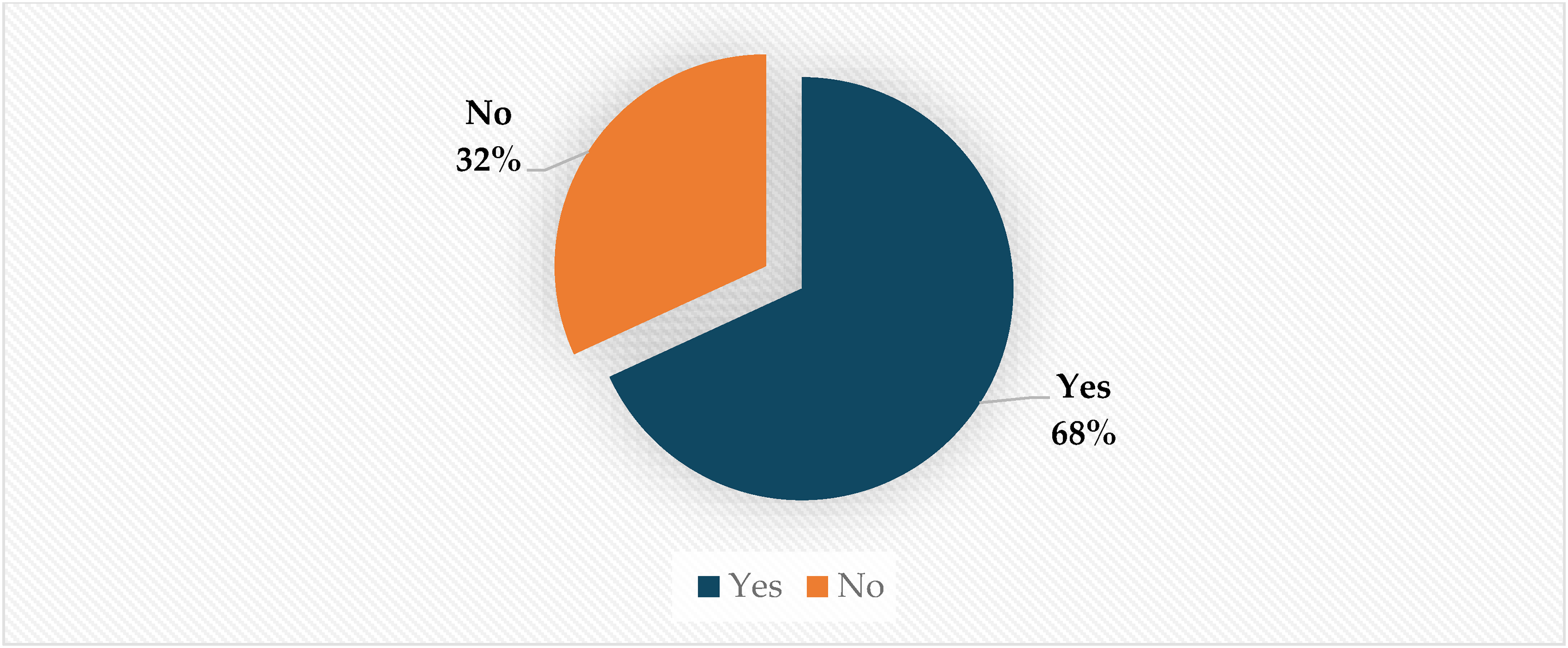
Prior football experience.
Among the women coaches with prior playing experience, the majority (60%) competed at the school or club level, reflecting predominantly grassroots-level experience. Twenty-seven percent of women coaches reported playing at the provincial level, indicating moderate exposure to competitive football (Figure 8). Only 9% played at the national level, with a further 4% playing internationally.
Coaching experience by gender
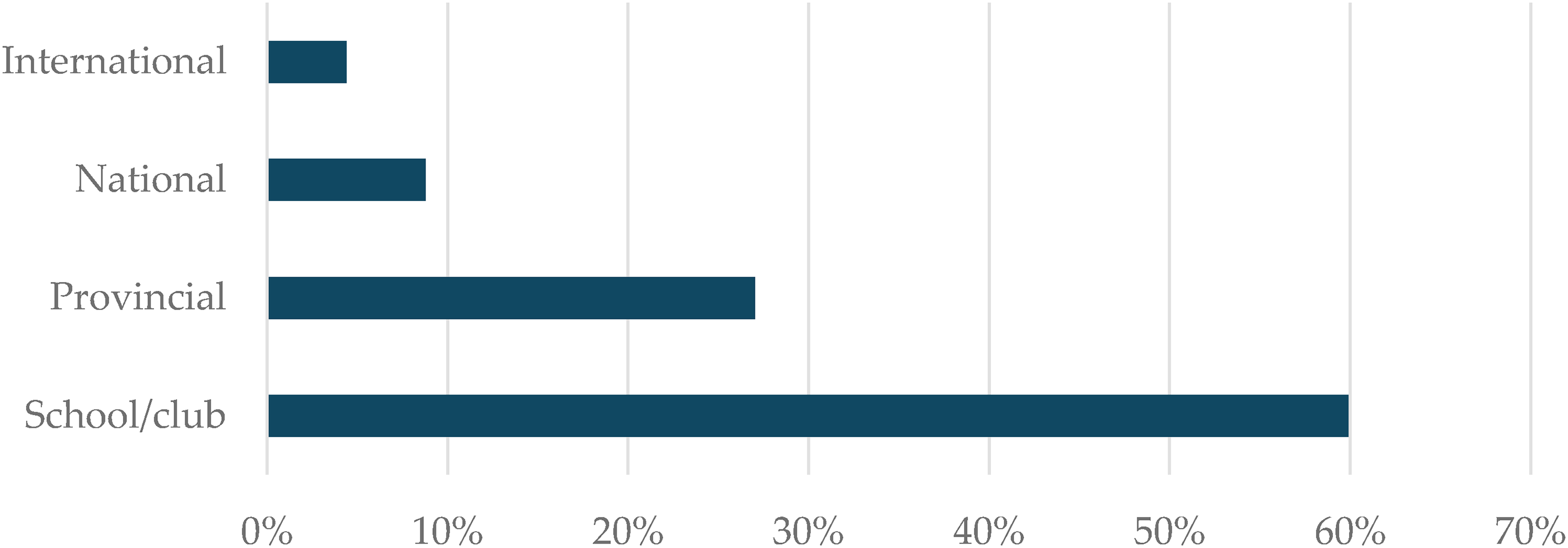
Level at which football was played.
Participants were asked whether they had coached or are currently coaching a male or female football team. Coaching experience differed by team gender, with a greater proportion of participants reporting experience coaching female teams (86%) than male teams (59%). Only 14% of respondents reported no experience coaching women teams (Figure 9(a)), whereas a substantially higher proportion (42%) reported no experience coaching male teams (Figure 9(b)).
What type of coach are you, and is coaching your full-time job?
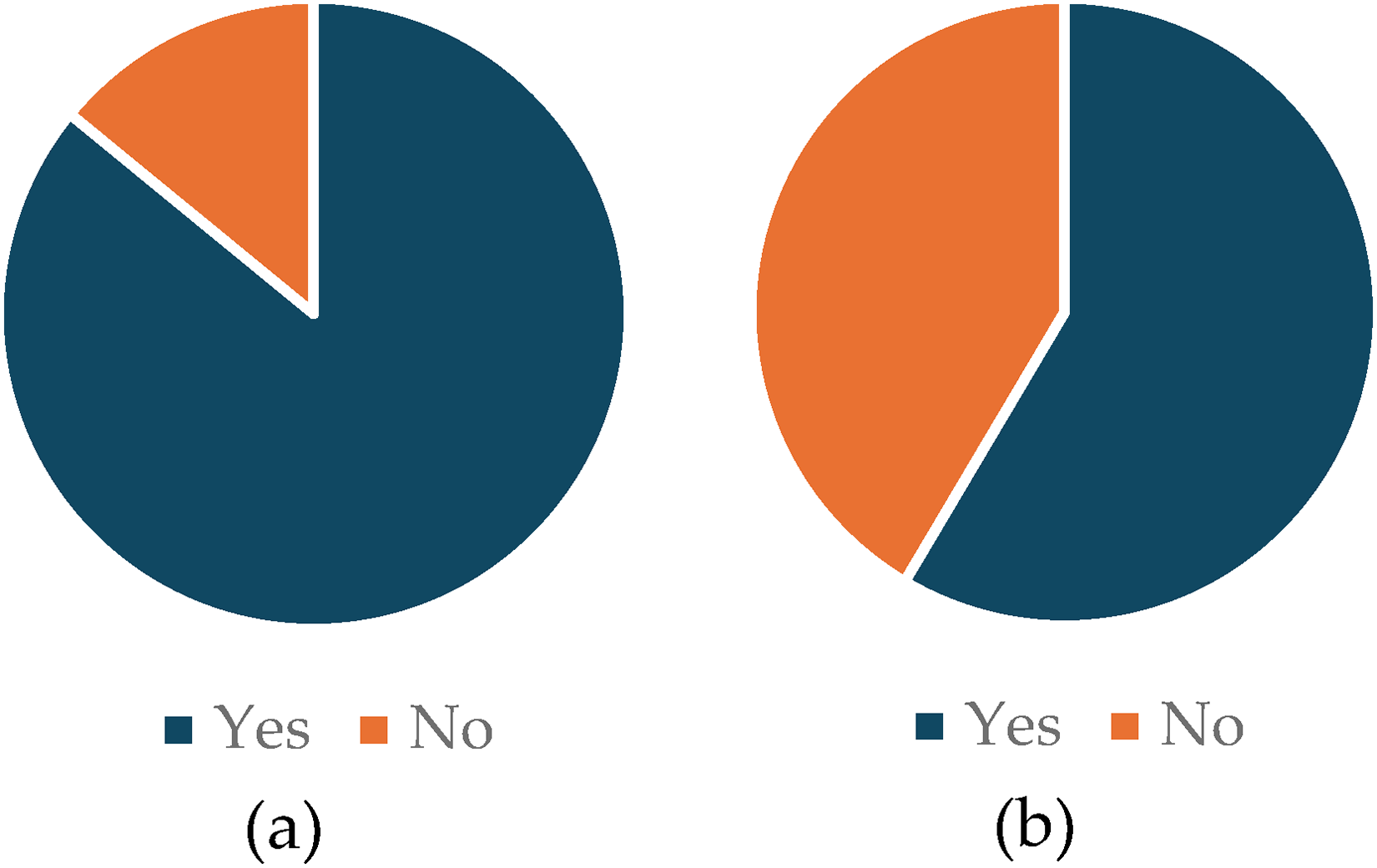
This figure illustrates (a) females who coached a female team, and (b) females who coached a male team.
More than half of the coaches reported that they were volunteers, with 56% reporting that they do not receive any financial compensation for their coaching duties. An additional 15% noted that while they coach voluntarily, a stipend to cover transport or other coaching-related necessities is received. Only 14% stated they receive remuneration specifically for coaching, and 13% indicated that coaching is their full-time occupation (Figure 10).
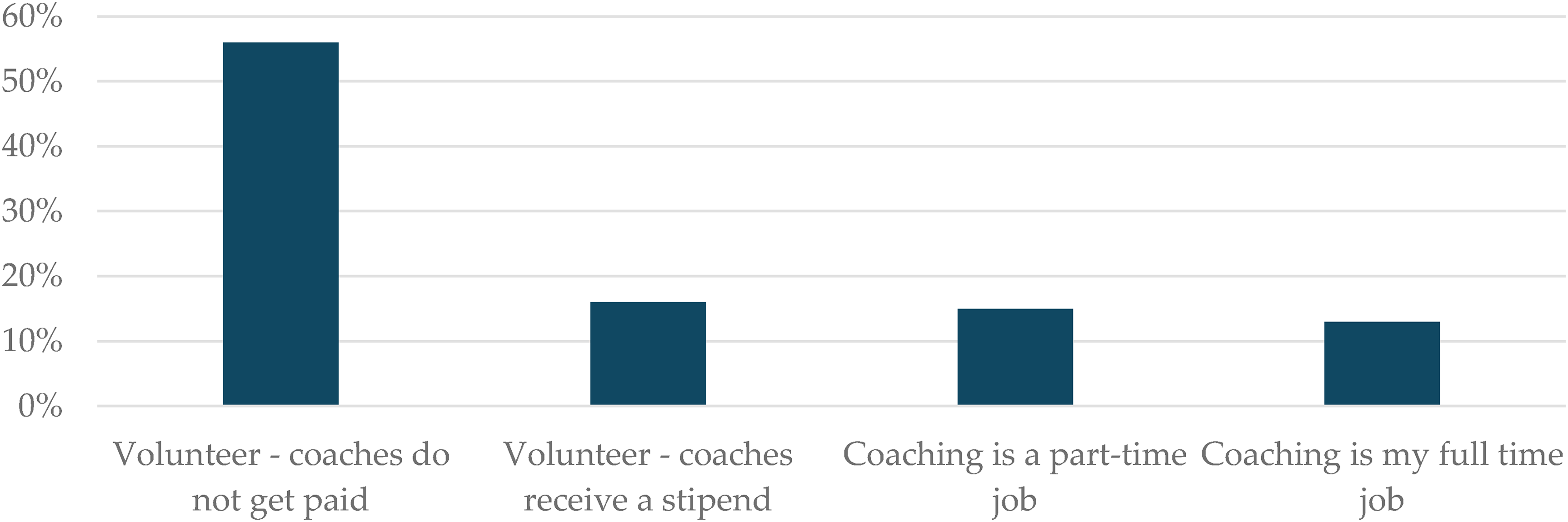
Employment status in a coaching role.
Among those whose primary employment is coaching, income levels varied significantly. A large proportion of participants earned relatively low salaries, with 5% earning R2000 or less per month, and 10% earning between R2100 and R5999. A smaller proportion of women coaches earned salaries above the national minimum wage, which is R5416 per month as of March 2025. 26 Specifically, 14% of women coaches reported monthly incomes between R6000 and R10 999, while 7% earned between R11 000 and R20 999. Only two respondents earned salaries above R21 000 per month. Notably, 61% selected “not applicable” (Figures 10 and 11). This option was included as many women, particularly at school, grassroots, and or community levels, do not receive financial compensation for coaching, which is not their full-time job.
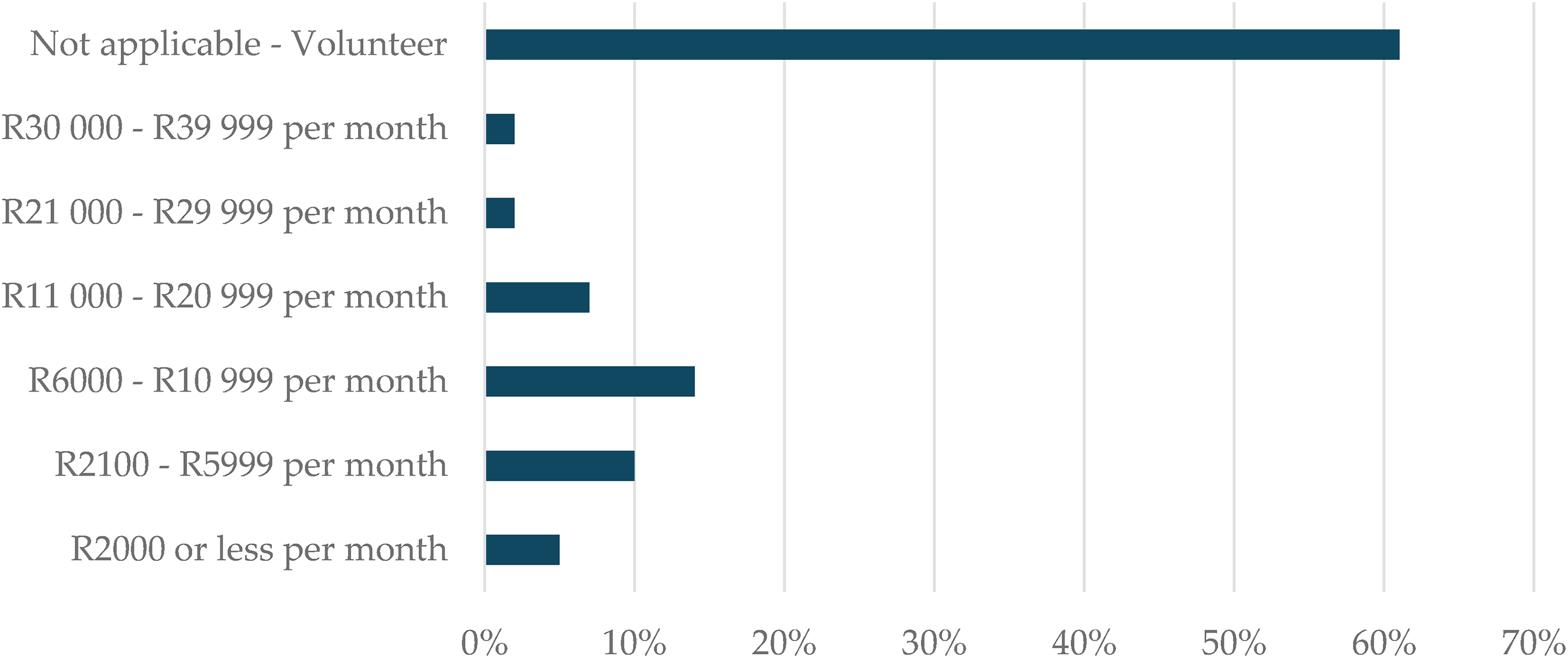
Monthly coaching remuneration (in South African Rands).
Intrapersonal level
Intrapersonal findings indicated that participants reported relatively low levels of self-perceived intrapersonal barriers to coaching (Table 2). On a 5-point Likert scale, mean scores ranged from 2.3 ± 1.0 to 3.3 ± 1.1, with most statements falling below the neutral midpoint, 3. The lowest mean, 2.3 ± 1.0, was for the statement “I do not feel competent in my coaching role,” with 63% of participants disagreeing and 12% strongly disagreeing, suggesting a strong sense of competence among the coaches. Similarly, more than half of the coaches disagreed with statements about their lack of skills (49%), struggles to motivate athletes (56%), and inability to handle defeat (53%), indicating positive self-perceptions in these areas.
Intrapersonal level exploring barriers to coaching.
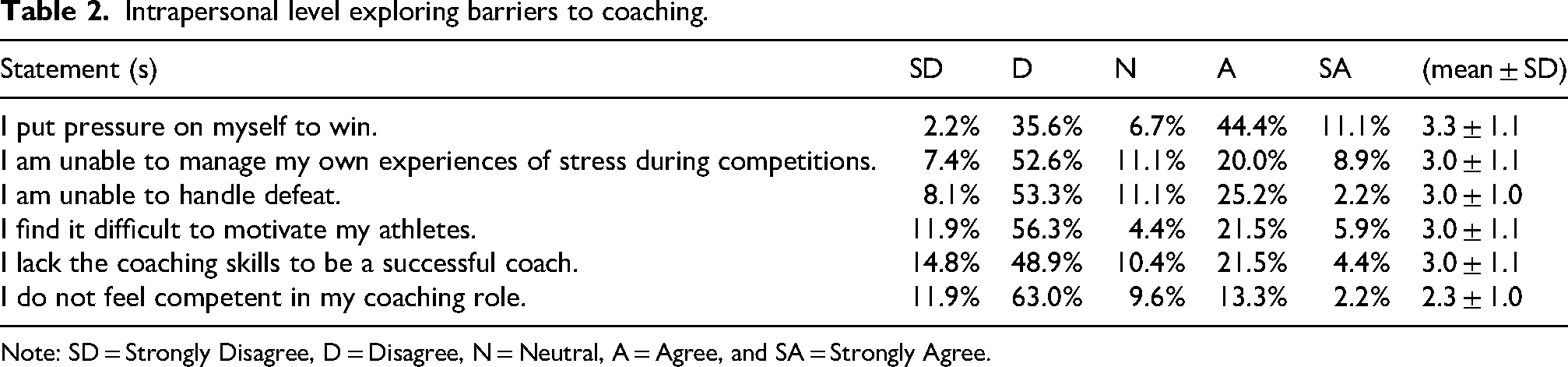
Note: SD = Strongly Disagree, D = Disagree, N = Neutral, A = Agree, and SA = Strongly Agree.
As shown in Table 2, the highest mean score, 3.3 ± 1.1, was for “I put pressure on myself to win”, with 44.4% of participants agreeing and 11.1% strongly agreeing, highlighting internal performance pressure as the most prevalent intrapersonal challenge. Stress management during competitions (3.0 ± 1.1) and handling defeat (3.0 ± 1.0) emerged as moderate concerns, with around one-quarter to one-third of participants acknowledging difficulties. These results suggest that while most coaches reported confidence in their coaching abilities and capacity to motivate athletes, targeted support in managing competitive pressure, stress, and resilience following losses may be beneficial for a subset of coaches.
Interpersonal level
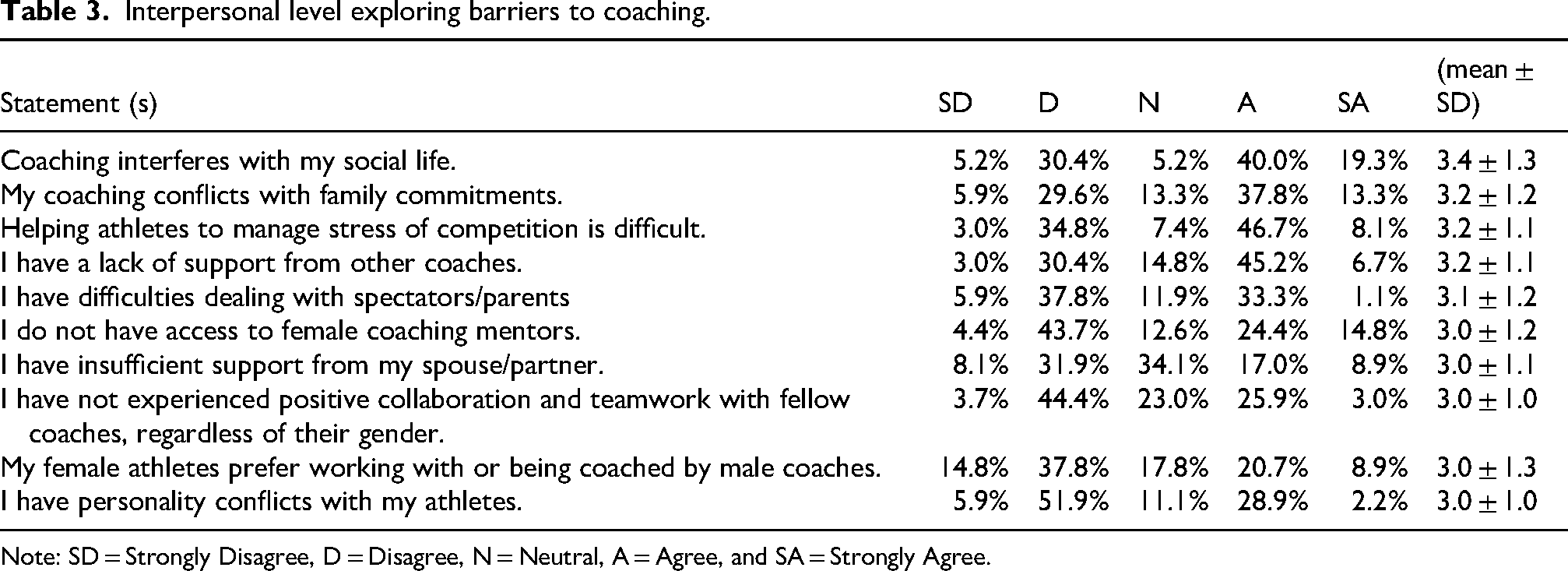
Findings at the interpersonal level show diverse experiences in managing relationships and accessing support within the coaching context. Table 3 shows the mean scores range from 3.0 ± 1.0 to 3.4 ± 1.3, with several items exceeding the neutral midpoint, indicating that some interpersonal barriers are more pronounced than at the intrapersonal level. The highest mean was for “Coaching interferes with my social life” (3.4 ± 1.3), where approximately 60% of the participants agreed or strongly agreed, followed by “My coaching conflicts with family commitments” (3.2 ± 1.2) with participants strongly agreeing (13.3%) or agreeing (37.8%) and “Helping athletes to manage stress of competition is difficult” (3.2 ± 1.1) with participants strong agreeing (8.1%) or agreeing (46.7%). These results suggest that time demands and pressures from athlete support are key interpersonal challenges.
Interpersonal level exploring barriers to coaching.
Note: SD = Strongly Disagree, D = Disagree, N = Neutral, A = Agree, and SA = Strongly Agree.
A lack of support from other coaches also scored relatively high (3.2 ± 1.1), with over half of the participants indicating insufficient peer support. Responses to the statement “I do not have access to female coaching mentors” (3.0 ± 1.2) were neutral, with 4.4% of participants strongly disagreeing and 43.7% disagreeing. In contrast, 12.6% of participants were neutral, while 24.4% agreed and 14.8% strongly agreed. Items related to relational conflict, such as “I have personality conflicts with my athletes” (3.0 ± 1.0) and “My female athletes prefer male coaches” (3.0 ± 1.2), scored lower (Table 3).
Notably, the statement, “I have insufficient support from my spouse or partner” (3.0 ± 1.1) fell below the midpoint, indicating that family or partner support is not a universal barrier, although 26% still reported challenges. Difficulties with spectators or parents (3.1 ± 1.2) and a lack of positive collaboration with fellow coaches (3.0 ± 1.0) indicate occasional but not dominant issues.
Organisational level
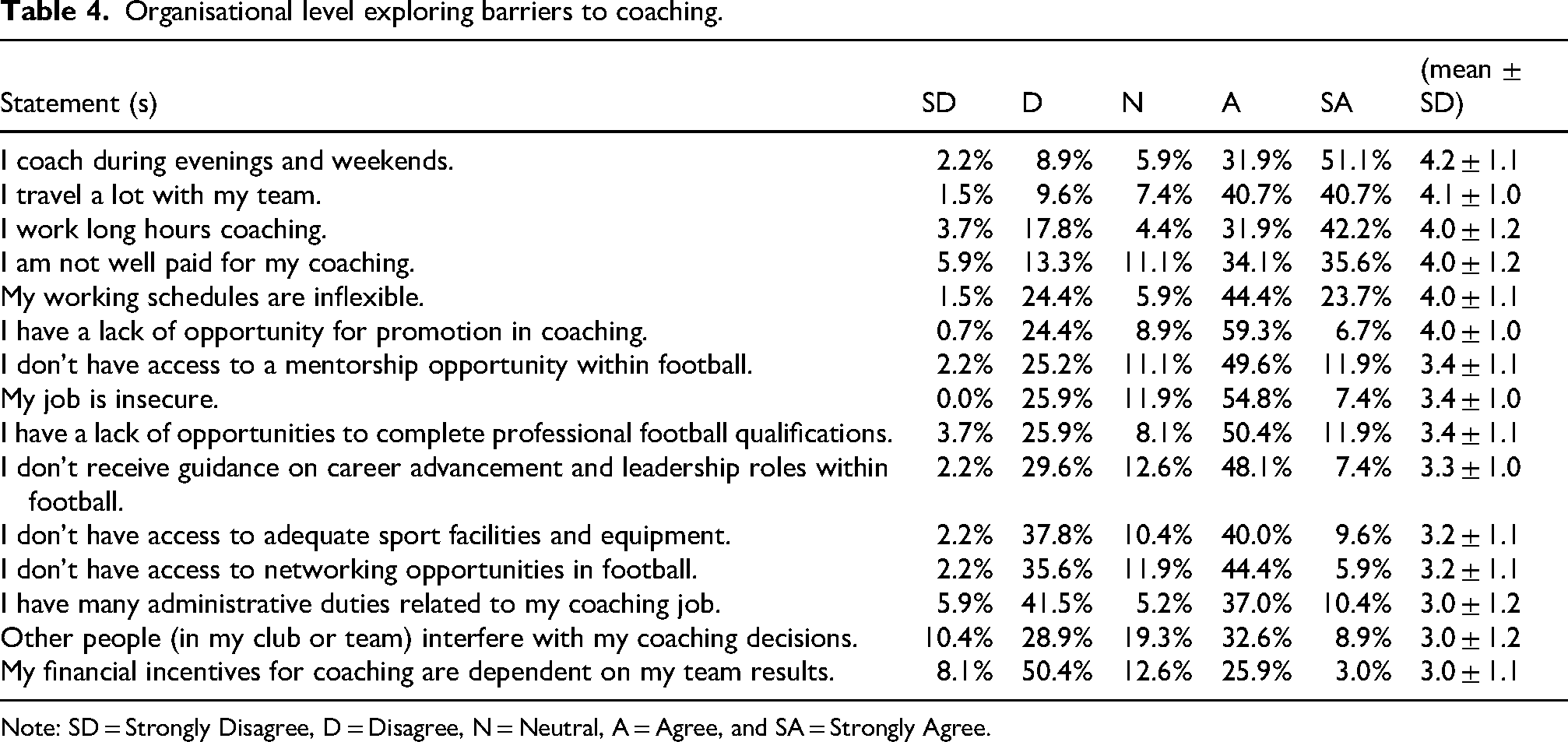
Mean scores ranged from 3.0 ± 1.1 to 4.2 ± 1.1, reflecting various organisational challenges faced by women coaches. The highest scores were for “coaching during evenings and weekends” (4.2 ± 1.1), “frequent travel with the team” (4.1 ± 1.0), and “working long hours” (4.0 ± 1.1), indicating substantial time demands and inflexible schedules (4.0 ± 1.1). Coaches also reported feeling under-remunerated (4.0 ± 1.2) and experiencing job insecurity (3.4 ± 1.0).
Professional development barriers were apparent, with limited access to qualifications (3.4 ± 1.1), mentorship opportunities (3.4 ± 1.1), networking opportunities (3.2 ± 1.1), and guidance on career advancement (3.3 ± 1.0). Administrative duties (3.0 ± 1.2) and interference in coaching decisions (3.0 ± 1.2) add to role complexity, while concerns about inadequate facilities and equipment were moderate (3.2 ± 1.1). Financial incentives linked to team results scored lower (3.0 ± 1.1), indicating mixed experiences, depending on the coaching environment (Table 4).
Organisational level exploring barriers to coaching.
Note: SD = Strongly Disagree, D = Disagree, N = Neutral, A = Agree, and SA = Strongly Agree.
Sociocultural level
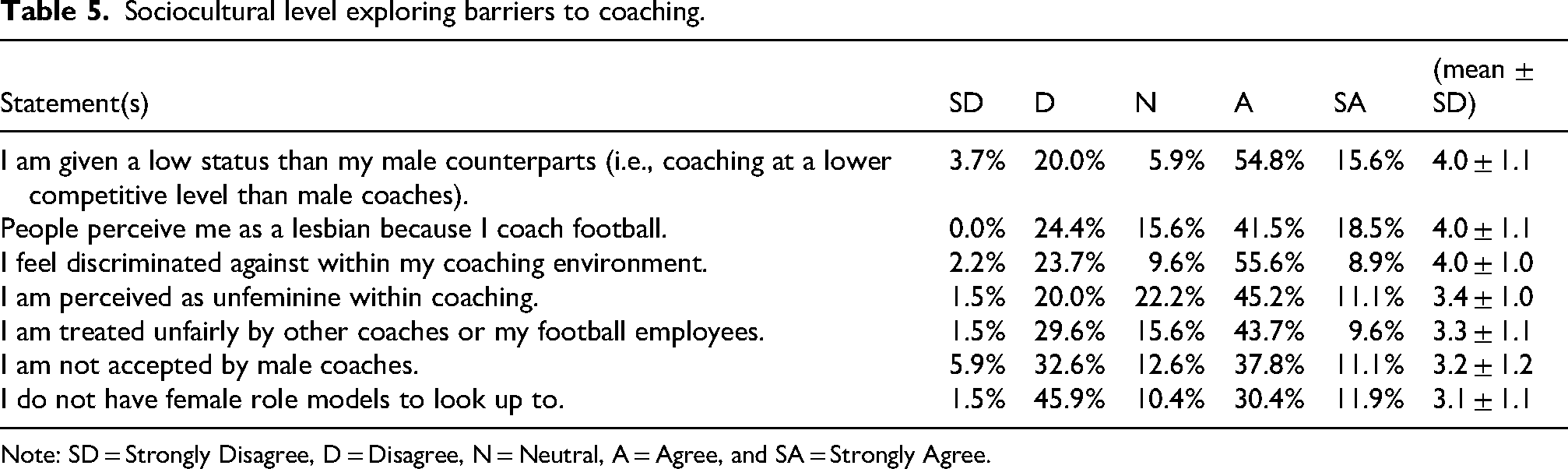
Sociocultural barriers were widely reported among participants, with mean scores ranging from 3.1 ± 1.1 to 4.0 ± 1.1 (Table 5). The highest mean score reflected perceptions that women coaches were afforded a lower status than their male counterparts (4.0 ± 1.1), with 70% of respondents indicating agreement or strong agreement. Similarly high scores were observed for being perceived as lesbian due to involvement in football coaching (4.0 ± 1.1) and experiencing discrimination within the coaching environment (4.0 ± 1.0).
Sociocultural level exploring barriers to coaching.
Note: SD = Strongly Disagree, D = Disagree, N = Neutral, A = Agree, and SA = Strongly Agree.
Perceptions of being viewed as unfeminine (3.4 ± 1.0) and lack of acceptance by male coaches (3.2 ± 1.2) also scored above the neutral midpoint, suggesting the persistence of gender stereotypes and exclusionary attitudes. Reports of unfair treatment by other coaches or football players (3.3 ± 1.1) further highlight inequalities within the sport.
The lowest mean score (3.1 ± 1.1) related to the lack of female role models, with 30.4% of respondents agreeing and 11.9% strongly agreeing, indicating that limited representation remains an ongoing challenge.
Discussion
Using an adapted version of LaVoi and Dutove's (2012) 24 ecological model of barriers and supports for women in sport coaching as an interpretive lens, this study situates the experiences of women football coaches within the South African context. The adaptation of the model allows for a context-sensitive interpretation of the data, revealing that intrapersonal, interpersonal, organisational, and sociocultural factors are not discrete or fixed, but interact fluidly to shape coaching realities (Figure 12). Through this lens, it becomes evident that influences at one level continuously inform and reshape those at another. A coach's confidence and resilience (intrapersonal) are influenced not only by mentorship, peer networks, and role models (interpersonal) but also by organisational structures such as access to professional development, advancement pathways, and supportive policies. These organisational conditions are deeply embedded within broader sociocultural norms, historical inequities and gendered expectations, compounded by the limited representation of women. Together these dynamics shape the visibility, credibility, and opportunities available to women coaches, reinforcing structural constraints on career advancement.
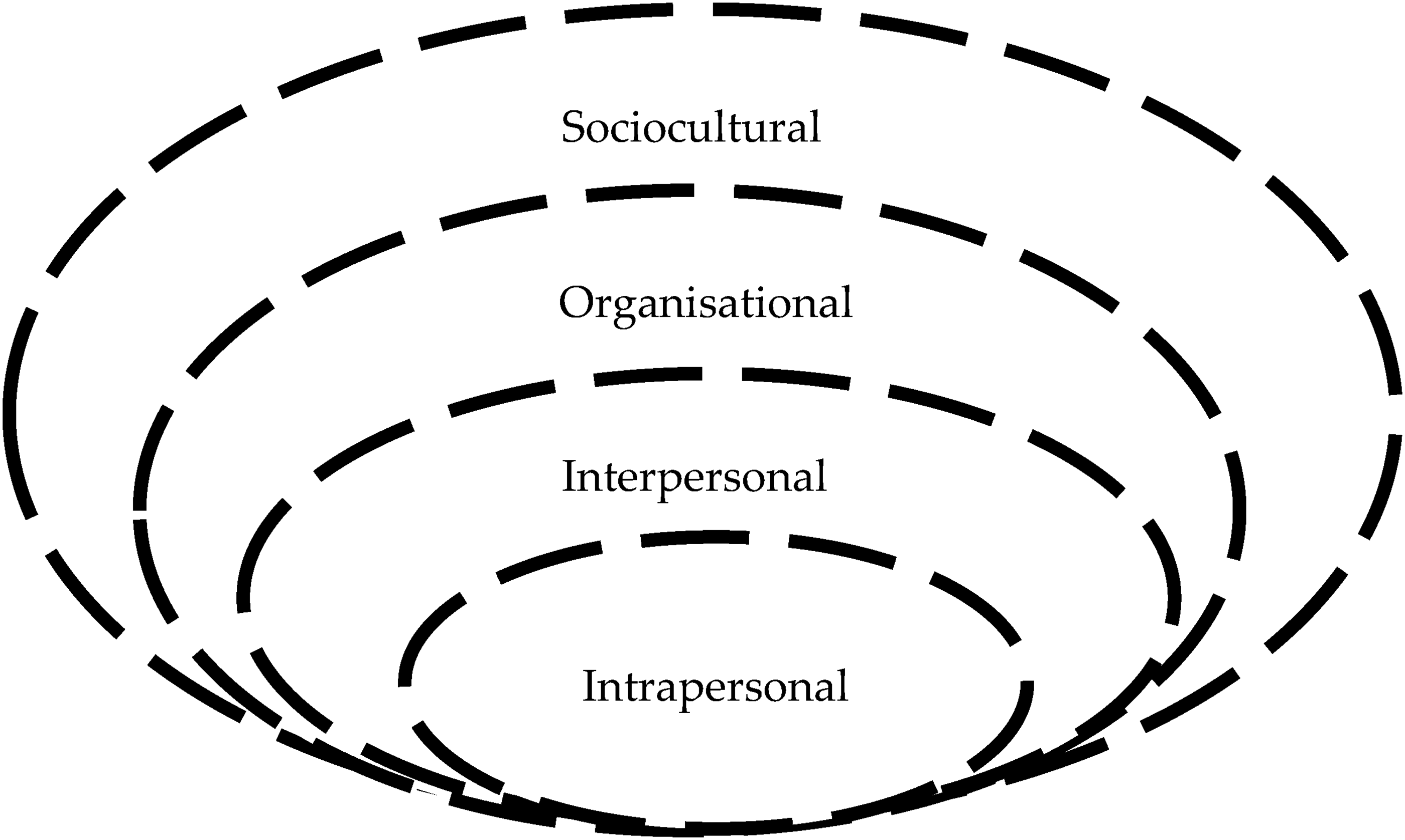
Dynamic ecological model of barriers and support for SA women football coaches (Adapted from LaVoi and Dutove's (2012) 24 ecological model).
Within this layered and dynamic system, women football coaches often coach against the odds, navigating multiple intersecting barriers while striving to sustain competence, motivation, and career progression. Interpreting the findings through this adapted ecological model highlights how barriers and supports rarely operate in isolation; instead, they cascade across levels, reinforcing or constraining one another. Accordingly, the discussion is structured around the four interconnected levels, intrapersonal, interpersonal, organisational, and sociocultural, demonstrating how their interaction collectively influences the progression, retention, and empowerment of women coaches in South African football (Figure 12).
Coaching pathways, entry, and early-career composition
The socio-demographic and professional or occupational profiles of women football coaches in this study indicate a predominantly young workforce in the initial stages of their coaching careers, primarily holding SAFA D (entry-level) certifications. In this study, “early-career entry” refers to individuals who are in the initial stages of their coaching careers, typically characterised by limited years of coaching experience, irrespective of chronological age. This definition recognises that entry into coaching is not confined to younger individuals but may occur at different stages of life. However, it is important to note that most participants in this study were young (20–35 years, 76%) and thus, early-career entry in this context largely reflects younger individuals entering the coaching profession. A substantial proportion are represented in assistant coaching or volunteer roles, with comparatively fewer in head coach or elite-level positions. South African research further highlights persistent barriers, including inadequate remuneration, insecure employment, limited access to professional development opportunities, and restricted pathways.20,23 Collectively, these constraints hinder upward mobility and career advancement among women coaches, undermining the retention and long-term sustainability of coaching careers. 18
However, not all perspectives interpret early-career entry as advantageous. LaVoi and Dutove 24 and Murray et al. 27 argue that structural and cultural barriers, such as patriarchal norms, exclusion from influential networks, and limited organisational support, may prevent grassroots coaching initiatives from effectively reaching all prospective women coaches. As illustrated in Figure 6, 75% of women coaches were employed at the school or club level, suggesting limited career opportunities beyond grassroots football. Importantly, representation at entry-level positions does not necessarily translate into substantive opportunities for career advancement.
Additionally, in some African contexts, such as Kenya and Ghana, constraints including geographic isolation, inadequate funding for coach education, and scarcity of accredited coaching programmes, further complicate the development of a robust coaching pipeline for women coaches.5,28–31 Research examining the development of women coaches in South Africa indicates that, although structured coach education and policy frameworks are intended to support women's entry into coaching roles, their practical impact remains limited due to persistent barriers related to access and resource availability. 21 Women frequently progress in a context described as “coaching against the odds,” navigating structural and cultural constraints that existing frameworks inadequately address. Consequently, while these structures establish formalised entry requirements and provide recognised qualifications that may enhance perceived competence and legitimacy, they do not adequately promote equitable access, sustained support, or meaningful career progression for women in coaching.
With this study's results showing an influx of early-career coaches, the potential to strengthen the future pool of women coaching talent is evident. To aid this, structural and mentorship supports need to be put in place to facilitate retention and progression into leadership roles. In this sense, early-career football coaching for women represents both an opportunity and a challenge; it reflects progress in entry-level recruitment while simultaneously highlighting the need for systemic interventions to ensure sustained career growth, professional advancement, and equitable representation in higher-level coaching positions.3,6
Beyond what was explicitly reflected in the study's findings, the composition of coaching pathways at the point of entry and during early-career stages warrants closer consideration through the lens of the adapted ecological model, which suggests a degree of fluidity within and between layers. While early entry into coaching may suggest increased access to coaching opportunities and development pathways, this access is often constrained in practice as many young women navigate competing responsibilities outside of football, including academic commitments, employment, and family obligations, which can limit their ability to fully engage in coaching pathways. 27
Advancement beyond entry-level stages (SAFA D license) often requires further accreditation, to CAF C and CAF Pro licensing coaching license, which are frequently time-intensive and financially demanding. Women coaches from historically disadvantaged communities may face additional logistical challenges, such as travel to coaching courses or limited access to quality mentorship networks or programmes that can assist with fast-tracking through the coach education pathway. Those balancing education or employment may find it difficult to commit the time required for accreditation.15,27 These structural constraints are reinforced by sociocultural factors, including persistent gendered expectations around care and domestic responsibilities, which often place an extra burden on women compared to their male counterparts. 6 Moreover, the limited representation of women in leadership positions within South African football may imply that early-career coaches have fewer role models and advocates to guide progression, creating a cycle in which entry-level participation does not easily translate into career advancement. Viewed through the ecological model, early-career composition reflects not only individual choice or capability but the fluidity of an interconnected web of intrapersonal, interpersonal, organisational, and sociocultural barriers, all of which operate within the unique landscape of South African football. Accordingly, the intrapersonal dimension provides a critical entry point for understanding how these levels influences are embodied in the lived experiences of women coaches.
Intrapersonal dimensions: Competence, confidence, and performance pressure
The study reveals that 75% of women football coaches reported confidence in their coaching competence, largely disagreeing with questionnaire statements suggesting a lack of skills, inability to motivate athletes, or shortcomings in handling coaching responsibilities. This finding indicates a high level of self-efficacy among the participants, which is consistent with prior research demonstrating that women coaches often possess the capability, motivation, and commitment despite facing structural and sociocultural barriers in sport.3,4 Such confidence may replicate itself from previous playing experience, participation in formal coach education programmes or early-career engagement, which can reinforce a coach's sense of competence and agency within their role. 32
Nonetheless, the data in this study also reveal a notable tension where many coaches experience self-imposed performance pressure and reported challenges in managing stress and coping with defeat. These patterns align with the ‘prove-it-again’ phenomenon described in the gender and coaching literature, in which women feel compelled to repeatedly demonstrate competence to overcome persistent gender bias and doubts about their leadership capabilities.6,10 This phenomenon can lead to heightened internal stress and increased vulnerability to burnout, particularly in environments with limited support mechanisms. 6
Furthermore, the literature also shows that intrapersonal experiences vary according to prevailing circumstances. Pape, 8 highlights that in resource-constrained or less supportive settings, some women coaches report lower confidence levels and greater self-doubt, suggesting that self-efficacy is not consistent across all contexts and may be mediated by access to professional development, mentorship, and institutional support. Similarly, in some African contexts, cultural expectations and gendered norms may further exacerbate feelings of inadequacy or anxiety among women coaches, especially when they are working in male-dominated structures.14,15
These findings emphasise the need for targeted interventions to strengthen the intrapersonal well-being of women coaches. Programmes offering psychological support, resilience training, stress management, and peer mentoring are essential for sustaining motivation, enhancing competence, and reducing burnout.33,34 While interventions aimed at strengthening coaching competencies remain important, these findings indicate that most participants did not perceive themselves as lacking coaching skills (63.7%). However, a notable proportion (25.9%) reported uncertainty regarding their coaching abilities, suggesting that targeted support is still necessary to address pockets of low self-efficacy.
Building on the findings of this study, intrapersonal dimensions emerge as both enablers and barriers within the early-career experiences of women football coaches in South Africa, offering new insights into the internal processes that underpin coaching against the odds. While many participants expressed confidence in their coaching competence, this confidence appeared somewhat fluid and context-dependent, often shaped by external validation, opportunities, and perceived credibility within male-dominated environments. Participants’ accounts further indicate that resilience functions not merely as an individual attribute, but as a necessary response to navigating structural and organisational constraints, including limited access to resources and progression pathways. The persistent need to prove competence contributes to heightened performance pressure, influencing self-efficacy and engagement, while coaching identity remains developmental in the absence of sustained mentorship or clear career trajectories. Despite these challenges, strong intrinsic motivation persists, with many coaches maintaining commitment to the profession even in the absence of tangible recognition or reward. Collectively, these findings extend the understanding of the intrapersonal dimension by demonstrating that “coaching against the odds” is not only a structural or sociocultural condition but also an internalised, dynamic process through which women coaches continuously negotiate confidence, identity, resilience, and motivation. This highlights that intrapersonal factors should not be viewed as fixed traits but as contextually shaped and evolving capacities central to supporting the progression, retention, and empowerment of women coaches in South African football. These evolving capacities are further shaped and reinforced through interpersonal interactions, where relationships, support systems, and everyday social dynamics play a critical role.
Interpersonal realities: Mentorship, social support, and work-life balance
These findings indicate that coaching responsibilities frequently disrupt social and family commitments, highlighting the interpersonal strain many women coaches in football experience. This is consistent with prior research in football, which demonstrates that work-life balance pressures affect women, often limiting their ability to sustain involvement in the demanding, time-intensive environment of sport coaching.20,23 In addition, the study highlights inconsistent access to mentorship (either formal or informal) within football, particularly from experienced women coaches. Only 2.2% of participants strongly agreed, and 25.2% agreed that they have mentorship opportunities, 11.1% were neutral, while 49.6% disagreed, and 11.9% strongly disagreed. These findings suggest that most women coaches have limited mentorship opportunities, likely due to the scarcity of senior women mentors and structural barriers that hinder emerging coaches’ access to critical guidance. The coaching literature identifies mentorship as a pivotal mechanism for facilitating career advancement, fostering confidence, and helping women navigate institutional and social obstacles embedded within male-dominated coaching spaces.3,6
Studies from an African perspective caution that relying solely on mentorship cannot overcome the depth of structural inequities facing women in sport. 35 Studies by Be 18 and Nkrumah 16 contend that systemic issues such as inadequate funding, organisational gatekeeping, and cultural norms may limit the impact of mentorship unless accompanied by broader organisational reform. Despite these constraints, evidence from both global and African contexts shows that when mentorship is effectively integrated with supportive interpersonal networks, women coaches are more likely to advance into leadership roles and remain in the coaching profession.20,36 This suggests that while mentorship is not a one-size-fits-all solution, strong interpersonal support structures can serve as a powerful mediator to enhance women's professional trajectories, even in contexts marked by entrenched gendered barriers.
Existing literature on the interpersonal experiences of women coaches largely focuses on formal mentorship, peer support, and work-life balance, leaving critical aspects such as informal networks, relational gatekeeping, subtle forms of bias, and the emotional labour associated with navigating credibility and inclusion in male-dominated coaching environments underexplored.6,36 Notably, subtle biases and relational gatekeeping, which inform the “unsaid” dynamics of trust, allyship, and informal networks, receive little attention, despite their significant impact on credibility, inclusion, and career progression.7,9 Similarly, while emotional labour is acknowledged, the additional burden women carry in managing both player and peer relationships within a male-dominated environment remains underexamined. Unwritten expectations, such as the need to conform to masculine norms or overperform to gain recognition, further complicate daily relational navigation. Moreover, few studies situate these interpersonal challenges within the South African context, where historical, cultural, and socio-economic factors intensify the isolation of women coaches. Such challenges are not experienced in isolation but are embedded within organisational structures that shape the availability of support, progression pathways, and professional recognition.
Organisational constraints: Work conditions and professional advancement
This study found persistent organisational challenges that significantly shape the working conditions and career trajectories of women coaches in football. Participants reported substantial professional demands and constraints. Specifically, 31.9% agreed, and 42.2% strongly agreed that they worked extensive hours, including evenings and weekends (31.9% agreed, 51% strongly agreed). Frequent travel was also common, with 40.7% agreeing and 40.7% strongly agreeing. Financial limitations were evident, as 34.1% agreed and 35.6% strongly agreed that remuneration was insufficient. Job insecurity affected 54.8% who agreed and 7.4% who strongly agreed. Access to advanced coaching qualifications was limited, with 50.4% agreeing and 11.9% strongly agreeing. These constraints echo longstanding critiques within South African coaching literature, which highlight how financial precarity, inconsistent organisational support, and limited progression opportunities undermine women's retention and advancement in coaching.20,23 Similar organisational barriers are well documented internationally, where women coaches often occupy marginal positions within sport structures, receive fewer professional development opportunities, and encounter limited institutional backing relative to their male counterparts.3,6
Football research has indicated that organisational challenges vary across settings and can be reduced when supportive conditions such as effective leadership and mentorship programmes are in place. 37 In South Africa, studies indicate that targeted organisational interventions such as subsidised access to coaching licences, structured development pathways, and flexible work arrangements can alleviate some of these pressures and support higher levels of participation by women. 14 International research regarding the professionalisation of women's football further demonstrates that increased commercialisation, improved resourcing, and strengthened governance structures have contributed to incremental gains in women's representation in elite coaching roles.37,38 Analyses of professional leagues and international competitions reveal gradual growth in the number of women appointed to technical and leadership positions, suggesting that meaningful organisational reform can expand opportunities for women coaches and foster more equitable environments.39,40
Beyond formal policies and documented work conditions, organisational constraints in South African football are shaped by informal power dynamics, institutional politics, and historical legacies that often go unarticulated. 41 Coaches may encounter restrained gatekeeping, where access to elite teams, advanced education courses, or leadership roles is influenced less by competence than by networks, allegiances, or institutional hierarchies. 7 Women coaches can be excluded from these informal networks, making it harder to secure opportunities or mentorship that are critical for professional advancement.20,36 These dynamics intersect with geographic and socioeconomic realities, as coaches in under-resourced or historically disadvantaged regions may face compounded challenges in navigating administrative procedures, securing funding, or gaining visibility within national structures. Furthermore, the dual expectations placed on women coaches to fulfil traditional homemaking responsibilities alongside sport-related administrative, or volunteer duties require continual adaptation to unclear role expectations, thereby placing an additional cognitive and emotional burden on those seeking career progression. 6 In this way, organisational contexts within South African football operate not only as formal structural frameworks but also as socially and politically embedded environments in which career progression depends on navigating both institutional and informal networks of influence. These conditions are further shaped by entrenched sociocultural barriers, where gendered norms, limited representation, and systemic inequalities reinforce the need for women to continue coaching against the odds. 31
Sociocultural barriers: Gender norms, discrimination, and representation
Women coaches in the study reported experiencing lower professional status than their male counterparts, along with stereotyping, discrimination, and a persistent scarcity of visible women role models. These experiences point to deeply entrenched sociocultural barriers that continue to shape women's participation in football coaching. Research in the South African context demonstrates entrenched patriarchal values, gendered leadership expectations, and male-dominated organisational environments as key factors limiting women's advancement in sport. 25 These findings are consistent with global research, highlighting the marginalisation of women within coaching environments characterised by entrenched gender hierarchies, exclusionary practices, and limited recognition of women's expertise.3,42
A growing body of literature challenges the assumption that sociocultural constraints are uniform or fixed.34,42,43 Evidence from various African contexts indicates that women who attain early success, demonstrate strong performance, or acquire higher-level qualifications may, under certain circumstances, gain acceptance and legitimacy within their coaching environments.15,17 Whilst these findings suggest that sociocultural barriers, although pervasive, can be contested through increased visibility, demonstrated competence, and organisational recognition, such progress often remains individual rather than systemic. This reinforces the need for broader structural, cultural, and organisational reform.
At the sociocultural level, women football coaches in South Africa confront barriers that are both deeply entrenched and context specific. Historical and cultural legacies of male dominance within football reinforce gendered norms that shape perceptions of authority, leadership, and tactical expertise, positioning coaching as a predominantly masculine domain.7,23 Women coaches are further required to navigate societal expectations related to care, domestic responsibilities, and professional roles, which influence decisions around time commitment, mobility, and career progression, often requiring a delicate balance of multiple and competing obligations. 6 Limited representation of women in leadership and decision-making positions within football governance structures reinforces these challenges by restricting access to mentorship, professional networks, and institutional visibility.4,41 These constraints are compounded by intersectional factors such as race, socioeconomic status, and geographic location, which disproportionately affect women coaches from disadvantaged communities and intensify barriers to advancement within elite football structures.4,15 By foregrounding these context-specific sociocultural realities, this study demonstrates that these barriers function not only as structural constraints but also as relational and internalised pressures that shape how women coaches persist, negotiate credibility, and carve pathways within South African football. These perspectives reframe coaching against the odds as a multidimensional process that is socially and culturally embedded, illustrating that success and retention depend on navigating both visible and hidden societal expectations. Synthesising these insights reveals that the challenges experienced by women coaches are not isolated, but are situated within a broader, multi-layered contextual landscape.
Conclusions
The results from this study indicate that women football coaches continue to coach against all odds within a system shaped by the dynamic interplay of interpersonal, intrapersonal, socio-cultural, and organisational barriers rather than limitations in individual competence. Progress in representation within coaching and leadership roles, retention within the coaching pipeline, and advancement into senior coaching positions in South Africa remains slow. This stagnation is driven by limited career opportunities for women, inadequate structural support, and persistent gender norms, as dominant cultural ideologies around leadership and sport continue to permeate institutional systems, shaping expectations and barriers restricting women's progress. Addressing these challenges requires deliberate organisational reform, implementation of inclusive and enforceable policies, and the development of sustainable mentorship and support mechanisms to promote equity and enable long-term transformation in women's football coaching.
Future studies should investigate how financial constraints, limited access to coaching education, and the absence of visible women mentors can be systematically addressed through structured support systems. Furthermore, research should examine the effectiveness of context-specific mentorship models in facilitating career progression, retention, and leadership development among women coaches. Such work will be critical in shifting the focus from documenting challenges to generating actionable strategies that promote sustainable transformation within football coaching structures.
Footnotes
Acknowledgements
All the South African women football coaches who participated in the study and the institutional statistical department that assisted with data analysis, thank you.

Ethical considerations
The study was approved by the Research Ethics Committee at the University of Johannesburg (REC-2627-2024).
Consent to participate
Written informed consent to participate was obtained from all participants.
Consent for publication
All participants provided informed consent for publication.
Author contribution
Thembisile Mbatha conceptualised the study, interpreted the findings, performed data analysis, and drafted the original manuscript. Prof Heather Morris-Eyton provided guidance on study design and methodology, critically reviewed and edited the manuscript, and supervised the overall research process. Both authors read and approved the final version of the manuscript.
Funding
The authors received no financial support for the research, authorship, and/or publication of this article.
Declaration of conflicting interests
The authors declared no potential conflicts of interest with respect to the research, authorship, and/or publication of this article.