




Abstract
Aim:
Dark kitchens – technology-enabled commercial kitchen(s) operating primarily for delivery, to fulfil remote, on-demand, consumer online orders of food for immediate consumption – are a contemporary addition to the food environment. There are growing concerns around the impact of these food businesses on wider determinants of health, with a paucity of guidelines, regulations and oversight of the dark kitchen sector. This work explored the perceptions of dark kitchens from multiple stakeholder perspectives.
Method:
This study recruited key stakeholders (consumers, those working in local authorities and dark kitchens) and applied mixed-methods approaches to explore the definition, identification and regulation of dark kitchens.
Results:
Results show confusion and inconsistencies in the way that consumers, local authority departments and other stakeholders define, identify and regulate dark kitchens, resulting in current regulation being difficult to implement. Where local authorities worked cross-departmentally, a more consistent approach to regulating dark kitchens was observed.
Conclusion:
The potential risks of dark kitchens to food safety, food hypersensitivities and public health agendas are not fully known and warrant further research and policy development.
Plain Language Summary
This research explored the perceptions of dark kitchens held by consumers, people working in local authorities and those working in food businesses. Dark kitchens are food businesses that offer food for delivery through online orders made via mobile or web applications. Participants had different opinions on what dark kitchens were. Participants working in local authorities applied different approaches to identifying and regulating dark kitchens, and found it difficult to do this within current regulation frameworks. Dark kitchens may pose a risk to food safety, food hypersensitivities and allergies, and public health, which requires further research and policy development.
Introduction
In the UK, local authorities (local government organisations that are responsible for delivering a range of services, including health and social care) are responsible for the identification, surveillance and regulation of food outlets (e.g. cafes, bars, restaurants and takeaways) with direction and oversight provided by national bodies such as the Food Standards Agency. 1 A relatively novel addition to the UK and global food environment is dark kitchens,2,3 defined as ‘technology-enabled commercial kitchen(s) operating primarily for delivery, to fulfil remote, on demand, consumer online orders of food for immediate consumption’. 4 The main local authority departments that contribute to the monitoring and regulation of dark kitchens are planning, environmental health and public health. Planning is often the initial team alerted to new food outlets as they receive applications for new business premises or a change of use for existing premises. While a new planning policy framework was published in December 2024 by the Ministry of Housing, Communities and Local Government, 5 there is no mention of dark kitchens within this meaning, and planning teams lack clear guidance on how to respond to applications from dark kitchen businesses.
Current planning applications for dark kitchens are categorised into one of three categories (i.e. Class E, Class F1 and Sui generis) with no unique identifier for dark kitchen businesses, 6 potentially due to the lack of a clear definition. 4 The categorisation and distinction as a dark kitchen may also vary within and between local authorities. Therefore, there is no register of dark kitchens in the UK, and the scale of these businesses is unknown. While it is generally assumed that there are a large number of dark kitchens following the COVID-19 pandemic, 7 where dark kitchens proliferated due to lockdown restrictions, there is no trend data available to support this. There is, however, clear trend data for the out-of-home food environment. 8 It is estimated that around 15% of food retailers across the three major online food delivery platforms (Just Eat, Deliveroo, Uber Eats) in England are dark kitchens. 9 The out-of-home sector is constantly evolving, 10 and it is likely that this number does not fully represent all dark kitchens as some may operate outside of these major platforms.
The recent wider determinants of health update shows the number of fast-food outlets has grown from 98.3 per 100,000 population in 2017 to 115.9 per 100,000 population in 2024. 11 The prevalence of fast-food outlets was strongly correlated with the level of deprivation and higher levels of obesity in more deprived neighbourhoods. To address the unhealthy physical food environment, strategies have been implemented to limit exposure to fast-food outlets. One example is the school exclusion zone, where no additional fast-food premises can be established within 400 m of schools and other premises frequented by children. 12 Where these guidelines have been implemented effectively by local authority planning teams, particularly in areas with the highest concentration of fast-food outlets, recent work has demonstrated positive outcomes such as reduced levels of childhood obesity. 13 However, dark kitchens predominantly affect the digital food environment, which has limited current research and is complex in its regulation. 14
There is currently little communication with consumers as to whether food outlets are operating as dark kitchens, and consumer awareness of dark kitchens is thought to be low.15 –17 Our research has demonstrated that consumers, particularly those with food hypersensitivities and specific food preferences, would like to know where their food is being prepared and would be less likely to purchase from dark kitchens where multiple cuisines (and, therefore, more risk of cross-contamination) may be prepared in the same kitchen environment. 17 When a new food business is registered with a local authority, it triggers a food hygiene inspection from their environmental health team, which is graded on a zero-to-five scale across England. 18 These ratings are made available on a publicly accessible website 19 and by using stickers on the doors and windows of food outlets. However, such information is not always easily accessible to consumers across the online food delivery platforms.
The proliferation of these businesses poses potential implications for policy, practice and public health, with little information on their overall impact on wider determinants of health. As such, current regulatory frameworks applied to other business types (e.g. traditional takeaways) may not fully reflect the way in which dark kitchens operate. There is a paucity of guidelines, regulations and oversight of the dark kitchen sector and a lack of awareness among consumers and other stakeholders 17 . Together, this suggests a need to identify the scale of dark kitchens, explore existing knowledge held by key stakeholders, understand current monitoring and regulatory processes and identify any gaps in the existing regulatory frameworks when applied to dark kitchens, which should be addressed.
Aim and objectives
This study aimed to understand the scale and scope of dark kitchens within the North of England, how these businesses are identified and regulated in line with local authority priorities (e.g. environmental health, food safety and food security), and current knowledge and practice of key stakeholders, including consumers and the dark kitchen workforce. Specifically, the study looked to:
Explore the awareness and opinions of dark kitchens held by key stakeholders.
Assess the extent to which existing regulatory frameworks are applicable to and experienced by dark kitchens and explore emergent challenges in regulating these businesses.
Co-develop frameworks with stakeholders for the identification and management of risk for dark kitchens against planning, public and environmental health priorities.
Method
Patient and public involvement and engagement
Patient and public involvement (PPIE) was embedded throughout the project. The research team consulted individuals working within local authorities across Yorkshire and the Humber and the Public Involvement in Research Group (PIRG) – a PPIE network at Sheffield Hallam University – during project development. Two PIRG members sat on the project steering committee and had oversight of the project.
Study design
The study applied a mixed-methods approach, blending cross-sectional online surveys with in-depth semi-structured interviews and focus groups. Procedures were approved by the Sheffield Hallam University research ethics committee on 6 February 2024 (ethics ID: ER61546845). All participants were provided with an information sheet and gave informed consent before their participation. The study procedures were preregistered via Research Registry (ID: researchregistry10007), and a copy of the study protocol has been published on the National Institute for Health and Care Research (NIHR) Funding Awards (ID: NIHR160326).
Participants
Three participant groups (stakeholders) were recruited to take part in this work: consumers (i.e. members of the general public), those working in relevant local authority roles and those affiliated to dark kitchen businesses.
Consumers
Independent adults (18 years of age or older) who were living in the UK were recruited via the Prolific platform and word-of-mouth. A representative sample of the national population was recruited, based on sex, age and ethnicity. 17 The study aimed to recruit a minimum sample size of 2000 individuals.
Local authorities and national bodies
Purposive sampling was used to recruit those working in public health, environmental health and planning teams within local authorities across Yorkshire and the Humber and the North West of England. Participants were recruited through established networks within local authorities, via the Office for Health Improvement and Disparities (OHID) and by contacting local authorities directly. All 52 local authorities in the regions of Yorkshire and the Humber and the North West of England were invited to participate. First, e-mails were sent to all contacts with the recruitment poster attached and information regarding the study. This was followed up by telephone calls to each local authority. Additional participants, including those who worked in food regulatory organisations, were recruited via word-of-mouth.
Dark kitchens
Premises aligned with the definition of a ‘dark kitchen’ 4 were invited to participate; these were identified through referral from consumers or local authorities, via visits to dark kitchen businesses, and through Internet searches. The study was open to any individual who owned or managed a dark kitchen or was involved in the dark kitchen sector. Participants were recruited from a range of geographic locations, with a sample drawn from a range of dark kitchen types to capture variation in, for example, size and ownership.
Procedures and materials
Consumers
Members of the general public were invited to complete a brief (15 min) online Qualtrics survey. Demographic characteristics (e.g. age, gender, ethnicity and household income) were captured in line with census question format. 20 The survey looked to capture participants’ knowledge of dark kitchens (e.g. familiarity with the term and awareness of any dark kitchens in their local area), engagement with traditional takeaways and dark kitchens (e.g. frequency of purchase and typical spend) and decision-making behaviours (e.g. reason for purchase and factors considered when purchasing) through closed-ended questions. Open-ended questions supplemented these, where further context was required. Following completion of the survey, participants were invited to follow-up interviews or focus groups (depending on the availability of participants) to further explore themes emerging from the survey. Interviews/focus groups were held via an online videoconferencing platform and lasted between 30 and 60 min. Questions focussed on participants’ understanding of the dark kitchen business model, definitions of these businesses, comparisons with other business models, and their expectations and priorities around the regulation of dark kitchens.
Local authorities
Participants working in public health, environmental health and planning roles within local authorities were invited to complete an online survey focussing on current definitions of dark kitchens and local practices for identifying and regulating these businesses. Participants were invited to attend an online, follow-up, semi-structured interview lasting up to 40 min. Interviews further explored current local practices for identifying and regulating dark kitchens within public health, environmental health or planning priorities. Questions focussed specifically on awareness of dark kitchens locally and the varying business models used by these businesses, the extent to which existing regulatory frameworks apply to dark kitchens, emergent challenges in regulating these businesses and how these could be mitigated, and whether and how a transdisciplinary approach was in place in relation to dark kitchens.
Dark kitchens
Participants within the dark kitchen sector were invited to participate in semi-structured interviews, lasting approximately 60 min. To reduce the risk of attrition due to issues with recruiting from the food sector, 21 interviews were conducted at a time and place suitable for the participant. This included a range of formats: face-to-face, online and go-along walking interviews. Questions explored perceptions of being a ‘dark kitchen’, standard practices (e.g. food hygiene, staff development and delivery process), understanding of and engagement with regulatory processes and priorities around regulation.
Stakeholder event
At the end of the study, stakeholders from each participant group were invited to attend a half-day event to sense-check findings, consolidate best practices and explore how current practices for identifying and regulating dark kitchens could be improved. This event involved the co-creation of a shared understanding of the role that public health, environmental health and planning teams have for regulating dark kitchens in light of respective priorities. The event focussed on two specific processes of importance identified through the present work – the consumer ordering and food delivery process, and the establishment of a new dark kitchen business. Stakeholders were asked to identify key stages in the processes, potential issues or loopholes for regulation, and where current regulation was working effectively or ineffectively.
Data analysis
Quantitative data were verified by one author (JB, JP or RR) and were analysed using descriptive statistics to explore frequencies. Interviews were recorded either via video conferencing platforms or using a voice recorder for face-to-face and go-along interviews. Recordings were transcribed and verified by one author (JB, CW, SB or HM) and independently analysed by two authors using thematic analysis. 22 Themes and codes for each participant group were generated through discussion, and these were synthesised and presented under three umbrella themes: defining dark kitchens, identifying dark kitchens and regulating dark kitchens. A copy of study materials, raw quantitative data sets and thematic analysis codebook are available via the Open Science Framework (https://doi.org/10.17605/OSF.IO/6SWBK). Anonymised transcripts are available on request via the Sheffield Hallam University Research Data Archive (SHURDA) (https://shurda.shu.ac.uk/id/eprint/217).
Results and Discussion
Data collection ran between March and June 2024. A total of 2023 consumers responded to the online survey (see Supplemental Material for demographic data), with seven participating in a follow-up interview. A total of 36 participants from 25 local authorities (n = 16 in the Northwest, n = 8 in Yorkshire and the Humber and n = 1 other) responded to the online survey, representing environmental health (n = 22), public health (n = 7) and planning teams (n = 5) or national food regulatory organisations (n = 2). Sixteen of these participants were recruited to follow-up interviews. This included individuals working within local authorities (n = 6 from Yorkshire and the Humber, n = 3 from the Northwest, n = 7 working in environmental health, n = 5 working in public health and n = 2 working in planning), and those working in a national regulatory role or consultancy role across local authorities (n = 2). Nine dark kitchens or associated businesses (e.g. consultant to dark kitchens and third-party online food delivery platforms) were recruited to online or in-person interviews. These represent independent dark kitchens (n = 6), a national pub chain with branches across the Northwest that house dark kitchens, a virtual brand company that operates between dark kitchens and third-party online delivery platforms and a leading third-party online delivery platform company.
Defining dark kitchens
Most of the local authority participants (n = 26, 72%) were familiar with dark kitchens; however, only 25% of consumers (n = 496) had heard of the term. 17 This level of awareness is lower than a recent Brazilian study, where 46.1% of participants had heard of the term ‘dark kitchen’ and 27.3% reported knowing what a dark kitchen was. 16 While the term ‘dark kitchen’ was the most recognised among all stakeholder groups, participants also used the terms ‘ghost kitchen’, ‘virtual kitchen’, ‘remote kitchen’ and ‘delivery-only kitchen’. This plethora of terminology has previously been discussed as being confusing, 15 which was also reflected in this study.
Townshend et al. 21 noted that dark kitchens are commonly seen as a ‘London-based’ phenomenon despite evidence of known dark kitchens operating in other local authorities. Only six local authorities reported having an official standard working definition of a dark kitchen (see Supplemental Material). Local authorities provided unofficial definitions (i.e. not used as standard by their department), with most participants agreeing that a dark kitchen would involve delivery-only food service (n = 27), operating virtually through third-party applications (n = 18) with no customer-facing storefront (n = 24) and no dining area (n = 22). Additional responses suggest that dark kitchens included ‘several brands operated from a single business’ or that dark kitchens were ‘repurposed existing food premises that have removed the publicly accessible areas’. A small number of participants thought dark kitchens would run exclusively from purpose-built units (n = 8). Some of the local authority participants noted their familiarity with dark kitchens was due to use by other teams and/or within mass media, rather than as part of their role. Indeed, Townshend et al. 21 found that dark kitchens were seen to be a minor part of some local authority roles. Likely as a result, participants working in local authorities illustrated inconsistencies across and within departments when defining dark kitchens (see Table 1).
Illustrative quotes from interviews and focus groups with each stakeholder group
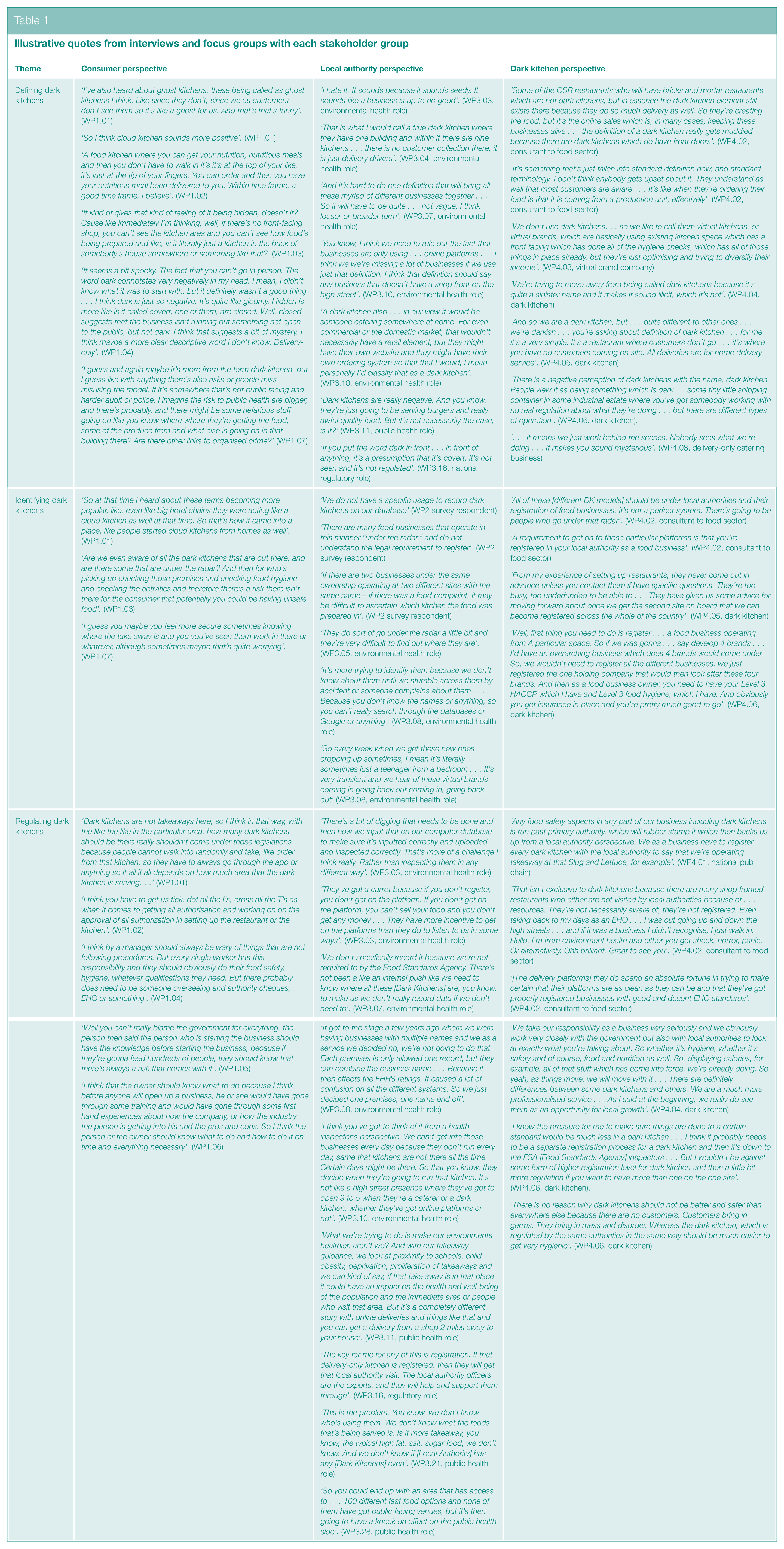
The term ‘dark kitchen’ was perceived by consumers as having potentially negative connotations and/or implications that businesses are seedy, covert, hidden or unregulated and offering a certain type of poor-quality food (Table 1). Food quality and food safety were seen to be accurate predictors of consumer purchase intent from dark kitchens in prior literature. 16 In some cases, businesses were reluctant to use the term ‘dark kitchen’ due to the negative connotations or because the term did not accurately capture their business model. However, others working in the dark kitchen sector felt that the term was now established and recognisable and had been widely adopted. For several local authority participants, this reflected their perceptions of businesses that were less visible, with some participants stating that they strongly disliked the term due to unfair and inaccurate negative connotations for many well-run businesses and the term ‘delivery-only kitchen’ was generally preferred by these participants. Despite this, during consensus discussions, stakeholders agreed that ‘dark kitchens’ was the preferred terminology as other suggested wording did not encapsulate the nuances of the particular business model it described. 4 Therefore, similar to the debate posed by Hakim et al., 16 we use the term ‘dark’ in reference to the lack of visible physical presence of a kitchen to the consumer only.
Identifying dark kitchens
Sixteen (44%) participants from local authorities were aware of one or more dark kitchens operating within their region. Participants from the same local authority did not always report the same number of dark kitchens, suggesting a lack of consensus, collaboration and information-sharing between departments. This may potentially arise from the lack of a clear and consistent definition across departments and local authorities, and the inability to develop a registry of dark kitchen businesses (Table 1). Qualitative data from local authority participants identified three key routes to identifying dark kitchens: through existing regulatory processes (e.g. business registration and planning processes), through inspections (e.g. food hygiene inspections for new businesses and inspections by planning or environmental health) and through external notification (e.g. complaints or reports from members of the general public and request for support or directly contacted by a business) (Figure 1) (data summary available in Supplemental Material).
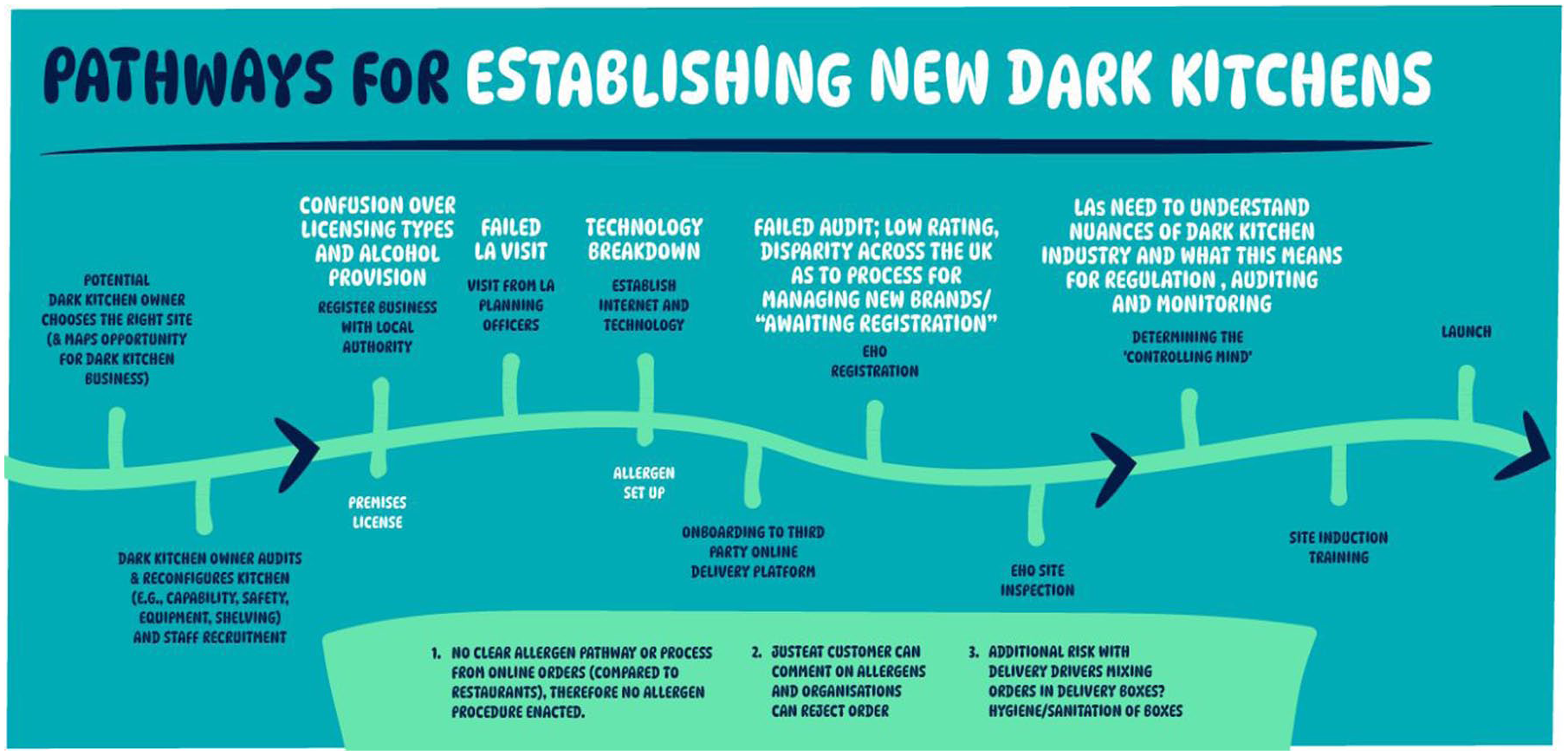
Pathways for establishing new dark kitchens with key points for regulation
Local authority (LA) participants noted several challenges with the identification and classification of dark kitchens. Some LA representatives lacked processes to identify dark kitchens, either due to the absence of mechanisms to support the identification and recording of businesses or because it was not a current LA priority. Participants noted a particular challenge was engaging some dark kitchens in regulatory processes and with food safety standards. LA and consumer participants felt this impacted the general public (e.g. concerns around transparency of information and informed choice), dark kitchen workforce (e.g. employment conditions) and the local environment (e.g. increased litter), but also the wider economy (e.g. impacting the success of other food businesses; see Supplemental Material).
Participants in the stakeholder workshops agreed that the identification of dark kitchens should start with planning processes for new buildings, or change of use notifications, but that these processes were not always robust. Also noted was the difficulty in identifying different business types due to the current planning classification system, 6 which does not provide a distinction between hot food takeaways and dark kitchens. As discussed above, due to the diversity of modes in which dark kitchens operate, premises can fall into at least three different potential planning classifications: Class E, Class F1 and Sui generis. 21 Therefore, current planning systems are unable to monitor how many of these businesses are in operation and/or under which land use classification they are operating, meaning that the planning process cannot underpin the identification and regulation of dark kitchens in its current format.
While the recent National Planning Policy Framework fails to reference dark kitchens or the changing dynamic food environment, it does state, Local planning authorities should refuse applications for hot food takeaways and fast food outlets: a) within walking distance of schools and other places where children and young people congregate, unless the location is within a designated town centre; or b) in locations where there is evidence that a concentration of such uses is having an adverse impact on local health, pollution or anti-social-behaviour. (Ministry of Housing, Communities and Local Government
5
)
At present, this policy framework is difficult to implement as there is little evidence to show whether dark kitchens have an adverse impact on factors such as local health, pollution or anti-social behaviours. However, emerging evidence from planning appeals demonstrates concerns over noise disturbance and air quality. 21
Many of the perceived risks are transposed from traditional takeaways, with a higher prevalence of takeaway outlets observed in areas of higher deprivation and contributing to poor health outcomes (e.g. higher rates of obesity).23 –26 However, the nutritional quality of food provided by dark kitchens is as yet unknown, and the variable delivery radii (i.e. in response to availability of delivery drivers and demand from consumers) mean that the geographical impact of dark kitchens is difficult to measure. It is, therefore, imperative that the identification of dark kitchens by local authorities is streamlined and consistent to allow the appropriate implementation of guidelines and policy development across the UK and globally. Despite this, planning teams in local authorities have reported little interest in dark kitchens, unless there was a specific breach of planning regulation, despite dark kitchens having impacts on the neighbourhoods and communities that they sit within. 21 Encouragingly, there was a better understanding of dark kitchen sites within those local authorities where cross-departmental relationships were more developed and structured approaches to broad public health agendas were in place. This is consistent with the Health in All Policies approach 27 which advocates for more joined-up thinking across local government roles, private sector organisations and local voluntary, community and social enterprise organisations. This also aligns with findings from O’Malley et al. 28 around regulatory mechanisms to restrict hot food and the planning appeals process.
Regulating dark kitchens
LA participants had mixed opinions on whether existing frameworks and guidance were fit for purpose for regulating dark kitchens, particularly given the rapid innovation within this area of the food industry. Examples were given where the existing legislation does not cover delivery-only food business models and how business innovation evolves more quickly than statutory processes, leaving gaps in legislation and guidance and inconsistency in its implementation (Table 1). During the stakeholder workshops, key ‘fail points’ were identified within the regulatory system, including managing allergens and food hypersensitivities and loopholes around failed food hygiene visits (Figures 1 and 2). Participants also raised concerns around ‘local legends’ on third-party food delivery platforms, which gave preferential treatment to food businesses that generated large income.
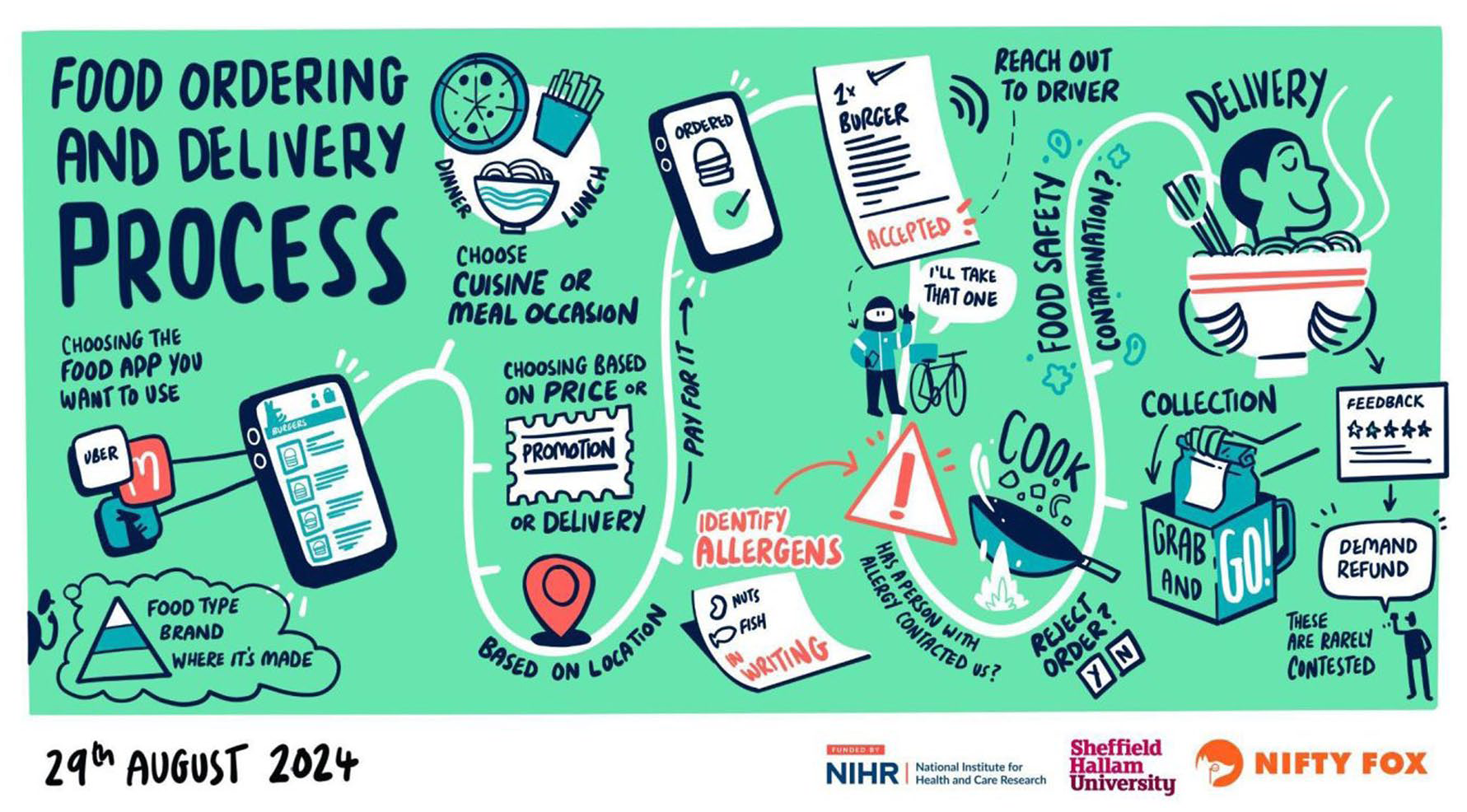
Key points of regulation in the food ordering and delivery process for dark kitchens
Some examples of dark kitchens that aim to positively impact the local community were also shared, such as dark kitchens running from school kitchens and offering healthy foods. 29 This, however, is another fast-food takeaway provider that overrides the school exclusion zone guidelines. 29 While participants noted there was no national guidance relating to dark kitchens, they reported this would be more challenging to produce than pre-existing guidance for traditional takeaway establishments. The Primary Authority scheme, 30 where businesses can receive tailored support around regulatory compliance, was mentioned by several participants as a way of ensuring consistency in advice given to businesses across LA areas, and so that dark kitchens can be supported to manage risks alongside innovation. However, until a consistent definition and regulatory approach for dark kitchens are adopted nationally, the advice provided by Primary Authority schemes is likely to be variable.
It was largely agreed between LA participants that environmental health teams were responsible for identifying (n = 20, 56%) and regulating (n = 22, 61%) dark kitchens, with public health, planning and trading standards playing a smaller role. However, these participants noted that limited time, resources and budget were significant barriers to undertaking proactive work with food businesses. Some (n = 3, 9%) felt the responsibility for identifying and reporting dark kitchens lay with the businesses themselves. Indeed, some dark kitchen businesses placed importance on their adherence to regulatory frameworks, for example, ‘We make sure that sites have the correct FSA [Food Standards Agency] rating . . . so that we know that where our brand is going is safe and healthy’. (WP4.03) and saw the need for more stringent regulation. Consumers also discussed how the business owners were responsible for the safety and quality of the food they were providing (Table 1). When considering the experience of dark kitchens in the regulatory processes, participants noted differences between dark kitchen businesses in terms of both adherence with legislation and guidance, but also how dark kitchens are regulated. Stakeholder groups identified several areas of concern where improved regulation can be embedded (Figure 1).
When consumers are choosing to order food from a food business via a third-party food delivery platform (Figure 2), participants felt there was a need for explicit access to information – particularly food hygiene rating and allergen information. This links with consumers’ decisions around the food type, which is impacted by this hygiene rating in addition to promotions or offers, position of a business on the app (e.g. sponsored placements), the stated location of the business or speed of delivery and the additional cost of delivery. 17 To address concerns, participants felt any information relating to allergens and special dietary requirements should be made available at the point of sale by standard, rather than relying on consumers to contact the business. In addition, participants felt mandatory food hygiene training was needed for food businesses and individual staff preparing the food. Importantly, participants felt these issues were not specific to dark kitchens but applied to wider food businesses, and that a ‘one-size-fits-all’ model is not necessarily appropriate.
Of particular, relevance to dark kitchens is the delivery process, which was of specific concern for stakeholders, given that this is often unregulated and may increase the risk of cross-contamination. 31 Participants felt that greater food hygiene, food safety and allergen training were required for delivery drivers, particularly given the potential for multiple food orders to be placed together by the delivery driver and thus increasing the risk of contamination. More stringent allergen and contamination management was deemed important, such as ensuring separate storage or the use of precautionary allergen labelling. As such, consumers felt that they would like to know whether their food was being produced in a dark kitchen, and that this information should be made available on the aggregator platforms. 17
Overall, regulation of traditional food providers (e.g. restaurants and takeaways) was deemed appropriate for the dark kitchens, as was the process for auditing these businesses and providing food hygiene ratings. In most areas, current regulations were believed to be successfully adapted and implemented within the dark kitchen sector. However, there were broader concerns that mainly arose from the lack of customer-facing order processes and using third-party food delivery platforms and drivers, which increased the risk of cross-contamination and allergen risk for those consumers who were particularly vulnerable. The biggest pitfall in the current regulation is around the initial identification of the dark kitchen premises within the planning system and having no consistent or reliable way of measuring the scale and scope of dark kitchens within the UK or at a specific LA level. In addition, there are several considerations for LA teams when identifying and regulating dark kitchen business (Figure 3), particularly relating to the way in which dark kitchens operate and how these differ from traditional takeaways (e.g. choice of foods and brands change based on trends and algorithms, third-party food delivery platforms may likely dictate acceptable food hygiene standards).
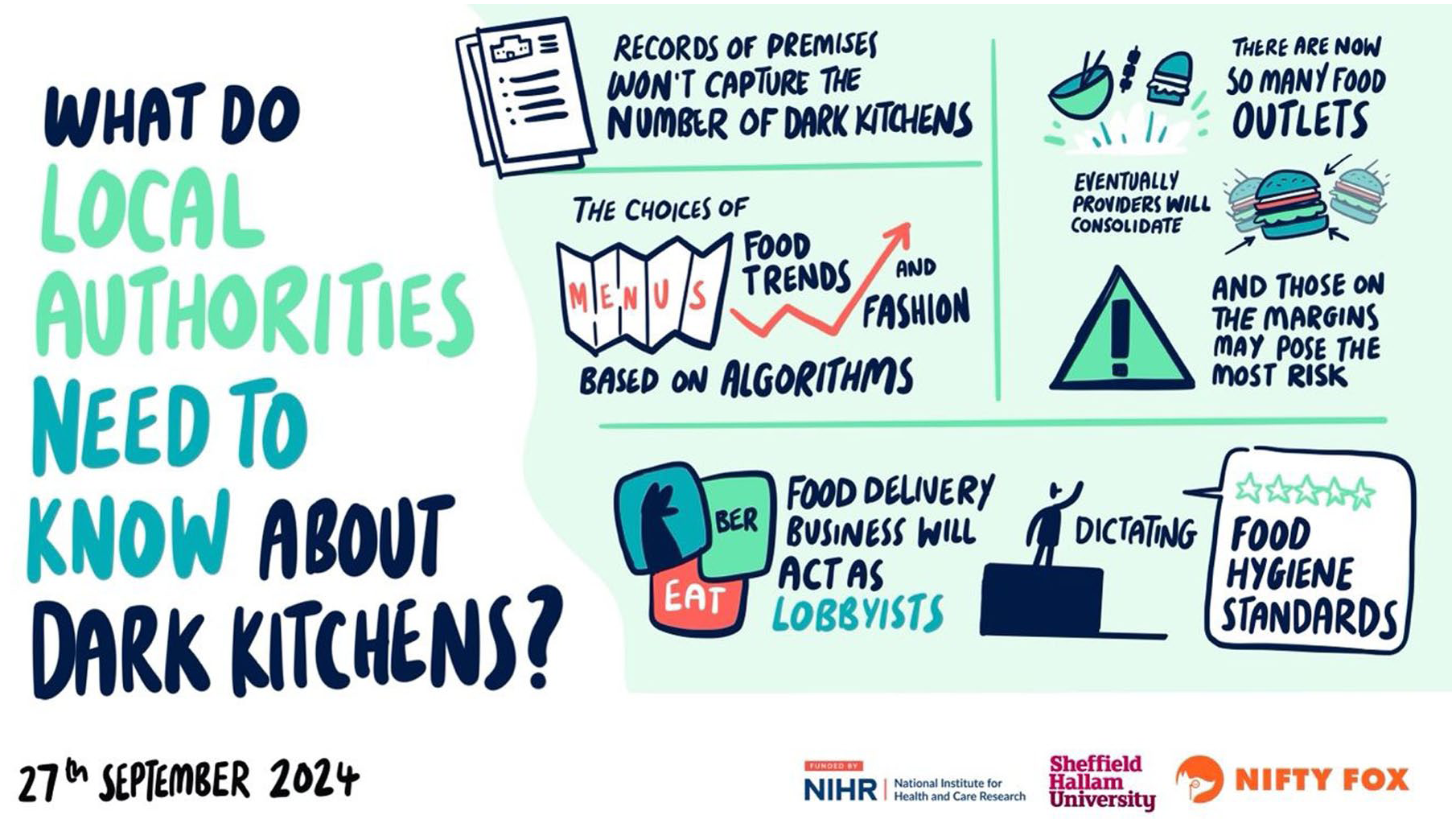
Additional considerations for local authority teams when identifying and regulating dark kitchens
Conclusion
To the best of our knowledge, this is the first study to explore the perceptions of dark kitchens from multiple stakeholder perspectives. The research has identified confusion and inconsistencies in the way that consumers, local authorities and other stakeholders define, identify and regulate dark kitchens. The potential risks of dark kitchens to food safety, food hypersensitivities and public health agendas are not fully known and warrant further research and policy development.
Supplemental Material
sj-docx-1-rsh-10.1177_17579139261448852 – Supplemental material for Defining, identifying and regulating dark kitchens in the North of England: perspectives from consumer, local authority and food business stakeholders
Supplemental material, sj-docx-1-rsh-10.1177_17579139261448852 for Defining, identifying and regulating dark kitchens in the North of England: perspectives from consumer, local authority and food business stakeholders by JD Beaumont, J Pearce, R Rundle, S Bowles, H Martin, C Wall, D Harness, AA Lake and L Nield in Perspectives in Public Health
Footnotes
Acknowledgements
The authors would like to thank the study advisory group (Nicola Corrigan, Dr Beverley O’Hara, Dr Helen Moore, Greig Bryan, Shirley Sherwood and Janice Manning) for their contribution to and oversight of the project. The authors would also like to acknowledge the contributions of Gursh Salona, who was instrumental in recruiting dark kitchen organisations. The authors would also like to thank the participants for their valuable contributions to this work.
Author Contributions
Conflict of Interest
The authors declared no potential conflicts of interest with respect to the research, authorship and/or publication of this article.
Funding
The authors disclosed receipt of the following financial support for the research, authorship and/or publication of this article: This project was funded by the National Institute for Health and Care Research (NIHR) under an Application Development Award (grant reference number: NIHR160326). The views expressed are those of the authors and not necessarily those of the NIHR or the Department of Health and Social Care. The funder had no role in study design, data collection and analysis, decision to publish or preparation of the article.
Ethical Considerations
Procedures were approved by the Sheffield Hallam University research ethics committee on 6 February 2024 (ethics ID: ER61546845).
Consent To Participate
All participants were provided with an information sheet and gave informed consent before their participation.
ORCID iDs
Data Availability Statement
A copy of study materials, raw quantitative data sets and thematic analysis codebook are available via the Open Science Framework (https://doi.org/10.17605/OSF.IO/6SWBK). Anonymised transcripts are available on request via the Sheffield Hallam University Research Data Archive (SHURDA) ( ).
).
Statements and Declarations
Not applicable.
Supplemental Material
Supplemental material for this article is available online.
References
Supplementary Material
Please find the following supplemental material available below.
For Open Access articles published under a Creative Commons License, all supplemental material carries the same license as the article it is associated with.
For non-Open Access articles published, all supplemental material carries a non-exclusive license, and permission requests for re-use of supplemental material or any part of supplemental material shall be sent directly to the copyright owner as specified in the copyright notice associated with the article.
