



Abstract
High-quality and timely gender data and statistics are essential for monitoring progress towards gender equality and developing evidence-based policies and programmes that respond to the needs of women and girls. However, there are critical gender data gaps, requiring concerted action and investment. This paper highlights success stories, lessons learned, and challenges in using training and capacity development as an important means to improve gender data availability and use in the Asia-Pacific region. Through the establishment and convening of a committee of experts representing data producers and users, the Gender Statistics Training Curriculum and complementary e-learning modules were conceptualized and regularly updated. These experts, trained to deliver the curriculum, have become a regional resource pool, ensuring sustainable results while keeping the curriculum relevant to methodological developments, and emerging needs and trends. Multi-partner support has been crucial to this initiative's success. Utilizing existing training materials and information regarding the trainees and their application of the training in their respective countries, including data from subsequent training evaluations, this paper sheds light on differentiated approaches to training, the importance of partnerships, and key components to enhance training success and impact.
Introduction
High-quality and timely gender data and statistics are essential for assessing the pace of progress towards gender equality. They are important tools for decision-makers and policy makers to develop evidence-based policies and programmes that respond to the needs of women and girls. They are also necessary for tracking and holding governments accountable to major global commitments such as the Beijing Declaration and Platform for Action (BPFA) and the Sustainable Development Goals (SDGs).
The BPFA has been the blueprint of the global guidance for achieving gender equality and empowering women and girls. Adopted by consensus in 1995, it called on national, regional, and international statistical services to “ensure that statistics related to individuals are collected, compiled, analysed and presented by sex and age and reflect problems, issues and questions related to women and men in society”. 1 Similarly, the 2030 Agenda for Sustainable Development builds on the ambitions of the BPFA recognizing gender equality as a standalone goal (Goal 5) within the SDGs as well as one of the crosscutting universal principles that underpins the SDGs and broader development efforts.
Without reliable and disaggregated gender data, gender inequalities remain hidden, and indicators (including the SDGs) go unmeasured. However, for gender data and statistics to exist and be valuable, there must be the capacity to produce, analyze, communicate, and use them effectively. With the support of international agencies and development partners, countries in Asia and the Pacific have made concerted efforts to continuously build gender data capacity over the past decade. Prior to 2018, capacity building efforts focused narrowly on the supply and availability of reliable and timely gender data and, as such, were centred primarily on strengthening the capacity of National Statistics Offices (NSOs) and other data producers. While this approach yielded some results, it proved to be deficient as it did not consider the other dimensions of statistical capacity or the other players in the data value chain such as the data users. Consequently, this approach perpetuated a disconnect between gender data production and its use. The limitations of those past efforts led to a re-thinking of the approach to include tailored gender statistics training courses that were: (i) designed and evaluated based on impact; and (ii) emphasized strengthening the statistical capacity of both data users and producers, so that data production in itself could essentially be demand driven to ensure use of the data eventually.
Against the backdrop of the 30th anniversary of the BPFA, this paper highlights the gains and strides made in the Asia-Pacific region in addressing crucial gender data gaps through a comprehensive gender statistics training programme. It highlights success stories, lessons learned and challenges of the approach to training and strengthening capacity on gender statistics in the Asia and Pacific region, which has been critical in supporting countries to address gender data gaps and enhance their use for diverse applications. Furthermore, the lessons from the region underscore the value of global initiatives such as Women Count, interventions funded by the United Nations Development Account Programme as well as resource allocations from regional development partners in facilitating the design and implementation of tailored capacity building strategies in Asia and the Pacific to support countries in producing high-quality gender data that can inform national policies and interventions and in monitoring the SDGs.
Leveraging statistical capacity building in Asia and the Pacific
The regional overview for Asia and the Pacific in the 2018 flagship SDG report by the United Nations Entity for Gender Equality and the Empowerment of Women (UN Women) highlighted that, while some progress had been made in collecting sex disaggregated data, the availability of such data varied widely across countries. 2 The report emphasized the crucial need for reliable gender data to design effective policies, calling for increased investment in gender statistics and capacity-building to enhance data collection and analysis. These trends were echoed in other regional reports including the benchmark SDG progress report by the Economic and Social Commission for Asia and the Pacific (ESCAP), 3 which revealed slow and uneven progress towards gender equality in the South and South-West Asia and Pacific subregions in particular. Similar trends were noted in the Asia-Pacific Beijing + 25 Review in 2019. Consequently, the Beijing + 25 Declaration from this review called for “strengthening gender-responsive national statistical systems and data collection, analysis, and use”. 4
Investing in strengthening the national statistical systems (NSSs) in Asia and the Pacific was a necessary step towards addressing the gaps in gender statistics. To that end, UN Women and other regional stakeholders (United Nations Regional Commissions, agencies, and training institutes) and governments have over the past decade been leading efforts to build gender data capacity. Those investments have been channeled through various modalities, including financial support, technical assistance, and training.
The launch of the UN Women initiative “Making Every Woman and Girl Count” (in short, Women Count) in 2016 fortified the ongoing efforts to close gender data gaps by significantly strengthening gender data systems. The multi-stakeholder programme sought to transform how gender data was produced, used, and promoted globally to inform policies and programmes, ultimately contributing to achieving gender equality and SDGs by 2030. Women Count's interventions focused on three core areas: creating an enabling environment, improving data production, and making gender data more accessible for policy advocacy.
In Asia and the Pacific, the Women Count initiative has been leveraged to address specific regional challenges and disparities in gender data. The initiative has served as an important opportunity for rethinking the approach to capacity building and it has contributed meaningfully to the development of a more sustainable, and tailored gender statistics programme that suits the evolving needs of the Asia-Pacific region.
Simultaneously the ESCAP Statistics Division, with support from the tenth tranche of the United Nations Development Account, rolled out interventions to support capacity building and training on gender statistics. The Development Account is the capacity development programme of the United Nations Secretariat, which is targeted at developing countries in the priority areas of the United Nations Development Agenda.
Principles of capacity building and training
The Asia-Pacific region is vast and characterized by diverse levels of statistical capacity. Given this diversity, training has been an essential tool and cornerstone in strengthening capacity to close capacity and gender data gaps. The approach to training as a means of improving gender data capacity, focused primarily on gender data production and, as such, targeted only one player in the data value chain – data producers or NSOs. This narrow focus addressed only the supply of data and failed to consider that gender data capacity is also fundamental for data users, who are the primary players not only in using the data but also in establishing the demand for data. Enhancing gender data capacity of users allows them to better understand, engage with, and translate gender data into actionable insights in addition to helping with identifying data needs.
Recognizing the need for a more holistic approach, recent gender data capacity building initiatives, supported by Women Count, United Nations Regional Commissions and other development partners, have shifted towards more inclusive approaches that engage both data producers and users. This shift acknowledges that effective gender data utilization requires collaboration across the entire data value chain. By extending beyond just the data producers and involving all key players in the data value chain, the recent approach to gender statistics training has ensured that gender data is not only collected but also thoroughly analyzed, disseminated and used to inform national policy decisions and monitor international commitments. This has helped to ensure that data produced are not only driven by demand but also effectively interpreted and applied. As a result, stakeholders are better equipped to translate gender data into meaningful policies and actions, thereby enhancing the overall impact of gender data and statistics on societal development and gender equality.
Several core principles have underpinned the gender statistics training programme in the Asia-Pacific region: Developing knowledge, skills and confidence of both data producers and users Producing capacity outcomes that are self-sustaining, resilient and continuous Developing and using standardized materials that are adaptable and support the conduct of tailored training Using differentiated approaches to training that are responsive to the specific needs and priorities of countries and regions Monitoring and evaluating learning and impact
These principles have been critical in defining the effectiveness of the gender data capacity-building efforts and are expounded upon in the ensuing sections of this paper.
Promoting a results-based management approach to training
A key element of capacity building in gender statistics in the Asia-Pacific region was the adoption of a results-based management (RBM) approach, which focuses on outcomes rather than outputs. Unlike an output approach that merely counts the number of training activities conducted or the number of persons trained, an RBM approach emphasizes measuring progress and results as reflected in changes in behavior and performance after the training, such as improved skills, increased knowledge, or enhanced capacity to make informed decisions and the capacity/ability to impart the knowledge gained to others. This emphasis on outcomes ensures that gender statistics training programmes and resources are designed and evaluated based on their actual impact, thereby improving efficiency and effectiveness in achieving the goal of increased data production and improved data use, besides enhancing impact, and ensuring effective use of resources.
In addition to the RBM approach, the integration of a continuous feedback mechanism has further strengthened the capacity-building efforts. Regular feedback from participants and trainers has been instrumental in identifying areas for improvement and adapting the training content to meet evolving needs. Having this strong evidence base has not only improved the relevance and quality of the gender statistics training programmes but has also cultivated a culture of ongoing learning and development and two-way communication. By actively involving both trainers and participants in the evaluation process, the training initiatives have become more responsive and adaptive, ensuring that they remain aligned with the overarching goal of closing gender data gaps and promoting gender equality in line with national needs.
Employing differentiated approaches across countries and subregions for greater impact
Considering the diversity in statistical capacity and literacy, a one-size-fits-all approach to capacity building would not meet the needs of the Asia-Pacific region. Instead, a differentiated approach, featuring the use of national and subregional training courses, has proven to be effective. Adopting this tailored approach has been key to ensuring that training courses are relevant and impactful, addressing the specific needs and challenges faced by different countries, subregions, and relevant stakeholders.
National training courses are, by design, tailored to the specific needs and contexts of individual countries. Those courses are effective in addressing local gender data gaps and enhancing statistical capacity in a way that is directly relevant to the country's unique circumstances. They also have a much broader reach and bring together a range of national stakeholders beyond the NSS such as civil society organizations, non-governmental organizations, media personnel and academia.
Subregional training courses, on the other hand, target specific subregions within Asia and the Pacific, addressing unique challenges and opportunities that may not be relevant at the broader regional level, while also allowing for cross country learning among countries with similar characteristics. By focusing on subregional contexts, these courses have been effective in providing more specialized training and support, ensuring that the diverse needs of different subregions are met and that gender data gaps are effectively addressed. They are also better suited to promoting subregional initiatives, sharing national experience, and leveraging South-South cooperation. For example, the subregional gender statistics training for the Pacific was a medium for sensitizing Pacific Island Countries and Territories on two initiatives, namely: the Pacific Roadmap on Gender Statistics, 5 which serves as the overarching framework to support Pacific NSS to generate quality, relevant and timely gender data that meets users’ needs to advance gender equality; and the Pacific Gender Statistics Coordination Group, which serves as governance mechanism for the Pacific Roadmap on Gender Statistics.
Together, those differentiated training approaches have created a comprehensive and adaptable framework for building gender data capacity.
Mechanism for coordinating a more structured and sustainable approach to gender data capacity
One of the first turning points towards a more structured and sustainable approach to training in gender statistics in Asia and the Pacific occurred in 2018 with the formation of the Sub-Group on Gender Statistics Training (hereinafter referred to as the Sub-Group). Established under the auspices of the Asia-Pacific Network of Statistical Training Agencies, the Sub-Group was set up to strengthen the capacity of data users and producers in Asia and the Pacific to produce and use gender statistics to inform gender policy decisions, advocacy, and tracking progress of the SDGS. It convenes four times a year—twice virtually and twice in person—providing a structured platform for feedback and collaborative decision-making.
At the core of the Sub-group's mandate was its roles in (i) contributing to developing a training framework on gender statistics following an RBM approach; (ii) supporting the development and implementation of the regional gender statistics training curriculum and materials addressing capacity gaps in the Asia-Pacific region; and (iii) promoting a coordinated and collaborative implementation of the training among providers in the Asia-Pacific region.
As an initial activity, the Sub-Group undertook an assessment of the gender statistics training needs in Asia and the Pacific as well as a mapping of priority areas to existing resources. The results informed targeted interventions by identifying key gaps and opportunities. This groundwork enabled the development of a training curriculum, tailored training programmes and resource allocation strategies, thereby ensuring that efforts to enhance gender statistics were both effective and sustainable.
The composition of the Sub-Group was a crucial consideration for its overall effectiveness and outcomes. The Sub-Group comprised a combination of gender data users and producers, including representatives from national statistics offices, national statistical training institutes, academia, the media, and civil society from various countries in the Asia-Pacific region. In addition to the basic requirement of balanced representation of stakeholders involved in both the production and use of gender statistics, other important considerations for selection included country diversity across all the ESCAP sub-regions, and expertise in training curriculum development and delivery.
Standardized resources to facilitate training delivery
The formation of the Sub-Group not only catalyzed the creation of a mechanism for enhancing capacity building in gender statistics in Asia and the Pacific, but it also represented a pioneering effort in developing standardized materials for gender statistics training, which have become a public good. The development of the Gender Statistics Training Curriculum (hereinafter referred to as “the curriculum”) 6 has been a key tool in producing high-quality learning solutions for the region and beyond, catering to a wide range of training needs.
The curriculum presents a structured approach for organizing and delivering training in gender statistics to diverse audiences in a systematic and effective manner. The features of the training include: A modular structure that allows flexible use and sequencing based on training objectives and target audiences. Each of the modules in the curriculum has clearly defined goals and learning objectives to guide both instructors and learners. Key resources such as syllabi, exercises, presentations, and evaluation tools to facilitate effective self-learning as well as training delivery. It ensures consistency in training across different contexts and audiences, employs participatory and hands-on educational methods, and provides a framework for assessment and evaluation using the Kirkpatrick Model of Evaluation. A wide range of topics covering production, use and analysis of gender data to facilitate ease of use for self-learning and for delivering training to diverse audiences including government officials, policymakers, researchers, statisticians, and civil society organizations. The curriculum is adaptable to various contexts, audiences, and institutional settings.
The availability of the curriculum as a resource for gender statistics training courses has enhanced the quality of training offered in the region and beyond. It has also been a valuable tool for ensuring uniformity of content and consistency in the delivery of gender statistics training workshops. This has been crucial in safeguarding the quality of successive training courses, irrespective of the level (national, regional, or global); mode of delivery (in-person or online) or trainer. Since it was launched in 2020, the curriculum has been the primary resource used for training courses in Asia and the Pacific. It has also been used widely by several international agencies, training institutions and academia to design courses on gender statistics. Examples of this uptake of the curriculum include its use to: develop other regional curricula such as the African Training Curriculum on Gender Statistics and the Europe and Central Asia Training Curriculum on Gender Statistics. design training on Leave No One Behind for the Ministry of Gender in the Democratic Republic of Congo and Gender Research Training at Narxoz University in Kazakhstan. develop the content of the Counted and Visible toolkit
7
and United Nations Environment Programme (UNEP) Empower Programme national training on gender-environment statistics for the Ministry of Women and civil society organizations. develop the e-learning course on gender data analysis, communication and policymaking in the context of SDG monitoring and beyond by the ESCAP Statistics Division, in partnership with UN Women and the Statistical Institute for Asia and the Pacific (SIAP), in response to challenges in conducting face-to-face training during the COVID-19 pandemic.
In addition, the curriculum has been taken up by trainers in various other regions (beyond Asia and the Pacific) and translated to French and Spanish for use in Africa and Latin America and the Caribbean, respectively.
Resources, both technical and financial, are key drivers that have significantly influenced the scope, quality, and scale of capacity-building efforts in Asia and the Pacific. Training is not a standalone activity but rather requires sustained investment and strategic planning to achieve long-term impact and ensure sustainability. As such, long term investments through initiatives like Women Count, alongside contributions from regional development partners and countries, have been vital and cannot be overstated. These resources and collaborations have not only ensured continuity of the ongoing regional efforts but also demonstrated the power of pooled expertise and resources in achieving outcomes that are greater than the sum of their parts.
Several regional development partners, training institutes and national governments have provided technical expertise, financial assistance or in-kind support for the development and delivery of the gender statistics training including: ESCAP Statistics Division and SIAP; the Pacific Community (SPC); Statistics Korea (KOSTAT); and UN Women Knowledge and Partnerships Centre in the Republic of Korea.
By leveraging partnerships, UN Women and its collaborating agencies have effectively pooled human and financial resources, optimized their use, and minimized duplication of efforts. These partnerships have contributed to the development of sustainable, long-term solutions tailored to the unique needs of the Asia-Pacific region. The success of this approach has demonstrated the vital role of partnerships in fostering collaboration and facilitating knowledge sharing to achieve shared objectives.
Amplifying reach and building in sustainability
Amplifying impact through training of trainers
While building the capacity of end users (both data users and producers) within the NSS has been critical to closing gender data gaps in Asia and the Pacific, incorporating Training of Trainers (ToT) as a complementary approach has proven to enhance the benefits. ToTs have been significant in creating a pool of skilled trainers in Asia-Pacific who are equipped with technical as well as didactical skills and knowledge to independently plan, coordinate, and deliver training courses relevant to their local contexts, with less dependence on regional and international organizations for support. The approach has also been a crucial mechanism for continuously promoting the uptake and use of the Gender Statistics Training Curriculum, thereby fostering long-term improvements in gender data production and use. The pool of skilled trainers has contributed to a self-sustaining cycle of capacity building, extending the reach and impact of initial training investments far beyond their original scope.
By multiplying the capacity-building efforts led by UN Women and other regional and international agencies, the ToT approach has ensured a sustainable model for capacity building. Two (2) of the three (3) ToTs that have been conducted since 2020 have targeted members of the Sub-Group. Figure 1 displays the quantified multiplier effect of those ToTs, which were designed to enhance the technical and didactical capacities of Sub-Group members. Of the fourteen (14) Sub-Group members who participated in past ToTs, eight (8) went on to independently organize and deliver 14 gender statistics training workshops in their respective countries in 2024, thereby reaching a total of 365 participants. The data shows the geographic reach and significant impact of the initial training. It further demonstrates the effectiveness, scalability and efficiency of the ToT approach. The data for Figure 1, which was gathered through the annual monitoring survey administered to Sub-Group members for the period January to December 2024, also provides crucial evidence of the return on investment in terms of knowledge and skills transfer. Additional anecdotal evidence of the amplified effect of ToTs is elaborated in the success stories featured in section 5 of this paper.
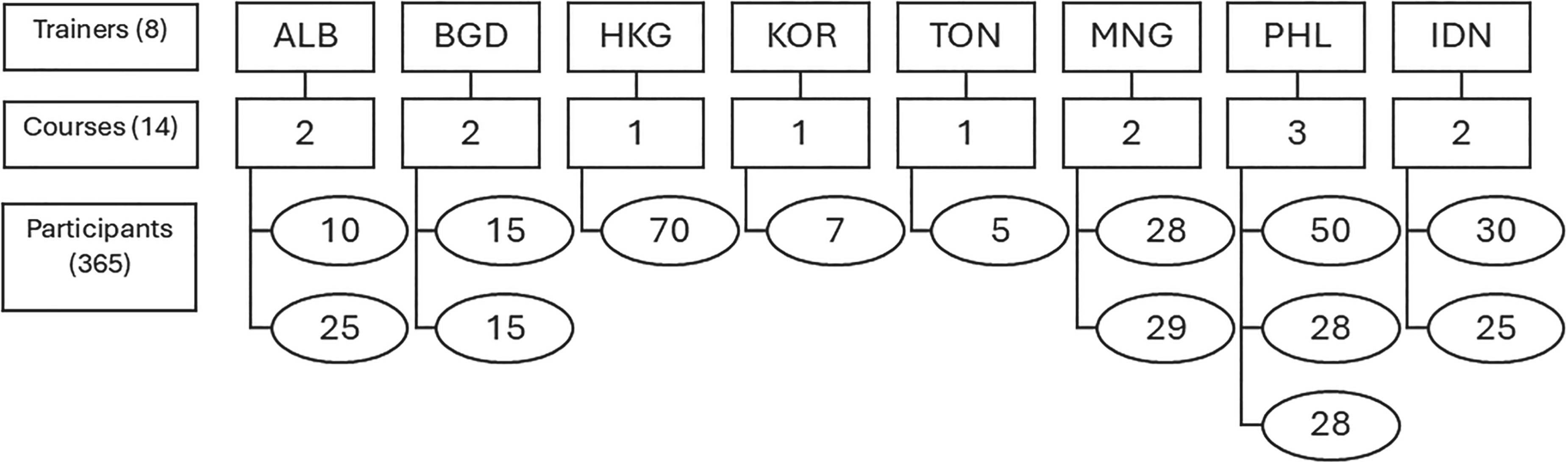
Multiplier effect of the Training of Trainers approach. The trainers are members of the Sub-Group from the following countries Albania (ALB), Bangladesh (BGD), Hong Kong (HKG), Republic of Koreas (KOR), Tonga (TON), Mongolia (MNG), The Philippines (PHL) and Indonesia (IDN). Source: Authors' calculation based on responses to the annual follow-up survey for Sub-Group members.
Initially, most gender statistics courses were delivered in-person, with virtual sessions serving as complementary. However, the onset of the COVID-19 pandemic necessitated a shift to make fully virtual training available due to travel restrictions and safety concerns. This transition introduced new opportunities for interactive training methods to support remote learning and paved the way for the commencement of the gender statistics self-paced e-learning course – “Using gender data for analysis, communication and policymaking in the context of SDG monitoring and beyond”. 8 This e-learning course was initiated by the ESCAP Statistics Division in collaboration with UN Women and SIAP and launched in June 2022. It has provided a structured and accessible way for participants to engage with the training material at their own pace. Facilitated sessions have also been conducted at regular intervals to support self-learning and respond to questions learners might have.
The e-learning course is based on the Gender Statistics Training Curriculum and comprises ten modules following the same modular structure as the curriculum. The course targets officials of NSOs, ministries of gender affairs, national agencies, media, civil society organizations and academia using or providing gender related data and information for policy research and advocacy.
The self-paced e-learning course has helped in meeting the demand for training in gender statistics by ensuring the continued availability of relevant and accessible training resources. Since its launch in 2022, there has been a significant uptake of the course. Sex disaggregated enrolment data in Figure 2 presents the annual enrolment trends in the e-learning course from June 2022 to March 2025. In that period, a total of 575 learners enrolled in the course, of which 381 (66.4%) were female and 194 (33.7%) were male, indicating a strong and consistent interest in gender statistics. Furthermore, the annual data in Figure 2 shows that female learners consistently outnumber male learners, across all years.
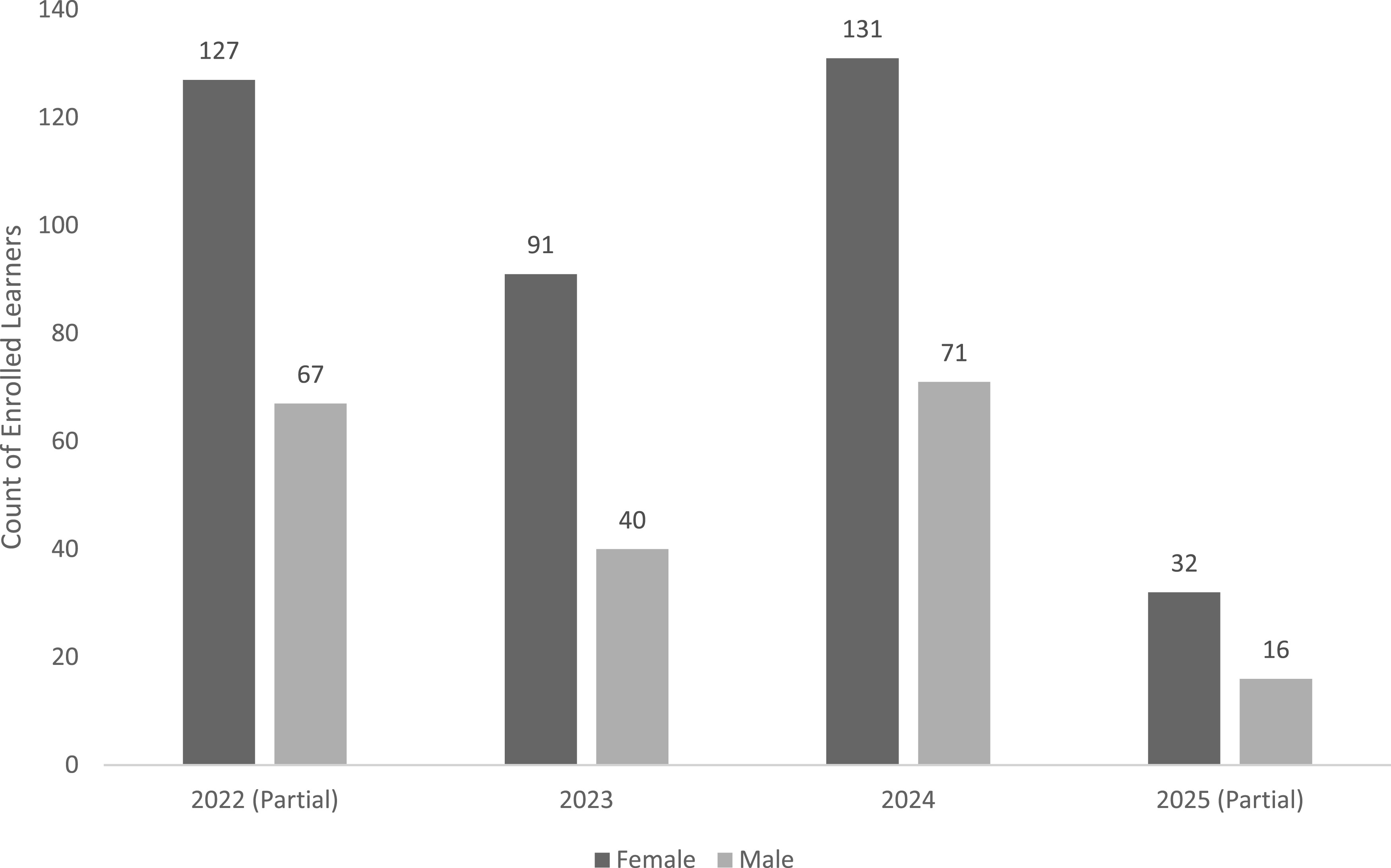
New enrolments disaggregated by sex in gender statistics e-learning course (absolute numbers)” Note: Data for 2023 and 2024 cover the full calendar year, whereas data for 2022 and 2025 cover part of the year June 22 to December 31, and January 1 to March 30, respectively. Source: Authors' calculations based on course records extracted from the SIAP Learning Management System.
A deeper dive into the characteristics of enrolled participants showed that the course has attracted a diverse audience across a range of professional sectors and geographic regions. As shown in Figure 3(a), enrolled learners were practitioners from NSOs (33%) as well as international organizations (21%), line ministries and government entities (16%) and academia (8%). The distribution of learners by broad organizations reflects the course's wide institutional reach beyond the NSOs, line ministries and government entities, and its relevance to both national and international statistical systems. As for the regional distribution shown in Figure 3(b), even though two-thirds of learners are from Asia-Pacific, there is notable representation from other regions - 13% from Africa, 9% from Europe and 7% from the Americas. This geographic diversity underscores the course's global relevance and its value in fostering cross-regional capacity in gender statistics. Despite challenges such as Internet access, time management, and maintaining adult learners’ motivation, the e-learning course continues to be a valuable resource as it has significantly widened the reach of gender statistics training to geographical locations beyond the Asia-Pacific region, besides offering a sustainable model for capacity building especially when circumstances prevent the possibility for face-to-face trainings.
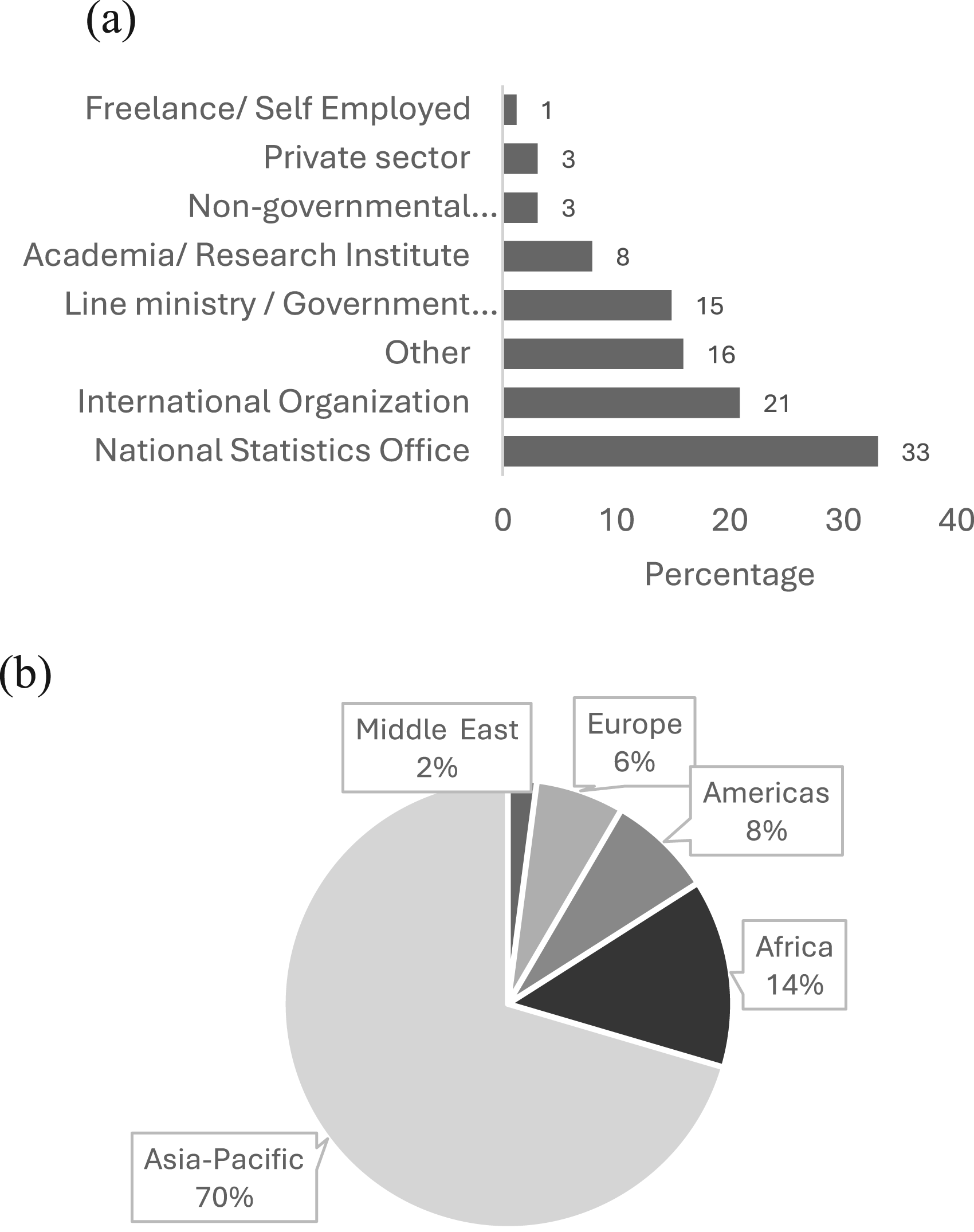
Profile of enrolled participants by (a) broad type of organization and (b) region (percentage). Source: Author's calculations based on records extracted from the SIAP Learning Management System.
Continuous evaluation to measure the impact of training is an essential element of the approach that has been advocated for and utilized in the delivery of gender statistics training. Evaluations aim to provide credible evidence of the significance of the training, highlighting strengths and weaknesses to enhance overall quality. A range of evaluations are conducted throughout the training cycle for each gender statistics course as part of the RBM approach and the monitoring strategy pursued by UN Women and development partners. These evaluations follow the Kirkpatrick Model of Evaluation (Figure 4). 9 measuring training effectiveness beyond outputs and participation to include application and impact. The regional and subregional training courses that have been conducted in the past 3 years have consistently integrated three of the four levels captured in the Kirkpatrick Model of Evaluation, namely: reaction (learner satisfaction and engagement); learning (knowledge and skill acquisition) and behaviour (application and implementation). The fourth level - results, which measure the broader organizational impact remains an area for further development.
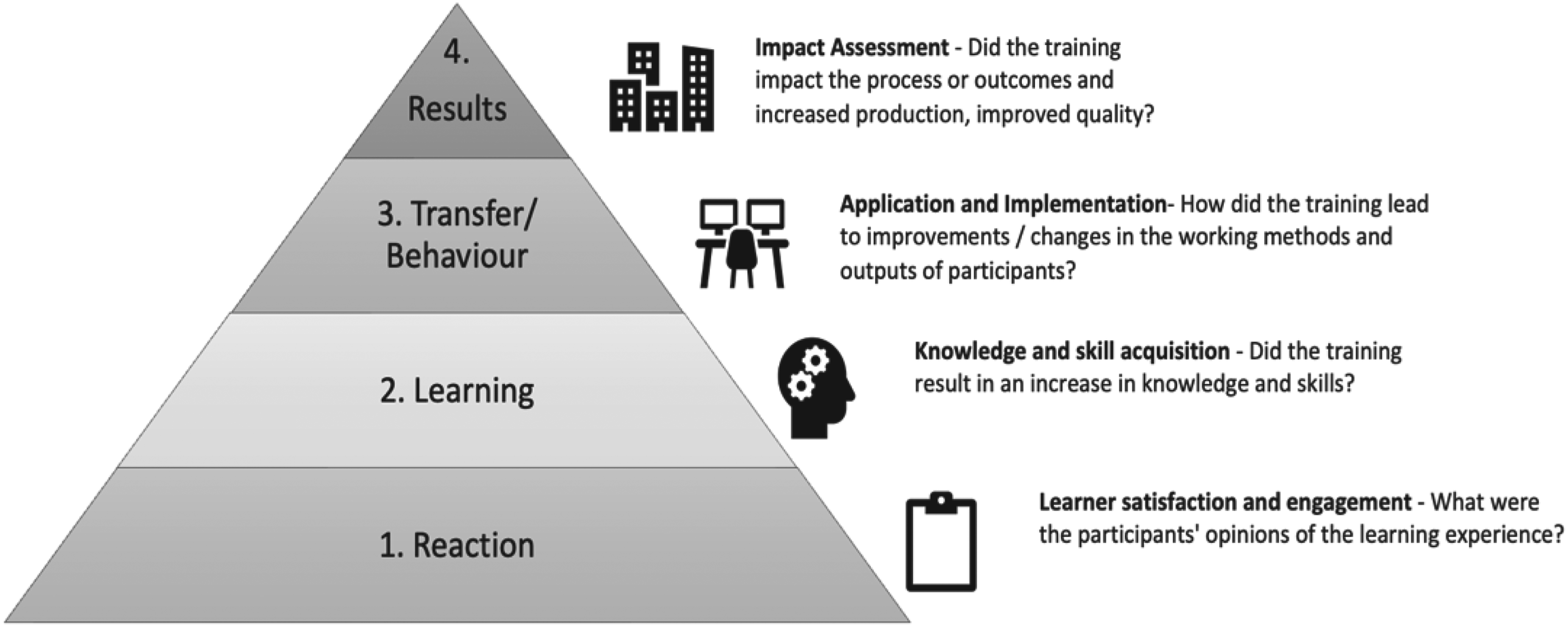
Adaptation of the Kirkpatrick Model of Evaluation. Source: Adapted from Kirkpatrick DL (2006), Evaluating Training Programs.
The most basic types of evaluation that have been integrated into gender statistics training courses are the exit / feedback surveys administered to participants at the conclusion of every training – irrespective of the mode of delivery, duration, or target audience. Those level 1 (reaction) evaluations gather insights on the learner's/ participants’ immediate responses to the training including their satisfaction, engagement, and perceived relevance of content. The evaluations are administered through a short standardized online questionnaire immediately after each gender statistics training, using Microsoft Forms. The questionnaire comprises a mix of Likert-scale and open-ended questions thus capturing both quantitative ratings and qualitative feedback. To ensure a high response rate, time is allocated during the concluding session for completion, and the importance of the feedback is emphasized. Trainers use feedback to refine and improve the design, pedagogical materials and the delivery of future training courses. For example, recommendations from participants of the subregional workshop for Pacific countries in 2023 to incorporate more interactive elements/ practical exercises and adjust the pace of delivery have informed the design and duration of subsequent workshops. Aggregated responses to exit/ feedback surveys conducted for 2 subregional training workshops in 2023 are provided in Annex 1.
The second type of evaluation (level 2 - learning) measures the training output and therefore focuses on how much participants have learned, i.e., skills, knowledge or competencies acquired. All the gender statistics training courses that have been conducted in the Asia-Pacific combine both a theoretical understanding of concepts (importance of gender data; SDG indicators) with practical application (analyzing gender data using R programming language; interpreting gender statistics for policy making) and are therefore both knowledge-based and skills-based. As such, the trainers who conduct those courses integrate several evaluations that take the form of knowledge checks and/ or pre-and post-tests to measure participants’ cognitive understanding as well as group assignments and presentations that allow participants to demonstrate and apply their understanding of the concepts over the whole training. While the pre- and post-tests are effective in helping trainers measure knowledge and skill acquisition, trainers of the gender statistics courses find group assignments and projects even more beneficial. The group assignments/ projects are integrated into the training as collaborative tasks that require participants to directly apply the new skills and knowledge. The assignments are introduced on the first day of the workshops and time is allocated daily for this group work, with guidance of the trainers. Participants would have an opportunity to showcase their final outputs, to the wider group, fostering peer learning and reinforcing practical application. Collectively, the insights from those level 2 evaluations provide evidence that the trainers then use to verify the effectiveness of the training in enhancing participants’ capabilities and the achievement of the training's stated learning objectives.
The true test of the outcomes of any training are evidenced by the application of the skills, knowledge, and competencies in a real-world setting such as the participants’ day-to-day activities or job. When this happens, the training outputs (knowledge and skills) are translated into outcomes, and only then truly contribute to the practical improvements in gender data production and use. To measure the application and implementation of skills and knowledge acquired through gender statistics training courses, UN Women and SIAP undertake post training surveys, 6 or 12 months after each training course. Given the nature and timing of those evaluations, the methodology involves administering online (via Microsoft Forms) surveys with specific questions designed to elicit concrete examples of how participants have implemented their learning, and the organizational support received, and challenges encountered in the process. The responses to these surveys are analyzed and typically shared with partners and used for multiple purposes including determining future training needs, identifying changes to the training approach and resource allocation. Box 1 highlights a selection of responses from participants to a post training evaluation conducted in 2024. The extract details the specific work-related outputs that some participants have engaged in during the 6 months following the training course and demonstrates the actual transfer of knowledge.
Selected responses from participants on the specific work-related outputs that demonstrate application of the new skills and knowledge.
“The knowledge and skills which I obtain[ed] from the training currently helped me to
Thus, through the systematic integration of evaluation as part of the gender statistics training programme, UN Women and other partner agencies have been able to gather insights and ensure that the training investments contribute to tangible results and the overall strategic objective of improved availability of high-quality gender data and statistics. The distinct types of evaluations have been crucial in distinguishing the immediate outputs of training (enhanced skills and knowledge) and the longer-term outcomes (strengthened statistical capacity, application of skills and knowledge to improve efficiency). Cognizant of its value, instruments for conducting each type of evaluation have been integrated into the revised version of the Gender Statistics Training Curriculum to support monitoring and evaluation. The tools can be accessed and adapted by trainers who use the curriculum for gender statistics training in their context.
Empowering gender statistics expertise in Hong Kong and Mongolia
The adoption and implementation of the Gender Statistics Training Curriculum across the Asia-Pacific region have led to significant and tangible outcomes, most notably, the development of a growing pool of trainers and experts who are advancing gender statistics within their own institutions and professional communities. A professor from the Hong Kong Baptist University, who is also a member of the Sub-Group and a regional advocate and practitioner of the curriculum, exemplifies this multiplier effect. Drawing from the curriculum, particularly Module 10 on Communicating Gender Data, this Sub-Group member has integrated key concepts and tools into her undergraduate course “Integrated Data-driven Storytelling/Data Story Laboratory”, designed for students in media and communication.
Through this course, students explore communication strategies for gender statistics, ethical considerations, data visualization techniques, and gender-focused storytelling. These concepts are drawn directly from the curriculum's structured clusters: concepts, techniques, and practice. The course emphasizes applied learning, and by semester's end, students produce their own data-driven projects ranging from journalistic pieces to policy-focused reports, demonstrating their understanding of gender statistics in real-world contexts. In 2024, 40 students participated, many of whom are future communicators, journalists, or policy advocates.
Beyond academia, this Sub-Group member has conducted workshops for 30 journalists in Taiwan, strengthening their capacity to interpret and report on gender data responsibly. These efforts have contributed to more nuanced and gender-sensitive reporting across media outlets in the region. This experience illustrates the broader value of the curriculum's ToT approach: by equipping experts with practical knowledge and adaptable materials, they are empowered to transfer knowledge and train the next generation of gender data users and communicators. This approach promotes long-term sustainability, as knowledge is not only retained but multiplied across institutions, sectors, and borders.
Similarly, the ToT approach has yielded impactful results in Mongolia. Another member of the Sub-Group, a professor of Economics at the National University of Mongolia and member of the Sub-Group since its inception, adapted the Gender Statistics Training Curriculum into a graduate-level course on gender statistics and gender economics. Since 2022, the course has equipped students with both the theoretical foundations and practical tools needed to apply gender-sensitive approaches in research, policy analysis, and development work. Drawing directly from modules in the curriculum, the course covers essential topics such as the production and use of sex-disaggregated data, gender indicators, and methods for integrating gender perspectives into economic analysis.
This Sub-Group member representing Mongolia, having participated in regional training workshops, has become a national advocate for gender statistics and a key resource for building capacity in the field. Her graduate course represents a crucial step in institutionalizing gender statistics training within higher education, creating a pathway for students to specialize in this field. From 2022–2024, around 60 students have completed the course. By embedding the curriculum into advanced academic training, this initiative contributes to the development of a new generation of gender data experts who are equipped to lead national efforts in gender-responsive planning and policymaking.
Building national capacity through ToT in the Philippines
The ToT model in the Philippines focused on enhancing the capacity of national trainers, who will in turn be responsible for teaching and training others. The director of the Philippines Statistical Research and Training Institute (PSRTI) and a Sub-Group member collaborated with UN Women and SIAP to organize a nationwide training initiative that aimed to build a strong network of gender statistics trainers. This training brought together faculty and staff from various Philippine universities, regional directors of the Philippine Statistics Authority, and representatives from the Philippine Commission on Women, totaling 50 participants who successfully completed the course.
The National ToT aimed to enhance the capacity of these national trainers to design, deliver, and evaluate effective gender statistics training programmes. According to post-evaluation results, the training effectively addressed the need for skilled professionals who can integrate gender statistics into curricula and organize relevant training within their institutions. Participants not only gained expertise in gender statistics but also developed the necessary teaching and training skills to transfer this knowledge within their own organizations. Since the training, three (3) universities in the Philippines have facilitated similar sessions on gender statistics. Several participants also reported having concrete plans to conduct additional initiatives related to the ToT. For example, multiple research conferences and projects on gender statistics are currently undergoing administrative approval.
This effort highlights the sustainability of the ToT model, which focuses on building a cadre of skilled professionals capable of training others. The broader impact is expected to be far-reaching as these professionals integrate gender statistics into their teaching, research, and institutional training programmes. Through those ongoing and planned national training initiatives, the Philippines is poised to strengthen its national capacity to produce and use gender statistics effectively, supporting more gender-responsive policy and development practices nationwide.
Empowering Pacific countries: a key example from Kiribati
While the ToT initiative has yet to lead directly to local Sub-Group members conducting their own training programmes in the Pacific, it has empowered countries such as Kiribati to take charge and apply the knowledge gained in other significant ways. For example, after participating in the ToT workshops, the Kiribati NSO took the initiative to conduct its own Gender and Environment Survey (GES), marking a major step in the country's efforts to collect and utilize gender-sensitive data for informed decision-making. During the implementation, the Sub-Group member from the Kiribati NSO actively advocated for the importance of measuring the nexus between gender and environment and demonstrated how to interpret the data and apply it to inform policy decisions.
The GES in Kiribati is a direct reflection of the capacity-building efforts made through the ToT. The GES aims to understand the multi-dimensional nature of the gender-environment nexus through individual-level analysis of women's and men's interactions with the environment in the country—an area of increasing relevance as Kiribati faces the challenges posed by climate change and environmental degradation. By conducting this survey, Kiribati is not only building its gender data collection capacity but also setting a precedent for future gender-responsive research and policy development.
The connection between the ToT workshops and this survey in Kiribati underscores how such initiatives, even if they do not immediately result in national training programmes by local Sub-Group members, can still serve as a catalyst for national-level action. The sample of success stories highlighted in this paper demonstrate how four members of the Sub-Group have collectively trained a total of around 150 individuals from diverse backgrounds and sectors, further amplifying the impact of these efforts. By equipping local officials and institutions with the tools and knowledge they need, the ToT model has created a ripple effect, enabling countries to undertake important gender statistics projects that contribute to more effective policymaking and better-targeted development interventions.
Lessons learned and challenges
Lessons learned
Sustaining quality and relevance through peer review and modular design
A key lesson learned from the implementation of the Gender Statistics Training Curriculum is the importance of establishing a structured and participatory system for continuous improvement. In 2023, three years after the curriculum's launch, the Sub-Group convened a face-to-face meeting to undertake a comprehensive review of all training materials. Members provided in-depth feedback on each module, identifying areas for revision and enhancement based on emerging trends, user needs, and practical experiences. This process went beyond review—Sub-Group members also assumed responsibility for updating selected modules, drawing from their national and institutional expertise. Once revisions were completed, the group reconvened to conduct peer reviews and collectively finalize the updates. This iterative and collaborative approach not only enhanced the quality and relevance of the curriculum but also fostered a strong sense of ownership and shared responsibility—demonstrating a sustainable model of capacity development grounded in regional leadership and continuous learning.
Another key strength of the curriculum lies in its flexible, modular design, which has proven essential for addressing the diverse capacity-building needs across the Asia-Pacific region. This structure allows trainers to adapt and tailor the curriculum to different audiences—such as policymakers, advocates, or technical experts in NSOs —as well as to the objectives and duration of each training. For instance, some national trainings have focused solely on data communication modules for data users, while others have delivered the full technical sequence for producers. This adaptability has significantly broadened the curriculum's reach and made it an effective tool across various institutional and national contexts.
Moreover, the modular format allows for timely updates and targeted additions in response to shifting data priorities and emerging needs. A prominent example is the development of Module 12: Non-Conventional Data Sources, introduced following increased demand to explore the use of big data and alternative sources in gender statistics. This responsiveness reflects the curriculum's ability to remain relevant and forward-looking, equipping stakeholders with the skills and knowledge needed to navigate today's complex and evolving data landscape.
6.1.2 The important role of funding in catalyzing change and ensuring sustainability
An equally important lesson learned from this initiative was the critical role that funding from Women Count and other regional projects and programmes played—not just in launching the broad training initiative, but in shaping its long-term viability. As a case in point, the multi-year nature of the Women Count programme and other donor supported projects enabled the initial development and rollout of the training initiative, but this also presented risks due to the over-reliance on external funding. In many cases, activities were heavily dependent on this support, and when funding cycles ended, momentum slowed. This underscored the importance of embedding financial sustainability mechanisms from the outset, such as: Securing co-financing or in-kind contributions from other regional institutions supporting the initiative; and Building institutional ownership to ensure continuity beyond donor support.
Moreover, the experience revealed that flexible and responsive funding can be a catalyst for collaboration. However, it also emphasized the need for early planning for transition to other resources to avoid disruptions and ensure long-term impact
Together, these features—the peer-led review mechanism, the adaptable design, and the responsiveness to emerging trends, and the critical role of sustained and flexible funding — underscore the importance of creating training tools that are not only technically sound but also structurally flexible and sustainable. Embedding financial sustainability from the outset, through co-financing and institutional ownership, is key to ensuring that initiatives like the Gender Statistics Training Curriculum remain viable beyond donor cycles. Taken together, these elements ensure that the Curriculum continues to serve as a valuable resource for building long-term capacity in gender statistics across the region.
Turnover, engagement and institutionalization
Despite the successes of the Gender Statistics Training Curriculum, several key challenges have emerged in sustaining and scaling its impact. First, identifying the right individuals to participate in the Sub-Group was a fundamental and recurring challenge. Members needed to possess not only technical expertise in gender statistics but also institutional authority and support to ensure their long-term engagement. In practice, this proved difficult due to varying capacities and institutional structures across countries. In some cases, technically qualified individuals lacked the mandate to represent their institutions effectively, while others with the necessary authority lacked the availability or expertise. This mismatch sometimes hindered the group's ability to maintain consistent and productive engagement.
Another related and persistent issue was the high turnover of Sub-Group members, particularly among government officials who were frequently reassigned or transitioned to new roles. This turnover disrupted continuity and necessitated repeated onboarding of new members and occasionally led to the loss of institutional memory. Despite these challenges, the Sub-Group remained a critical mechanism for ensuring the curriculum's relevance and for promoting regional ownership and sustainability of gender statistics capacity-building efforts.
Limited and inconsistent resources also constrained the ability to maintain strong collaboration. Although virtual meetings allowed for regular contact, they often could not match the depth of engagement or productivity of in-person interactions. As a result, sustained momentum was harder to achieve, particularly when addressing complex technical updates or planning new activities.
These challenges highlight the need to strengthen institutional mechanisms that support continuity and knowledge retention—such as formal nomination processes, internal training systems, documentation practices, and mentoring. Ensuring that Sub-Group members are appropriately positioned and supported within their institutions is critical to securing the long-term success and sustainability of gender statistics capacity-building in the region.
Member perspectives: value, limitations, and the path forward
While the Sub-Group has been widely recognized by its members as an effective platform for sharing experiences, accessing tools, and shaping regional training efforts, some also reflected on areas where further support is needed. One recurring concern was the challenge of advocating for the uptake of the Gender Statistics Training Curriculum within their own organizations. Despite their enthusiasm for the curriculum, several Sub-Group members noted that organizational priorities, limited resources, and varying levels of institutional interest can pose significant barriers to organizing gender statistics training at the national level.
Members pointed out that while the curriculum is well-structured and adaptable, gaining internal buy-in, especially from senior leadership or departments not traditionally engaged in gender data—can be difficult. Without sustained advocacy efforts, dedicated funding, or formal mandates, efforts to roll out training are often dependent on individual initiative rather than embedded in institutional plans. These challenges highlight the need for continued efforts to promote the value of gender data and statistics and related training for it, not only among technical staff, but also among decision-makers who influence strategic priorities and resource allocation.
Furthermore, such feedback underscores the importance of complementing technical training materials with broader advocacy and communication strategies that can support members in promoting the relevance of gender statistics within their institutions. It also reinforces the need for ongoing regional support to amplify the visibility of the curriculum and provide members with tools to advocate for its integration into national training agendas.
Agency perspectives: demand, delivery, and the limits of collaboration
One of the key challenges faced by the Sub-Group is the ability to sustainably meet the growing demand for capacity development across the region. The Sub-Group's leading agencies—UN Women Regional Office for Asia and the Pacific, UN Women Knowledge and Partnerships Centre and ESCAP (SIAP and the Statistics Division), frequently receive requests from countries and institutions to organize gender statistics training. This demand reflects the increased awareness of the value of gender statistics and the recognition of the curriculum as a high-quality tool to build capacity.
In response, the agencies have adopted a collaborative approach, often coming together to co-design and co-deliver training courses, pool financial resources, and provide staff-time to serve as resource persons to facilitate the sessions. However, the standard format of these training courses, i.e., typically five-day, in-person workshops requires significant human and financial resources, including time-intensive coordination, logistical arrangements (such as venue, and travel), and dedicated technical expertise. Even with the pooled support and strong commitment from all agencies involved, resource limitations constrain the ability to respond to all training requests in a timely and equitable manner.
This gap between demand and delivery capacity further reinforces the need to explore more sustainable and scalable solutions such as building regional pools of trainers, integrating the curriculum into institutional training programmes, and investing in blended or online delivery models—to ensure that more stakeholders can benefit from the training in the long term.
Future directions of capacity building efforts
While notable progress has been achieved thus far in bridging gender data gaps in Asia and the Pacific, significant challenges remain. Sustaining and scaling up these efforts will require continued investment in capacity-building initiatives and ensuring that training programmes are regularly updated to reflect advancements in statistical methodology, emerging trends, and evolving needs. Strengthening partnerships and fostering collaboration among regional and international development partners will be essential to provide the necessary technical support, expertise, and financial resources to achieve more impactful and sustainable results.
As illustrated in this paper, externally led and resourced regional initiatives - such as the gender statistics programme for Asia and the Pacific- are essential catalysts for change. However, lasting impact requires commitments from governments and agencies within the NSS to institutionalize gender statistics training, for both data users and producers, within their mandates, budgets and operational plans. Securing this buy-in and advocating for institutionalization of training is essential in supporting the creation of a more robust and resilient system for gender statistics. This is needed to foster a culture of producing demand-driven data and data-driven decision-making, which is crucial for advancing gender equality and closing gender data gaps in the long term. To that end, raising awareness among decision-makers, demonstrating the multiple applications of gender data and cultivating institutional champions must be pursued to ensure that training efforts are not only sustained but scaled and adapted over time. At that same time, it is necessary to further strengthen monitoring and evaluation frameworks to better assess the long-term outcomes of training on data use and policymaking. This evidence can inform improvements to training delivery and demonstrate its contribution to gender-responsive governance.
Finally, the lessons learned from this capacity-building initiative offer valuable insights that can be applied to related efforts. The Gender Statistics Training Curriculum has been a cornerstone of the gender statistics training programme for Asia and the Pacific, playing a catalytic role in transforming training methodologies and outcomes. Both the tool and the expertise of Sub-Group members will be leveraged to expand into new areas, such as Big Data training. One of the planned future directions includes the development of a new training syllabus on Big Data and data science, aimed at equipping gender statistics practitioners with the skills to harness non-traditional data sources to produce gender statistics. Although the full syllabus is still being finalized, a ToT has already been planned to prepare Sub-Group members to adopt and disseminate this training, ensuring they are aligned with the emerging data landscape. In addition, the training materials and e-learning modules developed through the Gender Statistics Curriculum may serve as valuable resources for other regional initiatives with strong capacity-building components. For example, the Power of Data (2025-28) project , currently being implemented by the ESCAP Statistics Division, seeks to strengthen the capacity of selected countries in Asia and the Pacific to use data for policy and investment decisions in specific transformative entry points towards achieving the SDGs.. The data use focus of the Gender Statistics Curriculum aligns well with the objectives of such initiatives and could support more effective gender-responsive policymaking for instance.
This strategic and forward-looking approach not only builds on the achievements to date but also positions the programme to meet emerging demands and contribute more effectively to closing gender data gaps across the region and beyond.
Conclusion
The paper highlights the significant strides made in strengthening capacity in gender statistics across Asia and the Pacific through a targeted, regionally coordinated training initiative. Central to the success of this initiative has been the active engagement of regional experts and practitioners through the Sub-Group on Gender Statistics Training. This collaborative mechanism has not only enhanced the overall quality, relevance, and impact of gender statistics training across the region but also built a sustainable regional resource pool to advance gender equality through improved data and statistics. It has strengthened the integration of data and policy by fostering collaboration between data producers and users, building national capacity to generate and apply gender data, and improving data accessibility and use across policymaking, advocacy, and academia.
Furthermore, the success stories presented illustrate the value of the approach. The development and iterative refinement of core training resources - the Gender Statistics Training Curriculum and complementary e-learning course - have been pivotal in enhancing capacity for gender statistics in the Asia-Pacific region and beyond. These resources provide structured, accessible, and adaptable tools that continue to respond to the evolving capacity needs of practitioners. Differentiated training approaches, tailored to country and subregional contexts, have further amplified the initiative's reach and impact.
Looking ahead, the region's experience offers a viable model that can be replicated by other regions. Continued investment in gender statistics capacity, underpinned by multi-partner collaboration and national buy-in, will be essential in closing gender data gaps and accelerating progress toward gender equality in the Asia-Pacific and beyond. Future efforts should focus on scaling successful proven approaches and integrating gender data capacity building into national development agendas. The lessons learned can inform broader global efforts to strengthen gender statistics and promote gender equality.
Footnotes
Acknowledgments
We would like to thank the members of the Sub-Group on Gender Statistics Training who provided technical input and oversight, which were pivotal to the success of the gender statistics training programme for Asia and the Pacific. We also wish to thank our development partners for their collaboration and technical expertise, which enabled the delivery of training workshops across the region. Lastly, we extend our gratitude to the learners for their participation.

Funding
The authors received no financial support for the research, authorship, and/or publication of this article.
Declaration of conflicting interests
The authors declared no potential conflicts of interest with respect to the research, authorship, and/or publication of this article.