




Abstract
With the advancement and expansion of cloud computing services, selecting a proper cloud service is regarded as a challenging endeavor, since there is fierce competition in the industry for delivering a quality experience to its customers. Several Multi-Criteria Decision Making (MCDM) procedures have been adopted by decision makers over the past years to identify the best cloud services, however these approaches suffer from rank reversal and inconsistent results. For addressing these challenges, we introduced a framework integrating the Full Consistency Method (FUCOM) and Method based on the removal effects of criteria (MEREC) for weight estimation and TOmada de Decisao Interativa Multicriterio (TODIM) for ranking the alternatives in a pentagonal neutrosophic environment to determine the optimal cloud service. Comparative study and sensitivity analysis are done to check the efficacy and robustness of our model. The results demonstrate that, in comparison to current methods, the suggested model performs better and produces more consistent results.
Keywords
Introduction
Cloud computing has been proved to immensely benefit the IT industry in recent years by providing optimized resources and on-the-go services via the internet (Alam, 2022; Mudassar et al., 2022; Zhao & Rabiei, 2023). In today's rapidly changing world, businesses and organizations increasingly rely on cloud services to meet their technological needs. With the assistance of today's modern internet technology, the cloud computing paradigm can provide its consumers flexible and substantial services. The traditional cloud computing paradigm delivers services based on software, platform, and infrastructure, dependent on the needs of the user. These assist users by providing on-demand software applications, facilitating platform and ecosystem to develop applications according to the user's need and providing resources (virtual storage, cloud servers, and automation) for carrying out computational tasks over the internet (Tomar et al., 2023). Since cloud computing has reshaped corporate organizations of all sizes by delivering on-demand services, reduced costs, scalable, and elastic assistance, the majority of businesses are now outsourcing their day-to-day operations to cloud-based computing (Hazra et al., 2022).
With the rapidly changing business landscape, the selection of a Cloud Service Provider (CSP) is crucial for organizations looking to leverage the benefits of remote cloud services. Numerous Companies implemented cloud computing to facilitate latest web-based services while lowering the infrastructure costs. Design and engineering professionals must consider different heterogeneous conditions with criteria having intricate dependencies when selecting cloud services, which appears as an impossible task to accomplish manually, posing a significant challenge. To ensure the best fit for their necessities, consumers need to consider several factors based on the requirements of the QoS (Quality of Service) when selecting a CSP (Hayyolalam & Kazem, 2018). In such cases, it is vital to examine the distinct characteristics that describe the diverse cloud services offered by various CSPs. These factors include pricing models, data security and governance, user feedback and software stack improvement, responsibility for infrastructure management, security and privacy concerns, availability of technical support and customer service, scalability and performance, and integration with existing systems (Siegel & Perdue, 2012). Consumers must carefully evaluate and prioritize these factors to accurately identify the CSP that best aligns with their specific needs and objectives. By doing so, businesses can optimize their resources, improve their operational efficiency, and enhance their overall performance. Therefore, the primary challenge is to identify an efficient and reliable cloud service that meets and exceeds customer expectations while upholding a high standard of accuracy, consistency, and reliability. This makes Cloud Service Selection (CSS) a noteworthy and fascinating research problem. The interaction of various alternatives, QoS criteria, and decision makers’ perspectives makes the CSS problem suitable to consider as an MCDM problem. (Youssef, 2020).
Limitations
In recent years, one of the most promising fields, known as MCDM, has evolved with efficient and robust decision making models that can tackle real-world challenges. Despite the fact that researchers have used MCDM to efficiently construct a trust factor in selecting the optimum CSP, there are still certain limitations and constraints that need to be addressed.
As a result, several limitations in the existing literatures must be emphasized on:
The majority of studies depend heavily on subjective or objective weight evaluation. The decision-makers’ proficiency in determining weights from qualitative and linguistic data is prioritized in the subjective weighting strategy. It is simple to understand, but there is a possibility of biasness toward particular choices, which could lead to ambiguous findings due to personal preferences. The objective weighting strategy, on the other hand, makes decisions based on available facts and mathematical calculations. It does not favor the decision maker's own preferences, yet it may occasionally produce conflicting outcomes in relation to the real data (Deepa et al., 2019). Since there is still unpredictability in group decision making, several decision making models implied techniques to address fuzziness. However, there are still discrepancies because randomness cannot be completely eliminated using fuzzy approaches because, in fuzzy approaches, the decision expert gives his judgment of a linguistic term in membership values only but there may be certain cases where indeterminacy prevails along with membership and non-membership values while giving the judgment. The decision making model should put more emphasis on handling erroneous, imprecise, and fake QoS criteria published by CSPs. The decision-making model should be adaptable enough to accept a wide range of criteria and cloud alternatives while still producing accurate outcomes.
Considering the above mentioned issues in this domain of CSS and from the review of existing literatures in the following section (Section 2), certain questions arises regarding improvement of service quality for an organization, specifically how randomness can be dealt more efficiently. To what extent can we achieve optimized results? How to achieve consistent weights to determine the relative importance or priority of different criteria which are crucial for decision making. In light of the aforementioned concerns, we thus present a novel method for selecting desired cloud services by integrating weighting techniques which aggregates both subjective as well as objective weight estimation that takes into account both quantitative and qualitative properties. To deal with uncertain and vague data, our approach uses Single-Valued Pentagonal Neutrosophic (SVPN) method which is based on pentagonal neutrosophic sets (Das & Chakraborty, 2021). We obtained the objective weights using MEREC (Keshavarz-Ghorabaee et al., 2021), a modern objective weighing technique that takes into account the removal effects of the criteria. The subjective weights are computed by FUCOM (Pamučar et al., 2018), which is based on pairwise comparisons and requires just n-1 criteria comparisons. For the final ranking of the alternatives, the TODIM (Gomes, 2009) technique is employed, which takes the integrated weights obtained by FUCOM and MEREC, and provides the outcome based on the evaluations. Insofar as we are aware, no other researcher has investigated the benefits associated with combining the MEREC and FUCOM methodologies, hence, this study is the first to apply this integrated appraoch. Moreover, their assessments are then further examined by another MCDM methodology, TODIM, to get the final rankings. Also to our best knowledge no researcher considered SVPN decision making approach in CSS problem.
Contribution
The prime contribution of our study are as follows:
A novel hybrid approach for selection of cloud service providers is proposed based on QoS. We utilized the single valued pentagonal neutrosophic numbers to assist in dealing with imprecision and achieving optimal decisions. Our model uses integrated weighting approach to generate the weighting scores for robust results. A robust ranking mechanism based on prospect theory is incorporated to generate the final alternative rankings. The consistency of the proposed method is tested with sensitivity analysis and comparing with existing methods.
The remaining paper is structured as follows: In Section 2, the related works are discussed. Preliminaries are mentioned in Section 3. In Section 4 the proposed hybrid model is depicted. A case study along with comparative analysis is presented in Section 5, which is followed by conclusion at Section 6.
The popularity of cloud computing has skyrocketed as a method of delivering services over the internet. As a subscription service, it facilitates on-demand access to computational resources, allowing customers to dynamically access and use external resources on a subscription basis. Due to its popularity, a lot of research has been done on this domain of selecting cloud services based on QoS (Nath et al., 2022; Monika & Sangwan, 2022; Kumar et al., 2017; Sidhu & Singh, 2017). In (Sun et al., 2013), the authors proposed a method based on Analytic Hierarchy Process (AHP) to take into account user's qualitative preferences and convert them into quantitative values. Their approach targeted multi users having different priorities in the shared cloud services. The authors in (Karim et al., 2013) introduced a novel approach for CSS that is based upon mapping of user's QoS requirements. The mapping is done between the requirements in SaaS layer with the alternatives in the IaaS layer for which they designed a model to address complex QoS specifications. The authors addressed customer satisfaction in (Ding et al., 2017), where they proposed a novel method for rank prediction in personalized CSS. They focused their research on assessing similarity rankings and predicting cloud services while taking into account aspects such as data scarcity and varying customer requirements. A cloud broker based architecture is proposed by the authors of (Nawaz et al., 2018) to tackle cloud selection problem addressing the issue of changing user preferences. Their architecture consists of Markov chain to track the patterns of client's preferences and use these patterns along with Best Worst Method (BWM) to select and rank appropriate services. Their approach displayed better consistency in the results as compared to AHP. The authors of (Jatoth et al., 2019) presented a hybrid MCDM model consisting Grey TOPSIS and AHP to rank cloud services using quantified QoS. Here the AHP technique is used to determine criteria weights which would be fitted to grey TOPIS. The grey numbers are used to address the uncertainties in the CSS. Their model is comprised of 4 entities in cloud: consumer, broker, service repository and service providers. They considered seven CSPs in their case study to find the optimal service using their SELCLOUD model. The authors of (Kumar et al., 2021) proposed a novel framework named CCS-OSSR for selecting optimal cloud services. Their model is integration of BWM and TOPSIS. Implementation of Fuzzy AHP and TOPSIS for predicting ranks of cloud services can be seen in (Kumar et al., 2022). In (Sidhu & Singh, 2019) authors used PROMETHEE for selecting trustworthy cloud based data servers. The method employs the standard parameters for analyzing the selection measure of reliable cloud data servers. The authors of (Wang et al., 2020) utilized Fuzzy TODIM based on alpha level sets to consider Decision Makers behavior in Decision Making process.
An essential component of MCDM is estimating the weights given to the various criteria that are used to evaluate alternatives. These weights have a substantial impact on the final decision outcome. Numerous methods have been devised for calculating the weight of the criteria, which may be subjective, objective or hybrid. The authors of (Popović et al., 2022) designed a model incorporating a novel grey full-consistency method (FUCOM-G) integrated with SWOT analysis. With their approach they tried to optimize the logistic operations and functioning of supply-chain process. In (Demir et al., 2022), to deal with sustainability issues in urban mobility plans, the authors designed a model consisting FUCOM and CoCoSo in fuzzy environment. A combination of FUCOM and ADAM method can be seen in (Andrejić et al., 2023) to address the issue of selecting optimal distribution channel in businesses. Here FUCOM generates the criteria weights and ADAM performs the final rankings. The authors of (Simic et al., 2022) proposed a hybrid framework to enhance group decision-making in PLqROFSs configuration. The framework is a combination of power average operator, Archimedean operator and FUCOM. To address the issue of prioritizing the sustainable policies to mitigate the effects of changing climate in urban transportation, a hybrid model consisting MEREC and MARCOS using type-2 neutrosophic numbers was introduced in (Mishra et al., 2022). To rank global low-carbon tourism strategies using fourteen sustainability indicators considering social, economic, and environmental factors, (Chaurasiya & Jain, 2023) presents an integrated decision-making framework using neutrosophic approach to address conflicting indicators and sustainability concerns. Their model is an integration of MEREC, generalized Dombi operators and MULTIMOORA. (Zamani-Sabzi et al., 2016) describes a hybrid MCDM model that combines integrated weighting methods MEREC and SWARA with a ranking method CORPAS under Pythagorean fuzzy environment. Their goal was to identify the best banking management system for increasing efficiency in the banking sector.
While numerous MCDM techniques have been developed to address the CSS problem, fuzzy techniques and their variations play a vital role to deal uncertainties. In (Sun et al., 2016), a fuzzy ontology based decision making model was developed to map relations between the database objects to relate the services in the cloud. Their model consists of fuzzy AHP to generate the criteria weights and fuzzy TOPSIS to provide the final rankings. A Cloud Service Selection with CSSCI framework was introduced by the authors of (Sun et al., 2019) which aggregates non-linearity mappings among the criteria by using fuzzy estimation in conjunction with the Choquet Integral. To solve the issue of uncertainty in CSP data, the authors of (Gireesha et al., 2020) introduced an approach for CSP selection for choosing trusty CSPs by applying IIVIFS-WASPAS approach. Here they incorporated integrated weight estimation technique and present a novel preference-attitudinal score as well as accuracy function based on decision maker's opinion. An approach to select optimal cloud vendor can be seen in (Krishankumar et al., 2020) where they applied an aggregating operator for aggregating the Intuitionistic Fuzzy (IF) weights in the first stage and in the later stage they perform ranking by extending the VIKOR under the IF environment. The authors of (Otay and Yıldız, 2020) applied Pythagorean fuzzy sets along with AHP and VIKOR to solve the issue of selecting the appropriate cloud computing services. The Pythagorean fuzzy sets are considered an extension of the IF sets. There are CSS researches which have used neutrosophic decision making because it can deal with uncertainties much more efficiently than fuzzy and intuitionistic fuzzy sets. In (Ghorui et al., 2023) a pentagonal intuitionistic fuzzy number based model is developed embedding AHP and TOPSIS for optimal selection of cloud service providers. (Tiwari & Kumar, 2022) investigates a CSS framework in a neutrosophic environment while taking into account both the functional and non-functional needs of cloud customers. Here the authors integrated single valued neutrosophic sets along with modified TOPSIS to choose the suitable service provider. In (Attya et al., 2023) the authors built a model using Modified Generative Adversarial Network and a Neutrosophic MCDM ranking algorithm. A robust modified TOPSIS based method for CSS is developed by (Tiwari et al., 2023) which is a generalized TOPSIS that can process different QoS data including neutrosophic ones. The pentagonal neutrosophic system in (Nath et al., 2023) is an example of a generalization of neutrosophic sets. In order to satisfy the decision maker and arrive at the best solution, the authors in this case used the idea of pentagonal single-valued neutrosophic numbers.
One of the prominent MCDM model TODIM acronym for TOmada de Decisão Interativa e Multicritério is built around the concept of prospect theory which deals with the psychological aspects of the decision maker where it demonstrates each alternative's dominance over others by forming certain multi-attribute functions (Kahneman & Tversky, 2013). Based on existing literatures numerous studies have employed the traditional TODIM approach. Notably, the TODIM method has evolved beyond its original numerical framework to encompass diverse fuzzy sets. Moreover, it has been combined with other decision-making methodologies to enhance its applicability and effectiveness in different contexts. To address MAGDM challenges in stock investment, (Wu et al., 2022) introduces the Intuitionistic Fuzzy CPT-TODIM (IF-CPT-TODIM) method, which leverages IFSs for enhanced decision-making. The authors of (Nguyen et al., 2023) addressed the challenges in portfolio selection concerning financial performance of any firms. Their research proposes a multidimensional financial evaluation index system integrating generalized TODIM with entropy weighting that tailored for stock investment over a long-term period. For selecting the optimal service platforms for cloud databases (Ranjan et al., 2023) proposed an integrated model comprising TODIM and probability uncertain linguistic. TODIM exceeds other methods like MARCOS (Stević et al., 2020), VIKOR (Chiu et al., 2013), and TOPSIS due to its explicit consideration of risk, subjective factors, and behavioral aspects in decision-making. VIKOR and TOPSIS are more susceptible to rank reversal. The flexibility, transparency, and empirical validation of TODIM make it a reliable choice across diverse decision contexts. Thus it has been extended to SVPN setting and implemented in our decision model for criteria ranking.
The literature reviewed above depicted the use of a variety of MCDM methods, each with its advantages and disadvantages. However, the fact remains that strong decision models that can handle ambiguity and inconsistency while yielding improved outcomes are still required. Also, increasing the number of criteria or alternatives complicates the decision-making process, resulting in inconsistent results. Thus, it becomes difficult to revisit all of the comparative results if inconsistent results are encountered. Considering the aforementioned issues, we created a novel integrated cloud service selection model that combines the strengths of both subjective and objective weighting techniques, as well as extending the model to an SVPN setting for the first time in the literature.
Preliminaries
This section presents the preliminaries necessary to develop our model.
Single-Valued Pentagonal Neutrosophic Sets (SVPNS)
Many researchers have used the concept of Single-Valued Neutrosophic Sets (SVNS) in their studies of MCDM because it is far more efficient in dealing with uncertainties and indeterminacy than prior methods (Ali et al., 2022; Başhan et al., 2020; Chai et al., 2021; Luo et al., 2022). Several variations of SVNS have emerged with time which includes variations as triangular, trapezoidal and pentagonal neutrosophic sets (Abdel-Basset et al., 2018; Das & Chakraborty, 2021; Ye, 2015). Some definitions and notions used for neutrosophic sets are as follows:
(Smarandache, 1999) A neutrosophic set


(Wang et al., 2010) A single-valued neutrosophic set


(Chakraborty et al., 2019) Let
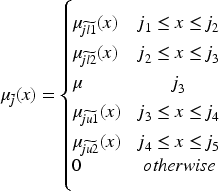
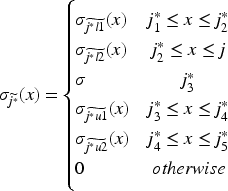
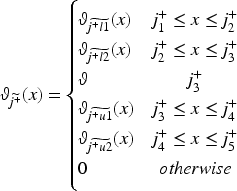
Figure 1. represents linear pentagonal neutrosophic number where the black line represents membership function and, blue and red lines represents the indeterminacy and non-membership functions respectively. Here, the range of
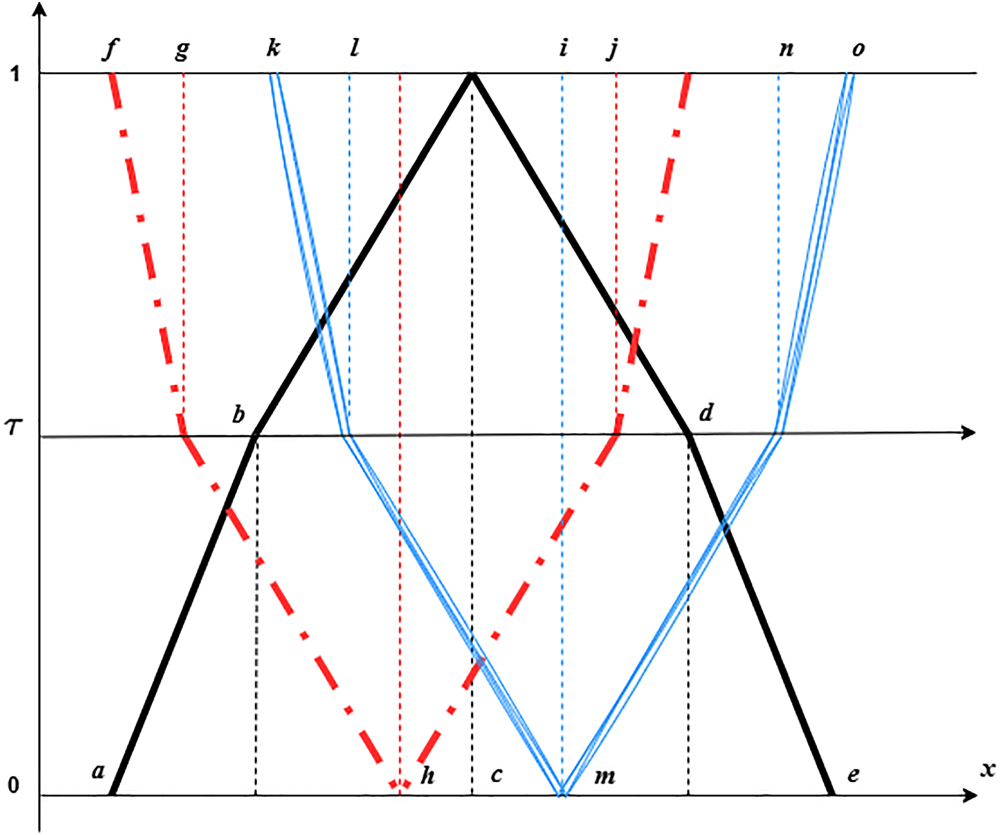
A Linear Pentagonal Neutrosophic Representation (Chakraborty et al., 2019).
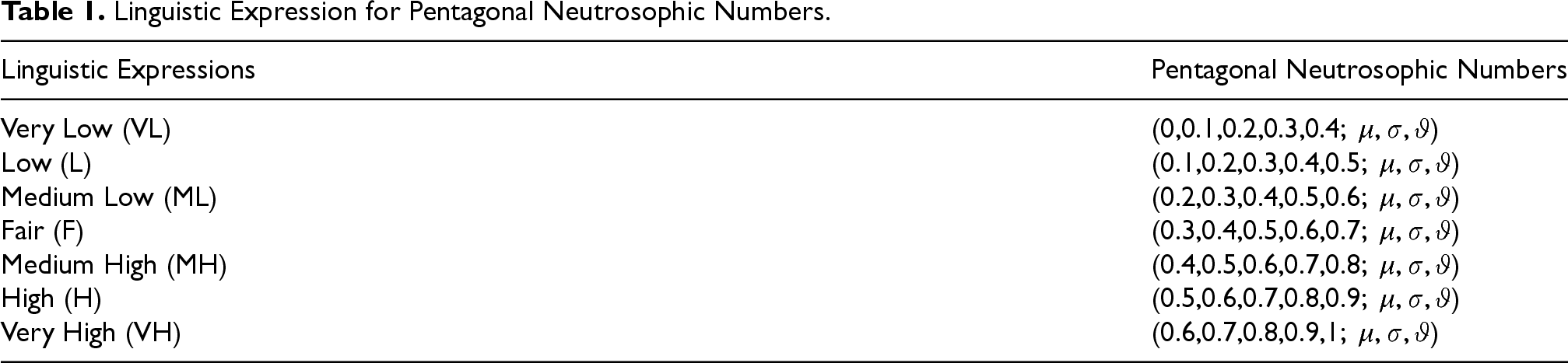
The representation of the linguistic terms to rate the alternatives based on criteria can be observed in Table 1.
Linguistic Expression for Pentagonal Neutrosophic Numbers.
For converting neutrosophic numbers into definite values the score and accuracy function is implied. From (Krishankumar et al., 2020) the score and accuracy function generation approach is considered to transform SVPN number − Score function: The score function for − Accuracy function: The accuracy function is given as


In 2018, Pamu
The algorithmic steps of SVPN-FUCOM are listed below:

Thus, utilizing Eq. (4), a SVPN vector with the comparative importance of evaluation criteria is achieved.



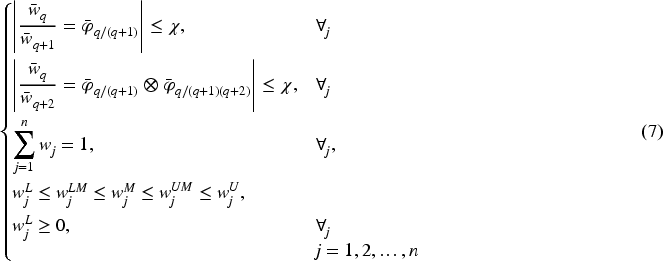
To fulfill the conditions, the weight coefficients 
The MEREC approach, developed by M. Keshavarz-Ghorabaee et al. (Keshavarz-Ghorabaee et al., 2021), considers removal of effects mechanism for obtaining objective weights. Compared to methods like WENSLO (Pamucar et al., 2023) and LOPCOW (Ecer & Pamucar, 2022), its more efficient in incorporating multiple expert perspectives, foster consensus and ensure comprehensive consideration of diverse viewpoints. It is transparent and much more adaptable in case of addition of criteria or alternatives. We expand the classical MEREC approach with SVPN setting. Here let m denotes the number of cloud services (alternative), n represents the criteria of cloud services and k be the decision makers. As the study considers group decision making for better judgment, let us consider


Where




The CSS framework proposed is a hybrid and robust approach to select optimal cloud services among the set of services in a peantagonal neutrosophic environment. The algorithmic process is divided into two phases. In the first phase, based on the decisions from a group of decision makers, the subjective and objective weights are calculated which are further integrated to obtain the final weights. Then these weights are further utilized by SVPN-TODIM to generate the final ranking of the cloud services. The flow diagram of the proposed model is depicted in Figure 2.
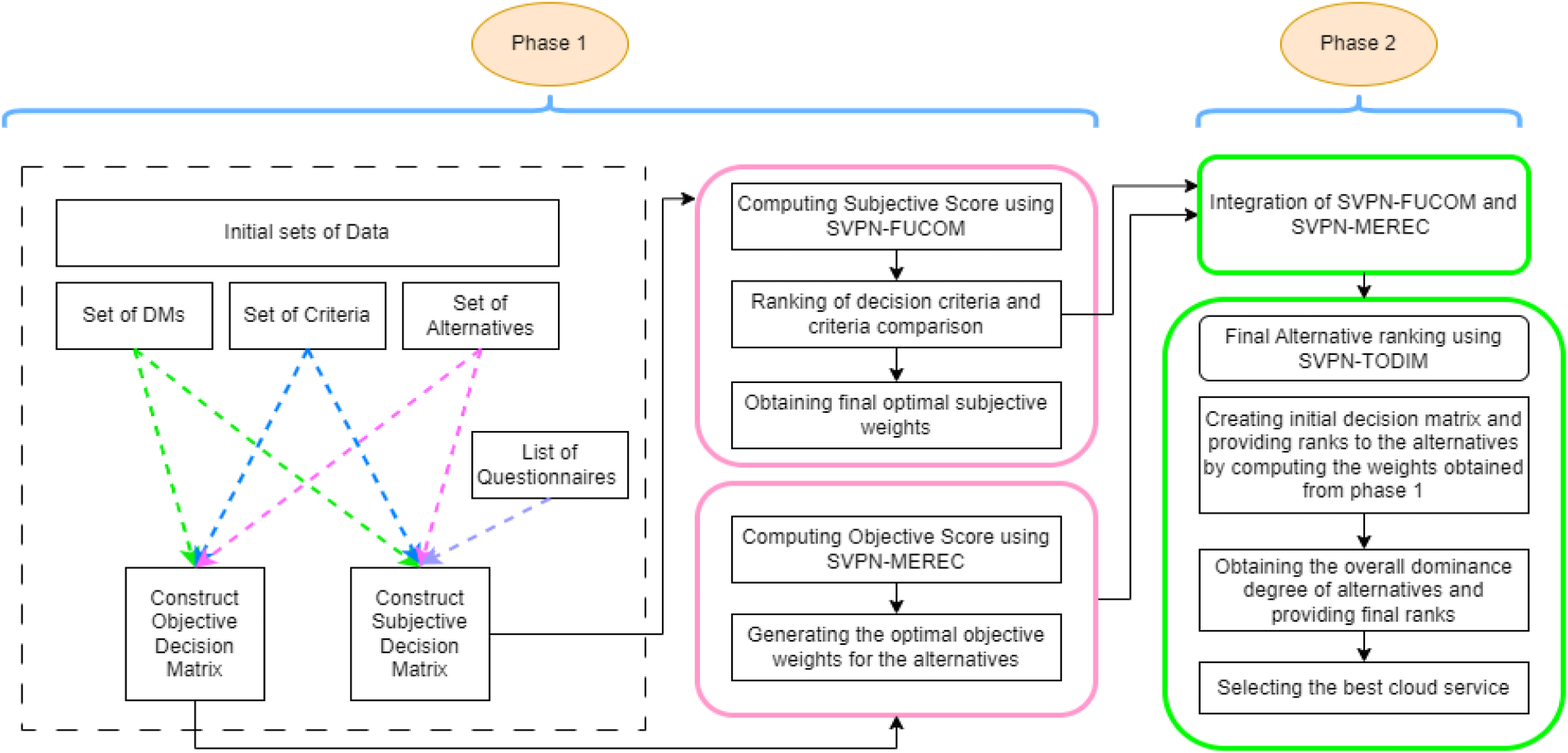
Schematic representation of the proposed method.
The steps for the proposed method is given below:
Based on selection of certain CSPs, a group of decision makers are requested to provide their opinion. They provide subjective opinions in the form of ranking or scores as response. Additionally, they also offer the alternatives’ objective criteria values. Let there be a set consisting of p decision makers as The decision makers are provided a series of questionnaires that consists of ranking of alternatives from 1 to n and a 7-point linguistic conversion table to set the linguistic value ranging from Very Low to Very High. Each decision maker lays down their opinions in the form of subjective and objective decision matrices similar to (7) where they provide their decisions for each alternatives with respect to the criteria. All the matrices of the decision makers are then averaged to obtain the final decision matrix.
where S and O stands for subjective and objective weights respectively and value of

where 
where the weight of each criteria denoted as 


The more
To validate our model, we performed an experiment with a real cloud dataset to select the best cloud services and evaluate the efficiency of the proposed method. Sensitivity analysis, performance analysis and ranking analysis are also performed to test the model's robustness and validate it against other models.
Experimental Analysis for Ranking Cloud Services
For this experiment, a real cloud service dataset QWS (Al-Masri & Mahmoud, 2008) is used with LINGO 18.0 and MATLAB 2020b software to implement the proposed approach. We considered six QoS parameters (Response Time (CR1), Availability (CR2), Throughput (CR3), Reliability (CR4), Compliance (CR5), and Latency (CR6), as well as five service providers (interop2 (A1), skynode (A2), IP2Geo (A3), MyAmazonSecure (A4), and GoogleSearchService (A5)). Here the beneficial criteria are Availability, Throughput, Reliability and Compliance whereas non-beneficial criteria are response time and latency. Furthermore, no sub-criteria were evaluated in our case study. Table 2 elaborates the parameters of QoS with their definition.
Descriptions of QoS Parameters.

Descriptions of QoS Parameters.
For better understanding, the steps involved in ranking cloud services using the SVPN algorithm are explained below along with numerical calculations:
Table 3. exhibits the initial decision matrix of the service providers in relation to the criteria.
Initial Decision Matrix of CSP with QoS Criteria.

The decision matrix is created by the cloud specialists using their expertise. Expert ratings on linguistic terms are used to build the decision matrix. We considered a group decision making approach having four decision experts to provide their ratings displayed in Table 4.
Linguistic Term Based Decision Matrix.
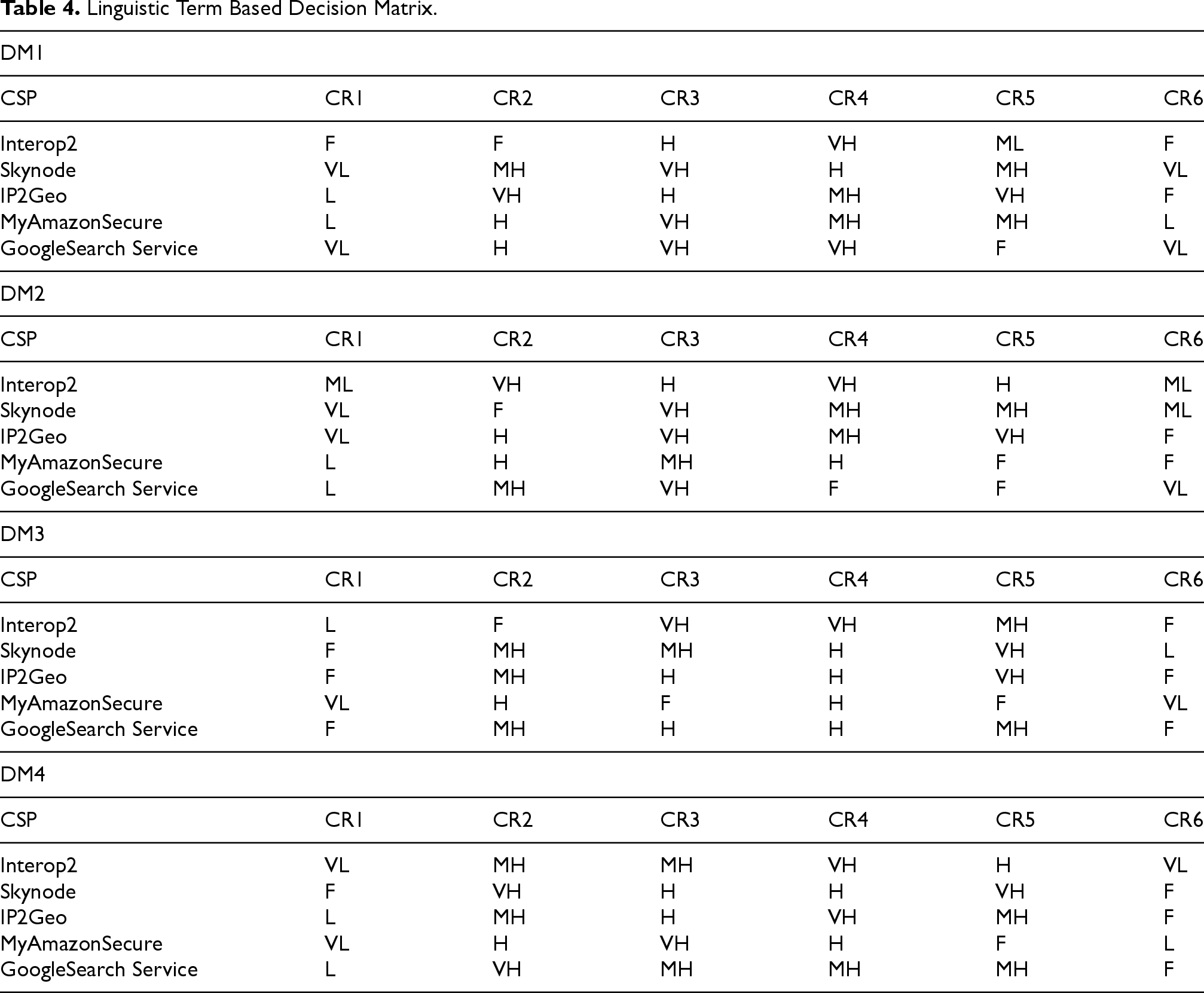
By translating each linguistic term in the decision matrix into a SVPN value, a mapping function that is displayed in Table 1. is used to compute the neutrosophic set decision matrix. Every linguistic term is substituted with its matching SVPN value by the mapping function. In our experiment the value of
Single-Valued Pentagonal Neutrosophic Decision Matrix.

The values in Table 5 are converted into crisp values using the score function for each DM, and the average of the results is calculated to create a decision table, as shown in Table 6. In the case of Interop2 for CR1, the SVPN number is converted into a crisp value for DM1 as shown below:

Normalized SVPN Decision Matrix.

Similarly
The average of all the values is 0.350
This step involves calculating the subjective and objective weights, which are subsequently transformed into the final optimal weights by applying Eq. (14). Table 7. shows the integrated final weights. It is to be ensured that the summation of weights should be equal to 1 in TODIM. To calculate integrated weight for CR1 we can write:

Final Integrated Weights Against the Attributes.

Similarly, all the other weights were calculated
The normalization process is achieved based on beneficial and non-beneficial criteria by following Eq. (15) which is represented in Table 8. After that the relative weights are generated using Eq. (16) which can be seen in Table 9.
Normalized SVPN Decision Matrix.

Relative Weights of Individual Criteria.

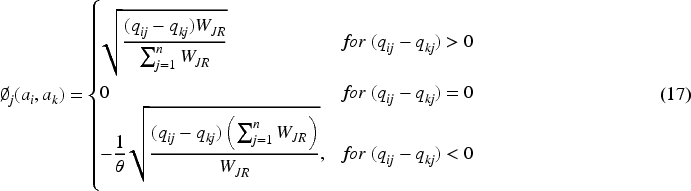
The dominance degree of each alternative can be constructed using the Eq. (17) which is represented in Table 10.
Dominance Degree of Alternatives.

The dominance degree (
Dominance Degree (

The final overall dominance degree can be calculated using equation (19):

Thus, the final CSP ranking can be specified as
For proper evaluation of the proposed method, sensitivity analysis is performed to test the efficacy of the model in various situations. This is necessary for tracking the model's behavior to see if it can maintain the optimal result if certain alternatives are added, removed, or criteria are swapped, as this may result in a rank reversal problem. An optimal ranking criteria can become non-optimal in a rank reversal problem if certain alternatives are added or removed. In this case, we performed sensitivity analysis in the following ways:
Case 1(By removing alternative)
To begin, a sensitivity analysis is carried out by removing a cloud service from the existing cloud service database. Five experiments are run to test the framework's consistency after a service is removed. Interop2 is removed from the first experiment, and the rankings of the remaining services are calculated. The dominance degree of each alternative is calculated in every experiment that is shown in table 12. The ranks of the services can be observed in Figure 3. It is to observe in the figure that MyAmazonSecure remains the best service until it is removed. Also, ranks of the remaining services remains the same in each experiment until the optimal service changes. Thus it concludes that the proposed method is consistent against rank reversal on removal of alternatives.
Dominance Degrees of Services for Different Experiments for Case 1.

Dominance Degrees of Services for Different Experiments for Case 1.

Ranks of services at different experiments in case 1.
Here the sensitivity analysis is carried out by adding cloud service to the initial cloud service database. To begin with, Interop2 and Skynode were the initial two services that were considered while performing the first experiment. Later on other services were added in the subsequent experiments. Table 13. shows the dominance degree and Figure 4. displays ranks of the services for every experiment. From Table 13. we get the idea that the dominance degree of the best cloud service remains consistent till a new optimal service is added to the cloud database. Similarly, the same observations of the service ranking can be seen in Figure 4. Hence its proved that the proposed method is again safe from rank reversal when new cloud alternative is added.
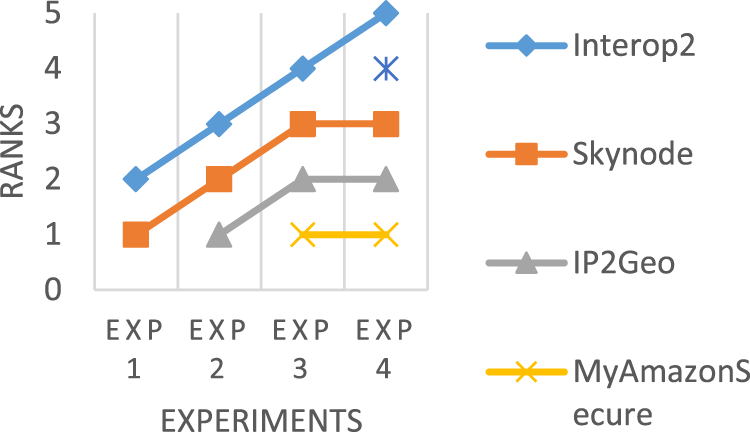
Ranks of Services at Different Experiments in Case 2.
Dominance Degrees of Services for Different Experiments for Case 2.

We changed the level of weights based on the QoS attribute to see how the final results changed. If the ranking of CSPs appears unaltered in the majority of cases, the system is considered robust; otherwise, it is considered sensitive. For our experiment, we swapped the criteria weights one at a time and ran 15 test runs to see what happened when we got different (
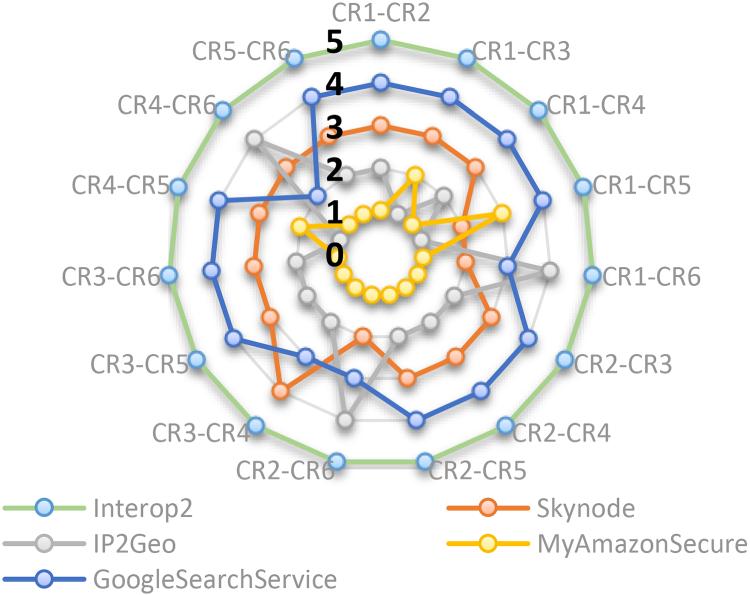
Sensitivity analysis based on criteria swap ping.
The outcome of the experimental analysis is compared with existing CSS frameworks based on MCDM to verify the accuracy and resilience of the framework in the face of the rank reversal issue. We compared the proposed model with BWM-TOPSIS (Kumar et al., 2021), Fuzzy AHP-TOPSIS (Kumar et al., 2022), Fuzzy TODIM (Wang et al., 2020) and Neutrosophic CODAS (Simic et al., 2022).
Generalized Comparison
An identical dataset was used for comparison, and ranking similarity was observed, with the majority of the rankings being similar to the proposed technique, demonstrating the consistency of the proposed method. The comparative results can be seen in Figure 6. Crisp methods such as AHP and BWM have rank reversal issues that fuzzy methods can address (Başhan et al., 2020; Luo et al., 2022). However, because fuzzy approaches only consider membership values, they cannot fully address any ambiguity that may exist. For which the neutrosophic approach employed by (Simic et al., 2022) is far more robust and consistent. The proposed method is built on a single-valued pentagonal neutrosophic framework, which is far more robust and capable of dealing with indeterminacy because it takes into account pentagonal fuzzy numbers, which are a generalization of triangular and trapezoidal fuzzy numbers. Furthermore, the preceding methods used only subjective or objective weighting techniques to generate weights, whereas our approach uses an integrated weighting method, which provides more stable and optimal weights by integrating the two weight estimating types and adding an extra layer of robustness to the overall framework.
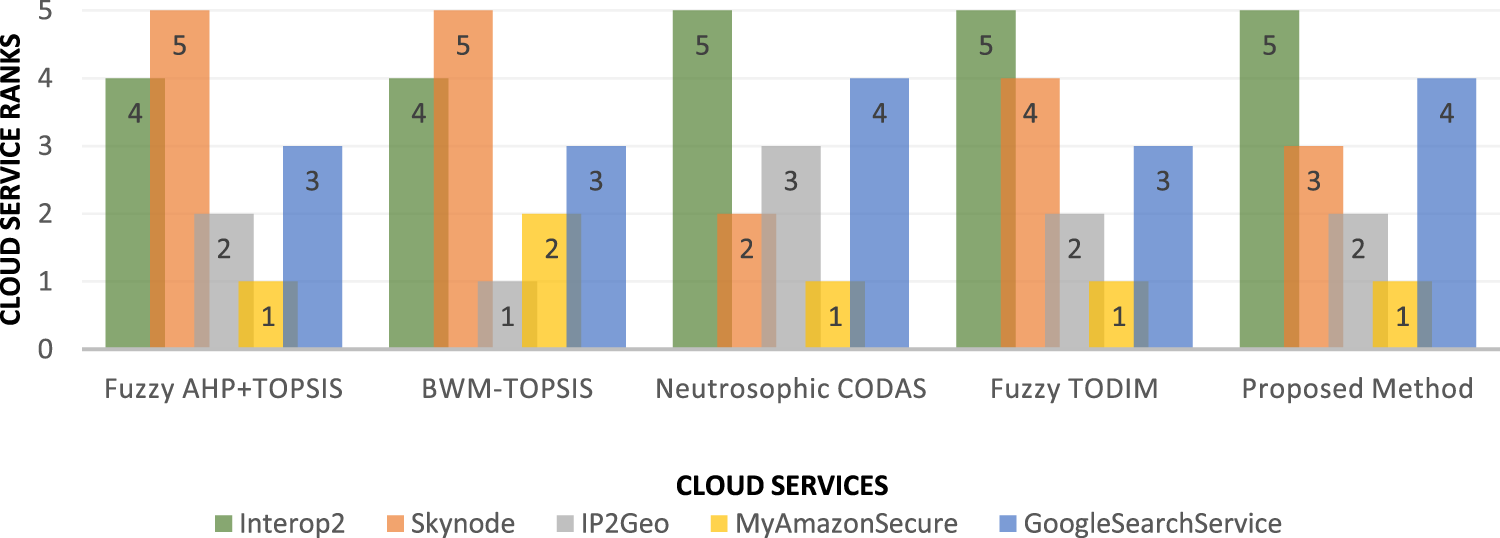
A Comparison of Different Methods for Ranking Services with the Proposed Method.
We employed the Spearman correlation test to evaluate the consistency among criteria ranks obtained by five methods. This test, known for its efficiency in measuring agreement between ordinal data arrays, was chosen due to its non-parametric nature and computational simplicity (Žižović & Pamucar, 2019). The following equation is used to calculate the Spearman's rank correlation coefficient (q):

q = Spearman's rank correlation coefficient
n = Total observations
Table 14. presents the Spearman rank-order correlation between each pair of methods, along with the average correlation score for each method and Figure 7. depicts the same results in graphical form. The results show that the Fuzzy TODIM approach has the most consistent criteria rank compared to other sets of criteria rankings. Furthermore, the proposed method's rank consistency is nearly identical to the Fuzzy TODIM approach and has a high level of correlation with the other methods in the comparison.
Average Correlation Scores for Spearman's Correlation Coefficient.

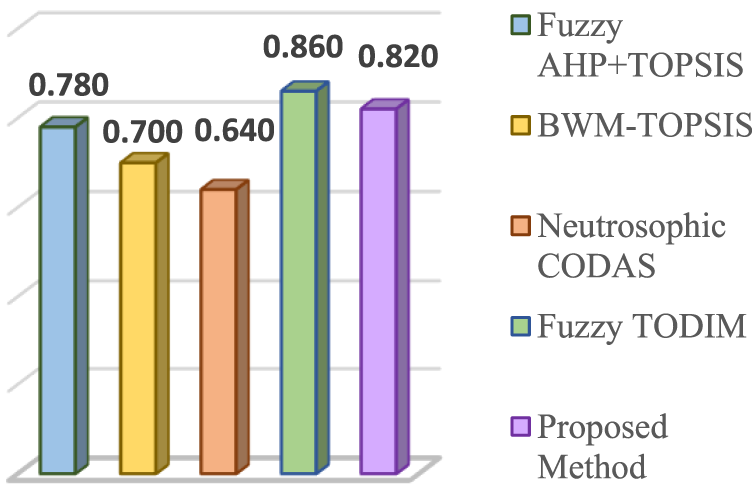
Graphical depiction of the average rank orders of Spearman's rank correlation.
The CSS problem is considered as one of the most challenging problem today which this study addresses by introducing a novel approach. Here we proposed a novel framework which combines three prominent methods viz. FUCOM, MEREC and TODIM in single-valued pentagonal neutrosophic environment. The single-valued pentagonal neutrosophic sets are capable to handle the indeterminacy and vagueness more efficiently than other fuzzy methods as they enable concurrent application of the truth and falsity membership functions. Along with that the indeterminacy membership function allows the decision makers to convey how confident they are about the level of satisfaction and dissatisfaction in the decision making process. The proposed method is divided into two phases. In the initial phase, the objective weights are produced from the QoS data supplied by the QWS dataset, while the subjective weights are initially derived from the expert's preferences based on the various QoS criteria. SVPN-FUCOM and SVPN-MEREC are then used to estimate the subjective and objective weights, which are further integrated to produce the final optimal weights. In the next phase, these weights are inputted to SVPN-TODIM to generate the final optimal rankings of the cloud services. A real life dataset was used to perform the experimental analysis of the proposed method where five cloud services (interop2, skynode, IP2Geo, MyAmazonSecure, and GoogleSearchService) and 6 QoS criteria (Response Time, Availability, Throughput, Reliability, Compliance and Latency) were taken from the dataset. The results from the experimental analysis showed the efficacy of the proposed framework. Among the selected cloud services MyAmazonSecure achieved the first rank outperforming the others. The consistency and reliability of the proposed framework are analyzed by conducting sensitivity analysis in three different cases, which revealed that our model is stable in case of rank reversal phenomenon. Our model was also compared to some existing models where the results showed similarity in ranking of cloud services thus proving that the proposed model can handle vague and imprecise data more efficiently. Our model demonstrates a strong correlation with the other methods using the Spearman's Rank correlation test as well. Though our proposed hybrid method offers advantages by combining multiple techniques to improve decision quality yet their remains some challenges. Ensuring seamless integration and coherence among the various components of hybrid methods can be challenging. Furthermore, while our study focused on single-valued neutrosophic sets, there are many other types of fuzzy sets that can be implied (spherical, hesitant, picture, plithogenic, and so on). The final rankings from this study are based on the opinions and assessments of five decision makers. Different ranking results may emerge from the upcoming analysis based on the perspectives of various experts. Considering the limitations, the model can be extended in future with different combination of MCDM techniques to enhance it further.
Footnotes

Funding
The authors received no financial support for the research, authorship, and/or publication of this article.
Declaration of Conflicting Interests
The authors declared no potential conflicts of interest with respect to the research, authorship, and/or publication of this article.