




Abstract
A new entropy on intuitionistic fuzzy sets (IF entropy) was proposed. Entropies for intuitionistic fuzzy sets are divided into four different groups according to their properties. The IF entropy defined in this study was obtained using the geometric approach and its most important feature is that it also takes into account the hesitation degree. This ensures that some of the disadvantages discussed for other entropies do not occur with the newly defined IF entropy. The unreliability in the results of IF entropy-based applications in some Multi Attribute Decision Making (MADM) or Multi Criteria Decision Making (MCDM) methods is actually a result of these limitations. For this reason, complex methods were also preferred for MADM/MCDM methods. Taking these situations into account, this study first demonstrated that the newly defined IF entropy is consistent. Then, the solution to two previously studied problems using real data was examined with the IF entropy based TOPSIS (IFEB-TOPSIS) method from the MADM/MCDM methods. Two different situations were analyzed in the selected problems. The first involved data from a study using the Bipolar Fuzzy TOPSIS and COPRAS methods on the tuberculosis risk of pregnant women without multiple criteria. The second was an example with multiple criteria, where some selected companies were analyzed in terms of risk and return according to different portfolios. Finally, the study aimed to show the place and consistency of the newly defined IF entropy in the literature. For this purpose, some existing entropies were selected. The results obtained using the IFEB-TOPSIS method for the two MADM and MCDM problems were compared with the new IF entropy.
Introduction
Since Zadeh (1965) introduced the concept of fuzzy sets in 1965, Fuzzy sets have been used in many areas of application such as communication, expert systems, economics, agriculture, education and social communication. It has made more progress than expected in these areas. However, the fact that things thought to be measurable are actually in conceptual confusion and that the usable information is often insufficient due to the limitations of the human brain, is considered a primary problem. The level of absence of information to be used as data can be expressed according to a certain rule in relation to the level of its presence. However, existence alone is not enough for this; it is necessary to take into account the hesitation value, which is the third aspect of information. To solve this issue, the intuitionistic fuzzy set (IFS) concept was introduced by Atanassov (1986).
Intuitionistic fuzzy sets are a refinement of fuzziness with three dependent variables instead of two. The reason why IFSs play an important role in decision-making processes is that the degree of hesitation is also of decisive importance. Recently, in addition to the long-lasting problems that have been attempted to be solved with traditional methods, many new problems have arisen with the development of technology. IFSs have been widely used to measure quantified information in modeled structures., supplier selection, training, staff selection, decision making, image enhancement, pattern recognition and many other fields (Gohain et al., 2022; Jiang et al., 2019; Joshi, 2020; Joshi & Kumar, 2018).
For example, the creation of geographical flood maps, the inadequacy of small base stations, the heterogeneous structure that arises due to the coexistence of cellular and non-cellular networks, causing unhealthy communication, the establishment of management organizations to prevent both life and economic losses from natural events, staff evaluation, etc. are complex and current problems. MADM/MCDM methods hold significant value among the methods used to solve many similar problems. Various MADM/MCDM methods are used depending on the type of data affecting the problem.
Examples of MADM methods based on single criteria are WSM in Zavadskas et al. (2017), MEW in Morales et al. (2010), ELECTRE in Banayoun et al. (1966), VIKOR in Opricovic (1998), TOPSIS in Hwang and Yoon (1981), COPRAS in Zavadskas et al. (1996) and single and multi-criteria decision problems, TODIM in Gomes and Lima (1992), Cardinal Consensus Method and for multi-criteria decision problems, TOPSIS, VIKOR, EDAS in Ghorabaee et al. (2015) for both single and multi-criteria decision problems. MADM methods are widely used also for probabilistic evaluations. In short, many MADM methods can be mentioned based on the characteristic features of the data that constitute a decision making problem. Algorithms for the application of known MADM methods have been provided by researchers. The measurement functions and the method for calculating the coefficients for the data affecting each step of the algorithm have been defined by the researchers. The MADM technique used was updated by modifying the known functions or constants and integrating them into the algorithm.
In order to develop a MADM technique, Yang et al. (2023) studied the cardinal compromise method and TODIM method with exponential hesitant fuzzy entropy, Zhang and Yu (2012) studied the construction of the TOPSIS technique with cross-entropies on interval valued intuitionistic fuzzy sets. Meng et al. (2023) studied the correlation of Time sequential hesitant fuzzy entropy, cross-entropy and correlation coefficients with MADM.
Many recent studies have been conducted to solve concrete problems by improving the MADM technique. For example, Yadav et al. (2024) investigated MADM based network selection and handover management in heterogeneous networks by using IF entropy and numerical weighting methods such as CIRITIC. Carlos et al. (Coimbra et al., 2023) used wastewater treatment performance, biomass and physiological plant characteristics to select a floating macrophyte for the phytoremediation of swine wastewater. In Coimbra et al. (2023), the hybrid entropy Fuzzy AHP weighting TOPSIS ranking method was used to select the best floating macrophyte for the phytoremediation of SSW. Additionally, Li et al. (2024) studied the distribution of geothermal resources in a local region. Using geological and remote sensing information, the geothermal resources in Eryuan County were evaluated based on the IF entropy weight TOPSIS and AHP–TOPSIS models.
The concept of IF entropy is particularly used in fields such as engineering, among others. The main function of the IF entropy measure is to describe the degree of uncertainty. This concept, which found its own areas of study in classical theory, was first associated with fuzzy set theory by De Luca and Termini (1972). They brought the concept together, integrating it into fuzzy set theory for the first time. Thus, IF entropy was measured for the first time using fuzzy set theory. The structure of all set theories is defined by symbolic logic, triangular norms, and operators that connect the operations of lattice structures. For this reason, associating the concept of IF entropy with sets such as FS, IFS, IVFS, rough set, soft set, etc. is seen as a very efficient approach. For this purpose, many researchers have conducted studies on the relationship between the concept of IF entropy and different fuzzy sets (Burillo & Bustince, 1996; Hung & Yang, 2006; Szmidt & Kacprzyk, 2001; Szmidt & Kacprzyk, 2004; Szmidt & Kacprzyk, 2006; Szmidt et al., 2012; Szmidt et al., 2014; Zeng & Li, 2006).
Among these researchers, the concept of IF entropy was first defined by Burillo and Bustince (1996). In this study, entropies were used to express the degree of uncertainty and blurriness of IFSs. In fact, IF entropy represents a different way of measuring the level of imprecise information, like other types of information. In 2001, Szmidt et al. (Szmidt & Kacprzyk, 2001) redefined the uncertainty rating of IFSs by also taking into account the degree of hesitation in existing problems.
Later, Szmidt's et al. (Szmidt & Kacprzyk, 2001; Szmidt & Kacprzyk, 2004; Szmidt & Kacprzyk, 2006; Szmidt et al., 2012; Szmidt et al., 2014) defined various IF entropy measures for IFSs by geometrically interpreting intuitionistic fuzzy sets. Apart from the geometric approach, new IF entropy concepts have been proposed by different authors (Verma & Sharma, 2013; Ye, 2010; Zhang & Yu, 2012) through function theory based studies. In these studies, special functions such as logarithmic, trigonometric and exponential functions were used. In fact, the concept of IF entropy was first calculated specifically for the elements, and then these values were collected and normalized for the IF entropy of the entire set.
In order to demonstrate the applicability of this measurement process through entropies and its effectiveness in decision-making processes to solve problems, certain current basic examples have been studied.
Motivation of the Study
In the studies conducted so far, many definitions of IF entropy have been proposed and an IF entropy pool has been created. Increasing the quantity of IF entropy in this pool will contribute to improving its quality.
It is shown in Table 1 that some IF entropies of elements that are not symmetric and have different membership values are equal. However, the entropies with this handicap are not only the entropies in Table 1 Some of the IF entropies used in this study also have similar handicaps.
Calculations of Intuitionistic Fuzzy Entropies.
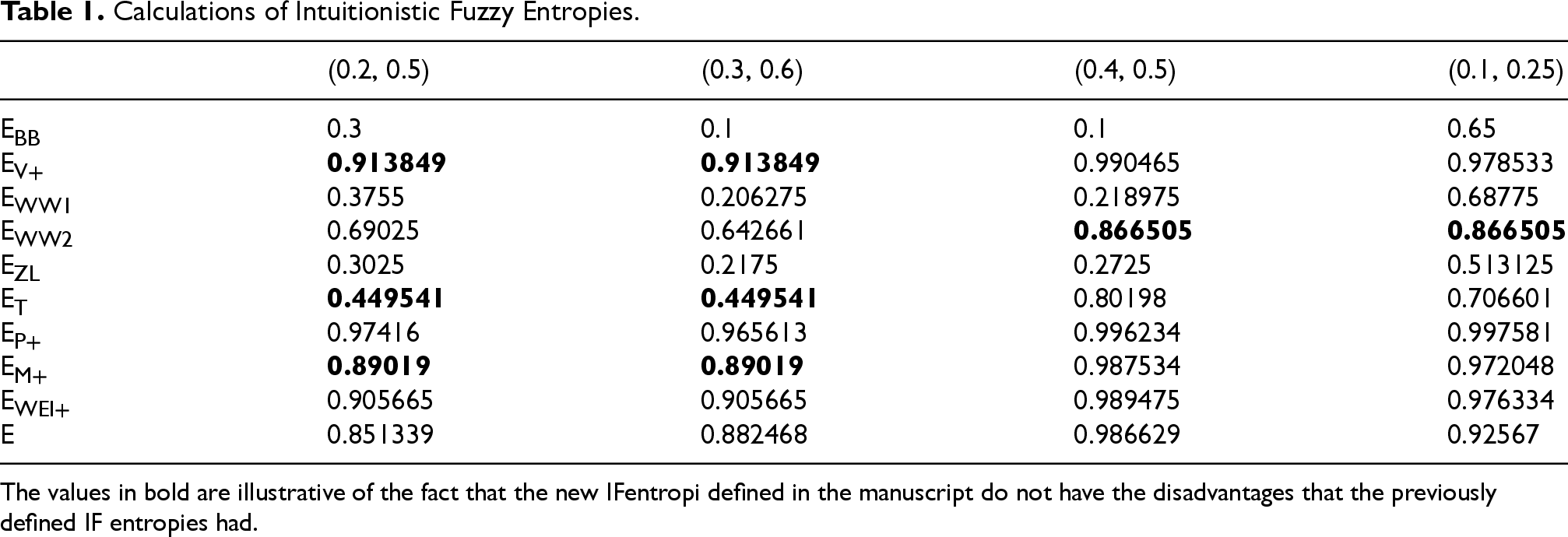
Calculations of Intuitionistic Fuzzy Entropies.
The values in bold are illustrative of the fact that the new IFentropi defined in the manuscript do not have the disadvantages that the previously defined IF entropies had.
Whatever the reason for using IF entropies, their main contribution to a studied problem is to express the fuzziness of IFs numerically. For some entropies, the fuzziness values of elements with very different membership values are the same. This increases the error margin of the solution. With this motivation, a new IF entropy is defined in this study, which does not have the above mentioned handicap. The definition of the IF entropy takes into account the geometrical position of the IFS in three-dimensional space. Thanks to this point of view, the degree of hesitation has a direct effect on the fuzziness value.
This research article consists of sections. In the Introduction section, the concept of intuitionistic fuzzy sets and some of their basic properties were given. Some MADM/MCDM methods are introduced and their application areas are exemplified. Since IF entropy measures are used in these methods, the definition of IF entropy is provided and the IF entropy formulas discussed in the study are given. When considered as a general concept, some disadvantages of previously defined IF entropies were explained. In addition, a literature study including a classification of IF entropies was conducted. In Section 2, a new IF entropy definition based on IFSs was given and it was comparatively shown that it does not have the negative features that would weaken the specified IF entropy. In Section 2.1. Regression analysis (with ‘Multiple R’, ‘R Square’, ‘Adjusted R Square’ and ‘Standard Error’ measures) for the new IF entropy and other IF entropies. In Section 3, the steps of the IFEB-TOPSIS MADM/MCDM methods to be used for the two real data examples used in this study were explained. In Sections 3.1 and 3.2, the ranking of the alternatives was calculated using the newly defined IF entropy for two cases created with real valued data, respectively, through the IFEB-TOPSIS MADM method and the MCDM method. In Section 6, the results obtained for both examples with different MADM and MCDM methods in Joshi and Kumar (2014) and Natarajan and Augustin (2024), where the examples were cited, were compared with the ranking results obtained in this study. As a result of these comparisons, it was shown that the newly defined IF entropy can be used in MADM/MCDM problems. In Section 3.3, the same examples were used again for the IF entropies selected for this study. The results obtained for each of the entropies selected for this study using the IFEB-TOPSIS MADM/MCDM method were compared with those obtained using the new IF entropy. As a result of this comparison, it was concluded that the newly defined IF entropy can be used in IFEB MADM/MCDM methods. In Section 3.4, a sensitivity analysis for the new IF entropy was performed using two different perspectives. Finally, in Section 4, the advantages and disadvantages of the newly defined IF entropy in decision-making process problems were discussed by considering the comparisons in Sections 3.1.1 and 3.2.1. In addition, the limitations were discussed and the directions for future studies were outlined.
In 1986, Atanassov (1986) defined the concept of an Intuitionistic fuzzy set (IFS) by introducing the degree of non-membership and the degree of hesitation, unlike the concept of fuzzy set (FS) proposed by Zadeh (1965). Since FSs are a special case of IFSs, IFSs can be seen as a generalization of FSs. IFSs play an important role in this context, especially in system modeling applications that involve information that is vague, incomplete or cannot be evaluated with certainty in the decision-making process. They also simplify the understanding of fuzzy decision-making processes. The purpose of this section is to introduce the definition of IFSs and some basic concepts related to IFSs. Let X be a universal of discourse. An Intuitionistic Fuzzy Set (IFS) on X is defined as:

For x∈X, the membership and nonmembership degrees are represented by
The family of intuitionistic fuzzy sets defined on a universe of discourse X is denoted by IFS(X).
Let X be the universe of discourse, A, B∈IFS(X). Let IFS(X) be the family of all IFSs in the universe of discourse.
In the IFS(X) family, the concepts of intersection, union and complement are defined as follows:



X be universe of discourse, E:IFS(X)→[0,1] is a function such that if the following axioms are satisfied for A, B∈IFS(X), E is called IF entropy on IFS(X).
The evaluation processes of digitized data information can be easily carried out with IFS theory, which takes into account the degree of membership, degree of non-membership and degree of hesitation. Thus, IF entropy can be used as a measure of the uncertainty of the data set.The idea of using IF entropy to measure the fuzziness of IFSs was first proposed by Burillo and Bustince (1996), and the concept of IF entropy was defined. Afterward, some scientists defined new Intuitionistic fuzzy entropies and proposed solutions to many problems using different methods. These entropies with different properties will be used to compare some results of the IF entropy defined in this study as shown in Table 2.
Defined IF Entropies.

Existing studies have examined the importance of IF entropy and IFSs for evaluation, as described above. However, studies continue today to find the most appropriate IF entropy for each sample. When the literature is examined, the definition of new entropies as well as the applications of IF entropy functions are among the current areas of study (Chen & Li, 2010).
In this article, a new IF entropy is defined, and the similarities and differences between this IF entropy and other entropies (including those not mentioned here) are revealed. The IF entropy of a fuzzy set was first proposed by Zadeh (1965). The IF entropy of a fuzzy set defines how fuzzy the fuzzy set is. IF entropy derives from the concept of probability in its broadest sense and, when applied to multiple attribute group decision-making problems, actually measures the separation of attributes. However, IF entropy takes data reliability into account as it also includes the degree of hesitation. Therefore, IF entropy differs from other entropies due to this feature. Additionally, IF entropies can be examined in four different types based on definition methods: degree of hesitation, geometry, probability and improbability. When different types of IF entropies are examined within the groups they belong to, it can be easily seen that their basic views are common. In general, IF entropies with a hesitation degree were studied by Burillo and Bustince (1996); Geometry type entropies were studied by Szmidt and Kacprzyk (2000, 2001) and Wang and Xia (2005); Non-probability type entropies were studied by Zeng and Li (2006), and Vlachos and Sergiadis (2007a, 2007b) and Probability type entropies were studied by Hung and Yang (2008), Havrda and Charavát's (1967) and Rényi's (1961). Nine IF entropy measures were selected, with at least one from each type, in accordance with the purpose of the study. The IF entropy defined in this study was compared with the IF entropies in Table 2, both according to numerical results and the results obtained in the solutions of MADM/MCDM problems. The degree of membership and degree of non-membership are taken into account when defining some IF entropy formulae. However, in many current natural problems, the degree of hesitation is important to reduce complexity. It was explained that when the difference between the degree of membership and the degree of non-membership is equal for some IF entropy measures, there are some counter-intuitive situations because the blurriness of the two IFSs cannot effectively be distinguished. To overcome this deficiency, a new IF entropy class was constructed by Yuan and Zheng (2022). It is clear that the IF entropy defined in this study is among the entropies that do not have the mentioned deficiency.
In 1981, TOPSIS method was defined by Hwang and Yoon (1981). It is a popular MCDM method used by many researchers to solve real-world problems such as engineering and management. Due to its success in data normalisation and ranking of alternatives, the traditional TOP-SIS method has been extended with theories such as classical fuzzy set theory, intuitionistic fuzzy set theory, interval-valued intuitionistic fuzzy set theory. Considering the diversity of MADM/MCDM methods, the comparison of TOPSIS method with other existing methods such as MOORA, AHP, VIKOR, ELECTRE and PROME-THEE by Chakraborty (2011) is given in Table 3. TOPSIS is an effective, feasible, stable and simple method for solving complex decision-making problems that require less computation time (Pandey et al., 2023).
Comparison Between Several Decision-Making Methods (Chakraborty, 2011).

Comparison Between Several Decision-Making Methods (Chakraborty, 2011).
The TOPSIS MCDM method makes it possible to prioritise the criteria as they should be by taking into account whether the criteria are directly or inversely proportional to the sample, to approximate the magnitudes of the risks by analysing the linguistic evaluation errors of the decision makers, and to rank the alternatives in a way that is close to ideal by evaluating all information with different units of measurement and generating data with a common unit. In this way, the expert can prevent individual judgements based on experience and knowledge from influencing the decision outcomes (Madanchian & Taherdoost, 2023; Wang & Xia, 2005).
It has been found that when data is generated by a single expert or a team of experts, decision results can be achieved with reasonable consensus to reduce differences in data evaluation. The degree of hesitation of opinions is directly related to the experts’ limited knowledge of the data under study and their ability to quantify that knowledge. Therefore, the value of hesitation in evaluating the data will provide important discriminative clarity. (Dong et al., 2018; Peng et al., 2022). A high value of experts’ hesitatin implies a high level of uncertainty in their assessments (Mesiar et al., 2018), which has a negative impact on the quality of the data used in decision-making processes and on the reliability of the experts.
The level of hesitation is directly proportional to the value of hesitation. This can be explained by the concept of “Indicator of Uncertainty”. The degree of hesitation is inversely proportional to the ranking of alternatives. Therefore, the magnitude of the degree of hesitation is called “influence on decision outcomes”. In addition, the degree of hesitation gives an idea of whether the data is solid and clear before starting the decision-making process. This is called the “Reflects Information Ambiguity” concept. The concept of magnitude is useful for comparable items. The concept of magnitude is chaotic if the elements cannot be compared. In other words, for quantified concepts, magnitude is meaningful if the data can be expressed on a chain, but it may not be meaningful for each element defined on non-chain lattices. IFS are defined on a lattice. Therefore, the IF values of (0.3,0.1) and (0.6,0.4) cannot be compared. Both elements are greater than (0.3,0.4), but one is not greater than the other. When these two IF values are used by different experts for the same data, the hesitation value eliminates the doubt about which one is reliable. Because the hesitation value of these two IF values is 0.6 and 0.2, respectively. Therefore, even though 0.3-0.1 = 0.6-0.4 = 0.2, i.e., t distances of the degrees of membership and non-membership are equal, the reliable data is the IF of (0.6,0.4) due to the low degree of hesitation. A similar argument cannot be made given the definition of FSs.
As a result of all these discussions, the use of IF values in decision making problems contributes to more accurate results. IF entropies are also measure functions. Therefore, the degree of hesitation of the IF entropy function should also be considered in order to approach the ideal measure. The IF entropy defined in this study has this characteristic.
In the studies conducted by Joshi and Kumar (2014) and Natarajan and Augustin (2024), real data were used. In Natarajan and Augustin (2024), MADM problem was solved using the bipolar fuzzy COPRAS and bipolar fuzzy TOPSIS methods with real data. The authors claimed that the ARAS method is the most advantageous MADM method among others for determining the alternative. Taking this into account, they interpreted the success of the results obtained with the bipolar fuzzy COPRAS and bipolar fuzzy TOPSIS MADM methods by comparing them with the results obtained from the ARAS method. The problem studied in Joshi and Kumar (2014) was solved using the intuitionistic fuzzy TOPSIS MCDM method. The obtained result was compared with the results obtained using the TOPSIS and fuzzy TOPSIS MCDM methods.
In this study, the newly defined IF entropy was used in the IFEB-TOPSIS method to rank the alternatives based on the real data in Joshi and Kumar (2014) and Natarajan and Augustin (2024). The ranking obtained was compared with the results in Joshi and Kumar (2014), Natarajan and Augustin (2024).
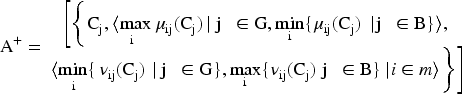
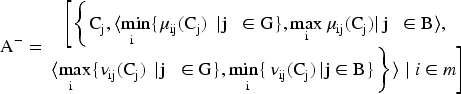
The IFEB-TOPSIS MADM/MCDM method, which was preferred to solve the problems in Joshi and Kumar (2014) and Natarajan and Augustin (2024), was created with a new perspective. The steps of this method are as follows;
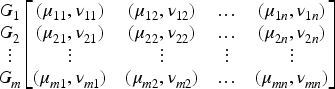
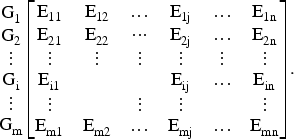

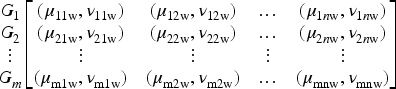
The normalized decision matrix is calculated as follows:
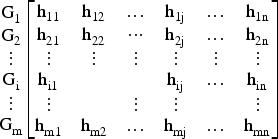
Determine the objective attribute weights:





Unlike fuzzy sets, intuitionistic fuzzy sets, are defined with two dependent variables. The concerns mentioned by Yuan and Zheng (2022), regarding the calculation of an IF entropy arise because the entropies are obtained without taking this situation. That is, although two dependent variables are mentioned in IFSs, the third variable that should be taken into account is the degree of hesitation. The general misconception stems from the fact that the degree of hesitation in fuzzy entropies is 0. The degree of hesitation being 0 is actually a constant and is not taken into account, but this value holds the same importance as the membership and the non-membership values in IFSs. Therefore, using the degree of hesitation,either directly or indirectly, when defining the IF entropy function will be useful for measurement. What is meant by indirect usage here is that the function π can actually be expressed as μA + νA. As a result of the triangular region to which IFSs belong and the above discussions, the following IF entropy definition can be given.
Let X be a universal and finite then an IF entropy on IFS(X) is defined as for A∈IFS(X), xi ∈X, ∀1 ≤ i ≤ n

As can be easily seen from its definition,
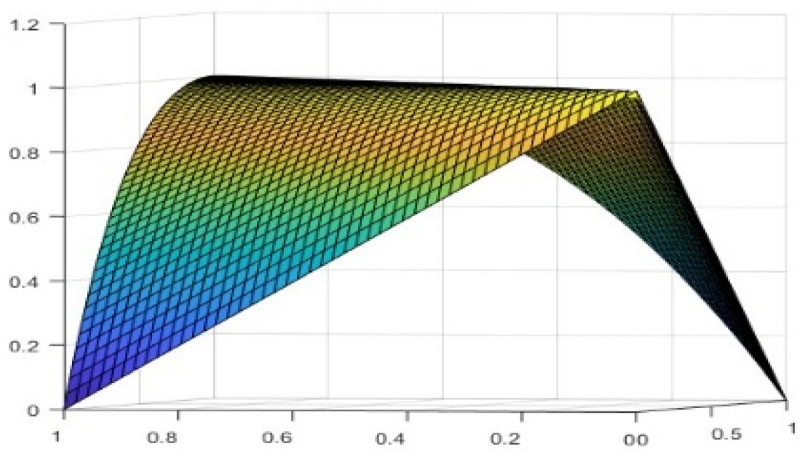
New IF Entropy.
The transformation E defined above is an IF entropy.
Let xi∈X, for every 1 ≤ i≤ n















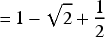



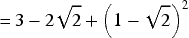




Therefore, “ 













Therefore,
Conversely, if


If partial derivatives are taken with respect to x and y, respectively,

Let x ≤ y then
Really, let x ≤ y but 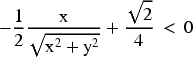
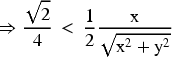



Therefore, y < x is obtained, which contradicts x ≤ y.
Similarly, it is shown that fy ≤ 0. As a result of these, μA(x) ≤ μB(x) and νA(x) ≥ νB(x) for μB(x) ≤ νB(x) then f(μA(x),νA(x)) ≤ f(μB(x),νB(x)) i.e., E(A) ≤ E(B). A similar situation is obtained for μA(x) ≥ μB(x) and νA(x) ≤ νB(x) for μB(x) ≥ νB(x). As a result of all this, E is an IF entropy.
Yuan and Zheng (2022) mentioned some unexpected situations in their article. According to them, the equality of elements with different degrees of membership under some IF entropy prevented achieving precise results in applications. In addition to the intuitionistic fuzzy entropies given by Yuan and Zheng (2022), it is observed that there are similar problems in some of the entropies mentioned above. However, if one chooses the IF value set {(0.2,0.5),(0.3,0.6),(0.4,0.5),(0.1,0.25)} as seen in Table 1, it can easily be seen that such a situation is not the case for the E IF entropy defined in this study.
When this table is examined, it can be easily seen that the IF entropies in the rows shown in bold are consistent with the reasons why Yuan and Zheng (2022) wrote their study. However, as explained above, the entropies with this special case are defined in a way that does not indirectly or directly incorporate the degree of hesitation. A few reasons for this situation are as follows: focusing on functions that meet the IF entropy conditions when defining entropies, attempting to define fuzzy sets as a generalization of fuzzy entropies since they are a special case of IFSs, modeling, decision making, etc., where the outcome is predicted and has found applications in current fields of health, social, engineering, etc. It can be considered to obtain IF entropies suitable for methods from these results.
Some of the IF entropies used in this study also have similar handicaps. For example, there are the following cases.


This is not the case for the entropy IF E defined in Definition 4. Indeed; The entropy function



In this study, regression analyses were performed on the newly defined IF E entropy using the IFS given in Table 4 with the measures ‘Multiple R’, ‘R Square’, ‘Adjusted R Square’ and ‘Standard Error’. The IF values 1–10 in Table 5 consist of elements with a hesitation degree of 0.1, the data 11–20 with a hesitation value of 0.2 and the data 21–30 with a hesitation value of 0.5.Considering the definition of an IF entropy, the distance between the degree of membership and non-membership of the elements of an IFS and their hesitation values are the only effective criteria for the entropy value. The regression analysis of the newly defined IF entropy alone will not be sufficient to determine the position of the defined IF entropy in the literature. Therefore, a regression analysis will also be calculated for the IF entropies used in this study and the results will be compared. This calculation will be done first for ten elements with the same hesitation values and different membership values, and then for thirty elements without classifying hesitation values and membership values. Thus, statistical analyses of different IF entropies according to few and many IF values will be compared and interpreted.
IF Values and Values for Different IF Entropies.
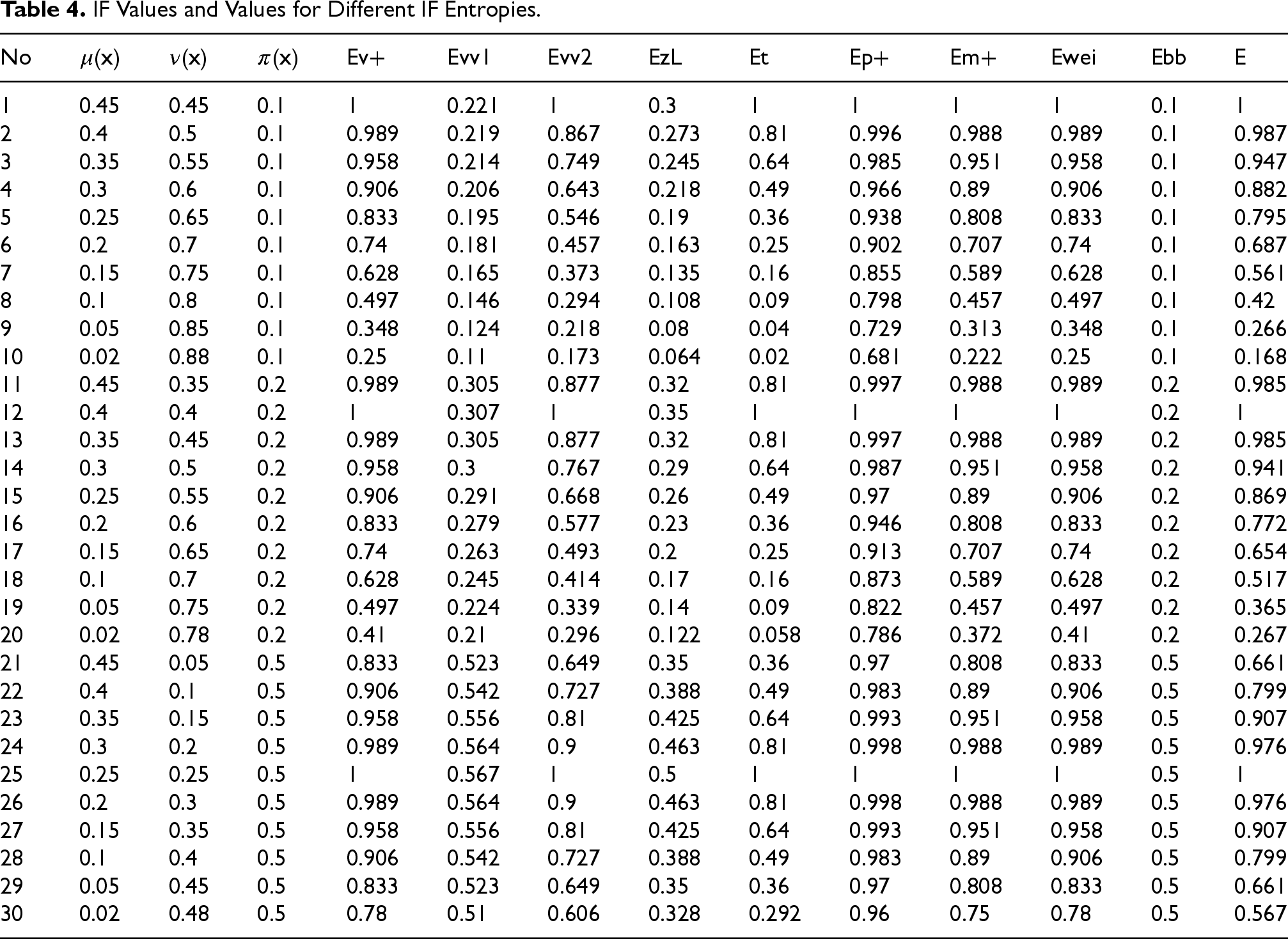
IF Values and Values for Different IF Entropies.
Regression Statistics by First 10 Data.

The regression statistics results for the entropies used in this study for the No. 1–10 data in the IFS defined in Table 5 are shown in Table 4, and the regression statistics results for the No. 1–30 data are shown in Table 6.
Regression Statistics for 30 Data.

When analyzing Table 4, the most ideal IF entropy according to the standard error is EzL. The “standard error” for the IF entropy E is at an acceptable level.
Among the IF entropies analyzed, the IF entropy E is more reliable than 6 entropies. Looking at Table 6, it is easy to understand that the situation changes when the number of data is increased, giving a more ideal solution than 7 entropies.
Looking at Figures 2, 3, 4 and 5 we see that the “Multiple R”, “R Square”, “Adjusted R Square”, and “Standard Error” measures of the IF entropies Evv2, Et, Em+, and E IF entropies remain stable as the number and diversity of data increase, while there are anomalies in other entropies.

Comparison of Multiple R.
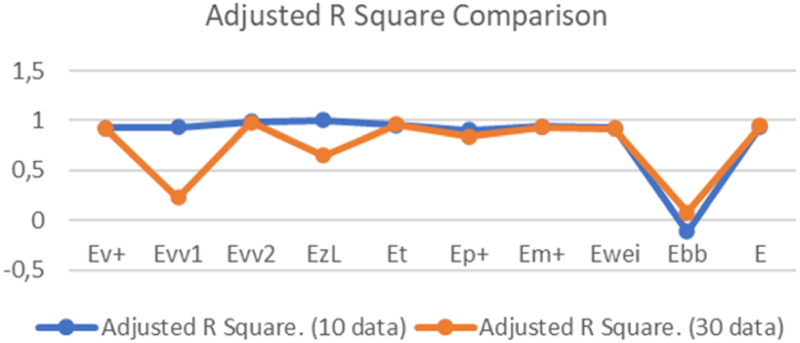
Comparison of Adjustes R Square.
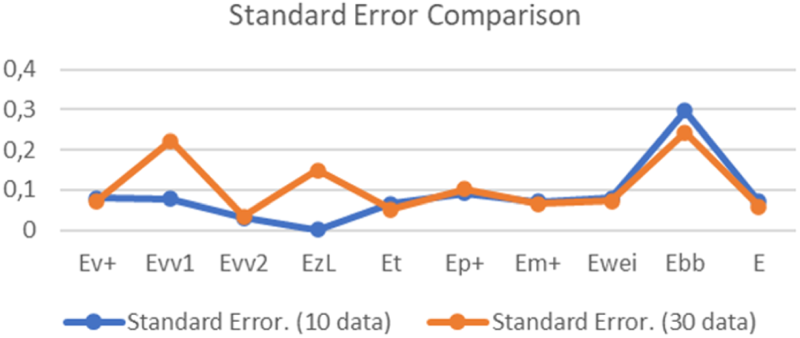
Comparison of Standart Error.
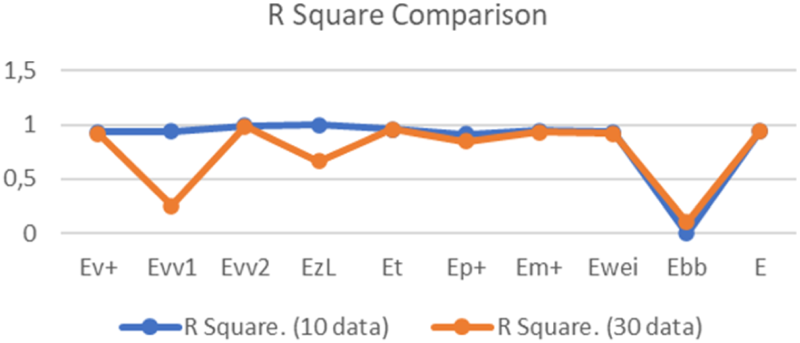
Comparison of R Square.
By analysing the rate of these changes, more accurate observations about IF entropies can be made. The geometric situation of Table 7 is shown in Figure 6.
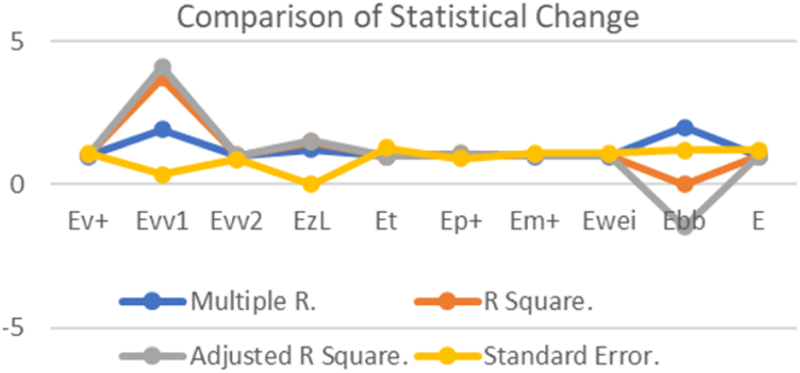
Graphic of Comparison of statistical changes of IF entropies.
Comparison of Statistical Changes of IF Entropies.

Table 8 shows the ranking of the IF entropies according to multiple R, R square, adjusted R square and standard error. Ebb is a completely inconsistent IF entropy and has a weak relationship with the independent data (independent variable). EzL IF entropy has a strong relationship with the independent data for the 10 element data set according to all statistical values. This is reversed when the number of data is increased. Entropies with similar inconsistency can be easily seen in the table. It can be easily seen that the relationship of the IF entropies Evv2, Et, E with the independent data improves as the number of data increases. However, if the ‘rate of change’ row in Table 8 is analysed for each statistical data, the change in the Evv2 entropy according to the increase in data shows inconsistency. Considering the success of the rate of change and other statistical results, the Et and E IF entropies are the best entropies to explain the independent variables.
Ranking of the IF Entropies According to the Statistical Data.
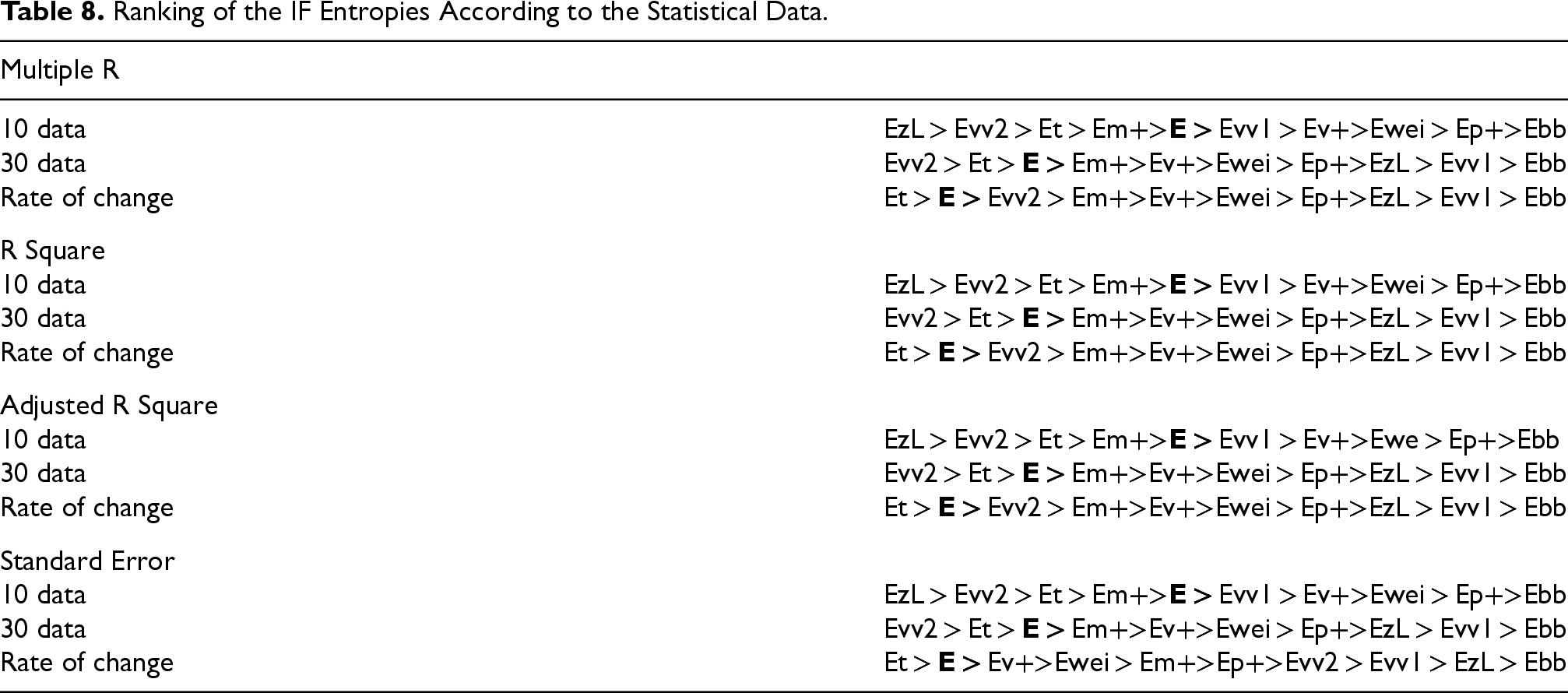
From the above discussion, when Figures 2, 3, 4 and 5 was analyzed, it was seen that the IF entropies Evv2, Et and Em + and the IF entropy E had similar consistency. According to the rates of change of these statistical data, the newly defined IF entropy E is more consistent than the compared entropies. This means that IF entropy E is a useful IF entropy in decision making problems to obtain more accurate results than other entropies.
Using the author's real data was considered a good way to demonstrate that the newly defined IF entropy can be used in IFEB-TOPSIS MADM/MCDM methods. First, the newly defined IF entropy for the IFEB-TOPSIS MADM method will be applied to the example given by Natarajan and Augustin (2024). Second, the newly defined IF entropy for the IFEB-TOPSIS MCDM method will be applied to the example given by Joshi and Kumar (2014). A comparison will be made at the end of the section.
First Example
For the first example regarding the MADM method, the sample data series in Natarajan and Augustin's (2024) study was used. Considering the widespread impact of tuberculosis (TB) among pregnant women, the authors applied two different MADM methods to detect TB disease in pregnant women specifically in India. The study addresses a very important need, as it is crutial not only for pregnant women but also for vulnerable fetuses and newborn babies. To this end, the authors examined high-risk concurrent TB disease in pregnant women using bipolar fuzzy COPRAS and bipolar fuzzy TOPSIS methods.
Values of the Intuitionistic Fuzzy Decision Matrix.
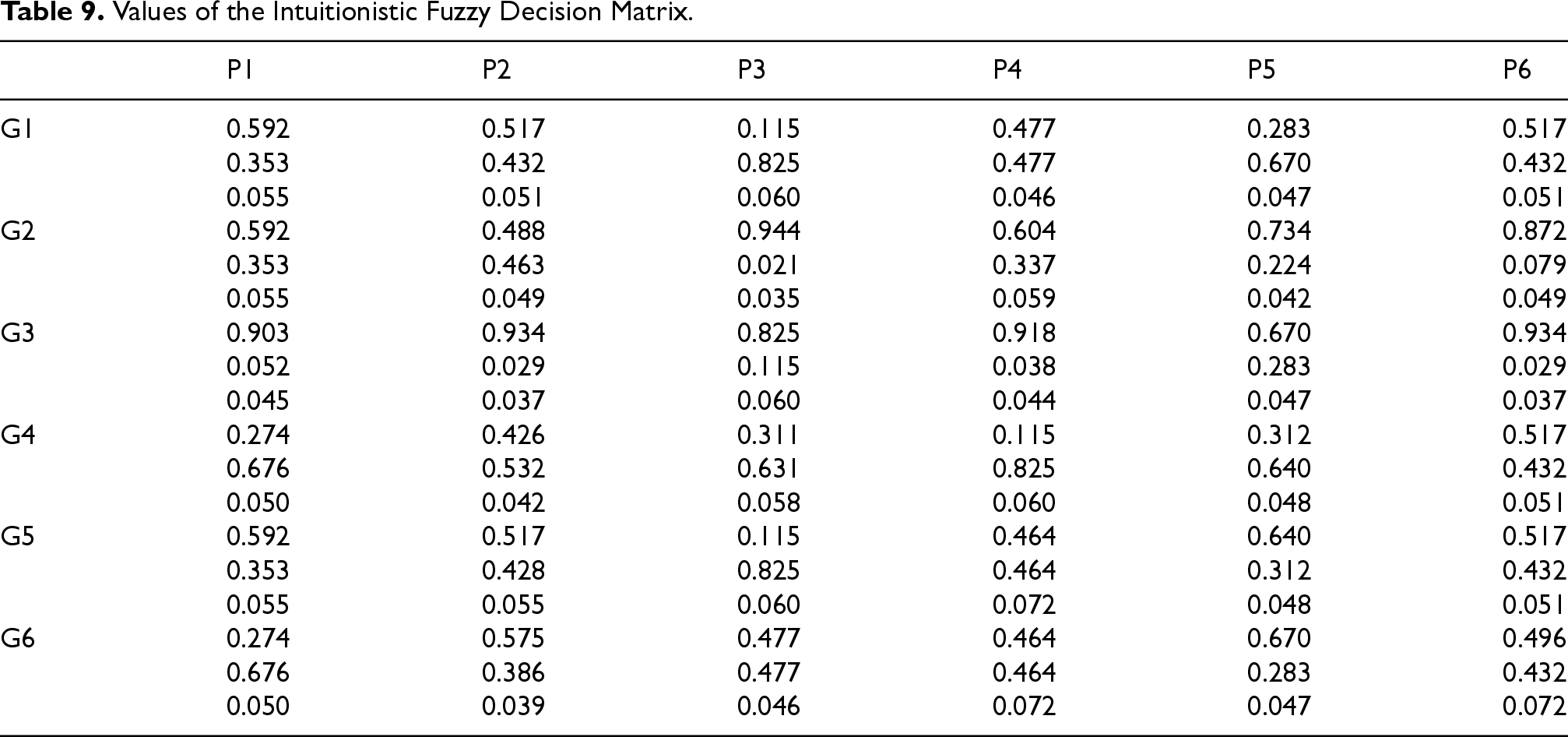
Values of the Intuitionistic Fuzzy Decision Matrix.
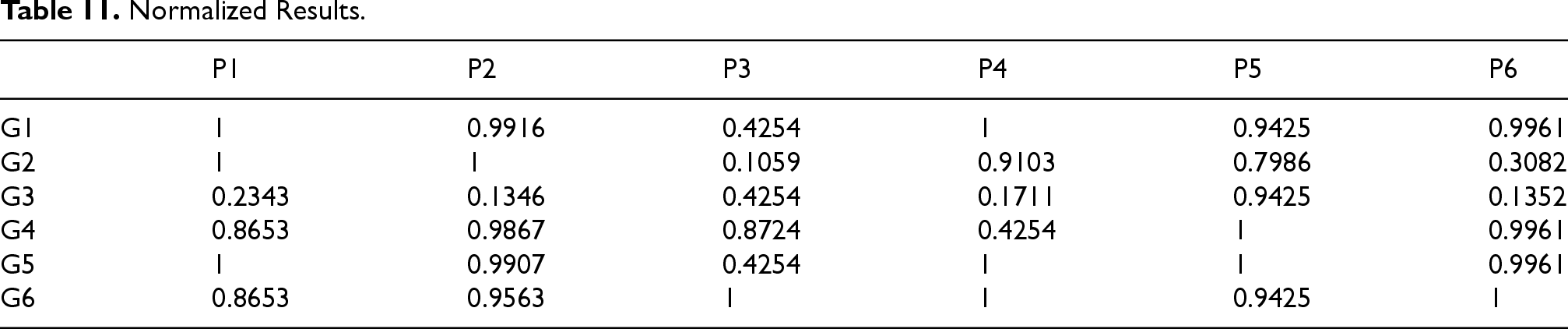
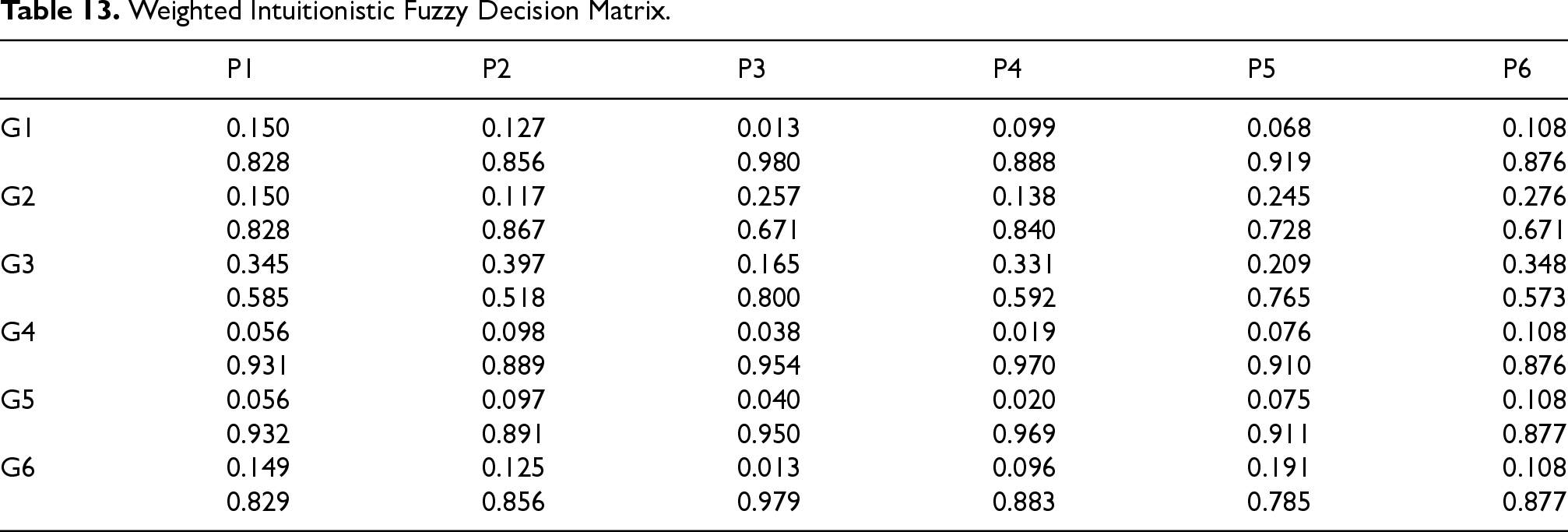
For creating the data, it had been studied with a team of three decision makers F = {F1, F2, F3}, two of them are from healthcare professionals and one is from the TB association unit. In that study, “G1: TB + Anemia”, “G2: TB + Diabetes”, “G3: TB + HIV”, “G4: TB + Malaria”, “G5: TB + Hypertension”, “G6: TB + Hepatitis” were selected for the alternatives and “P1: Screening”, “P2Maternal and fetal risk”, “P3: Lifestyle factors”, “P4: Drug interaction”, “P5: Availability of preventive measures”, “P6: Severity” for the criteria. The fact that all criteria in this example are positive criteria indicates that the problem is MADM. The steps of the IFEB-TOPSIS method are explained below.
IF Entropy Values.
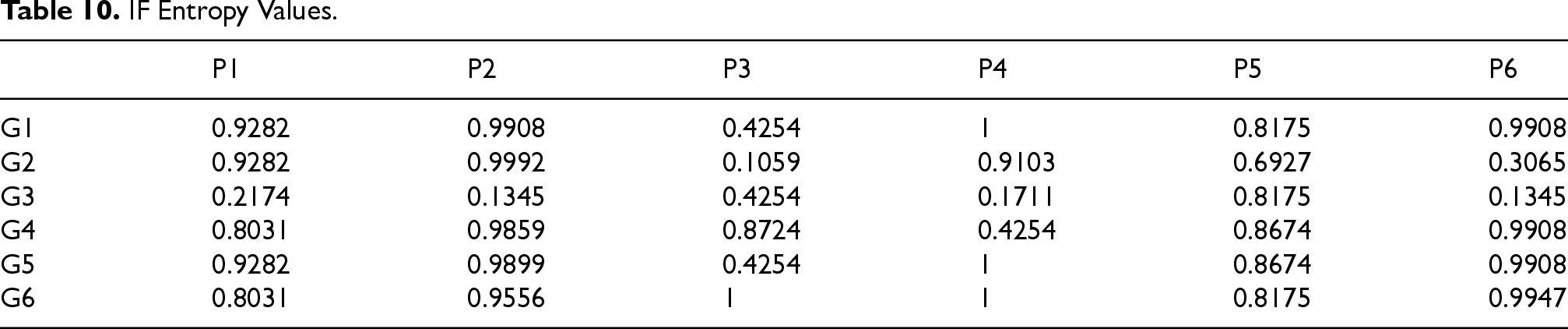
Normalized Results.
ai and wi Values.

Weighted Intuitionistic Fuzzy Decision Matrix.
IF Positive and Negative Ideal Solutions.

A + Separation measure of each alternative.

A- Separation Measure of Each Alternative.
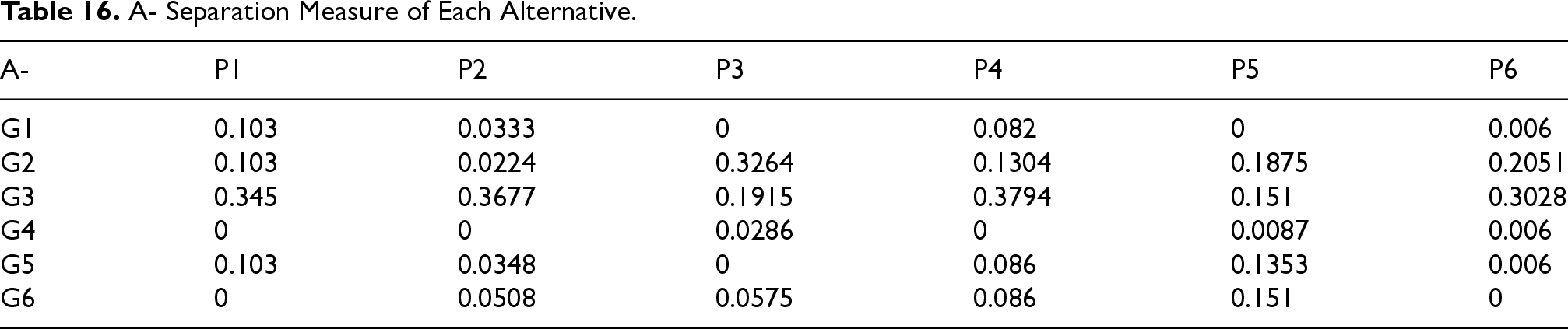
Intuitionistic Separation Measure.

Relative Closeness Coefficients.

Alternatives are listed as follows according to their relative closeness coefficient values: G3 > G2 > G5 > G6 > G1 > G4 (Table 19)
Comparing the Alternatives.

The ranking obtained by the authors (Natarajan & Augustin, 2024) using bipolar fuzzy COPRAS and bipolar fuzzy TOPSIS and the new IFEB-TOPSIS MADM methods with new IF entropy used in this study was given in Table 20. When the Table 18 and Figure 7a, 7b, 7c are examined, there is no big difference between G5 and G6 values.
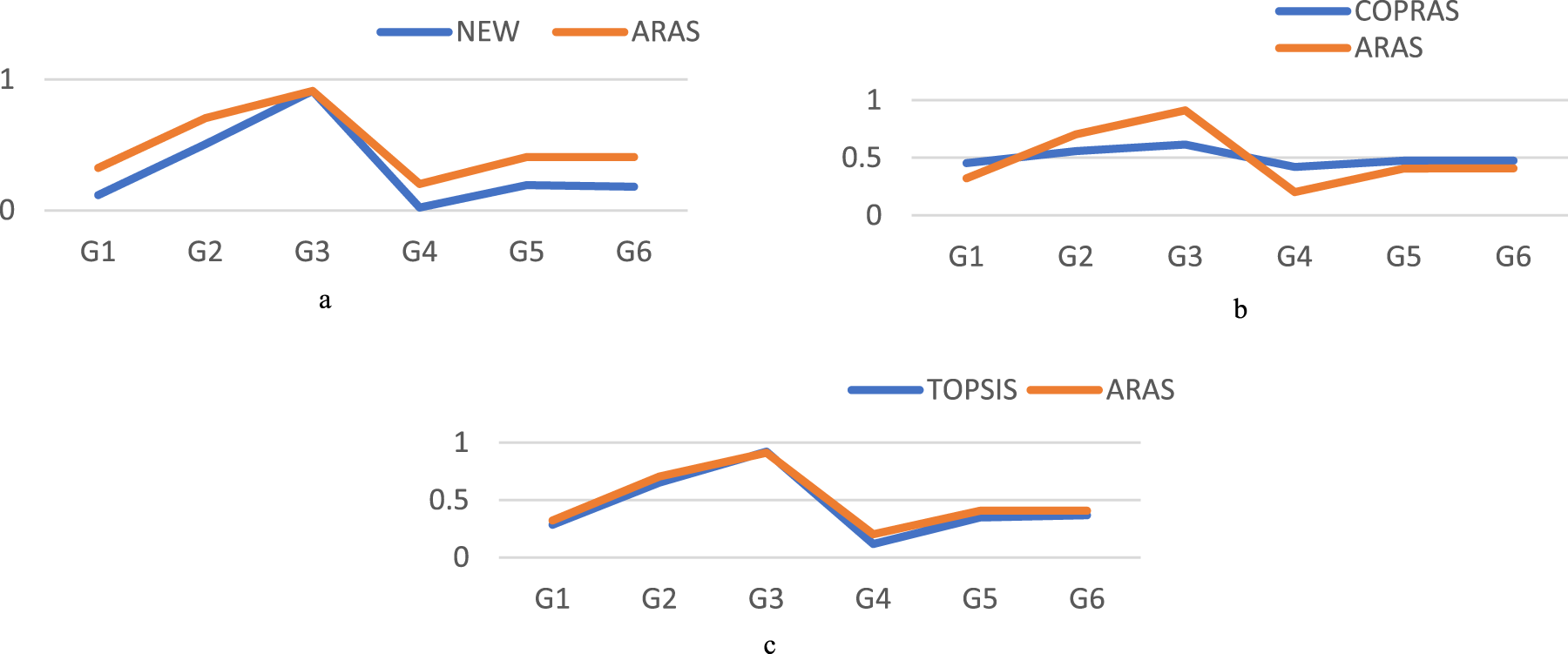
a. Comparing entropy results (MADM). b. Comparing entropy results (MADM). c. Comparing entropy results (MADM).
Ranking Alternatives.

In this section, the sample data series in Joshi and Kumar's study (Joshi & Kumar, 2014) was used. For this purpose, the data of “G1: Bajaj Steel”, “G2: H.D.F.C. Bank”, “G3: Tata Steel” and “G4: Infotech Enterprises” organizations were examined from http://www.moneycontrol.com between 21.9.2012 and 27.9.2012 according to the independent criteria “P1: Earnings per share (EPS)”, “P2: Face value”, “P3: P/C (Put–Call) Ratio”, “P4: Dividend”, “P5: P/E (Price-to-earnings)”. In this example, it is important to remember that criteria have benefit and cost properties. Among these criteria, P1 and P2 are benefit criteria, P3, P4 and P5 are cost criteria. Here, criteria P1 and P2 are directly proportional to good growth, while criteria P3, P4 and P5 are inversely proportional to the expectation of good growth. This reveals that the problem is an MCDM problem.
The author compared the results obtained by using TOPSIS, Fuzzy TOPSIS and intuitionistic fuzzy TOPSIS methods to solve this problem. The decision-making matrix for the above alternatives and criteria was taken directly from the study.
For this example, the results were written directly to avoid repeating the steps explained in section 3. If the Values of the intuitionistic fuzzy decision matrix in Table 21 from Joshi and Kumar (2014) was used. The alternatives are obtained as in Table 20.
Values of the Intuitionistic Fuzzy Decision Matrix.
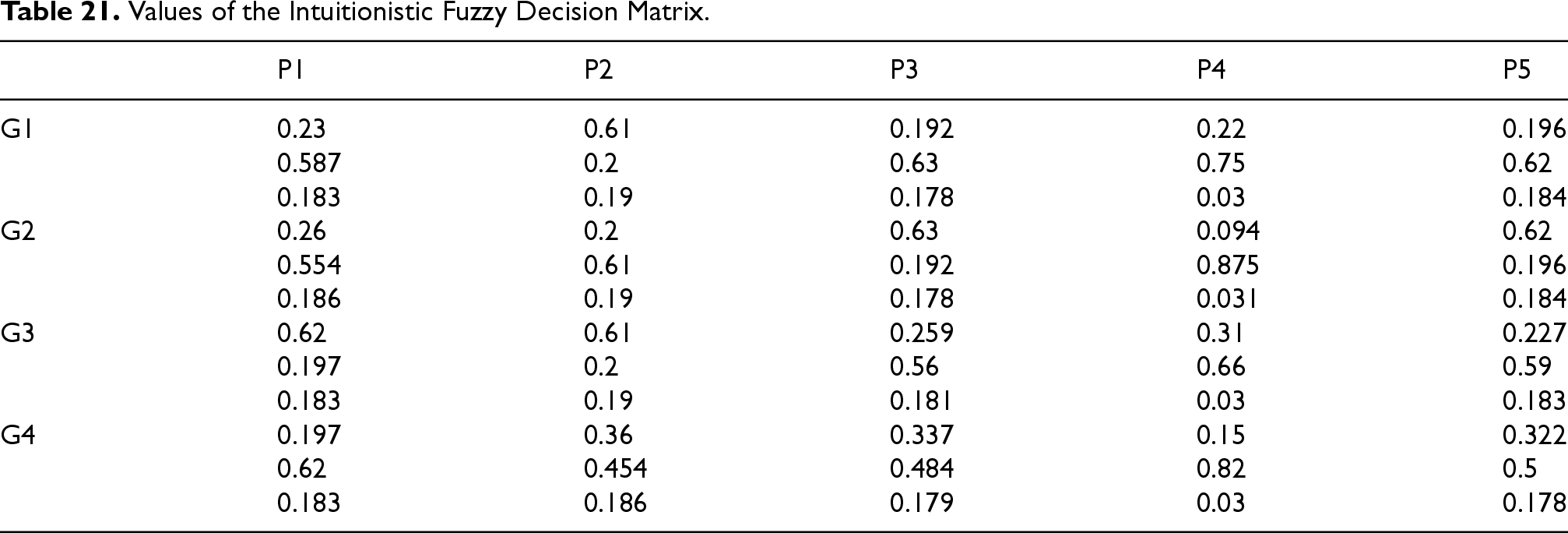
Values of the Intuitionistic Fuzzy Decision Matrix.
Alternatives are listed as follows according to their relative closeness coefficient values; G3 > G1 > G4 > G2
The ranking obtained by the authors (Joshi & Kumar, 2014) using TOPSIS, Fuzzy TOPSIS, Intuitionistic Fuzzy TOPSIS and the new IFEB-TOPSIS MCDM methods used in this study was given in Table 22. Since numerical values for Fuzzy TOPSIS and Intuitionistic fuzzy TOPSIS could not be obtained in Joshi and Kumar (2014), the comparison was made according to the result obtained with TOPSIS. When the Table 22 above is examined, it is easily seen that the best alternative is the same. When the numerical values are examined, as can be seen from the Figure 8, the values giving the ranking are ideal for making clearer and more precise estimates when obtained with the method in this study. This will be more decisive for samples with close criterion values.
Comparing the Alternatives.

Comparing the Alternatives.

Compairing Entropy Results (MCDM).
With similar calculations, the results for the IF entropies discussed in this study were given in the Table 23. For the decision making calculation, other entropies mentioned in this study were also calculated and the results obtained were written directly to compare with the newly defined IF entropy. For the first example which is IFEB-TOPSIS MADM
Comparing IF Entropy Results for First Example.
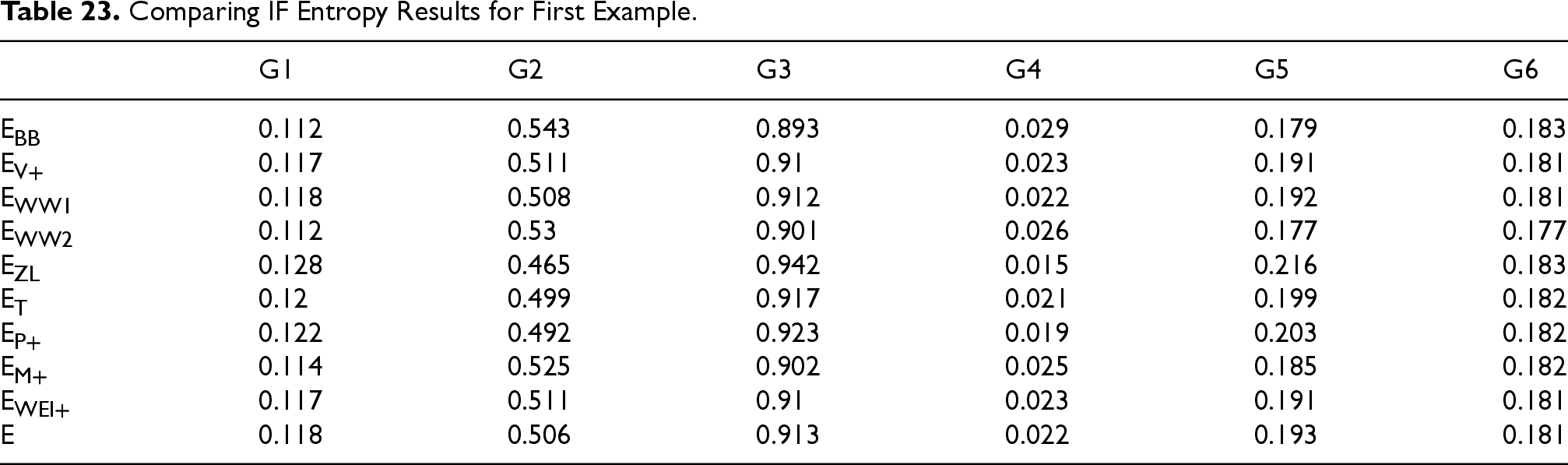
Comparing IF Entropy Results for First Example.
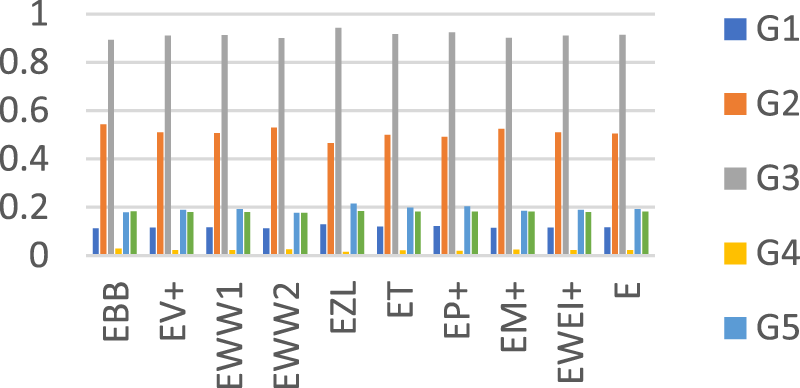
If the result table Table 23 and Figure 9 are examined, it can be seen that there is no inconsistency between the rankings of the alternatives obtained from different entropies.

Comparing Entropies MADM.
Similarly, if the Table 24 and Figure 10 are considered, the same comment can be made for the second example which is MCDM problem. In the first example, it is seen that the entropies of Natarajan and Augustin (2024) EBB and EWW2 and EM+ have close values for the G5 and G6 alternatives. In fact, this situation can be interpreted as an indication that there may be a negligible small difference between the results obtained in Natarajan and Augustin (2024) and this study (only G5 and G6). This difference may be related to the information given by the experts were based on their individual comments and experiences. Therefore, increasing the number of experts may contribute to the creation of more precise “Values of the intuitionistic fuzzy decision matrix”.
Comparing Entropies MCDM.
Comparing IF Entropy Results for Second Example.
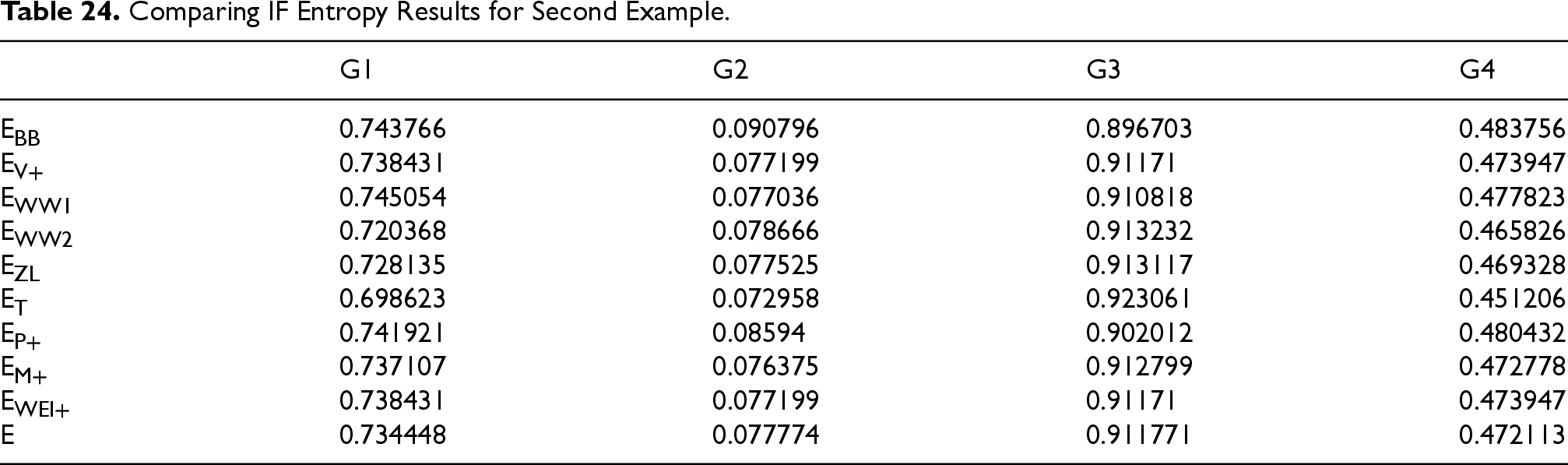
When the second example is examined, since all the results are based on the numerical data of the companies and do not include comments, the obtained “Values of the intuitionistic fuzzy decision matrix” are more reliable. As a result, compatible results were obtained in the ranking of the alternatives according to the examined methods and in the rankings obtained with other IF entropies.
When the results obtained for both examples are evaluated in terms of both numerical values and comparative graphs, the IF entropy defined in this study has an importance that will take its place in the literature not only in the IF entropy family but also in IF entropy based applications of MADM/MCDM problems.
The role of IF entropy in the decision-making process is to use it when determining the criteria weights. However, the important point here is not to evaluate the criteria weights separately, but to find the most accurate IF entropy so that all of them give the most optimum result together. Therefore, overall, it was observed that the newly defined IF entropy gave the best result, because the values obtained, when compared with each other, provide more precise information for ranking. In MADM/MCDM problems, focusing on only the most advantageous alternative is not meaningful. The user may be looking for second, third, etc. alternatives depending on the situation. The precision in the ranking of the alternatives is also important.
The point that should not be forgotten here is that the originality of the study lies in the provision of a new definition of IF entropy. Examples with real data from Natarajan and Augustin (2024) and Joshi and Kumar (2014) were chosen to demonstrate the consistency of the IF entropy defined in this study and to establish its position in the literature. For this purpose, both calculations using different MADM/MCDM methods and comparisons of the results of those examples with E according to different IF entropies were made. The application with the IFEB-TOPSIS method is merely an example used to demonstrate the consistency of IF entropy.
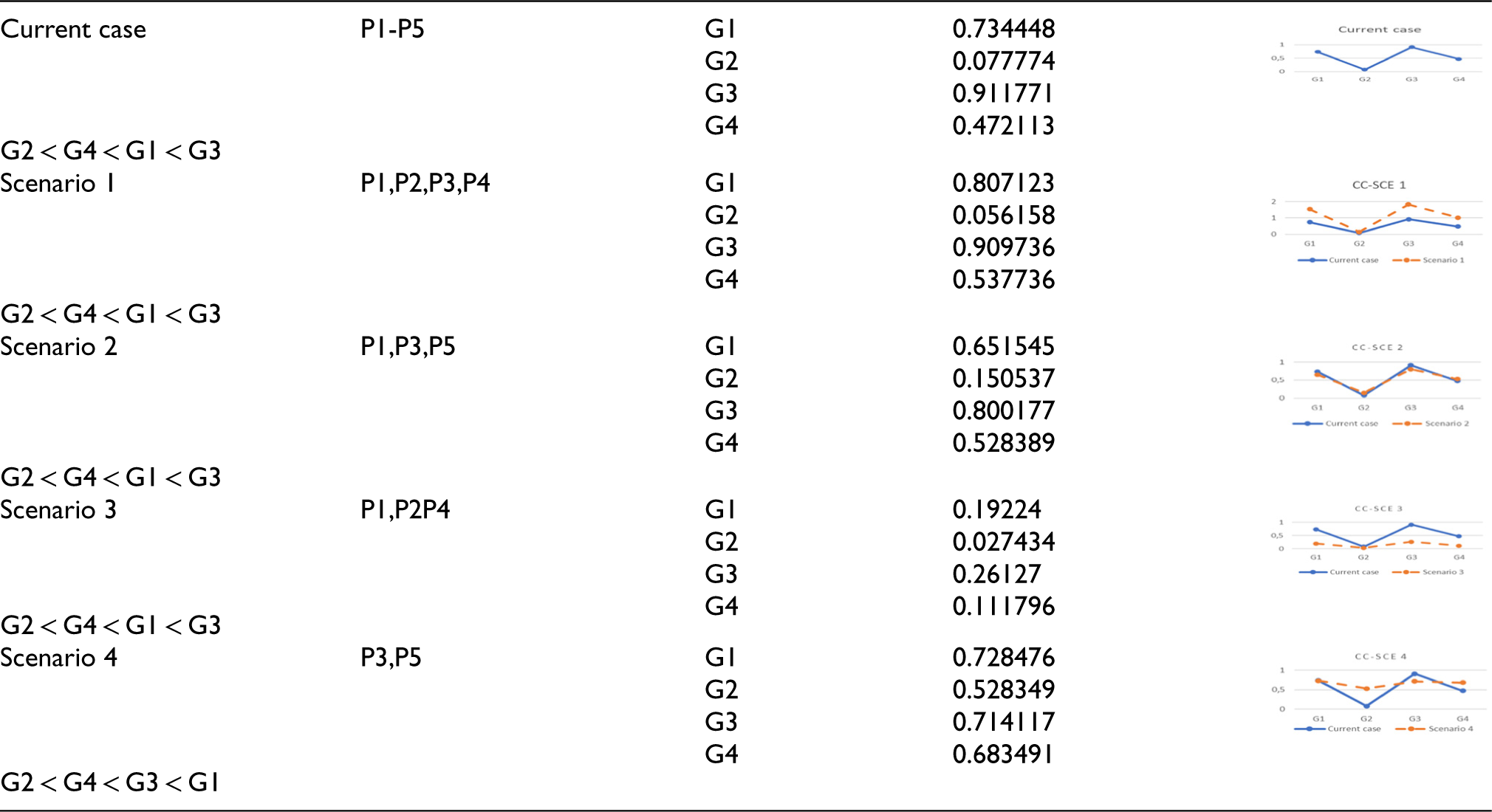
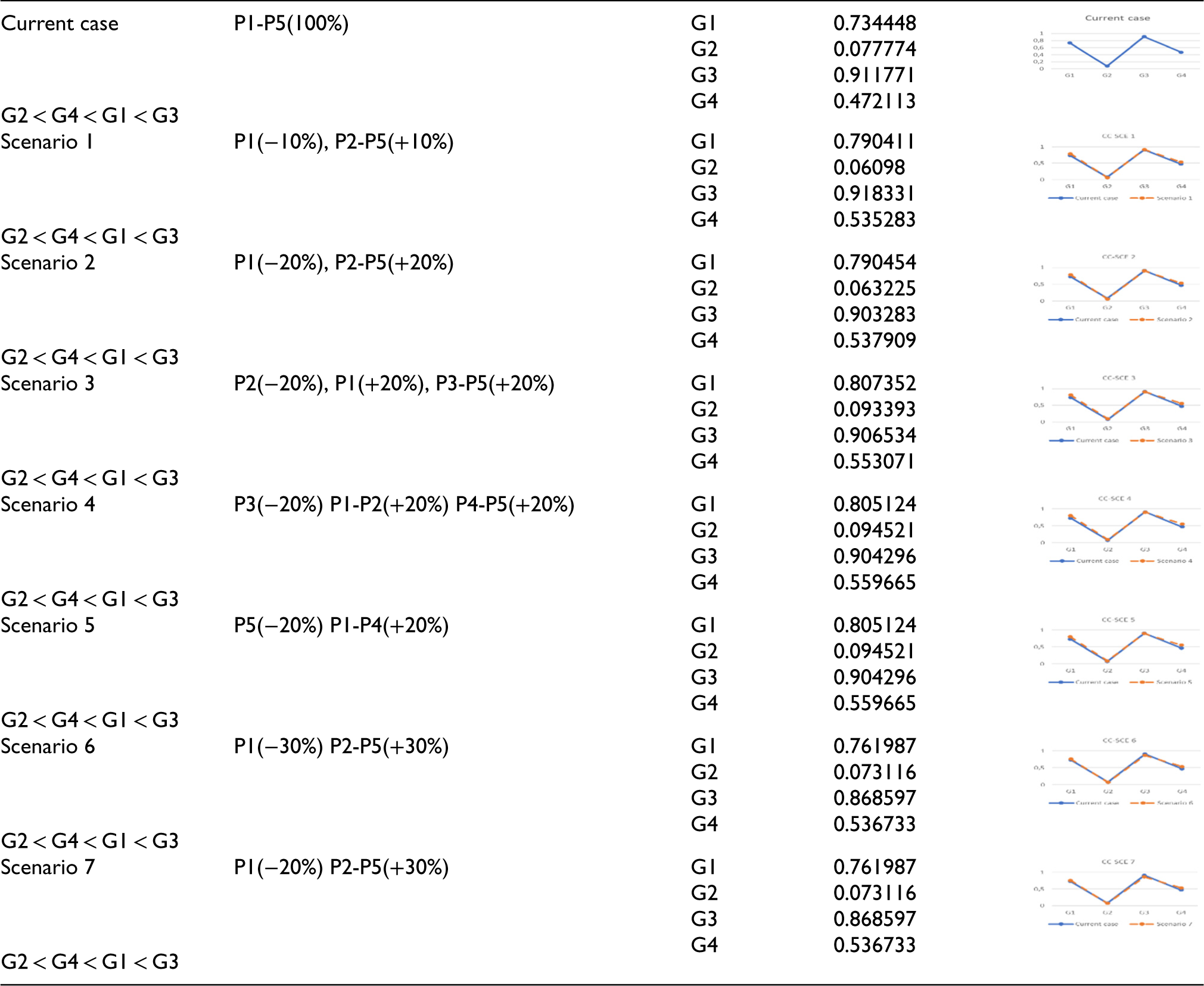
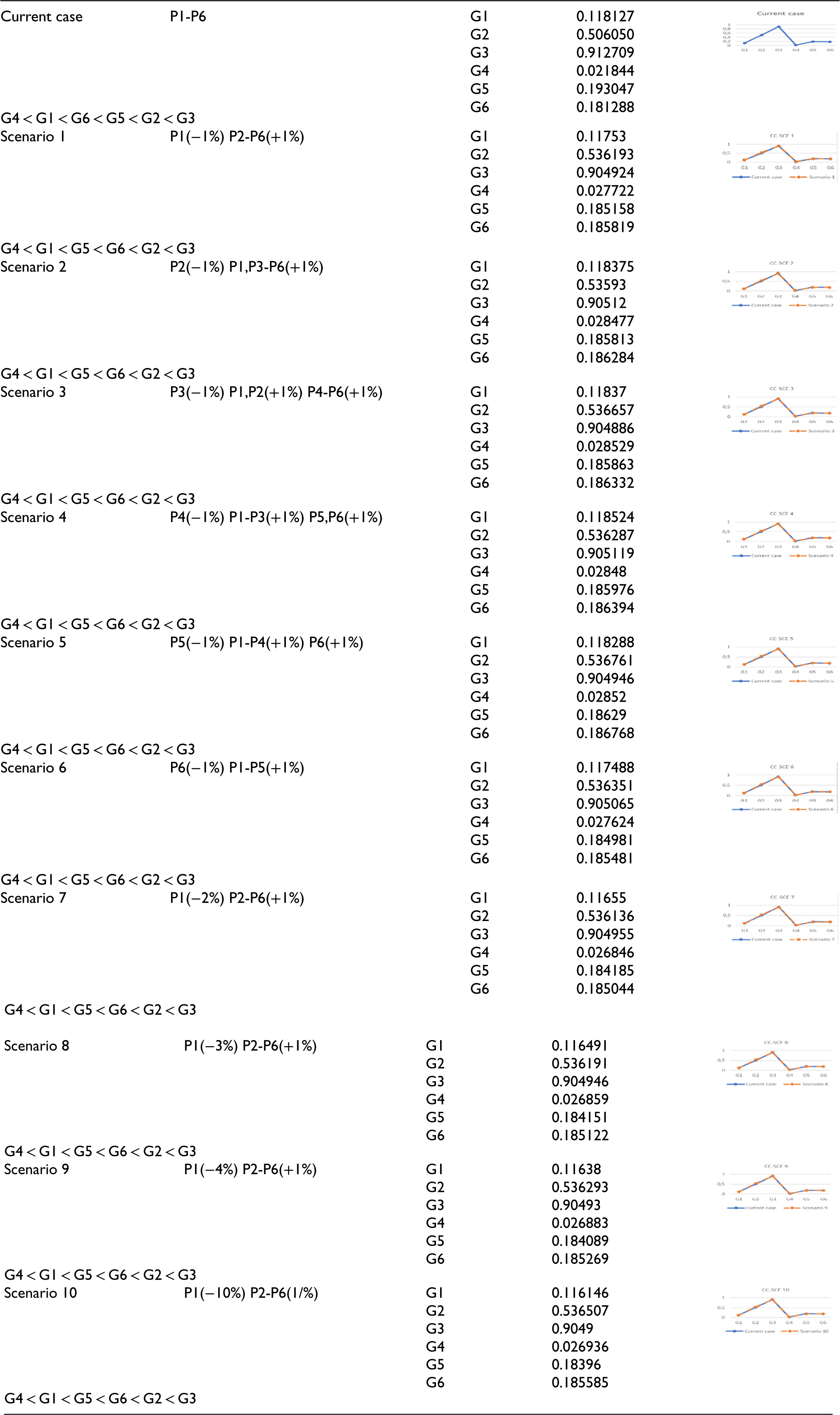
In this section, a sensitivity analysis of the rankings of the alternatives obtained in this study for the first MADM (Natarajan & Augustin, 2024) and the second MCDM (Joshi & Kumar, 2014) real world instances will be performed based on two different perspectives. The first sensitivity analysis is performed by selecting some Gi criteria. The second sensitivity analysis is performed by increasing or decreasing the degree of membership and non-membership of the Gi criteria. For the sensitivity analysis of the first example using the first method, 4 scenarios are analyzed in Table 25 and 7 scenarios are analyzed in Table 26 for the sensitivity analysis using the second method. For the second example, 5 scenarios are analyzed in Table 27 for the sensitivity analysis using the first method and 8 scenarios are analyzed in Table 27 for the sensitivity analysis using the second method. Geometric graphs have also been included in the tables.
First Sensitivity Analysis Method for the First MCDM Example.
First Sensitivity Analysis Method for the First MCDM Example.
Second Sensitivity Analysis Method for the First MCDM Example.
First Method of Sensitivity Analysis Review of the Second MADM Sample.
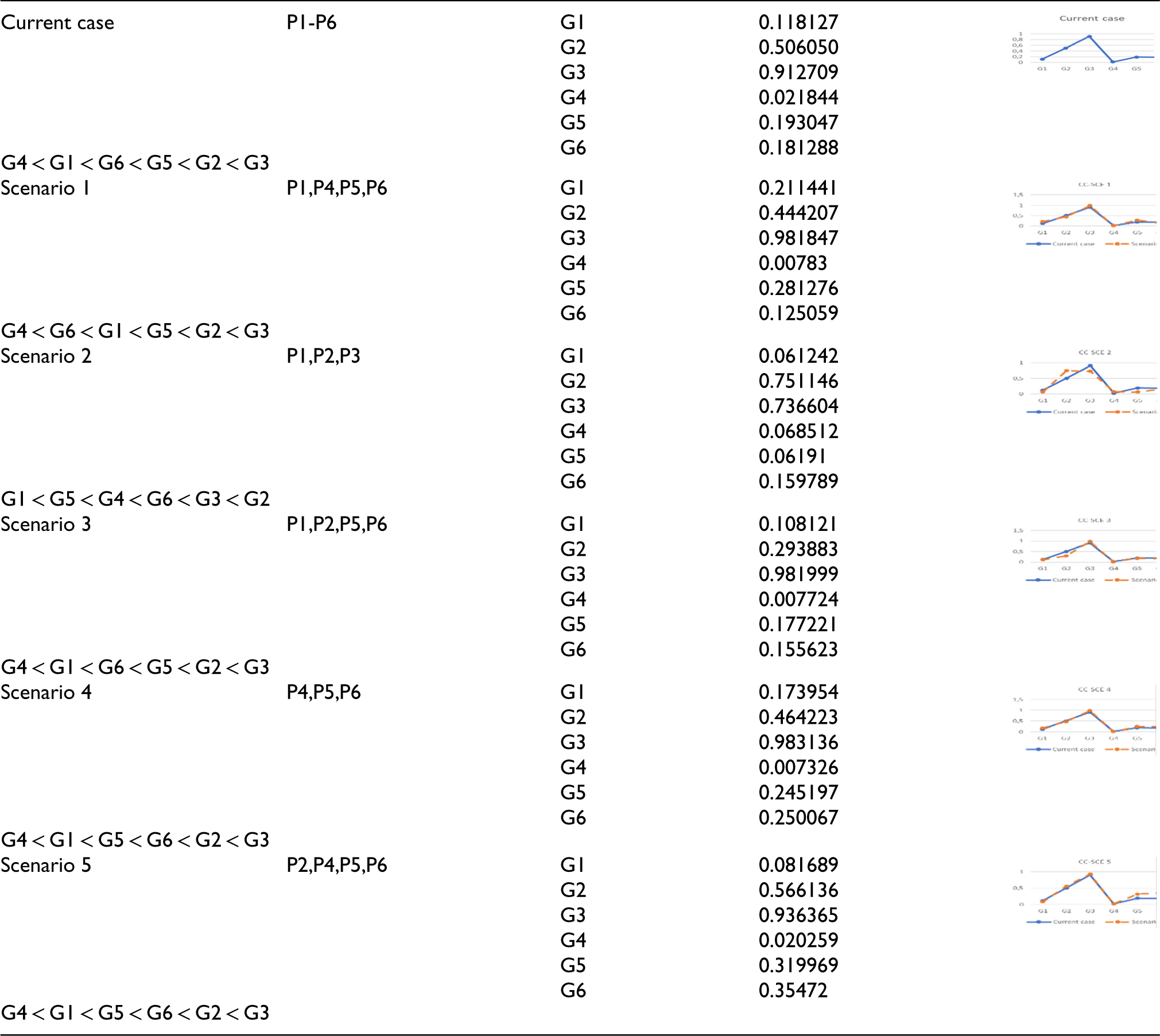
The first example is the MCDM example. When analyzing the results of the first method for this example in Table 25, according to scenario 4, the presence of inversely proportional cost criteria changes the ranking of alternatives, but when considering scenario 2, the inclusion of directly proportional benefit criteria does not change the ranking of alternatives. When analyzing scenarios 1–3, the ranking does not change quantitatively, but qualitatively. In particular, the situation in scenario 3 shows that the decision-making process is weakened. Analyzing the results of the second method in Table 26, in general, when the |μ(x)-ν(x)| distance between the membership and non-membership degrees of the criteria is changed proportionally, the change in the position of the alternatives is negligible both qualitatively and quantitatively. The second example is the MADM example. When analyzing the results of the first method for this example, the largest and smallest alternatives have changed places according to the original ranking in Scenario 2.
If Scenario 1 and Scenario 3 are evaluated considering Scenario 2, it is understood that criteria P4, P5, P6 are the criteria that normalize the system. Since this example consists of data obtained with real expert opinions, it was difficult to create scenarios with the second method.
In this study, the criteria are taken as IFS values. Since the values of the data obtained from the experts are very close to 1, there cannot be many options for the proportional distance between μ(x) and ν(x) as in first example For this reason, the canonical ratio ±1% was used in scenarios 1–6 (to ensure the rule of 0 ≤ μ(x) + ν(x) ≤ 1), and other scenarios were created for the proportional difference without rules for suitable data. The alternatives obtained according to all scenarios generated by the method described above are very close both in quantity and quality. (Table 28)
Second Sensitivity Analysis Review Method for the Second MADM Sample.
Depending on their structural properties, IF entropies are classified into four different classes as ‘degree of hesitation’, ‘geometric’, ‘probability’ and ‘improbability’. In this study, considering that intuitionistic fuzzy sets are three-dimensional, a new IF E entropy is defined by a rule-based method. The IF E entropy is an entropy that belongs to the degree of hesitation class due to its structural property. According to the IF E entropy, it is shown that the fuzziness measure of the entropy values of elements other than unsymmetric elements cannot be absolutely equal. That is, the entropy value without symmetry is unique. The property of non-symmetry uniqueness is an important property not only for MADM/MCDM problems, but also in various application areas. The most fundamental property of IF entropies is to determine the degree of fuzziness of IFS. If the IF entropy values of the elements are unique except for symmetry, it will give more accurate results for the degree of fuzziness of IFSs. Therefore, it is recommended that the property of being unique except symmetry, independent of the four classes mentioned above, should be a new classification criterion for IF entropies.
The advantages and disadvantages of the IF E entropy can be expressed as follows.
Advantages:
IF E entropy is an IF entropy belonging to the class of geometric entropy, which has the property of being unique except for symmetry. For this reason, it behaves according to the membership-dismembership-discrepancy degrees of an IF set and gives consistent results in application problems.
Disadvantage:
There is no standardised criterion(s) to explain why one IF entropy is superior to another. Therefore, the most appropriate entropy for the work domain is found by experimentation. As with all other IF entropies, no problem classification can be made for E to achieve high performance.
Limitations:
Since there are no ranking criteria among the functions in the IF entropy family, it is difficult to determine the position of the IF E entropy among other entropies.
The classification of IF entropies has common nested features. A more detailed classification of IF entropies is one of the problems for future studies.
Footnotes
Funding
The author received no financial support for the research, authorship, and/or publication of this article.
Declaration of Conflicting Interests
The author declared no potential conflicts of interest with respect to the research, authorship, and/or publication of this article.