




Abstract
Since the collapse of the Soviet Union and the emergence of Azerbaijan, Armenia, and Georgia as independent states, the Caucasus region has been marked by persistent conflicts and disputes. The involvement of major powers and regional actors, particularly Iran, has significantly influenced the region’s dynamics. As a neighbor to both Azerbaijan and Armenia, Iran’s strategic orientations and policies have played a pivotal role in shaping its relations with Azerbaijan, especially in light of the Nagorno-Karabakh conflict. This article aims to analyze Iran’s foreign policy towards Azerbaijan after the Second Nagorno-Karabakh War through the lens of James Rosenau’s continuity model, focusing on its five variables. Employing qualitative methods, the study seeks to answer the question: What factors, as identified by Rosenau’s theory, have profoundly shaped Iran’s foreign policy towards Azerbaijan following the Second Karabakh War? The hypothesis posits that the war’s aftermath, particularly the influence of societal and systemic variables, has heightened the security concerns underpinning Iran’s foreign policy towards the Republic of Azerbaijan. In this study a quantitative approach and structural-interpretive modeling (ISM) have been used.
Keywords
Introduction
Since the independence of its constituent countries from the Soviet Union in 1991, the Caucasus region has emerged as a hotspot of conflict involving great powers and regional actors. The establishment of three independent states—Azerbaijan, Armenia, and Georgia—and various disputes, particularly over borders, have heightened tensions in the region. Consequently, unrest has persisted in the Caucasus from 1991 to the present. Regional and international powers have sought to develop strategies aligned with their interests to address the disputes, particularly the ongoing tensions between Azerbaijan and Armenia.
Iran, sharing borders with Azerbaijan and Armenia, occupies a unique position in this geopolitical landscape. Common cultural and historical ties have facilitated close relations between Iran and the Caucasus region. Iran’s foreign policy toward Azerbaijan is an extension of its broader strategy in Central Asia and the South Caucasus, emphasizing comprehensive cooperation, trust-building, sustainable peace, equitable use of natural resources, and regional stability (Hoseini et al., 2024). As a country seeking economic, political, and religious interests in the South Caucasus, the Islamic Republic of Iran has prioritized establishing robust relations with the newly independent republics in the region. Within this context, Iran’s relationship with the Republic of Azerbaijan holds particular significance (Hoseinpur, 2021, p. 106). Iran’s approach to the two major crises in the Caucasus—the First and Second Nagorno-Karabakh Wars—has varied, resulting in shifts in its relations with Azerbaijan. The Second Nagorno-Karabakh War, in particular, led to significant changes in borders and Azerbaijan’s decision to establish the Zangezur Corridor, prompting Iran to adjust its foreign policy toward Azerbaijan.
This article aims to examine the foreign policy of the Islamic Republic of Iran toward the Republic of Azerbaijan, focusing specifically on the period following the Second Nagorno-Karabakh War. The analysis applies James Rosenau’s theoretical framework, which encompasses five key variables: idiosyncratic, role, governmental, societal, and systemic. Using qualitative methods, the article seeks to answer the following question: According to James Rosenau’s theory, what factors have influenced Iran’s foreign policy toward Azerbaijan after the Second Nagorno-Karabakh War? Particular emphasis is placed on the societal and systemic variables in this theoretical framework.
Theoretical Framework
Foreign policy is a complex and multidimensional subject, making it challenging to fully comprehend. The diversity of international relations theories has further broadened its application. In the study of foreign policy within international relations, three primary approaches are identified: the macro approach, the micro approach, and the intermediate or integrated approach. The macro approach to foreign policy focuses on the entire international system. Proponents of this perspective argue that the structure of the international system significantly shapes and influences the foreign policy of states. Realist theorists, in particular, emphasize that macro-level factors dominate, while internal values and conditions play a minimal role in shaping foreign policy. In contrast, the micro approach, also referred to as the “wisdom point of view,” emphasizes the internal structure and conditions of individual countries. This perspective argues that domestic policies and orientations largely shape a nation’s foreign policy, suggesting that internal dynamics, such as governance structures and socio-political factors, are crucial. The third approach, the integrated or intermediate perspective, combines elements of both the macro and micro approaches to understand foreign policy. A key proponent of this approach is James Rosenau, whose unified theory identifies five variables that influence foreign policy decisions [L1]. Rosenau’s five variables are as follows:
Idiosyncratic Variable: This variable focuses on the unique characteristics of decision-makers. Rosenau emphasizes that the personal attributes, experiences, and backgrounds of elites and policymakers play a crucial role in shaping a country’s foreign policy.
Role Variable: Here, the focus shifts to the roles and positions of government officials. Regardless of their personal characteristics, individuals are influenced by the responsibilities and expectations tied to their official roles, which in turn shape foreign policy decisions.
Governmental Variable: This variable examines how governmental structures and institutions limit or expand a nation’s foreign policy options. The organization and nature of government directly influence foreign policy orientation.
Societal Variable: Rosenau considers all non-governmental elements that affect foreign policy under this variable. These include interest groups, societal pressures, and cultural or social dynamics.
Systemic Variable: This variable pertains to external factors and actions outside the domestic environment that constrain or influence foreign policy. The broader international system plays a decisive role in shaping a country’s external relations (Rosenau, 2006, p. 172). In this article, James Rosenau’s unified theoretical framework is applied to analyze Iran’s foreign policy orientation toward Azerbaijan. By examining the five variables within the context of Iran’s foreign relations, the study seeks to determine which of these variables has the greatest influence on shaping Iran’s foreign policy toward Azerbaijan.
Literature Review
Danova and Kagazbaev (2023) authored an article titled Analyzing the Factors Influencing Iran–Azerbaijan Relations in the Wake of the Nagorno-Karabakh Conflict. This work examines the disruptions in Iran-Azerbaijan foreign relations, with a particular emphasis on the historical factors shaping their trajectory. The authors highlight that Iran’s covert support for Armenia during the Nagorno-Karabakh conflict has been a source of tension between the two nations. Simultaneously, the article delves into the history of the Nagorno-Karabakh conflict, illustrating with examples how both countries’ foreign policies are driven more by material or geostrategic interests than by ideological or religious motives. Furthermore, Danova and Kagazbaev analyze the influence of global and regional powers—including the United States, Russia, Israel, and Turkey—on the development of Iran-Azerbaijan relations. The study also sheds light on mutual concerns that further complicate their relationship, such as Iran’s apprehension about the rise of national consciousness among Azeris within its borders and Azerbaijan’s unease over Iran’s developmental ambitions.
Seferian (2024) examines the relations between the Republic of Armenia and the Islamic Republic of Iran through three main dimensions. The first dimension considers the presence of a significant Armenian community in Iran. The second focuses on the economic ties between the two countries. The third, and most critical, explores Tehran’s role in the region’s political dynamics, which has seen substantial changes since the end of the Second Karabakh War. The article discusses shared concerns between the two nations, particularly regarding the potential Zangezur Corridor, which would connect mainland Azerbaijan to the Nakhchivan region, posing mutual threats. It also highlights a shift in Yerevan’s foreign policy, which has historically been oriented towards Moscow. This alignment has diminished due to the war and its aftermath, while Armenia’s relations with Tehran have remained stable and are progressively strengthening. These developments reflect a broader trend of Armenia’s gradual reorientation toward the West and Iran. Simultaneously, the geopolitical shifts in the South Caucasus reveal Armenia’s growing distance from Moscow.
Jović and Bošković (2024) analyze Azerbaijan’s foreign policy positioning towards Russia and its role in the Second Nagorno-Karabakh War, describing it as a hedging strategy. The authors argue that Azerbaijan’s foreign policy approach demonstrates how smaller states can strategically manage their relations with larger neighbors and competitors to achieve their objectives. Azerbaijan’s strategic policy towards Russia, shaped by this strategy, created favorable conditions for the Second Nagorno-Karabakh War and played a decisive role in its progression. The study employs document and discourse analysis to trace the evolution of Azerbaijan’s foreign policy toward Russia. The analysis focuses on bilateral political, economic, and social cooperation, drawing on various academic sources such as scientific articles, books, official documents, and agreements. Additionally, the article emphasizes Turkey’s strategic support in enhancing Azerbaijan’s military capabilities and its broader influence on Azerbaijan’s foreign policy. The findings reveal that Azerbaijan has successfully deviated from previous unilateral decisions and skillfully balanced its relations with Moscow. This nuanced approach allowed Azerbaijan to pursue its strategic goals while avoiding actions that might provoke Russia.
Aghazada (2023) explores the bilateral relations between Azerbaijan and Iran following the Second Karabakh War, identifying sources of tension and emerging trends. The study emphasizes the dual role of both countries in large Eurasian transport and logistics projects, which allow them to play significant roles in regional politics. At the same time, achieving comprehensive security in the Caucasus remains a shared concern. The current status of their relationship within the international system depends largely on the quality and depth of cooperation between Azerbaijan and Iran. The article examines internal political factors such as ethnic-political and religious-ideological dynamics. It also assesses foreign policy factors, including Azerbaijan’s relations with Turkey and Israel, and Iran’s ties with Armenia, which contribute to the deterioration of Azerbaijan-Iran relations. Unlike other works, our studies evaluate Iran’s foreign policy toward Azerbaijan using James Rosenau’s theoretical framework, offering a fresh perspective on how Iran shapes its policies regarding Azerbaijan.
Examining the Policy of Iran toward Azerbaijan from the Perspective of Rosenau Theory
Within the framework of Rosenau’s theory, the foreign behavior of countries is shaped by five factors: idiosyncratic variables (the personality, psychological traits, and genetic and biological characteristics of decision-makers), role variables (the specific functions of structural units within the government), governmental variables (the political structure of society, such as democratic or authoritarian), societal variables (the level of social capabilities and the status of society), and systemic variables (the human and non-human aspects of a society’s external environment) (Rosenau, 1971). The influence of each factor varies depending on the country’s position within the global arena and can involve different strategies at different points in time. These influences can also change depending on the specific areas in which countries must interact. In this integrated approach, Rosenau argues that foreign policy is not static but evolves through an interactive and developmental process (Khorshidi et al., 2019, p. 336). In this context, the study continues by applying Rosenau’s theory to analyze the factors affecting the foreign policy of the Islamic Republic of Iran toward the Republic of Azerbaijan after the Second Karabakh War. In this article, the primary and most important variable is the systemic variable, and after that, the societal variable, the governmental variable, the role variable, and finally the idiosyncratic variable, in that order, as having influence on Iran’s foreign policy toward Azerbaijan following the Second Karabakh War, based on Rosenau’s theory.
Systemic Variables
According to Rosenau, systemic variables encompass both the human and non-human elements of the external environment, as well as the actions occurring within that environment, which influence foreign policy decisions (Rosenau, 1971). The impact of systemic variables, or the international system, is closely tied to a country’s power (Seifzadeh, 2006, p. 93). The structure of the international system, particularly whether it is bipolar or multipolar, significantly shapes the foreign policies of nations. Even domestic policies are not immune to this influence, as no country can entirely detach itself from the system’s framework. Therefore, when formulating policies, nations must consider the constraints and opportunities present within the international system (Emadi, 2011, p. 85). The transformation in the structure of the international system and the power vacuum that emerged following the collapse of the Soviet Union have paved the way for the involvement and competition of regional and extra-regional powers in Central Asia and the Caucasus. In this context, any power’s role in the region inevitably provokes the sensitivity and reaction of others. Iran’s relations with the Republic of Azerbaijan are deeply intertwined with these dynamics and have often elicited responses from other influential powers. A key factor limiting the deepening of relations between Iran and Azerbaijan is the objectives and interests of extra-regional powers that play a decisive role in the Caucasus, directly impacting the interactions between the two nations (Soltani Nejad et al., 2016, p. 293).
One of the more contentious aspects of Azerbaijan’s foreign policy from Iran’s perspective is its close ties with Israel. Baku pursues several goals in fostering relations with Tel Aviv, one of which is enhancing Israel’s capacity to influence U.S. regional policies in ways favorable to Azerbaijan. Additionally, this relationship allows Baku to leverage Israel’s advanced military technology and modern agricultural expertise. Furthermore, Azerbaijan views its partnership with Israel as a counterbalance to the cordial relations between Tehran and Yerevan (Idan & Shaffer, 2021, pp. 194–195).
Since the collapse of the Soviet Union, the increasingly close relationship between Israel and Azerbaijan, a Muslim-majority republic in the South Caucasus, has intrigued political commentators and international relations scholars. The alliance between the Jewish state and this small, energy-rich, post-Soviet nation—situated strategically between Iran and Russia—has often been perceived as an anomaly. Constructivist theorists and geopolitical experts, who expected Azerbaijan’s shared Shia identity with Iran to foster a strong bond between the two, find this relationship puzzling. However, Tehran’s suspicion of Azerbaijan’s economic ascent, concerns over pan-Turkist sentiments spilling into northwest Iran, and its own imperialist history have strained bilateral ties. In response, Azerbaijan’s efforts to counterbalance Iran and Russia in the Caspian-South Caucasus region have driven Baku to strengthen its relations with Israel (Abbasov & Souleimanov, 2022, p. 139).
Since regaining independence in 1991, the Republic of Azerbaijan and the State of Israel have developed extensive ties, achieving strategic cooperation by the mid-1990s. This partnership was instrumental in Azerbaijan’s success during the 2020 Second Armenia–Azerbaijan War. In recent years, the bilateral relationship has deepened further across various domains, including cultural, economic, military, security, and political spheres. Initiatives such as Israel’s cultural week in Azerbaijan exemplify cultural collaboration, while high-level visits by officials from both nations underscore their close ties. The arms trade and security cooperation between the two countries have also grown significantly. The ongoing Second Ukraine War, which began in 2021, has further shaped Azerbaijan-Israel relations. Israeli-supplied equipment enhanced Azerbaijan’s military capabilities, visibly symbolized by the raising of Israeli and Turkish flags together in many parts of Azerbaijan during the conflict. Recently, Sheikh Al-Islam, the Republic of Azerbaijan’s leading religious official, met with Israel’s ambassador and expressed gratitude for Israel’s support during the war (RCILA, 2021, p. 2). This highlights the evolving and multifaceted nature of the Azerbaijan–Israel partnership.
The national airline of the Republic of Azerbaijan (Azal) has operated regular flights to Tel Aviv since 1993, reflecting the strong ties between Azerbaijan and Israel. Israelis are also among the few nationalities granted visas upon arrival at Baku airport, emphasizing the close bilateral relationship. Azerbaijan has a deeply rooted Jewish community, with settlements in Baku and the northern city of Kuba tracing back 2,000 years. As of 2012, the Jewish population in Azerbaijan was estimated between 20,000 and 25,000, comparable to the Jewish populations in Iran or Turkey. President Ilham Aliyev has demonstrated solidarity with the Jewish community through visits to their places of worship and by issuing messages of unity, including commemorations of the Holocaust.
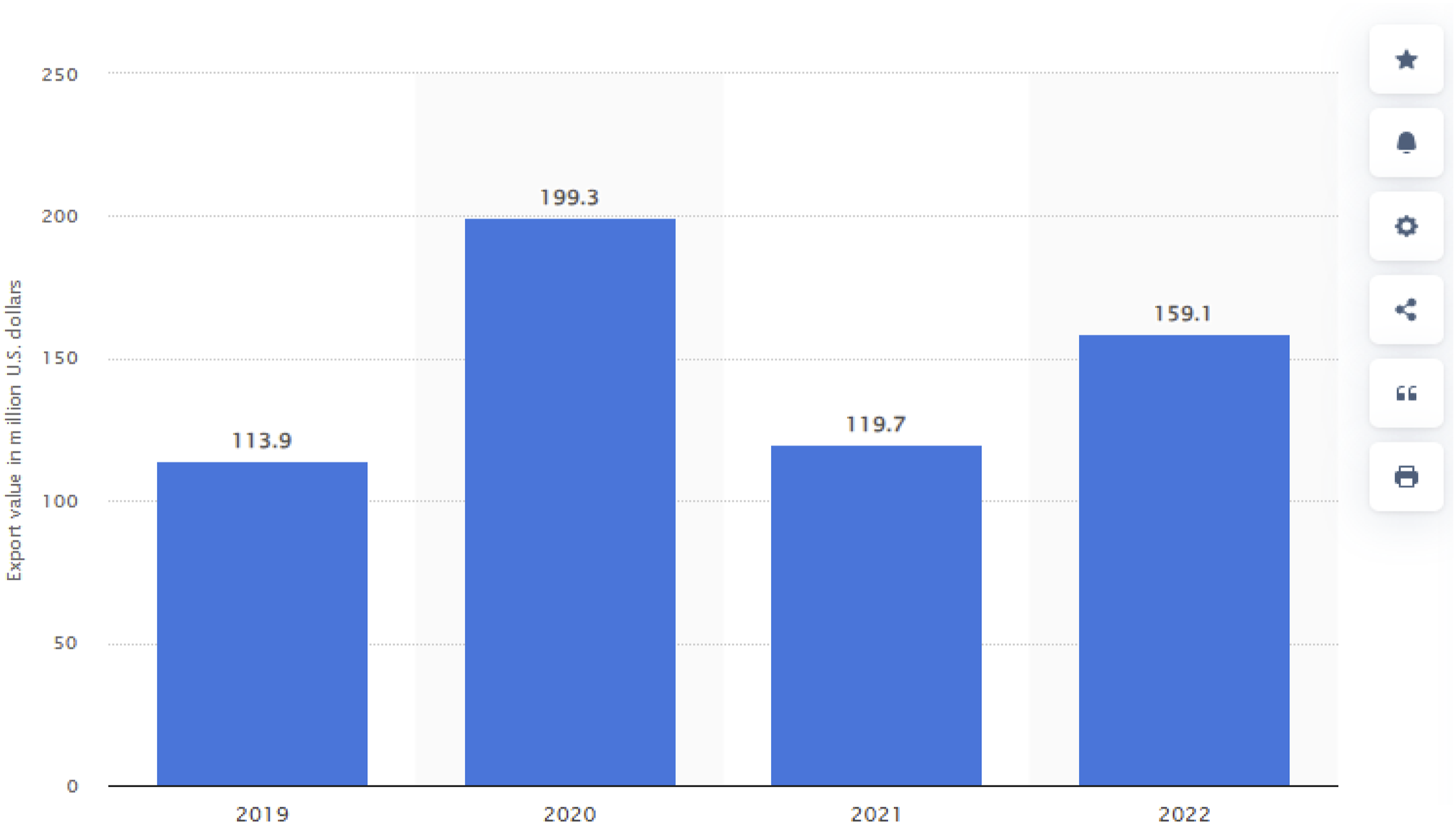
During the Second Karabakh War, Azerbaijan made substantial gains, reclaiming parts of the territories previously occupied by Armenia. Unlike the early 1990s conflict, when Turkey refrained from taking a strong stance, this time Azerbaijan benefited from direct military support from Turkey and extensive weapons and equipment supplied by Israel. The conflict ended on November 21, 2020, with a Russia-brokered agreement, under which Armenia agreed to return the remaining occupied territories to Azerbaijan (RCILA, 2021, p. 2). Additionally, Israel has emerged as one of the top five economic partners of the Republic of Azerbaijan in recent years. In 2022, Israeli exports to Azerbaijan totaled $188.81 million, according to the United Nations COMTRADE database on international trade. Azerbaijan is Israel’s largest oil supplier, providing around 40% of its annual oil consumption, while Israel ranks as the sixth-largest oil importer from Azerbaijan. This oil trade is facilitated through a pipeline passing through Turkey, which has remained operational even during periods of tension between Turkey and Israel. Additionally, Azerbaijan’s National Oil Company has engaged in oil and gas exploration off Israel’s coast.
In the defense sector, Azerbaijan has become a significant importer of Israeli weaponry. In February 2012, the two nations signed a $1.6 billion agreement for drones and anti-aircraft missile systems, and a joint military venture in Baku now produces unmanned military vehicles (RCILA, 2021, p. 18). Bilateral trade between Israel and Azerbaijan continues to grow rapidly. In the first 2 months of 2023, trade turnover reached $334.1 million, a 26.36% increase compared to the same period in 2022. Israel’s share in Azerbaijan’s total trade turnover increased by 4.66% during this time. Israeli Ambassador to Azerbaijan George Deek projected that trade turnover between the two countries could double within the year. Additionally, 10–15 Israeli companies have applied to participate in reconstruction projects in Karabakh, with interest from even more firms. Israel is poised to contribute expertise in green energy, water management, agriculture, health, innovation, and smart city development (Figures 1 and 2). Israel Exports to Azerbaijan—Data, Historical Chart and Statistics—was Last Updated on July of 2023. https://tradingeconomics.com/israel/exports/azerbaijan Value of Exports From Israel to Azerbaijan From 2019 to 2022. https://www.statista.com/statistics/1296027/value-of-exports-from-israel-to-azerbaijan/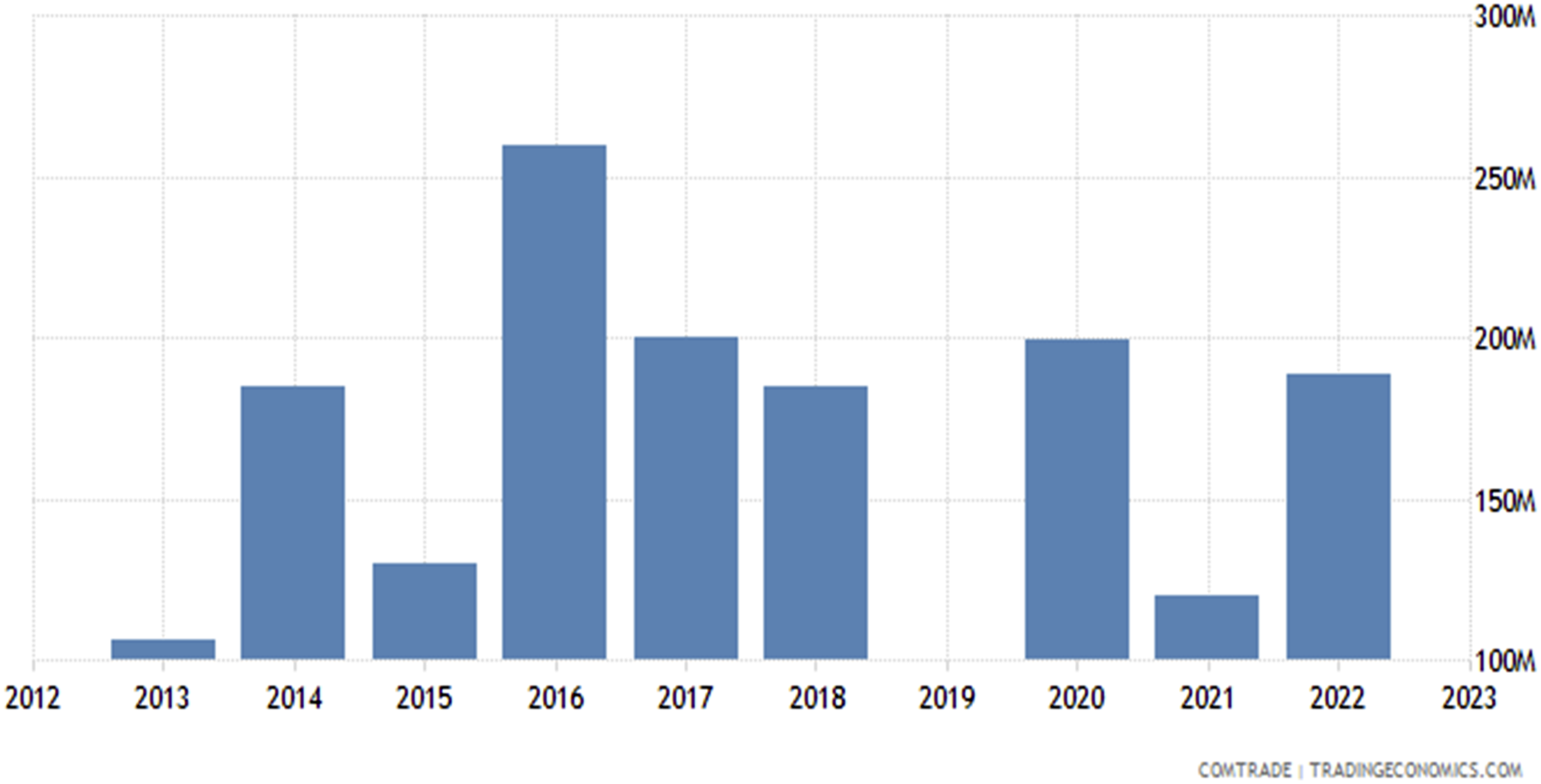
The Iran–Israel confrontation has significantly influenced Azerbaijan–Israel relations, driving closer political and security cooperation. Israel’s strategic partnership with Azerbaijan serves as a means to counterbalance Iran, a factor that Tehran perceives as a serious threat to its security (Momeni & Rahimi, 2017). The presence of Israel in the region and its bolstered military ties with Azerbaijan heighten Iran’s concerns. Following the Second Nagorno-Karabakh War, Israel expanded its military exchanges with Azerbaijan and supplied significant military equipment, deepening Iran’s security anxieties (Ben Aharon, 2024, p. 7–8). Moreover, the opening of the Israeli embassy in Azerbaijan, combined with the rise of Azerbaijani nationalism and the redevelopment of liberated areas, has further exacerbated Tehran’s apprehensions regarding its neighbor (Nakanishi, 2023, p. 35).
Furthermore, reports have highlighted the transfer of Free Syrian Army forces and Syrian Turkmen opposition fighters to the Nagorno-Karabakh conflict, posing a significant threat to Iran’s national security. Iranian authorities have acknowledged and issued warnings about this development. In October 2020, The Guardian reported on the deployment of approximately 1,000 Syrian fighters to Nagorno-Karabakh, allegedly employed by a Turkish private security company. The report included accounts from one such fighter who participated in operations in the region. The newspaper interpreted Turkey’s involvement in deploying Syrian opposition forces to support Azerbaijan as part of its strategy to assert its influence in the Caucasus (Guardian, 2020). Similarly, the Syrian Observatory for Human Rights, a UK-based organization cooperating with Western countries, confirmed the presence of these forces in the Azerbaijan–Armenia conflict under the guise of a Turkish private security company (Syrian Observatory for Human Rights, 2020). The involvement of radical armed groups alongside conventional military forces in the Nagorno-Karabakh war raises alarms for Iran’s national security. Such dynamics underscore the potential for greater instability in the region and the increased risk of non-state actors influencing conflicts near Iran’s borders.
Following Azerbaijan’s military success in the recent Karabakh war and the recapture of previously occupied territories, the country finds itself in a position of heightened confidence. Concurrently, Turkey’s significant role in Azerbaijan’s victory has amplified Ankara’s influence within Azerbaijani governance. If Turkey’s desired corridor between Azerbaijan proper and the Nakhchivan Autonomous Republic materializes, it is likely to become a key transit route for goods and energy under Turkish control. This development could marginalize the Iran–Armenia border, effectively severing Iran’s access to the Caucasus and leaving Iran geopolitically isolated in the region’s northwest. Such a scenario would force Iran into a position of strategic inaction and limited influence (RCILA, 2021, p. 3). Turkey has been actively promoting secular governance in the South Caucasus region, particularly in Azerbaijan, aligning with a European framework that emphasizes the separation of religion and politics. This approach starkly contrasts with Iran’s model of governance, which integrates religion into political structures. For Turkish leaders, fostering this secular model is also a means to counterbalance the religious and Islamic tendencies within the region, which they perceive as potentially problematic. In addition, Turkey’s oil transfer policies, backed by the United States, have proved more successful than Iran’s efforts in Azerbaijan and the broader Caucasus region, further enhancing Ankara’s influence (Javadi Arjomand et al., 2014, p. 63).
Turkey played a decisive role in supporting Azerbaijan during the Nagorno-Karabakh conflict, contributing to Azerbaijan’s ability to engage in a new war with Armenia. This support reflects Turkey’s broader regional ambitions, which have taken on a more aggressive and militarized character since 2016, following its interventions in Syria. Ankara’s involvement in the Nagorno-Karabakh conflict and its subsequent development initiatives align with this militarized foreign policy approach (Kakaei & Dehghani Firouzabadi, 2021, p. 102). Although the 2020 Karabakh War concluded with a ceasefire brokered by Russia, the conflicting interests of regional and international powers and Turkey’s ethnic and geopolitical strategies in the South Caucasus continue to pose tangible threats to Iran. These factors highlight the fragility of the ceasefire and suggest the likelihood of ongoing crises in the region (Mohammadi et al., 2021, p. 163).
Another significant post-conflict development is the creation of the Zangezur Corridor, which can alter the region’s geopolitical landscape. This corridor can disrupt commercial and passenger transport routes and potentially hinder Iran’s access to Europe. Such changes have fueled tensions after the ceasefire and are considered a second Karabakh-related challenge for Iran. The geopolitical ramifications of the war and its outcomes have directly harmed Iran’s regional interests and strained its relations with Azerbaijan. These tensions have manifested in Iran’s increased military maneuvers near its northwestern borders, matched by similar military activities on the Azerbaijani side of the border and the Caspian Sea. This escalation underscores the enduring instability and competition in the region.
Societal Variables
Societal variables refer to the non-governmental aspects of a society that shape the foreign policy behavior of a government. These include the orientation of societal values, national unity, and the activities of non-governmental organizations, associations, and other social groups, which collectively influence the formulation of a country’s ideals and foreign policies (Rosenau, 1971). For the Islamic Republic of Iran, the societal resources influencing foreign policy encompass the cultural, historical, geographical, economic, and social dimensions of Iranian society. Iran’s foreign policy does not emerge in isolation but reflects the unique social, cultural, and economic characteristics of the nation (Bahrami, 2023, p. 74–75). In the context of Iran’s foreign policy towards Azerbaijan, there has been significant domestic support at both media and public levels over the past one to two decades. Platforms such as Friday prayers have vocally supported Azerbaijan’s stance on the Karabakh issue. Numerous books have been translated and published in Iran advocating for Azerbaijan’s territorial claims, and various events, including commemorations, conferences, and poetry nights, have been organized in Tehran and other cities to reinforce the notion that Karabakh is either a part of Azerbaijan or belongs to the broader Islamic world (Safarnejad, 2020, p. 2).
An analysis of Iranian media during the second Karabakh war reveals the depth of societal engagement. A review of the Kayhan, Etemad, and Ettelaat newspapers shows that from September 28 to November 11, 2020, 173 articles were published on the conflict. These articles prominently discussed the need to end the war, achieve sustainable peace and security, and address the conflict’s implications for Iran’s national interests (Firuzi et al., 2022, p. 150). This demonstrates the significant influence of societal variables in shaping Iran’s foreign policy, particularly concerning its northern neighbor, Azerbaijan. Undoubtedly, widespread protests by Azeri citizens across various cities in northwestern Iran, coupled with their campaigns on media and social networks, have influenced the tone and policy of Tehran’s authorities regarding recent events in Karabakh. In response, religious leaders’ representatives from the provinces of West Azerbaijan, Ardabil, East Azerbaijan, and Zanjan issued a statement emphasizing that there is no doubt about Karabakh’s belonging to the Republic of Azerbaijan, condemning its occupation, and urging the return of these territories to Azerbaijan, described as the “land of the Ahl al-Bayt.” Additionally, representatives from Azeri-populated regions supported Azerbaijan on social media, rejected Armenia’s claims, and called on the Iranian government to openly recognize Azerbaijan’s sovereignty over Karabakh based on principles of international law.
In October 2019, following an online campaign supporting the “liberation of Karabakh” and protesting against perceived Iranian and Russian support for Armenia, demonstrations erupted in cities such as Tabriz, Urmia, Ardabil, Zanjan, and Tehran (Mashregh News, 2020). In cities like Tehran and Tabriz, these protests escalated into violent clashes following police intervention. In Tabriz, protesters gathered at the prayer square chanting slogans such as “The Norduz border must be closed,” demanding the closure of Iran’s border with Armenia and an end to its perceived support for the country (Rehimov, 2020). Demonstrations in Tabriz expanded, resulting in clashes between protesters and anti-riot forces. In Tehran, demonstrators gathered at Imam Hossein Square, chanting slogans like “Karabakh is ours, it will remain ours,” “Long live Azerbaijan,” and “Supporting Armenia is a crime.” Similarly, protests in Ardabil and Zanjan took place in Jiral Park and Sabze Maidan, respectively, where clashes with anti-riot forces also occurred. These protests and the accompanying centrifugal movements, as a significant social variable, pressured Iranian authorities to adopt a more cautious and security-driven approach in their foreign policy towards the Republic of Azerbaijan.
Governmental Variable
The organization of the Islamic Republic of Iran’s government serves as a significant determinant of its foreign policy. Variables related to the structure, funding, and procedural aspects of the Islamic Republic influence the country’s decisions and actions in the international arena by either expanding or renewing the policymakers’ options. Each structural and formal feature of the Islamic Republic uniquely impacts foreign policy. Foremost, the position of leadership holds the highest authority and plays a central role in shaping Iran’s foreign policy. Secondly, despite the president’s increased power and authority, the semi-parliamentary and semi-presidential nature of the government limits the executive branch’s complete control over foreign policy. Nonetheless, the president and the executive branch significantly influence foreign policy, second only to the leadership position. Additionally, institutions such as the Supreme National Security Council and the Expediency Council play critical roles in shaping the foreign policy and behavior of the Islamic Republic.
The second principle of the Constitution of the Islamic Republic of Iran emphasizes that the system is based on faith in the One and Only God, Resurrection, Divine Justice, Imamate and leadership, and the dignity and high value of human beings. Furthermore, the preamble of the Constitution highlights that it is rooted in the principles of the Islamic Revolution. This revolution, described as a movement for the triumph of the oppressed over the arrogant, aims to perpetuate its ideals both domestically and internationally. The expansion of international relations with other Islamic and popular movements is intended to pave the way for the establishment of a unified global nation and to continue the struggle for the liberation of oppressed nations worldwide (Vaezi, 2024).
The foreign policy of the Islamic Republic of Iran is predominantly rooted in Islamic values and norms, which fundamentally shape the government’s identity. Interests are defined under the influence of this identity, with the Islamic Republic’s social identity being primarily shaped by Islamic principles. Specifically, these values guide not only the formulation of foreign policy interests and objectives but also the manner in which Iran directs its foreign policy strategies. Another key characteristic influencing Iran’s foreign policy, as in any nation, is its bureaucracy and foreign policy apparatus. The foreign policy of the Islamic Republic of Iran is shaped by various political, military, security, commercial, and economic institutions and entities, all of which play direct or indirect roles in the decision-making process. The bureaucratic influence often stems from inter-organizational and intra-organizational competition during the formulation and adoption of policies.
The proximity or divergence of political systems between countries significantly impacts their degree of alignment or discord. In this regard, the emphasis on secularism and the suppression of religious symbols in the Republic of Azerbaijan has been a point of contention between the two nations. While Islam holds a non-religious character in Azerbaijan (Hunter, 2010, p. 152), the Islamic Republic of Iran’s political system is ideologically rooted in the Islamic Revolution, a principle also reflected in its foreign policy (Sari Ol-Qalam, 2009, p. 26). Consequently, the Shiite identity in Azerbaijan made it one of the ideological focal points of Iran’s revolutionary mission. However, Azerbaijan perceives the rise of political Islam as a threat to its secular governance. The non-religious nature of Azerbaijan’s political system has led to its distancing from the Islamic Republic of Iran, a religious state (Abbaszadeh Fathabadi et al., 2022, p. 230).
The conflict between the political systems and structures of the Republic of Azerbaijan and the Islamic Republic of Iran shapes their foreign policy orientations, fostering divergence and creating opportunities for the involvement of regional and extra-regional actors. This structural and systemic discord amplifies mistrust between the two governments, particularly in addressing crises such as the Karabakh conflict. The mutual distrust has intensified divergence and led to conflicting definitions of interests, further complicating relations between the two nations (Biok, 2024, pp. 40–45). Despite these challenges, parliamentary relations between Azerbaijan and Iran have been a platform for fostering dialogue and cooperation. Meetings and negotiations between parliamentary speakers and delegations at various levels have aimed at building trust, mutual understanding, and aligning the interests of both countries. Parliamentary friendship groups, contractual agreements, and the exchange of ideas have contributed to the development of bilateral ties. These inter-parliamentary engagements have not only strengthened legislative cooperation but have also positively influenced other sectors of relations between the two countries (Hoseinpur, 2021). The second Nagorno-Karabakh war marked a shift in Iran’s approach toward the conflict between Azerbaijan and Armenia. Unlike during the first war, Iran demonstrated comprehensive support for Azerbaijan both rhetorically and practically. However, this support did not result in significant improvement in bilateral relations or the establishment of stable neighborly ties. The outcomes of the war and the subsequent peace conditions have had a complex and varied impact on Iran–Azerbaijan relations, influencing Iran’s foreign policy approach toward its northern neighbor.
Role Variable
Policy makers, regardless of their individual psychological characteristics or personalities, are influenced by the specific roles they occupy, such as leadership, presidency, foreign minister, or parliament speaker. These roles come with expectations and responsibilities that guide their decisions and behaviors. Consequently, foreign policy decision makers must adapt their actions to the specific requirements and conditions of their roles, ensuring that their decisions align with the role’s inherent responsibilities (Rosenau, 1971).
In the case of the Islamic Republic of Iran, the core principles and ideals of its foreign policy remain consistent over time, meaning that policymakers are bound to follow these principles. This limits their freedom in adopting policies, selecting options, and implementing strategies, as the influence of personal leadership style, personality, socio-political experience, and individual preferences is moderated by the responsibilities of their roles. The roles of leadership and presidency in Iran are distinct, with leadership holding fewer restrictions and more authority in defining and guiding the key issues of foreign policy (Saḥraei, 2018, pp. 89–90). The leadership of Iran, with its powers derived from the absolute authority of the jurist, can make decisions across various domains, including foreign policy, whenever deemed necessary. These decisions, which are not constrained by legal restrictions, are binding. Additionally, the leadership’s authority in foreign policy is substantial. As outlined in Iran’s constitution and its amendments, the leader plays a critical role in determining the general policies of the state, in consultation with the Expediency Council, and overseeing their proper implementation. The leader also holds the authority to declare war and peace, mobilize forces based on recommendations from the Supreme National Security Council, appoint representatives to the council, and approve or reject decisions made by it. These powers give the leadership significant influence over foreign policy decisions (Poursaeed, 2008, p. 315).
The president of Iran, as the highest official after the leadership, holds significant authority in the execution of foreign policy. According to Iran’s constitution, the president appoints ministers, including the foreign minister, who are responsible for the implementation of foreign policy (Principles 124 and 133 of the constitution). The president is also authorized to sign treaties, agreements, and contracts with other governments, as well as treaties related to international organizations, provided they are approved by the parliament (Principle 125). Furthermore, the president plays a crucial role in the diplomatic sphere by appointing ambassadors, signing their credentials, and accepting the credentials of ambassadors from other countries (Principle 128).
This extensive set of responsibilities allows the president to significantly influence the decision-making and executive processes of foreign policy in Iran. Additionally, the Islamic Shura Majlis (the parliament), as the highest legislative body, can enact laws that shape foreign policy within the framework established by the constitution. Parliament’s involvement in foreign policy is both direct and indirect, as it enacts laws and provides oversight that impacts the country’s foreign relations and decisions (Poursaeed, 2008, p. 319). Thus, while the president has considerable authority in executing foreign policy, the legislative body also plays a key role in shaping it. According to Iran’s constitution, the leadership holds significant powers in shaping the country’s foreign policy. Principle 110 outlines the leadership’s responsibilities, with three key functions directly related to foreign policy: (1) Determining the general policies of the system of the Islamic Republic of Iran, after consulting with the Expediency Council. (2) Monitoring the proper implementation of the general policies of the system. (3) Issuing a decree for referendums, when necessary.
The leadership has considerable influence over foreign policy through these constitutional powers, particularly by setting the broad direction of the nation’s foreign relations. Additionally, the Expediency Council, which serves in a consultative capacity to the leader, plays an important role in shaping decisions, as the leader appoints both its permanent and temporary members. This makes the council a key institution for the leadership’s strategic decisions, although its function remains advisory (Mehrpoor, 2010, p. 24). In the context of the second Nagorno-Karabakh war, Ayatollah Khamenei’s foreign policy stance illustrates how the leadership’s powers are exercised. In his address, Khamenei expressed concern about the security risks posed by the conflict, emphasizing the need for a swift resolution. He called for the liberation of Azerbaijan’s occupied territories, stressing that these lands must be returned to Azerbaijan. At the same time, he underscored the importance of safeguarding the security of Armenians in the region and respecting international borders. Khamenei also warned that Iran would take decisive action if terrorists, reportedly entering the region, approached its borders, highlighting the leadership’s commitment to protecting Iran’s territorial integrity and regional security (IRNA.ir, 2021). This reflects the leadership’s active role in shaping Iran’s foreign policy and its response to regional crises.
According to Iran’s revised 1989 constitution, the president plays a key role in foreign policy, but his powers are circumscribed by other state institutions, particularly the Supreme Leader. The president’s responsibilities in foreign policy include appointing and dismissing the foreign minister, who must be confirmed by the parliament, providing the president with significant influence over the foreign ministry’s operations. The president also chairs the Supreme National Security Council (SNSC), which plays a central role in coordinating policies related to defense, intelligence, and foreign affairs. The council consists of 12 permanent members and is responsible for aligning the country’s security, defense, and foreign policy with the general policies set by the Supreme Leader. According to Article 176 of the Iranian Constitution, the SNSC is tasked with determining defense-security policies within the framework of the policies established by the Supreme Leader, coordinating political, social, cultural, and economic activities to support national defense and security, and utilizing national resources to address internal and external threats (Dareini, 2021, p. 19).
Despite these roles, the president’s power in foreign policy matters is significantly limited compared to the Supreme Leader, who holds the ultimate authority. This means that while the president can influence policy and shape the direction of Iran’s foreign relations, key decisions and strategic direction are heavily guided by the leadership. An example of the president’s foreign policy engagement can be seen in a phone call between President Raisi and Armenian Prime Minister Nikol Pashinyan. In this conversation, Raisi emphasized Iran’s commitment to regional stability and the peaceful resolution of disputes. He reiterated Iran’s position on the territorial integrity of countries in the region, while also stressing the importance of maintaining good relations with Armenia. Raisi’s comments reflected a nuanced approach to the Nagorno-Karabakh conflict, emphasizing peace and security, while underscoring the significance of Armenia’s security for Iran. This underscores the president’s role in representing Iran’s interests but also illustrates the broader framework within which foreign policy decisions are made (Mashreghnews, 2020).
President Raisi of Iran, on November 10, 2022, during a press conference with Armenian Prime Minister Pashinyan in Tehran, emphasized the importance of regional countries resolving their issues independently. Raisi stated that after negotiations with Pashinyan, both parties reached a common conclusion that regional issues should be addressed by the officials and stakeholders of the countries in the region. He also highlighted that any foreign interference would not solve the problems but instead create more challenges for the region.
Idiosyncratic Variables
The concept of “idiosyncratic variables” refers to the personal and psychological characteristics of foreign policy decision-makers, which are categorized into intrinsic and acquired traits. These characteristics form the personality of the decision-maker and influence their approach to foreign policy. For example, Imam Khomeini’s decisiveness, revolutionary spirit, intransigence, anti-tyranny stance, enlightened personality, and self-confidence significantly shaped the foreign policy of the Islamic Republic of Iran during the first decade of the Islamic Revolution. His personal characteristics affected policy-making processes, the prioritization of national goals, and the implementation of policies and decisions (Dehghani Firouzabadi, 2013, pp. 70–73). The perspectives and attitudes of the Iranian elites and decision-makers towards the international and regional systems, as well as their understanding of Iran’s identity, position, role, and national priorities, greatly influenced Iran’s foreign policy behavior (Sajjadpour, 2004, p. 35).
For instance, President Hashemi Rafsanjani’s focus on economic development played a decisive role in prioritizing this goal in foreign policy. His pragmatism also had a significant impact on shaping Iran’s foreign policy during the construction period, emphasizing realism in international relations (Chehrazad, 2020, pp. 830–84). Rafsanjani’s foreign policy can be summarized by six key characteristics: pragmatism, idealism, risk-taking, crisis management, project orientation, and a multi-layered, broad approach (Akbari, 2016). During President Khatami’s tenure, his cultural personality caused Iran’s foreign policy to become more culture-oriented, prioritizing dialogue and diplomacy. On the other hand, President Ahmadinejad’s decisive and uncompromising views greatly influenced Iran’s foreign policy direction, particularly after his electoral victory, reinforcing a more hardline and confrontational stance (Bolouky et al., 2023, pp. 220–221). Thus, the personal and psychological traits of Iran’s leaders have had a profound effect on the country’s foreign policy, influencing everything from diplomatic strategy and priorities to the methods used for policy implementation.
The style of leadership and decision-making process is another crucial individual variable that influences a country’s foreign policy. Different leaders manage information and interactions with their surroundings in varying ways, which can greatly affect their approach to foreign relations. For instance, some leaders, like Ayatollah Khamenei, take an active and direct role in foreign policy decision-making (Dehghani Firouzabadi, 2013, p. 74). Khamenei’s influence in Iran’s foreign policy is deeply rooted in his broader ideological framework, which is based on a monotheistic system of thought rather than purely political analysis (Khosropanah, 2021). This approach defines his positions not just in pragmatic terms, but within the context of Islamic values and national interests. Khamenei has emphasized that the Ministry of Foreign Affairs plays a role in shaping policies but does not act as the final decision-maker. Instead, foreign policy decisions are primarily made within the Supreme National Security Council, where top officials deliberate and set the direction, while the Ministry of Foreign Affairs’ role is primarily to implement those decisions using its own methods (Khamenei.ir, 2021).
Khamenei’s statements on international conflicts, such as the Nagorno-Karabakh conflict, reflect his justice-seeking approach and adherence to internationally accepted principles. In the context of this conflict, Khamenei’s support for Azerbaijan’s territorial integrity aligns with his broader stance on respecting national borders as an inviolable principle of international law. He has consistently called for the liberation of occupied territories and emphasized the importance of respecting the territorial integrity of neighboring countries, as demonstrated in his statements regarding the Nagorno-Karabakh conflict (Pak Aein, 2020). This reflects a consistent thread in his foreign policy: a strong emphasis on justice, territorial integrity, and adherence to international norms. Thus, Khamenei’s leadership style and decision-making processes significantly influence Iran’s foreign policy, driven by a unique blend of ideological principles and a structured approach to decision-making within the country’s political system.
During his presidency, Hassan Rouhani believed that severing relations with other countries was not a viable option, as Iran could not remain isolated from the world. Instead, he emphasized the importance of planning and interacting with the international community to solve domestic and foreign challenges. Rouhani’s personal belief in balance and equilibrium shaped his approach to foreign policy, particularly in relation to the nuclear issue. His foreign policy stance was rooted in moderation—avoiding both surrender and confrontation—while pursuing diplomatic engagement and dialogue (Fereidoon & Ghavam, 2018, p. 183). This moderation, which emphasized neither excessive compromise nor unyielding opposition, became a cornerstone of his administration’s approach to global relations.
In contrast, Seyed Ebrahim Raisi’s leadership and foreign policy approach reflect his background in the judicial system, where his career has predominantly focused on legal and administrative roles. This background has influenced his perspective on governance and foreign policy, leading to a more methodical and principled approach. Raisi has expressed a clear priority for strengthening relations with Iran’s neighbors, advocating for interaction and balance in regional diplomacy (Farsnews, 2022). One of the key focuses of his foreign policy has been to play an active role in increasing regional integration, particularly through the expansion of trade and economic cooperation, positioning regional engagement as a central pillar of his government’s diplomatic strategy (Mfa.gov.ir, 2022). Thus, both Rouhani’s and Raisi’s foreign policy approaches are deeply influenced by their personal beliefs, backgrounds, and experiences, with Rouhani focusing on moderation and diplomacy and Raisi prioritizing regional cooperation and balance in foreign relations.
In response to the conflict between Azerbaijan and Armenia over Nagorno-Karabakh, Ayatollah Khamenei articulated his stance on the issue in a speech on November 13, 2019. He emphasized that all territories of Azerbaijan, which had been captured by Armenia, should be freed and returned to Azerbaijan. He stated unequivocally that these lands belong to Azerbaijan and that the country has the right to reclaim them (Khamenei.ir, 2020). Khamenei also called for the protection of the security of Armenia’s citizens in the conflict zone while stressing the importance of respecting the international borders of all countries involved. He urged both sides not to encroach upon each other’s borders. Additionally, he warned that if terrorists approached Iran’s border, the Islamic Republic would take decisive action to safeguard its territorial integrity. Further, during a meeting in Tehran on July 19, 2022, between the presidents of Turkey and Russia, Khamenei reiterated his support for Azerbaijan’s territorial claims, expressing satisfaction over the return of Karabakh to Azerbaijan. He also voiced opposition to any policies that could potentially block the border between Iran and Armenia, a route that has served as a communication and trade corridor for thousands of years. This statement underscores Iran’s strategic interest in maintaining open borders with Armenia and its broader regional considerations (Khamenei.ir, 19/07/2022). Khamenei’s positions on the Nagorno-Karabakh conflict reflect Iran’s broader foreign policy approach, balancing support for Azerbaijan’s territorial integrity with a commitment to regional stability and the protection of security along its borders.
At the onset of the second Nagorno-Karabakh war, during President Hassan Rouhani’s administration, Iran expressed a clear position on the conflict, reflecting its historical relations with Azerbaijan and its interests in the region. Rouhani emphasized Iran’s readiness to take any necessary actions to resolve the dispute between Baku and Yerevan in accordance with international laws (Khabaronline, 2020a, 2020b). During a meeting with the Azerbaijani Minister of Foreign Affairs, discussions were held about the reconstruction of the areas liberated by Azerbaijan, with Rouhani expressing Iran’s readiness to assist in reinforcing the ceasefire, promoting regional stability, and continuing and expanding economic and trade relations between the two countries (Khabaronline, 2020a, 2020b). In contrast, President Ebrahim Raisi, in a meeting with the Azerbaijani Minister of Foreign Affairs, stressed the importance of strengthening bilateral relations in commercial, economic, and political spheres, while highlighting that regional issues should be resolved by the countries in the region themselves, without external interference (Mfa.gov.ir, 2022). Similarly, after the inauguration of Masoud Pezeshkian as Iran’s new president, the Azerbaijani Prime Minister met with him, where Pezeshkian reiterated that regional issues should be addressed by the countries of the region themselves, further emphasizing the importance of solving local problems without the involvement of foreign powers. These statements and meetings reflect Iran’s consistent policy of supporting regional solutions to conflicts, prioritizing cooperation with neighboring countries, and opposing external interference in the affairs of the South Caucasus region.
Conclusion
The Second Karabakh War significantly impacted Iran’s foreign policy and geopolitical position in the Caucasus. By bringing systemic variables such as the Israeli presence and social factors like ethnicity into sharper focus, the conflict revealed vulnerabilities in Iran’s influence in the region. The rise of Turkey’s influence through projects like the Zangezur Corridor further undermined Iran’s role in shaping the political dynamics of the South Caucasus. Azerbaijan and Armenia, long considered integral to Iran’s geopolitical depth in the region, became arenas for external actors hostile to Iran, such as Israel and Turkey, to establish a stronger foothold. This dynamic has diminished Iran’s influence and role in the Caucasus.
Iran’s historically neutral approach to the Nagorno-Karabakh conflict, aimed at preventing insecurity and limiting the intervention of external powers, has faced challenges due to these developments. Aligning with either side risks further reducing Iran’s regional role and pushing the other side into alliances with adversarial actors. For example, Azerbaijan’s growing alignment with Israel and Turkey, and the latter’s ambitions of Ottomanism and regional dominance, have turned the country into a strategic base for anti-Iranian activities. The proximity of the conflict to Iran’s borders amplified its security concerns and affected its regional interests. The war also introduced new geopolitical realities, including Azerbaijan’s strengthening alliance with revisionist and opportunistic powers like Turkey, the UK, and Israel. These actors used the conflict not only to support Azerbaijan’s territorial ambitions but also to advance their own agendas, from promoting Ottomanism to solidifying Israel’s regional presence.
In conclusion, the Second Karabakh War has posed significant challenges to Iran’s foreign policy and regional security. The increasing role of external powers in the Caucasus, particularly those antagonistic to Iran, has reduced Tehran’s influence and complicated its efforts to maintain stability and counterbalance external interference. Moving forward, Iran faces the complex task of recalibrating its approach to the Caucasus to protect its interests and adapt to the changing geopolitical landscape. The incitement of ethnic sentiments and promotion of pan-Turkish policies by Azerbaijan remains a central issue of conflict, especially given Iran’s significant Azeri-speaking population. Tehran has been deeply concerned about the potential for ethnic politics to be exploited by both regional and extra-regional powers, fearing the spillover of the Nagorno-Karabakh war into its own territory. To mitigate these risks, Iran has taken political and military measures to prevent the escalation of the conflict. However, inflammatory rhetoric by Azerbaijani officials, such as Ilham Aliyev’s calls for support for “separated Turks” living in Iran, has heightened tensions. These statements have been viewed by Iran as a direct violation of international law, the UN Charter, and bilateral security agreements.
Following the Second Karabakh War, Israel’s influence and presence in the South Caucasus, particularly in Azerbaijan, have expanded significantly. Many analysts argue that Israel’s primary objective in this region is to counter Iran’s influence. This is underscored by Israel’s deepened ties with Azerbaijan, both militarily and economically. The success of Azerbaijan in the war, largely attributed to Turkish and Israeli military support, has further solidified these partnerships. Israel’s provision of advanced drones and other military technology played a key role in Azerbaijan’s battlefield superiority, and its presence in the region has only intensified since then. The partnership between Israel and Azerbaijan is rooted in mutual strategic goals, particularly the containment of Iran. Azerbaijan benefits from Israel’s military technology, while Israel gains a vital geopolitical foothold near Iran’s borders. The increasing integration of the Nakhchivan Corridor with Azerbaijan’s main territory has also expanded the shared border between Azerbaijan and Iran, amplifying Tehran’s security concerns and providing Israel with greater access to the region.
Some analysts have drawn parallels between the Azerbaijan–Israel relationship and an iceberg—much of it remains hidden, with more to be revealed over time. The deepening of Israeli influence in Azerbaijan has heightened Iran’s security costs and complicated its efforts to establish a collective security framework with regional actors. The growing role of Israel and its strategic partnership with Azerbaijan are among the most significant sources of tension between Tehran and Baku, further destabilizing the regional security landscape.
Footnotes

Funding
The authors received no financial support for the research, authorship, and/or publication of this article.
Declaration of Conflicting Interests
The authors declared no potential conflicts of interest with respect to the research, authorship, and/or publication of this article.