



Abstract
References and data show that AP has a certain effect on alleviating inflammation. Based on the methods of network pharmacology and molecular docking, this paper predicts the potential mechanism of anti-inflammatory effect of the effective components.
Introduction
Inflammatory response is one of the common pathological processes in clinic presently. When some stimulating factors are received, such as pathogen, LPS, radiation, etc., innate immune system of organisms will make a defensive physiological response to the stimulating factors to ensure the health of the body. 1 However, if the inflammatory response is abnormal or can't be effectively controlled for a long time, it will induce a series of pathological changes in the body and promote the occurrence of some diseases, such as cancer, 2 rheumatoid arthritis, 3 hypertension, 4 atherosclerosis, 5 etc. Therefore, it is particularly important to find out the regulation mechanism of inflammatory response.
Angelica pubescens (AP), also known as Du Huo, is a perennial herb of Umbelliferae, mostly distributed in Sichuan, Hubei, and other places in China. It is pungent in smell and bitter in taste, mild in nature, and medicinal in root. AP is one of the TCMs commonly used to treat ankylosing spondylitis, 6 knee osteoarthritis, 7 lumbar disc protrusion, 8 rheumatoid arthritis, 9 and other diseases, with significant clinical effects. At present, the studies on AP are limited to the application of prescriptions such as Du Huo Jisheng Decotion, and there is no specific single drug report, and its pharmacological mechanism needs further excavation and analysis.
It is recorded in the treatise on medicinal properties that Du Huo has effects in the treatment of some kinds of rheumatism, such as cold rheumatism, panting and dyspnea, skin itching, hand foot contracture pain, strain, main wind toxin tooth pain. 10 It showed that its efficacy is to treat wind cold and dampness arthralgia, waist and knee pain, hand and foot contracture pain, chronic tracheitis, etc. The folk prescription, which uses 15g AP, 25g brown sugar, and an appropriate amount of water decoction, shows that it has a certain antitussive and antiasthmatic effect. At present, the mechanism of AP in fighting chronic bronchitis, pneumonia, and other respiratory inflammation has not been established. Therefore, this study aims to reveal the potential anti-inflammatory mechanism of AP from an overall perspective, so as to provide a corresponding theoretical basis for subsequent research and experimental verification. A flowchart of the research method is shown in Figure 1.
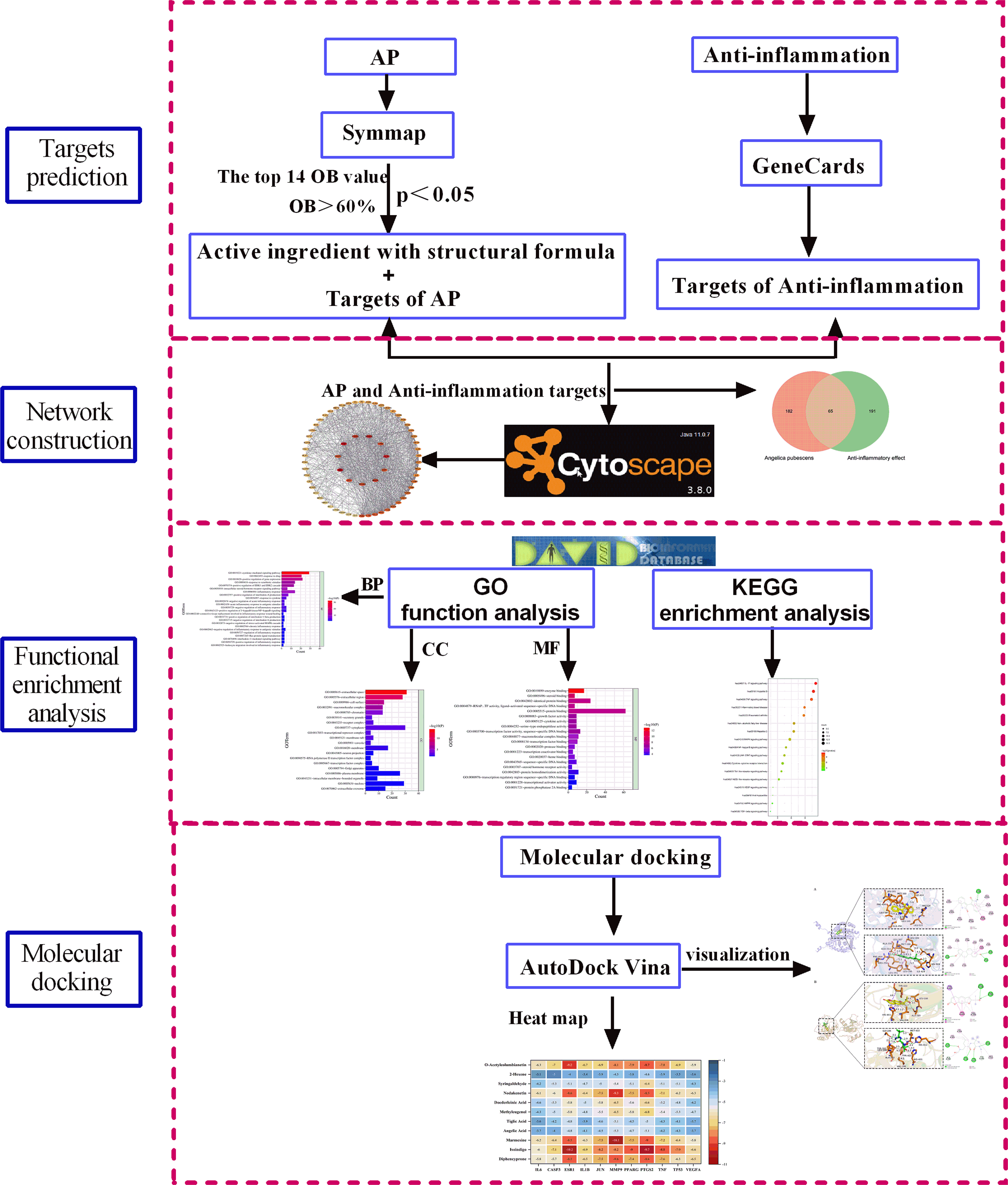
Flowchart of the network pharmacology and molecular docking study.
Methods
Acquisition of Active Ingredients and Target Gene of AP
Log in to the pharmacological database SymMap of Chinese herbal medicine system (https://www.symmap.org), take “Du Huo” as the name of Chinese herbal medicine, and search all active ingredients and target genes. Taking the oral bioavailability (OB) ≥ 30%11,12 as the screening condition to find the drug active ingredients with the top14 OB value and chemical structural formula from PubChem database. At this time, the OB value is greater than 60%. At this time, take P < .05 as the screening condition, the target genes with statistical significance were screened.
Establishment of Anti-Inflammatory Gene Targets Database
Through the GeneCards database (http://www.genecards.org/), take “anti-inflammatory effect” as the name, search the gene targets of anti-inflammatory effect, and screen the target genes by taking “Relevance score ≥ 10” as the standard.
Establishment of the AP-Anti-Inflammatory Effect Intersection Gene Database
The target genes of AP and anti-inflammatory effects were used to visually obtain the number of common gene targets of AP and anti-inflammatory effects through the Venn's diagram by biological online tool. At the same time, the names of common target genes were selected in Excel.
Construct Protein Protein Interaction (PPI) Network
Import the selected AP-anti-inflammatory effect common target genes into string database (https://string-db.org), limiting the species to “Homo sapiens”, setting medium confidence (“medium confidence<0.400>”) and “FDR stringency” to (“medium 5%”) in “required score”, downloading the “.tsv” format file, importing Cytoscape 3.80 software to construct PPI network and screening core genes.
GO Function and KEGG Enrichment Analysis
Via David database (https://david.ncifcrf.gov/), set the “official gene symbol” “Homo sapiens” analysis conditions to analyze the GO function and KEGG pathway enrichment analysis of the AP-anti-inflammatory effects intersection targets. The standard was set as P < .05, and the pathways related to anti-inflammatory effect were screened out in biological process (BP). The top 20 genes with relatively minimum P value were screened out in cellular component (CC) and molecular function (MF) respectively, and BP, CC, MF were mapped respectively through online tools; the anti-inflammatory pathway was screened from KEGG pathway, and the “enrichment bubble diagram” was made. Visual analysis was made through “BP, CC, MF bar chart” and “enrichment bubble diagram.”
Molecular Docking and Establishment of Heat map
Using PDB database (https://www.rcsb.org/), we obtained the molecular structure file of target protein with inhibitor. Delete water molecules and original ligands of downloaded target proteins through PyMOL2.3.0 software. Download the components structure files from the PubChem (https://pubchem.ncbi.nlm.nih.gov/), or obtained from HuaYuan website (https://www.chemsrc.com/), using StoneMIND Collector software to recognize and gained structure files of components. Using Chem3D (version 2020) software to calculate the optimal conformation of ligand molecules by molecular mechanics (MMFF94s), and finally obtained the optimal conformation of ligand molecules with minimum energy. The target proteins were pretreated with Auto Dock Tools 1.5.6. Set the docking range at the location of the inhibitor of the target proteins. Using Auto Dock Vina v.1.2.0 software to perform molecular docking between target proteins and small molecules. The docking algorithm was lamarckian genetic algorithm, and the docking method was semi flexible docking. The exoticism was set to 8, and the maximum output conformation number was set to 9 to obtain docking binding free energy.
Results
Obtain the Effective Active Ingredients After Screening
A total of 222 active components were retrieved from SymMap database (supplementary data 1). The greater the OB value, the more it will be absorbed after oral administration. A total of 11 effective active molecules with OB > 60% (as shown in Table 1) that can obtain the chemical formulas.
Analysis of AP-Anti Inflammation Intersection Target Genes
Based on the conditions set in methods, 247 target genes and 256 target genes were screened for AP and anti-inflammatory effect respectively (Supplementary data 2). Through constructing Venn's diagram with online tools, 65 common intersection target genes can be intuitively obtained (Figure 2).

AP- anti-inflammatory effect Venn's diagram.
Establishment of PPI Network
Importing the intersection targets into the string website according to the originally set conditions, download the “.tsv” grid file, and import it into the Cytoscape 3.80 software to obtain the PPI network. Total number of nodes in the figure: 65; Number of sides: 841; Its average node degree: 25.9; Average local clustering coefficient: 0.719; Expected number of sides: 229; PPI concentration p value: <1.0 × 10⁻¹⁶. As shown in the figure, the top 11 core genes can be seen visually according to the PPI network, as follows: TNF, VEGFA, IL6, TP53, IL1B, ESR1, MMP9, PPARG, Jun, CASP3, PTGS2 (Figure 3).
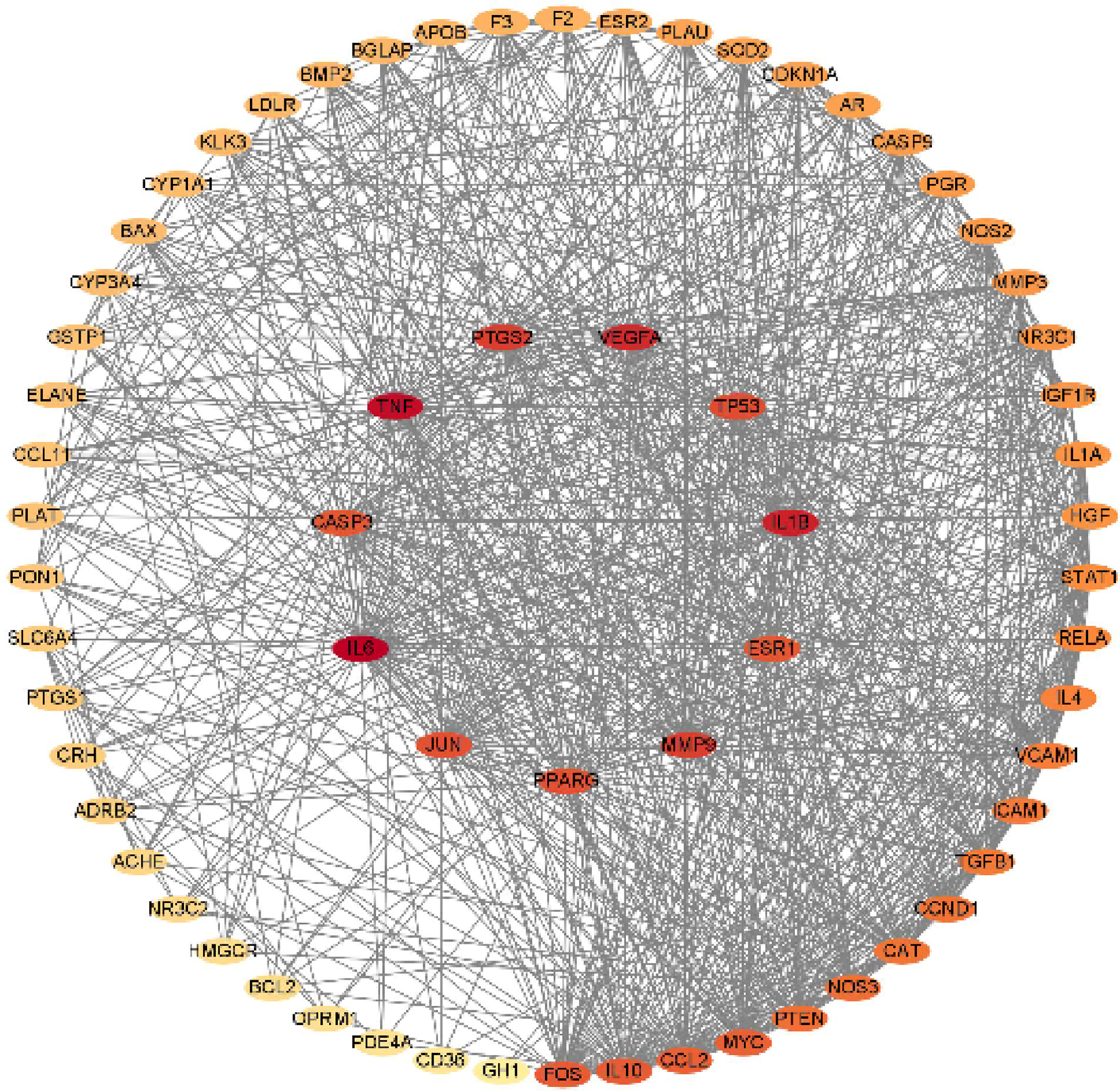
PPI network analysis.
GO Function Analysis
David database was used to analyze the GO function of the common intersection target genes. Setting the standard as p < .05, 392 GO—BP function items were obtained (Supplementary data 3). A total of 24 signal pathways related to anti-inflammatory effect were screened from GO-BP function (Figure 4). For the GO-CC function and GO-MF function with the smaller p value, take the first 20 results respectively to make bar charts (Figures 5 and 6). Through analysis, it is found that the BP of anti-inflammatory effect of AP is mainly concentrated in GO:0019221∼cytokine-mediated signaling pathway, GO:0042493∼response to drug, GO:0010628∼ positive regulation of gene expression, GO:0009410∼response to xenobiotic stimulus,Go:007374∼positive regulation of ERK1 and ERK2 cascade, GO:0006954∼inflammatory response, etc.; CC are mainly concentrated in GO:0005615∼extracellular space, GO:0005576∼extracellular region, GO:0009986∼cell surface, etc.; MF is mainly enriched in GO:0019899∼enzyme binding, GO:0005496∼sleroid, GO:0042802∼identical protein binding, etc. The results showed that AP could regulate the extracellular region to initiate biological processes and play an anti-inflammatory role through protein binding. It was suggested that AP participated in cytokine-mediated signaling pathway, response to drug, positive regulation of gene expression, and other processes by regulating the combination of extracellular space, cell surface with protein and enzyme, and then exert anti-inflammatory activity.
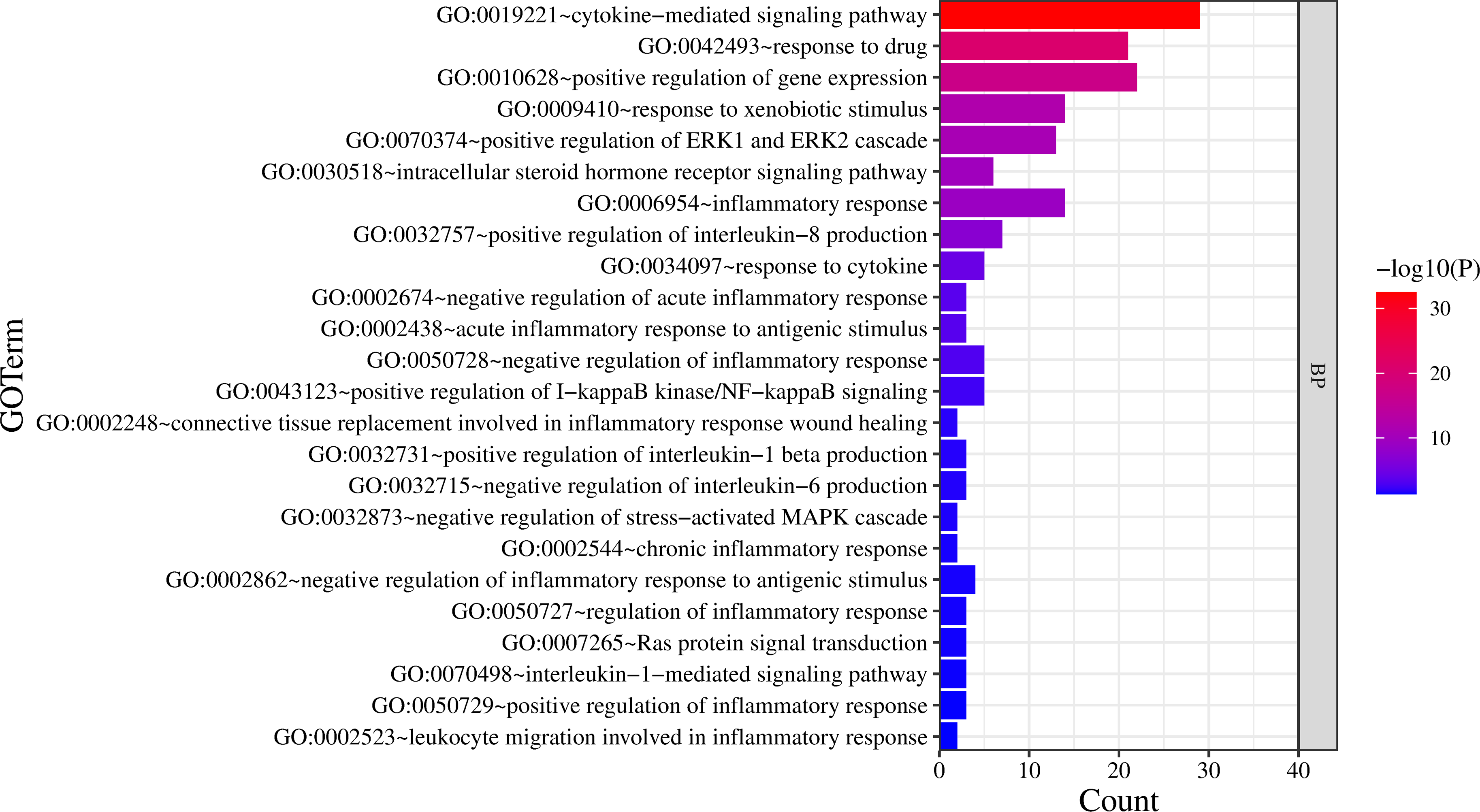
Bp analysis.
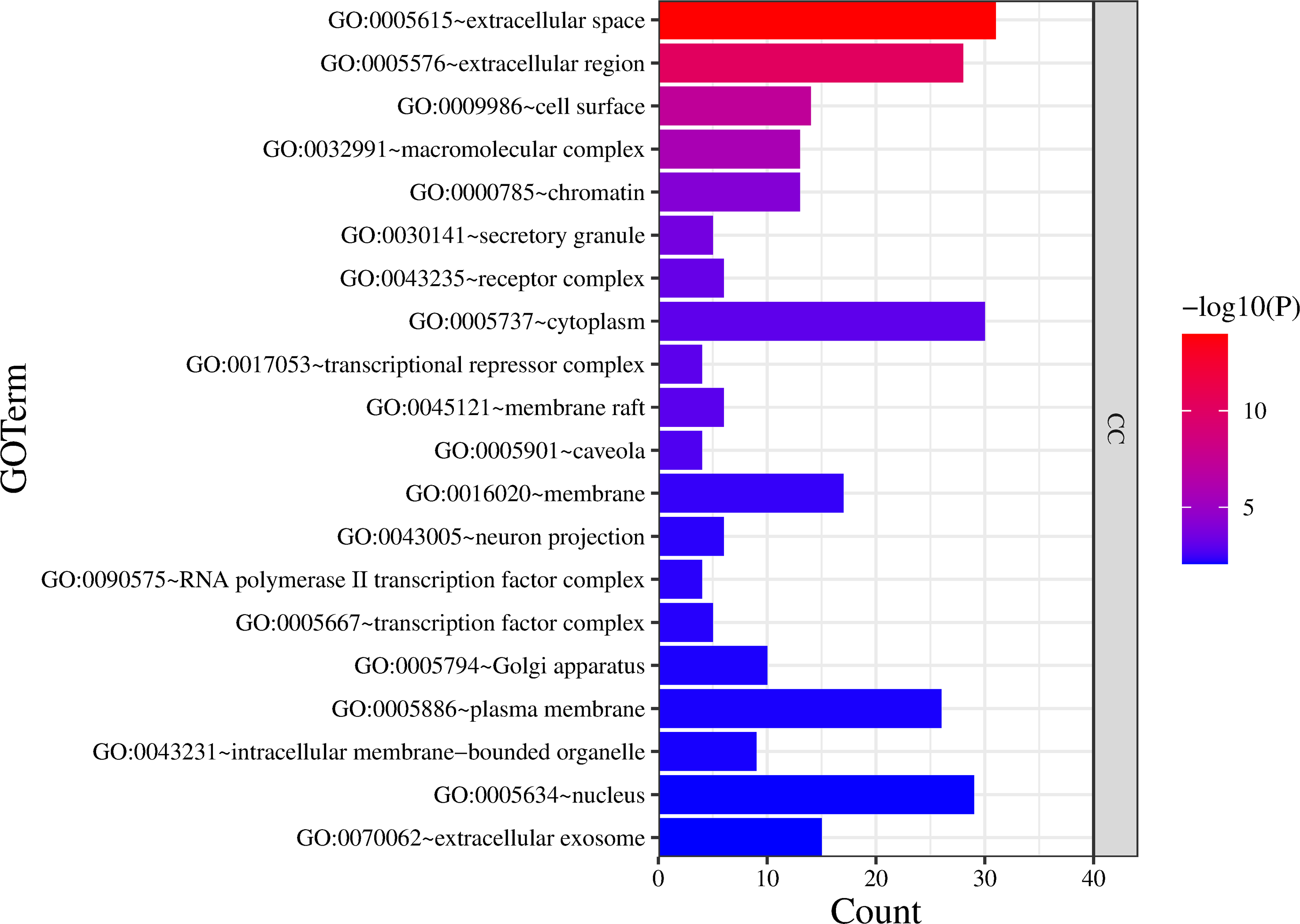
CC analysis.
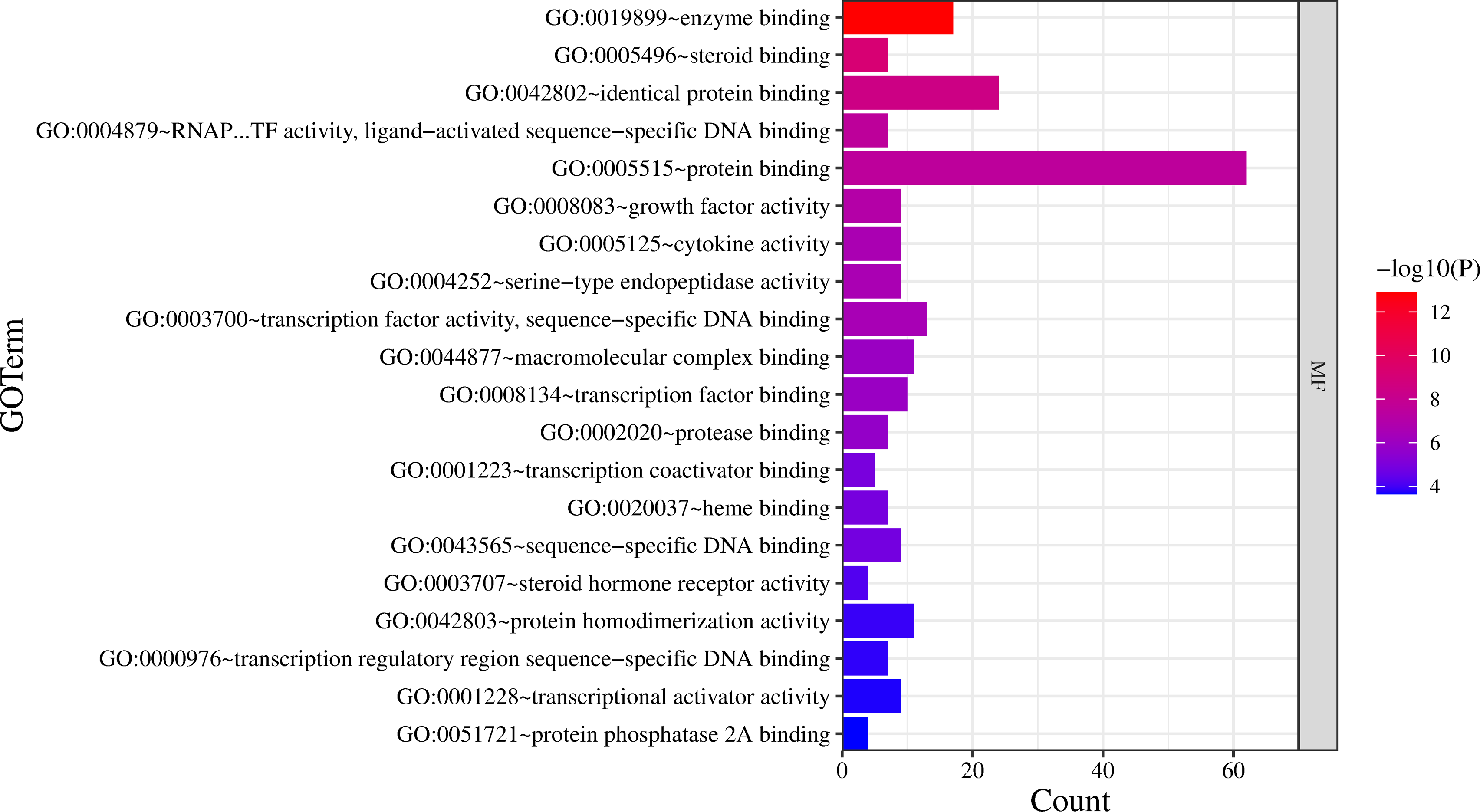
MF analysis.
KEGG Enrichment Function Analysis
After KEGG enrichment analysis through David database, a total of 113 pathways were received (P < .05) (Supplementary data 3). Select 17 pathways related to anti-inflammatory effect (P < .05) to make bubble chart for visual analysis (Figure 7). The main anti-inflammatory pathways of AP include IL-17 signaling pathway, hepatitis B, TNF signaling pathway, inflammatory bowel disease, rheumatoid arthritis, etc.
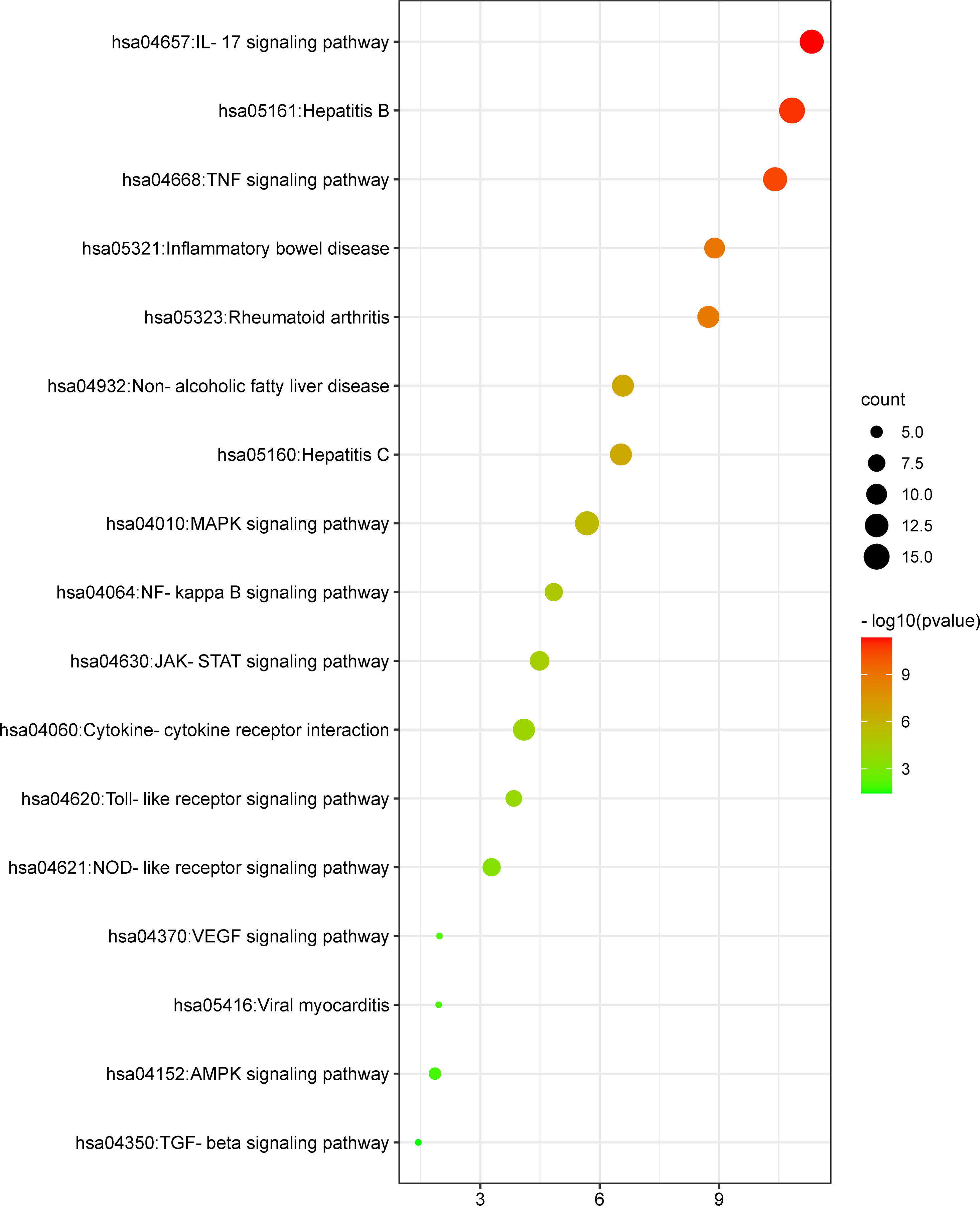
KEGG enrichment analysis. Bubble size indicated the number of genes; the color change indicates the size of P value. The redder the color, the smaller the p value, the stronger the anti-inflammatory effect of the pathway in AP.
Molecular Docking and Heat map Analysis
We could find the core genes of AP-anti-inflammatory effects from the PPI analysis, and obtained the active components from the table. After the active components and core proteins were pretreated, the molecule docking was processed in Auto Dock Vina v.1.2.0 software follow the method, obtaining binding energy data and made heat map (Figure 8). It could be seen from the figure below that ESR1, JUN, MMP9, PPARG, PTGS2, and TNF were well combined with five important components such as Isoindigo, Marmesin, Nodakenetin and O-Acetylcolumbianetin, Diphencyprine.
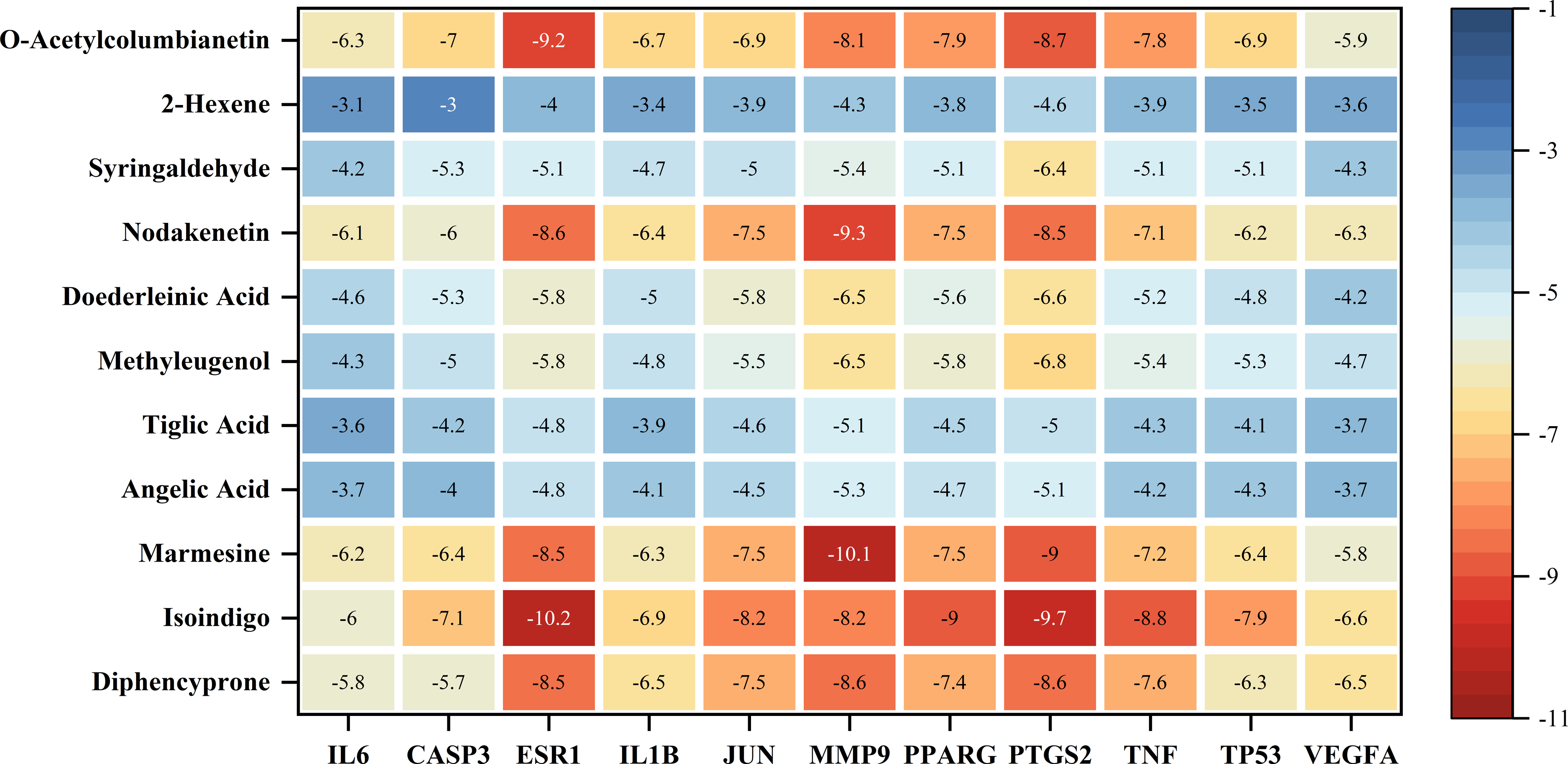
Molecular docking heat map.
Generally speaking, the binding condition is excellent when the binding energy is less than −5 kcal·mol−1 and stronger when it is less than −7 kcal·mol−1. In docking results, the two groups with the best binding energy were ESR1 and Isoindigo, MMP9, and Marmesine, with the binding energy of −10.2 kcal·mol−1, −10.1 kcal·mol−1, respectively. Visually analyzed the docking situation of these two groups, and compared the binding situation with that of the protein's own inhibitor. Using PyMOL2.3.0 software and Discovery Studio2020 to visualize the docking results (Figure 9).
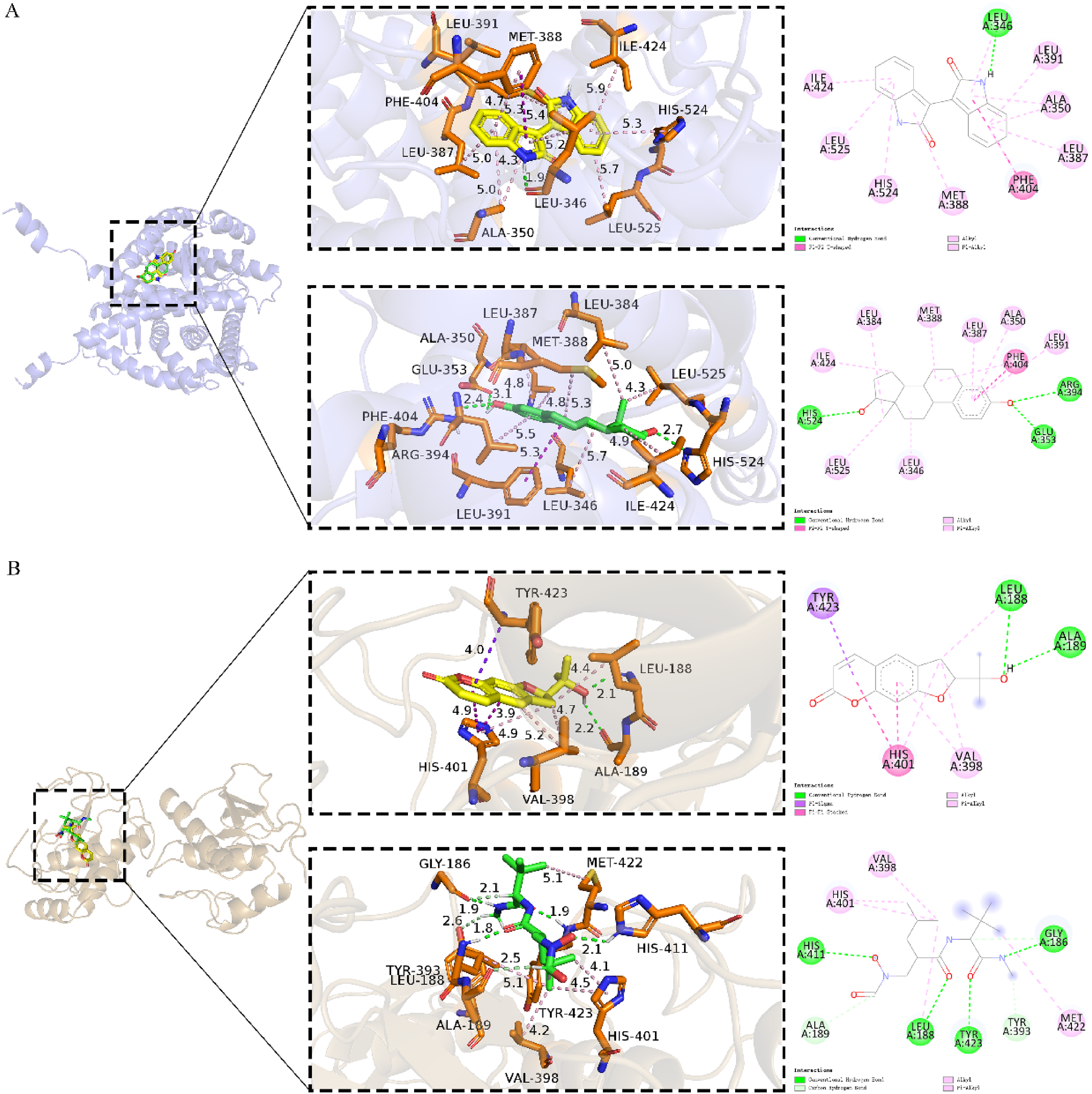
Visualization of docking situation. A showed the combination of ESR1 and Isoindigo, and B showed the combination of MMP9 and Marmesine. The yellow molecules were Isoindigo and Marmesine respectively, and the green molecules were self-contained inhibitor of the target protein. The different forces and combination modes generated by dotted lines with different colors, and the types were explained below the 2D figure. For example, the applied force combination mode represented by the green dotted line was conventional hydrogen bond; Purple was π–π interaction; Blue purple was π–σπ interaction; Light pink was π–Alkylπ interaction; Light green referred to the carbon–hydrogen bond. The specific docking conditions of each group were shown in detail in the 2D3D diagram.
The combination situations of the two groups were shown, and the specific combination forces were explained in the note below the figure. In the figure, taking the docking of self-contained inhibitor and protein as comparison, the binding conditions of Isoindigo and ESR1 protein, Marmesine, and MMP9 protein were analyzed, respectively, the similarity of amino acid residues combined were highly similar. The specific amino acid binding conditions were shown in Table 2 below. Moreover, Isoindigo and Marmenine had excellent binding ability with ESR1 and MMP9 respectively, so Isoindigo and Marmenine were likely to play a corresponding role in protein inhibition.
Specific Sites Where Drugs and Inhibitors act on Proteins.

Discussion
Inflammation is a kind of defense response of the body to stimulation, which is characterized by redness, swelling, heat, pain, and dysfunction. Abnormal inflammatory response is harmful to the body, such as rheumatoid arthritis, systemic lupus erythematosus, and other autoimmune diseases. There is no inflammation in traditional Chinese medicine, there are “fire” and “heat.” The ancients’ understanding of inflammation was first derived from<Huangdi Neijing >, it says, “great heat continues, but the heat is abundant and the meat is rotten, and then purulent.” Different parts and different types of inflammation have different treatment histories. Traditional Chinese herbal medicine has been used to treat diseases for thousands of years. In the traditional Chinese medicine prescription, Bai Du San, “AP and Notopterygium” are the king drugs, which play an important role in the treatment of bronchitis, rheumatoid arthritis, and allergic dermatitis. Effective cases showed that AP has certain cough and asthma-relieving effects in the treatment of chronic bronchitis.
As shown in Table 1, the chemical components of AP that play a major role are O-Acetylcolumbianetin, isoindigo, Nodakenetin, Marmesin, Methyleugenol, Diphencyprone, and so on. O-Acetylcolumbianetin, a coumarin substance, is a plant antitoxin with good antifungal and anti-inflammatory activities. 13 IL 1β, IL6, IL 8, and TNFαplay a key role in the process of immunity and inflammation. Studies have shown that in mast cells, the expression levels of IL 1β, IL6, IL 8, and TNFα are significantly inhibited with the increase of the dose of O-Acetylcolumbianetin, and it inhibits the release of histamine and other inflammatory mediators, indicating that this component can regulate mast cell-mediated allergic inflammatory response. 14 Indirubin, the main effective component of indigo naturalis, is used clinically to treat chronic myeloid leukemia, inflammatory diseases, and tumors. Studies have shown that suppressing NF- κ B signal pathway activity, down regulating the expression of proinflammatory factor IL −6/ TNF-α, It can be used to inhibit ulcerative colitis15,16 and mastitis. 17 Indirubin and isoindigo are isomers of each other, both of which are Bisindole alkaloids. Similar to indirubin, isoindigo derivatives also have leukemia, anti-inflammatory, and anti-tumor effects. 18 Nodakenetin, one of the main chemical components of traditional Chinese medicine notopterygium narrow leaf and notopterygium broad leaf, is also widely distributed in medicinal plants of Peucedanum, with antioxidant and anti-inflammatory activities.19,20 Studies have shown that it can inhibit NF- κ B signal transduction pathway to inhibit airway inflammatory response in asthmatic mice. 21 Marmesin, as a natural furan coumarin compound, has the functions of anti-aging, 22 antifungal,23,24 inhibiting the proliferation of vascular endothelial cells and protecting vascular endothelium. 25 Diphenylcyclopropenone (DPCP) is a topical immune response modifier, which induces contact dermatitis with DPCP and leads to hair regeneration, so it is used in the study of alopecia areata,26,27 the study showed that DPCP can effectively treat patients with alopecia areata via TSLP/OX40L/IL-13 pathway. 28 Angelic Acid is a substance in the essential oil of Anthemis nobilis, which is helpful for wound healing and has sedative properties as psychotropic drugs. 29 Tiglic acid exists in croton oil and other natural products with the function of plant metabolite. 29 Methyl Eugenol existing in the leaves, fruits, stems, or roots of plants, as a phenylpropyl compound, is released when the corresponding parts of plants are damaged by herbivores. It can be used to kill male oriental fruit flies. 30 Doederleinic acid is the main effective component of Doederlein's Spikemoss Herb, which mainly involved in the treatment of rheumatism and various infectious inflammation. 31 Syringaldehyde as a flavonoid polyphenol compound, has antioxidant, antihyperglycemic, and anti-inflammatory activities. 32 Marmesine, which mainly exists in TCMs such as AP, Notopterygium, Angelica dahurica, is a kind of natural coumarin and has been identified as dual inhibitor of COX-2 and 5-LOX, which exert anti-inflammatory activity by inhibiting the production of eicosanoid. Oral administration of Marmesine can significantly prevent CCl4-induced liver injury and liver antioxidant reduction. 33 Meanwhile, Marmesine is also a natural source of effective antioxidants and antibacterial agents, which has certain antibacterial effects on enterococcus faecalis and streptococcus mutans. 34
Screening Results of Active Ingredients of AP.

As shown in Figure 3, TNF, VEGFA, IL6, TP53, IL1B, ESR1, MMP9, PPARG, JUN, CASP3, PTGS2 could be the core targets of the anti-inflammatory effect of AP. The studies report that NF-κB signal pathway is activated after TNF-α, LPS and other pro-inflammatory factors stimulate cells, which induces the expression of inflammatory cytokines such as interleukin IL-6, IL-8, IL-1β, which play a key role in the process of inflammation. 35 JNK/c-JUN signaling pathway is one of the three major inflammatory signaling pathways in cells, c-JUN, as one of Proto-oncogene proteins, can activate activated protein-1 transcription factor complex (AP-1). The increase of AP-1 activity regulates the expression of a variety of inflammatory mediators, such as COX-2 and IL-1β, IL-6 and TNF-αetc., which can promote the occurrence of inflammatory reaction.36–38 VEGFA/VEGF is reported to be closely relevant to endothelial cell proliferation, increase its permeability, and lead to vascular tumor, permeability increase, edema, and inflammation. Some studies have proved that VEGFA is involved in regulating adipose tissue energy metabolism, and obesity-related to metabolic disorders such as type 2 diabetes and insulin resistance is also a low-level chronic inflammatory disease. 39 P53 is an important kind of proto-oncogenes, which can play a role in anti-tumor and regulating apoptosis. Studies have shown that p53 can inhibit NF- κ B activity further inhibits the inflammatory response, and can also participate in the regulation of a variety of inflammation-related diseases by activating some enzymes such as wip1. 40 MMP-9 is one of the main members of matrix metalloproteinases family, which mainly degrades ECM, such as gelatin, type IV, V, VII, X collagen, elastic fiber, etc. The imbalance of ECM degradation and deposition leads to abnormal airway construction, lung parenchyma destruction, and interstitial hyperplasia. MMP-9 can release TGF β1 and other cytokines by degrading ECM to promote cell proliferation and differentiation. 41 ESR1, its quantitative change and gene polymorphism will cause inflammatory-related diseases such as breast hyperplasia, 42 knee osteoarthritis, 43 and chronic hepatitis B. 44 PPARG is a nuclear hormone receptor superfamily of transcription factors. It not only participates in the regulation of glucose and lipid metabolism and mitochondrial energy metabolism, but also some of its sites are related to lipid metabolism-related diseases and inflammatory reactions. 45 Studies have demonstrated that PPARG promotes the occurrence of inflammatory response via regulating NF- κB Ubiquitination and degradation. 46 In vascular smooth muscle of KD patients, CASP3 can decompose elastic fibers and destroy vascular tissue, which plays an important role in the occurrence of vasculitis in KD patients. 47 Altogether, based on Figure 7, the core gene of AP-anti-inflammatory effect mainly acts on NF- κ B signal pathway, TNF signal pathway, and which are related with arthritis, chronic bronchitis, vasculitis, and other inflammatory diseases.
Through the molecular docking of AP active components and anti-inflammatory effects core proteins, it was found that isoindigo, Marmesin, Nodakenetin, and O-Acetylcolumbianetin components of AP could better act on MMP9, and the absolute value of binding energy was above 8.0 kcal·mol−1 (Figure 8), MMP9 is essential for the recovery of intact epithelium and pulmonary homeostasis after lung injury. 48 MMP9 regulated by NF- κB signal pathway is relevant to inflammatory reaction, 49 which predicts that AP has certain effect on chronic bronchitis and pneumonia. Second, the quantity change and gene polymorphism of ESR1 will cause inflammatory-related diseases. Certain drug such as The Tongmai Yangxin Pill exerts anti-inflammatory effect by raising the mRNA and protein expression of ESR1, blocking the reduction of IκBa level and the phosphorylation of IKKα/β, IκBα, and NF-κB, accompanied by inhibiting MCP-1, TNF-α, and IL-6 production. 50 PTGS2 responsible for the prostanoid biosynthesis is involved in inflammation and mitogenesis. Certain study has shown that nonsteroidal anti-inflammatory drugs (NSAIDs) selectively reduce colon cancer stem cells and inhibit 5-FU induced increase of cancer stem cells through inhibiting PTGS2 and NOTCH/HES1 and activating PPARG. 51 It reveals that these genes may get involved in anti-inflammatory activity through the above pathways.
To sum up, the Chinese herb AP exerts its anti-inflammatory effect by acting on 65 inflammatory genes with 11 active ingredients. The KEGG enrichment analysis involves 497 GO function and 113signal transduction pathways mainly include IL 17 signal pathway, TNF signal pathway, MAPK signal pathway, NF-κB signal pathway, which indicate that multiple biological processes are involved in the anti-inflammatory effect of AP. Specifically, the active components, such as Isoldigo, Marmesin, Nodakenetin, and O-Acetylcolumnbietin, regulate IL 17, TNF, MAPK, and NF-κB and other signaling pathways by combining with anti-inflammatory proteins such as MMP9, TNF, PPARG, etc. The defect of this study is that there is no experimental verification, but our study provides a prediction for the anti-inflammatory effect of AP.
Conclusions
Altogether, our article used network pharmacology and molecular docking to explore the anti-inflammatory effect molecular mechanism of AP. The potential active components to anti-inflammatory effect may be O-Acetylcolumbianetin, isoindigo, Nodakenetin, Marmesin, Methyleugenol, Diphencyprone, and so on. AP participated in cytokine-mediated signaling pathway, response to drug, positive regulation of gene expression and other biological processes by regulating the combination of extracellular space, cell surface with protein and enzyme, and then exert anti-inflammatory activity, involved signaling pathway including NF- κ B signal pathway, TNF signal pathway. Although this study has certain limitations, such as the metabolism of potential active ingredients in the body and the composition of drugs, it offers a certain theoretical and scientific basis for further study on the mechanism of AP compounds in anti-inflammatory effect.
Supplemental Material
sj-rar-1-npx-10.1177_1934578X221146616 - Supplemental material for Study on Anti-Inflammatory Mechanism of Angelica pubescens Based on Network Pharmacology and Molecular Docking
Supplemental material, sj-rar-1-npx-10.1177_1934578X221146616 for Study on Anti-Inflammatory Mechanism of Angelica pubescens Based on Network Pharmacology and Molecular Docking by Jianwei Ren, Minghui Ren, Zhiting Mo and Ming Lei in Natural Product Communications
Footnotes
Declaration of Conflicting Interests
The author(s) declared no potential conflicts of interest with respect to the research, authorship, and/or publication of this article.
Funding
The author(s) disclosed receipt of the following financial support for the research, authorship, and/or publication of this article: The present study was supported by the program of the Science and Technology Plan Project of Xizang Autonomous Region of China (Nos. XZ202101ZR0104G, Nos.XZ202001YD0008C), and the Scientific Research program of Tibet University Medical College (Nos.YXYKY01).

Supplemental Material
Supplemental material for this article is available online.
References
Supplementary Material
Please find the following supplemental material available below.
For Open Access articles published under a Creative Commons License, all supplemental material carries the same license as the article it is associated with.
For non-Open Access articles published, all supplemental material carries a non-exclusive license, and permission requests for re-use of supplemental material or any part of supplemental material shall be sent directly to the copyright owner as specified in the copyright notice associated with the article.
