




Abstract
Objective
Black tea contains caffeine and polyphenols, which affect the tear film. The impact of these substances on the tear film was evaluated using the standard patient evaluation of eye dryness (SPEED) questionnaire, as well as noninvasive tear breakup time (NITBUT), tear meniscus height (TMH), and tear ferning (TF) tests.
Methods
A total of 60 participants, free of any eye disease or disorder, were recruited. All participants consumed a single dose of Lipton Yellow Label black tea (100 × 2 g bags) steeped in hot water (200 mL). The SPEED questionnaire was completed first, followed by the NITBUT, TMH, and TF tests. After the first measurements were taken, the participants consumed the beverage. After 1 h of tea consumption, the second set of measurements was taken.
Results
Significant differences (Wilcoxon signed-rank test) were observed in the median SPEED (P< 0.001), NITBUT (P< 0.001), and TF (P< 0.001) scores among the study participants before and after consuming the beverage. Conversely, no significant difference (P= 0.070) was observed in median TMH scores before and after black tea consumption. The Spearman correlation coefficient (r) indicated a strong correlation between SPEED (r= 0.874; P< 0.001) scores before and after tea consumption and between TMH (r= 0.694; P< 0.001) scores before and after tea consumption. A medium correlation (r= 0.363; P< 0.001) was found between the NITBUT scores before and after the consumption of the drink.
Conclusion
A single dose of black tea is associated with changes in tear film parameters, resulting in reduced comfort, stability, and quality. However, further research is required to validate and expand these findings.
Introduction
The surface of the eye is comprised of multiple epithelial and glandular tissues forming the tear film necessary for maintaining clear vision. Understanding the components of the tear film is difficult because tear composition varies under different conditions and states. 1 Disturbances in the tear film lead to ocular disorders, such as dry eye. Dry eyes can be evaluated using various diagnostic tests to detect tear film instability. For example, the non-invasive tear break-up time (NITBUT) test measures the duration required for the tear layer to break. 1 Schirmer, phenol red thread (PRT), and tear meniscus height (TMH) tests are used to assess tear volume.2,3 In addition, tear evaporation rate and osmolarity tests, along with questionnaires, can be used to detect dry eyes.4-7 The tear ferning (TF) test has been used as a laboratory tool to assess tear quality. 8 Dry eye cannot be accurately assessed using a single test, as each test detects a specific parameter. Dry eye symptoms can be managed by using artificial tears, identifying and treating the underlying causes of dryness, using medications to reduce inflammation and stimulate tear production, and massaging the eyelid. 9
The leaves of the Camellia sinensis plant are used to produce black tea, one of the most widely consumed beverages globally.
10
During processing, black tea undergoes oxidation, resulting in its distinctive dark color and strong flavor. The oxidation process involves exposing tea leaves to air, which triggers chemical reactions that produce various flavor compounds.
11
Black tea mainly contains caffeine (Figure 1), polyphenols (such as theaflavins and thearubigins), amino acids, vitamins (such as B2, C, and E), and minerals (such as potassium, magnesium, and zinc). These components contribute to black tea’s flavor, fragrance, and health benefits.
12
Chemical structure of caffeine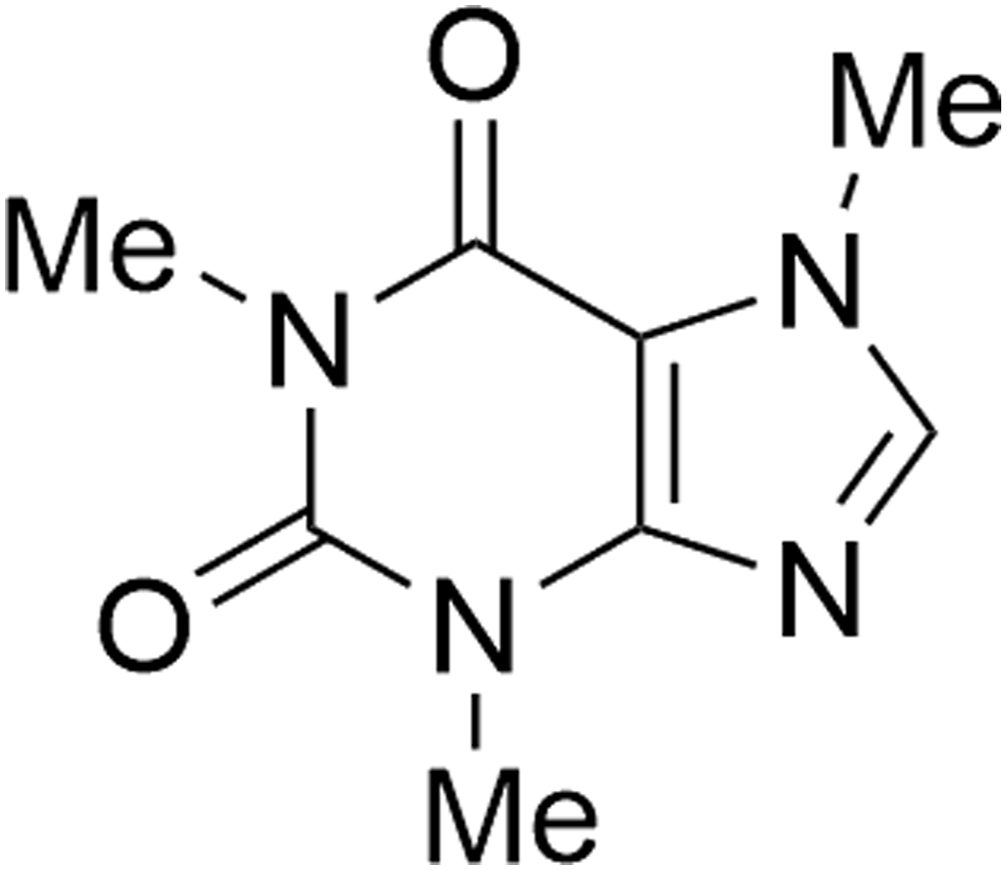
Plants containing caffeine are widely consumed globally. Caffeine is found in nuts, seeds, fruits, and, most commonly, in coffee beans and tea. It has health benefits, such as preventing drowsiness, reducing fatigue, and boosting cognitive performance. However, its link to dry eye needs clarification.13,14 Polyphenols have simple or complex structures and vary in molecular weight, depending on the plant. They are key phytochemicals offering health benefits and therapeutic effects against diseases. 15 Additionally, they act as antioxidants, neutralizing harmful free radicals generated by oxidative processes in the human body. 16
As caffeinated beverages gain popularity worldwide, including in the Middle East, such as Saudi Arabia, examining their effects on eye health is vital. The impact of black tea on the tear film has received little attention. Beverages such as green tea, containing polyphenols, can harm the tear film. 8 This study explores how black tea’s caffeine and polyphenols affect the comfort, stability, volume, and quality of the tear film using noninvasive tools.
Materials and Methods
Participants
This single-arm pre-post interventional study included 30 male and 30 female participants aged 18-40 years (mean ± standard deviation, 22.4 ± 4.3 years). Participants were recruited between August 27 and September 10, 2024, from the clinics at the College of Applied Medical Sciences, Riyadh. The participants were healthy individuals who had not undergone any eye surgery and did not have ocular disease, and who were included in the study. Individuals with a history of eye disorders, surgeries, high blood pressure, anemia, diabetes, or thyroid disorders were excluded. In addition, breastfeeding and pregnant women, and those in their menstrual cycle, were denied entry.
The study adhered to the Declaration of Helsinki and received approval from the Institutional Review Board of King Saud University (E-25-9979; 14 July 2024). Before starting any procedures, informed consent was obtained from each participant to ensure they understood the study’s aims and procedures. The reporting of this study conforms to the Strengthening the Reporting of Observational Studies in Epidemiology (STROBE) statement. 17
The sample size was calculated at a 95% confidence level with a 5% margin of error. The sample size (n) for the study group was calculated to be approximately 59 subjects using Equation (1)

All participants consumed a single dose of Lipton Yellow Label black tea (1 x 2 g bags; Lipton Teas and Infusions), purchased from Amazon and steeped in hot water (200 ml) for 2 minutes. The tea was prepared by an observer and then given to the participants. Disposable carton takeaway cups (Fit Meal Prep; 350 ml) with plastic lids were used to eliminate vapor effects on the tear film. The standard patient evaluation of eye dryness (SPEED) questionnaire was completed first, followed by the NITBUT, TMH, and TF tests. The tests were performed twice on each participant’s right eye, before and 60 minutes after consuming black tea. A 5-min gap was allowed between tests. Caffeine in tea is rapidly and nearly completely absorbed into the bloodstream within 45 minutes, resulting in an oral bioavailability of about 99%. 18 The effect of caffeine on the ocular system is complex. Systemic caffeine absorption may influence choroidal thickness, intraocular pressure, and retinal function.
The tests were conducted twice by the same examiner under controlled conditions (including a temperature of 20 °C and a humidity level below 15%). The measurements were taken on the same day (Monday to Thursday) between 8:30 and 11:30 am in the same room. The participants remained in an air-conditioned room (20 °C) for one hour before the assessments. The tear film parameters were measured 1 hour after drinking to minimize external influences; the findings highlight the need for further research and potential insights into eye health. They refrained from using digital screens, engaging in physical activities, and consuming food or drinks other than water. Participants were instructed (self-report) not to consume beverages containing caffeine or polyphenols for at least 6 hours prior to the assessments. The examiner was masked and unaware of whether the measurements were taken before or after beverage consumption. Additionally, they did not know the scores recorded before consuming black tea and measured them afterward.
Speed Questionnaire
The SPEED questionnaire measures dry eye symptoms in terms of frequency and severity over time, with a score ranging from 0 to 28. Scores between 0–4, 5–7, and >8 indicate mild, moderate, and severe dry eye symptoms, respectively. The SPEED questionnaire assesses symptoms associated with dry eyes, including dryness, burning, grittiness, watering, soreness, scratchiness, inflammation, and irritation. 6
NITBUT Test
The NITBUT test is a precise, repeatable, and preferred method for assessing tear film stability compared with invasive testing methods. The time (sec) between the appearance of the first dry spot in the tear film and the last blink is known as the NITBUT. 1 The measurements were carried out on an EASYTEAR View+ (EASYTEAR S.R.L., Trento, Italy) three times, and the average was recorded. If the NITBUT value is <10 sec, this confirms the presence of dry eye symptoms.
TMH Test
The TMH test is an effective method for diagnosing dry eyes. However, conventional TMH measurement techniques often suffer from subjective bias and are labor-intensive and time-consuming. By contrast, EASYTEAR View+ has exhibited simplicity and efficiency in measuring the TMH. The TMH test measures the tear volume in millimeters (mm). The TMH refers to the distance from the darker edge of the lower lid to the upper boundary of the tear meniscus reflex line. 3 The measurements were carried out three times, and the averages were calculated. If the measurement is <0.2 mm, it indicates aqueous-deficient dry eye.
TF Test
Various factors lead to the production of ferning patterns. The specific ferning pattern obtained depends on the equilibrium between salt and macromolecule (proteins and mucus) levels. Ferning is absent in solutions with high protein content, and the same applies to solutions with elevated salt concentrations. In cases of dry eye, the ferning pattern observed in a sample provides comprehensive biochemical insight into tear composition. The TF test has been used to assess tear quality. 8 The TF test involved collecting a small tear sample (1 μL) from the lower meniscus of the right eye using a glass capillary tube (10 μL). The tears were dried for 10 min at 20 °C and a humidity of < 15%. An Olympus DP72 digital microscope (Olympus Corporation, USA) was used to observe and capture TF images (magnification, X10). The TF patterns were graded on a five-point scale, with increments of 0.1 (e.g., 0.0, 0.1, 0.2, 0.3, 0.4, …, 3.8, 3.9, 4.0). A TF of grade 0 indicates perfect tear quality and healthy eyes, where the fern branches are small, dense, and there are no spaces between them. The branches and the spaces between the ferns increase from grade 1 to grade 4. A TF grade ≥ 2 is considered indicative of dry eye. Grade 4 indicates no ferns at all and suggests severe eye dryness.
Statistical Analysis
SPSS software (version 22; IBM Corp.) was used to analyze the data. The data were determined to be non-normally distributed using the Kolmogorov-Smirnov test (P< 0.05). The Wilcoxon signed-rank test was used to analyze data before and after consuming black tea and to assess the significance of differences within the same group. To account for multiple testing across the four paired outcomes (i.e.,TF, NITBUT, TMH, and SPEED), P-values were adjusted using the Benjamini–Hochberg (BH) procedure. Effect sizes were expressed as (r) where r/√Z/N (N= number of paired observations), with r values of 0.1, 0.3, and 0.5 interpreted as small, medium, and large effects, respectively. Spearman’s correlation coefficient (r) was used to examine the association between various parameters. The average scores are presented as the median and interquartile range (IQR).
Results
The participants were evenly distributed by gender, with males (21.5 ± 1.2 years) and females (23.4 ± 5.8 years). The ages were similar between the male and female groups (Wilcoxon signed-rank test; P= 0.859). No significant differences were observed between male and female groups in SPEED1 (P= 0.073), SPEED2 (P= 0.133), NIBUT1 (P= 0.180), NIBUT2 (P= 0.680), TMH1 (P = 0.858), TMH2 (P= 0.861), TF1 (P= 0.601), and TF2 (P= 0.572).
Median (IQR) Scores for the SPEED, NITBUT, TMH, and TF in the Study Group (N= 60) Before and After the Consumption of Black tea. Both Raw and BH-Adjusted P-values are Reported*
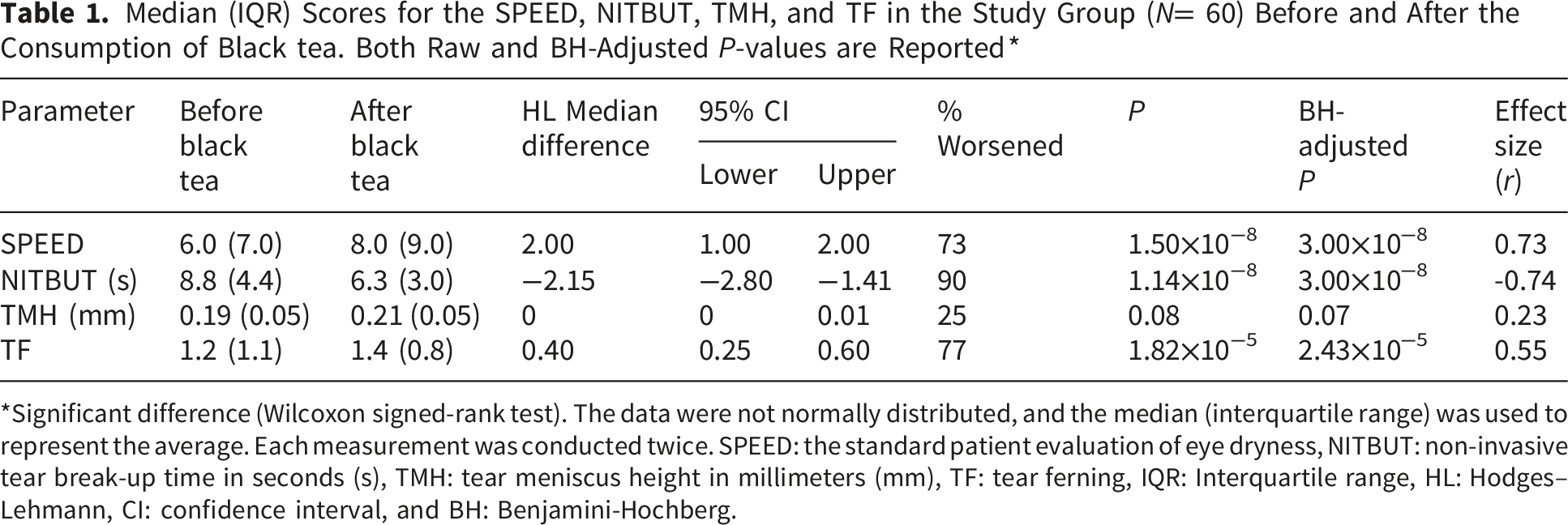
*Significant difference (Wilcoxon signed-rank test). The data were not normally distributed, and the median (interquartile range) was used to represent the average. Each measurement was conducted twice. SPEED: the standard patient evaluation of eye dryness, NITBUT: non-invasive tear break-up time in seconds (s), TMH: tear meniscus height in millimeters (mm), TF: tear ferning, IQR: Interquartile range, HL: Hodges–Lehmann, CI: confidence interval, and BH: Benjamini-Hochberg.
Based on the SPEED scores, tear film comfort decreased in 46 participants (77%) after consuming black tea. The SPEED scores remained unchanged in 9 participants (15%). In the NITBUT test, tear film stability decreased in 54 participants (90%) after consuming black tea, whereas it increased in only 5 participants (8%). The TF grades of the dried tears indicated that tear quality decreased in 46 participants (77%) and improved in only 13 participants (22%) after consuming black tea. The TF grade remained unchanged in only one participant after consuming black tea.
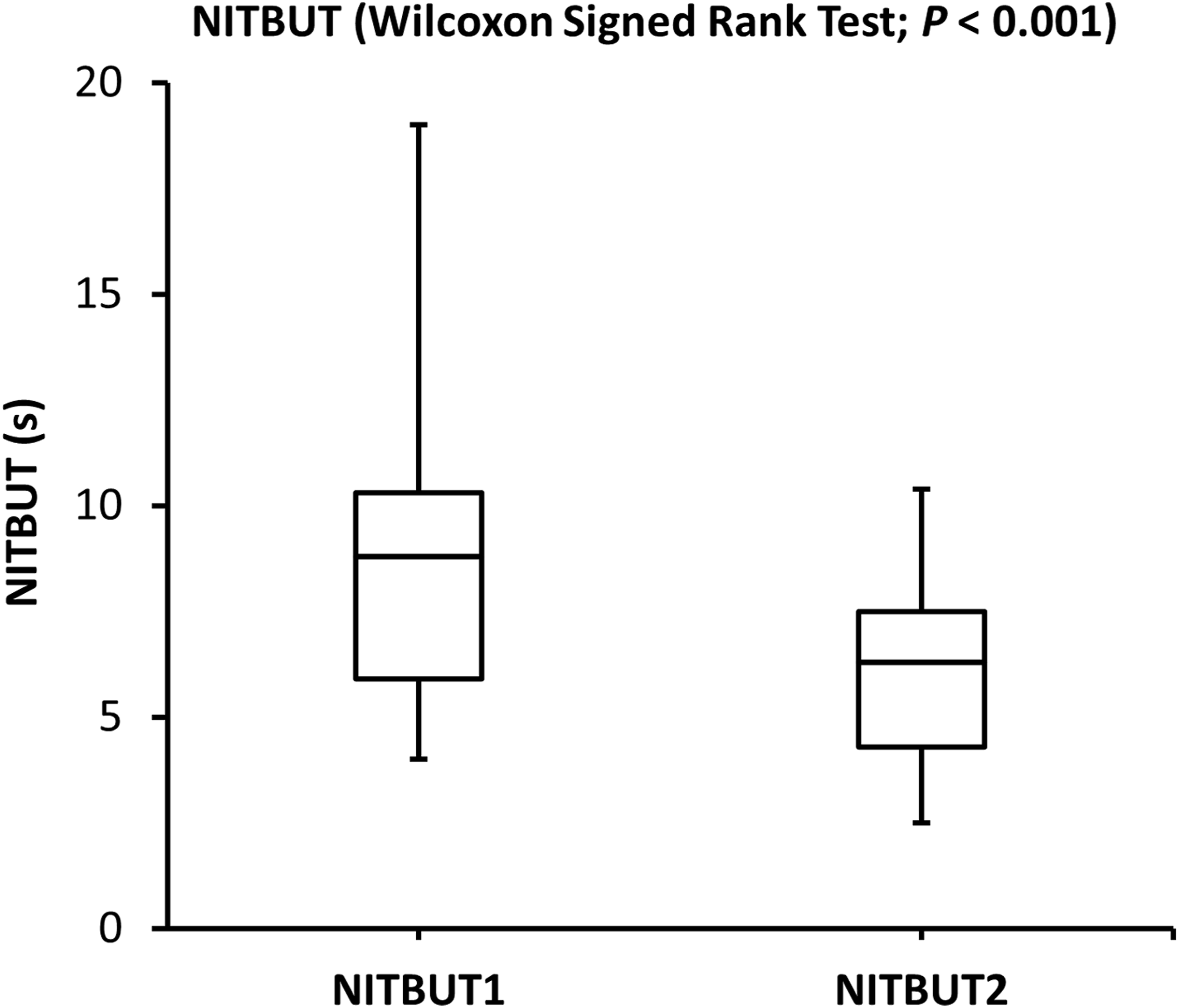
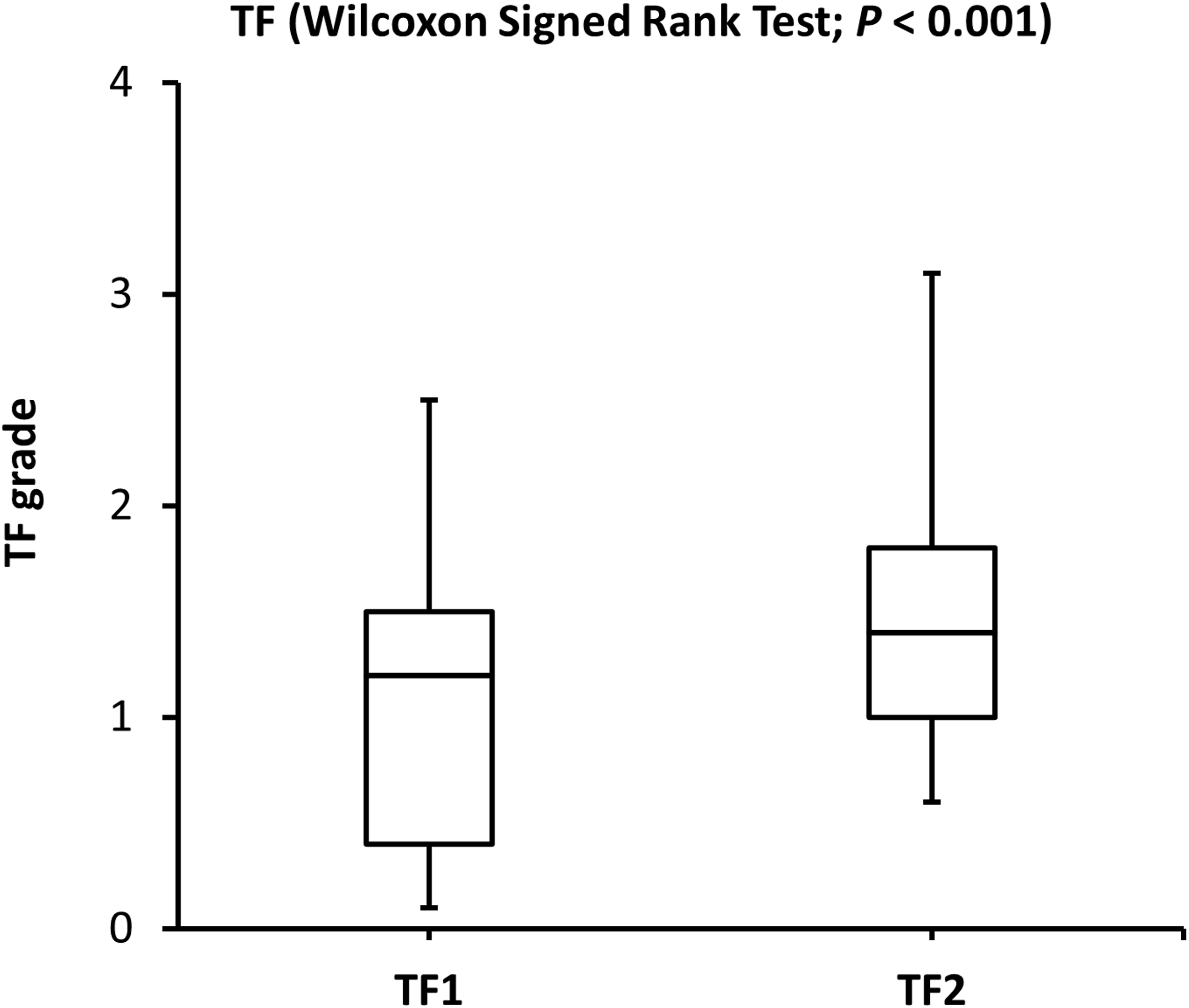
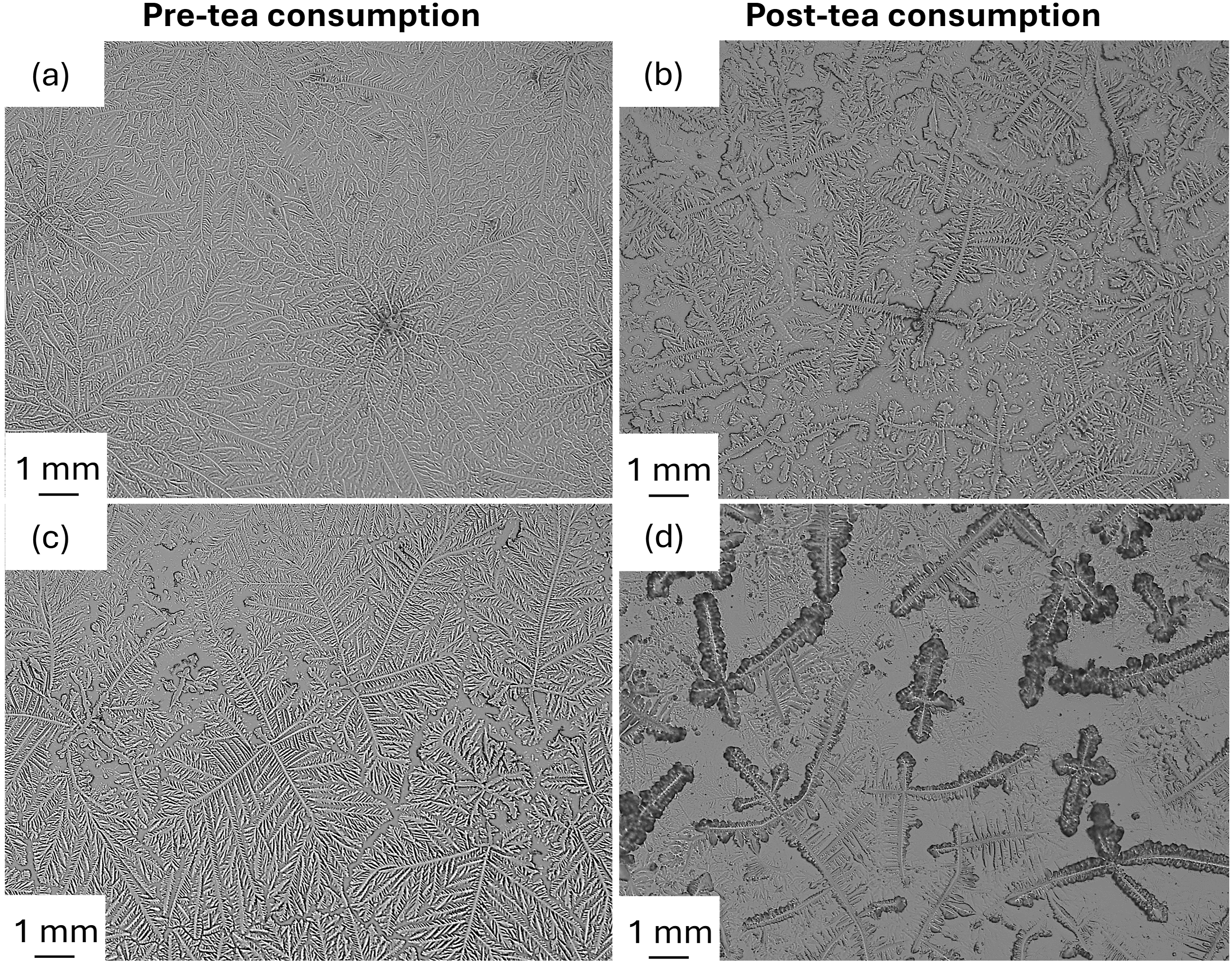
The SPEED and TF scores were significantly higher after consuming black tea, while the NITBUT scores were significantly lower. The changes in SPEED, NITBUT, and TF scores indicated that comfort, tear film stability, and tear quality were significantly reduced after consuming black tea. The side-by-side boxplots for the SPEED, NITBUT, and TF scores in the study group (before and after consuming black tea) are shown in Figures 2-4. The TF images from the same participants (N= 2) before and after consuming black tea are shown in Figure 5. The images of the dried tears indicate that the ferns were larger and less dense after drinking black tea than before. It also reveals gaps within the branches, suggesting a decline in tear quality. Side-by-side boxplots of the SPEED scores before drinking black tea (SPEED1) and one hour after drinking it (SPEED2) Side-by-side boxplots of the NITBUT scores (s) before drinking black tea (NITBUT1) and one hour after drinking it (NITBUT2) Side-by-side boxplots of the TF grades drinking black tea (TF1) and one hour after drinking it (TF2) TF images from two subjects before (a and c; small fern branches) and after (b and d; large fern batches and gaps appeared) black tea consumption
Spearman correlation analysis was employed to evaluate the relationships among tear film parameters. Poor correlations between tests were expected, as each measures a distinct parameter, underscoring the need for multiple tests. Nonetheless, Spearman’s correlation analysis was used to investigate relationships among the parameters (SPEED, NITBUT, TMH, and TF scores) before and after black tea consumption. The Spearman correlation coefficient was strong between the SPEED scores (r= 0.874; P< 0.001) before and after the consumption of black tea, and the TMH scores (r= 0.694; P< 0.001) before and after the consumption of black tea. A medium correlation (r= 0.363; P< 0.001) was found between the NITBUT scores before and after the consumption of the drink.
Correlation analyses were conducted between the independent variables (age and gender) and the dependent variables (TF, NITBUT, TMH, and SPEED). No significant correlations were identified between age and any of the assessed parameters in either gender. In the male group, TF grades after drinking black tea (TF2) correlated with TF1 (r= 0.395, P= 0.029), SPEED1 (r= −0.555, P< 0.009), and SPEED2 (r= −0.439, P= 0.011). NITBUT before drinking black tea (NITBUT1) was correlated with NITBUT2 (r= 0.491, P< 0.012), SPEED1 (r= −0.441, P= 0.009), and SPEED2 (r= −0.429, P= 0.020). SPEED1 and SPEED2 showed a strong correlation (r= 0.757, P< 0.001). In the female group, TF grades before drinking black tea (TF1) were associated with NITBUT1 (r= 0.448, P= 0.010). TF2 grades were correlated with TMH1 (r= −0.391, P= 0.028). NITBUT1 had a strong correlation with NITBUT2 (r= 0.627, P< 0.001), while TMH2 correlated moderately with TMH1 (r= 0.552, P< 0.001) and negatively with NITBUT2 (r= −0.495, P< 0.001). Additionally, SPEED1 and SPEED2 were strongly correlated (r= 0.952, P< 0.001).
Discussion
The present single-arm pre-post intervention study investigated the relationships between tear film parameters, caffeine-containing beverages, and their effects on the eye. The findings suggested that black tea was associated with tear film comfort, stability, and quality. Consuming black tea was associated with significant decreases in tear film comfort (SPEED scores), stability (NITBUT scores), and quality (TF grades). However, no significant change in tear volume (as measured by TMH scores) was observed after consuming black tea. Drinking black tea may influence tear film parameters by altering the lipid layer and electrolyte levels (osmolality). These changes can compromise the stability and protective role of the tear film, potentially affecting eye comfort and health.
Caffeine may benefit retinal inflammation and choroidal neovascularization, 19 which are linked to age-related macular degeneration and diabetic retinopathy. 20 Caffeine has anti-inflammatory effects on retinal pigment epithelial cells. 19 Caffeine affects dry eye symptoms by inhibiting adenosine receptors in the lacrimal glands. It stimulates the central nervous system and can reduce tear production due to its anticholinergic effects.21,22 Adenosine receptors are present in retinal pigment epithelial, retinal endothelial, and choroidal cells. 23 Caffeine is thought to increase noradrenaline release from the adrenal glands and sympathetic nerves, thereby enhancing sympathetic activation, 24 which may reduce tear production. Caffeine also enhances renal blood flow and affects bodily fluid excretion. 25 Polyphenols can disrupt the lipid bilayer’s structure and alter its biophysical properties. 26 They might disturb the lipid layer and electrolyte levels.27,28 On the other hand, they act as antioxidants, reducing lipid oxidation.
Consuming caffeinated coffee may alleviate dry eye symptoms, while drinking decaffeinated coffee or tea may exacerbate them. 21 Research indicates that increased intake of caffeinated drinks is associated with a lower incidence of dry eye. 29 Nevertheless, the study relied on self-reported data, which may have been influenced by bias. 29 In Australia, women who consume higher amounts of caffeinated beverages exhibit improved tear volume and stability. 30 On the other hand, two small population-based studies found no link between caffeinated beverage consumption and dry eye symptoms.31,32
The role of caffeine in dry eye symptoms has shown inconsistent findings across studies, but higher caffeine intake has been associated with these symptoms. For example, a study found that drinking caffeinated coffee decreased Schirmer test scores. 33 This result is consistent with the current study based on the TMH test. Notably, in the aforementioned study, the caffeine dose was twice that used in the current study. A study involving 30 participants found that consuming a single cup of caffeinated coffee reduced tear production, as indicated by Schirmer test results. 20 It has been revealed that tear production increases after consuming caffeine (5.0 mg/kg body weight in 200 mL of water) at 45 and 90 minutes. 14 The TMH test showed a notable increase in tear volume after caffeine consumption in a previous study, 34 which contradicts previous reports14,20 and the results of the current study. The current study indicated that the increase in tear volume, as measured by the TMH test, was not significant (P= 0.070). Participants in the studies conducted by Osei et al 14 and Arita et al 34 consumed pure caffeine. On the other hand, coffee was used in other studies, and black tea was used in the current study.29,30 This suggests that coffee and tea brands, as well as their dosages, may influence tear film parameters in different ways. Additionally, no single test can detect the effects of beverages on the tear film. Therefore, multiple dry eye tests should be employed to assess different parameters. It is worth noting that the Schirmer test assesses tear secretion, whereas the TMH test evaluates tear volume. Nonetheless, tear secretion and tear volume may be interconnected, as tear volume in the inferior conjunctival sac may depend on the amount produced; diminished tear secretion leads to decreased tear volume, and vice versa. 14
Summary of Changes in Tear Film Parameters After Consuming Drinks Containing Caffeine or Polyphenols, Along With P-Values Obtained

NITBUT: non-invasive tear break-up time in seconds (s), TBUT: tear break-up time in seconds (s), TMH: tear meniscus height in millimeters (mm), PRT: phenol red thread in millimeters (mm), and TF: tear ferning.
Polyphenols are risk factors for dry eye but also help protect the ocular surface by reducing inflammation, oxidative stress, and apoptosis in corneal cells, and by improving the tear film. 39 In vitro and vivo studies, as well as clinical trials, have shown that polyphenols can reduce the severity of dry eye in animal models. For example, mice with dry eye disease were treated with 0.1% epigallocatechin gallate (EGCG, a type of polyphenol), which reduced inflammation and fluorescein corneal staining. 40 Nevertheless, artificial tears containing EGCG (0.001%) were ineffective in treating dry eye disease in rabbits or in restoring normal tear fluid production, even after 3 weeks of application. 41 In addition, EGCG-loaded gelatin-g-poly(N-isopropylacrylamide) markedly improved fluorescein and Bengal rose staining scores in rabbits. 42 The aqueous component of the tear film, along with epithelial thickness, was restored when compared with the use of either gelatin polymer or EGCG by itself.
Caffeine is quickly absorbed into the bloodstream and reaches its peak in 1 to 1.5 hours. It is mainly metabolized in the liver by the cytochrome P450 1A2 (CYP1A2) enzyme to produce paraxanthine, theobromine, and theophylline. These metabolites can be converted to xanthine, uric acid, and uracil derivatives. 43 Caffeine primarily acts as an antagonist of adenosine receptors, affecting various body systems.25,44 Adenosine receptors regulate coronary blood flow, myocardial oxygen utilization, immune response, inflammation, and neurotransmitter release. 45 Caffeine also acts by inhibiting phosphodiesterase, blocking regulatory sites on gamma-aminobutyric acid type A receptors, and releasing calcium, but these effects occur mainly at toxic levels. 46 Adenosine influences tear production, and its receptors (A1, A2A, A2B, and A3) are involved in lacrimal secretion through various complex intracellular mechanisms. 22
It should be noted that the association between black tea consumption and changes in tear film parameters may be attributable not only to caffeine but also to bioactive compounds in tea, such as polyphenols, theaflavins, and thearubigins. Therefore, it is not possible to draw a mechanistic conclusion about which component in black tea causes the changes in the tear film.
The effects of caffeine and polyphenols on the ocular tear film are largely unexplored, with many unanswered questions and inconsistent findings. The complexity is increased by individual differences in caffeine response, challenges in assessing dietary intake, and unclear processes underlying eye pathology. 47 The diverse concentrations of constituents across various tea brands, combined with the array of preparation techniques used, can profoundly affect tear film parameters. 48 This relationship warrants careful examination and shouldn’t be dismissed. The interplay among these factors underscores the need to understand how teas affect eye health and comfort. Patients with dry eye symptoms may want to limit high-caffeine or polyphenol-rich beverages.
Limitations of the Study
The current study has several limitations that require attention. The present study examined only the short-term effects of black tea on the tear film. The participants were mainly young students recruited from the King Saud University campus in Riyadh, and the sample size was relatively small. Participants were not randomly assigned to groups, and neither the participants nor the researchers were blinded. Additionally, caffeine was present in only one drink, and only a limited number of tests were used to evaluate the tear film parameters. Furthermore, the phytochemicals in black tea and the mechanisms by which they affect the tear film remain to be investigated. Moreover, no control group (e.g., hot water or decaffeinated tea) was included, and participants’ habitual caffeine or tea intake was taken into consideration. However, related studies have not shown that hot water consumption significantly affects tear film parameters.8,35 Therefore, it is necessary to conduct a future, comprehensive, randomized, placebo-controlled study to understand the impact of caffeine on tear film parameters, using various tea and coffee brands and doses for comparison. Additionally, the long-term effects of these drinks on the tear film should be investigated. Furthermore, the effects of age and gender should also be examined.
Conclusion
A single dose of black tea is associated with changes in tear film parameters, resulting in reduced comfort, stability, and quality, despite no statistically significant change in volume. These results highlight a short-term association between black tea consumption and eye health. Consuming large amounts of black tea may have clinical consequences and pose future challenges for the ocular tear film. Therefore, future research should focus on the potential long-term side effects of caffeine-containing beverages on the ocular system.
Supplemental Material
Supplemental Material -Short-Term Effects of a Single Dose of Black Tea on Tear Film Stability and Quality in Healthy Adults: An Interventional Study
Supplemental Material for Short-Term Effects of a Single Dose of Black Tea on Tear Film Stability and Quality in Healthy Adults: An Interventional Study by Essam S. Almutleb, Meznah S. Almutairi, Abdulaziz A. Almajed, Gamal A. El-Hiti, Basal H. Altoaimi, Saud A. Alanazi and Ali M. Masmali in Natural Product Communications.
Supplemental Material
Supplemental Material -Short-Term Effects of a Single Dose of Black Tea on Tear Film Stability and Quality in Healthy Adults: An Interventional Study
Supplemental Material for Short-Term Effects of a Single Dose of Black Tea on Tear Film Stability and Quality in Healthy Adults: An Interventional Study by Essam S. Almutleb, Meznah S. Almutairi, Abdulaziz A. Almajed, Gamal A. El-Hiti, Basal H. Altoaimi, Saud A. Alanazi and Ali M. Masmali in Natural Product Communications.
Consent for Participation
Participants were recruited between August 27 and September 10, 2024, from students enrolled in classes at the Department of Optometry, College of Applied Medical Sciences, King Saud University, Riyadh, Saudi Arabia.
Footnotes
Acknowledgement
The authors acknowledge the support received from the Ongoing Research Funding Program (ORF-2026-404), King Saud University, Riyadh, Saudi Arabia.

Ethical Considerations
The study was conducted in accordance with the Declaration of Helsinki and was approved by the Institutional Review Board (E-24-8818) of King Saud University.
Author Contributions
Conceptualization: ESA, MSA, AAA, and GAE; Data curation: ESA, MSA, GAE, BHA, SAA, and AMM; Formal analysis: ESA and MSA; Funding acquisition: ESA and GAE; Investigation: ESA, MSA, AAA, and GAE; Methodology and study design: GAE; Project administration: GAE; Resources: ESA and GAE; Software: ESA, MSA, and BHA; Supervision: ESA and GAE; Validation: ESA, MSA, and BHA; Visualization: ESA, MSA, and BHA; Writing – original draft: GAE; Writing – review and editing: ESA, MSA, GAE, BHA, SAA, and AMM. All authors have read and agreed to the published version of the manuscript.
Funding
The authors disclosed receipt of the following financial support for the research, authorship, and/or publication of this article: The authors acknowledge the support received from the Ongoing Research Funding Program (ORF-2026-404), King Saud University, Riyadh, Saudi Arabia.
Declaration of Conflicting Interests
The authors declared no potential conflicts of interest with respect to the research, authorship, and/or publication of this article.
Data Availability Statement
The authors declare that the data supporting the findings of this study are available within the paper. Should any raw data files be required in an alternative format, they are available from the corresponding author upon reasonable request.
Supplemental Material
Supplemental material for this article is available online.
References
Supplementary Material
Please find the following supplemental material available below.
For Open Access articles published under a Creative Commons License, all supplemental material carries the same license as the article it is associated with.
For non-Open Access articles published, all supplemental material carries a non-exclusive license, and permission requests for re-use of supplemental material or any part of supplemental material shall be sent directly to the copyright owner as specified in the copyright notice associated with the article.
