




Abstract
Osteoarthritis (OA) is a prevalent degenerative joint disease with limited treatment options. Nanomaterials have become attractive options for OA disease modification, regenerative healing, and medication administration. This study used bibliometric and knowledge mapping techniques to systematically assess the global OA-nanomaterials research landscape. Publications from 2010 to 2024 were retrieved from the Web of Science Core Collection and analyzed with CiteSpace and VOSviewer. Global publication trends, country and institutional contributions, author productivity, core journals, cocited references, and keyword co-occurrence patterns were assessed. Citation bursts and dual-map overlays were further applied to explore research frontiers and interdisciplinary knowledge flow. A total of 264 publications were identified. China and the United States dominated in output and international collaboration, though South Korea showed higher citation impact. Three major knowledge clusters were identified: (A) clinical pharmacology and drug delivery, (B) OA pathogenesis and management, and (C) nanomaterials and regenerative medicine. Recent hotspots have shifted toward extracellular vesicles, mesenchymal stem cells, and gene-targeted therapies such as long noncoding RNAs (e.g., SNHG7). Citation burst analysis revealed three evolutionary stages: early drug delivery exploration, material innovations, and current precision and intelligent therapies. Research on nanomaterials in OA is rapidly expanding, with increasing interdisciplinary integration. Future breakthroughs are expected at the clinical translation frontier, where nanotechnology must bridge gaps with standardized evaluation models and patient-centered outcomes.
Impact Statement
This study provides the first comprehensive bibliometric and knowledge mapping analysis of the global research landscape on nanomaterials in osteoarthritis (OA), offering data-driven insights into evolving trends, key knowledge clusters, and emerging frontiers. By identifying the shift toward precision medicine—such as extracellular vesicles, stem cells, and gene-based therapies—this work guides future research investment and clinical translation strategies. It serves as a strategic roadmap for researchers, clinicians, and policymakers seeking to advance nanomaterial-based therapies for OA, ultimately facilitating targeted innovation and efficient collaboration in regenerative orthopedics.
Introduction
Osteoarthritis (OA) is a highly prevalent degenerative joint disease and a leading cause of pain and disability worldwide, posing a substantial and growing socioeconomic burden that is exacerbated by aging demographics.1–3 Current treatment strategies, including pharmacotherapy such as nonsteroidal anti-inflammatory drugs and intra-articular corticosteroid injections, as well as surgical interventions, primarily offer symptomatic relief but fail to modify disease progression or achieve tissue regeneration.4–6 A significant therapeutic challenge is the inefficient intra-articular delivery of drugs, which are rapidly cleared from the joint space and exhibit poor penetration into the dense, avascular cartilage matrix, severely limiting their therapeutic efficacy.7–9
Nanotechnology presents a transformative approach to overcome these limitations. Engineered nanomaterials, including polymeric nanoparticles (NPs), liposomes, and micelles, can enhance drug stability, prolong residence time within the joint, and facilitate targeted delivery to specific joint tissues like cartilage and synovium through precisely tunable physicochemical properties such as size, surface charge, and functionalization.10–14 For instance, cationic nanocarriers are designed to exploit the negatively charged extracellular matrix of cartilage for enhanced penetration and retention.10,15
The convergence of significant advancements in nanotechnology and a deepened understanding of OA pathophysiology have spurred rapid growth in this interdisciplinary research field. While numerous narrative reviews have summarized NP-based strategies for OA therapy,7,16 a comprehensive and quantitative bibliometric analysis—essential for objectively mapping the intellectual structure, identifying evolutionary trends, and guiding future research directions17,18—remains lacking. A prior bibliometric study by Shu et al. 19 was limited by its reliance on a single analytical tool and insufficient investigation of temporal evolution. To address this critical gap, we conducted a systematic bibliometric analysis of the global scientific literature on nanomaterials in OA from 2010 to 2024 using two complementary software tools, VOSviewer and CiteSpace, 20 aiming to delineate the knowledge landscape, trace developmental pathways, identify key contributors and core publications, and highlight emerging frontiers and future research priorities.
Methods
Data source and search strategy
Data for this analysis were retrieved from the Web of Science Core Collection (WoSCC), widely recognized as one of the most authoritative and comprehensive citation databases globally, known for its high-quality citation data essential for rigorous bibliometric studies.21–23 The search strategy was designed to be comprehensive, incorporating a broad range of established keywords to capture the core literature. Based on preliminary searches and domain expertise, the following search strategy was applied: (nanoparticle OR nanomaterial OR nanocarrier OR nanomedicine OR nanoprobe) (Topic) AND Osteoarthritis (Topic). Document types were refined to Article and Review Article. A detailed review of the literature published before 2010 revealed that the three existing publications were not directly focused on the application of nanomaterials in OA. Furthermore, our analysis indicated that a consistent and sustained increase in publication volume for this specific topic began in the year 2010. Consequently, to ensure our study was founded on a corpus of directly relevant literature and to accurately map the field’s developmental trajectory from its point of consistent growth, we defined the time span for this analysis as 2010–2024.
Eligibility criteria
Two investigators (Jiayou C. and Z.S.) independently screened the retrieved records against predefined eligibility criteria. Studies were included if they primarily investigated the application of nanomaterials in the context of OA. Exclusion criteria encompassed: publications unrelated to either nanomaterials or OA; nonprimary document types such as meeting abstracts, editorials, letters, and conference proceedings; and publications not in English. To ensure the accuracy of journal-level metrics, a manual standardization process was performed. This involved identifying variations in journal names (e.g., standard abbreviations versus full titles, or historical name changes) and consolidating them under a single, current official journal title. For instance, Int J Nanomed and International Journal of Nanomedicine were merged as International Journal of Nanomedicine. Any discrepancies arising during the screening process were resolved through discussion or by adjudication from a third researcher (W.L.).
Data collection and processing
Publication records were downloaded after screening, including journal, title, authors, keywords, institutions, country/region, publication date, and citation counts. Data were imported into Microsoft Excel Office 2021 (Microsoft Corporation, Redmond, USA) for foundational descriptive analysis by two authors (Jinyuan C. and R.L.). The following software was used for bibliometric and visualization analyses: GraphPad Prism 8 (GraphPad Software, Boston, MA, USA), Origin 2021 (OriginLab Corporation, Northampton, MA, USA), VOSviewer 1.6.18 (Leiden University, Netherlands), 24 CiteSpace V6.1.R2 (Chaomei Chen, China), 25 and R version 4.3.0 (R Core Team, 2023) with relevant packages, including tidyverse, 26 bibliometrix, 27 and ggplot2. 28
Bibliometric analysis and visualization
Microsoft Excel 2021 was used to calculate publication counts, citations, and relative research interest (RRI). The RRI is a metric used to contextualize the growth of a specific research field by measuring its proportion of publications relative to the total number of publications within the database. The formula is as follows: RRI = (the number of publications in the field of nanomaterials for OA in a year)/(the total number of publications in the WoSCC database in the same year). GraphPad Prism 8 generated publication trend curves and RRI graphs. To model the temporal trend of annual publications, both linear and nonlinear regression models were considered. Given the clear accelerating, nonlinear pattern observed in the data, a second-order polynomial regression model was selected as it provided a significantly better fit than a linear model. Origin 2021 was applied for visualizing the top 10 countries by publication output and for model fitting of annual publication growth. World maps were created using R with packages ggplot2. H-index and highly cited journals, authors, institutions, and research trends were visualized using GraphPad Prism 8. Bibliometric networks, including cocitation, bibliographic coupling, and keyword co-occurrence studies, were constructed using VOSviewer. CiteSpace (V6.1.R2) was used for country, institution, and author collaboration networks, citation networks, timeline views, and dual-map overlays of journals. It also identified citation bursts in leading journals, authors, and publications and performed clustering of keyword co-occurrence networks.
Results
Global trends and contributions by countries
The initial search of the WoSCC database yielded 414 publication records. Following a rigorous screening process against the eligibility criteria, 264 publications were included for final analysis (Fig. 1). Annual publication output demonstrated remarkable and sustained growth, increasing from merely 3 publications in 2012 to 86 publications in 2022, a growth rate that significantly outpaced the general expansion of the WoSCC database itself. The RRI, which measures the proportion of annual publications in this specific field relative to the total database output, also exhibited a clear upward trajectory over the past decade29,30 (Fig. 2A). To quantitatively model this accelerating growth, a second-order polynomial regression was applied to the historical publication data. The resulting model (Y = 1577387.74129 − 1569.6348X + 0.39048X2) demonstrated an excellent fit to the data, explaining 93.6% of the variance in annual output (R2 = 0.936). While acknowledging that long-term forecasting is inherently speculative, this model projects that annual publications could reach 500 by the year 2046 if current growth trends continue (Fig. 2B). Geographically, research activity, initially dominated by contributions from China and the United States, expanded notably to encompass 48 different countries and regions across all inhabited continents, indicating growing global interest.
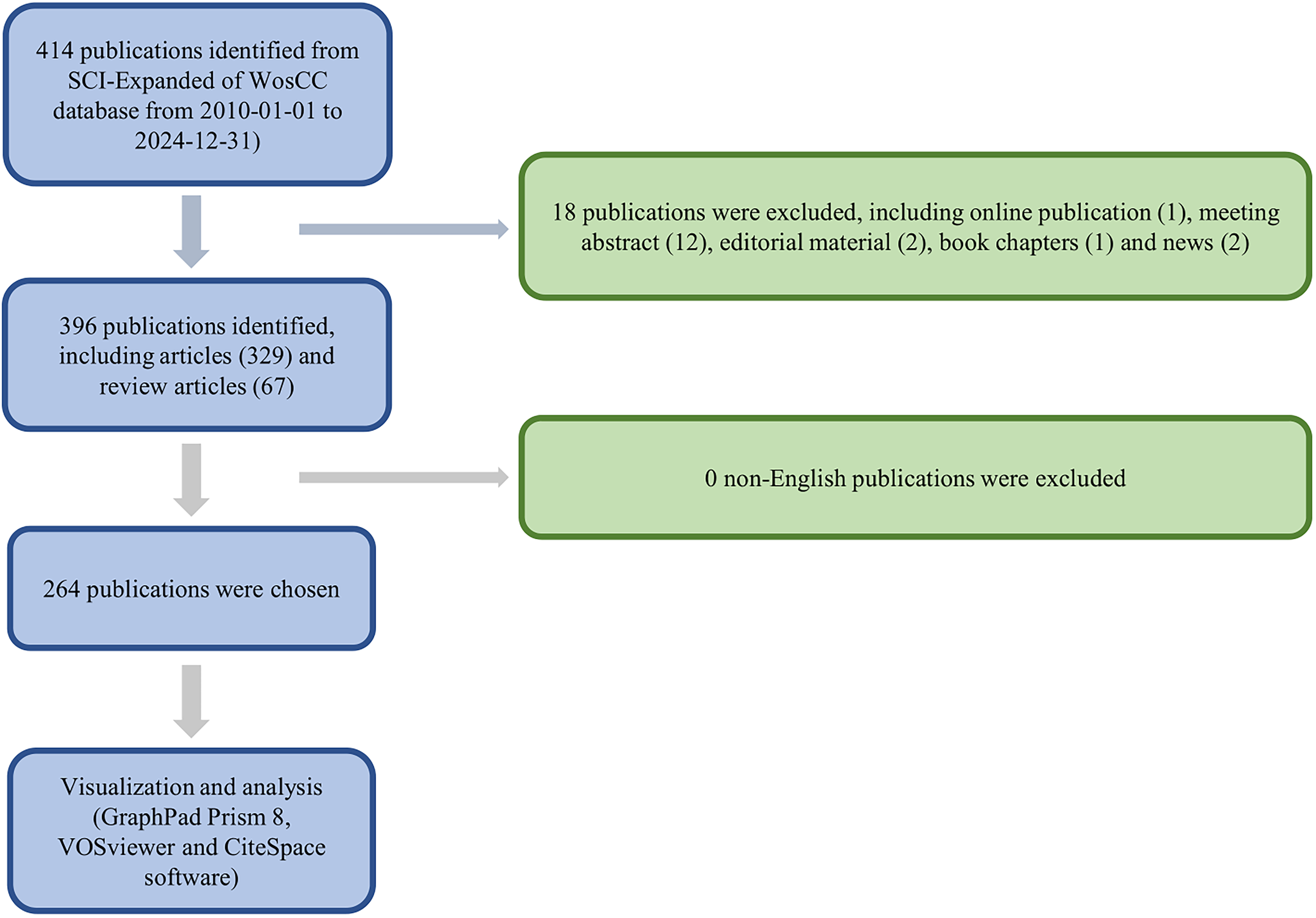
Flowchart of literature search and screening.
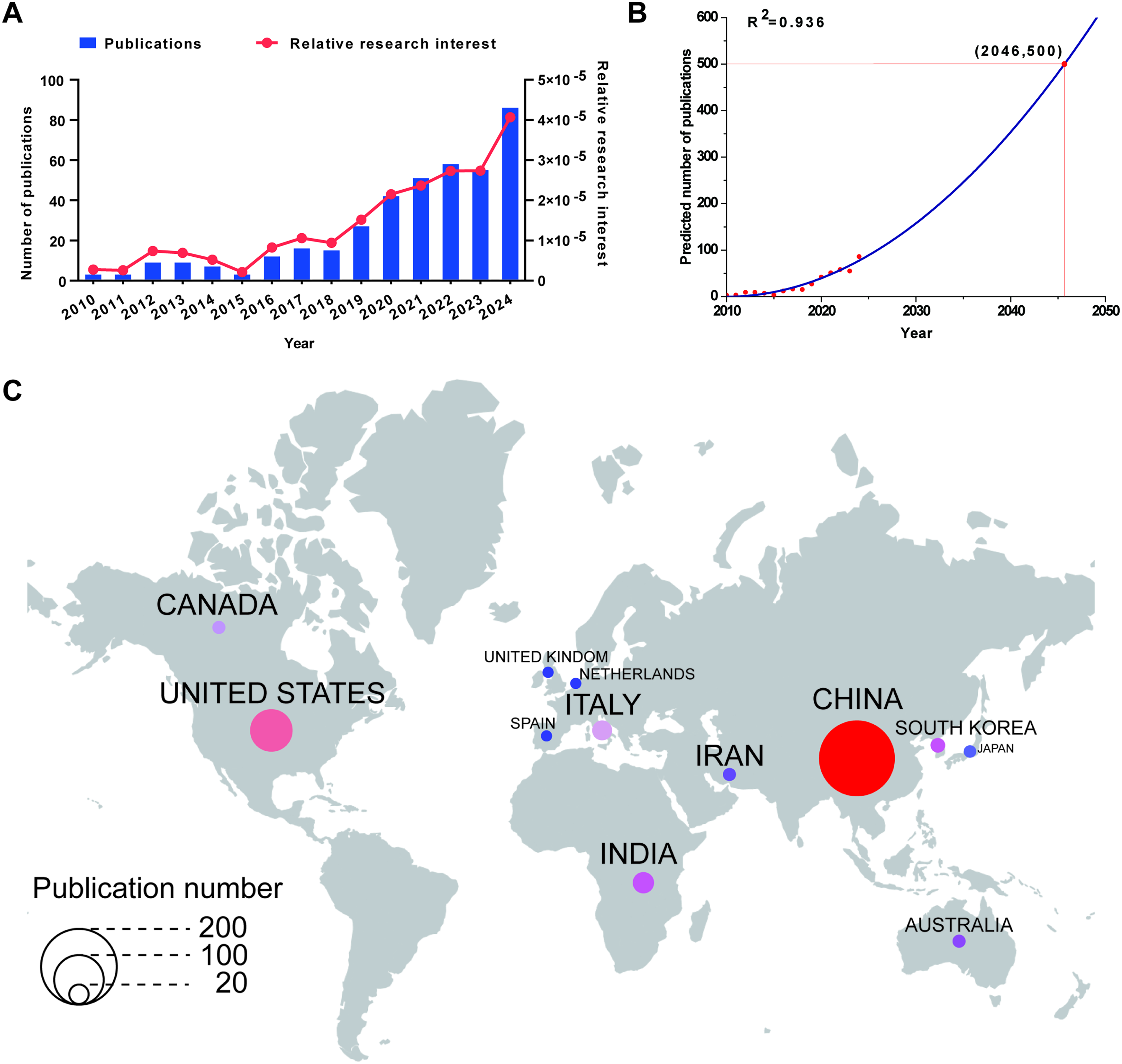
Global publication trends and country contributions in OA-nanomaterials research.
Contributions and academic impact by countries
Analysis of publication output by country revealed that China was the most productive nation, contributing 200 publications and accounting for 50.5% of the total output, followed distantly by the United States with 94 publications (23.7%) and India with 22 publications (5.6%) (Fig. 3A, Table 1). China’s publication volume showed a marked acceleration in growth commencing in 2017 (Fig. 3B).
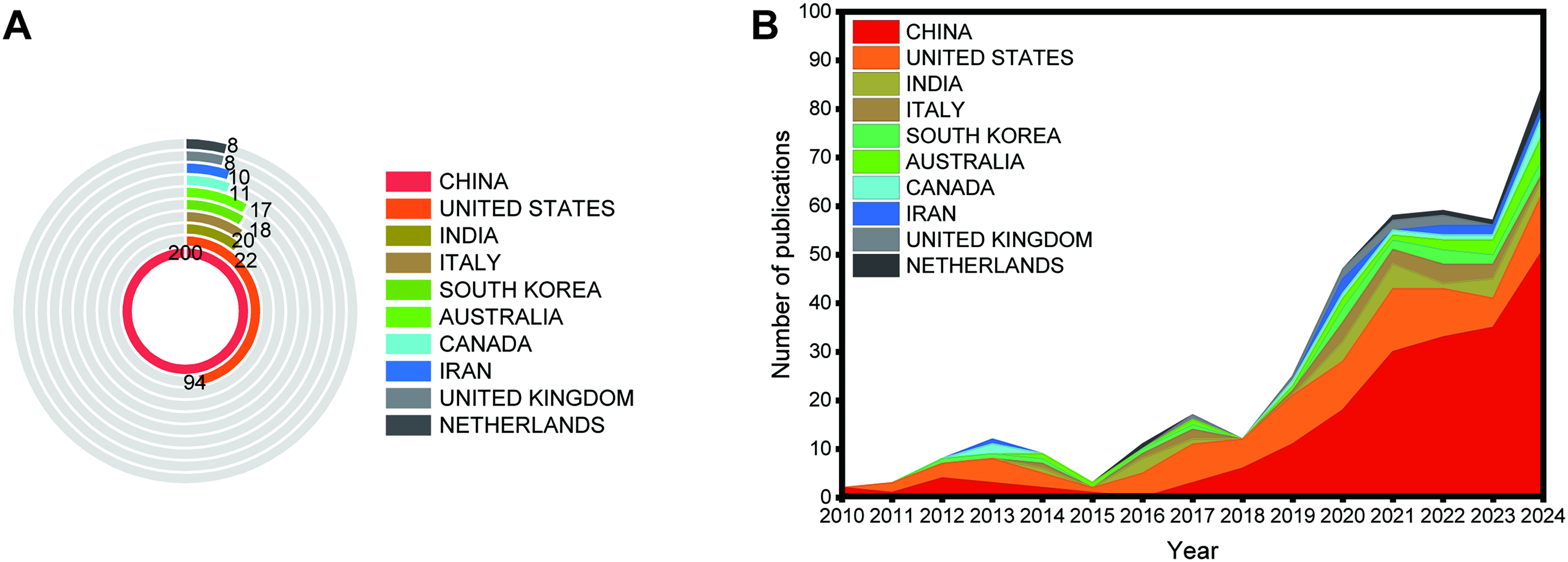
National contributions to OA nanomaterials research.
Top 10 Countries/Regions by Publication Volume in OA-Nanomaterials Research
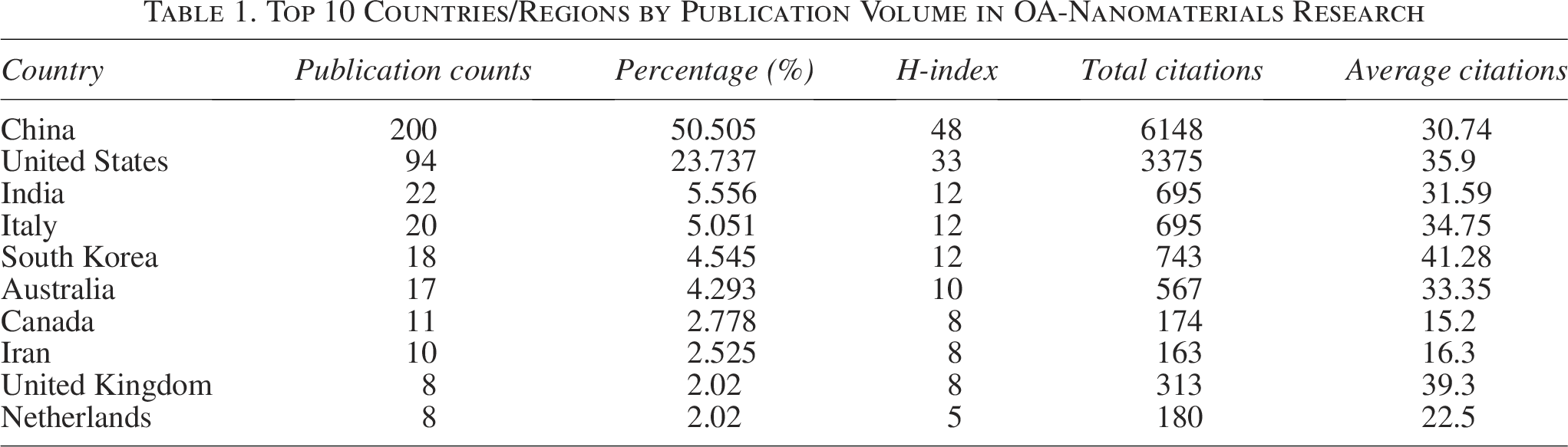
To evaluate academic impact and influence, total citations, average citations per publication, and H-index values were calculated and compared across countries. While China accumulated the highest total number of citations (6148), South Korea ranked first in average citations per publication (41.28), followed by the United Kingdom (39.13) and the United States (35.90); China’s average citation rate was 30.74 (Fig. 4A, B). The H-index, which integrates productivity and citation impact, was highest for China (48), compared with 33 for the United States (Fig. 4C).
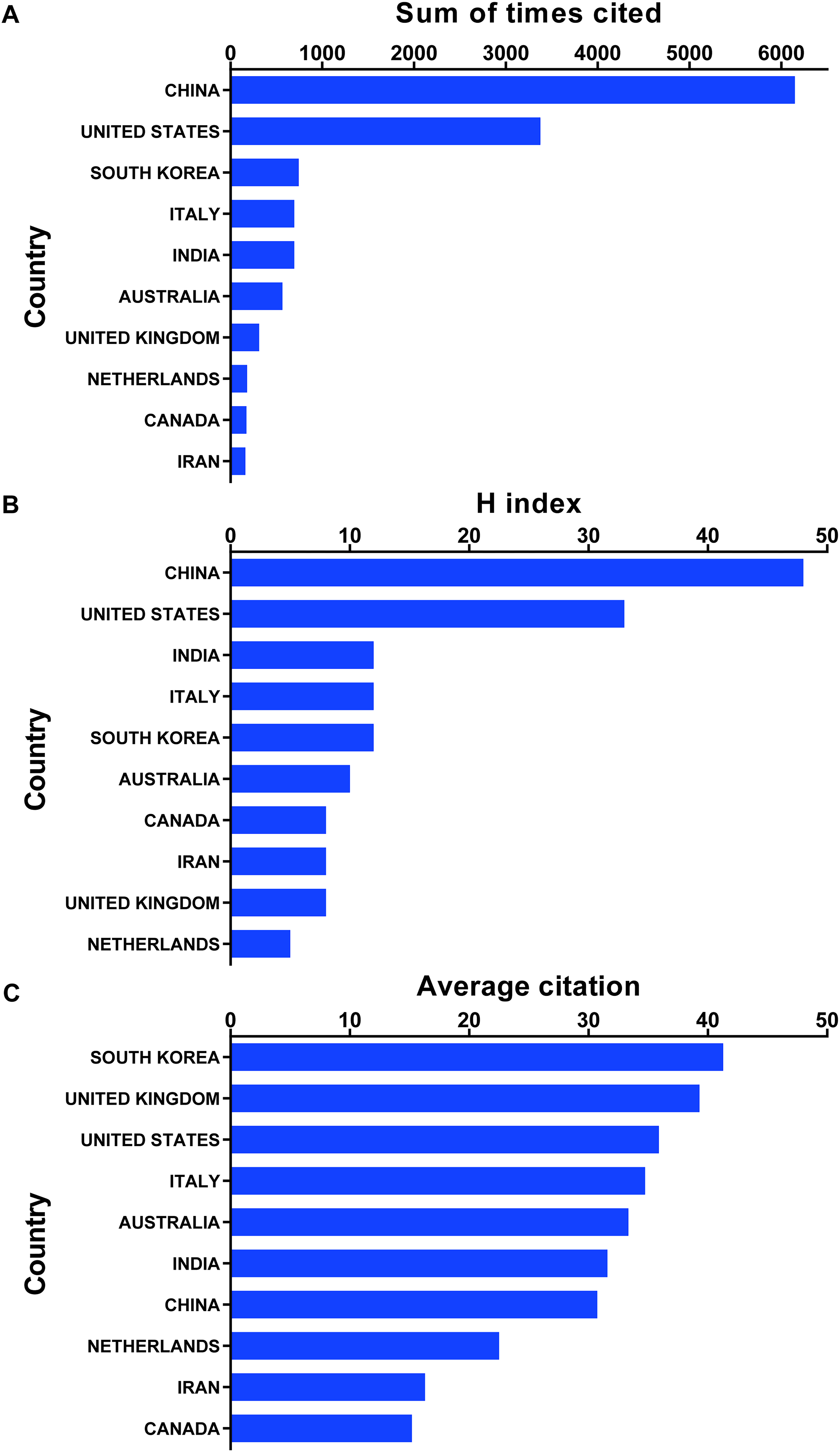
Comparative academic influence of different countries/regions in OA-nanomaterials research.
The international collaboration network, visualized using VOSviewer, positioned China and the United States as the central hubs, with a strong collaborative link between them, indicating their pivotal role in the global research landscape (Fig. 5A). Furthermore, bibliographic coupling and cocitation analyses at the country level confirmed a significant sharing of knowledge bases and research fronts between these two leading nations (Fig. 5B, C).
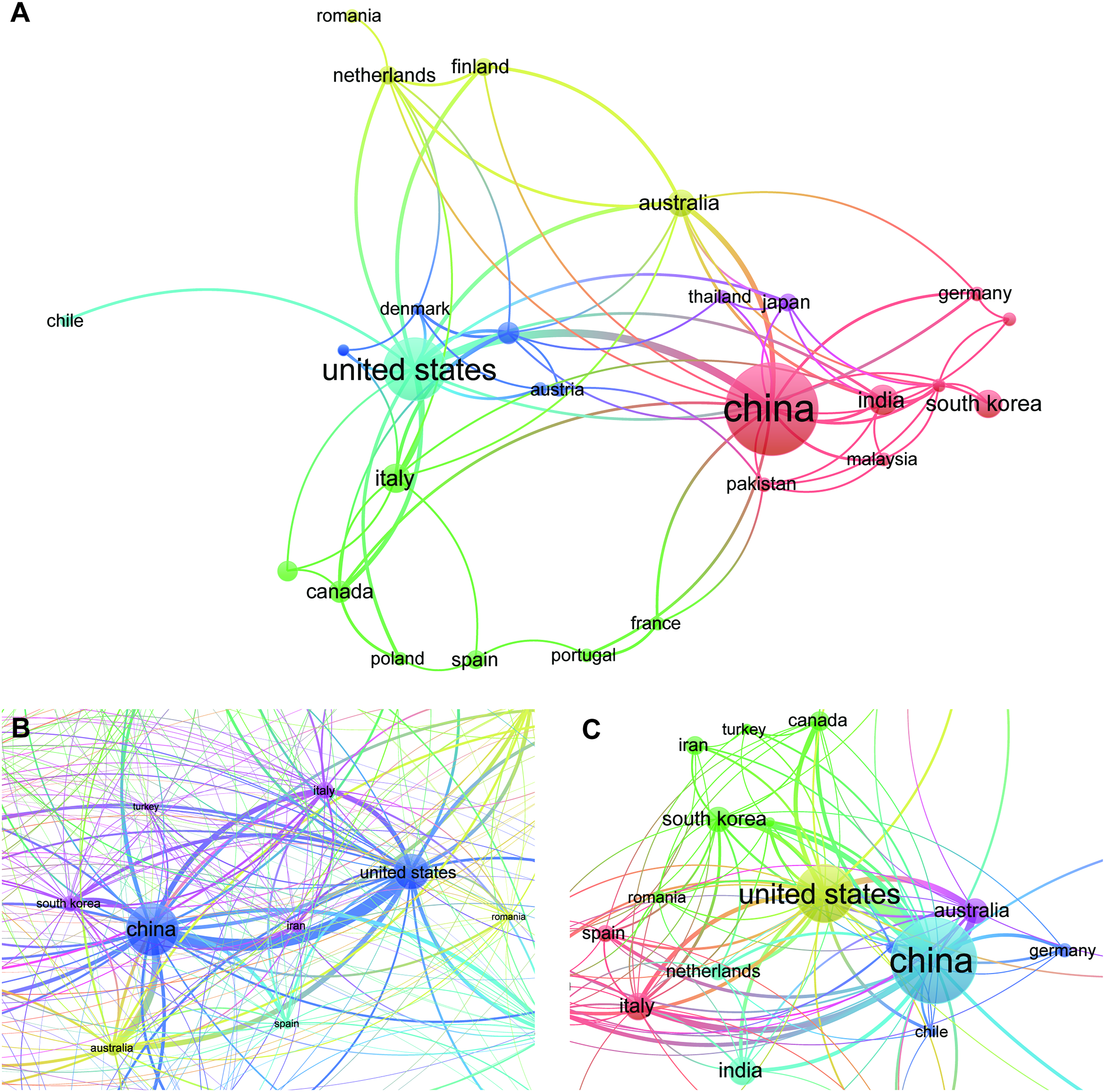
Collaboration and citation networks of countries/regions in OA nanomaterials research.
Institutional and author contributions with impact assessment
Over the 14-year study period, 106 institutions worldwide published more than two papers in this field. A collaboration network visualizing interinstitutional partnerships revealed that Shanghai Jiao Tong University was the most productive institution, contributing 17 publications (6.44% of the total), followed by the Florida State University System (13 publications, 4.92%) and the Chinese Academy of Sciences (9 publications, 3.41%) (Fig. 6A). The network indicated a prevailing preference for domestic collaborations over international partnerships.
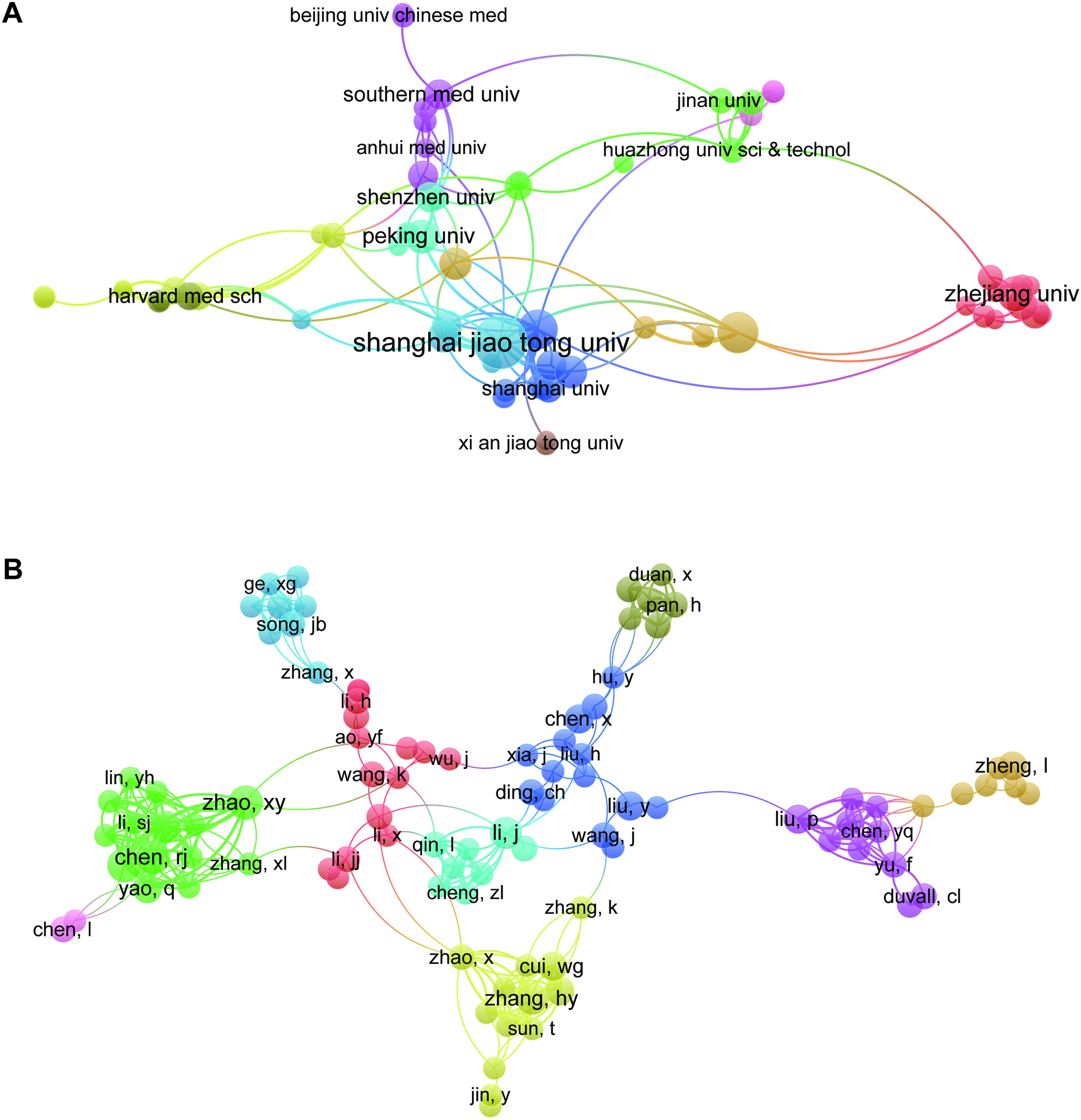
Collaboration networks of
At the author level, 216 authors contributed at least two publications. A coauthorship visualization map generated by VOSviewer identified eight distinct research clusters, with no single author overwhelmingly dominating the field (Fig. 6B). The highest individual output was from Allen, Kyle, with five papers.
To identify authors whose work gained sudden influence, citation burst analysis was performed. This analysis detected influential authors, with early bursts (e.g., Gerwin N) likely representing pioneering figures and more recent bursts (e.g., Zhang W) indicating newly emerging influential research and shifting foci within the field (Fig. 7).
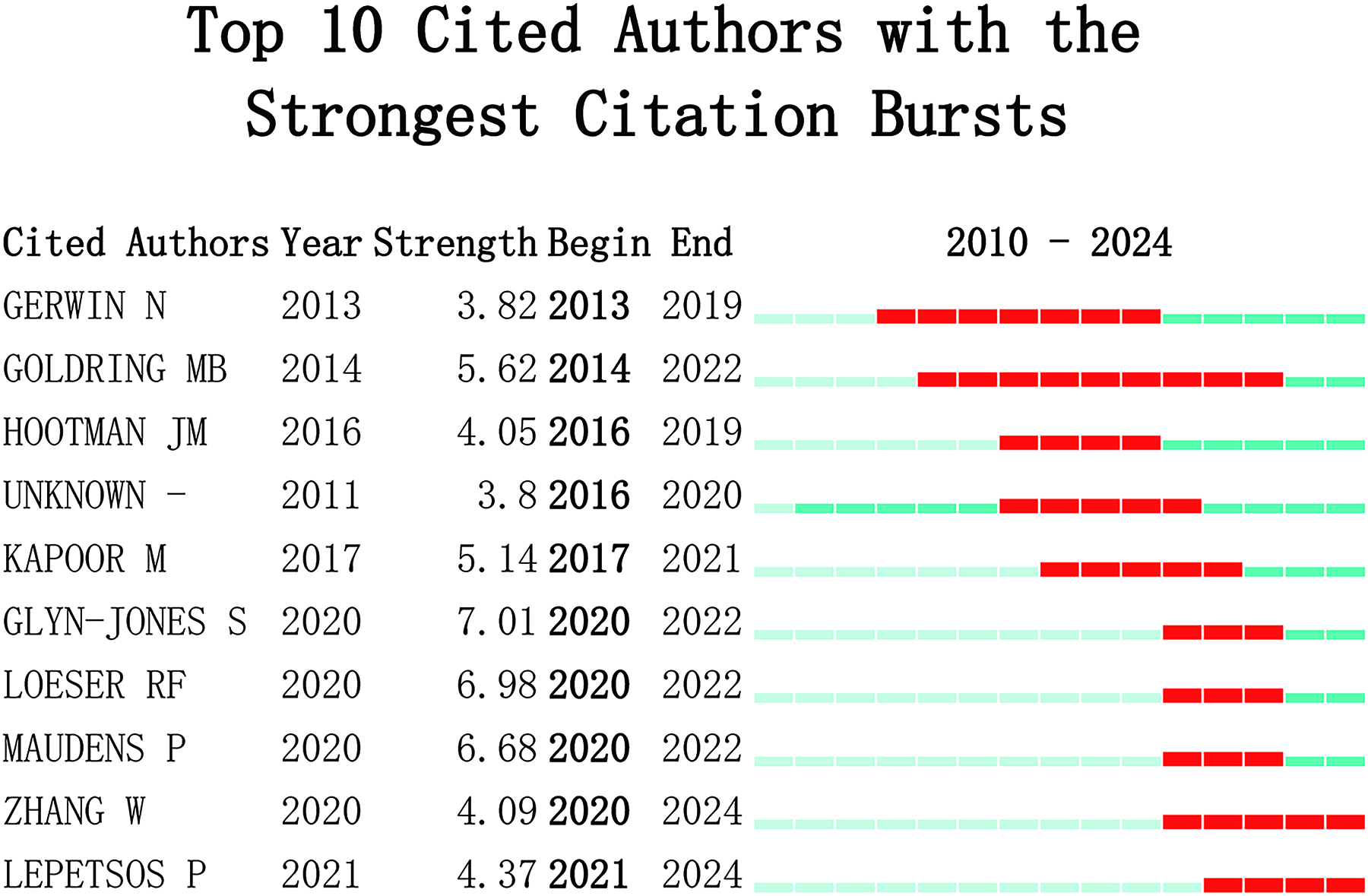
Top 10 authors with the strongest citation bursts in OA-nanomaterials research.
Overall, institutional- and author-level analyses reveal a decentralized yet increasingly interconnected research landscape, with several emerging influential contributors likely to shape future directions.
Analysis of source journals
A total of 143 journals published articles on the application of NPs in OA, based on bibliometric visualization. The most productive journals were Biomaterials, International Journal of Molecular Sciences, International Journal of Nanomedicine, Journal of Controlled Release, and Stem Cell Research & Therapy (n = 7). Frontiers in Pharmacology and Journal of Nanobiotechnology followed (n = 6). The bibliographic coupling network revealed three primary knowledge pillars in this field: (A) clinical pharmacology and drug delivery, (B) pathogenesis and clinical management of OA, and (C) nanomaterials and regenerative medicine (Fig. 8A).
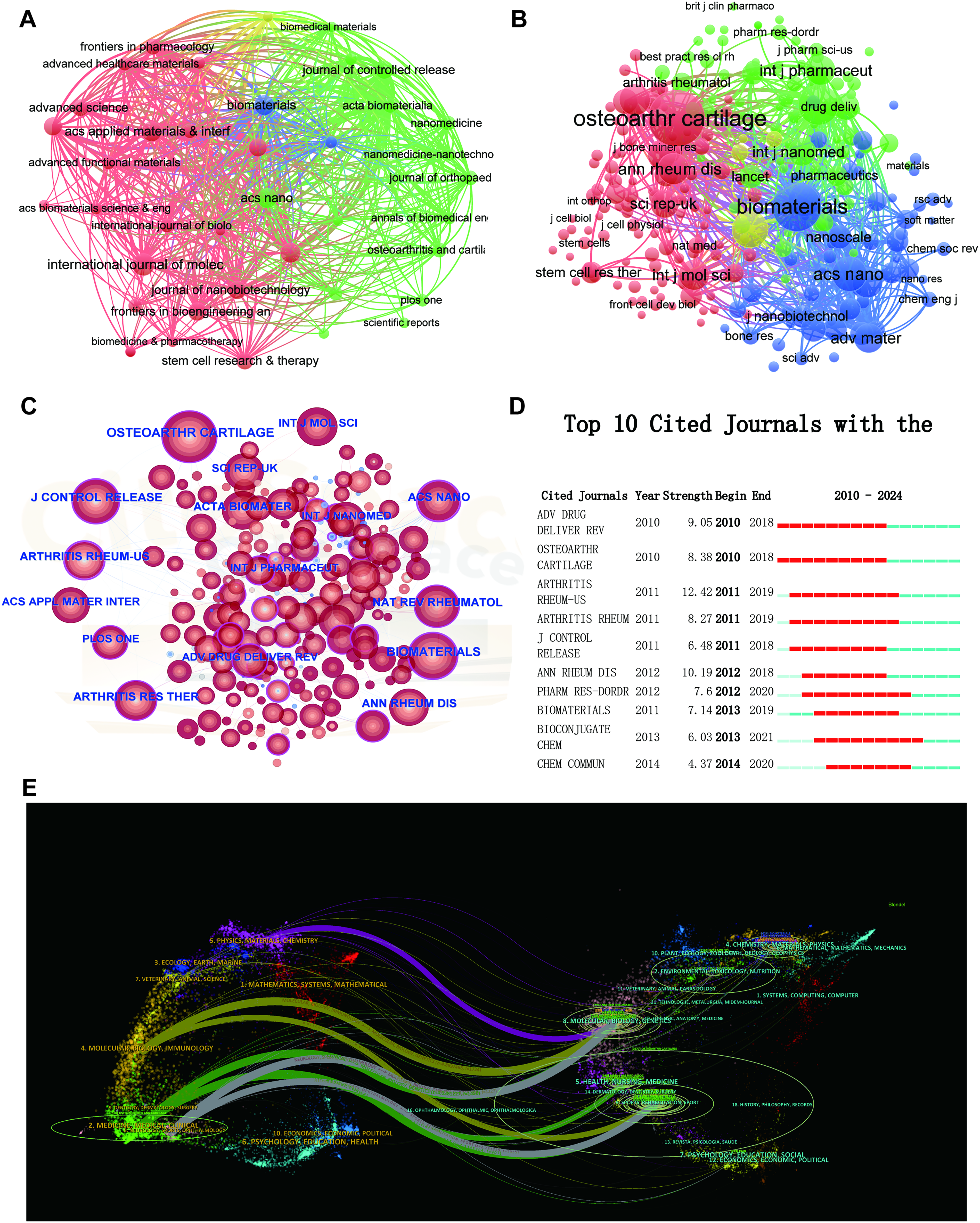
Journal analysis in OA nanomaterials research.
Cocitation occurs when two or more publications are simultaneously cited by a subsequent study. For example, if both papers A and B appear in the reference list of paper C, a cocitation is established. A clustering network was constructed based on these cocitation relationships (Fig. 8B). Institutions or journals located close together typically focus on similar research frontiers. The cocitation network also displayed three interrelated knowledge clusters: OA diagnosis and management, represented by Osteoarthritis and Cartilage, Ann Rheum Dis; nanobiomaterials, represented by ACS Nano and Biomaterials; and translational drug delivery technologies, represented by Journal of Controlled Release and Advanced Drug Delivery Reviews (Fig. 8B, C) (Table 2). Notably, cluster A (pharmacology) and cluster C (nanotechnology) showed limited direct interaction, with scarce direct links between clinical journals such as The Lancet and leading materials journals.
Major Knowledge Clusters in OA-Nanomaterials Research Based on Cocitation Analysis

Figure 8D highlights the top 10 journals with the strongest citation bursts in OA-nanomaterials research. Early bursts appeared in journals focusing on OA pathogenesis and molecular subtyping. Later, bursts in leading materials journals reflected technological breakthroughs. Recently, translational journals linking materials science and clinical medicine have demonstrated significant citation bursts.
To visualize the global paths of interdisciplinary knowledge flow, a dual-map overlay was generated (Fig. 8E). The citing journals (left) and cited journals (right) are connected by spline waves, illustrating knowledge transfer from right to left. The maps revealed contributions from mathematics, physics, chemistry, molecular biology, immunology, and medicine. Clinical medicine, most directly related to translation, received substantial knowledge flows from multiple disciplines on the right side. This pattern confirms that nanomedicine for OA is a multidisciplinary research field supported by diverse expertise. Contributions from computer science (“SYSTEMS, COMPUTING, COMPUTER”) highlight applications such as NP behavior simulations and experimental data analysis. In addition, “MOLECULAR BIOLOGY, GENETICS” occupied a central position and connected with multiple clusters on the left, underscoring its pivotal role in bridging basic science and clinical translation.
Overall, journal-level analysis reveals a clear evolution of research focus, progressing from disease mechanisms to material innovations and finally toward translational integration bridging nanotechnology and clinical practice.
Analysis of core publications
Based on cocitation analysis, several core publications that have fundamentally shaped the field’s trajectory were identified and visualized (Fig. 9A, B). A highly influential example is the review “Cartilage-targeting drug delivery: can electrostatic interactions help?” published by Bajpayee AG in Nature Reviews Rheumatology (2017). 15 This seminal work comprehensively examined the strategy of leveraging electrostatic interactions as a means to enhance cartilage penetration and delivery of therapeutics for OA, proposing the optimization of nanocarrier charge to improve drug retention and efficacy. Another foundational work is The Lancet review Osteoarthritis by Hunter DJ et al. (2019), 2 which provided a paramount clinical overview of OA pathogenesis and treatment guidelines, effectively translating complex clinical challenges into clear concepts for nonclinical researchers such as nanotechnology developers. More recently, Lan QM et al. reported in Journal of Nanobiotechnology (2020) on an innovative MMP-13 and pH-responsive theranostic nanoplatform for precise OA therapy, demonstrating strong cartilage specificity and controlled drug release in response to pathological microenvironmental cues. 31
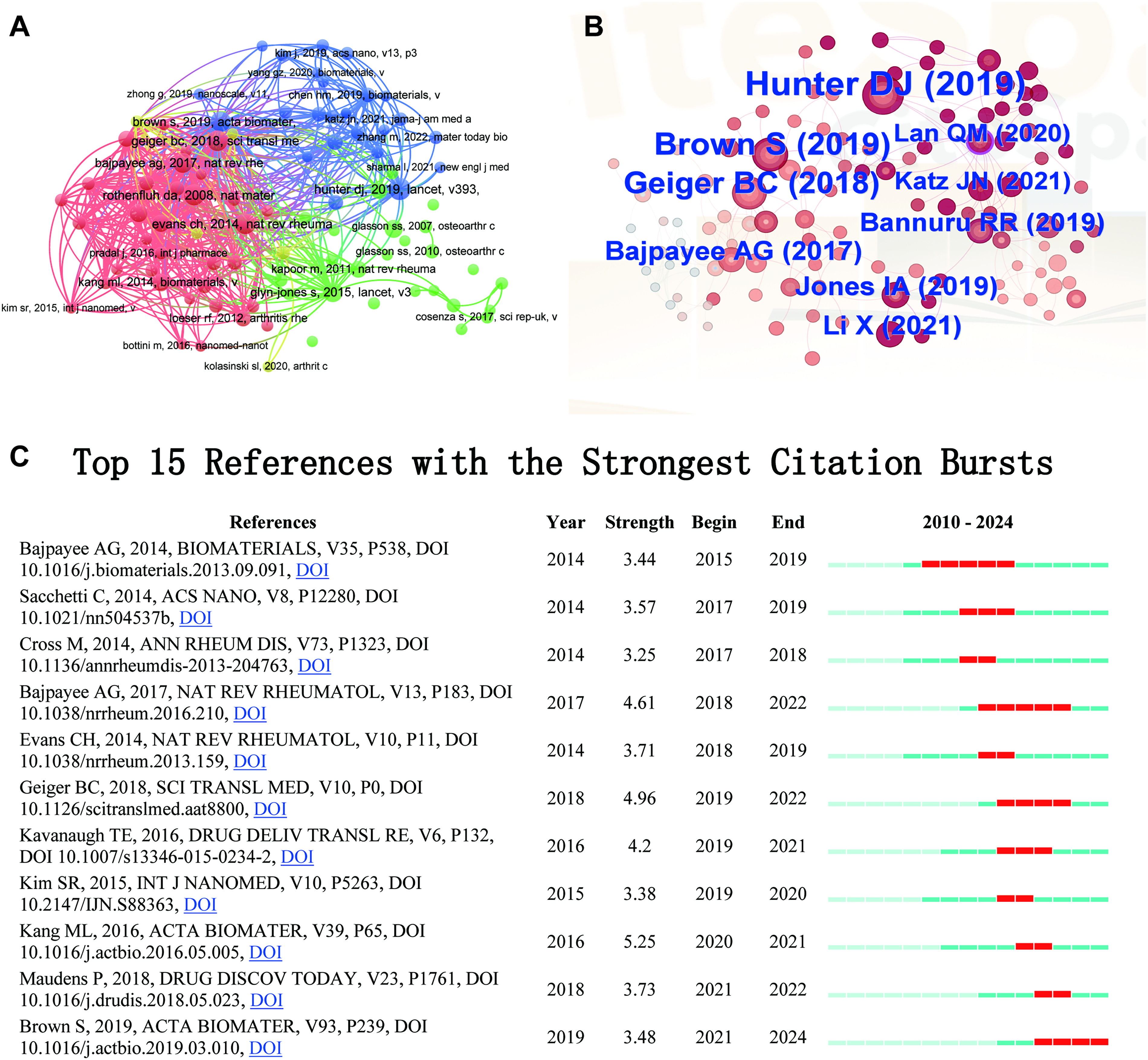
Publication analysis based on cocitation networks.
CiteSpace’s citation burst detection function also highlighted publications that gained remarkable attention within specific periods (Fig. 9C). Among them, the strongest burst was observed for the study by Kang ML et al. in Acta Biomaterialia (2016), which reported on thermoresponsive nanospheres capable of independent dual drug release profiles. 32 Interestingly, The Lancet clinical guideline by Hunter DJ et al. (2019) exhibited a significant citation burst beginning only in 2022, 2 indicating its delayed yet substantial impact on guiding translational research efforts in the field.
Keyword co-occurrence analysis
A popular bibliometric technique for determining popular study subjects and areas is keyword co-occurrence analysis, which is essential for monitoring scientific advancement. Keywords in this study were identified as terms that appeared more than once in the titles or abstracts of the chosen publications. CiteSpace was then used to further analyze the data. The analysis generated 10 clusters: rhein, monoiodoacetate, subchondral bone, knee osteoarthritis, mesenchymal stem cells (MSCs), antioxidant, extracellular vesicles (EVs), degradation, snhg7, and osteoarthritis (Fig. 10A). To improve reliability, VOSviewer was also applied for clustering (Fig. 10B). Four thematic directions were highlighted. First, the delivery system optimization included keywords such as nanoparticle, nanocarrier, liposome, micelles, and intra-articular delivery. Second, disease mechanisms and targets involved pathogenesis, synovial fluid, synoviocytes, and ferroptosis. Third, regenerative therapies were characterized by MSCs, scaffolds, kartogenin, proliferation, and repair. Finally, natural nanocarriers were represented by exosomes, microvesicles, and microRNAs (miRNAs).
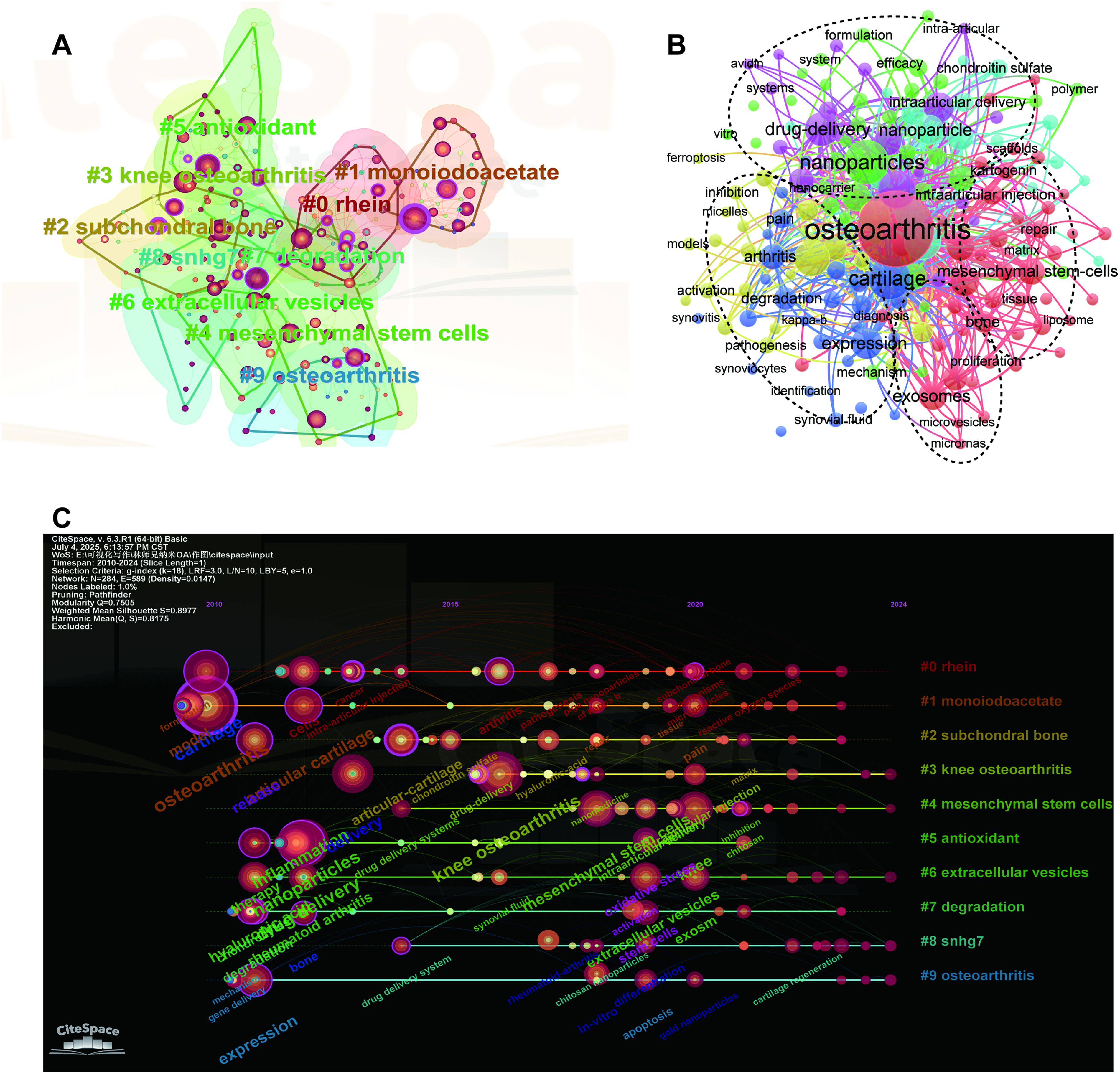
Keywords analysis based on co-occurrence networks.
To capture turning points and emerging trends, keyword co-occurrence maps were arranged chronologically (Fig. 10C). Global research on “nanomaterials for OA therapy” has evolved over the past 14 years, with distinct stage-specific features. In the initial phase, frequent keywords included nanoparticle and drug delivery systems, reflecting advances in material science. Terms such as inflammation and cartilage degradation indicated focus on pathological mechanisms, while model and intra-articular injection suggested establishment of OA research models. In later stages, the emphasis shifted toward natural nanotherapies, represented by EVs, and gene-based strategies, exemplified by long noncoding RNAs (lncRNAs) such as snhg7.
Discussion
The development of disease-modifying OA drugs to interrupt and reverse OA progression is urgently needed. 33 Nanotechnology enables precise drug delivery, enhances local drug concentration at lesion sites, and reduces off-target effects, thereby minimizing adverse reactions. 34 Nanomaterials can also codeliver multiple agents for synergistic therapy, while smart release mechanisms allow controlled drug delivery in response to pathological microenvironments. 13 Furthermore, nanotechnology enables the creation of innovative biomaterials that promote cartilage regeneration. 35 These features highlight the promise of nanotherapeutics in overcoming the limitations of conventional approaches and advancing OA treatment.
Such advantages have gained increasing recognition, accompanied by rapid growth in related publications. However, the accelerating pace of research complicates efforts to delineate developmental trajectories, identify research hotspots, and anticipate future directions. To address this, bibliometric analysis was employed to summarize global progress in nanomaterial-based OA therapy from 2010 to 2024.
Lessons from cross-national performance
In the context of rising RRI, contributions from different countries to this field remain uneven. As visually demonstrated in Figure 3B, publications from China began to accelerate significantly after 2017. While the reasons for such a rapid surge are multifactorial, it strongly correlates with a national strategic emphasis on OA research. The substantial and sustained investment from funding bodies like the National Natural Science Foundation of China, which supported 31.818% of publications and funded 534 OA projects with 254.85 million RMB (about 36.41 million USD) between 2010 and 2019, is a key indicator of this commitment. 36 It is plausible that this long-term funding built the necessary research capacity and academic ecosystem that fueled the subsequent acceleration in publication output. China’s population is rapidly aging, and OA prevalence increases with age, becoming a significant health burden. This demographic pressure drives clinically oriented nanomedicine research in China.1,37 The socioeconomic burden pressures policymakers. In addition, universities and hospitals emphasize paper quantity and journal impact factors in evaluations. Biomedical journals, which often accept nanomedicine articles, generally hold higher impact factors than clinical orthopedic journals, further incentivizing materials-related medical research.
However, quantitative output does not fully represent academic impact or innovation. The higher average citation impact observed for countries like South Korea and the United Kingdom suggests a potentially greater focus on research quality, originality, and the ability to identify and solve critical problems within these ecosystems. South Korea’s performance, in particular, underscores its strengths in developing innovative and high-impact nanocarrier systems, 38 likely supported by a robust national innovation policy. 39 Within an innovation-driven ecosystem, Korean researchers excel in clinically grounded strategies, such as analyzing OA cartilage samples to identify therapeutic targets. 40 This “clinical demand-basic research-industrial translation” model positions South Korea as a knowledge hub in specific fields.
The central and highly interconnected roles of China and the United States within the global collaboration network underscore their pivotal position in setting the research agenda and driving the field forward. Highly cited works from both countries construct a shared theoretical foundation, becoming indispensable knowledge bases in this field. Nurtured by this common intellectual soil, both nations hold sufficient influence to reshape this field together in the coming years. Their convergent shift toward adopting more clinically relevant large animal models for testing nanotherapeutics15,41 further synchronizes their research trajectories and highlights a shared recognition of the importance of translational validity. For researchers in other countries, strategic collaboration with these central hubs appears to be an effective pathway to gain access to cutting-edge knowledge, resources, and visibility.
Knowledge structure and evolution
Both bibliographic coupling and cocitation networks highlight three primary clusters: (A) clinical pharmacology and drug delivery; (B) OA pathology, diagnosis, and treatment; and (C) nanomaterials and regenerative medicine. Moreover, citation bursts differ across periods. In the early stage, journals focusing on OA pathology and molecular phenotyping showed bursts; later, top materials science journals surged due to technological breakthroughs; currently, translational journals that bridge technology with clinical applications dominate.
These bibliometric maps collectively reveal a triangular knowledge flow network: from clinical standards to nanotechnology and delivery systems and from nanotechnology toward delivery systems. Drug delivery platforms represent a cutting-edge domain integrating clinical needs with nanotechnology. Current hotspots focus on connecting pharmacology, molecular biology, and materials science to address diverse diseases. However, the maps also expose structural issues. For example, clinical journals such as The Lancet remain distant from materials journals, reflecting translational bottlenecks in OA nanotherapy.
In the reference network constructed from cocitation analysis, seminal works shaping the field’s trajectory are identified and visualized. Seminal review articles by Bajpayee and Grodzinsky (on electrostatic targeting principles) 15 and Hunter and Bierma-Zeinstra (providing essential clinical context) 2 served as critical foundational works that guided subsequent technological development and innovation. The recent emergence of smart stimuli-responsive platforms, as exemplified by the work of Lan et al., 31 marks the current research frontier. These works collectively represent major advances across different categories of knowledge, forming the foundation of the field’s progress.
Citation bursts and dual-map overlays further align these key references along a temporal axis. This timeline map delineates three transitions: early penetration studies (2014), translational validation (2018), and smart precision therapies (2022). The dual-map overlay further illustrates interdisciplinary knowledge flow. Medicine, Medical, and Clinical journals absorb input from diverse domains on the right. “Molecular Biology and Genetics” occupies a central role, linking to multiple clusters, highlighting its importance in clarifying how nanotherapies act on cellular and molecular mechanisms in OA. These findings demonstrate that OA nanotherapy is an inherently multidisciplinary field, supported by knowledge and techniques spanning multiple domains.
In summary, the bibliometric mapping of journals and references depicts a comprehensive four-horse driving landscape for OA nanomedicine. (1) Molecular mechanisms and therapeutic targets of OA have enabled precision medicine to shift from macroscopic to microscopic levels, with gene therapy emerging. (2) Advances in materials science continuously optimize NP properties, from biocompatibility to functional adaptability and from single-drug bursts to multidrug controlled release, dynamically matching the evolving OA microenvironment and therapeutic needs. (3) Development of OA animal models and deeper drug delivery evaluation have advanced from small animals to large models with closer physiological relevance, improving assessment of intra-articular distribution, retention, and long-term effects. (4) Clinical endpoint-oriented research has begun, aligning evaluation criteria for nanomedicines more closely with clinical needs. The future of OA nanomedicine hinges on integrating these drivers into a closed-loop pipeline from lab to clinic. Bridging disciplinary gaps and generating robust clinical evidence will shift the paradigm from technology-driven to clinically validated therapies.
Research hotspots and future perspectives
Keyword co-occurrence analysis is a key bibliometric method for identifying emerging trends and domains. To trace disciplinary turning points and emerging trends, a temporal keyword co-occurrence map was generated (Fig. 10C). Keywords clustered in the later stage, represented by denser nodes and warmer colors, highlight current hotspots. These include EVs, MSCs, and gene-targeted interventions exemplified by snhg7.
EVs are nanoscale (30–150 nm) lipid bilayer vesicles of cellular origin, considered natural NPs. They are generated through the endosome-multivesicular body pathway and carry proteins, nucleic acids, and lipids. EVs play key roles in intercellular communication, disease progression, and tissue regeneration. Their ability to cross biological barriers, target delivery, and protect cargos makes them promising as biomarkers and drug carriers. 42 MSC-derived EVs were first explored for osteochondral regeneration, pioneering exosome therapies for OA. 43 However, clinical translation is challenging due to low natural yield, insufficient large-animal validation, and lack of standardized isolation and quality control protocols.44–46 Variability in cell sources and culture conditions further complicates reproducibility. To address these issues, engineered EVs (e.g., chondrocyte affinity peptide-modified) are being developed for improved targeting. 47 Future efforts should focus on scalable production using bioreactors or microfluidic systems, 48 alongside establishing rigorous, standardized protocols for EV characterization and dosing. 49
As evidence accumulates, EVs are increasingly regarded as the primary mediators of MSC therapeutic effects in OA. Accordingly, direct delivery of EVs is attracting more interest than direct MSC transplantation. In this context, MSCs are mainly considered as sources of EVs contributing to tissue regeneration.
Gene therapy is another promising frontier for OA treatment, involving miRNAs, small-interfering RNAs (siRNAs), lncRNAs, and circular RNAs (circRNAs).50–53 These molecules regulate signaling and gene expression, thereby influencing OA pathology and therapeutic outcomes. 54 By interacting with mRNA or DNA sequences, they modulate the microenvironment, maintain extracellular matrix homeostasis, and potentially reverse OA progression. Nanomaterials can be designed to deliver nucleic acids with precision, improving therapeutic efficacy and minimizing adverse effects. 55 miRNAs such as miR-140 promote cartilage matrix synthesis, while miR-146a suppresses inflammation. Naked miRNAs are unstable and require protective carriers. Viral vectors were initially used but posed immunogenic risks. EV-based delivery, including CAP peptide-modified vesicles, has significantly improved targeting efficiency. 47 SiRNAs selectively degrade pathogenic mRNAs, such as those encoding MMP-13, HIF-2α, or ADAMTS5, thereby reducing cartilage degradation and inflammation. Conventional carriers like cationic polymers are limited by cytotoxicity. Recent efforts focus on stimuli-responsive nanocarriers that release siRNA in response to pH or enzymes in the OA microenvironment, enhancing both safety and efficacy.51,56 CircRNAs, such as circRNA3503, act as sponges that bind and inhibit specific miRNAs, thereby regulating OA-related genes. 57 LncRNAs (>200 nucleotides) regulate epigenetic modifications, mRNA stability, and translation. They modulate chondrocyte proliferation, apoptosis, and differentiation, which are essential for cartilage maintenance. 58 The lncRNA SNHG7, identified in the keyword clustering, regulates OA cell proliferation, apoptosis, and autophagy by sponging miR-34a-5p and targeting SYVN1. 59 However, no NPs have yet been developed specifically for SNHG7 delivery, suggesting it may represent a novel and valuable therapeutic target in OA.
Limitations
While this study provides a comprehensive and data-driven overview of the research landscape of nanomaterials in OA, several limitations should be acknowledged for a balanced interpretation of the results. First, our analysis was solely derived from the WoSCC. Although WoSCC is an authoritative database for bibliometric studies, reliance on a single source may result in the omission of pertinent publications indexed in other major databases, such as Scopus, PubMed, and Embase. Second, the restriction of our search to English-language publications may have introduced a language bias, thereby excluding valuable contributions published in other languages. Finally, inherent limitations of bibliometric analysis must be considered. This methodology primarily quantifies research output and citation impact rather than the intrinsic scientific quality, methodological rigor, or clinical relevance of individual studies. Moreover, citation-based metrics can disadvantage recently published articles, which have had less time to accrue citations, potentially underrepresenting their emerging influence. Building upon these limitations, future research should not only broaden its scope but also deepen its analysis. Future bibliometric studies should incorporate multiple databases and non-English literature to create a more globally inclusive map of the field. More importantly, the field now requires rigorous systematic reviews that can move beyond quantitative mapping to perform in-depth qualitative synthesis and methodological quality assessment of the existing evidence. Such studies will be crucial for identifying the most promising therapies for clinical translation and for guiding future research toward addressing the most critical gaps between materials science and patient-centered outcomes.
Conclusion
This bibliometric analysis highlights the rapid growth and evolving landscape of nanomaterial-based therapies in OA. China leads in publication volume, while South Korea and Western countries demonstrate higher research impact, emphasizing the importance of balancing quantity with quality. Knowledge mapping revealed three core clusters—drug delivery, OA pathogenesis, and regenerative nanomaterials—shaping the foundation of this field. Emerging hotspots such as EVs, MSCs, and RNA-based interventions underscore the trend toward precision and intelligent therapies. However, structural challenges persist, including limited clinical validation, lack of standardized models, and translational bottlenecks. Looking ahead, advancing OA nanomedicine will require multidisciplinary collaboration, rigorous preclinical-to-clinical pipelines, and stronger integration of clinical endpoints with nanotechnology design. By aligning innovation with real-world needs, nanomedicine has the potential to shift OA treatment paradigms toward disease modification and regeneration.
Authors’ Contributions
Jiayou C.: Conceptualization, methodology, data curation, and writing—original draft. R.L.: Formal analysis, investigation, and writing—review and editing. Z.S.: Conceptualization, data curation, and writing—original draft. J.H.: Formal analysis, and writing—review and editing. Jinyuan C.: Formal analysis. H.Z.: Writing—review and editing. F.C.: Conceptualization, methodology, visualization, and project administration. W.L.: Conceptualization, investigation, project administration, and supervision. J.L.: Methodology, resources, project administration, and funding acquisition.
Footnotes
Funding Information
This work was supported by Shenzhen High-level Hospital Construction Fund, Peking University Shenzhen Hospital Scientific Research Fund (grant number KYQD2023296), Guangdong Basic and Applied Basic Research Foundation (grant numbers 2023A1515220019, 2022A1515220056), Shenzhen Science and Technology Program (grant number JCYJ20240813115833044), the Sanming Project of Medicine in Shenzhen (grant number SZSM202211019), and China Association of Traditional Chinese Medicine Orthopedic Drug Research Committee Youth Physician Innovation and Development Program (grant number GSKQNJJ-2023-004).
Data Availability
The data that support the findings of this study are available on request from the author (J.L.:
Disclosure Statement
The authors declare no known competing financial interests or personal relationships that could have appeared to influence the work reported in this article.