



Abstract
Objectives:
To examine the magnitude of impact of two nature-themed window murals on physiological processes, as measured by heart rate and blood pressure, of pediatric patients.
Background:
Many children and adolescents find at least one aspect of the hospitalization process frightening or anxiety provoking. One physical feature linked to stress reduction is access to positive distractions. Views of nature are one of the most common forms of positive distractions in healthcare environments. Patient room windows are the most common way patients are exposed to natural elements. Exposure to views of nature is linked to a number of positive impacts on physiological outcomes. Unfortunately, not every patient room will be able to provide a nature-filled window view. In situations where nature scenes do not occur, enhanced nature views may be utilized to replicate many of the same benefits as actual nature views.
Methods:
Pediatric patients were randomly assigned to one of the three room conditions: aquatic window mural, tree window mural, or control condition. The medical data of participants (n = 90) who stayed in the rooms were gathered and evaluated for differences.
Results:
Data analysis supports the notion that patient stress is heightened at the time of admission. Patients in the rooms with murals were found to have improvements in heart rate and systolic blood pressure in comparison to patients in control rooms, suggesting that the murals had an impact on physiological processes. Data also suggest that subject matter played a role, as patients in tree murals rooms had the most health-related outcomes.
In 2013, more than 5.6 million inpatient hospital stays were reported for individuals 0–17 years of age (Healthcare Cost and Utilization Project, 2015). Many children and adolescents find at least one aspect of the hospitalization process frightening or anxiety provoking (Li, Chung, Ho & Kwok, 2016; Salmela, Salantera, & Aronen, 2009). Rossen and McKeever (1996) found that 83% of preschool or kindergarten-aged children suffer from anxiety symptoms related to hospitalization, even if the visit is minor. Ulrich’s theory of supportive design (1991) suggests that healing environments, such as hospitals, should provide physical features and social situations that support an individual as he or she copes with the stresses of hospitalization. When patients are in supportive environments, they require less medication for pain and sedation, heal faster, and return home sooner. According to Ulrich (1991), a supportive healthcare environment should “not raise obstacles to coping with stress, contain features that are in themselves stressors, and thereby add to the total burden of illness” (p. 99). Instead, supportive environments should be designed to allow access to physical features that encourage stress reduction.
One element of the built environment that is linked to stress reduction is positive distraction, which is defined as “environmental features that elicit positive feelings, holds attention and interest without taxing or stressing the individual, and therefore may block or reduce worrisome thoughts” (Ulrich, 1991, as cited in Pati & Nanda, 2011, p. 125). While there are many forms of positive distraction, views of nature are one of the most common in healthcare environments. Exposure to natural elements (e.g., nature-filled windows, water, landscape paintings of photographs) may promote positive feelings while also reducing negative emotions (e.g., fear, insecurity; Nanda, Xi & Jansen, 2012; Ulrich, 1991).
Evidence indicates that visual access to nature is linked to reduced stress, decreased perception of pain, and improved emotional well-being (Diette, Lechtzin, Haponik, Devrotes, & Rubin, 2003; Miller, Hickman, & Lemasters, 1992; Schneider, Prince-Paul, Allen, Silverman, & Talaba, 2004). As few as 3–5 min of exposure to nature can produce recovery from stress (Parsons & Hartig, 2000). Additionally, views of nature are often linked to positive changes in physiological markers, including reduced blood pressure and heart rate (Heerwagen, 1990; Pati, Freier, Oboyle, Amor, & Valipoor, 2015; Pati & Nanda, 2011).
Patient room windows are the most common way patients are exposed to natural elements. Evidence suggests that nature-filled views have more restorative qualities than views without nature (Tse, Ng, Chung, & Wong, 2002; Ulrich, 1984; Whitehouse et al., 2001). Studies have shown that everyday natural window views (e.g., green spaces) more effectively promote recovery in psychological stress than urban views (e.g., parking lots, rooftops, buildings; Ulrich & Zimring, 2004). Patients in rooms with a view of nature typically will have better emotional well-being and require less medication (Ulrich, 1984).
Ideally, every pediatric patient room should include a nature-filled window view as a positive distraction. Most hospitals, however, are in urban areas where patient rooms may not have window views overlooking green spaces. Rather, many rooms overlook parking lots, streets, or other buildings. In situations where nature-filled window views do not occur, enhanced nature views may be utilized to replicate many of the same benefits as actual nature views. This has been done through ceiling tiles, artwork, or murals. Heerwagen (1990), for example, examined 40 patients in the waiting areas of a dentist’s office. Twenty patients were in a waiting room without a mural and 20 were in a waiting room with a nature-themed mural. The results showed that patients in the nature-themed condition felt calmer, less tense, and had a smaller increase in blood pressure than the patients in the waiting room without the mural. In another study, Miller, Hickman, and Lemasters (1992) showed videotaped scenes of nature (forests, flowers, oceans, and waterfalls) to burn victims while their dressing was changed. Patients who viewed these scenes of nature reported reduced anxiety and pain intensity. Coss (1990) examined the impact of displaying (1) serene nature images (e.g., calm water), (2) active or arousing ceiling mounted images (such as a sail-boarder leaning in the wind), or (3) no ceiling images to acutely stressed adult patients laying on gurneys in a presurgical holding area. Patients who viewed (1) serene nature images were found to have decreased systolic blood pressures in comparison to patients who viewed (2) active or arousing images or the control patients who did not view (3) images at all.
Imagery appropriate to the population is an important consideration, particularly in healthcare settings. Researchers have found that patients, including pediatric patients, prefer representational nature images over abstract or stylized art (Eisen et al., 2008; Hathorn & Nanda, 2008). Ulrich and Gilpin (2003) developed a series of guidelines for selecting artwork including (1) waterscapes, (2) landscapes, (3) flowers, and (4) figurative art. For landscapes, they may include an open foreground, trees with a broad canopy, savannah landscapes, verdant vegetation, and/or positive cultural artifacts. Another study (Nanda, Chanaud, Brown, Hart, & Hathorn, 2009) found that pediatric patients aged 5–17 years prefer nature scenes that contain bright colors include water elements or certain types of nonthreatening wildlife more than the typical child art. Brightly colored water images have been shown to be a highly rated and successful positive distraction and were a preferred subject matter for pediatric hospital inpatients across all age groups (Nanda et al., 2009; Park & Park, 2013). Additionally, a number of studies have shown positive impacts through the use of aquarium views, both actual and created (Barker, Rasmussen, & Best, 2003; Pati & Nanda, 2011). Wells (2005) found that viewing videos of fish swimming had a significant reduction in heart rate and blood pressure.
Pediatric patients, particularly those who are bedridden, spend most of their time in the patient room. It is here that access to nature views as a positive distraction should be prioritized. This study will show that enhanced window views in pediatric patient rooms may be utilized to replicate the outcomes of actual nature views. As previously noted, many hospitals may find it difficult or impossible to provide each patient room with a nature-filled window view, depriving patients of resultant stress relief. While most of the past studies focus on adult patients, this study focuses on pediatric patients. This study is also important because it provides a way for designers and healthcare administrators to positively impact the patient with a simple, cost-effective enhancement.
Study Objective and Questions
As noted, existing research shows that visual access to nature and positive distractions may improve health-related outcomes and lower stress levels of hospitalized patients. Two physiological markers that are commonly used as indicators of stress are heart rate and systolic blood pressure. The objective of this study was to examine the impact of nature-themed window murals on physiological processes of pediatric patients. This article focuses on the following two research questions: (1) What magnitude of physiological impacts do the presence of window murals demonstrate (as measured by heart rate and systolic blood pressure) on pediatric patients, over time? (2) Does the subject matter of the window murals play a role in the physiological outcomes of patients?
Research Design
A natural experimental design was used to examine physiological processes of pediatric patients during hospitalization. In hospitals, there is a natural randomness to the assignments of patients based on room availability, reason for admission, and accessibility for nurses. Therefore, when participants were admitted to the hospital, they were assigned a room based on the normal admission process. The hospital staff who were responsible for assigning the participants to their patient rooms were unaware a study was taking place, therefore resulting in a naturally randomized assignment.
The study was conducted at a major regional hospital in the United States. All rooms were single-occupancy, identical in size and layout, and located on the third floor—each with a window overlooking a courtyard with minimal landscaping. Neither the landscape below nor the sky above were visible from the participants’ beds. Instead, participants saw only the concrete and glass of the building across the courtyard. The study’s patient rooms featured one of the three conditions: (1) a control condition with no window mural; (2) a fish-themed window mural with aquatic elements and sea plants; and (3) a tree-themed window mural with greenery, trees, and grass. In total, nine patient rooms were used for the study (three of each condition). Four patient rooms faced east, and five patient rooms faced west. Figures 1, 2, and 3 show the three different conditions.
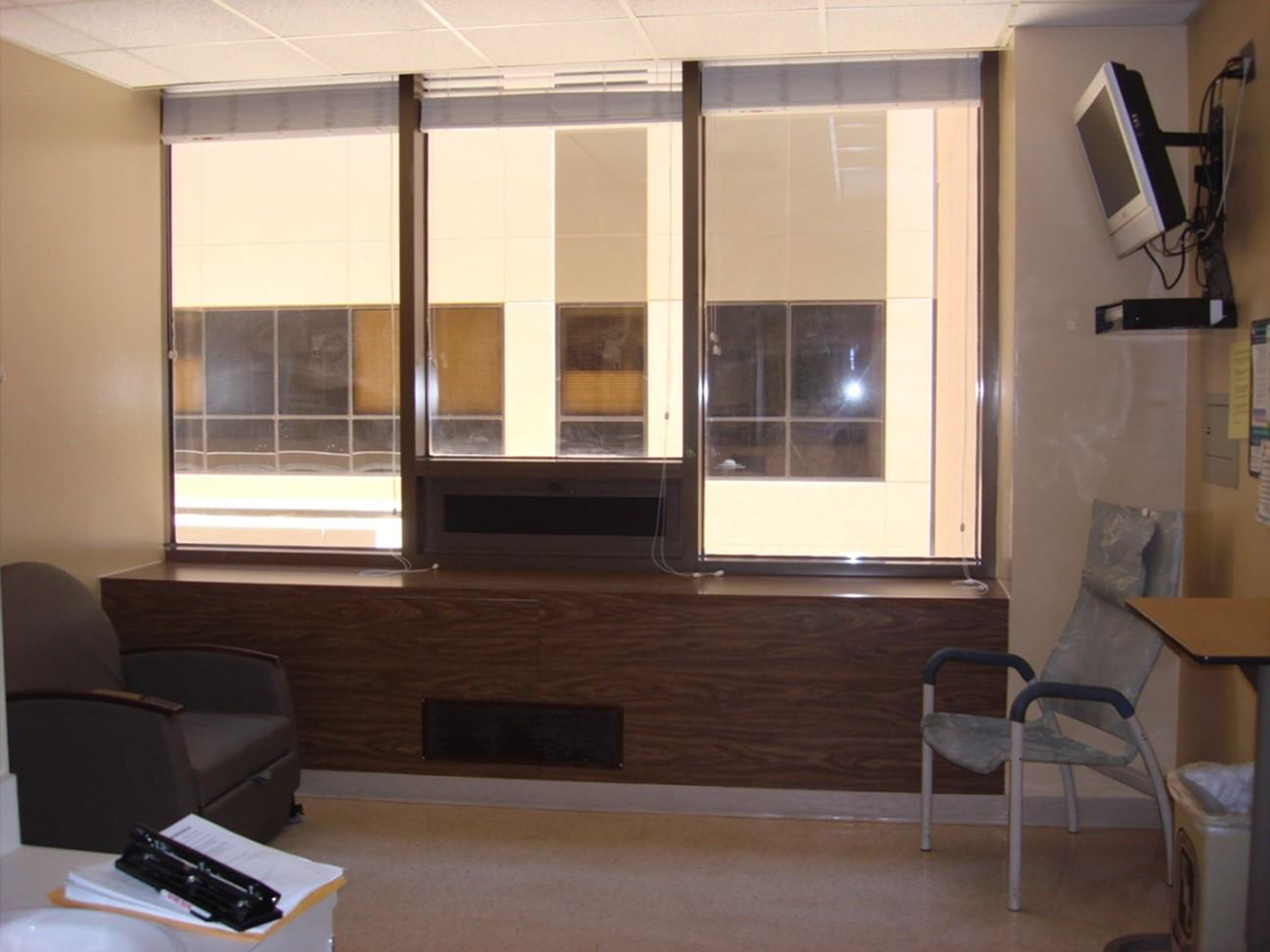
View from a typical control room.

View from a typical aquatic mural room.
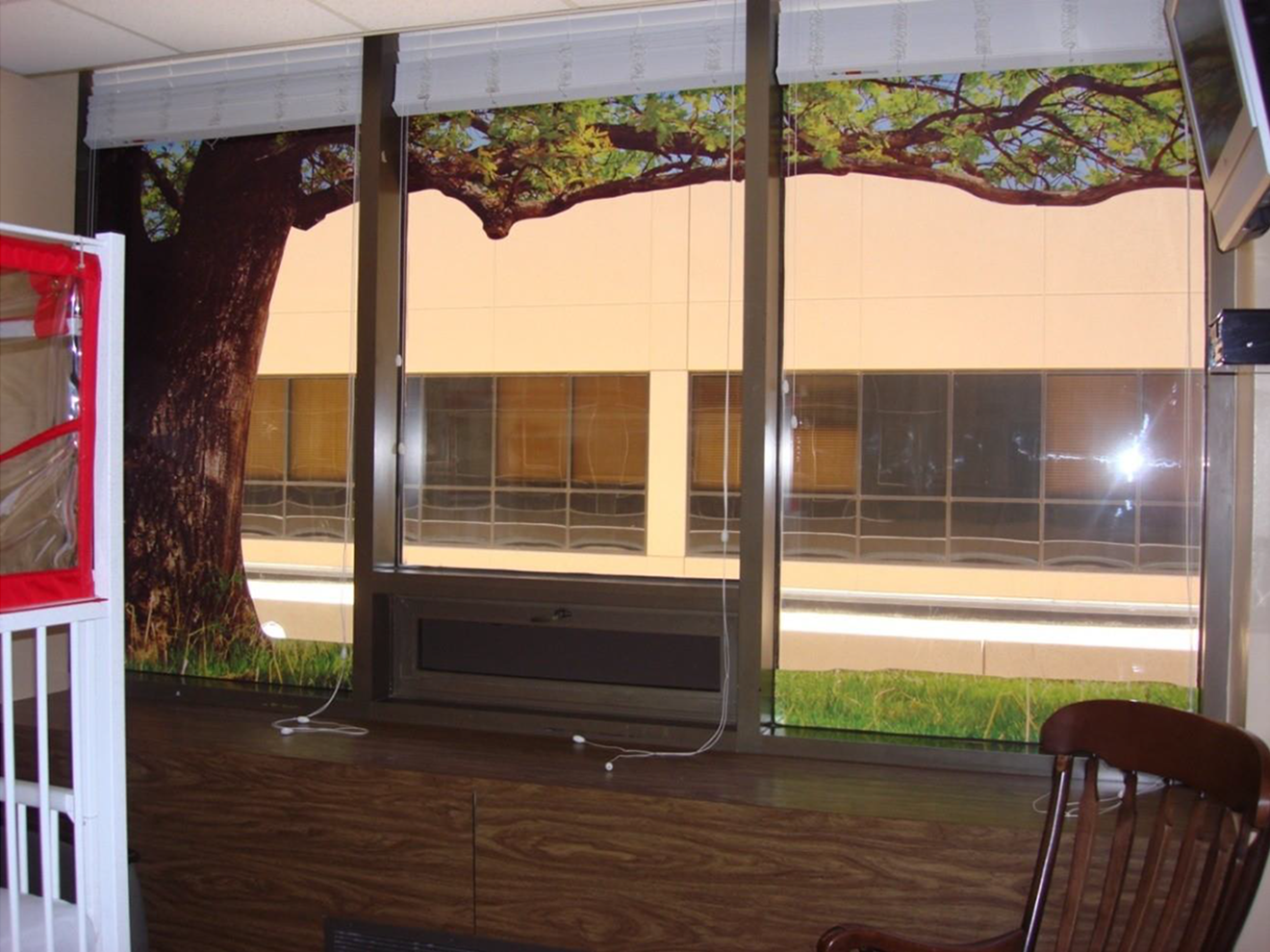
View from a typical tree mural room.
The subject matter for the window murals was selected based on the extensive body of research indicating that human interaction with nature is linked to positive impacts on health-related outcomes. Because this was an exploratory study, the goal was to pick nature themes that have been shown to have a positive influence to evaluate any differences that may occur. The tree window mural was selected based on Ulrich and Gilpin’s (2003) suggestions that landscapes are appropriate art content and may draw the patient’s attention away from the pain they are experiencing and lower blood pressure and heart activity (Ulrich, 1991). The window mural features an open foreground, a tree with a canopy, and green vegetation. The fish window mural was selected based on past research that has found aquarium/ocean designs views (Coad & Coad, 2008; Pati & Nanda, 2011) and other nonthreatening wildlife (Nanda et al., 2009) are appropriate subject matters for art.
The window murals were created on a semipermanent opaque vinyl product that was designed for the dimensions of the windows. While the design of the two window murals was different, the total surface area covered by the mural was comparable, with the tree covering 45.23% of the window and the fish mural covering 51.77% of the window. The design of the window murals still allows for adequate natural daylight and has visual connection to the outdoors via the existing windows.
Independent and Dependent Variables
This study involved two groups of independent variables, all of which were categorical variables. The first independent variables were related to the room types: (1) control room (no window mural) or (2) window mural room. The second type of independent variables related to the subject matter of the murals: (1) control room (no window mural), (2) fish window mural, or (3) tree window mural. Dependent measures for the study and questions were (1) heart rate and (2) systolic blood pressure. Heart rate and blood pressure are considered a noninvasive, cost-effective way to gather information on physiological and psychological factors including stress. As part of this study, biological data (heart rate and blood pressure data) of participants were collected multiple times daily during the hospitalization by the trained nursing staff as a part of the standardized vital sign monitoring process. The vital signs were logged electronically into the hospital’s database.
Sample Size and Inclusion Criteria
This was a retrospective study, where the subject’s data were extracted from archival hospital records. Neither the hospital staff nor the subjects knew about the study. All participant assignments to patient rooms followed the standard nursing protocol. The absence of any previous study on this topic, and hence any previous data, precluded any sample power calculation. Rather, a generally agreed rule of thumb of 30 subjects in each condition was adopted as an acceptable sample size. Since the effect size was unknown and considering the exploratory nature of the study, the research team adopted a lower level of confidence (p < .1) as the threshold for statistical significance. Participants qualified if they met the following inclusion criteria: must have (1) stayed in one of the nine preselected patient rooms, (2) occupied the room for a minimum of 48 hr, and (3) been between the ages of 2 and 18 years during the time of hospitalization.
Procedure
The institutional review board of the hospital approved the study protocol. Nine identical rooms were selected, and the window murals were installed in six of the patient rooms with three rooms serving as the control. The window murals were installed by a local company and stayed in the patient rooms for 2 years. After 2 years, the researchers went to the children’s hospital medical record book (MRB) that contained a sequential list of all patients admitted and discharged from the children’s hospital, room number, name, age, medical record number, date and time of admission, date and time of discharge, attending doctor, and reason for admission. The researcher reviewed the MRB beginning on a selected start date and worked backward in time. From the MRB, the medical record numbers were recorded for the first 10 patients from each room who met the inclusion criteria (listed above). Because there were 9 rooms and 10 patients needed per room, a total of 90 medical record numbers were recorded.
Using the recorded medical record numbers, the following nonidentifiable medical record data were located and recorded for the 90 participants: (1) room number, (2) diagnosis, (3) age, (4) gender, (5) race, (6) length of stay, (7) systolic and diastolic blood pressure, (8) heart rate, (9) temperature, and (10) amount and type of pain medication received the first 3 days. While this study aimed to explore the relationship of installed window murals to physiological changes as it relates to blood pressure and heart rate, additional information was gathered for the purposes of future research.
Study population
The minimum age for participants was defined as 2 years old using Piaget’s 4 levels of cognitive development. According to Piaget (1936), children who are in the preoperational stage (2 years old and beyond) can think about objects symbolically (Piaget, 1952) and therefore able to see the window mural and understand what they were viewing. All pediatric patients ranging in age from 2 to 18 years during the time of hospitalization were considered qualified subjects. In addition, patients must have been placed in one of the nine preselected rooms and must have been admitted for a minimum of 48 hr.
The medical data of the 90 participants were obtained from the medical records. Table 1 shows key attributes of the participants. Overall, the race and ages of the participants were similar. The researchers preformed statistical tests using the Statistical Package for Social Sciences (SPSS) for Windows, Version 20. Data analysis was designed to address and answer the identified research questions. A significance level of p = .1 was used for this research.
Demographic Information by Room Type.

Findings
Impact of Mural Presence on Physiological Markers
The first research question was “What magnitude of physiological impacts do the presence of window murals demonstrate (as measured by heart rate and systolic blood pressure) on pediatric patients, over time?” Because this study did not involve an investigator-manipulated randomized assignment of patients to the conditions, it is important to note that the focus was on identifying physiological changes within each group over time, rather than comparison between the groups. It was not expected that the three groups would have the same baseline numbers. It is also important to note that at the time of admission, the pediatric patients had not yet had time to experience the intervention (the window murals), and hence blood pressure and heart rate at the time of admission were not the outcome of interest. To answer the research question, a series of one-way repeated measures analysis of variances (ANOVAs) were conducted.
Heart rate
A one-way repeated measures ANOVA was conducted to evaluate the relationship between change in heart rate and the presence of window murals. The dependent variable was the change in heart rate after admission, and the fixed factor was the room type (the window murals or the control rooms). The results for the ANOVA indicated that the relationship between the presence of the window murals and change in heart rate was significant, F(1, 88) = 5.11, p = .03 on Day 2 (24–48 hr). The strength of the relationship between the presence of window murals and decrease in heart rate, as assessed by η2, was .06 and considered a medium effect size (Gravetter & Wallnau, 2008). Table 2 shows means and average change by room type at each of the time intervals. Figure 4 graphically shows the change in heart rate on Day 2 by room type, where significant differences were found.
Descriptive Statistics for Heart Rate Between Room Type.
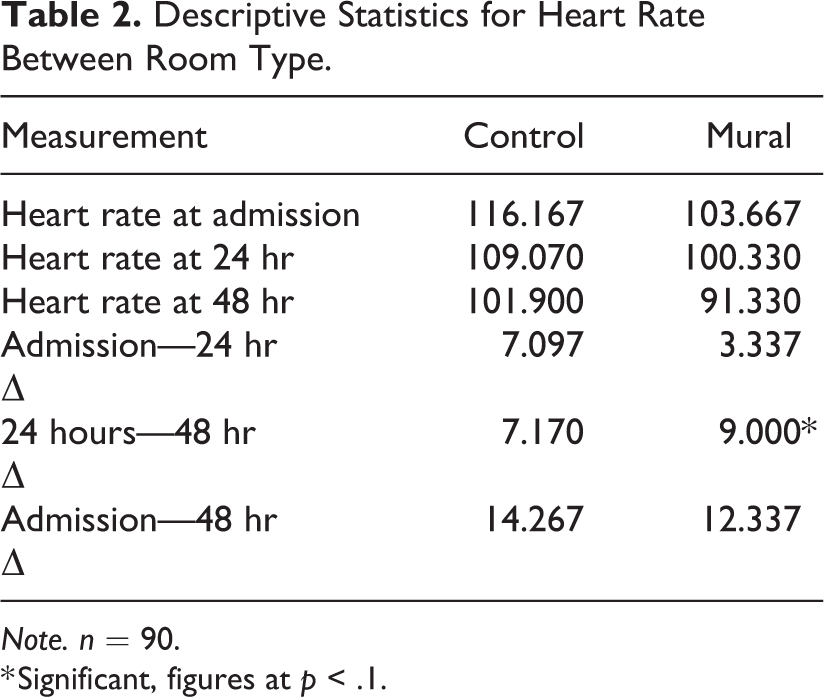
Note. n = 90.
* Significant, figures at p < .1.
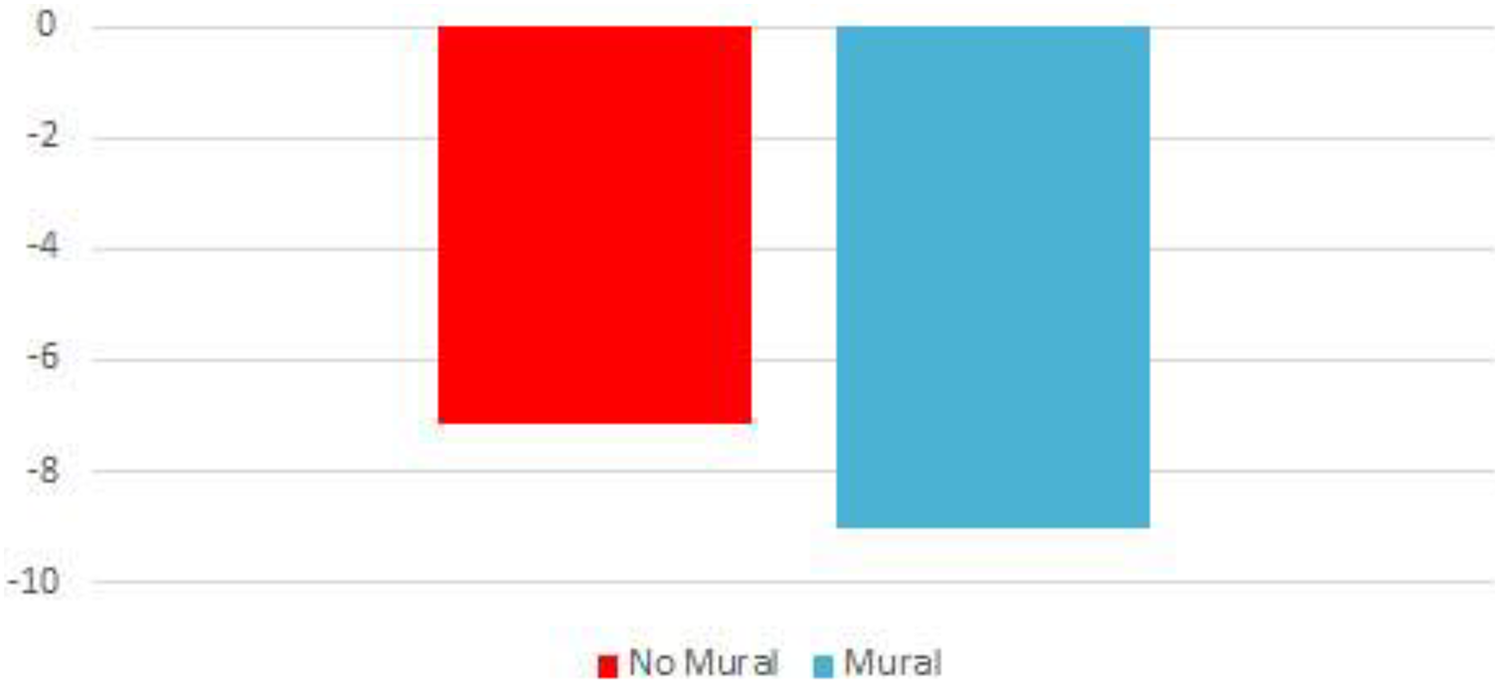
Day 2—Average difference in heart rate by room type.
Systolic blood pressure
A one-way repeated measures ANOVA was conducted to evaluate the relationship between change in systolic blood pressure and the presence of window murals. The dependent variable was the change in systolic blood pressure after admission, and the fixed factor was the room type (the window murals or the control rooms). The results for the ANOVA indicated that the relationship between the presence of the window murals and the change in systolic blood pressure was not significant, F(1, 88) = .287, p = .60. The strength of the relationship between the presence of window murals and decrease in systolic blood pressure, as assessed by η2, was .003.
Impact of Mural Subject Matter on Physiological Markers
The second research question was “Does the subject matter of the window murals play a role in the physiological outcomes of patients?” To answer the research question, a series of one-way repeated measures ANOVAs were conducted to determine whether the subject matter of the window murals had a physiological effect on pediatric patients as measured by change in the heart rate and systolic blood pressure in comparison to patients in control rooms.
Heart rate
A one-way repeated measures ANOVA was conducted to evaluate the relationship between the change in heart rate and the subject matter of the window murals. The dependent variable was the change in heart rate after admission, and the fixed factor was the window mural type (control, fish, or tree). The results for the ANOVA indicated that the relationship between the subject matter of window murals and the change in heart rate was significant, F(2, 87) = 4.68, p = .01 on Day 2 (24–48 hr). The strength of the relationship between the subject matter of window murals and decrease in heart rate, as assessed by η2, was .10 and considered a medium-to-large effect size. Researchers conducted post hoc tests using Tukey’s HSD to assess which window mural subject matter had the greater effect on change in heart rate. The results of the post hoc tests showed a significant difference in mean change in heart rates between the control group and the tree window mural, p = .01 between Day 1 and Day 2 (24–48 hr). The difference in mean change in heart rates between the control group and the fish window mural was not significant, p = .59. The difference in mean change in heart rates between the tree group and the fish window mural was not significant, p = .11. Table 2 shows means and average change for the heart rate by mural type at each of the time intervals. Figure 5 indicates the estimated marginal means for heart rate by mural type, and Figure 6 graphically shows the average change in heart rate on Day 2 by mural type, where significant findings were found.
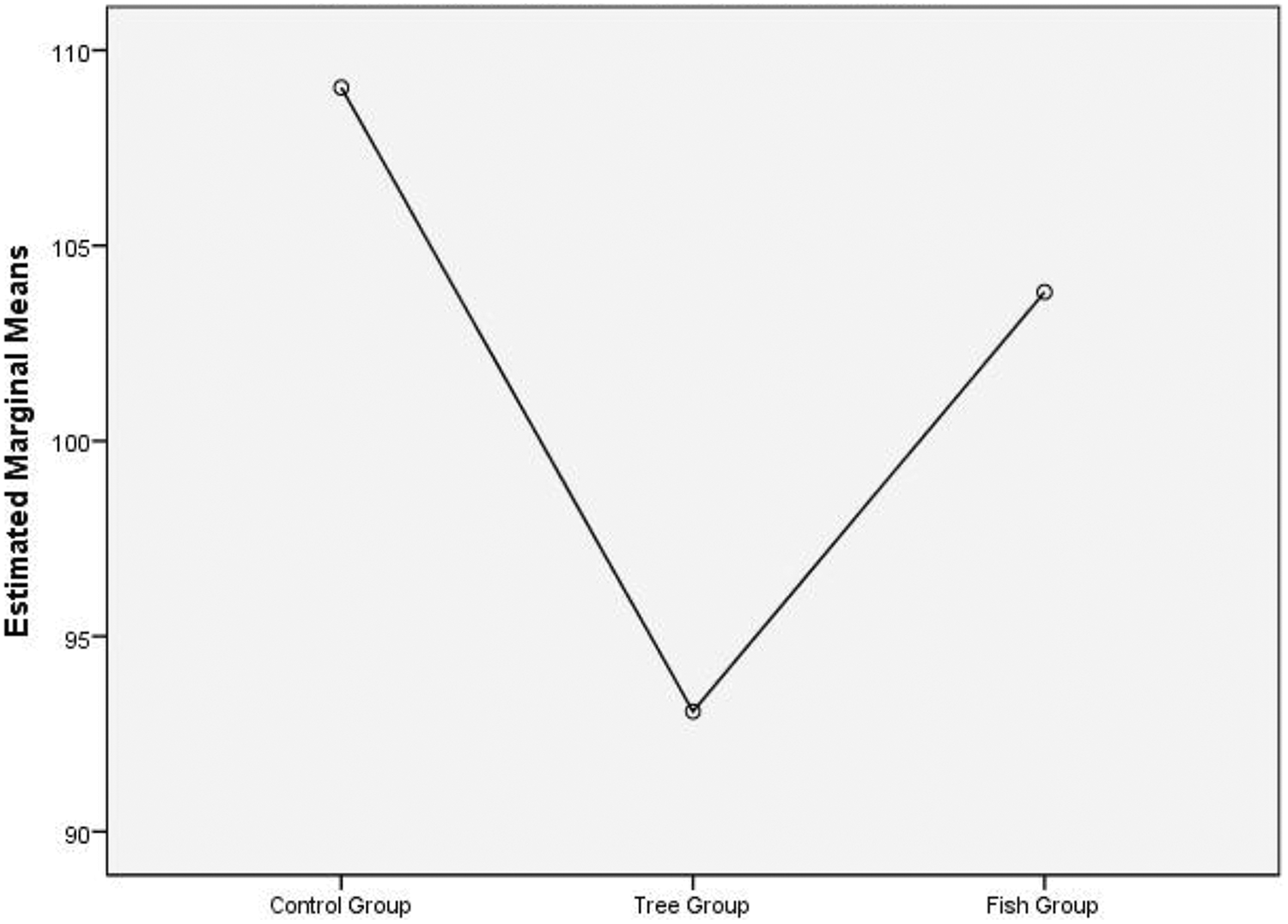
Estimated marginal means of heart rate by condition.
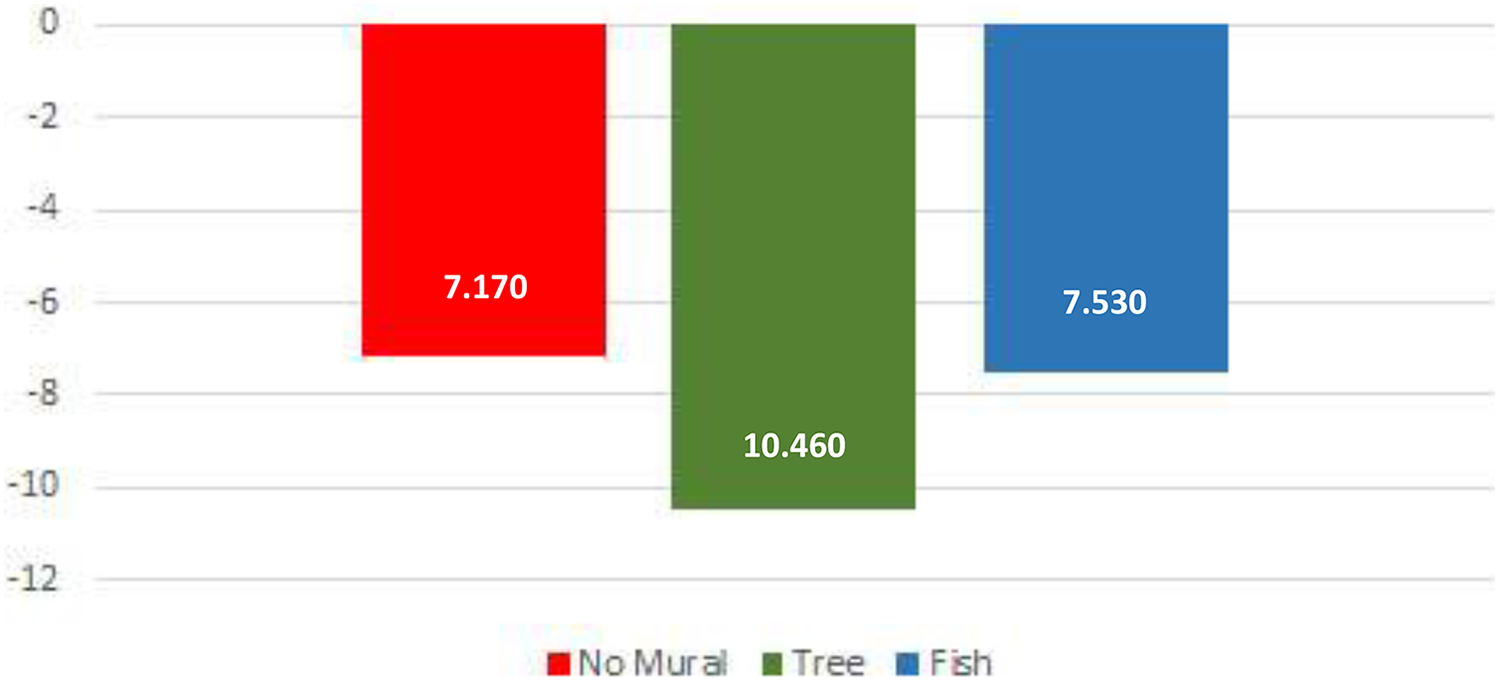
Day 2—average difference in heart rate by mural type.
Systolic blood pressure
A one-way repeated measures ANOVA was conducted to evaluate the relationship between the change in systolic blood pressure and the subject matter of the window murals. The dependent variable was the change in systolic blood pressure after admission, and the fixed factor was the window mural type (control, fish, or tree). The results for the ANOVA indicated that the relationship between the subject matter of window murals and the change in systolic blood pressure was significant, F(2, 87) = 3.17, p = .05. The significance occurred on Day 2 (24–48 hr) between the control group and the tree group. The strength of the relationship between the subject matter of window murals and decrease in systolic blood pressure, as assessed by η2, was .07 and considered a medium effect size. Researchers conducted post hoc tests using Tukey’s HSD to assess which window mural subject matter had the greater effect on change in systolic blood pressure. The results of the post hoc tests showed a significant difference in mean change between the tree and fish window mural rooms, p =.04 on Day 2 (24–48 hr). The difference in means between the control group and the fish group was not significant, p = .21. The difference in means between the fish group and the tree group was not significant, p = .73. Table 3 shows means and average change by mural type at each of the time intervals. Figure 7 indicates the estimated marginal means for systolic blood pressure by mural type, and Figure 8 graphically shows the mean systolic blood pressure Day 2 by mural type where significant findings were found.
Descriptive Statistics for Systolic Blood Pressure by Mural Type.

Note. n = 90.
* Significant, figures at p < .1.
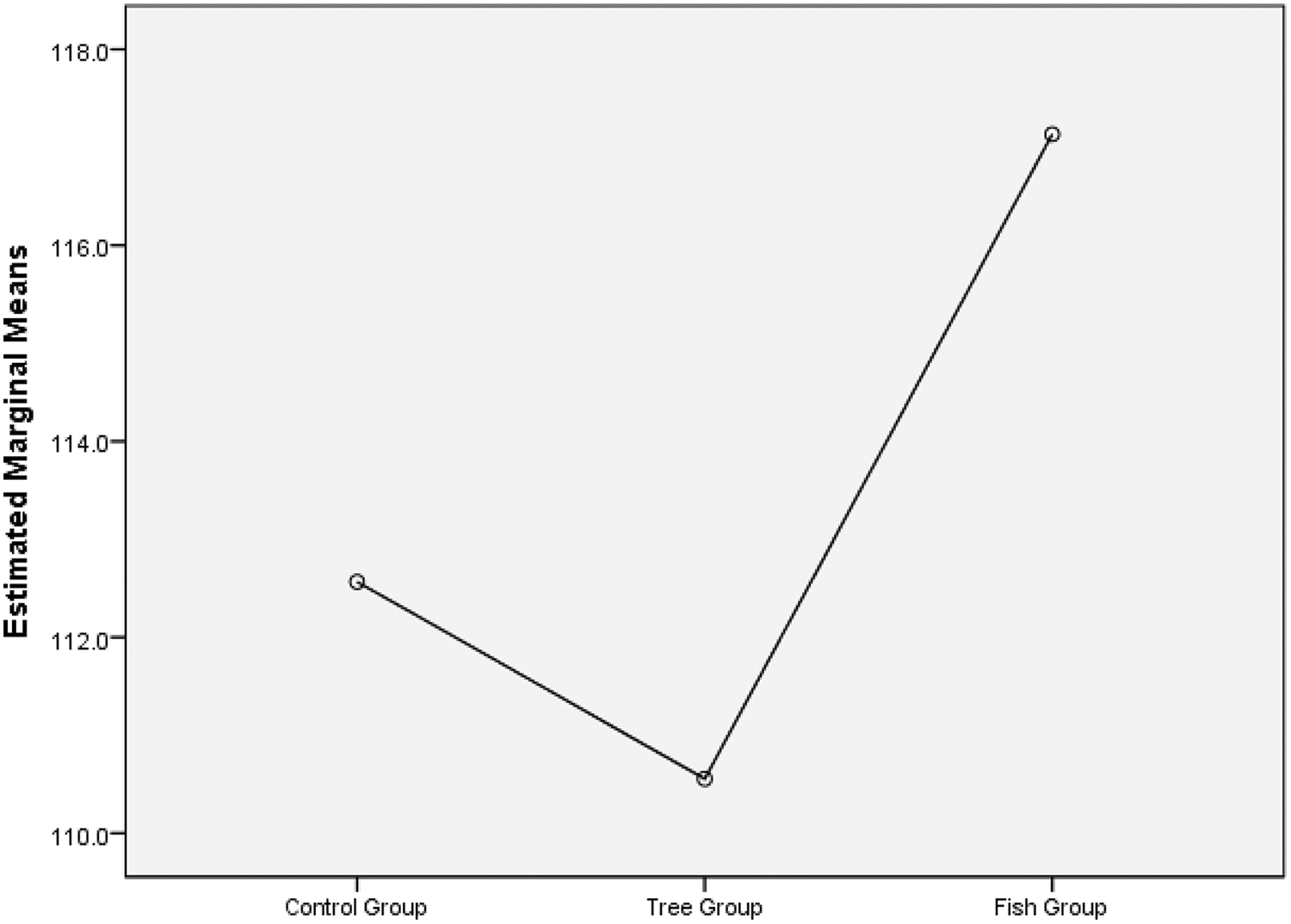
Estimated marginal means of systolic blood pressure by condition.

Day 2—Average difference in systolic blood pressure by mural type.
When evaluating systolic blood pressure, a significant relationship was found between the subject matter of window murals and the mean change in systolic blood pressure. The mean change in systolic blood pressure was significantly greater in the rooms with tree murals than the fish murals on between Day 1 and Day 2. The difference in mean change between the control group and the fish group was not significant, and the difference in mean change between the fish group and the tree group was not significant. On Day 2 (24–48 hr), patients in the tree room had the greatest decrease in mean change of systolic blood pressure.
Discussion
This study was exploratory in nature with a purpose of gaining an understanding of how enhanced window murals featuring nature scenes may impact physiological outcomes. In addition, the study sought to determine whether subject matter of the window murals played a role in any physiological changes. The driving force behind this research was the existing link between improved health benefits and exposure to nature, as well as how windows can be enhanced when they are not inherently filled with nature. Because it is intrinsically human for the eye to be drawn to the window, the view from the window is of high importance. Question 1: What magnitude of physiological impacts do the presence of window murals demonstrate (as measured by heart rate and systolic blood pressure) on pediatric patients, over time?
Findings from this study indicated that there are physiological effects directly correlated with the installation of window murals. When comparing the average change of heart rate in the rooms with window murals to average change of heart rate in the control rooms, patients in rooms with window murals had significantly greater change in heart rate on Day 2 (between 24 and 48 hr after admission). It is important to note that the average change is within individuals in the group (e.g., the mural group), as opposed to comparison among the groups (e.g., mural group vs. control group). Although the overall total change from admission to 48 hr was greater in the control group, the largest individual change was on Day 2 in the mural group (Table 2). Findings, however, did not indicate evidence to suggest that decreases in systolic blood pressure were directly related to the presence of window murals.
Question 2: Does the subject matter of the window murals play a role in the physiological outcomes of patients?
Findings of this study indicated that the subject matter of the window murals does play a role in physiological outcomes of patients. When comparing patients in all three room types (control, fish, and tree groups), the subject matter of window murals was significantly related to decrease in heart rate. In comparison to patients in the control group, patients in the tree group had significant decreases in heart rates over Day 2 (24–48 hr). Patients in the fish group, however, did not have a significant change in heart rate in comparison to the control group or the tree group. On Day 2, patients in the tree room had the greatest decrease in heart rate, in comparison to the other groups. Although the overall total change from admission to 48 hr was again greater in the control group, the largest individual change was on Day 2 in the tree group (Table 4).
Descriptive Statistics for Heart Rate Between Mural Types.
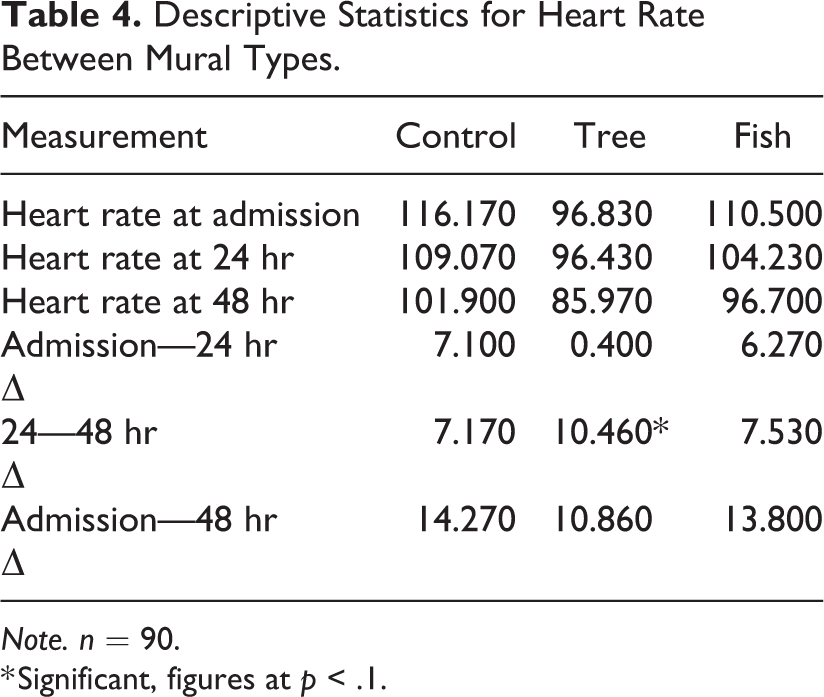
Note. n = 90.
* Significant, figures at p < .1.
When evaluating systolic blood pressure, a significant relationship was found between the subject matter of window murals and the decrease in systolic blood pressure. The mean change in systolic blood pressure was significantly greater in the rooms with tree murals than the control group on Day 2 (24–48 hr). The difference in means of change between the control group and the fish group was not significant, and the difference in means of change between the fish group and the tree group was not significant. In this group, patients in the tree room on Day 2 (24–48 hr) had the greatest decrease in systolic blood pressure.
The findings indicate that the installation of window murals may mimic the effects of actual nature scenes. Additionally, the installation of window murals may improve physiological markers, as measured by heart rate and systolic blood pressure. Two noteworthy findings warrant elaboration. First, significant differences were found only during the 24 to 48-hr time period (Day 2), rather than on the day of admission. Such daywise analysis has not been reported in earlier studies, and none in the context of pediatric patients who can be viewed as meaningfully different from adult patients. The authors hypothesize that admission into a hospital is perhaps more traumatic, disorienting, and stressful for pediatric patients than adults. As a result, children in inpatient settings may take some time to adjust to their new environment. It may take several hours for them to begin noticing physical environment features inside their room and therefore the measurement taken at the time of admission may not be a reliable measurement. This may explain why the physiological differences are all noticeable on Day 2 and not on the day of admission. Future studies should explore this hypothesis.
Second, the tree window mural performed better than the fish window mural. While both tree and underwater scenes have been shown to positively impact health outcomes in published studies, data from this study show that tree window murals may provide a better return on investment in comparison to underwater scenes in the case of inpatient pediatric patients. The fish mural may not have been as successful because of the surreal scale and placement. This research suggests surreal or unrealistic images are not as effective (Hathorn & Nanda, 2008).
Limitations of the Study
This study presents a line of inquiry that has not been entirely explored in the field of environmental design. Numerous studies have explored the role of wall murals (Heerwagen, 1990) and ceiling art (Pati et al., 2015), but none have looked at window murals as an intervention. Through this study, new information was gained; however, limitations are present. The findings of this study should be viewed with consideration of the following.
The study evaluated patients at only one children’s hospital. Generalizations for this study could not be applied for individuals in other areas based on the sample used to collect data. In addition, the reason for admission was recorded, and the population had an especially wide range in diagnosis and acuity level. This information was gathered but difficult to categorize due to the broad range. Reason for diagnosis and acuity level may have played a role in the outcomes and should be considered in the future. In other, larger children’s hospitals across the United States, there are often more specialized wings or floors within a single hospital.
Based on the literature review, it was determined that most children prefer representational nature images. Because of this, a fish scene and a tree scene were selected for the subject matter of the window murals. Because the subject matter of the window murals was so limited, generalizations for other subject matter cannot be made based on the findings of this study. Further research needs to be conducted to determine what subject matter is most appropriate in a case-by-case situation. The design of the window murals may have presented some limitations. In other studies, art has been mounted on the wall in front of the patient or on the ceiling above the patient bed. Because the window murals were installed behind the blinds, there was no way to ensure that patients experienced the presence of the window murals and did not close the blinds. Secondly, the surface area of the fish mural was larger and more centered in comparison to the tree mural. The scale of the window mural could have been frightening to some patients, blocked more of the view, or affected the amount or quality of light.
The design of the natural experiment may have presented some limitations. The design resulted in a comparison of 30 medical records from patients in the control room to the 60 medical records from patients in the window mural rooms to answer Question 1. Secondly, all patients between the ages of 2 and 18 years old were included. As determined by Piaget’s cognitive development theory (1952), children reach major developmental milestones at approximate ages. However, it is unclear whether a pediatric patient who is, for example, 2 years old would truly understand or be impacted by the window murals. Finally, the measurements were taken at three different times, but it may have been more effective to take these measurements more frequently.
Future Research
This study builds on the existing idea of views of nature but explores window views. A greater number of participants could provide a more comprehensive understanding of window murals and physiological outcomes. Additional subject matter could be tested to understand which are most and least effective. The researchers would like to explore transparency and layout of the murals. In the future, the reason for admission and acuity level could be a variable, as these often impact physiological markers. As noted, this study used a p = .1. Building on the findings, future studies will use a p value of .05.
The findings of this study could be applied to other populations including nurses, family members, or specific reasons for admission. Additional settings could be explored including classrooms, office settings, or other medical facilities. This study provided information about how the view from a window in a patient room can be enhanced to improve physiological outcomes. Key benefits of the window murals include the ease of installation, affordability of the product, and easy customization of subject matter. The main benefactors of this study are pediatric patients, but the benefits could be as far reaching as family of the patients, hospital administrators, doctors, nurses, hospital staff, and designers.
Implications for Practice
Pediatric patients, particularly the bedridden, spend most of their time in the patient room. It is here that access to nature views as a positive distraction should be prioritized. Enhanced window views, through the use of window murals, in pediatric patient rooms may be utilized to replicate the outcomes of actual nature views. Nature-themed window murals may be linked to a reduction in heart rate and blood pressure. Most hospitals are in urban areas where patient rooms may or may not have window views overlooking green spaces. In situations where nature-filled window views do not occur, nature-themed window murals may be utilized to replicate many of the same benefits as actual nature views. The window murals are semipermanent, easy to install, and have the ability to be customized for a variety of populations. The tree window mural performed better than the fish window mural. While both tree and underwater murals positively impacted health outcomes, the findings indicate that tree window murals may provide a better return on investment.
Footnotes
Declaration of Conflicting Interests
The authors declared no potential conflicts of interest with respect to the research, authorship, and/or publication of this article.
Funding
The authors disclosed receipt of the following financial support for the research, authorship, and/or publication of this article: Texas Tech University was a financial contributor for this article.