



Abstract

In my “day job,” I travel across the United States talking to clients about becoming the hospital of the future. We discuss cutting-edge technology, patient experience, digital transformation, and robust infrastructure. We do market scans of the leading hospitals in the country and the innovative ways they are leading and transforming care to the customers they serve. It is an exciting time to be part of the design and construction community to be advancing these healthcare delivery environments.
During this past year, I have had the opportunity to travel to several countries and healthcare settings across the globe (Scotland, France, Singapore, Australia, Indonesia, Israel, Northern Ireland, and Honduras). It has been such an eye-opening experience to compare health and healthcare delivery from a global perspective. I would like to share some observations and reflection as I look with a broad lens at health and wellness across the world.
A Global Healthcare Perspective
Health Versus Healthcare
As we know, here in the United States, we have many privileges and advantages within our healthcare system. I admit our U.S. Healthcare System is broken, but the research, care specialty options, and accessibility are unmatched. I visited countries that have a stable economy and healthcare delivery models, while others had minimal resources and infrastructure to care for the health of their populations. Comparing these different geographical locations, their history, and culture gave me a unique perspective on how I view health versus healthcare. Many of the countries had universal healthcare systems that provides some level of healthcare to all residents. Honduras was the one location that had limited healthcare, specifically in rural areas. The other countries had healthcare delivery infrastructure accessible and affordable to much of their population. What I did not anticipate was how the political and economic factors internally in each country plays such a key role in the wellness and health of the people. As I reflect across the diverse cultures, political climate, and economic stability, I realize how health and well-being are impacted by so many factors of our environment.

Peace, Safety, and Security
In Israel and Northern Ireland, the results of civil unrest and war have created much emotional fatigue and trauma. While in Israel, after visiting some of the war-torn areas, I felt a bit low and depressed. I mentioned that aloud to the guide and he was quick to say, “You live in America and have not had to deal with constant threats of war and assaults. This is a way of life for us.” I immediately had empathy for the role that safety and peace has in building environments for health and well-being.
I was able to attend the 25th Anniversary of the Easter Peace Agreement Conference that brought peace to Northern Ireland. The theme of the conference highlighted the road to peace that required listening, compromise, and community. Many shared how their lives have been changed and restored since that day.
I had never considered peace as a precursor for creating well-being and healthy environments. This gives me such a new perspective on a basic component of health. Safety and security are important aspects of one’s environment. Unfortunately, this is often out of the control of those living in these environments but striving for peace can be upheld as a component of well-being.
International Healthcare Workforce Shortage
The healthcare workforce shortage is a global crisis. Because of the pandemic and education limitations, the supply and demand for healthcare professionals is at a deficit worldwide. Specifically, Indonesia and Australia are looking for new educational models for training and educating nurses. Partnerships with European- and U.S.-based universities are sought after to augment and increase their capacity for education. Some countries outsource their nurses through international nurse migration. This practice involves the recruitment and employment of nurses from one country to another. Nurse migration can raise ethical issues related to decreasing the source from one country and exploiting to another country. This leaves the vulnerable health systems short of their asset, qualified nurses.
In 2019, the International Council of Nurses (ICN) made a call for governments to monitor and publish data on nurse migration and adhere to World Health Organization standards for ethical international recruitment. Imbalances between rich and poor countries have taken advantage of the nursing profession and led to an imbalance and shortage of nurses in countries that need them the most. Many Southeast Asian countries supply other countries with nurses and therefore diminish their internal nurse workforce. These countries often view nurses as a commodity and higher income countries take advantage and rely on these countries for their shortage. This is widespread practice and elevates the need for nurses and nursing education.
Healthcare for All
The Universal Healthcare System is the primary healthcare delivery model for most countries I visited. While this system can be widely debated, universal healthcare ensures that all individuals within a society have access to essential healthcare services regardless of income, employment, or preexisting conditions. This promotes an equality and equity by providing the same level of access to all citizens. I have often heard the term “healthcare as a human right.” I understand this more clearly as this is the healthcare delivery model of most of the world. While all universal healthcare systems are not equal, there is a “leveling” of the access and availability to all citizens.
Hierarchy of Needs—Priorities for Health and Well-Being
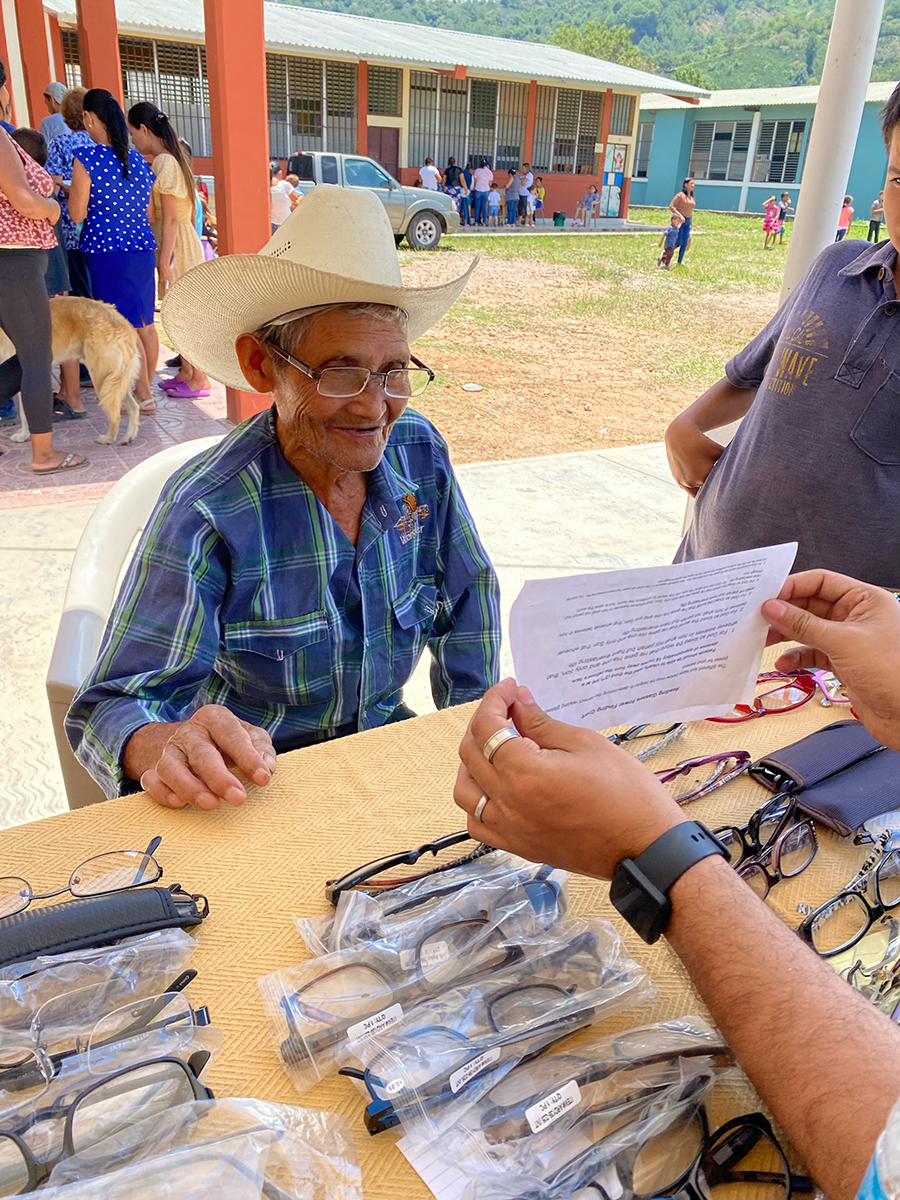
Honduras was the most underdeveloped country I visited. This trip happened to be a Medical Mission Trip to serve the under resourced with medical and dental care. This first thing I noticed in Honduras was the lack of infrastructure that afforded clean water, good roads, and reliable utilities. Our medical team held clinics in five rural areas in the mountains where access to healthcare was hours away. Interestingly, many of the patients opted for dental extractions rather than healthcare screening. Having immediate relief from a painful tooth ache was more important than blood pressure or other healthcare assessments. Our clinics had dentists, medical staff (doctors and nurses), a pharmacy, and an eye clinic.
Several of my favorite moments from the health clinics include the following: A 90-year-old gentleman came to the eye clinic complaining of poor vision. He had never been fit with a pair of glasses. He tried on several pair and then looked up with the biggest grin on his face. He could see clearly for the first time in many years. That was a thrill. Several children came to the clinic with shoes that were worn through with holes. One of the pharmacy students felt compelled to take those children to a nearby store to buy them each a new pair of shoes.
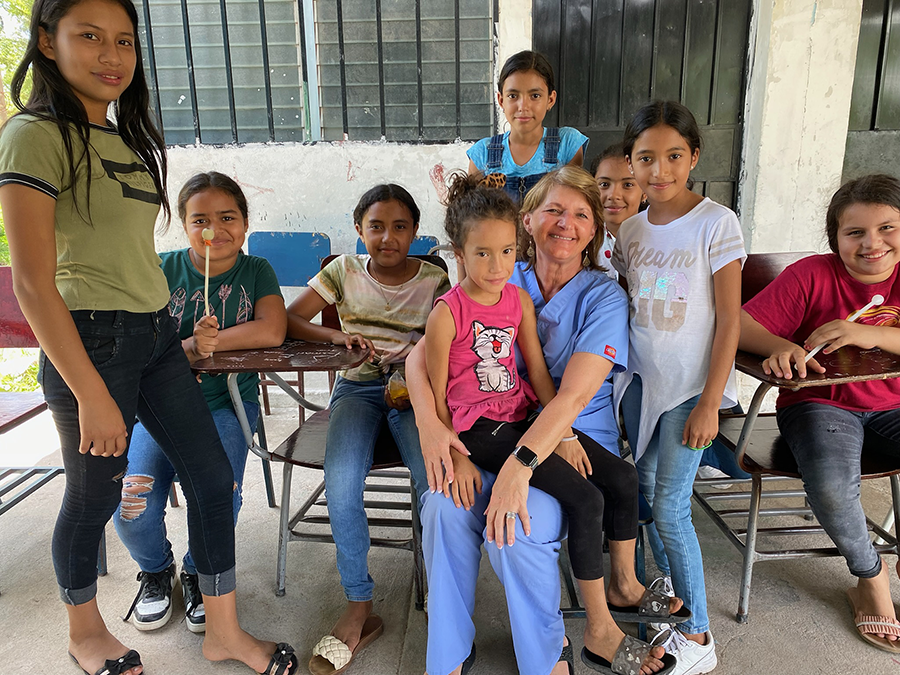
The most basic of needs such as clean water, preventative care (dental and medical), and access to care are the keys to health in Honduras. No fancy technology, specialists, or hospital would improve health there. The people need basic in country infrastructure to create an environment for health and wellness.
Final Thoughts
As I return to work and reflect on my experiences, the vast divide between creating healthcare environments for those with plenty versus those with little creates a moral dilemma. Are those with the best healthcare healthy, emotionally, and physically? What are the key attributes of health and well-being? How does healthcare design contribute to holistic care and the continuum of care? What is our role as healthcare designers in asking the right questions to prioritize health and well-being?
While these are complicated questions, my international experiences gave me insights I will cherish and lessons to impact my design practice. The exposure to other cultures, people groups, political climates, and healthcare delivery systems is a healthcare educational design lesson that I was not expecting. A highlight of my career.
