



Abstract
The study aimed to determine the learners’ receptiveness to the incorporation of social media into the conventional Open and distant learning delivery method. Amidst the COVID-19 pandemic, the researcher has incorporated diverse online educational tools alongside Facebook Live as a crucial element to connect with training teachers. The experiment was carried out in two rounds using an online platform. Every phase consists of a 12-days online program. The inaugural workshop was concluded in November 2020, and the subsequent session was arranged in January 2021. A total of 13,200 learners have received training, and feedback was obtained from them after the workshops through the use of Google Forms. A total of ten thousand three hundred learners, which is the sum of 6073 and 4227, have submitted their feedback. After examining the feedback on several aspects, the researcher has determined that online teaching and learning have become the prevailing standard, and teacher trainees have embraced it with a good attitude. There is a growing need for online counselling and workshops, as well as increased opportunities for engagement with teachers. Conferencing platforms such as Google MEET and ZOOM can be seamlessly integrated with streaming services like Facebook Live to efficiently meet the requirements of a wide range of learners. Online technologies for teacher training programs are widely accepted. Online teaching-learning should be a fundamental element in all teacher training programs. Indira Gandhi National Open University (IGNOU’s) experiences indicate that practical components like as internships, school-based activities, and workshops can be effectively conducted online. The academic counselling components of traditional Open and Distance Learning (ODL) programs should also be implemented via online methods.
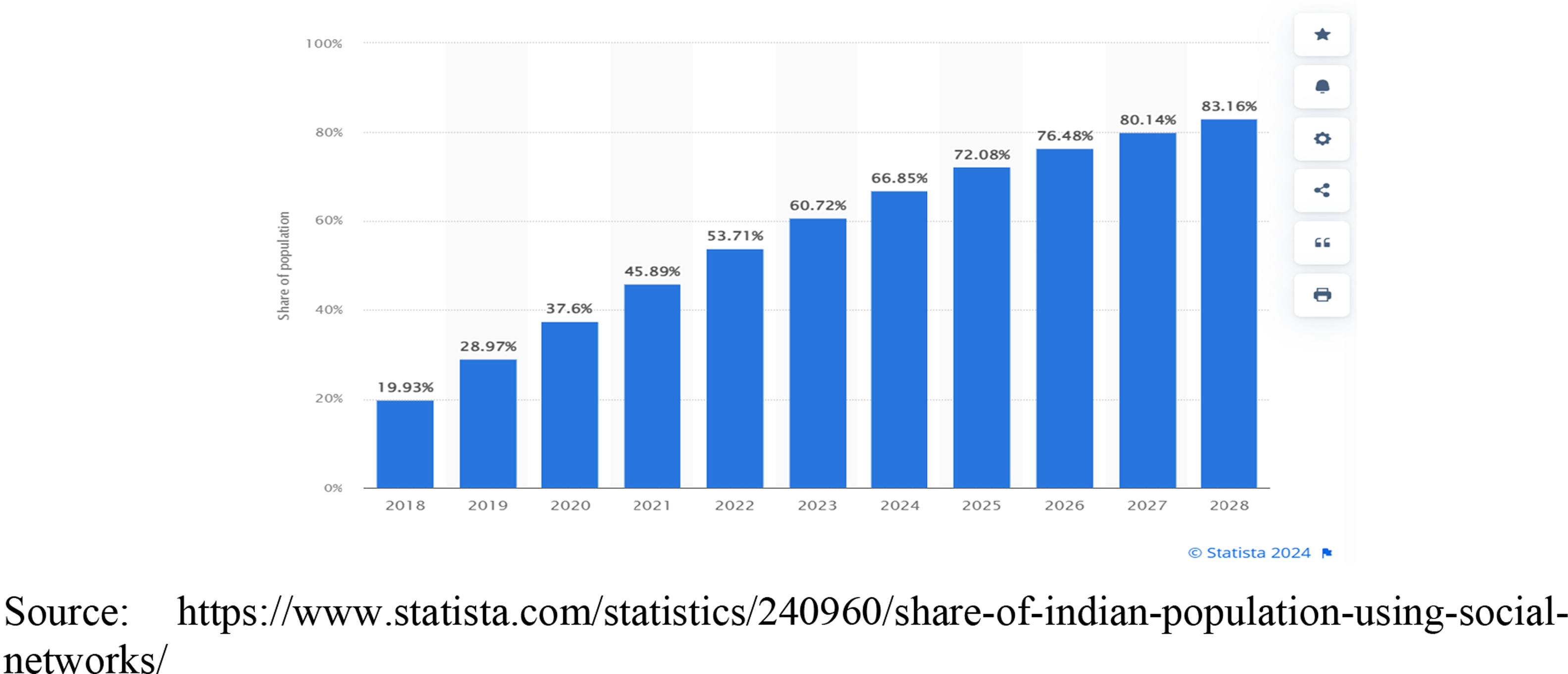
Social media is one of the key technologies which has reached every corner of the world. Everyone is using social media tools for interaction, sharing and connections. “As an educational tool, social media enriches the learning experience by allowing students and teachers to connect and interact in new, exciting ways (Lederer, 2012: 2).” According to around 4.2 billion people are using social media tools worldwide till 2023. The most popular social media tools are Facebook, YouTube and WhatsApp, according to the same report. Around 376.1 million users are using social media in India, and nearly 80% are using Facebook. The usage is growing at a rapid pace and as per the estimation of nearly 83.16% of the Indian population will be using social media by 2028.
Vassileva (2008) found that integrating Web 2.0 technological platforms such as Facebook into a learning process increases learning effectiveness, enhances the interaction between students and teachers, and enhances student skills (Ouf et al., 2010). The increased access to social media, especially among youths, has given an edge to educational institutions, which can plan to use it for educational purposes. Pappas (2015) reported that “FB is an increasingly popular social networking site initially not created as an educational tool. By making eLearning groups, sharing content and participating in online discussions, online e-learning professionals are using it as a proven effective strategy.” He further identified its strengths like its accessibility to everyone, an ideal platform for social learning, its capacity to enhance learners’ engagement and its affordability. Dhyab and Varol (2018) found Facebook an effective tool in solving the problems faced by practical education students during practical education.
The situation that emerged due to the COVID-19 pandemic has forced educational institutions to rework their plans, design new delivery modes, and reach their learners using technology not to get affected.
Background of the study
The pioneer institution in Open and Distance Learning (ODL) in India, Indira Gandhi National Open University (IGNOU), has emerged as the leader in such a difficult situation. Different schools of study and divisions have adopted various technological solutions to cater to their learners’ educational and support needs.
School of Education (SOE) at IGNOU offers one of the most popular teacher training programmes, that is, Bachelor of Education (B.Ed.), to untrained in-service teachers across the country. The programme is also being offered to government school untrained teachers of Jammu and Kashmir. The government of Jammu and Kashmir has signed a special memorandum with IGNOU to offer a Bachelor of Education programme in project mode. The programme has been on offer since January 2018 in traditional ODL mode with a supportive role of technology to nearly 20,000 teachers. In the past also, when there were difficulties in reaching learners physically, IGNOU has facilitated these learners through Gyan Darshan (A National Educational Television channel of IGNOU), IGNOU e-content Mobile App and E-Gyankosh (IGNOU’s e-content repository). As a result, most of these learners (nearly 13,000) have already completed their programme. Still, around 7000+ learners, whose some components, were pending when the nationwide lockdown was enforced in the country on 21 March, 2020. Along with it, nearly 5000 learners of two batches (i.e., 2019 and 2020) have not completed their first-year components as their theory examinations were postponed due to the pandemic, and practical/training was on hold due to the closure of schools.
Need for an alternative intervention
The same situation continues, and educational institutions are not open in many places. There are many preventive measures in force. A panic was developing among learners whose programme was not completed as almost 3 years for a minimum 2-year duration programme.
There were demands like wave-off the practical components, giving average grades based on performance in the first year, etc., but these options were not considered in a professional programme. In April 2020, the apex statutory body for teacher education in India, that is, the National Council for Teacher Education (NCTE), issued an advisory to educational institutions offering teacher training programmes to rework the modalities for practical components and facilitate learners online/blended mode.
School of Education, IGNOU has prepared an alternative plan to conduct the practical components of the programme in mode including Enhancing Professional Competencies (EPC) courses, Internship (20 weeks duration at internship schools) and Workshops (12 days each for the first year and second year in face-to-face mode at study centres) and consulted with the other faculty members of SOE as well as with all stakeholders including regional centre functionaries, State government representatives, study centre in-charges and learners. As a result, IGNOU decided to conduct online workshops by blending the synchronous and asynchronous modes quickly (Kobylinski, 2018). As learners of the second-year batch were left with only the workshop component incomplete, the second-year workshop was planned in the first phase, and the first-year workshop was scheduled in the second phase (Shankar et al., 2021; Shiva Shankar et al., 2022).
The design
With the approval from the competent authority, a 12-days workshop for B.Ed. Second-year learners of Jammu and Kashmir and other regular study centres of IGNOU across the country (nearly 8000+) were organized. Four ICT tools, that is, Facebook (for live sessions), YouTube (for pre-recorded videos), Conferencing tools like Google MEET and ZOOM for small group interactions, activities and presentations and WhatsApp to communicate with the study centres were used. Chose Facebook to live as a tool because Facebook, as a learning tool, can be integrated into the student’s daily lives and allow students to access resources that meet their needs (Wu, 2016). Facebook Live helps in connecting the resources and experts quickly and easily (Gray, 2016). The studies have suggested that Facebook helped improve learning achievements and expand students” perspectives (Selwyn, 2009).
Implementation of the online workshops
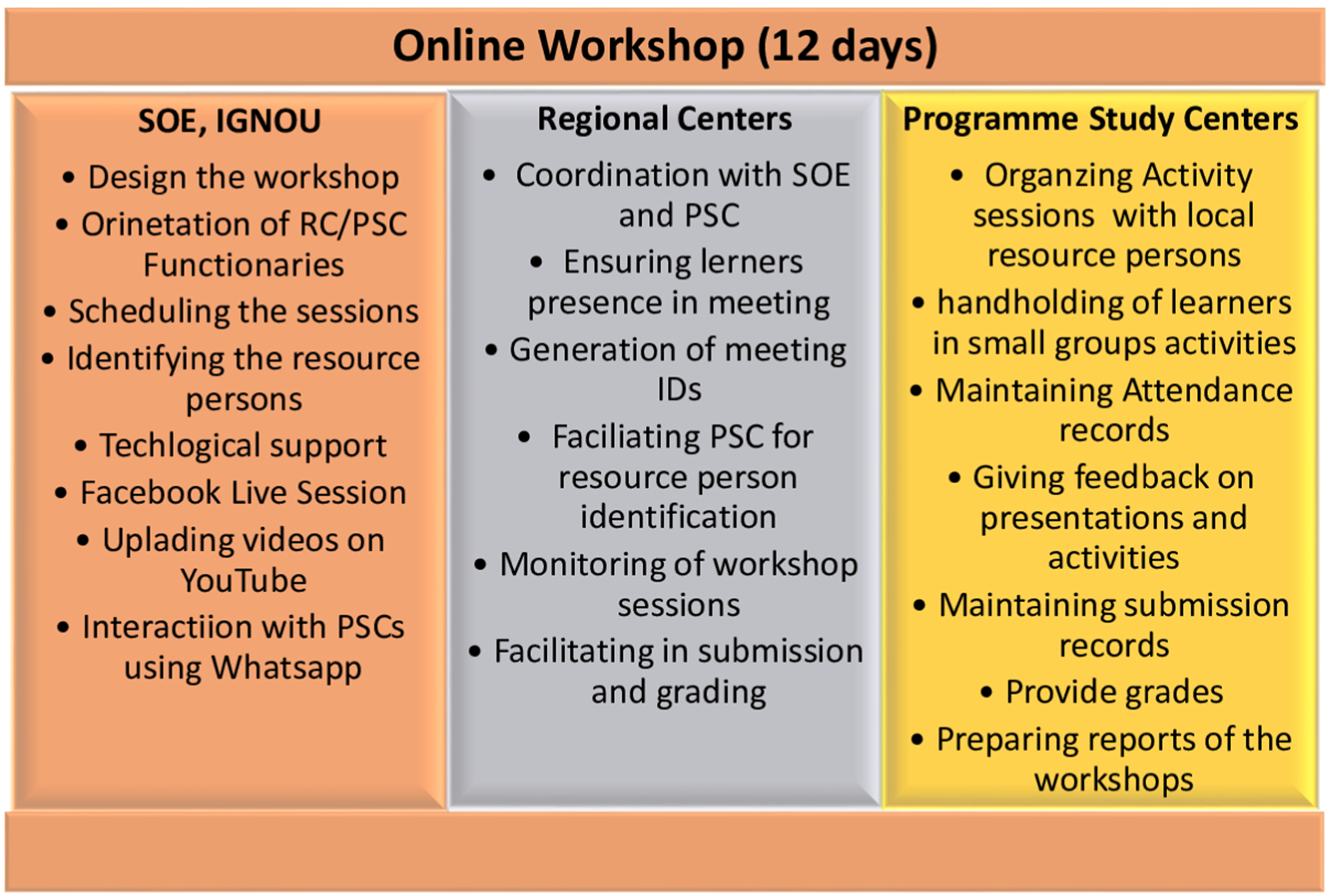
The workshops were organized in two phases. For second-year learners, the workshop was organized in November 2020, and for the first year, the workshop was organized in January 2021. The duration of each workshop was 12 days. Daily sessions were organized through Facebook Live every day, whereas afternoon sessions were organized using GMEET or ZOOM as resource availability at the study centres. The reason to chose Facebook Live was its reach and “interactivity, which is one of the positive features of using social media for teaching-learning (Inayati, 2013).” In the morning sessions, faculty members of SOE delivered PPT-based interactive lectures/organized discussions from the central place at IGNOU, which all learners viewed. In afternoon sessions, teacher educators from the study centres organized the sessions in small groups (50 learners in one meet/session) to facilitate the activities (Reddy et al., 2023a, 2023b; Shankar et al., 2022; Shiva Shankar et al., 2022). Learners conducted activities as per instructions and shared their work/output through online presentations. Seventeen (17) sessions in the second-year workshop and twenty-four (24) sessions in the first-year workshops were delivered from the SOE. The summary of the role of SOE, Regional Centres and Study Centres is as follows:
Major challenges
Learners’ acceptance was the most important question as most of them had never experienced the training through online mode. It was a challenge for SOE also to retain learners engaged for all 12 days during the workshop. Bandwidth was a big challenge in areas like Jammu and Kashmir and some other rural areas of India (Pappas, 2015). The medium of communication was also a big challenge in the second year, and most of the learners were from Kashmir, whose preferred language was English. In contrast, nearly 70% of the Hindi medium were comfortable with Hindi in the first year. Keeping all the challenges in mind, the workshops were designed and implemented successfully.
The research question
The major research question for the study was:
Will learners accept the online workshop as a mode of training in teacher education programmes?
As there were questions around the institution and in the mind of critiques regarding the reach, effectiveness, usability and acceptance of this model among the learners, the feedback was an attempt to find out answers to some of these questions from the learners’ perspective.
Population and sample
Being an online workshop, the exact number of learners was not known. However, as per data shared by RCs/PSCs, in the second-year workshop, nearly 8000+ learners have participated, whereas around 5200 learners have participated in the first-year workshop.
Due to the unusual distribution of learners and their first online workshop experience, it was decided that all learners may be asked to provide feedback by filling out the feedback form. However, it was neither mandatory nor linked with their assignment submissions/grades on the workshop activities.
Six thousand seventy-three (6073) learners from the second-year batch and four thousand two hundred twenty-seven (4227) learners from the first year have submitted their feedback. The response rate for the second year is 75.91% and for the first year is 81.29%. The sample size is large, and the response rate is high; therefore, the study can be considered a population survey.
Analysis of the feedback
To collect the feedback from learners, a self-made data collection tool was developed using Google Forms. Six experts of ODL-teacher educators validated the tool to ensure the validity of the items as a form of expert validity. It was shared with the learners through their RCs and PSCs to collect feedback from learners on various components of the online workshops. The tool was developed using Google Forms, and learners were given 03 days to respond to the tool after completing their workshop.
The item-wise analysis of the feedback is as follows:
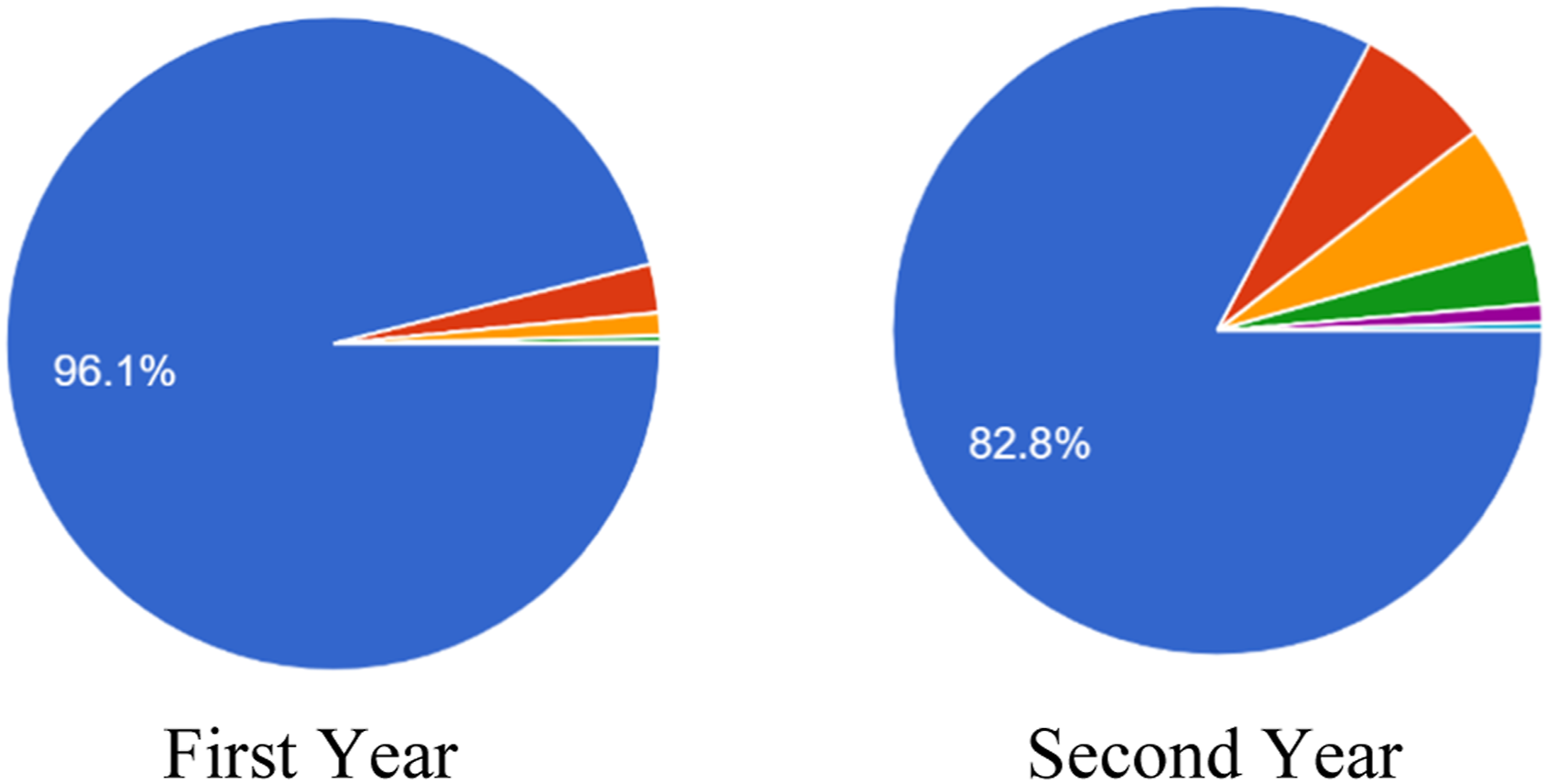
Attending the facebook live sessions
The learners have been asked about the live sessions attended by them during Facebook Live. In the first year, 96.01% of respondents participated in all sessions, and in the second year, 82.8% of respondents attended all the live sessions. Thus, 6.8% have participated in a minimum of 15 sessions out of 17, and 6.1 have attended 10-14 live sessions.
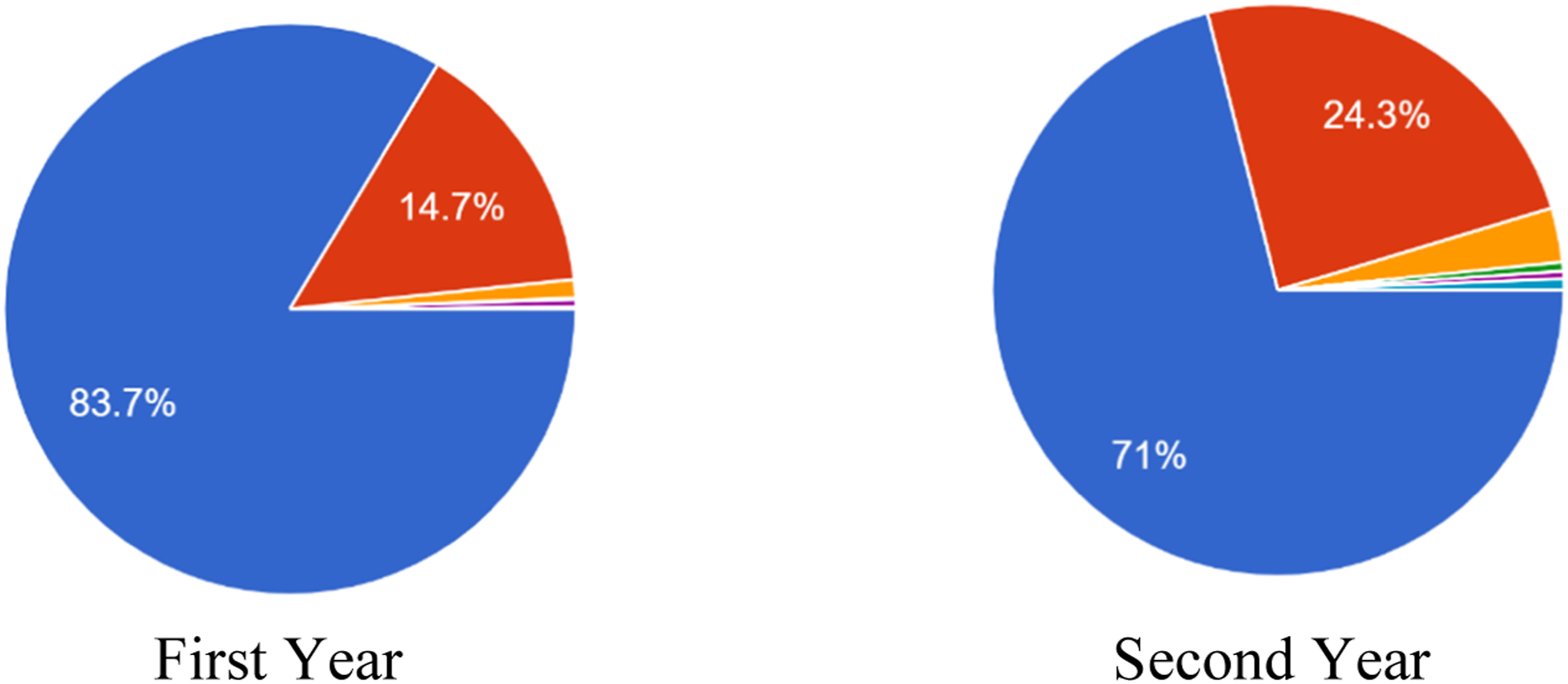
Average time spend by the learners
During online sessions, not only the number of sessions attended matter, but duration also matters. When learners were asked the duration/average time spent by them during Facebook live sessions, 83.7% in the first year and 71% in the second year responded that they had spent 45 to 60 min in each session during Facebook live. The data has also reflected that nearly 14.7% of first-year learners and 24.3% of second-year learners have watched the sessions for 30 to 44 min. This reflects that the sessions were engaging, and learners were attending the sessions continuously.
Watching the archived/recorded sessions asynchronously
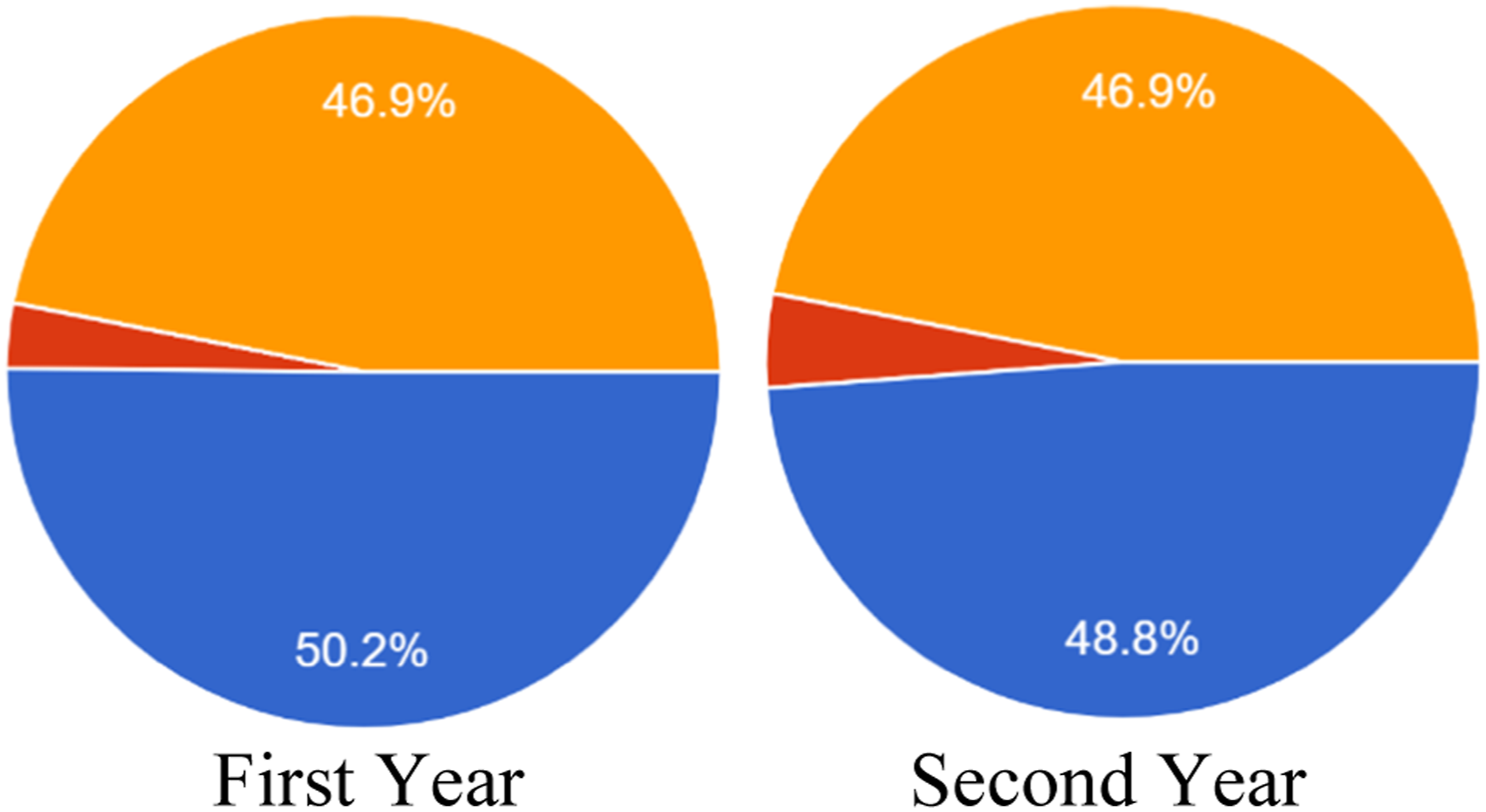
Facebook Live was chosen as a tool for delivery, keeping in mind the bandwidth and non-availability of the internet. Facebook has an auto recording and archival option where a live lecture, once delivered, remains on the page, and anyone can watch it later. When learners were asked about using this option, 50.2% of respondents in the first year and 48.8% of respondents in the second year reported that they always watched the recorded/archived Facebook sessions. In addition, 46.9% in the first year and the same percentage of respondents in the second year have reported that sometimes, they have viewed such sessions in asynchronous mode. This reflects the importance of keeping the recorded video available to learners.
Internet connectivity
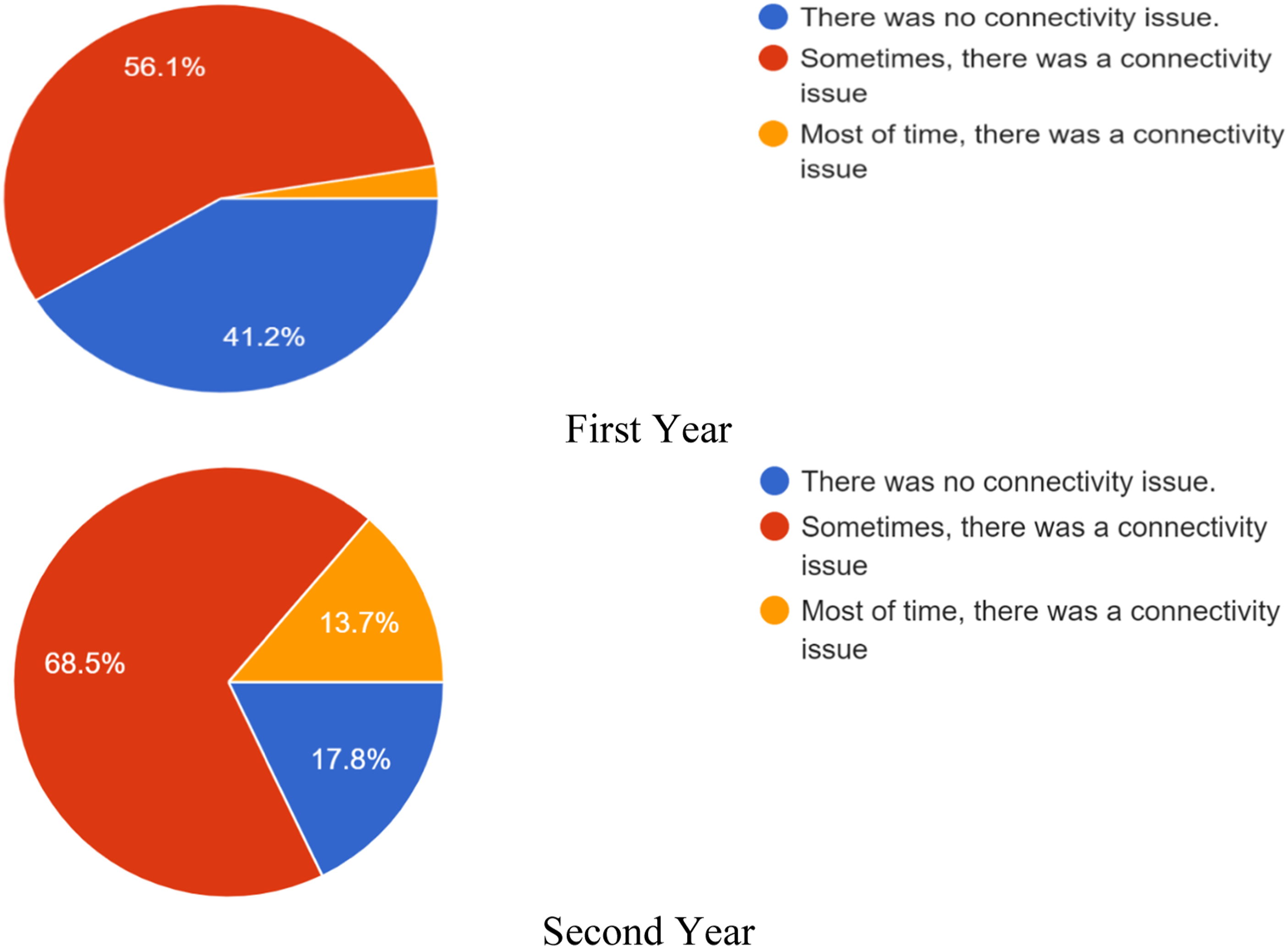
As the whole workshop was organized in an online mode, connectivity was a significant concern. Though Facebook does not consume high bandwidth and adjusts according to the network and device, it was the primary issue in certain Jammu and Kashmir and Odisha areas. As per learners’ feedback, in the first-year workshop, 41.2% of respondents watched the whole session without any network issue, and 56.1% sometimes faced a connectivity issue. The case was more severe during the second-year workshop, as only 17.8% of the respondents had not faced any severe network problem, and 68.5% had faced a network problem. Around 13.7% (826) of learners have encountered a major issue related to the network. The significant difference between the first and second years reflects that poor connectivity under challenging terrains and rural parts is still a concern and hurdle for successfully implementing any fully online programme.
Correlation between discussions and hands-on activities
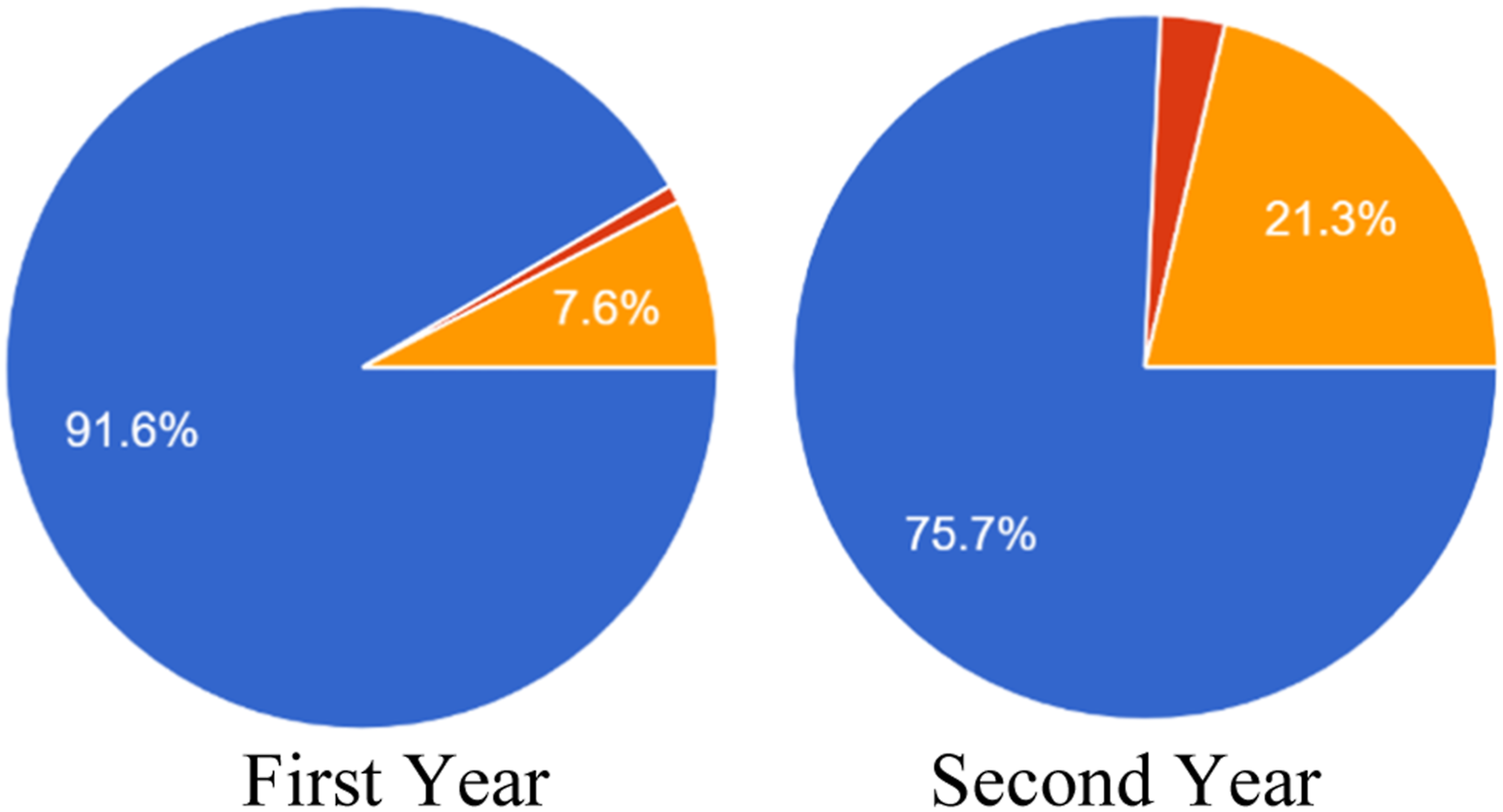
As an alternative to the face-to-face workshop, each theoretical session had some associated hands-on activities/work performed by the participants. In a face-to-face situation, the discussion and hands-on sessions were organized together, but in this online mode, activities were performed by the participants at their homes due to COVID-19. Therefore, it was essential to know the correlation between the discussions and activities. Thus, the participants were asked the question, “Were you able to correlate the discussion in the sessions with your activities to be completed?.” Their responses show that 91.6% of learners in B.Ed. First-year and 75.7% learners in B.Ed. Second-year were able to do it successfully.
In contrast, 7.6% of respondents in the first year and 21.3% in the second year could do it sometimes. Thus, there is a difference in the responses in the first and second years. The reason for more satisfactory answers in the first year is that the first-year workshop was organized later, and learning from the second-year workshop helped the resource person to design their sessions and activities accordingly.
Platform used for organizing/presenting the activities at study centers
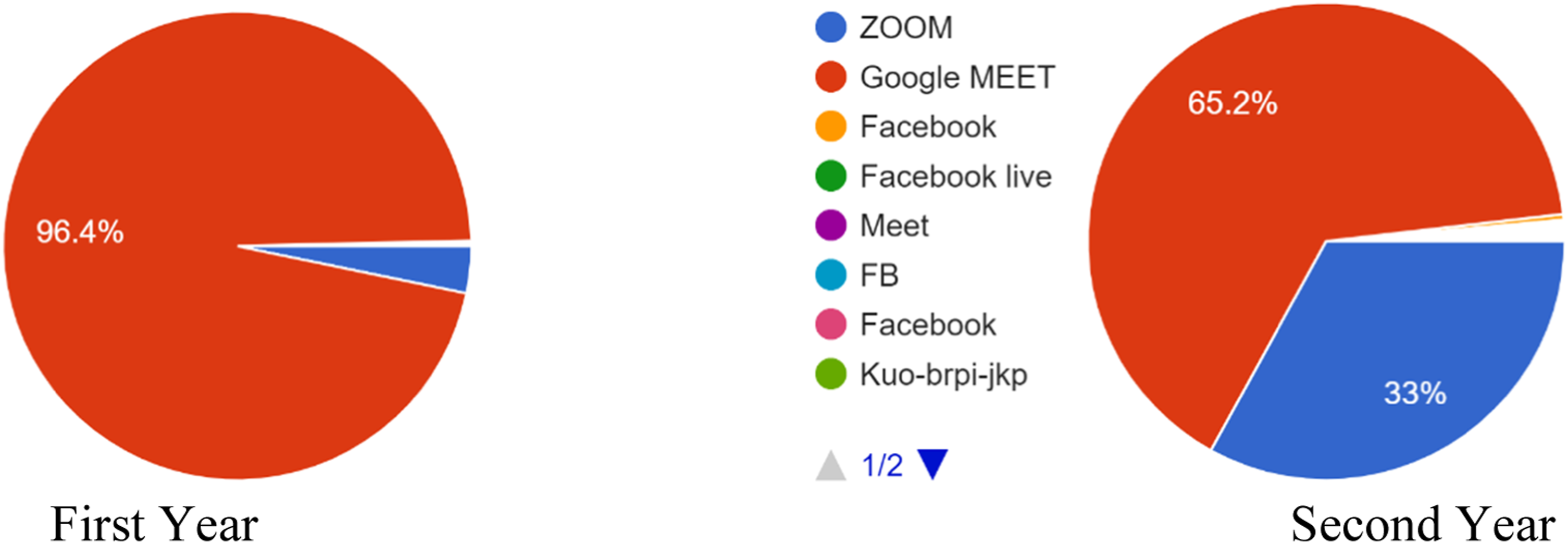
The programme study centers organized 50% of the sessions in both workshops. Learners in small groups (50 to 100) performed their activities under the supervision of resource persons, shared/presented their work and collected feedback from resource persons and peers. The study centers were given the freedom to use any conferencing platform at their convenience for such activities. The data shows that according to 96.4% of learners in B.Ed. First-year and 65.2% learners in B.Ed. In the second year, Google Meet was the most preferred platform. In the data of B.Ed. Second-year, 33% of learners, have said that ZOOM was used for such activities. In many DIETs in Jammu and Kashmir, the licensed version of ZOOM was made available by the government and was used at the PSCs situated in Jammu and Kashmir.
Nature of activities organized by study centers
Though the IGNOU headquarters provided the guidelines to organize the activities, a handbook was provided, and orientation of PICs was done, to know the reality of how the activities were organized at study centers, learners were asked about how PSCs conducted activity sessions. The responses are as follows:
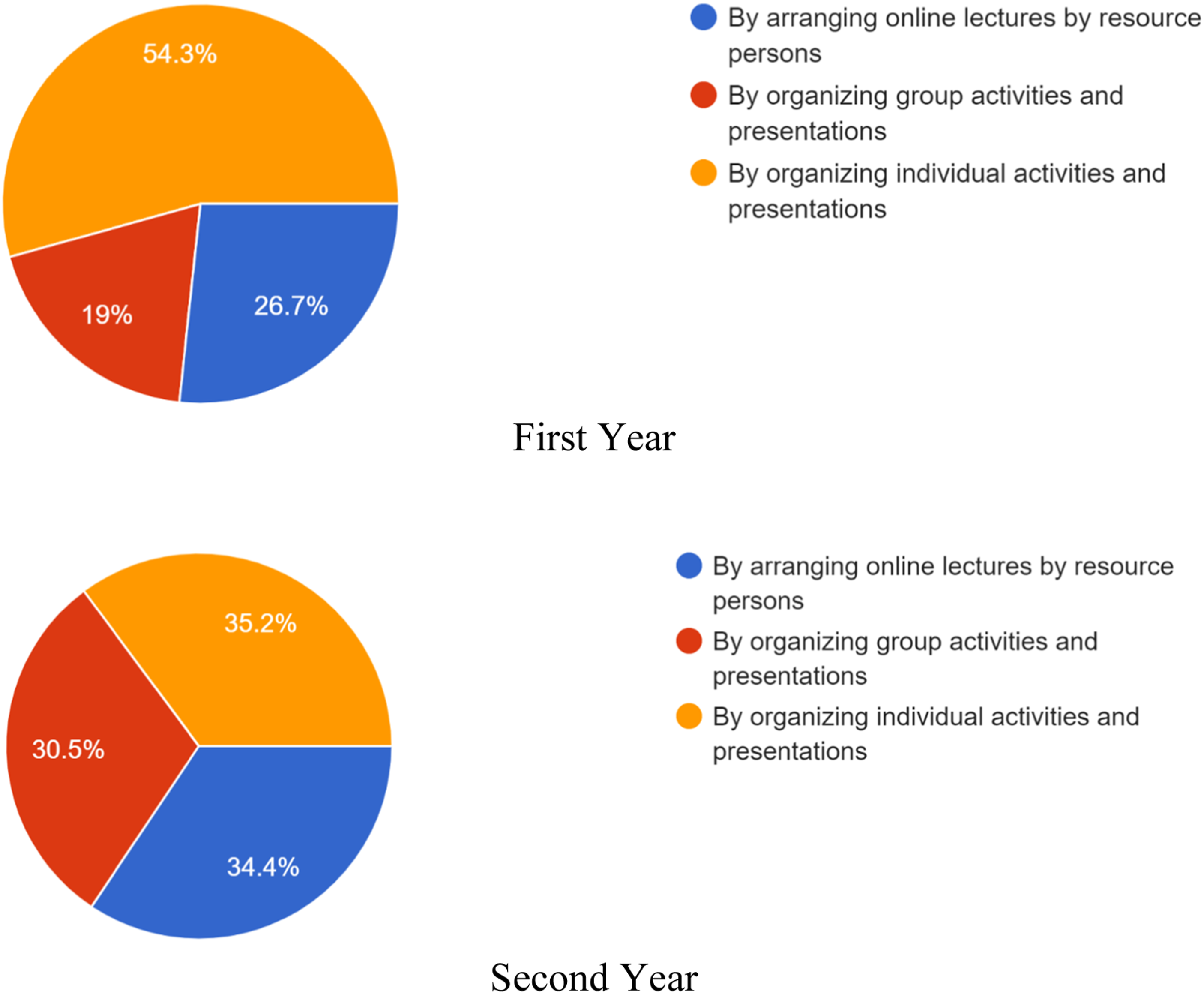
The graphs indicate that all three methods were used by PSCs. The ratio of individual activities is higher in the first year, 54.3%, compared to 35.2% in the second year. In the first year, the difference is that subject-specific activities like Unit planning, lesson planning, making TLM, and ICTs are more important. In contrast, in the second year, most of the sessions required group activities, due to which the group activities organized in the first year were 19% compared to 30.5% in the second year. Though there was not much scope for PSCs to organize online lectures during the workshop, the data reflect that 26.7% of learners in the first year and 34.4% in the second year have reported that their PSCs have preferred to organize online lectures during the sessions for activities. This is meaningful feedback that requires a relook at workshop design so that this scope can be minimized. Some institutions/people are more comfortable delivering lectures in online sessions than organizing activities. This issue can be resolved by different orientations and training.
Opportunity for learners to present their activity
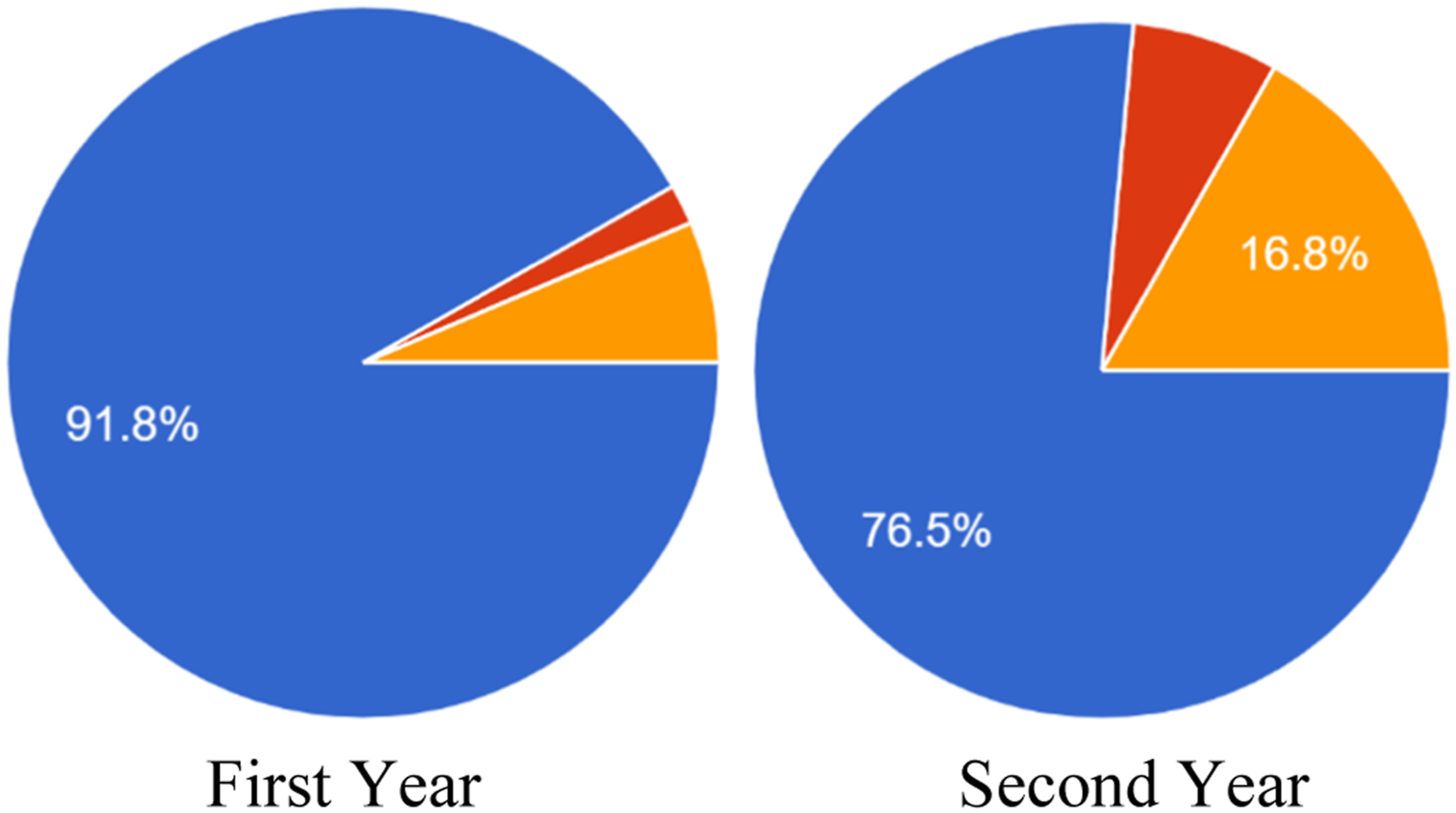
When learners were asked about the opportunity to share/present their work during the sessions, 91.8% in the first year and 76.5% in the second year reported positively. This reflects that if sessions are organized in a well-planned manner, learners have enough opportunity to share their work with peers and teachers. 6.4% in the first year and 16.8% in the second year have reported that sometimes they were given such an opportunity.
Receiving the feedback on activities
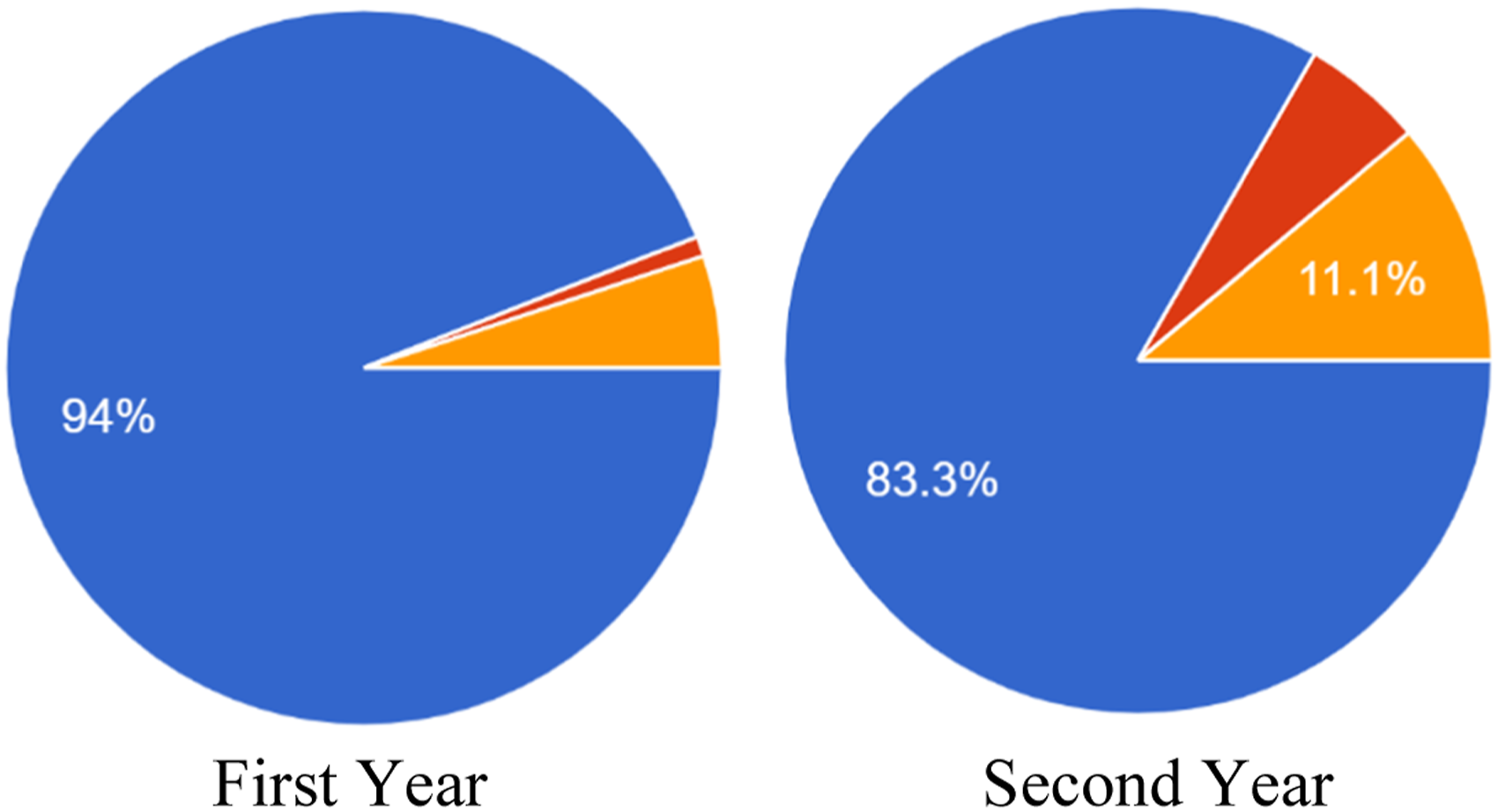
In a workshop, completing any activity is one aspect, but receiving constructive feedback from teachers and peers is equally important, as it helps improve the skills. There were two items related to feedback in the study. When the learners were asked about getting input from resource persons, 94% in the first year and 83.3% in the second year reported that they have always received feedback from the teachers.
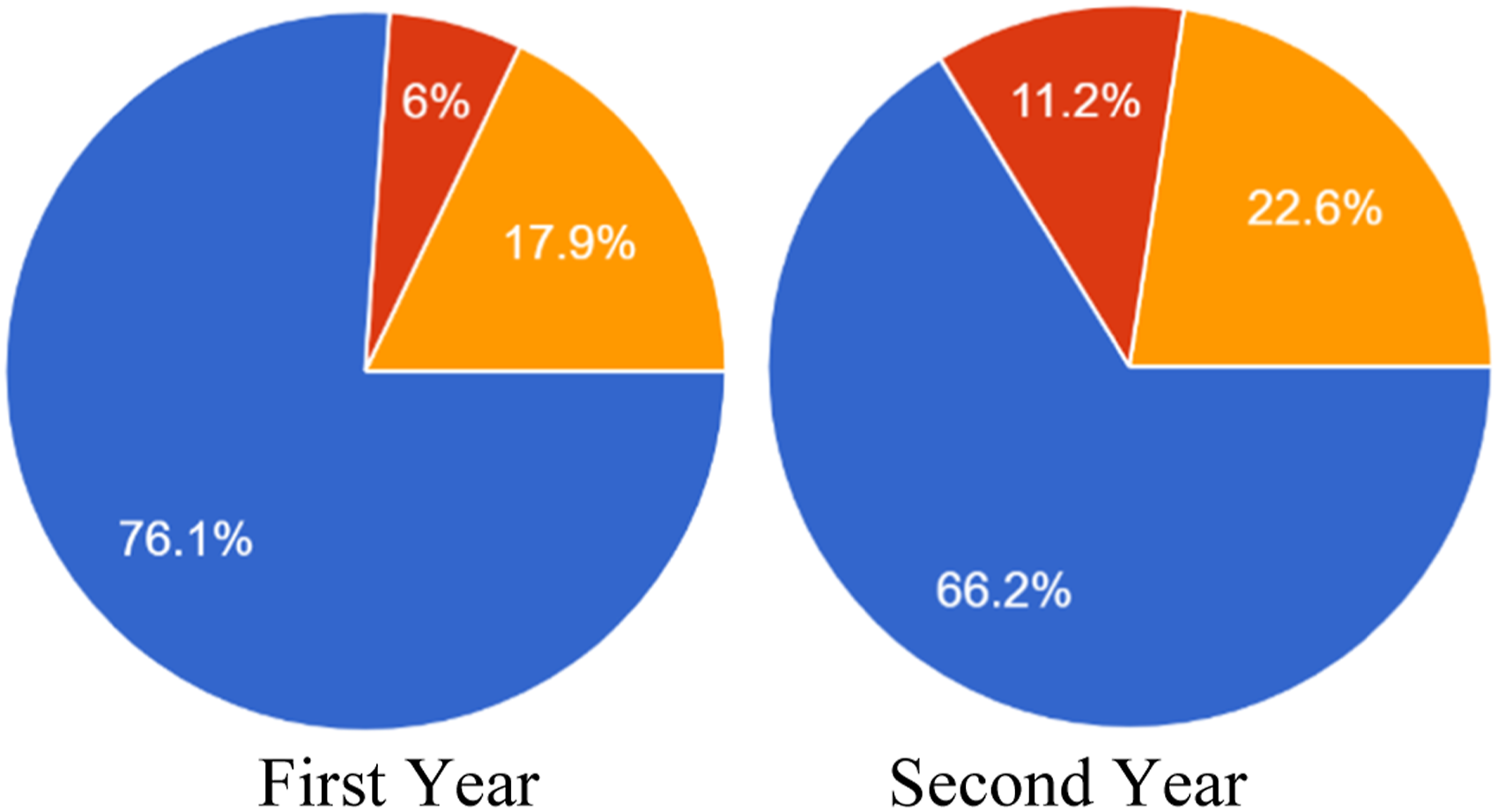
On the aspect of receiving feedback from peers during/after the presentation, 76.1% of learners in the first year and 66.2% of learners in the second year have reported that they have always received feedback from peers, around 17.9% in the first year and 22.6% in the second year have said they sometimes received the feedback from peers.
Watching the YouTube videos before activities
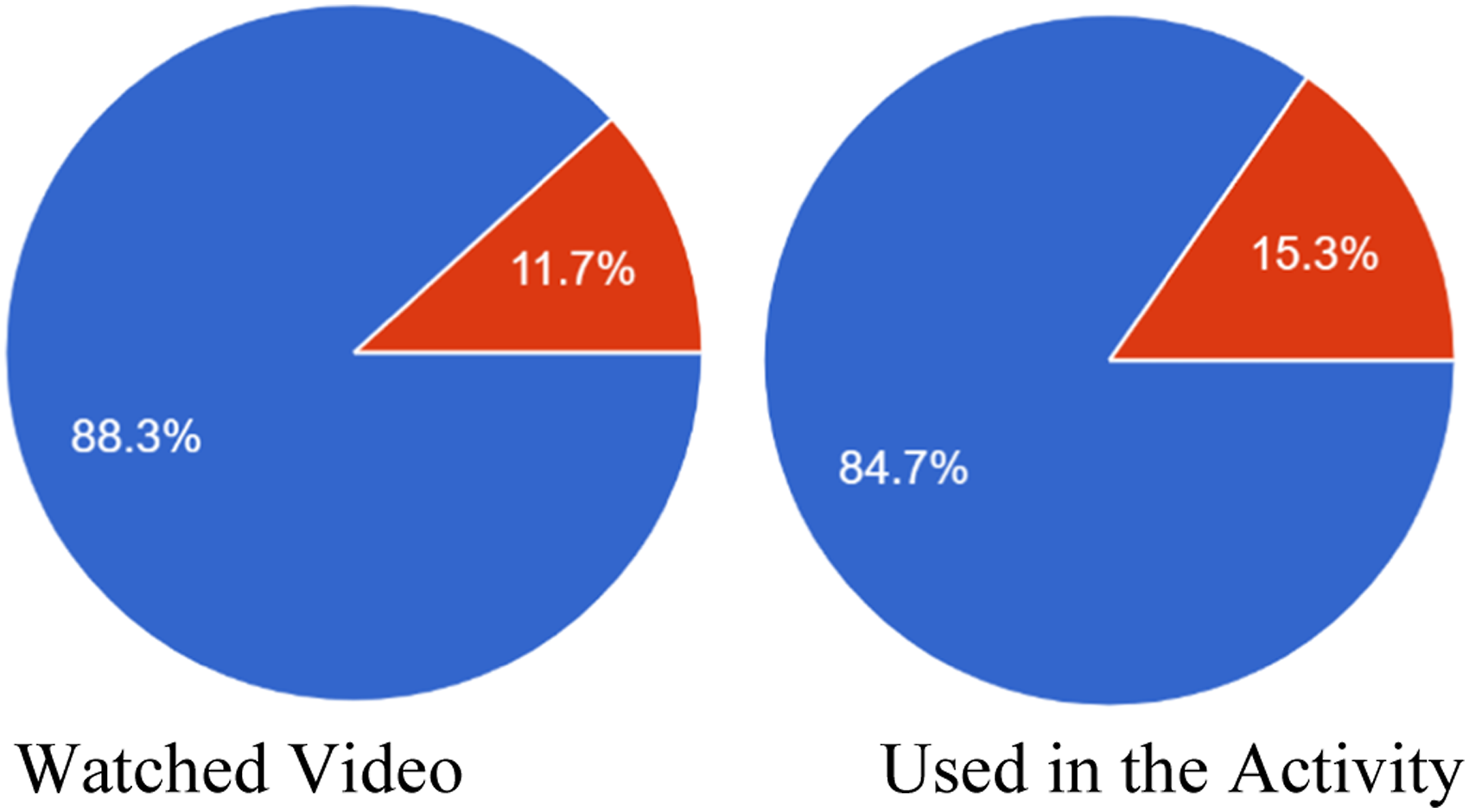
In a few workshop sessions, the YouTube videos developed by the faculty members at IGNOU headquarters were also provided to the learners. In the sessions, in which only a 1-h discussion was insufficient, or learners asked for more input, 16 videos were provided. Learners were also asked if they had watched the videos and used the information given in the videos to complete the activities. In the B.Ed. In the first-year workshop, 88.3% of learners reported that they had watched the video, and 84.7% said they used the information while conducting the activities.
Whereas in the second year, 87.3% of learners reported that they had watched YouTube videos and 81.4% said that they had used the inputs given in videos for activities.
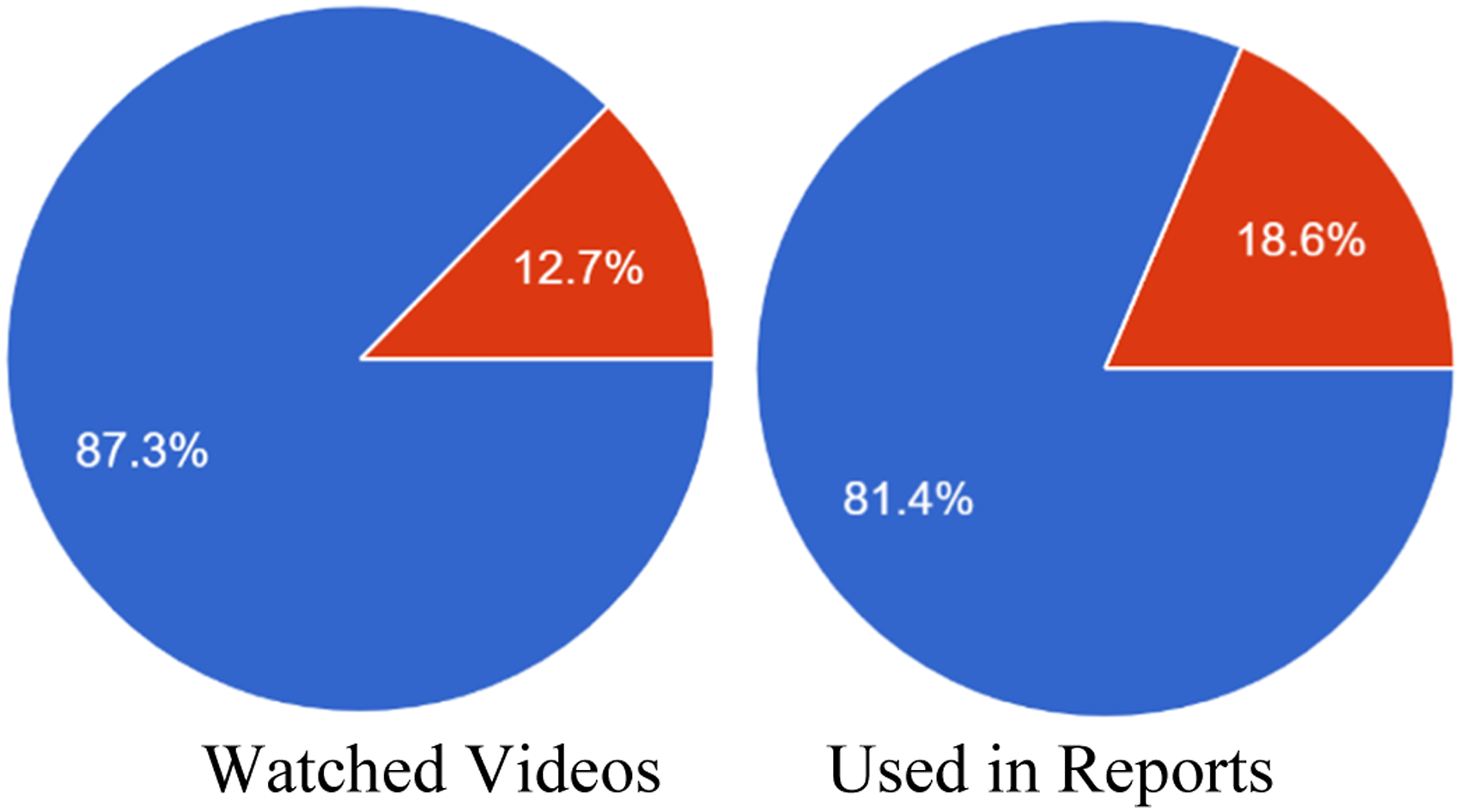
These responses in the first and second years are almost similar and reflect that along with the live session, integrating YouTube videos can also help learners conduct their activities.
Interactivity during Facebook live sessions
The primary medium of the online workshop was Facebook Live. These sessions were conducted from the IGNOU headquarters as per a pre-decided schedule. The faculty members of the school of education have delivered the lectures maintaining the interactivity during these sessions by using the chat/comment box option given with Facebook Live. As interactivity is a two-way process, learners were asked to ask any question to the resource persons during these live sessions.
54.3% of learners in the first year and 43.5% of learners in the second year have responded that have asked questions with the resource persons. On the other hand, 30.6% in the first year and 30.8% in the second year have said that sometimes they have asked the questions whereas 15.2% in the first year and 25.7% in the second year have reported that they have never asked a question with the resource persons.
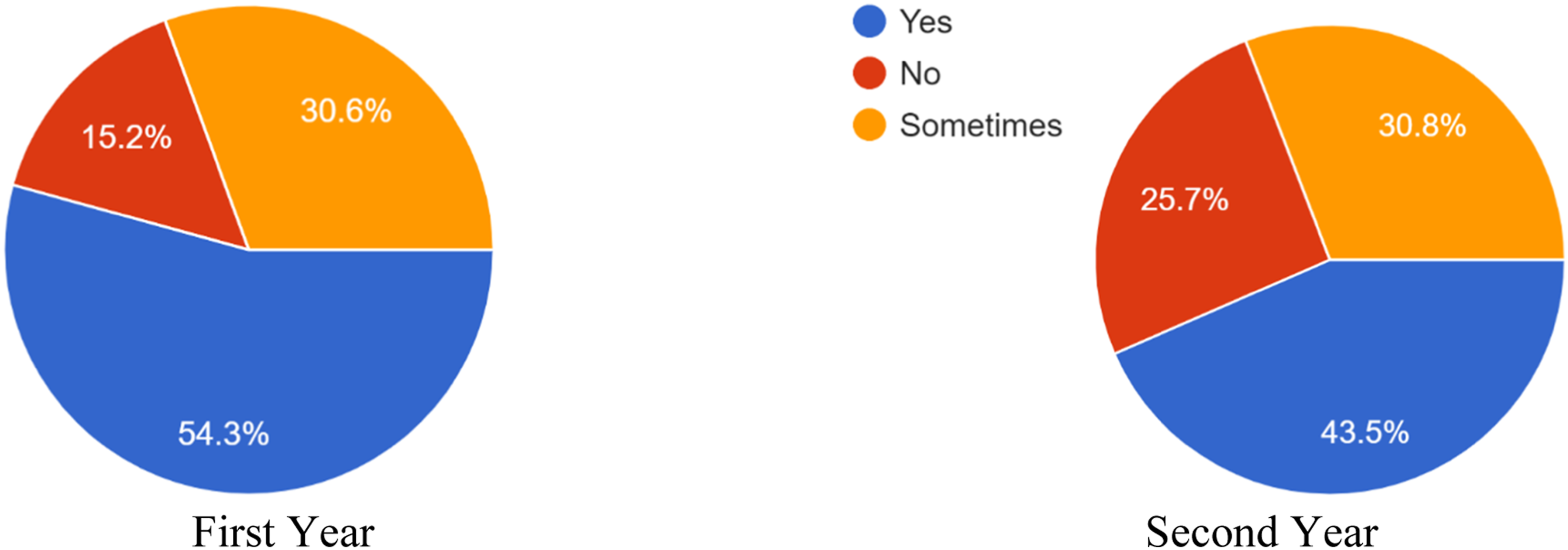
On this aspect, there is enormous variability in the data due to two reasons; one is that all learners are not keen to ask questions, and the second is that no opportunity for face-to-face interaction in Facebook Live as such, which helps some learners to hide their quarries. In addition, the time duration is also another essential concern that there was not much time left for interaction in some sessions.
When learners were asked about the second aspect of interactivity, that is, response/answer from resource persons about their quarries during Facebook live sessions, 68.7% in the first year and 67.9% in the second year reported that they have always received the responses to their quarries from the resource persons, whereas 15.8% in the first year and 13.4% in the second year have reported that they sometimes received the responses.
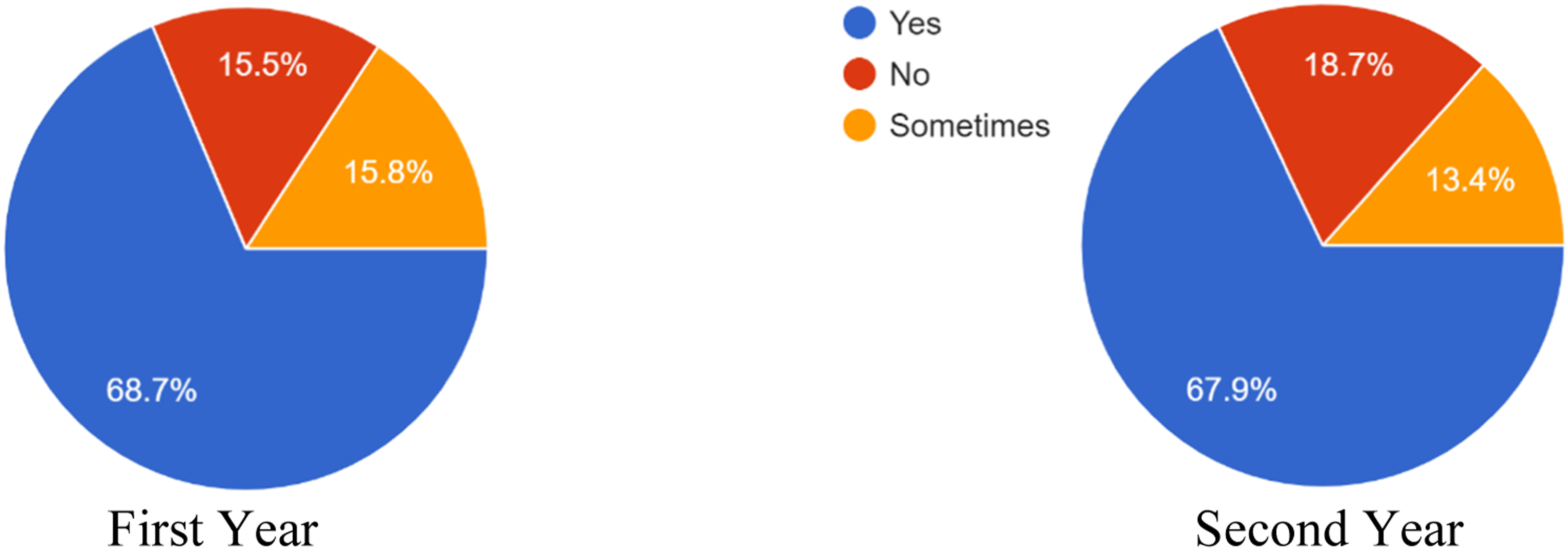
However, there is a significant proportion of those learners, that is, 15.5% in the first year and 18.7% in the second year, who have reported that they never got the reply to their quarries during FB live sessions. Therefore, this date reflects a correction window available for resource persons to take care of the quarries of all the learners.
Experience of blending facebook live with conferencing tools
As these two workshops were organized during the pandemic and the blending of all possible e-tools was exercised to facilitate the learners at remote places, learners were asked to rate their experience of this blending of Facebook live sessions with Google Meet or ZOOM conferencing tools. The feedback from learners is quite encouraging as 72.6% of learners in the first year and 64.4% in the second year have rated this exercise as excellent and 27.1% in the first year and 34.8% in the second year ranked it as acceptable.
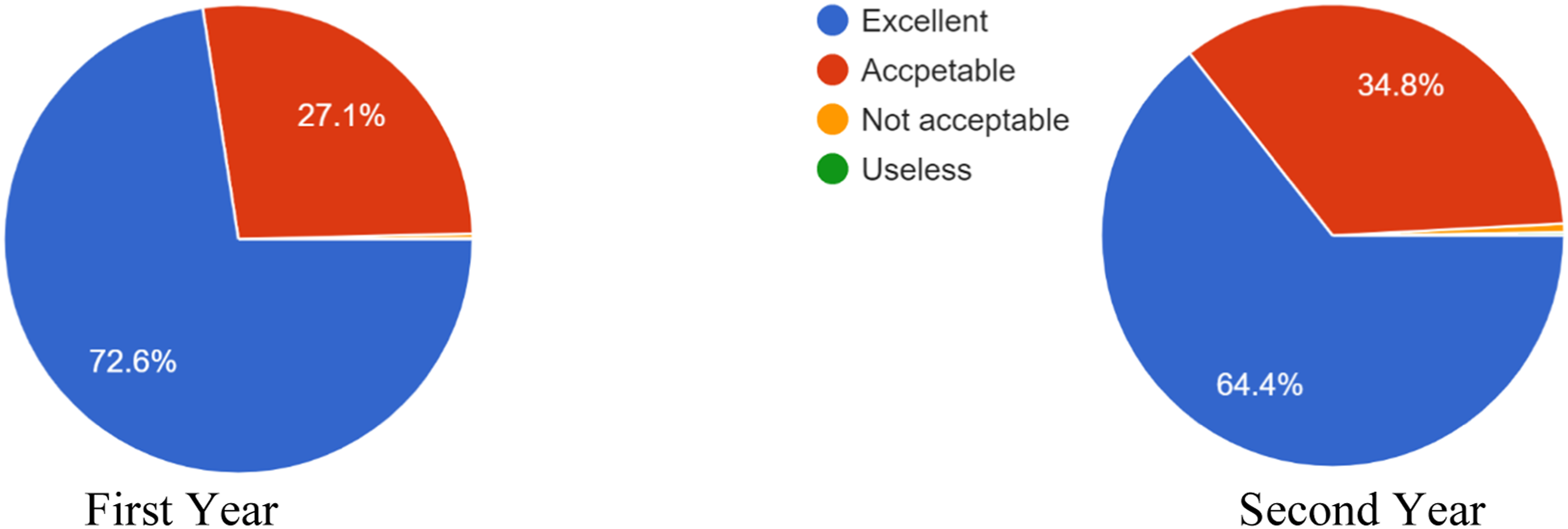
This finding reflects that the acceptance of digital tools is relatively high among trainee teachers studying in ODL mode, and such experiments can further be done.
Future use of Facebook live for various purposes
Based on the learning experience gained by learners in the first year and second year, learners were asked to give their feedback about the future use of Facebook live sessions for various academic purposes. 97% learners of B. Ed. First-year and 90.8% learners of B. Ed. Second-year has supported the view that Facebook live sessions should be organized regularly on various topics. Furthermore, 96.5% of learners in the first year and 85.2% of learners in the second year agreed that Facebook live sessions could be used for academic counselling purposes.
Enhanced quality of workshop
In B. Ed. Programme of IGNOU, workshops are generally organized by the programme study centres in face-to-face mode, and resource persons identified there only take the sessions. However, during this online workshop experiment, the sessions were handled directly by the school of education faculty members from IGNOU headquarters. Learners were asked that does sessions taken by the faculty from SOE enhance the quality of the workshop; their responses were as follows:
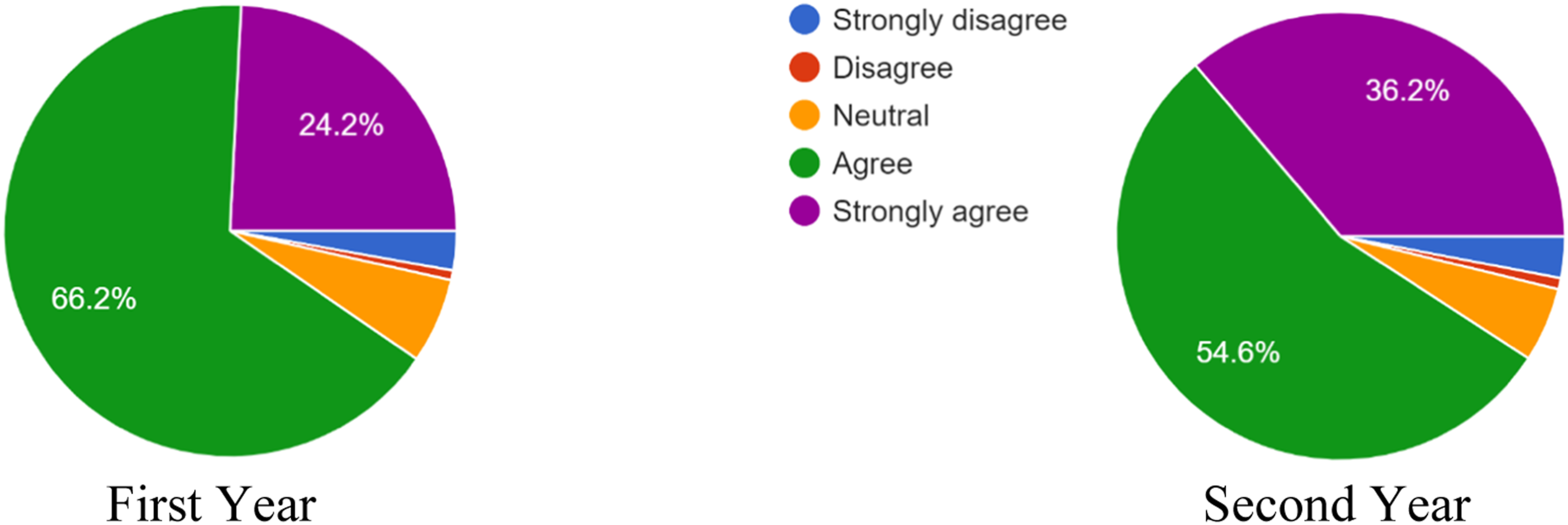
24.2% of learners in the first year and 36.2% in the second year strongly agreed with the statement that “Inputs from School of Education, IGNOU enhanced the quality of the workshop,” whereas 66.2% in the first year and 54.6% in the second year agreed to it. The reason may be that workshop sessions are conceptualized and designed by these faculty members only, and they can deliver what is required in a particular session. This exercise also ensures the same quality content delivery to all the learners despite their geographical location or status of faculty at PSCs.
Suggestions for improvement
• All the sessions should be bilingual so that students of the Hindi medium can also understand the concepts. • If possible, students should also be given a choice of whether to attend the workshop offline or online. • Have a 10-min session for doubts clarification after every live session. • Make online classes a regular activity as an option for future workshops. • The timing is so long… sometimes I attend my session during travelling time, so please suggest reducing the timing of these sessions.
Learners were also asked to suggest improvements in the online design of the workshop based on their experiences. Though most of the learners have not given any significant suggestions, some crucial tips were provided by a few learners as follows:
While analyzing all the comments, it was found that most of the learners have demanded sessions in bilingual mode, that is, Hindi and English. A good suggestion was a dedicated doubt-clearing slot, which can be planned; the duration of the sessions was an issue with some learners as most of the live sessions were of 1-h duration. Almost all learners demanded online counselling and workshops in future also.
Experience of facebook live
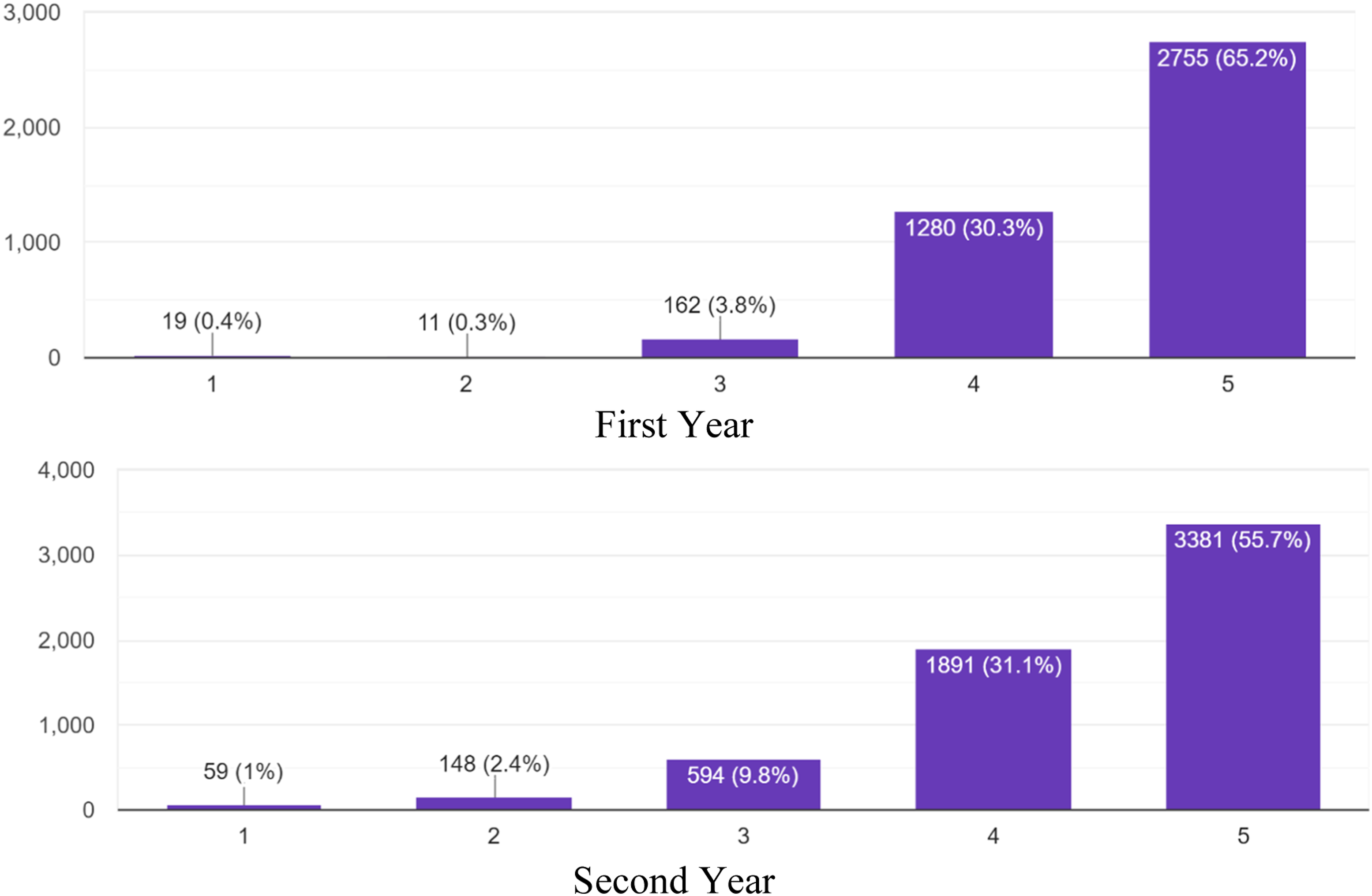
When learners were asked to rate their overall Facebook experience, 65.2% rated it as excellent in the first year, 30.3% as very good and 3.8% as average. In contrast, in the second year, 55.7% have placed it as excellent, 31.1% as very good, 9.8% as average, 2.45 as below average and 1% as poor. The variability in the experiences of first-year and second-year learners is due to two reasons. One is that connectivity and bandwidth have impacted the seamless delivery in the second year. Another reason was that all sessions were delivered from a studio setting in the first year, which has more professional output. In contrast, in the second year, sessions were either provided by the faculty from home or from their office space, where the camera quality, and background effects, were not possible to manage professionally.
Findings of the study
On analyzing the outcomes of the feedback study on various aspects covered, the researcher has concluded that: • Online teaching-learning is the new normal now, and teacher trainees are accepting it quite positively. • There are demands for online counselling/workshops and more interactions with the teachers. - Conferencing tools like Google MEET and ZOOM can be blended effectively with streaming options like Facebook Live to cater to the needs of many learners. - There is a high degree of acceptance towards the use of online tools for teacher training programmes. - Facebook live sessions are the preferred choice due to two qualities. One is the auto-archival options, which allow the learner to relook the sessions as and when required. The second is its adaptability as per the bandwidth availability. The workshop was successfully conducted in various remote districts of Jammu and Kashmir (where only 2G networks were available) and Odisha (where network connectivity is an issue). - More interactivity needs to be built by the resource persons while taking Facebook live sessions because “interactively using Facebook will result in active learning (Barseghian, 2011).”
Suggestions and educational implications
Indira Gandhi National Open University being a pioneer in Open and Distance learning, has contributed significantly to providing educational opportunities at the remotest corner of the country. In the area of teacher education, it has also trained thousands of untrained in-service teachers through its regular ODL programmes and contributed effectively to teachers’ in-service continuous professional development. This is when teacher training should move from traditional face-to-face or ODL to blended mode, in which some components can be delivered in online mode. - In all teacher training programmes, online teaching-learning should be an essential component. - National Council for Teacher Education (NCTE) should acknowledge and blend online components with traditional teacher training programmes. - The experiments done by IGNOU suggest that practical components like internship/school-based activities and workshops can be organized in online mode successfully. - The academic counselling components in traditional ODL programmes should also be exercised with online modes. This is because various platforms/technologies are available for it, which do not require any monetary investment as such. - In the changing times, academic counsellors’ roles will also change who need to play the role of online facilitator and collaborator with faculty at headquarters. Therefore, their training and orientation are also required.
Footnotes
Declaration of conflicting interests
The author(s) declared no potential conflicts of interest with respect to the research, authorship, and/or publication of this article.
Funding
The author(s) received no financial support for the research, authorship, and/or publication of this article.
