



Abstract
This paper investigates which open education and communication resources (OER, OECR) are used by the students of Qingdao Aviation Technology Vocational College under a system of closed management. It builds upon the theoretical backbone of Partial Least Squares (PLS) to assess some common suppositions on educational management and student learning outcomes using a robust methodological framework and observed Key Analysis. The authors posit that the findings from this study put into question prior assumptions–that anxiety of falling behind, and family/teacher support affect academic success in a closed management setting. The study instead focuses on student well-being and support structures to tell us something about academic performance. These findings are completely different from the current model of education, and highly convergent on goal number four under Sustainable Development Goals (SDG) demanding equal access to quality inclusive educational services; for all-age groups throughout humanity. Lastly, the study provides a blueprint for future educational changes that fit international education aspirations afforded by contested traditionalism.
Keywords
Introduction
In China’s technical education system, research on the impact of educational management systems on student outcomes is highly important, given the emphasis on developing specialized skills (Wu, 2022). Closed management systems, which exert significant control over the learning environment, have been seen as a way to enforce academic rigor and discipline among students (Agran et al., 2017). However, there is debate as to whether these systems are harmful or helpful for student mental health and academic outcomes. Several scholars suggest that these systems are bound to hamper the development of critical thinking and creativity (Ahadi et al., 2015; An et al., 2018) while others argue they maintain a kind of structured-learning environment that encourages academic success significantly better than open learning environments or unstructured platforms (Liu et al., 2020).
Hence, highlighting technical competence without neglecting the bigger picture of fostering all aspects of emotional and psychological student development (Shao and Jen 2023; Zhilin and Jianhou 2023). These researchers therefore examined whether the restrictions inherent in closed management systems might contribute to an IMD, leading them to hypothesize a negative relationship between the academic achievement of students at Qingdao Aviation Technology Vocational College and such socio-technical infrastructures. Through a conceptual paper based on SDG 4, which is about quality education for all, in general (sustainable teaching and learning of technical subjects), they give important insight into how these systems have an impact on stem education.
Looking at this from a global perspective of promoting sustainable and inclusive educational practices should connect it even more closely to the results in student well-being. The outcomes of this research might hold meaningful implications in ongoing dialogues about educational management strategies and their synchronization with the SDGs. Student achievement and well-being are two areas that matter when creating a learning environment. The findings from this study could be used to set educational policies and practices, which in turn may help us develop viable ways of realizing global educational goals (Wang, 2018).
Literature review
In the field of TVET in China, a closed-loop management system refers to comprehensive practices along with transcended ideologies (Fan et al., 2024; Wu, 2022). A lot of times, these systems are praised for their strength in conferring hard boundaries on the social and intellectual dimensions in education hence maintaining orderliness as well as discipline. Nonetheless, various investigations have implied that emotions seem to exert multi-directional and sometimes ambiguous influences on the academic performances of students (Ahadi et al., 2015; Adikaram et al., 2016).
Closed management systems are common features of Chinese technical education and will have different characteristics and consequences (Zheng et al., 2024). Most of these are an incredible amount of bureaucracy and red tape regarding almost any aspect of the learning process. Although some researchers believe that these systems have a strong structure and environment, it will help students to focus deeply on their work, which can lead to better academic achievements (Huang and Chen, 2022), while others argued in favor of less strict setting as being supportive for critical thinking ability or innovative/creative skills building (Hu. 2022; Zhang, 2023). Furthermore, on the contrary, closed management systems have difficulty drawing on their students intrinsically instead of controlling them with strict measures which can often result in passivation and disinterest (Nalipay et al., 2023). Focusing on compliance over creativity can result in test-takers who sound good officially, but may not be as beneficial with a comprehensive knowledge base and hands-on skills essential within the technical industry (Agran et al., 2017; Wu 2022).
In contract to the close systems, there is a global trend in education that increasingly moves towards flexible, open management systems and student-centered learning and development. For example, comparative studies suggest that educational systems that find a balance between facilitating the teaching and learning environment while allowing students to have some control over how they learn typically do better at promoting longer-term academic success as well as overall development (Huang and Chen, 2022). Researching student well-being within closed educational systems is important to provide insight into the deeper impact of how this management system works on learners.
The researchers synthesized knowledge from scattered empirical studies and higher education literature to bring clarity on ways that closed environments affect student well-being, which in turn influences their academic outcomes and personal transformations. There is a lack of autonomy and freedom for students in closed educational environments, and high surveillance within all aspects of the student’s life whether it be academic or personal. Increasingly, however, there is concern about the impact of such environments on student well-being. We prioritize technical proficiency above student well-being in tech education. For instance, some research studies, older and newer ones, have suggested that students may fall into higher levels of stress and anxiety (Abdul, 2017; Zhao et al., 2013).
Cultural factors play a considerable role in the way the closed systems manifest themselves in students’ lives. In many educational institutions, which can be viewed as culturally closed, students may feel that their attention if focused on finding a way to fit the regulations and norms of a recognized establishment. At the same time, as young adults tend to strive for independence and sense of self-regulation, this can lead to internal dissonance, which can become nothing but another source of stress and decreased well-being. Such a conclusion has strong implications for educational policy and practices. It suggests that the main goal of these establishments should be taking considerate steps towards the balance between highly demanding technical educational programs and ones that would target students’ well-being the most (An, 2018).
The growing awareness of the necessity to ensure student well-being means that institutions functioning within the context of a closed management system should reconsider the principles and strategies that they opt to pursue. By introducing the strategy of well-being into the set of tools adopted in the realm of a closed management system, the identified institutions can create a setting that allows for keeping discipline intact while promoting learners’ well-being. This proposed approach is expected to lead to balanced results, as students will be both proficient in the technical sense and emotionally resilient. However, there is first a need to establish whether closed management systems have an impact on the student’s academic performance and well-being in technical education.
Research Method
This study employs a quantitative research design to explore the impact of closed management systems on student academic performance and well-being in technical education settings. The decision to utilize a quantitative approach is grounded in the study’s objective to measure and analyze the effects of these systems systematically. Drawing on principles from the physical sciences, which rely on laws governing observable phenomena (Onwuegbuzie and Leech, 2005), the research adopts Partial Least Squares Structural Equation Modeling (PLS-SEM) as the primary analytical method. This choice is justified by PLS-SEM’s capacity to manage complex models and its suitability for exploratory research and theory development/testing (Hunziker and Blankenagel, 2021). By applying this rigorous methodology, the study aims to provide a robust examination of how closed management systems influence student outcomes in the context of technical education.
Research Design
The main objective of this study is to investigate what closed management systems do to student academic performance and well-being in technical education settings, it drew a parallel from physical science with its reliance on laws governing phenomena (Onwuegbuzie and Leech, 2005), thus justifying the quantitative analysis. To analyze the collected data, Partial Least Squares Structural Equation Modeling (PLS-SEM) was utilized, as it is particularly well-suited for handling complex models and exploring theoretical relationships (Hunziker and Blankenagel, 2021). The quantitative nature of this study draws a parallel with the physical sciences, where reliance on empirical laws governs the study of phenomena, further justifying the use of this analytical method (Onwuegbuzie and Leech, 2005).
Participants of the study
The research sample of the study consists of 341 students studying in Qingdao Aviation Technology Vocational College, China that is accepted as sufficient for PLS-SEM analysis. Targeted recruitment was used to interview student participants who had lived under the closed management system (Shao and Jen, 2023). The choice of this population was prompted by the fact that the students under analysis have already been involved in the closed management system and, therefore, can provide the most relevant and justified feedback regarding the identified area. Moreover, since the sample included 341 people, which is deemed an entirely adequate and appropriate size for carrying out PLS-SEM analysis, it was expected that relevant data concerning the target population could be collected. Thus, the effect of the system on the identified aspects was explored thoroughly. It should be noted that the primary source of data concerning the target population was the students. The data were collected by inviting the target audience to participate in the study. In doing so, it was necessary to ensure that only the students who had stayed in the closed management system for an identified period could participate in the study.
Instrument and Data Collection
The data collection process was accomplished by means of a structured questionnaire, designed specifically for the purpose of the study and adjusted to capturing particularities of academic achievement as well as the level of well-being under the condition of the closed management system. The questionnaire was created with the use of Google Forms in order to ensure access to the tool for potential participants. The tool consisted of two parts: the former included questions regarding some demographic information, whereas in the latter, there were 31 questions related to the issues of academic achievements and well-being, which were presented on the five-point Likert scale. The use of an online survey tool allowed for the expansion of the population of participants and facilitated the data collection process, as well as its further organization..
Data gathering method
The survey was distributed online to maximize distribution and access for respondents. The survey took the respondents between five and 10 min to complete, with reminders sent out via email. The method used for the administration of the survey relied on an online format to easily reach the participants. The researchers have managed to achieve a high response rate and eliminate the possible biases that may have occurred through low response rates due to consistent follow ups.
Statistical treatment
To analyze the data that was collected, PLS-SEM method was used with the help of SmartPLS software. This method was chosen because it can work with small- to medium-sized samples and model multi-variable and complex analysis scenarios. The decent level of flexibility and power in explorative research makes PLS-SEM a good approach to test the theoretical structure of the study and investigate the sensitive effects of closed management systems on student outcomes. To ensure the validity, reliability, and internal consistency of the constructs used in the investigation, Cronbach’s alpha, Composite Reliability, and Average Variance Extracted (AVE) were used by the researchers.
The researchers evaluated the model fit using two indicators: the Normed Fit Index (NFI) and the Standardized Root Mean Square Residual (SRMR). A good model fit was indicated by NFI values close to one and SRMR values below 0.08.
Ethical considerations
The study adhered to ethical standards in research, including informed consent, confidentiality, and anonymity of participants. The respondents of the study were properly informed about the purpose of the study. Their consent was obtained before data collection and they were informed that collected data will only be used for research purposes.
Results and discussions
Demographic profile
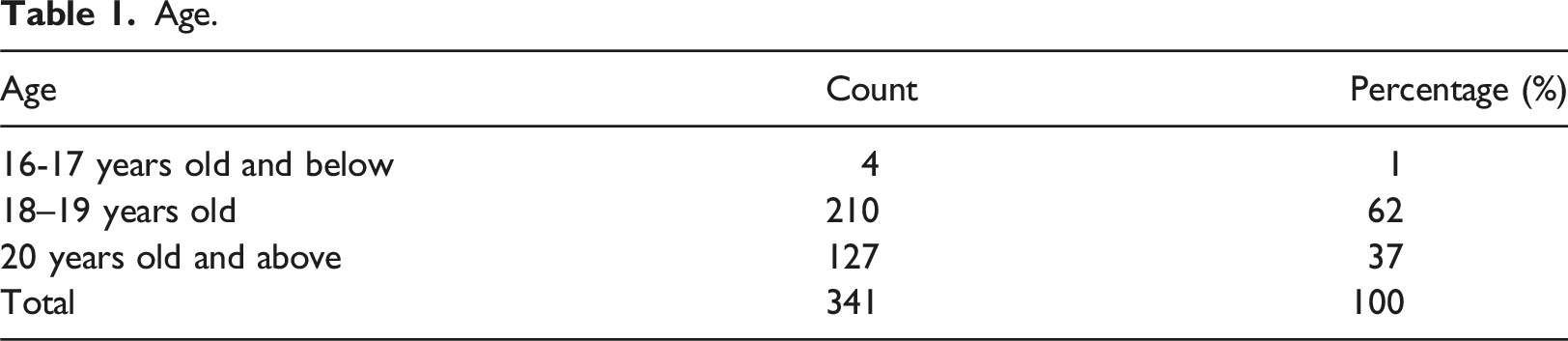
Age.
Sex.

Year level.
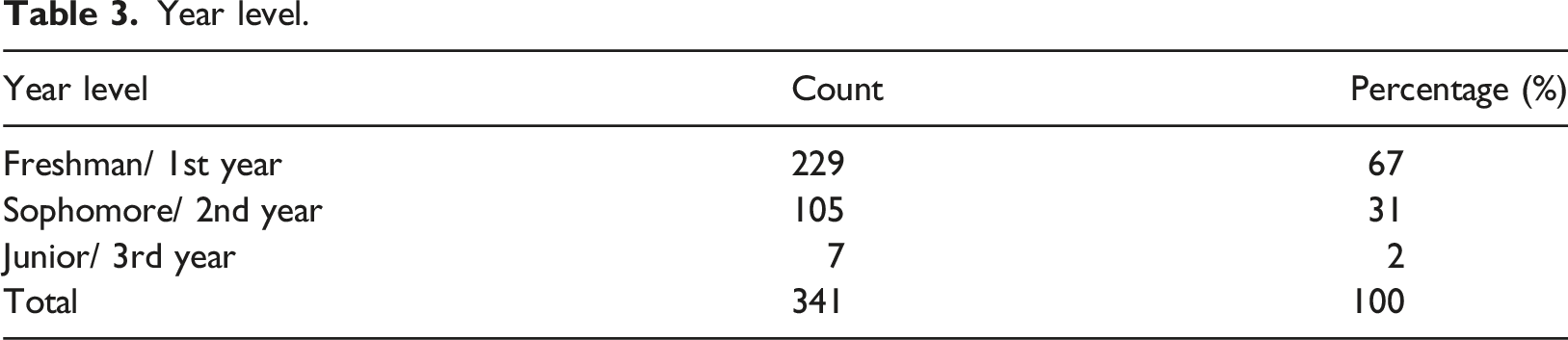
The adaptability and response to the pedagogy are subject to the age of the students. Younger students offer unique coping strategies and responses to the structures of closed systems, distinct from those manifested in older age peers (Zhao and Zhu 2013; Zheng, 2024). Students’ gender also plays a critical role in his or her life experiences from learning styles to social interaction with educational systems (Zheng and Degner, 2011). In addition to an individual student’s overall school experience, the impact of a closed management system on academic achievement and personal growth may also change as this age advances toward graduationFmen might face different transitional issues in the new system as compared to seniors who are well-versed and experienced with it (Zhao et al., 2013; Zhao et al., 2013).
Academic performance factors
The present article focuses on identifying the factors affecting the academic performance of students in different disciplines. The study centered on student engagement, family support, and instructo r involvement in technical education settings (Abdulkadir et al., 2019; Adnan, 2014; Zhao et al., 2013; Zheng et al., 2024).
The data were analyzed using Partial Least Squares Structural Equation Modeling (PLS-SEM). This approach afforded a more in-depth investigation of possible relationships between these respective variables with academic performance as an outcome. The various factors were then subject to analysis using path coefficients, with significance levels indicating the strength of any relationships found. Moreover, the effect sizes provide hints on what is called the practical significance of findings or the information regarding how much each factor varies in academic achievement.
Figure 1 The SEM results show various aspects that contribute to the academic performance factors at Qingdao Aviation Technology Vocational College. To investigate the extent of prediction for academic performance (AP), a path analysis was conducted using several hypotheses as selected predictors. While all these indexes are an indication of a good model fit, they suggest that it is unproblematic to define the standardized MPS-CI and lung function factors as two latent variables within this data. The figure above is composed of a set of ellipses representing constructs including Fear of Delay (FD), Student Engagement (SE), Parental Support (PS), Teacher Support (TS), Facilitating Conditions (FC), Stress Level (SL) and Well-Being (WB) each measured by observable indicators - represented as rectangles with observed variable codes.
Paths stemming from the latent factors converge at the central circle that indicates the expected effect of every variable on academic performance (AP) as hypothesized. There are numbers along the paths called path coefficients to quantify how strong/noisy these relationships are. The pathway from WB to AP is an example of a strong positive relationship, with a coefficient of ∼0.876 (less than 1 has some negative impact).
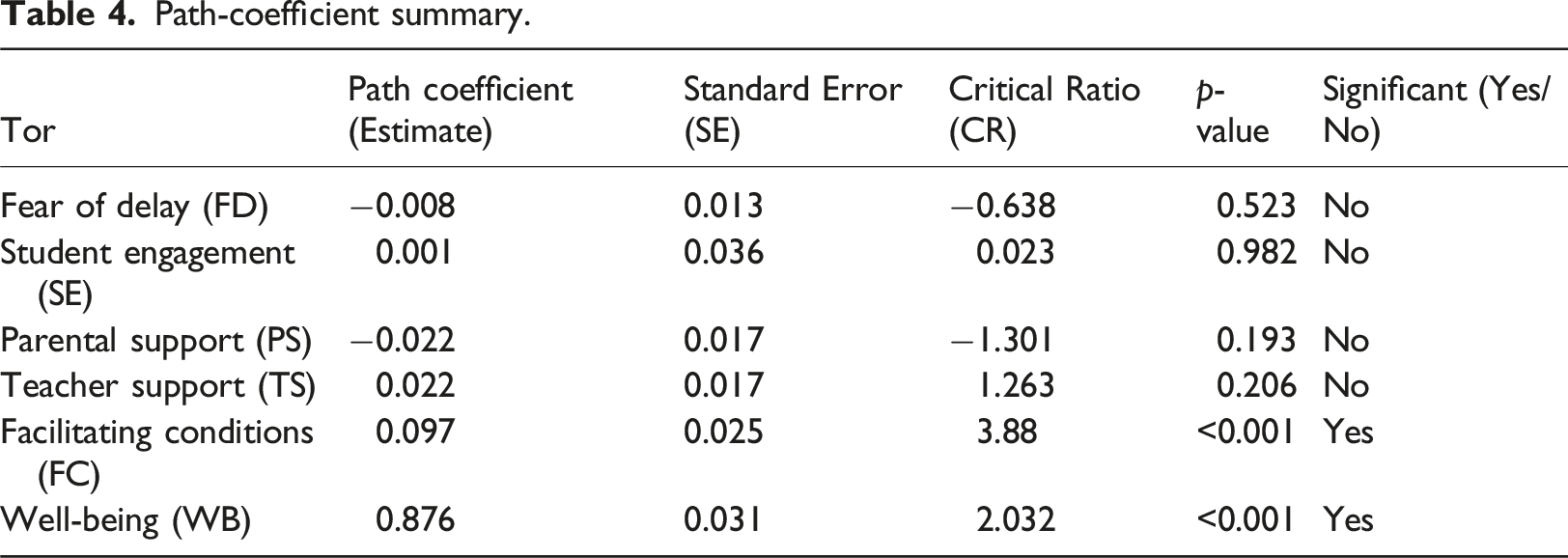
The SEM covariances are represented by the curved, double-headed arrows between select latent variables. These arrows are indicative of covarying variables. The path coefficient from Fear of Delay (FD) to Academic Performance (AP): −0.008, showing an insignificant and neutral relation with AP as it has p-value >0.05. Student Engagement (SE) has a path coefficient of 0.001, indicating a minimal and non-significant positive effect on AP. The path from Parental Support (PS) to AP has a coefficient of −0.022, indicating a slight negative relationship that is not statistically significant. Similarly, Teacher Support (TS) has a path coefficient of 0.022 towards AP, denoting a slight and non-significant positive effect. Exhibiting a coefficient of 0.097, Facilitating Conditions (FC) indicates a positive and significant effect on AP, as supported by the p-value. The path from Stress Level (SL) to AP has a coefficient of −0.022, revealing a slight negative impact on AP, but this relationship is not statistically significant. The strongest relationship is observed between Well-Being (WB) and AP, with a path coefficient of 0.876, signifying a substantial positive impact on academic performance i.e. statistically significant.
Among the factors analyzed, well-being and facilitating conditions emerged as the most influential on academic performance. Well-being (i.e., happiness) has been shown to exert a robust positive impact on academic outcomes, thereby underlining the importance of emotional and psychological health for successful learning (Datu and King, 2018). The argument is compelling that educational institutions have an academic obligation to the well-being of their students. Additional variables, resources, and support systems provide beneficial conditions to back the performance at students’ academic level (Zhao et al., 2013). This demonstrates a need to develop more structured and resourced learning environments, which will in turn enhance student performance.
In other words, traditional variables like fear of delay, and support by the student himself or herself and both parents do not have a significant direct influence on academic success (Zhao et al., 2013). It reveals that although these elements are central to the complete learning process, they account in a limited way for directly influencing academic performance than had been assumed.
The role of student well-being in academic success
The idea of well-being in education is becoming an area more looked into on both the educator and researcher sides (Shao and Jen, 2023). In an educational setting, well-being includes the psychological and emotional health of students as well as their physical and social wellness (Chao et al., 2023). It also points to the realization that students’ well-being is fundamental and critical for the cognitive processing of stimuli which have a direct influence on their academic success because learning depends broadly on thinking as much (Zhao et al., 2013). This study used Structural Equation Modeling (SEM), with data collected on student well-being and academic performance, to illuminate the relationship between them showing a strong positive correlation. This large coefficient implies that there is a high probability of improvement in academic results after the well-being health and nutrition conditions of students have turned out to be good.
It is important to highlight that these results corresponds with the current assertations stressing well-being to be a vital component in education (Chao et al., 2023). As per Samad (2019), well-being has a direct relationship with academic performance, which is confirmed by the results of this study. In addition, the significant positive relationship between well-being and academic yield is consistent with several literatures that advance an alternative educational policy rubric of placing student welfare at heart for achieving greater scholarly performance (Zhao et al., 2013).
SEM analysis results demonstrate the solidity of student well-being and success as a very important variable. The high path coefficient and the significance levels provide compelling evidence for educational institutions to invest in well-being initiatives. Educational institutions can maintain a productive environment that supports high academic achievement by addressing the needs of students as people. The promise in these findings seems to open doors for designing studies that can investigate whether educational systems facilitate or impede the introduction of well-being as a central component of normal academic programs (Zhao et al., 2013).
Contrasting traditional factors with emerging findings
The usual definition of academic success has traditionally been based on factors like the fear of failure, support from family and teachers, and student involvement. However, recent statistical analysis using SEM challenges this traditional perspective by highlighting that student well-being is a crucial predictor of academic performance.
Path-coefficient summary.
The new insight that emerges powerfully from this study is the direct and significant role that student well-being plays in academic success. Unlike traditional factors, which seem to have no significant direct effect, the well-being of students stands out as a critical element, demanding attention from educational policymakers and institution administrators (Chao et al., 2023; Shao and Jen, 2023).
Moreover, the factor of facilitating conditions (FC), with a positive coefficient of 0.097, also emerged as a significant contributor to academic success, suggesting that the conditions under which students learn—the resources, support systems, and overall learning environment—can considerably influence their academic outcomes (Wu, 2022; Xiao, 1998). The findings from the SEM analysis bring forth a compelling narrative: that educational institutions might need to rethink their strategies and policies to prioritize student well-being alongside academic rigor. The direct relationship between well-being and academic performance indicates that students’ emotional and psychological health is not just a matter of personal importance but is intrinsically linked to their capacity to perform academically (Adikaram et al., 2016; Agran et al., 2017).
Considering the results of the study, educational institutions should integrate well-being programs, mental health services, and supportive learning environments into their core programs to foster the overall development of students and help enhance their academic performance (Zhao et al., 2013; Zheng et al., 2024).
The contrast between established determinants of academic success and the novel discoveries of this study offers a fresh perspective on how academic performance should be approached. Well-being has been recognized as a key predictor of success, which has the potential to revolutionize educational processes and support systems. The research supports an inclusive approach to education, where student well-being is prioritized in academic strategies and institutional culture (Adnan, 2014; Ahadi et al., 2015).
Conclusions
This study examined the impact of closed management systems on student academic performance and well-being within Chinese technical education, focusing specifically on the Qingdao Aviation Technology Vocational College. By challenging prevailing beliefs about educational management and its effects on student achievement, this research offers a more nuanced understanding. The major findings show that factors often linked with academic achievement in rigid management systems, such as fear of punishment and strict discipline, have no meaningful effect on academic performance. Surprisingly, characteristics such as family and teacher support, which are typically regarded critical in more liberal circumstances, do not have a significant link with academic development.
These findings are consistent with the perspectives offered by Wong et al. (2022) which emphasize the changing nature of educational attainment.
However, the study also found that student well-being and good environment are important direct markers of academic performance. This shows that emotional and psychological health, as well as a positive learning environment, are significant predictors of academic success.
Recommendations
While the findings of the study are valuable, it is important to acknowledge its limitations. It should be emphasized that these findings may not be applicable to diverse educational contexts as they are solely based on data from a single institution. In order to ensure the relevance of these findings, future research should encompass a wide range of educational settings that employ different management techniques.
Additionally, it is crucial to recognize that the study primarily utilizes quantitative methodologies. By incorporating qualitative research, a more comprehensive understanding of students’ and teachers’ personal experiences within closed management systems can be achieved. This, in turn, would enhance our understanding of the functioning of education.
Moreover, it would be beneficial for further research to investigate the long-term effects of different management systems on various aspects of student development, such as career readiness and life skills.
The study’s findings have profound implications for educational practices, particularly within closed management systems. There should be a paradigm shift in perspective towards techniques that prioritize student well-being and create optimal learning environments. Educational institutions, especially those in technical education settings, should consider adopting more flexible and student-centered management practices that promote both emotional well-being and academic success. The findings emphasize the importance of challenging traditional educational paradigms. To achieve global educational objectives, policies and procedures that strike a balance between rigorous academics and supportive environments for overall student development are necessary. The study makes a substantial contribution to the discourse on educational management, offering valuable insights for policymakers, educators, and administrators. It underscores the significance of adapting educational practices to meet students’ evolving needs and ensuring that management systems enhance, rather than hinder, student academic achievement and well-being.
Footnotes
Declaration of conflicting interests
The author(s) declared no potential conflicts of interest with respect to the research, authorship, and/or publication of this article.
Funding
The author(s) received no financial support for the research, authorship, and/or publication of this article.
