




Abstract
Artificial Intelligence (AI) is rapidly reshaping the landscape of higher education; yet, a comprehensive mapping of scholarly trends, thematic evolution, and emerging research priorities remains limited. Addressing this gap, the present study conducts a bibliometric analysis of 9,905 journal articles sourced from the Scopus database using a rigorously curated search protocol. Analytical tools such as Biblioshiny (R package) and VOSviewer facilitated performance and network analysis. The findings reveal four thematic clusters: (1) AI-driven personalization and Pedagogical Innovation in Higher Education; (2) Pedagogical Transformation and Learner Interaction through AI; (3) AI, Academic Integrity, and Pedagogical Shift; and (4) Ethical Tech, Sustainability, and Consumer-Centric Business Innovation. The study provides research directions for each cluster following an examination of the overall application of AI in higher education institutions (HEIs). Bibliometric insights are enhanced and contextualized by a Focus Group Discussion (FGD) with academic experts and EdTech professionals. This qualitative element validates and extends bibliometric subjects, investigating the real-world hurdles, strategic opportunities, and ethical conflicts associated with the deployment of AI in higher education. The twin-method approach sheds light on how academic literature and institutional practice perceive, accept, and discuss AI. The study provides research directions for each cluster after surveying the overall application of AI in HEI. Contributing to the existing literature and policy dialog is a strategic knowledge map outlining probable applications of AI in academic settings from a business and management perspective. The study’s focus on business and management literature provides insights into organizational and strategic aspects of AI adoption while acknowledging the need for cross-disciplinary integration with technical and pedagogical research to develop comprehensive implementation frameworks.
Plain Language Summary
Artificial intelligence (AI) is changing how colleges and universities teach and learn, but few studies have mapped out all the research and its real-world impact. In this study, we looked at nearly 10,000 articles to see what topics researchers focus on when they write about AI in higher education. We grouped these articles into four main themes: using AI to tailor learning and support teachers, transforming classroom interaction, addressing questions of honesty and trust when students use AI, and exploring ethical, sustainable, and student-focused innovations. To bring these findings to life, we also spoke with seven university faculty members and six education-technology leaders. They shared practical challenges—like training teachers to use AI tools, updating assessment methods, ensuring data privacy, and creating fair policies—and pointed to real opportunities, such as early-warning systems for struggling students and personalized study plans. Our combined approach helps paint a clear picture of where AI is most useful today and where more work is needed, guiding future research and helping institutions make thoughtful decisions about adopting AI.
Keywords
Introduction
Artificial Intelligence (AI) is steadily becoming a transformative force in higher education, not just in theory but in practice. Universities and colleges worldwide are integrating AI in ways that were hardly imaginable a decade ago (Cukurova, 2025; Mao et al., 2024; Ouyang et al., 2022; Wang et al., 2024). From intelligent tutoring systems and automated grading tools to AI-powered academic advisors, the scope of AI applications is broad and expanding (Lameras & Arnab, 2021). For example, AI-enabled platforms personalize learning pathways, helping students with different learning speeds and styles achieve better outcomes. Instructors now have tools that can sift through large sets of student data to identify who might need help, even before those students ask for it. These developments are not merely futuristic; they are unfolding in real classrooms.
Nonetheless, this technological advancement presents an increasing array of challenges. Educational institutions are increasingly focused on issues related to data privacy, algorithmic bias, and the potential compromise of academic integrity (Karan & Angadi, 2023). AI enhances efficiency; however, it concurrently introduces ethical and legal challenges. As Hanna et al. (2024) noted, AI systems may unintentionally replicate and exacerbate existing prejudices due to their training on historical datasets that reflect societal disparities. Unless educators and technologists collaborate to apply stringent ethical standards, AI tools could do more harm than good, particularly to students from underrepresented backgrounds (e.g., Cheuk, 2021).
The advent of generative AI tools, such as ChatGPT, has exacerbated the complexities of the educational landscape. These technologies serve as teaching tools, offering explanations, summarizing complex subjects, or generating suggestions for additional inquiry. Regrettably, they facilitate the evasion of critical thinking by allowing students to submit content created by AI as their work. This has resulted in increasing discomfort among instructors, who perceive a conflict between adopting innovation and maintaining academic integrity (Cotton et al., 2024). Conventional evaluation approaches are currently being re-evaluated as institutions strive to reconcile the promotion of exploration with the preservation of rigor. Furthermore, there exists a tangible risk that the human aspects of education, such as mentorship, peer discourse, and intellectual challenge, could be eclipsed by the ease of algorithmic expedients.
Despite this rapid growth and the complex issues it brings, scholarly research on AI in higher education remains somewhat fragmented (e.g., Butson & Spronken-Smith, 2024; Doğan et al., 2025). This fragmentation is evident in the disciplinary silos observed in the literature, where technical implementation studies (primarily published in computer science journals) rarely integrate with pedagogical research (found in education journals) or policy-oriented analyses (published in management and policy journals). Furthermore, the lack of standardized terminology and inconsistent research methodologies across studies impedes knowledge synthesis and cumulative theory building. While there is an increasing volume of publications, much of it is spread across disciplines, focusing on either technical implementation or conceptual debates, with few efforts to synthesize what has already been explored. This creates a situation where researchers and practitioners alike may struggle to see the whole picture. Questions such as which regions contribute most to this scholarship, what key themes have emerged, or how collaborative networks are shaping the discourse often go unanswered. Several scholars, including Song and Wang (2020), have called for a more systematic mapping of the literature to understand both the trajectory and the gaps in current knowledge. This study attempts to address that need through a bibliometric analysis of research on AI in higher education published between 2017 and 2023. More precisely, this study answers the following research questions:
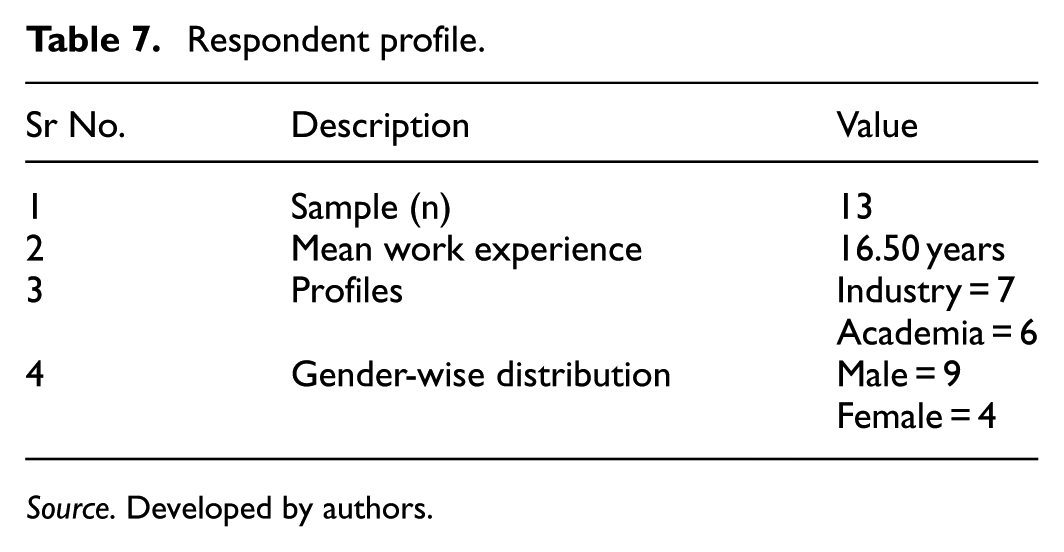
Using a dataset of 9,905 journal articles indexed in the Scopus database, the research employs tools like Biblioshiny and VOSviewer to analyze publication trends, authorship patterns, keyword evolution, and collaborative networks. The idea is not just to chart the number of papers or citations but to uncover meaningful patterns, such as the emergence of thematic clusters, the growing influence of specific regions or institutions, and the shifting concerns of scholars over time. What makes this study particularly timely is the context in which it is being conducted. The COVID-19 pandemic accelerated digital adoption in higher education, and AI rushed from an experimental tool to a strategic priority. In many universities, decisions about AI are no longer just the domain of IT departments; they are now central to curriculum planning, pedagogy, and policy-making (e.g., Nemorin et al., 2023). This research uses a Focus Group Discussion (FGD) with academic and corporate stakeholders to add 13 real-world perspectives to bibliometric results. These professional insights clarify the institutional, pedagogical, and ethical challenges of using artificial intelligence in higher education, adding lived experiences and pragmatic considerations to the study.
As such, there is an urgent need to assess the intellectual landscape surrounding AI in education. This study provides a comprehensive overview of the academic discourse on AI in higher education. It shows what we know, what we do not know, and where we might go from here. By merging bibliometric mapping with qualitative reflections, this paper will help academics, institutional leaders, policymakers, and teachers navigate this rapidly evolving field, providing a structured understanding of the current literature and, most importantly, future research directions.
Literature Review
Over the past few decades, AI has steadily strengthened its role in higher education, evolving from basic applications to intelligent, data-driven systems influencing most academic and administrative activities (e.g., George & Wooden, 2023; Tariq, 2024). Initially, AI was focused on automating routine tasks and developing early tutoring systems based on rule-based programing and basic machine learning to imitate individual guidance (Colchester et al., 2017). The shift toward improving learning accelerated with wider availability of digital data in the 2010s, made possible by online platforms and educational technologies (Daniel, 2015; Kaouni et al., 2023; Kavitha & Lohani, 2019). AI then moved from supportive functions to becoming central in transforming teaching and learning practices (L. Chen et al., 2020; Shekhar, 2019).
Key research developments reflect this transition. Intelligent tutoring systems and automated assessment tools enabled personalized learning (He et al., 2009). As learning analytics and educational data mining advanced, teachers gained better decision-support for tracking student progress and identifying dropout risks (Baker, 2010; Bienkowski et al., 2012). More recently, generative AI, driven by large language models like ChatGPT, has enabled interactive learning and real-time feedback (Jin et al., 2025; Naznin et al., 2025). Academic interest has surged, with publications on AI in higher education increasing more than tenfold (López-Chila et al., 2023).
Common themes recur in this body of work. Personalized learning remains central, with AI adapting to students’ needs, learning styles, and progress (Owusu et al., 2024), aligned with learner-centered constructivist approaches (V. Maphosa & Maphosa, 2023). AI also supports assessment through automated marking, plagiarism detection, and formative feedback to improve teaching efficiency (Khalil & Alsenaidi, 2024). AI-enabled support systems, such as chatbots, simplify routine student interactions and provide guidance (Schei et al., 2024). Ethical concerns, including data privacy, bias, and risks to human roles, are gaining attention, prompting calls for responsible AI integration (Gunawan & Wiputra, 2024; Ragolane & Patel, 2024). Additionally, AI is increasingly combined with immersive technologies like AR and VR to create more engaging learning spaces.
AI’s influence extends to institutional operations. Predictive analytics and recommender systems streamline enrollment and enhance academic advising (Thai-Nghe et al., 2011). Precision education uses AI and big data to design targeted interventions based on individual behavior (Luan et al., 2020). Tools such as emotion analysis and facial recognition help educators develop more interactive teaching methods (Limonova et al., 2024). These advancements collectively enhance teaching effectiveness and deepen insight into student learning needs.
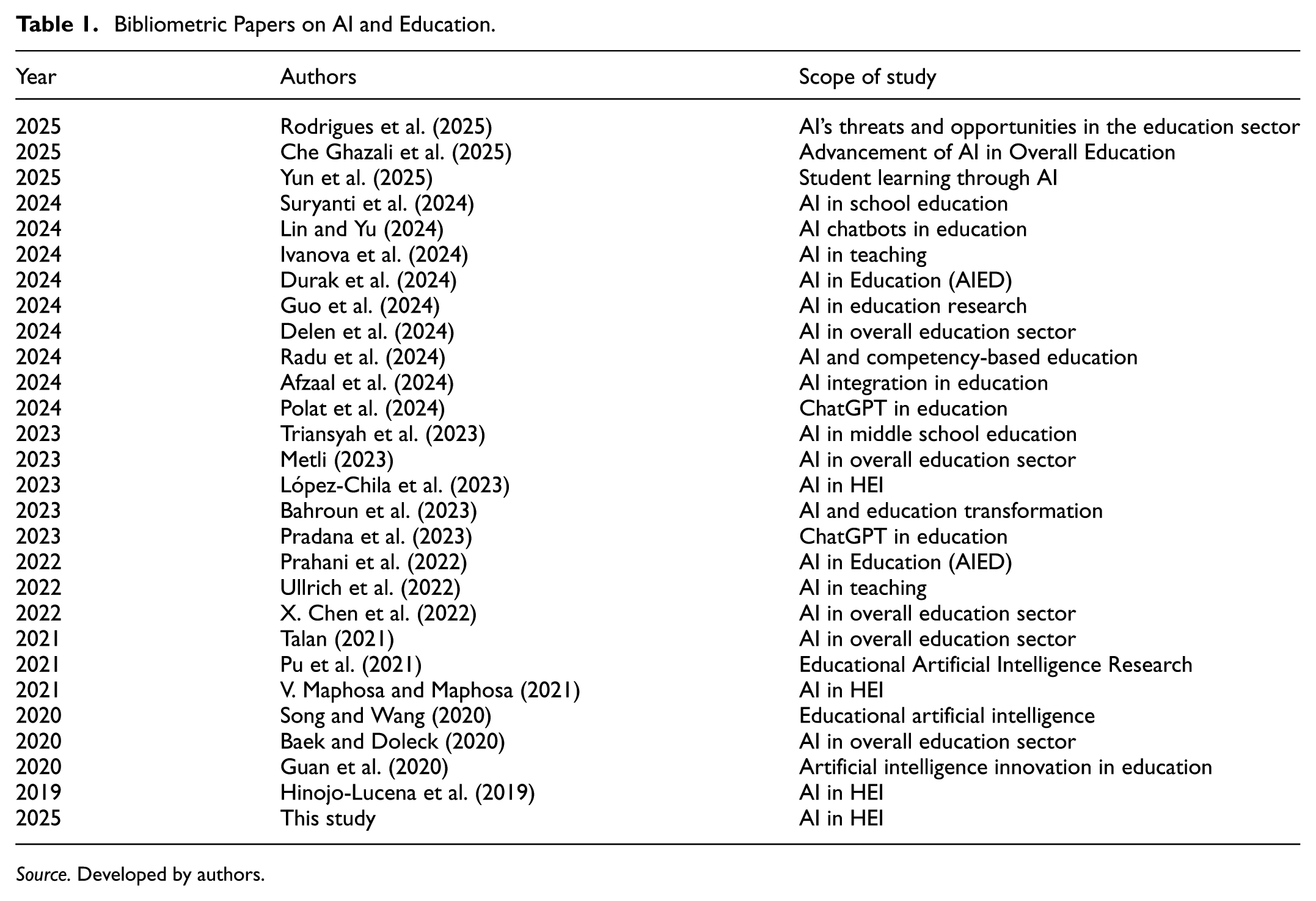
In recent years, many reviews have examined AI in education. Table 1 lists bibliometric studies related to this field. However, the existing bibliometric literature remains fragmented and mostly descriptive. Much earlier research covers AI across all educational levels but lacks deeper thematic or conceptual clarity. Studies by Durak et al. (2024), Delen et al. (2024), and Polat et al. (2024) mainly rely on basic performance metrics such as publication counts and top journals, offering a limited understanding of the intellectual structure of AI scholarship. Even when focusing on specific technologies like ChatGPT or particular education sectors, most analyses do not apply sophisticated methods like co-word analysis, cluster evolution, or collaboration mapping (Aria & Cuccurullo, 2018; Zupic & Čater, 2015). This limitation stems from their reliance on basic performance metrics (publication counts, top authors, and source journals) without employing sophisticated analytical techniques. For instance, studies by Durak et al. (2024) and Delen et al. (2024) provide descriptive statistics but lack thematic evolution analysis, keyword trajectory mapping, or collaborative network examination that would reveal the field’s intellectual structure and emerging research frontiers.
Bibliometric Papers on AI and Education.
Source. Developed by authors.
Focusing on the business and management sector, this study advances methodological and conceptual understanding by analyzing 9,905 articles on artificial intelligence in higher education institutions (HEIs). Earlier studies including López-Chila et al. (2023), V. Maphosa and Maphosa (2021), and Guan et al. (2020) provide useful foundations but remain constrained by limited samples and descriptive approaches. While López-Chila et al. (2023) and V. Maphosa and Maphosa (2021) offer helpful publication insights, they do not apply techniques such as bibliographic coupling, co-citation analysis, or keyword co-occurrence mapping. This prevents deeper discovery of the field’s intellectual structure, thematic clusters, and long-term knowledge evolution.
Guan et al. (2020) add to the historical understanding of AI in education, yet their methods show several gaps. The study lacks clarity in data collection and inclusion criteria, and focuses mainly on publication counts and citation patterns. Without advanced techniques like co-word analysis, thematic clustering, or collaboration network mapping, emerging themes and research trajectories remain unexplored (Zupic & Čater, 2015). Their findings also lack contextual interpretation to connect patterns with technological or educational developments.
This study addresses such limitations by using advanced software tools including VOSviewer and Biblioshiny to perform network, thematic, and cluster analyses while identifying key research directions for each thematic group. This structured approach captures the current knowledge landscape and outlines a future research agenda with stronger academic relevance.
The evolution of AI in higher education highlights a transition toward personalized and data-driven learning. As the field advances, concerns over ethics, equitable access, and interdisciplinary collaboration are becoming critical. Important gaps remain, particularly regarding long-term impacts, cross-cultural perspectives, and emotional or social dimensions of AI adoption. A bibliometric study is timely due to the fast-changing nature of the field. As noted by Hinojo-Lucena et al. (2019) and V. Maphosa and Maphosa (2023), such analysis helps map scholarly trends, thematic shifts, and emerging priorities, supporting educators, policymakers, and technologists in guiding responsible AI use in higher education.
Research Methodology & Data Collection
This study adheres to the guidelines established by Donthu et al. (2021) for bibliometric analysis, encompassing the following stages:
Step 1: Selection of Database
Several databases are used in bibliometric studies, including Scopus, Web of Science, PubMed, and IEEE Xplore (Moral-Muñoz et al., 2020). Web of Science and Scopus are widely used for multidisciplinary research, especially in business and management (Srivastava, 2021). Following Paul et al.’s (2021) recommendations, this study relies on Elsevier’s Scopus due to its broader coverage and stronger alignment with research objectives. Scopus contains nearly 100 million documents from over 30,000 journals.
It is essential to note that this study’s focus on Business and Management categories in Scopus reflects a strategic decision to examine AI in higher education through an organizational and management lens, emphasizing institutional adoption, strategic implementation, and business model considerations. While this approach provides valuable insights into how higher education institutions approach AI as an organizational innovation, it may not capture the full spectrum of AI research in education, particularly technical implementations or pedagogical innovations that are primarily published in Computer Science or Education journals. Future research should complement this business-focused analysis with cross-disciplinary syntheses to provide a more comprehensive understanding of the field.
Step 2: Develop the Search Protocol
Our analysis in Scopus focused on literature related to business and management, where we compiled terms that describe “AI” and “HEI.” We constructed the search protocol by integrating synonyms of “AI” and “HEI” through the application of Boolean operators, including “AND,”“OR,” and “*,” to enhance the specificity of our query. The search was performed in the “title, abstract, and keywords” section, following the precise search formula detailed in Annexure 1.
Step 3: Data Collection
The initial search yielded 158,443 articles (Figure 1), which were subsequently filtered to exclude those not related to “Business, Management, and Accounting,” resulting in a total of 16,333 articles (Ramos-Rodríguez & Ruíz-Navarro, 2004). Subsequently, we excluded books, book chapters, and conference papers, resulting in 10,159 articles for additional screening. Following the exclusion of non-English articles, 10,007 articles were retained. We selected only journal-listed articles to ensure high-quality sources, resulting in 9,905 articles. In the final stage, we evaluated the abstracts for their relevance to the research questions and subsequently downloaded the selected articles from Scopus in a (.csv) format.

The steps of literature collection and selection.
Step 4: Analysis Methodology
Following Donthu et al. (2021), we conducted primary analyses, including science mapping and performance analysis, along with enrichment analyses using visualization tools. Combining VOSviewer with Biblioshiny was beneficial because Biblioshiny offers extensive bibliometric techniques, while VOSviewer provides strong network visualization, enhancing analytical outcomes (Moral-Munoz et al., 2020). Recent bibliometric research supports this integrated approach (Kapoor & Jain, 2024; Srivastava & Sivaramakrishnan, 2021; Verma & Ghosh, 2024). VOSviewer enabled bibliographic coupling to identify the most influential articles, authors, journals, and institutions. Biblioshiny generated insights on scientific output, geographic contribution, author impact, and top locally cited sources. Keyword analysis using tree maps, growth trends, thematic maps, and clustering highlighted the top 30 keywords.
Step 5: Formulation of Themes and Proposal of Directions for Future Research
Employing bibliographic coupling through VOSviewer, we discerned several emerging themes and clusters within the domain. Donthu et al. (2021) advocate for this analysis to help business researchers understand emerging trends and themes within the discipline. Based on their recommendations, we utilized the findings from keyword, cluster, and content analyses to propose novel future research directions for each theme.
Bibliometric Analysis & Results
Articles in Scopus Focusing on the Field of Research
The dataset covers 1992 to 2025, indicating nearly four decades of academic inquiry at the intersection of artificial intelligence and higher education (Table 2). The analysis contains 9,905 papers and 9,905 documents, demonstrating a diverse research base. The annual growth rate of 17.9% reflects the increasing scholarly interest in the topic, despite the average document age of 3.43 years, which indicates that the literature is relatively new and active. The documents have been extensively cited, with an average of 19.06 citations per item, showing strong scholarly influence.
Main Information About Data.

Source. Developed by authors.
The corpus comprises 675,413 references and 24,897 distinct keywords, indicating thematic richness and depth across sub-domains, including customization, ethics, and AI-driven education. Authorship trends indicate a collaborative environment, showing 24,168 contributing authors, an average of 3.29 co-authors per publication, and 31.07% international co-authorship, highlighting global academic involvement. Significantly, 1,119 authors have produced single-authored documents, indicating potential for conceptual thought leadership even in a collaborative setting. These measurements confirm the multifaceted, significant, and progressively globalized research characteristics of AI and higher education.
Annual Production
Annual production shows a steady rise in scholarly interest, shifting from scattered contributions in the early years to rapid growth more recently (Figure 2). From 1992 to 2003, fewer than 15 publications per year were recorded, reflecting limited focus while ideas and technologies were still emerging. After 2004, output began to increase, with incremental growth until 2008. The publication surge in 2009 signaled an important shift, aligning with broader advances in AI and expansion of digital education initiatives.

Annual scientific production.
The trend accelerated during the 2010s, especially post-2013. Published studies grew from around 90 papers in 2013 to over 500 in 2019, indicating a strong and sustained rise in academic engagement. This period corresponds with increased adoption of AI in higher education, including intelligent tutoring, adaptive learning systems, and the rise massive open online courses (MOOC) platforms, which collectively broadened the scope and interest in AI-focused research within HEIs.
From 2020 to 2023, a notable expansion occurred. The COVID-19 pandemic-induced digital transformation of education significantly heightened interest in AI-driven pedagogical models, culminating in 566 papers in 2020 and reaching 2,864 in 2024. This increase is a response to pressing global educational issues stemming from the growing acceptance of technology and legislative emphasis on EdTech. The decrease in 2025 (1,189 articles) may not indicate diminished interest, but could result from partial indexing of the current year or a temporal delay in data coverage, a crucial bibliometric factor. The data indicate that the convergence of AI in HEIs has evolved from a specialized subject to a prominent research focus.
Citation Analysis
Analyzing highly cited papers (Table 3) on artificial intelligence in higher education reveals the foundational ideas guiding scholarly discourse. These influential works span implementation strategies, conceptual frameworks, and emerging technologies that shape current research directions.
Top Cited Papers.

Source. Developed by authors.
Leading the list is Dwivedi et al. (2023) with 1,930 citations, averaging 643.33 citations annually and a normalized score of 120.74. Their article, “So what if ChatGPT wrote it?,” underscores the disruptive rise of generative AI, particularly ChatGPT, and its impact on education, research integrity, and policy-making. The second most cited work, Dwivedi et al. (2022), explores the metaverse and its implications for organizational practices and educational environments, highlighting the importance of immersive technologies in future academic ecosystems.
Popenici and Kerr’s (2017) paper remains a key reference with 749 citations, fueling discussions on the strategic role of AI in higher education. Landers (2014) contributes a notable theoretical framework connecting gamification with instructional design, informing current approaches to AI-enabled learning environments. Together, these studies provide essential conceptual grounding for contemporary research.
Recent contributions, such as Lim et al. (2023), which examines generative AI through a paradox lens, and Javaid et al. (2023) and Halaweh (2023), which focus on practical integration strategies for ChatGPT in education, reflect the urgency of studying rapid technological shifts. Their high annual citation counts and normalized metrics highlight strong influence on ongoing debates (Zupic & Čater, 2015).
Earlier works, including Sitzmann et al. (2006) comparing web-based and classroom teaching, and Bobadilla et al. (2009) on collaborative filtering for e-learning systems, continue to be cited due to their methodological rigor and relevance to technology-mediated instruction. Collectively, these highly cited publications demonstrate the transition from foundational concerns about online education effectiveness to modern interests in generative AI, immersive learning, and ethical deployment practices, signaling the expanding interdisciplinary scope of AI research in higher education.
Top Cited Authors, Affiliation, and Country
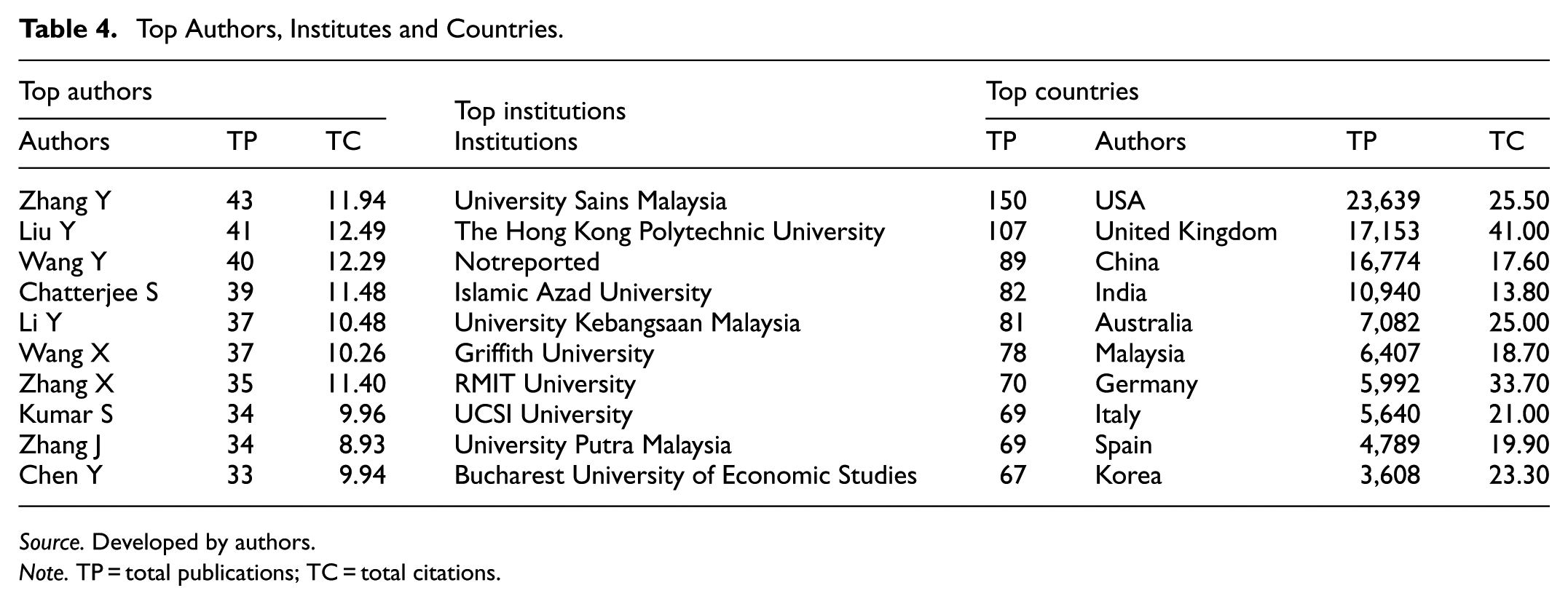
Table 4 highlights patterns of scholarly productivity and influence, helping illustrate the geographic and academic structure of AI research in higher education. Zhang Y emerges as the most prolific author with 43 publications, followed by Liu Y (41), Wang Y (40), and Chatterjee S (39). Average citation counts range from 8.9 to 12.5 per author, with Liu Y demonstrating the strongest citation impact at 12.49. The prevalence of common Chinese surnames such as Zhang, Wang, and Li reflects the strong presence of East Asian researchers, particularly from China, in this field. The inclusion of Chatterjee S signals India’s growing research footprint. Overall, the data suggest that while AI in higher education is a global topic, Asia is evolving into a major hub of scholarly expertise.
Top Authors, Institutes and Countries.
Source. Developed by authors.
Note. TP = total publications; TC = total citations.
Institutional analysis shows that Universiti Sains Malaysia leads with 150 publications, followed by The Hong Kong Polytechnic University (107) and Islamic Azad University (82). Other Malaysian institutions such as Universiti Kebangsaan Malaysia, UCSI University, and Universiti Putra Malaysia also contribute significantly, indicating active AI adoption research across Malaysian higher education.
At the country level, the United States ranks first with 23,639 publications, though its average citation rate of 25.50 is lower than the United Kingdom (41.00), Germany (33.70), and Korea (23.30), implying greater citation impact from European contributors. China is third in output with 16,774 publications and an average citation count of 17.60, suggesting strong but maturing influence. India ranks fourth in publication volume (10,940) but shows a modest citation impact of 13.80, pointing to opportunities for increased visibility and collaboration. Australia demonstrates a strong citation-to-publication ratio of 25.00, while Malaysia’s rising output (TP: 6,407; TC: 18.70) reflects a growing Asia-Pacific research hub.
While Western nations retain high-impact leadership, contributions from Asian authors and institutions are rapidly expanding. These patterns reinforce that publication volume and citation impact do not always align, but together they signal regional strengths and emerging academic leadership in the global AI-in-education landscape.
Most Cited Sources
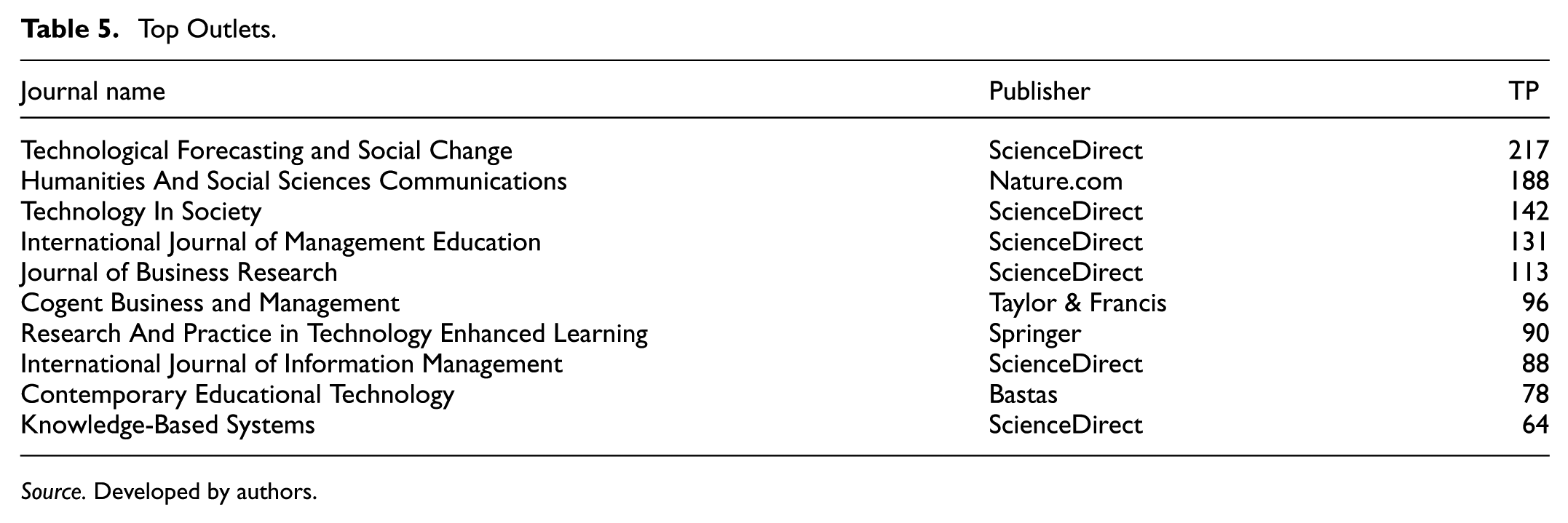
The top publishing sources on artificial intelligence in higher education reflect a multidisciplinary and rapidly evolving research landscape (Table 5). Technological Forecasting and Social Change leads with 217 publications, emphasizing future-focused transformations in education. Social Sciences and Humanities, Communications (188 articles) highlights ethical, social, and human-centric dimensions of AI in academic settings. Technology in Society (142) and the International Journal of Management Education (131) address socio-technical and strategic considerations, while the Journal of Business Research (113) points to data-driven learning and market-oriented educational policies. Open-access outlets such as Cogent Business and Management (96) and Research and Practice in Technology Enhanced Learning (90) contribute significantly to empirical EdTech and AI literature.
Top Outlets.
Source. Developed by authors.
Contemporary Educational Technology (78) focuses on practical, classroom-level AI deployments, whereas the International Journal of Information Management (88) engages with broader digital transformation and institutional policy issues. Knowledge-Based Systems (64) contributes to the computational foundations supporting intelligent learning systems. Overall, the distribution of top sources illustrates that AI in higher education is a multifaceted area of inquiry involving technological development, strategic implementation, learning innovation, and governance considerations.
Most Popular Keywords
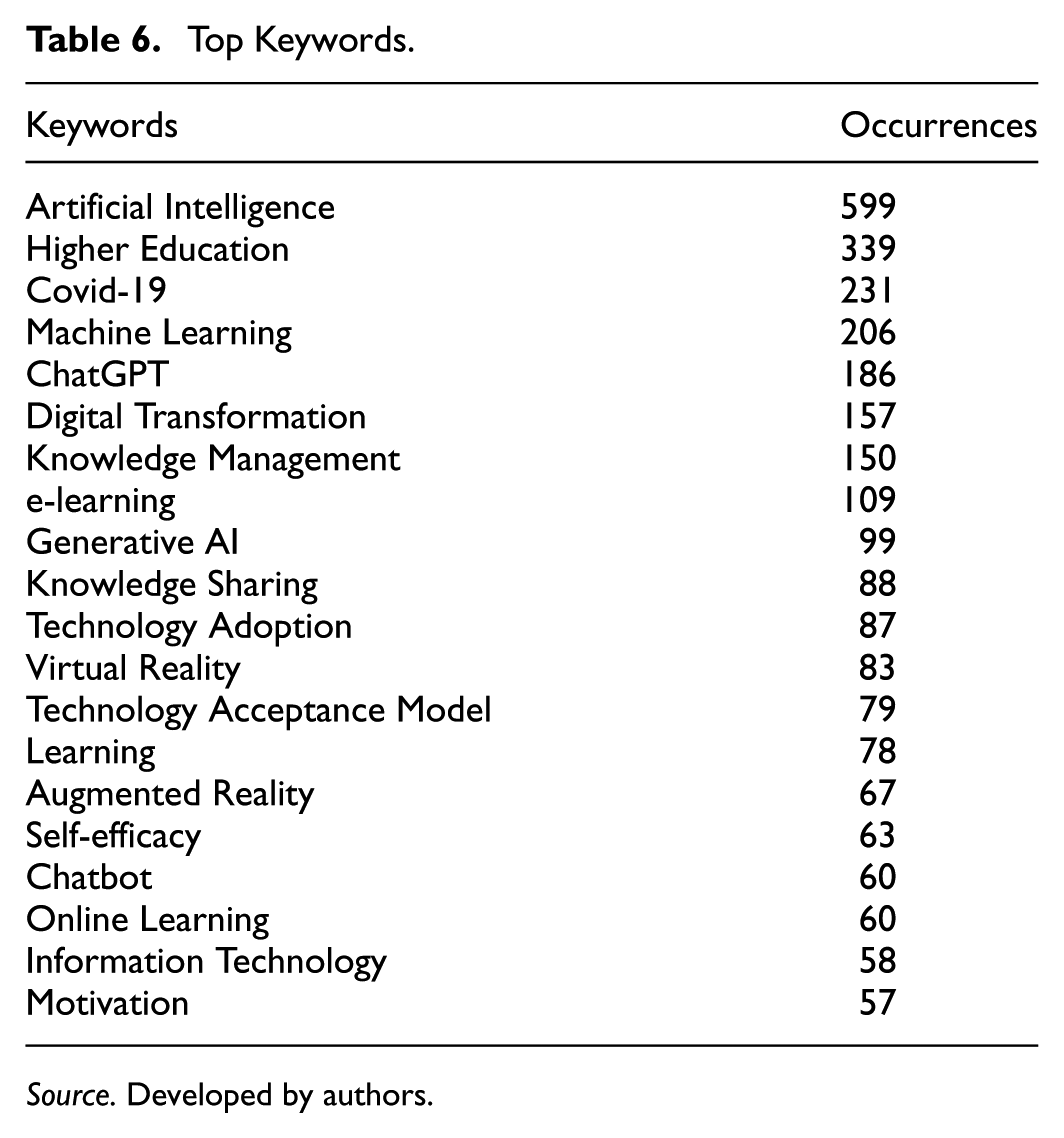
Examining highly frequent author keywords reveals the thematic structure and shifting priorities in artificial intelligence research within higher education (Table 6). “Artificial Intelligence” appears 599 times, confirming the central role of AI technologies in educational research. “Higher Education” (339) further reflects the field’s core context and the growing integration of AI within academic institutions.
Top Keywords.
Source. Developed by authors.
“COVID-19” (231) is the third most cited term, illustrating how the pandemic accelerated digital adoption and stimulated research into AI-enabled learning environments where resilience and remote learning became essential. “Machine Learning” (206) and “ChatGPT” (186) indicate a strong focus on specific tools enabling personalized instruction and natural language processing. The emergence of ChatGPT signifies a major shift in conversational agents supporting tutoring, evaluation, and instructional processes. Meanwhile, “Digital Transformation” (157) and “Knowledge Management” (150) highlight the strategic use of AI for institutional improvement and data-driven governance. Terms such as “e-learning” (109), “Virtual Reality” (83), and “Online Learning” (60) demonstrate the growing interest in flexible and immersive learning modalities powered by AI.
Newer concepts like “Chatbot” and “Generative AI” show rising attention to interactive, creativity-enhancing AI tools that reshape student engagement and instructional delivery. Pedagogical themes such as “Technology Adoption” (87), “Technology Acceptance Model” (79), and “Self-efficacy” (63) stress the role of learner attitudes and psychological factors in successful integration of AI. Keywords like “Motivation” (57) and “Learning” (78) reinforce the continued focus on human-centered outcomes including performance and engagement.
Overall, the keyword landscape suggests a rapidly evolving domain that balances technological advancement with educational theory. The convergence of AI tools, immersive environments, and learner-focused frameworks reflects growing sophistication in both the technical and instructional dimensions of AI adoption in higher education.
Thematic Map Analysis
Thematic map analysis categorizes research topics based on centrality (relevance to the wider field) and density (development level). Figure 3 presents the thematic map for AI research in higher education, dividing themes into four quadrants: Basic, Motor, Niche, and Emerging or Declining (Cobo et al., 2011). Basic themes are highly relevant yet underdeveloped and require further exploration. Motor themes are central and well-developed, forming the conceptual foundation of the field. Niche themes are advanced but have limited influence beyond smaller specialist areas. Emerging or Declining themes exhibit weak linkages and low maturity, requiring interpretation to determine whether they signify new directions or decreasing interest. This mapping approach helps identify strategic growth areas, research gaps, and evolving priorities in AI adoption within higher education institutions.

Thematic map analysis of AI in HEIs.
Cluster 3 includes artificial intelligence (597 mentions), higher education (338), and COVID-19 (230). These keywords show strong centrality but moderate density, indicating fundamental importance and capacity for continued theoretical expansion. The inclusion of COVID-19 reflects the pandemic’s strong role in accelerating AI-driven digital learning. Motor themes in Cluster 4 include innovation (191), sustainability (180), and digital transformation (157). Their strong centrality and development suggest active academic engagement, particularly around long-term institutional change and alignment with sustainability and SDG-driven goals.
Cluster 1 contains Niche themes such as social media (222), trust (124), and metaverse (89). These are well-developed but weakly connected to mainstream topics, representing specialized areas with strong potential if better integrated with core educational debates. The presence of metaverse research indicates growing interest in immersive AI-supported learning environments. Cluster 2 features topics considered Emerging or Declining, including text mining (56), big data (107), and machine learning (205). Despite technical relevance, their lower centrality and density suggest shifting research attention or the need for renewed theoretical context. Machine learning’s placement hints at a transition from a standalone innovation to a widely embedded educational tool, with future work potentially focused more on ethics, governance, and practical deployment.
Overall, this thematic structure reflects a dynamic field where foundational ideas continue evolving, well-established themes drive innovation, specialized niches develop intellectual depth, and certain topics adapt to changing research and technological priorities.
Keyword Co-occurrence Analysis
Biblioshiny supports keyword co-occurrence analysis, offering a view of how research topics connect within the field of AI in higher education (Figure 4). The terms “artificial intelligence” and “higher education” dominate the blue cluster, representing foundational concepts shaping the entire research domain.

Author keyword co-occurrence network.
Their prominence confirms AI’s central role in transforming pedagogy, innovation, and institutional operations in higher education. Other highly connected keywords, including machine learning, learning, technology adoption, social media, gamification, generative AI, and ChatGPT, indicate growing interest in how AI tools support learning processes and student engagement. The presence of ChatGPT and generative AI reflects an emerging focus on large language models for teaching support, assessment, and content creation.
The network demonstrates several clusters. One cluster focuses on technological and pedagogical integration, featuring keywords like technology acceptance model, learning, gamification, and chatbot. These studies examine how AI influences instructional practices and user responses to new technologies.
Another cluster examines behavioral and psychological constructs such as self-efficacy, trust, satisfaction, and knowledge sharing, emphasizing learner perceptions, motivation, and behavioral intentions in AI-enabled learning environments.
A third cluster reflects institutional and strategic considerations, including innovation, digital transformation, sustainability, industry 4.0, and bibliometric analysis. This area connects AI adoption with strategic planning, digitalization policies, and broader educational reform including alignment with sustainability objectives. Systematic reviews and bibliometric methods further reinforce analytical perspectives in this line of work.
Emerging concepts in immersive technologies, including metaverse, virtual reality, and augmented reality, highlight interest in experiential and interactive AI-supported learning environments, though these topics currently remain peripheral. Cross-disciplinary keywords such as blockchain, big data, and entrepreneurship illustrate intersections with business education, data-driven decision-making, and curriculum innovation.
Overall, the co-occurrence network demonstrates a maturing, multidimensional field. Research increasingly spans technology implementation, human behavior, and institutional strategy, while adapting to rapid advancements like ChatGPT and generative AI. The evolving structure signals a continued shift toward AI-driven learning outcomes, governance, and innovation in higher education.
Geographical Distribution
The geographical distribution and country collaboration network highlight strong global engagement in AI research within higher education (Figure 5). The visualization shows active international cooperation, with several nations serving as key contributors and connectors.

Global collaboration analysis.
The United States appears at the center of the network, indicating leadership in both educational innovation and AI development. Its extensive partnerships with the United Kingdom, China, Australia, and India support global knowledge exchange on AI-driven academic practices.
China also holds a prominent position, collaborating widely across Asia, Europe, and North America. India functions as an important bridge linking Western regions with Asia and Africa, reflecting its increasing scholarly output supported by a vast higher education ecosystem.
European countries such as the United Kingdom, Germany, Italy, and Spain demonstrate strong regional collaboration influenced by shared policies and academic mobility. The UK often links multiple continents, reaffirming its role as a global center of AI-in-education research. Australia and Canada also maintain robust networks driven by national priorities in digital and AI-enabled learning transformation.
Growing engagement from South Africa, Brazil, Malaysia, and Saudi Arabia suggests expanding global inclusion. Their collaborations with established leaders signal diversification of the research landscape beyond dominant Western contributors.
Overall, the collaboration network portrays AI in higher education as a collective worldwide effort. Rather than isolated national pursuits, research progress depends on cross-border partnerships that shape how institutions navigate AI-driven change.
Cluster Analysis
Bibliographic coupling was used to map the intellectual structure of research exploring the role of AI in higher education, showing its growing potential to support more inclusive and equitable learning environments. This approach links publications through shared references (Kessler, 1963), allowing related studies to be grouped into meaningful themes and revealing shifts from purely technical concerns toward ethical and pedagogical priorities (Cluster Analysis for current study is given in Figure 6).

Cluster analysis.
Using VOSviewer, 210 publications were divided into four thematic clusters based on citation patterns and conceptual proximity: (1) AI-driven Personalization and Pedagogical Innovation in Higher Education, (2) Pedagogical Transformation and Learner Interaction through AI, (3) AI, Academic Integrity, and Pedagogical Shift, and (4) Ethical Tech, Sustainability, and Consumer-Centric Business Innovation
Each cluster was validated through iterative review of titles, abstracts, and full texts to ensure thematic consistency. Cluster 1 includes studies on adaptive learning tools such as intelligent tutoring systems that personalize content and improve learning outcomes (Hwang & Chien, 2022; Kumar et al., 2023). Meanwhile, Cluster 4 gathers research aimed at mitigating algorithmic bias and promoting sustainable AI use, emphasizing governance frameworks that align the adoption of new technology with institutional corporate social responsibility (CSR) goals (Ruiz-Alba et al., 2022; Tarhini et al., 2024). Together, the clusters connect technological advances with management-driven changes in curriculum design, data-supported decision-making, and institution-level governance.
The mapping highlights AI’s dual role as both a disruptive force and an enabling resource for academic transformation. It also exposes overlooked areas including cross-cultural perspectives on AI ethics (Cluster 4) and the continued need for longitudinal evidence on the real impact of personalized learning systems (Cluster 1). Considering these findings through a business and management lens provides practical insight into how higher education institutions can balance innovation with strategic stability.
The subsequent sections provide a detailed discussion of each cluster, offering implications for educators, policymakers, and industry partners working to integrate AI responsibly and sustainably into higher education
Cluster 1: AI-Driven Personalization and Pedagogical Innovation in Higher Education
This cluster highlights a growing focus on using AI to personalize learning and reshape traditional teaching models in higher education. Studies by Holmes et al. (2022) and Zawacki-Richter et al. (2019) show how intelligent tutoring systems, predictive analytics, and adaptive learning platforms are shifting instruction toward learner-centered approaches. These tools customize content delivery, feedback, and assessment with the goal of improving student engagement and performance (L. Chen et al., 2020; Smith, 2019). The shift reflects a broader transition in which AI actively co-creates learning experiences rather than merely delivering content.
The cluster also emphasizes institutional and pedagogical implications. Researchers such as Luckin (2016) and Roll and Wylie (2016) argue that transparent learner models and alignment with sound teaching practices are essential. Data-driven insights are increasingly used to support informed instructional decisions and enhance institutional effectiveness (Chassignol et al., 2018; Holmes et al., 2019).
Overall, the literature portrays both opportunity and challenge. AI offers scalability, efficiency, and more personalized pathways, yet demands significant adjustments in teaching roles, curriculum design, and data governance. Concerns persist over infrastructure gaps, resistance to pedagogical change, privacy risks, and the need for faculty training to ensure responsible and inclusive adoption of AI-enhanced learning environments.
Cluster 2: Pedagogical Transformation and Learner Interaction Through AI
This cluster brings together studies that examine how AI tools, particularly generative systems like ChatGPT, are reshaping teaching practices and learning experiences in higher education. Much of this work evaluates effects on student performance, motivation, academic writing, and critical thinking. Celik et al. (2024) found that AI assistance can either support or hinder learning depending on instructional design and learner independence. Similarly, Gómez-Cano and Sánchez-Castillo (2024) question whether AI encourages deeper reflection or risks replacing it when overused.
A significant stream of research explores user perceptions. Studies grounded in the technology acceptance model (TAM), such as Jiao et al. (2023) and Aydın and Karaarslan (2023), examine how perceived usefulness, ease of use, and peer influence shape AI adoption in classrooms. Li et al. (2023) highlight trust as a critical factor, showing that comfort with AI tools and the clarity of automated feedback determine the extent to which students rely on such systems. The challenge becomes striking a balance between productive support and over-dependency, suggesting a new form of digital literacy is required for AI-enhanced learning.
Ethical and human-centric concerns are also prominent. Wang et al. (2023) draw attention to issues of plagiarism, authorship, and fairness arising from AI-generated content, reinforcing the need for stronger academic integrity frameworks. Conversely, Avilas Hernández et al. (2023) point to benefits such as increased engagement and student retention through personalized learning pathways. This dual narrative reflects ongoing tension: AI can democratize access to tailored education, yet may risk commodifying knowledge and diminishing academic rigor if mismanaged.
Across these studies, the central message is clear: integrating AI into higher education must be guided by balanced, ethical, and pedagogically sound strategies that preserve human learning value while leveraging technological opportunities.
Cluster 3: AI, Academic Integrity, and Pedagogical Shifts
This cluster focuses on how AI is prompting major shifts in academic integrity and pedagogy within higher education. The emergence of generative tools like ChatGPT has heightened concerns about cheating, plagiarism, and the authenticity of student work. Cotton et al. (2024) and Susnjak (2024) emphasize the growing need for stronger safeguards as students turn to AI to complete assignments. Similarly, Baidoo-Anu and Owusu Ansah (2023) argue that while AI enhances efficiency and creativity, educators must remain vigilant in upholding ethical standards.
Studies also highlight the pedagogical implications of AI adoption. Chiu (2024) and Zawacki-Richter et al. (2019) suggest that although AI can support diverse learners, instructional approaches require thoughtful redesign to ensure educational value is maintained. Hwang et al. (2020) further stress that successful integration depends on context, clear learning objectives, and student readiness. Holmes et al. (2021) remind us that human relationships and emotional intelligence remain central to meaningful learning, and cannot be fully replicated by automated systems.
Broader review work by Zawacki-Richter et al. (2019) highlights emerging policy challenges, underscoring the need for institutional frameworks that balance innovation with accountability. Rodway and Schepman (2023) add that effective AI adoption requires well-prepared instructors, clear guidelines, and revised assessment strategies.
Overall, the literature portrays AI as more than a support tool; it is a transformative force redefining ethics and teaching practices. The challenge lies in fostering responsible integration that protects academic integrity while enabling AI to enhance learning.
Cluster 4: Ethical Tech, Sustainability, and Consumer-Centric Business Innovation
This cluster focuses on ensuring that emerging technologies in higher education are adopted responsibly, with attention to ethics and sustainability. Studies highlight concerns about algorithmic bias, where AI systems may reinforce existing inequalities, and a lack of transparency in decision-making processes that influence student outcomes and institutional policies. Research on algorithmic justice stresses that while AI can broaden access to education, it may also unintentionally perpetuate unfairness (Tarhini et al., 2024). Work on generative AI in areas such as green supply chain management underscores the need for governance frameworks that prevent unintended consequences (Mulyawan et al., 2024). These findings collectively argue for stronger regulatory and organizational oversight to ensure AI deployment aligns with societal expectations, complementing critiques of CSR approaches that sometimes overlook environmental and social priorities (Ruiz-Alba et al., 2022).
Sustainability also appears as a prominent concern. Articles examine how digital innovation intersects with eco-friendly practices. Wearable technologies, for instance, raise questions about both user benefits and environmental impact (Li et al., 2023). The COVID-19 pandemic further highlighted the importance of resilient supply chains, with studies showing that technology-supported logistics helped mitigate disruptions (Kim et al., 2025).
Another branch within this cluster explores consumer-centric innovation, blending neuromarketing, digital engagement, and cultural sensitivity. Research suggests AI-enhanced neuromarketing can improve the personal relevance of social media advertising, while adoption of wearable devices in B2B contexts depends on trust and ease of use (Kumar et al., 2023). Cultural context also shapes technology acceptance. For example, blockchain use in Islamic banking is influenced by organizational turbulence and consumer expectations (Joshi et al., 2021). Work supporting older adults through voice assistants illustrates how inclusive design can help bridge digital divides (Mulyawan et al., 2024).
Taken together, the cluster highlights the importance of innovation that is ethical, environmentally responsible, and attentive to diverse user needs. It promotes a model of AI adoption in higher education that acknowledges both technological potential and its broader societal implications.
Qualitative Study
A qualitative focus group discussion with leading academics and EdTech leaders further enhanced this review study. This FGD approach aimed to bridge academic discourse with the integration of technology. With seven academic experts from varied disciplines and six senior EdTech practitioners, the group was strategically designed to yield insights into the strategic, pedagogical, and ethical implications of AI adoption. These insights mirror and enrich the themes that emerged in the four bibliographic clusters identified in this study.
Methodology
The focus group was convened for over 90 min in an offline setting. A semi-structured discussion, aligned with the four bibliometric clusters, was used to steer the inputs. Participants were selected through purposive sampling, with a focus on their leadership in AI-related educational reform and technology innovation (Table 7). Detailed notes were prepared from this discussion for further analysis.
Respondent profile.
Source. Developed by authors.
Ethical Considerations
This study was designed to minimize any potential risk of harm to participants. The qualitative component involved a FGD with academic experts and senior EdTech professionals, all of whom participated in their professional capacity rather than as vulnerable individuals or students. No sensitive personal, medical, or identifiable data were collected during the discussion. The questions were exploratory in nature and focused on professional experiences, institutional practices, and sector-level insights related to artificial intelligence in higher education.
To further reduce risk, participation was entirely voluntary, and participants were informed that they could decline to answer any question or withdraw from the discussion at any stage without any negative consequences. The discussion was conducted in a respectful and non-evaluative manner, ensuring that no participant was subjected to psychological discomfort, reputational risk, or coercion. Data were recorded in anonymized form, and no direct identifiers were used in the analysis or reporting of findings.
The potential benefits of the research were assessed to outweigh any minimal risks involved. The study contributes to societal and institutional understanding of the ethical, pedagogical, and strategic implications of AI adoption in higher education. Insights generated from the FGD support more responsible AI governance, improved policy formulation, and ethically informed implementation practices, which may benefit higher education institutions, educators, students, and EdTech stakeholders. Participants also benefited indirectly through reflective engagement with peers on emerging challenges and best practices related to AI integration.
Informed consent was obtained from all participants prior to their involvement in the focus group discussion. Participants were provided with a clear explanation of the study’s purpose, the voluntary nature of participation, the intended use of the data, and measures taken to ensure confidentiality and anonymity. Verbal consent was obtained before commencing the discussion, and participants were informed that aggregated insights would be reported without attribution to individuals or institutions.
Key Insights from Industry Experts
Industry participants underscored AI’s transformative potential but flagged institutional resistance and regulatory gray zones as major bottlenecks. A Chief Product Officer at a leading EdTech company stated, “We can now predict dropouts weeks before they happen using engagement and sentiment data. However, universities often do not act on these predictions.” This implementation gap stems from institutional inertia, lack of integrated response protocols, privacy concerns about acting on predictive data, and insufficient coordination between IT departments and academic support services. Another EdTech strategist shared, “AI allows us to personalise at scale. But few HEIs have the CSR learning management system (LMS) integration capabilities or the changing mindset to make it work.”
A strong emphasis was placed on the ethics and risks associated with generative AI. A data privacy lead at an AI startup warned, “Universities/Institutions do not understand the metadata trail left behind by AI. Consent, transparency, and data ownership are being ignored.” This echoed the emphasis of Bibliometric Cluster 4 on ethical tech and institutional trust.
Interestingly, industry experts were more open to collaborative innovation than academics presumed. One participant noted, “The most successful pilots have been in institutions where faculty co-design features. We are not looking to replace educators; we are looking to empower them.” This supports findings on collaborative knowledge ecosystems and innovation management.
In terms of workforce readiness and employability, industry leaders expressed a desire to see more AI literacy embedded in curricula. One said, “It is ironic that students use AI tools but are never taught how they work or how to engage with them ethically.” Another added, “AI is the new Excel. Every business grad should know how to prompt, audit, and critique an AI model.”
Key Insights from Academic Experts
Academics have expressed an evolving view of AI, shifting from skepticism to cautious experimentation and adoption. On Cluster 1 (AI-driven personalization and pedagogical innovation), several participants celebrated how AI can support differentiated learning. One professor of instructional design observed:
My classroom has changed dramatically since I began using AI-generated formative assessments. Students are not just engaging more; they are getting feedback at the exact point of confusion.
Another faculty member noted, “AI helps me see the invisible patterns, like when 40% of the class repeatedly misinterprets the same concept. I now intervene before exams, not after.” This aligns with studies like Kim et al. (2020) and Chatterjee et al. (2021) on data-driven personalization and immersive pedagogy.
Cluster 2 also resonated strongly, particularly in areas such as collaboration and digital learning environments. A professor teaching global strategy remarked, “We now co-teach across continents. AI-facilitated translation and real-time semantic mapping tools have made international collaboration much more fluid.” Another comment on the impact of AI on student motivation was: “Students perceive AI-enabled tools as modern and responsive. It boosts their sense of agency.”
However, concerns dominated the discussion on Cluster 3 (AI, academic integrity, and pedagogical shifts). One senior academic administrator noted, “Generative AI is a double-edged sword. While it is an enabler for creativity, it also presents deep threats to academic honesty.” Another added, “Students using AI to write entire essays are not the issue. It is our lack of frameworks to engage them in critically reflecting on that use.” They called for redesigning assessments, creating transparency policies for AI use, and embedding digital ethics in curricula.
In relation to Cluster 4, academics stressed the growing need to address sustainability, equity, and institutional readiness. One education policy scholar explained, “Most institutions are rushing to buy AI tools, not realizing that they are data-hungry and ethically complex. Where is the faculty development in all of this?”
Real-World Challenges and Gaps
AI has the potential to enhance higher education, but practical barriers hinder its effective application and impact. Academics and businesspeople complained about the rigidity of standard pedagogical and assessment approaches. Many institutions continue to rely on outdated, memory-based evaluations that are increasingly misaligned with the open-access and generative capabilities of AI tools. One academic noted, “Our exams have not changed in 20 years, but our students now have ChatGPT in their pockets. The gap is obvious and dangerous.” This misalignment creates risks, including academic dishonesty through undetected AI assistance, inadequate preparation of students for AI-integrated workplaces, and potential erosion of critical thinking skills when AI tools are used as substitutes rather than supplements to learning. This divide prevents AI from assisting higher-order thinking, innovation, and problem-solving.
Faculty preparedness and institutional support are another significant gap. Despite the rapid adoption of AI technologies, organized teacher training and strategic enabling are rare, especially in the humanities and social sciences. Many scholars have complained about having to incorporate AI into their lectures without a clear pedagogical framework. “Most companies have no organised AI onboarding,” claimed 1. We should just work things out while teaching, publishing, and mentoring. This lack of institutional scaffolding worsens unequal adoption and deepens the digital divide inside and between institutions.
Both groups also noted the lack of ethical and regulatory frameworks to guide the use of AI in HEIs. Data privacy, student consent, algorithmic decision-making transparency, and generative AI applications remain underexplored. Business expert warns, “We are making good tools, but universities have not started data ethics discussions. Who owns engagement data? How is it used? Nobody knows.” Abuse, bias amplification, and erosion of academic trust are at risk without strong institutional and ethical guidelines. These issues underscore the need for cooperative, well-regulated, and content-sensitive AI in higher education.
Research Gaps and Future Directions
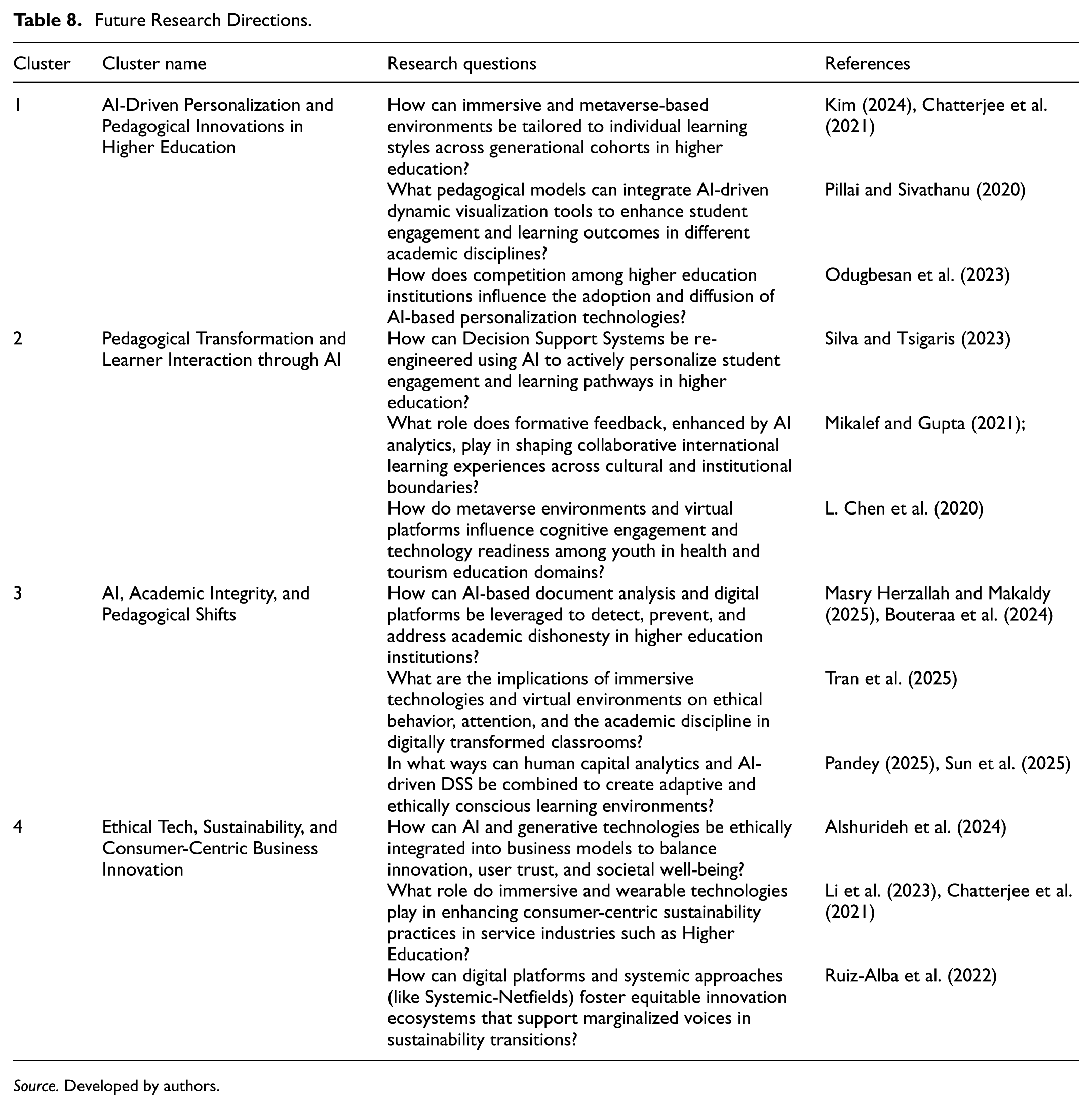
Recently, there has been an upswing in interest from academia, industry, and policy circles on how AI, ethical technology, and sustainability-focused innovation can transform higher education. Colleges and universities, increasingly buffeted by tech disruptions alongside shifts in student and instructor empowerment and privacy demands, now face a pressing challenge: figuring out how to ethically harness these emerging technologies to drive inclusive and responsible business practices. In this study, bibliographic coupling is employed to categorize the literature on AI in higher education into four primary clusters. Table 8, for instance, lays out the central research questions from each cluster and the qualitative focus group discussions, offering a kind of roadmap for business leaders, policymakers, and researchers who want to contribute and expand the current body of knowledge.
Future Research Directions.
Source. Developed by authors.
Given the disciplinary boundaries of this study, several cross-disciplinary research directions emerge as particularly valuable:
Discussion and Implications
This study sheds light on the evolving landscape of AI in HEIs by uncovering key thematic clusters that reflect both the promises and complexities of AI integration.
Theoretical Implications
The prevalence of AI-driven personalization (Cluster 1) marks a shift from standardized pedagogical models to adaptive learning frameworks. This aligns with constructivist learning theories, which prioritize learner-centered instruction (Piaget, 1972), suggesting that AI tools can operationalize these pedagogical principles at scale. Furthermore, the emergence of ethical technology concerns (Cluster 4) resonates with socio-technical systems theory (Baxter & Sommerville, 2011), indicating that AI adoption in HEIs must consider both technical affordances and social contexts to ensure responsible innovation. These findings extend prior bibliometric studies (Delen et al., 2024; Durak et al., 2024) by highlighting the interplay between thematic evolution and institutional readiness for AI adoption.
The clustering results show a clear shift from early curiosity about AI’s potential to more sophisticated examinations of its impact on pedagogy, institutional governance, ethics, and student experience. While AI enables personalized learning, administrative efficiency, and new avenues for research, it also raises concerns about privacy, equity, and the evolving role of educators. A key insight is that AI adoption in higher education is a socio-technical challenge, requiring alignment of policy, infrastructure, teaching practices, and organizational culture. The literature further stresses the importance of inclusive design to ensure AI benefits varied learner groups and reduces digital disparities. Overall, the influence of AI will depend on how effectively institutions regulate, implement, and ethically leverage these technologies to support diverse academic communities.
This study advances theoretical understanding of the AI–higher education nexus in several ways. First, bibliographic coupling allowed for systematic identification and categorization of knowledge structures, illustrating how AI is reshaping learning design, institutional management, and student engagement. Second, the findings highlight interdisciplinary convergence, connecting computer science, educational psychology, ethics, and management, and laying the groundwork for integrated theoretical models. Third, the thematic clusters provide a conceptual framework for future work on the socio-technical dimensions of AI in education, spanning student-centered learning, curriculum design, institutional readiness, and ethical governance. Finally, this synthesis brings together fragmented research strands, supporting more coherent and longitudinal developments in the field.
Practical Implications
Institutional leaders should leverage insights from focus groups to tailor AI deployment strategies. For example, the identified infrastructure and training challenges imply the need for phased implementation plans that incorporate continuous faculty development and data governance frameworks.
The study’s results offer practical takeaways for university administrators, professors, policy makers, and EdTech creators who want to integrate AI into higher education responsibly and effectively. Universities can utilize AI not only to enhance learning but also to streamline day-to-day operations. For instance, adaptive learning systems, such as Squirrel AI or Coursera’s individualized pathways, allow students to move at a pace that suits them, thanks to on-the-spot feedback and performance details. This approach is particularly important for large, diverse student groups, where tailoring instruction has often been a challenge.
Another interesting aspect is the rise of AI-powered chatbots. Georgia State University’s Pounce, for example, has noticeably increased student engagement by handling everyday administrative questions, reducing summer melt, and streamlining the onboarding process. In a similar vein, predictive analytics tools, like the ones at the University of Florida, pinpoint students who might be at risk of dropping out, often in time for academic counselors to step in.
Professors, too, may find comfort in AI-assisted grading systems that reduce the administrative workload, freeing up time for mentoring or developing new curriculum ideas. Tools such as Gradescope, which leverage machine learning to streamline grading, are already in use at numerous universities worldwide. Likewise, research aides like Iris.ai help academics map out existing literature, spot gaps, and even spark interdisciplinary collaboration.
Taking a policy angle, the study makes it clear that ethical guidelines and robust data governance are essential. In most cases, this means keeping algorithmic decisions transparent and drafting fair rules for AI in education. Governments and accreditation bodies may even establish regulatory sandboxes, which serve as a testing ground for safe innovation while preserving academic integrity and student rights. For those in the EdTech space, the study highlights key areas such as smart tutoring systems, virtual teaching assistants, and automated student support, acknowledging the importance of aligning product features with the needs of schools and learners.
The business and management focus of this analysis provides specific value for institutional leaders, policymakers, and EdTech entrepreneurs seeking to understand AI adoption from strategic and organizational perspectives. However, readers should interpret findings within this disciplinary context. The thematic clusters identified here, particularly those related to the ethical implementation of technology and sustainability, reflect business-oriented concerns about responsible innovation and stakeholder management, rather than purely technical or pedagogical considerations.
This focus reveals important insights into how higher education institutions conceptualize AI as an organizational capability and strategic asset, but may underemphasize technical feasibility studies, detailed pedagogical effectiveness research, or student learning outcome analyses that are more commonly found in the Computer Science and Education literature. The convergence identified between AI innovation and corporate social responsibility frameworks, for instance, represents a distinctly business-oriented perspective on the adoption of educational technology.
Future research should integrate findings from this management-focused analysis with technical and educational research to develop more comprehensive implementation frameworks that address both organizational strategy and pedagogical effectiveness.
Mapping Results to Research Questions
Building on the practical recommendations outlined above, we now turn to a focused examination of how our empirical findings directly address the study’s core research questions. This structured mapping underscores the coherence between our bibliometric and qualitative results and the specific objectives set forth at the outset.
In contrast, author analysis highlights Zhang Y, Liu Y, and Wang Y as key influencers.
Conclusion and Limitations
This study presents a comprehensive bibliometric analysis of AI in higher education using 9,905 Scopus-indexed journal articles. Performance and network analysis through Biblioshiny and VOSviewer identified four thematic clusters reflecting AI’s evolving role in teaching innovation, student engagement, academic integrity, and ethical technology implementation. Collectively, these results map the intellectual landscape of the field and point to several research priorities for scholars, educators, and policymakers.
To enrich the bibliometric findings, the study incorporated Focus Group Discussions with academic and industry representatives. This qualitative input supports and expands on the bibliometric results by highlighting practical challenges, institutional perspectives, and real-world barriers to AI adoption. The dual approach provides a more grounded view of how AI affects both higher education research and practice.
Despite its contributions, the study has several limitations. First, the focus on Business and Management categories within Scopus may exclude relevant insights from Computer Science, Education, Psychology, and Information Systems, potentially biasing findings toward managerial perspectives. Second, limiting the search to English-language publications excludes contributions from non-English-speaking regions, which may introduce cultural and methodological bias. Third, relying solely on Scopus omits materials indexed in other major databases, as well as conference papers, books, and gray literature where emerging innovations often first appear. Fourth, while bibliometrics is useful for identifying large-scale patterns, it does not assess the methodological quality or practical effectiveness of individual studies. Finally, the absence of longitudinal or experimental evidence limits understanding of the real-world outcomes of AI deployment in higher education.
Future research should incorporate cross-disciplinary sources, multilingual databases, and qualitative or experimental studies to evaluate actual impacts on learners and institutions. Such refinements would deepen insights into how AI adoption shapes teaching, policy, and organizational transformation over time.
Footnotes
Annexure 1: The Search Protocol
(“Artificial Intelligence” OR “AI”) AND (“higher education” OR “university learning” OR “college students” OR “tertiary education” OR “post-secondary education” OR “undergraduate education” OR “graduate education”) AND (LIMIT-TO (SRCTYPE, “j”) ) AND (LIMIT-TO ( SUBJAREA, “BUSI”) ) AND (LIMIT-TO ( DOCTYPE, “ar”) ) AND ( LIMIT-TO (LANGUAGE, “English”) )
Search date: March 2025.
Acknowledgements
The authors gratefully acknowledge the support of their institution in facilitating this research. No funding was received for the preparation or publication of this paper.

Ethical Considerations
This study was designed to minimise any potential risk of harm to participants. The qualitative component involved a FGD with academic experts and senior EdTech professionals, all of whom participated in their professional capacity rather than as vulnerable individuals or students. No sensitive personal, medical, or identifiable data were collected during the discussion. The questions were exploratory in nature and focused on professional experiences, institutional practices, and sector-level insights related to artificial intelligence in higher education. To further reduce risk, participation was entirely voluntary, and participants were informed that they could decline to answer any question or withdraw from the discussion at any stage without any negative consequences. The discussion was conducted in a respectful and non-evaluative manner, ensuring that no participant was subjected to psychological discomfort, reputational risk, or coercion. Data were recorded in anonymized form, and no direct identifiers were used in the analysis or reporting of findings. The potential benefits of the research were assessed to outweigh any minimal risks involved. The study contributes to societal and institutional understanding of the ethical, pedagogical, and strategic implications of AI adoption in higher education. Insights generated from the FGD support more responsible AI governance, improved policy formulation, and ethically informed implementation practices, which may benefit higher education institutions, educators, students, and EdTech stakeholders. Participants also benefited indirectly through reflective engagement with peers on emerging challenges and best practices related to AI integration.
Consent to Participate
Informed consent was obtained from all participants prior to their involvement in the focus group discussion. Participants were provided with a clear explanation of the study’s purpose, the voluntary nature of participation, the intended use of the data, and measures taken to ensure confidentiality and anonymity. Verbal consent was obtained before commencing the discussion, and participants were informed that aggregated insights would be reported without attribution to individuals or institutions.
Funding
The authors received no financial support for the research, authorship, and/or publication of this article.
Declaration of Conflicting Interests
The authors declared no potential conflicts of interest with respect to the research, authorship, and/or publication of this article.
Data Availability Statement
The data supporting the findings of this study are available from the corresponding author upon request.
AI Declaration
The authors used generative AI tools solely for basic tasks such as grammar correction and language refinement. No content, analysis, or ideas were generated by AI tools. The intellectual work is entirely original and fully owned by the authors.