



Abstract
This article explores the shift towards environmentally sustainable innovation from a dynamic capabilities perspective, identifying key capabilities influencing sustainable enterprise development. Employing a multiple case study design, the study explores four sustainable enterprises. The findings reveal sensing capabilities driven by knowledge acquisition, an environmentally conscious mindset and market assessment. Seizing capabilities involve co-innovation, knowledge combination and network establishment. Reconfiguring capabilities encompass workforce and supply-chain restructuring. The research emphasizes the importance of dynamic capabilities in sustainable enterprise strategy, offering insights for practitioners and researchers. It underscores the significance of a holistic approach to value creation and continuous adaptation in sustainability. The study, focusing on micro-foundations in an emerging economy, provides unique insights into the dynamics of sustainable firms, contributing to a deeper understanding of their strategic foundations.
Introduction
Sustainable enterprises aim to address social injustice and environmental degradation as a solution rather than a cause (Muñoz & Cohen, 2018). Enterprises must prioritize environmental and social sustainability when pursuing opportunities without causing harm to the environmental and social surroundings in which they conduct their business (Wang et al., 2016). In order to attain sustainable development, firms are placing more importance on establishing and promoting environmentally sustainable enterprises to engage in activities that revive or foster the balance between economic activity, nature and society (Rosário & Figueiredo, 2023). A sustainable environment can be perceived as a business strategy aimed at promoting economic, environmental and social benefits to meet the requirements of the present generation without compromising the welfare of future generations (Terán-Yépez et al., 2020). Sustainable enterprises seek to recognize the significance of incorporating environmental and social responsibility into fundamental business strategy as an effective means of attaining economic and long-term advantages for both the business and society (Bals & Tate, 2018). Baldo (2014) argues that sustainable entrepreneurs possess a deep understanding of how their actions affect society and the environment. As a result, they are motivated to prioritize the creation of sustainable value for all stakeholders. This could be considered as their commitment to run profitable enterprises while simultaneously tackling social and environmental concerns.
Sustainable enterprises have the ability to actively seek out and implement innovative and eco-friendly business solutions (Schaltegger & Wagner, 2011). Sustainable firms place considerable attention on recognizing market opportunities and providing products and services that directly address social and environmental challenges (Valackienė & Micevičienė, 2015). Organizations that want to be sustainable have to recognize how interrelated the economic, social and environmental systems are (Tasavori et al., 2016). Quite often, the goals of sustainable businesses complement one another, but these businesses are complex and uncertain, as seen by the trade-offs (Belz & Binder, 2017). The notion of sustainable enterprises has lately drawn increasing attention to the academic literature (Vézina et al., 2019). However, there is a lack of empirical studies on the topic.
It is crucial to comprehend the dynamic capabilities of environmentally sustainable enterprises (ESEs) due to the growing necessity for businesses to succeed in intricate social and environmental contexts. As outlined in the preceding discussion, ESEs operate within a framework that prioritizes the incorporation of environmental and social concerns into their primary business objectives. Consequently, exploring the process in which ESEs identify, seize and leverage opportunities becomes crucial to both organizational goal and achieving the larger goal of sustainability. This study aims to explore the dynamic capability of ESEs, illuminating their creative problem-solving and adaptive strategies amid environmental and societal challenges. In this study, we seek to contribute to the understanding of the development of ESEs. The research question that we try to address through this study is how ESEs identify, develop and exploit opportunities? Since the field of sustainable enterprises is still in a nascent stage, we conduct a qualitative study appropriate for theory building or extending the theory in the context of sustainable enterprises. To explore the dynamic capabilities of ESEs, we follow an abductive approach by adopting multiple cases.
In the subsequent sections, we review the literature on dynamic capabilities and sustainable enterprises. We discuss the research methodology, describing the multiple case study design. Based on the findings, we highlight the dynamic capabilities and its associated micro-foundations in the context of ESEs. We contribute to the emerging field of sustainable enterprises along with suggesting the practical implications of the study.
Theoretical Background
Dynamic Capabilities and Its Associated Micro-foundations
Research on dynamic capabilities explores the adaptability required in competitive, initially introduced by Teece et al. (1997) as an expansion of the resource-based view (barney, 1991). Dynamic capabilities have been defined as ‘the company’s capacity to integrate, construct, and reconfigure internal and external resources/competencies to address and potentially adjust to rapidly changing business landscapes’ (Teece, 2014).
Three distinct categories of dynamic capabilities were delineated by Teece (2007): sensing, seizing and reconfiguring. The sensing capability pertains to recognize and assess opportunities; in other words, it is linked to the ability to discern, refine, structure and calibrate opportunities within the realm of business. Comparable to the concept of market-oriented learning, sensing pertains to the organizational procedures that empower the company to predict market trends as well as customer demands, preferences and requirements (Mousavi et al., 2018). The seizing capability entails the allocation of both internal and external resources to obtain the value of the opportunities identified. The concept of ’transforming’ pertains to the ability of an organization to consistently evolve and adapt, enabling it to proactively plan for future development despite the implementation of established protocols and safeguards for its assets (Teece, 2007, 2014). The dynamic capabilities comprise the attributes and procedures essential for attaining a favourable position in an environment and seek to elucidate novel strategic deliberations and the decision-making processes critical for seizing opportunities and transforming businesses (Lüdeke-Freund, 2020).
The approach of dynamic capability aims to delve deeper into the underlying components of dynamic capabilities in order to get a more comprehensive understanding of innovation and co-creation; the sources of resources and how they can be developed; and the optimal deployment of resources (Teece, 2014). As contented by Felin and Foss (2009), the primary inquiry into dynamic capabilities is to comprehend the micro-level sources of these constructs. Felin and Powell (2016) argue that micro-foundations allow us to improve our insight of the fundamental elements that form the basis of dynamic capabilities. Micro-foundations are the fundamental actions at individual and group levels that influence strategy, organization and, more generally, dynamic capabilities, ultimately resulting in improved performance at the organizational level (Eisenhardt et al., 2010).
Teece (2014) asserts that dynamic capabilities are typically derived via managerial and entrepreneurial actions related to sensing, seizing and reconfiguring. Teece (2007) specifically provides bundles of micro-foundations for each of the three dynamic capabilities that may be observed and identified in innovative organizations. Felin and Foss (2009) argue that certain micro-foundations might be momentarily ahead of others. Consequently, micro-foundations can be regarded as both the initial conditions and evolutionary processes (Mousavi et al., 2018). This operationalization facilitates the identification of an extensive array of dynamic capability micro-foundations required for the implementation of an environmentally sustainable enterprise strategy.
Thus, to comprehend how businesses develop and implement dynamic capabilities for ESEs, it is necessary to pay additional attention to these micro-foundations of dynamic capability.
The Significance of Dynamic Capabilities within Sustainable Enterprises
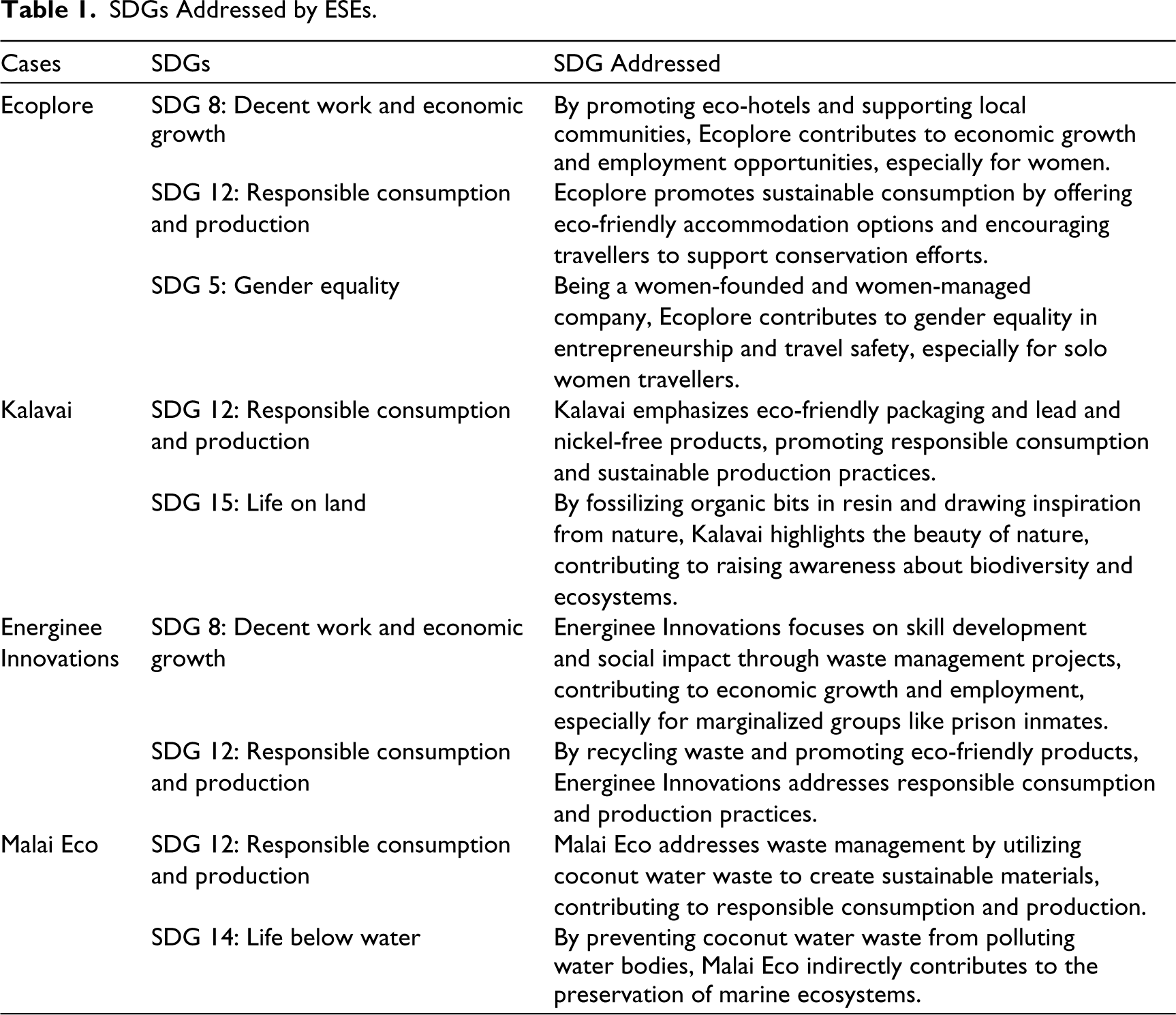
Sustainable enterprises start with a vision beyond mere profit generation for investors, encompassing the generation of economic, social and cultural value for a broader stakeholder community. Inputs such as people, natural resources and energy are not regarded as commodities that require purchase, conversion and utilization. Conversely, they adopt a cradle-to-cradle perspective regarding production and resources. The objective of sustainable enterprises is to reduce resource footprint and reinstate resource ecosystems to their original regenerative potential. By their ecological context, they develop products, operations and logistical systems that are scalable and efficient. Sustainable enterprises prioritize environmental concerns and strive to optimize their ecological efficacy across all organizational dimensions. Table 1 describes the SDGs addressed by the ESEs.
SDGs Addressed by ESEs.
Recent research in the fields of environmental management and corporate social responsibility has demonstrated that the concept of sustainable enterprises not only holds economic prospects but also has the potential to outperform conventional business practices in terms of competitiveness. Competitive advantages manifest in both deliberate and inadvertent ways, as organizations that adopt a more comprehensive sustainability outlook enhance their capacity to ‘see’ novel opportunities to generate value through organizational resources or practices that were previously undervalued (Baker & Nelson, 2005). Nevertheless, significant transformation necessitates going beyond the perspective of achieving success by enhancing the capabilities of the enterprises. Sustainable enterprises must strategically allocate their resources to succeed in the dynamic, complex and rapidly changing business environment (Bocken & Geradts, 2020; Davies & Doherty, 2019; Markard et al., 2012). In this study, we focus on ESEs. Along with bringing environmental and social impact, ESEs consider financial performance as a fundamental requirement (Knoppen & Knight, 2022).
The dynamic capability perspective, formulated by Teece et al. (1997) to elucidate the performance of firms operating in a dynamic environment, could therefore provide insights that ESEs may develop. Teece (2007) describes dynamic capability as the process of sensing, seizing and developing meta-capabilities, including skills, processes, procedures, decision-making and disciplines. Micro-foundational thinking is gaining attention in the strategy domain (Tarba et al., 2020). When applied to dynamic capability, it often adopts a processual approach (Dixon et al., 2014). This study seeks to theorize the strategic development of ESEs.
Methodology
Research Approach
The present study employs an abductive qualitative research approach, incorporating multiple cases. The abductive approach employs a theoretical framework for researching an empirical phenomenon, oscillating between the theoretical framework, empirical context and analysis. The iterative process of combining theoretical framework, empirical; observation and analytical discussion, referred to as ‘matching’ (Dubois & Gadde, 2002), facilitates the generation of novel insights into a comparatively underexplored phenomenon (Dubois & Gadde, 2014). Furthermore, as stated by Timmermans and Tavory (2012), the process of generating novel theoretical insights by reorganizing empirical observations in relation to established theoretical frameworks is facilitated by the reconciliation of theoretical conceptualizations with empirical evidence.
This study is relevant because it is one of the first to explore, characterize and elucidate the underlying micro-foundations of dynamic capabilities for ESEs. The findings of the study are further supported by the use of a well-established theoretical framework, specifically the dynamic capabilities concept and its accompanied micro-foundations, that enhances the internal validity of the research.
In this study, we followed a case study research strategy within the abductive approach to validate empirical findings and identify emerging patterns from enterprise-specific settings (Eisenhardt, 1989; Eisenhardt & Graebner, 2007). Four unique cases, each of which represents an environmentally sustainable enterprise that operated for a considerable duration are considered. The objective is to discern recurring patterns, mechanisms or processes that are operational in all four cases. By doing so, this study seeks to establish analytical and externally valid patterns, mechanisms or processes that contribute to the advancement of theory (Yin, 1994) in the field of dynamic capabilities for ESEs. This will aid in the advancement of theory in the field of micro-foundations of dynamic capabilities for ESEs, specifically those enterprises that prioritize environmental consciousness.
The processes of the firm in the form of strategic activities that either facilitate or impede ESEs are explored for each of the four cases using the abductive approach and the multiple case study research approach. The emphasis on process is facilitated by the selected theoretical lens (i.e., dynamic capabilities and their micro-foundations) that focuses primarily on the evolution of business over time (Mousavi et al., 2018).
Case Selection
In accordance with Eisenhardt (1989), theoretical sampling is used to select each of the four cases. The chosen cases are similar on multiple parameters in order to enable replication logic, which is to look for processes that are active in cases that are somewhat similar. First, as ESEs primarily serve to provide sustainable environmental value while also producing economic benefits to support the primary purpose, all four cases fulfil our definition of ESEs. Second, all four cases continuously engage in environmentally conscious operations to create environmental value. The last selection criterion is the availability of comprehensive data regarding the four ESEs’ entire development and innovation trajectory. Table 2 gives an overview of the selected cases.
Case Overview.
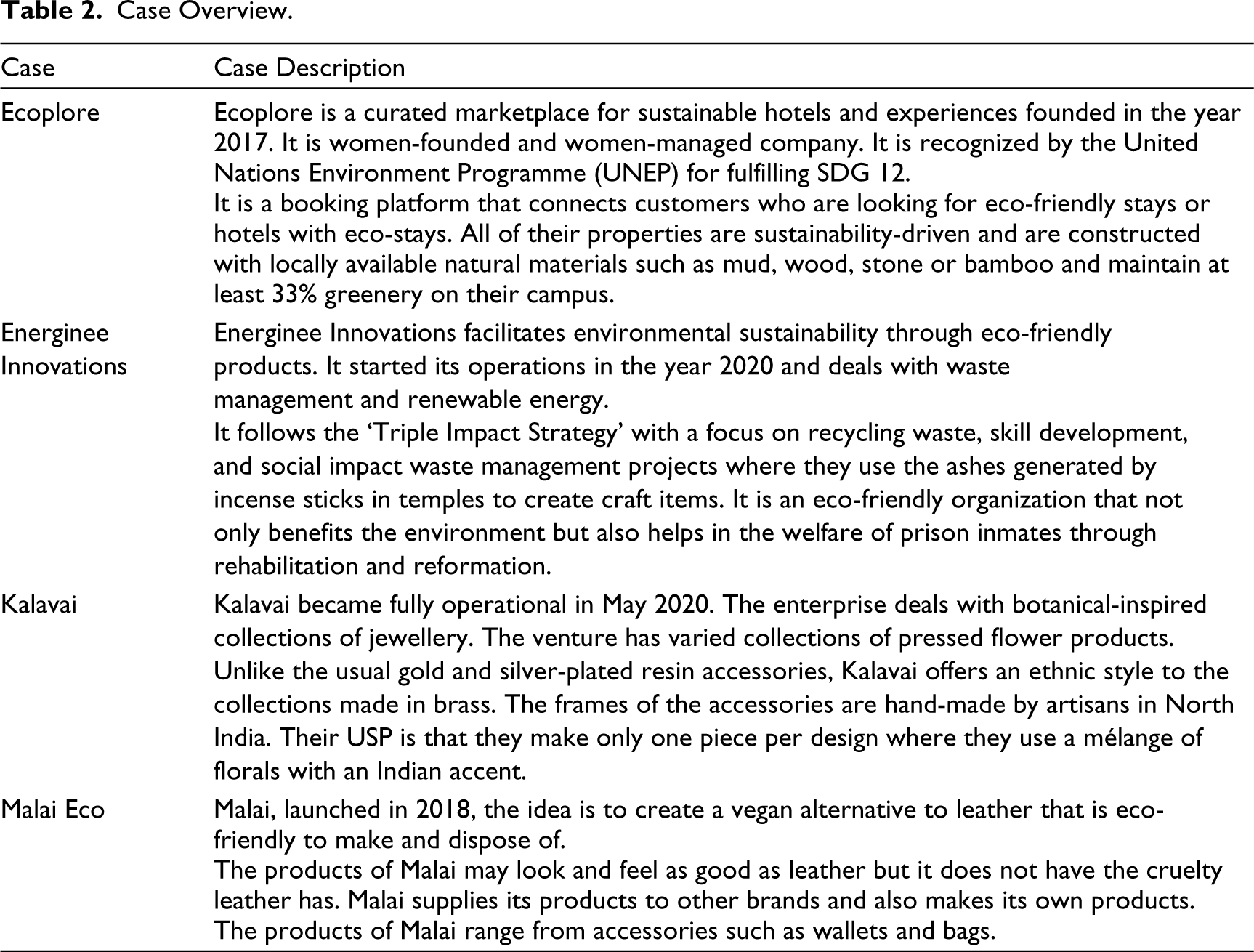
Within the confines of the aforementioned criteria, variation sampling is used by selecting cases that are also distinct from one another. It allows for the recognition of significant common patterns that arise from diversity and have importance across different contexts (Patton, 2002). The choice of maximum variation was guided by geographical variation and the sustainable business each enterprise is engaged in. Each selected case exemplifies a unique aspect of ESEs, including eco-tourism, sustainable jewellery, sustainable fashion and waste management industries. Further, our choice was limited by financial and logistics constraints. The inclusion of diversified organizations contributes to a richer set of empirical insights by an extensive exploration of micro-foundations associated with the dynamic capabilities across a variety of cases within environmental sustainability.
Data Collection
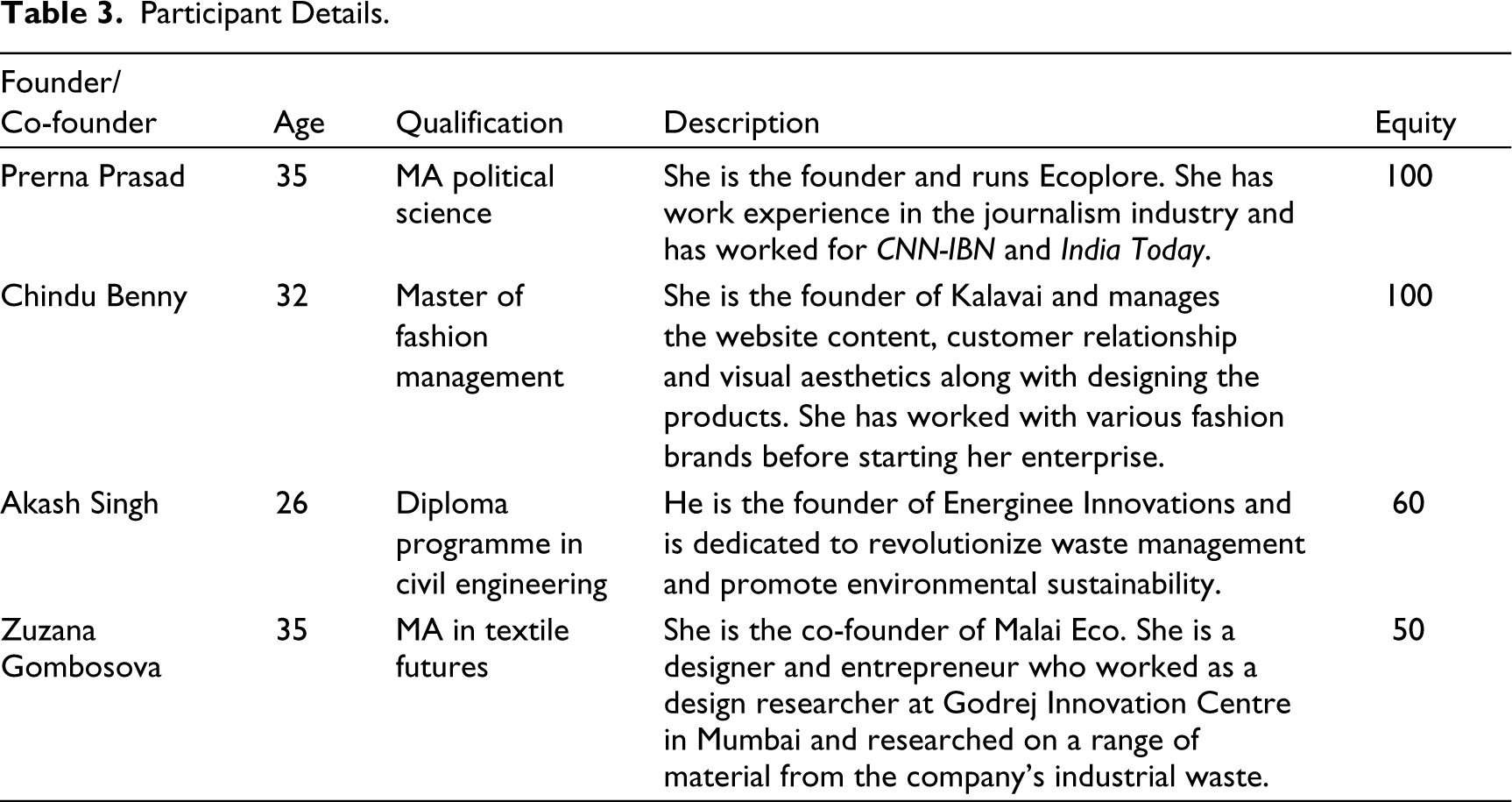
The process of data collection occurred between January 2023 and September 2023. All four case studies utilize primary and secondary data sources, such as semi-structured interviews and archival material. Table 3 provides a glimpse into the details of the participants. Table 4 presents a brief summary of the data sources associated with each case. All the cases were explored using semi-structured interviews with the key participants including the founders and co-founders. Typically, interviews lasted between 45 and 60 minutes.
Participant Details.
Case Research Plan.
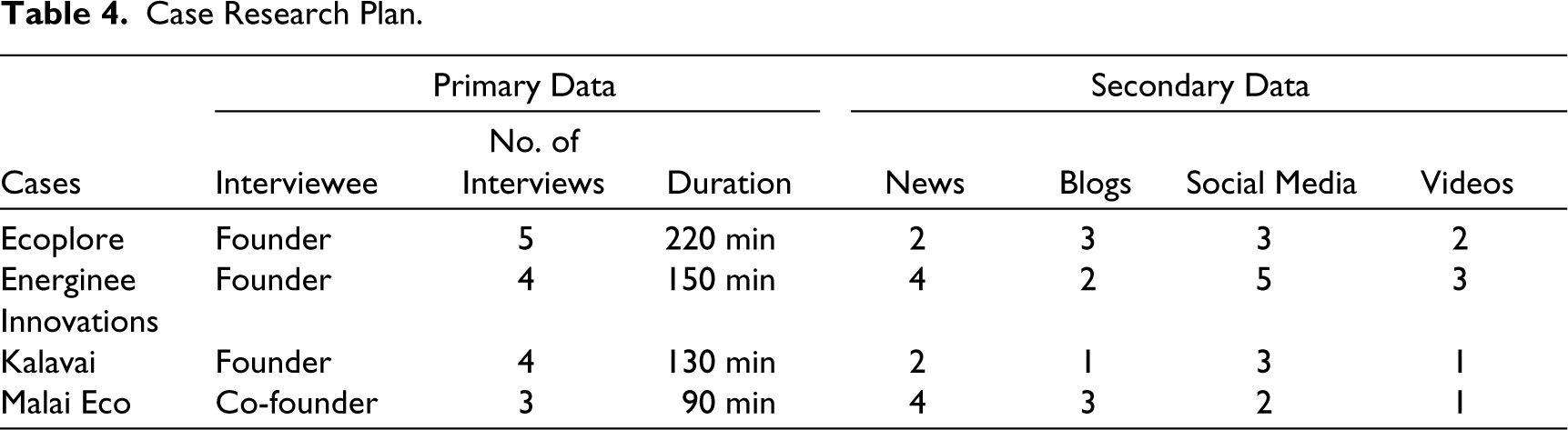
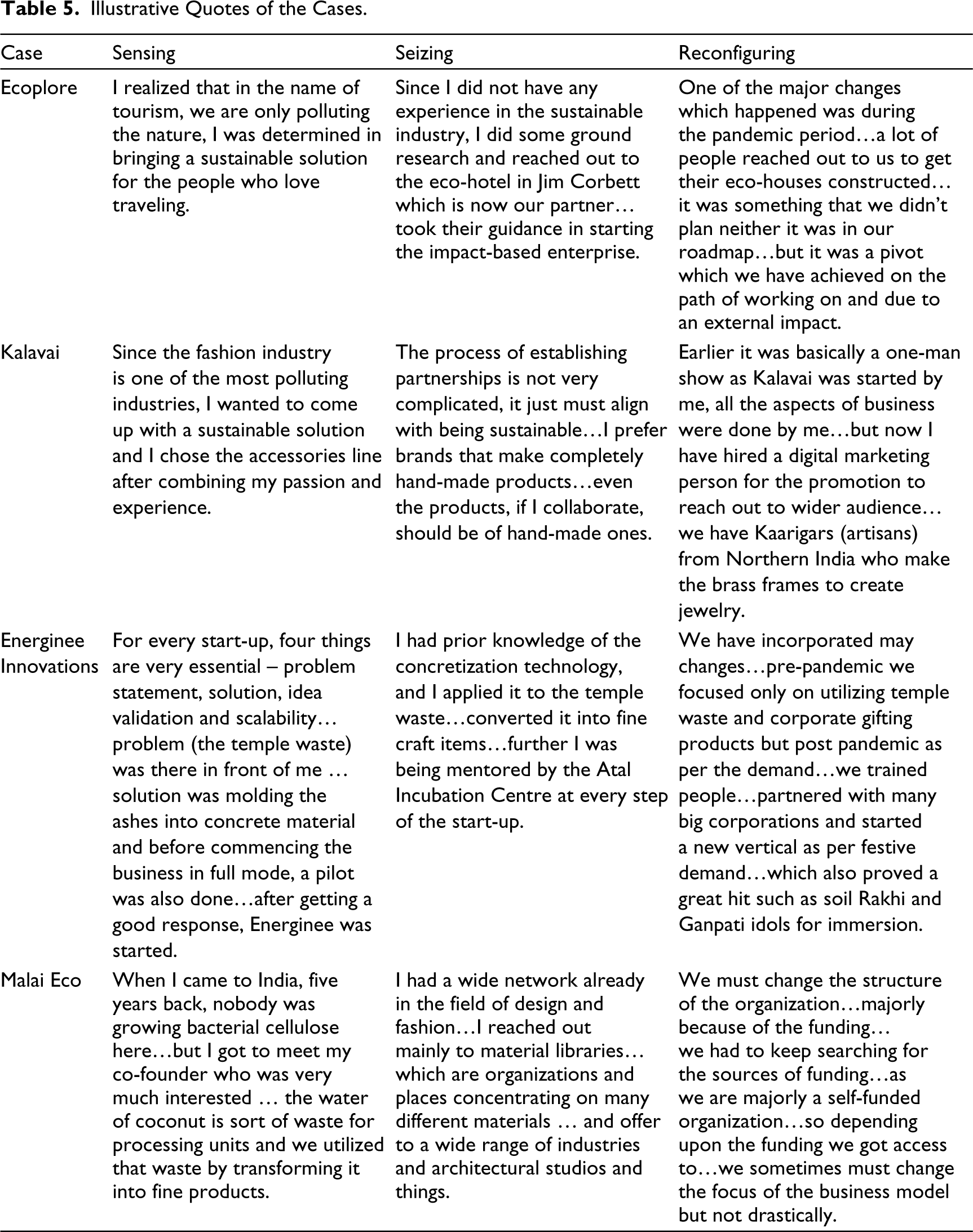
After receiving permission from the participants of the study, the interviews were recorded digitally and then transcribed and documented in a standardized way. Prior to and after the interviews, we gathered historical data from both internal and external sources, including the websites of ESEs, blogs, news releases and social media platforms. The detailed written descriptions of important activities serve as real-time archival data enabling us to triangulate the data to enhance its internal validity and reduce the probability of retrospective bias. In order to increase the external validity, we requested participants’ input on the first iterations of their case study reports. Table 5 shows the illustrative quotes from the data collected from the participants.
Illustrative Quotes of the Cases.
Analytical Strategy
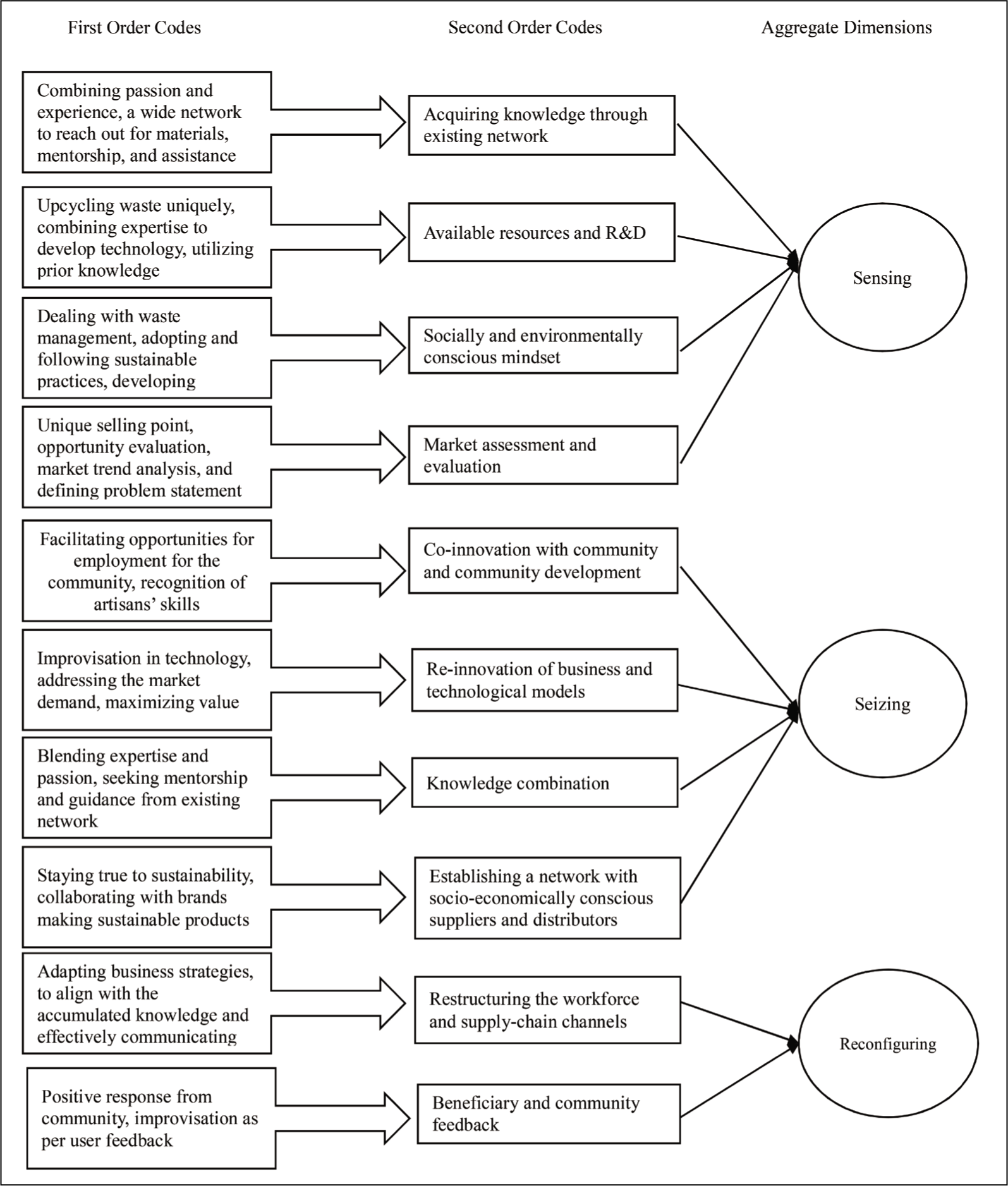
To be more precise, the coding procedure adheres to the Gioia approach, as outlined in the work of Gioia et al. (2013). For the initial analysis, coding is done using terms that are directly observed or provided by informants. The objective is to adhere to the notions employed by the participants and the information contained in the archival data. Cross-case replication logic drives this stage of the research, which aims to find commonalities and differences among the selected cases (Eisenhardt & Graebner, 2007). The coding process involves identifying common and recurring patterns in the data to form initial codes and establishment of significant relationships to develop themes in the second-order analysis, subsequently followed by the development of a theoretical foundation by connecting the emergent themes with relevant theory. The second-order themes were categorized and combined based on their alignment with the ESE’s sensing, seizing and reconfiguring practices. The analysis is done through NVivo 14 for Mac software. The dynamic capabilities theory has been incorporated as a research framework to guide the analysis and improve the internal validity of the findings (Yin, 2013). Figure 1 illustrates the data structure and analysis process.
Dynamic Capabilities and Its Associated Micro-foundations for Sustainable Enterprises.
Findings
Dynamic capabilities are essential for ESEs as they strive to generate and maintain diverse values. By effectively developing and implementing these dynamic capabilities, enterprises can successfully manoeuvre through the intricacies of the business environment while concurrently producing positive impacts on the economy, society and environment.
Sensing
Sensing refers to the ability of an organization to identify and recognize opportunities and threats in its external surroundings. It comprises the fundamental tasks and mindset necessary for ESEs to recognize and identify opportunities for sustainable business.
Acquiring Knowledge Through Existing Networks
ESEs leverage the networks they already have, such as partnerships, communities and relationships in the industry, to obtain important data and insights. Organizations can have access to valuable insights and resources by utilizing existing networks, which allows them to discover emerging trends and possible areas for innovation. ESEs, by tapping into these networks, may acquire a range of perspectives and skills through networking, which aids in strategic planning and well-informed decision-making.
As the interviewee in case 3, mentioned:
Back in 2019, I did a bit of research from my side and I spotted that there are two or three brands in the Resin jewellery segment that lacked in terms of unique selling point or any other sort of uniqueness, I figured out the business models of competitors are purely based on reseller model and deceiving customers that their products are handmade.
Leveraging Available Resources and R&D
ESEs harness their resources, research and development capabilities to keep themselves abreast of new trends, technologies and market opportunities. To keep a competitive edge and promote value creation, ESEs engage in continuous learning and innovation, whether through internal research projects or external partnerships.
As interviewee by the founder in case 1:
‘Even though I did not have any prior experience in the sustainable tourism industry, I did ground research for approximately a year…understood the market patterns in the industry… the nuances of eco-friendly tourism … identified which platforms promote eco-friendly stays…what the term eco-friendly hotel meant…how the term was defined…identified eco-properties accordingly and began my business.’
Cultivating a Socially and Environmentally Conscious Mindset
An essential element of sensing entails embracing a mindset that gives equal importance to social and environmental factors in addition to economic objectives. ESEs exhibit a commitment to ethical business conduct, environmental conservation and social accountability, governed by principles of sustainability and inclusiveness. Moreover, a dedication to sustainability cultivates an increased consciousness regarding environmental and societal concerns, compelling ESEs to explore novel solutions and opportunities for generating value.
As the interviewee in case 4 mentioned:
After identifying the potential market in Southern India…where coconut water is a waste for many agricultural processing units…we realized that this opportunity could be addressed by coming up with something sustainable and environment-friendly.
Conducting Market Assessments and Evaluations
For effectively sensing the opportunities, it is necessary on the part of ESEs to conduct a rigorous market analysis and evaluation in order to comprehend customer requirements, industry trends and competition dynamics. ESEs employ a range of techniques and methodologies, including market research, customer surveys and competitor analysis to collect practical insights and inform strategic decision-making.
As the interviewee in case 2 mentioned:
While working in Atal Incubation Centre, I learned the nuances of starting a start-up… for every start-up, four things are very essential – problem statement, solution, idea validation, and scalability…problem (the temple waste) was there in front of me … solution was moulding the ashes into concrete material and before commencing the business in full mode, a pilot was also done…after getting a good response, Energinee was started.
Seizing
Seizing refers to the proactive measures implemented by ESEs in order to exploit recognized opportunities and convert them into enduring business practices.
Co-innovating with Communities and Fostering Community Development
ESEs collaborate with communities and stakeholders to jointly develop innovative solutions that tackle pressing societal and environmental issues. Through active involvement with communities and stakeholders, ESEs can collaboratively develop solutions that effectively tackle pressing societal needs while promoting equitable economic development. ESEs make sure their initiatives are relevant to the community and fit the context.
As pointed out by the interviewee in case 2:
We train prison inmates to create craft items using ash generated from temples…at the same time, we are working on their rehabilitation and reformation by enhancing their skills and providing employment.
Adapting and Re-innovating Business and Technological Models
It needs constant innovation and adaptation of enterprise business models, processes and technology to seize opportunities. In order to maximize impact and enhance performance, ESEs adopt an iterative approach to product, service and operational development. Moreover, continuous innovation and collaboration empower ESEs to maintain a competitive edge, generating value for stakeholders and the wider ecosystem.
As mentioned by the interviewee in case 3:
Before doing mass production, we tested the products on a small segment… once accepted…it catered to the needs of the target audience…generally, people perceive that resin is not biodegradable…so I tried to make the jewellery in a unique way by offering a biodegradable product …I pour around five layers of resin to make the product intact and durable…the product can last long by keeping it either in a cotton pouch or wrapping it in a tissue to avoid scratch marks.
Leveraging Knowledge Combination for Innovation
To promote innovation and value creation, ESEs leverage a variety of internal and external knowledge and expertise sources. Through the integration of various insights and perspectives from several disciplines, industries and stakeholders, ESEs facilitate the exchange of ideas and produce innovative solutions to intricate problems.
As the interviewee in case 4 stated:‘
We are trying to bring a positive impact on the environment and at the community level…since the coconut water would otherwise be discarded and potentially harm soil, repurposing creates a positive impact. We partnered with the coconut processing unit in Channapatnah…that’s our partner for manufacturing basically…they generally do not use coconut water…for them, it’s a waste but for us, it’s a raw material.
Establishing Networks with Socio-economically Conscious Suppliers and Distributors
ESEs establish strategic partnerships with suppliers, distributors and other stakeholders who are equally committed to sustainability and social responsibility. ESEs can create value chains that promote ethical sourcing, fair labour practices and environmental sustainability by forging a network of partners who share similar values and goals.
As the interviewee in case 1 mentioned:
On our website we have listed those hotels and properties that follow sustainable measures such as having at least 33 per cent greenery in the campus… rainwater harvesting…using solar power…organic farming…and other similar things…if anyone of the hotels listed on our website does not follow these norms then we remove them from our website
Reconfiguring
Reconfiguration refers to the iterative process of an organization adapting and evolving in response to both internal and external dynamics. Organizations may successfully adapt to uncertainties and disruptions by being flexible and responsive. This allows them to continuously align their strategies with changing market dynamics and stakeholder expectations.
Restructuring Workforce and Supply-chain Channels
ESEs adopt organizational flexibility by restructuring their personnel and supply-chain channels to improve their ability to adapt and withstand disruptions and uncertainty. ESEs can enhance their ability to adapt and maintain business operations by implementing agile processes, decentralized decision-making frameworks and dynamic resource allocation strategies.
As the interviewee in case 4 pointed out, the co-founder said:
We must change the structure of the organization…majorly because of the funding…we had to keep searching for sources of funding…as we are majorly a self-funded organization…so depending upon the funding we got access to…we sometimes must change the focus of the business model but not drastically.
Beneficiary and Community Feedback
ESEs proactively seek feedback from beneficiaries, consumers and communities, including their input into strategic decision-making processes. ESEs acquire significant insights into developing needs, tastes and expectations by actively listening to the voices of individuals affected by their operations. This allows them to customize their initiatives and maximize their societal and environmental effect.
As the interviewee in case 1 stated:
I think the pandemic made us realize that surviving through tough times is one of the biggest measures of success and during post-pandemic, we are getting demands from those customers who are conscious about the environment…we have considered the customer feedback about the locations of our eco-hotels and acquired new hotels in the areas where there was more demand which has helped us a lot in meeting the expectations of our customers.
Discussion
In this section, we discuss the tripartite classification of dynamic capabilities as outlined by Teece (2007) to extract the replicated practices of dynamic capabilities, specifically focusing on the theoretical aspects of micro-foundations concerning ESEs.
Sensing
The interview findings show that ESEs efficiently use existing networks to obtain critical insights about the market. ESEs can obtain varied perspectives and significant information through partnerships, communities and industry relationships, allowing them to find specialized niche markets and emerging trends. As the prospects become increasingly apparent, enterprises begin to make strategic decisions by exploring new opportunities. Therefore, it can be proposed that:
Proposition 1: ESEs that possess a resilient network leveraging strategy exhibit greater proficiency in identifying nascent market opportunities and threats compared to those exclusively dependent on internal resources.
Seizing
Once an innovation potential for sustainability has been identified, enterprises employ organizational procedures and entrepreneurial actions to take advantage of the perceived opportunity. The study emphasizes the value of community engagement in promoting innovation and mitigating societal and environmental concerns. As a result, enterprises allocate and mobilize resources to seize the potential for sustainability. ESEs that actively include communities in the co-creation process not only provide solutions that are adapted to local requirements but also generate a sense of community ownership and support. Consequently, it can be posited that:
Proposition 2: ESEs that adapt their business and technological models and engage in co-innovation with communities are more aptly positioned to capitalize on identified opportunities and generate long-lasting values.
Reconfiguring
The findings of the study stress how crucial stakeholder involvement and organizational flexibility are to enable reconfiguration and adaptation. The study illustrates that the selected enterprises restructure their resources and competences for sensing and seizing the opportunities. To face the disruptions prevailing in the market, the ESEs exhibit resilience capability by efficiently reorganizing their staff and supplier networks that ultimately led to alignment and coordination activities for sustainable innovation. For changing customer preferences and market needs, ESEs can actively seek feedback from beneficiaries and communities involved to adapt and customize their strategies accordingly. Thus, it can be proposed that:
Proposition 3: ESEs that give importance to stakeholder feedback and implement adaptable organizational structures have greater agility in adapting to evolving market dynamics.
We make a theoretical contribution to the emerging field of ESEs. First, this study contributes to the literature on dynamic capabilities by extending it to the context of ESEs. Second, the study enhances current theoretical frameworks regarding organizational adaptation and innovation by elucidating the specific strategies and actions implemented by ESEs to promote sustainability and resilience. Finally, the findings highlight the significance of including social and environmental elements in the development of dynamic capabilities. This contributes to the development of theoretical discourse on sustainable business practices.
In terms of practical implications, the findings have several implications for managers and policymakers who seek to enhance the sustainability performance of businesses. The findings of the study can be used by managers of ESEs to create proactive plans for identifying opportunities, taking advantage by seizing those opportunities through collaboration and innovation and reconfiguring operations to respond to changes in the market. Policymakers may assist ESEs by offering clear regulations, promoting collaborations between private and public entities, and providing incentives for the adoption of sustainable practices. To sum up, the findings emphasize the significance of dynamic capabilities in promoting environmental sustainability in businesses and point out the necessity of an integrated strategy that encompasses economic, social and environmental goals.
Conclusion
In this research, we propose and demonstrate that ESEs have dynamic capabilities that are advantageous to the growth and development of these organizations when properly identified and leveraged. To address the question regarding how dynamic capabilities promote the sustainability of ESEs, we undertook abductive analysis by interviews with the founders and co-founders of four ESEs, operating in diverse segments. We closely explored the cases using the dynamic capability framework introduced by Teece (2007).
The limitations of the study open up future avenues of research for the scholars. One of the limitations of this research is its dependence on retrospective data, a factor that may compromise the extent and precision of the collected data. To mitigate this particular bias, the study employed measures including the utilization of archival data and interviews. Nevertheless, conducting a real-time longitudinal study on the dynamics of ESE development would be advantageous for future research. Second, despite the comparatively small size of four enterprises, an in-depth analysis was possible albeit with restricted scope. The exploration of micro-foundations in four ESEs provides a limited foundation for extrapolating to other similar enterprises. The study provides an overview of micro-foundations that may operate within similar ESEs. For future studies, we recommend exploring how individual characteristics such as an individual’s sensitivity to sustainability concerns and their entrepreneurial experience, as well as the micro and macro surroundings, impact the development of ESEs. This entails emphasizing the relationships between the independent and dependent variables, which allows for the testing of hypotheses related to the development of ESE through an empirical quantitative study. The current research approach does not ensure the analytical validity of the findings. Future research, including more cases of similar enterprises, is required to improve the analytical validity of similar ESEs. However, the aforementioned recommended research design might not provide analytically sound insights in similar ESEs, which calls for additional accumulated research design.
Footnotes
Declaration of Conflicting Interests
The authors declared no potential conflicts of interest with respect to the research, authorship and/or publication of this article.
Funding
The authors received no financial support for the research, authorship and/or publication of this article.
Appendix
Case study guide
For Ecoplore:
How do you continuously adapt your eco-hotels offerings and services to meet changing customer preferences and sustainability standards? Could you discuss certain specific instances where you have leveraged your teams’ expertise and knowledge to innovate and improve your business processes? How do you foster a culture of learning and experimentation within Ecoplore to stay ahead in the sustainable tourism industry? What internal resources and capabilities are most crucial for maintaining Ecoplore’s competitive edge in the market? How do you manage and leverage your network of eco-hotels to enhance the overall sustainability impact of Ecoplore?
For Kalavai:
How do you identify emerging trends and opportunities in the fashion and design industry to drive innovation in your product lines? Could you describe the creative processes and collaborations within Kalavai that enable you to develop unique and sustainable fashion pieces? What role does your team’s expertise and skillset play in developing and refining Kalavai’s product offerings? How do you continuously integrate feedback from customers and stakeholders to improve the quality and sustainability of your handmade products? What strategies do you employ to effectively manage the production process and ensure consistent delivery of sustainable and high-quality fashion items?
For Energinee Innovations:
How do you identify and prioritize opportunities for innovation in waste management and renewable energy solutions? Can you discuss certain specific skills and capabilities that enable your team to develop and implement sustainable projects with a triple-impact strategy? How do you leverage partnerships and collaborations to enhance the social and environmental impact of Energinee Innovations’ initiatives? What challenges have you encountered in scaling up your waste management projects and how have you addressed them? How do you measure the effectiveness and long-term sustainability of your eco-friendly products and solutions?
For Malai Eco:
How do you integrate sustainability principles into the design and production processes of Malai Eco’s sustainable materials? Can you discuss the key technological innovations and expertise that enable you to convert coconut wastewater into durable and flexible materials? What role do research and development play in continuously improving the quality and environmental performance of Malai Eco’s products? How do you manage supply-chain relationships and ensure the ethical sourcing of materials for your sustainable materials? What strategies do you employ to communicate the sustainability benefits of Malai Eco’s products to customers and stakeholders?