



Abstract
Consumer ethnocentrism, a pivotal aspect influencing international marketing and consumer behaviour, has garnered considerable scholarly attention. However, a comprehensive understanding of its evolution and dynamics remains elusive. To address this gap and provide insights into the evolving landscape of consumer ethnocentrism research, this study conducts a robust bibliometric analysis spanning from 1989 to 2023. Focusing on the post-1989 period, when consumer ethnocentrism research gained momentum, the analysis aims to identify influential sources, journals and authors, analyse the conceptual structure and collaborative networks and trace the research’s evolution. The findings reveal a pronounced growth trajectory in research output, driven by collaborative efforts and interdisciplinary engagement. Developed nations such as the United States, Australia and the United Kingdom emerge as major contributors, while emerging themes like sustainability and perception gain prominence, reflecting evolving consumer attitudes and societal concerns. Thematic evolution analysis unveils shifting research priorities and emerging trends, highlighting the dynamic nature of consumer ethnocentrism research and its implications for global marketing strategies. Academia can leverage these insights to shape research agendas and pedagogical approaches, while the industry can refine market segmentation strategies and culturally sensitive marketing approaches. Future research avenues include exploring the impact of social media and advertising on consumer ethnocentrism and addressing emerging sustainability concerns, offering valuable guidance for scholars, policymakers and industry practitioners in shaping future research directions and strategic decision-making.
Keywords
Background
The ongoing growth of trade liberalisation has led to a significant increase in the flow of goods and services among numerous countries, reshaping the marketing environment (Keller, 2022; Mehta et al., 2020). It has not only provided opportunities for marketers but also created some difficulties. Due to the abolition of borders, foreign markets have now become open markets, increasing consumer exposure to products from different countries (Anastasiadou et al., 2019; Pentz, 2011). When international and domestic firms compete, consumers have a more comprehensive range of imported and domestic goods to choose from (du Toit & Makanyeza, 2016) and the extent to which local consumers embrace foreign products remains a challenge for international marketers (Wu et al., 2010; Jia et al., 2018). Therefore, it is critical to understand consumer preferences for domestic versus foreign products/services. While studying consumer preferences, several variables impact their decision-making process, such as social, personal and cultural factors, with cultural factors being the most critical in influencing a buyer’s decision (Akbarov, 2022; Sudaryanto et al., 2019). The common belief is that actual consumer behaviour is influenced by an individual’s culture. Different nations have different cultural orientations, which influence the consumer decision process in that country (De Mooij, 2019; Han & Guo, 2018). Therefore, companies are compelled to evaluate how culture impacts various marketing characteristics and the behaviours of diverse consumers as marketplaces and enterprises grow more worldwide (Keller, 2022; Tolstoy et al., 2022).
Consumer ethnocentrism, a crucial cultural factor, plays a significant role in influencing consumers’ decisions regarding foreign product purchases (Kiriri, 2019). Consumer ethnocentrism refers to the tendency of consumers to prefer domestically produced goods over foreign alternatives due to nationalistic or patriotic sentiments. It is a mindset deeply rooted in cultural identity and values, shaping consumer attitudes and behaviours towards foreign products and brands. This inclination can significantly impact purchasing decisions and brand loyalty, making it a crucial consideration for marketers operating in globalised markets.
Consumer Ethnocentrism Evolution and Application in Marketing
The evolution of ethnocentrism traces back to the early nineteenth century when the term was first used to describe a sociological tendency. Early researchers, such as Summer (1906), argue that the notion originated in sociology. Barger (2003) explains that the term ‘ethnocentrism’ was coined by combining ‘ethnic’ and ‘centrism’ where ‘ethnic’ comes from the Greek word ‘ethnikos’ meaning ‘national or gentile’ and ‘centrism’ implies taking a middle position or being centred in a given situation. Thus, nationalism became a crucial concept in mid-nineteenth-century cultural studies (Kivimäki et al., 2021). Anthropologists suggest that ethnocentrism is a universal human tendency, shaped by individuals’ limited knowledge and beliefs, closely linked to psychological principles (Yousaf et al., 2022).
Moreover, ethnocentrism entered the marketing domain as a potential variable influencing consumer behaviour. Shimp and Sharma (1987) were pioneers in applying ethnocentrism to marketing and consumer behaviour research, introducing the concept of consumer ethnocentric tendencies (CET) in decision-making processes. Consumer ethnocentrism refers to consumers’ beliefs about the appropriateness or morality of purchasing foreign-made products versus domestic ones (Shimp & Sharma, 1987). Since its inception, the CETSCALE has been widely accepted as a measuring instrument, evaluated and adapted in various developed and developing countries (Kibret & Shukla, 2021; Stepchenkova, 2023). However, there are debates surrounding its conceptualisation, with suggestions for a multidimensional construction incorporating dimensions such as prosociality, cognition, insecurity, reflexivity and habituation (Siamagka & Balabanis, 2015). Furthermore, the issue of one-dimensional scale measurement remains controversial in recent publications on this topic, sparking ongoing debate (Cleveland et al., 2022; Klein et al., 2006; Sharma, 2011).
Literature on Consumer Ethnocentrism
Consumers exhibit varying degrees of ethnocentric tendencies influenced by diverse factors underlying consumer ethnocentrism (Casado-Aranda et al., 2020; Hong et al., 2023). Ethnocentric consumer trends are not solely developed in isolation; rather, they are shaped by a myriad of influences (Sharma et al., 1994; Tahali et al., 2022; Trivedi et al., 2023). Variables affecting the level of ethnocentrism include socio-psychological, demographics, political and economic situations (Trivedi et al., 2023; Zeugner-Roth et al., 2015). Further consumer ethnocentrism influences attitudes, purchase intentions, and purchasing behaviour towards imported or foreign goods (Lindquist et al., 2001; Schnettler et al., 2008; Shimp & Sharma, 1987). Past studies showed that higher levels of consumer ethnocentrism show more favourable attitudes towards domestic products, and lower levels of consumer ethnocentrism show favourable attitudes towards imported products (Casado-Aranda et al., 2020; Chryssochoidis et al., 2007; Karoui & Khemakhem, 2019; Orth & Firbasova, 2003; Philp & Brown, 2003). As consumer ethnocentrism is a worldwide phenomenon, the degree to which consumers express their ethnocentrism level varies from country to country or depends on the country under consideration (Javalgi et al., 2005; Maksan et al., 2019). Experts have found that consumers from developed countries have lower ethnocentrism levels than developing countries (Akbarov, 2022; Lindquist et al., 2001; Reardon et al., 2005; Trivedi et al., 2023).
Conversely, certain research indicates that consumers residing in developing nations frequently consider local items inferior to imported ones, consequently leading to the purchase of imported goods (Ardisa et al., 2022; Chryssochoidis et al., 2007; Han & Guo, 2018 Upadhyay & Singh, 2006). Additionally, consumers’ preferences for imported or local products differ depending on the product category (Balabanis & Diamantopoulos, 2004; Bizumic, 2019; Casado-Aranda et al., 2020; Ding, 2017). Different factors impact ethnocentric inclinations among different consumers (Bizumic, 2019; Trivedi et al., 2023). Consumers regard themselves as less patriotic when purchasing foreign-based items rather than local-based ones, owing to nationalistic characteristics that are more affective/emotional than cognitive (Akbarov, 2022; Casado-Aranda et al., 2020; Maksan et al., 2019).
Thus, consumer ethnocentrism has emerged as a crucial aspect influencing the flow of goods and services across international borders, garnering significant attention from researchers. Despite the abundance of empirical and conceptual work in this field, existing review papers primarily focus on literature reviews rather than bibliometric analyses. Therefore, this study aims to fill this gap by examining the evolution of consumer ethnocentrism research and its changing landscape over time. While some previous research has employed systematic methods to synthesise the literature, these efforts often remain theme-specific, context-specific or limited to conceptual frameworks (Donthu et al., 2021; Singh & Dhir, 2019). Hence, this article adopts a bibliometric approach to provide a more comprehensive empirical understanding of consumer ethnocentrism.
Our study encompasses a bibliometric analysis of 685 articles published between 1989 and January 2023, focusing on the post-1989 period when consumer ethnocentrism research gained momentum. Bibliometric analysis, as defined by Donthu et al. (2021), involves the systematic investigation of previously published literature using statistical and mathematical methods. This approach allows researchers to identify trends and patterns in a specific domain’s literature, providing valuable insights into the evolution of research over time (Pritchard, 1969).
Through the utilisation of Biblioshiny software, our analysis employs various tools and techniques to examine the evolution of consumer ethnocentrism research. This includes assessing average scientific production, country-wise scientific production and the most relevant affiliations contributing to research in this field (Mukherjee et al., 2022). Additionally, we analyse the most cited papers to identify seminal works that have shaped the discourse on consumer ethnocentrism. By employing descriptive and network analysis methods, our study aims to provide a comprehensive overview of the development of consumer ethnocentrism research, shedding light on key trends and areas for future exploration in this interdisciplinary domain.
Research Questions
What are the primary sources, journals and key authors shaping consumer ethnocentrism studies?
How is the conceptual framework of consumer ethnocentrism research constructed within the academic community?
What collaborative networks have emerged among researchers investigating consumer ethnocentrism?
In what ways has the understanding of consumer ethnocentrism progressed throughout its evolution?
Objectives
The following objectives are formulated to know the answers to the above research questions:
To identify the most influential sources, journals and authors in the field of consumer ethnocentrism by analysing publication trends and patterns. To analyse the network structure within the research community to derive a synthesis of knowledge and understand the conceptual framework of consumer ethnocentrism. To investigate and map out collaborative networks formed among researchers and institutions in the field of consumer ethnocentrism. To trace the evolution of the concept of consumer ethnocentrism through a comprehensive analysis of literature trends and shifts over time.
Research Methodology
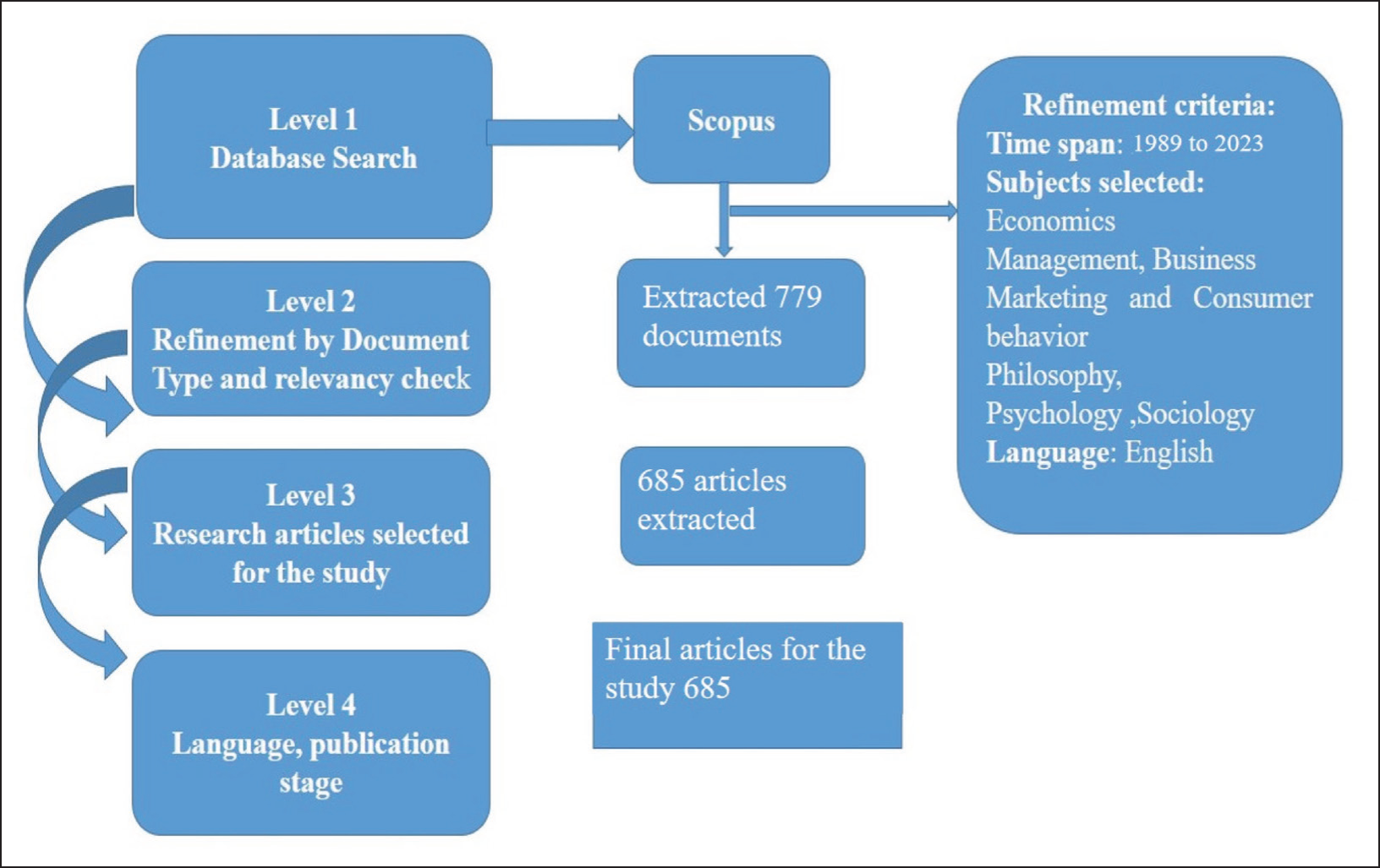
The framework of this article begins with identifying the datasets and proceeds by collecting the list of data through a particular search technique. The study utilised data obtained from a selected and accessible database (Figure 1), following a search strategy employing a variety of keywords (outlined below). After establishing the dataset according to specific exclusion and inclusion criteria (based on subjects, language, keywords, document types and timeframe), we analyse 685 articles published between 1989 and January 2023, examining how the volume of these pieces changes over time. Primarily, a descriptive data analysis is performed to provide insights into sources, authors, documents, citations and so on. Following that, some network maps were created to enhance the understanding of the topic with the help of data visualisation (Aria & Cuccurullo, 2017).
Process Used for Extraction of Relevant Papers.
Database Selection
Selecting the appropriate database for indexing articles is a critical step in conducting a thorough bibliometric analysis. As highlighted by Rodríguez-Ruiz et al. (2019), the Web of Science database is often favoured by researchers for such analyses. However, recognising the limitations posed by this preference, we opted for the Scopus database. Scopus offers a wide-ranging collection of articles from esteemed journals spanning various fields, thus ensuring a rich and diverse dataset for our analysis. Its meticulous exclusion of non-scientific publications further enhances the reliability of the data retrieved.
Our decision to utilise Scopus was further bolstered by its seamless compatibility with the Bibliometrix program by R-studio, streamlining the process of data retrieval and analysis. By leveraging Scopus, we could efficiently access a comprehensive pool of scholarly literature pertinent to our study objectives. This ensured that our bibliometric analysis was not only thorough but also robust, laying a solid foundation for insightful findings.
Search Strategy
To meet the research objectives, we searched the term ‘consumer ethnocentrism’ and got a list of 779 articles. However, some of the articles were irrelevant to the study, so a filtration process was used to exclude the non-relevant (excluded on the basis of subjects, language, keywords, time period) papers. As a result, 685 articles were extracted, encompassing book chapters, peer-reviewed papers, early access publications, conference papers and insightful reviews. So, as shown in Figure 1, articles were extracted based on the following exclusion/inclusion criteria:
Keywords Used for Searching
The scientific information related to consumer ethnocentrism and its influence on the consumer decision-making process was discovered, a total of 20 keywords were selected which was related to consumer ethnocentrism like consumer behaviour, country of origin, consumer ethnocentrism, CETSCALE, consumer attitude, purchase intention, actual purchasing behaviour, animosity, consumer bias, social status, local or global products, brand image, country image, globalisation, nationalism, ethnicity, brand, national, culture and CSR.
Selection of Time Period
The time period from 1989 to 2023 was chosen to track the evolution of consumer ethnocentrism literature. The starting year, 1989, corresponds to the first publication on consumer ethnocentrism available in the Scopus database, ensuring a comprehensive examination of the field’s historical context. Extending the analysis until 2023 allows for the inclusion of recent publications and emerging trends in consumer ethnocentrism literature, enhancing the study’s relevance to contemporary issues and facilitating a more holistic understanding of consumer behaviour and attitudes towards ethnocentrism.
Subjects Used
The search was limited to specific areas such as economics, business, accounting, finance, management, philosophy, psychology, marketing, sociology and consumer behaviour (Figure 1) and excluded the subjects which were related to science fields like agricultural sciences, engineering, computer science, nursing, medicine and material science.
Language Selection
English language is employed in the initial stages to filter the relevant articles, as research indicates that English-speaking countries contribute significantly to publications on consumer ethnocentrism (Tahali et al., 2022). One more reason was that very few or just 1% or 2% (out of the total articles selected) articles were in other languages (Spanish, Turkish, Korean, Serbian and Lithuanian). So, English was prioritised for screening due to its widespread adoption in scholarly communication, ensuring access to a diverse range of research from English-speaking countries. Additionally, English-language journals often adhere to rigorous editorial standards, enhancing the credibility and reliability of the literature included in the analysis. Moreover, focusing on English streamlined the screening process, optimising efficiency and resource utilisation in the bibliometric analysis.
Selection of Bibliometric Tool for Data Analysis
The study utilised a bibliometric tool for extensive scientific visualisation, a research approach in library and information science aimed at enhancing library effectiveness (Mukherjee et al., 2022; Tella & Olabooye, 2014). While various tools like BibExcel, CiteSpace (Jayantha & Oladinrin, 2020), Histcite (Garfield, 2004), VOSviewer (Rialti et al., 2019), Pajek and Gephi have historically been employed for bibliometric research and data visualisation, they often present some limitations including varying degrees of functionality, steep learning curves and potential lack of comprehensive capabilities for advanced bibliometric analyses. Recognising these constraints, this study opted for the more versatile and customisable Bibliometrix R-package developed by Aria and Cuccurullo (2017). The decision to use Bibliometrix over other tools was primarily based on its compatibility with the R programming language, which offers extensive capabilities for data manipulation and analysis. Additionally, Bibliometrix provides a comprehensive suite of functions specifically tailored for bibliometric analysis, allowing for more efficient and customisable research workflows. Moreover, by utilising Bibliometrix within the R environment, the study benefited from seamless integration with other statistical and visualisation packages available in R, enabling a more holistic approach to data analysis. Most bibliometric analyses encounter access constraints due to commercial licences of other software tools and require extensive training, whereas Bibliometrix offers a user-friendly interface and automated workflows, making it suitable for users of all proficiency levels. The data analysis for this study was conducted through Biblioshiny, a web-based tool included in the Bibliometrix package, known for its simplicity and suitability even for non-programmers, effectively accomplishing scientific mapping analysis.
Data Analysis and Findings
The data analysis was split into two components: descriptive analysis and network analysis, as depicted in Figure 2.
Classification of Data Analysis.
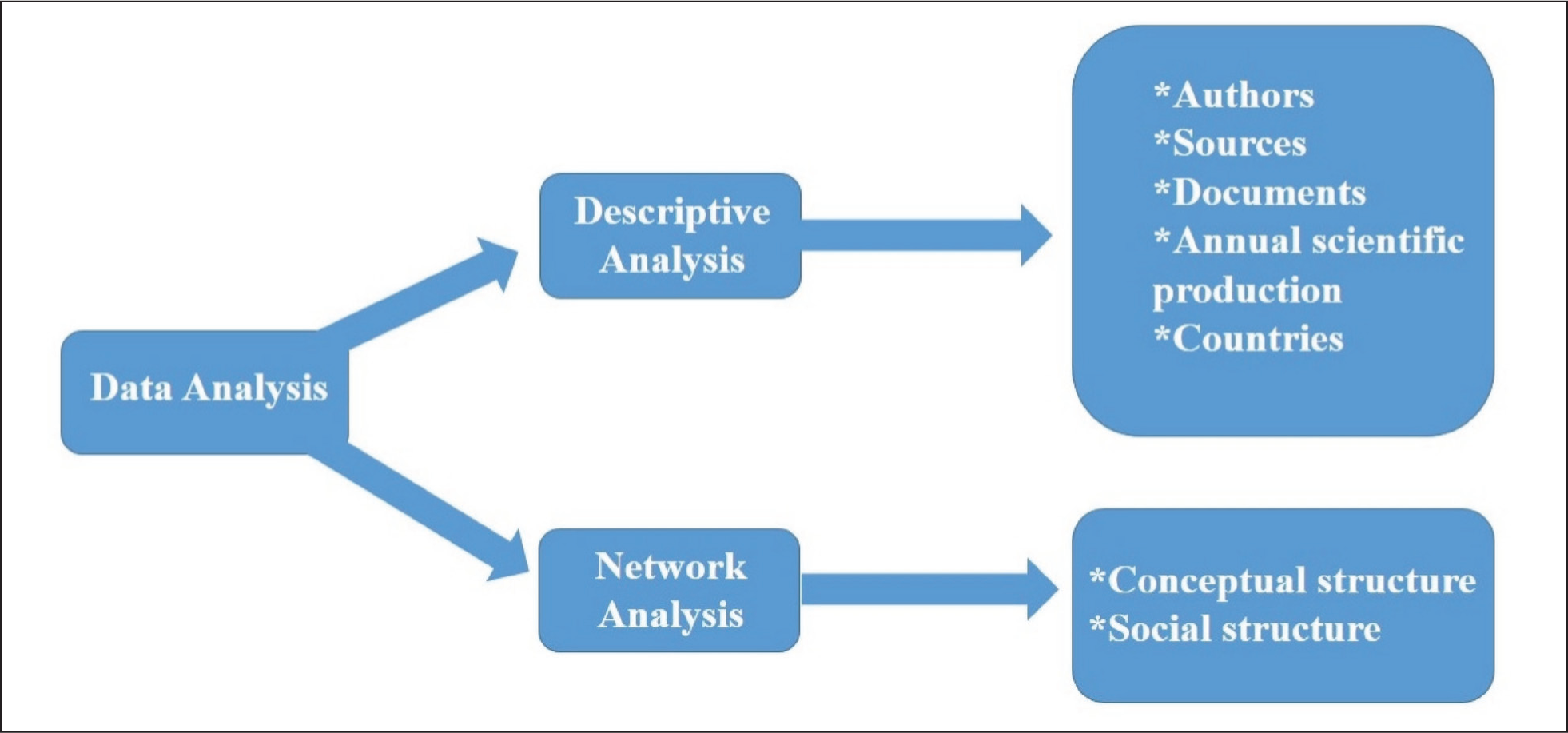
The descriptive study aims to analyse fundamental aspects of the dataset, including authors, documents, annual scientific production, sources and so on.
Network analysis primarily involves comprehensive scientific mapping utilising data visualisation techniques such as co-occurrence network analysis, thematic maps and social network analysis. It generates knowledge structures to facilitate further research in this field.
Descriptive Analysis
The following are the specifics of the descriptive analysis dimensions.
Main Primary Information About the Articles
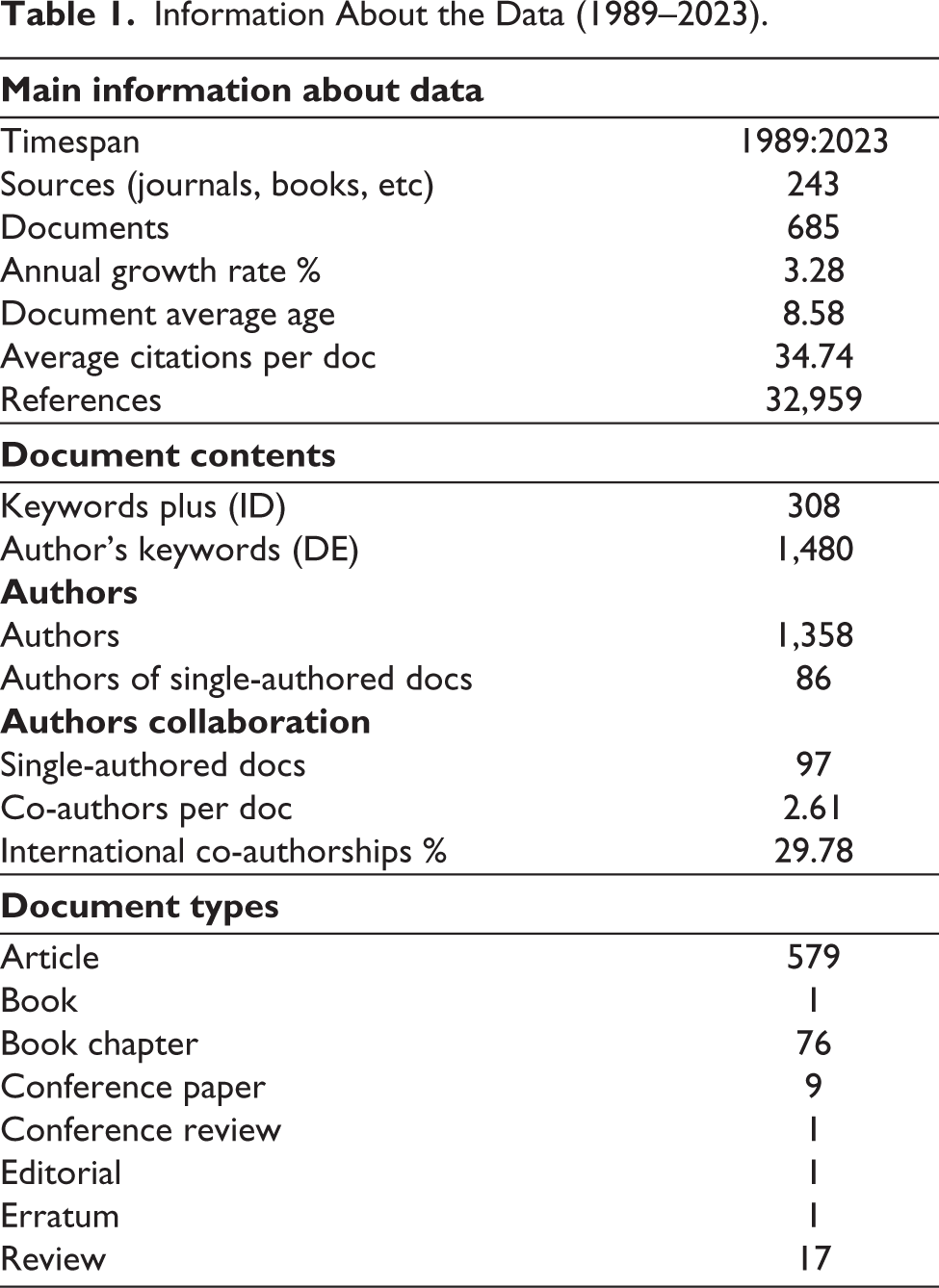
Table 1 is created by using the Biblioshiny package of R software. It illustrates the bibliometric dataset comprising 685 papers, which were identified through a systematic search strategy conducted on the Scopus database. Preliminary information about the article is shown, such as sources used, total number of articles used, keywords, time span, authors and so on. ‘Timespan’ offers the total number of years for which the data are collected, that is, 1989–2023 (January). ‘Documents’ shows the total number of articles that is used in this article after the exclusion of non-relevant articles, that is, 685 articles, and other information, that is, authors collaboration shows the average number of articles which are single-authored and average number of published articles which are multi-authored. All 685 documents were published across 243 different sources, demonstrating an average citation score of 34.74 and a collaboration index of 2.61. These metrics suggest substantial research efforts in the field, often characterised by collaborative work among researchers. Table 1 highlights articles as the most prevalent type of documents published on consumer ethnocentrism, with 579 articles identified. Book chapters are the next having 76 publications followed by review articles having 17 publications. This shows that the most published work on this subject came from research articles.
Information About the Data (1989–2023).
Annual Scientific Production
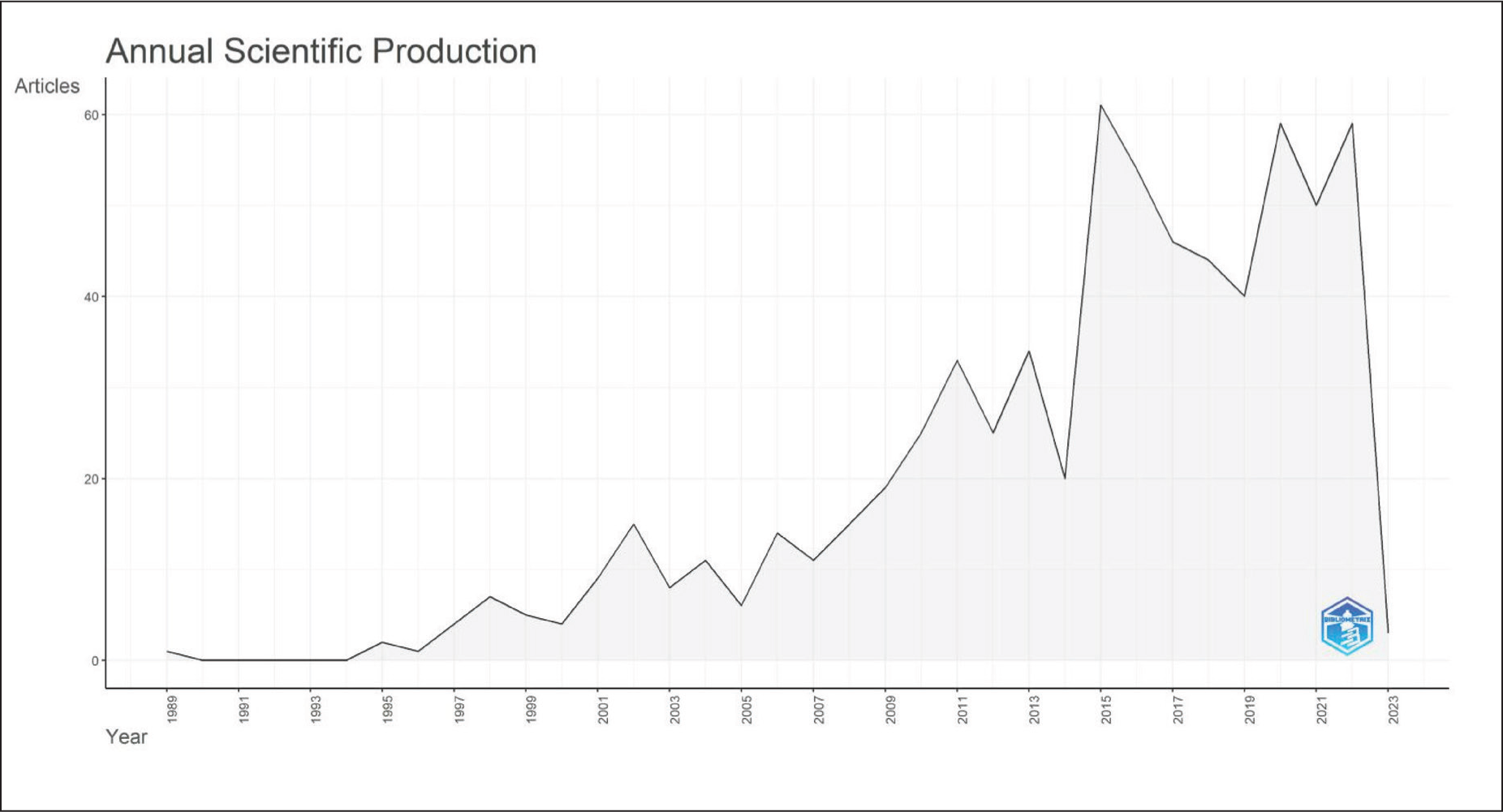
The annual scientific production, as depicted in Figure 3, illustrates the publication growth from 1989 to January 2023, showcasing an average annual growth rate of approximately 3.28%. It is observed that annual scientific production in the initial years (1989–2010) was very low, and after that, it increased in 2011 and increased up to 2013 (Figure 3). So in the initial years, the growth rate is not consistent, but after that, it shows an increasing trend mainly in 2015 and the annual growth rate from the period of 1989–2023 (January) is approximately 3.28%. In the last few years, the graph has shown an increasing trend but after that annual rate is low, which may be due to the inclusion of the 2023 year. The highest number of articles werepublished in 2022 (72 articles).
Annual Scientific Production (1989–2023).
Three-field Plot Analysis
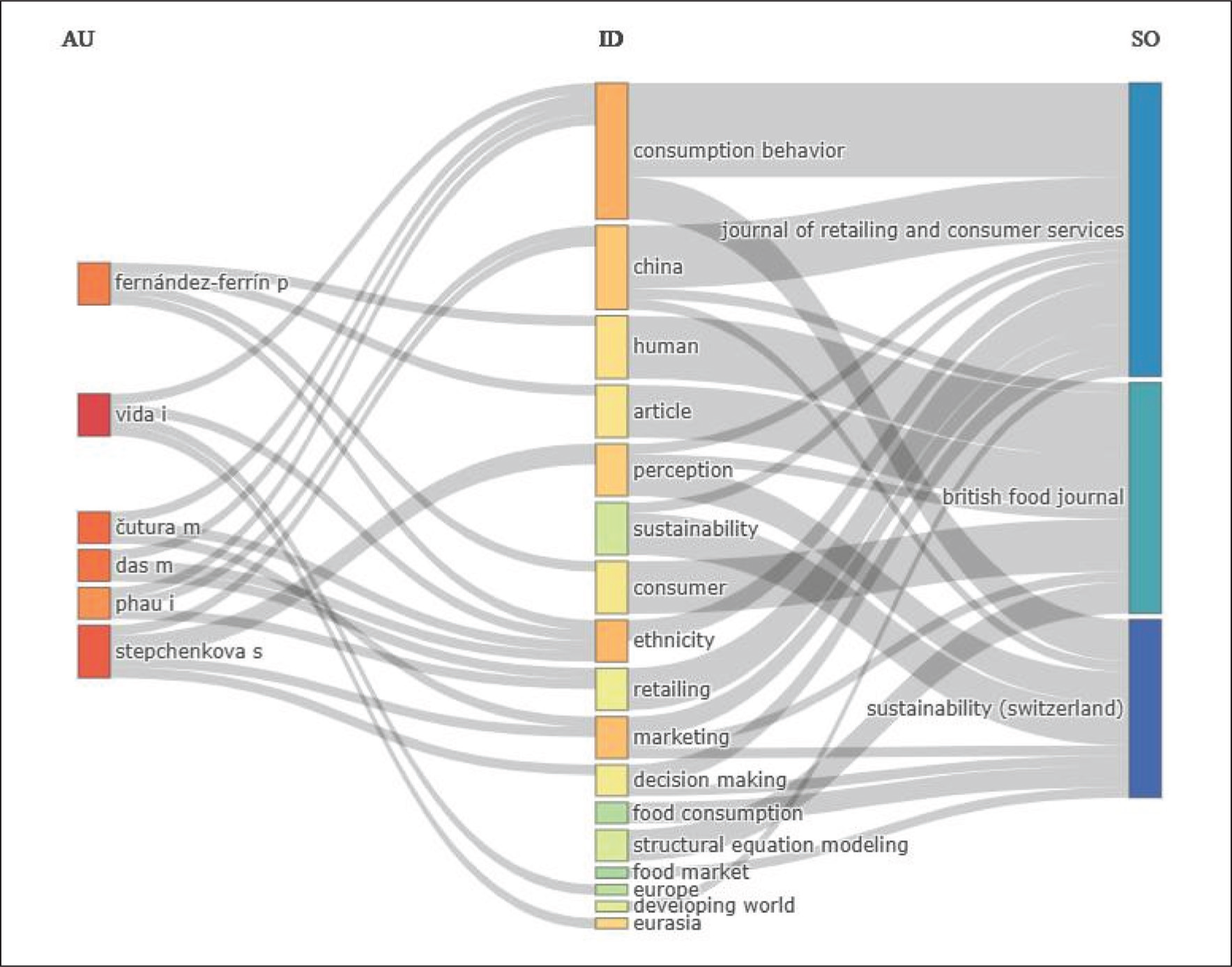
Figure 4 displays the relationship among the three fields through three-field plot analysis, wherein the size of each node is proportionate to its value (Riehmann et al., 2005). Authors are positioned on the left side of the plot, keywords are in the centre, and the selected sources for analysis are situated on the right. Each of the pieces illustrated notable buzzwords such as consumption behaviour, China, perception, sustainability, ethnicity, retailing and consumer animosity as well as their sources and prolific contributors. All important journals covered the issue of consumer ethnocentrism and its related keywords, demonstrating its critical role in determining consumer behaviour. These notable writers and publications also covered major sub-topics such as perception, purchase intention, retailing and food market (Figure 4).
Three-field Plot (Authors, Keywords and Sources).
Word-cloud Analysis
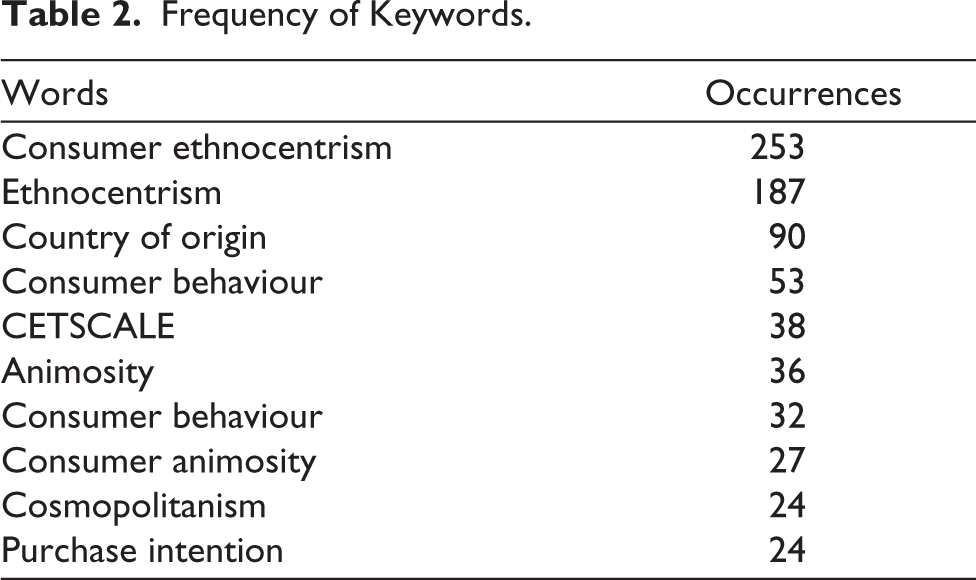
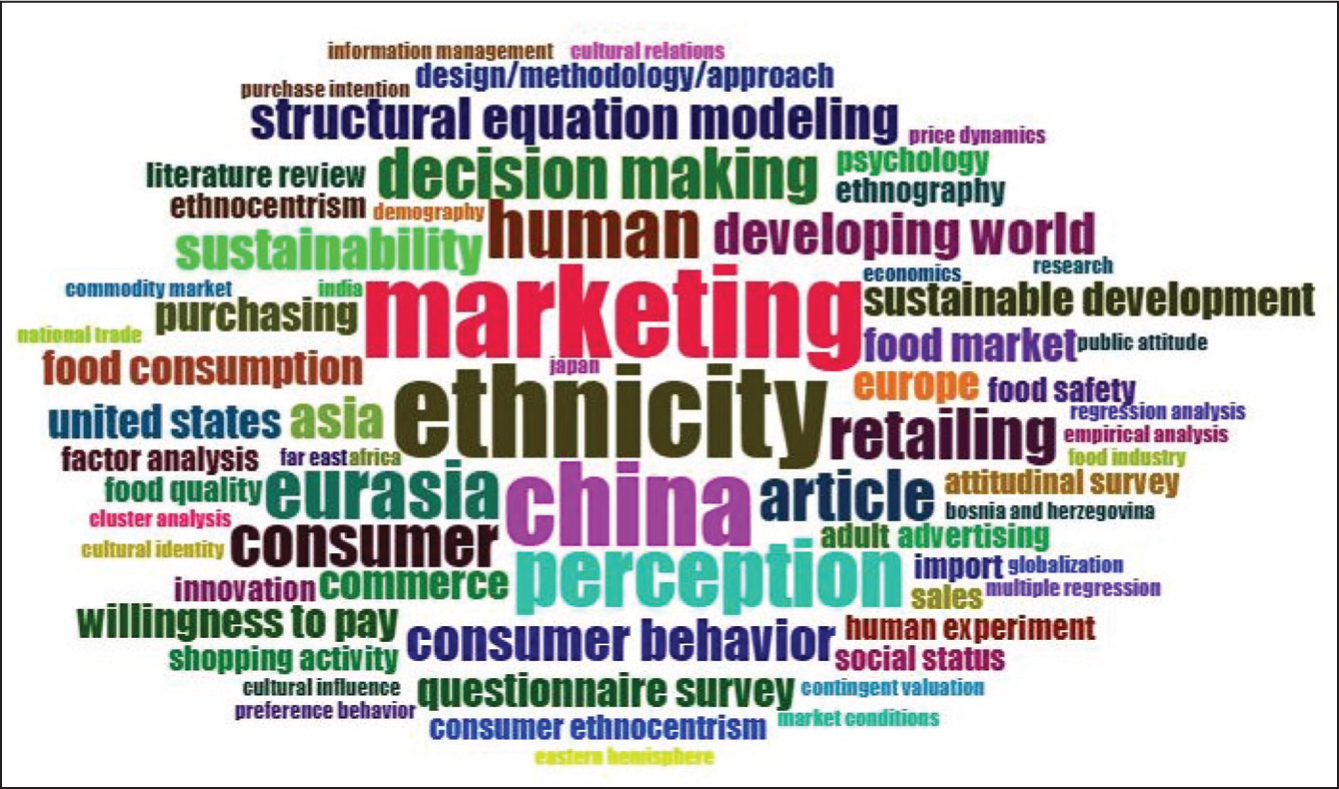
The word-cloud analysis reveals the prevalence of key terms such as ‘consumer ethnocentrism, ‘ethnocentrism’ and ‘country of origin’, providing valuable insights into the conceptual structure of the research community surrounding consumer ethnocentrism (Table 2). By highlighting these central themes, the analysis directly contributes to understanding the conceptual structure of the field by showcasing the predominant topics and areas of focus. Additionally, the identification of prevalent terms informs discussions on collaborative networks, as researchers and institutions may converge around common concepts. Furthermore, the examination of word frequency aids in understanding the evolution of consumer ethnocentrism by shedding light on emerging trends and areas of exploration, such as the impact on marketing, consumer behaviour and potential avenues for further research, such as the influence on the food sector and sustainable development (Figure 5). Moreover, the observation that consumer ethnocentrism is less explored in certain regions, like India, presents an opportunity for researchers and companies to address this gap and develop strategies accordingly.
Frequency of Keywords.
Word Dynamic.
Contributing Institutions and Countries
Contributing institutions
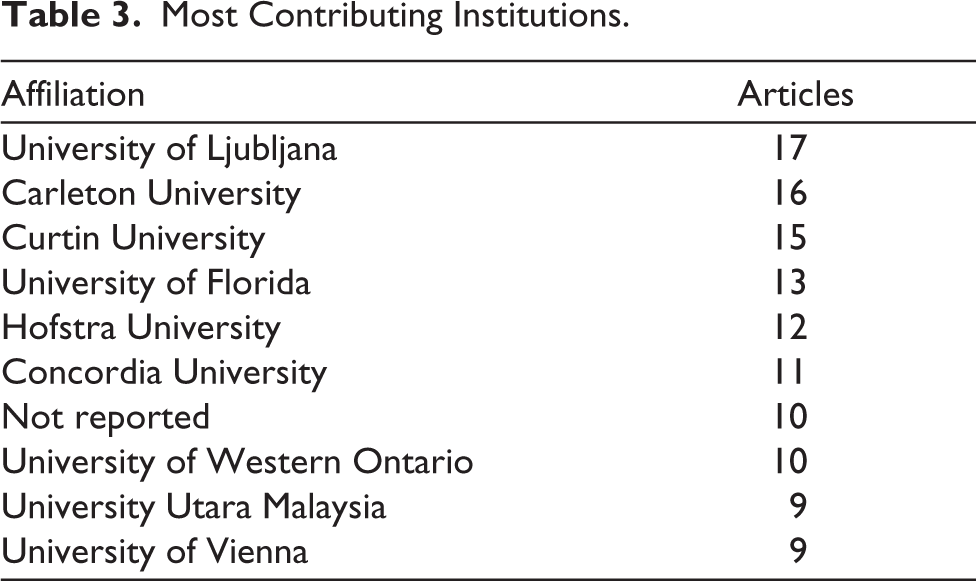
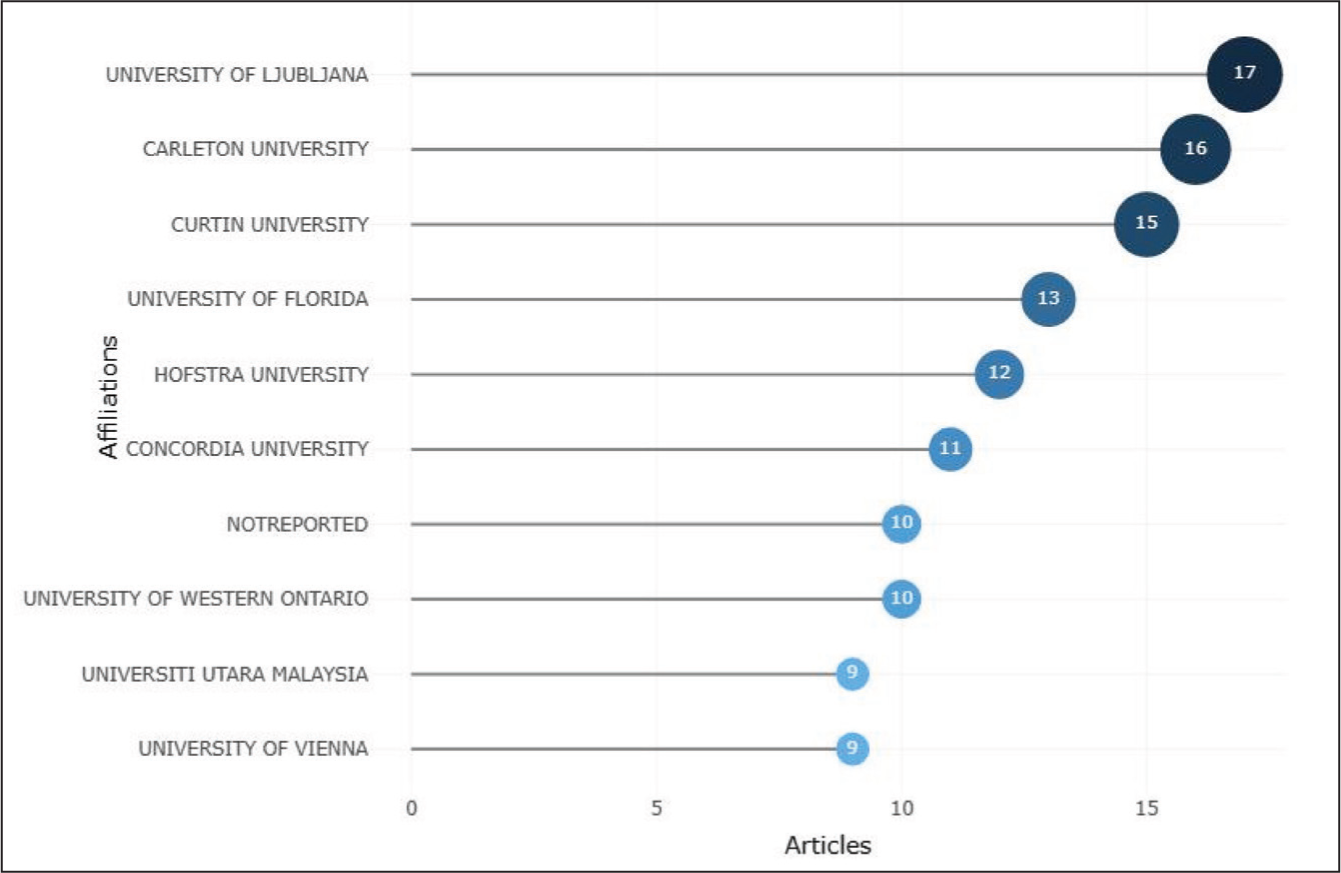
Table 3 revealed the most prominent institutions related to consumer ethnocentrism research. The University of Ljubljana, Carleton University, Curtin University, University of Florida and Hofstra University have provided the maximum articles in this field. The University of Ljubljana is the leading university contributing 17 articles, followed by the University of Carleton contributing 16 articles (Figure 6).
Most Contributing Institutions.
Most Relevant Affiliations.
Contributing countries
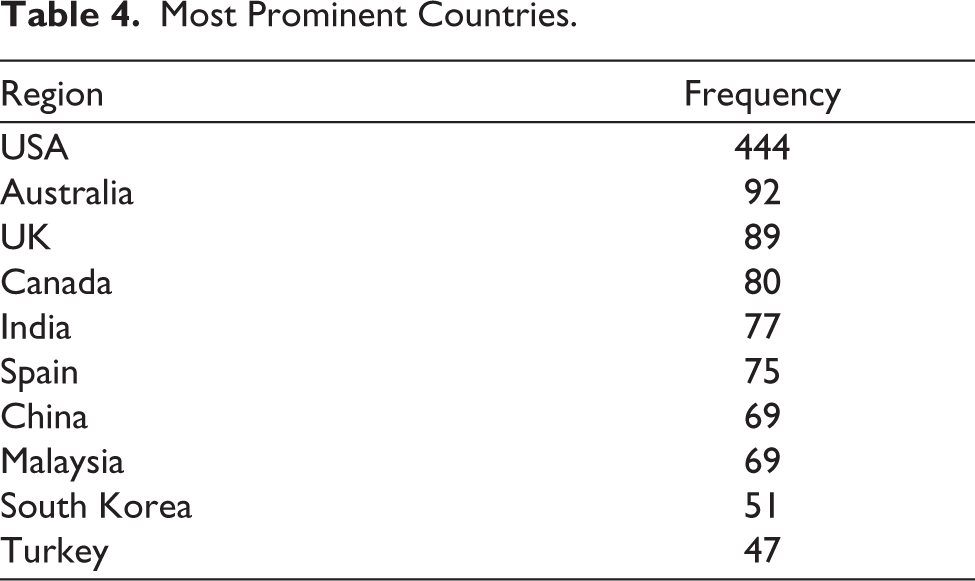
Table 4 depicts the list of the most prominent nations that contributed most in this domain since 1989. It was found that developed nations have played a more significant role in the literature of this field. It can be observed from Table 4 that the United States, Australia, the United Kingdom and Canada among the most prolific contributors. Although the United States (444 articles) has contributed the most articles compared to the other countries, as compared to the United States, India has a moderate level of contribution in this field.
Most Prominent Countries.
Trending Topics
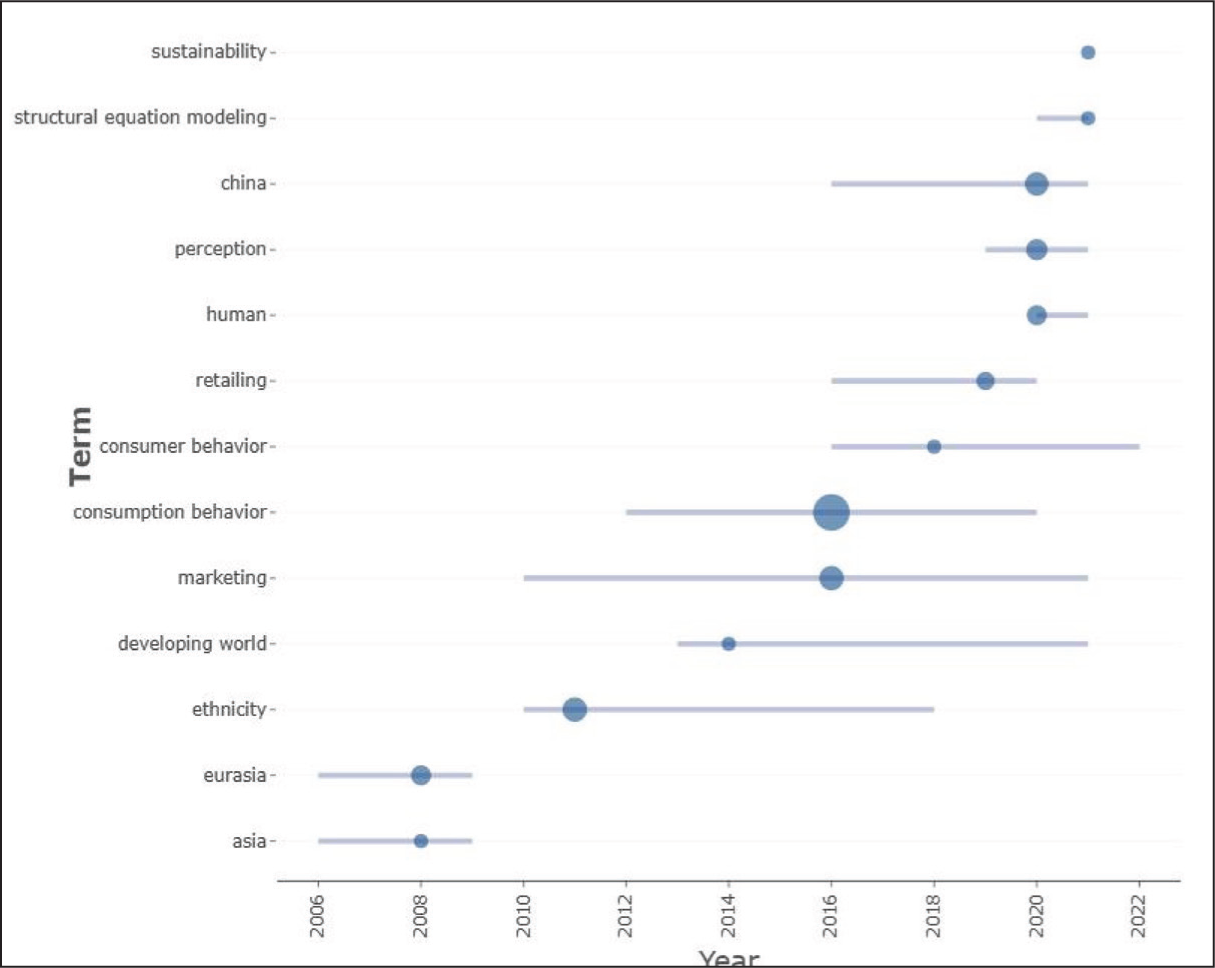
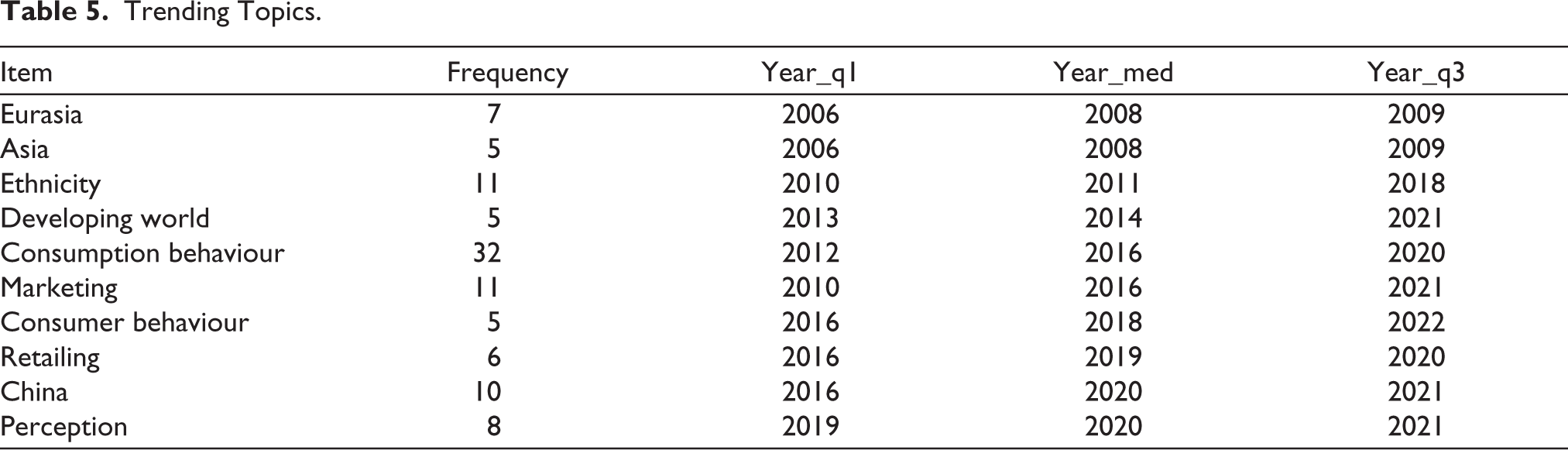
Figure 7 indicates the evolution of top trending topics with the help of a scale having two dimensions, showing the frequency of terms on the vertical axis and publication years on the horizontal axis. An analysis of issues in the previous 17 years revealed a practical tendency of various variables. The significant terms revolved in 2014 and 2016 are consumption behaviour and marketing. In 2016 and 2018, the focus shifted to the variables like consumer, retailing and so on (Table 5). After 2018, there has been a notable emergence of the effect of consumer ethnocentrism related to sustainability issues, marking a shift from the previous focus on consumer attitude, perception and purchase intention in the context of marketing.
Trending Topics (from 2006 to 2022).
Trending Topics.
Most-cited Articles
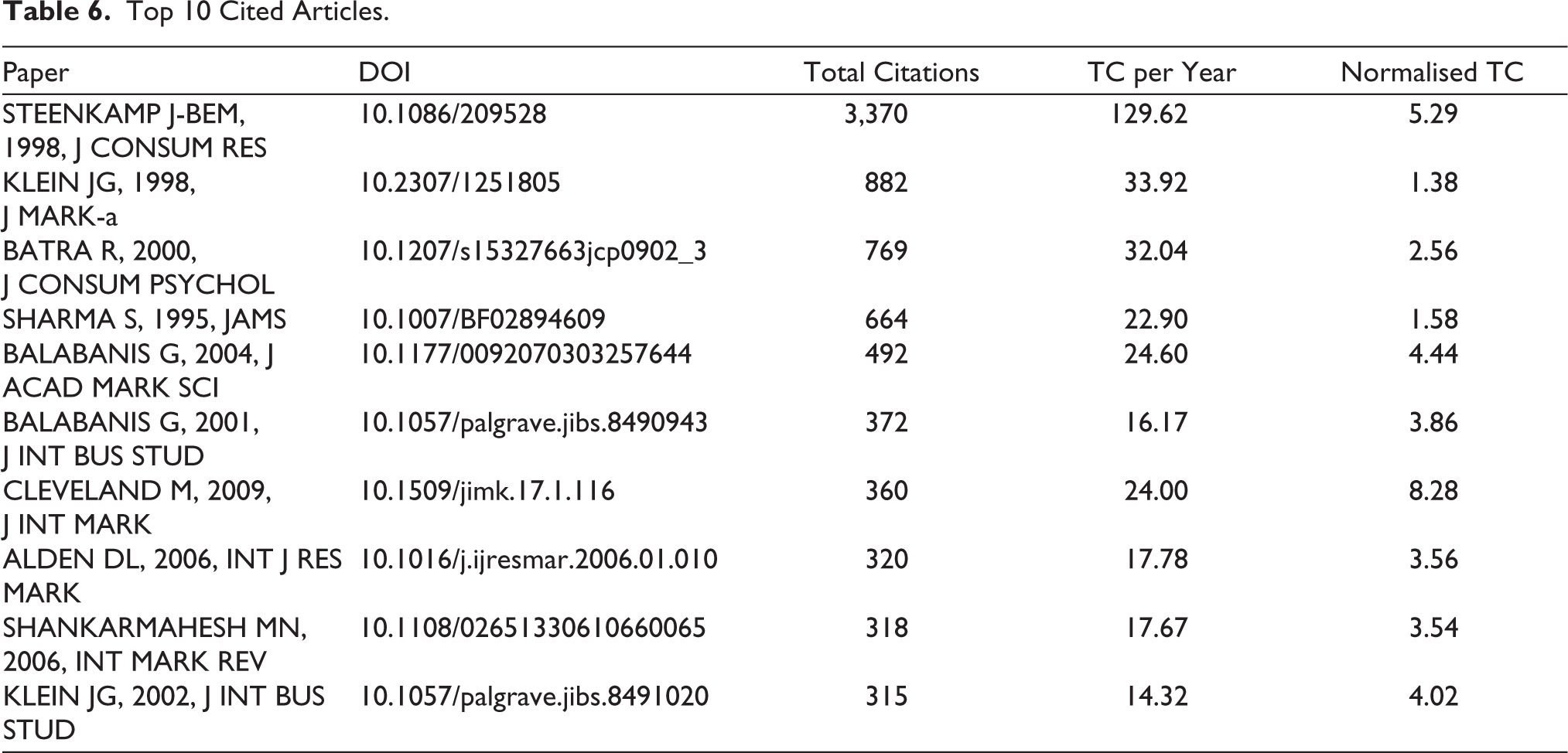
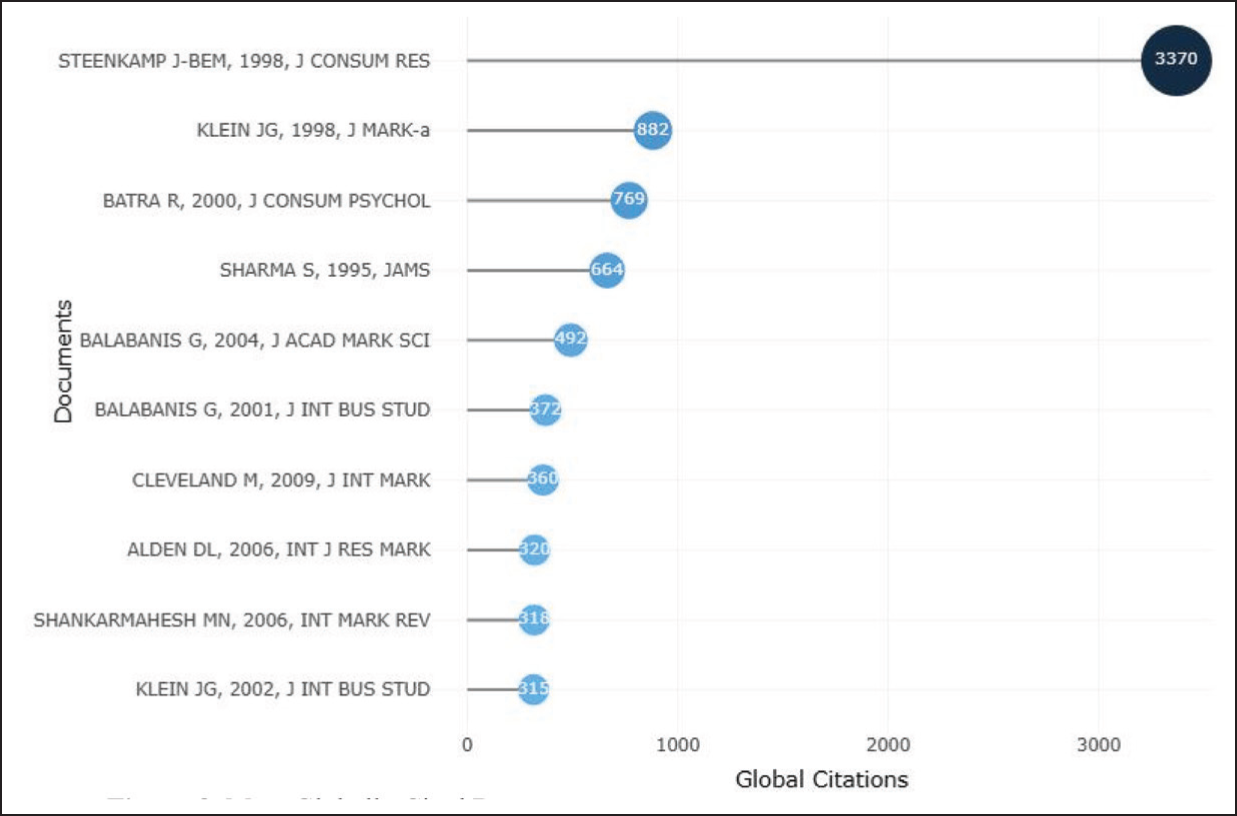
Table 6 provides a compilation of the top 10 most cited articles from 1989 to January 2023. The most cited article, authored by STEENKAMP JBEM and published in 1998 in the Journal of Consumers, has accumulated 3,370 citations. This article primarily focuses on assessing the measurement of cross-national consumer research and has received significant attention within the academic community. The second most cited article, authored by KLEIN JG and published in 1998 in the Journal of Marketing, has garnered 882 citations. In this article, the author presents a model of animosity toward foreign product purchases. The article with fewer citations in the list of top 10 globally cited articles is KLEIN JG, J, INT BUS STUD, with 315 citations (Figure 8). So the top-cited publications can be used as reference research papers in this domain for future studies.
Top 10 Cited Articles.
Most Globally Cited Documents.
Source Impact
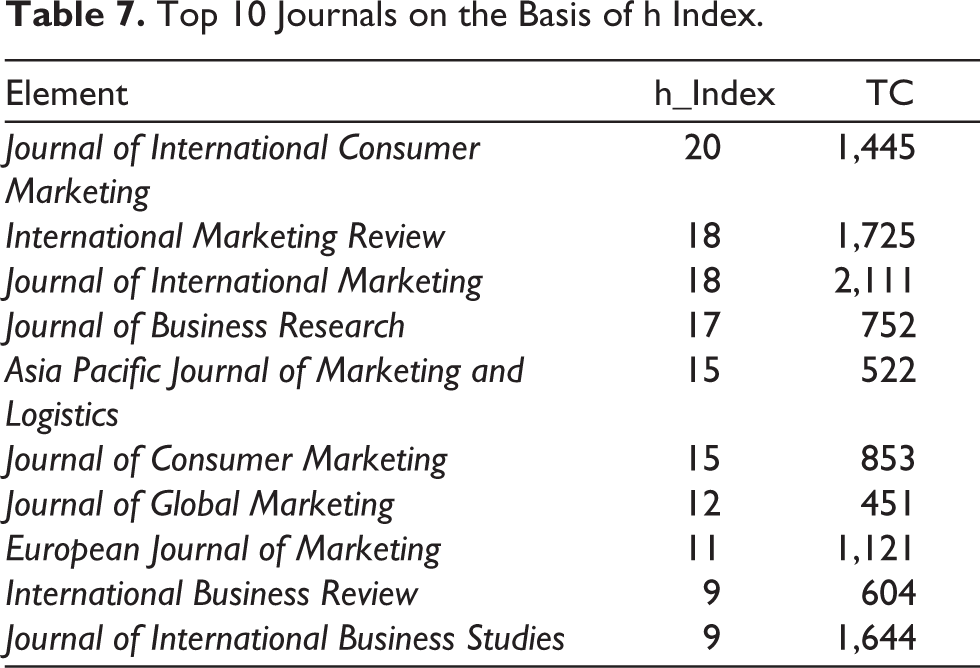
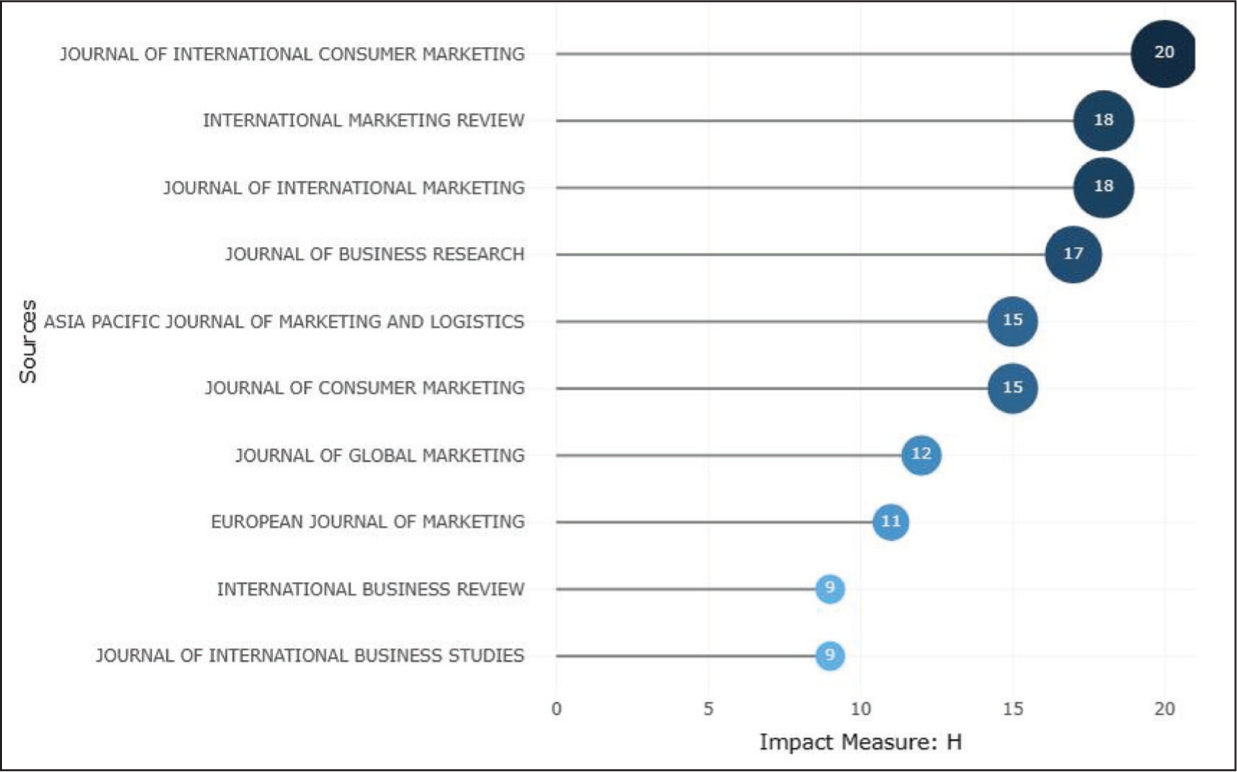
Since 1989, several articles have been published by reputed journals such as the Journal of International Consumer Marketing, International Marketing Review and so on. Table 7 represents the list of top 10 journals with several articles published in this field. Apart from this, the leading journal is ‘Journal of International Consumer Marketing’, h-index of 20, got the maximum citation for its publication in this field, and the total number of citations is 1,445. After this, the second topmost journal is ‘International Marketing Review’, having an h index of 18 and a total number of citations is 1,725. This journal is followed by ‘Journal of Business Research’, h index 17 (Figure 9). Between 1989 and 2023, a notable trend emerged wherein the most of publications are predominantly from marketing journals such as the Journal of International Consumer Marketing, International Marketing Review and Journal of International Marketing. Conversely, there is a comparatively lower representation of articles from business journals such as the Journal of Business Research and International Business Review.
Top 10 Journals on the Basis of h Index.
Source Impact.
Data Visualisation
Data visualisation incorporates network analysis methods to quantify the proliferation of clusters, the frequency of occurrence and the relationships among different units of analysis, along with assessing overall link strengths (Low & Siegel, 2020). It executes statistical analysis on maps to identify various network metrics (Aria & Cuccurullo, 2017). Various methodologies based on different units of analysis, including documents, authors and keywords, are employed to extract networks. These networks consist of nodes connected through relationships.
Conceptual Structure
Through a co-occurrence network and co-word analysis, the conceptual structure demonstrates how themes, subjects and trends relate to one another. As a result, the unit of study is an idea, often used keywords or a theme uncovered in the network by a group of researchers (Li et al., 2018). It is the only strategy to make use of research paper contents.
Co-occurrence Network
A co-occurrence network, also referred to as a semantic network, serves as a text-analysis tool that visually represents potential connections among individuals, organisations, concepts and keywords. These networks are constructed by linking pairs of keywords according to predefined co-occurrence criteria. Co-occurrence networks reflect the collective interconnectedness of themes based on their paired occurrences within a specific text unit (Garfield & Sher, 1993; Zhang et al., 2016). For example, it is observed from Figure 10 that five different colours clusters emerged from the data, denoted by the red, yellow, Blue, brown and green colors, etc. Different colours represent different clusters:
Distance demonstrates closeness. Words represent the nodes. The node size is proportionate to its occurrence.
Co-occurrence Network.
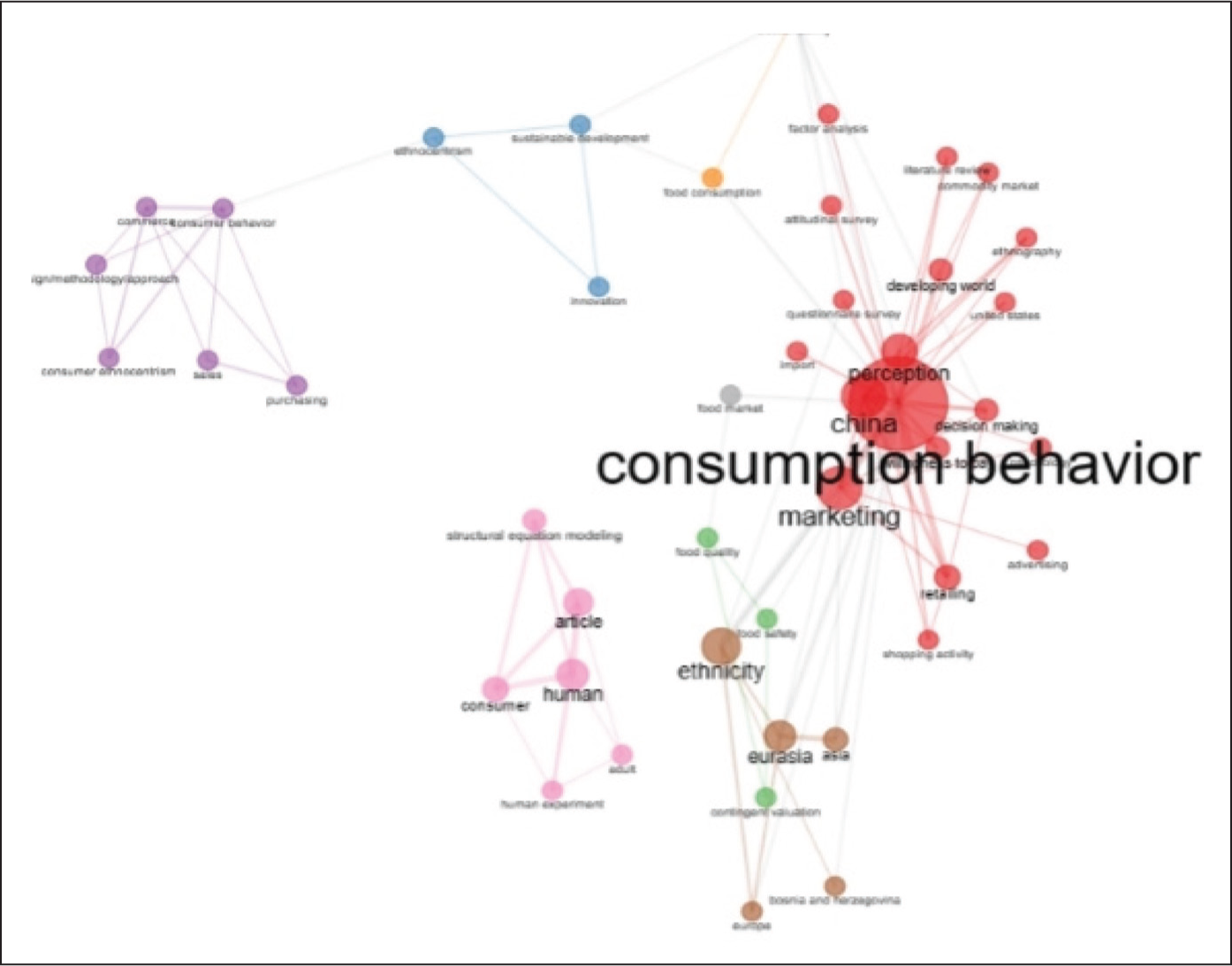
The red cluster mainly represents the keywords that describe the theoretical foundations of ethnocentrism and explain that how work on this topic starts from the origin. This cluster is mainly dominated by keywords consumption behaviour and shows factors affecting consumer behaviour like perception, attitude, development stage of the country and marketing, retailing and willingness to pay and so on. Brown cluster mainly represents the operability of the concept of ethnocentrism. This cluster is dominated by keyword ethnicity which demonstrates the keywords related to cultural values, implying how things are changing worldwide. The remaining clusters are not dominated by specific keywords but represent some combinations of keywords like green cluster that emerged from the terms related to food like food quality and food safety, which shows that research on the effect of consumer ethnocentrism in the food sector is gaining importance.
Thematic Map
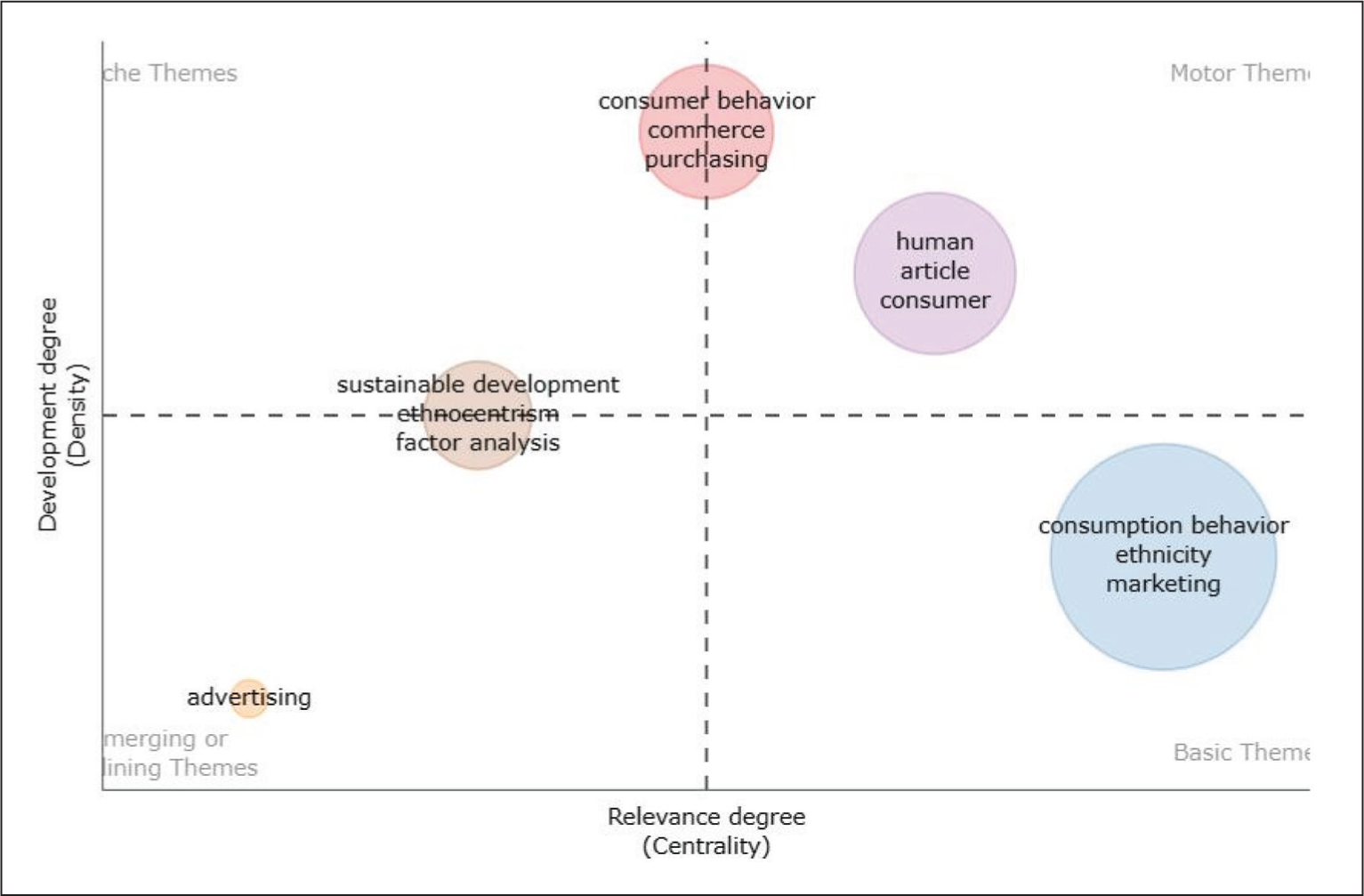
Thematic maps illustrate contextual topics on a two-dimensional graph, generated through co-word analysis, which facilitates theme generation in the domain (Cobo et al., 2011). These themes are categorised into four segments on the graph based on their density (development degree) and centrality (relevance of degree), with centrality and density serving as the two dimensions (Figure 11). Each theme is represented by a bubble on the graph. Cobo et al. (2011) classified the themes as follows:
Thematic Map.
Motor theme
Themes positioned on the right-hand side of the upper quadrant, characterised by higher density and centrality, are termed ‘motor themes’. These themes exhibit strong internal relationships and exert a significant impact on other themes. In the context of consumer ethnocentrism topics such as consumer behaviour, commerce, purchasing and methodology used are driving themes with strong internal relationship and also have a strong impact on other themes.
Basic theme
Themes located in the lower right quadrant represent fundamental themes that are deemed important yet underdeveloped. Despite their nascent status, these themes exert a strong influence on other themes within the network. In the context of consumer ethnocentrism topics such as ethnicity, marketing, China, consumption behaviour, perception, consumer decision-making and retailing are the basic themes that are not explored themselves but help other themes to develop, implying the basic keywords which are useful in every advance research in this field.
Emerging theme
The themes which are shown in the lower left quadrant are known as emerging or declining themes. These kinds of themes are underdeveloped themes, which are not explored and not enough strong to have an impact on other themes. Topics such as social status, food quality, food safety, consumer and structural equation modelling imply that the effect of consumer ethnocentrism in the food sector is not explored significantly.
Niche themes
The themes which are shown in the upper left-hand quadrant, developed internally but not externally. These kinds of themes are fully explored by the authors but a little relevance in the development of other themes.
Thematic Evolution
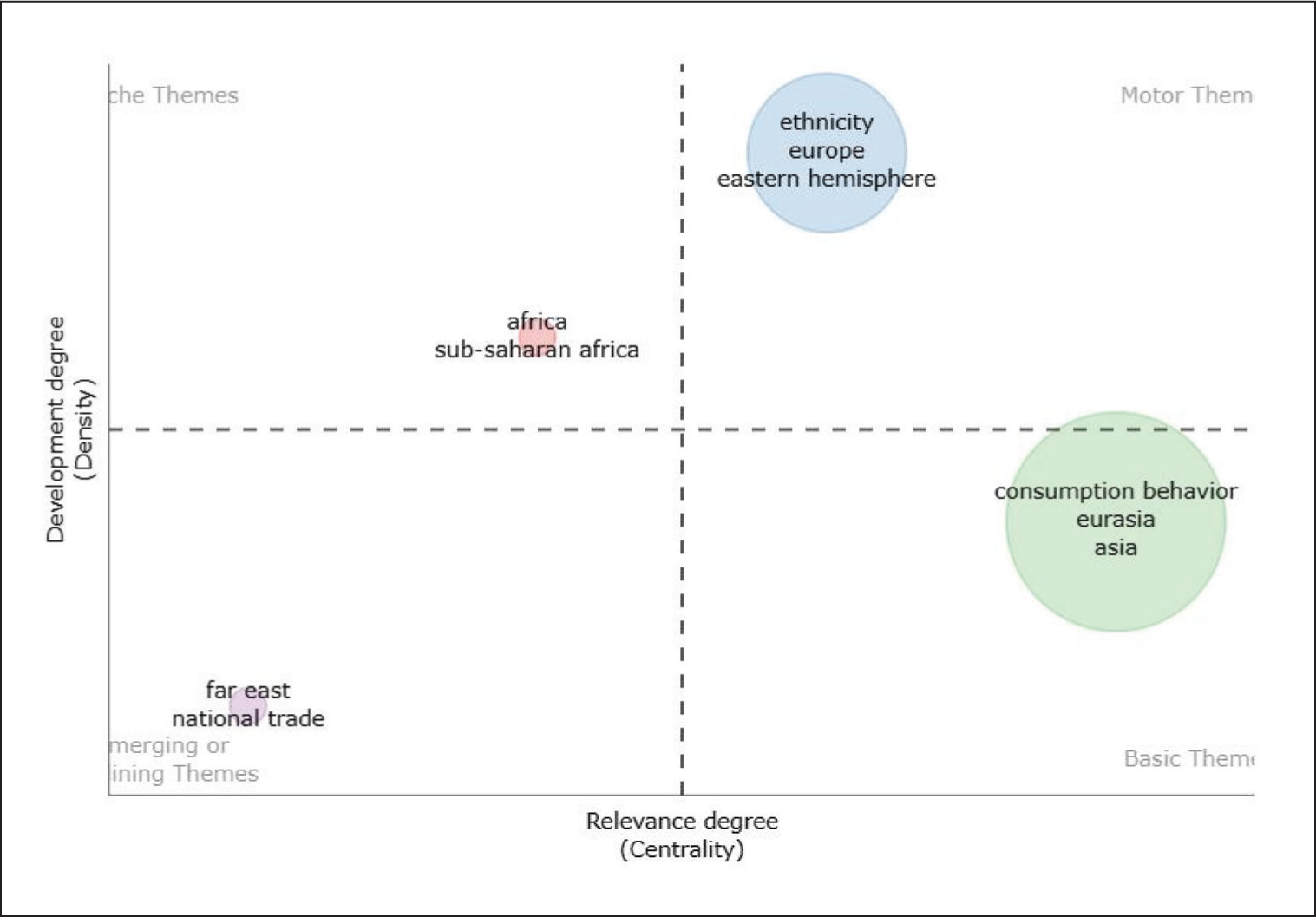
Thematic evolution in this study utilised a systematic approach for segmentation and analysis. The criteria for thematic evolution involved dividing the overall period into several time slices and identifying themes based on keyword density and centrality. These themes were then categorised into four segments on a two-dimensional graph, considering their density (development degree) and centrality (relevance of degree). Specifically, a minimum of five thematic evaluations with at least 100 occurrences of keywords were conducted, spanning over two time slices with 2010 as the cut-off point (Figures 12 and 13). This approach, inspired by previous studies (Chen et al., 2019; Corte et al., 2019), aimed to provide a comprehensive understanding of thematic evolution. A more detailed explanation of this methodology would enhance the readers’ comprehension by elucidating the systematic process of theme identification and its application across different time periods.
Thematic Evolution During 1989–2010.
Thematic Evolution During 2011–2022.
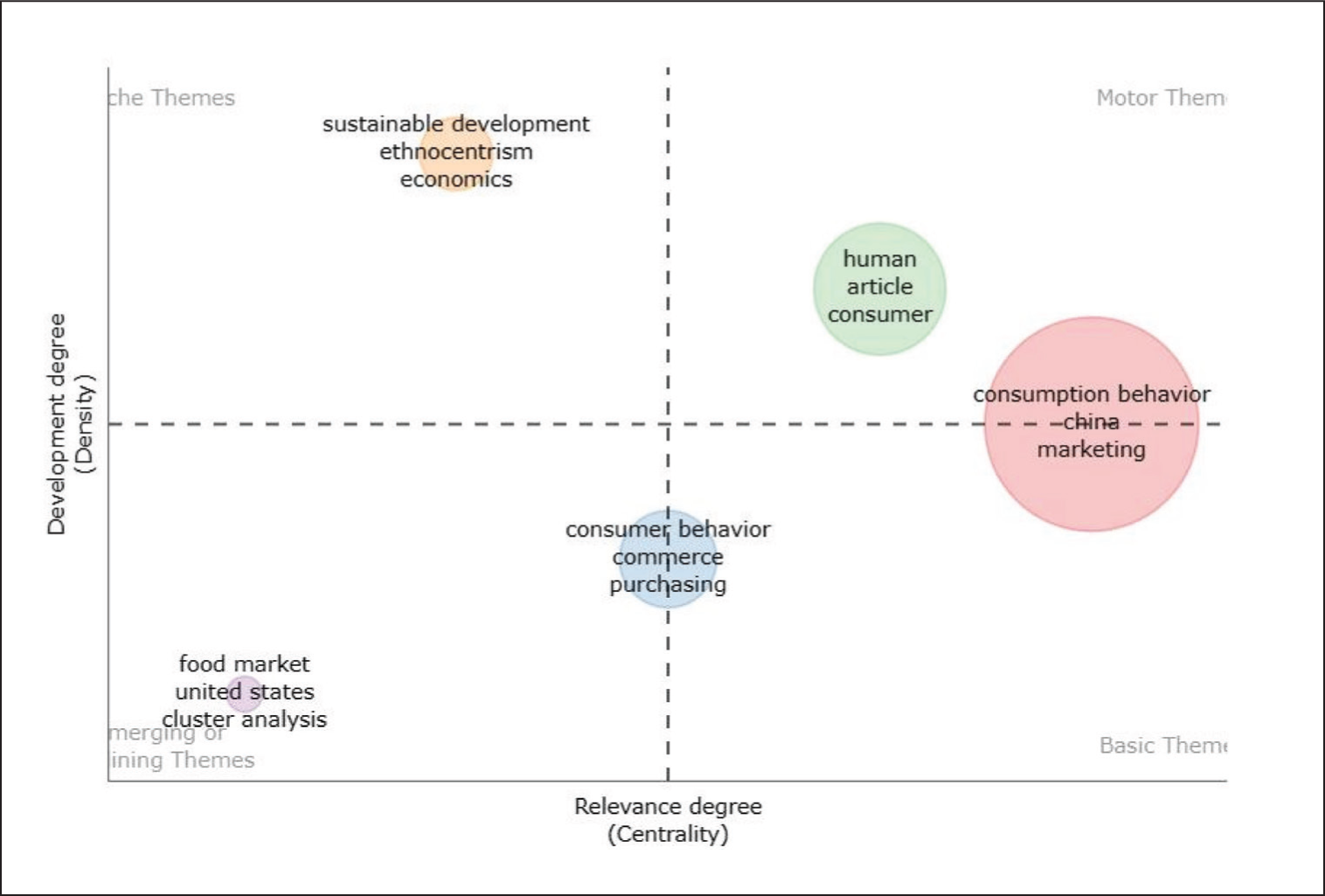
The analysis revealed that consumer ethnocentrism, particularly in the context of developing nations, is a growing subject. Keywords such as ethnicity and Europe, prevalent in the motor theme between 1989 and 2010, underscored the concept’s significance in various European countries (Figure 12). Subsequently, from 2011 to 2023, consumption behaviour emerged as a focal point, transitioning from a basic to a motor theme. During this period, keywords like sustainable development and ethnocentrism surfaced as niche themes, indicating a heightened interest in the sustainability aspect of consumer ethnocentrism. Throughout these shifts, consumption behaviour remained a crucial topic, reflecting its interconnectedness with factors such as consumer perception and willingness to pay. This comprehensive analysis illuminates the evolving landscape of consumer ethnocentrism and its implications for consumer behaviour, particularly in developing nations. By tracing thematic shifts over time, readers gain deeper insights into the concept’s growing importance, especially in European contexts and its expanded scope to include sustainability issues. Such insights not only enhance comprehension but also offer valuable guidance for researchers, policymakers and practitioners seeking to navigate consumer behaviour trends across diverse socio-economic settings.
Social Network Analysis
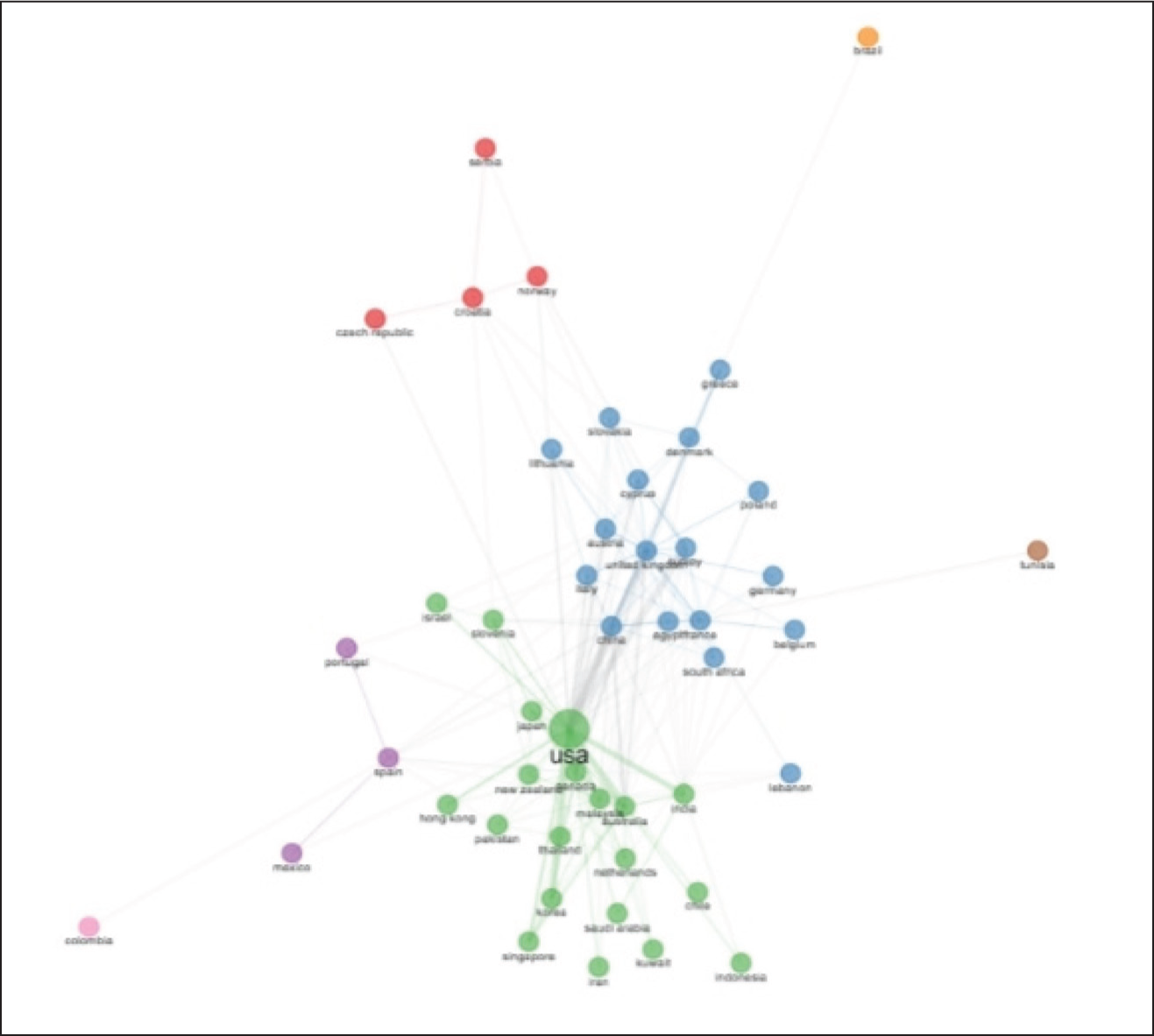
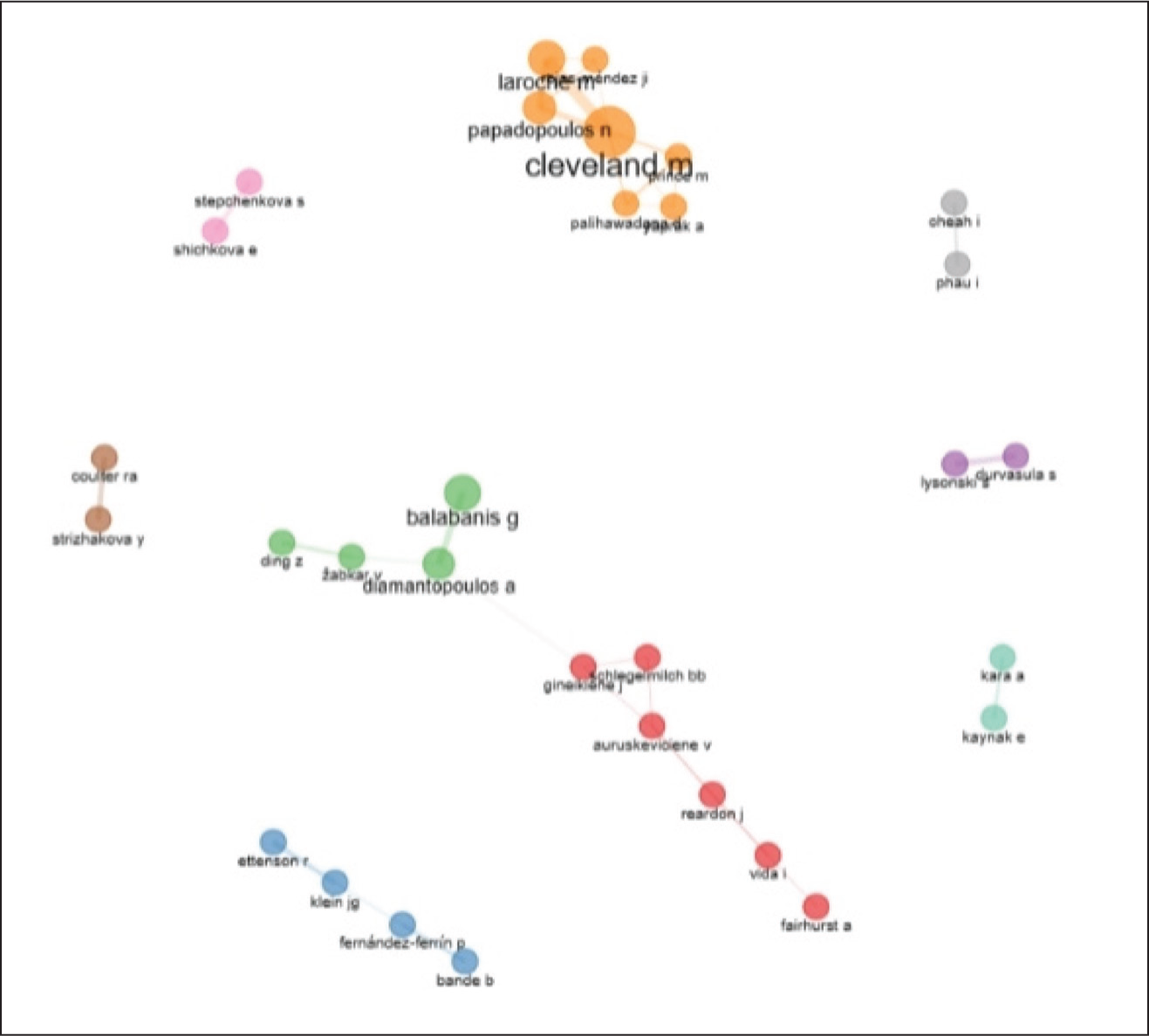
Low and Siegel (2020) used social network analysis to explore inter-relationships within this research area. Nodes represent entities such as researchers and institutions, and cluster represents the interrelationship between the nodes. The network interactions are represented by linking these nodes. Geographical collaboration was examined using node networks based on 36 nations. Cluster analysis is employed to delve into the depth of knowledge base diversity. When a document is assigned to a particular cluster, it indicates that the texts within that cluster are closely related to one another through common references (Aria & Cuccurullo, 2017). From a regional standpoint, the United States emerges as the dominant contributor to academic research, with researchers from the United States found to maintain close collaborative ties with researchers from other nations such as Japan, Canada and New Zealand (Figure 14). The collaboration network among authors demonstrates how authors are doing research in collaboration with others (Figure 15) and it was found that most prolific authors worked in collaboration (Diamantopolous, Balabanisg and Cleveland).
Geographical Collaboration Network.
Authors Collaboration Network.
Conclusion
This comprehensive research article delves into the intricate landscape of consumer ethnocentrism research spanning from 1989 to 2023 (January), employing robust bibliometric analysis and sophisticated data visualisation techniques. Through meticulous examination, several key insights emerge, shedding light on the evolution, trends and dynamics within this domain.
First, the analysis reveals a notable growth trajectory in research output over the years, characterised by an average annual growth rate of approximately 3.28%. Despite initial years witnessing modest publication rates, the field experienced a significant upsurge in publications, particularly from 2015 onwards. This surge underscores the growing scholarly interest and engagement with consumer ethnocentrism, reflecting its increasing relevance in contemporary research discourse.
Furthermore, the study highlights the pivotal role of collaborative research efforts, as evidenced by the high collaboration index and average citation score. Collaboration among researchers and institutions, both nationally and internationally, has been instrumental in advancing knowledge and understanding in this field. The collaborative nature of research underscores the interdisciplinary and global dimensions of consumer ethnocentrism, emphasising the importance of diverse perspectives and insights in shaping research agendas and scholarly discourse.
Moreover, country-wise analysis underscores the significant research contributions from advanced nations such as the USA, Australia and the UK, with the United States leading in terms of article output. However, while the USA dominates in sheer quantity, India’s moderate level of contribution provides opportunities for collaboration and knowledge exchange between developed and developing nations, which offer promising avenues for future research endeavours, facilitating cross-cultural understanding and fostering global research networks.
Moreover, the emergence of sustainability and perception as dominant topics from 2020 to 2022 signifies a paradigm shift towards addressing pressing sustainability issues within the context of consumer ethnocentrism. This shift reflects evolving consumer attitudes and societal concerns, highlighting the need for interdisciplinary research approaches to address complex challenges.
Additionally, the analysis underscores the dominance of marketing journals in disseminating research findings in the field of consumer ethnocentrism. Journals such as the Journal of International Consumer Marketing, International Marketing Review and Journal of International Marketing have been instrumental in shaping scholarly discourse and driving research agendas in this domain. The prevalence of marketing journals underscores the interdisciplinary nature of consumer ethnocentrism research, highlighting the intersection between marketing, consumer behaviour and international business studies.
Furthermore, country-wise analysis underscores the significant research contributions from advanced nations such as the United States, Australia and the United Kingdom, with the United States leading in terms of article output. However, while the United States dominates in sheer quantity, India’s moderate level of contribution suggests untapped potential and opportunities for further exploration in this field.
Additionally, keyword analysis reveals two dominant clusters: the red cluster, focusing on the theoretical foundations of ethnocentrism and consumer behaviour factors, and the brown cluster, emphasising the operational aspects of ethnocentrism and cultural values. Thematic evolution analysis underscores the evolving nature of consumer ethnocentrism research, with shifting research priorities and emerging themes over time. From the motor theme focusing on consumer analysis to the niche theme of sustainability, the thematic evolution reflects the dynamic nature of consumer behaviour and societal trends.
In conclusion, this research article offers valuable insights into the evolving landscape of consumer ethnocentrism research, highlighting trends, challenges and opportunities within this dynamic field. By leveraging bibliometric analysis and data visualisation techniques, the study provides a robust empirical foundation for future research endeavours, guiding scholars, policymakers and industry practitioners in addressing key issues and advancing knowledge in consumer ethnocentrism research. Moving forward, interdisciplinary collaboration, inclusive research practices and strategic knowledge dissemination will be crucial in driving innovation and addressing complex challenges in consumer behaviour research.
Implications
This article aims to develop a blueprint for researchers and policymakers to understand this domain comprehensively explained below:
Academia and Industry Implications
The findings of our study offer significant implications for academia by providing insights that can shape research agendas and pedagogical approaches in marketing, consumer behaviour and international business studies. Additionally, the study contributes to theory development by validating existing frameworks and propelling the exploration of new conceptual paradigms. These insights can enrich academic discourse, foster interdisciplinary collaborations and inspire future generations of researchers to delve deeper into the complexities of cross-cultural consumer behaviour.
Industry Implications
Businesses can leverage insights from our study to refine their market segmentation strategies, targeting ethnocentric consumer segments with tailored product offerings and marketing messages. Moreover, understanding consumer ethnocentrism enables companies to strategically position their brands in alignment with cultural values, fostering authenticity and trust among target audiences. By developing culturally adaptive marketing strategies, businesses can navigate cultural diversity more effectively, driving brand engagement and international market expansion. Moreover, insights into emerging trends such as sustainability and perception offer businesses an opportunity to address evolving consumer concerns and differentiate themselves in the market.
Future Implications
As consumer ethnocentrism continues to evolve, there are several previously unexplored facets of consumer ethnocentrism which will provide future direction to researchers are explained below:
Conducting more detailed content analyses of papers in this research area can yield significant insights into related concepts and models, providing a nuanced understanding of consumer behaviour across different cultural contexts. Exploring the effects of consumer ethnocentrism in sectors such as the food industry and sustainability offers fertile ground for research, shedding light on how cultural factors influence consumer preferences and purchasing decisions. Collaboration among scholars from both developed and developing countries is crucial in fostering global insights and addressing conceptual gaps, paving the way for more comprehensive and inclusive research agendas. Leveraging highly cited base articles can provide a solid foundation for future investigations, guiding researchers in identifying key themes and research directions. Exploring the role of social media and advertising in shaping consumer ethnocentrism presents an exciting frontier for future research, offering valuable insights for businesses seeking to navigate cross-cultural marketing strategies in an increasingly interconnected world. The study acknowledges that while the keyword ‘Consumer Ethnocentrism’ spans various fields, including anthropology, social media, international business and management, and its focus is confined to sociology, psychology and marketing literature. Future research endeavours should recognise this limitation and consider adopting a multidisciplinary perspective. Integrating insights from anthropology could provide cultural context and a deeper understanding of societal norms influencing consumer behaviour. Studies in social media could offer insights into how digital platforms shape and amplify ethnocentric attitudes and behaviours. International business literature could contribute by examining the impact of consumer ethnocentrism on global trade patterns and cross-cultural marketing strategies. Additionally, management literature could offer managerial implications and strategies for addressing ethnocentric consumer attitudes within organisations. Embracing a multidisciplinary approach could enrich the understanding of consumer ethnocentrism, allowing for a more holistic and nuanced analysis of this complex phenomenon.
By embracing these future research directions, scholars can continue to advance knowledge in consumer ethnocentrism and its implications for global marketing strategies and cross-cultural consumer behaviour.
Limitations
The study acknowledges certain limitations, First, while the study relies on Scopus for data extraction, it recognises the potential limitations of this single database, such as biases and indexing inconsistencies. To overcome this limitation, future research could diversify data sources by including databases like Web of Science and PubMed. These alternatives offer specialised coverage and citation indexing, thereby enhancing the reliability and comprehensiveness of consumer ethnocentrism research.
Footnotes
Acknowledgements
We gratefully acknowledge the University Grants Commission, Delhi, India, for the award of Senior Research Fellowship. We are also grateful to Kurukshetra University, Kurukshetra, for supporting this work.
Declaration of Conflicting Interests
The authors declared no potential conflicts of interest with respect to the research, authorship and/or publication of this article.
Funding
The authors received no financial support for the research, authorship and/or publication of this article.