




Abstract
The purpose of this study is to present a systematic literature review and offer a future research agenda on food acquisition and consumption of South Asian countries. The first section offers a comprehensive systematic literature review with a documentation analysis using PRISMA (Preferred Reporting Items for Systematic Reviews and Meta-Analyses) guidelines. The study identifies several contemporary issues pertaining to food acquisition and consumption in these countries and proposes several research themes such as food quality standard issues, food security issues, food nutrition issues, organic food consumption patterns, dietary diversity and food intake issues. The second section includes a future research agenda on food acquisition and consumption patterns on the key constructs, context and methodology. This study contributed to the existing literature by offering several contemporary issues and the scope of future research areas pertaining to food acquisition and consumption, which may help policy makers, practitioners and scholars in investigating the solutions.
Keywords
Introduction
The investigation of contemporary issues pertaining to food acquisition and consumption in South Asian countries is an important topic, for example, when considering Sri Lanka, which is a lower–middle-income country with a GDP per capita of USD 3,852 (2019) and a total population of 21.8 million. The rapid globalization, economic development, technological developments and the changes in agricultural systems transformed the diets across the world (Alahakoon et al., 2016; Pahari et al., 2023). Communally, these factors have led to a changeover from the reliance on staple grains, legumes, vegetables and fruits to dietary patterns that include more processed foods, away-from-home foods, animal-source foods, refined carbohydrates, edible oils and sugar-sweetened beverages.
It is evident that the present status of food consumption and acquisition in developing countries is often shaped by the historical development of food and nutrition policies. Several researchers worked on the food and nutrition policies from a historical perspective to identify the challenges of food security and nutrition (Alahakoon et al., 2016; Pahari et al., 2023). Since several South Asian countries are in economic transition, undergoing a nutrition transition facing the triple burden of malnutrition—over-nutrition, under-nutrition and micronutrients—is common (Alahakoon et al., 2016; Pahari et al., 2023).
One of the major growing health issues in these countries is diabetes mellitus. The diet and physical activity are vital to prevent the risk factors affecting the incidence, severity and management of diabetes mellitus. The adherence to precautionary practices is still poor, for example, in Sri Lanka and India, due to lack of knowledge on the health issues (Alahakoon et al., 2016; Pahari et al., 2023). For example, as per the WHO records, the number of people with diabetes increased from 108 million in 1980 to 422 million in 2014. In low- and middle-income countries, prevalence has been increasing more rapidly than in high-income countries (WHO, 2022). Between 2000 and 2019, there was a 3% increase in diabetes mortality rates by age.
As a result of limited resources and poor management, the food control infrastructure in many developing countries is inadequate. For example, the least developing countries, such as Sri Lanka, Bangladesh and Nepal, are experiencing a higher number of economic transition, undergoing a nutrition transition facing a triple burden of malnutrition such as over-nutrition, under-nutrition and micronutrition (Alahakoon et al., 2016; Pahari et al., 2023). On the other hand, it is common for food control laboratories to be inadequately equipped and to lack analytical staff who are properly trained in developing countries within South Asian such as India, Pakistan and Maldives (Mandal et al., 2021; Shetu, 2022).
The majority of Asians are not aware of best practices regarding food acquisition and consumption (Alahakoon et al., 2016; Chatterjee et al., 2023; Pahari et al., 2023). There are three main reasons why it is imperative to investigate the current issues pertaining to food acquisition and consumption in a developing nation. First, to protect the poor from crises; second, to develop long-run markets that enhance efficient resource use; third, to increase food production that will in turn promote an increase in income. However, little research focused on how people interact with food sources to acquire foods as part of daily life. Therefore, this study addresses this issue using the research question ‘what are the contemporary issues pertaining to food acquisition and consumption in South Asian countries?’
The first section explains the importance of study with the respective research gaps and research objectives. The second section presents the methodology of this study with a detailed documentation analysis. The next sections discuss the thematic findings and the future research agenda based on the TCM framework. Finally, the conclusion, limitations and implications are presented.
Methodology
Systematic literature reviews are of different types such as structured reviews (Canabal & White, 2008), framework-based reviews, bibliometric reviews (and meta-analytical reviews (Barari et al., 2021; Dewasiri et al., 2022). Consequently, the most applicable review type for this study is structured reviews using the filtering criteria of Preferred Reporting Items for Systematic Reviews and Meta-Analyses (PRISMA) guidelines as the several contemporary issues pertaining to food acquisition and consumption is limited to the South Asian context only. This study adheres to the structured review category as it is limited to a context focusing emerging economies. This can be further justified based on the precedent of studies such as Svejvig and Andersen (2015) and Kaurav and Gupta (2022).
This study used the systematic literature review approach to identify the contemporary issues pertaining to food acquisition and consumption. The systematic reviews are objective and comprehensive with a search on relevant studies focusing on a specific topic (Barari et al., 2021). The authors reviewed studies published in top management and marketing fields across Google Scholar, Web of Science and Scopus database using the ‘publish or perish’ software. The authors conducted the database search using several keywords such as ‘contemporary issues in food practices’ AND ‘food management strategies in South Asian’, OR ‘food practices in emerging economies OR South Asian context’. All results were confined to peer-reviewed studies in English. Mainly, most of the article’s titles and abstracts were irrelevant to this study due to out-of-scope issues. First, the abstracts were screened by the authors and the articles which are not focusing the contemporary issues pertaining to food acquisition and consumption of these countries were removed. Specifically, only the articles with results demonstrating a contribution were selected for further review. For example, the studies conducted not focusing on the Sri Lankan context such as environmental aspects, food preservation and chemical balancing.
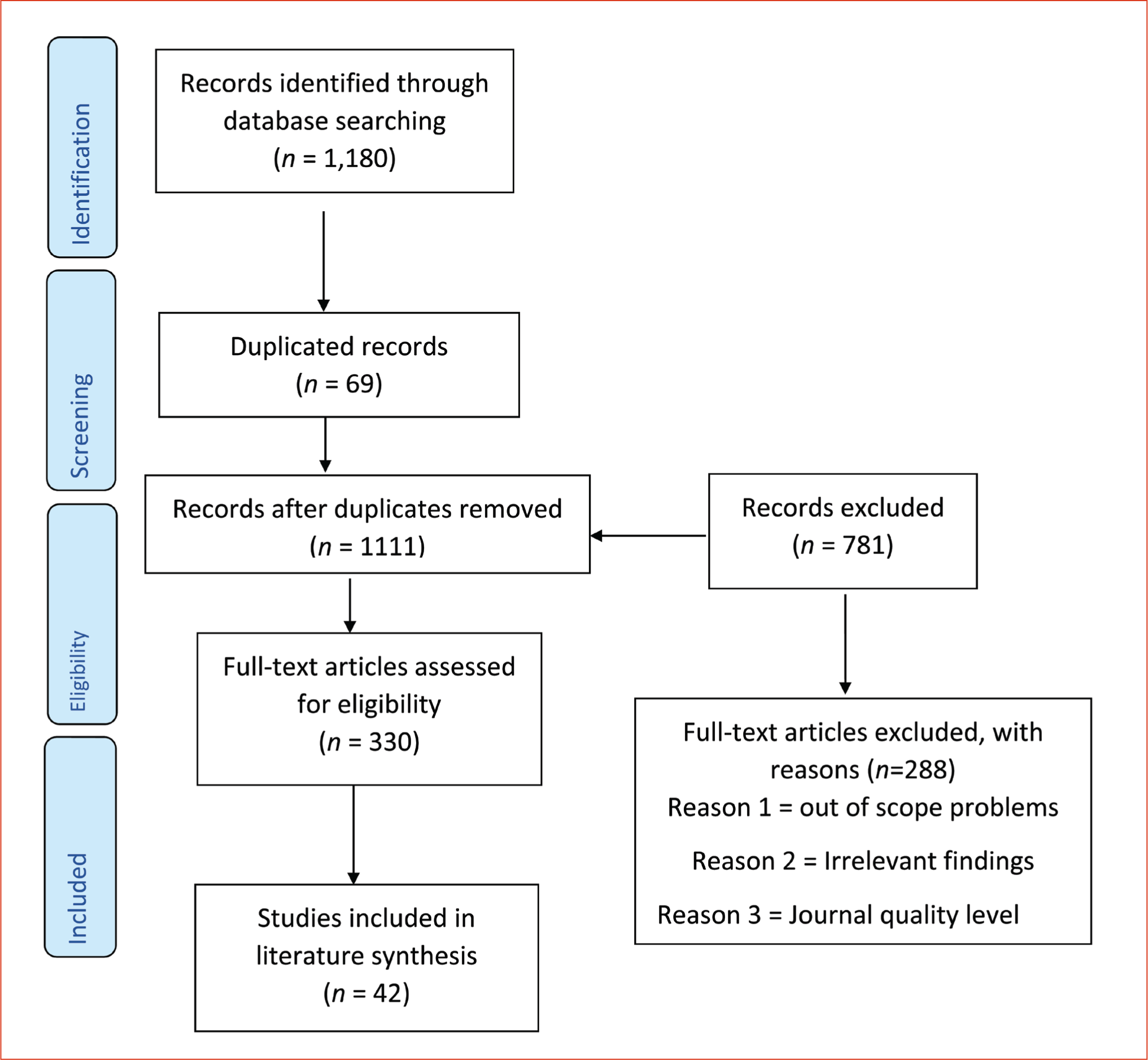
The timeline which was used for this review is 8 years considering years 2015 to 2023. This can be further justified based on the precedent of studies such as Svejvig and Andersen (2015) and Kaurav and Gupta (2022). Initially, a total of 1,180 articles were found by authors. The authors classified another collection of 69 papers as duplicated documents after thorough categorization using the ‘Endnote’. The papers focusing on contemporary food practices were primarily chosen using the initial abstract screening technique. The abstracts were first screened and the papers that did not concentrate on food acquisition and consumption were excluded. For example, due to out-of-scope problems, publications on food nutrition, food management, health aspects and water management were identified as disqualified. In addition, papers written in computer science, human intelligence, tourism, journalism, education and biology which are focusing on the non-marketing context have been eliminated. Therefore, from the remaining 1,111 articles, a total of 781 were identified as unnecessary due to out-of-scope issues.
The remaining 330 articles were assessed using the criteria mentioned in Table 1.
Inclusion and Exclusion Criteria.

Several studies were excluded from the review process due to their lack of focus on contemporary issues pertaining to food acquisition and consumption. For the final analysis, articles published at either ‘B’ or above in the ABDC ranking or ‘Q2’ or above in the SC imago ranking were chosen. Due to this fact, most of the articles were disqualified and the most influential and important articles published in top-ranking journals such as Journal of Food Science, Journal of the Institute of Brewing, BMC Public Health, Australia South Asia Research Centre, Korean Journal For Food Science of Animal Resources, International Journal of Food Safety, Nutrition, Public Health Technology, Agriculture & Food Security, Maternal and Child Nutrition, Nutrition Dietetics, Journal of Nutrition Metabolism and Procedia Food Science were prioritized due to SC imago Q3 and Q4 factors. Additionally, the authors gave priority to the higher impact factor of the journal and contribution of the paper. Some other studies have also been considered due to the higher impact factor of the journal and contribution of the paper. Finally, the authors selected 42 studies for the final review considering the contribution and the scope of the papers. This can be further justified based on the precedent of studies such as Jayawardena (2021), Behl et al. (2022) and Pereira et al. (2022).
Figure 1 further demonstrates the inclusion and exclusion criteria used for this review through the PRISMA guidelines.
Inclusion and Exclusion Criteria Used for This Review Through the PRISMA Guidelines.
The final 42 studies including journal papers. These were summarized with six sections as source, journal, key constructs and findings using Table 2.
Document Analysis
Summary of the Key Studies Reviewed in This Paper.
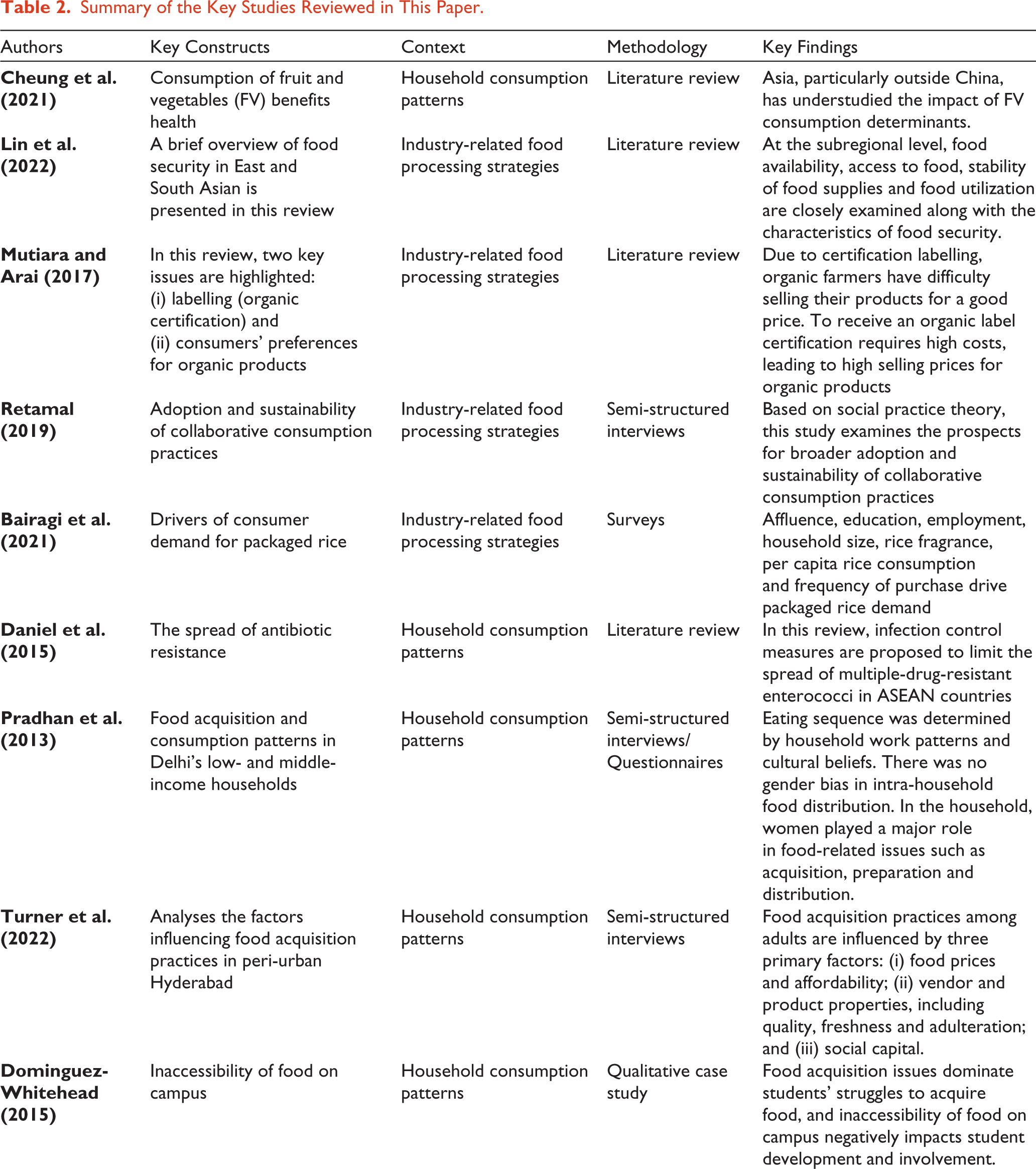
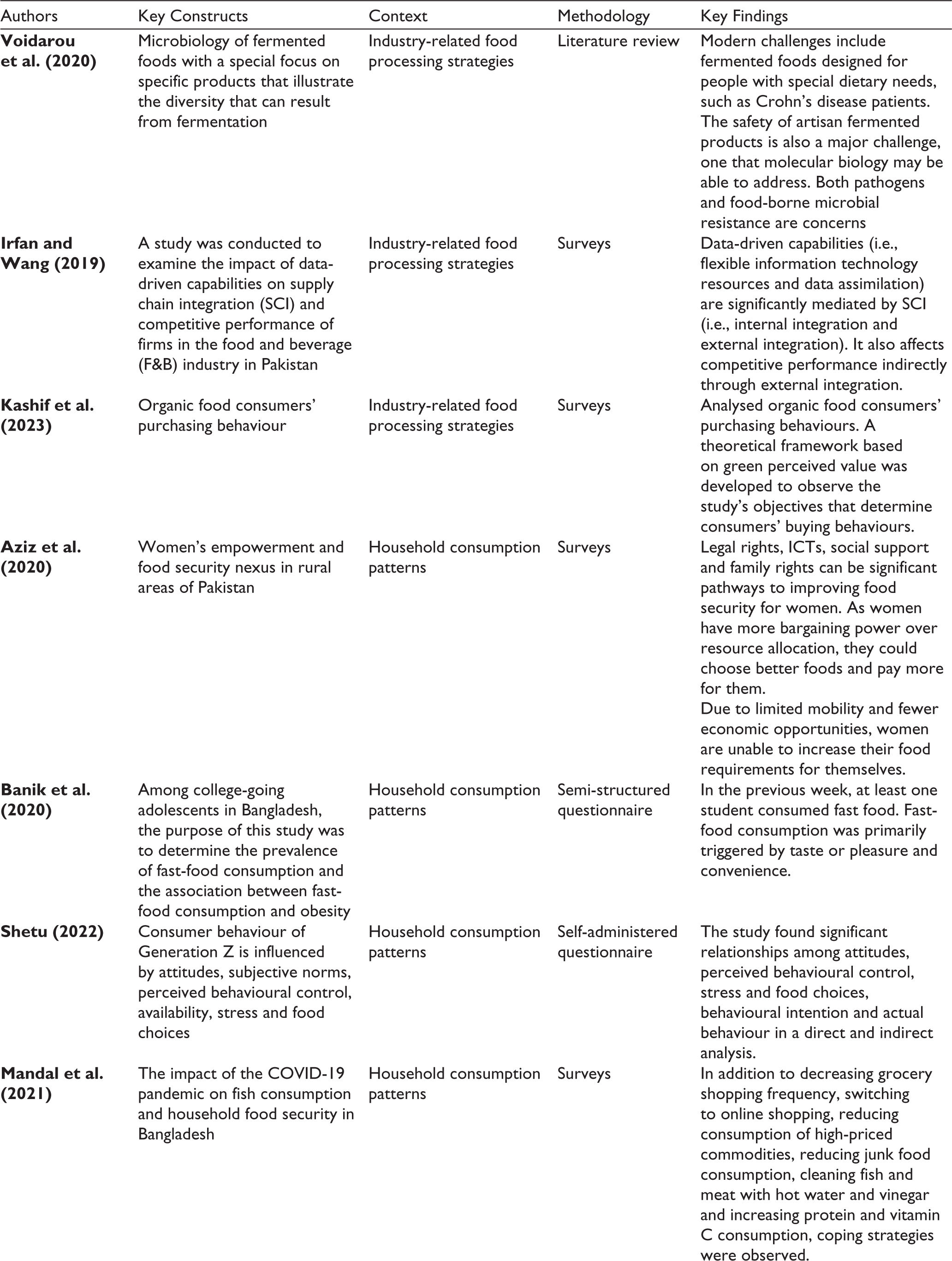
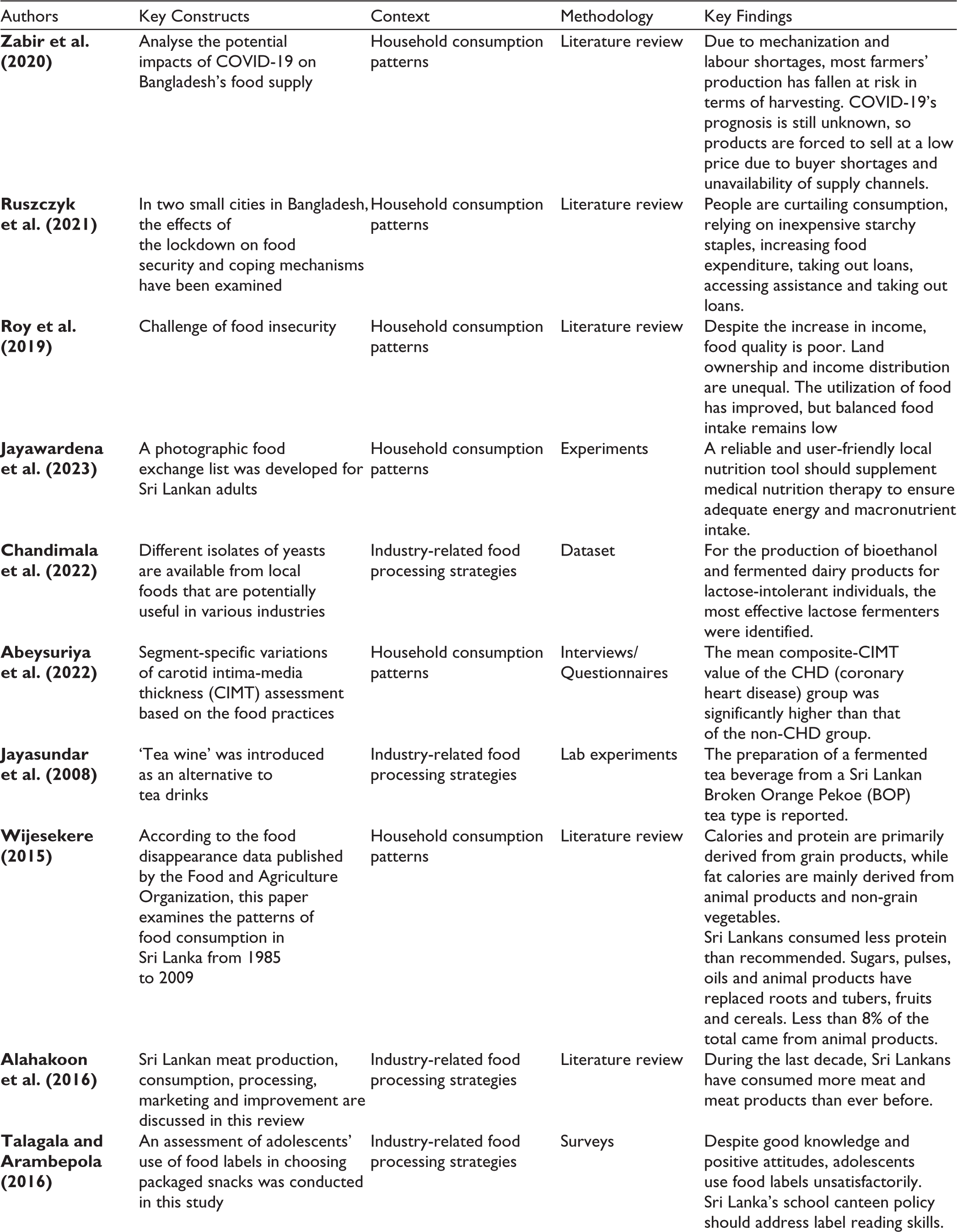
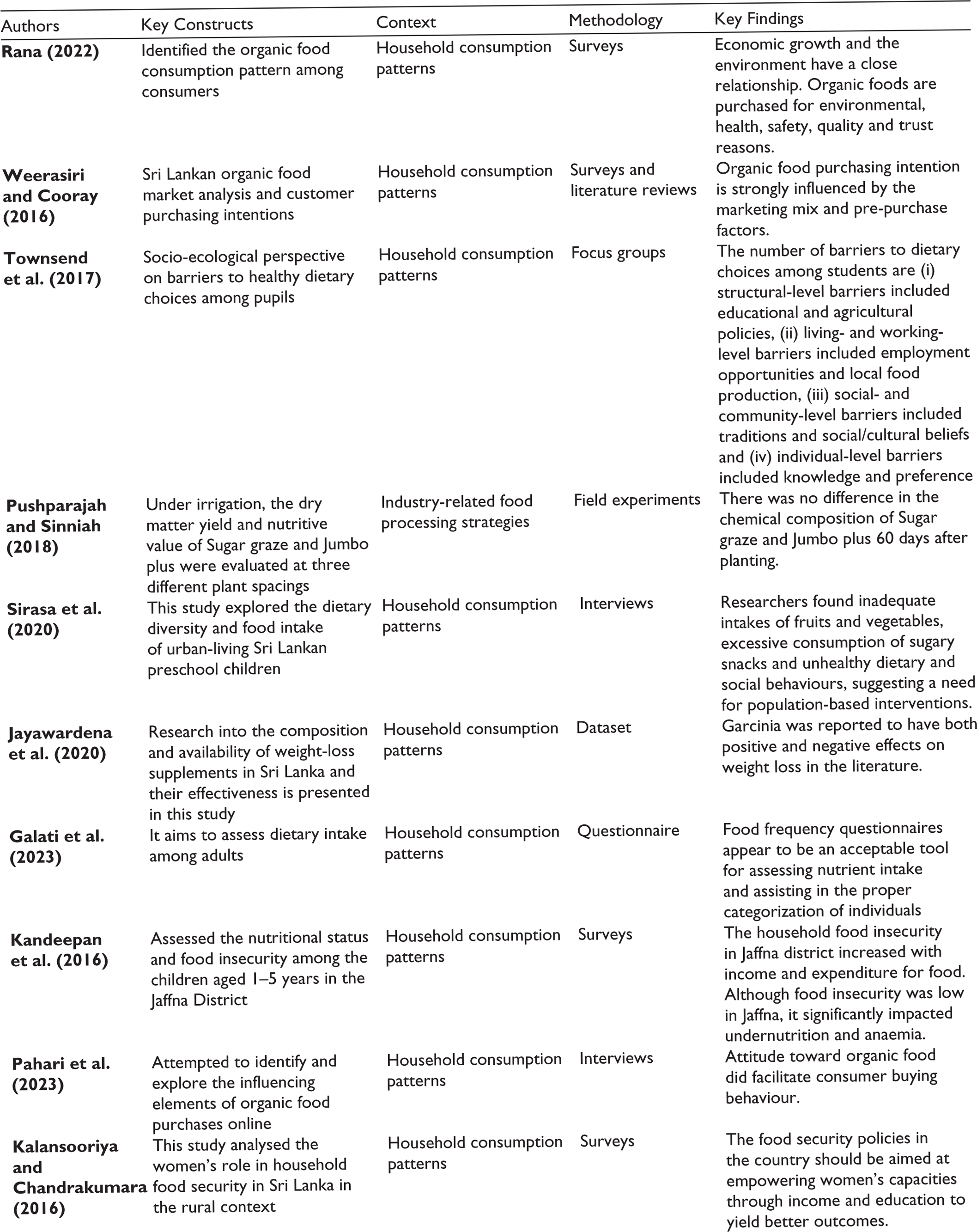
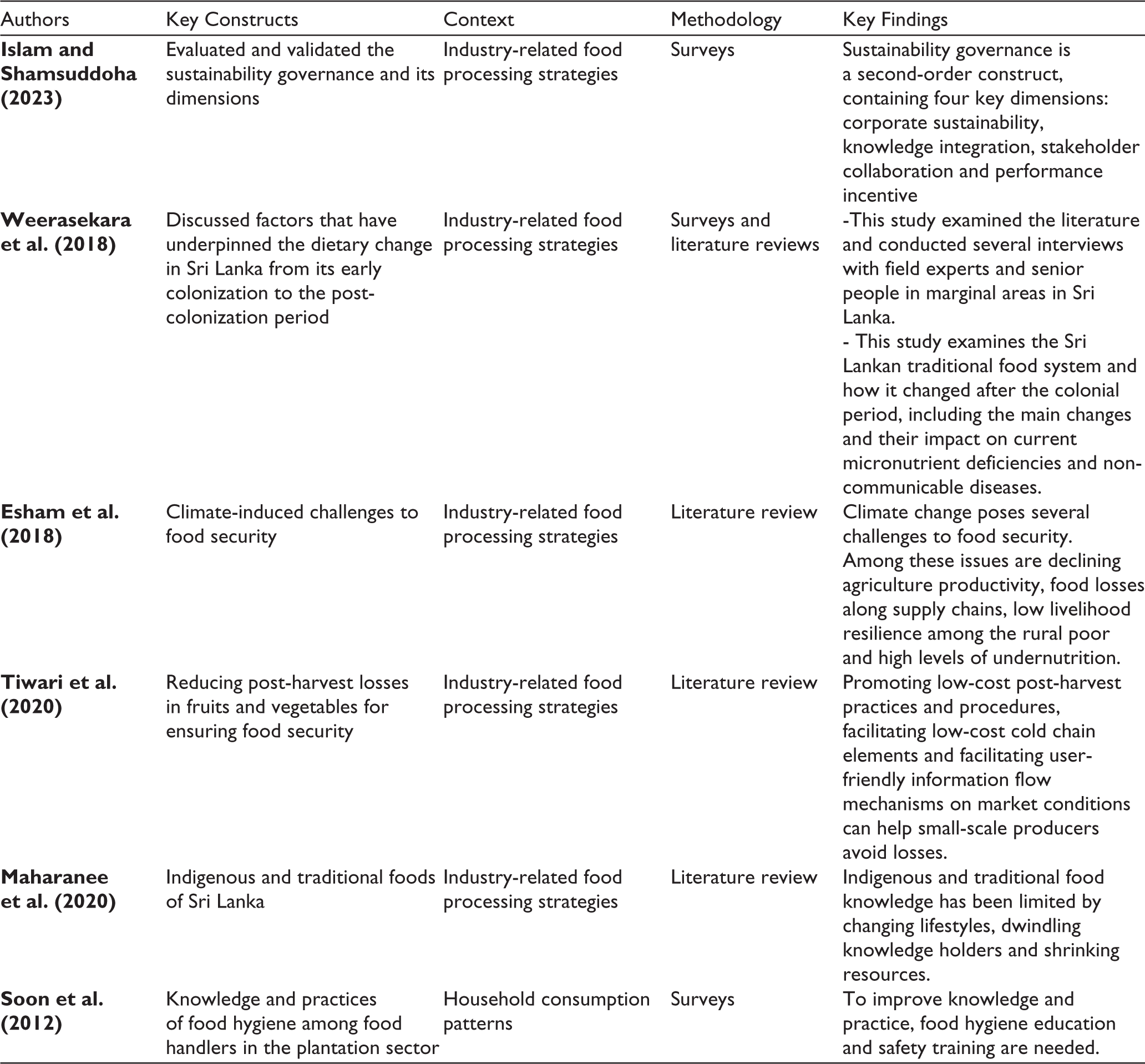
Thematic Analysis
Based on the above documentation analysis, the authors identified two main themes based on the key constructs of the review: (i) industry-related food processing strategies and (ii) household consumption patterns. The review categorized key contemporary issues prevailing in these countries under five topics, namely, (i) food quality standard issues, (ii) food security issues, (iii) food nutrition issues, (iv) organic food consumption patterns and (v) dietary diversity and food intake issues. The next section will discuss the main themes in a detailed manner based on the above two main topics.
The Industry-related Food Processing Strategies: Food Security Issues
It is essential for human beings to consume wholesome food in adequate quantities in order to sustain their lives (Cheung et al., 2021). The consumption of contaminated food contributes significantly to the spread of food-borne illnesses worldwide, which are a significant health problem and economic problem (Cheung et al., 2021; Esham et al., 2018; Weerasekara et al., 2018). These countries are increasingly concerned about the impacts of climate change, variability and extreme weather events on food production, food security and livelihoods (Lin et al., 2022; Pahari et al., 2023). Climate change has largely been examined in relation to impacts on crop production or food availability aspects of food security, with little attention paid to other key dimensions, such as food access and food utilization (Esham et al., 2018; Lin et al., 2022).
For example, in India, Sri Lanka, Bangladesh, the agriculture sector plays a vital role in its economy with a significant contribution towards GDP after the apparel sector (Bairagi et al., 2021; Mutiara & Arai, 2017; Retamal, 2019). A key objective of the national development agenda is to ensure food security. Eight hundred million people in the emerging world (especially in developing countries) currently face food insecurity, and the issue of food and nutrition needs is significantly becoming a greater need (Daniel et al., 2015; Mwaura, 2022; Pradhan et al., 2013; Turner et al., 2022) with South Asian countries becoming one main entity.
With the expansion of the food industry, urbanization, increased trade in fresh and processed foods, and growing consumption of foods of animal origin, Sri Lankans and Indians are becoming increasingly concerned about food safety issues (Irfan & Wang, 2019; Kandeepan et al., 2016). Both domestically and internationally, food safety risk management is important for the protection of public health and the development of markets. According to Kandeepan et al. (2016), food insecurity is a significant factor influencing undernutrition and anaemia among children in the Jaffna district of Sri Lanka. Among adolescents, Talagala and Arambepola (2016) investigated the use of food labels in choosing packaged snacks and its associated factors. In addition, the use of food labels is unsatisfactory among adolescents, and this practice should be introduced through school canteens. In addition, the household chorus is primarily performed by women in Sri Lanka. As a result, it is essential to empower rural women regarding household food security (Dominguez-Whitehead, 2015; Shaw et al., 2023; Voidarou et al., 2020). Further, as per the findings by Aziz et al. (2020), legal rights, ICTs, social support and family rights can be significant pathways of improving food security for women. As women have more bargaining power over resource allocation, they could choose better foods and pay more for them. Due to limited mobility and fewer economic opportunities, women are unable to increase their food requirements for themselves.
Sri Lanka’s National Climate Change Policy, which was adopted in 2022, clearly endorses the need to implement appropriate adaptation strategies in order to reduce the impacts of climate change on crop and animal production in order to ensure national food security for the country (Esham et al., 2018; Irfan & Wang, 2019;Voidarou et al., 2020). Even though some strategies and actions have already been implemented in order to address some of the emerging negative impacts of climate change, there is still room for new entry points for adaptation to reduce the vulnerability of the Sri Lankan the agricultural sector to climate change while simultaneously increasing the resilience of the entire community. The development of seasonal climate forecasts is one example of this type of action which could be used to assist farmers, businesses across the value chain and policy makers to develop improved climate risk management strategies in order to protect food security in the future.
The Industry-related Food Processing Strategies: Food Quality Standard Issues
In the last decade, fresh and processed fish, fishery products, vegetables, fruits and cereals have experienced considerable growth (Kalansooriya & Chandrakumara, 2016; Pahari et al., 2023; Voidarou et al., 2020). Fresh and processed fish and fishery products export processors are maintaining higher levels of quality and safety in compliance with EU regulations. Public health faces food safety challenges (Aziz et al., 2020; Banik et al., 2020; Sirasa et al., 2020). In the domestic market, food-borne illnesses are increasing, but many remain unreported and public awareness of food safety and risk management procedures is low (Pushparajah & Sinniah, 2018). One major contemporary issue in terms of the beverage industry is the high consumption of bottled water (Marcussen et al., 2013). Plastic is often found in these bottled waters. Sri Lankan manufacturers’ compliance with bottled water rules and guidelines is questionable, even though new brands of bottled water are constantly introduced. Relevant authorities should closely monitor the bottling industry in Sri Lanka to ensure that consumers receive safe bottled drinking water.
When considering the quality levels of Barley malts, it had relatively high diastatic powers and liquefying powers. Using indigenous yeasts for industrial fermentation processes has been shown to be beneficial by Chandrasena et al. (2006). Sri Lankan alcohol distilleries that use sugarcane molasses suffer from low fermentation efficiencies due to inferior yeast cultures (Chandrasena et al., 2006). According to Pushparajah and Sinniah (2018), Sugar graze and umbo should maintain more quality levels. These findings further indicate the need for maintenance of more quality standards in the ‘Food and Beverage industry’ of Sri Lanka. Similarly, this can be seen in Bangladesh as, despite the increase in income, food quality is poor. Land ownership and income distribution are unequal. The utilization of food has improved, but balanced food intake remains low (Roy et al., 2019).
Since climate change, variability and extreme weather conditions are exerting increasing stress on local food systems, the purpose of this article is to provide a better understanding of how climate change impacts the food system and food security (Ruszczyk et al., 2021). Food security and climate change have mostly been explored in relation to crop productivity or food availability, with little focus on other key dimensions, such as food access and food utilization when considering India, Pakistan and Sri Lanka (Esham et al., 2018; Weerasekara et al., 2018).
Household Consumption Patterns: Food Nutrition Issues
At present, Sri Lanka is experiencing the worst economic crisis it has ever faced since it became an independent nation in 1948. In the present situation, the country is not able to pay the import bills for food, fuel, gas and other essential commodities that are necessary for the day-to-day living of citizens, and repaying the massive foreign debts is a distant dream that will never come true (Roy et al., 2019; Ruszczyk et al., 2021). Food prices have been steadily rising since the last quarter of 2021, reaching a record high in August 2022, with the year-on-year food inflation rate at nearly 94%, further limiting the purchasing power of the average household. Food prices have been on an upward trend since the last quarter of 2021. From 1942 to 1979, the government of Sri Lanka introduced open economic policies and a food stamp programme, both of which increased the availability and accessibility of energy and protein among the most vulnerable people in the country (Biswas et al., 2023; Roy et al., 2019; Ruszczyk et al., 2021). These people include pregnant mothers and preschool children. As well as the policies that Sri Lanka is implementing in the present era, the past policies have had some positive effects on the level of food prices in the country.
According to Townsend et al. (2017), a recent study conducted in two rural districts of Sri Lanka found that barriers to healthy dietary choices among secondary school students occur at many levels, supporting the use of multifactorial programmes to make healthy eating easier for them. Therefore, it has been identified that the food nutrition issue is a major threat to the development of the youth in Sri Lanka as a result. This is similar to Pakistan as Irfan and Wang (2019) conducted a study to examine the impact of data-driven capabilities on supply chain integration (SCI) and competitive performance of firms in the food and beverage (F&B) industry. Data-driven capabilities (i.e., flexible information technology resources and data assimilation) are significantly mediated by SCI (i.e., internal integration and external integration). These also affect competitive performance indirectly through external integration (Irfan & Wang, 2019; Kashif et al., 2022; Rana et al., 2022).
Household Consumption Patterns: Organic Food Consumption Patterns
Using food disappearance data published by the Food and Agriculture Organization, Wijesekere (2015) examined the patterns of food consumption in Sri Lanka from 1985 to 2009. Further, this study found that grain products were the main source of calories and protein, while non-grain vegetable products and animal products provided most of the fat and calories. Sri Lankans consumed fewer calories from protein than recommended. During the period studied, there has been a shift away from roots and tubers, fruits and cereals in favour of sugars, pulses, oils and animal products (Mandal et al., 2021; Shetu, 2022; Zabir et al., 2020). There was a relatively low contribution from animal products, less than 8%. There is a need to increase awareness of the health benefits of organic foods among the general public in order to increase their consumption patterns.
For example, green tea lowers cholesterol levels. Tea, mostly black tea, is the second most consumed drink in the world after water, coffee, beer, wine and carbonated soft drinks and ‘tea wine’ can be identified as an alternative to tea drinks (Manisha et al., 2019). Mutiara and Arai (2017) identified that, due to certification labelling, organic farmers have difficulty selling their products for a good price. To receive an organic label certification requires high costs, leading to high selling prices for organic products (Mutiara & Arai, 2017). Microbiology of fermented foods with a special focus on specific products that illustrate the diversity that can result from fermentation (Voidarou et al., 2020). Modern challenges include fermented foods designed for people with special dietary needs, such as Crohn’s disease patients. The safety of artisan fermented products is also a major challenge, one that molecular biology may be able to address. Both pathogens and food-borne microbial resistance are concerns (Voidarou et al., 2020).
Similarly, Weerasiri and Cooray (2016) found that marketing mix and pre-purchase–related factors have a clear positive relationship with the customer purchasing intention of organic foods. Approximately 70% of Sri Lanka’s agricultural sector is devoted to smallholdings and a combination of crops and meat production. Approximately 1.2% of Sri Lanka’s national GDP is attributed to the livestock sector, according to the Department of Census and Statistics in 2014. In 2014, the country had 16.6 million chickens, 1.1 million cattle and 0.3 million buffaloes as its main livestock species, followed by swine (0.1 million), goats/sheep (0.3 million) and ducks (0.01 million). Further, it was found that the Sri Lankan meat industry could develop more due to several reasons, such as improving market balance, technical leadership for livestock development and declining raw materials costs (Alahakoon et al., 2016) while the government should pay more attention to improve the meat industry of Sri Lanka.
Household Consumption Patterns: The Dietary Diversity and Food Intake Issues
Sirasa et al. (2020) explored the dietary diversity and food intake of urban living Sri Lankan preschool children and suggested the need for population-based interventions to promote healthier dietary habits. It is also found that most people are unaware of food patterns which can reduce weight-loss and more healthy dietary options such as green tea and ginger (Jayawardena et al., 2020). Basically, the dietary diversity and food intake issues happen due to a lack of knowledge about the sicknesses and symptoms of such illnesses as heart attacks and diabetes. Further, Weerasekara et al. (2018) discussed factors that have underpinned the dietary change in Sri Lanka from its early colonization to the post-colonization period. This study examined literature and conducted several interviews with field experts and senior people in marginal areas and also examined the Sri Lankan traditional food system and how it changed after the colonial period, including the main changes and their impact on current micronutrient deficiencies and non-communicable diseases. Affluence, education, employment, household size, rice fragrance, per capita rice consumption and frequency of purchase drive packaged rice demand (Bairagi et al., 2021).
In a study which explored the association of diet diversity with obesity in adults, it was identified that dietary diversity and variety are the main elements of a high-quality diet. Moreover, adequate dietary practices provide more nutrition for adults, leading to a healthier lifestyle (Rana & Sharma, 2016). For Sri Lankan and Indian adults, it was identified that they had a relatively low dietary diversity value, although people consume several types of food items, the amount of consumption is low for many food groups. Malnutrition and nutritional deficiencies were identified as higher in the estate sector where most Indian Tamils are living, including their children (Khan et al., 2022; Rana 2020). Further, people with higher education levels and higher occupation levels had a greater purchasing power which led to a higher consumption of different food varieties. Lower maternal education or lack of knowledge among pregnant women about nutrition levels was also found as a major factor which causes malnutrition among children (Bairagi et al., 2021; Wijesekere, 2015). Further, it was identified that Sri Lankans consume an excess amount of starchy foods which leads to dietary diversity and variety with obesity among Sri Lankan adults.
Future Research Agenda
This section discusses a detailed future research agenda on food acquisition and consumption patterns in South Asian countries based on the key constructs, context and methodology. As part of our efforts to advance future research and improve policies and programming, we offer the following recommendations.
Future Research Suggestions Based on the Key Constructs
Prioritize the quality audits to enhance food safety: The food industry uses food safety and quality audits for a variety of reasons (to evaluate management systems, obtain certifications to certain standards, assess the condition of premises and products, confirm legal compliance, etc.) (Chandrasena et al., 2006). As a result of recent food scandals, consumers have become increasingly interested in food safety and quality, leading the public and private food sectors to develop a variety of food safety and quality standards (Alahakoon et al., 2016; Bairagi et al., 2021; Wijesekere, 2015). It is especially important to conduct research ethically when working with vulnerable populations and senior citizens (Banik et al., 2020; Shetu, 2022; Townsend et al., 2017). The costs, prices and profits of firms are influenced by food safety and quality assurance systems, but specific impacts vary depending on the characteristics and activities of the firms (Weerasiri & Cooray, 2016), which is another area for future researchers. As a consequence, the relative importance of different incentives varies in the decisions of individual firms regarding food safety and quality (Weerasiri & Cooray, 2016).
Imbalance in the diet could lead to an increased risk of obesity and other health problems (Manisha et al., 2019; Roy et al., 2019; Ruszczyk et al., 2021; Zabir et al., 2020). Further, there are no studies on food consumption based on the oil intake (Alahakoon et al., 2016; Manisha et al., 2019; Wijesekere, 2015). Unlike the Western countries, in Asia, most of the dishes include coconut or olive oil to prepare dishes (Chandrasena et al., 2006; Wijesekere, 2015). The consumption levels of oil intake are still an under-researched area (Townsend et al., 2017; Weerasiri & Cooray, 2016). According to the review, obesity and overweight among children and adolescents are on the rise in South Asia. According to other recent reviews (Esham et al., 2018; Tiwari et al., 2020; Weerasekara et al., 2018), the obesity epidemic is affecting significantly.
Furthermore, the review identifies many factors contributing to obesity and overweight among children and adolescents in the region, which is consistent with findings from other developing countries. Children’s obesity is largely a result of a lack of physical activity (Esham et al., 2018; Rahman & Hossain, 2023; Tiwari et al., 2020; Weerasekara et al., 2018). At present, Sri Lanka is experiencing a very severe economic crisis and no study compared the deviations in food consumption patterns that leads to child obesity by considering post-crisis and pre-crisis situations. Furthermore, the use of food labels by adolescents is unsatisfactory despite good knowledge and positive attitudes (Roy et al., 2019; Ruszczyk et al., 2021; Talagala & Arambepola, 2016; Zabir et al., 2020). Sri Lanka’s ‘School canteen policy’ should address the skills required to read labels by incorporating various communication strategies which is worth exploring by future researchers (Talagala & Arambepola, 2016).
Future Research Suggestions Based on the Context
Fish and meat industry: The consumption of meat and meat products has shown an upward trend in Sri Lanka and India during the last decade and is anticipated to increase further in the future (Alahakoon et al., 2016; Mandal et al., 2021; Shetu, 2022). Researching the relationship between firm characteristics and the adoption of food safety and quality assurance systems in the fish and meat sector provides valuable information for policymakers (Weerasiri & Cooray, 2016). In the design of regulatory requirements and enforcement mechanisms, it is rare for food processors to consider different incentives for adopting hazard analysis and critical control point and good manufacturing practices (Mandal et al., 2021; Tiwari et al., 2020). Meanwhile, incentive-based approaches require regulators to determine and apply control programmes for each firm individually in accordance with its production activities and technology (Irfan and Wang, 2019; Kashif et al., 2023). As a result of this mammoth undertaking, regulators must prioritize and guide their efforts based on knowledge about the relationships between firm characteristics and the likelihood of adopting particular food safety and quality assurance systems in the fish and meat sector.
Organic food consumption patterns were identified among consumers in three urban areas of Sri Lanka. According to this study, organic food consumption is associated with total knowledge, consumer perception, consumer motivation, product-related factors, health consciousness, environmental consciousness, number of household members and monthly income (Kandeepan et al., 2016). Additionally, many factors contribute to the purchase of organic foods, including environmental concerns, health concerns, safety concerns, product quality concerns and a sense of trust which has not been explored or measured in a detailed manner by previous scholars (Esham et al., 2018; Weerasekara et al., 2018). However, trust, price, accessibility, assortment, shelf life, taste and lack of time are the main factors that limit the consumption of organic foods in the study area.
Future Research Suggestions Based on the Methodology
Employ longitudinal designs: The psychological factors associated with food consumptions patterns among adolescents and senior citizens are under-researched due to several reasons (Roy et al., 2019; Ruszczyk et al., 2021; Townsend et al., 2017; Zabir et al., 2020). Recent studies by Rana et al. (2022, 2023) highlighted various parameters of writing literature review papers such as need, rigour, depth, relevance and utilization. As a result of changes in context, development and maturation and variations in protective factors such as social support, family and community acceptance, educational access, vocational training opportunities and employment opportunities, psychosocial adjustments among adolescents and senior citizens and mental health are likely to fluctuate significantly which influence the food consumption patterns over time. The distribution of adipose tissue in the abdomen is a well-established risk factor for cardiometabolic diseases. An increase in dietary energy density (ED) and psychological distress may contribute to abdominal obesity (Kandeepan et al., 2016; Sirasa et al., 2020). It is necessary to conduct prospective studies in order to determine whether dietary ED mediates the relationship between psychological factors and cardiometabolic disease risk (Roy et al., 2019; Ruszczyk et al., 2021). It may be that a measure of chronic stress does not adequately capture the kind of stress that influences eating behaviours and the intake of high energy-dense diets. Further studies may be needed to measure more specific types of stress, such as work-related stress, and to understand how the intensity and duration of stress affect eating behaviours and dietary intake.
Managerial Implications
The majority of companies in the food chain in industrialized countries adhere to basic standards for food safety and quality (Kalansooriya & Chandrakumara, 2016; Roy et al., 2019). The situation is more difficult for producers in developing countries and emerging economies (Irfan & Wang, 2019; Voidarou et al., 2020). In order to gain a broader perspective on food security issues, this review adopts a food system perspective (Chandrasena et al., 2006; Manisha et al., 2019; Wijesekere, 2015). The possible link between climate change and food security will be highlighted, and vulnerabilities within the food system that may impact food security will be identified (Chandrasena et al., 2006; Wijesekere, 2015). As a result of post-harvest losses along the food chain, there is a reduction in the availability of food for consumption, as well as a reduction in the amount of disposable income available to smallholder farmers (Kandeepan et al., 2016; Voidarou et al., 2020). Identifying the issues within the food production process will greatly reduce the vulnerabilities within the food system that may impact food security and food wastage in the rural sector (Kandeepan et al., 2016; Sirasa et al., 2020). Further, the government can reframe the existing policies in the agriculture sector on poor post-harvest handling, storage and poorly organized rice marketing channels which are responsible for significant post-harvest losses in rice (Tiwari et al., 2020).
There are few traditional trade barriers in high-income markets for fresh food products due to their high-income elasticity of demand (Mandal et al., 2021; Shetu, 2022). As a result, they represent an important opportunity for exporters from less developed countries (LDCs). Approximately half of all food and agricultural exports from LDCs to high-income countries are fresh food products. However, these products may have greater food safety risks and potential trade barriers due to sanitary regulations which need more attention from policy makers (Pushparajah & Sinniah, 2018). In practice, different approaches are used to analyse food quality management issues, according to the culture of the organization and the beliefs of managers and researchers (Pushparajah & Sinniah, 2018; Sirasa et al., 2020).
In situations where technology plays an important role, such as automating processes and redesigning products and processes to make quality and production processes easier to control, technology is often preferred (Aziz et al., 2020; Banik et al., 2020; Batat et al., 2019). Other managers and researchers believe that changing employee culture and attitude is the only way to improve performance. As a result, quality issues are analysed based on people and organizations. Training and cultural changes can change attitudes and knowledge, as well as describe responsibilities, procedures and work instructions (Cappellini & Yen, 2013; Townsend et al., 2017). Due to their differences in education and experience, these orientations reflect people’s priorities (Irfan & Wang, 2019; Kashif et al., 2023).
Conclusion and Limitations
To conclude, the purpose of this systematic literature review was to identify contemporary issues related to the acquisition and consumption of food. We reviewed the literature published in top food management journals in the area of food acquisition and consumption. The authors identified several contemporary issues pertaining to food acquisition and consumption in South Asian countries under the major topics of food quality standard issues, food security issues, food nutrition issues, organic food consumption patterns, dietary diversity and food intake issues. In food businesses, this means placing more emphasis on quality and safety controls, on traceability and on environmental issues and shifting from bulk production to the production of high-value specialties. Due to their embeddedness in the global economy, all businesses must collaborate with other parties to produce high-quality, safe food for consumers.
Thus, business strategies must now shift their focus from traditional economic and technological interests to topics such as food safety, animal welfare and environmental protection. Our review of the literature limited to contemporary issues related to the acquisition and consumption of food has impacted other components of food systems equally significant for food security; nevertheless, these components have not been adequately studied, resulting in an opportunity for further research. The future research agenda was prepared for food acquisition and consumption patterns based on the key constructs, context and methodology. In this study, several contemporary issues pertaining to food acquisition and consumption in South Asian countries were identified and contributed to the existing literature. This study highlighted several issues, mainly in Sri Lanka, India, Pakistan and Bangladesh, in terms of food acquisition and consumption, as it is helpful to the relevant authorities to make decisions and to reframe the existing policies by enhancing the food quality standards for human consumption besides strengthening food (product) traceability. A prototype of these suggestions can be customized to meet future requirements of traceability triggered by new information generated by any stakeholder or node within the supply chain in the food and beverage sector.
Footnotes
Declaration of Conflicting Interests
The authors declared no potential conflicts of interest with respect to the research, authorship and/or publication of this article.
Funding
The authors received no financial support for the research, authorship and/or publication of this article.