Abstract
As we see the highest number of refugees in the world today since the Second World War, international migration, border crossings and especially forced displacement are high on the agenda of every nation state. This issue has become politicised and often linked to security issues. However, a refugee is someone in search of human security. He is fleeing his country of origin due to fear of persecution, civil wars, ethnic strife and lack of protection. Although media usually focus on the human stories in the Global North, there are large population movements in South Asia throughout history. India has a long tradition of opening borders for refugees. It is estimated that India today hosts more than 200,000 asylum seekers and refugees out of which 30,000 are registered with the United Nations High Commissioner for Refugees (UNHCR). They mainly come to India from different regions and belong to different ethnic and cultural backgrounds. Most of them are from Afghanistan, Myanmar, Pakistan, Somalia, Sri Lanka and Tibet. There are also a smaller number of other refugees in India mainly from Eritrea, Iran, Iraq, Palestine, Sudan, the Democratic Republic of Congo and even Syria. 2
Information gathered from UNHCR New Delhi office on 15 March 2015.
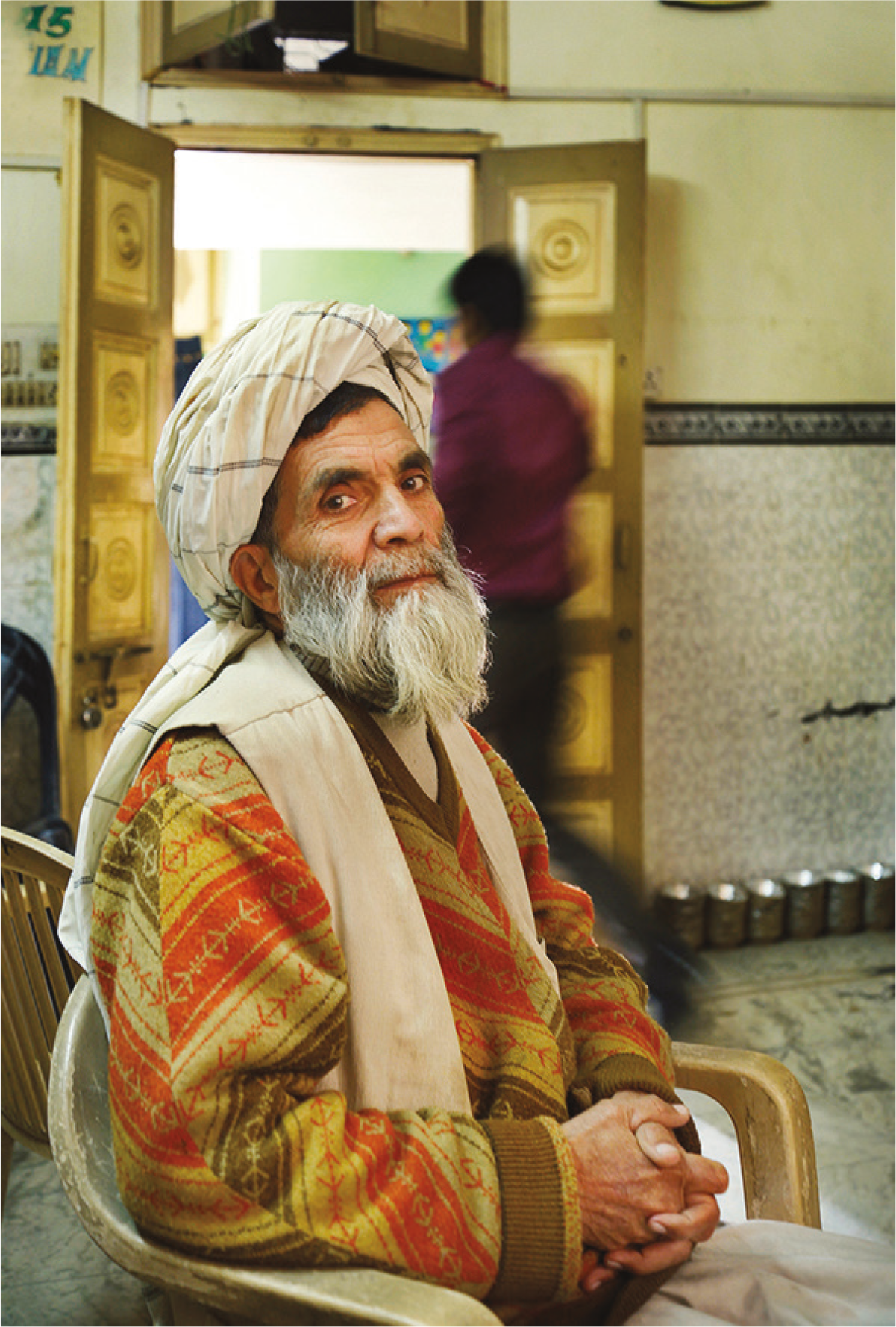
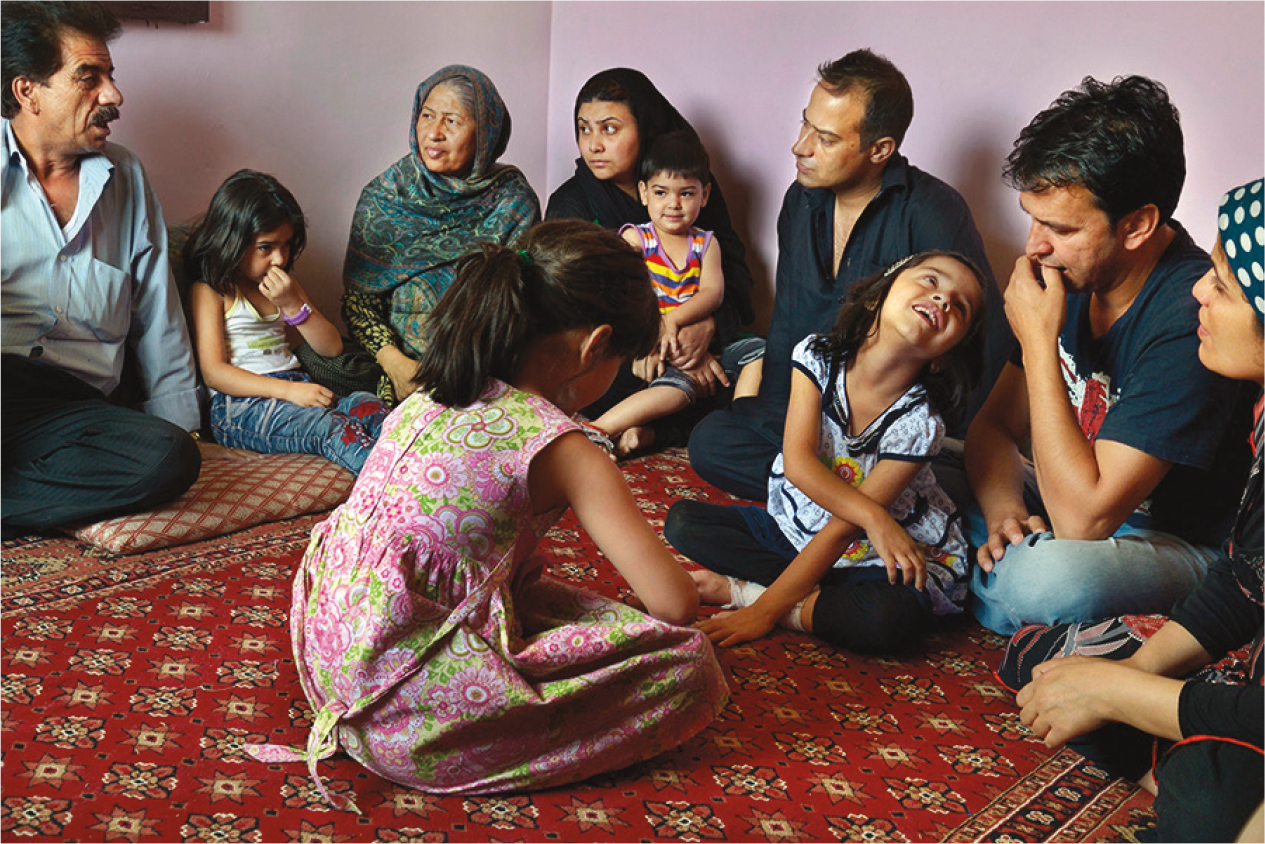
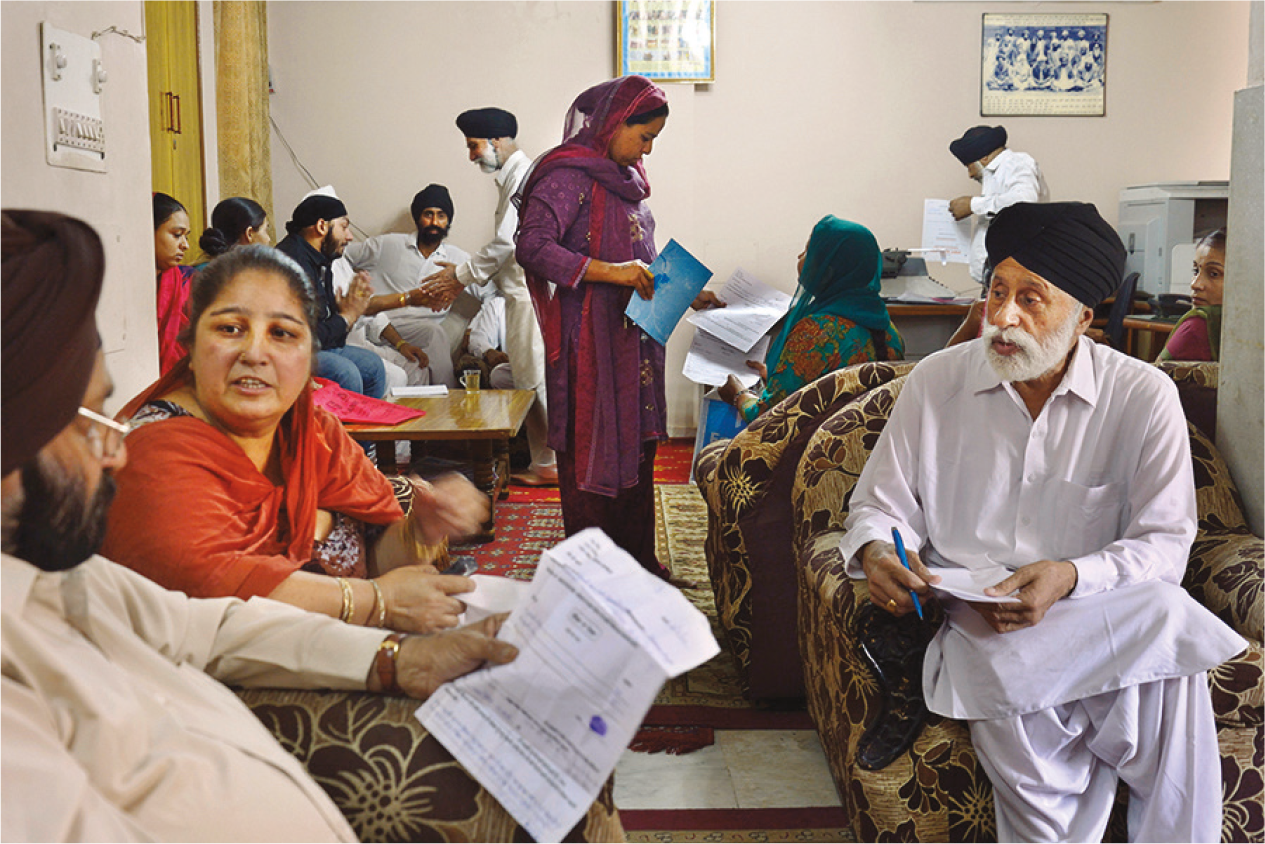
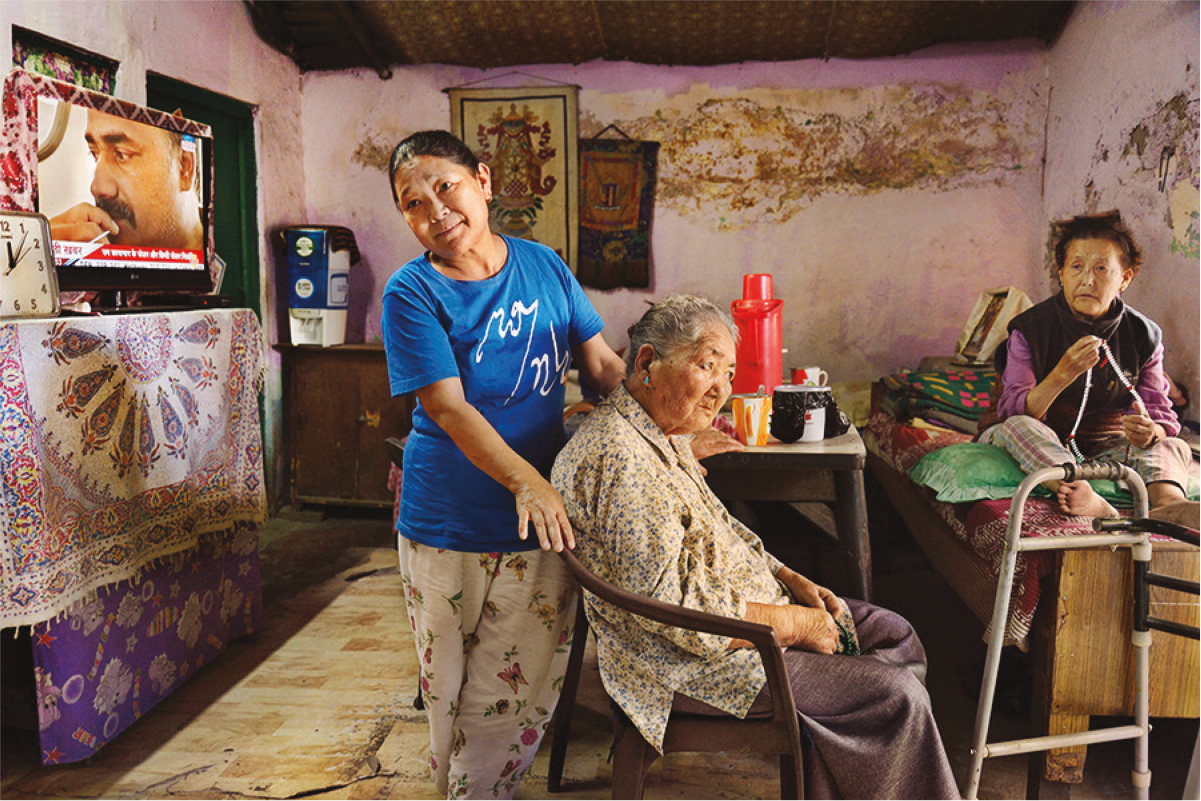
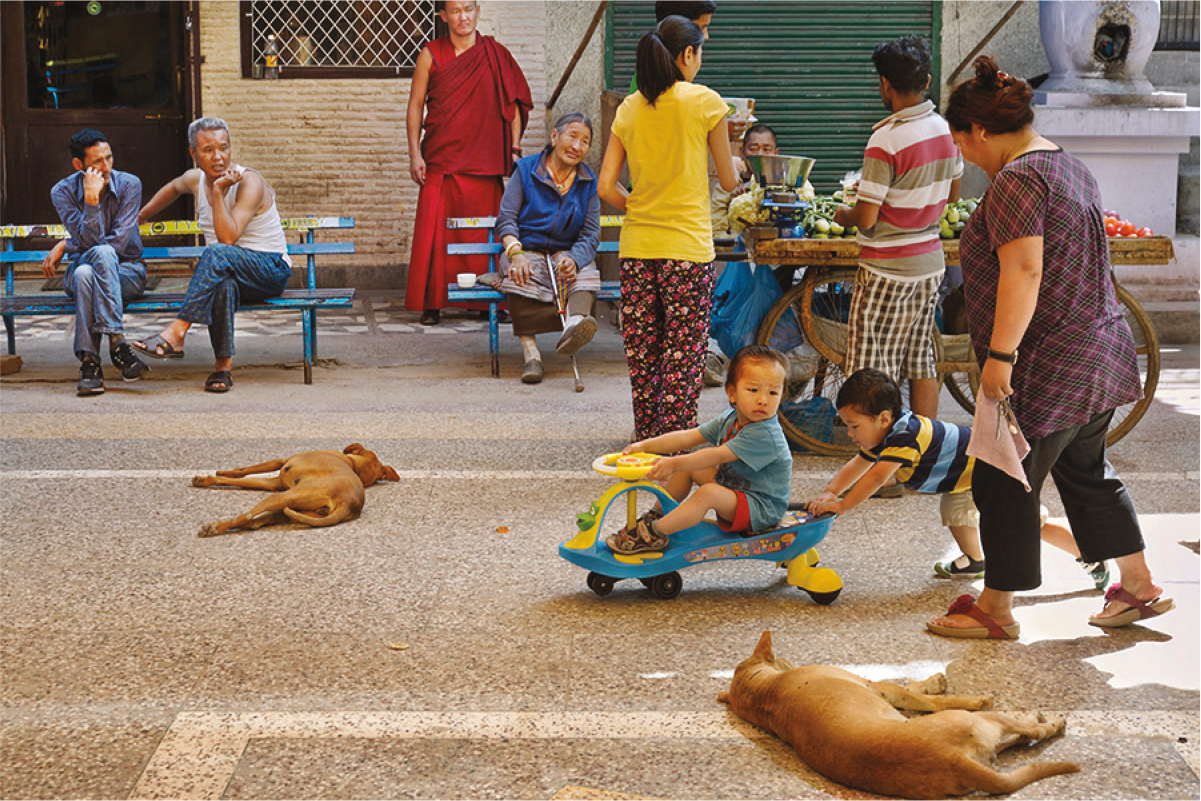
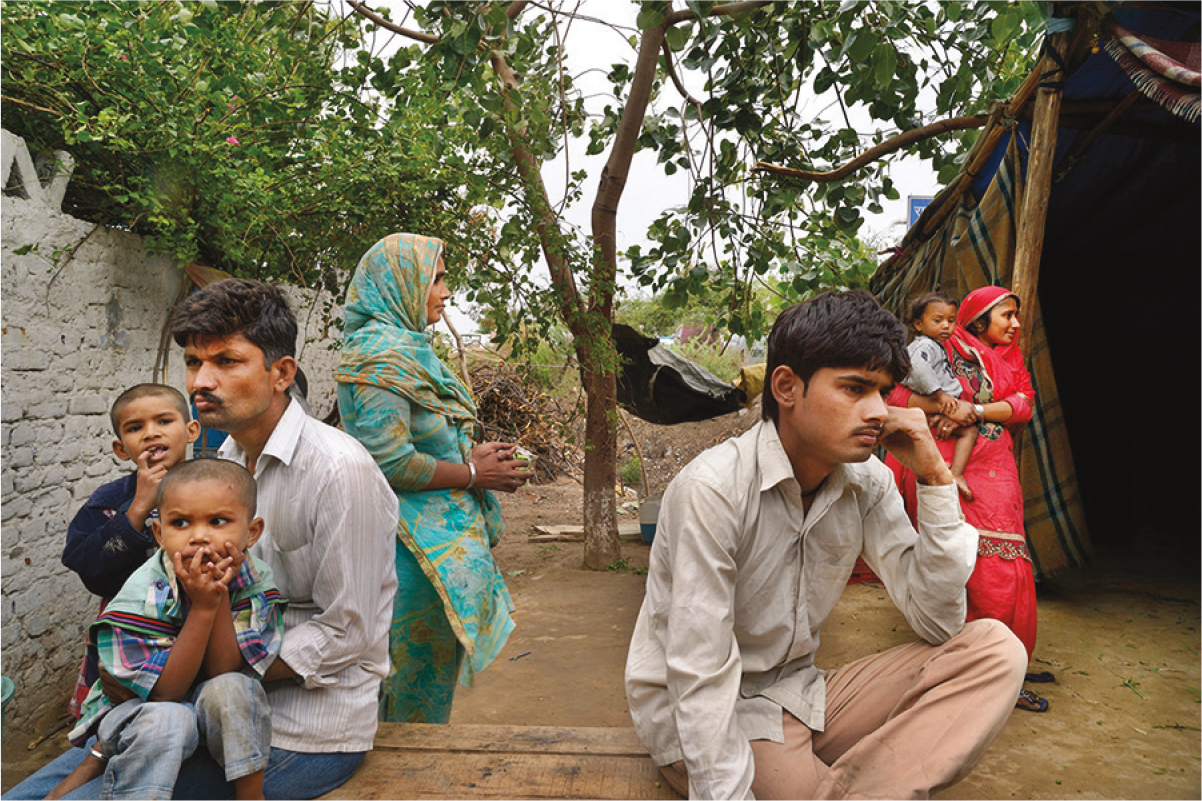
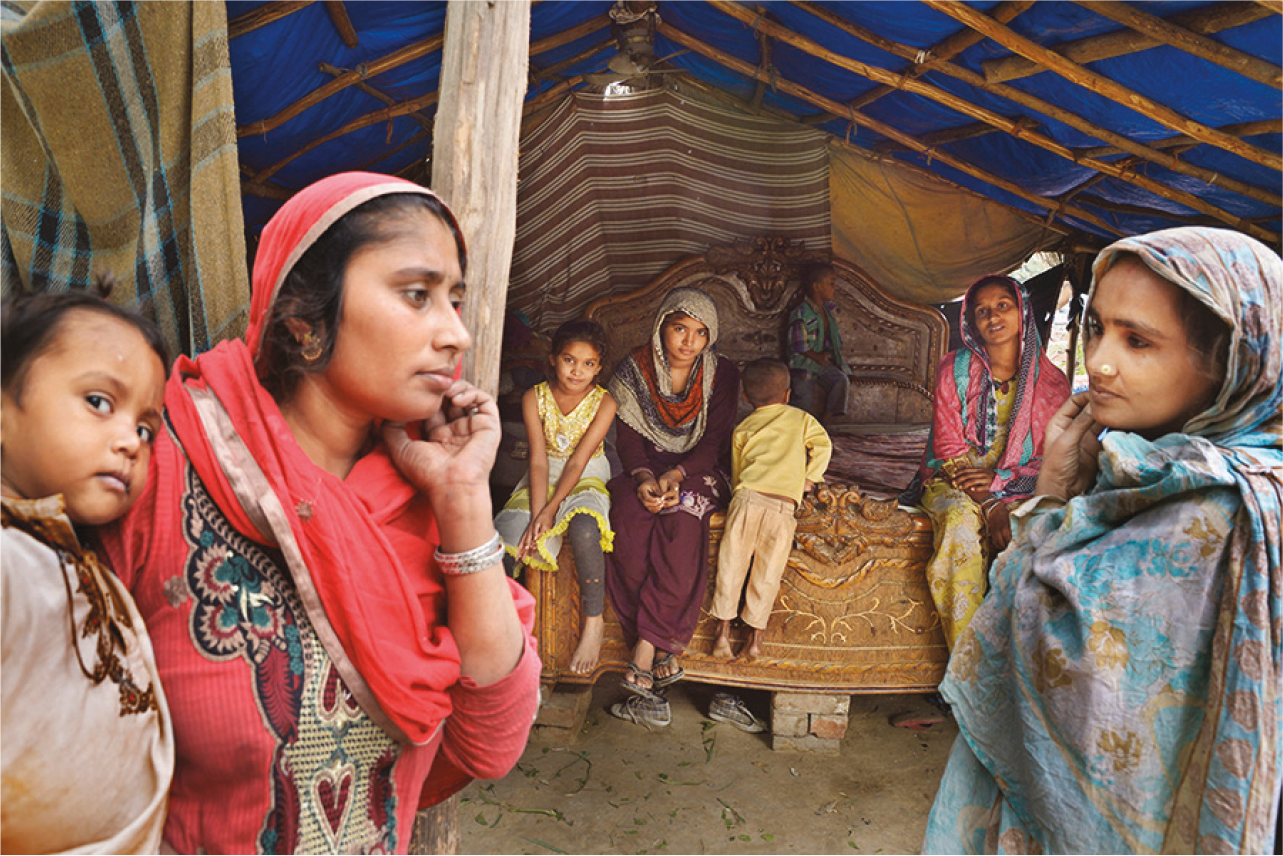
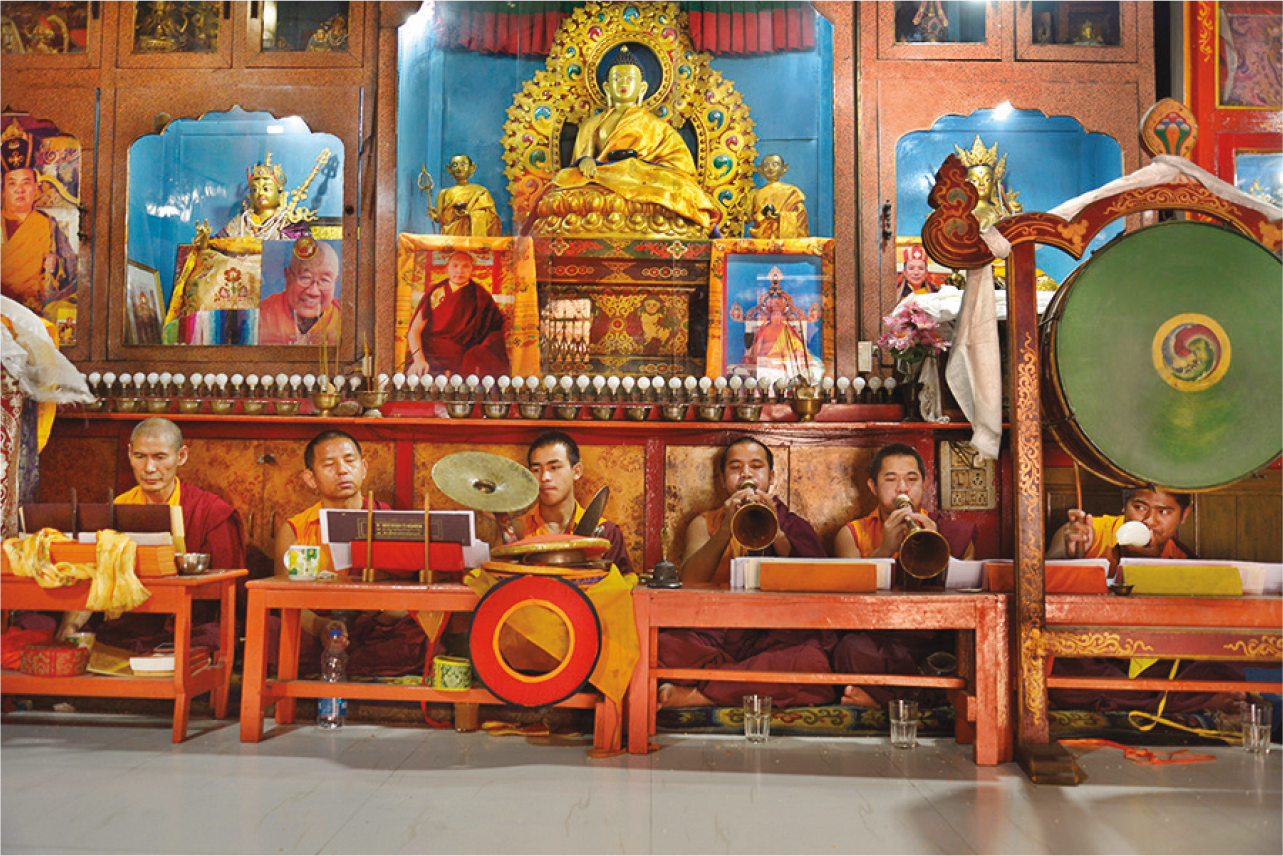
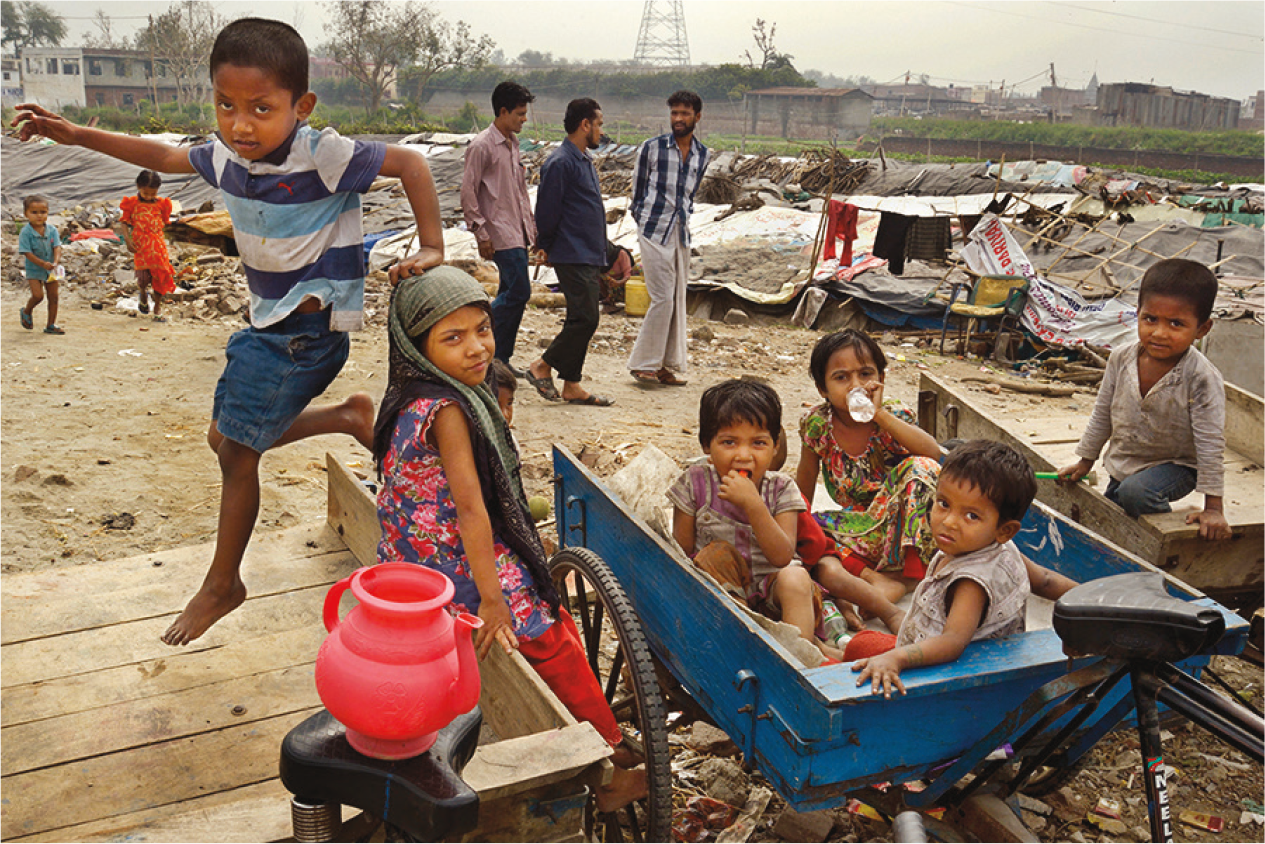
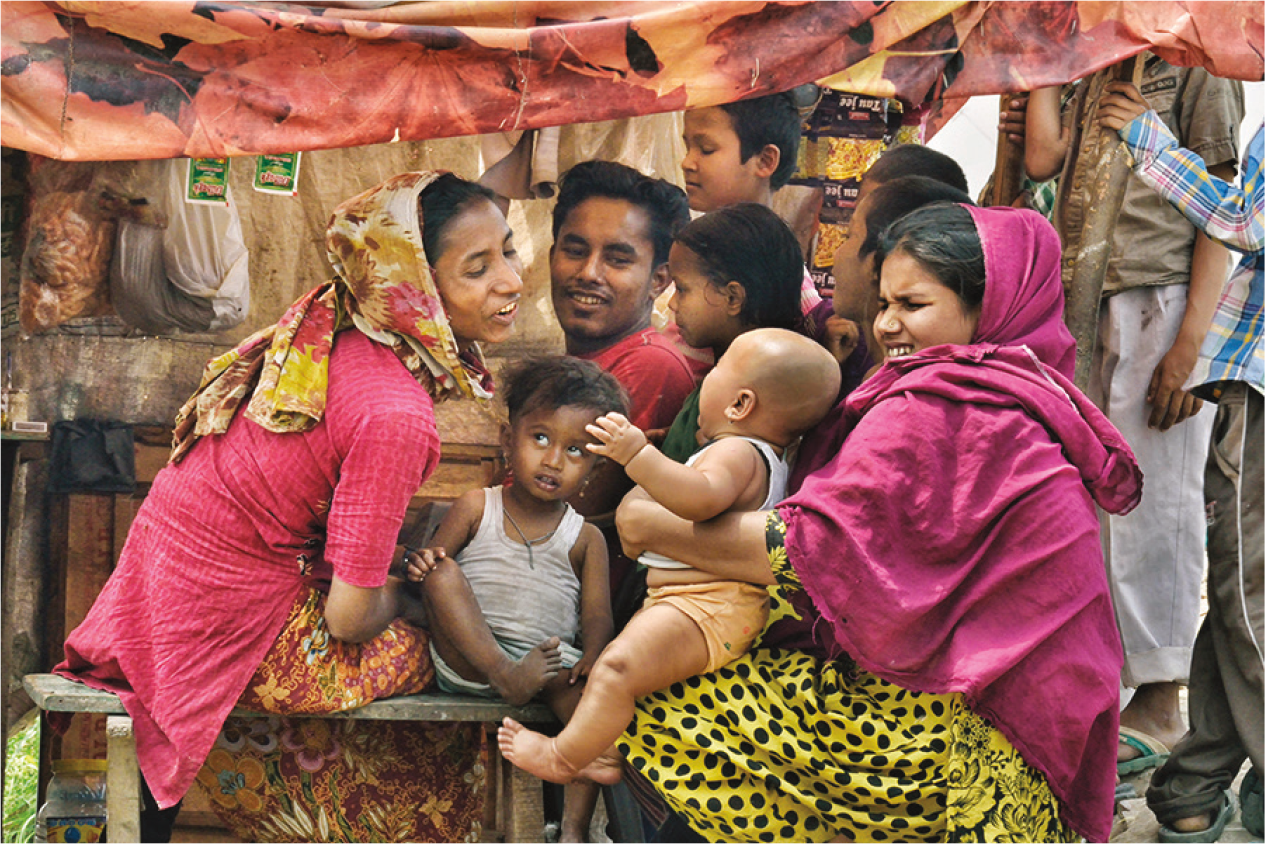
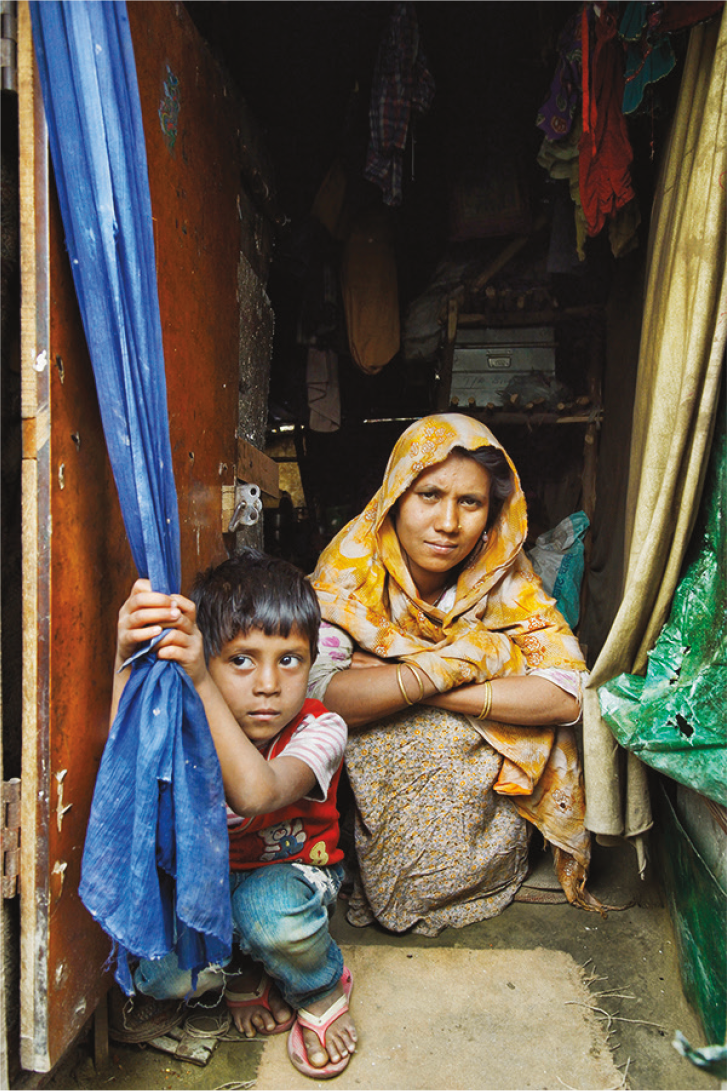
The photos in this article by Indian photographer Raghu Rai capture the lives of a segment of refugees in India. 3
All photos used in this essay are courtesy of Mr Raghu Rai and constituted part of the exhibition, ‘Depicting Hope and Despair in Photography: Refugees in India’, held at South Asian University Gallery from 28 April to 11 May 2015. The exhibition was presented by Department of Sociology, South Asian University, in association with UNHCR Delhi Office and the photographer as an extension of the MA optional course, ‘Diaspora and Transnationalism’, taught by Sebnem Koser Akcapar.
The four communities of refugees photographed here include: (a) Afghans: Other than Iran and Pakistan where huge numbers of Afghan refugees have fled to, India has been receiving Afghans since the Soviet invasion of 1979 and the fall of the Taliban regime in 2001. Over 60 per cent of the 12,000 Afghan refugees registered in India are Hindu and Sikh who originally went to Afghanistan from Punjab. There are also those from Tajik, Uzbek, Hazara and Pashtun ethnicity, belonging to Shia and Sunni sects of Islam, whereas a small minority of them converted to evangelical Christianity. (b) Rohingyas are Muslims from the Arakan/Rakhine State in northern Myanmar. The conflict with Buddhists made them leave their country and find shelter in countries such as Bangladesh, Thailand and Malaysia. Their numbers in India has reached almost 10,000. Most Rohingyas are stateless and come to India from Bangladesh, leaving their protracted situations. Presently, they are concentrated in Jammu, Hyderabad, Haryana, Uttar Pradesh and Delhi. (c) Hindu Pakistanis: No doubt that the largest bilateral flow in the region took place in 1947 after the partition of India. A small number of Hindus still live in Pakistan, whereas no less than 160 million Muslims live in India. More than 0.1 million Pakistani Hindus have migrated to India since the 1970s. (d) Tibetans are another refugee community protected by the Indian government due to sensitive Sino-Indian relations. As of early 2015, their numbers exceeded 100,000, and they are scattered around hill areas but also live in Delhi, Karnataka, Maharashtra and West Bengal. They are the most self-sufficient refugees in the world with their own religious, educational, health and other social networks and institutions in place in India.