




Abstract
Although administrative boundaries are non-physical, they can cause regional inequalities through boundary effects that result in discontinuities between areas. The boundary effect refers to the disparities in policy, economic, and social aspects between areas caused by administrative boundaries, which can lead to regional differences. This study aims to identify the mechanisms that induce discontinuities in regional development due to administrative boundaries. The boundary effect mechanism assumed to include the spillover, fragmentation, and hierarchy effects were examined using six scenarios, each modeled using a spatial economic model. Through the comparison of various scenarios, we have demonstrated the potential validity of the three components comprising the assumed boundary effect. Furthermore, we have confirmed that the model incorporating all effects that we assumed in our research, namely spillover, fragmentation, and hierarchy effects, provides the best fit. We hypothesized and verified the mechanism of boundary effects that disrupt regional development, thereby enhancing the understanding of these effects.
Introduction
Administrative boundaries are non-physical boundaries that facilitate administrative management (Morgan and Mareschal, 1999). It is generally expected that there will be spatial similarity between adjacent areas within and outside a boundary. However, it is clear that heterogeneity in the areas created by these boundaries, such as differences in institutions, public services, and regional reputation, can have a discontinuous effect on the level of economic development between areas (Barros and Feitosa, 2018; Bennett, 1997). Some empirical studies have examined the discontinuous effects of boundaries, but these studies focused on whether this phenomenon existed (e.g., Capello et al., 2018a; Gibbons et al., 2013). Capello et al. (2018a) examined the existence of the discontinuous impact of European borders. Gibbons et al. (2013) also investigated the existence of the discontinuous impact of school district boundaries on housing prices. Nearer the boundaries, heterogeneity between areas can be due to the discontinuous effects caused by administrative boundaries and the result of spatial dependency due to geographical adjacency (Savitch and Adhikari, 2017). Neglecting the latter makes it challenging to distinguish heterogeneities caused by the administrative boundaries’ discontinuous effect from local condition differences. Recent discussions on regional inequality have focused on administrative boundaries, particularly in the context of urban and regional agendas related to the growth of megacities, city-regions, and smart shrinking (Huang, 2022; Silverman, 2020).
In this study, spatial econometric models—particularly the spatial Durbin panel model, which is suitable for exploratory research—were used to identify the discontinuities in local economic development caused by administrative boundaries by investigating local and regional administrative units and boundaries in Korea. The study aimed to develop a model that can clearly explain how boundaries influence local economic development. We constructed models for various scenarios, assuming different effects such as spillover, fragmentation, and hierarchy that could occur at the boundaries. Finally, by comparing the fit of these models using Bayesian posterior probability, we sought to examine what actual effects occur at the boundaries.
Literature review
Boundary effect
In many studies to date, the boundary is merely used as a unit of analysis (see Barros and Feitosa, 2018) or is associated with the cumbersome boundary problem (see Leung, 1987). However, some studies (e.g., Basten et al., 2017; Capello et al., 2018b; He et al., 2022) argue that boundaries are spatial phenomena that can substantially influence local phenomena; that is, they cause boundary effect.
Among the various boundaries, Administrative boundaries are closely linked to local factors, such as fragmented regional power structures or regionalism (Savitch and Adhikari, 2017), making their discontinuous effects more prominent. These boundaries have significant implications for various aspects, including place-based policies (Shenoy, 2018), service provision (Leon-Moreta and Totaro, 2023), taxation (Basten et al., 2017), economic integration (He et al., 2022), as well as more intangible differences like local and regional data systems (Kitchin and Moore-Cherry, 2021) and local and regional reputation (Otero et al., 2022). Empirical evidence has demonstrated that these factors vary across administrative boundaries and can result in regional discontinuity (e.g., Capello et al., 2018a; He et al., 2022; Shenoy, 2018). Such discontinuities near the boundaries’ periphery can impede interactions between areas, thus reinforcing regional path dependence (Martin and Sunley, 2006) and inhibiting regional development. As cities mature and changes occur in each country’s population and social structure, imbalances in local and regional development are expected to solidify. Consequently, the comprehensive understanding of the boundary effect becomes increasingly important.
Despite the significance of boundaries and their impact on issues related to discontinuities between areas (e.g., Bennett, 1997; Jacobs and Van Assche, 2014; McMillen, 2010; Petrović et al., 2022), there has been limited empirical examination of the boundary effect as a spatial phenomenon with real influence (Zhang et al., 2017). The discussion has intermittently repeated itself, and progress in the discourse has been limited, despite its importance. Furthermore, research that directly examines administrative boundaries has tended to concentrate on two main categories: national borders (e.g., Capello et al., 2018b; Jacobs and Van Assche, 2014) or neighborhoods (e.g., Black, 1999; Gibbons et al., 2013). These studies have delve into the implications and effects of these boundaries on various phenomena. However, to understand the mechanisms behind the boundary effect, it is necessary to empirically examine the impact of boundaries on local and regional development.
Components of the boundary effect
Previous studies have often simplified the boundary effect as a phenomenon leading to simple discontinuities across boundaries. However, in reality, it involves a more intricate mechanism with various phenomena interacting in complex ways (Capello et al., 2018b; He et al., 2022; Jacobs and Van Assche, 2014).
Anselin (2010) categorizes spatial phenomena into two types: spatial dependency and heterogeneity, both potentially present around administrative boundaries. This perspective allows a diverse view of boundary effects. Spatial dependency refers to continuous phenomena like external economies or knowledge spillover due to geographical proximity, while spatial heterogeneity involves discontinuous phenomena such as place-based policies and local services. We discerned the boundary effect mechanism through previous studies, identifying three main components: fragmentation and hierarchy effects for spatial heterogeneity, and spillover effects for spatial dependency (see Figure 1). Components of the boundary effect.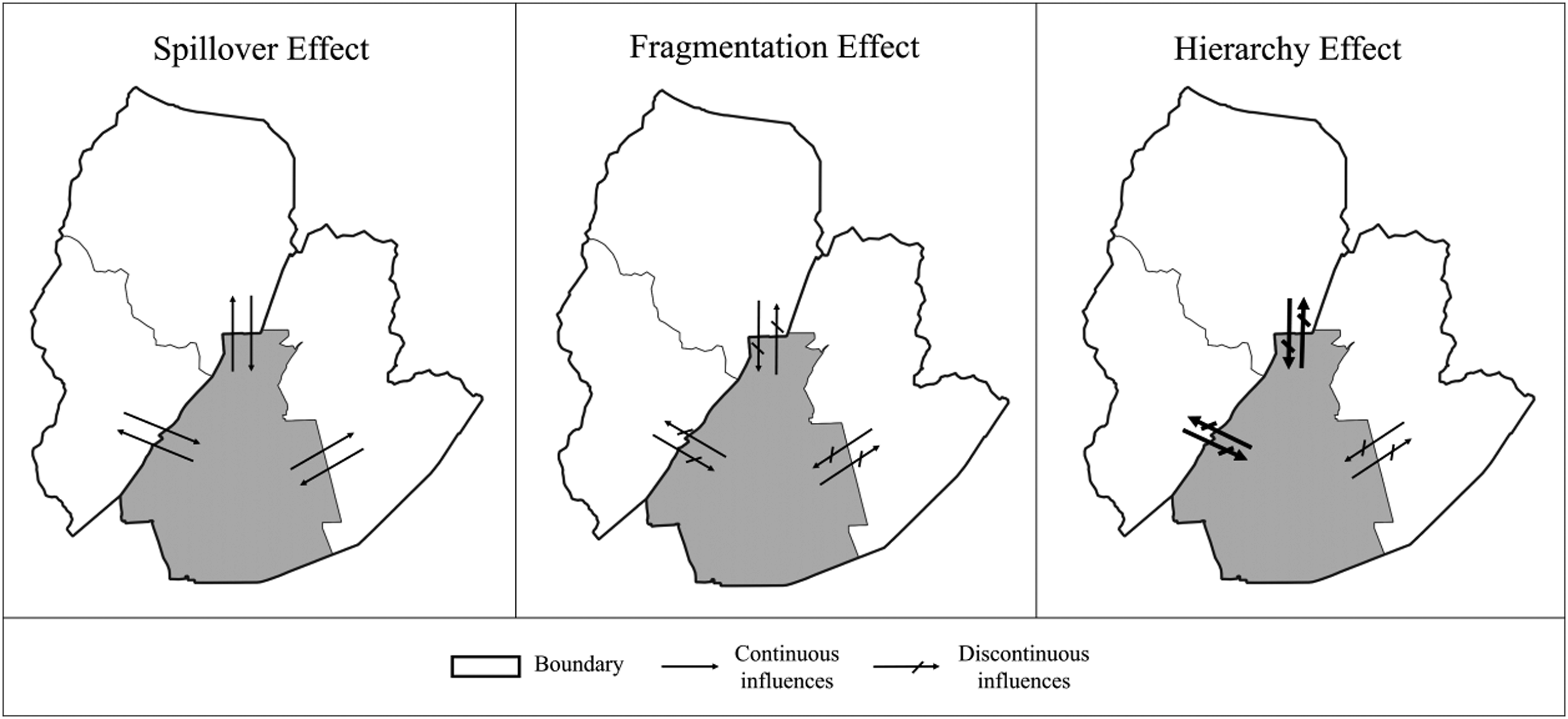
The spillover effect refers to the interconnectivity between the areas across a boundary due to geographical adjacency. Concepts such as external economies, links and interdependencies between areas, and functional boundaries are related to the spillover effect (Martin and Sunley, 2006). The spillover effect can be further strengthened if adjacent areas have similar demographics and institutions (Topa, 2001; Capello et al., 2018b).
The fragmentation effect refers to the discontinuities created across a boundary due to the heterogeneity caused by the existence of said boundary. The fragmentation effects occur because regional power systems exist as separate units within a geographical space and their effects influence economies of scale and scope, urban competition, and local services (Boyne, 1992; Scott, 2019). Services provided within the boundary, such as local autonomy and public services, can create discontinuities across the boundary. These gaps in service can act as spatial barriers and reinforce the heterogeneity across boundaries (Savitch and Adhikari, 2017). Furthermore, the fragmentation of administrative units increases with the proliferation of local governments with independent autonomy (Bischoff, 2008; Morgan and Mareschal, 1999).
The hierarchy effect refers to the strengthening or weakening of the boundary effect depending on the hierarchy of the boundary. Administrative boundaries of a higher hierarchy (e.g., metropolitan cities’ boundaries) can result in greater or smaller discontinuities than lower hierarchical boundaries (e.g., provinces’ boundaries) (Li et al., 2015; Ma, 2005). Boundaries of higher hierarchy can concentrate more authority and resources, which can cause discontinuities across the boundary; conversely, they can also have a stronger gravitational impact on nearby areas. These discontinuities can increase as the difference in hierarchy between neighboring administrative units increases (Zeng et al., 2018).
Examining these effects in isolation is challenging as they continuously overlap in space. Failing to understand them leads to a superficial grasp of complex discontinuities near boundaries. To grasp the boundary effect's cause, it's crucial to identify separate phenomena across boundaries and those resulting from administrative hierarchy differences.
Empirical approaches of previous studies
Various methodological approaches have been employed to empirically validate the boundary effect. Since Black's (1999) seminal work utilizing quasi-experimental methods in empirical research, there have been numerous studies conducted in the field (e.g., Gibbons et al., 2013; Jia et al., 2021; Shenoy, 2018). Quasi-experimental methods allow for the investigation of microscopic-level discontinuities using boundaries as treatments. However, their effectiveness is limited to the immediate area around the boundary under scrutiny. To discern whether observed discontinuities are genuinely attributed to the boundary or simply a result of endogenous selection bias, it is necessary for the boundary to generate significant spatial disparities, such as an urban growth boundary. Moreover, spatial analyses conducted with this approach often overlook spillover effects due to sampling constraints. (e.g., Black, 1999; Gibbons et al., 2013; Jia et al., 2021).
Other approaches to the boundary effect include regression analysis such as the ordinary least squares model (e.g., Capello et al., 2018a; Patridge et al., 2009), maximum likelihood estimation (e.g., Díaz-Lanchas et al., 2022), and hierarchical linear modeling (e.g., Tong et al., 2021). Models using regression analysis have been progressively improving their estimation accuracy to clearly verify the boundary effect. Efforts are made to enhance the precision of estimation and better validate the presence of the boundary effect. In most models, the distance to the boundary is used as a continuous variable, while some models are constructed by using the adjacency of the boundary as a dummy variable. These methods can confirm the existence of discontinuous effects, but it is difficult to consider the mechanism of the boundary effect.
Some studies utilize spatial econometrics (e.g., Bailey et al., 2016; Ertur and Koch, 2007; Zeng et al., 2018). In these studies, models are constructed by either reflecting the presence of boundaries in a spatial weight matrix that controls spatial interactions in neighboring areas (e.g., Bailey et al., 2016; Zeng et al., 2018) or by using separate parameters to verify the effect of boundaries (e.g., Ertur and Koch, 2007). Since the spatial weight matrix reflects the local characteristics of the areas adjacent to the area being investigated by the model, it is possible to identify discontinuities in spatial phenomena in adjacent areas while controlling for the spillover effect. However, within the scope of our findings, various spatial weight matrices are being attempted to validate the boundary effect. However, studies reflecting its diverse aspects are not yet found.
We examine the impact of boundary effect mechanisms on local economic development discontinuities. Spatial econometrics was used to identify spatial phenomena discontinuities, considering spatial dependency and heterogeneity generated by the boundary. Spatial econometric models allowed us to control for spatial interaction and separately examine the spillover, fragmentation, and hierarchy effects, which are major mechanisms studied here.
Methods and data
Analytical concept
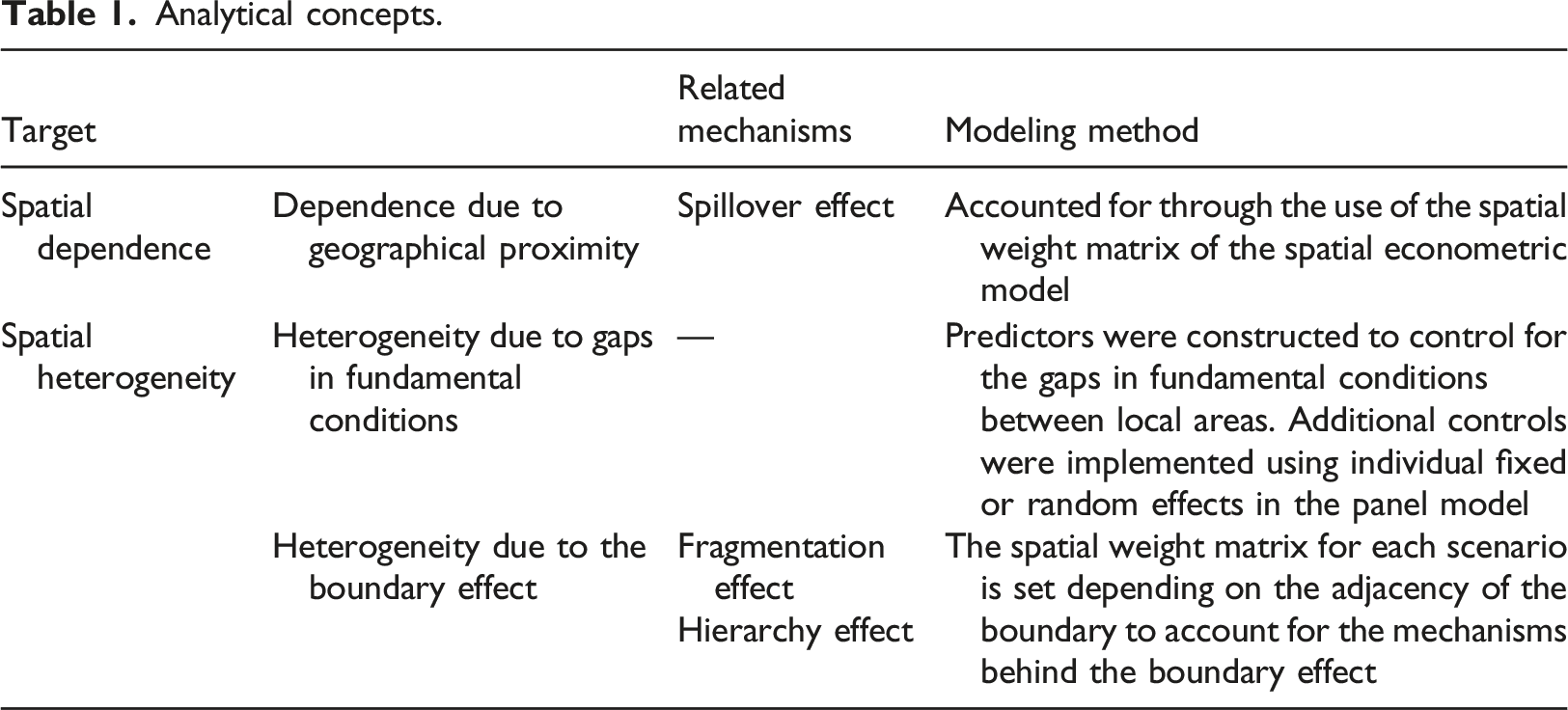
This study introduces a novel approach to model the boundary effect mechanism, building upon previous research (Bailey et al., 2016; Zeng et al., 2018). To capture the spillover effect, we used an expanded implementation of the spatial weight matrix in a spatial econometric model. Additionally, we incorporated the fragmentation and hierarchy effects by adjusting the weight matrix accordingly. To control for disparities in fundamental conditions between areas, we introduced a predictor variable and fine-tuned the fixed or random effect in the panel model.
Analytical concepts.
Analytical model
Our analysis targeted 215 local administrative units across South Korea, excluding island areas. In Korea, an “administrative unit” can refer to either regional administrative units—which include metropolitan cities (Si) and provinces (Do)—or local administrative units—comprising cities (Si), counties (Gun), and districts (Gu). The regional administrative units are made up of these local administrative units, and each level of these hierarchical administrative units has a mutually exclusive and collectively exhaustive relationship. The administrative system in Korea operates primarily under a local self-governance system, but it also concurrently incorporates financial redistribution and regional policies by the central government. In other words, it embodies a mixture of a federal system and a centralized government. This study used the local administrative unit as the basic analytical unit to identify the overall boundary effect, while the regional boundary was selected as the administrative boundary for the verification of the fragmentation and hierarchy effect.
Most boundary effect studies focus on static aspects using a cross-sectional model; the few studies that deal with dynamic changes often target periods of urban growth (e.g., Poncet, 2006; Wang et al., 2018). In areas like Korea, where urban growth is stagnant and the population is declining, additional discussion of the boundary effect is needed. Therefore, to examine the potential variations in the boundary effect over time, we analyzed ten-years ranging from 2010 to 2019. Ten-years were considered long enough to examine changes in the boundary effect because Wang et al. (2018) recorded variations in the boundary effect using a five-year unit of analysis.
Existing boundary effect research primarily investigates discontinuities, with limited focus on spatial dependencies across boundaries. We propose that a local area's economic development is influenced not only by neighboring areas' economic levels but also by their various conditions (LeSage and Pace, 2009). To address this, our analysis uses the spatial Durbin model. This econometric framework effectively handles uncertain spatial interactions by exploring multiple potential spatial relationships (LeSage and Pace, 2009; Mur and Angulo, 2009). It employs a spatial weight matrix for both outcome and predictor variables to estimate effects in adjacent areas.
The Durbin model uses the spatial weight matrix for the outcome variable (ρWY) and the predictor variable (WXθ), thereby verifying the effects of the outcome and predictor variables in the adjacent area. In the formula below, Y is an N × 1 outcome variable vector, X is an N × K predictor variable vector, ιN is an N × 1 constant vector, and ε is an error term. W is the spatial weight matrix, ρ is the autocorrelation coefficient of the outcome variable, and θ is the autocorrelation coefficient of the predictor variable. In this case, ρWY becomes the endogenous interaction between the outcome variable of region A and the outcome variable of region B. WXθ becomes the predictor variable of region A that exogenously affects the outcome variable of region B.
Additionally, a spatial Durbin panel model was used to test whether the boundary effect mechanisms operate continuously over time and to quantify the discontinuous impacts of boundaries while adjusting for the effects of fundamental gaps in a wide range of local situations. Changes in the boundary effect can be calculated while accounting for fixed or random effects brought on by variations in space and time using the spatial Durbin panel model. In this model, μ is the spatial fixed effect or random effect, and αt is the temporal fixed effect or random effect.
Since the spatial Durbin model generates its estimates by converting the coefficients into direct and indirect effects, the direct effect, indirect effect, and total effect were reviewed using the average effect described by LeSage and Pace (2009). The direct effects represent the effects that changes in the predictor variables of one area have on the outcome variable in that area, while indirect effects represent the diffuse effects that changes in predictor variables in one area have on the outcome variables in neighboring areas.
We opted for a contiguity matrix over Euclidean pairwise distances when constructing our spatial weight matrix, allowing us to account for influence-based relationships between boundary-separated local areas. Traditional contiguity matrices assign equal weights to all adjacent areas, an assumption that does not always hold true. When boundary effects are present, it's reasonable to assume that areas separated by longer boundaries interact more with those boundaries than those sharing shorter ones. Therefore, we set up the basic spatial weight matrix using the shared boundary approach (Wong, 1993), factoring in boundary characteristics and comparing it with a rook contiguity matrix. This method assigns higher weights to neighborhoods with longer shared boundaries. In the formula below, d represents the length of the shared boundary between local areas i and j, and w is the corresponding weight.
Variables and data used in the analysis
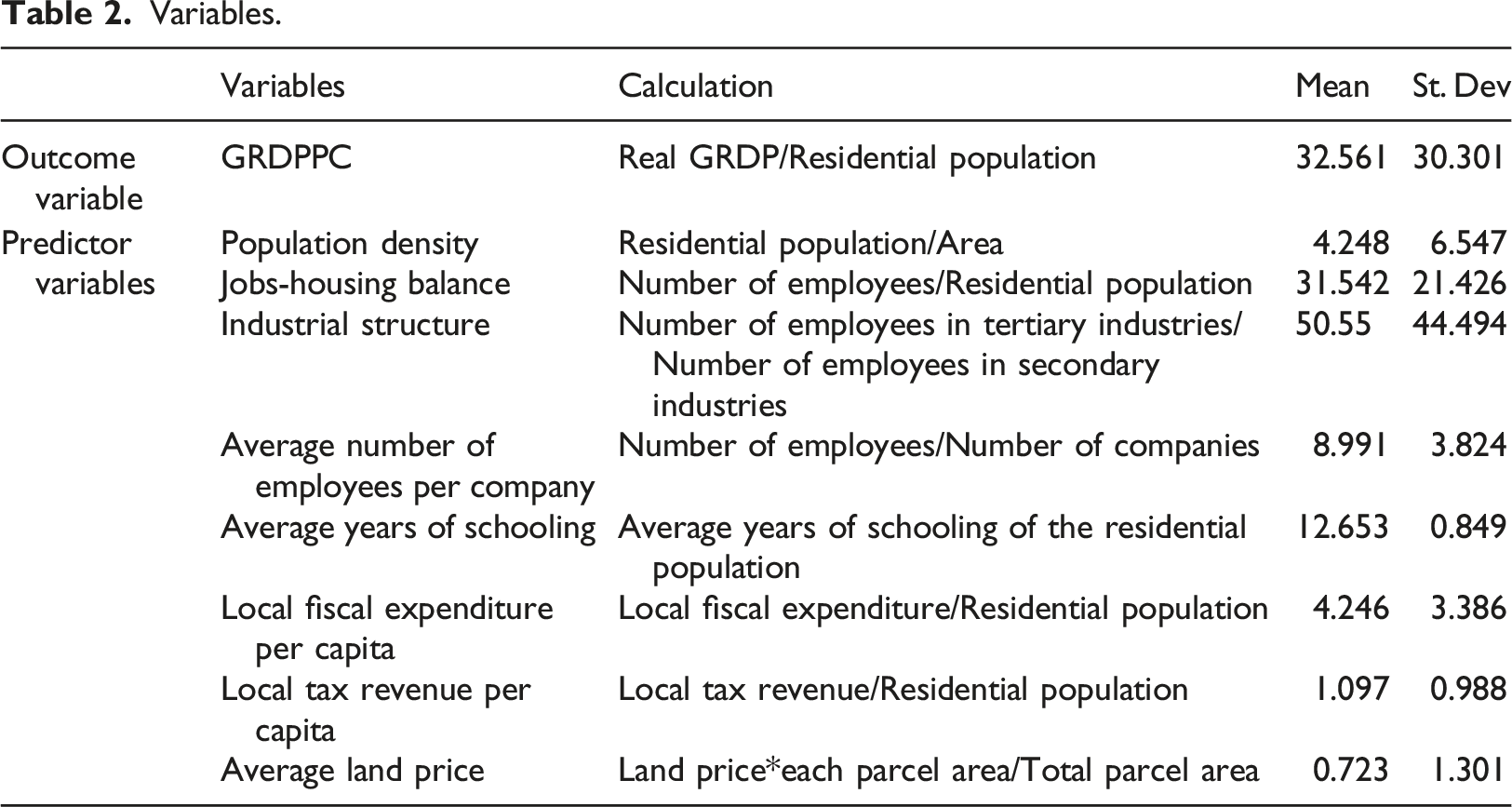
This study used the gross regional domestic product per capita (GRDPPC) as an outcome variable to quantify the spatial discontinuity in local economic development due to administrative boundaries. GRDPPC is a universal indicator that reflects local and regional economic growth or income level (Glaeser, 2000), and studies dealing with boundary effects across relatively wide units often use GRDP to verify the existence of boundary effects (e.g., Capello et al., 2018a; Ertur and Koch, 2007; Zhang et al., 2017). Since the original data's GRDP is presented in normative form, it was converted to real GRDP using the 2015 price standard to reduce the influence of inflation and price variations.
Variables.
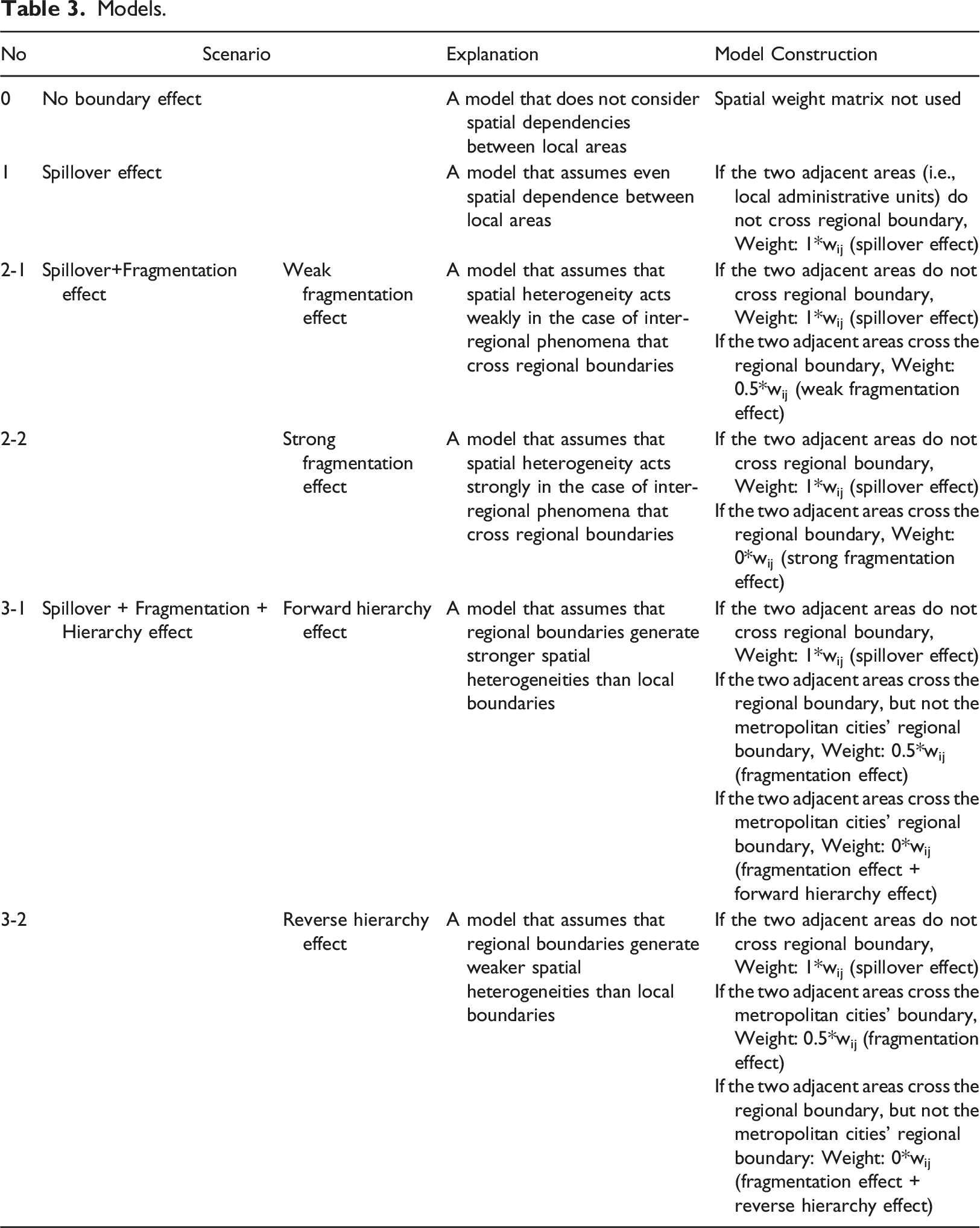
The development of the models

Models.
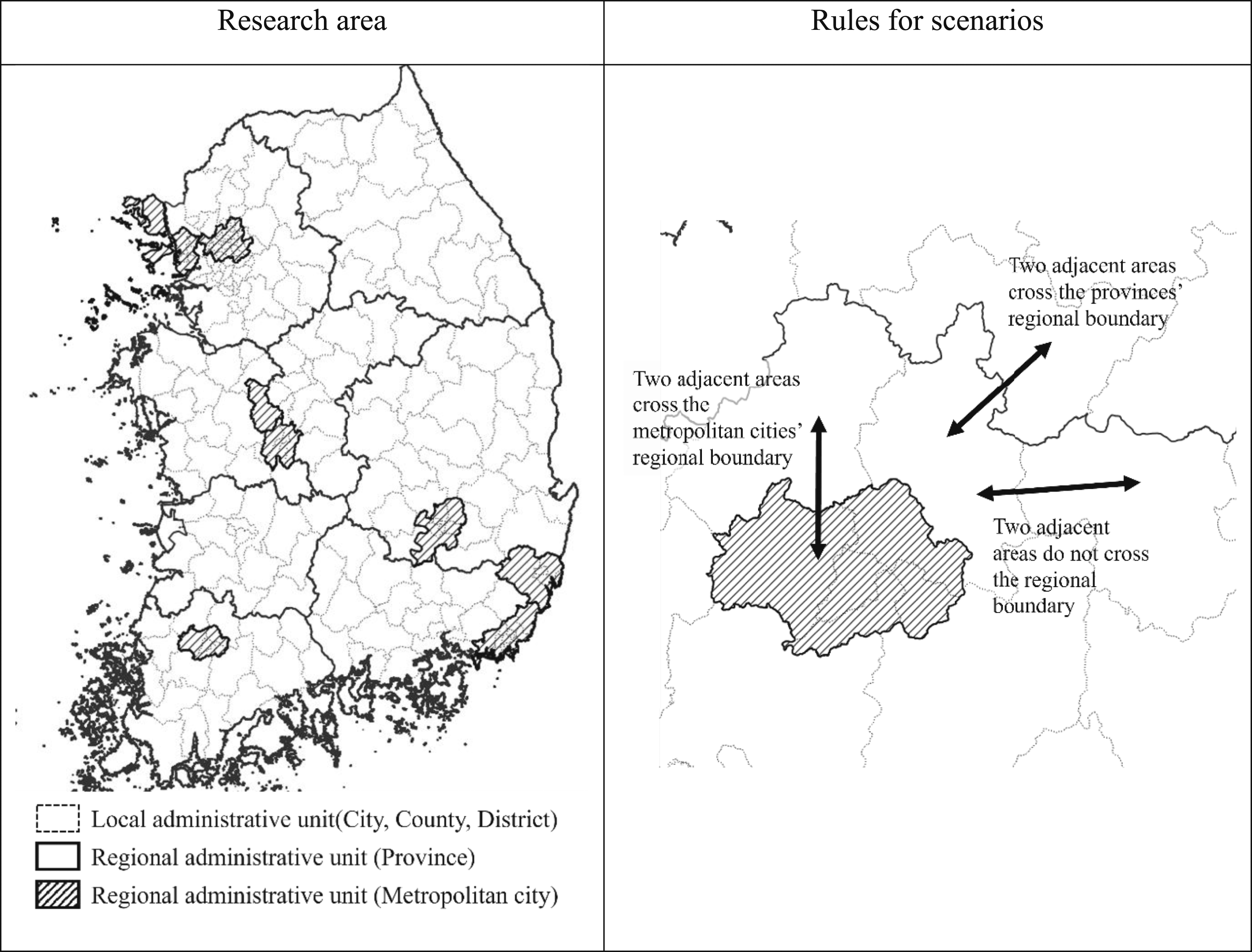
Research area.
A basic check was conducted for the basic model. The model’s VIF (variance inflation factors) was 4.15, which satisfied the criterion described by O'Brien (2007); consequently, multicollinearity was not considered separately. The Lagrange multiplier analysis yielded a result of 69.37 (p-value <.001) (Honda, 1985), confirming that a two-way panel model was more appropriate. The results of the F-test and the Breusch and Pagan Lagrangian multiplier test on the two-way panel model revealed that both the fixed and random effect models were more suitable than the pooling model. A Hausman test showed that the fixed effect model was more suitable than the random effect model, with χ2 = 129.79 (p-value <.001). The ADF (augmented Dickey-Fuller) value was −9.89 (p-value <.01), and the time series data was stationary. The global Moran's I value on regression residuals of Model 0 was 0.237–0.258 by year, while the Pesaran's CD value was 12.644 (p-value <.001), confirming that spatial dependency must be considered.
Comparisons between models
This study aimed to investigate boundary effect mechanisms by comparing the suitability of each model and selecting the model that best reflects the distribution and discontinuities in the levels of local economic development, rather than elucidating the relationship between the outcome and predictor variables. The AIC (Akaike Information Criterion) and BIC (Bayesian Information Criterion) are generally used for model selection, but it is important to note that these assume that the models to be compared are nested models (Burnham and Anderson, 2004). Since the models in this study have the same parameters but use different spatial weight matrices, it may not be appropriate to use AIC or BIC because an inclusion relationship cannot be established (Mur and Angulo, 2009; Pijnenburg and Kholodilin, 2014). Therefore, this study used the Bayesian posterior probability-based comparison method (LeSage and Parent, 2007; LeSage, 2014). This method derives the posterior probability for each model based on the log-marginal likelihood and spatial weight matrix and the prior probabilities as determined from current observations. The posterior probability thus becomes an inverse probability representing the cause's expected value from the result. In the spatial econometric model comparison method developed by LeSage (2014), the log-marginal likelihood and posterior probability are calculated by deriving the marginal distribution. The higher the Bayesian posterior probability, the better the model can explain the phenomena observed. The posterior probability was calculated using the following formula according to the method of LeSage (2014).
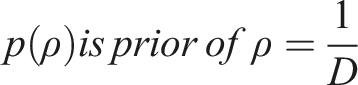




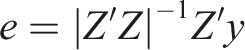
Bayesian approaches differ from residual comparison, likelihood ratio tests, or Lagrange multiplier statistics in that they directly compare the investigated models (Da Silva et al., 2016). In addition, when analyzing using the same variable, the suitability of the model can be easily measured using the accuracy of the prior probability (LeSage, 2014). The Bayesian posterior probability method is widely considered as the most appropriate approach for model selection in exploratory studies when assessing the suitability of various spatial weight matrices (e.g., Pijnenburg and Kholodilin, 2014; Rios et al., 2017).
The suitability of the spatial econometric model and spatial weight matrix was confirmed using the Bayesian approach. Models, including ordinary least squares, spatial autoregressive, spatial error, spatial Durbin, and spatial Durbin error, were compared under the spillover effect scenario (Model 1). The spatial Durbin model was the most appropriate (posterior probability: 0.684). The shared boundary approach in the contiguity matrix showed the highest suitability (posterior probability: 0.999). Thus, a spatial weight matrix constructed with the shared boundary approach was used in the spatial Durbin panel model.
Results
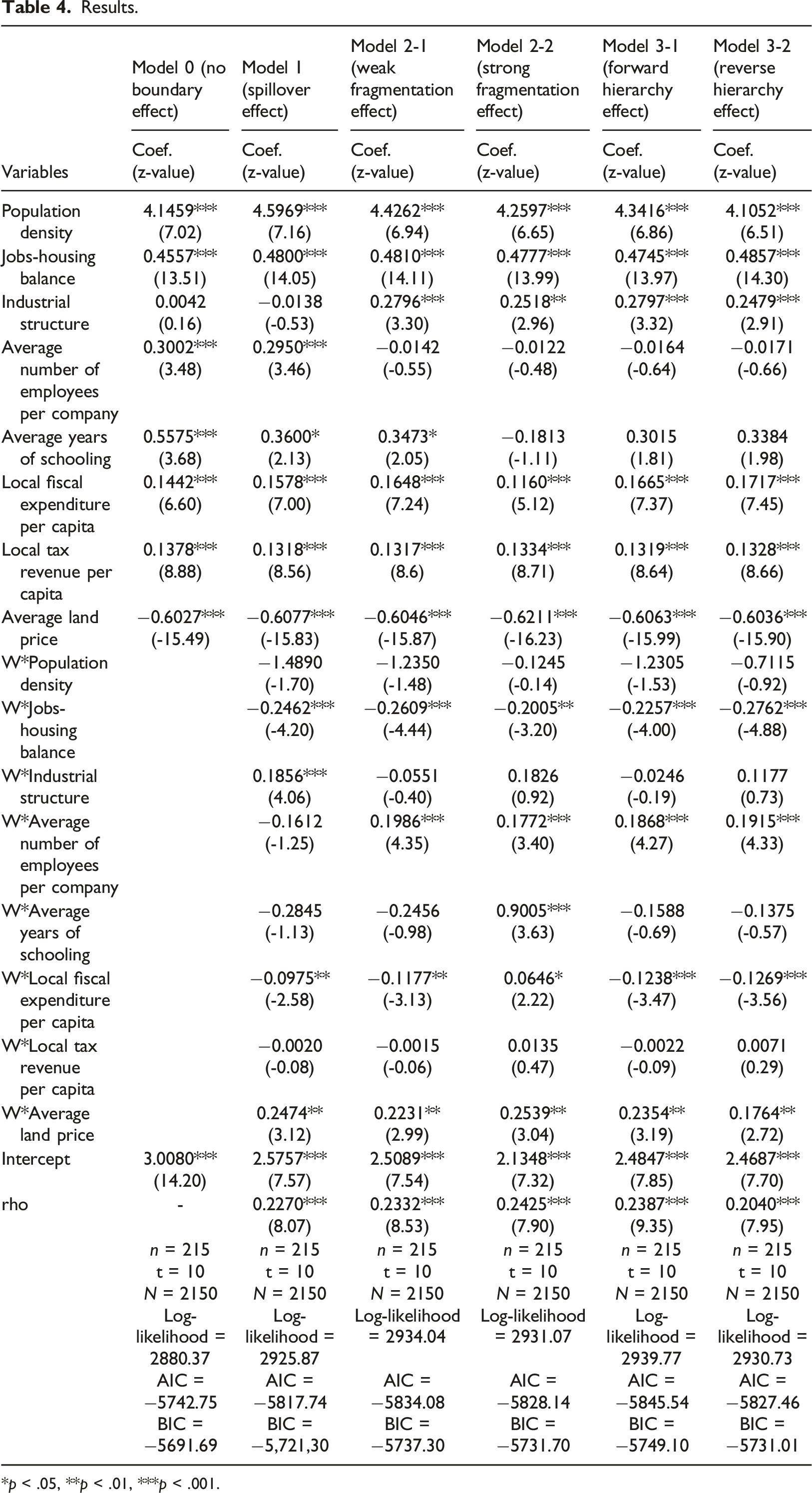
Results.
*p < .05, **p < .01, ***p < .001.
Direct, indirect, and total effects.
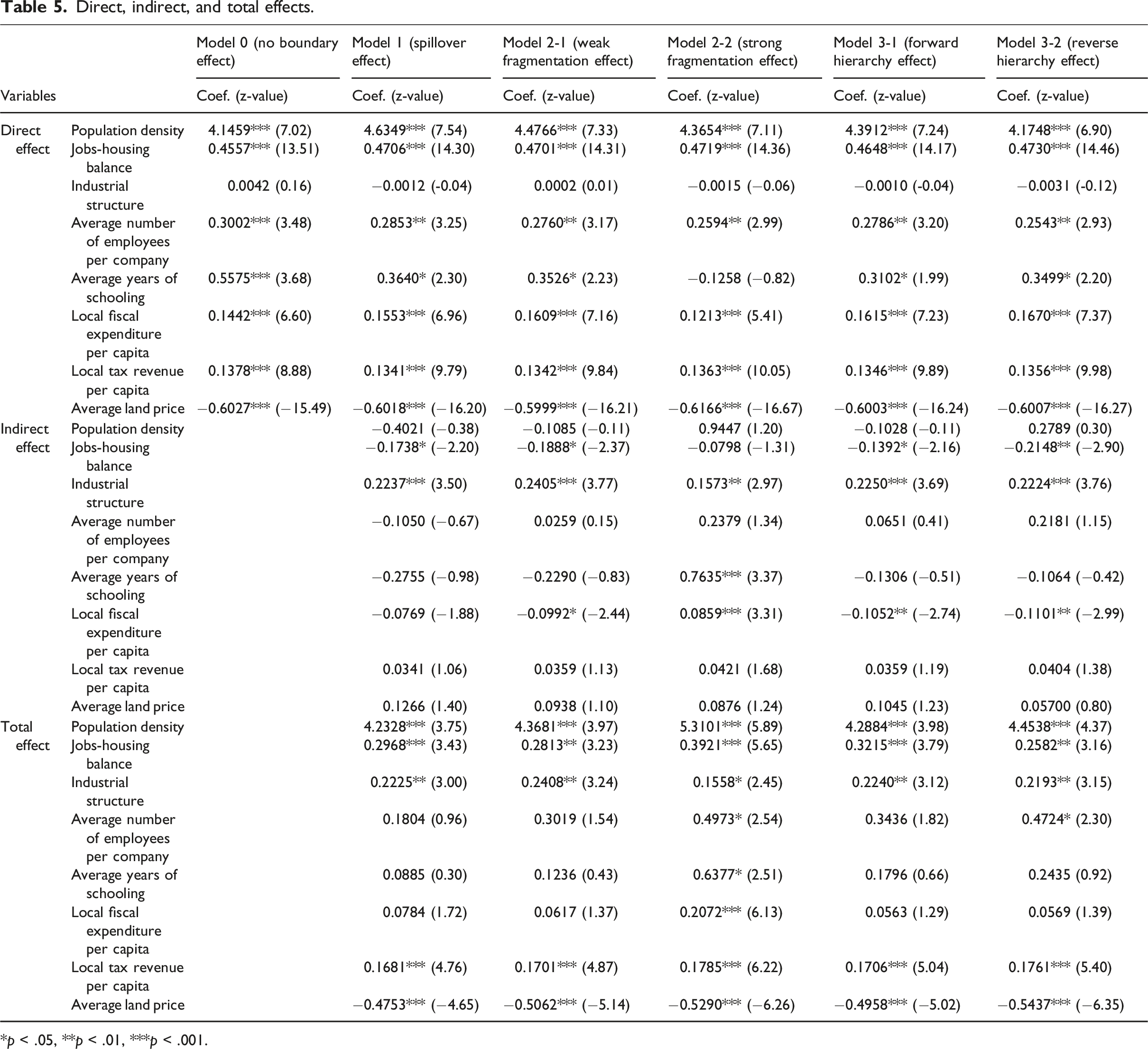
*p < .05, **p < .01, ***p < .001.
Bayesian posterior probabilities.
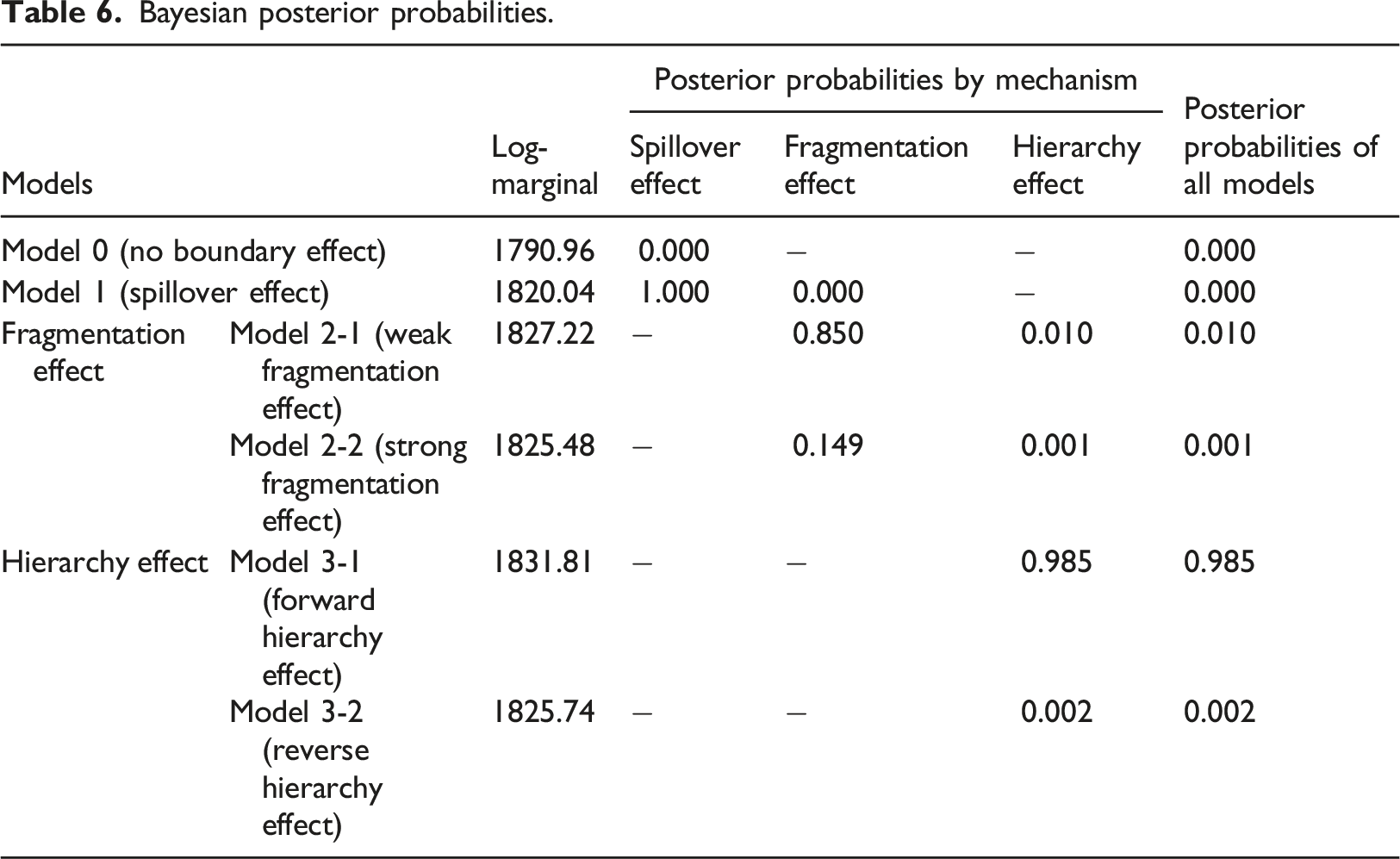
The results showed that the boundary effect, as a spatial phenomenon, can have a substantial discontinuous impact on local and regional growth. The analysis revealed that the model that considered the spillover effect between areas with adjacent boundaries was more appropriate than the model that assumed no influence between boundaries. Next, the model's fit was further improved considering the fragmentation and spillover effects. Finally, the best fit was obtained in the model considering the hierarchy, spillover, and fragmentation effects.
Our findings revealed that the GRDPPC of the neighboring area positively affected the GRDPPC of the area. Furthermore, in the context of posterior probabilities, Model 1 (which accounted for spatial dependency) was more suitable than Model 0 (which did not account for spatial dependency). These results suggest that the spillover effect, one of the boundary effect mechanisms, occurs at local and regional boundaries. In addition, Models 2-1 and 2-2 demonstrate that considering the fragmentation effect in addition to the spillover effect leads to improved model fit. Model 3-1 showed a clear hierarchy effect that could offset the spillover and fragmentation effects. This result supports the assumptions made about boundary effect mechanisms in this study and confirms that boundaries are associated with spillover, fragmentation, and hierarchy effects, and can cause discontinuities between areas. In terms of the size of the fragmentation effect, Model 2-1 (fragmentation effect offsets 50% of the spillover effect) was found to be more suitable than Model 2-2 (fragmentation effect offsets 100% of the spillover effect), suggesting that while the fragmentation effect was occurring, it did not exceed the spillover effect.
Furthermore, Model 3-1 (forward hierarchy effect) was more suitable than Model 3-2 (reverse hierarchy effect). This suggests that boundaries of a higher hierarchy (metropolitan city’s boundaries) create more discontinuities than boundaries of a lower hierarchy (province’s boundary). As these results were acquired through panel data, it was judged that the boundary effect mechanism was generally effective within the temporal range of the analysis period.
The results showed positive interactions between areas in all models, suggesting that the overall spatial spillover effect of GRDPPC outweighed the fragmentation effect caused by boundaries and hierarchy effects. Most predictor variables (except industrial structure) directly influenced the region's GRDPPC. Specifically, the ratio of secondary to tertiary industries had no significant impact on local production but had a positive effect on the GRDPPC of neighboring areas. This aligns with Dewar and Epstein's theory (2007) that secondary industries have stronger economic links with neighboring areas, positively influencing economic development. Jobs-housing balance and local fiscal expenditure did not negatively affect the GRDPPC of neighboring regions, indicating that better conditions in the local area may weaken adjacent area's competitiveness.
Discussion and Conclusion
This study aimed to verify the appropriateness of proposed boundary effect mechanisms and the existence of economic development discontinuities between areas. Results attributed local economic discontinuities to administrative boundaries, presenting the boundary effect as a practical spatial phenomenon involving spillover, fragmentation, and hierarchy effects. Multilevel administrative boundaries lead to complex spatial heterogeneity challenging existing theories. Findings clarify the intricate spatial context (Petrović et al., 2022). This study contributes to spatial phenomena literature by highlighting administrative boundaries' influence on spatial heterogeneity, more challenging than spatial dependency (Anselin, 2010).
Most urban and regional theories predict continuous spatial regional growth with economic development spreading to neighboring areas, despite concerns about trickle-down effects in economics (Da Silva et al., 2016). However, our analysis reveals that the combined influence of fragmentation and hierarchy effects, particularly in metropolitan cities’ boundaries, can significantly impede the spatial spillover effect between areas. Given the contentious nature of this field (Zeng et al., 2018), further studies are needed to ascertain if the spillover effect of local economic development in metropolitan cities aligns with expectations in the literature. However, the impact of these boundaries can vary depending on the national, regional context, and administrative systems. We hope that future research will explore these phenomena in a broader range of contexts.
This study analyzed the boundary effect using ten-years of nationwide spatiotemporal panel data from local administrative units. As global spatial spillovers are a fundamental assumption of the spatial Durbin panel model (LeSage, 2014), the results of this study can be generalized across the entire study area and study period. However, it was difficult to capture any dynamic changes in the boundary effect, such as changes in the size or direction of the boundary effect and the specific action of each mechanism overtime during the analysis period. Wang et al. (2018) targeted periods of explosive urban growth in which settlement areas and urban infrastructure continued to expand. This study was primarily targeted at a period when population growth was stagnant; it was thus difficult to identify any changes in the boundary effect. In particular, the boundary effect in scenarios with a population decline following population stagnation, resulting in shrinking settlement areas may differ from those observed in urban growth periods (Coppola, 2019). Additional research is required to examine changes in boundary effects depending on the patterns of regional change.
We also compared models using a traditional rook contiguity matrix with Wong's (1993) shared boundary method, which assigns different weights based on the length of shared boundaries between adjacent areas. The shared boundary approach had a better fit than models giving the same weight to each area. This indicates that the length of adjacent administrative boundaries, rather than the geographic proximity of neighboring units, causes the discontinuities brought on by the boundary effect. In other words, crossing discontinuities might not solely result from inherent heterogeneities between units but could be a discontinuous impact caused by the boundary itself.
This study has shown that the boundary effect results from a combination of multi-dimensional factors that are separated based on boundaries. Furthermore, this study revealed that these factors have a combined boundary effect that causes spatial discontinuity in local economic development across the administrative boundary. Furthermore, the predictors in this study can potentially receive different effects due to boundaries. Given the exploratory nature and initial stage of this study, it inevitably assumes that these predictors share similar boundary effect mechanisms. Indeed, each discontinuity phenomenon can be a complex combination of multilevel administrative and functional boundary effects (Capello et al., 2018b; Jacobs and Van Assche, 2014). To suppress discontinuity and inequalities caused by discontinuities, there must be a systematic investigation into how discontinuous factors operate at the boundary of any hierarchy against the theoretical backdrop of boundary effect mechanisms.
This study makes a substantial contribution to academia and policy-making by modeling and empirically investigating the complex mechanisms behind boundary effects. Our findings indicate these effects are not merely discontinuous, but are shaped by multi-dimensional and multilevel factors. This complexity emphasizes the need for careful consideration of boundary effects in planning governance and policy-making, particularly in policies related to regional development or administrative boundary restructuring.
We suggest that policymakers adopt a holistic perspective on boundary effects as a general spatial phenomenon. This requires the use of models that consider global spatial dependency and heterogeneity, enabling policies to accurately reflect real-world complexities for improved effectiveness. Additionally, our application of boundary effect mechanisms that includes diverse characteristics of administrative boundaries can provide nuanced insights into how different associated factors impact various outcomes.
By recognizing boundary effects as multi-dimensional phenomena rather than simple physical discontinuities, we offer fresh insights into the spatial-social organization of cities and regions. This perspective encourages us to consider interconnectedness between regions when devising urban planning or regional development strategies. Furthermore, our approach enhances understanding of how social connections or economic ties among regions shape their organization both physically (in space) and socially (in terms of relationships among areas).
Supplemental Material
Supplemental Material - Discontinuities in regional economic development due to administrative boundaries: Examining the mechanisms of the boundary effect
Supplemental Material for Discontinuities in regional economic development due to administrative boundaries: Examining the mechanisms of the boundary effect by Jindo Jeong in Environment and Planning B: Urban Analytics and City Science.
Footnotes
Declaration of conflicting interests
The author(s) declared no potential conflicts of interest with respect to the research, authorship, and/or publication of this article.
Funding
The author(s) received no financial support for the research, authorship, and/or publication of this article.

Supplemental Material
Supplemental material for this article is available online.
References
Supplementary Material
Please find the following supplemental material available below.
For Open Access articles published under a Creative Commons License, all supplemental material carries the same license as the article it is associated with.
For non-Open Access articles published, all supplemental material carries a non-exclusive license, and permission requests for re-use of supplemental material or any part of supplemental material shall be sent directly to the copyright owner as specified in the copyright notice associated with the article.
