




Abstract

The significance of water, its relevance to communities of the past and its centrality to our survival in the future imply that more and more conversations around the world are today focused on this.
The International Council on Monuments and Sites (ICOMOS) General Assembly (GA) in Delhi in December 2017 was attended by over 1,000 participants from over a 100 nations presenting their work on the theme of ‘Heritage and Democracy’. As a co-chair of the scientific symposium, I found that ‘water and heritage’ was cross-cutting irrespective of project, expertise, theme, geography or timeline. Challenges and potentials were presented from the perspectives of good practice and research experience across four sessions on: sustainable development and community engagement, the role of cultural heritage in building peace and reconciliation, protecting and interpreting cultural heritage in the age of digital empowerment, and the collaborative effort between ICOMOS and International Union for Conservation of Nature (IUCN)—the culture–nature journey.
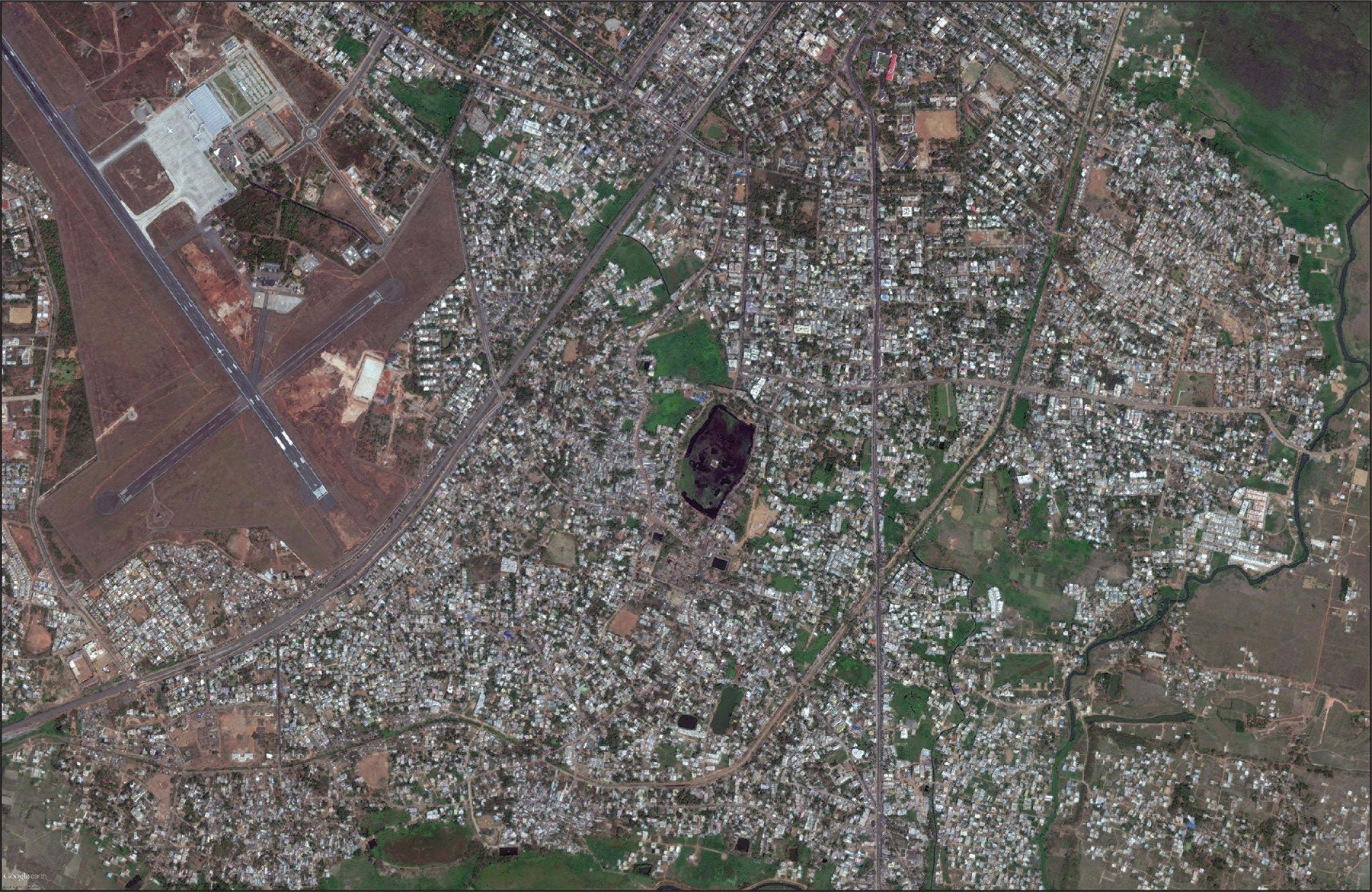
My personal engagement with water led to a session on water and heritage as part of the culture– nature journey. This was set out as a case study kiosk with short presentations on projects from India, Europe and Africa. This platform brought forth stories from different regions—some showcasing success and others, the grim reality of loss of water heritage. The narrative wove around a wetland, a temple tank (Figure 1), water conveying qanat, an ancient river, living on the edge of a beautiful lake, working with saltpans, celebrating drinking water in a city and the significance of an oasis. Water enthusiasts and representatives from public policy and government institutions across the water sector in India and abroad underlined the importance of showcasing international good practice to streamline the direction for these efforts in the future. As the presentations formed part of the culture–nature journey, the collaboration between ICOMOS and IUCN came out strongly, demonstrating the relevance of overlap of their efforts within the natural and cultural heritage sectors.
The technical expertise within ICOMOS is covered across 28 International Scientific Committees (ISCs) specializing in a diversity of themes such as cultural landscapes, energy and sustainability, vernacular architecture and a recent initiative for establishing one on water and heritage. These efforts of ISCs span from local community-led examples to United Nations Educational, Scientific and Cultural Organization (UNESCO)-promoted World Heritage.
As a follow-up to the ICOMOS discussions at the GA in Delhi, Taiwan International Institute of Water Education offered to host a conference on water and heritage in May 2019 organized as a series of presentations held at Chiayi City, Taiwan (Figure 2). The significance of good practice and sound research to the future of water education were discussed. Simultaneous to these global representations a series of meetings held at the venue deliberated on the efforts within the ICOMOS system to set up a new ISC on water and heritage.
As a follow-up, an important step was taking these water conversations from around the world to the World Water Week (WWW), Stockholm 2019. Since 2017 the conversations at WWW addressed innovation, engineering and, to some extent, nature-based solutions. However, cultural heritage, both built and intangible, was usually missing from centre stage. A revival of cultural practices around water is one possible way of reviving the responsibility of the community towards water resources to address water pollution and scarcity in the developing world. Now is the time to learn from our past, recuperate our sustainable practices, protect our frugal resources, resuscitate our spiritual connections with water and safeguard the high-quality aesthetics of our water structures to reclaim the centrality of water in our lives.
To address this gap we put together a session on water and heritage with esteemed ICOMOS colleagues from Sweden and the Netherlands. The ICOMOS secretariat was pivotal in helping us forge a new partnership with the Arab Regional Centre for World Heritage, ARC-WH Bahrain. It has been more than two years since we started with the water and heritage conversation at GA in Delhi. In the interim, many other conversations around water have contributed to our water journey.
The past years of working on water projects, conference presentations and contributions to think tanks on the subject have brought me in touch with water professionals from around the world. One such meeting at the UNESCO Great Rivers Forum 2018 at Wuhan in China is noteworthy. This meeting was significant in that it brought together heritage professionals from the field of water museums in conversation with nature and culture conservationists. Presentations and discussions showcased efforts related to water from the perspective of water conservation, safeguarding intangible and tangible cultural heritage and practices. Another set of discussions focused on the interpretation of the significance of water within museums. Innovation, technology, story-telling, tools and methods of conservation, community involvement and good practice conversations echoed in the corridors at Wuhan. Private practitioners, academics and researchers came in contact with policy-makers and community leaders to connect global efforts with on ground reality.

As part of this large gathering, a memorable event was organized. Representatives from around the world had carried water from their great rivers. A ceremony was held for symbolically mixing up the waters of these various rivers. The local museum accepted the urns that had carried this water to set up a special display. This ritual left a lasting impression of the interconnectedness of our waters and of the continuing legacy of cultural practices protecting our water systems.
Earlier in 2018, I was rapporteur for an Urban Planning Task Force in China led by the International Society of City and Regional Planners (ISOCARP). We were to visit the Xinmalu heritage district in the city of Ningbo that served as the historical transition for the Silk Route from sea to land. A tour through the expanse of the city and a visit to the Grand Canal in the region unfolded the loss of water systems endemic to most Asian cities. Historically, cities were established close to water systems where today this original water network lies buried or lost in the landscape. Ningbo was a city of canals, but as the city turned its back to natural drains, the water retained importance only in the memories of people, in their folklore and story-telling passing from one generation to the next (Figure 3). This water narrative was lost in translation in the planning and policy for the city. This has been a reality with water for other Asian cities as well. In India, Chennai, Delhi and Bengaluru and many other towns and cities are suffering the aftermath of this neglect.

To translate this learning into practice, to weave global thinking with local practice on the theme, there are many local efforts working to make a difference. Through our work on cultural landscapes, we, as a small group of professionals, at our practice in Delhi have become actively involved on large scale, primarily urban projects on waterscapes in historic districts across India. We are promoting a ‘landscape approach’ to address water bodies riddled with pollution and overuse. Each project is an experiment in reading the natural and historic landscape to understand how the local community becomes disconnected with their physical environment and what needs to be done to revive the connection.
In another series of projects, we worked along river systems to develop places for spiritual bathing and cremation. These projects have unveiled the dismal situation of the water systems in India. What is demonstrated in closed rooms as statistics and ominous circles around regions indicating serious water catastrophes offers a grimmer picture on ground. The extent of pollution, extreme scarcity and a general absence of conversations in political manifestos make the predicament of our water resources rather serious.
In 1998, my journey with water commenced through a paper on the river Yamuna which was awarded a UNESCO sponsored ISOCARP Young Planner at the Annual Congress in Azores, Portugal. The landscape scheme presented connecting historic sites along the meandering river Yamuna in Delhi with the city that had turned its back to the river. This was followed by another paper the following year on a network of water channels draining the urban landscape of the National Capital Region (NCR, Delhi), popularly referred to as the nalas of Delhi. It has taken 20 years for us to begin working on our first nala project on creating a green network for a 5-km pilot stretch on one of the highly polluted and boxed drains in the NCR. For the lengths of drainage channels in the highly polluted NCR terrain, this is only a beginning for reviving our landscape.
As we persevere on changing policies, we need to tie it up with reinforcing real change on ground. Amongst others, ICOMOS and IUCN are playing a pivotal role in this. Through their scientific committees, programmes and eventually their larger membership, they are working towards awareness-building on environmental and water literacy with rural communities, urban dwellers and professionals to ensure focussed efforts.
I wrote this article from Nybrogatan, in Stockholm, my home since 2017. A signage at the end of the street elaborates this was the place where the new bridge was built in the 17th century. There was a point in time when the water had become shallow due to the heaps of rubbish that were dumped in it. Today, this is inconceiveable in this beautiful part of the city. The urban design is noteworthy, and its historicity is well preserved and presented. The water at Nybroplan is sparkling clean, reflecting a cloudless summer sky. It has taken a long time to get here, but what we don’t see are the intense efforts of water warriors who were led by the vision to bequeath a clean environment for all to enjoy in the city of Stockholm.
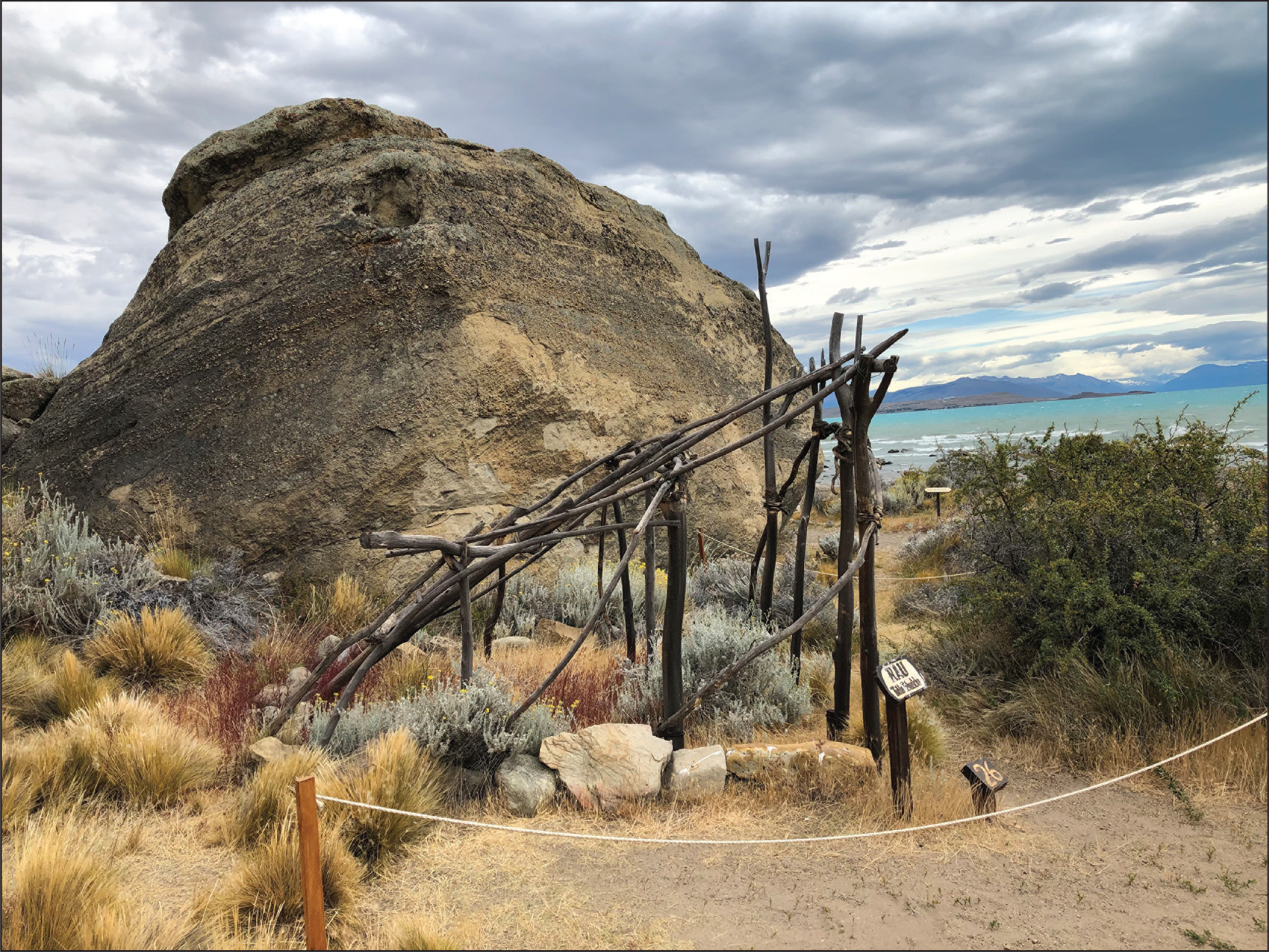
There is hope to turn the tide in our part of the world. It is after all a question of our own survival. It is encouraging to see our children and youth lead these efforts. We hope to continue to mentor and support them with our acquired water wisdom (Figure 4). We aspire to connect history, and the contemporary reality of city making through water narratives stretching across terrains and time lines throughout the world.
Footnotes
Declaration of Conflicting Interests
The author declared no potential conflicts of interest with respect to the research, authorship and/or publication of this article.
Funding
The author received no financial support for the research, authorship and/or publication of this article.