



Abstract
This article talks about the challenges faced by twentieth century modern heritage in terms of its awareness, its conservation and its heritage management by elaborating the case study of Conservation of Louis I Kahn buildings (Vikram Sarabhai Library, faculty blocks, classroom complex and dormitories D1 to D18) at Indian Institute of Management Ahmedabad (IIM-A), Gujarat, India and its recently restored Vikram Sarabhai Library. Through this case study, it elaborates its conservation process, the interdisciplinary nature of heritage management, various management decisions that emerge at critical stages during the process of conservation of these buildings, thereby implementing creativity and innovative solutions while preserving the integrity of the structures.
Keywords
Introduction
Evolution of Twentieth-century Modern Heritage
In the twentieth century, two world wars and their aftermath expressively transformed the fabric of society in the world. Technological and scientific development changed the way of living and working. In this period, the field of architecture was characterized by the introduction of innovative forms, structural solutions, modern building materials and construction techniques. The introduction of these ideas of the Modern Movement within Indian architecture was brought by European schools of thought introduced by the British during their colonial rule. This can be seen in India through the works of Le Corbusier, Louis I Kahn, Charles Correa, Balkrishna Doshi, Raj Rewal, Achyut Kanvinde and so on.
Present Condition of Twentieth-century Modern Heritage in India
Today, the twentieth-century modern architecture is threatened because of an overall lack of awareness and recognition. It is often pressurized by redevelopment, unsympathetic intervention or by neglect. One such example is the demolition in April 2017 of India’s modern architectural marvel: The Hall of Nation at Pragati Maidan, New Delhi. 2 It was designed by Architect Raj Rewal and was built to celebrate 25 years of the country’s independence, inaugurated in 1972 by the then Prime Minister Indira Gandhi. It was internationally known for the largest concrete space frame structure in the world. Today, many such heritage sites of the twentieth century remain at serious risk.
Need for Conservation and Management of Twentieth-century Modern Heritage and IIM-A
With the present scenario and much needed awareness in twentieth-century modern heritage conservation and management, the conservation of Louis I Kahn buildings (site plan Figure 1) and its recently restored Vikram Sarabhai Library at IIM-A represents a progressive outlook to not only restore and revive these buildings for a premier institute but serves as a catalyst for conservation and management of other twentieth-century modern heritage in India and worldwide.

Through this case study, we will learn how the project demonstrates the understanding of the significance of these twentieth-century modern heritage buildings, which lies in its history, culture, social, scientific and spiritual associations including the use of these buildings.
What assessment and research were conducted to find out how these different attributes, elements and values contribute to that significance?
What critical decisions were taken through the conservation process to preserve the authenticity and integrity of these buildings?
How is an interdisciplinary approach essential in the heritage management of such buildings?
What considerations were taken for strategic and financial planning to develop an overall conservation plan for all buildings?
How did user’s current and future needs become an integral part of the overall planning process?
How did the effects of a natural disaster (earthquake in 2001) that impacted these buildings become a crucial consideration during the conservation process to take necessary actions and implementation for long-term sustainability of these structures?
And finally, what is the importance of the role of heritage management through the conservation process, planning and its implementation in such projects?
Conservation and Management of Louis I Kahn Building at IIM-A
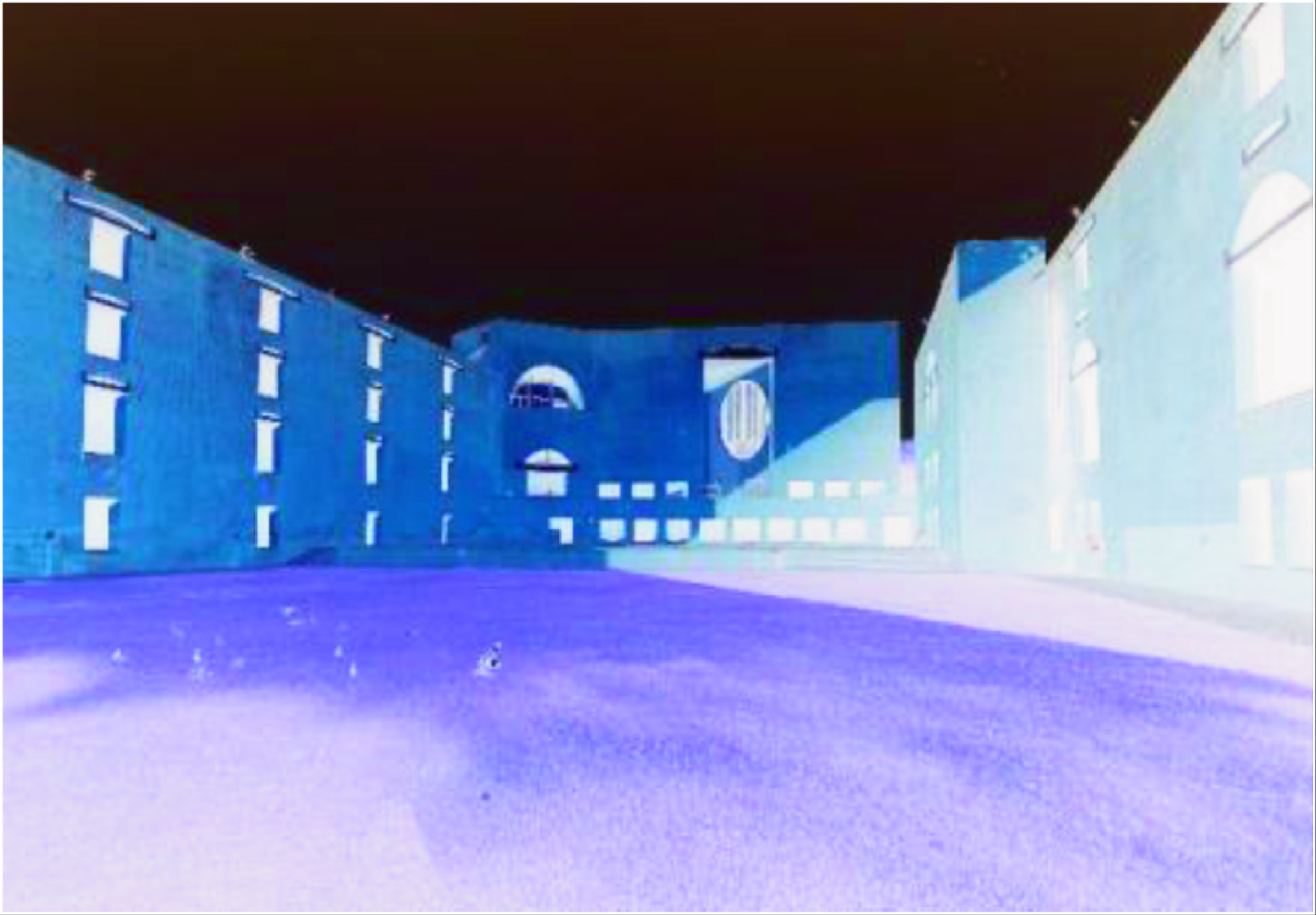
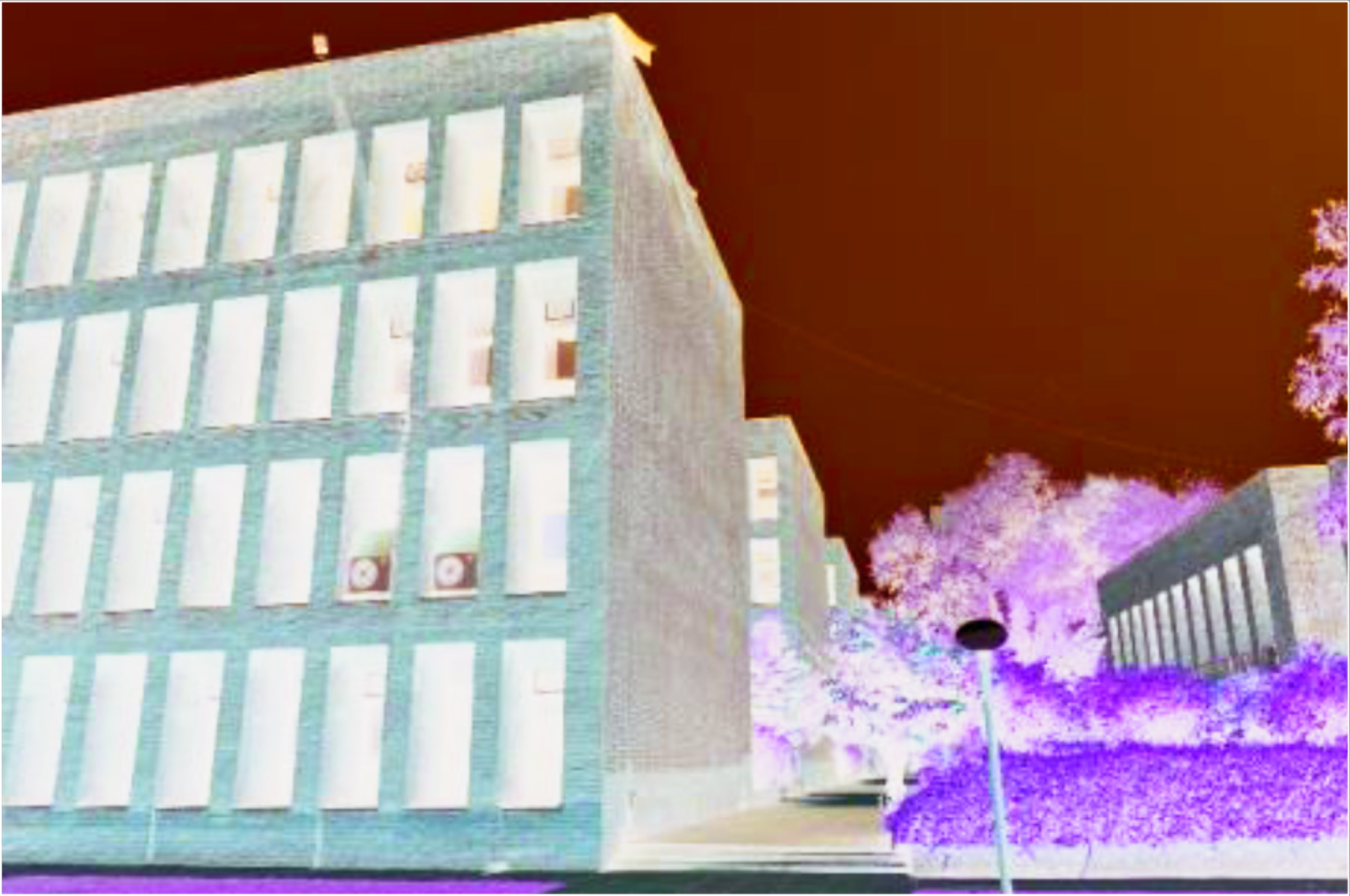
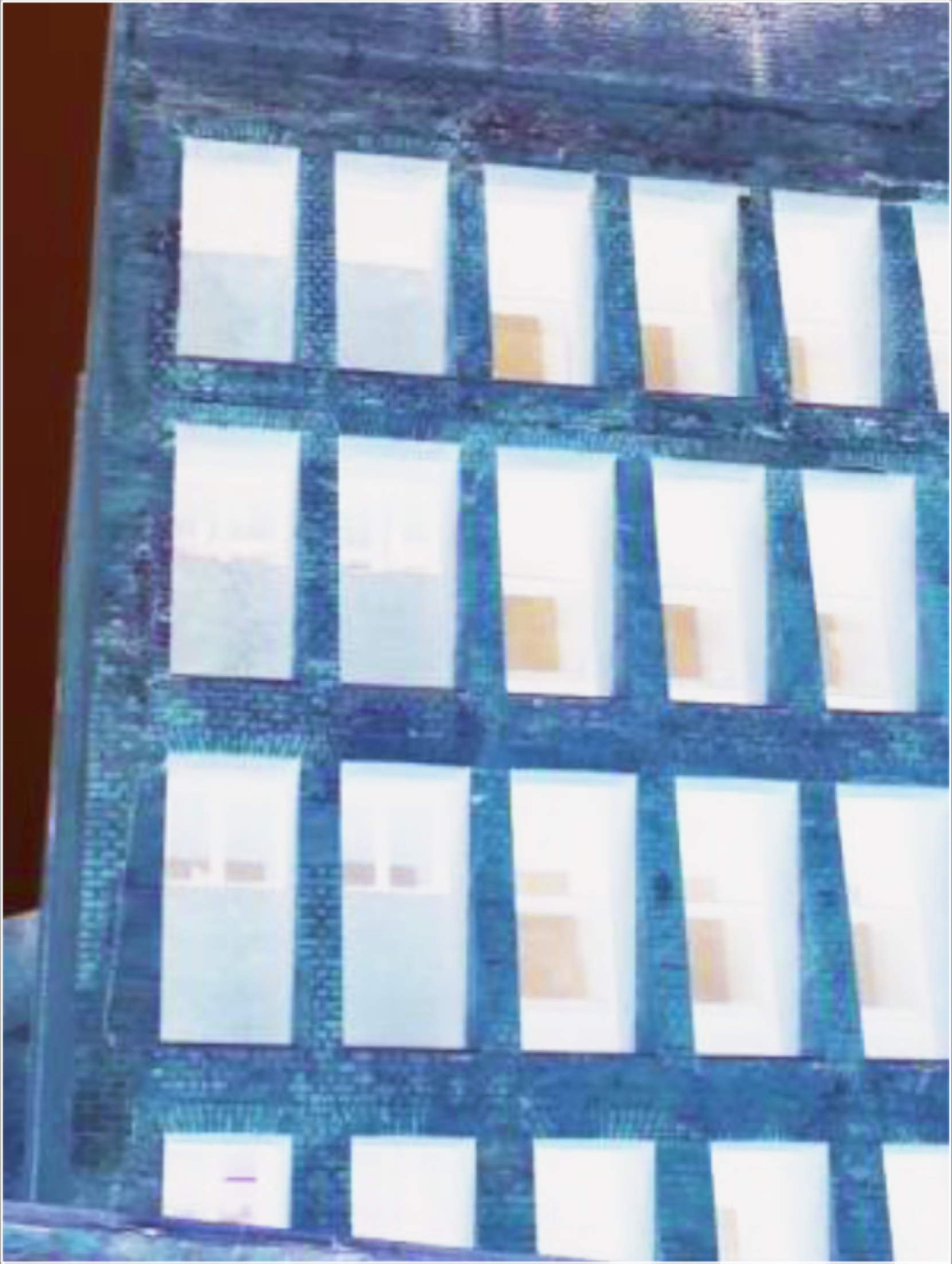
The Conservation of the Louis Kahn Buildings at the Indian Institute of Ahmedabad is a project envisioned to restore the glory of its twentieth-century modern heritage structures that include the Vikram Sarabhai Library (Figure 2), faculty blocks (Figure 3), classroom complex (Figure 4) and 18 dormitories (D1 to D18) (Figure 5). This project was commenced in the year 2014 when Somaya & Kalappa Consultants (SNK), Mumbai, was appointed as the Conservation Architect for this project by IIM-A after winning the project competition.


Understanding Cultural Significance of IIM-A and its Louis I Kahn Buildings
The first step into the project was to understand the story of evolution of IIM-A campus and the cultural significance of its buildings, not only with respect to Louis I Kahn’s design but also its contribution to India as a ‘Modern’ Built Heritage during India’s post-independence period.
In the 1960s, American architect Louis Kahn was invited to execute a master plan for the nascent IIM-A. His buildings, with a pure expression of the material, combined with monumentality and regionalism, went beyond the mere concepts of functionality, giving rise to a new dimension to Indian modern architectural design. At IIM-A, Kahn blended modern architecture and Indian tradition to create strong monumental structures with exposed brickwork and bare concrete, which are one of his most successful built works.
Stages of Conservation
The conservation philosophy adopted for the project was to not only formulate conservation and restoration solutions but also plan for the current and future needs of the users. Broadly, the plan included six important stages: project brief, investigation, trials for conservation solutions, decision, funding and action.


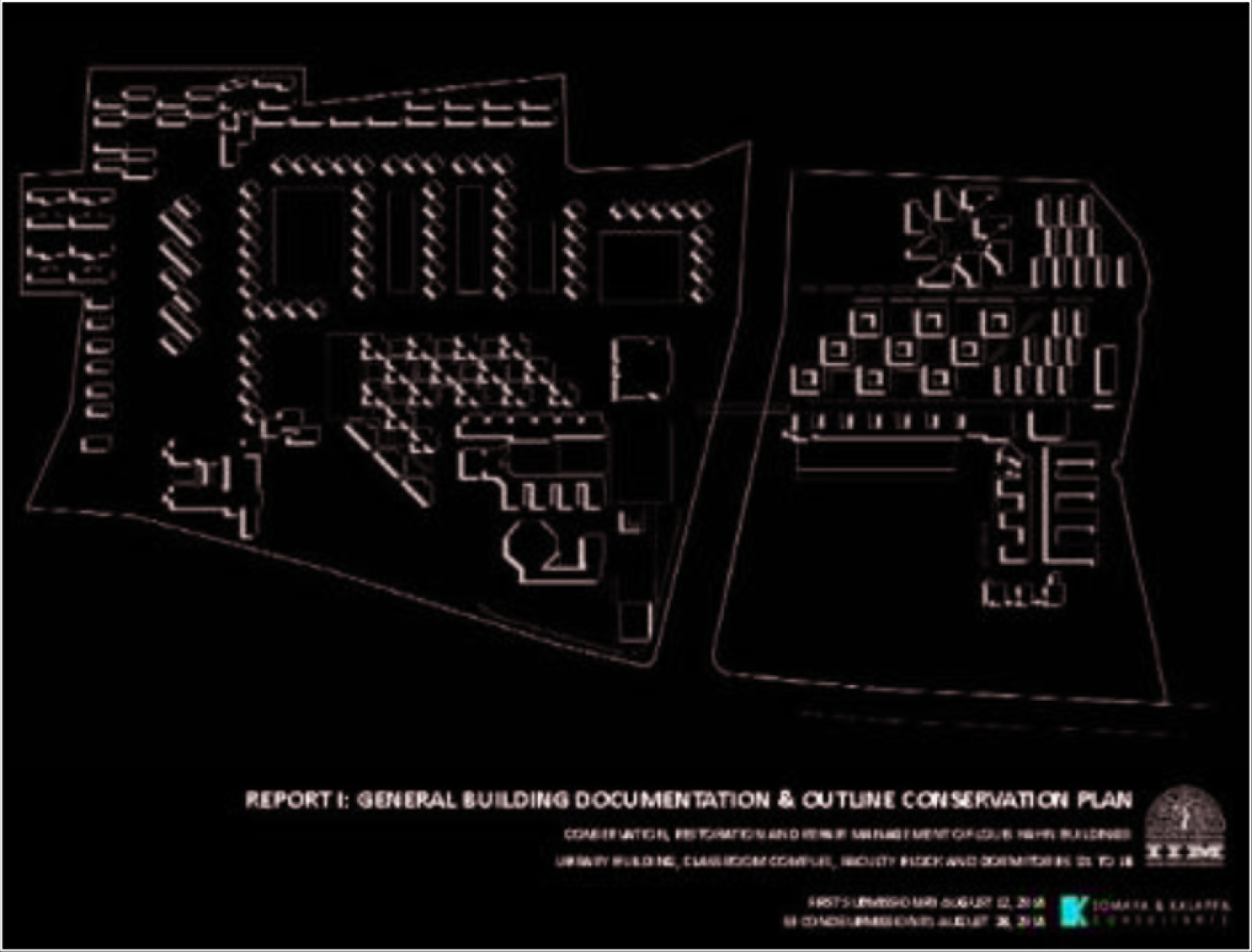
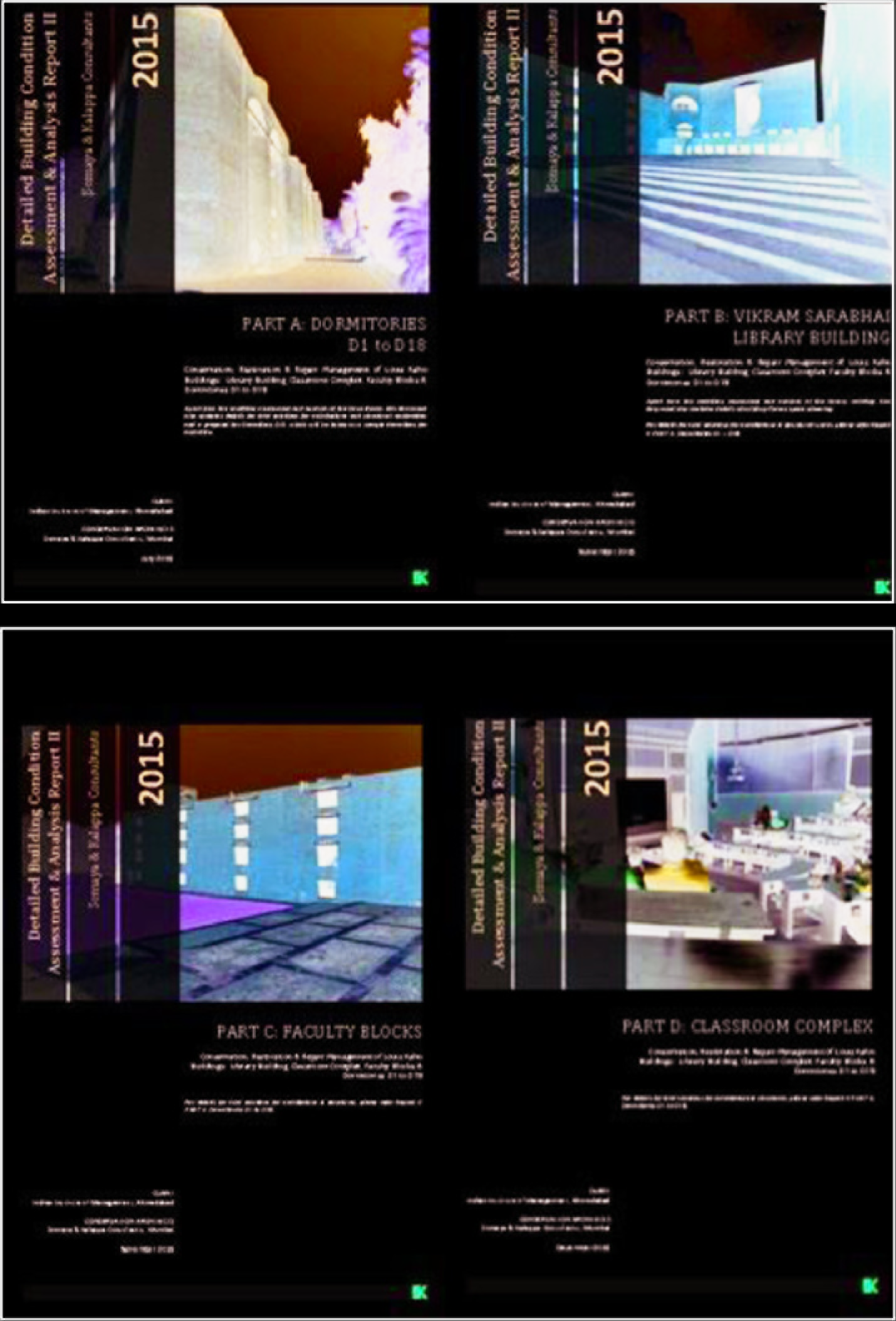
On completion of archival study and initial detailed visual surveys of the buildings, an outline conservation plan was prepared (Figure 11). And on completion of detailed assessment, structural tests, analysis and conservation mock-ups Detailed Building Condition Assessment & Analysis Report was prepared building-wise (Figure 12).
The Vikram Sarabhai Library (Figures 13 and 14) from the main complex required immediate attention. Hence, a detailed conservation proposal was prepared for this building that also included upgrading of services and seismic analysis of the building by IIT Chennai. Considering the user’s current and future requirements, the proposal was formulated to enable it to become it into a future-ready knowledge hub for digital learning and collaboration.

Inter-disciplinary Nature of Heritage Management
Conservation planning and management always requires an interdisciplinary approach. During the twentieth-century, modern materials and techniques were used for construction. To conserve IIM-A buildings built with a unique construction system of reinforced brickwork, steel and reinforced concrete, SNK had a multi-disciplinary team for architecture, structure and services to address specific issues of conservation, restoration, part-reconstruction, structural retrofitting, structural stability, building seismic analysis and upgrading services that were required to be carried out for these buildings. This team worked together from the first stage, which comprised of initial survey of the site until the final stage of implementation.
Role of Contractors
Following the central government guidelines, IIM-A needed to float and invite public tenders for this project. Since the project involved not only restoration, but also upgrading services, interiors, furniture, etc., various contractors were appointed through this process. A standard process of pre-qualification criteria was set up for the short listing and finalizing specialized conservation contractor as well as other contractors and vendors based on the type of work. Once the contractors were appointed, at every step of the way, mock-ups were carried out before the final implementation. Apart from the conservation mock-ups, mock-ups for furniture restoration, interior finishing, new furniture, finishing of AC ducts, lighting fixtures, etc. were also carried out.
The conservation contractor had a strong team of various artisans and workers for this project that worked meticulously with SNK and their consultants. All the contractors teams demonstrated skilled workmanship despite the challenges of the project, which included carrying out work during monsoons and part-reconstruction works.
Role of Project Managers
To have one-point control for co-ordination with multiple contractors appointed at site, to carry out daily supervision in quality control and workmanship, a separate project management consultancy team was appointed. These managers played an important role of maintaining coordination with clients, conservation architects, consultants and contractors. Regular checks and monitoring during and after the intervention were carried out to ascertain the efficacy of the results. All the activities of checking and monitoring were documented in the form of drawings, notes, site execution reports and photographs.
Involvement of Stakeholders
The Library being part of a management institution, the primary community it caters to is the institute itself, its users being the students, the professors and the library administration staff. Questionnaires were set up for the professors, students and the Librarian staff to understand their needs as the users of this building.
During the library project, SNK presented the proposal for the project individually to the IIM-A management, the IIM-A building committee, the professors and the dean of faculty, the student’s committee, the librarian and the library staff in support of their crucial involvement in the project. Press conferences were conducted at various stages of the project to update the city and the nation on the progress of the project as well as to build up support and raise funds for the project. To give insight on the restoration of the Kahn buildings, a website was also established by IIM-A in November 2014.
The librarian’s involvement in the project was very crucial, as he was the one-point contact for co-ordination between the IIM-A management and the users. The librarian and his team assisted SNK to highlight all the areas of concern from the users’ point of view. All proposed interior layouts were vetted through him and his team before finalization. New furniture requirements and its vendors suggested by the library team were also appraised. With the assistance of IIM-A management, the librarian and his team and their combined vision with SNK to restore and upgrade the Library, presentations were prepared for the funding of this project that was presented to TCS.
IIM-A maintenance team played an important role in the project to assist SNK to understand various issues faced by them in the past as well as history of repairs works, maintenance, archival information, building condition issues including services, etc. With their involvement at every step of the project and the decisions made during planning and execution with SNK, it also gave them improved insight and knowledge, which will assist them to maintain Louis Kahn buildings at IIM-A in a careful and more holistic way.
Critical Management Decisions
The success or failure of action is largely determined by the decisions taken in the process of Heritage Management. Thus, decision making becomes more challenging, as it directly relates to the integrity and authenticity of the structure and the site. Many factors such as time and cost constraints and present conditions make the decision-making process more critical. Similarly, various critical decisions were taken by SNK at different stages of the project. Some of them are discussed below.
Project Planning
After the finalization of the solutions, the logistics and phasing of the project were worked out in detail by the SNK team, for which it was very important to examine and investigate conditions all the buildings thoroughly. The study of the cultural significance, measurement surveys for as-built drawings, condition mapping and assessment, structural audits, non-destructive tests were analysed in detail to finalize the sequence of project. As the level of deterioration varied in all the buildings, with respect to the comprehensive survey and availability of funds, building-wise priority list was worked out. Since the library was going to be the first building to be restored, the goal of the library project was for it to serve as a catalyst for the restoration of the other Kahn buildings on the site.
Seismic Analysis
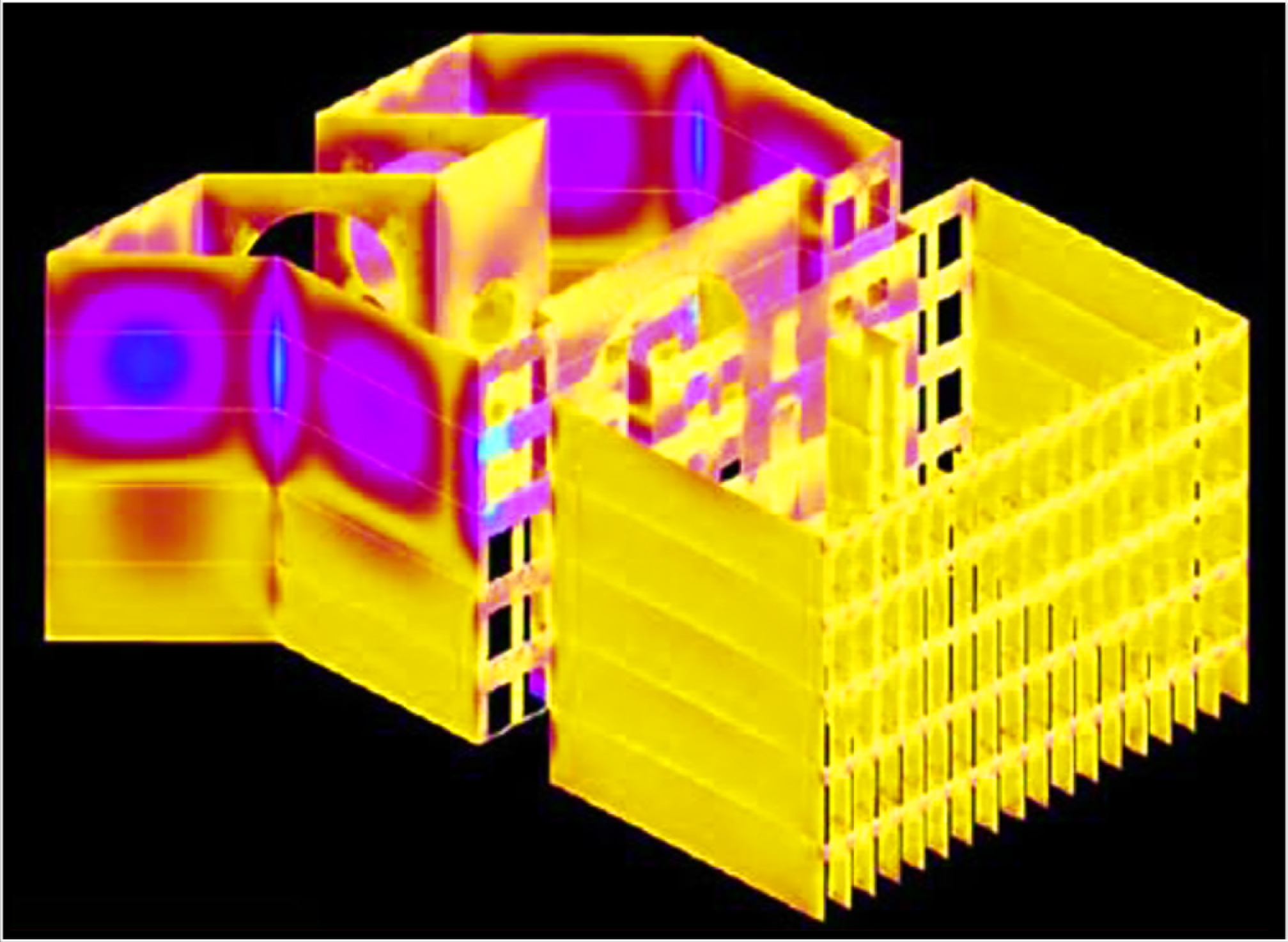
Gujarat being an earthquake-prone area, a seismic modelling and analysis (Figure 15) of the building was carried out by Indian Institute of Technology Madras (IITM), Chennai, in collaboration with SNK. The overall seismic performance of the structure was satisfactory.
Degree of Intervention
Interventions are necessary to prolong the life of a building. While adopting a certain change in a heritage building, one must follow a cautious approach, where interventions should improve the performance and functionality of the building without impacting its cultural significance in any manner. This practice was followed meticulously in the library restoration project of IIM-A. Throughout the conservation work, the interventions for the built fabric were only carried out to address the problems that threatened the structural integrity of the building.
All interventions were a result of an overall integrated plan that gives a priority in the order of structural stability, services, functionality and aesthetics.
Conservation of Building Materials
The palette of materials used in these buildings, that is, brick and bare concrete, not only contributes to its architectural vocabulary but the use of steel reinforcement in exposed brickwork demonstrates the modern technology in construction techniques used for these buildings. All the interventions of material conservation were done after a detailed material testing of the original building material from specialized laboratories.
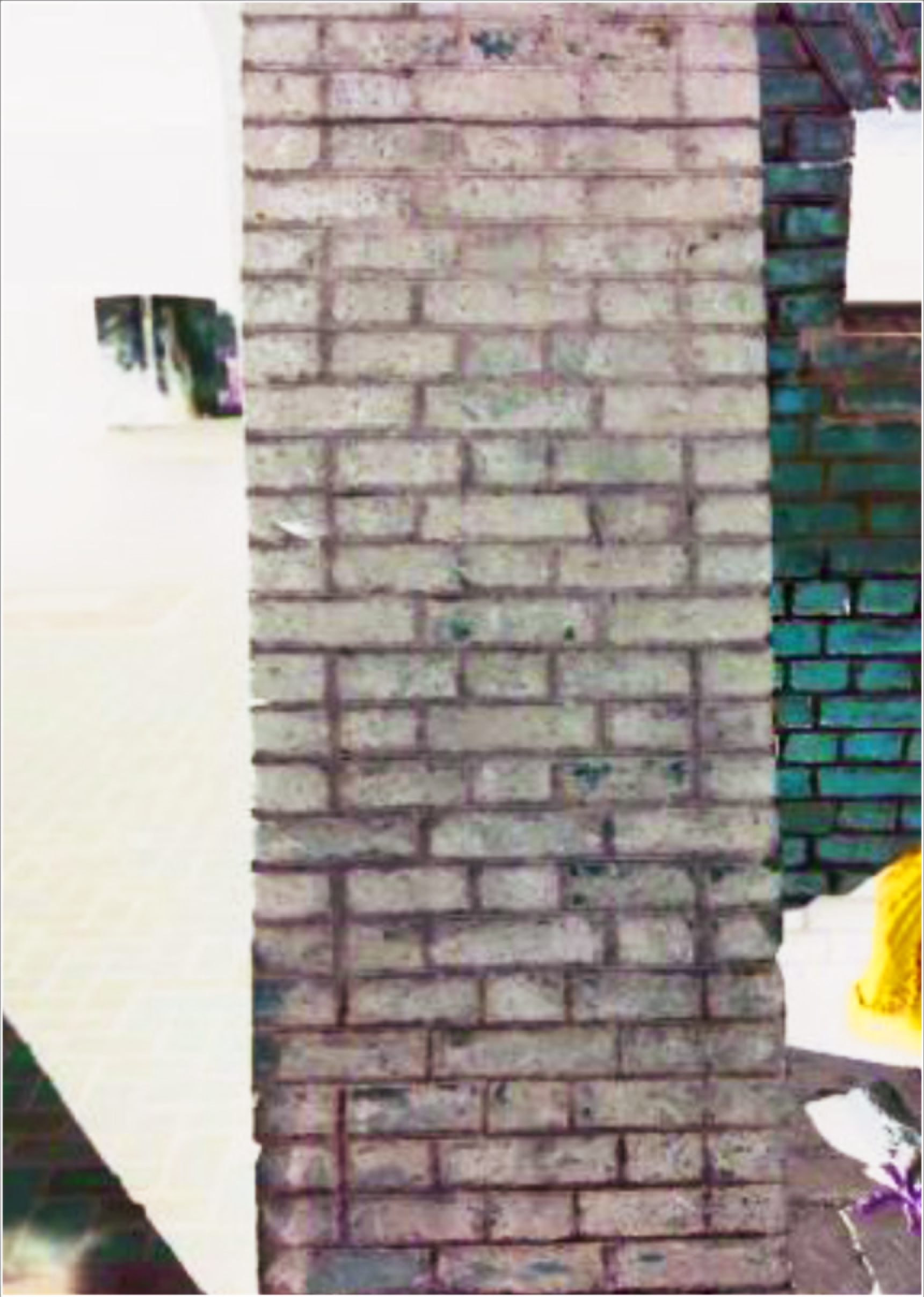
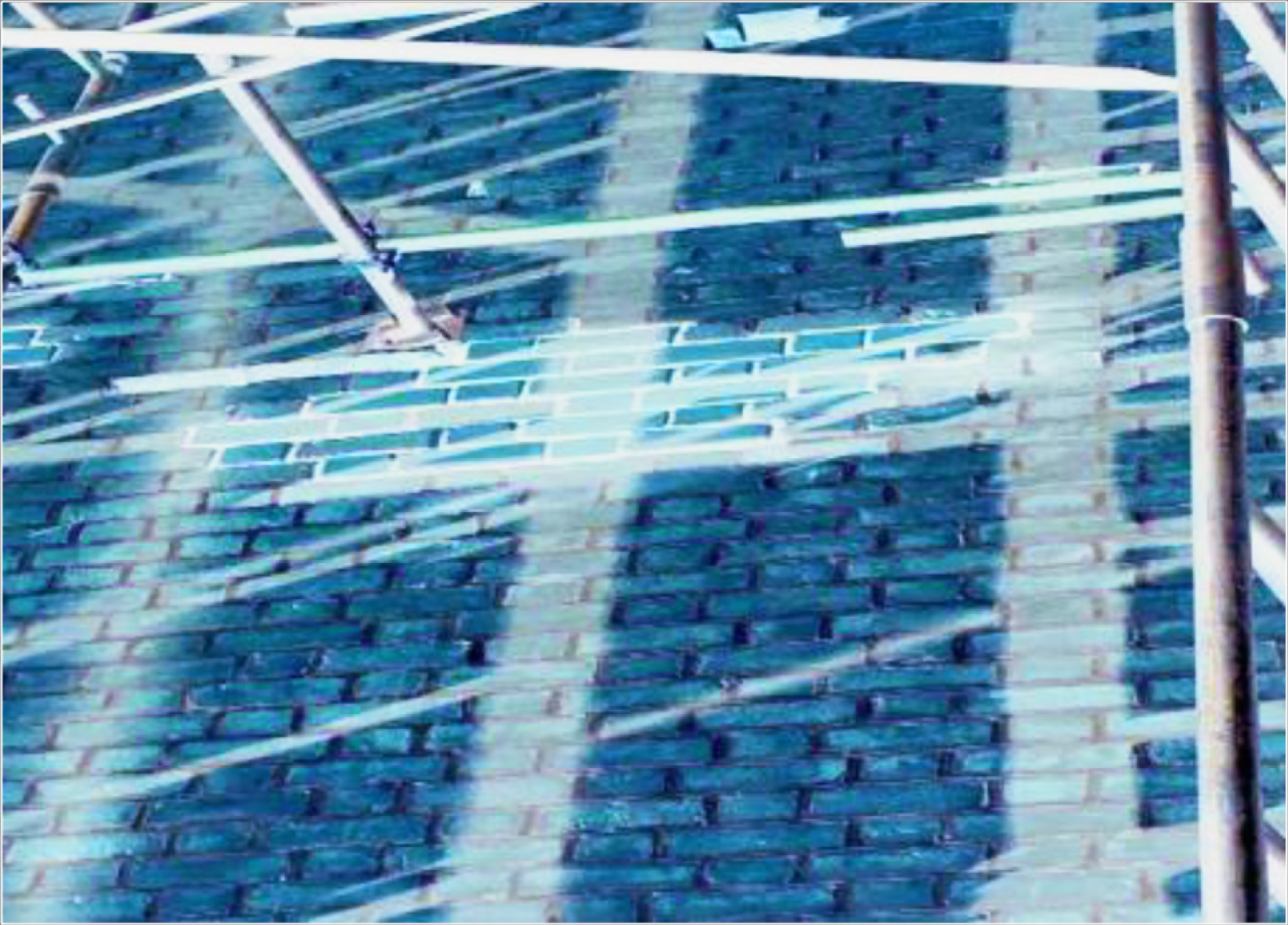
The results showed that the bricks used at IIM-A were second-class porous bricks with inbuilt efflorescence. These were hand moulded, made from the local soil, kiln burnt and blunt edged (Figure 16). The masonry was pointed with cement mortar. To protect the brick edges, edge-filled pointing was used. However, such type of pointing allows collection of water to percolate into the brick, thus causing further damage to the masonry. Being a harder material, it was difficult to remove the cement mortar from brick without damaging it. Hence, a decision was taken that the repointing will be done for areas only where the existing pointing is either damaged or missing.

It was a very critical choice for the conservation team whether to replace the damaged and cracked bricks with new bricks or to restore the brickwork in situ, which would not be aesthetically pleasing as these are exposed brickwork. A mock-up for reversing the face bricks of the façade and placing the same in position was also attempted to avoid the use of new bricks. However, it took almost 40 minutes to manually remove a single brick without damaging it due to the strong bond of the cement with the brick. It was concluded that wherever the brick facade was cracked or damaged, this part would be removed and replaced with new bricks that match the finish and the colour of the existing bricks while ensuring that the structural stability of the wall is not compromised (Figure 17). This was possible as these bricks were found to be damaged at intermittent locations. Similarly, internal exposed brickwork, which was found to be plastered with cement mortar, was retained and repaired.
Originally M15 concrete was used to construct the reinforced concrete construction (RCC) slabs, beams and columns. When the part-terrace slab was found to be completely deteriorated and required reconstruction, it was done in M25 as per current norms. The form concrete was repaired structurally and aesthetically, keeping in mind the finish and design of existing bare concrete where the formwork lines matches the original.
Structural Restoration
With respect to the entire study and findings, it was concluded that these buildings are a combination of a unique setting of monumental structures with inherent issues due to construction defects. Both factors needed to be understood, respected and defects needed to be addressed.
Reinforcement mapping survey for concrete showed that the diameter of the reinforcement was found to have increased in size as compared to the original structural drawing. This was because of the corrosion of the mild steel reinforcement, which led to its flaking and swelling.
Hence, due to the corrosive properties of mild steel, structural stitching was carried out by a specialized agency with stainless steel helibars (Figure 18) after checking its performance and compatibility with the structure through mock-ups.
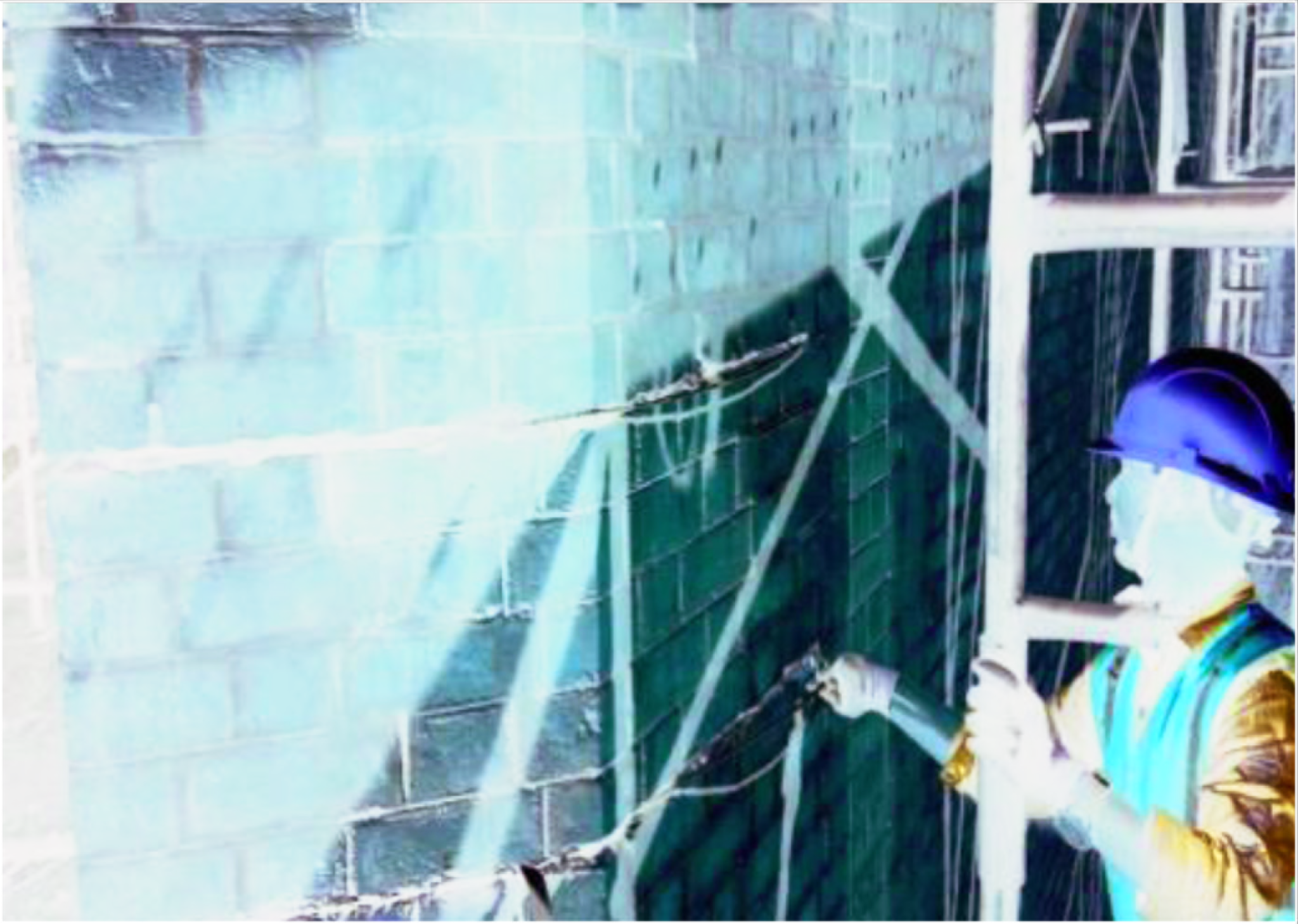
For a long life to restore the concrete slabs, the polymer modified mortar treatment with sacrificial anodes was provided (Figure 19).

Structural Interventions
Areas that seriously affected the integrity of the structure required careful part reconstruction to stabilize the structure and with the brick and concrete finish matching the original colour and design such as 85 reinforced cracked flat arches, the vertically cracked south east corner, the dislocated parapet wall, leaking and damaged part-terrace slab and walkway slab.
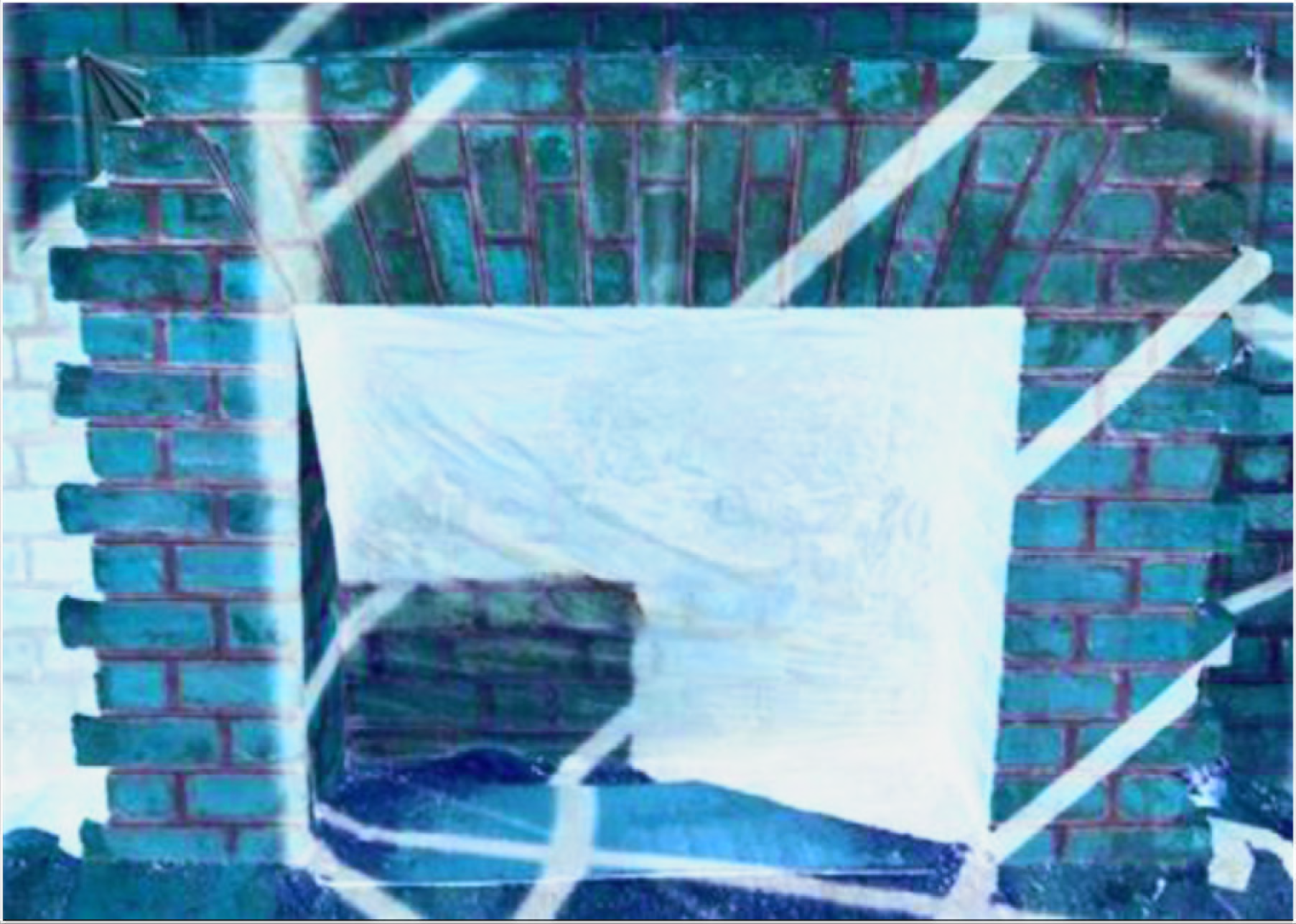
Eighty-five brick flat arches were found damaged with cracks due to corrosion of embedded mild steel reinforcement. This required reconstruction of these flat arches to restore the structural stability of the building. Thus, these were reconstructed in the same brick bond and reinforcement design, and by upgrading the reinforcement from mild steel (MS) to stainless steel (SS) for longevity and sustainability of the structure. An off-site mock-up of the flat arch reconstruction (Figure 20) was carried out before the final implementation. This mock-up allowed the team to work the process of reconstruction of the flat arches, the angles for chamfering bricks, laying, pointing and finishing (Figures 21–23).

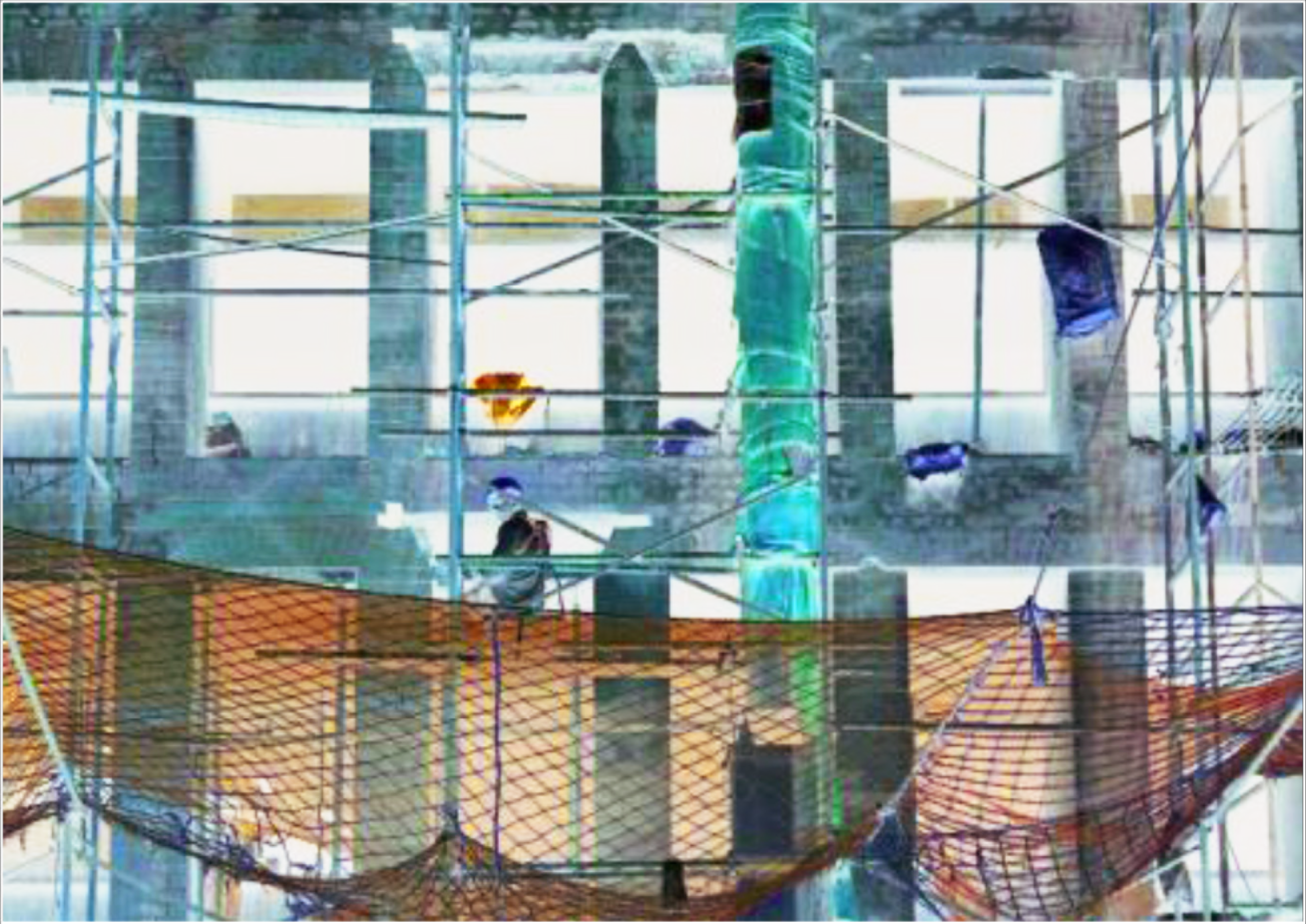

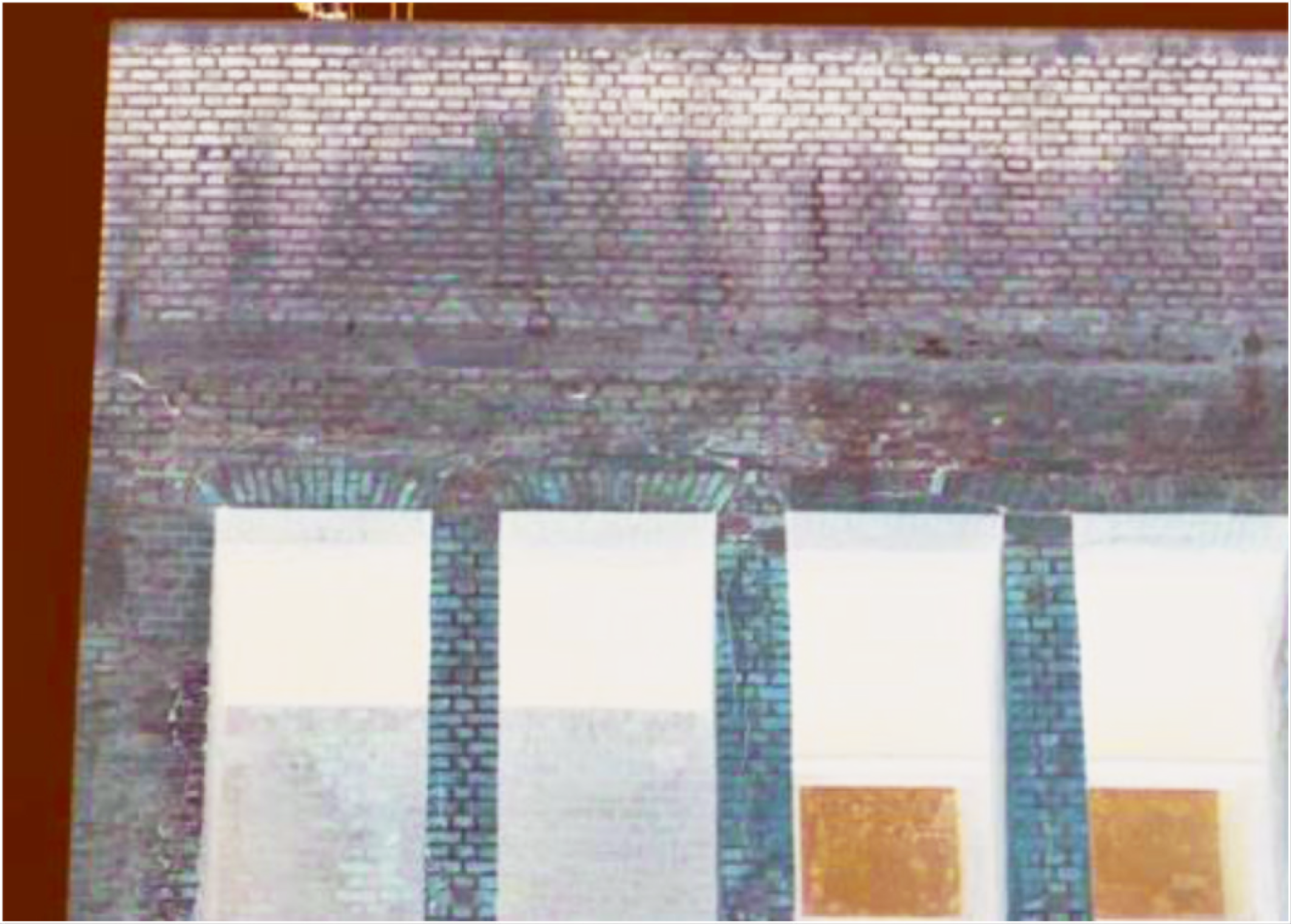
The same process of mock-up was followed for the reconstruction of the parapet wall with reinforced brick piers added for retrofitting while maintaining the original design of the external façade (before and after pictures see Figures 24 and 25). Even for the part-reconstruction of the terrace slab and walkway slab, efforts were taken to design the formwork that would produce the same bare concrete design as the original (walkway slab before and after execution pictures see Figures 26 and 27).

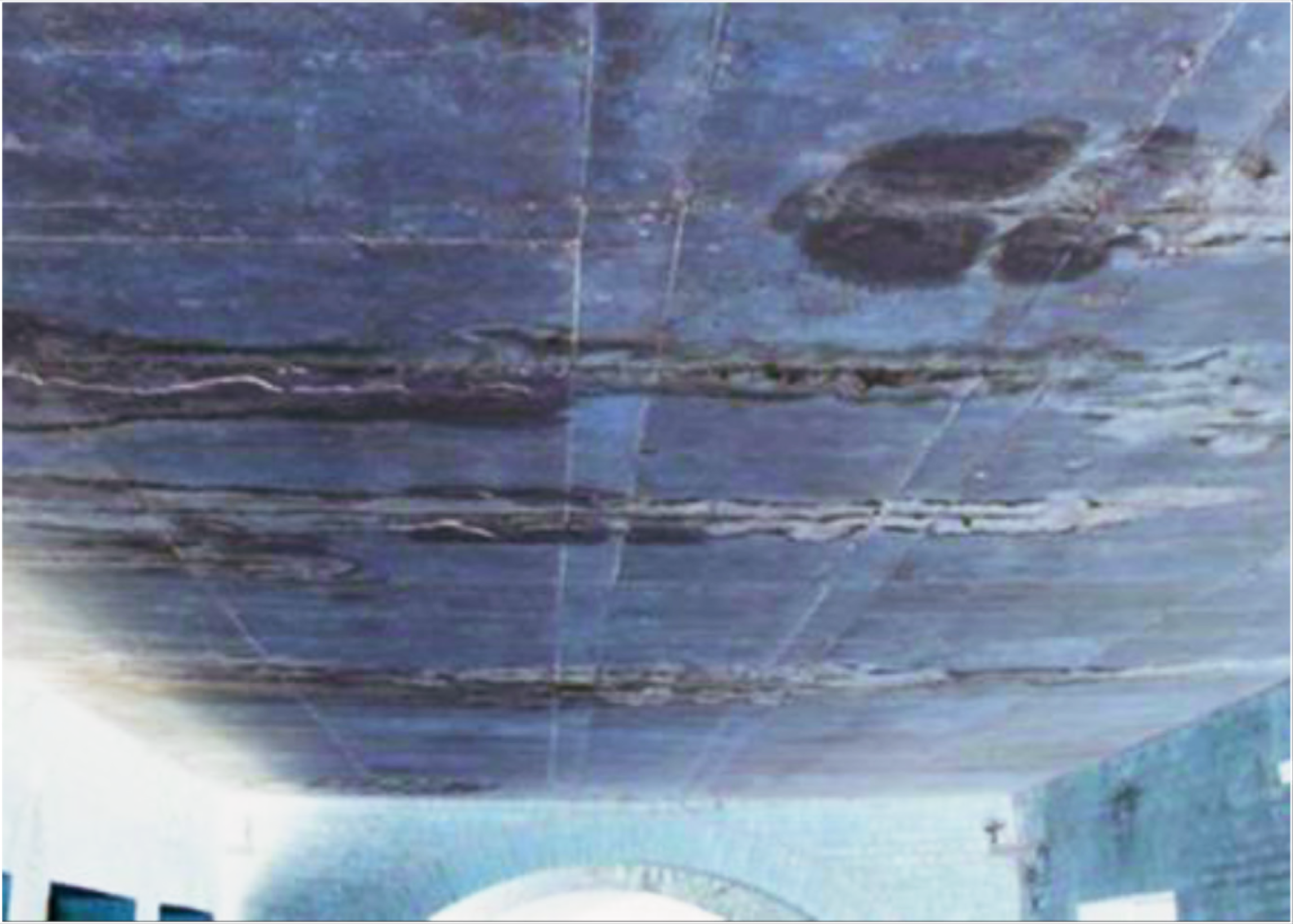
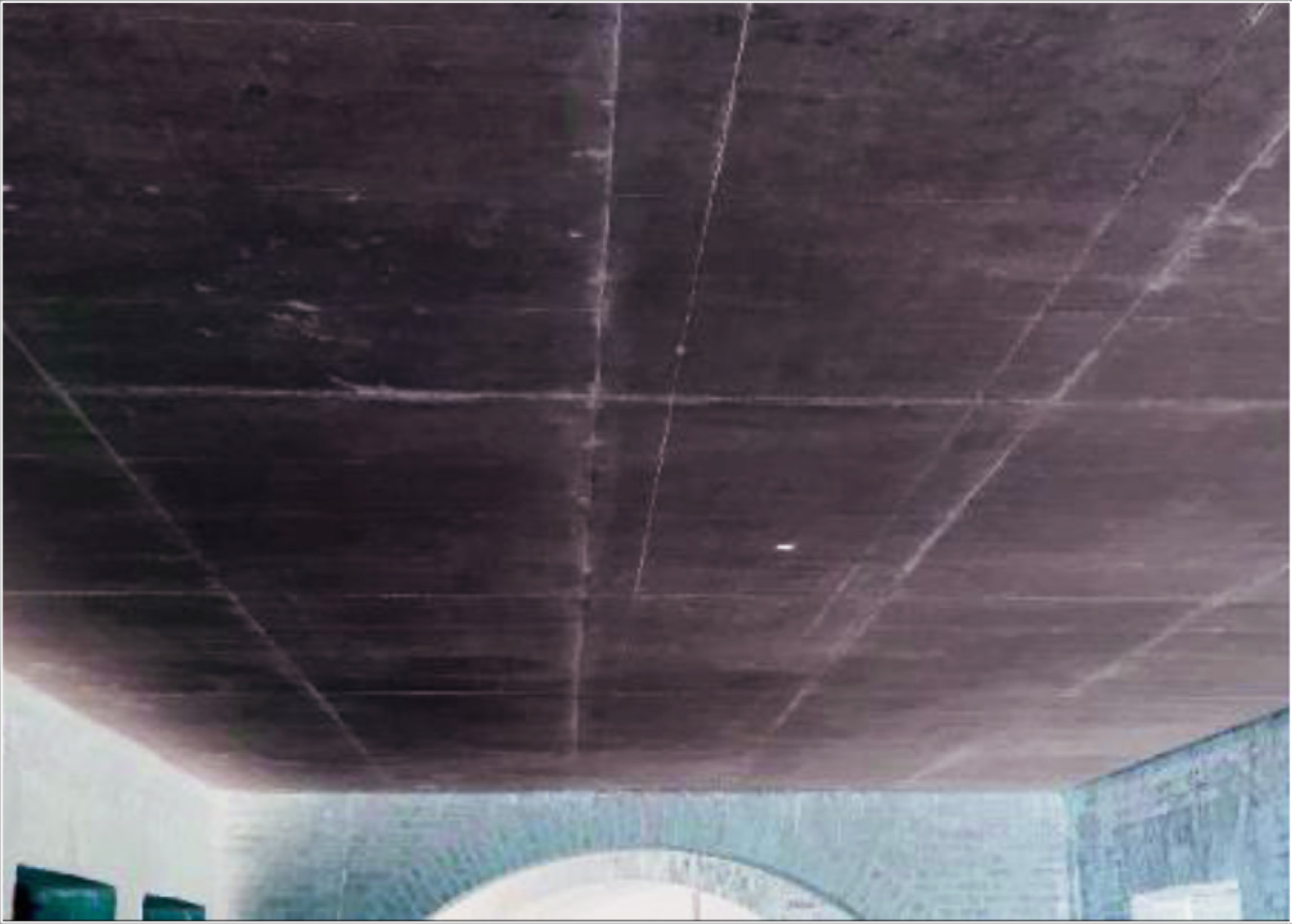
On removing the damaged terrace waterproofing of the east wing and the walkway slab on the first floor, the slabs (M15) were found to be damaged, exposing the corroded reinforcement from the top. This required reconstruction of these slabs by replicating the same design of bare concrete finish and in M25 as per the current norms.
Upgrading Services and Sustainability
Apart from upgrading the services, the installation of a new firefighting system was done with wet risers and firefighting hose augmented by fire extinguishers considering today’s building codes. Existing toilets were revamped and expanded due to increased requirement with a differently abled toilet added on the main entrance floor, that is, the first-floor level.
Upgrading the library’s existing air-conditioning system was done from chiller to variable refrigerant volume (VRV) to make it system energy efficient. China mosaic was used as a finishing material for terrace waterproofing. Transparent sun control film was installed on the glazing of the windows to reduce the building heat gain and energy consumption.
Possibilities for Creativity and Innovation Under the Heritage Umbrella
Creativity and innovation when applied to a heritage structure requires a greater understanding of its cultural significance and the spirit of the place to develop various levels of hierarchy under which the elements and spaces of the building can be identified for deciding the degree of intervention while preparing a comprehensive conservation plan. This classification in Vikram Sarabhai Library was identified in terms of its sacred spaces and built fabric that needed to be well preserved and areas identified, where innovative and creative solutions could be applied to enhance the spaces that would correspond to the current and future needs of the visitors and users, and thereby ensure its long-term sustainability.
Enhancement of the Space: Interior Design
The interior spaces of the built fabric that were sacred and celebrate the historic identity of the building were preserved and restored, that is, by restoring the Grand Reading Hall (with its existing furniture and pole lights), central staircase (including its railing), retaining corner discussion areas and carrels (restoration of existing carrels, its chairs and replication for new ones).
Honouring the vision of the founders of IIM-A and Kahn’s design the way these buildings were conceived, and with the continued tradition, one of the important objectives of the project was to create a futuristic knowledge hub for digital and collaborative learning to be one of the best libraries in India by bringing in technology and spaces that would cater to the future and current needs.
The interiors of the library were restored and upgraded with the understanding of Kahn’s interiors such as need for a ‘sense of place’, play of light in interiors, no coloured walls, use of natural material and simplicity yet contemporary. It included making the library barrier-free, reintroducing ground floor west wing back into the library space, reorganizing office space at each floor for staff monitoring, introducing open and flexible spaces to create a collaborative environment, creating floors segregated for the users for silent study and collaborative study, upgraded the library with new AV technology with screens, signage as per requirement, etc.
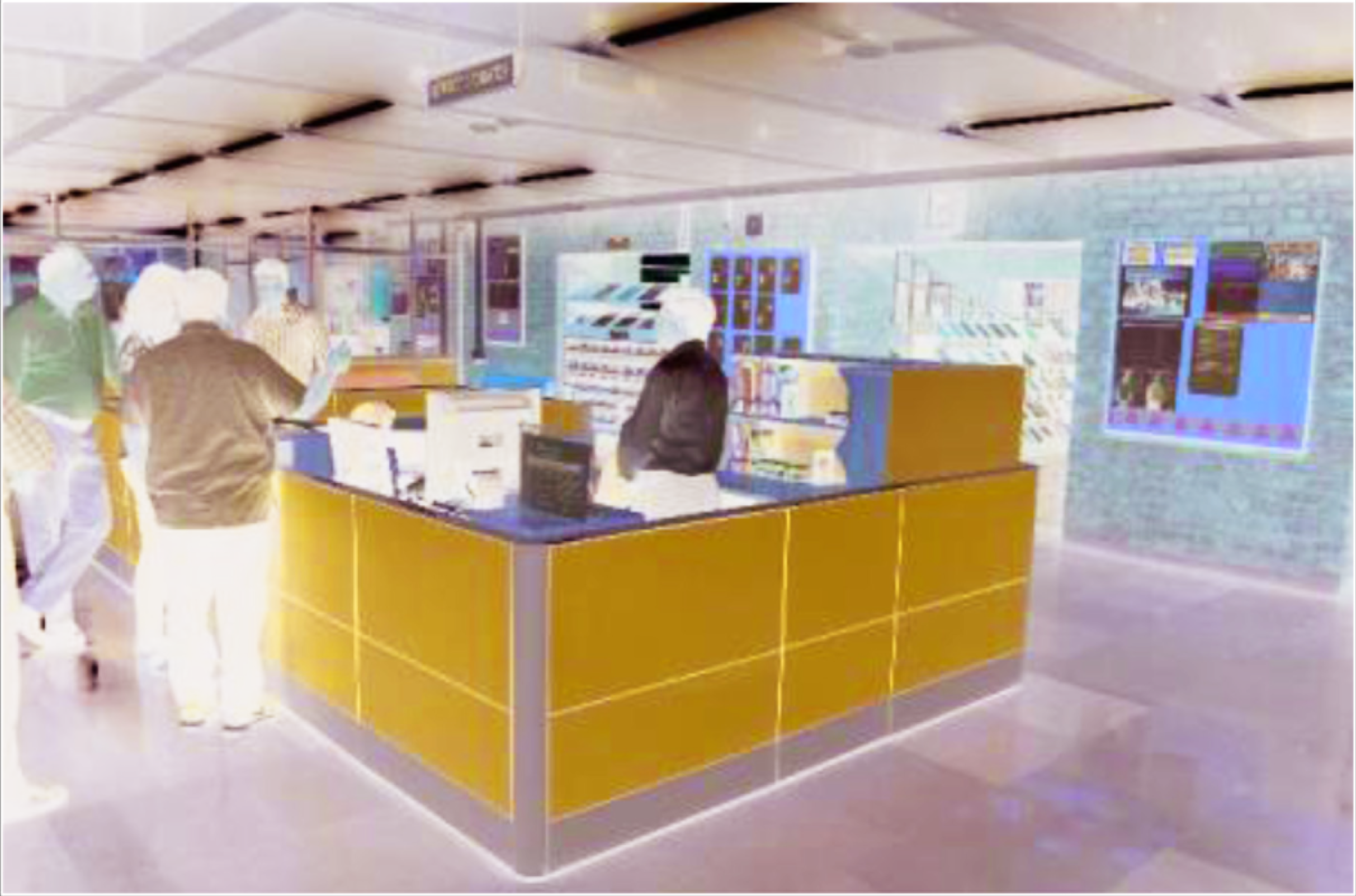
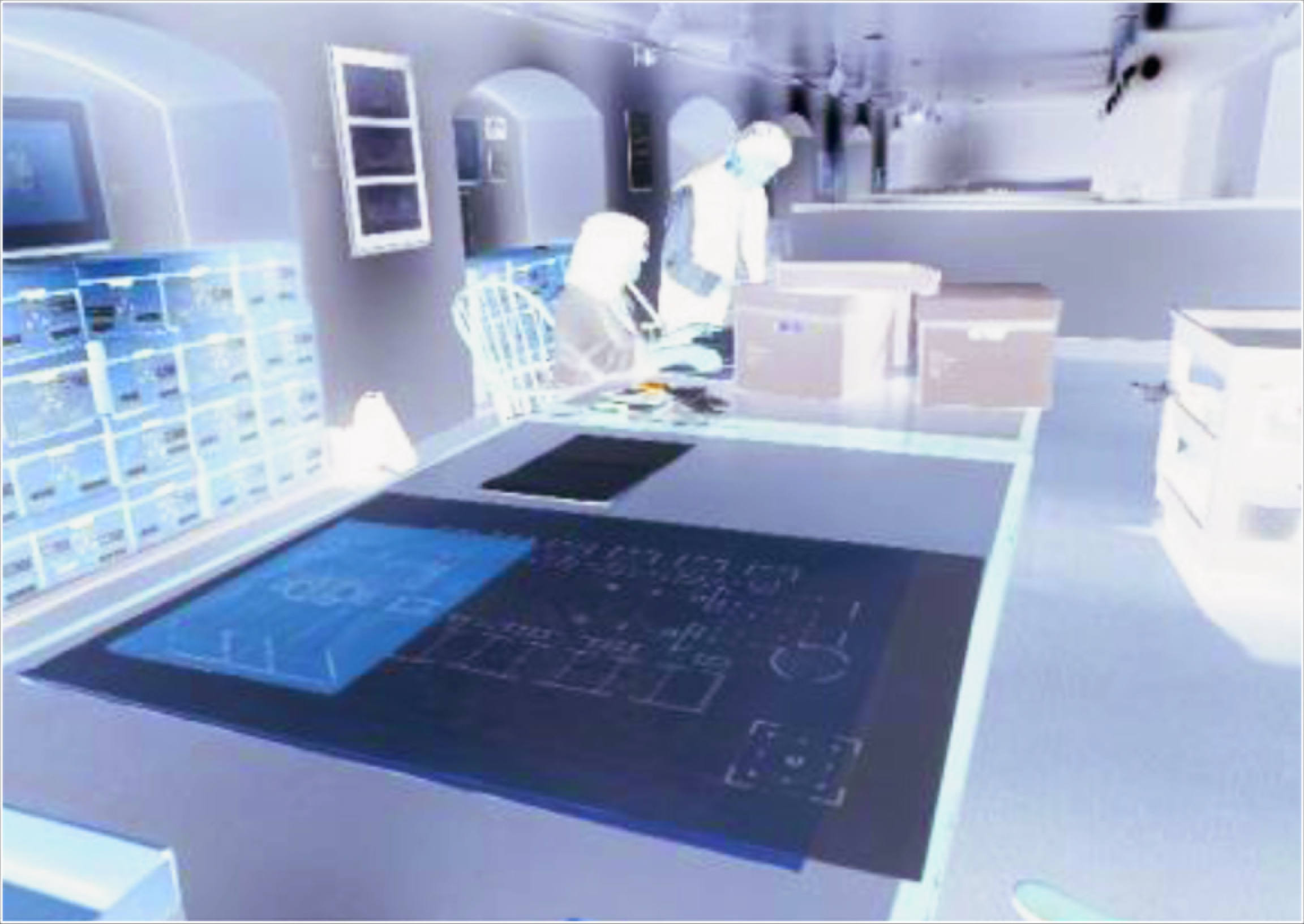
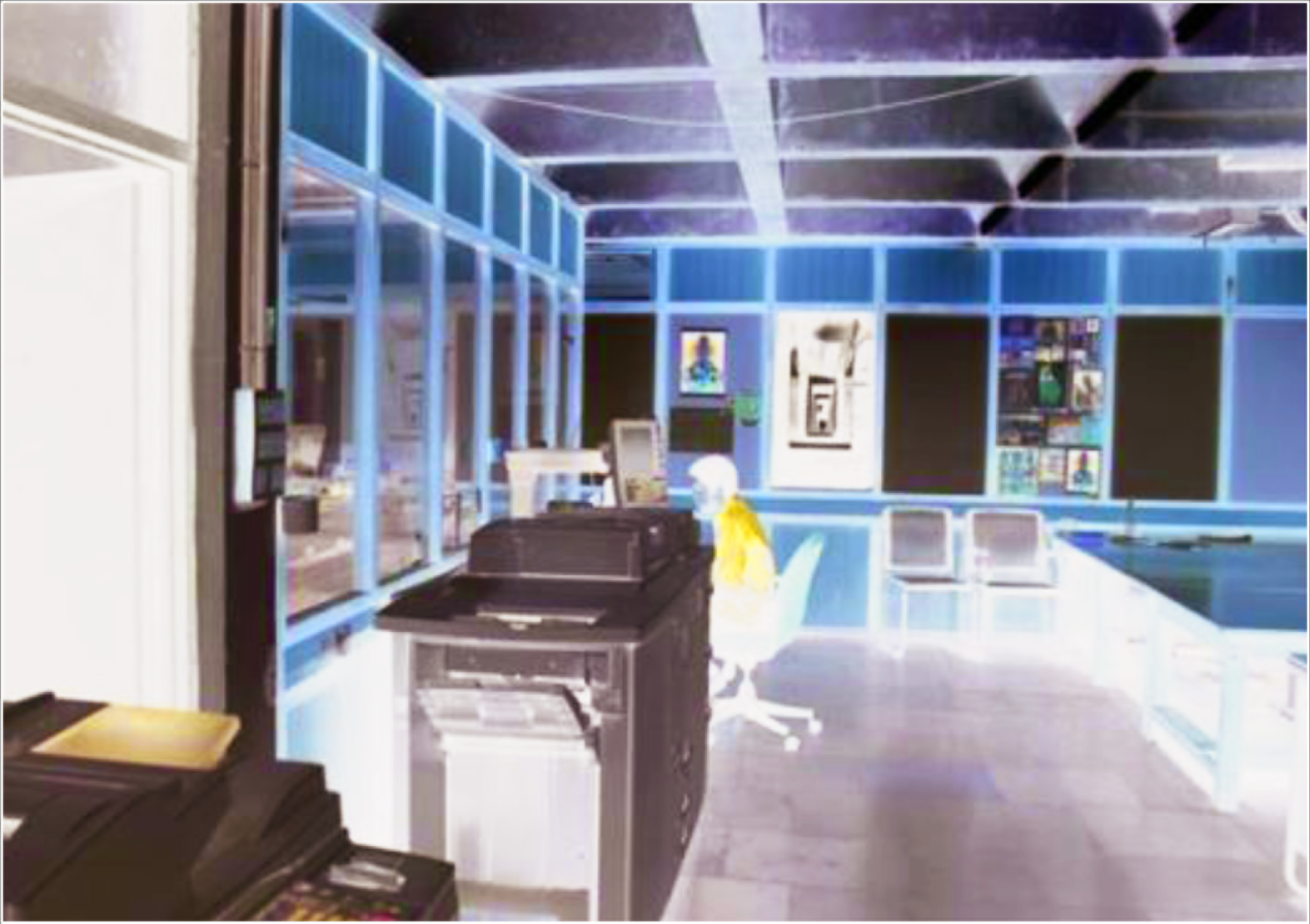
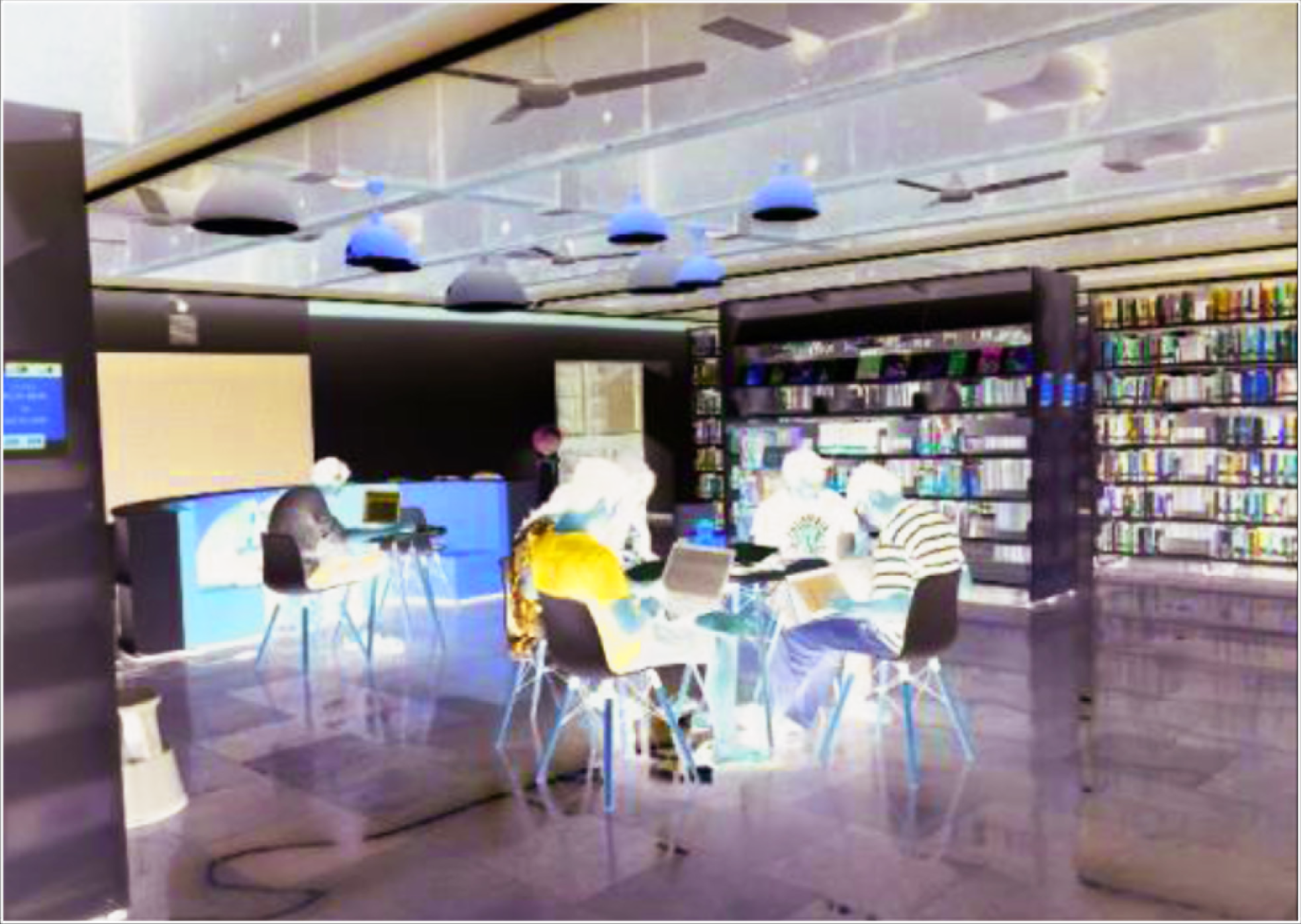
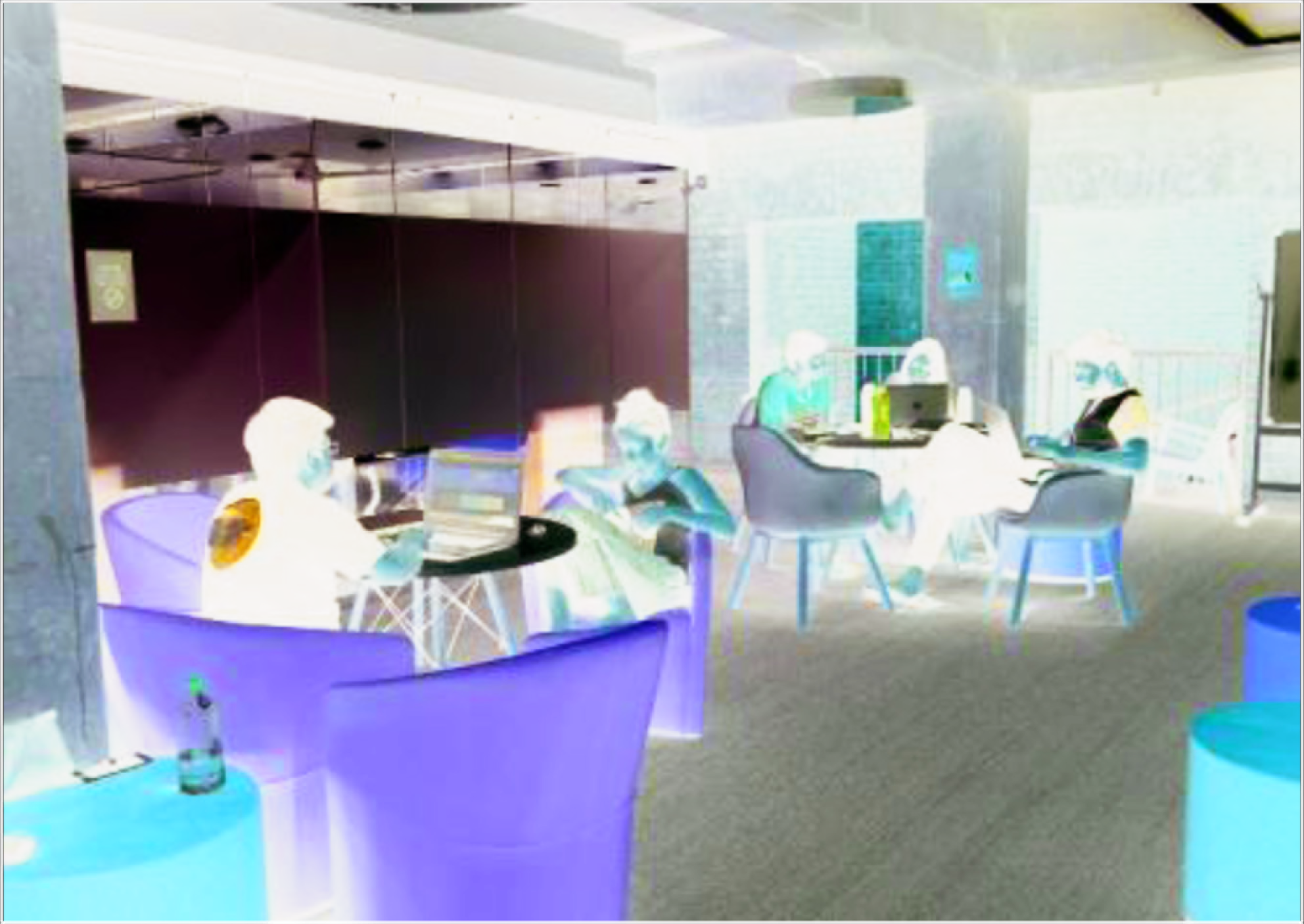
The space in the ground floor west wing, which was used for offices and was not a part of the library earlier, was included back into the library building (Figure 28). This space was provided for book stacks and a dedicated reading lounge for children was created. This section is a space for the children of the staff and students studying at IIMA. Agile furniture with vibrant colours and intimate reading nooks gave a sense of security and comfort to the children. Today, this space is successfully occupied at most times—used by the children and more often occupied by the IIMA students who seek comfort in its vibrancy and unique location (Figure 29).
Artificial Lighting Enhancement
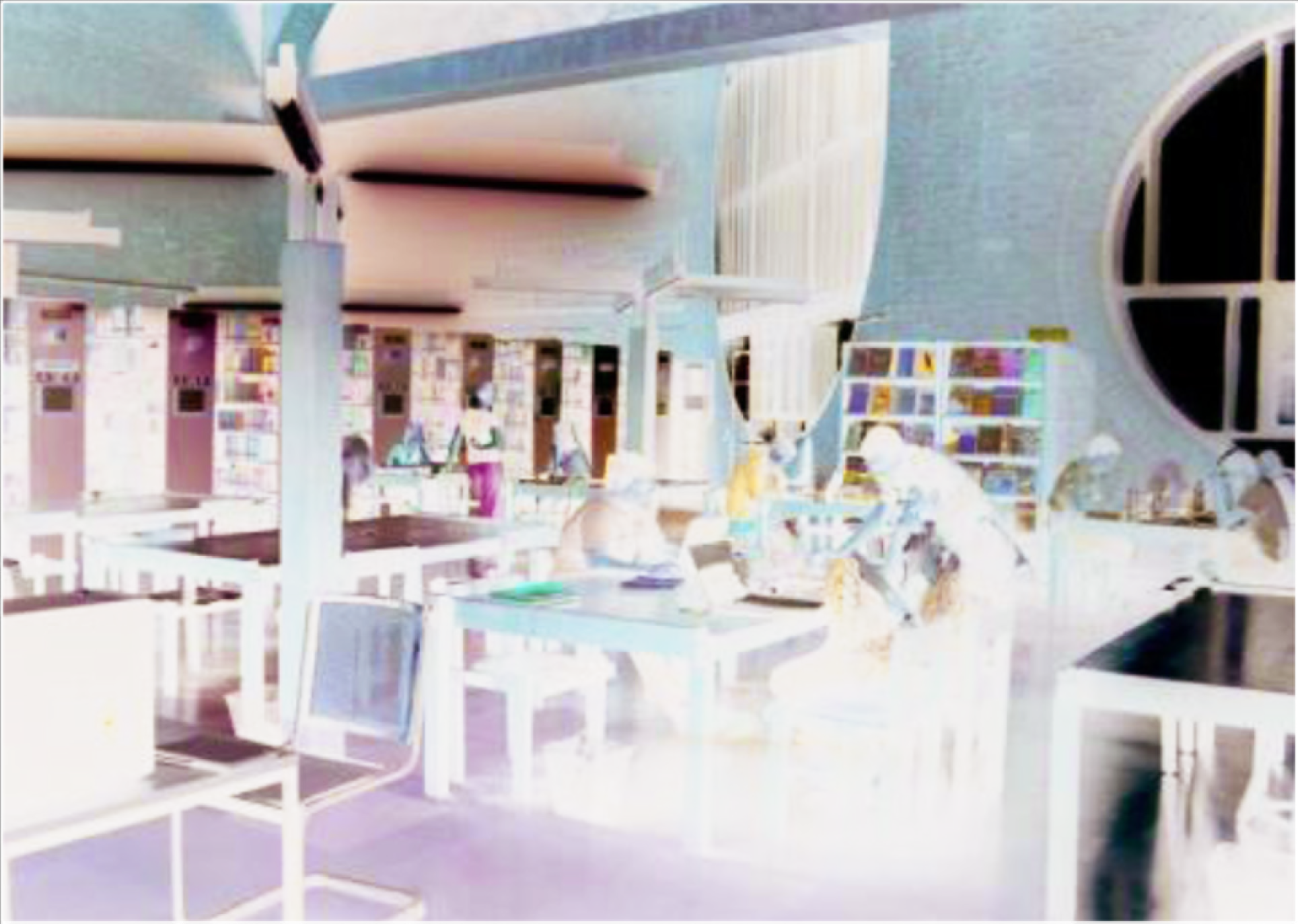
Given due respect to Kahn’s interiors of the Library, the lighting system was upgraded to the required lux levels and colour temperature (that were inadequate earlier), and with lighting fixtures in minimalistic design that would complement the Library interiors (Figures 30 and 31). The pole lights of the reading hall were upgraded to LED lights.

Introduction of New Colours
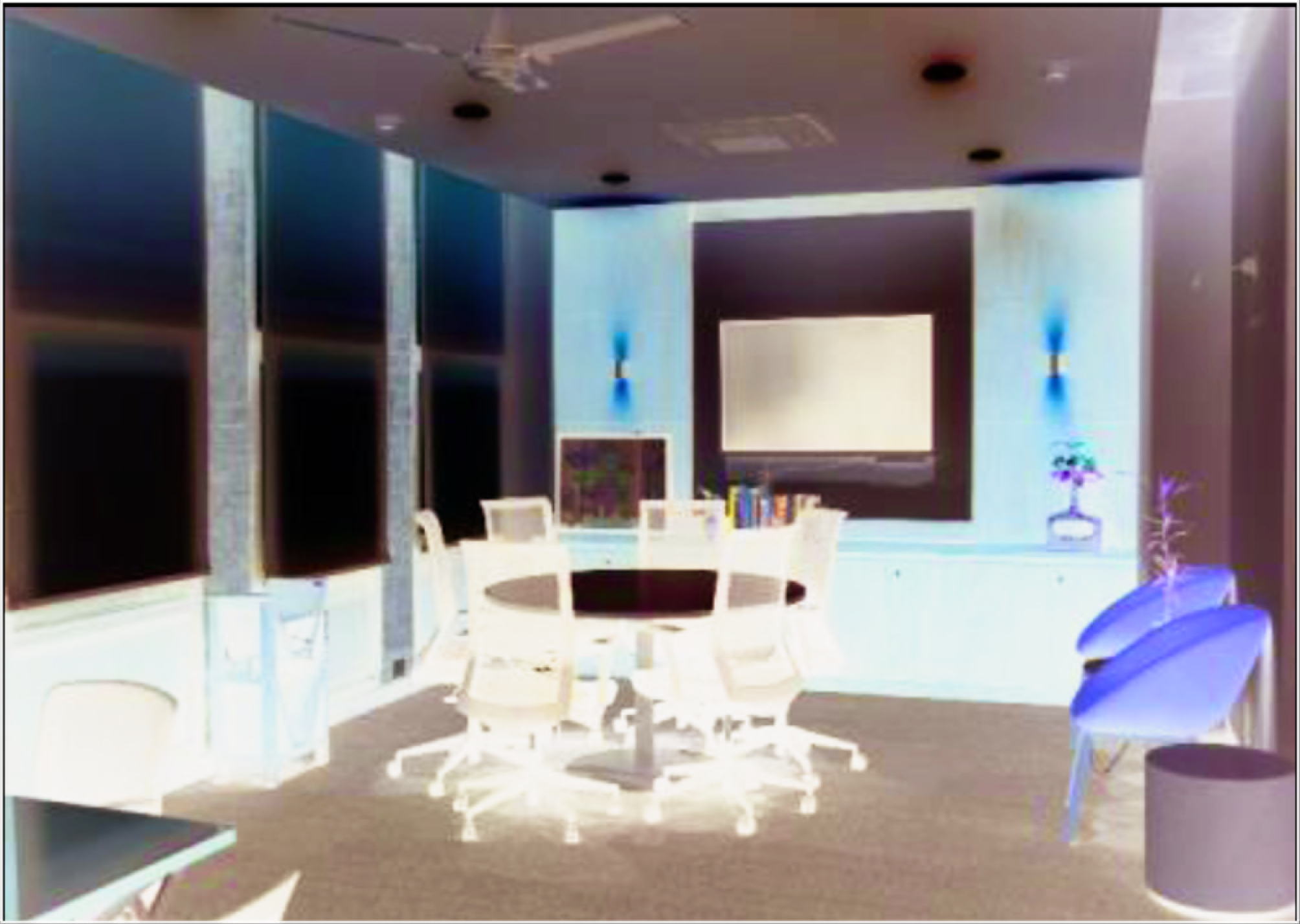
New colours through furniture were introduced to complement the brick such as mustard and ochre and turquoise for grey-green Kota stone and concrete. However, the main bulk furniture, which were the book stacks, were selected in white to bring a lightness into the existing interiors of the Library. The new and existing plastered walls were painted white (Figure 32) with respect to Kahn’s ideology of no-coloured walls, whereas glass partitions were introduced to segregate the spaces and to maintain the transparency within the interiors of the library (Figure 33).
Plan for Maintenance and Ongoing Management
Conservation is an ongoing process. It is important to plan for regular preventive care and maintenance in terms of a formulating a management plan to be implemented after the completion of the conservation project. Continual and appropriate maintenance and periodic inspections prove to be the best preventive actions for any heritage site, which helps to reduce long-term repair costs. Management plan manages the process of continual evolution and change to sustain the significance of a heritage site. The execution of the maintenance plan should be carried out by appropriately qualified and experienced professionals and implemented in a way that minimizes impact on significance.
To preserve and maintain these buildings, IIM-A has its own in-house team of engineers (who also participated for monitoring the conservation work) and separate funds for the maintenance. With respect to the newly restored and upgraded library, a maintenance and management plan is being prepared by SNK in collaboration with IIM-A maintenance engineers. This would entail preventive, corrective and emergency maintenance.
Preventive maintenance would include daily, weekly, monthly and annual maintenance. Daily maintenance would include general cleaning, vacuuming and disposal of garbage. Weekly works would include cleaning of choked terrace gutters, checking for broken windows, biological growth, etc. Monthly works would include polishing of floors, fixing window panes, checking terrace waterproofing, replacing leaking pipes, checking electrical fittings, removal of beehives, cobwebs, conducting fire safety drills, etc. Annual works would include façade cleaning, checking for damaged pointing and water seepage, repainting painted walls, anti-termite treatment, conducting structural audits, etc. This would also include carrying out seasonal inspections such as pre-monsoon review to take precautions for the monsoons.
Corrective maintenance would include tasks to stabilize the building to stop deterioration such as inspecting for suspected water seepage or inspecting for and exterminating termites.
Emergency maintenance would include those tasks which cannot wait for routine maintenance and which require immediate attention to prevent personal injury or serious deterioration such as eliminating fire hazards through electrical inspection, repairing broken steps or railing, any structural repairs, etc.
Conclusion
Twentieth-century modern heritage adopted new technology, mass production, structural innovation and modern materials, where a remarkable difference was seen between the architecture of twentieth-century and earlier buildings. Application of conventional methods for conservation of modern built heritage needs reconsideration and requires a comprehensive research, thorough documentation, systematic methodology and management to achieve the desired outcome, which makes the conservation process more challenging. It is important to find methods to achieve consistency using a combination of advanced and original techniques while maintaining authenticity of the structure. The conservation of IIM-A Kahn buildings followed a well-structured step-by-step Heritage Management system. The project started with detailed assessment of all buildings and research through archival documents to understand the cultural significance of the buildings in all aspects. The archival research gave a way forward to work out the con- servation solutions that would preserve the integrity of place; that way, these buildings were conceived. With an interdisciplinary approach, critical decisions were taken which were combined with creative innovation, considering user’s current and future needs as well as impacts of natural disaster on the structure; this became the key aspect of the project for its long-term sustainability. Phasing of the project building wise, depending on the condition of the buildings and with respect to funds available, led to create a conservation plan for Kahn buildings at IIM-A, which would be followed for the years to come for the remaining buildings to be restored. SNK now prepares a detail conservation proposal for execution for faculty blocks for the next phase of the project.
On completion of conservation and management of Vikram Sarabhai Library (Figure 34 and 35), we can hope that this project will set an example not only for the conservation of other twentieth-century modern heritage buildings but also in the field of heritage management, the practical challenges faced and critical decisions taken to give a successful outcome of a conservation project.

Finally, this project is an outcome of the passion and the total dedication of the SNK conservation team and all other teams connected with the project. The love for these Kahn buildings was perhaps one of the most important aspects of this project for its success supported by all others mentioned in this essay (Figure 36).

Footnotes
Declaration of Conflicting Interests
The authors declared no potential conflicts of interest, to the best of their knowledge, with respect to the research, authorship and/or publication of this article.
Funding
The authors received no financial support for the research, authorship and/or publication of this article.