



Abstract
Substance misuse is a criminogenic risk factor—however, substance-involved prison residents may have limited access to support and services that might be able to help them overcome their substance misuse. Research around the efficacy of the “Breaking Free” digital Cognitive Behavioural Therapy programme for substance-involved prison residents demonstrates that this digital technology may overcome barriers to support. Breaking Free is the first digital programme for substance misuse that has been implemented in prisons. In the United Kingdom (U.K.) the programme is delivered via secure desktop and laptop computers in staff-facilitated group sessions, and in the United States (U.S.) is delivered via individual secure tablets that prison residents can access independently, without staff support. This study compares U.K. and U.S. prison residents who have engaged with Breaking Free on a number of baseline measures (sociodemographic factors, types of problem substances reported, clinical complexity, and criminogenic risk factors). The delivery models employed in these two jurisdictions are compared in relation to their associations with prison residents’ engagement with the programme and the clinical outcomes experienced. Differences between U.K. and U.S. prison residents in baseline clinical and psychosocial factors were identified, including greater clinical complexity in the U.K. group. U.K. prison residents, who were supported by staff when using Breaking Free, demonstrated higher levels of engagement with the programme than U.S. prison residents who were not supported by staff. The different delivery models employed in the United Kingdom and United States appeared to be associated with group differences in clinical outcomes. Guidance for the optimal implementation of Breaking Free, based on findings from this study, is provided. Further analyses will explore how the different approaches to the delivery of Breaking Free might interact with the differences in prison resident characteristics identified in this study (sociodemographic, clinical and criminogenic), in order to influence prison resident engagement with the programme and clinical outcomes.
Introduction
Substance misuse involves the use of illegal drugs and the inappropriate use of legal substances such as alcohol and prescription medications (American Public Health Association, 2023). It represents a major public health concern (United Nations Office on Drugs and Crime, 2022; World Health Organization, 2018). Globally, the number of drug-related deaths has been steadily increasing for the past 20 years (Penington Institute, 2022) and excessive alcohol consumption continues to be a major determinant of morbidity and mortality (World Health Organization, 2022). Substance use disorder is diagnosed when an individual's substance use impairs their ability to fulfil obligations at work, school, or home; they continue to use substances despite this causing significant social or interpersonal problems; and they are experiencing reduced or discontinued recreational, social, or occupational activities because of their substance use (American Psychiatric Association, 2022).
Substance misuse, and substance use disorder, also have wider societal implications given their links with a number of offending behaviours—the research literature demonstrates that substance misuse is a key “criminogenic” risk factor (Sealey, 2023; Timko et al., 2022; Van Horn et al., 2018). The association between substance misuse and offending is supported by data demonstrating the prevalence of substance use amongst the incarcerated population. Recent estimates suggest almost 50% of the prison population in England accessed support for alcohol and/or drug use in the period 2020–2021 (U.K. Government, 2022), and 65% of the United States (U.S.) prison population are estimated to have difficulties with drugs and/or alcohol use (National Institute on Drug Abuse, 2020). When prison residents with histories of substance misuse are provided with appropriate support, they may be significantly less likely to be reconvicted, given the links between drug and alcohol use and the multiple kinds of offences that may lead to incarceration (de Andrade et al., 2018; Needham et al., 2015). Drug-related offences include possession for personal use (Stevens et al., 2022) and social supply (Black, 2020), and acquisitive crimes to fund drug dependence. Acquisitive crimes are commonly associated with dependency-forming drugs such as opioids, amphetamines and other drugs that are compulsive including methamphetamine (Moyle & Coomber, 2015; Pierce et al., 2017), whereas the use of crack cocaine and alcohol are commonly linked to violent crimes (Czermainski et al., 2020; Sontate et al., 2021). Recent studies have demonstrated that digital technologies have the potential to widen access to rehabilitative support for prison residents (The Centre for Social Justice, 2021), including support for substance-involved prison residents.
This study reports data from prison residents in the United Kingdom (U.K.) and United States who have engaged with a digital Cognitive Behavioural Therapy (CBT) programme for substance misuse “Breaking Free”—and reflects on how different methods used to deliver this digital programme may be associated with programme engagement and clinical outcomes. There is a growing evidence base to support the effectiveness of digital CBT for mental health-related difficulties (Grist & Cavanagh, 2013; Richards & Richardson, 2012; Twomey et al., 2015) including substance misuse (Bickel et al., 2008; Carroll et al., 2014; Kay-Lambkin et al., 2011). Digital CBT can widen access to support and can be more cost-effective than in-person therapy (Carroll & Rounsaville, 2010; Olmstead et al., 2010). Fidelity of delivery is also higher as clinical content is delivered in a standardised manner (Carroll, 2013). Digital CBT may also help to overcome barriers to support such as shame and stigma (Marks et al., 2007). Confidential digital interventions, such as Breaking Free, may be less stigmatising than those that involve intensive discussions of issues with a practitioner, and the anonymity such interventions may provide—depending on how they are delivered — can be an important facilitator for people who have previously experienced stigma (Borghouts et al., 2021). This may be particularly important for people seeking support for substance misuse, which is still a highly stigmatised health concern (McNeil, 2021), and for those individuals who also have experienced involvement with correctional services who may experience even greater levels of stigma (Moore et al., 2023).
Breaking Free is a tailorable digital CBT programme for substance misuse and concurrent mental health difficulties, which is appropriate for addressing the misuse of a wide number of substances and targets the biopsychosocial and lifestyle factors that underlie substance misuse more generally. The programme can be delivered as a self-directed programme without the support of a practitioner, or as a structured, practitioner-facilitated programme. Most practitioner-facilitated sessions of Breaking Free are structured in such a way that a group of users each engage with the programme individually using a digital device and headphones. The practitioner then provides support by checking in with each group member during the session and providing help and guidance where needed. Group sessions usually involve an element of group discussion at the beginning and end of the session, where members can speak about the issues they may be dealing with, and their experiences engaging with the content of Breaking Free, if they so wish.
Before accessing the clinical content of Breaking Free, individuals are required to complete an assessment of their substance use and levels of substance dependence, mental health, quality of life, and biopsychosocial functioning. Included in the assessment is the “Recovery Progression Measure” (RPM; Elison, Davies, & Ward, 2016; Elison, Dugdale, et al., 2017), which measures levels of functioning across six biopsychosocial domains implicated in substance use and recovery. Data provided in this baseline assessment are then used to populate and personalise a six-area model (see Figure 1), the “Lifestyle Balance Model” (LBM; Davies et al., 2015).
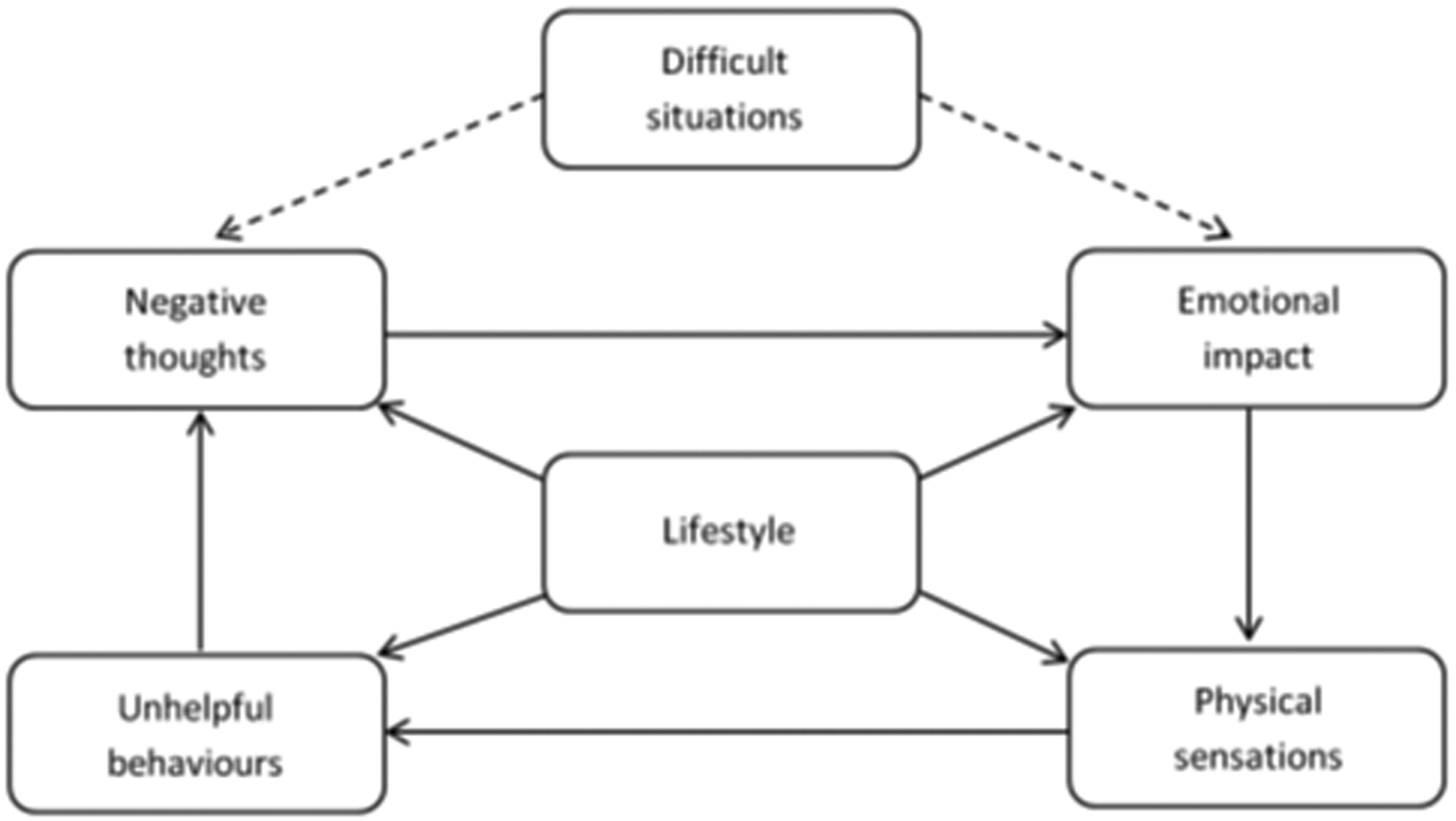
The Lifestyle Balance Model.
Based on scores from each domain of the RPM, each area of the LBM is coloured either green, amber, or red, indicating respectively, “little”, “moderate”, or “significant” impairment. Individuals are able to address each of the six areas of functioning included in the LBM by completing a corresponding psychoeducational “Information Strategy” and interactive skills-building “Action Strategy”. These strategies, or “Behavioural Change Techniques” (BCTs; Dugdale et al., 2016) are informed by a range of therapeutic approaches including CBT (Beck et al., 2011), relapse prevention (Marlatt & Donovan, 2005), mindfulness (Marlatt et al., 2010), and motivational enhancement (Miller & Rose, 2015). Table 1 describes the clinical content of Breaking Free.
Description of the clinical content in Breaking Free.
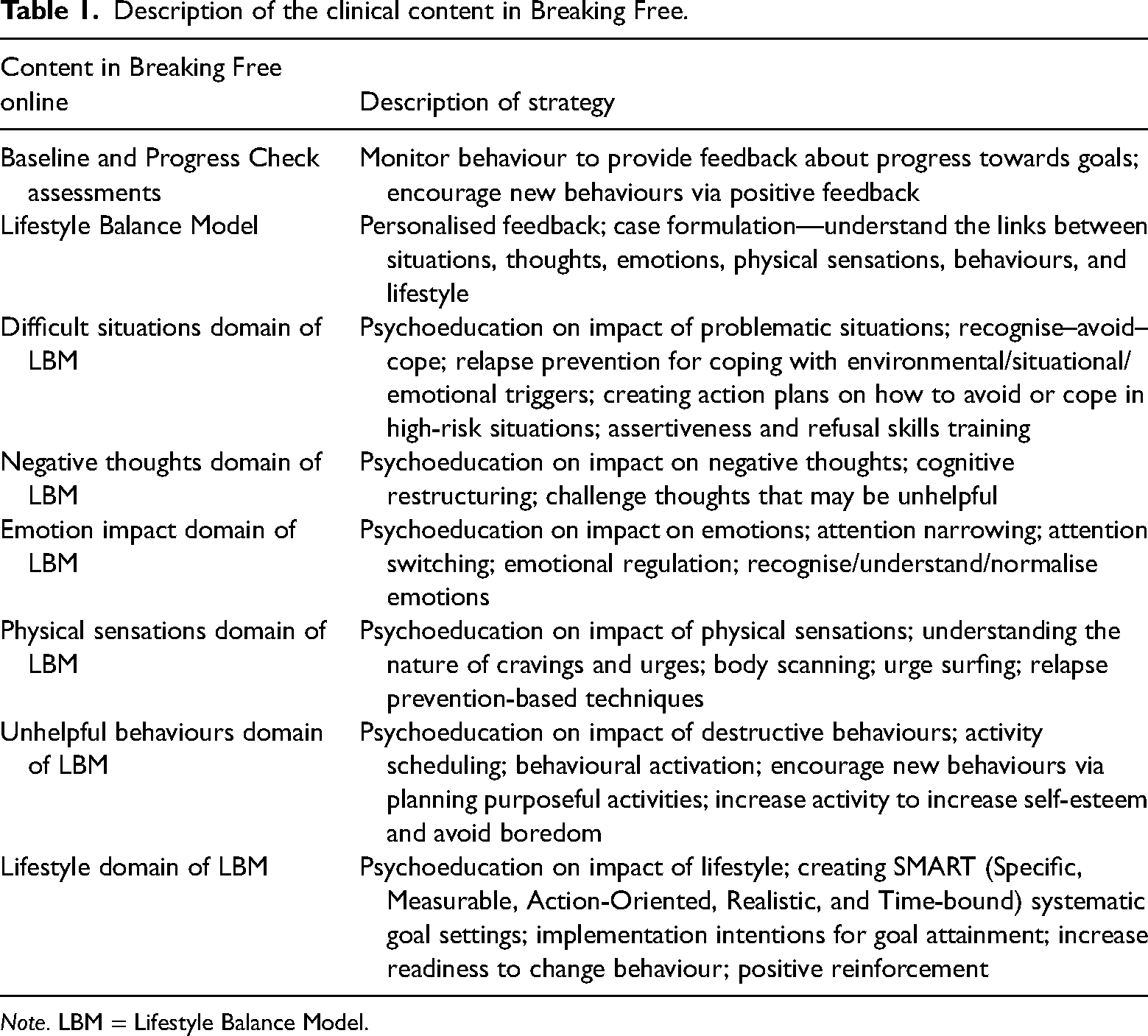
Note. LBM = Lifestyle Balance Model.
Pre-post outcomes studies around the efficacy of Breaking Free indicate that engaging with the programme may be associated with significant reductions in substance use, severity of substance dependence, depression/anxiety, biopsychosocial impairment, and improvements in quality of life. These studies have been conducted with multiple substance-using populations, including those using opiates (Elison-Davies, Märtens, et al., 2021), cannabis (Elison-Davies, Wardell, et al., 2021), alcohol (Ward et al., 2019) and methamphetamine (Elison-Davies et al., 2022). Studies have also been conducted in multiple settings, including U.K. community-based services (Elison-Davies, Hayhurst, et al., 2021), eTherapy “dual diagnosis” services (Elison, Ward, Davies, Lidbetter, et al., 2014; Elison, Ward, Williams, et al., 2017), and in U.K. (Davies et al., 2017; Elison et al., 2015) and U.S. (Elison-Davies et al., 2022) prison settings. In addition, randomised controlled trials are currently underway—one in U.K. community-based services (Elison-Davies et al., 2023) and one at a large mental health and substance misuse hospital in Canada (Quilty et al., 2022).
Over the past several years, progress has been made in delivering Breaking Free in prisons in the United Kingdom, and in prisons and jails in the United States. Since 2015, the programme has been available in prisons in England and Wales. As of January 2024, a total of 26 prisons have delivered the programme since 2015, with 13 prisons currently delivering the programme in 2024. To date, approximately 1,300 prison residents in England and Wales have enrolled in the programme. Since 2020, the programme has also been available in prisons and jails in the United States—a total of 214 prisons and 71 jails—across 16 U.S. states—have provided approximately 110,000 incarcerated individuals with access to Breaking Free. Ohio was the first state in the United States to deliver Breaking Free in its prison, when in May 2020 Ohio Department for Rehabilitation and Corrections (ODRC) started to make the programme available to its prison residents. To date, approximately 44,000 prison residents in Ohio have activated an account on the programme.
This delivery of Breaking Free in secure prison settings began in 2015 when a prison-specific version of Breaking Free was developed and introduced across prisons in England and Wales—the programme was introduced to augment existing services for the approximately 50% of English and Welsh prison residents receiving support for their difficulties with drugs and/or alcohol (U.K. Government, 2022). In the United Kingdom, the delivery of the programme is facilitated by substance misuse practitioners who support groups of prison residents to engage with the programme. Residents must be referred to the programme by prison substance misuse services. Primarily, delivery of the programme has been via the “Virtual Campus”, an educational IT infrastructure allowing prison residents to access digital education and training programmes via desktop computers in prison education departments’ IT suites—Breaking Free is the only digital behaviour change programme currently included on the Virtual Campus.
In 2022, the U.K. Government also introduced secure laptop computers to a small number of prisons in England in order to further facilitate the delivery of Breaking Free. A recent qualitative interview study with staff delivering the programme explored the various structural and procedural barriers to, and facilitators of, the implementation of Breaking Free on these new devices (Pittard et al., 2023). Lack of Wi-Fi connectivity, and physical prison buildings and infrastructure unconducive to Internet access, were the most commonly cited barriers in this study, along with a risk-averse culture across the U.K. prison estate, staff capacity and resources, and low levels of digital literacy amongst prison residents. A number of recommendations and best practices were drawn from the study, including robust top-down communication strategies with regard to the rollout of new technologies, implementation of signal mapping plans to determine areas of weak connectivity within prison environments, and adequate training of staff (Pittard et al., 2023).
Since 2012, the U.K. National Health Service Health Research Authority has granted five-yearly ethical approvals for data from individuals accessing Breaking Free in the United Kingdom to be used for research purposes. This approval was most recently renewed in March 2023. Research conducted using data from prison residents in England and Wales who engaged with Breaking Free demonstrated significant reductions in the severity of substance dependence, depression/anxiety and biopsychosocial impairment, and significant improvements in quality of life (Davies et al., 2017; Elison et al., 2015). Qualitative interviews demonstrated the role Breaking Free could play in supporting residents to make positive changes to their substance use (Elison, et al., 2016). Interviews with prison staff revealed that effective implementation of this novel digital intervention was achieved via cross-departmental working, when staff from substance misuse and education teams worked together to deliver Breaking Free via the Virtual Campus, and thus successfully integrate the programme into the prison regime.
Since May 2020, Breaking Free has also been delivered across prisons and jails in the United States via secure portable tablets. The first U.S. state to adopt the programme was Ohio. Drug-related crimes represent the most common type of offence for which individuals are committed to prisons in Ohio. As of July 2021, there were 42,963 prison residents in Ohio — over 12,000 individuals were committed to ODRC during the 2021 fiscal year, and of these commitments, 26% were for drug-related offences (U.S. Department of Justice, 2022). Before the introduction of Breaking Free, ODRC had already used secure tablets to deliver educational content to their residents—Breaking Free was delivered to Ohio prison residents on these secure tablets. All Ohio prison residents had access to a personal secure tablet and could access Breaking Free in a self-directed manner if they wished to, regardless of whether they had been identified as having difficulties with substance misuse and were accessing services to support them with these difficulties.
In May 2021 approval was granted by the ODRC Human Subjects Research Review Committee to use data provided by participants in Ohio for research purposes. Research focusing on Ohio residents using Breaking Free to address their methamphetamine use demonstrated significant reductions in substance dependence, depression/anxiety and biopsychosocial impairment, and improvements in quality of life. A “dose-response” was also identified (Elison-Davies et al., 2022), indicating that the more BCTs in the programme prison residents completed, the better the outcomes they experienced.
Other work has emerged over the past decade around the digitisation of the correctional landscape (Knight & Van De Steene, 2017; McDougall & Pearson, 2020; Zivanai & Mahlangu, 2022). In addition to the implementation of Breaking Free in secure settings, globally there are examples of the successful implementation of other kinds of digital technologies to support prison residents. For example, Finland's Smart Prisons Project installed secure personal laptops in the rooms of every individual residing in the Hämeenlinna smart prison, in order to provide residents with access to the same civil services as those accessed by citizens living outside of prisons (Puolakka, 2021). And a recent systematic review, which included the Breaking Free programme, concluded that digital interventions could be effective in supporting the rehabilitation of individuals with histories of offending behaviour (Calaboiça et al., 2023).
Aims
Given the progress made in implementing Breaking Free in prisons in the United Kingdom and United States, and the ethical approvals that are in place that allow data from prison residents in England and Wales (United Kingdom) and across the state of Ohio (United States) to be used for research purposes, it may now be helpful to use data collected from prison residents engaging with the programme in these two jurisdictions to explore the following:
Potential cross-national differences between prison residents in the United Kingdom and United States in:
Sociodemographic factors. Types of primary problem substances reported. Clinical complexity. Criminogenic risk factors. Levels of engagement with Breaking Free. Whether there are differences in levels of engagement with Breaking Free that may be associated with the jurisdiction-specific delivery model employed (United Kingdom: practitioner-facilitated; United States: self-directed). Whether there are differences in outcomes experienced by prison residents in the United Kiingdom and United States, and the extent to which identified differences may be associated with the jurisdiction-specific delivery model employed.
Methods
Design
Quantitative observational outcomes study comparing two cohorts of substance-involved prison residents who have engaged with the Breaking Free digital CBT programme in prisons in England and Wales (United Kingdom) and Ohio (United States). Programme engagement and clinical outcomes data are also used to compare two approaches to the delivery of the programme — practitioner-facilitated delivery in U.K. prisons and self-directed delivery in U.S. prisons.
Participants
20,136 residents of prisons in England and Wales (United Kingdom) and the state of Ohio (United States) who activated an account and completed a baseline assessment on the Breaking Free programme between June 2017 and January 2023.
Procedure
England (United Kingdom) delivery model: Residents of U.K. prisons, who were referred to Breaking Free by prison substance misuse services, accessed Breaking Free as a manualised, structured group programme, whereby practitioners working in these services facilitated group sessions in which participants were supported to engage with the content of the programme. This approach delivered the content of the programme over eight 1 hr sessions. Facilitators encouraged group discussion and supported practising of skills learned from the programme outside of the Breaking Free sessions.
Ohio (United States) delivery model: Residents of prisons in Ohio who wished to access Breaking Free did so via personal secure tablets that were available to all residents, not just those receiving support to help them address their substance misuse, on a 24 hr a day, 7 day a week basis. Residents accessed the programme in a self-directed manner, with no support from staff—they did not need to be referred to Breaking Free by prison staff or substance misuse services.
After agreeing to a “Privacy and Cookies Policy” and “End User License Agreement”, prison residents engaging with the programme set up a personal account by creating a username and password. After account activation, all participants were required to complete a baseline assessment containing several standardised measures:
Severity of Dependence Scale (SDS; Gossop et al., 1995): five-item scale measuring the severity of substance dependence (e.g., cravings and substance-related cognitions). The total scale score ranges from 0 to 15. Internal reliability: α = .81–.90; test–retest reliability: ICC = .89. Patient Health Questionnaire-4 (PHQ-4; Kroenke et al., 2009): four-item scale measuring the severity of depression and anxiety. The total scale score ranges from 0 to 12. Threshold scores on the PHQ are 0–3 no depression/anxiety, 3–5 “mild”, 6–8 “moderate”, and 9–12 “severe”. Internal reliability, α = .81. Five items (1, 2, 17, 18, 20) from the World Health Organization Quality of Life Brief Version (WHOQoL-BREF; Skevington et al., 2004). The total scale score ranges from 5 to 25. Items selected were generic enough to measure general quality of life as opposed to specific aspects of quality of life. Internal reliability of these five items, α = .84. RPM (Elison, Davies, & Ward et al., 2016; Elison, Dugdale, et al., 2017): 36-item scale measuring functioning in the six domains of biopsychosocial functioning represented by the components of the LBM (see Figure 1). Within each of the six RPM domains, there are five dichotomous “yes/no” items measuring the presence or absence of specific biopsychosocial difficulties (including a range of criminogenic risk factors) within that domain, and a 0–10 Likert “impact scale” assessing level of severity of impairment in that domain. A total of six Likert scale score ranges from 0 to 60. Internal consistency, α = .89; test–retest reliability, ICC = .73. In addition to the standardised measures, the baseline assessment also contained the following:
Demographic items: age, gender, and ethnicity. Questions about what substances each participant was experiencing difficulties with.
After baseline assessment completion, participants accessed the programme. U.K. prison residents participated in eight practitioner-facilitated structured sessions — at the end of each session, they were able to print out PDF summaries of the work they had completed on the programme and take these back to their rooms to facilitate behavioural rehearsal and consolidation of learnings. U.S. prison residents engaged with the programme in an unfacilitated, self-directed manner and had access to the programme in their rooms. Each participant's account was available to them for 12 months. The programme required users to complete mandatory fortnightly “Progress Check” assessments, containing the items from the SDS, PHQ-4, WHOQoL-BREF, and the Likert items from the RPM. Data from the Progress Checks allowed individuals to monitor their progress via a personalised dashboard accessed via their Breaking Free account. The programme's backend database automatically captured each user’s baseline and Progress Check data, along with data around their engagement with the programme: (i) whether participants completed a follow-up assessment, and (ii) which BCTs they had completed.
Approval to use data provided by participants in the United Kingdom for research purposes was most recently renewed by the London South-East Research Ethics Committee on 1 March 2023. Approval was granted by the ODRC Human Subjects Research Review Committee on 3 May 2021 to use data provided by participants in Ohio.
Data analysis
Variables approximated a non-normal distribution (skewness < 1, kurtosis < 2, Shapiro–Wilk < .05). Kruskall–Wallis tests were used to compare baseline assessment data of U.K. and U.S. participants. Chi-square tests were used to compare proportions of U.S. and U.K. participants reporting a range of criminogenic risk factors at baseline, and the proportions completing each of the BCTs in the programme. Mann–Whitney U tests were used to determine differences between the groups in the total number of BCT completions (because participants could complete BCTs multiple times, not just once). Mann–Whitney U tests and Pearson's effect sizes were used to compare baseline and most recent Progress Check scores. Controlling for the confounding effect of baseline scores, linear regressions were used to examine associations between the proportion of the 12 BCTs completed with the most recent Progress Check scores. Whilst controlling for baseline scores, linear regressions were used to ascertain associations between the delivery model (United Kingdom vs. United States) and the most recent Progress Check scores. Due to the number of comparisons, a more conservative significance level of p = .01 was adopted.
Results
Demographic data
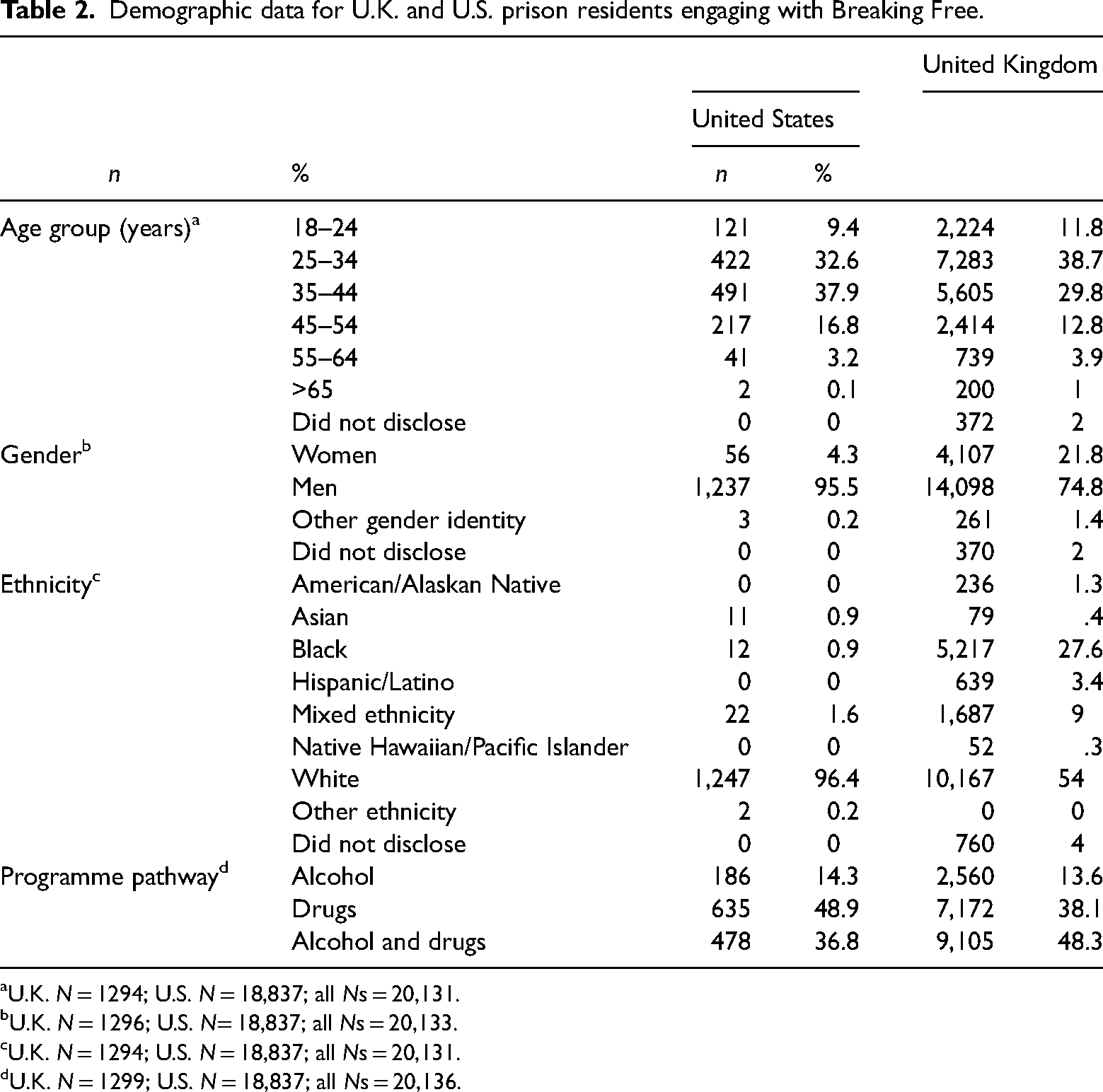
Table 2 provides demographic data for participants. The largest age group amongst U.K. participants (35–44 years; n = 491, 37.9%) was older than that of U.S. participants (25–34 years; n = 7,283, 38.7%). Women were more highly represented in the U.S. sample, making up over a fifth of U.S. participants (women: n = 4,107, 21.8%; men: n = 14,098, 74.8%), in comparison to the U.K. sample who were almost all men (women: n = 56, 4.3%; men: n = 1,237, 95.5%). In terms of ethnicity, the U.K. was almost all White (n = 1,247, 96.4%), whereas the U.S. sample was more ethnically diverse, with White participants making up just over half the group (n = 10,167, 54%), and Black participants making up over a quarter of the group (n = 5,217, 27.6%).
Demographic data for U.K. and U.S. prison residents engaging with Breaking Free.
U.K. N = 1294; U.S. N = 18,837; all Ns = 20,131.
U.K. N = 1296; U.S. N= 18,837; all Ns = 20,133.
U.K. N = 1294; U.S. N = 18,837; all Ns = 20,131.
U.K. N = 1299; U.S. N = 18,837; all Ns = 20,136.
Almost half of the U.K. sample reported they were using Breaking Free to address drug use (n = 635, 48.9%), whereas the same proportion of the U.S. sample reported using the programme to address both drug and alcohol use (n = 9,105, 48.3%). Alcohol was the most reported primary problem substance by both U.K. (n = 902, 45.4%) and U.S. participants (n = 16,938, 56.1%), however, the second most commonly reported primary substance in the U.K. sample was heroin (n = 374, 18.8%), compared to methamphetamine in the U.S. sample (n = 2,606, 8.6%). The third most reported substance in the U.K. sample was crack (n = 285, 14.4%), compared to marijuana in the U.S. sample (n = 2,472, 8.2%).
Baseline comparisons of U.K. and U.S. participants’ criminogenic risk factors and clinical complexity
U.K. and U.S. participants were compared on self-reported criminogenic risk factors (Table 3). A greater proportion of U.S. participants reported interpersonal conflict than U.K. participants (<.001). Significantly higher proportions of U.K. participants reported unstable accommodation, work/education difficulties, health problems, and risk-taking behaviour compared to U.S. participants (all ps < .001).
Comparison of the proportions of participants in the United Kingdom and United States who reported criminogenic risk factors at baseline assessment.

Baseline psychometric assessment scores were compared to identify clinical differences between the groups. Table 4 provides data around these differences and demonstrates that U.K. participants were significantly more clinically impaired than U.S. participants, with higher SDS scores for alcohol and drug dependence, higher PHQ-4 scores for depression/anxiety, lower WHOQoL-BREF scores for quality of life, and greater biopsychosocial impairment scores on the RPM (all ps < .001).
Baseline comparisons of U.K. and U.S. participants on measures of clinical complexity.
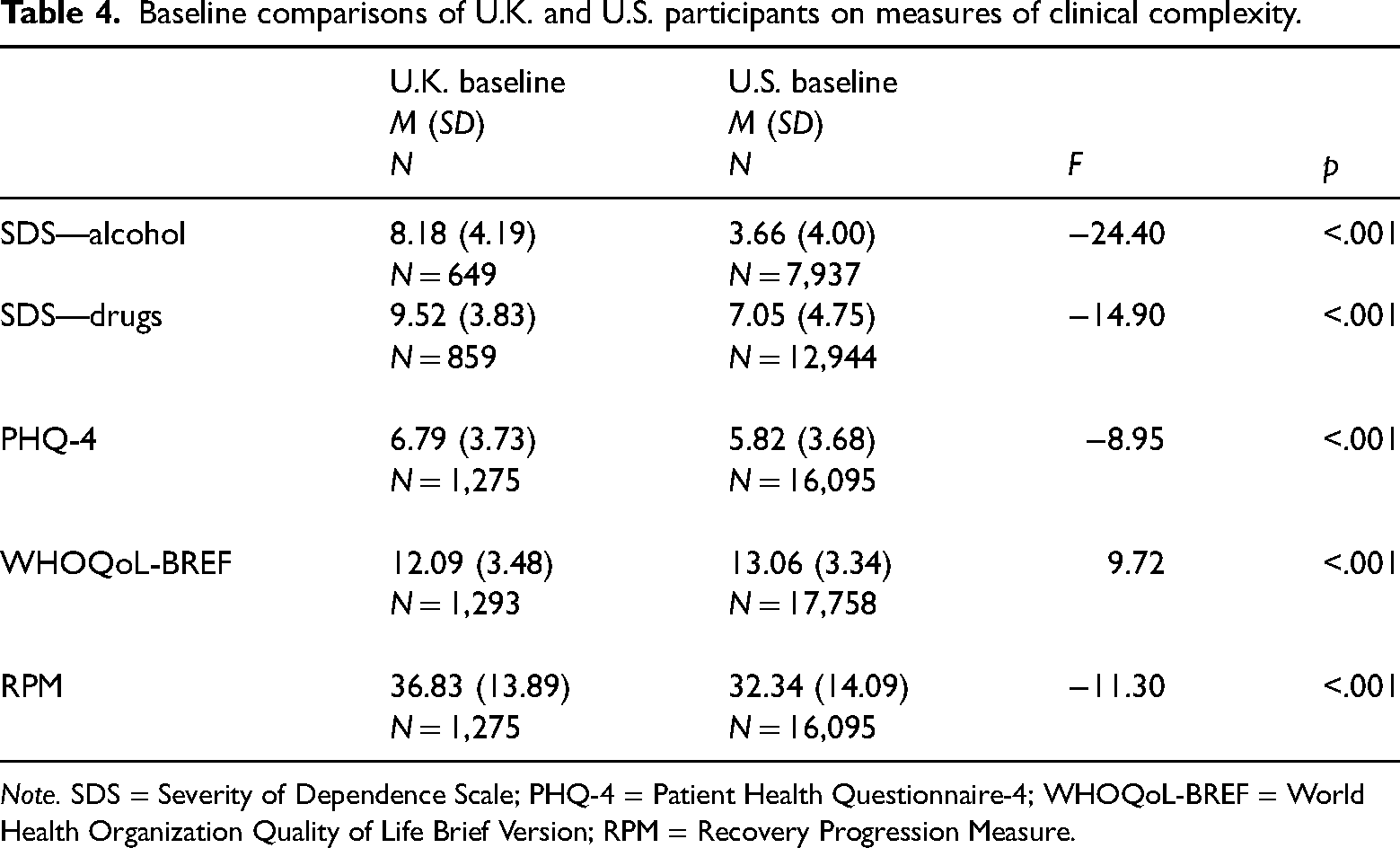
Note. SDS = Severity of Dependence Scale; PHQ-4 = Patient Health Questionnaire-4; WHOQoL-BREF = World Health Organization Quality of Life Brief Version; RPM = Recovery Progression Measure.
Comparison of U.K. and U.S. participants’ engagement with Breaking Free
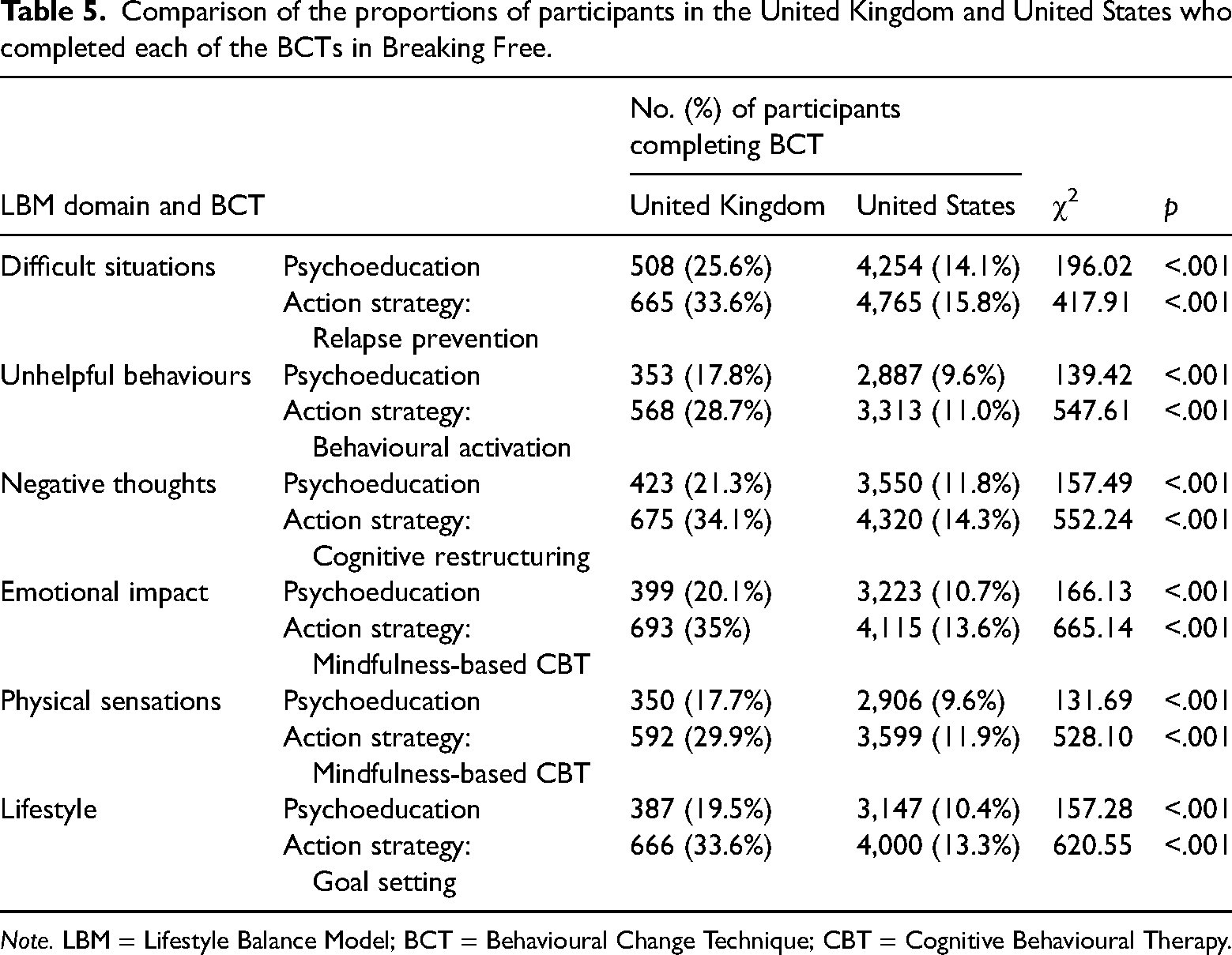
U.K. and U.S. participants’ engagement with Breaking Free was examined, with the two groups being compared using two constructs (i. Progress Check completion, ii. BCT completion). In terms of completion of Progress Check assessments, a higher proportion of U.K. participants completed a Progress Check in comparison to U.S. participants – 835 U.K. participants (42.1%) vs. 7,378 U.S. participants (24.5%). Groups were also compared in terms of the proportions of participants completing each of the 12 main BCTs in the programme. A comparison of the total number of BCT completions in each group was also performed, in order to reflect the fact each BCT could be completed multiple times.
Table 5 demonstrates the numbers and percentages of participants in each group that completed each of the 12 BCTs in Breaking Free – significantly greater proportions of participants in the U.K. group completed each BCT compared to the U.S. group (all ps < .001). When the two groups were compared in terms of total number of BCT completions (to account for the fact BCTs could be completed more than once), the U.K. group completed BCTs significantly more frequently than the U.S. group (U.K. mean BCT completions = 7.35, SD = 15.6; U.S. mean BCT completions = 4.87, SD = 32.97; F = −26.13, p < .001).
Comparison of the proportions of participants in the United Kingdom and United States who completed each of the BCTs in Breaking Free.
Note. LBM = Lifestyle Balance Model; BCT = Behavioural Change Technique; CBT = Cognitive Behavioural Therapy.
Clinical changes from baseline to most recent Progress Check—associations with programme engagement and delivery model
Baseline psychometric scores and most recent Progress Check scores were compared (Table 6)—although participants in both the U.K. and U.S. group demonstrated significant changes in scores from baseline to Progress Check (p range: .001 to <.001), effect sizes for these changes in scores were greater in the U.K. group (d range: −.37 to .53) compared to the U.S. group (d range = −.28 to .34).
Changes in psychometric assessment scores from baseline assessment to most recent Progress Check assessment.

Note. SDS = Severity of Dependence Scale; PHQ-4 = Patient Health Questionnaire-4; WHOQoL-BREF = World Health Organization Quality of Life Brief Version; RPM = Recovery Progression Measure.
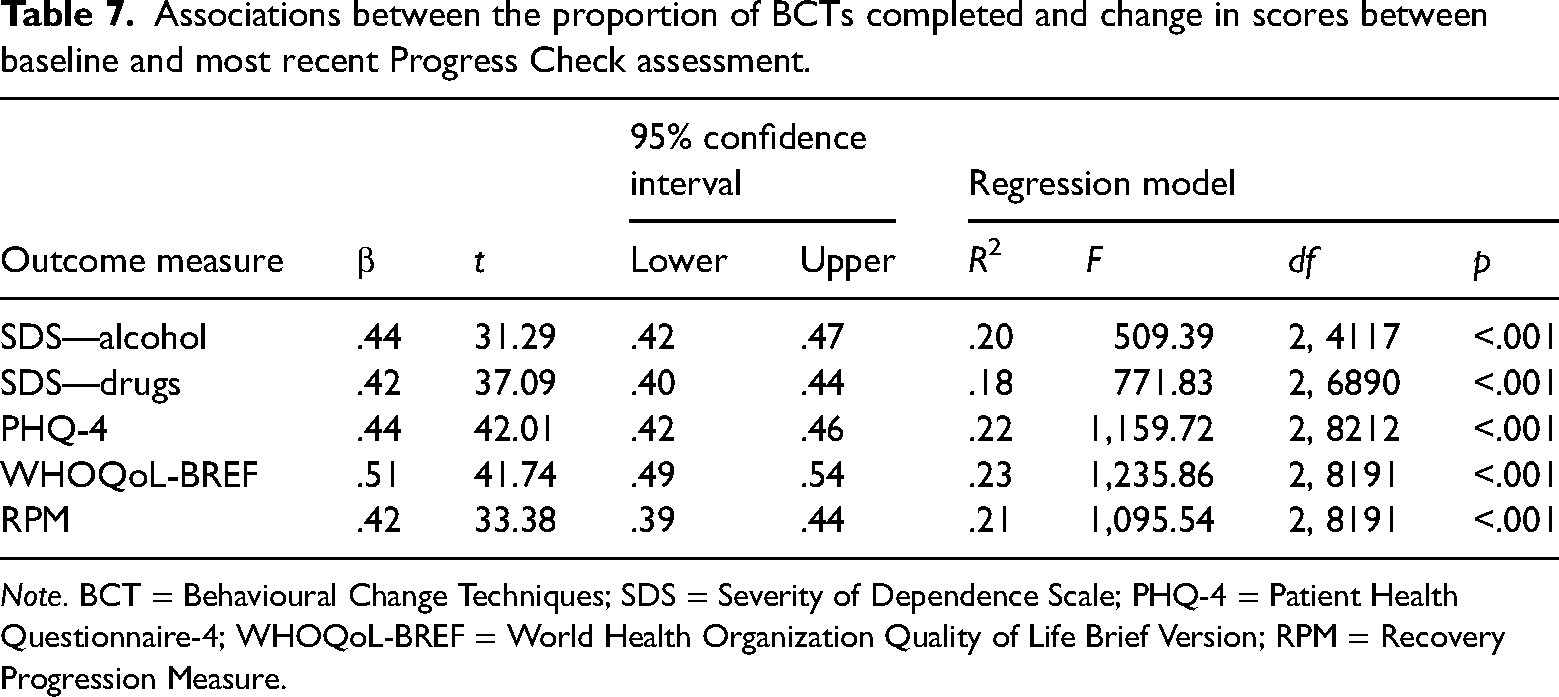
The extent to which level of programme engagement (proportion of the 12 BCTs in the programme completed—minimum = 0, maximum = 12) was associated with the degree of change between baseline and most recent Progress Check, was also examined. Table 7 demonstrates that when baseline psychometric measures scores were controlled for, there were significant positive associations between the proportion of BCTs completed and clinical outcomes (all ps < .001). Beta coefficients demonstrated a medium effect of BCT completion on outcomes on the SDS for both alcohol (β = .44) and drug (β = .42) dependence, depression/anxiety outcomes on the PHQ-4 (β = .44), and biopsychosocial functioning outcomes on the RPM (β = .42)—a large effect was identified for quality of life outcomes on the WHOQoL-BREF (β = .51).
Associations between the proportion of BCTs completed and change in scores between baseline and most recent Progress Check assessment.
Note. BCT = Behavioural Change Techniques; SDS = Severity of Dependence Scale; PHQ-4 = Patient Health Questionnaire-4; WHOQoL-BREF = World Health Organization Quality of Life Brief Version; RPM = Recovery Progression Measure.
Associations between the delivery model (United Kingdom vs. United States) and changes from baseline to Progress Check were also examined (Table 8). When baseline psychometric measures scores were controlled for, there were significant positive associations between the delivery model employed and clinical outcomes (all ps < .001). Beta coefficients demonstrated a medium effect of the delivery model on outcomes on the SDS for both alcohol (β = .43) and drug (β = .42) dependence, depression/anxiety outcomes on the PHQ-4 (β = .44), and biopsychosocial functioning outcomes on the RPM (β = .42)—a large effect was identified for quality of life outcomes on the WHOQoL-BREF (β = .52).
Associations between delivery model (United Kingdom vs. United States) and change in scores between baseline and most recent Progress Check assessment.

Note. SDS = Severity of Dependence Scale; PHQ-4 = Patient Health Questionnaire-4; WHOQoL-BREF = World Health Organization Quality of Life Brief Version; RPM = Recovery Progression Measure.
Figures 2–6 also illustrate how changes in psychometric measure scores from baseline to Progress Check differed between participants in the United Kingdom and the United States.
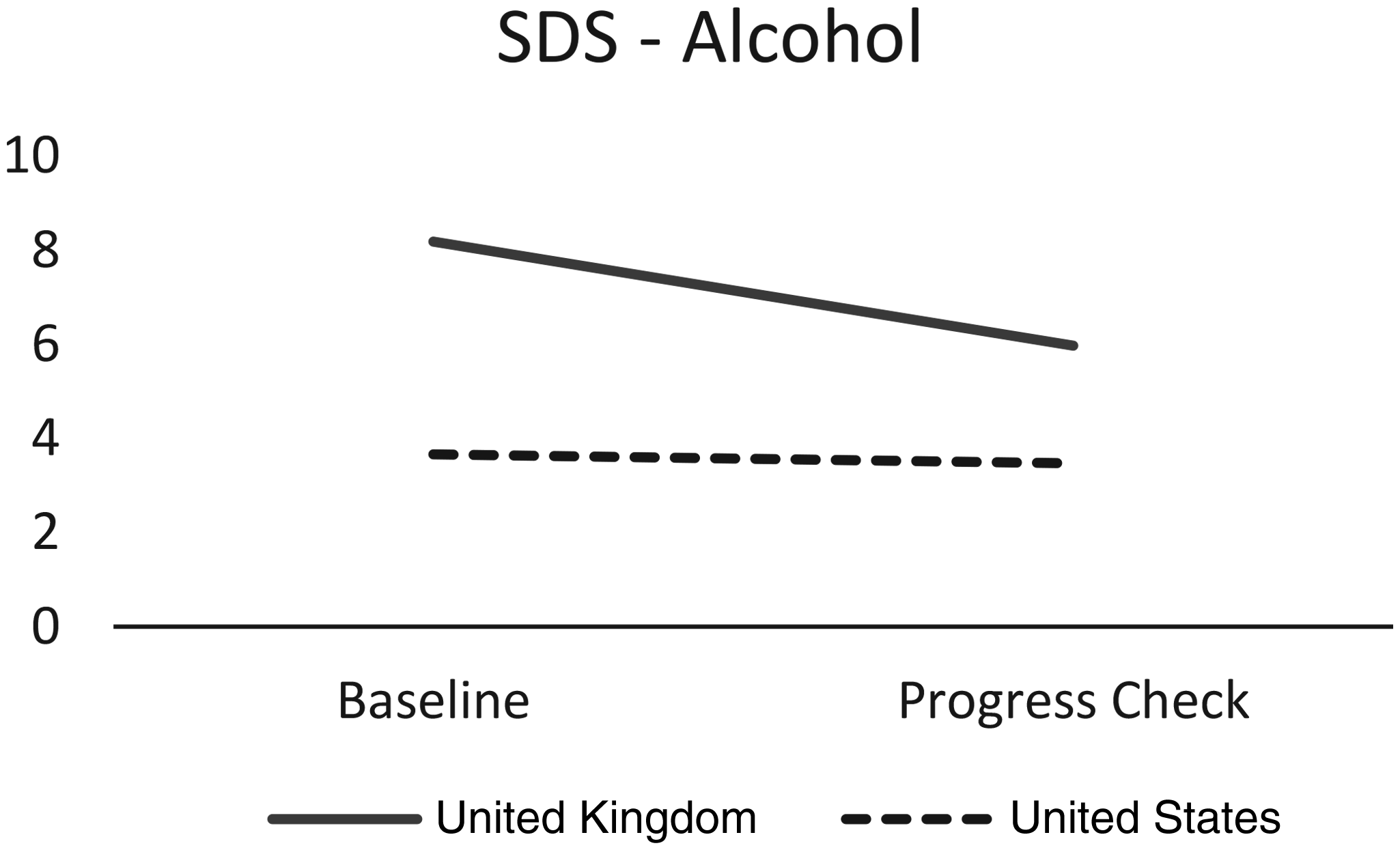
Delivery model comparison for alcohol dependence outcomes.
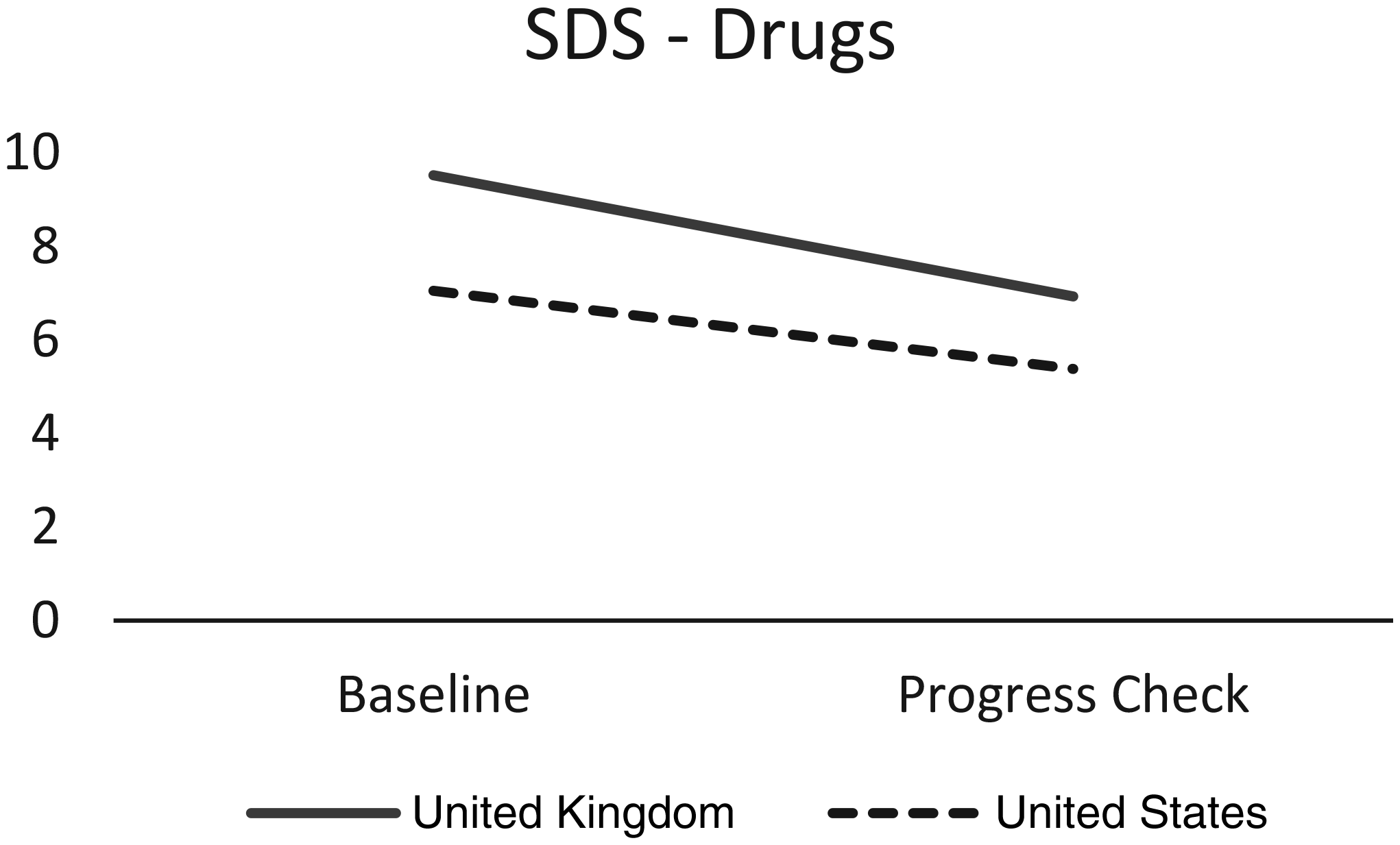
Delivery model comparison for drug dependence outcomes.
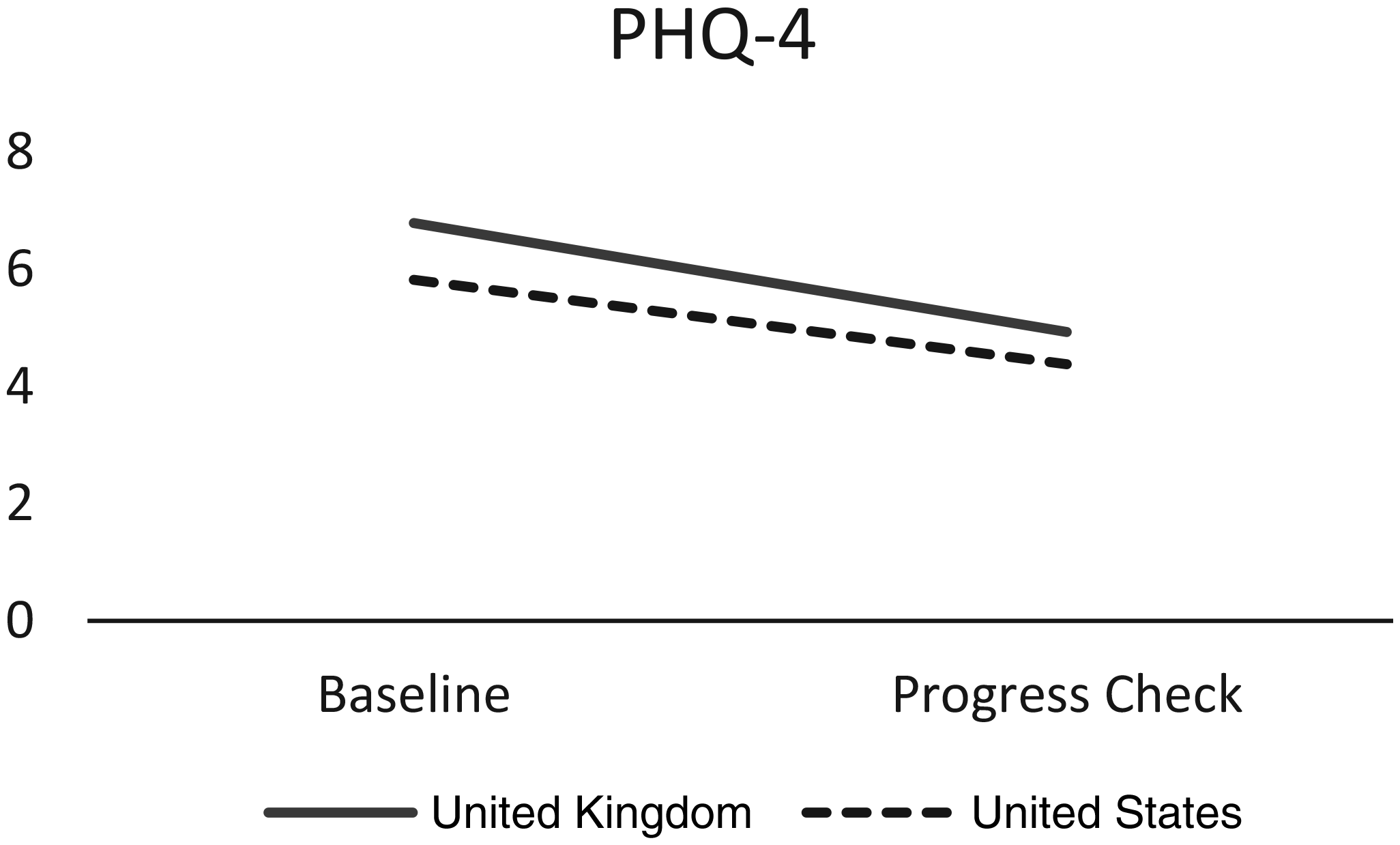
Delivery model comparison for depression/anxiety outcomes.
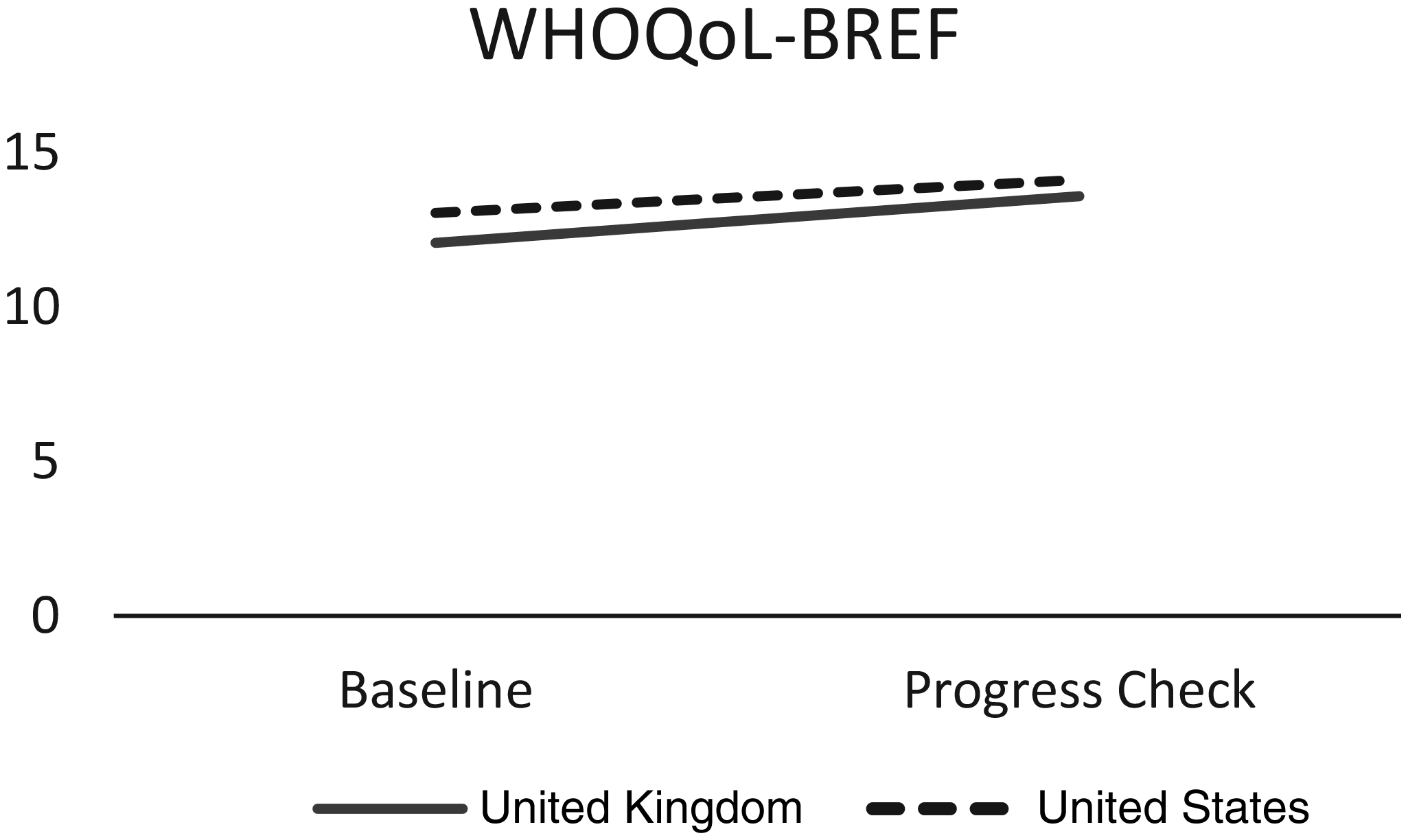
Delivery model comparison for quality of life outcomes.
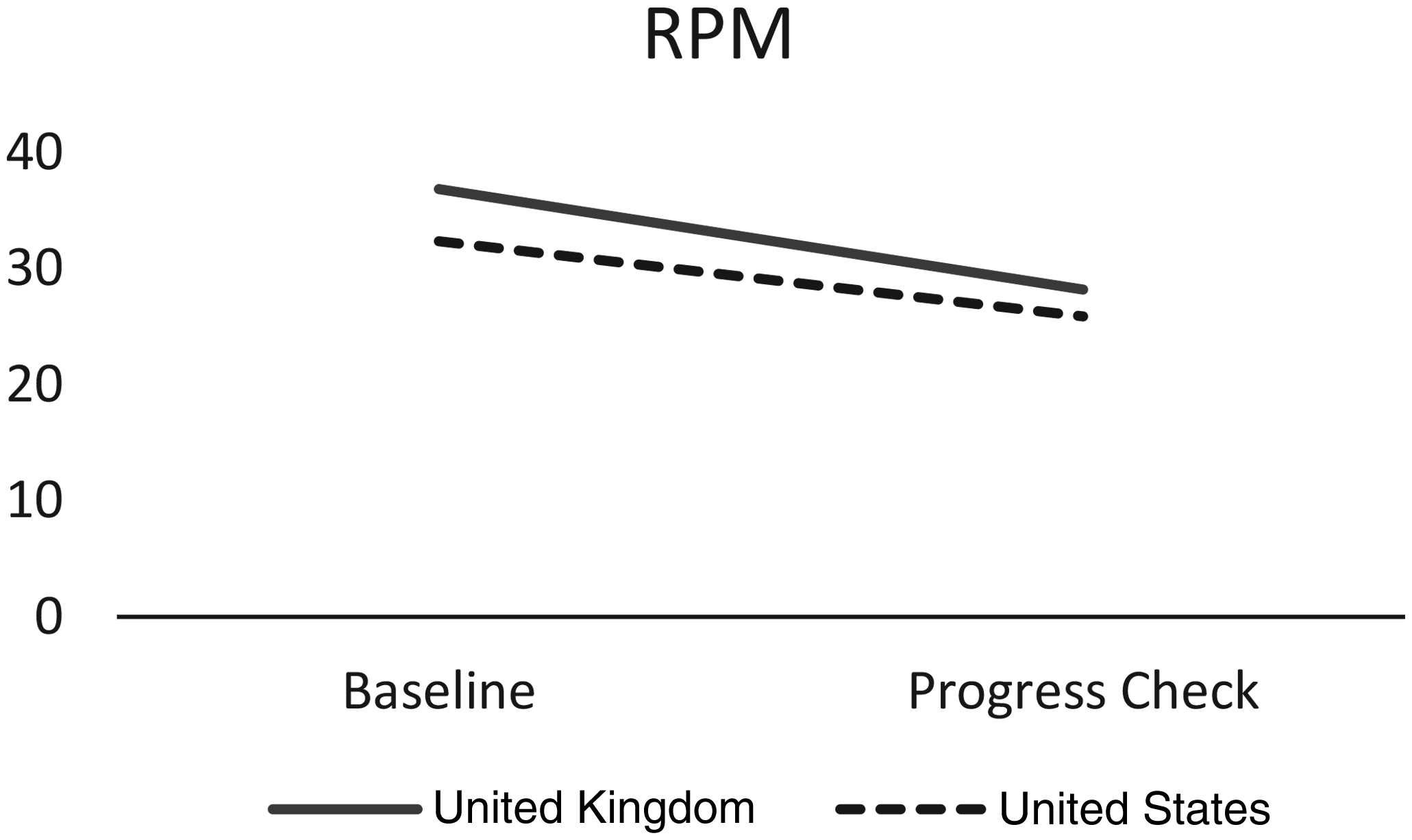
Delivery model comparison for biopsychosocial functioning outcomes.
Discussion
This study reports data from U.K. and U.S. prison residents who engaged with the Breaking Free digital CBT programme for substance misuse. Data were used to explore potential baseline differences between prison residents accessing the programme in these two jurisdictions in terms of sociodemographic factors, types of primary problem substances reported, clinical complexity, and criminogenic risk factors. Differences between these two groups in terms of how they engaged with the programme, and the clinical outcomes they experienced, are also reported, in addition to how the delivery models employed in each of the two jurisdictions may be associated with engagement and outcomes. Findings from this study have implications for the delivery of digital programmes such as Breaking Free in secure correctional settings, which are now discussed.
Discussion of study findings
Baseline differences were identified between U.K. and U.S. participants; firstly, the U.K. group were slightly older than the U.S. group. This finding is reflected in the literature—recent government data shows that in the United Kingdom, the largest age group of prison residents, representing approximately a third of the prison population, is 30–39 years of age (Sturge, 2023). Whereas in the United States, most recent data from local jails (Zeng, 2022) and state prisons (Beatty & Snell, 2021) demonstrate that the largest age group, again representing around a third of residents, is 25–34 years of age.
Gender-related findings are also supported by the literature. Although the majority of participants in this study—in both countries—were men, women were much better represented in the U.S. group in comparison to the U.K. group, making up a fifth of the U.S. participants. In recent decades, rates of incarceration of women in the United States have grown faster than men's (Heimer et al., 2023). Global data demonstrates that the United Kingdom incarcerates 13 in every 100,000 women—in the United States, the rate is approximately 10 times that of the United Kingdom, with 133 in every 100,000 women being incarcerated (Kajstura, 2018).
The US group were also more ethnically diverse, in contrast with the U.K. group in which almost all participants were White—this is reflected in data reported in the literature around both the general and incarcerated populations of the United States and United Kingdom Approximately a quarter of the U.S. general population identifies as belonging to Black, Indigenous or people of colour communities (United States Census Bureau, 2023), and approximately half of the incarcerated population belongs to such communities (Zeng, 2022). In England and Wales, the term “ethnic minority groups” is used—the most recent census demonstrated that one-fifth of English and Welsh residents identified as belonging to an ethnic minority group (Office for National Statistics, 2021), whereas a quarter of the incarcerated population identified as belonging to these communities (Sturge, 2023).
Alcohol was the most commonly reported primary problem substance for U.K. and U.S. participants—alcohol use is associated with a range of offences including violent crimes (Sontate et al., 2021) and other crimes that can endanger life, including driving under the influence (Freeman et al., 2020). For U.K. participants, the next most commonly reported primary problem substances were heroin and crack, which are both substances commonly associated with acquisitive crimes and drug dealing (Moyle & Coomber, 2015), and subsequently, involvement with correctional services (Rowell-Cunsolo et al., 2016). Conversely, for U.S. participants, the second and third most commonly reported primary problem substances were methamphetamine and marijuana—methamphetamine is a drug commonly used by the substance misusing population in the United States, with its use being associated with a range of physical and mental health harms, overdose, and mortality (Jones et al., 2022). Methamphetamine use is also associated with an unstable lifestyle and a number of offending behaviours such as violent (Foulds et al., 2020) and acquisitive crimes (Goldsmid & Willis, 2016) that are linked to involvement in correctional services (Cumming et al., 2020). Lower rates of criminogenic risk factors were identified in the U.S. group—this may be because data demonstrates the U.S. justice system to be one of the most punitive globally (Beckett, 2020), with people being incarcerated earlier in their offending careers and for less serious crimes. Whereas in the United Kingdom, people tend to be incarcerated when they are older and at a more advanced stage in their offending careers (Sturge, 2023), and therefore may exhibit higher rates of criminogenic risk factors.
The U.K. group had more severe substance dependence and depression/anxiety, greater biopsychosocial impairment, and lower quality of life at baseline. This could be explained by the different ways Breaking Free is delivered in U.K. and U.S. prisons. In the United Kingdom, Breaking Free is only offered to prison residents who are receiving support from specialist services for substance use disorder—substance use disorders are associated with greater clinical complexity, and health and functional impairment, than substance misuse, which is largely seen as a lifestyle issue, albeit one that can cause health and social problems over time (McLellan, 2017). Conversely, in Ohio, the programme is accessible to all prison residents for the duration of their incarceration, not just those accessing specialist services for substance use disorder. Some participants in Ohio may not have reached the criteria for a full substance use disorder, and may instead have experienced substance misuse, which had not resulted in the degree of clinical complexity and impairment associated with substance use disorder.
Group differences were identified in terms of engagement with Breaking Free. A greater proportion of U.K. participants completed Progress Check assessments (42.1%) compared to U.S. participants (24.5%). Higher proportions of U.K. participants also completed each of the 12 BCTs in the programme in comparison with U.S. participants—the mean number of BCT completions in the U.K. group was also significantly higher. This may be unsurprising given that U.K. participants engaged with the programme in group sessions facilitated by a substance misuse practitioner. In the United States, participants received no staff support to engage with the programme. These findings demonstrate the advantage of delivering a facilitated digital CBT programme, as currently occurs in the United Kingdom. Though more resource intensive, this approach can enhance engagement with programme content (i.e., BCT and Progress Check completions), and potentially also enhance the clinical benefits prison residents experience. Research around the implementation of Breaking Free in both prison (Davies et al., 2017; Pittard et al., 2023) and community (Dugdale et al., 2017; Elison, Ward, Davies, & Moody, 2014) settings, and research published in the general digital mental health literature (Lattie et al., 2022), confirms the important role that staff-facilitation of interventions like Breaking Free can play in enhancing user engagement and clinical outcomes. However, delivery via secure tablets that residents can access independently—as occurs in the United States—may expand access to Breaking Free to much larger numbers of prison residents than the United Kingdom-style, staff-facilitated delivery approach might.
Both groups experienced statistically significant reductions in scores for severity of substance dependence, depression/anxiety and biopsychosocial impairment, and significant improvements in quality of life. Some of these changes in scores appeared small, despite being statistically significant—for example, the change in score for severity of alcohol dependence in the U.S. participants was 3.66 at baseline, reducing to 3.47 at Progress Check—this was reflected in correspondingly small effect size, in this case r = .05. This would indicate that although enough of the U.S. participants experienced a reduction in their score for alcohol dependence for the effect to be statistically significant, the magnitude of the change in scores may not translate to a clinically meaningful effect. However, larger effect sizes were found for changes in scores from baseline to Progress Check in some of the measures, including in severity of drug dependence and mental health difficulties, indicating that these changes in scores may be both statistically and clinically significant.
Effect sizes demonstrated that the degree of change experienced by U.K. participants was greater than that of U.S. participants. This was reflected in the fact that although U.K. participants started at baseline with greater levels of clinical complexity (more severe substance dependence and depression/anxiety, lower quality of life, greater biopsychosocial functioning impairment, and higher rates of criminogenic risk factors), they demonstrated steeper trajectories of improvement in scores on the measures used in the study, in comparison to U.S. participants. Again, this could be accounted for by the delivery model employed in the United Kingdom (staff-facilitation in the United Kingdom vs. self-directed delivery in the United States) and the effect this approach might have on increased prison resident engagement with Breaking Free. Indeed, linear regression analyses confirmed moderate and strong effects of the delivery model on all outcomes. In line with other outcomes studies of Breaking Free (Elison-Davies et al., 2022; Elison, Jones, et al., 2017), the present study also demonstrated participants’ total number of BCT completions was associated with outcomes, with greater reductions in substance use and dependence, and greater improvements in depression/anxiety, quality of life and biopsychosocial functioning, being associated with higher rates of BCT completions. Again, linear regression models demonstrated medium and strong effects for the association between BCT completions and clinical outcomes.
Limitations to the study
A number of limitations to the study deserve discussion. Because engaging with Breaking Free was not compulsory in any of the prisons that participated in this study, the sample reported here was self-selecting. Therefore, any claims around attributing clinical change to the Breaking Free programme should be made cautiously—unmeasured participant factors, such as motivation to change, could have played a role in the clinical improvements identified. Additionally, the data set available was incomplete—there were some incomplete baseline assessments and low rates of completion of Progress Check assessments. The comparative approach used to examine differences between the U.K. and U.S. prison residents who participated in the study also had some inherent limitations. Firstly, the two groups were unevenly sized—1,299 participants were in the U.K. group and 18,837 participants were in the U.S. group. Additionally, matched pairing of U.K. and U.S. participants was not conducted (i.e., on variables such as age, gender, ethnicity, clinical complexity, substances used, etc.) given the inherent differences between the groups.
In addition, only tentative conclusions can be reached about the role of each country-specific Breaking Free delivery model on programme engagement and outcomes. Other factors may have played a role, including the sociodemographic, clinical and criminogenic differences identified between the U.K. and U.S. participants at baseline. It is also possible that the baseline differences identified may be associated with one another, for example, differences in baseline scores on the psychometrics included in the study could be associated with group differences in sociodemographic variables such as gender or age, or with the differences in the primary problem substances or criminogenic risk factors reported by the groups at baseline. Additionally, the sociodemographic, clinical and criminogenic differences identified at baseline all have the potential to have influenced differences between the groups in both engagement with Breaking Free and each group’s clinical outcomes. Although full exploration of these possibilities is outside the scope of the present study, further analyses are now being conducted to explore how participant baseline characteristics may interact with one another, and how these baseline differences may interact with the delivery model employed to influence programme engagement and outcomes.
Additionally, as data were not available about the specific offences participants were incarcerated for, it is not possible to draw any conclusions about the extent to which offence type was associated with participants’ substance use—it cannot be assumed from the available data that each participant was incarcerated as a direct result of their substance use. Finally, all data reported came from self-report measures—no biomedical data collection methods were used, such as drug testing/urinalysis. However, a recent study demonstrated that in substance misuse research, self-reports of substance use and levels of dependence can be reliable (Bharat et al., 2023).
Conclusions
Despite the challenges of delivering digital technologies in secure correctional settings, Breaking Free has been accessed by thousands of individuals in prisons across the United Kingdom and United States. As the data reported in this article demonstrate, prison residents who engage with the programme may experience reductions in the severity of their substance dependence, and mental health and psychosocial functioning difficulties. Data reported suggest that the extent to which prison residents benefit from the programme might be associated with how the programme is delivered in secure settings. Although prison residents may benefit from engaging with Breaking Free in a self-directed, unsupported manner via personal secure tablets, when they are provided with staff support when working through programme content, this may increase their engagement with the programme, and enhance the clinical benefits they experience from it.
Further analyses will now be conducted to explore how the different approaches to the delivery of Breaking Free might interact with the differences in prison residents’ characteristics identified in this study (sociodemographic, clinical, and criminogenic), in order to influence both prison resident engagement with the programme and clinical outcomes. Although these additional analyses will facilitate a more fulsome understanding of the various factors that might influence engagement with, and outcomes from, Breaking Free, the findings reported in the present study can begin to inform some initial recommendations for how the programme might most effectively be delivered in prisons. Though providing prison residents with individual secure tablet devices could be financially costly, the data provided by ODRC residents demonstrate how this approach to the delivery of digital rehabilitative programming might maximise reach and uptake. Data provided by residents of English and Welsh prisons demonstrate the clinical benefits of providing staff-facilitated sessions to support residents to derive maximum benefit from engaging with the programme.
Combining access to Breaking Free via individual secure devices, alongside staff-facilitated sessions to provide support with programme engagement and skills rehearsal—and alongside the peer support that group sessions can provide—has the potential to maximise the benefits prison residents experience from the programme. How possible it might be to deliver the programme in this way is unknown, particularly given budgetary restrictions across the correctional landscape. Yet despite this budgetary uncertainty, this study contributes to the growing literature demonstrating the potential of digital technologies to support the delivery of rehabilitative programming more generally, and the potential of Breaking Free to support the recovery of incarcerated people with substance misuse challenges.
